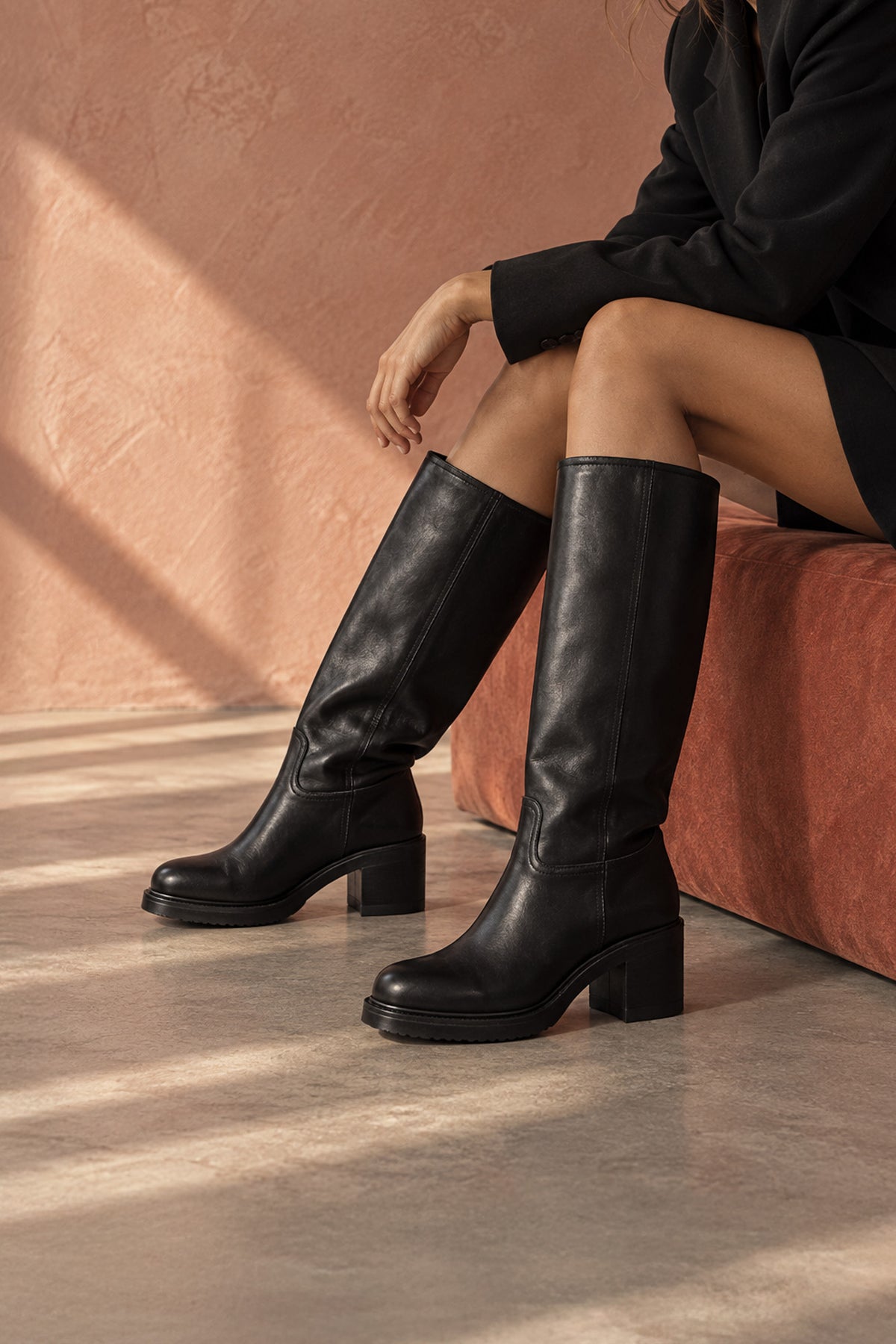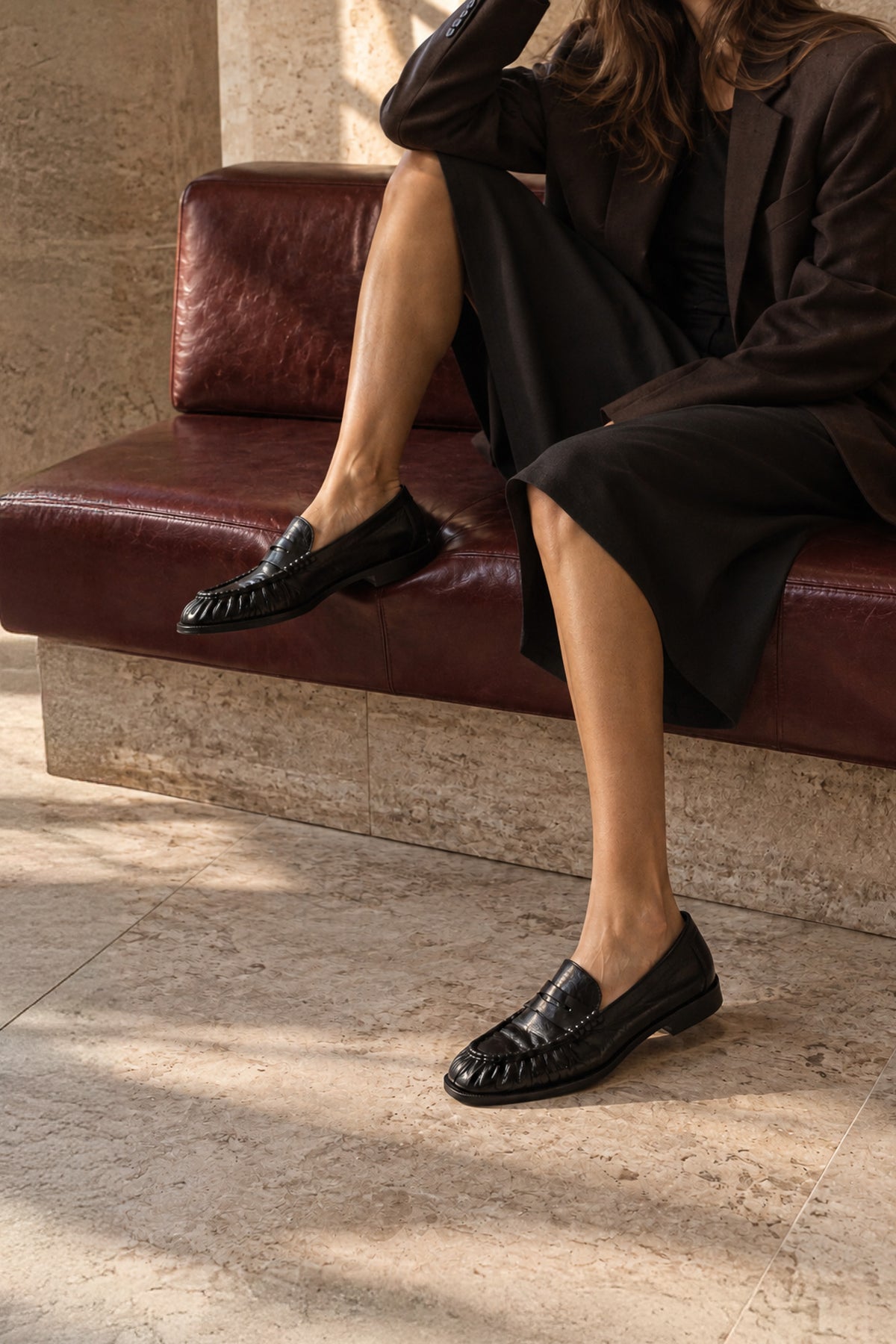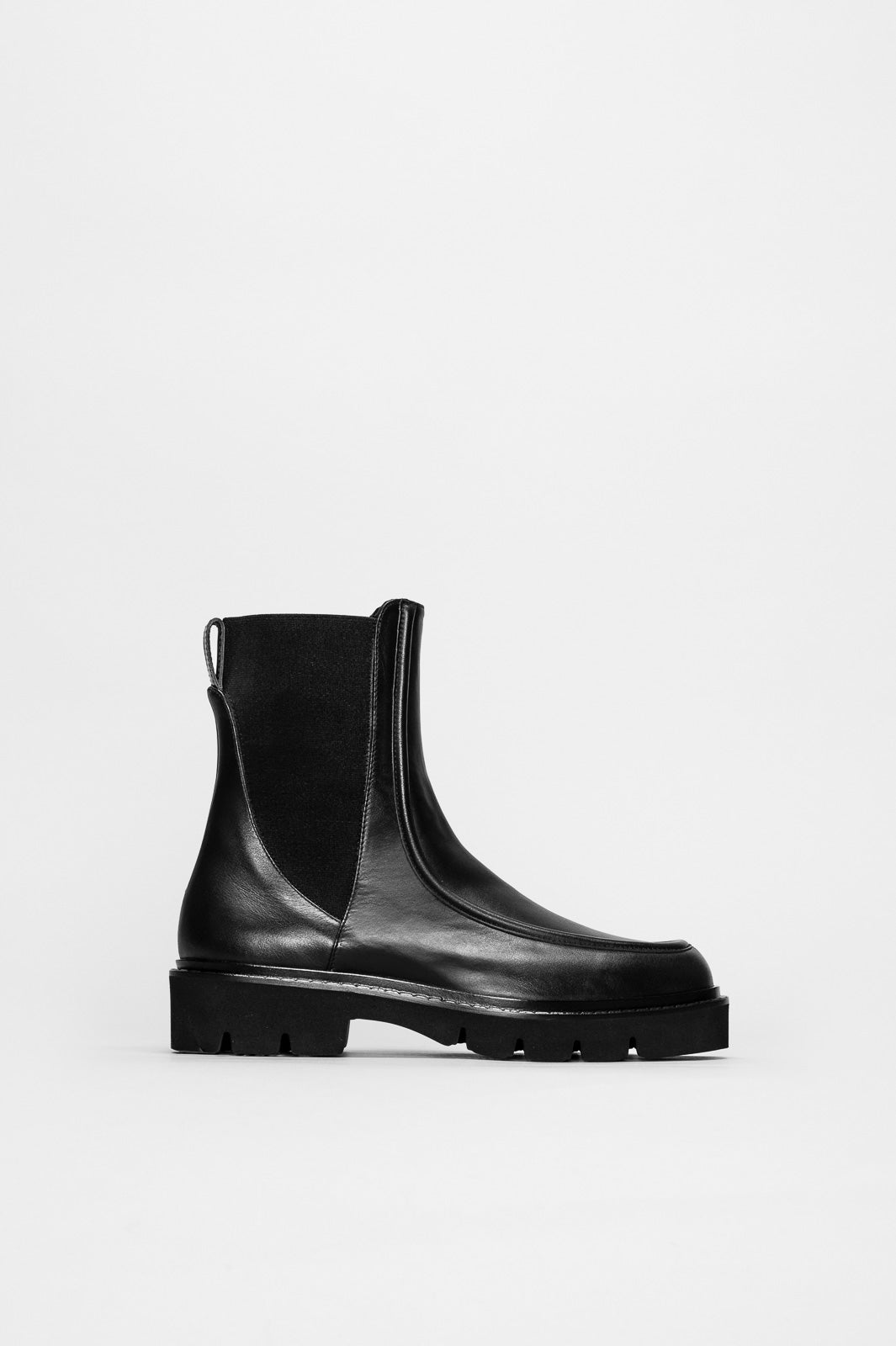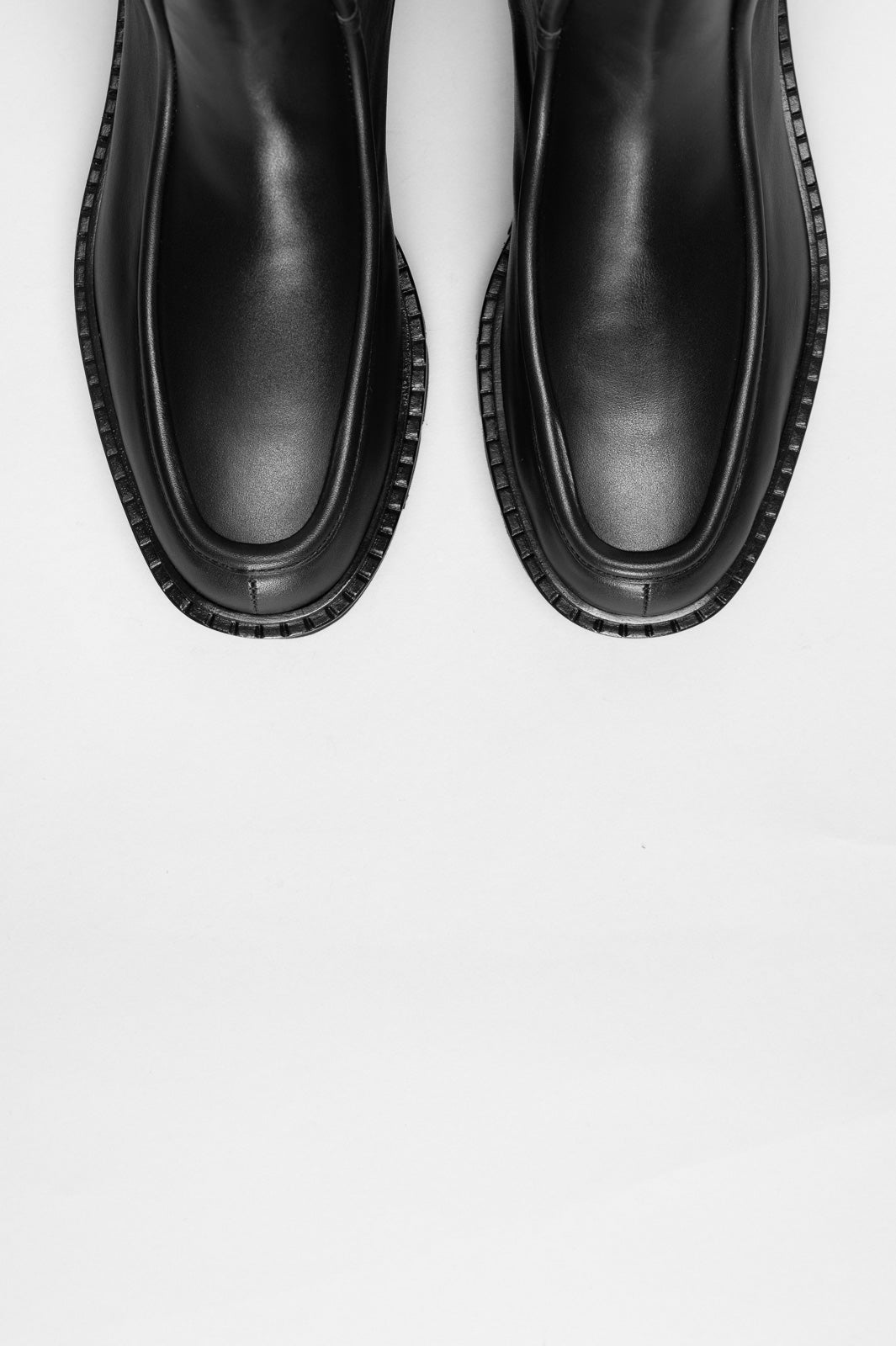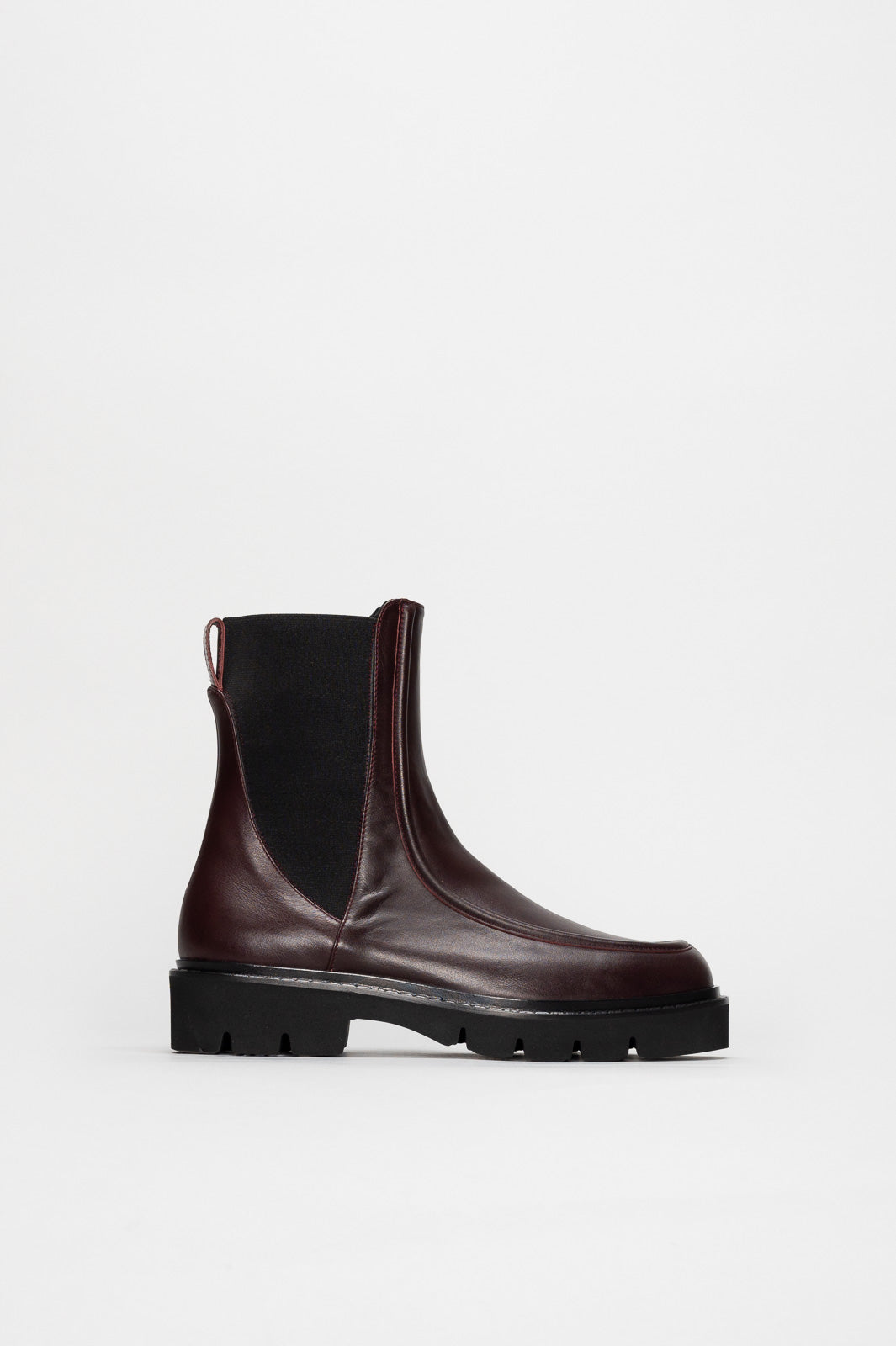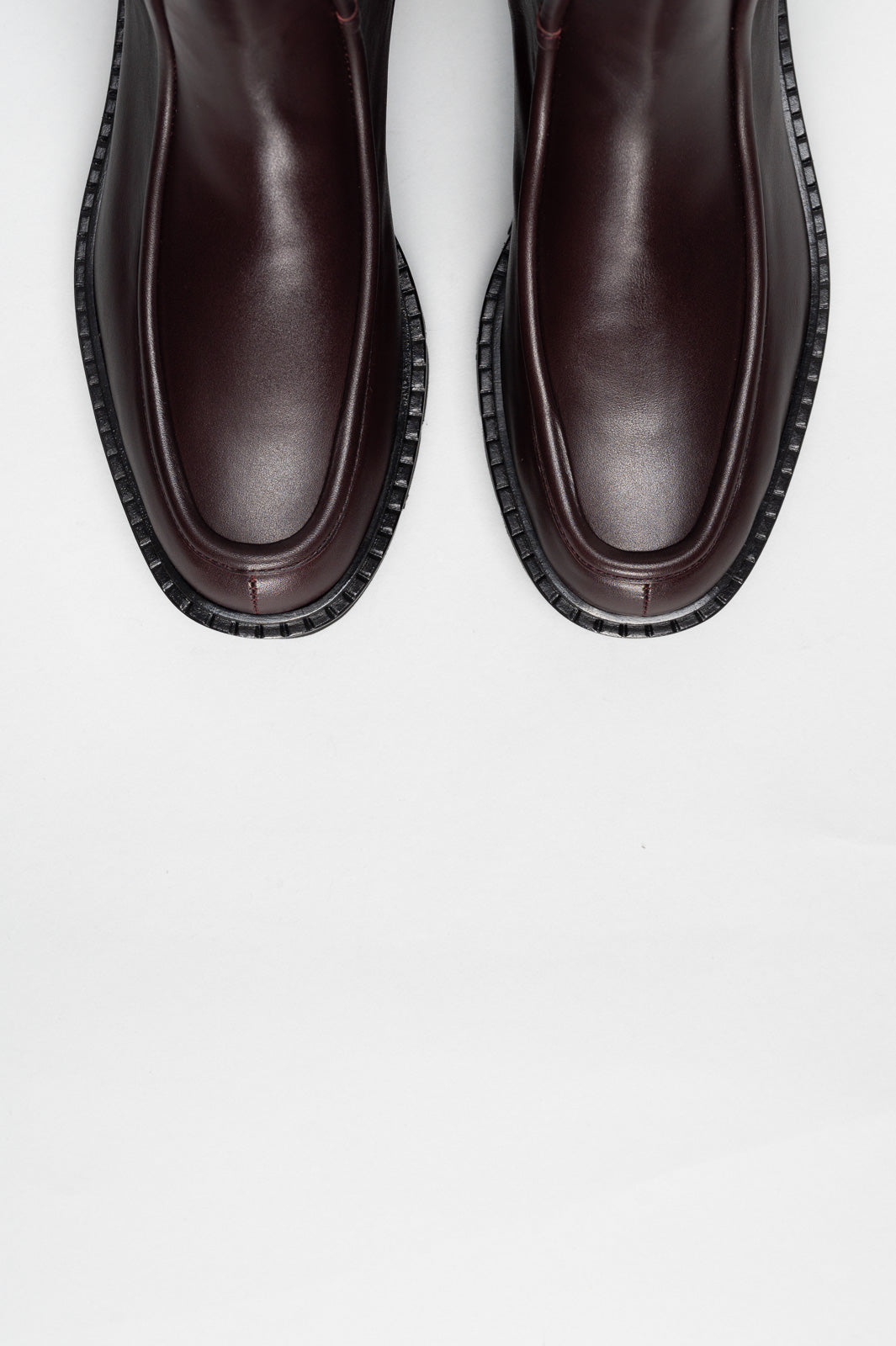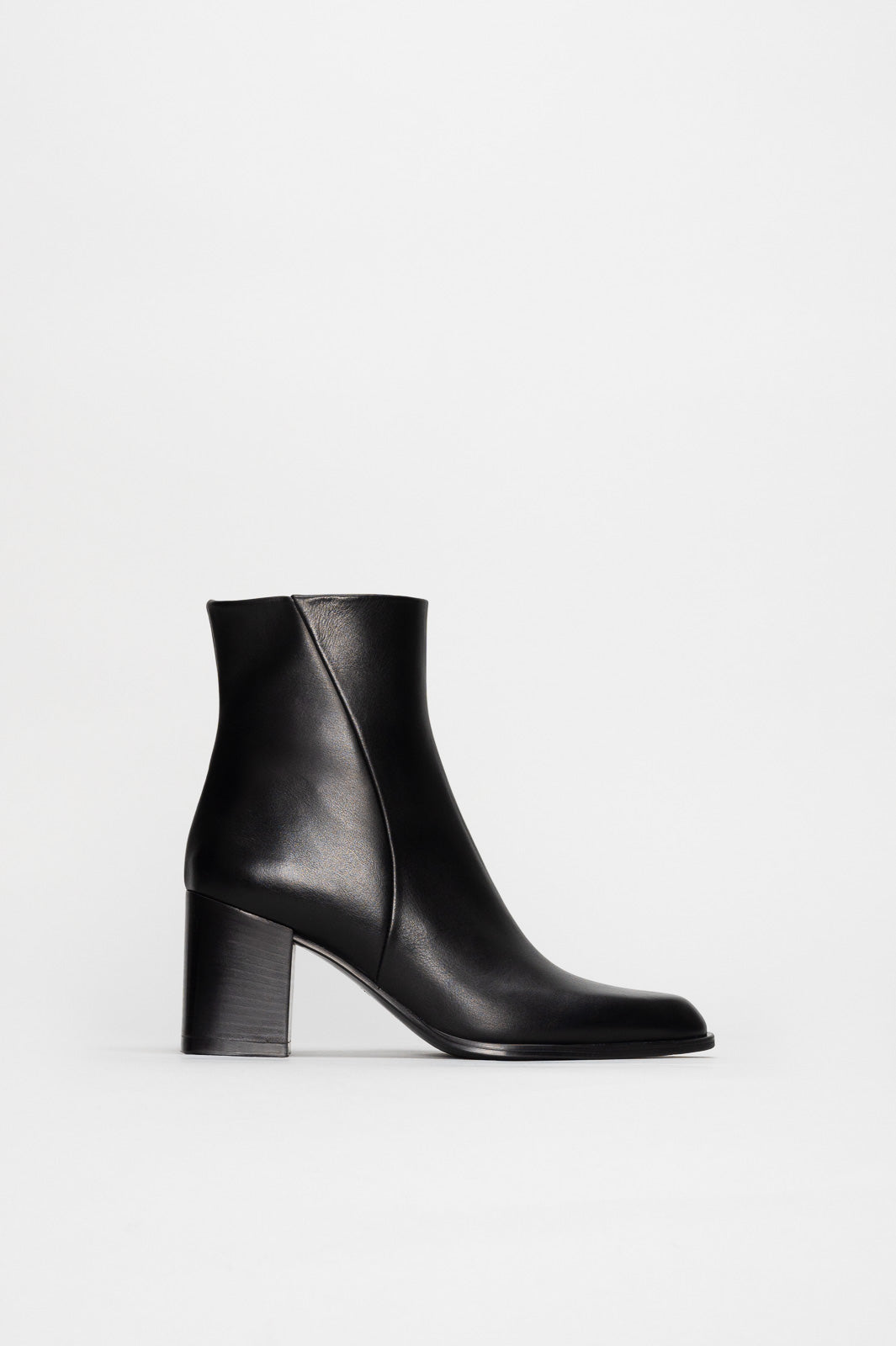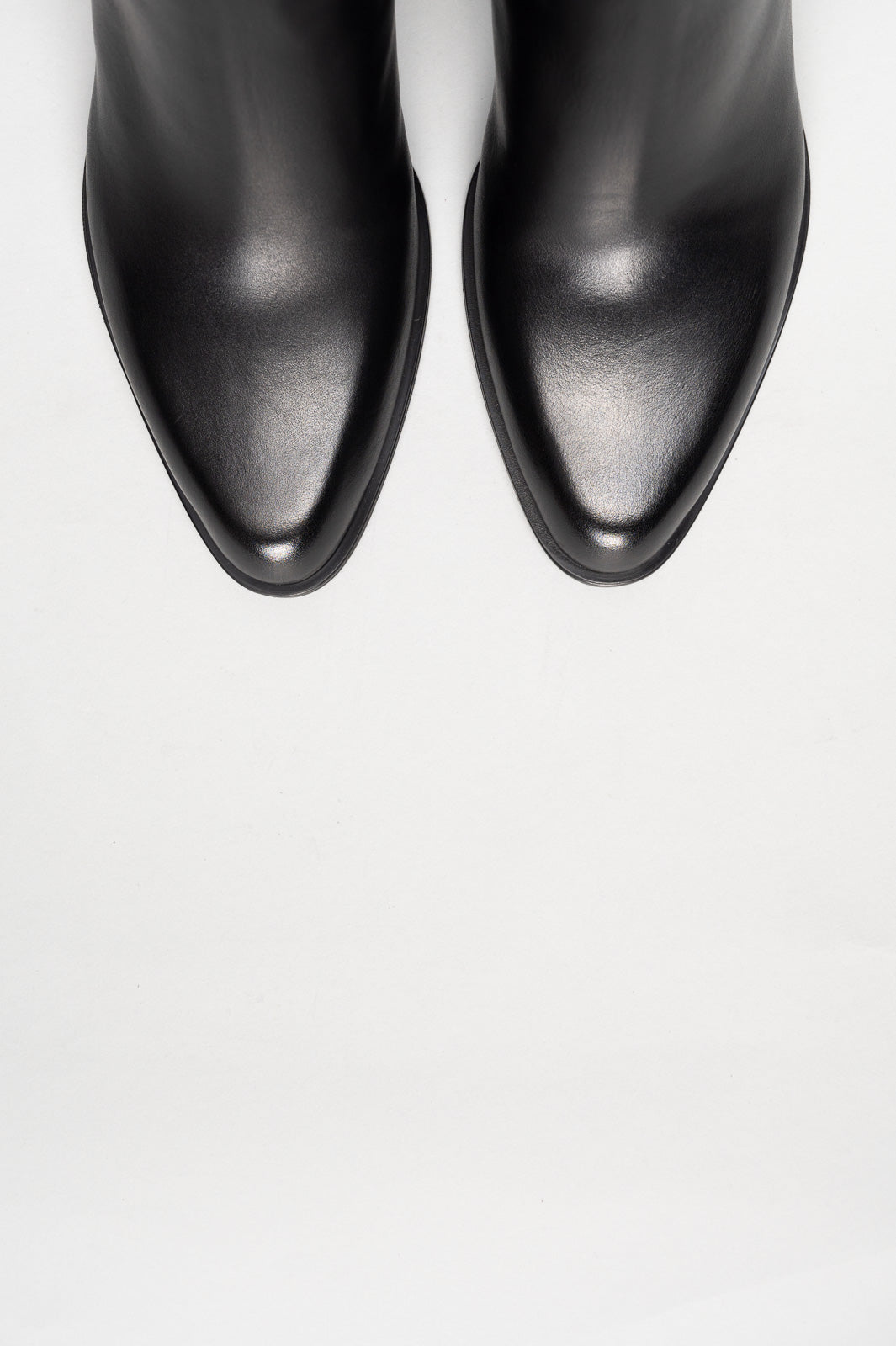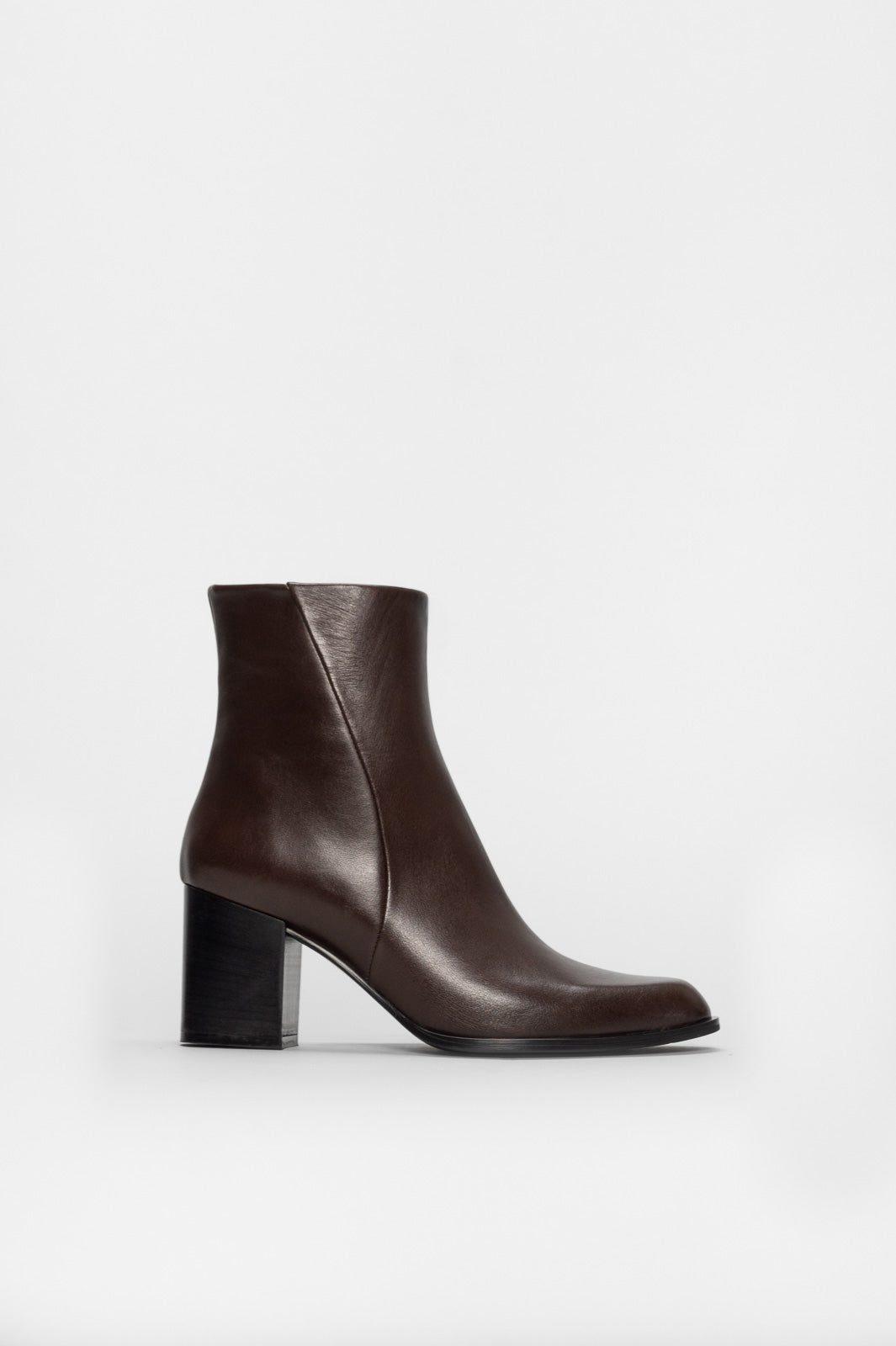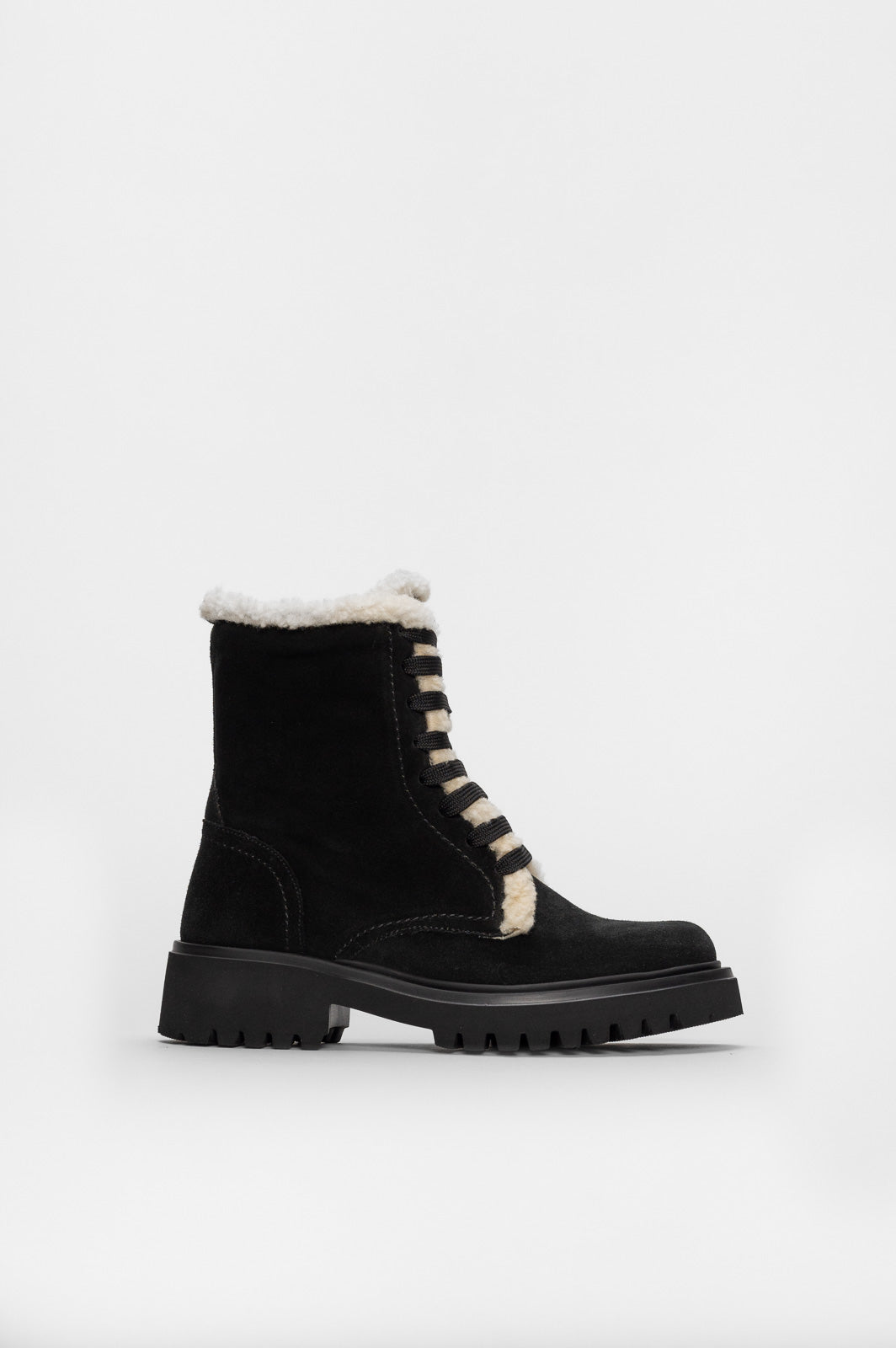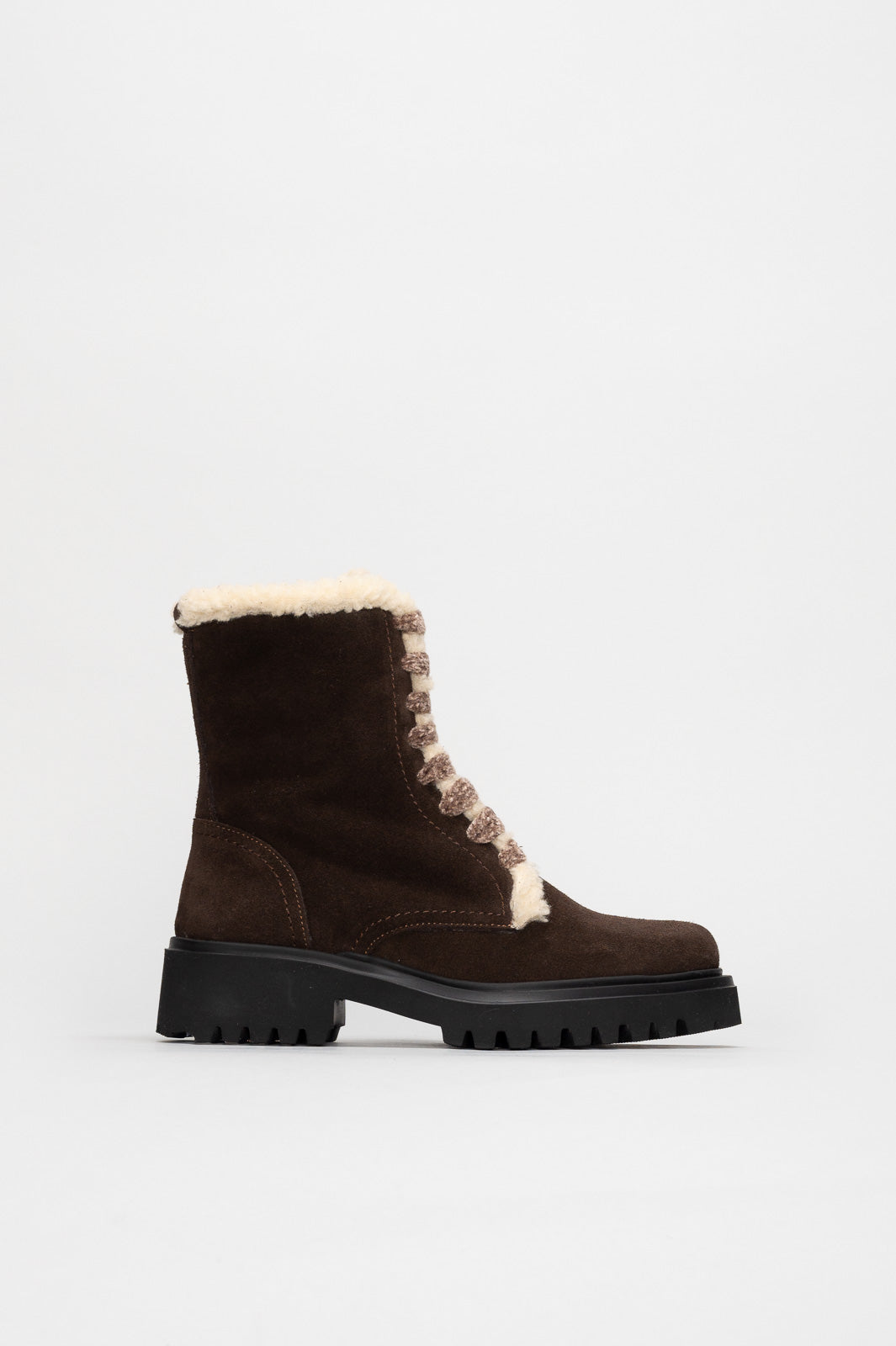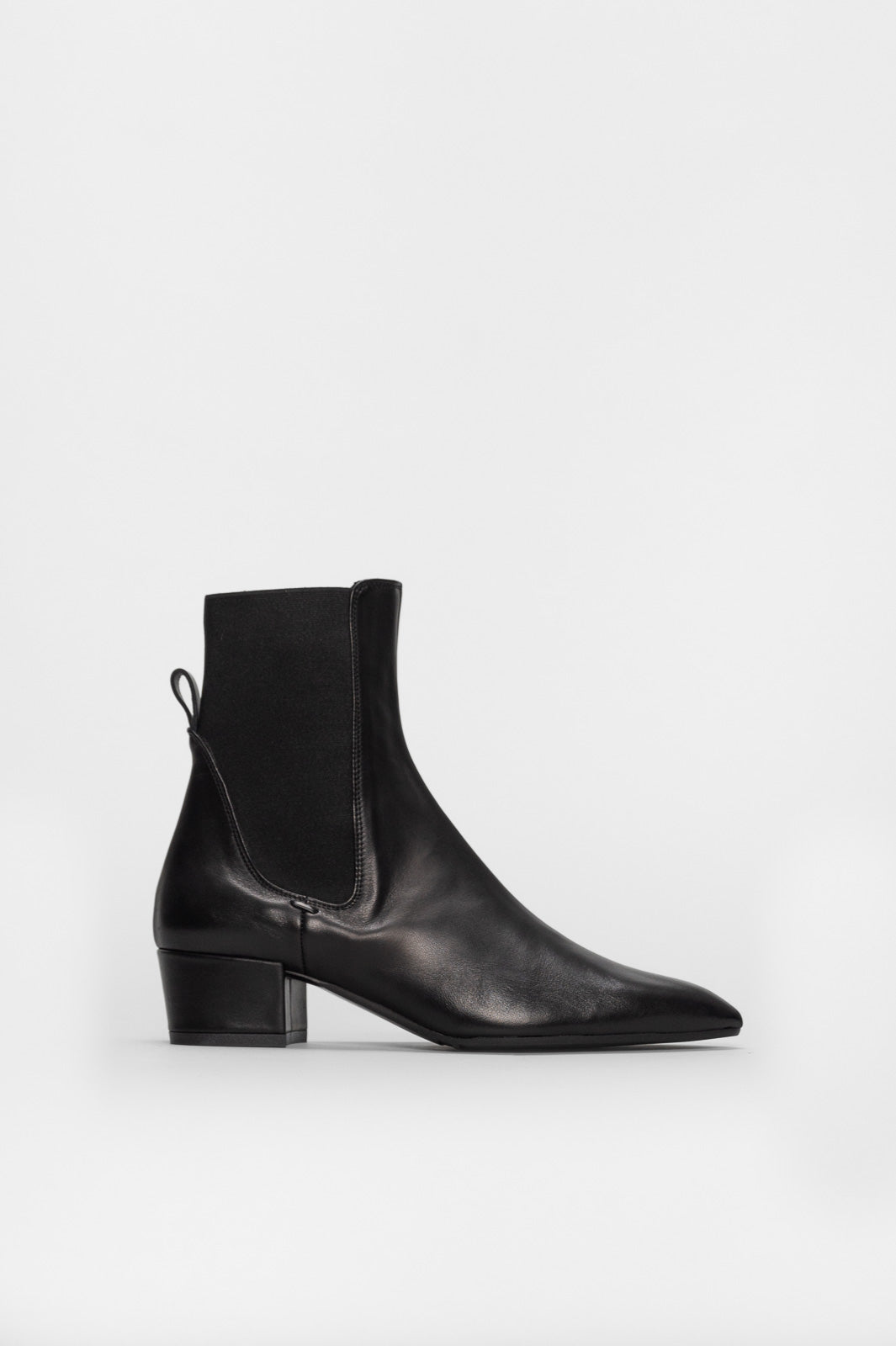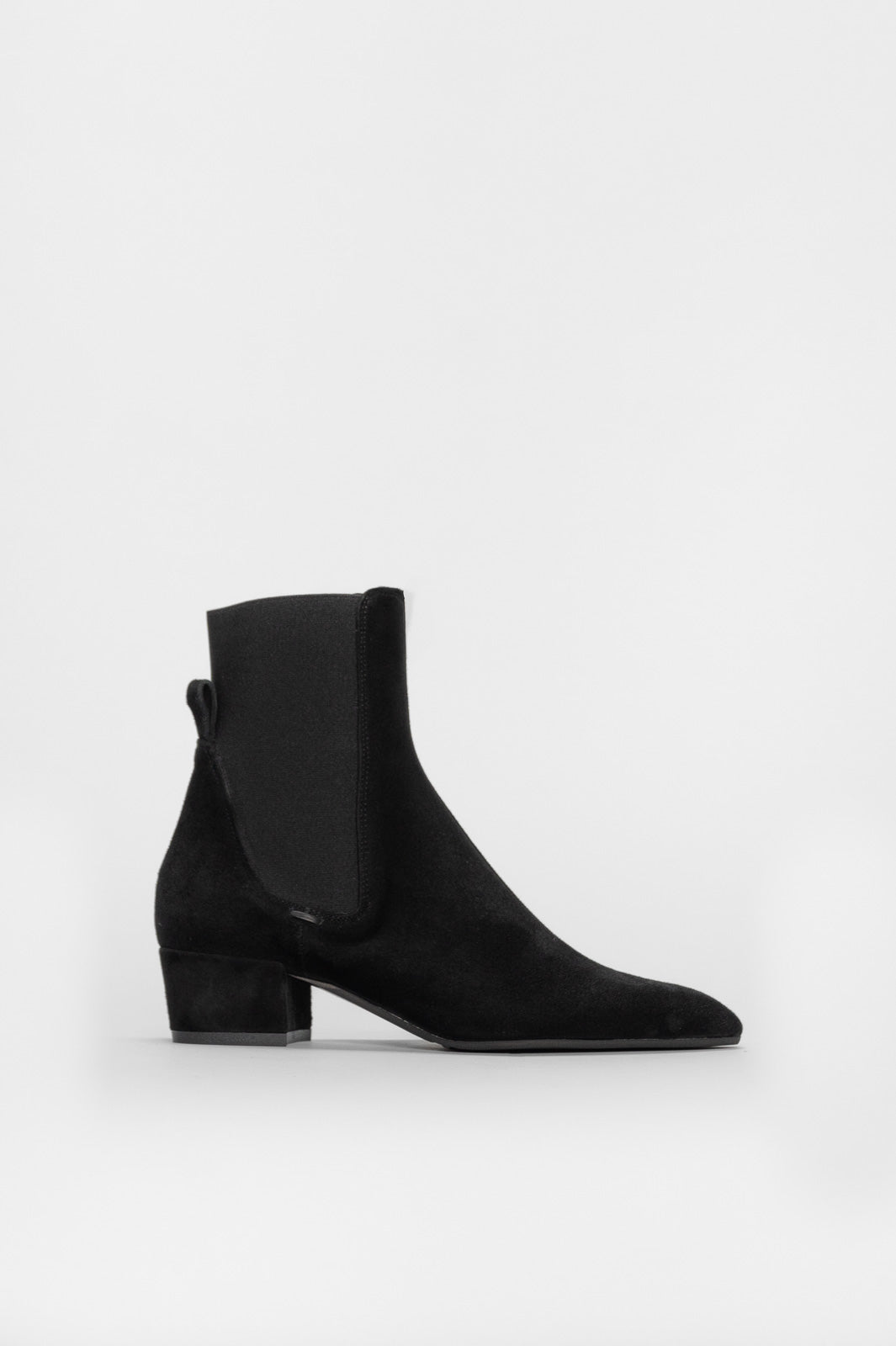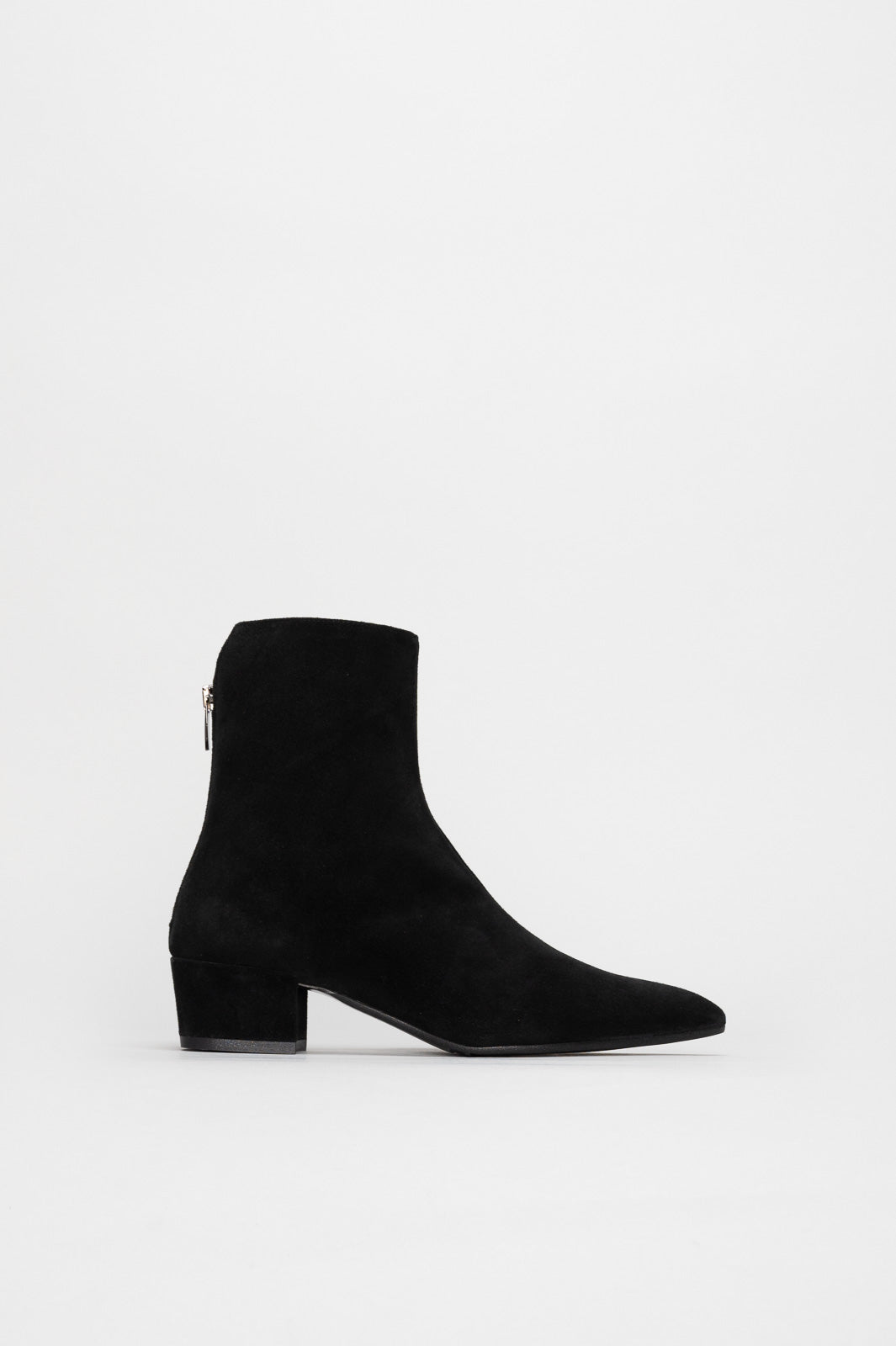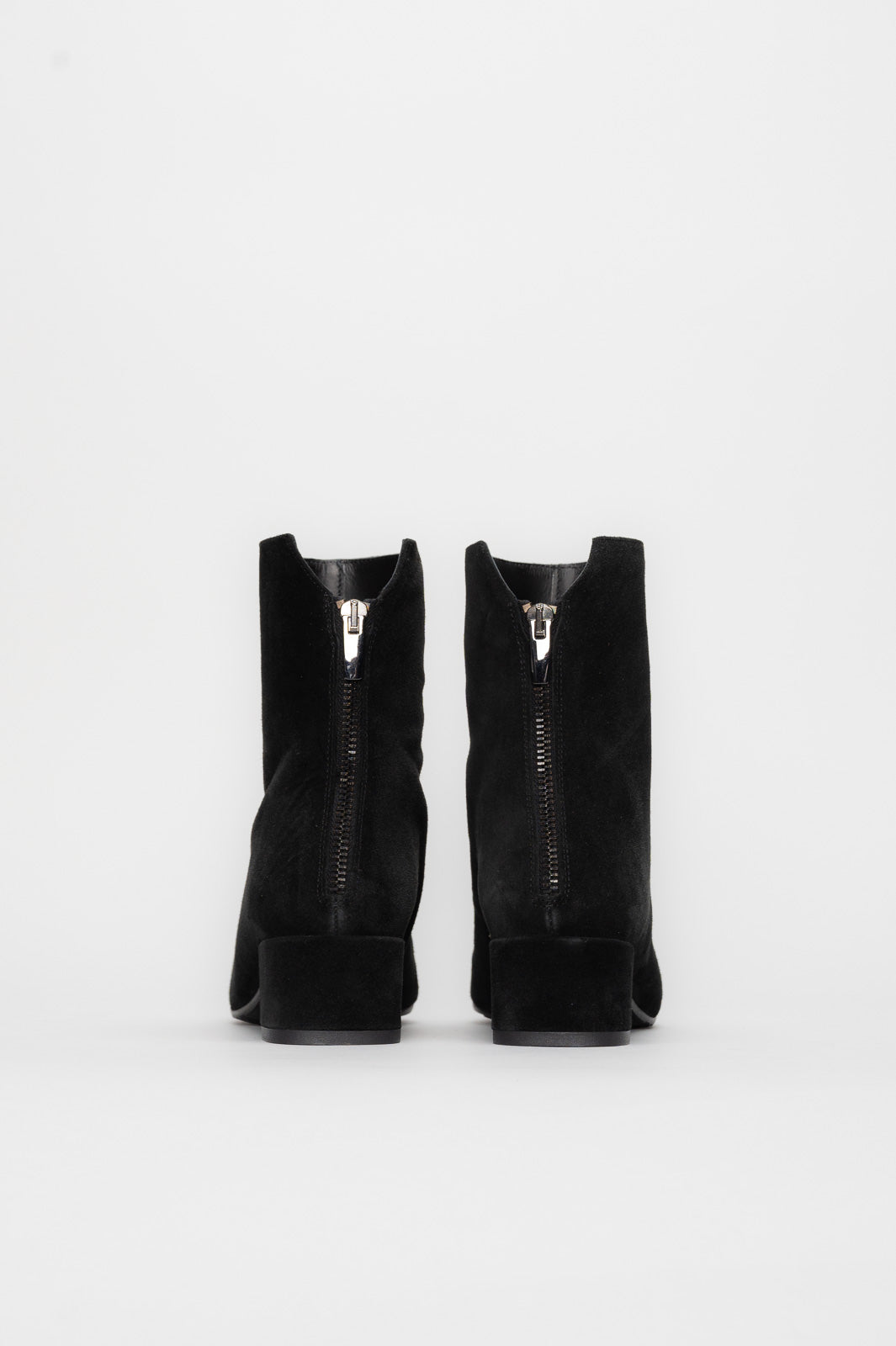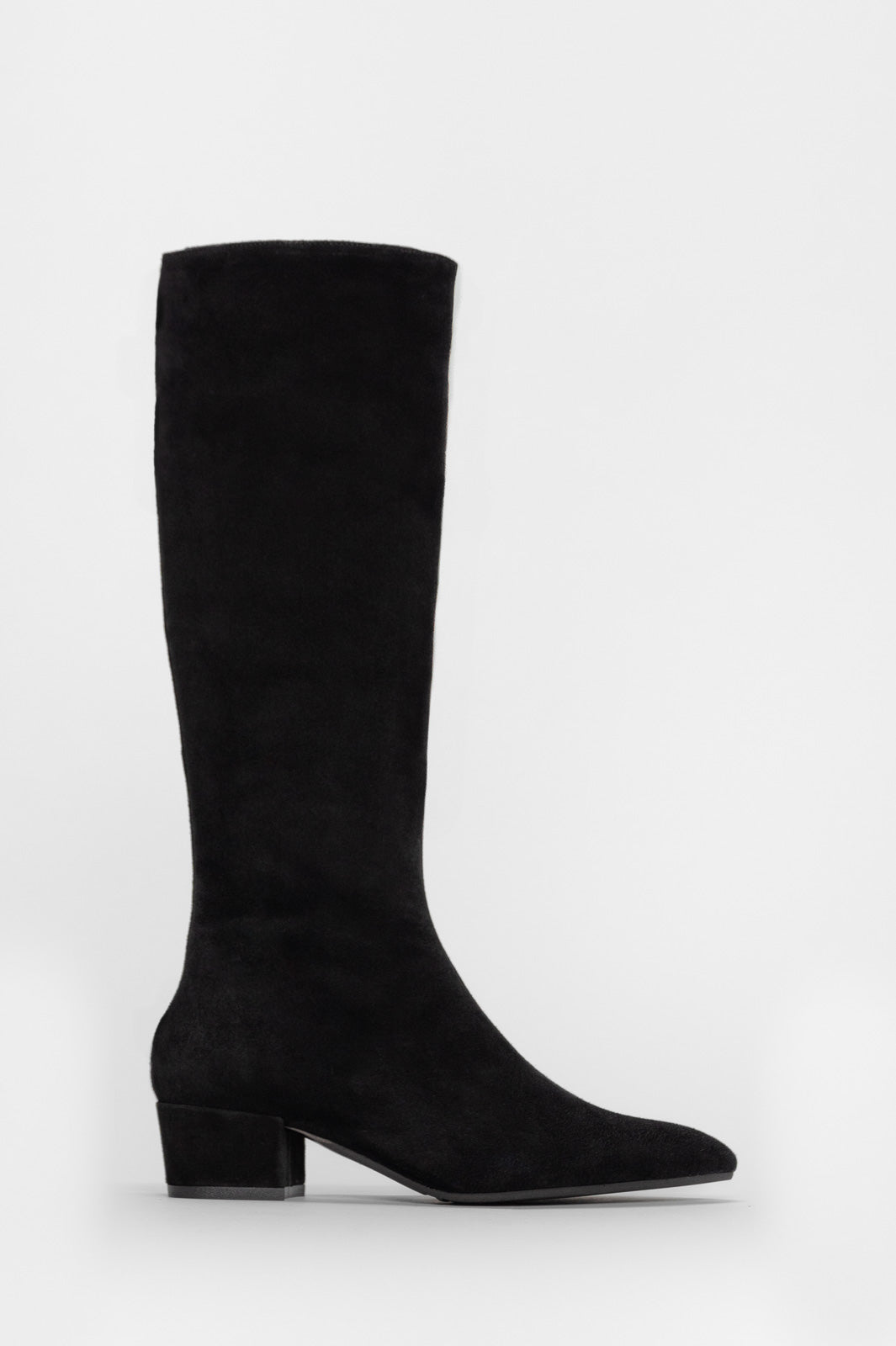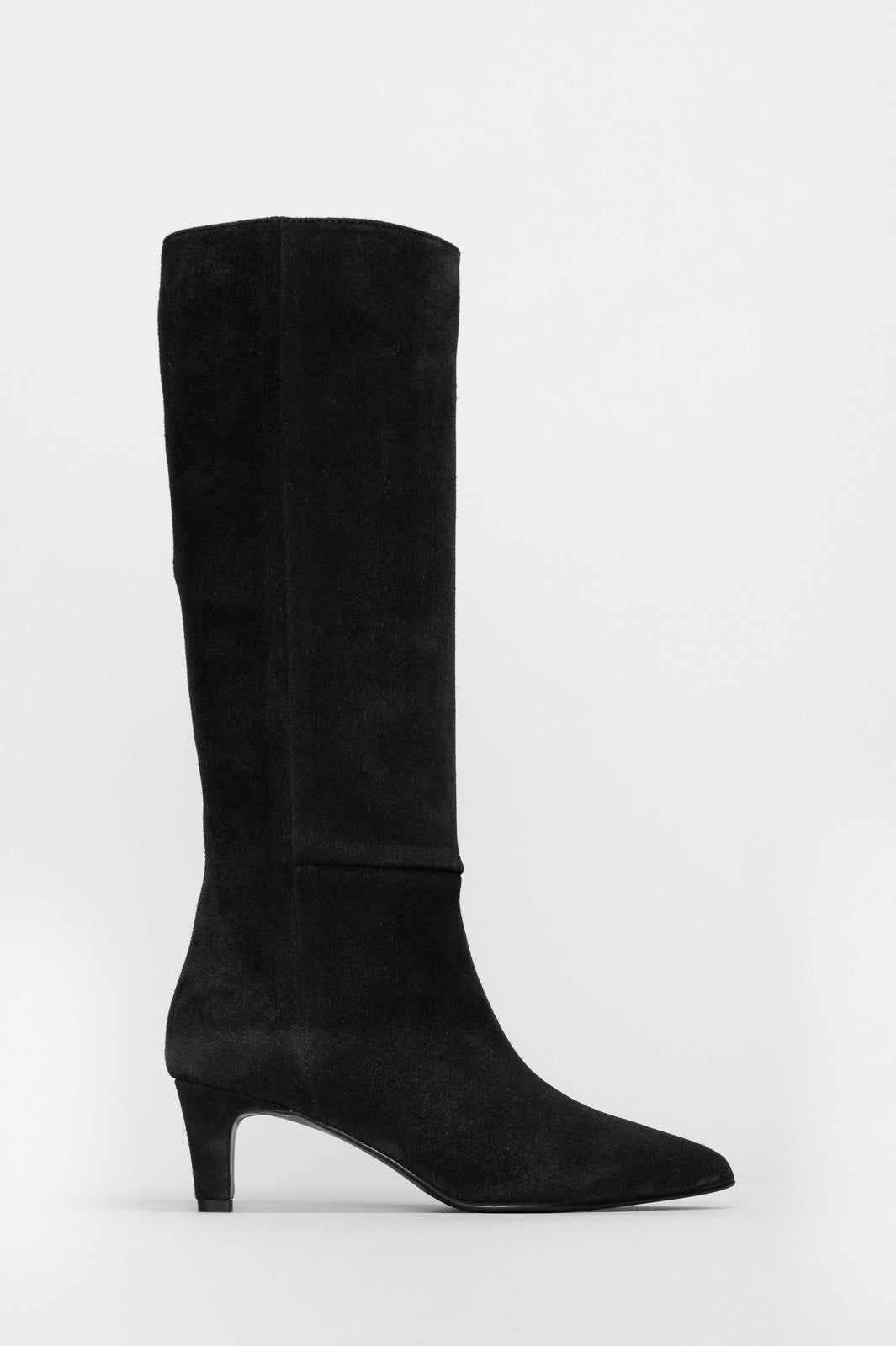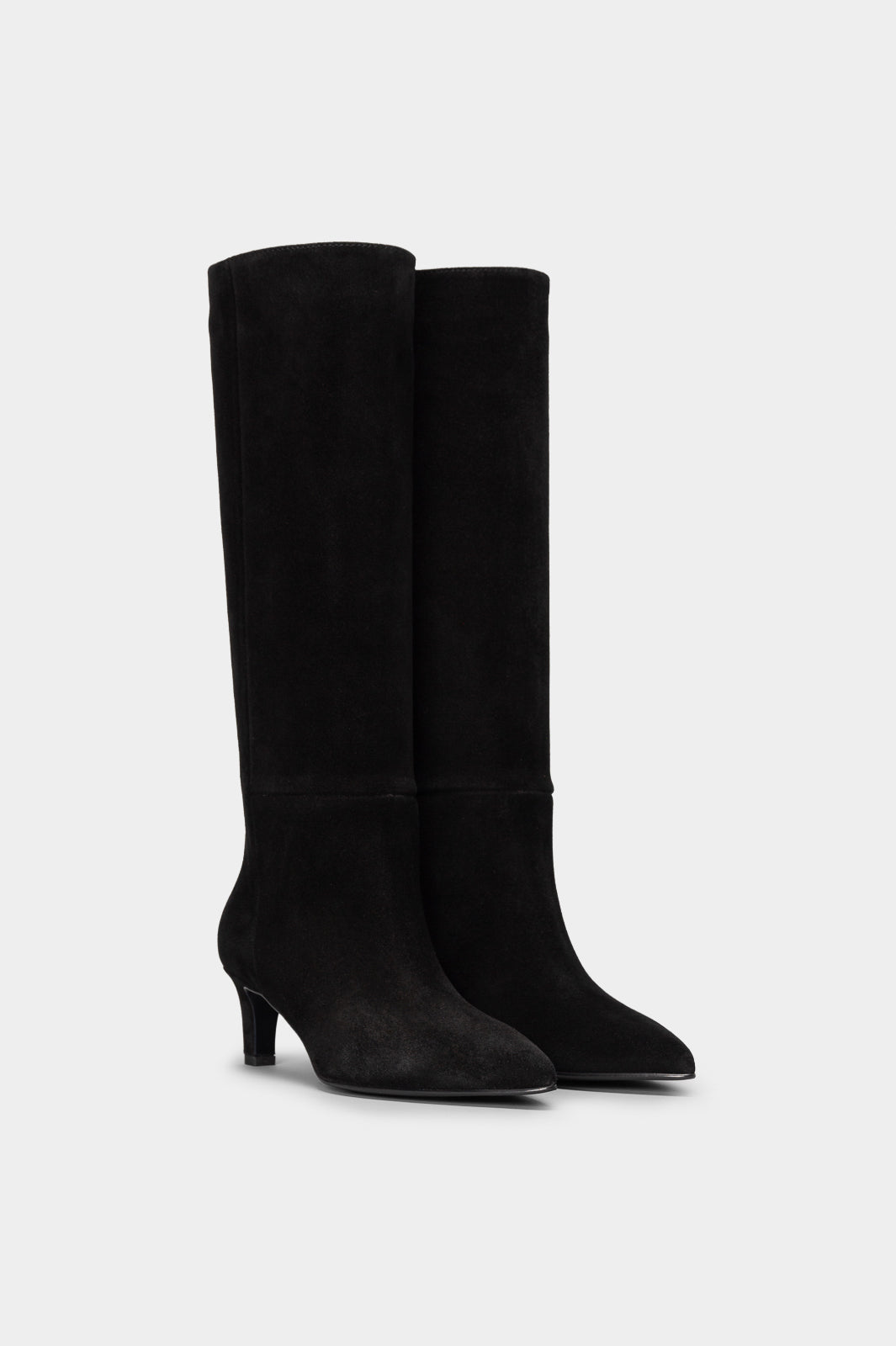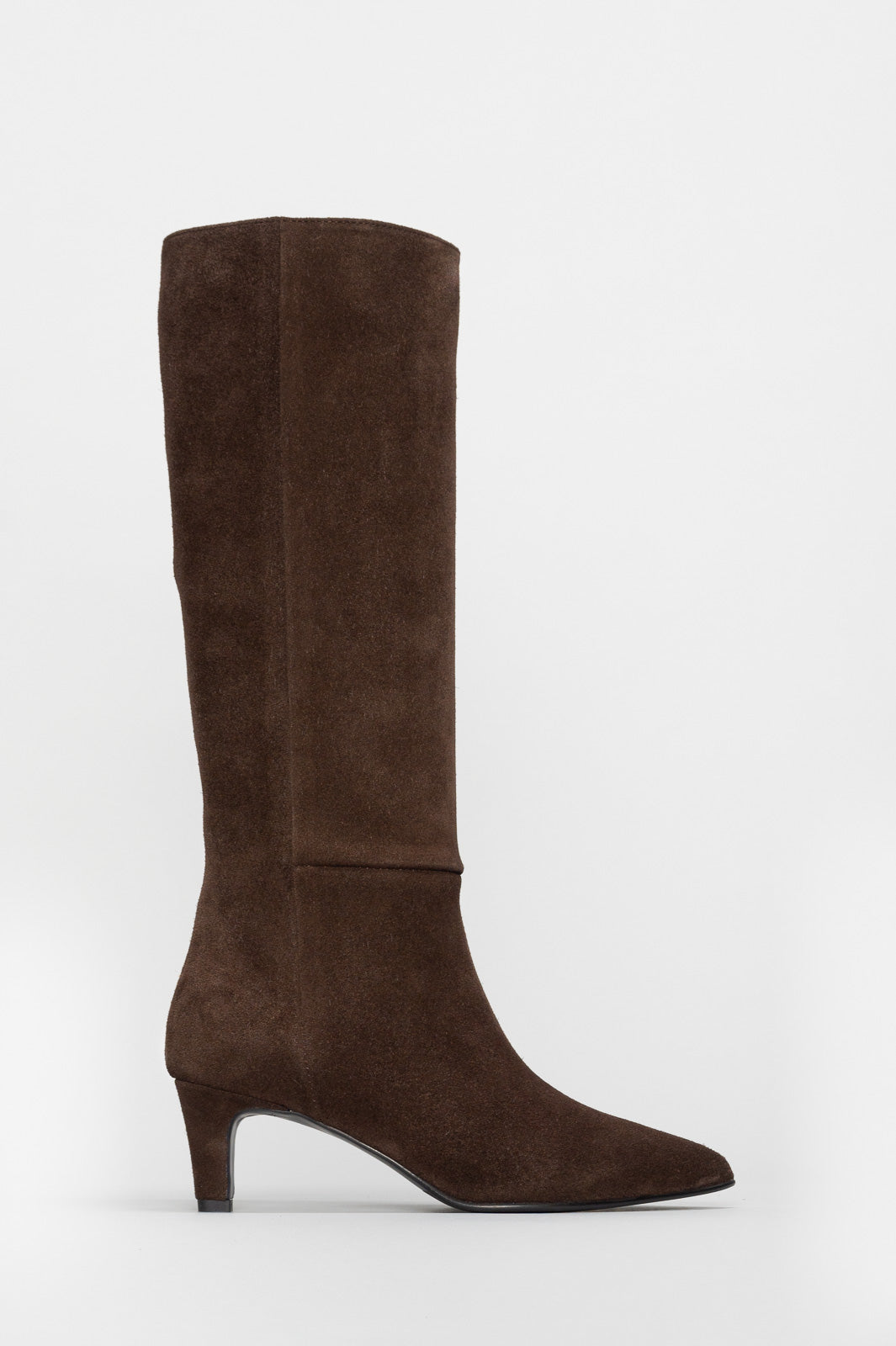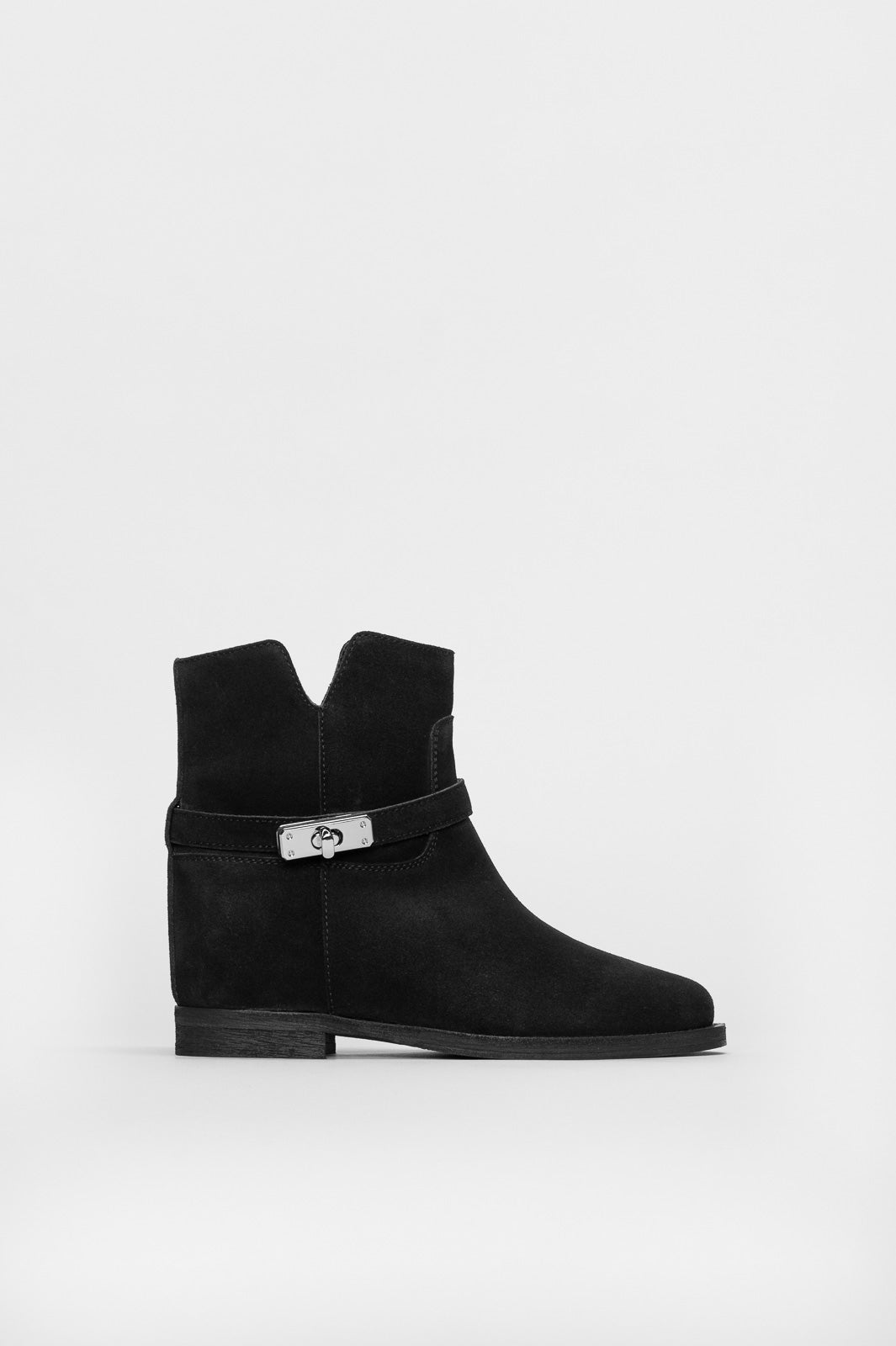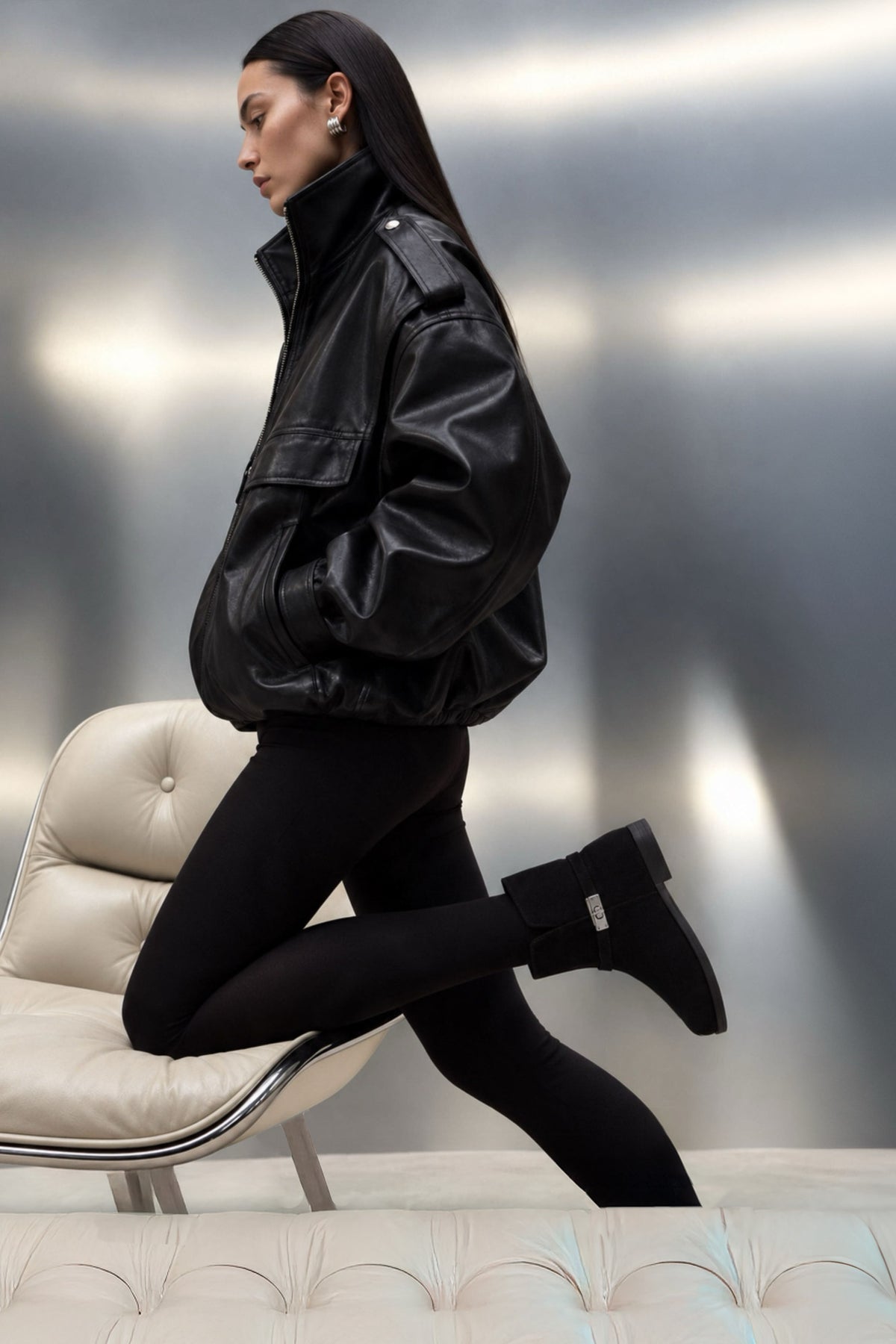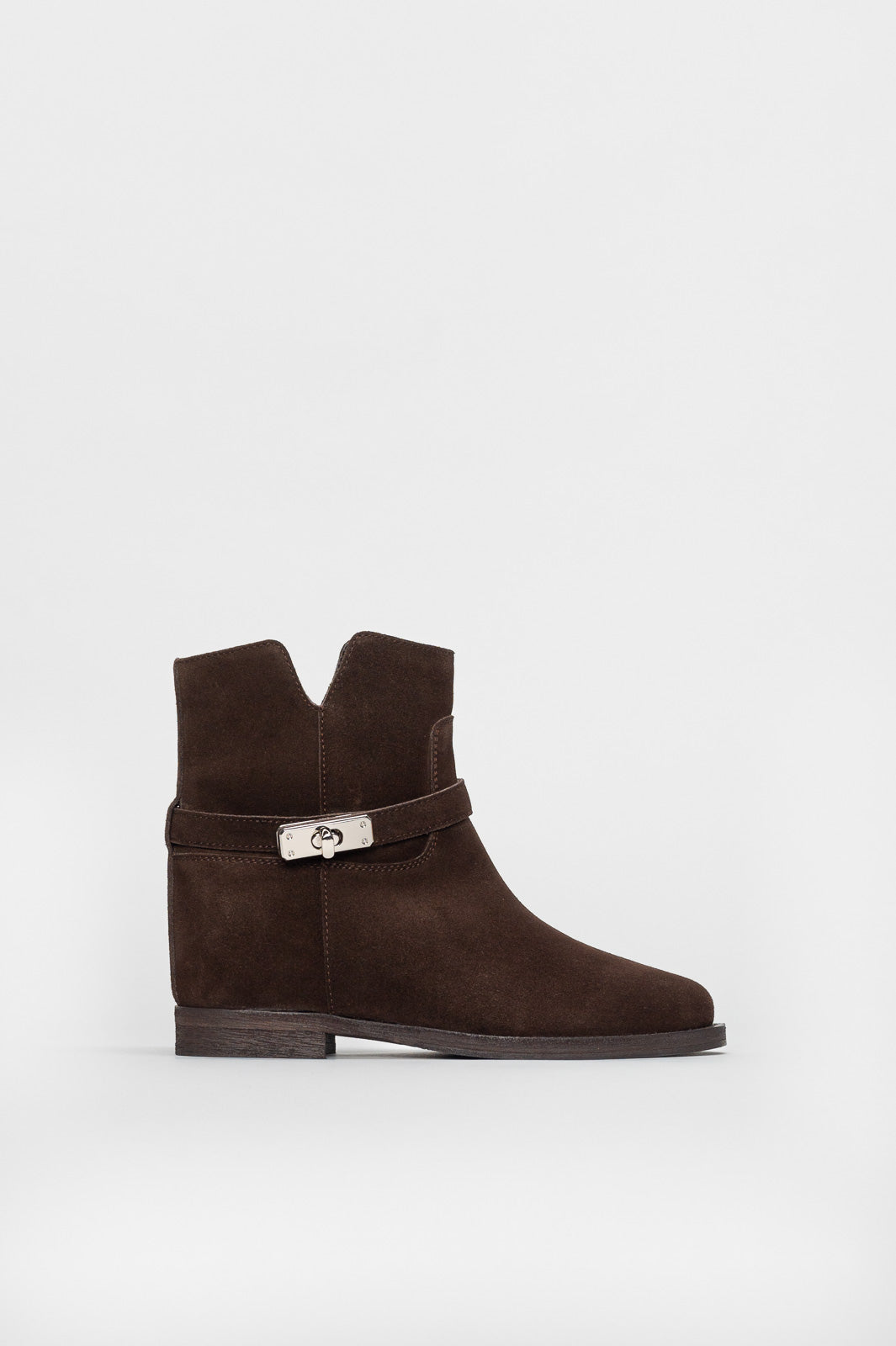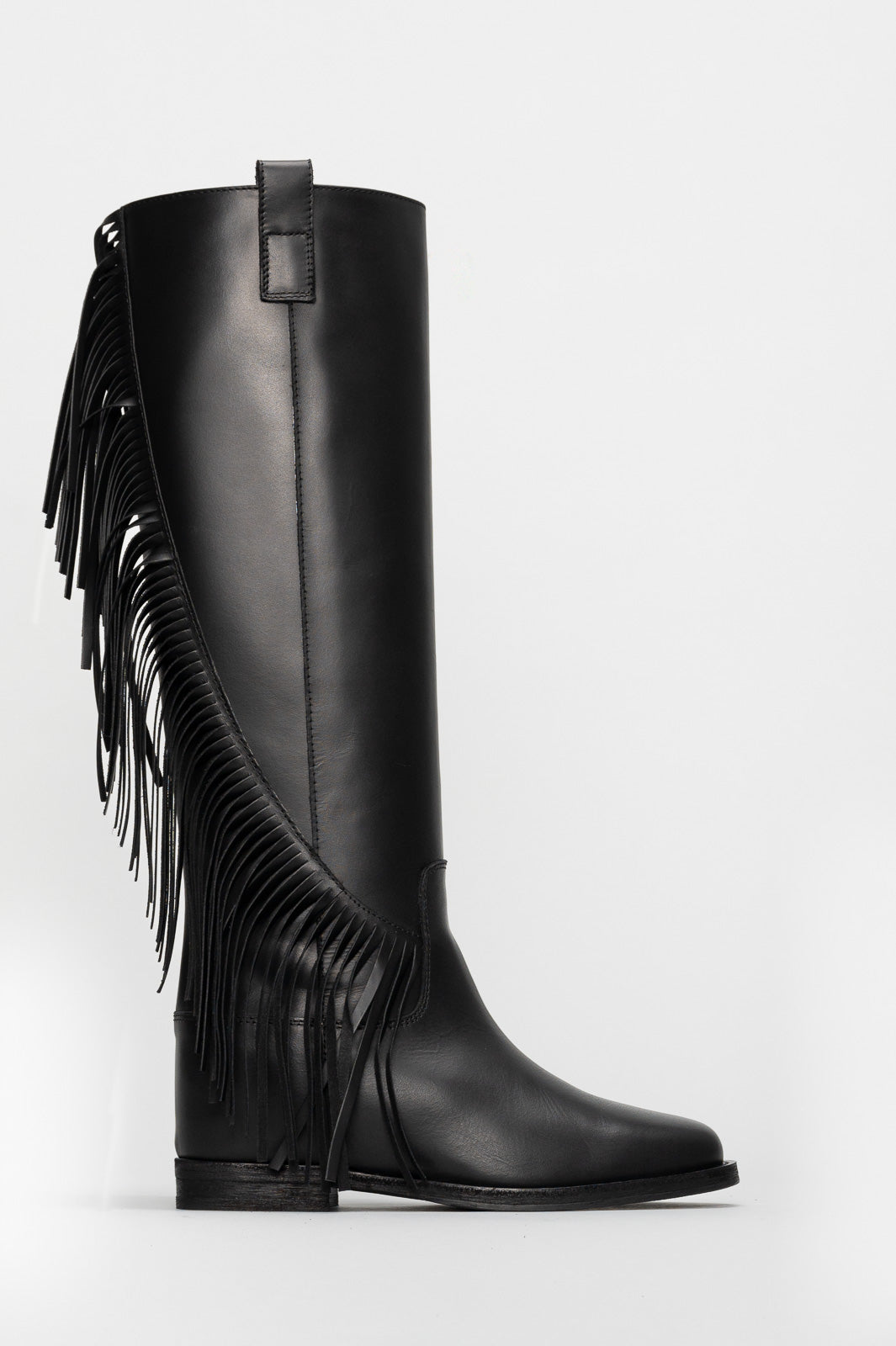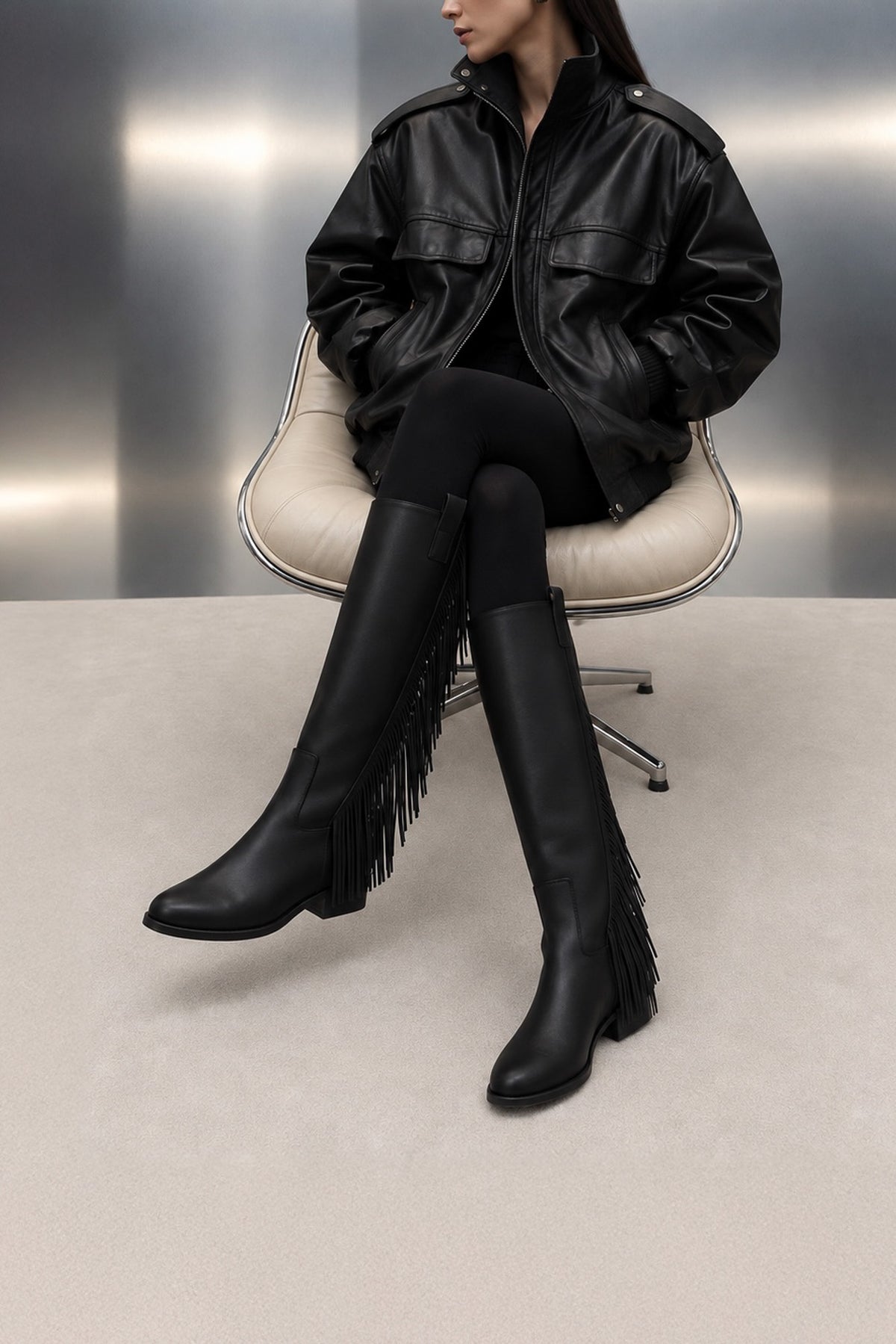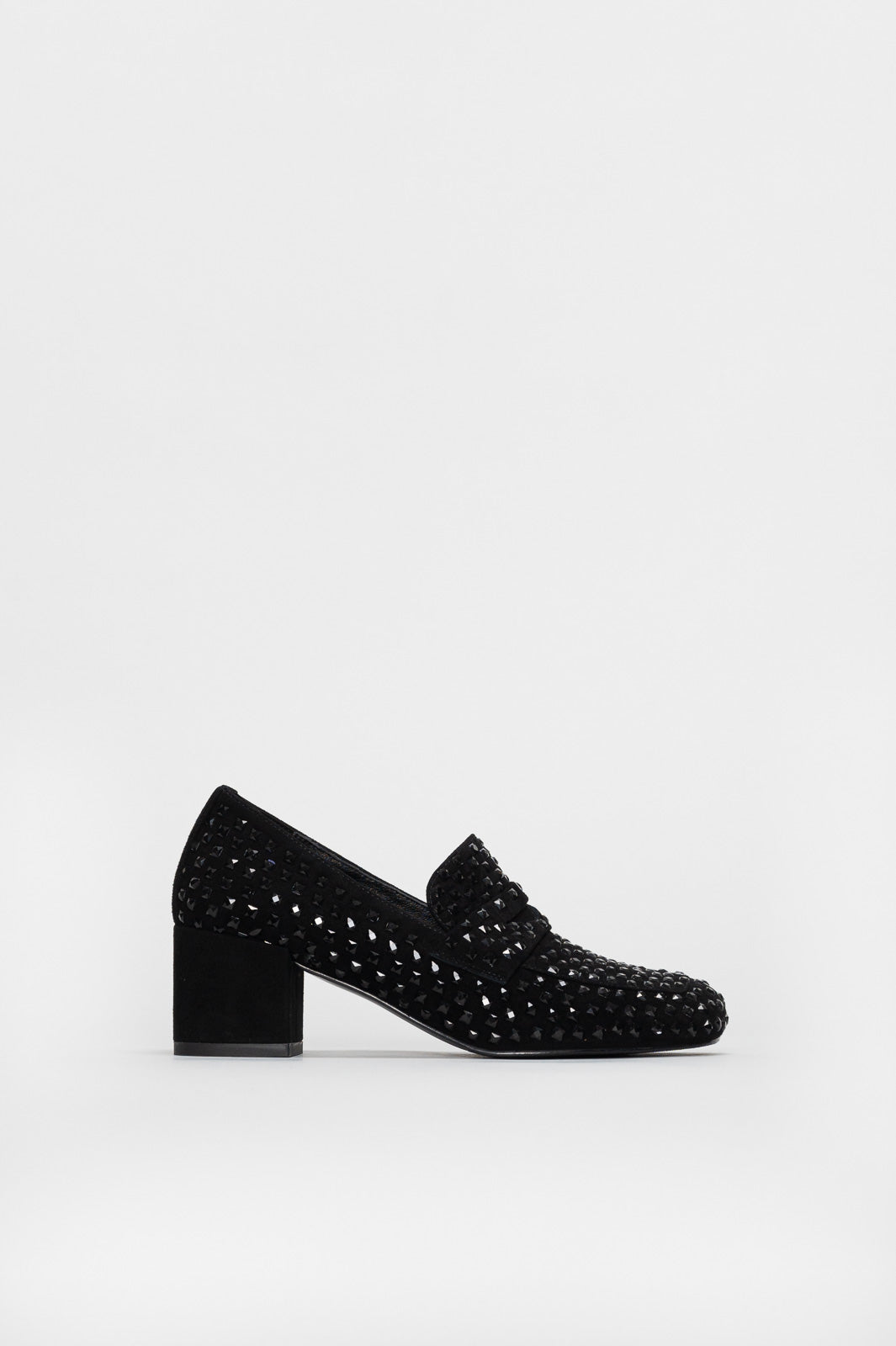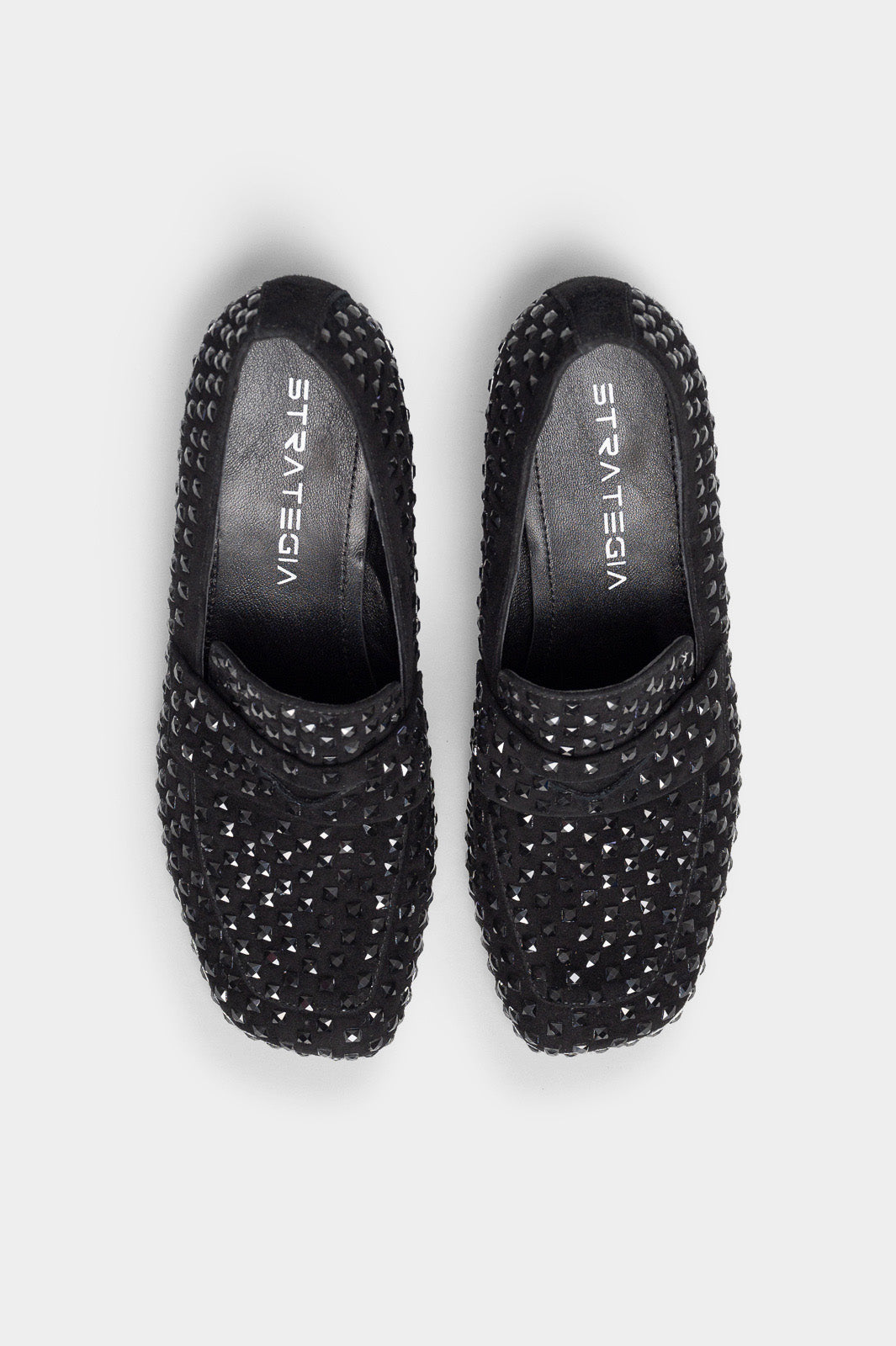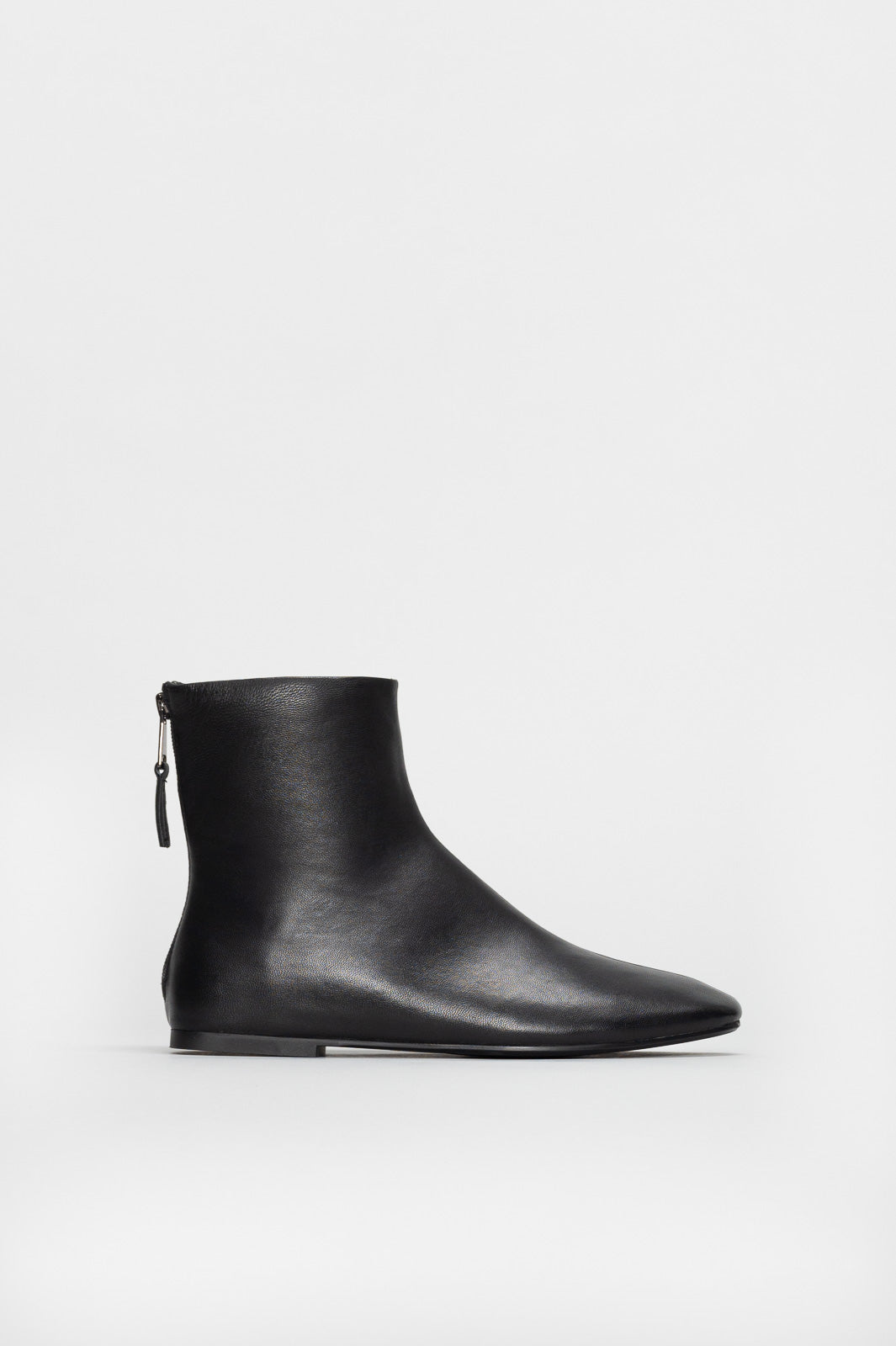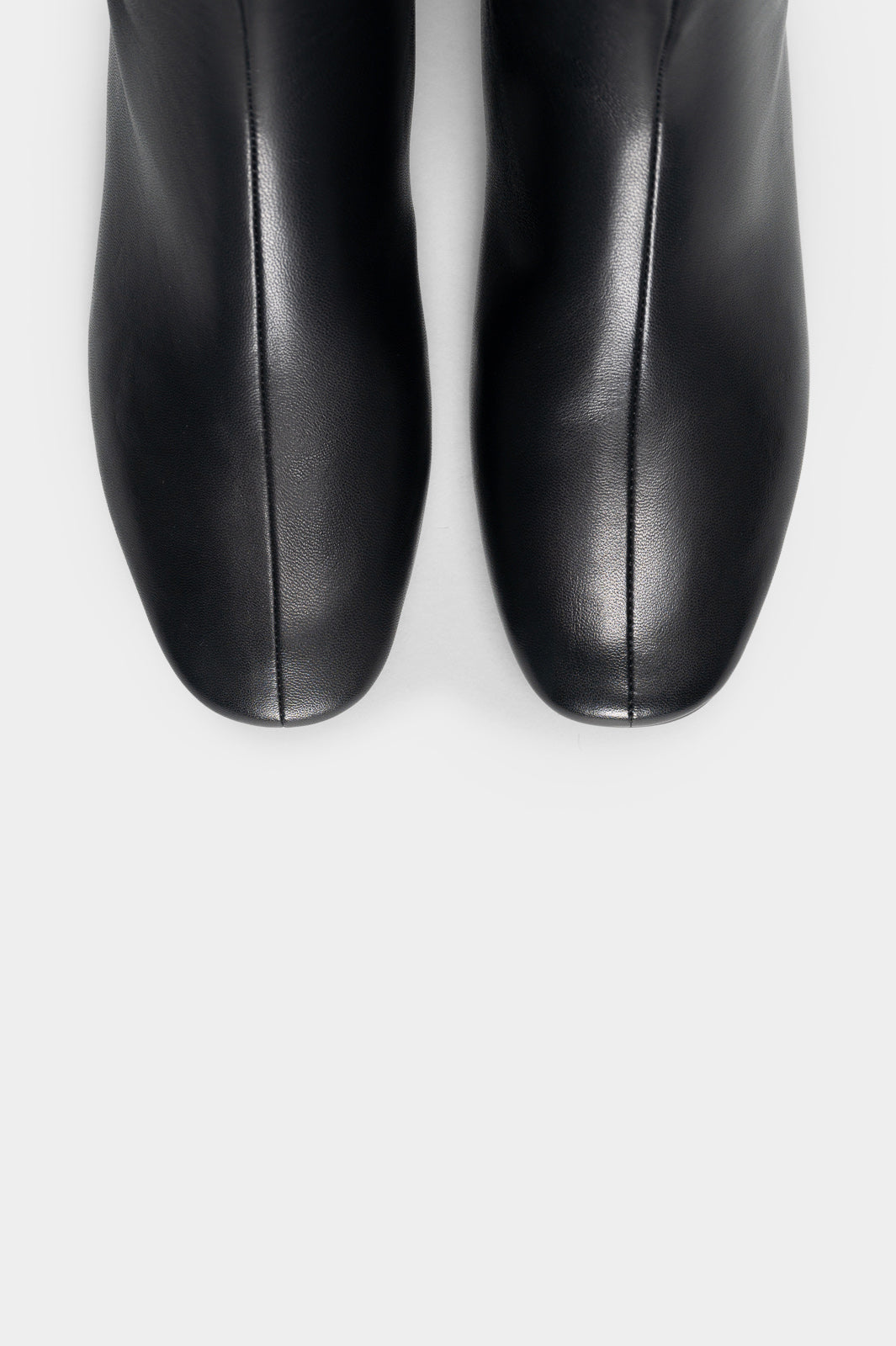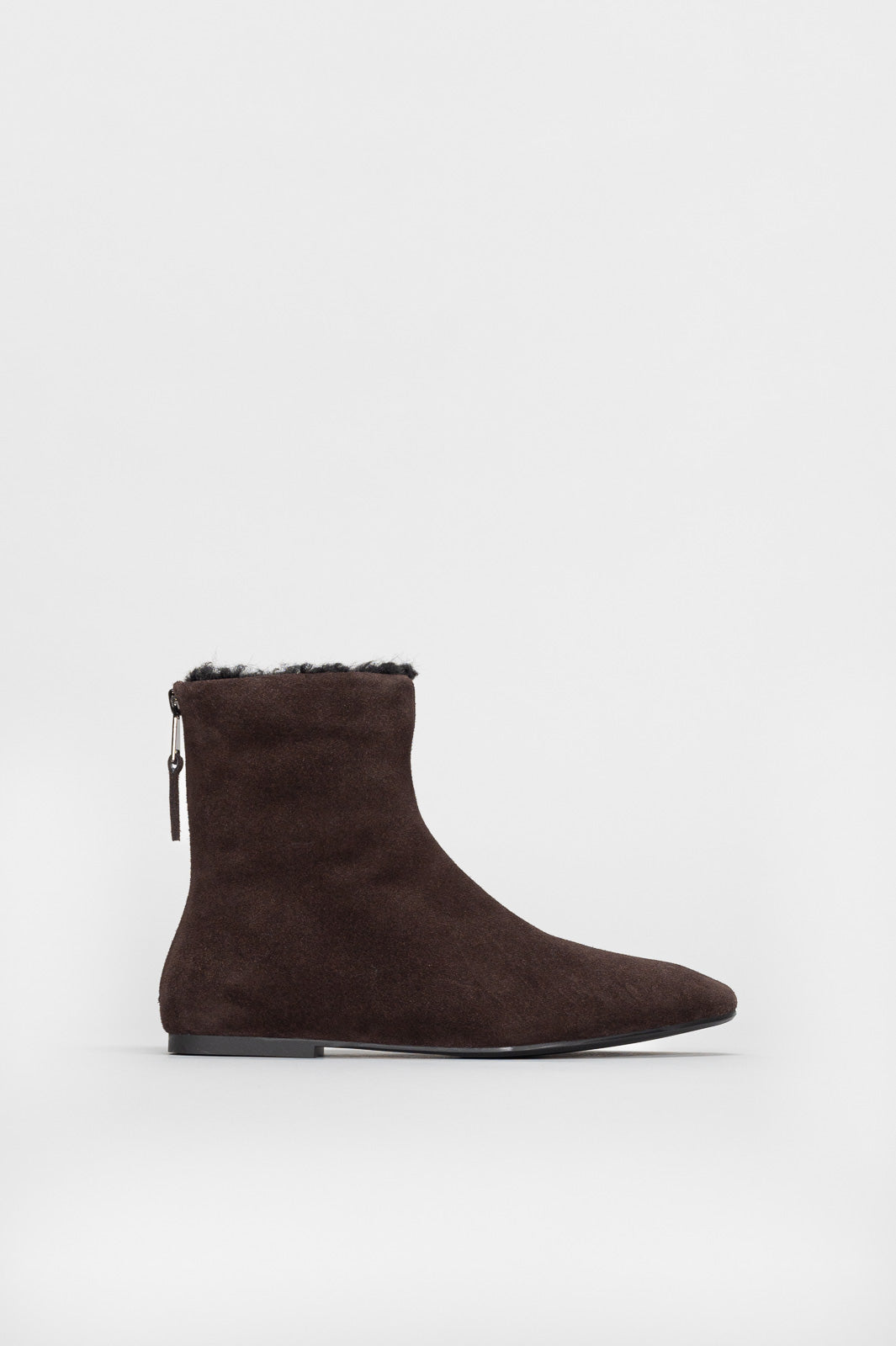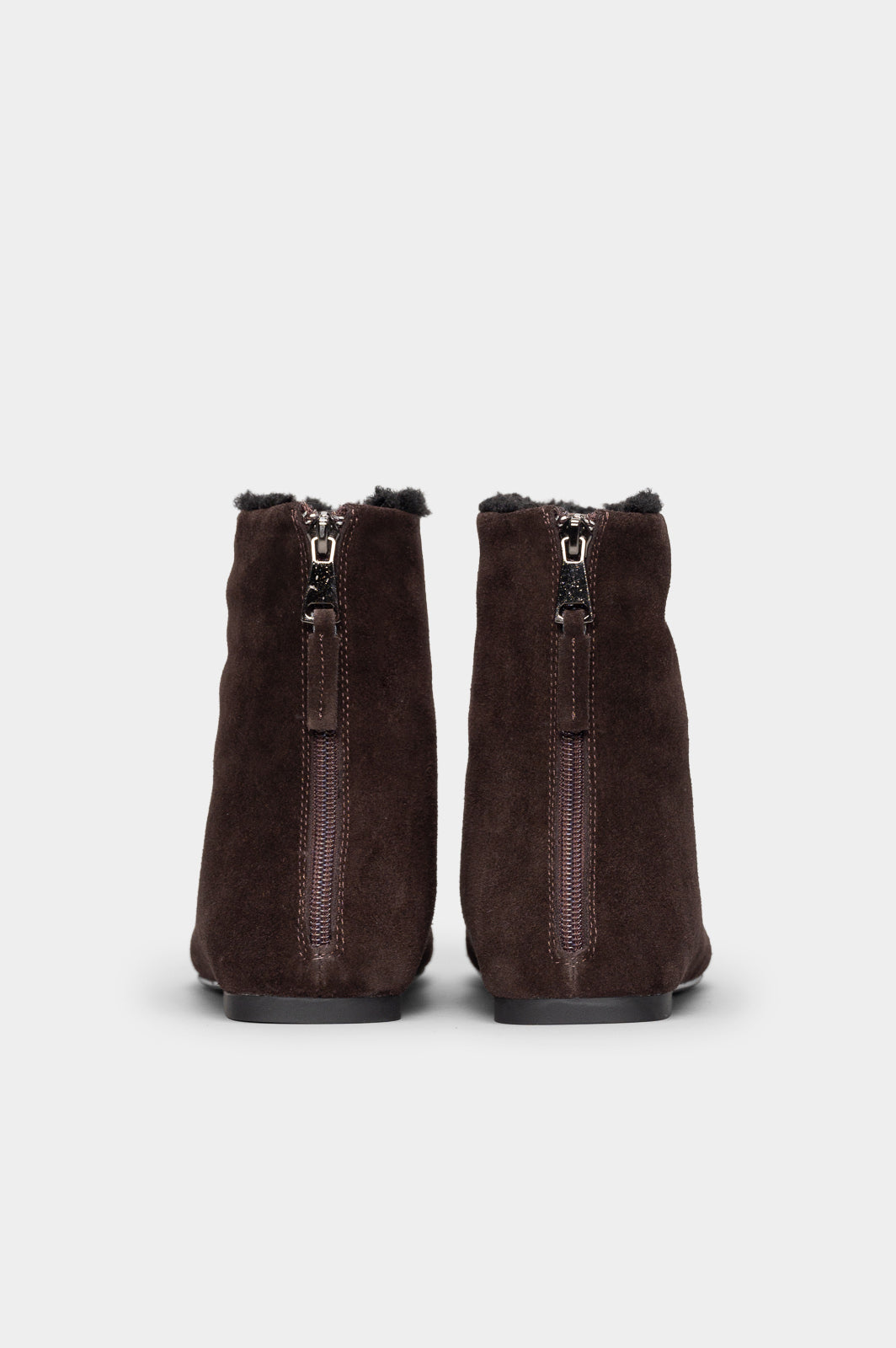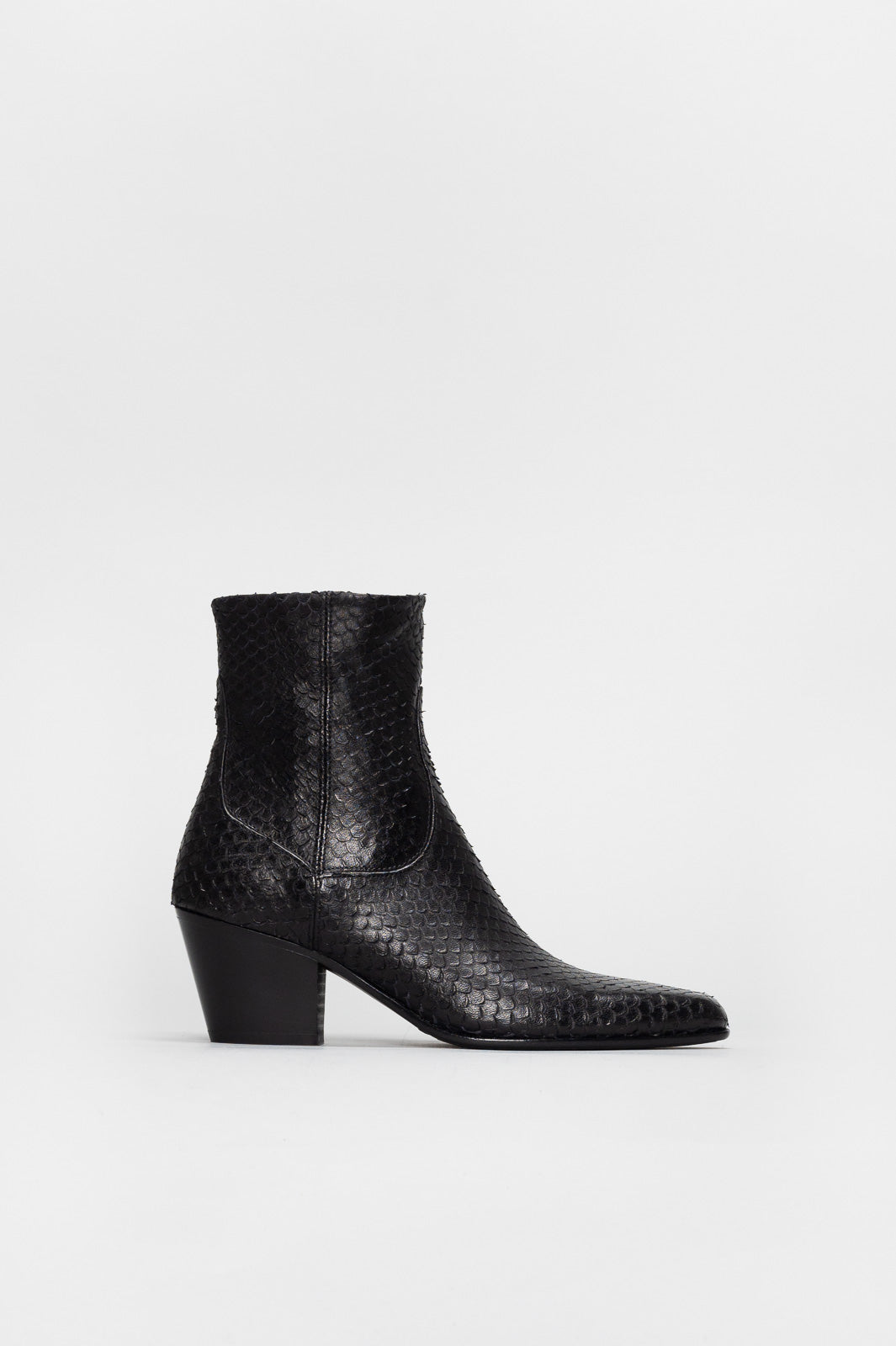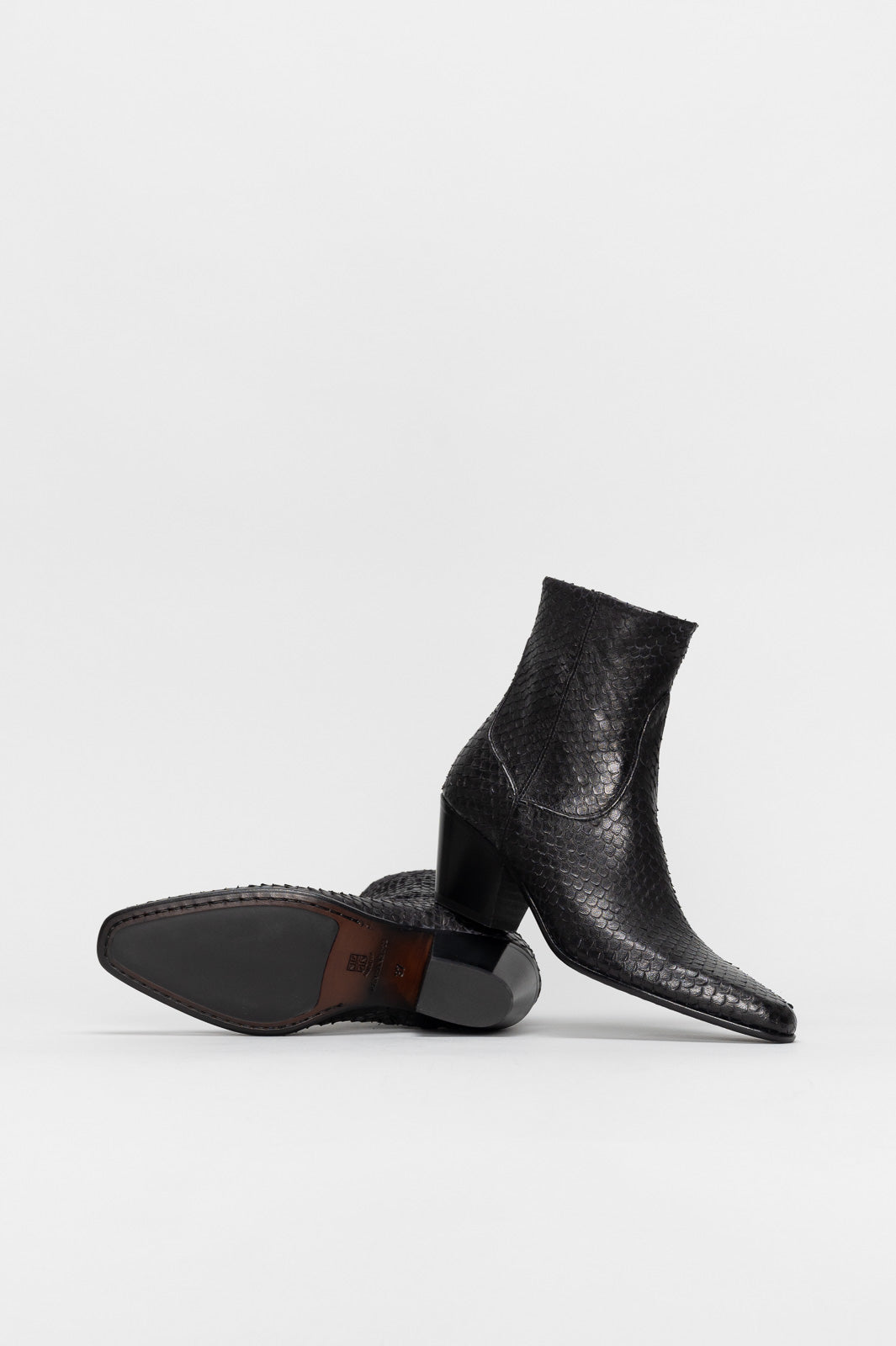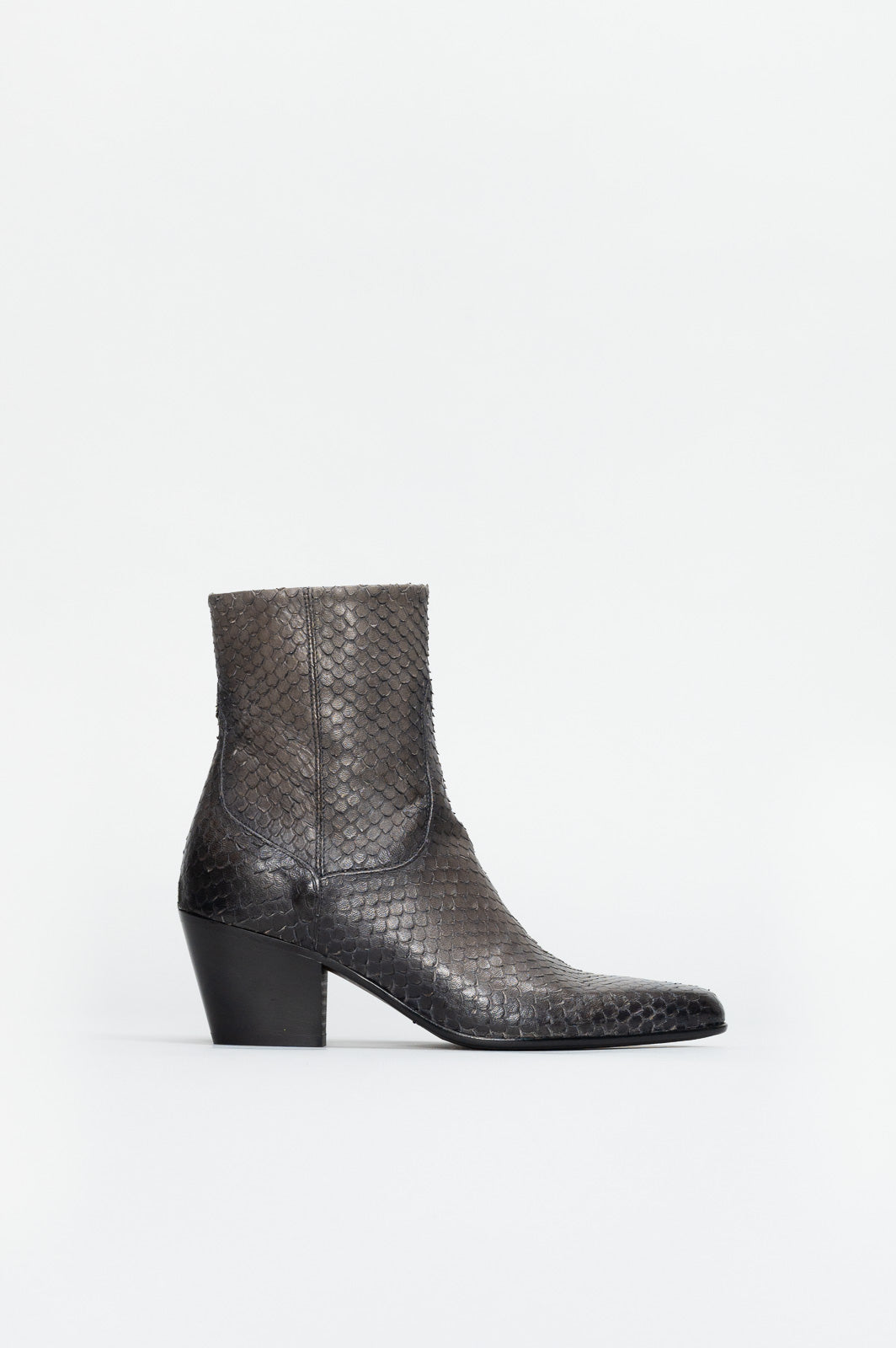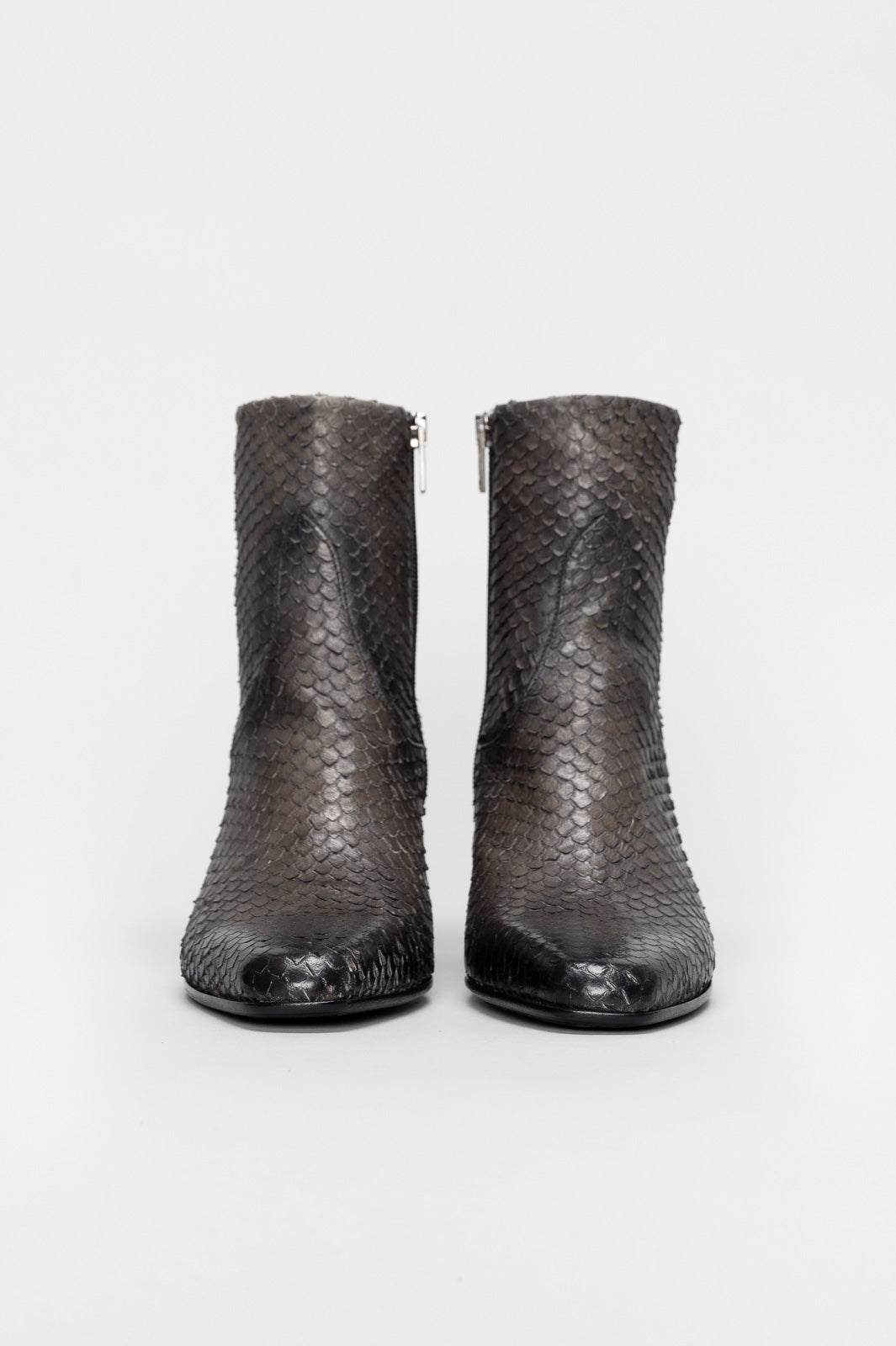



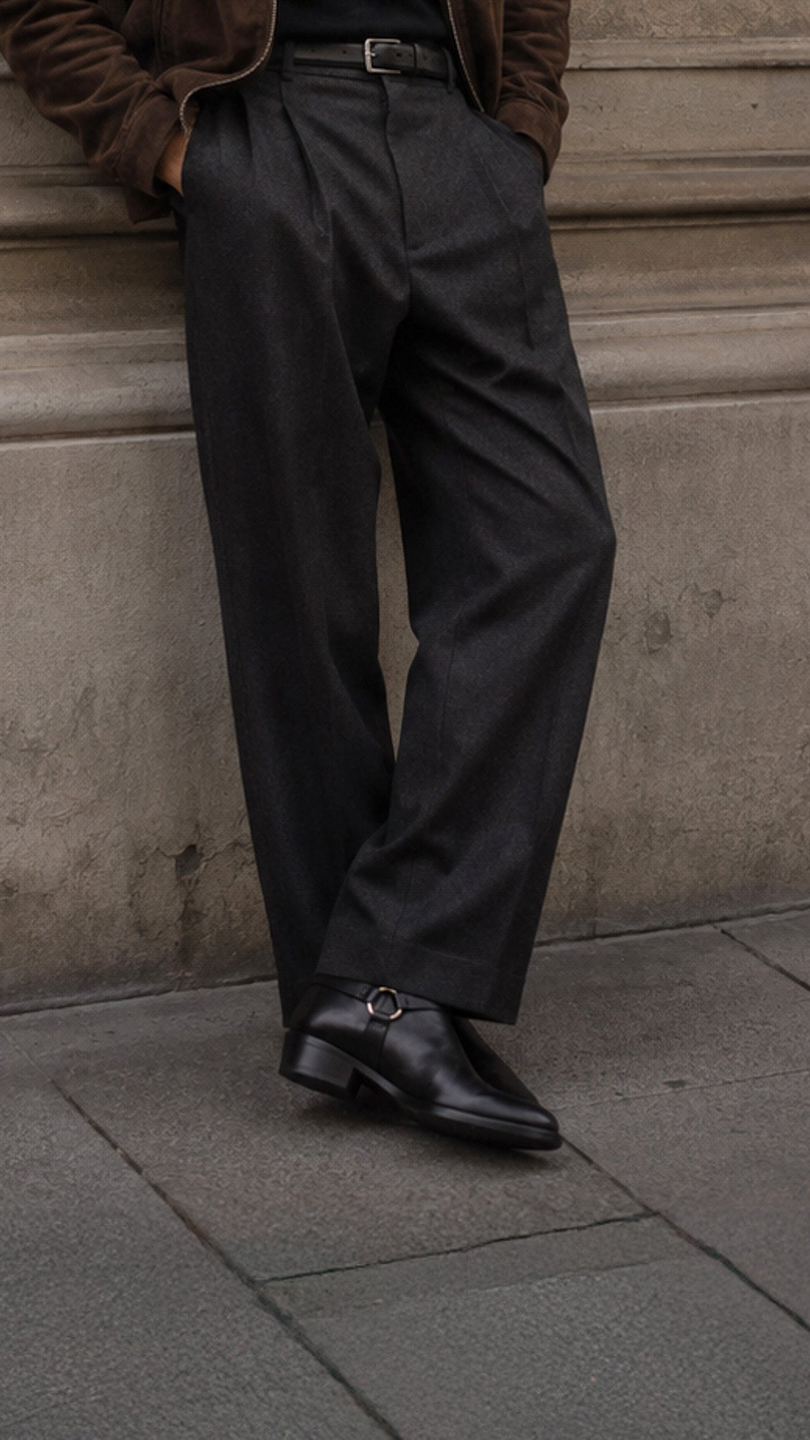
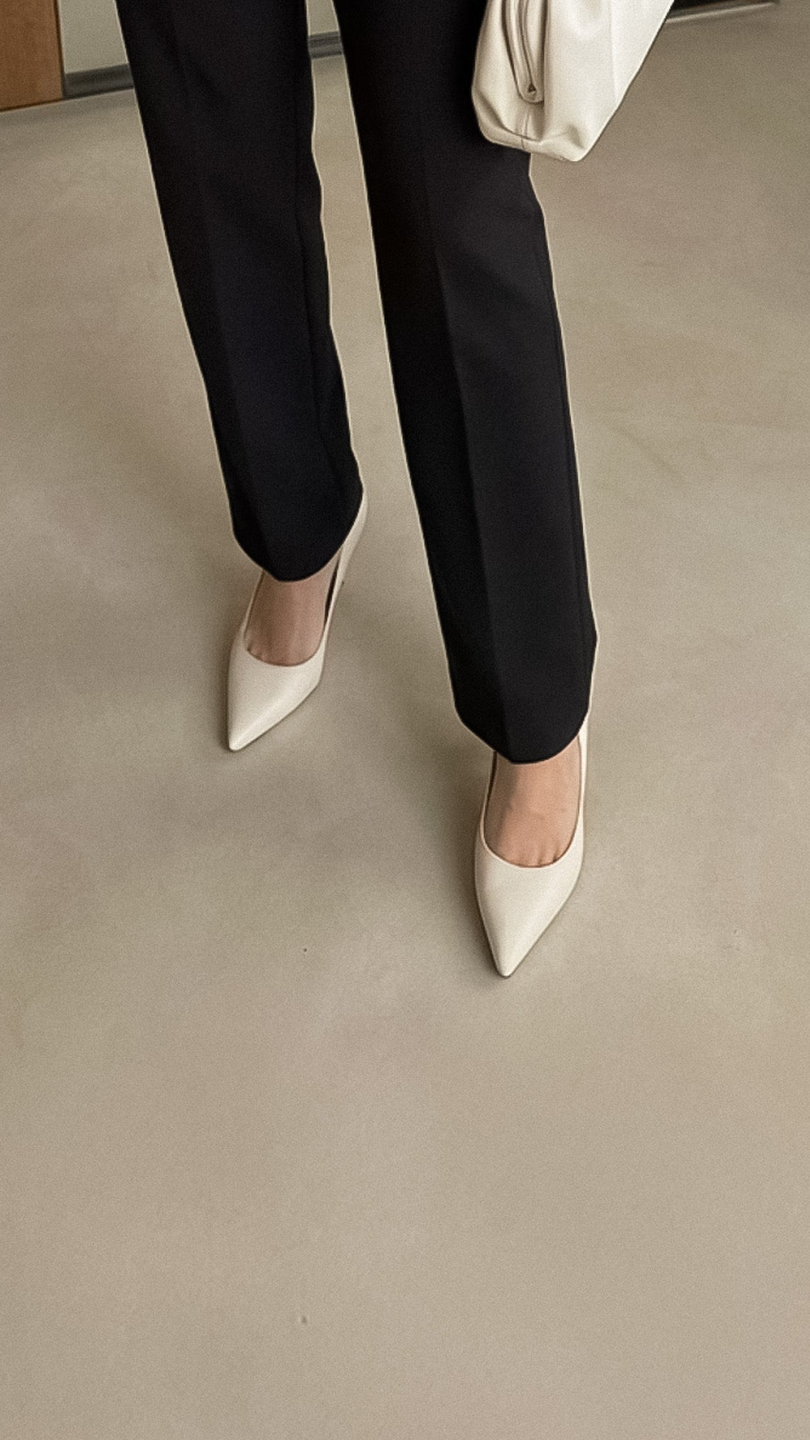


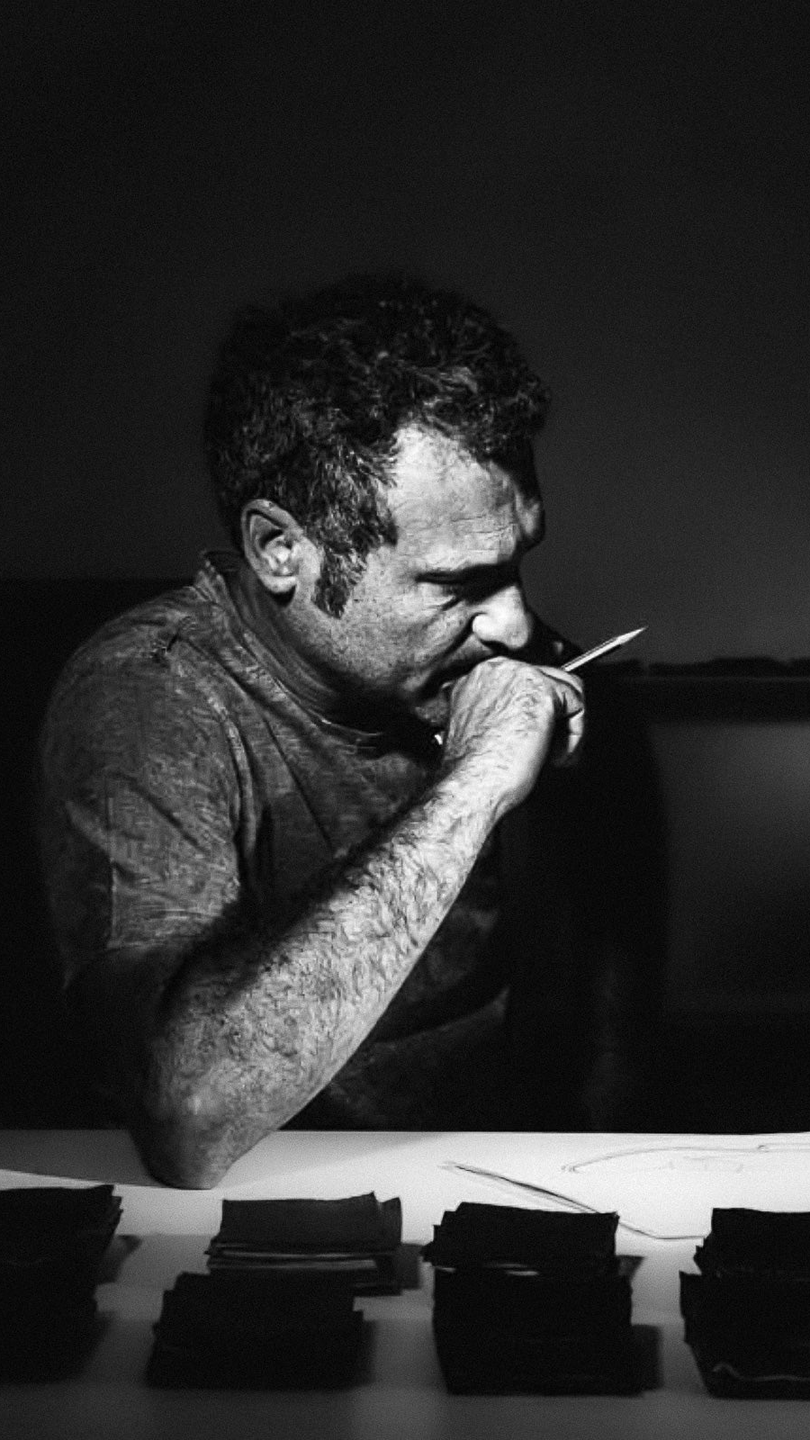
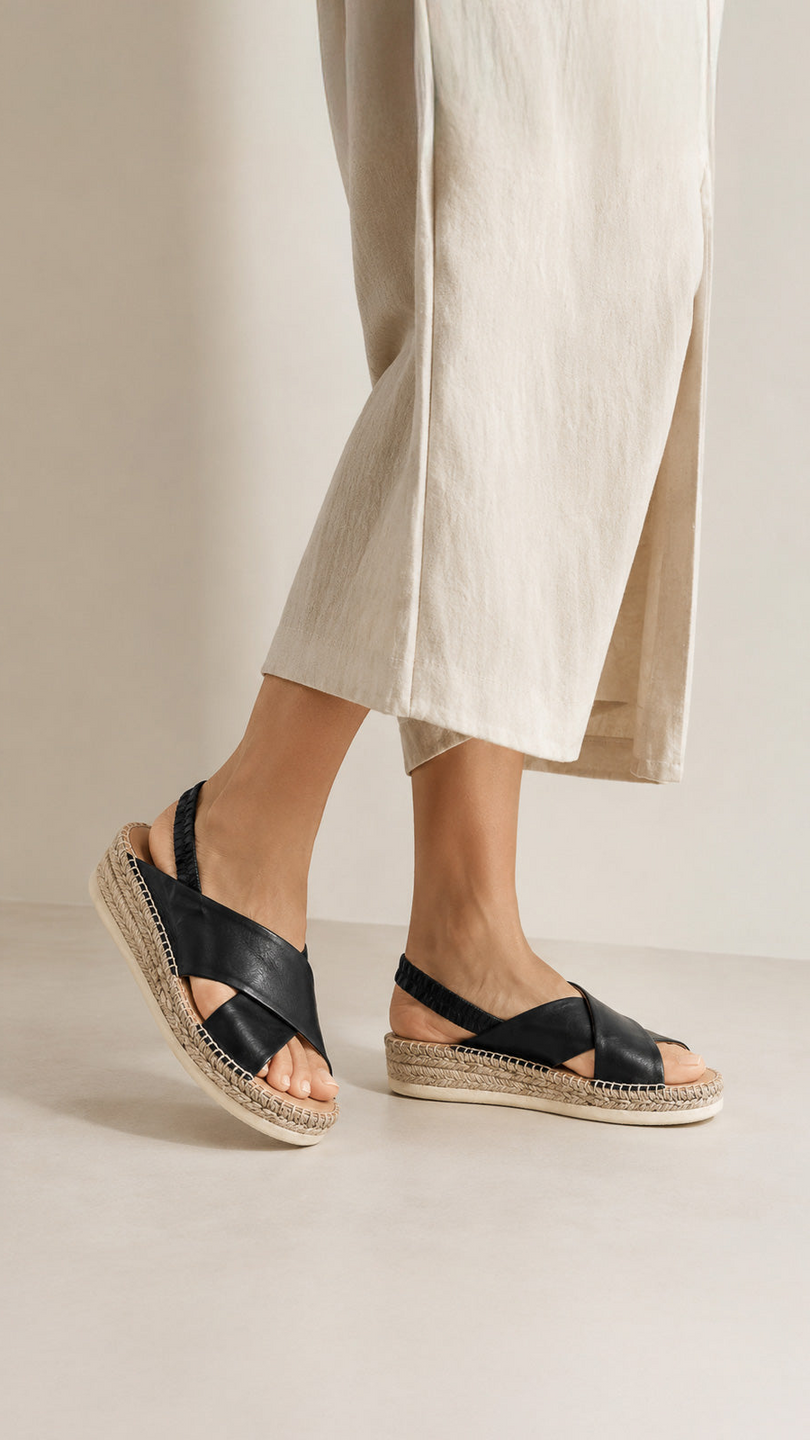
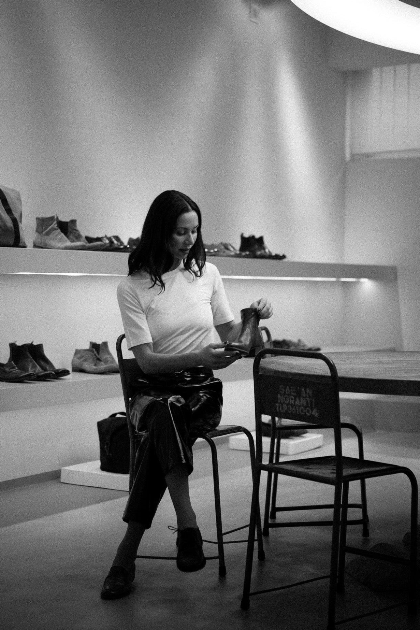
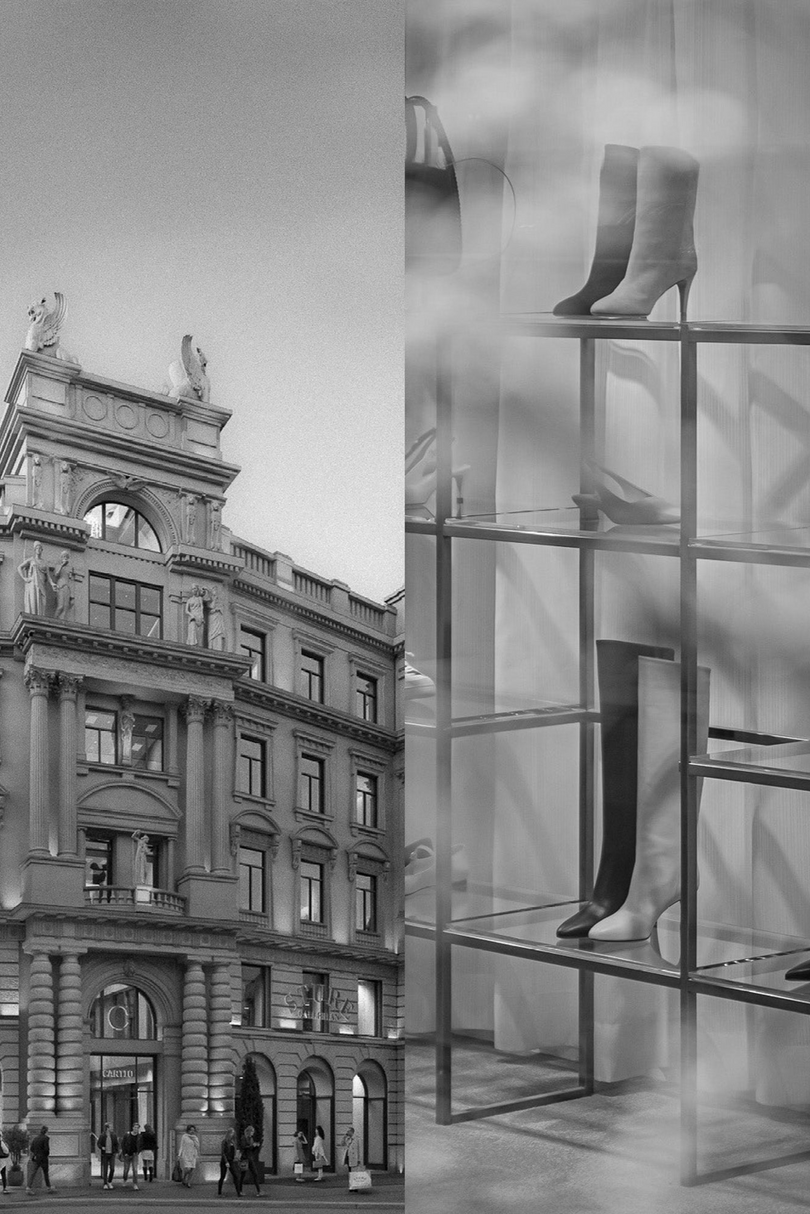
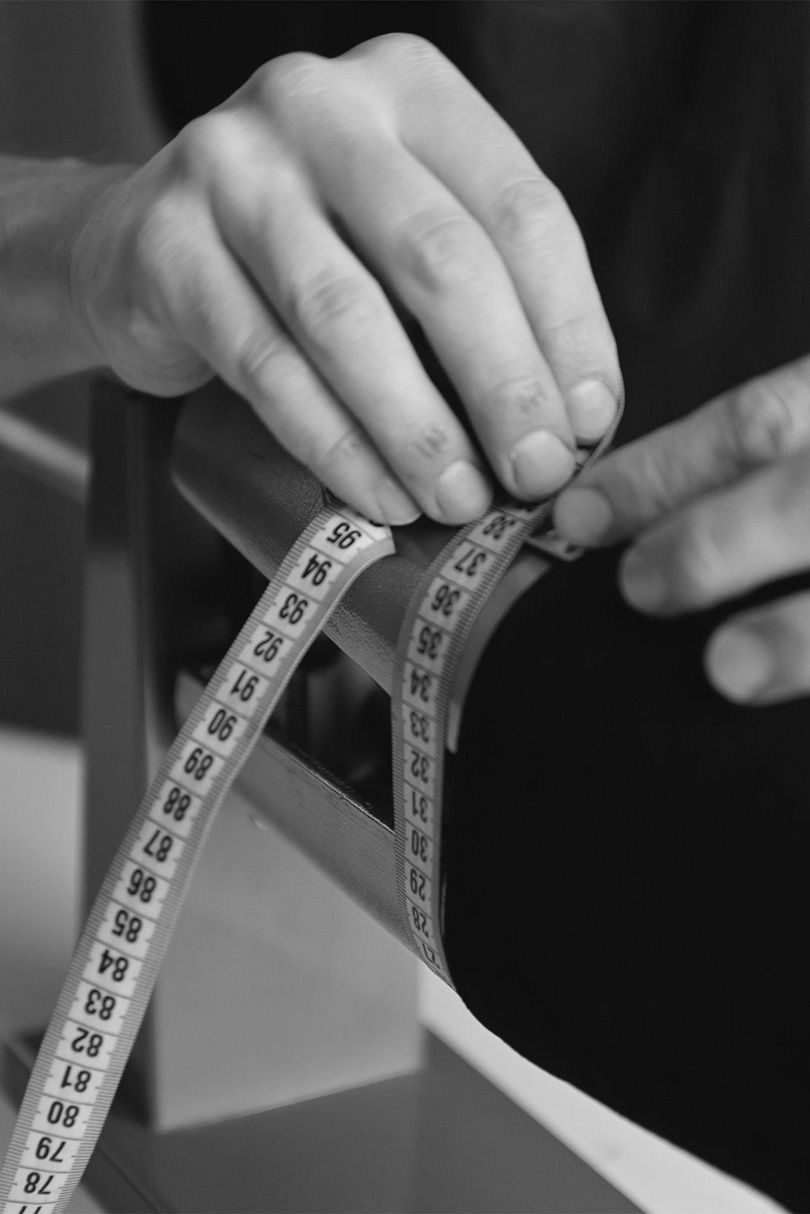

Our Style Guide is organised by expression. From minimal lines to defined evening silhouettes. Each section considers proportion, material and context as elements of a distinct aesthetic.
Italian craftsmanship meets Scandinavian restraint, shaping a wardrobe across work, travel and formal settings.
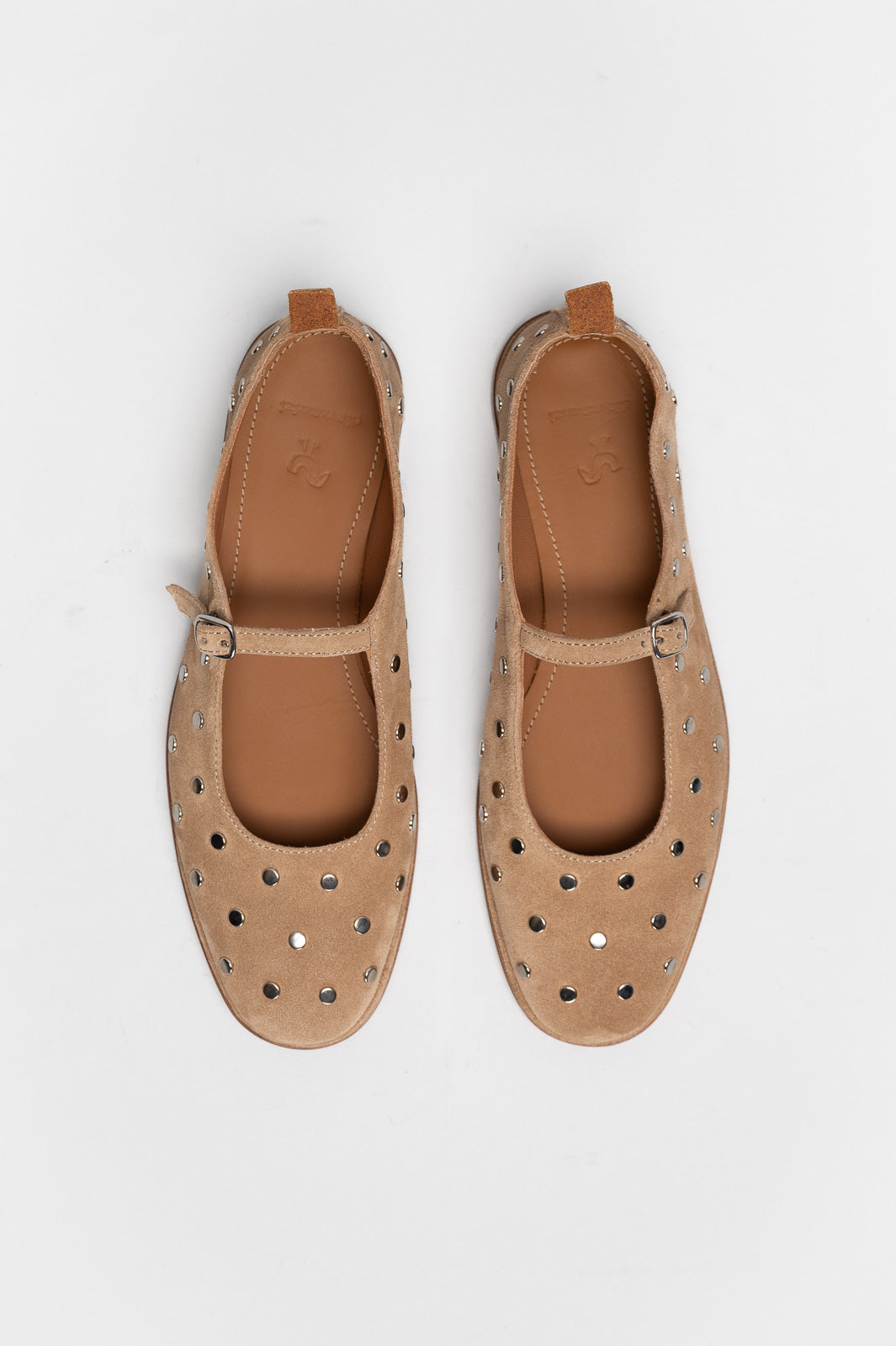
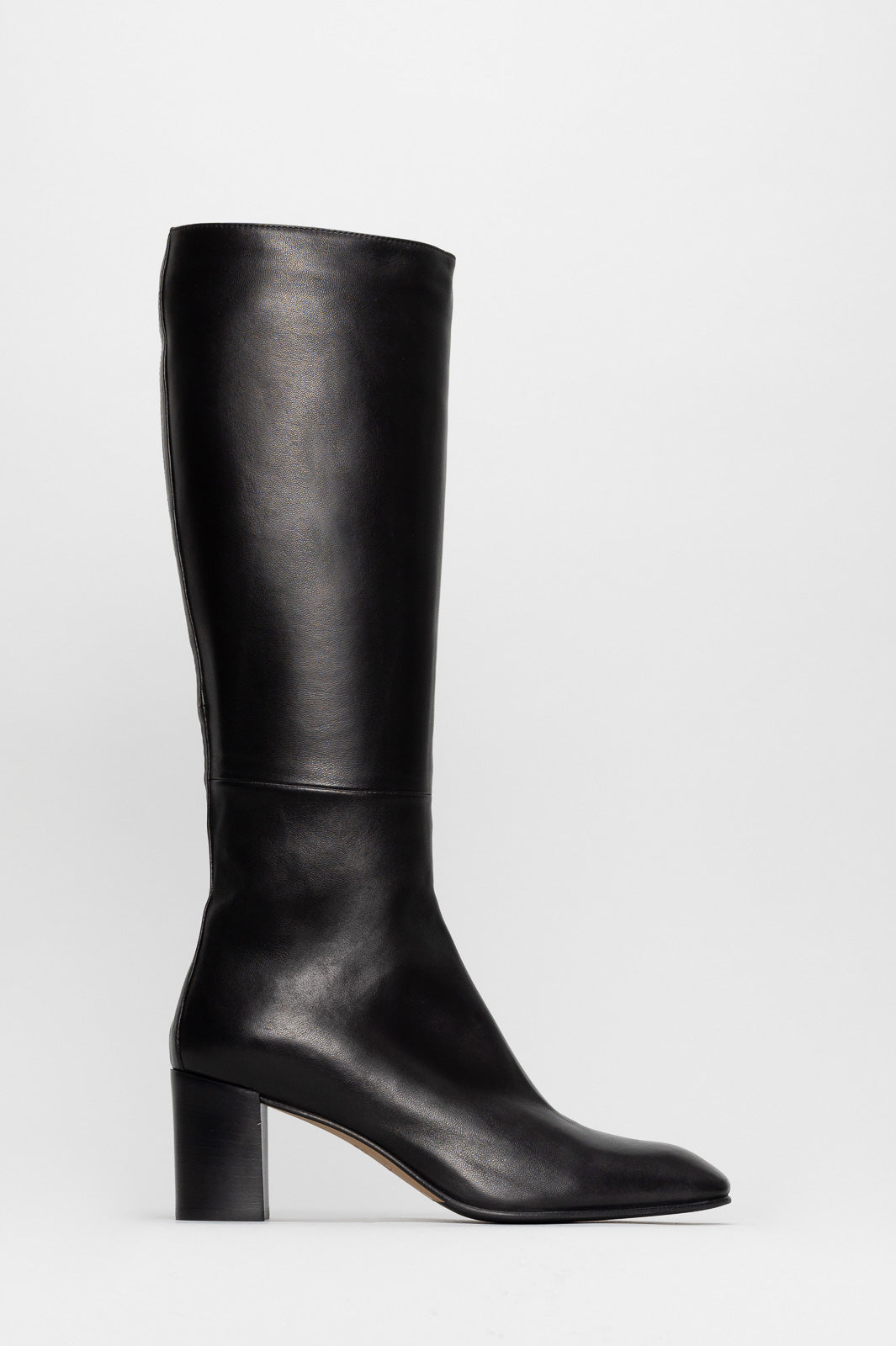
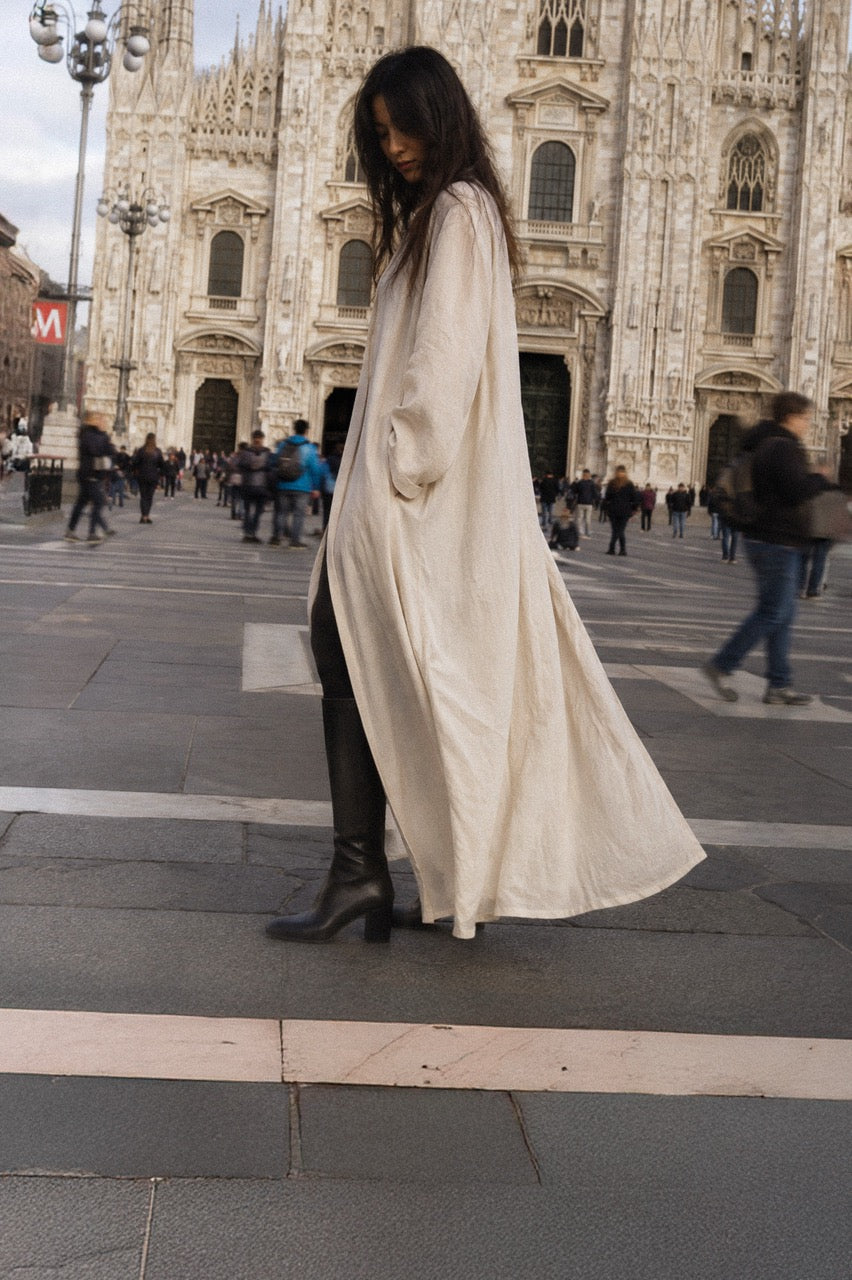
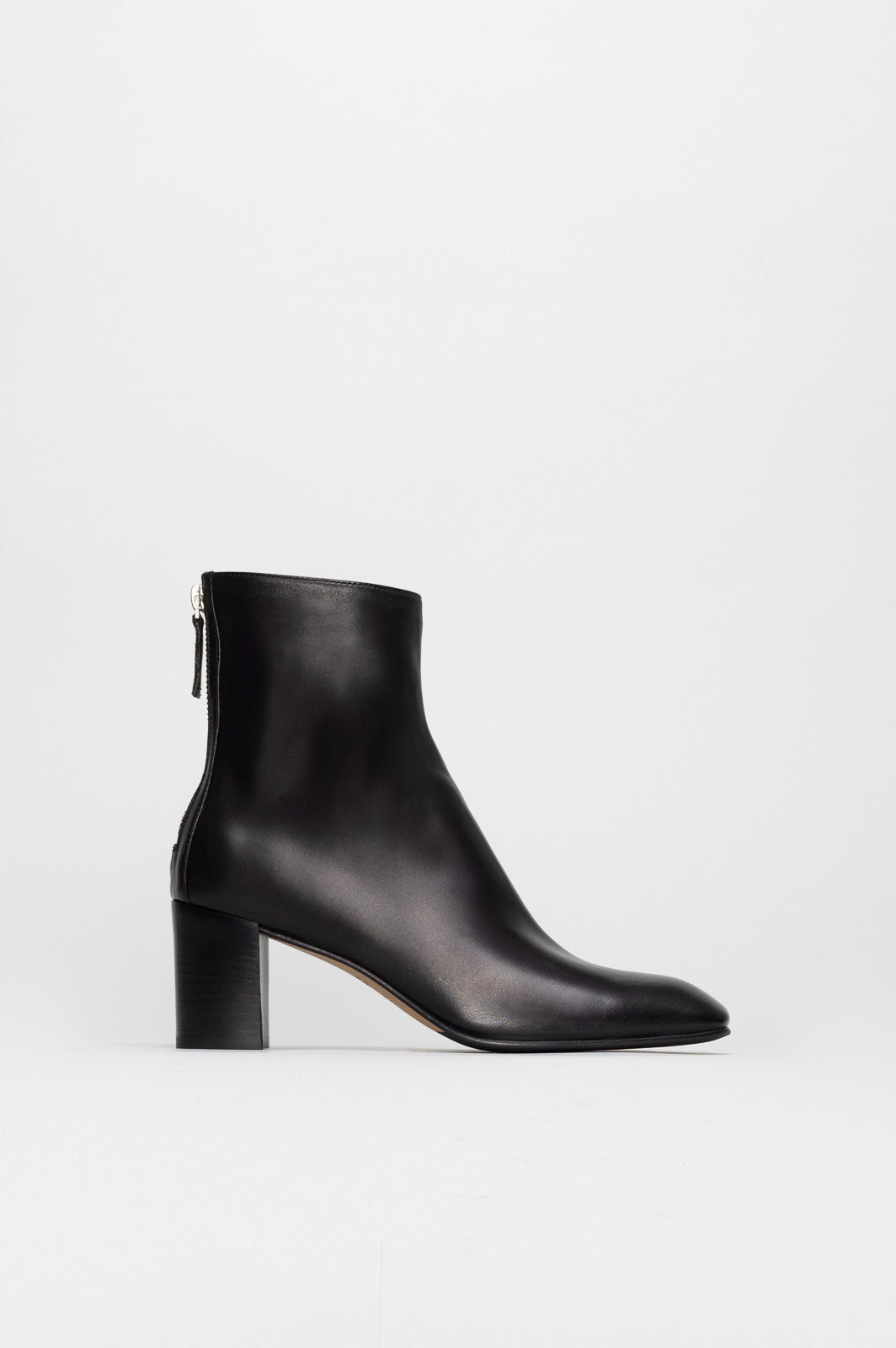
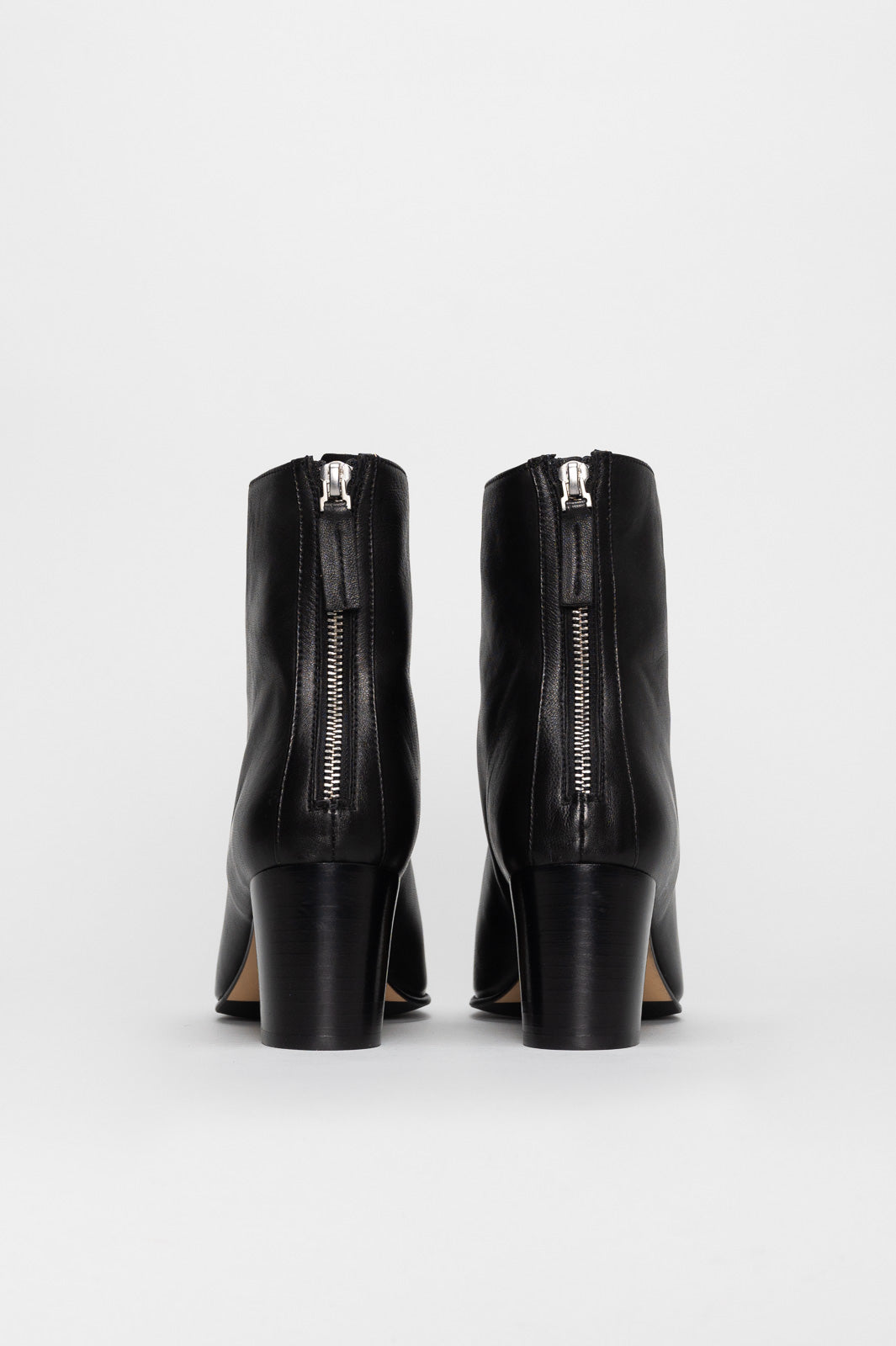
Contemporary
What defines it
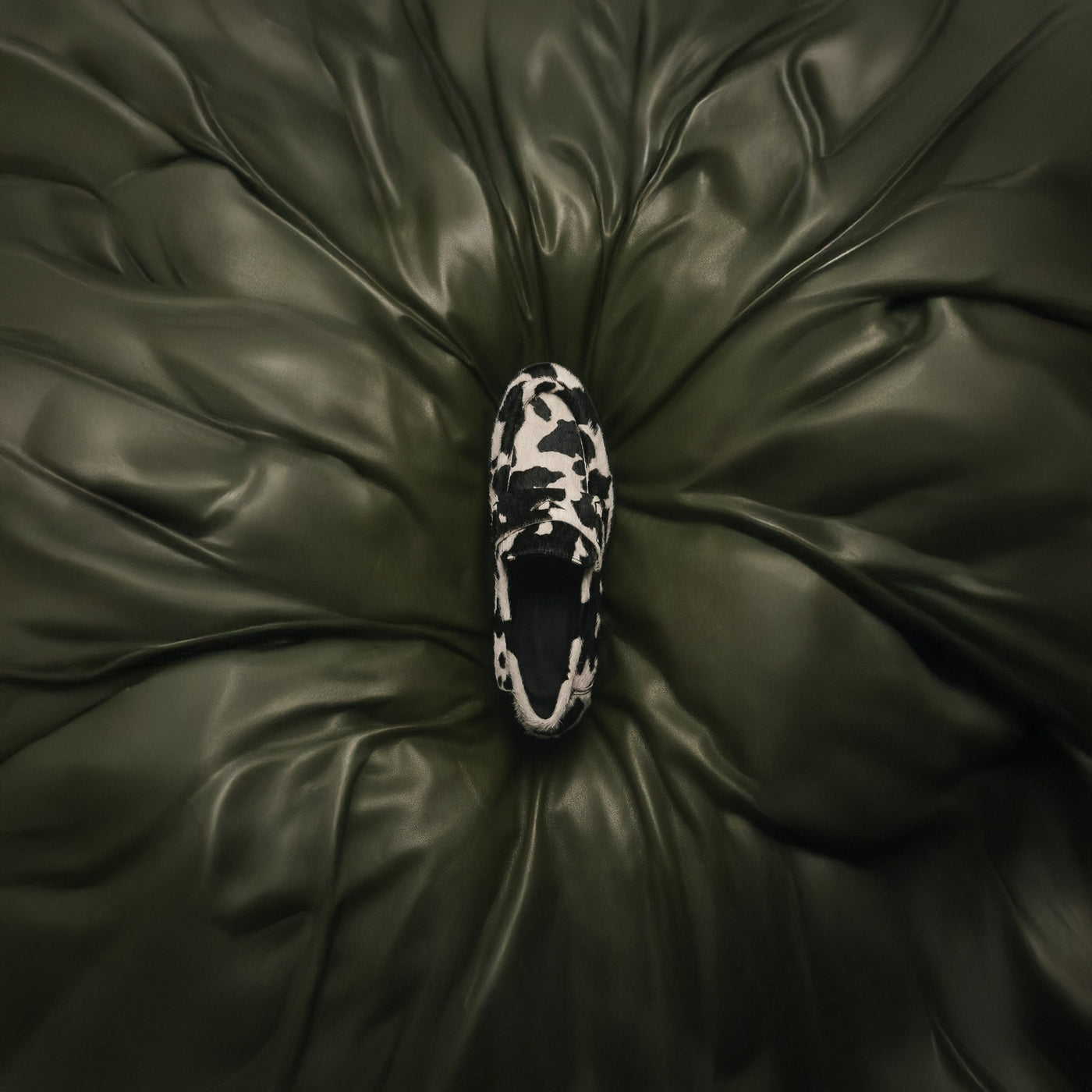
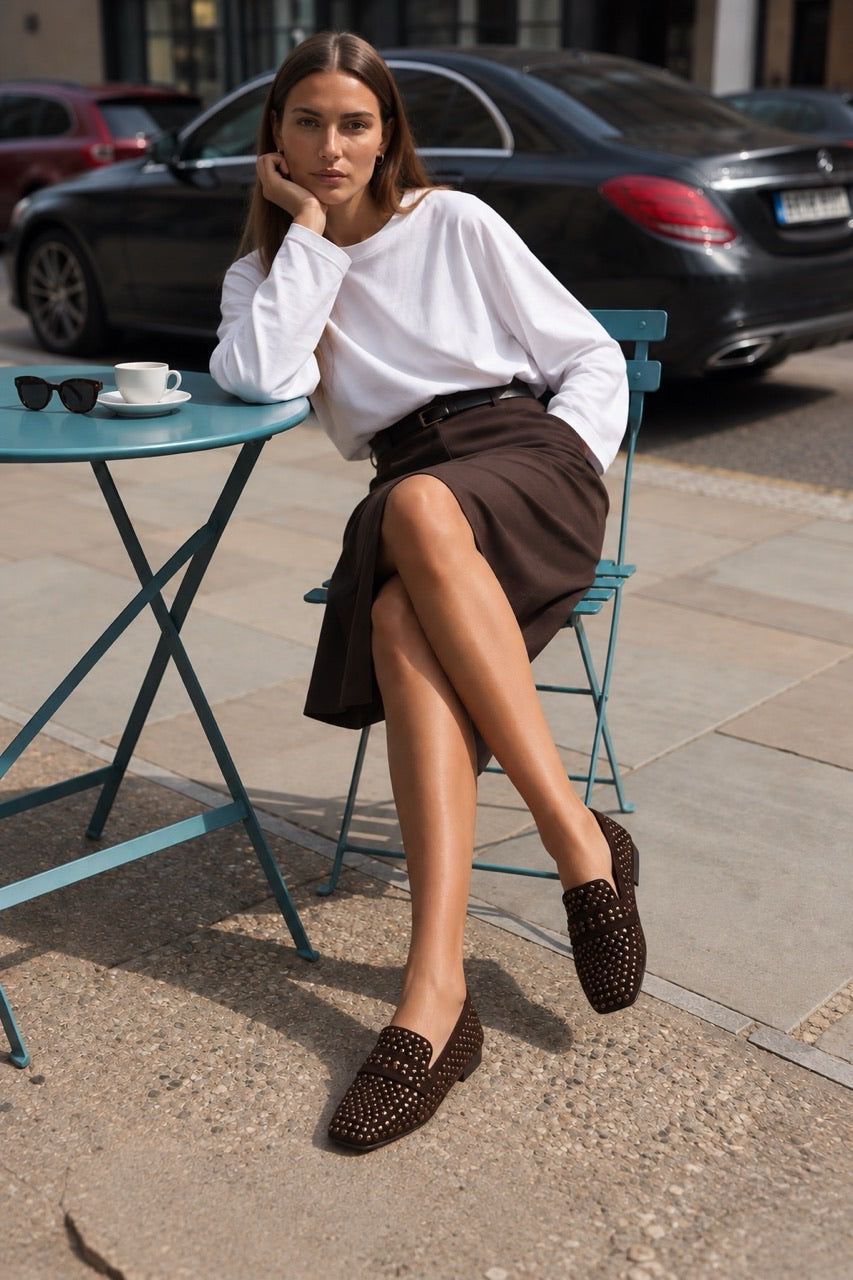
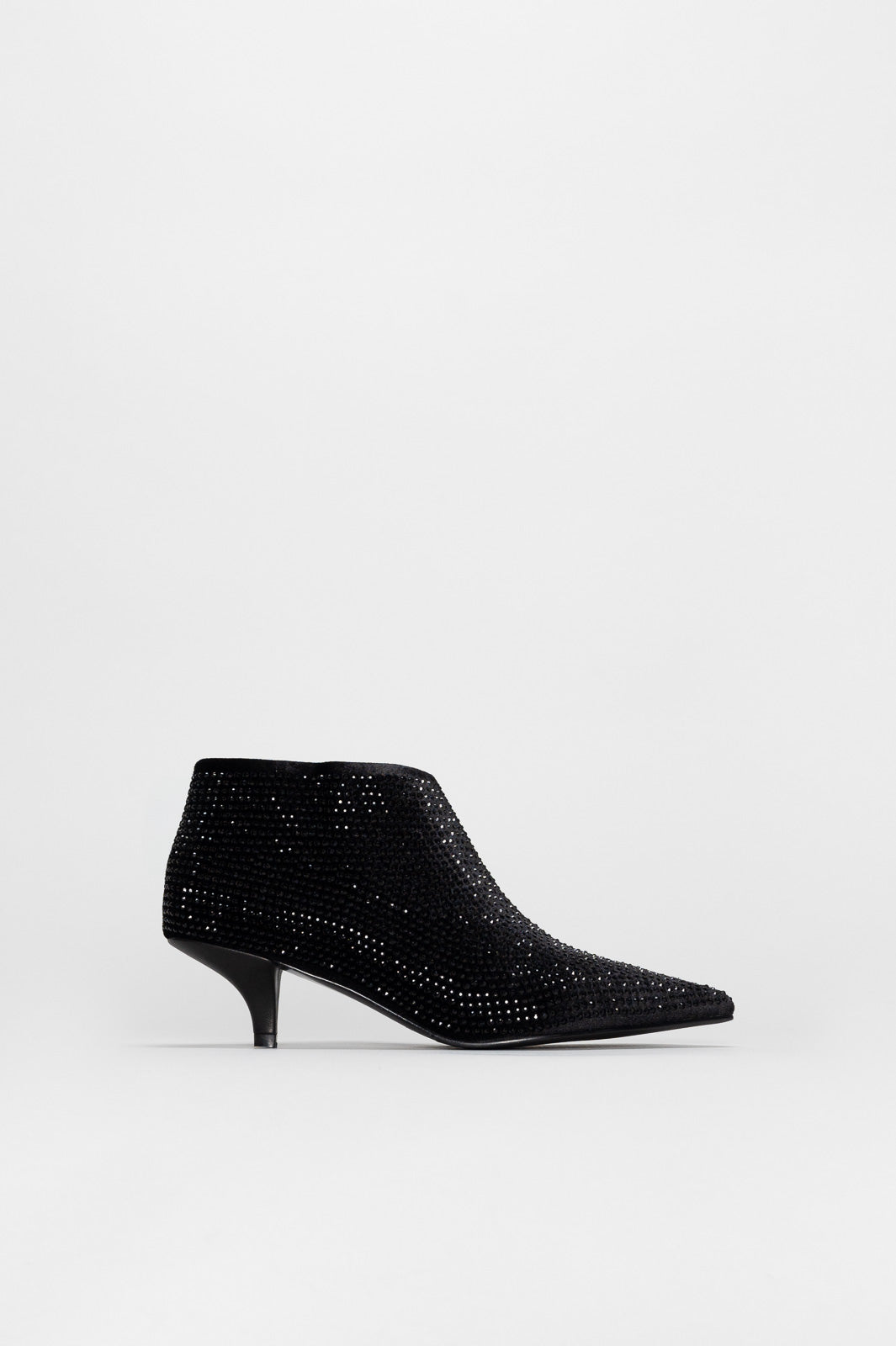
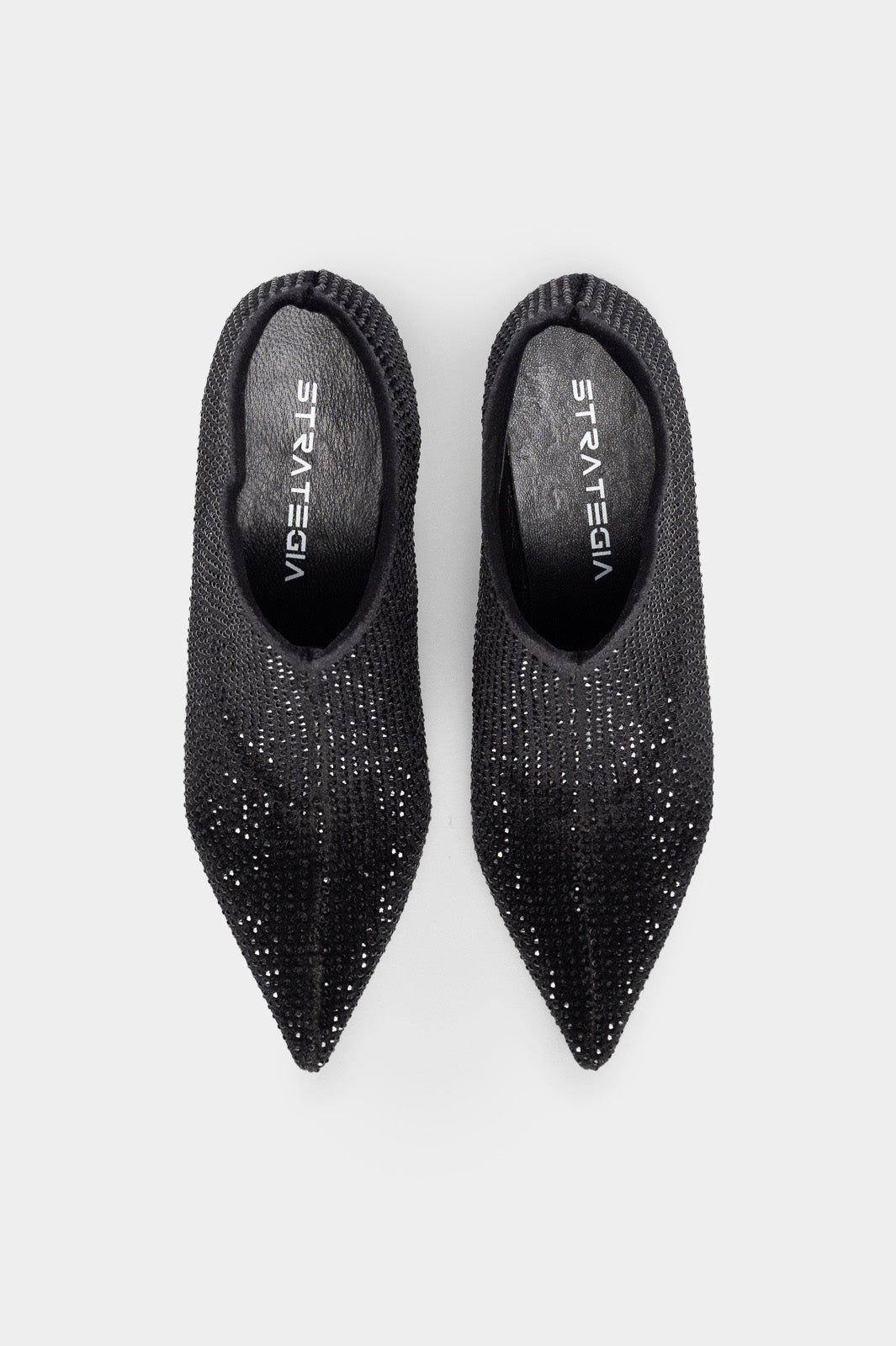
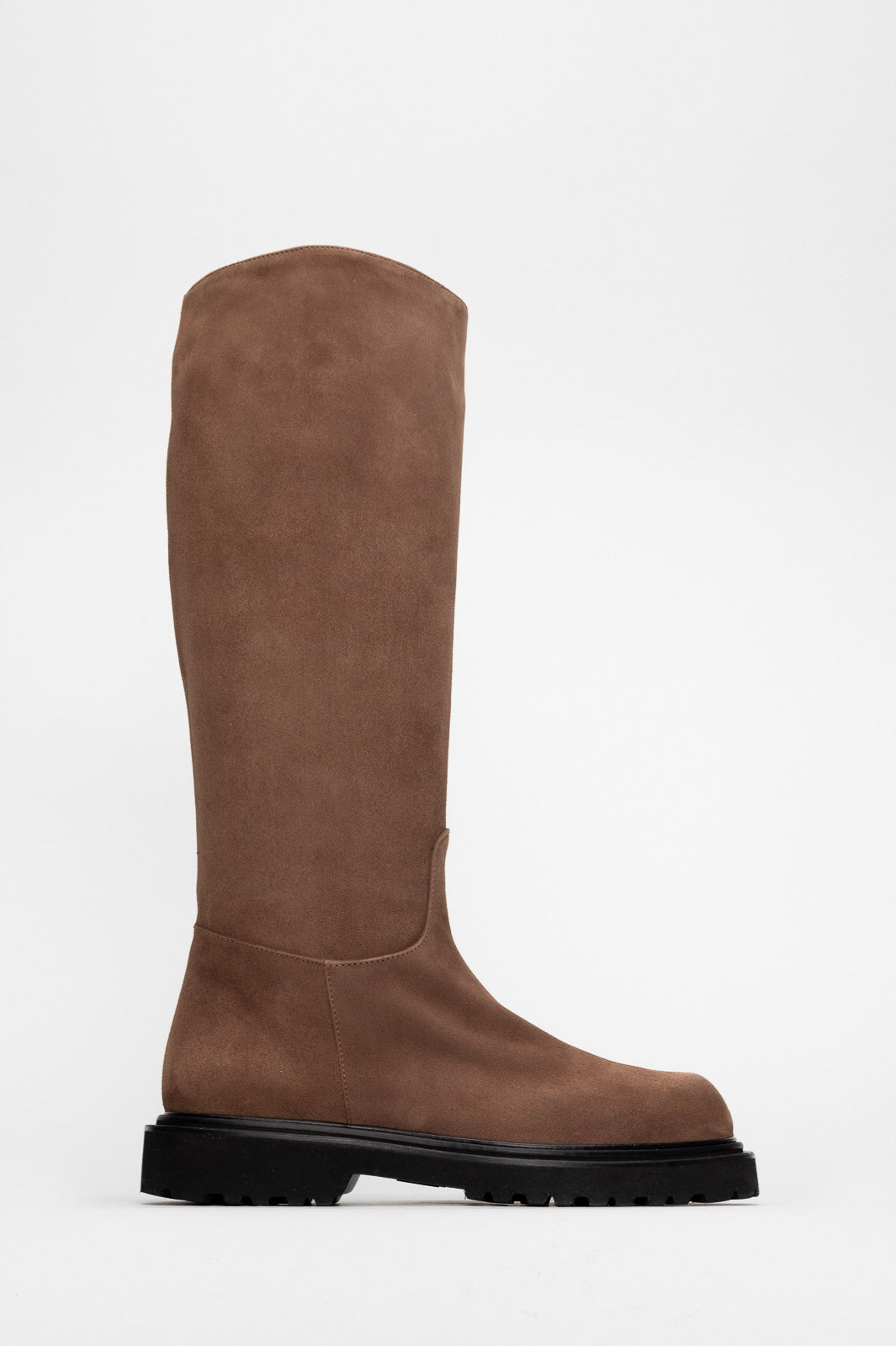
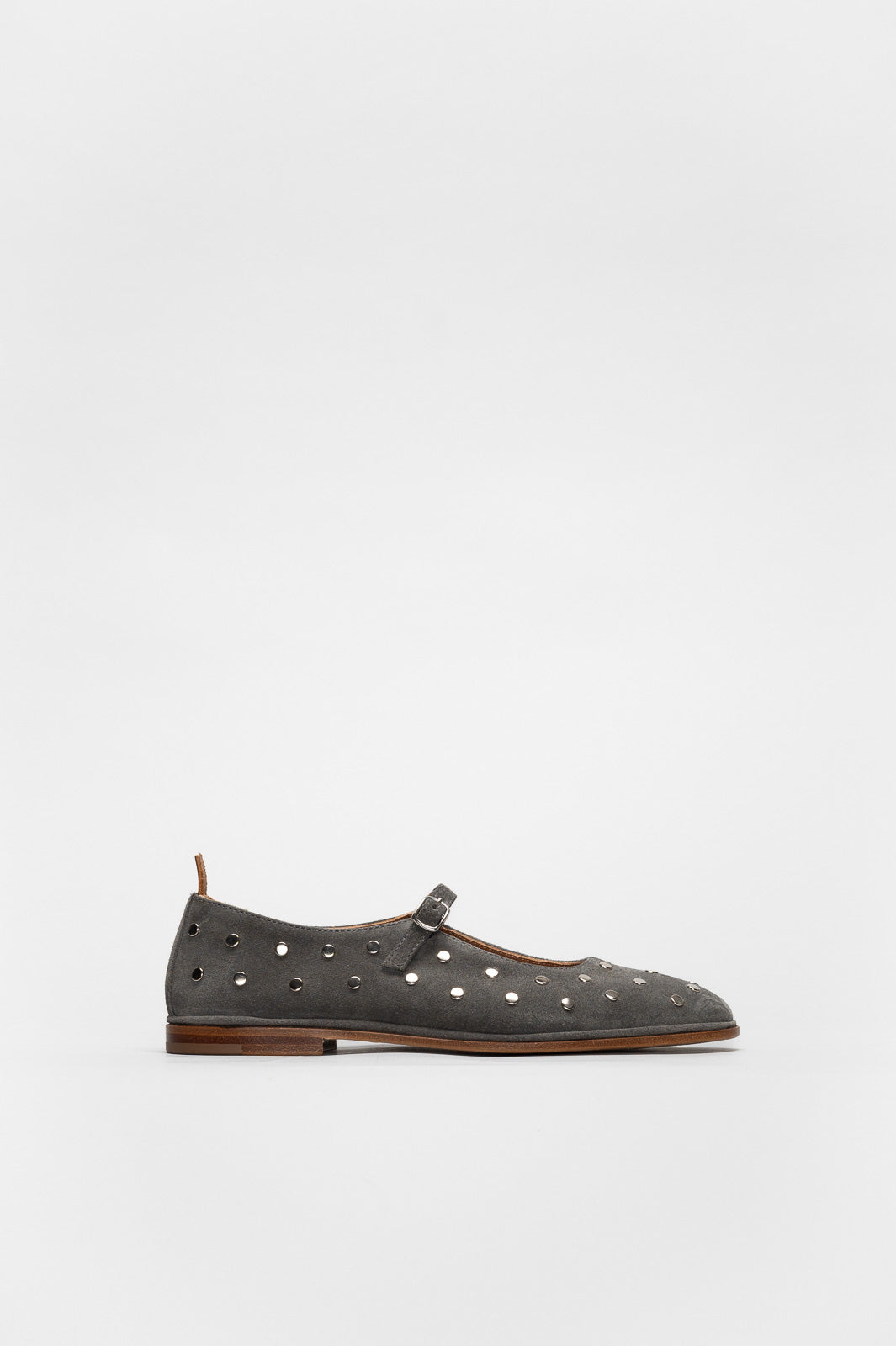
Classic silhouettes updated through cut, proportion and finish. The shapes are familiar, but the details are sharper and more current.
Materials and construction
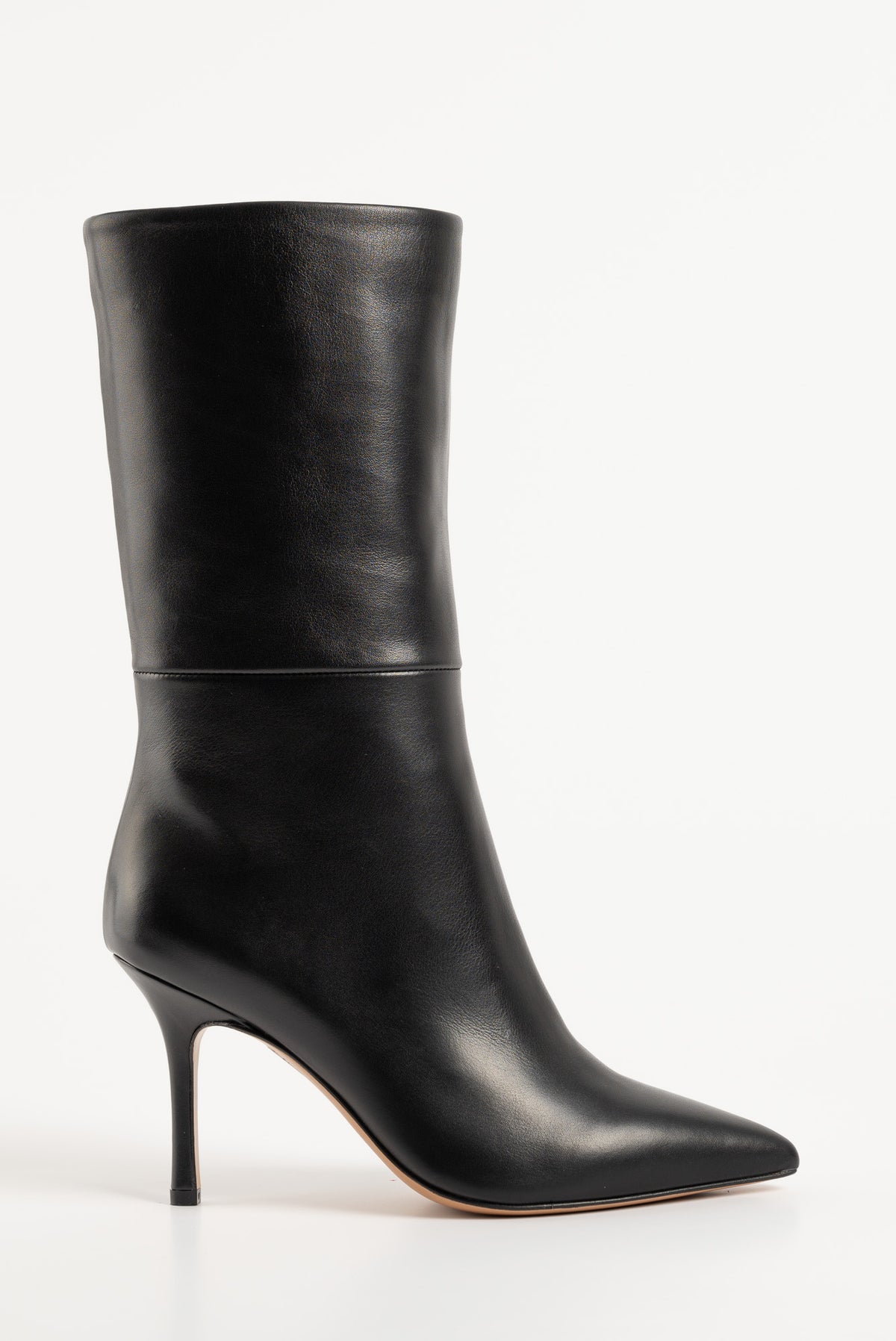
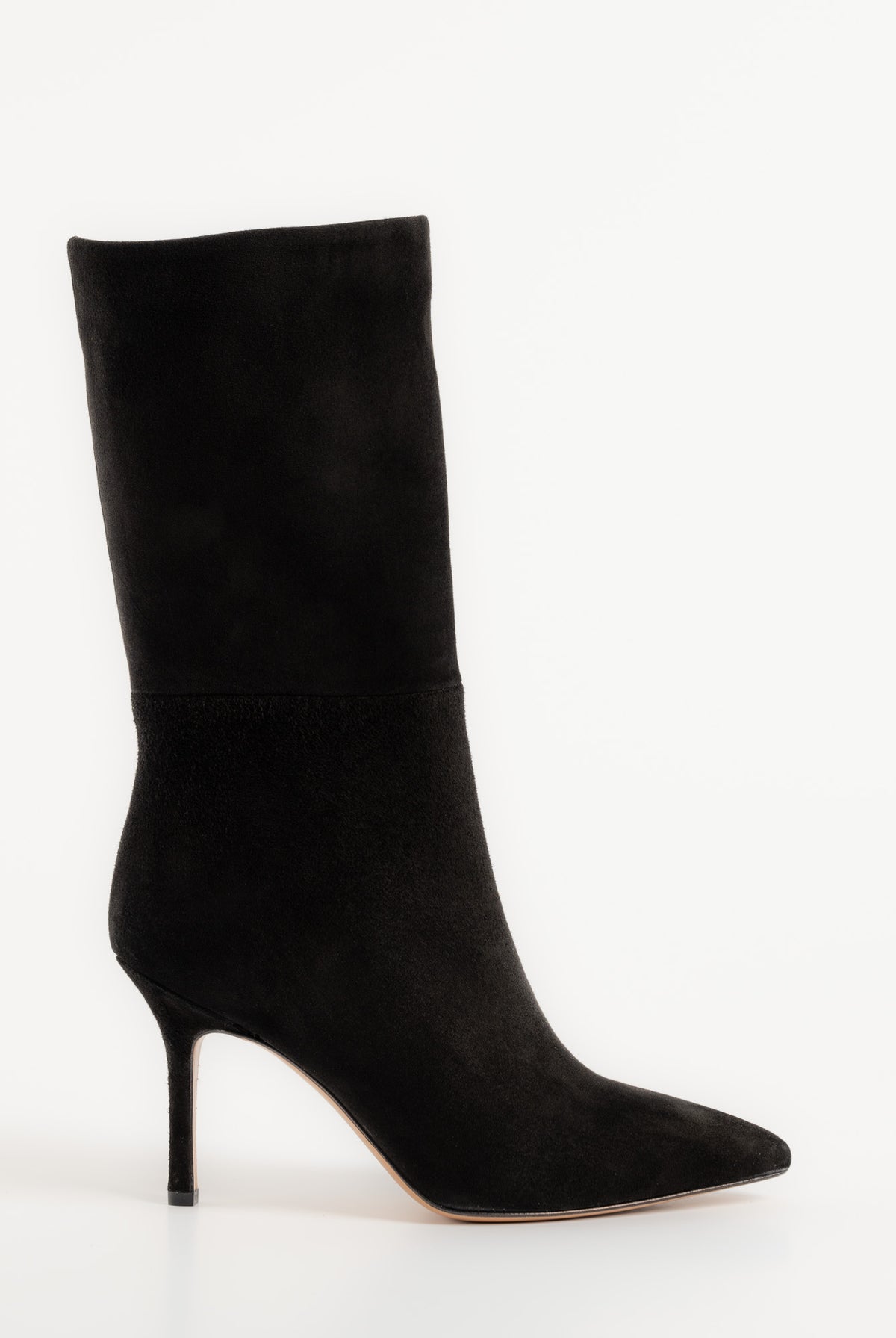
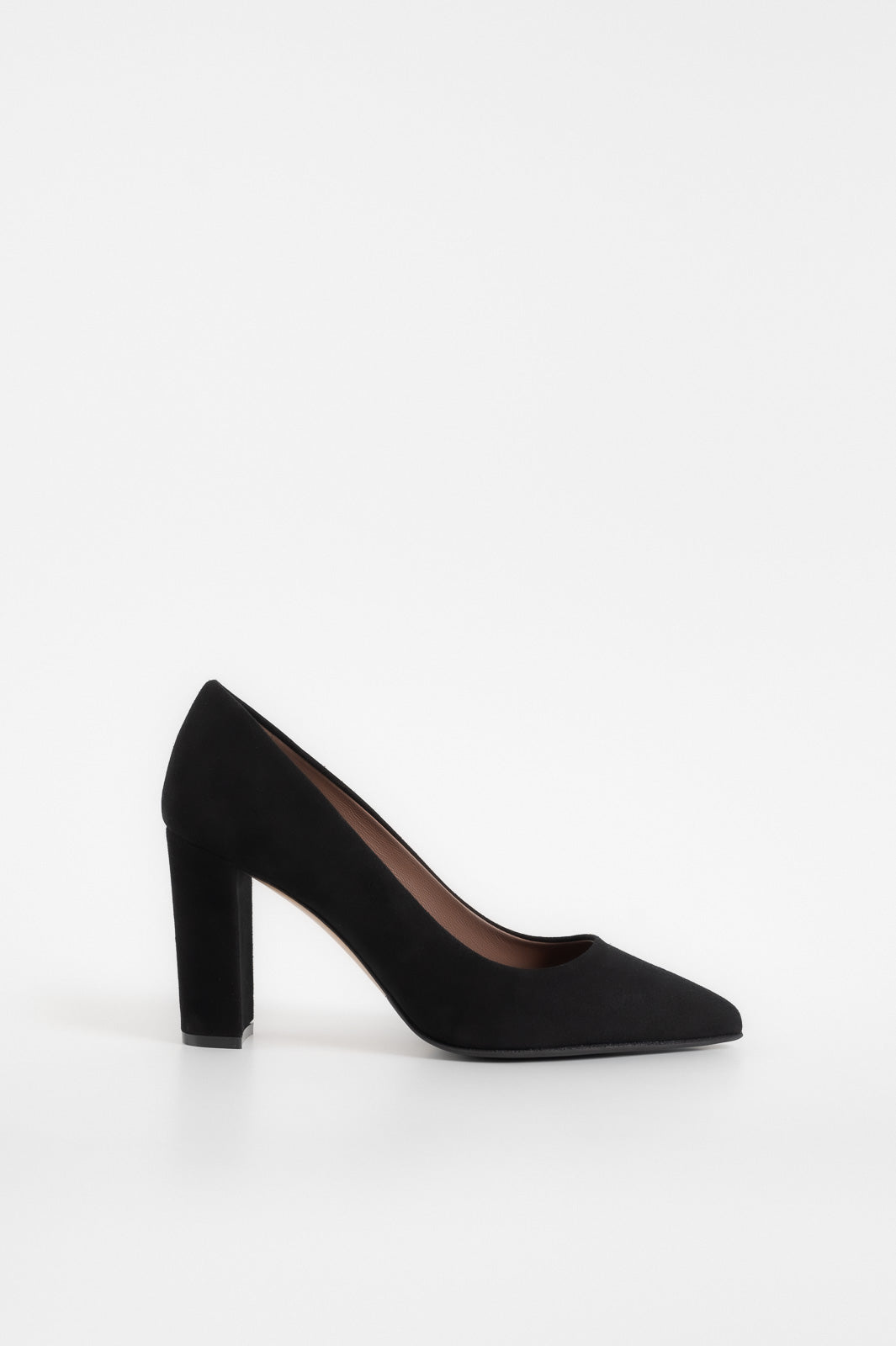
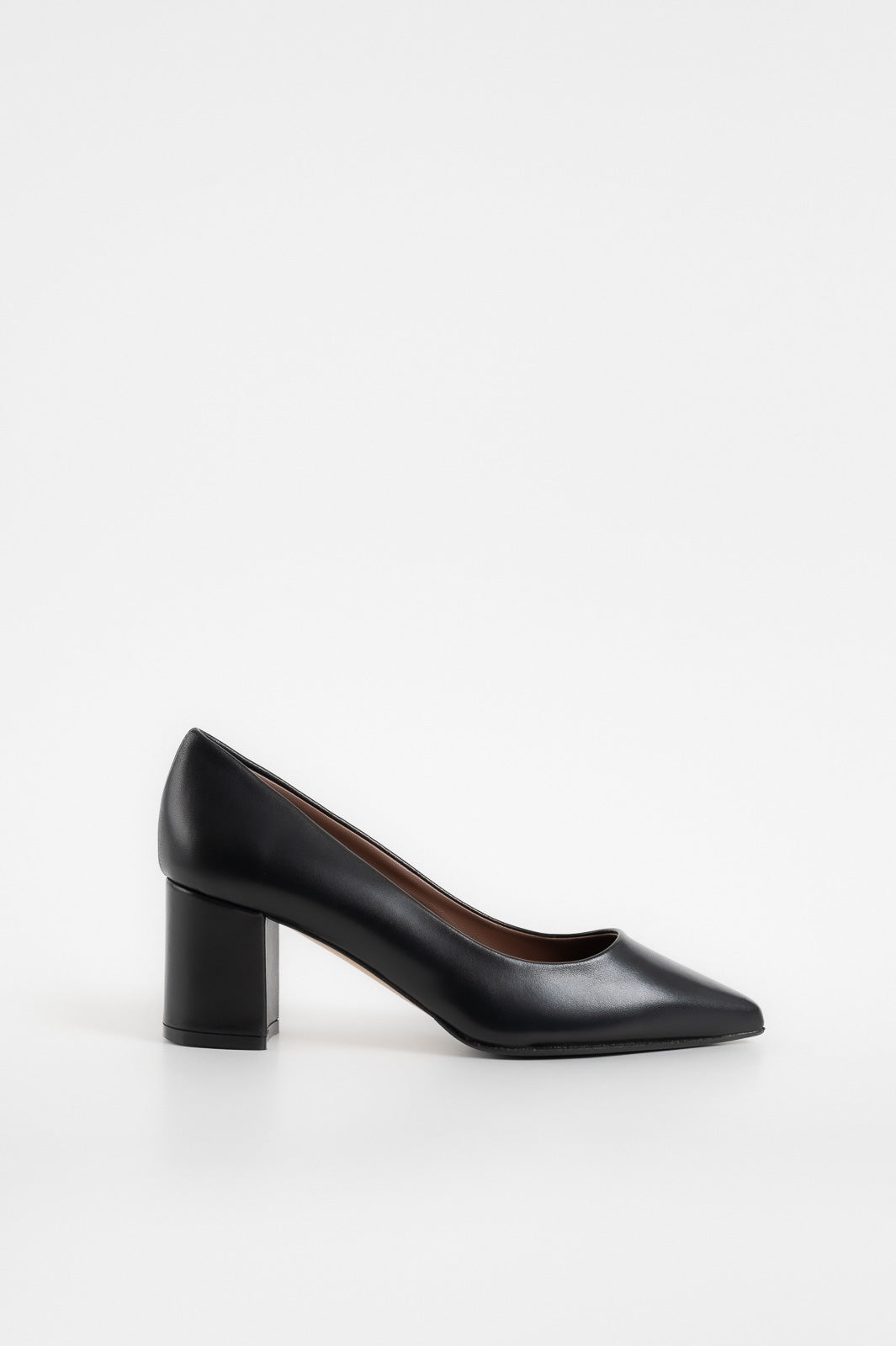
Smooth leather creates a clean outline. Suede softens the surface. Heels and soles stay balanced, avoiding excess or decorative elements.
When contemporary
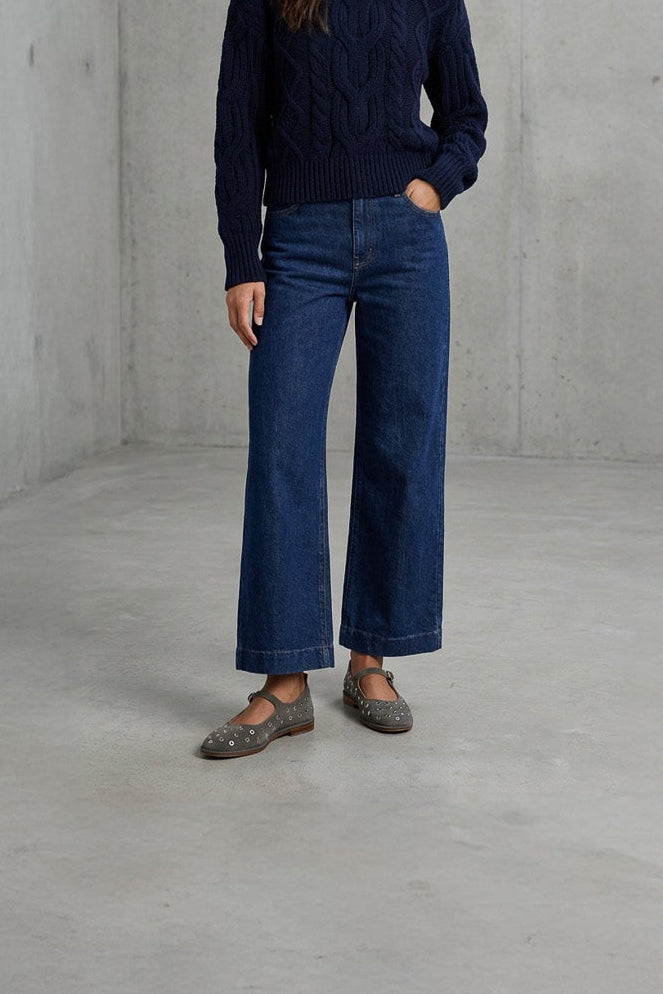
For work, city wear and occasions where you want a modern expression without stepping away from classic form.


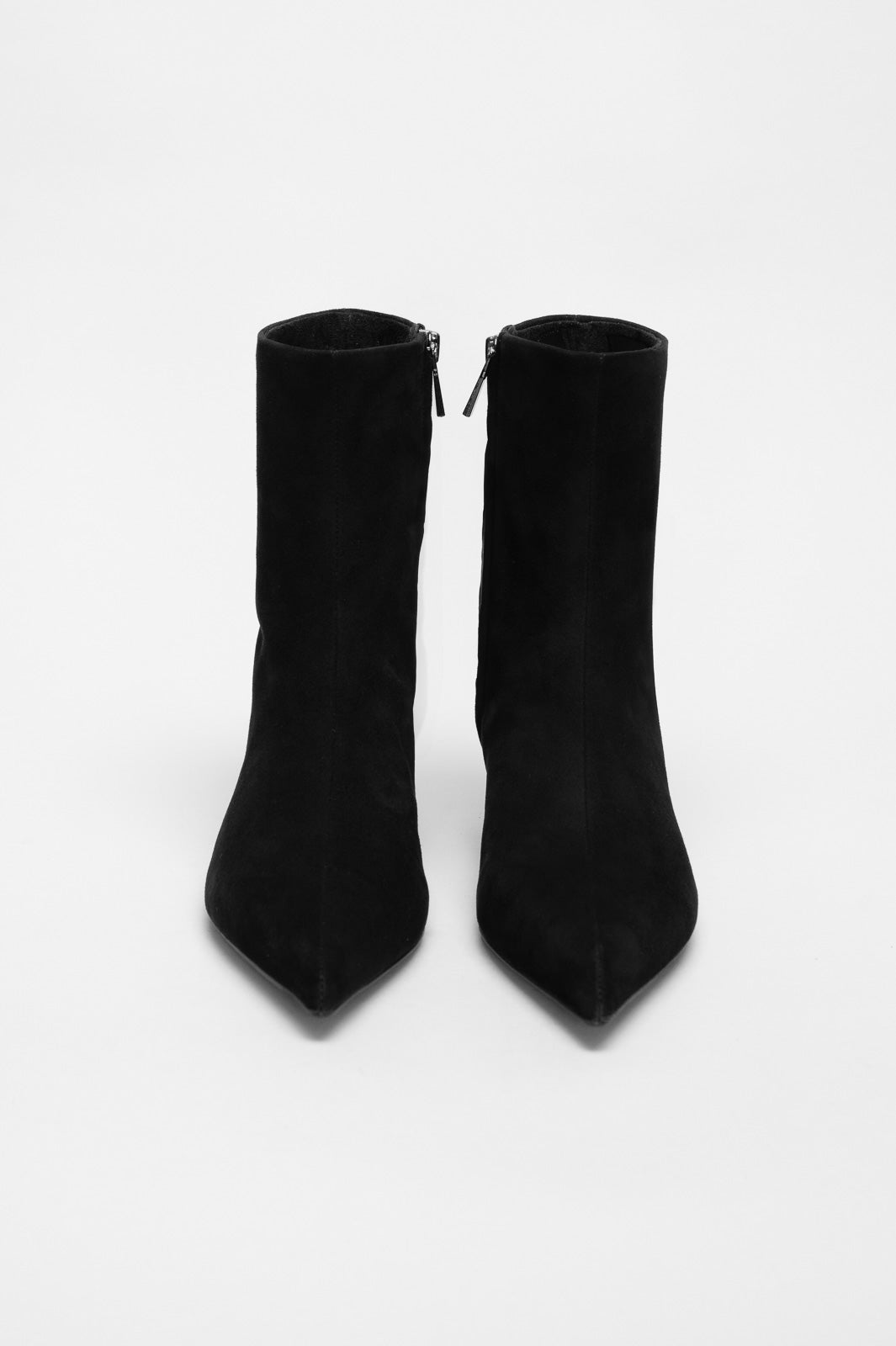
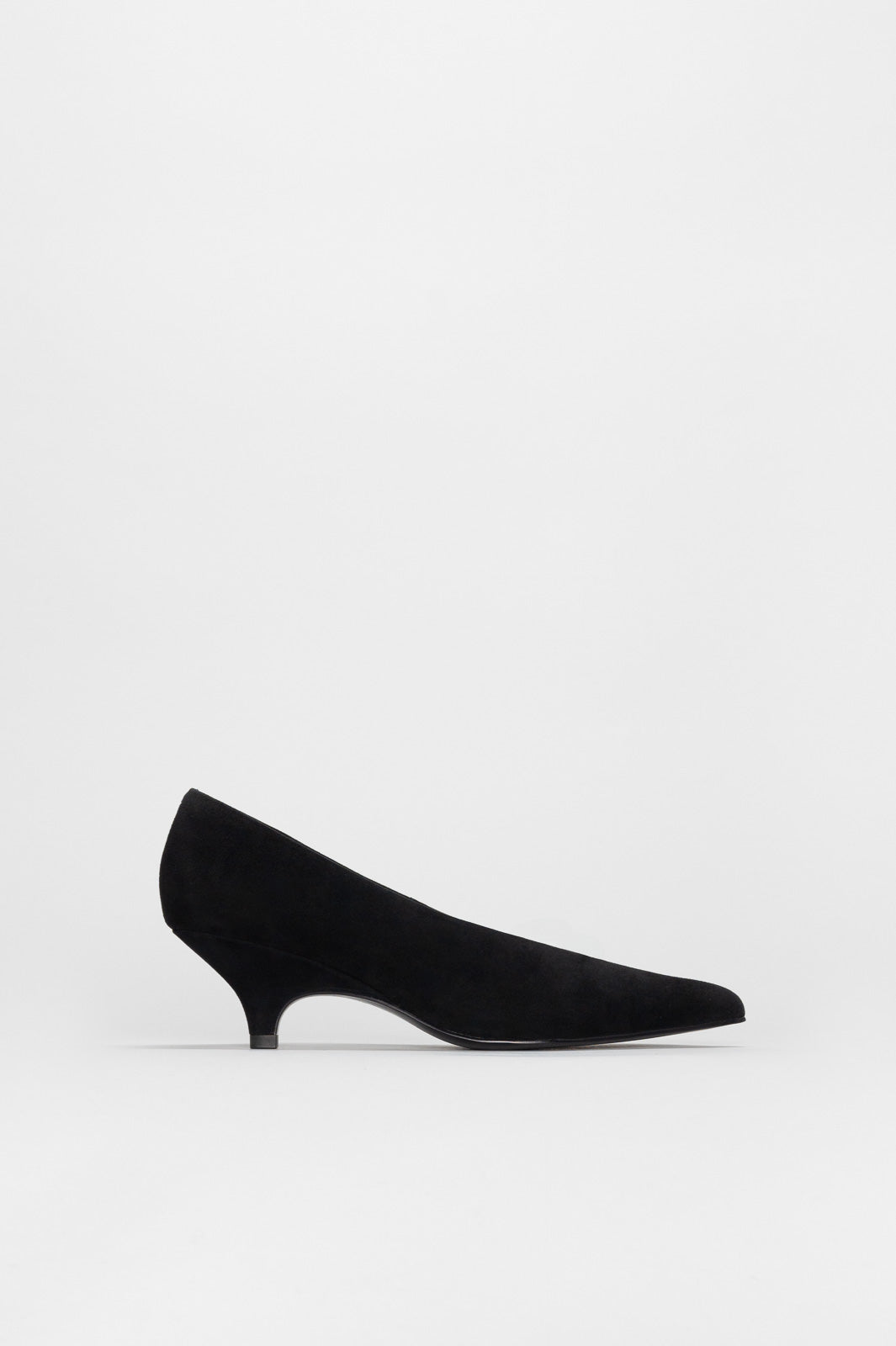
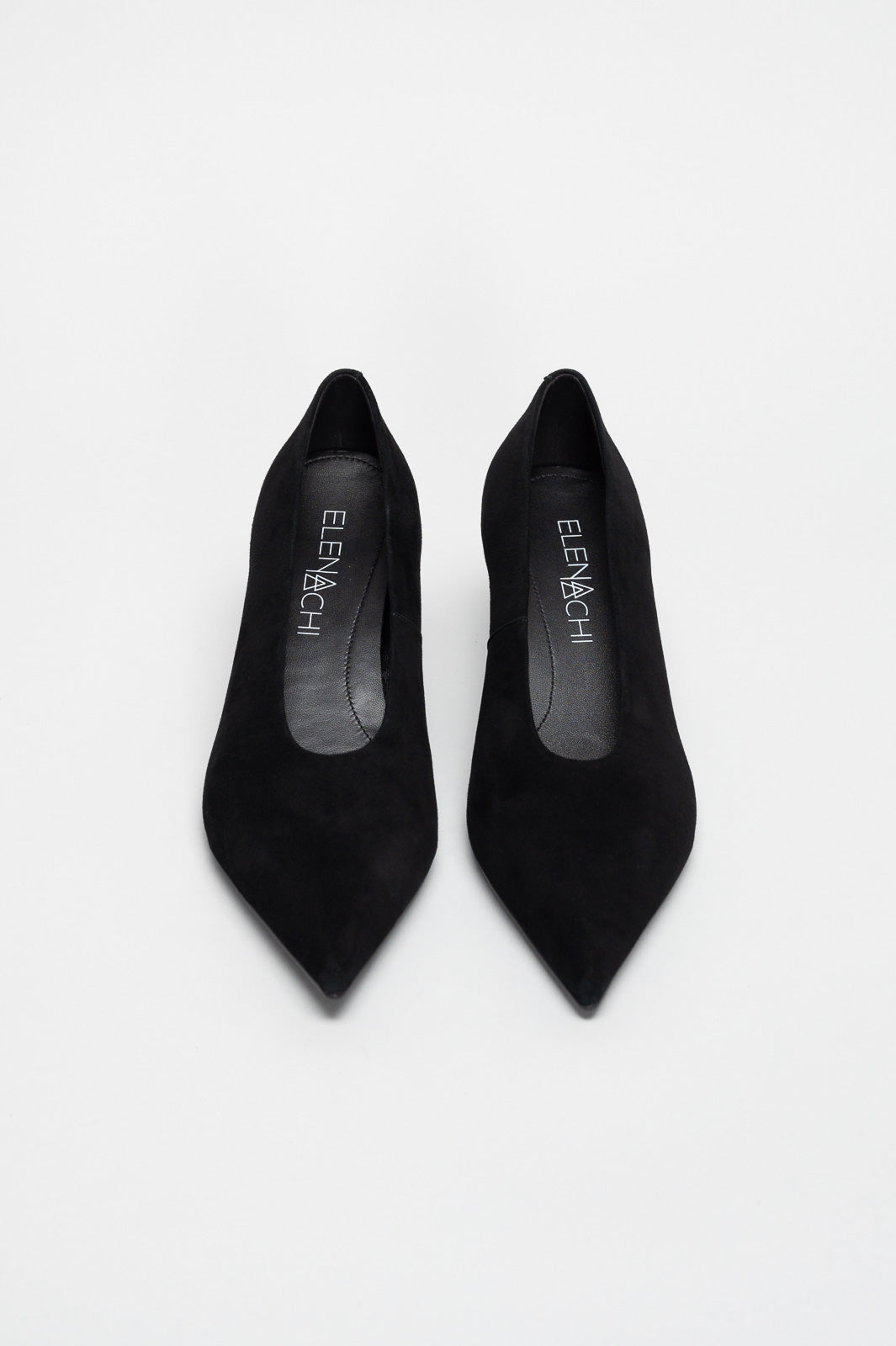
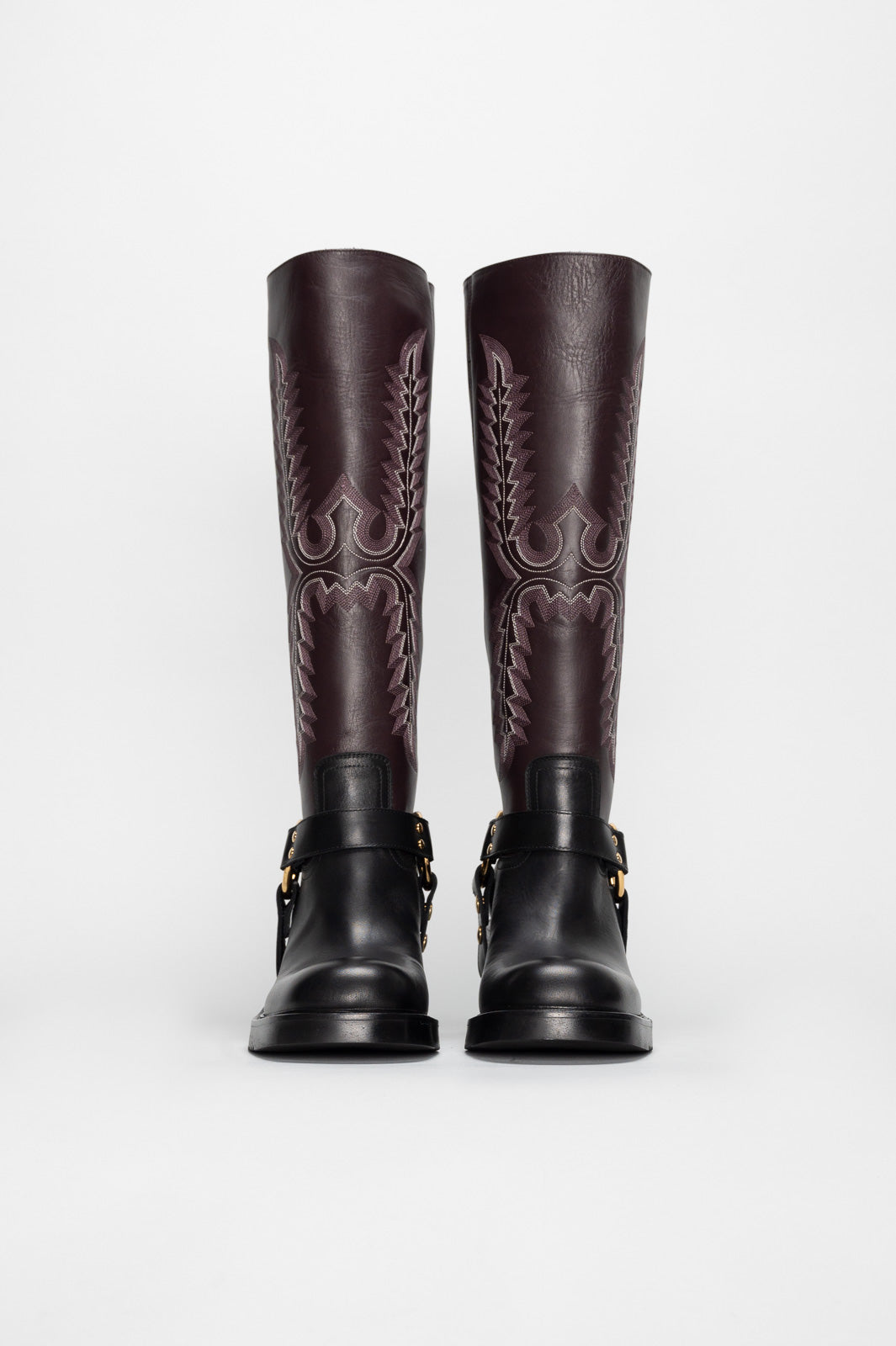
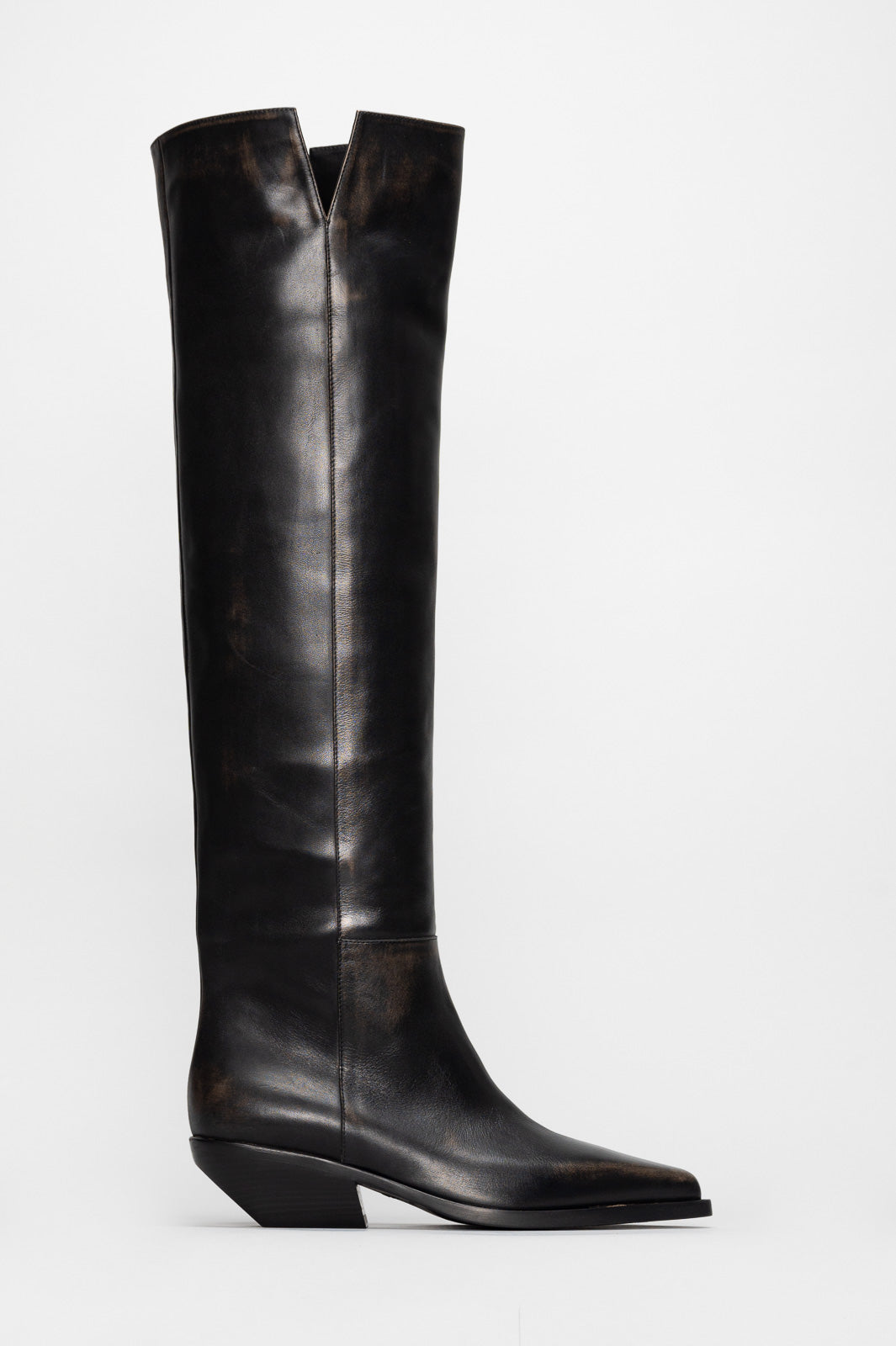
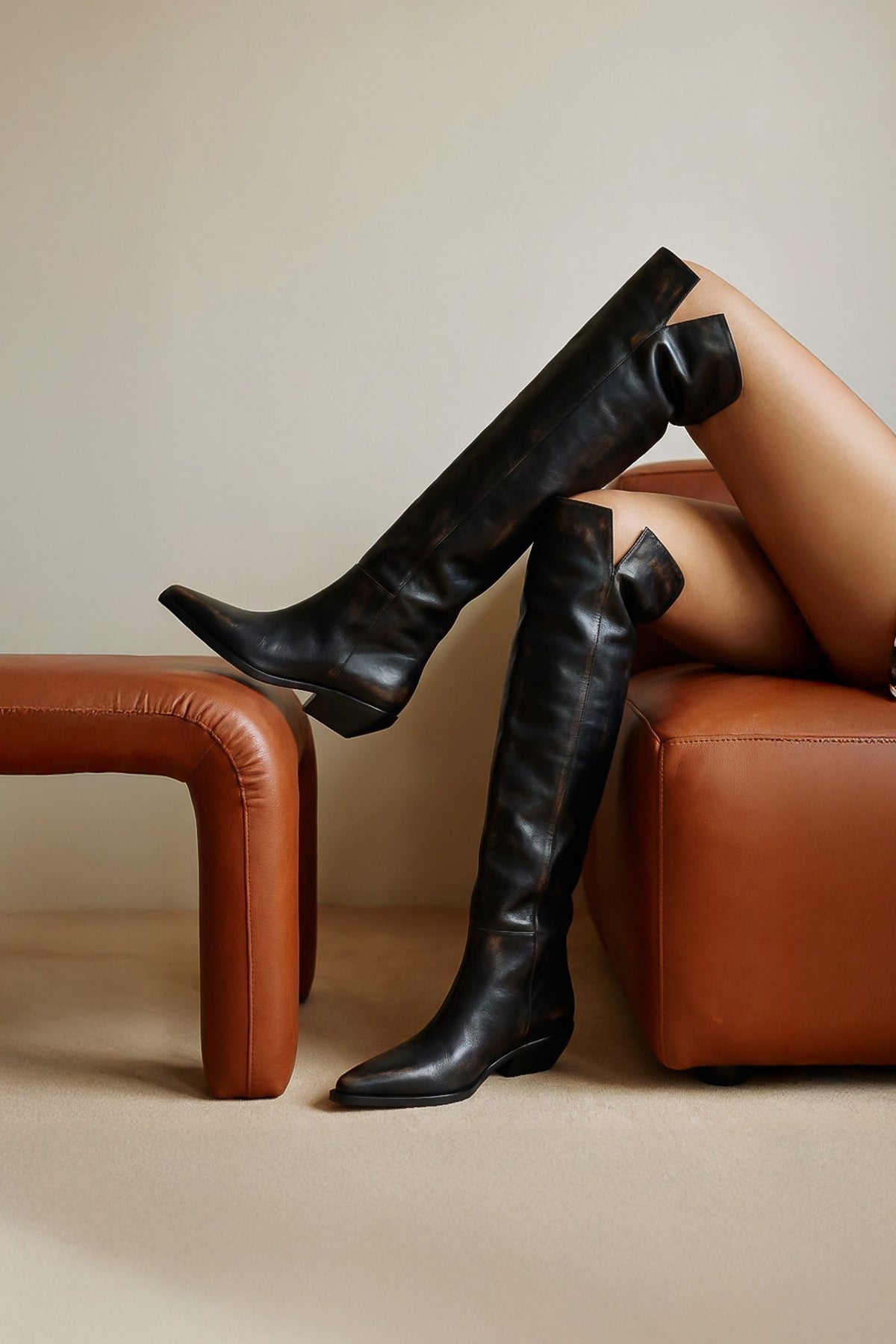
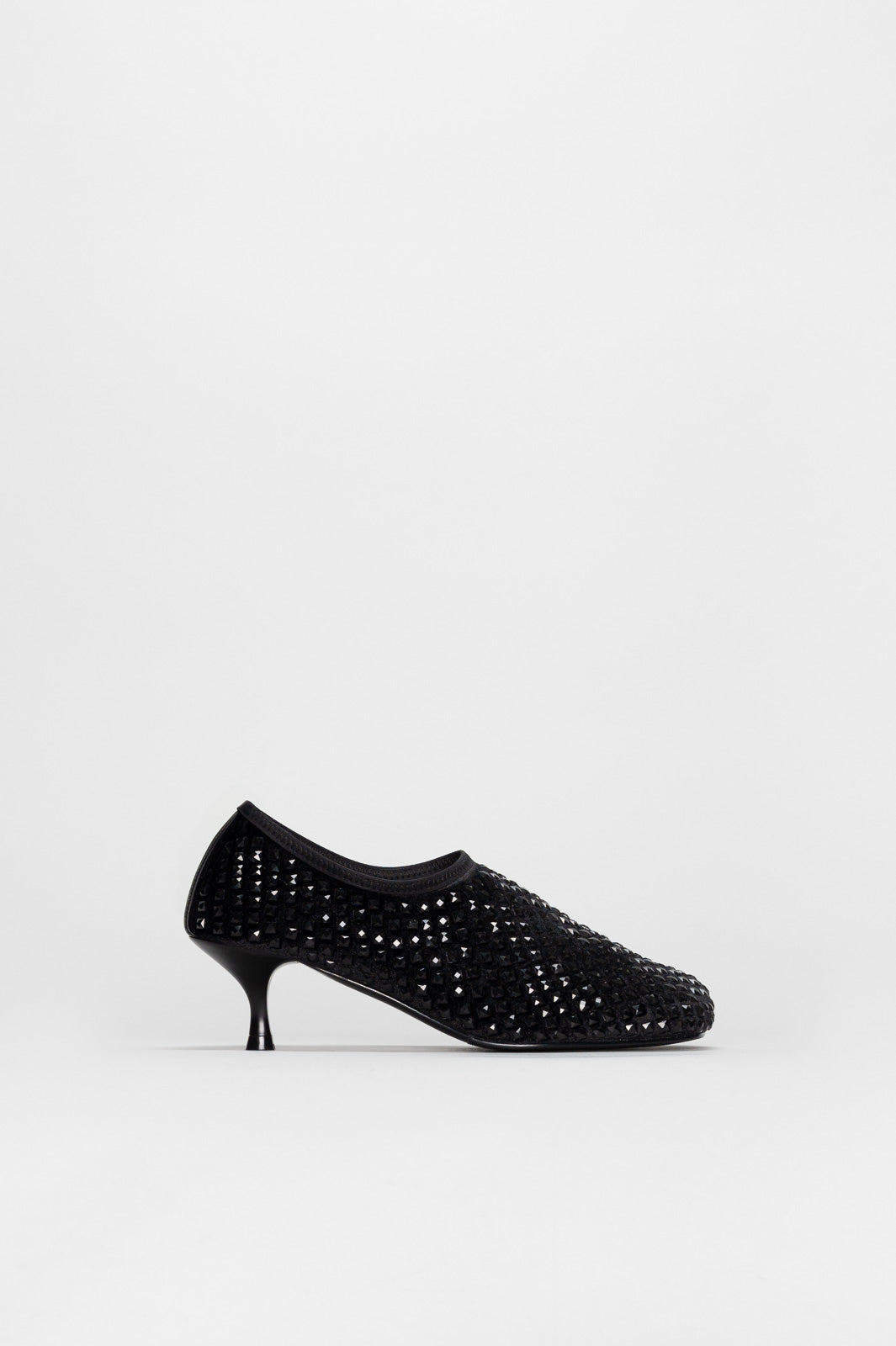
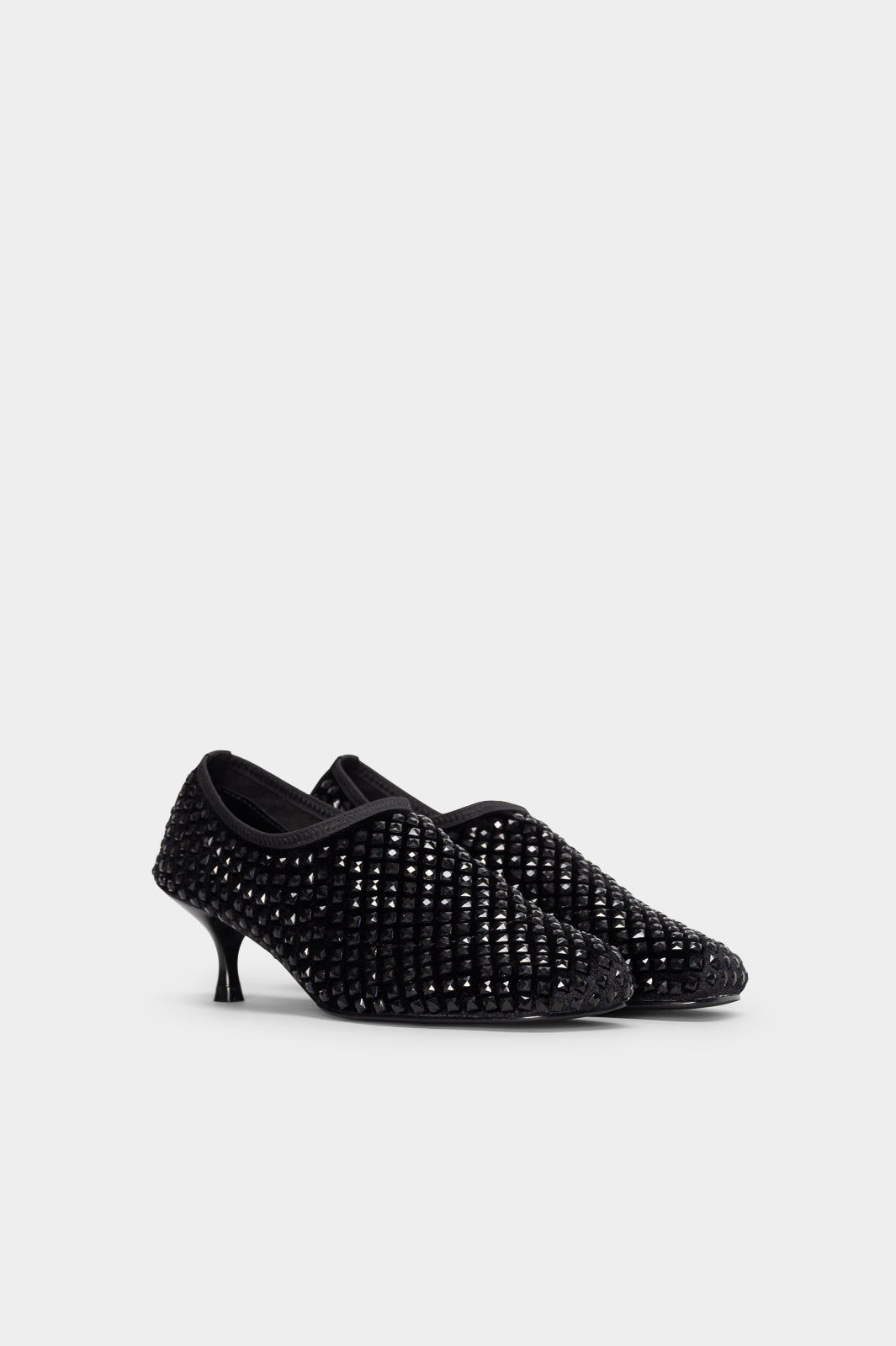
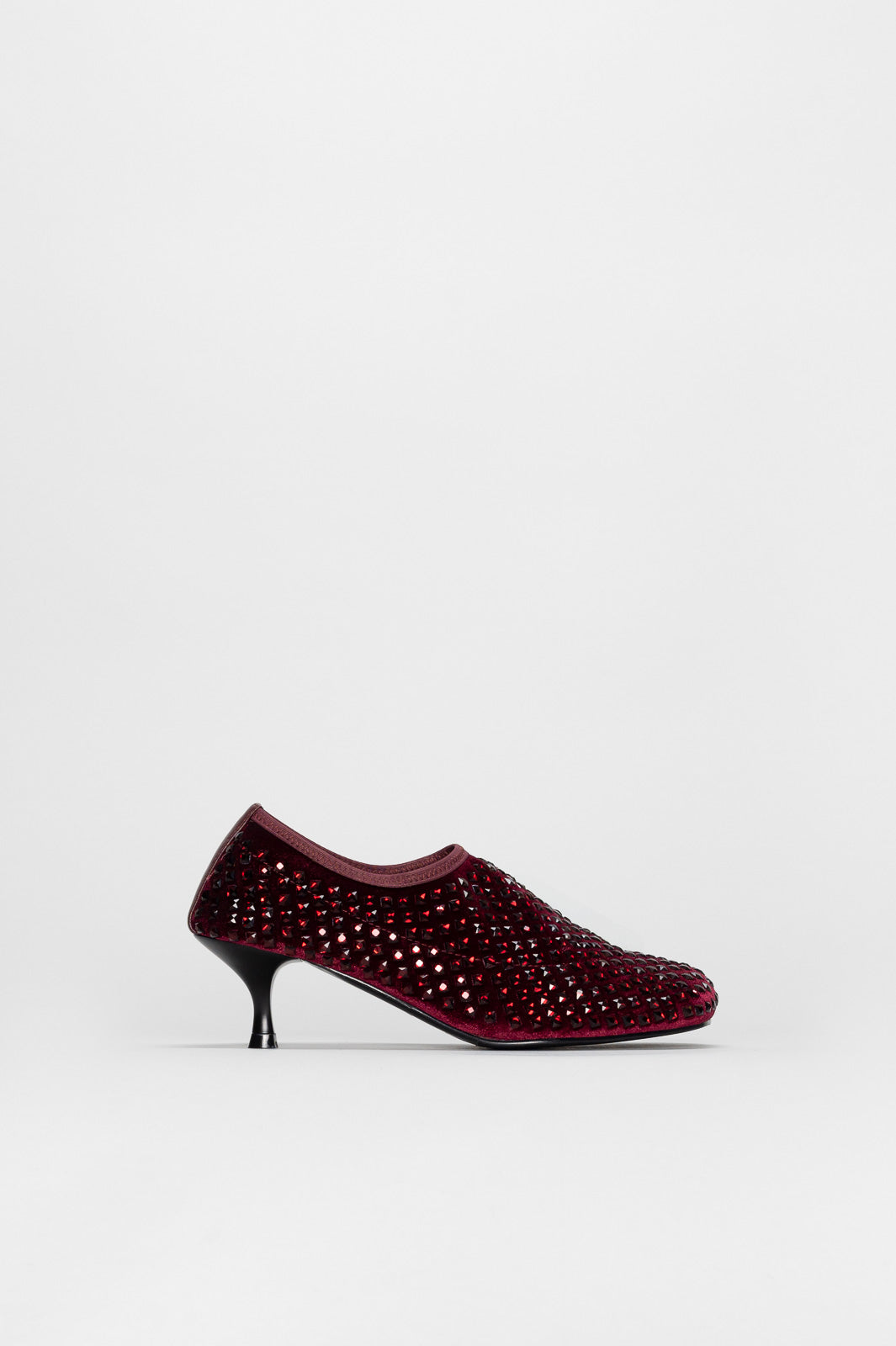
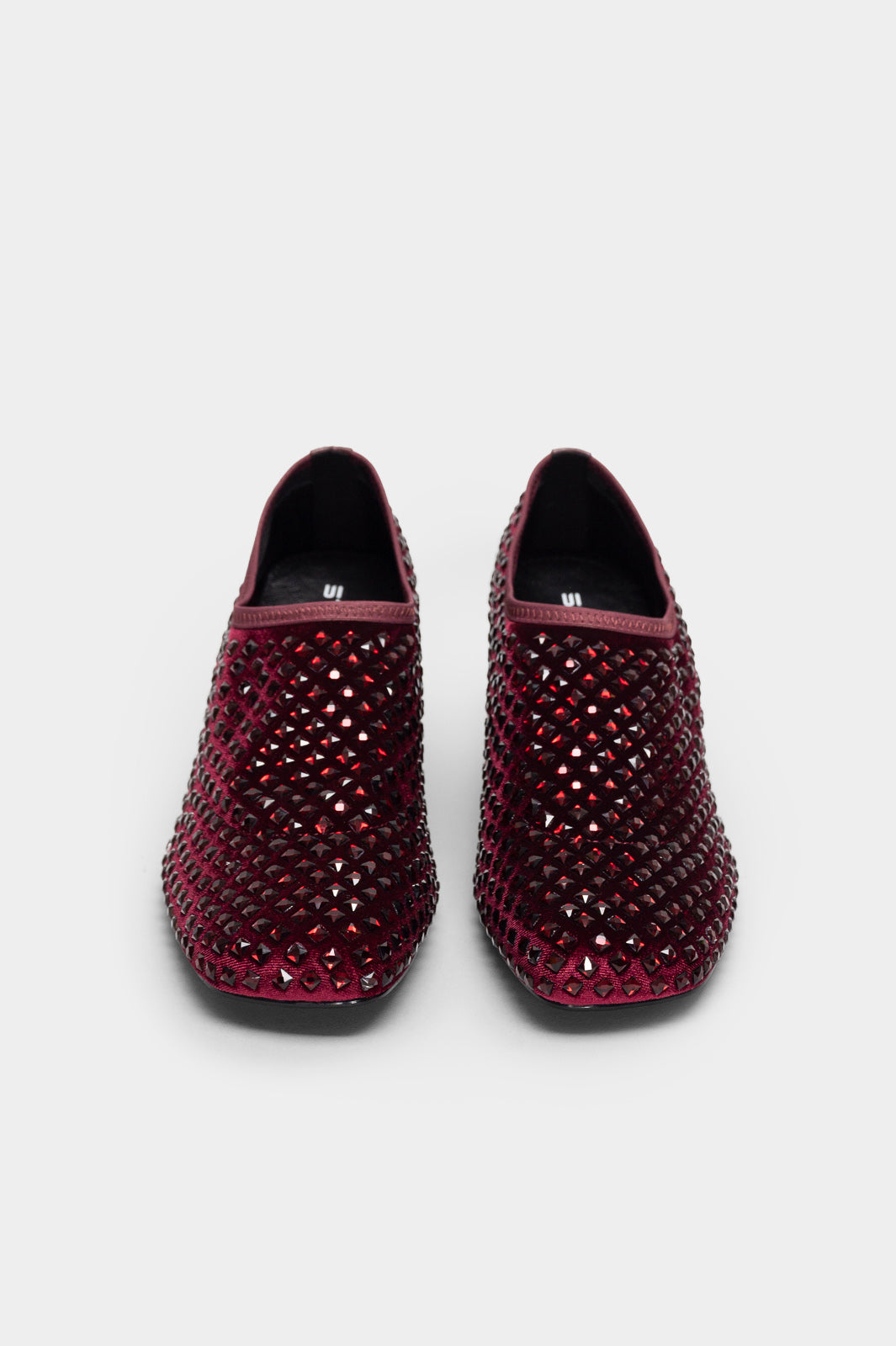
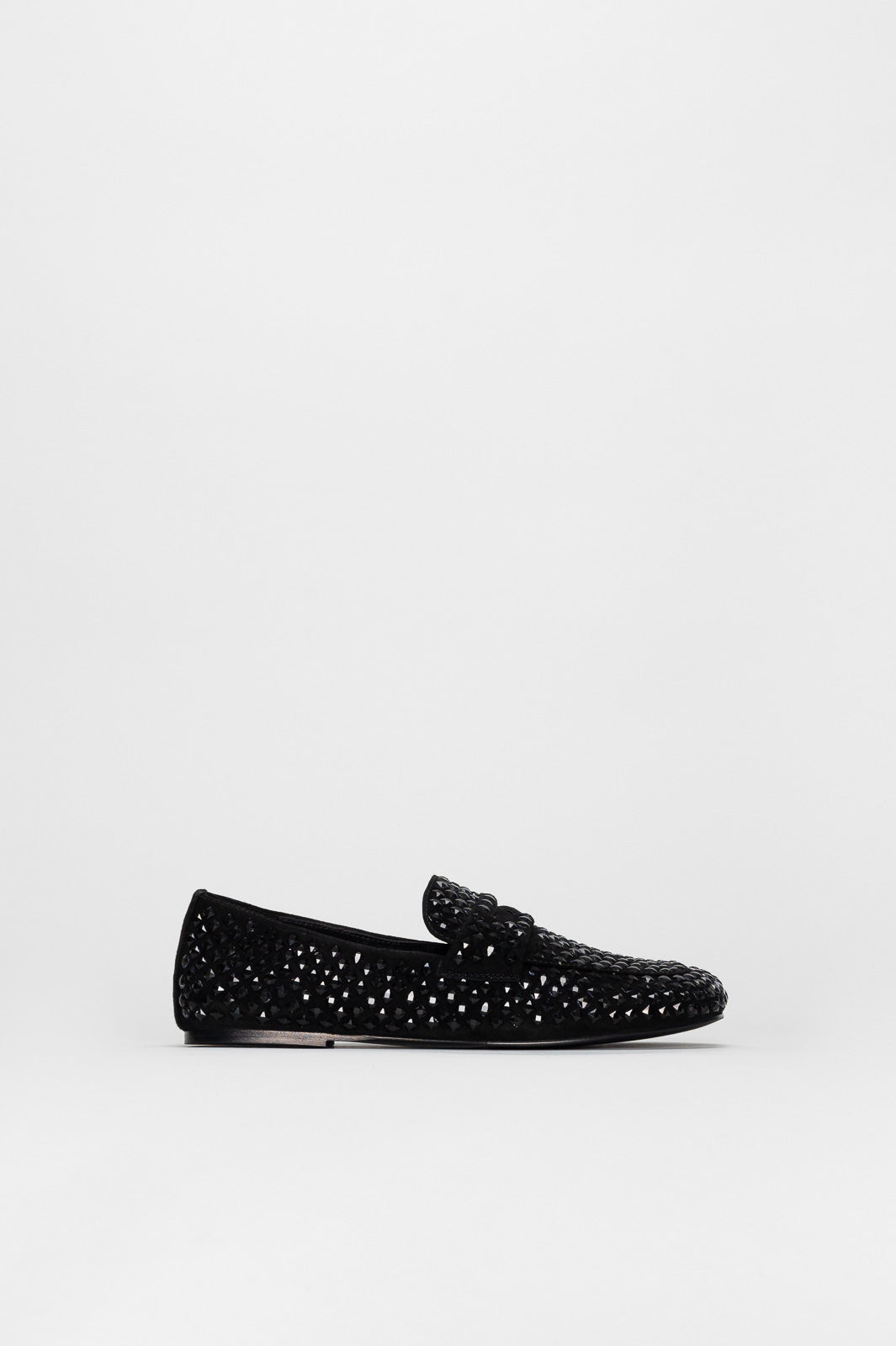
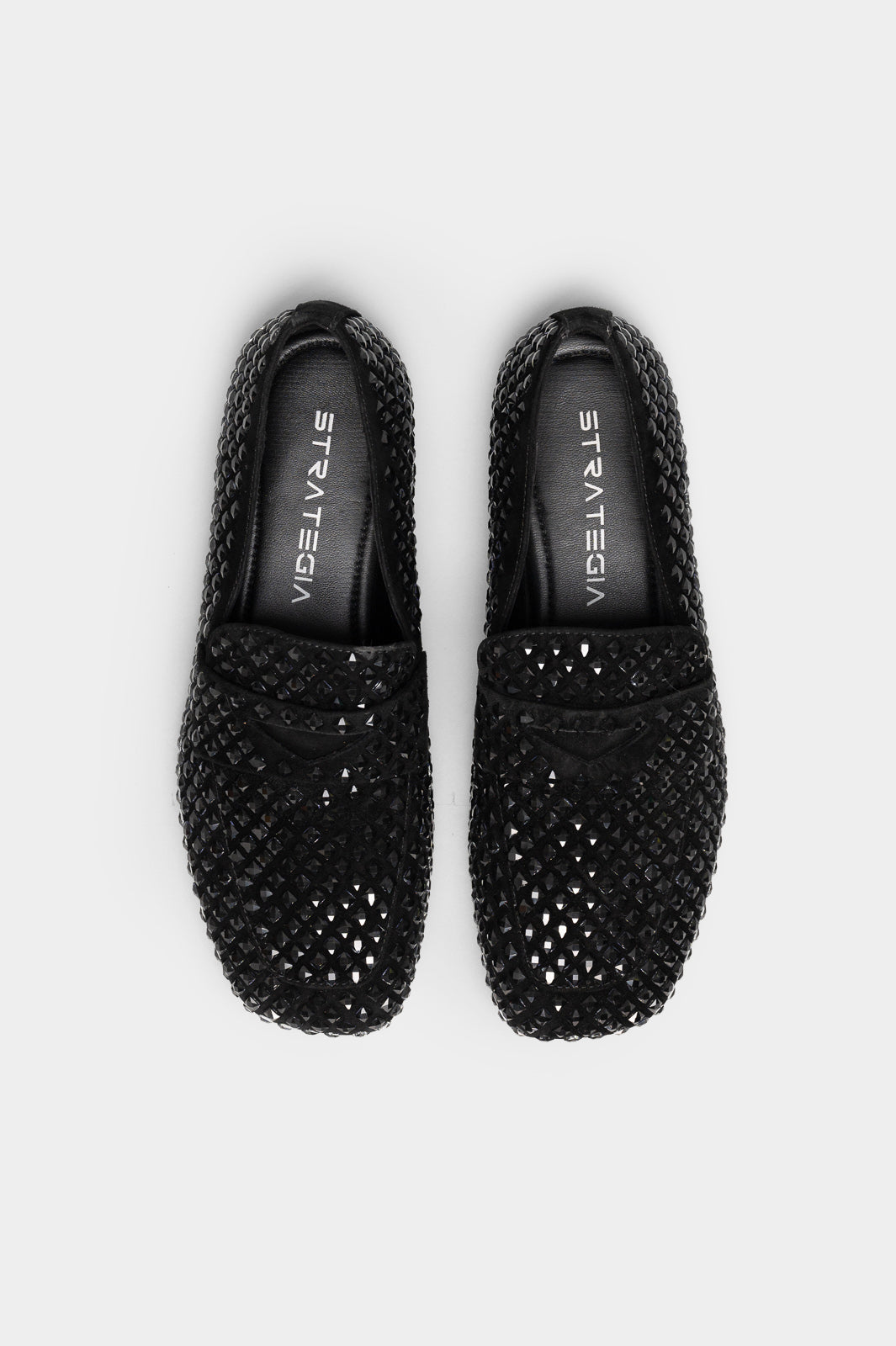
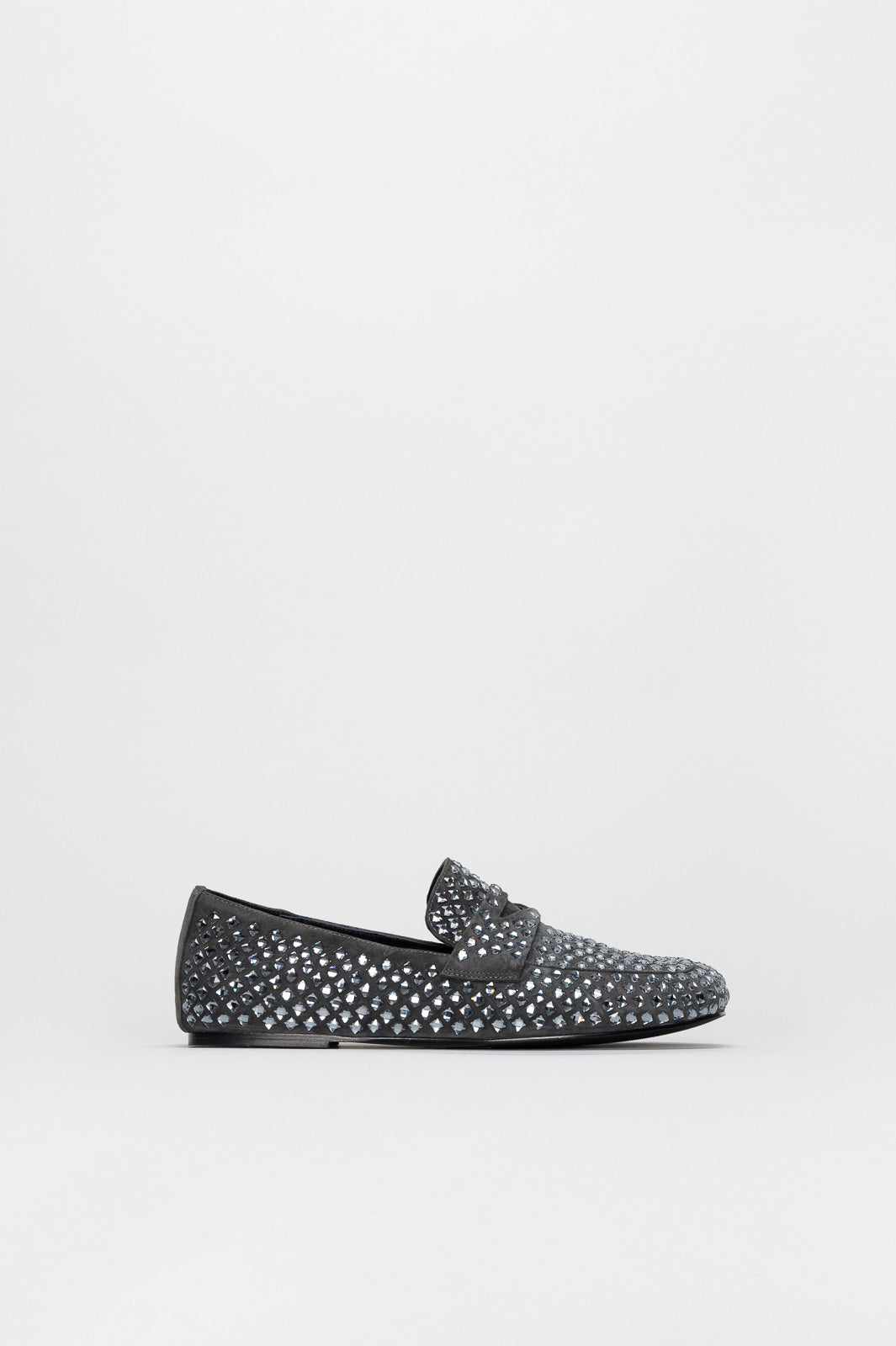
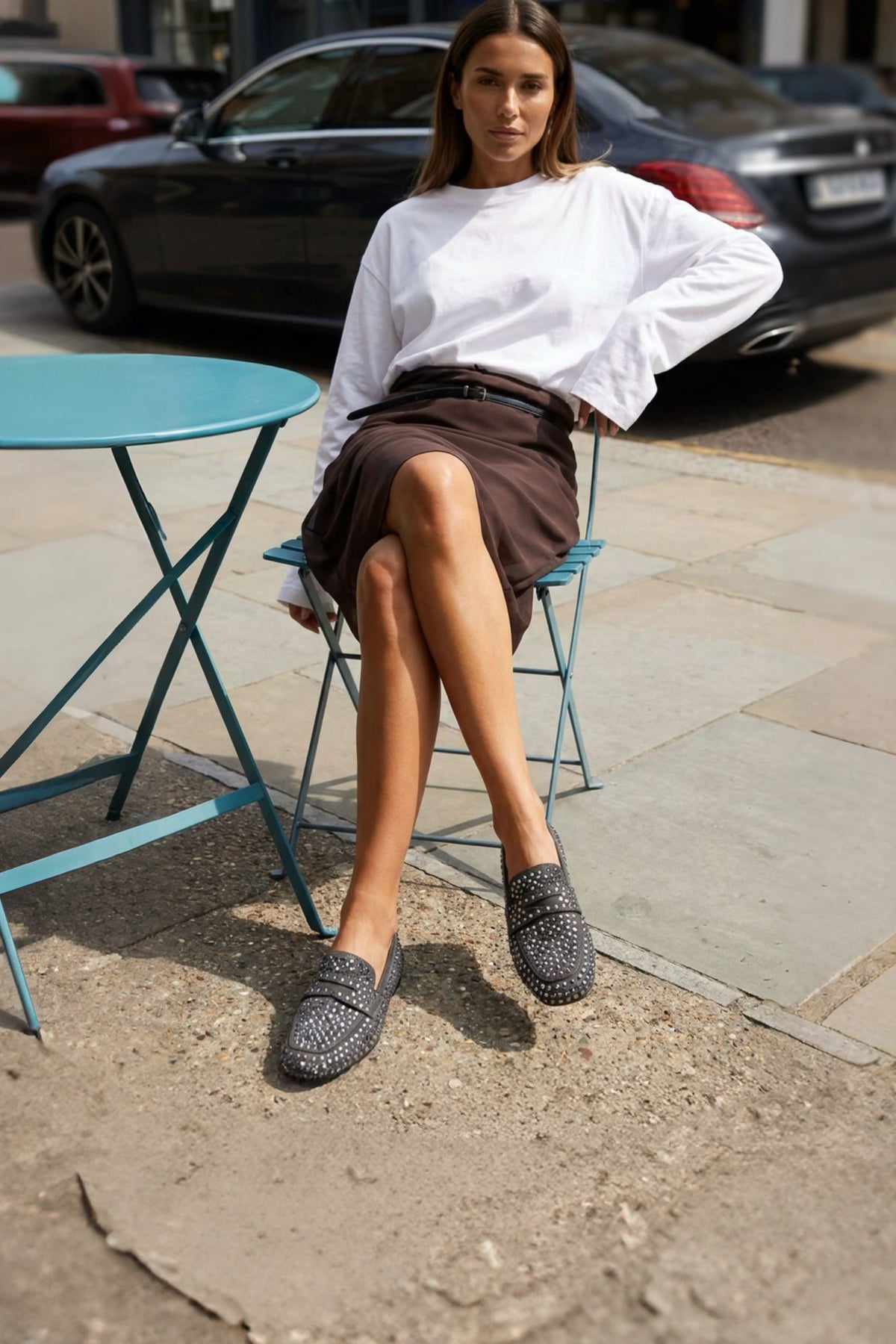
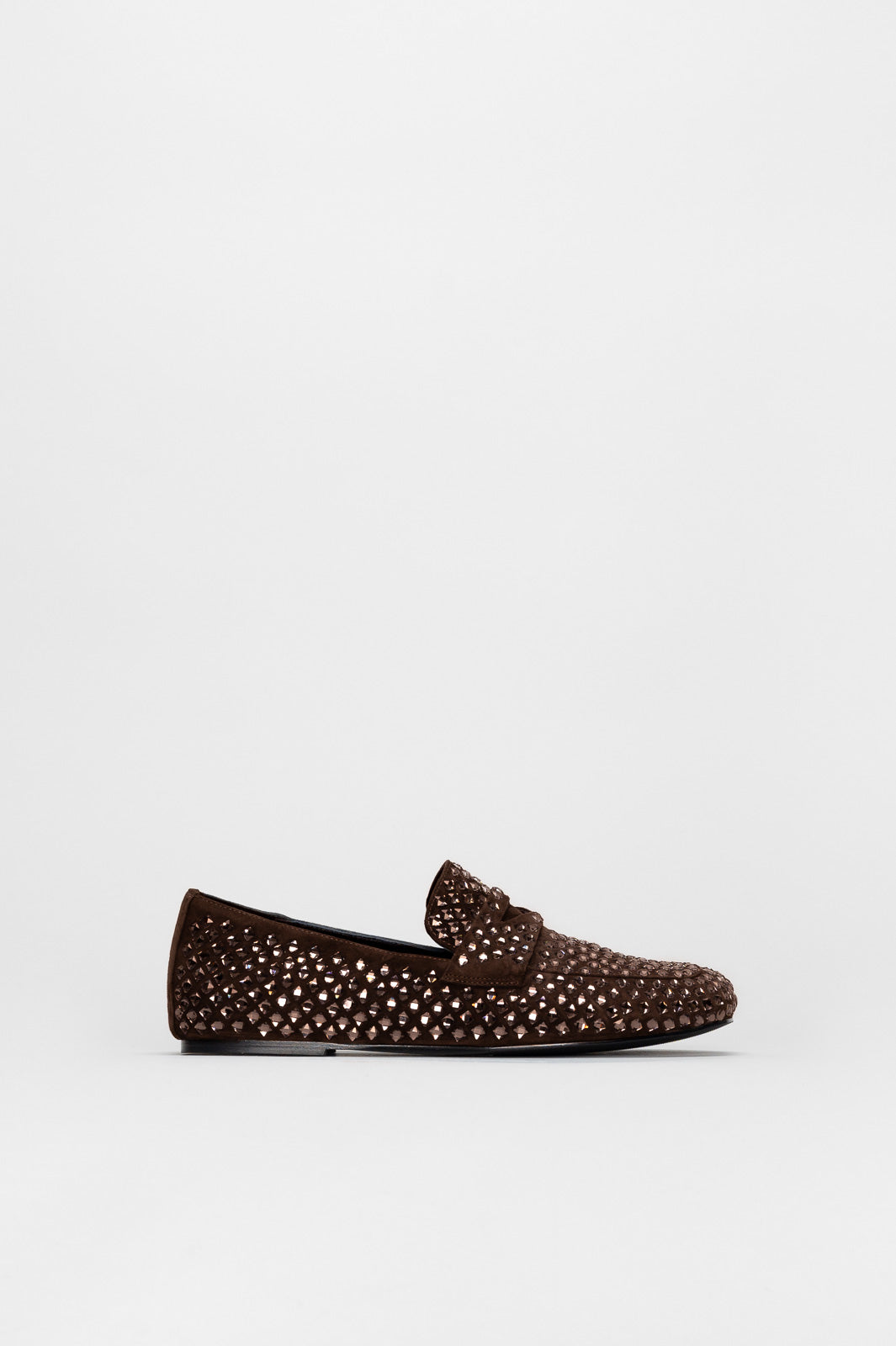
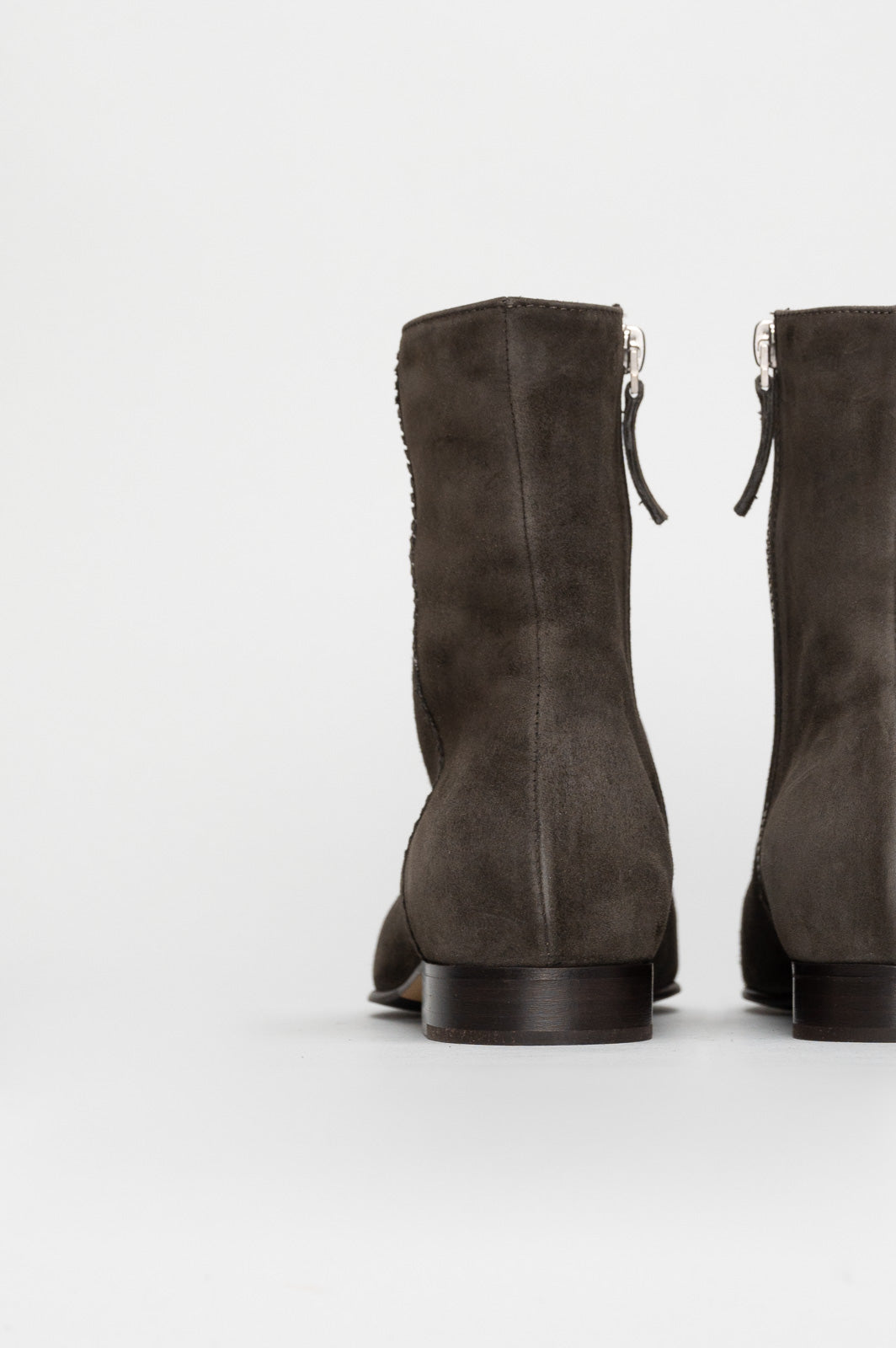
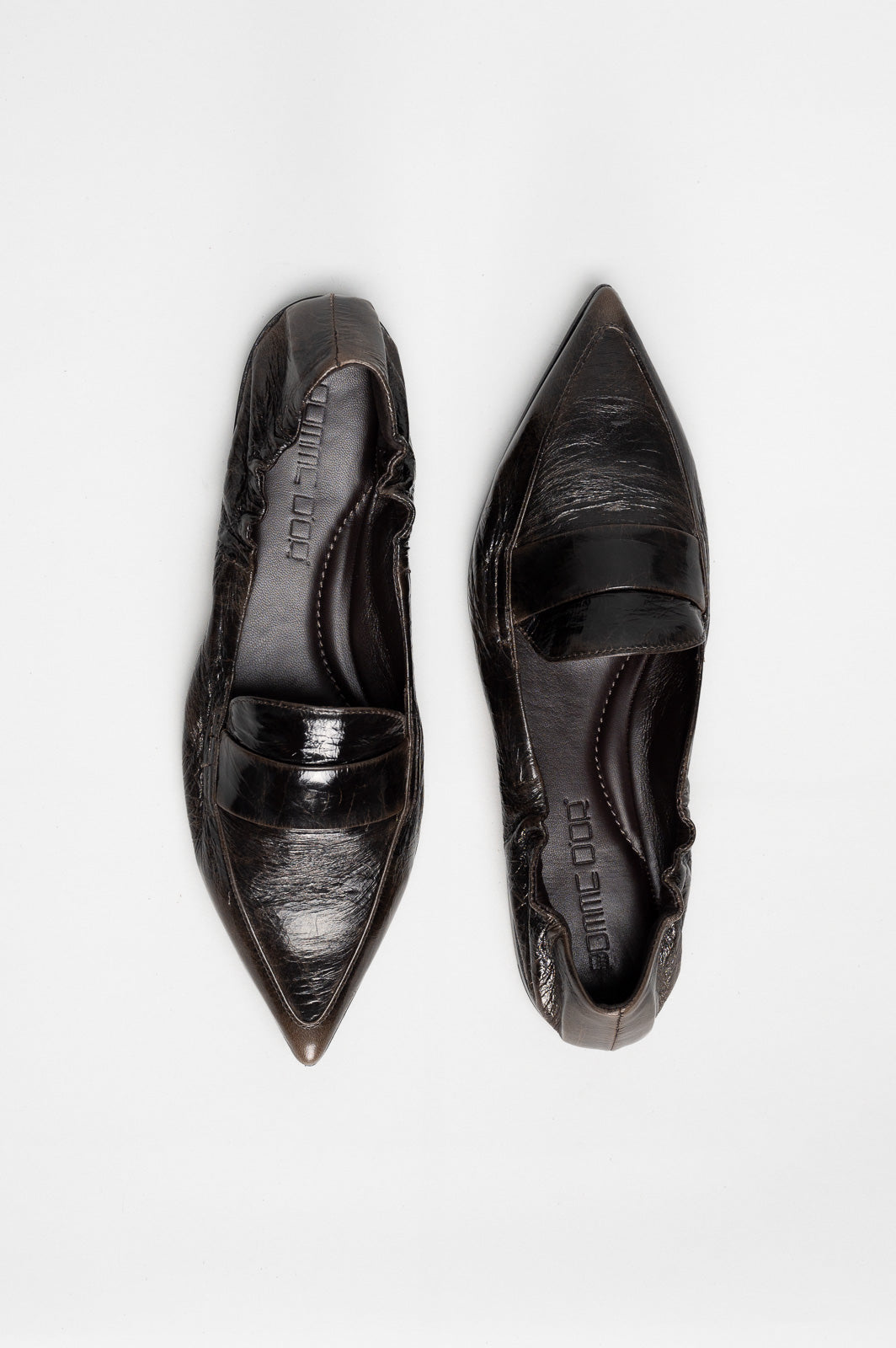
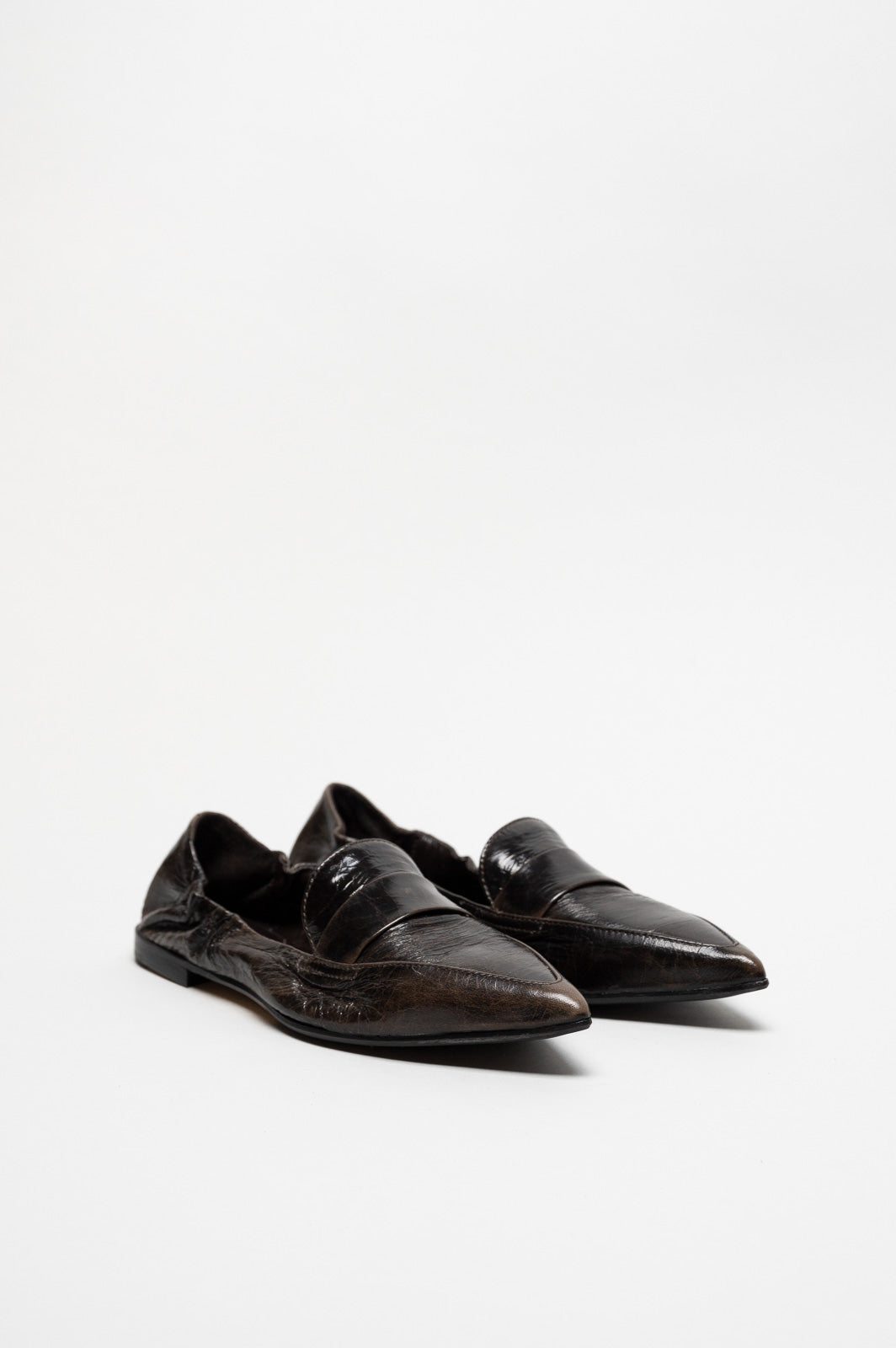
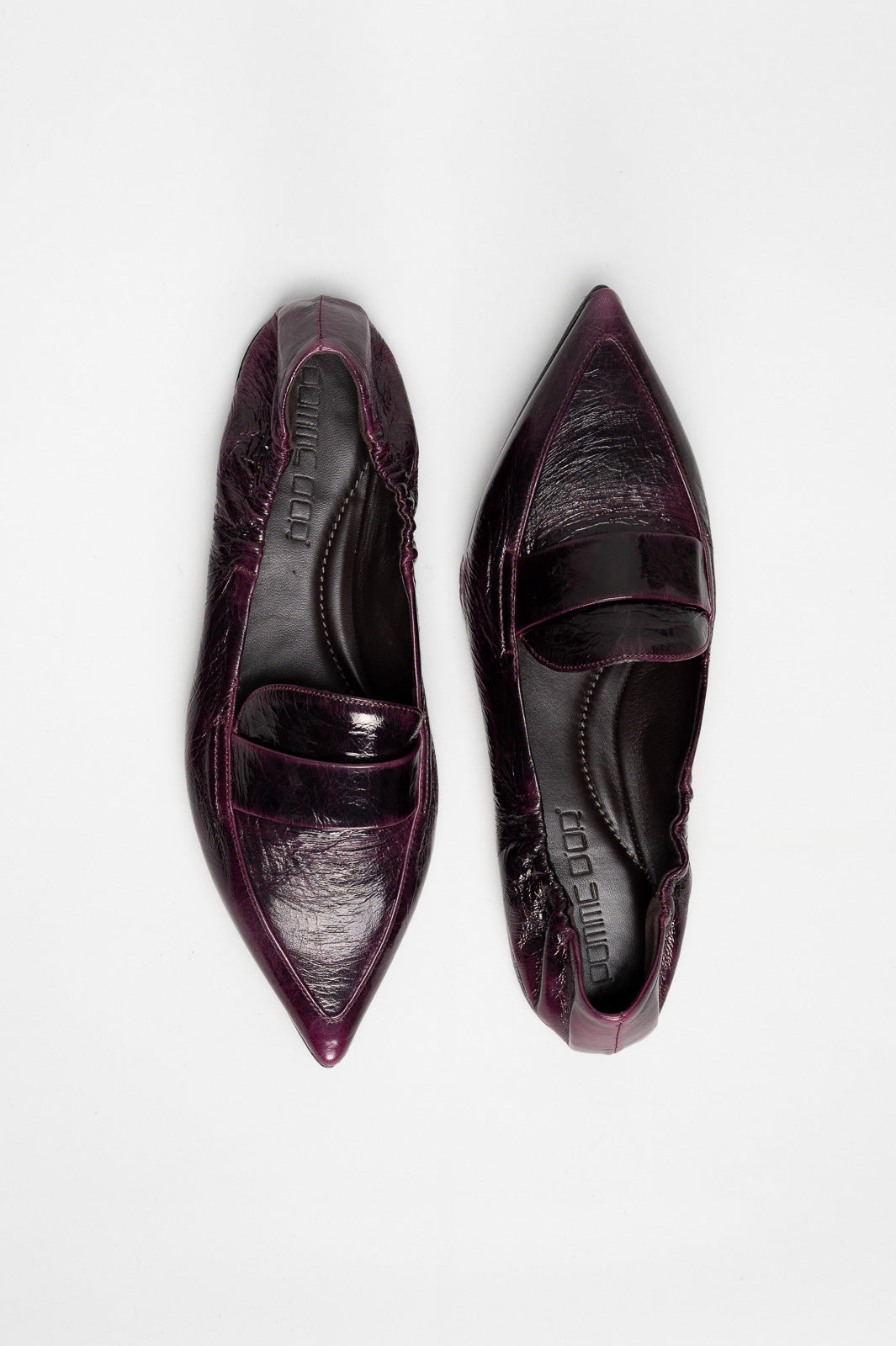
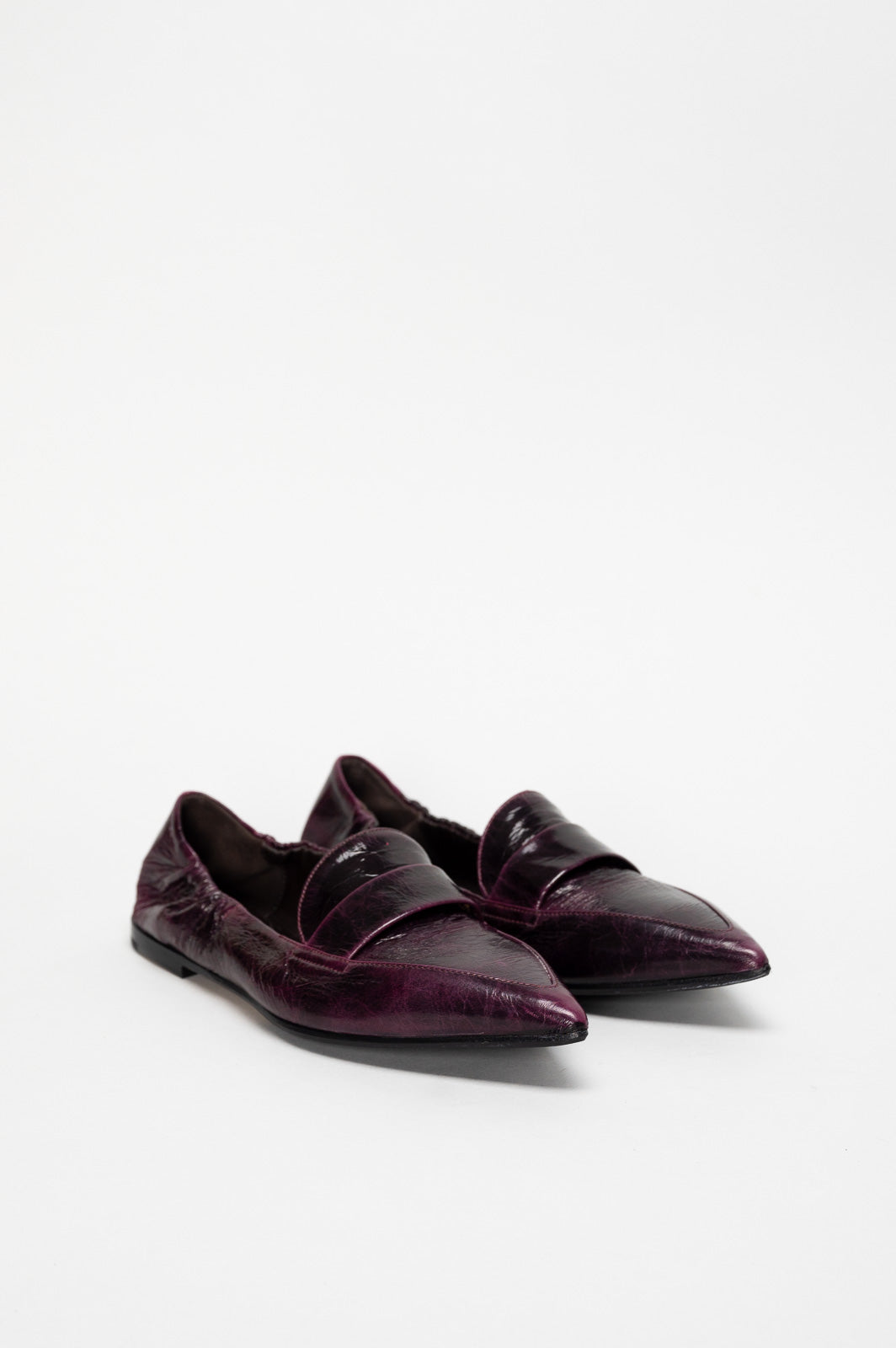
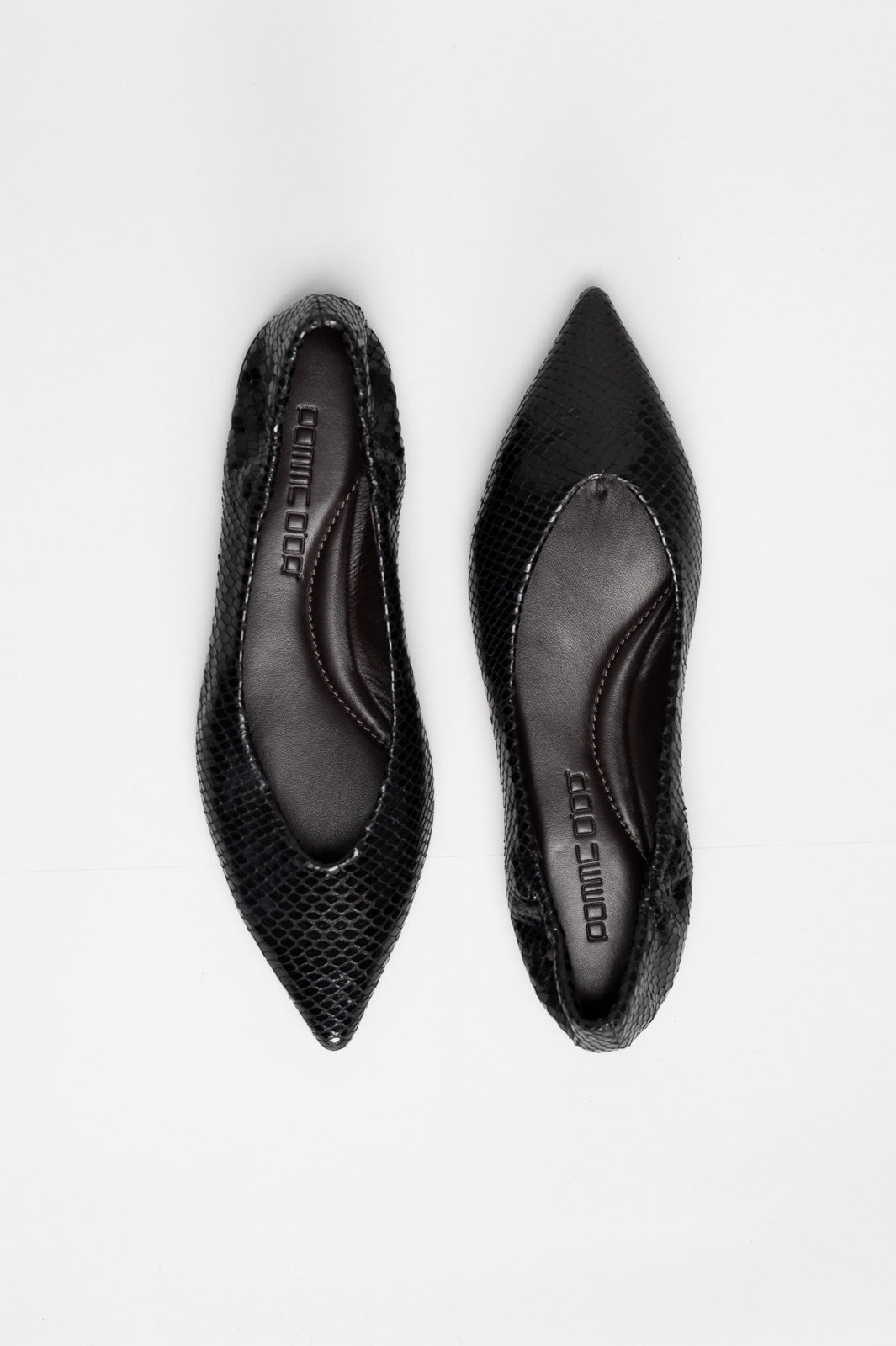
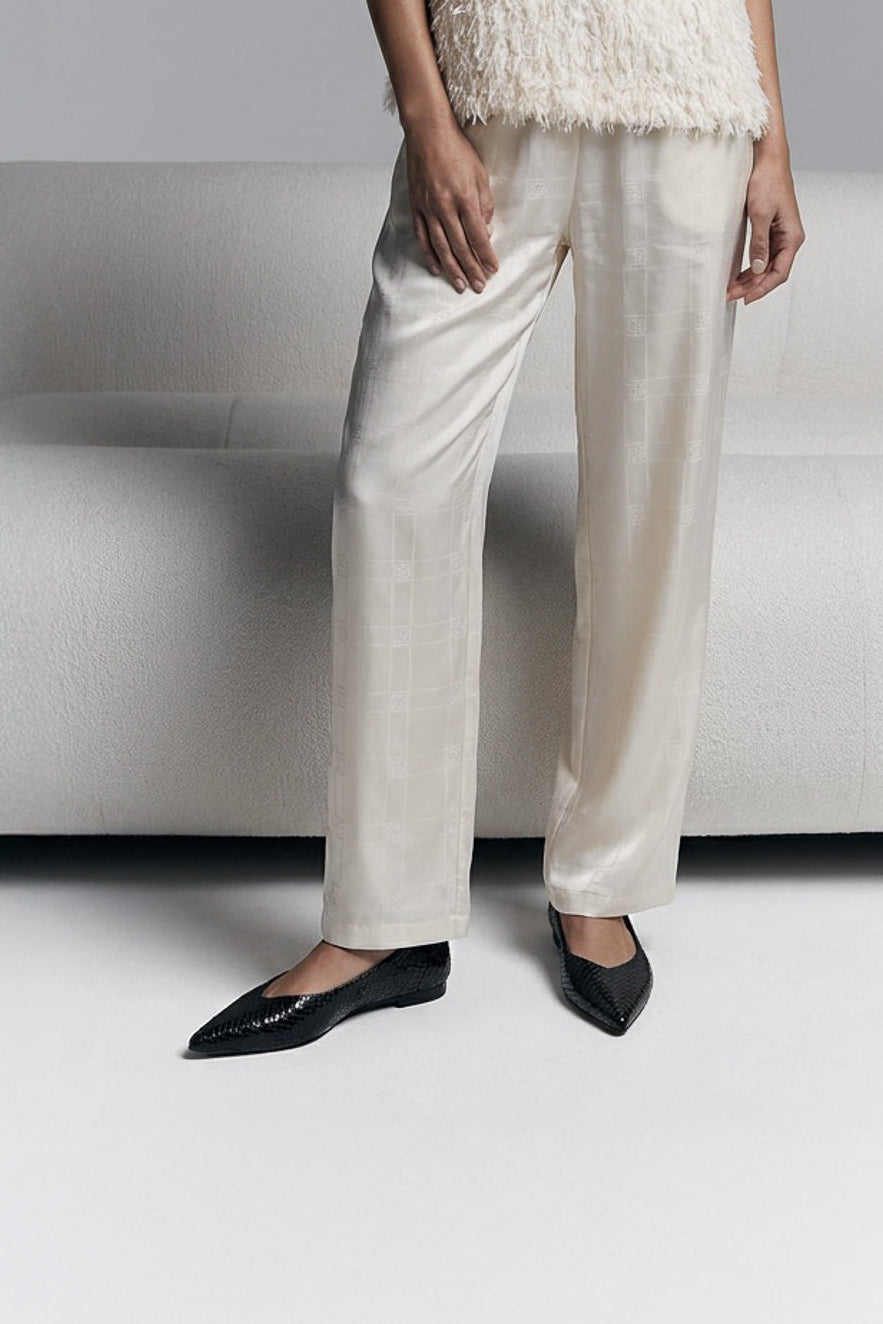
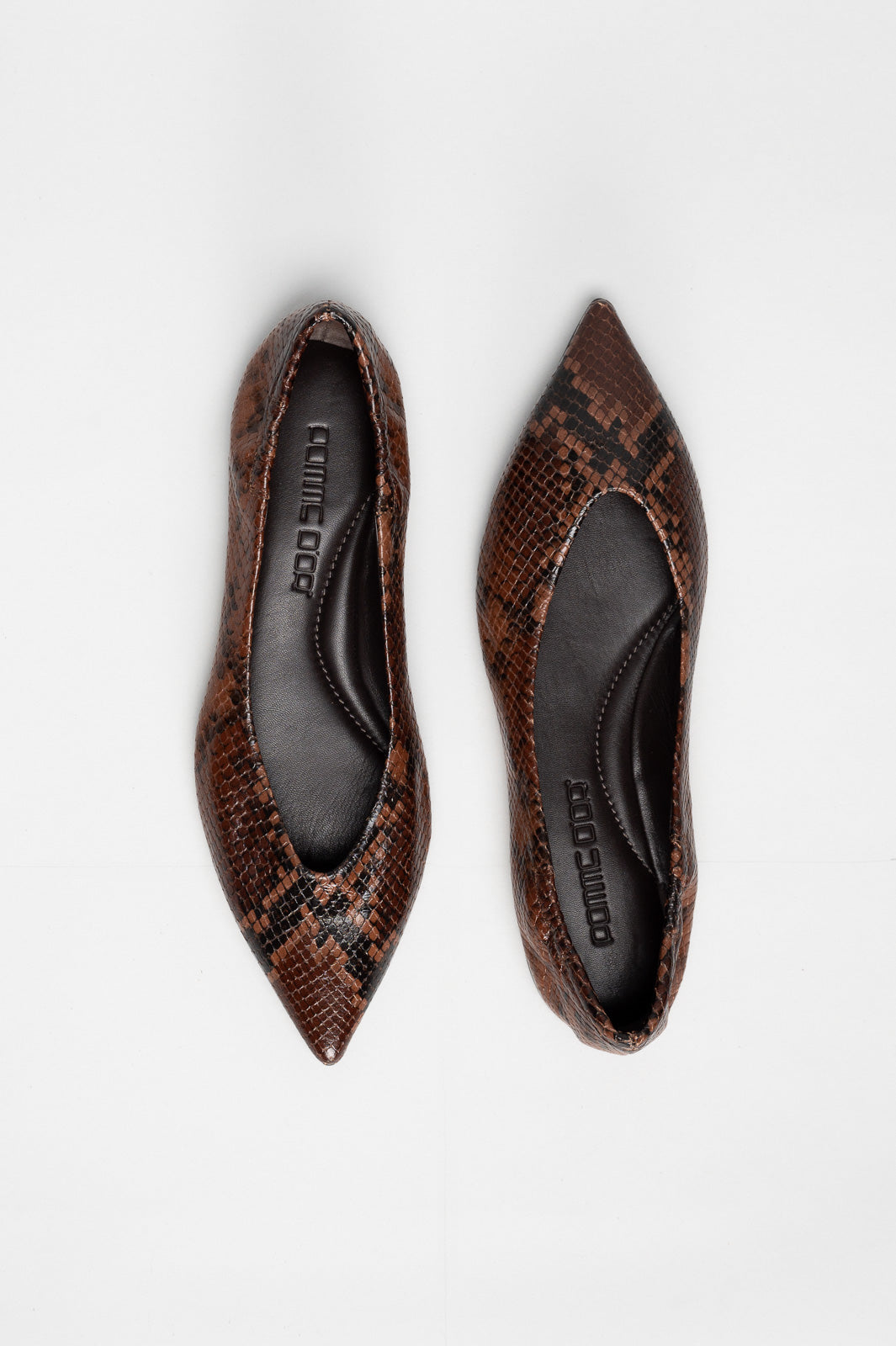
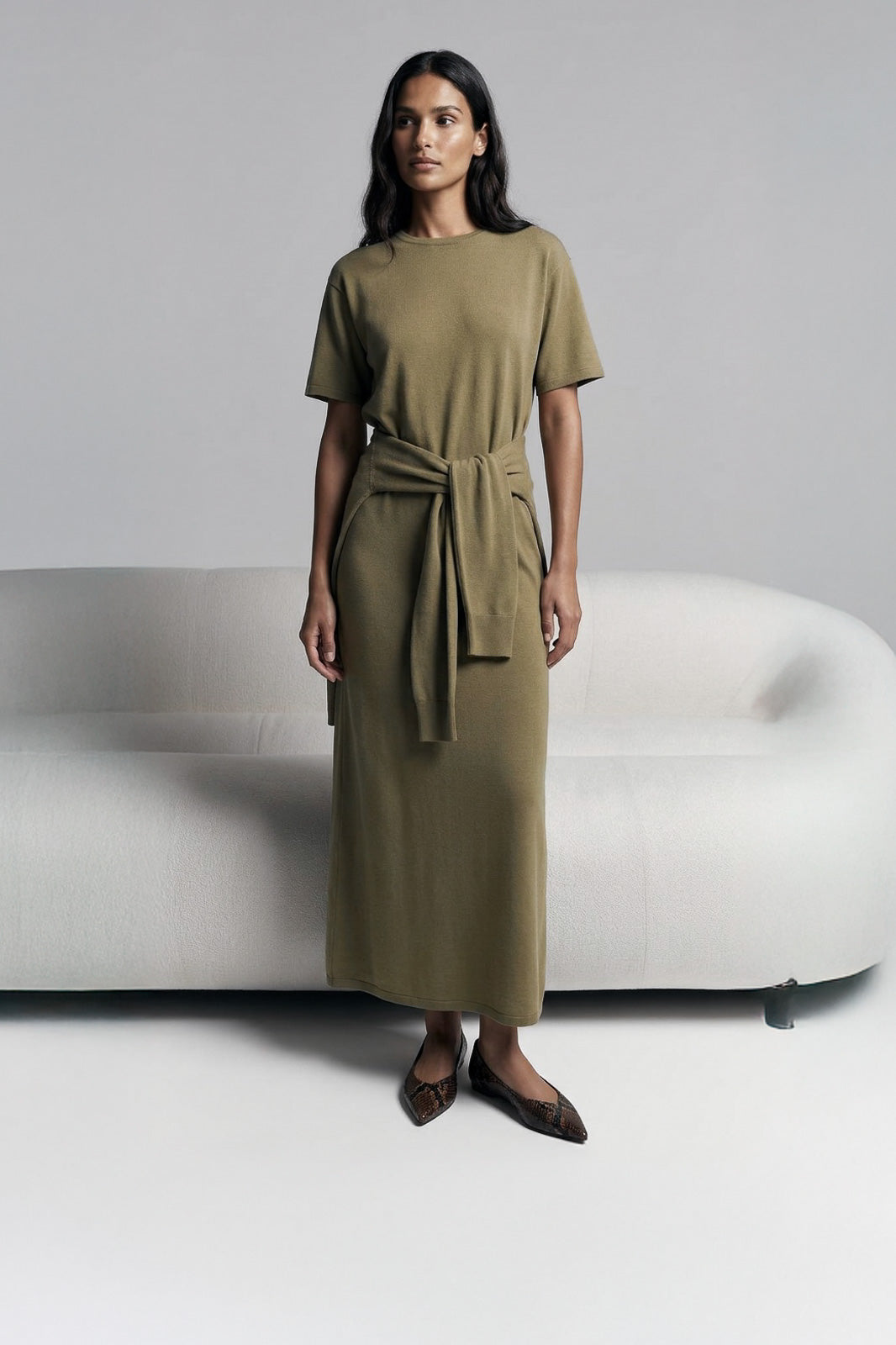
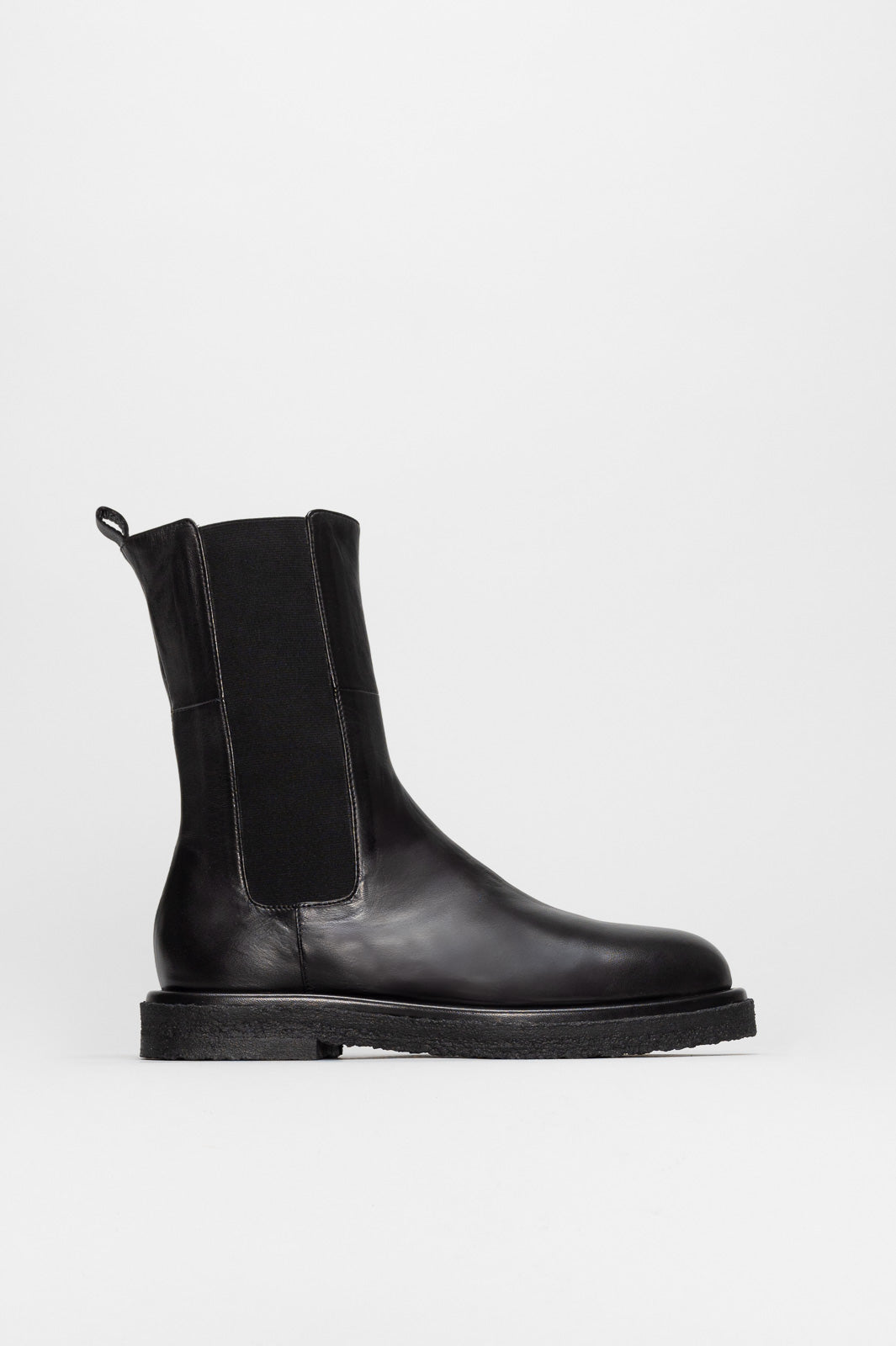
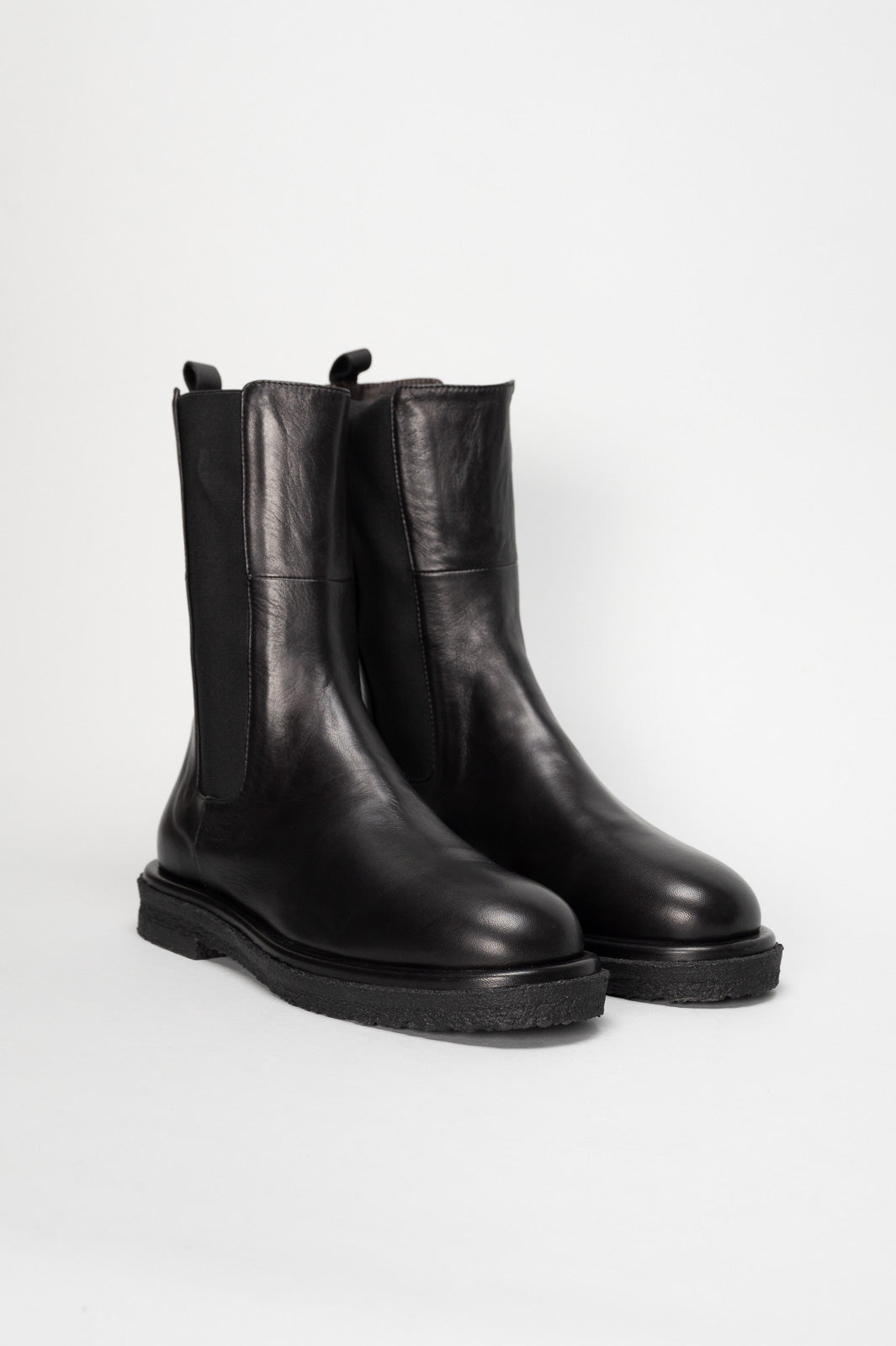
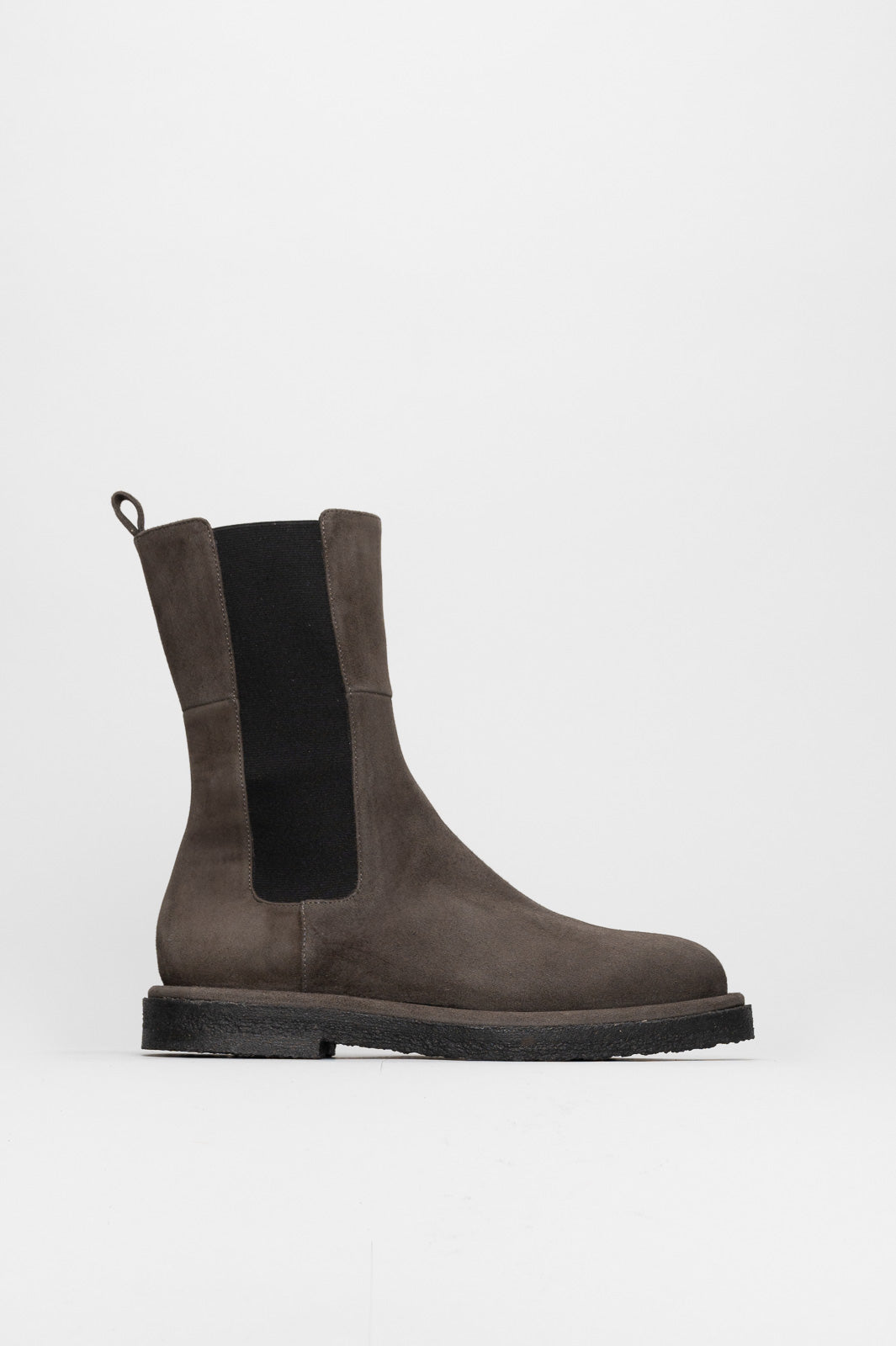
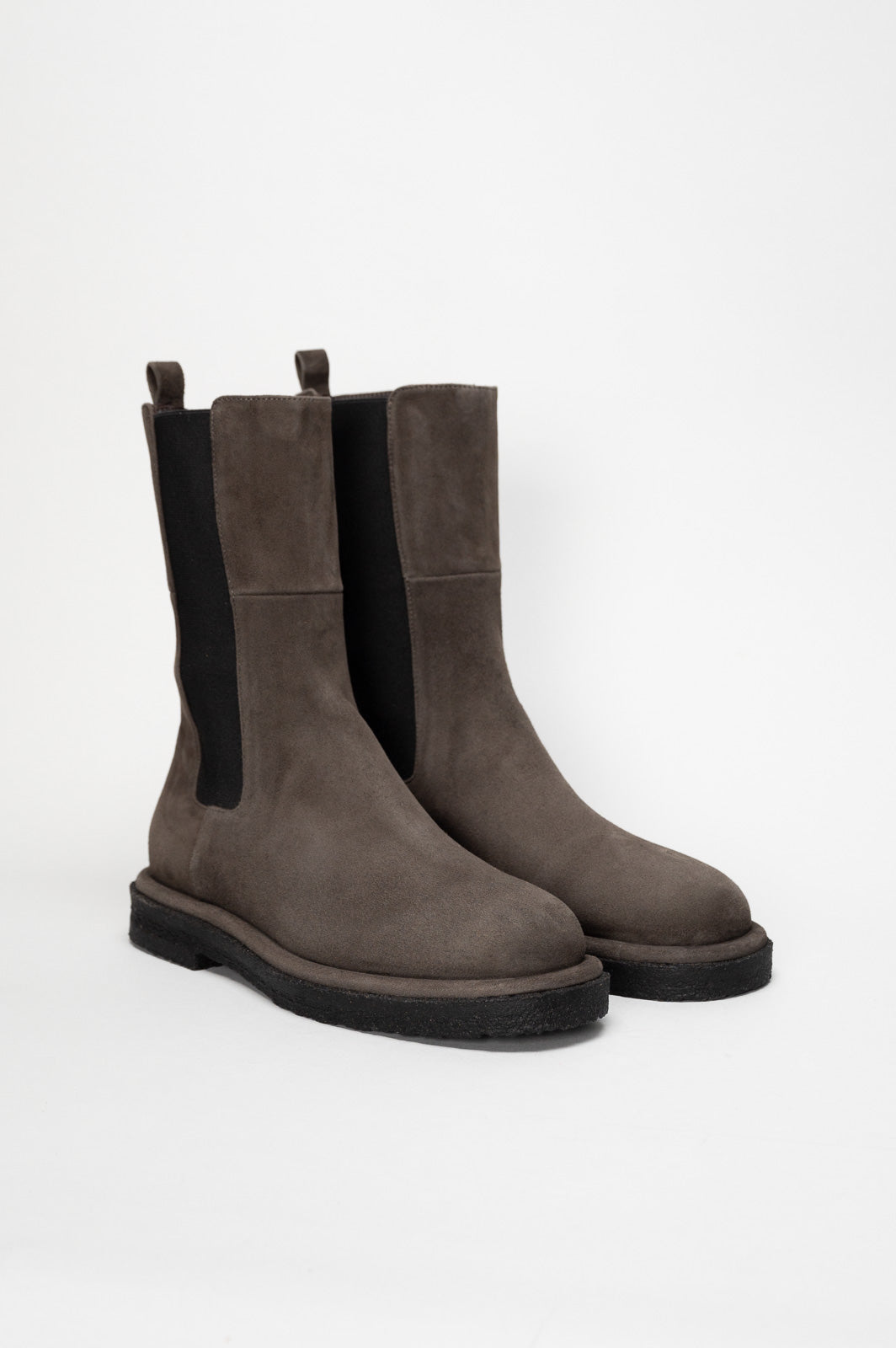
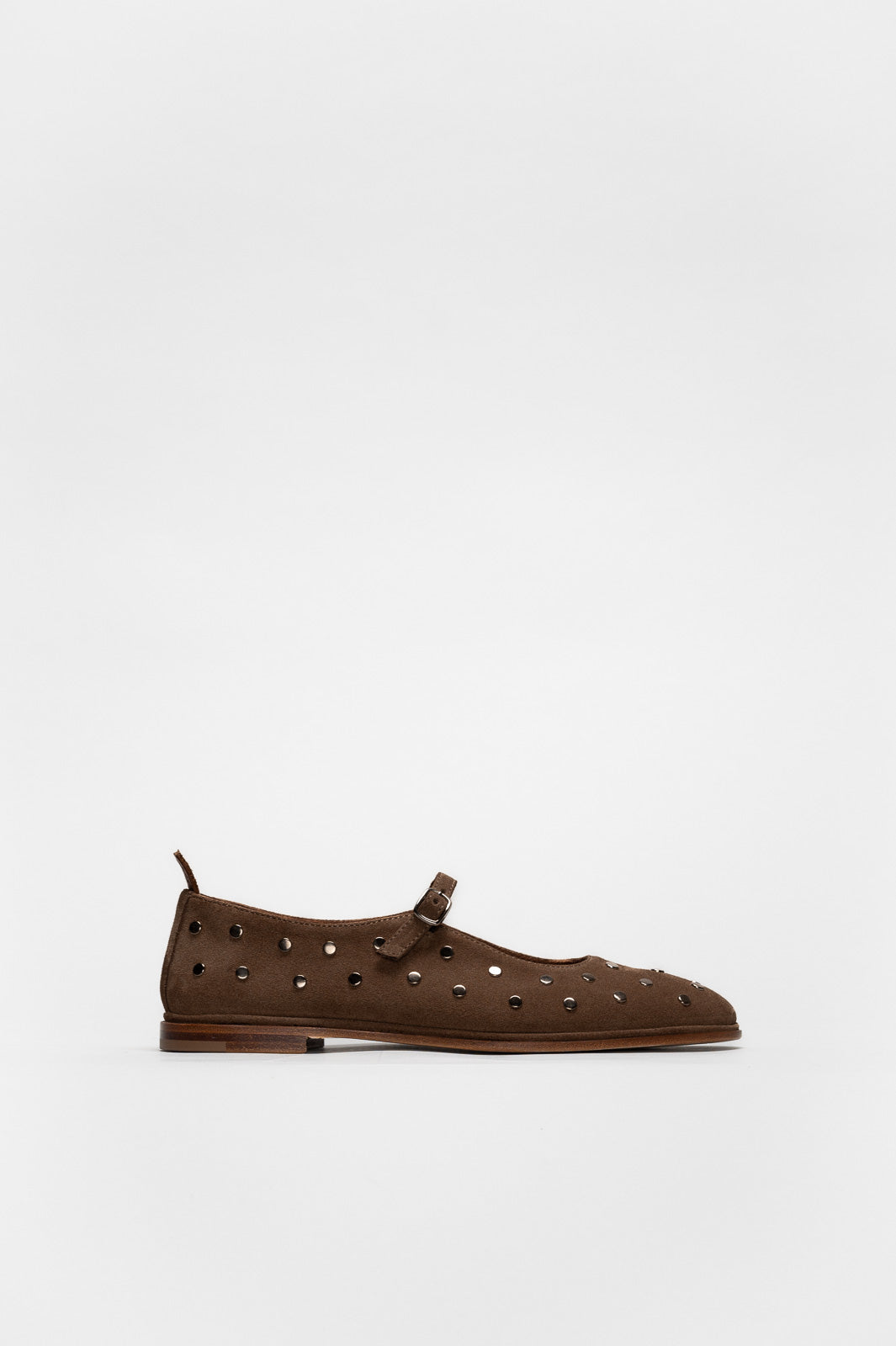
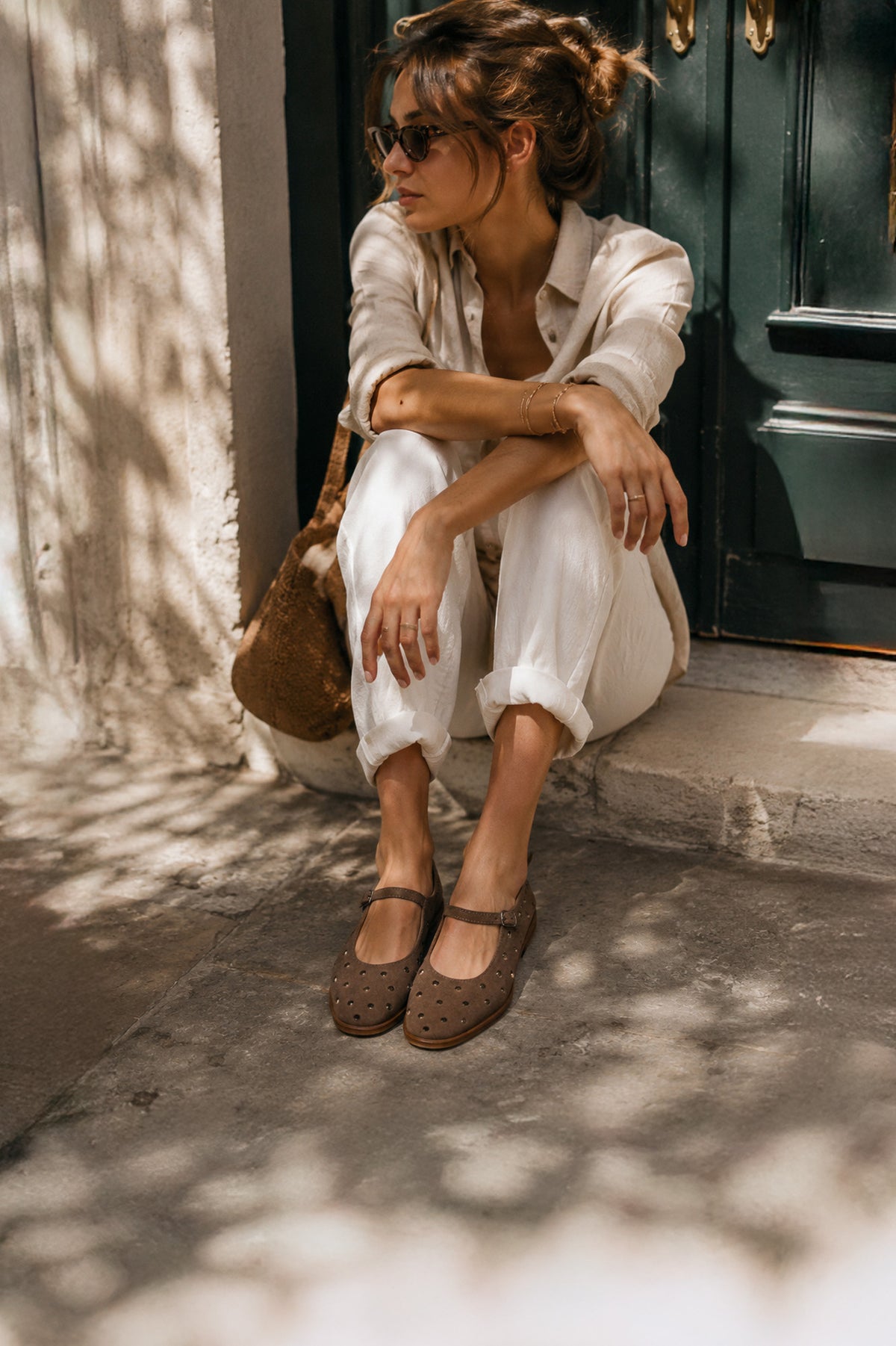
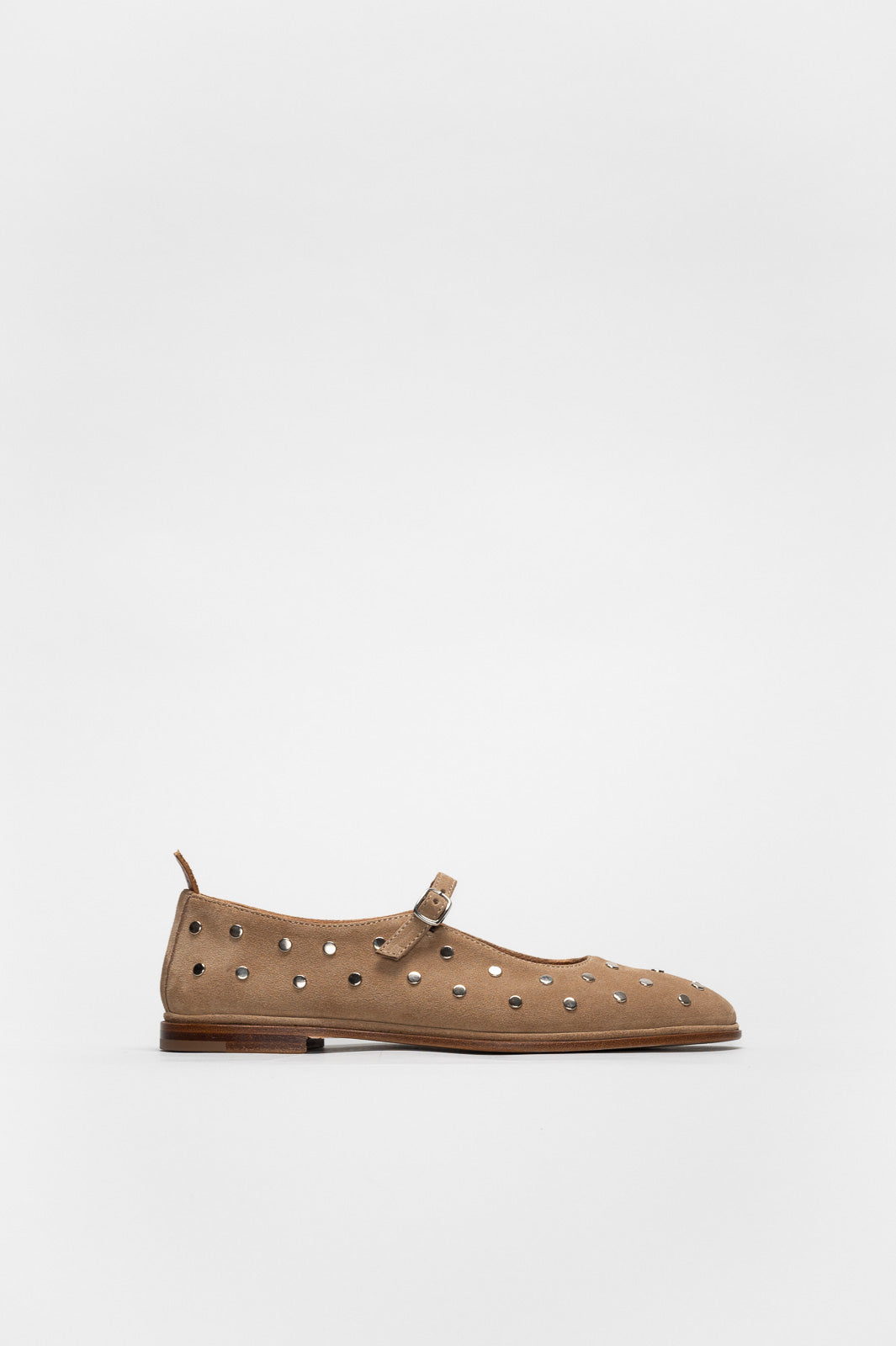
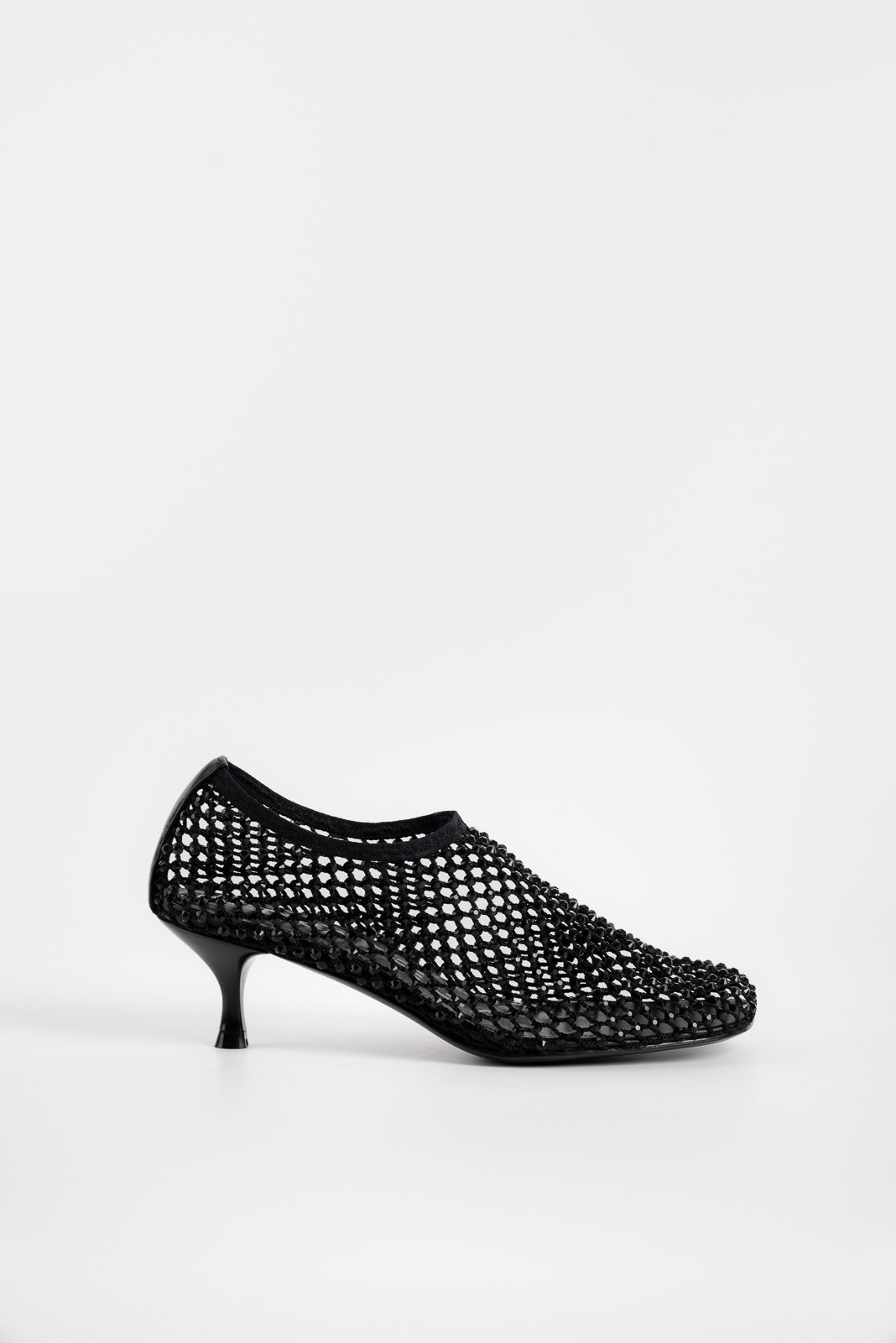
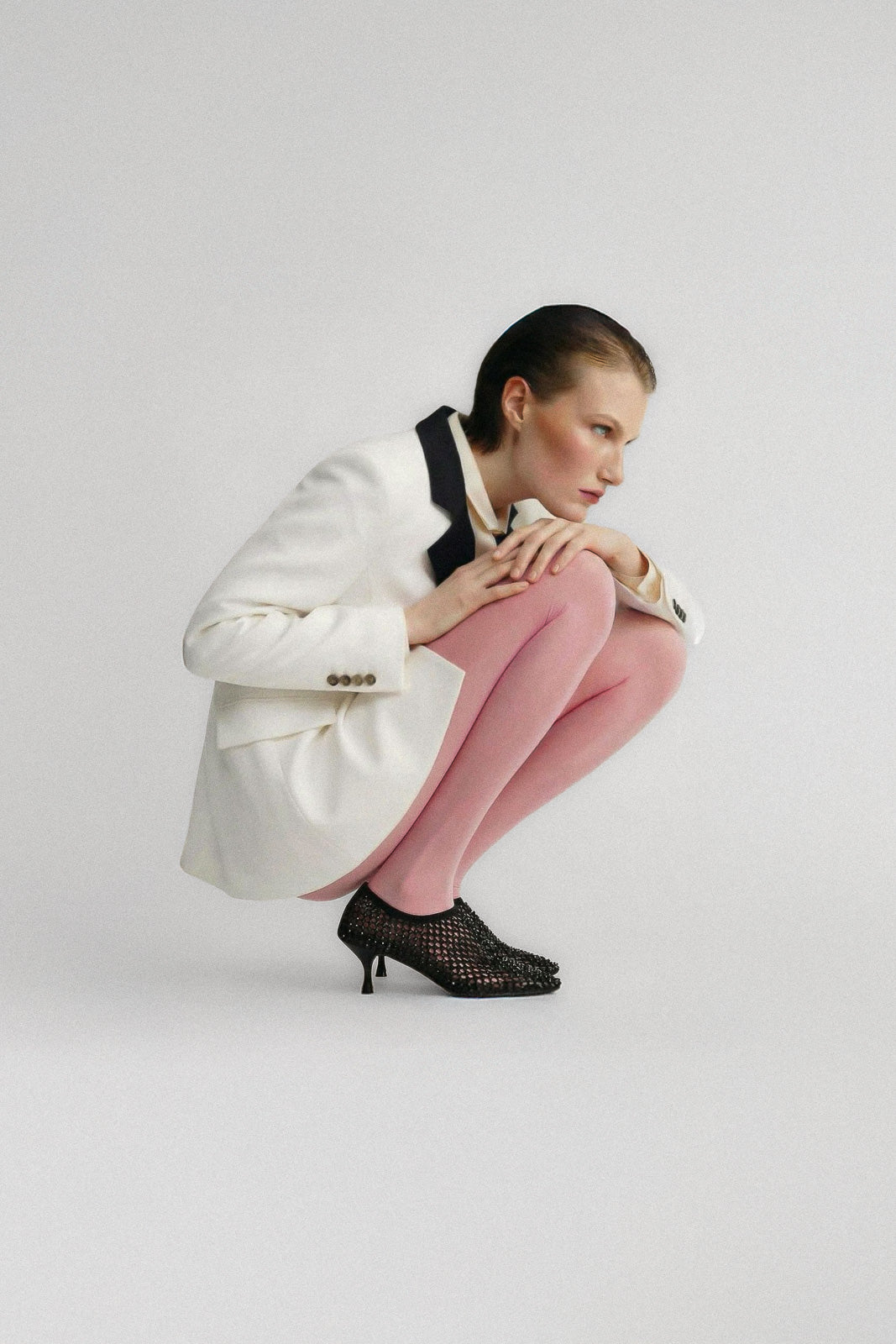
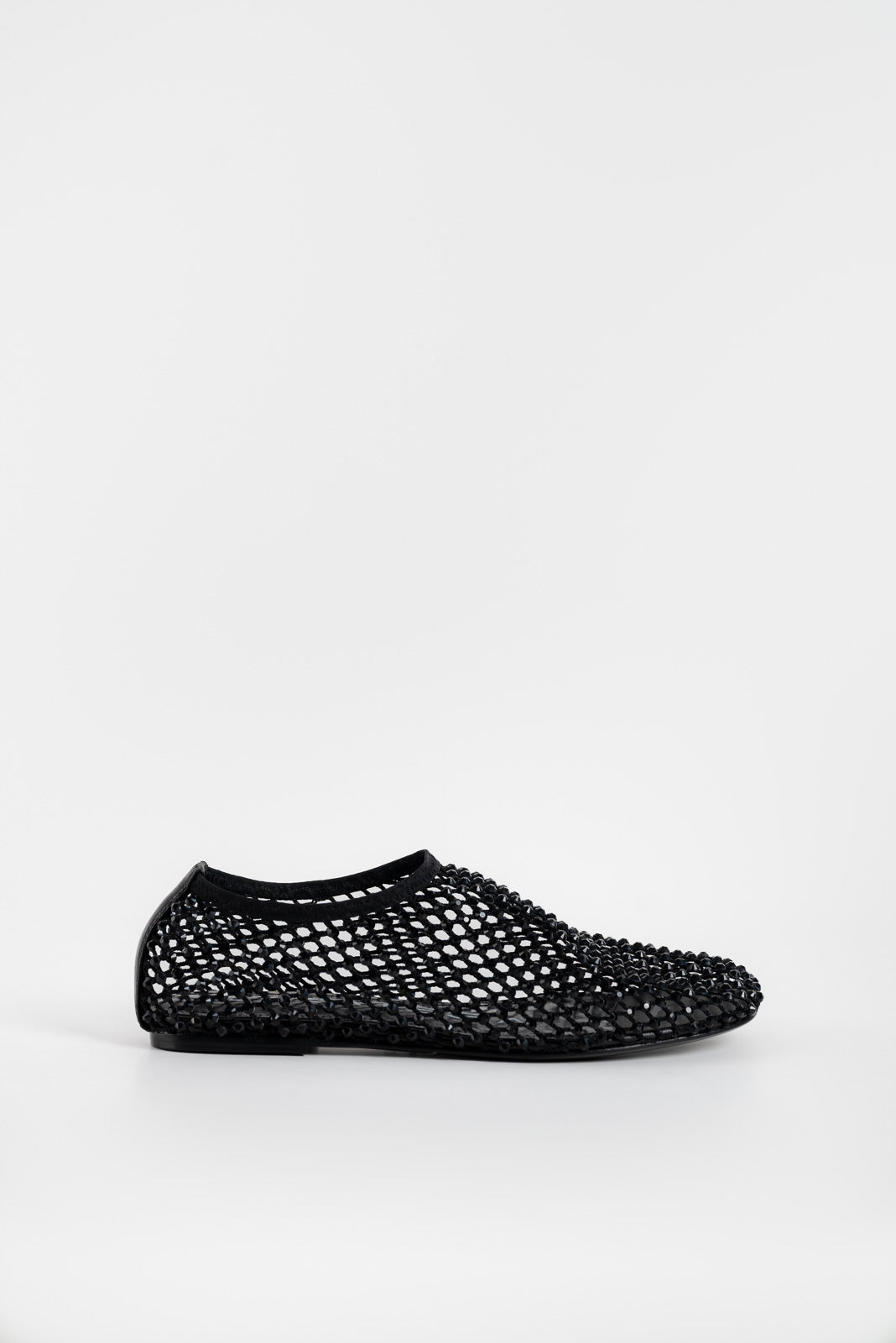
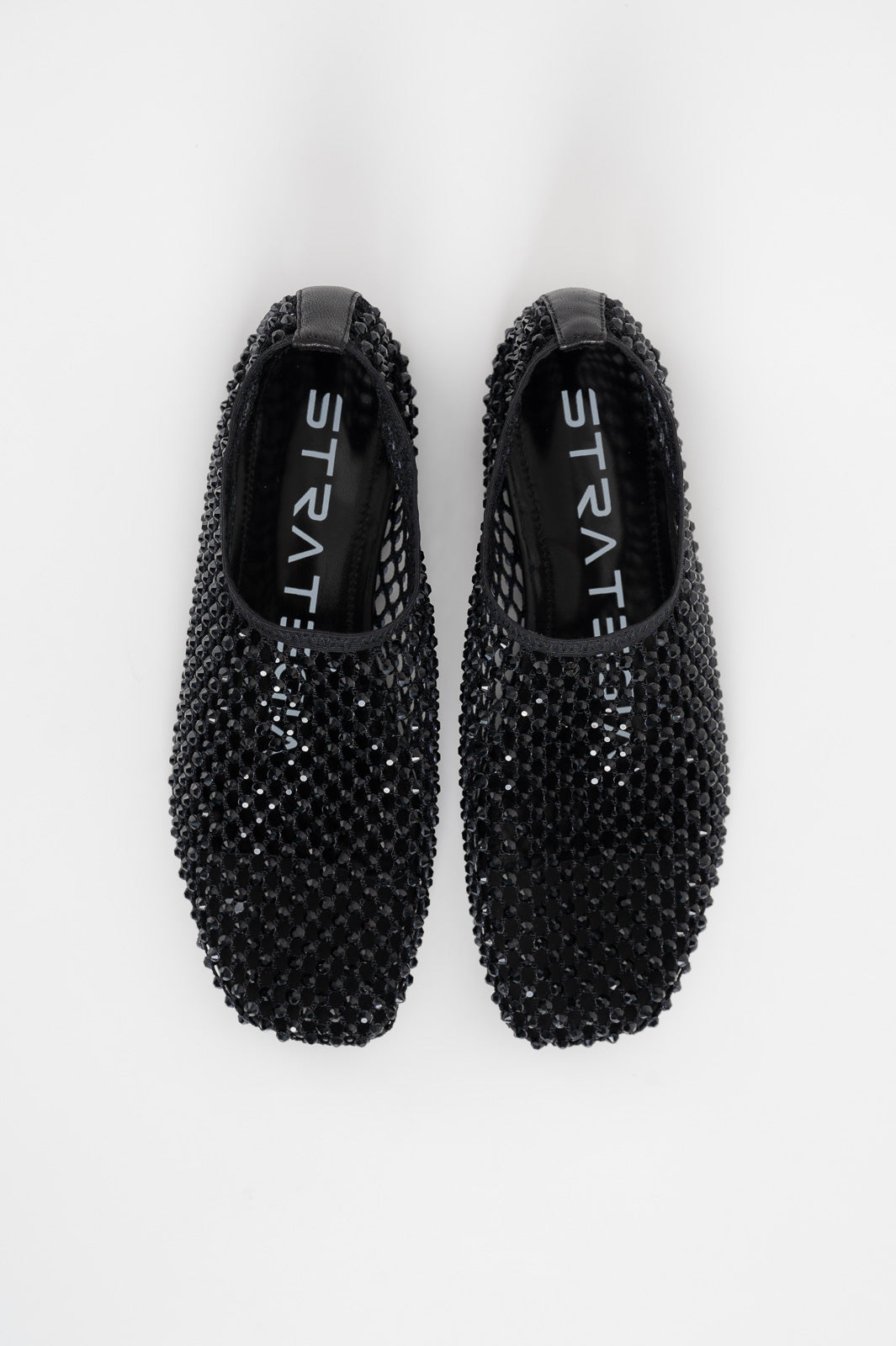
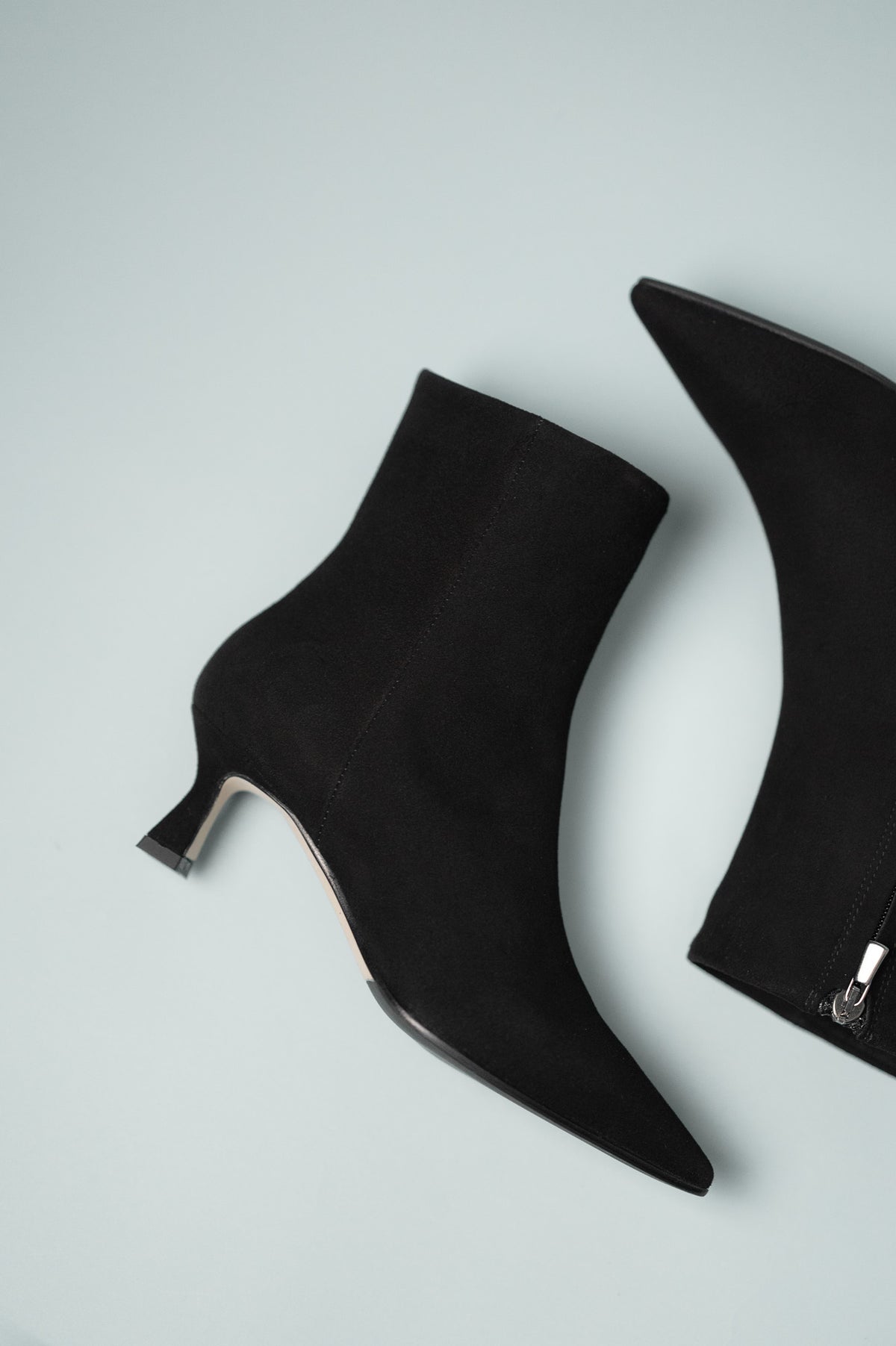
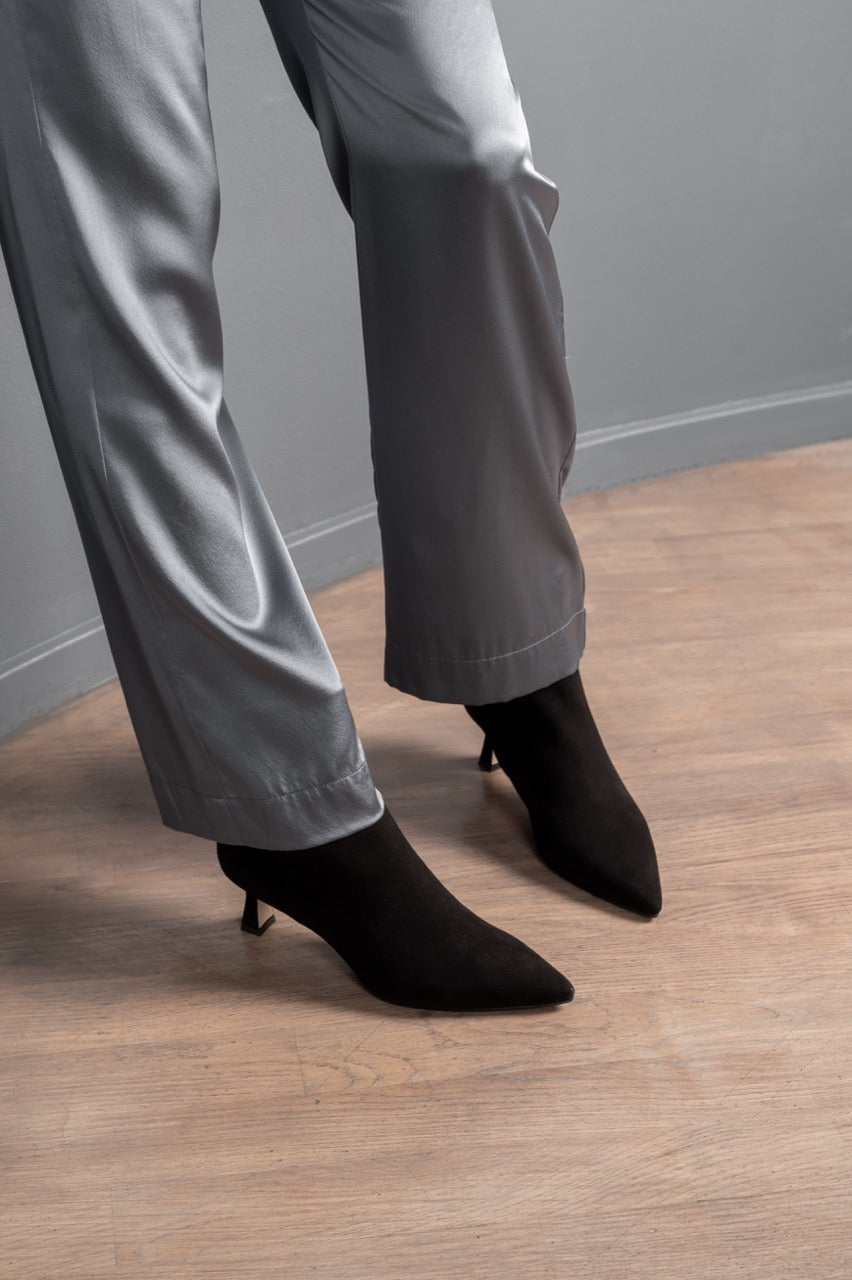
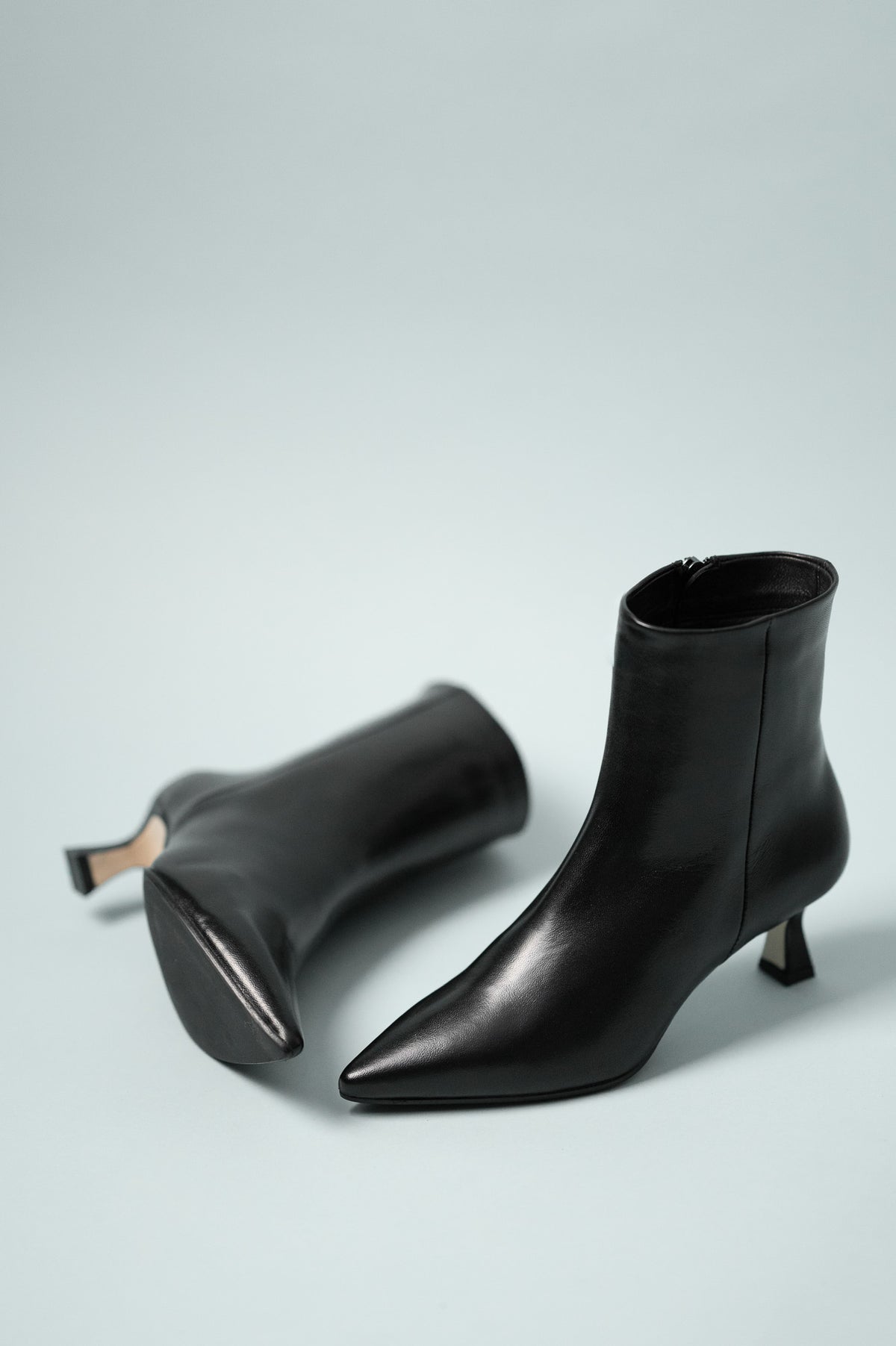
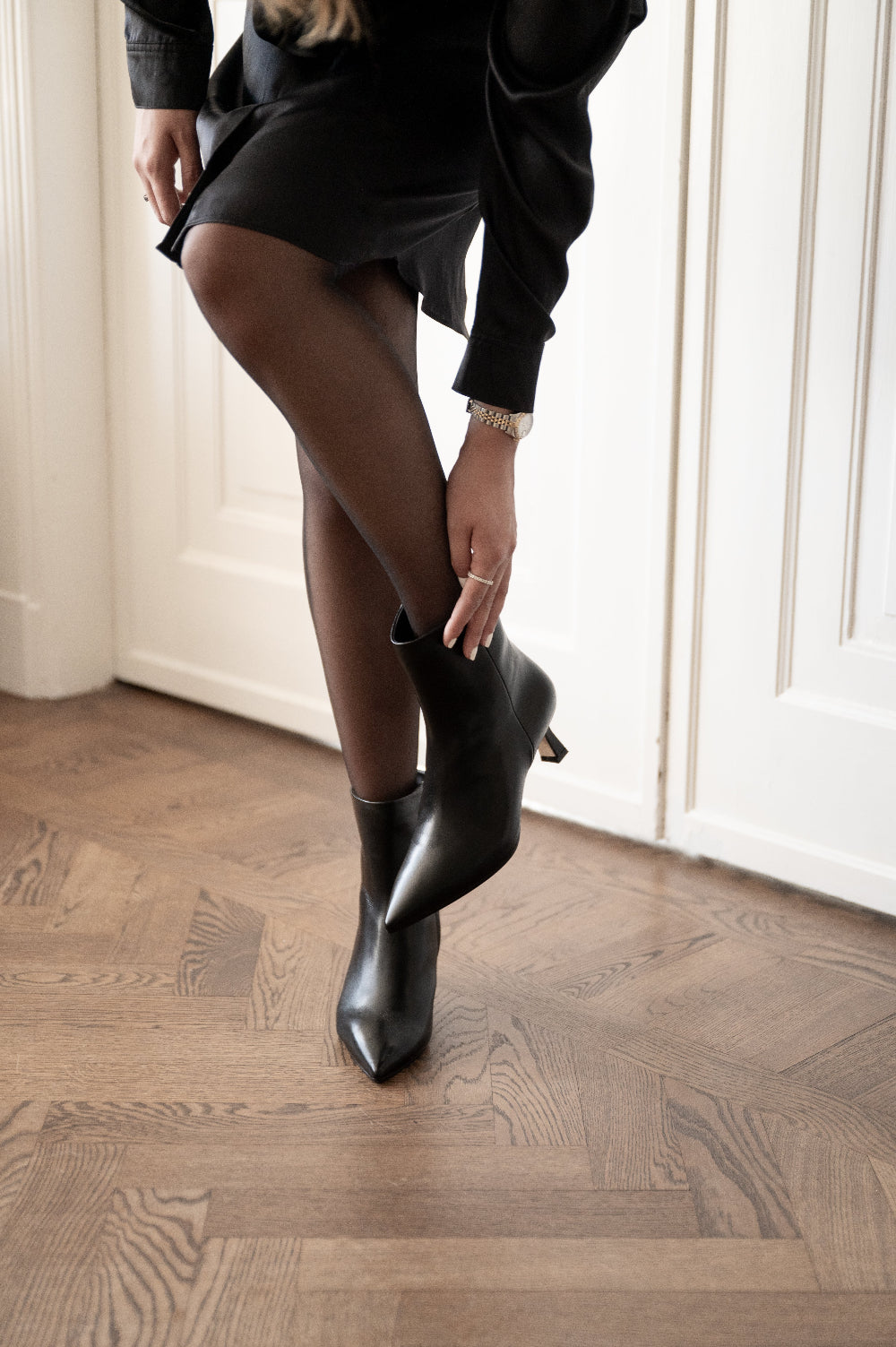
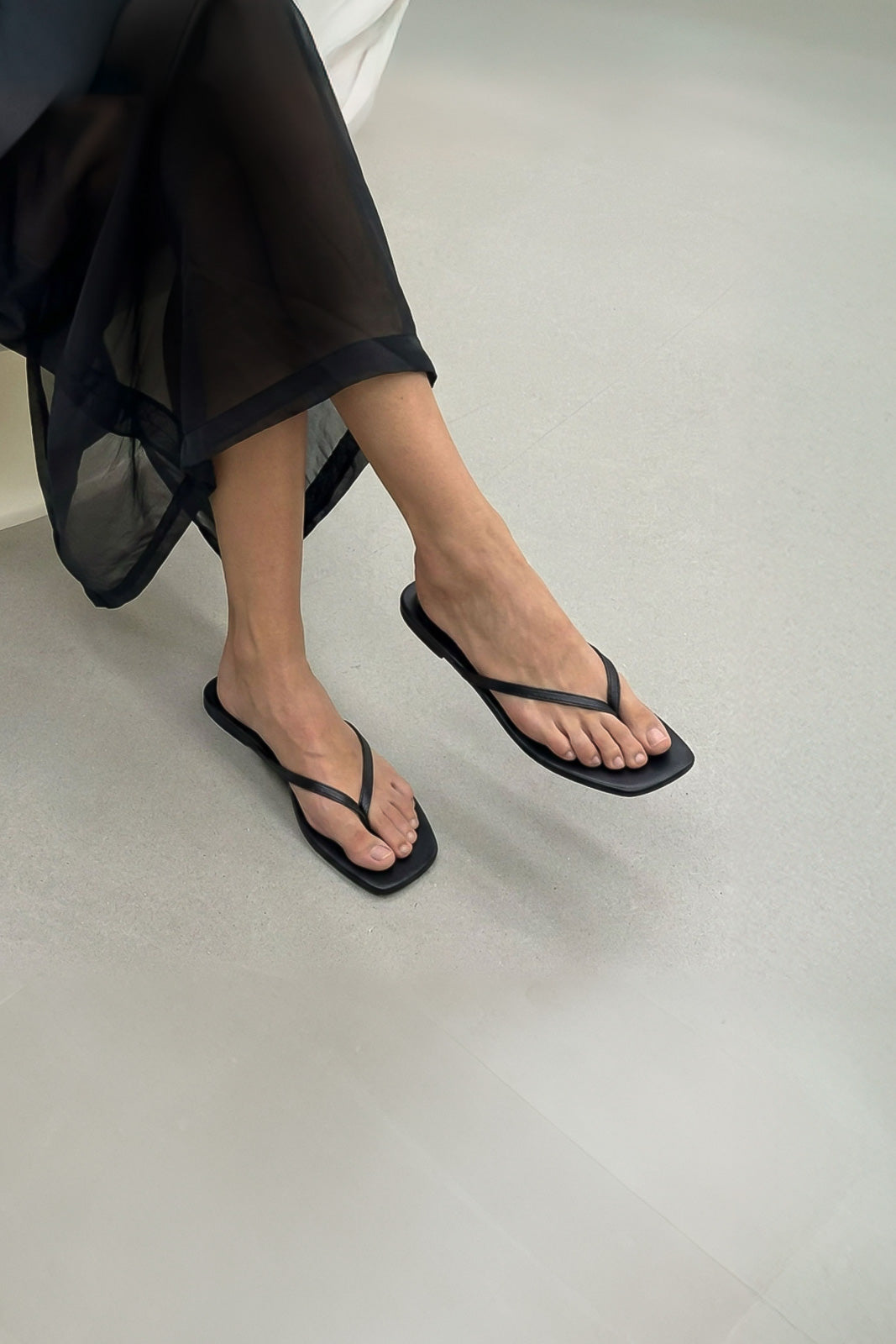
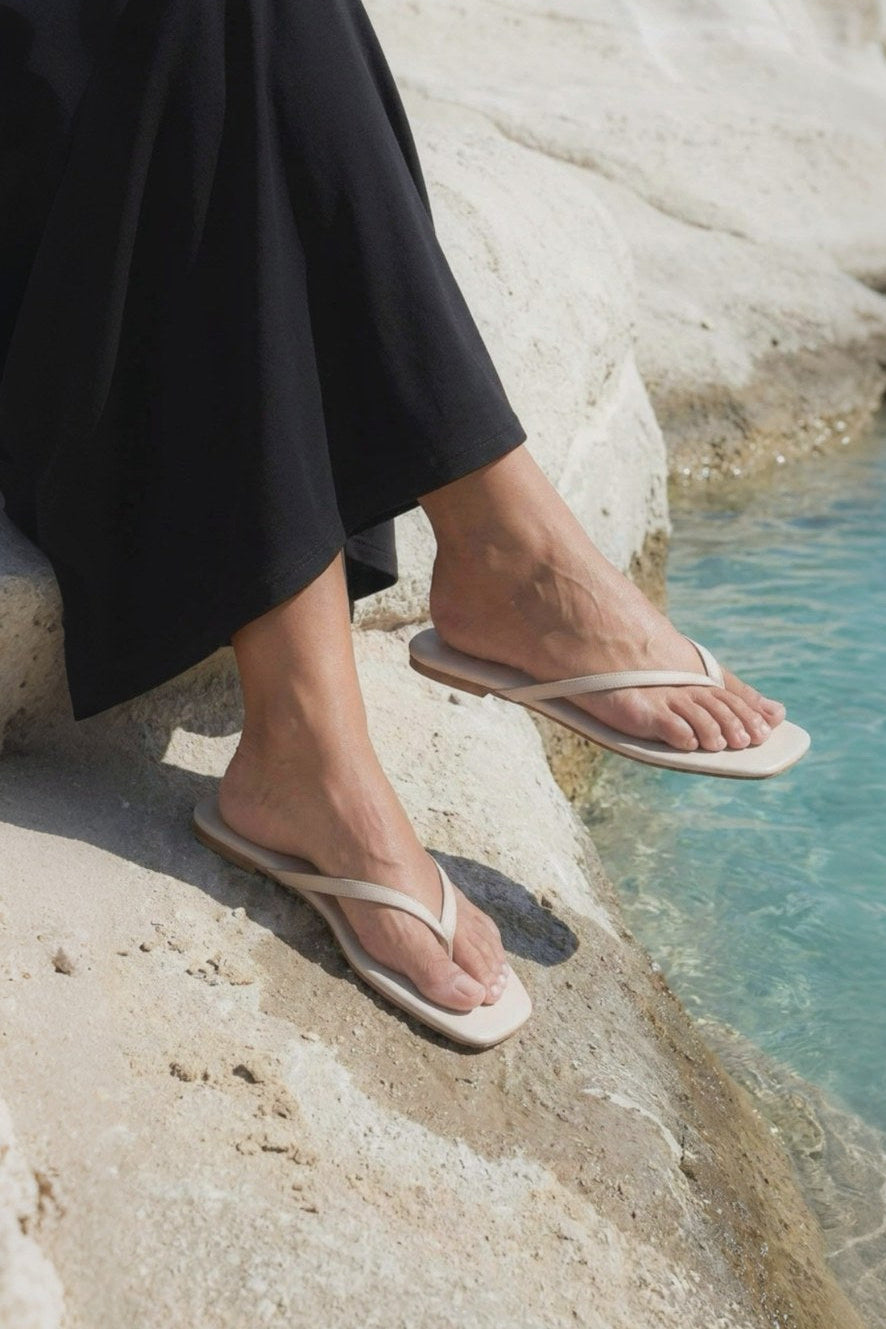
Minimalistic
Core characteristics
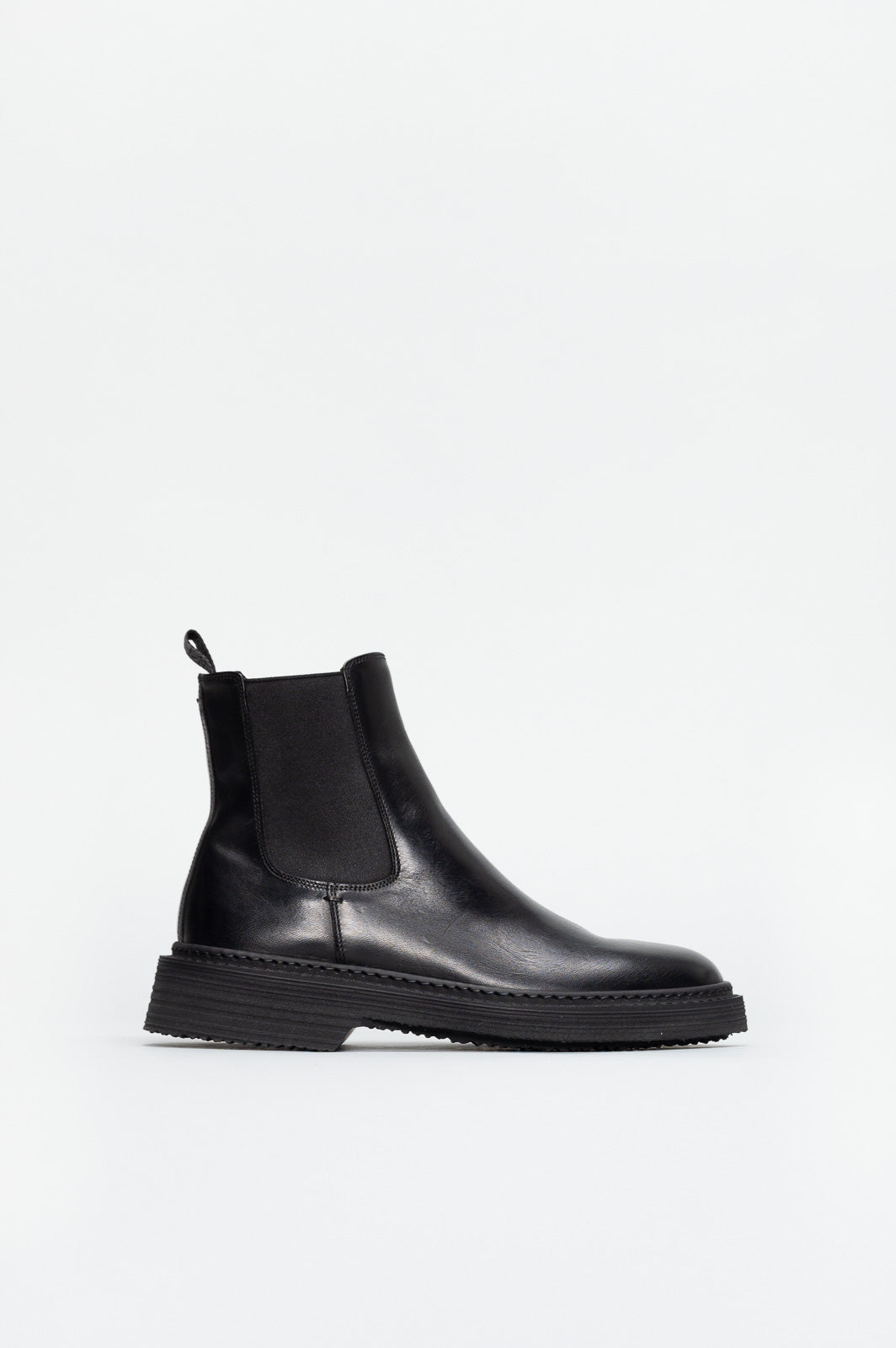
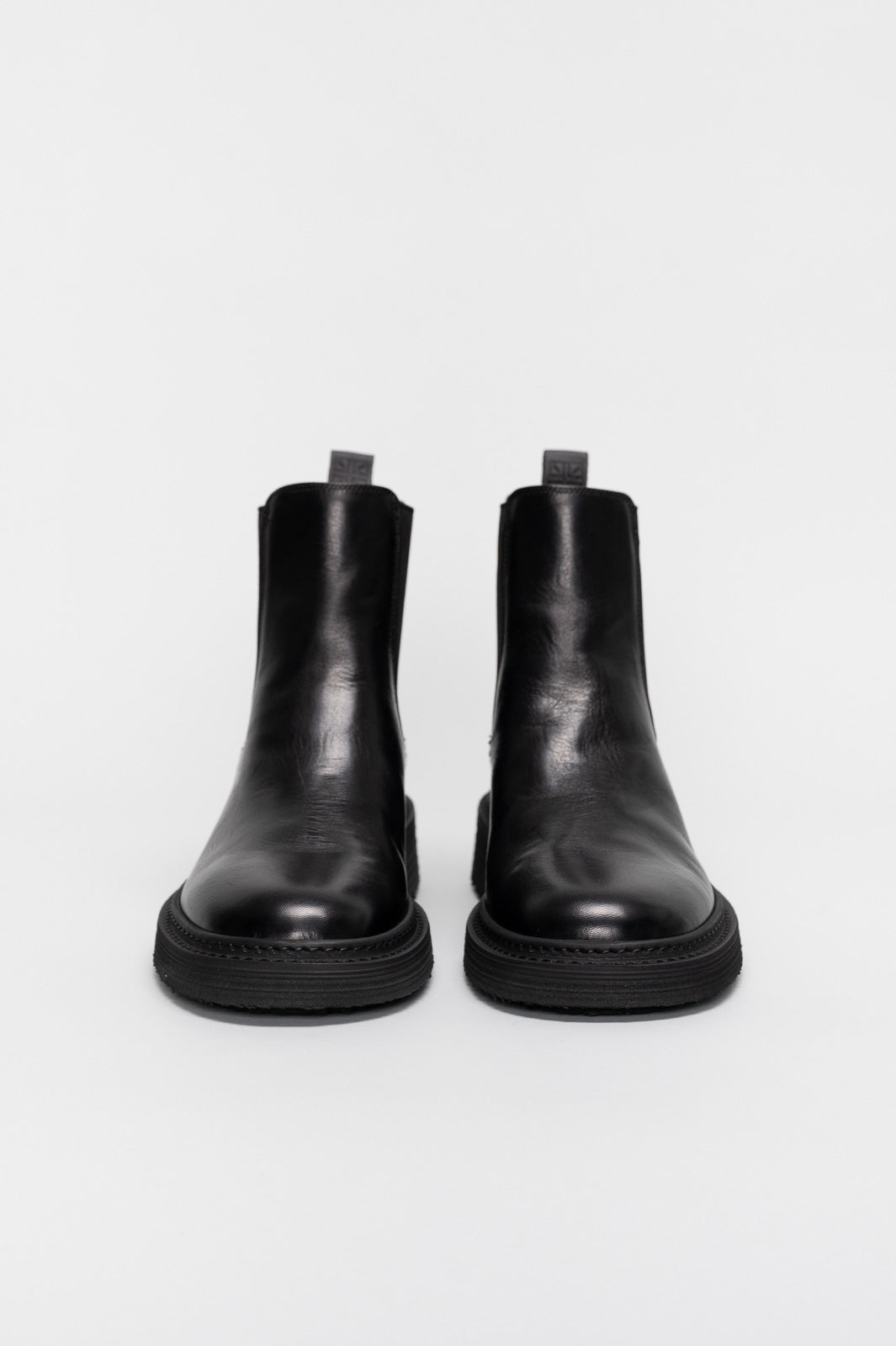
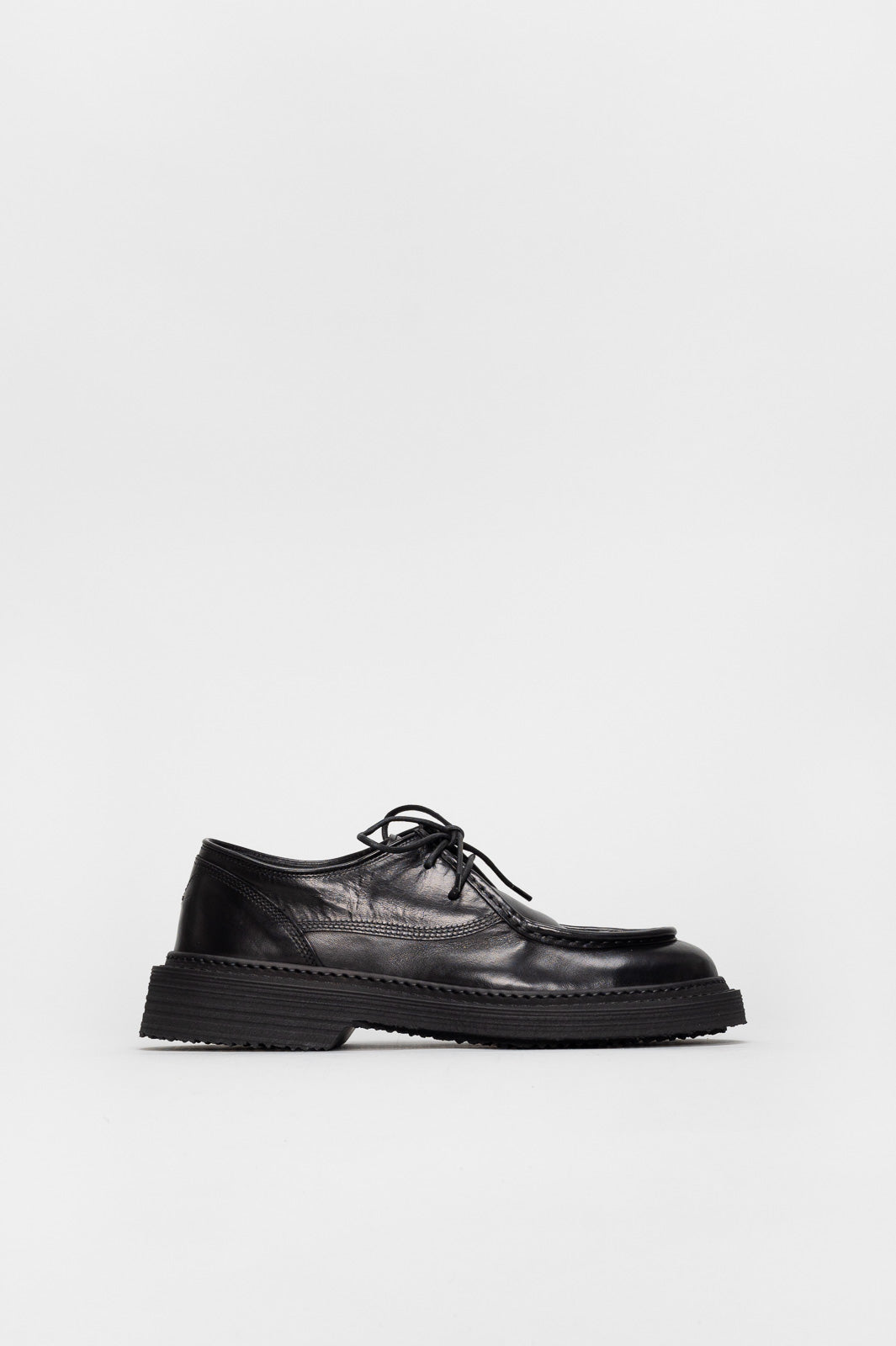
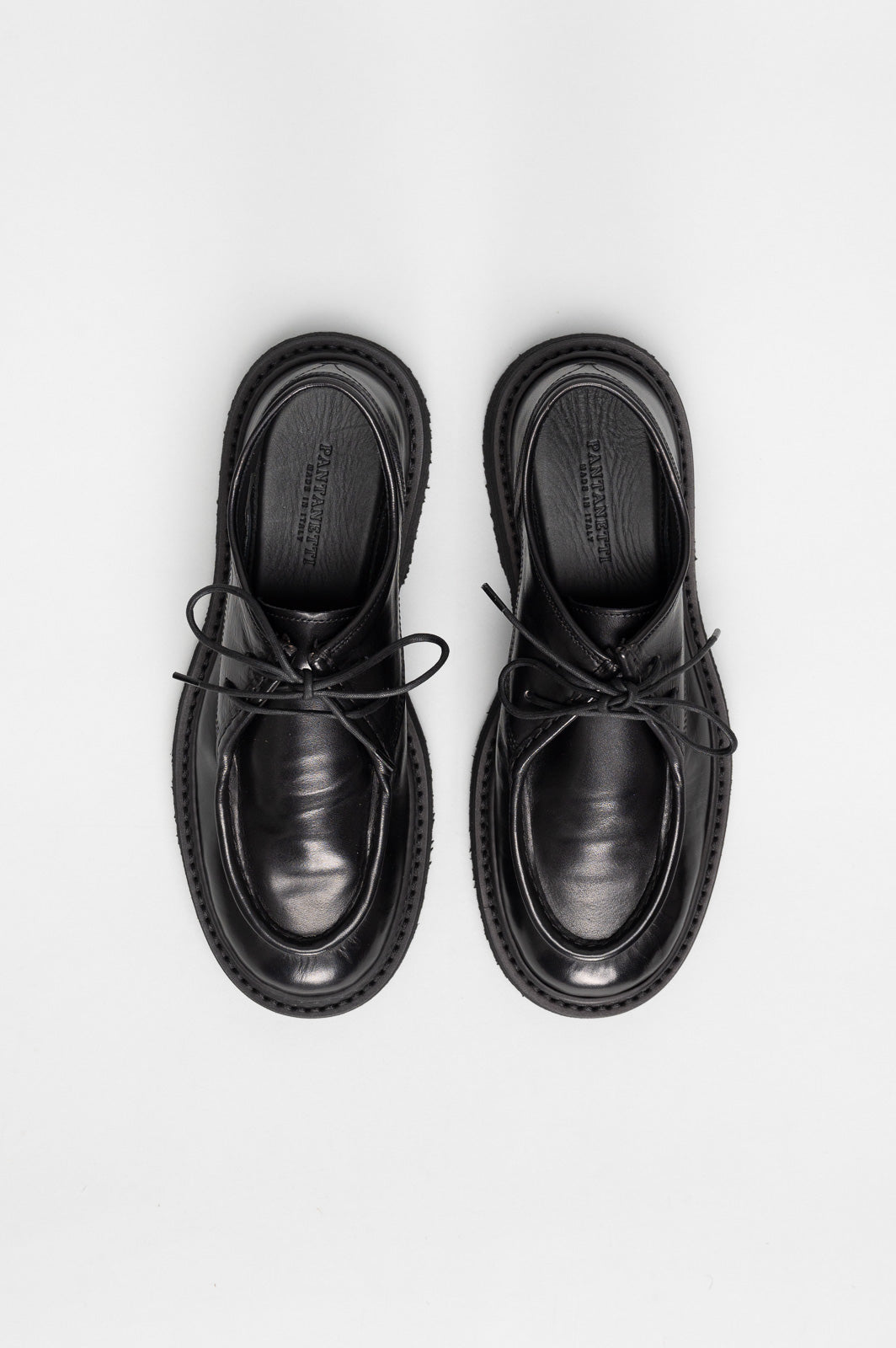
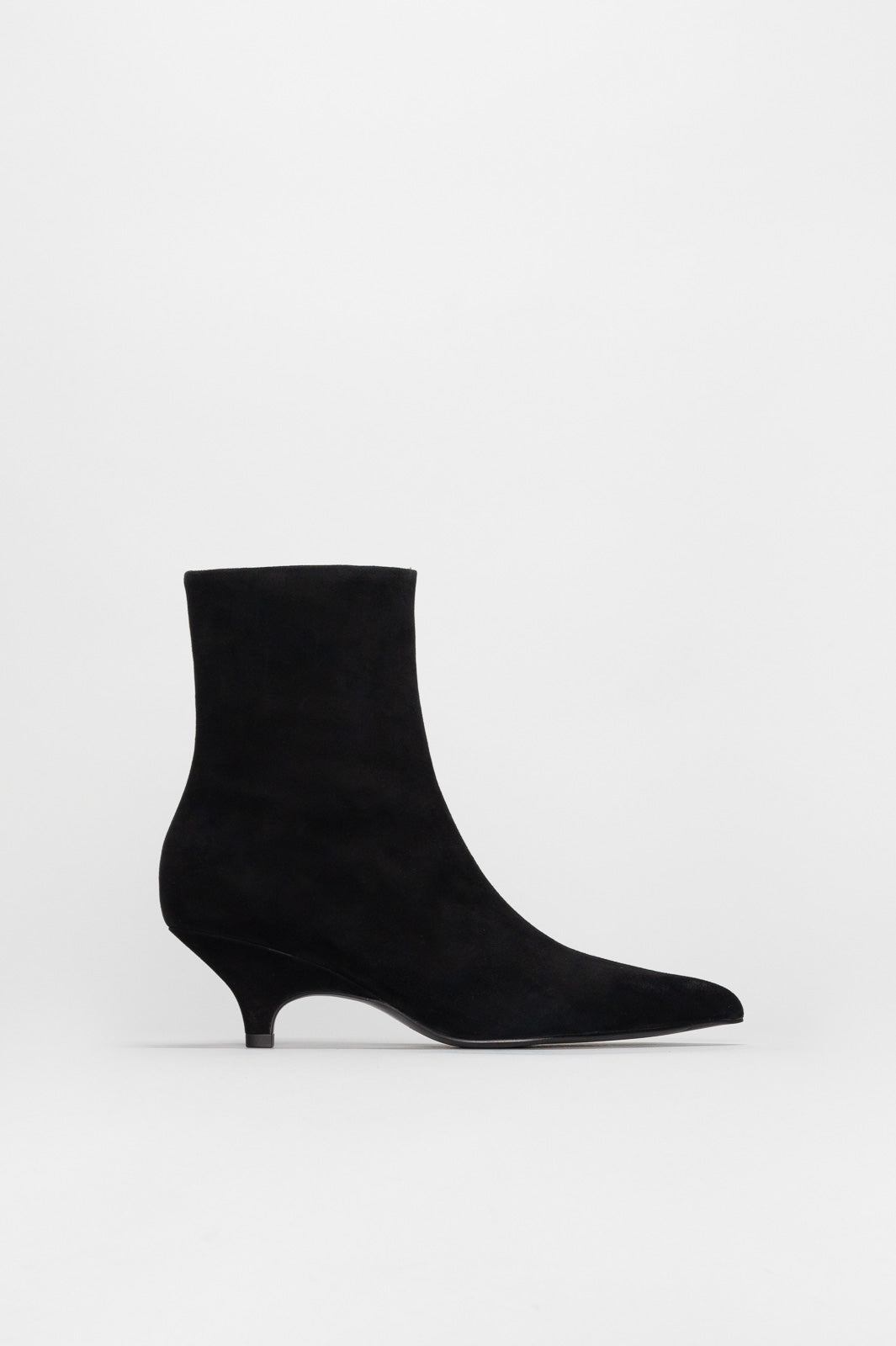
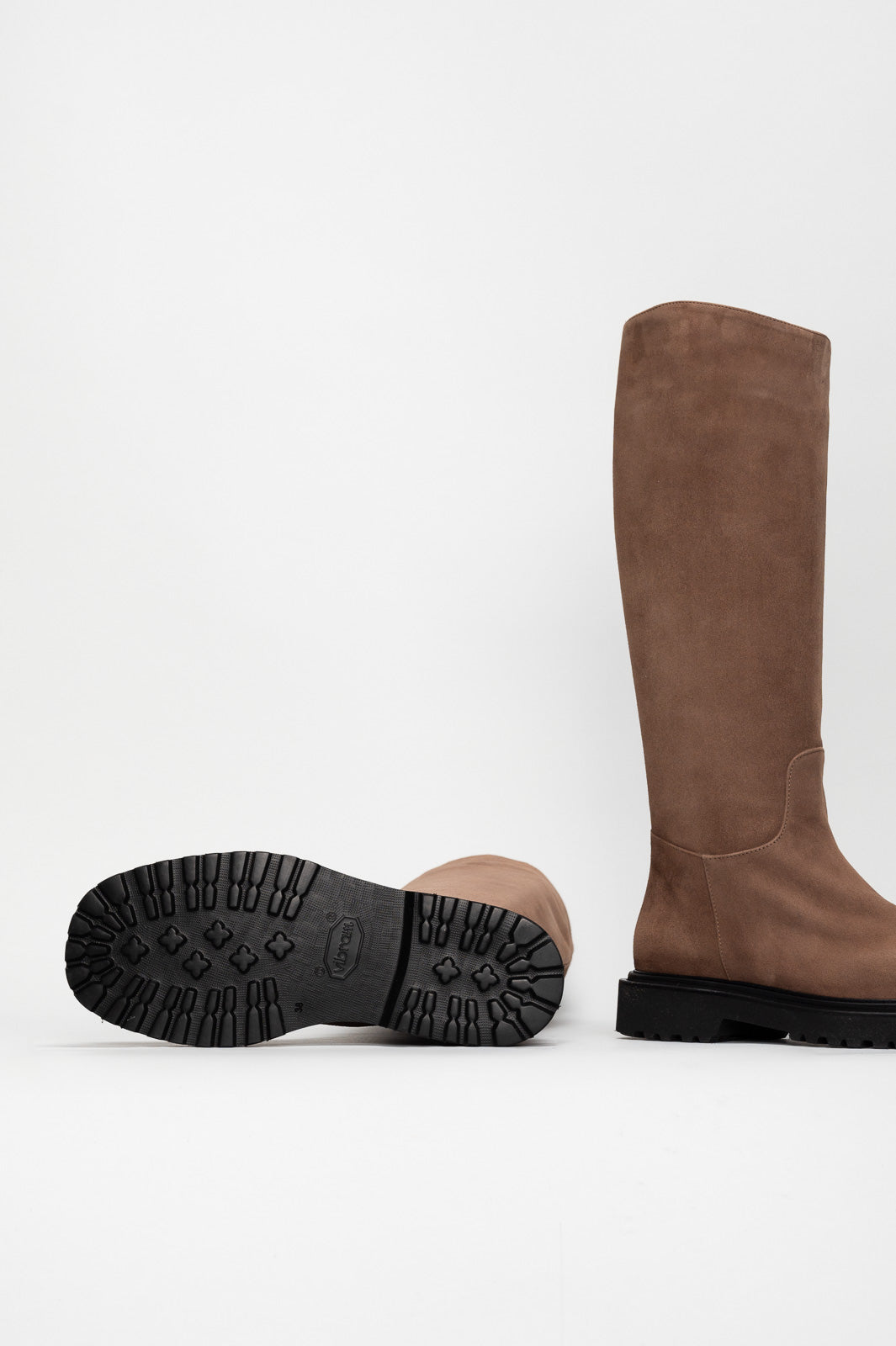
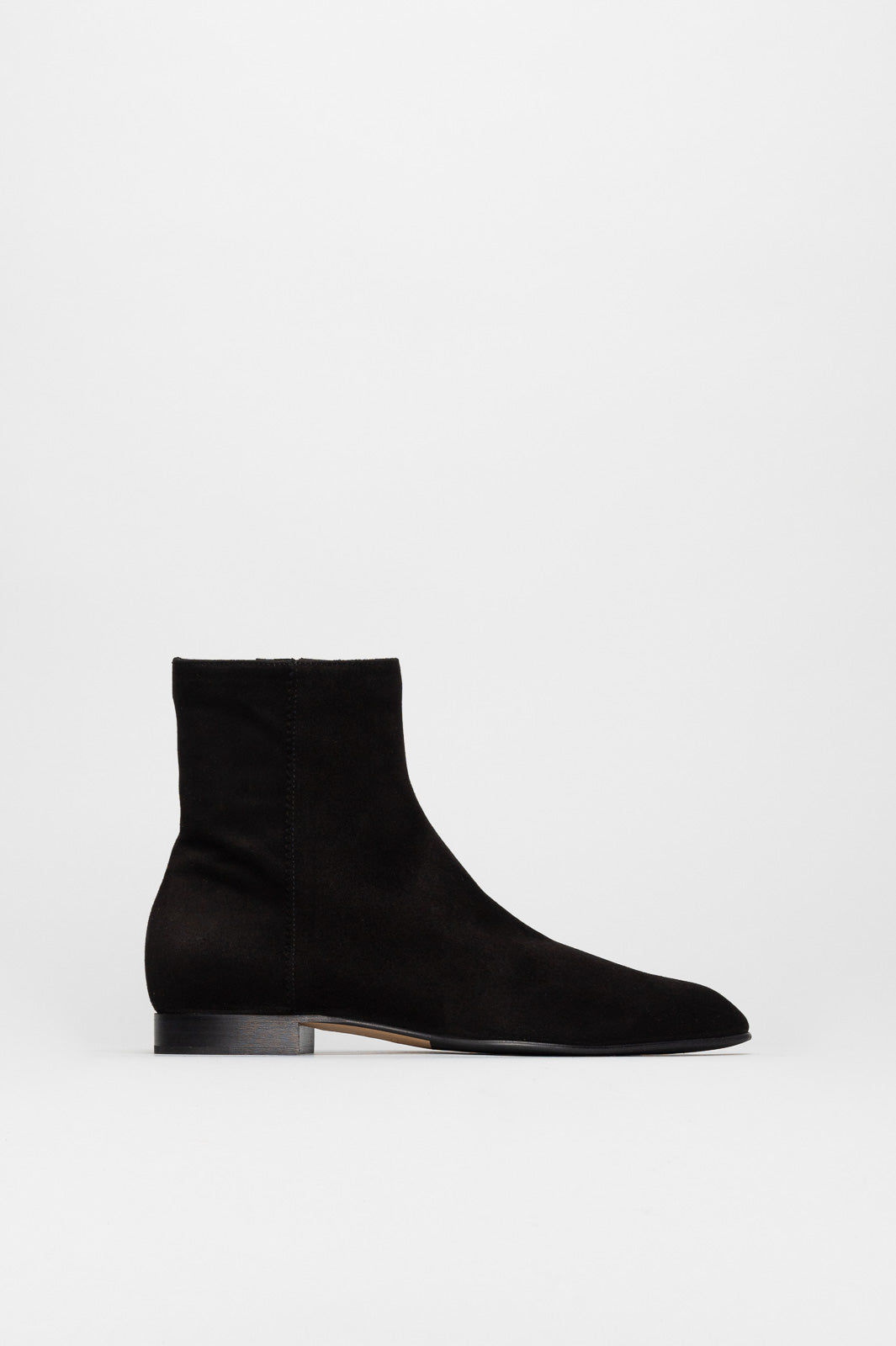
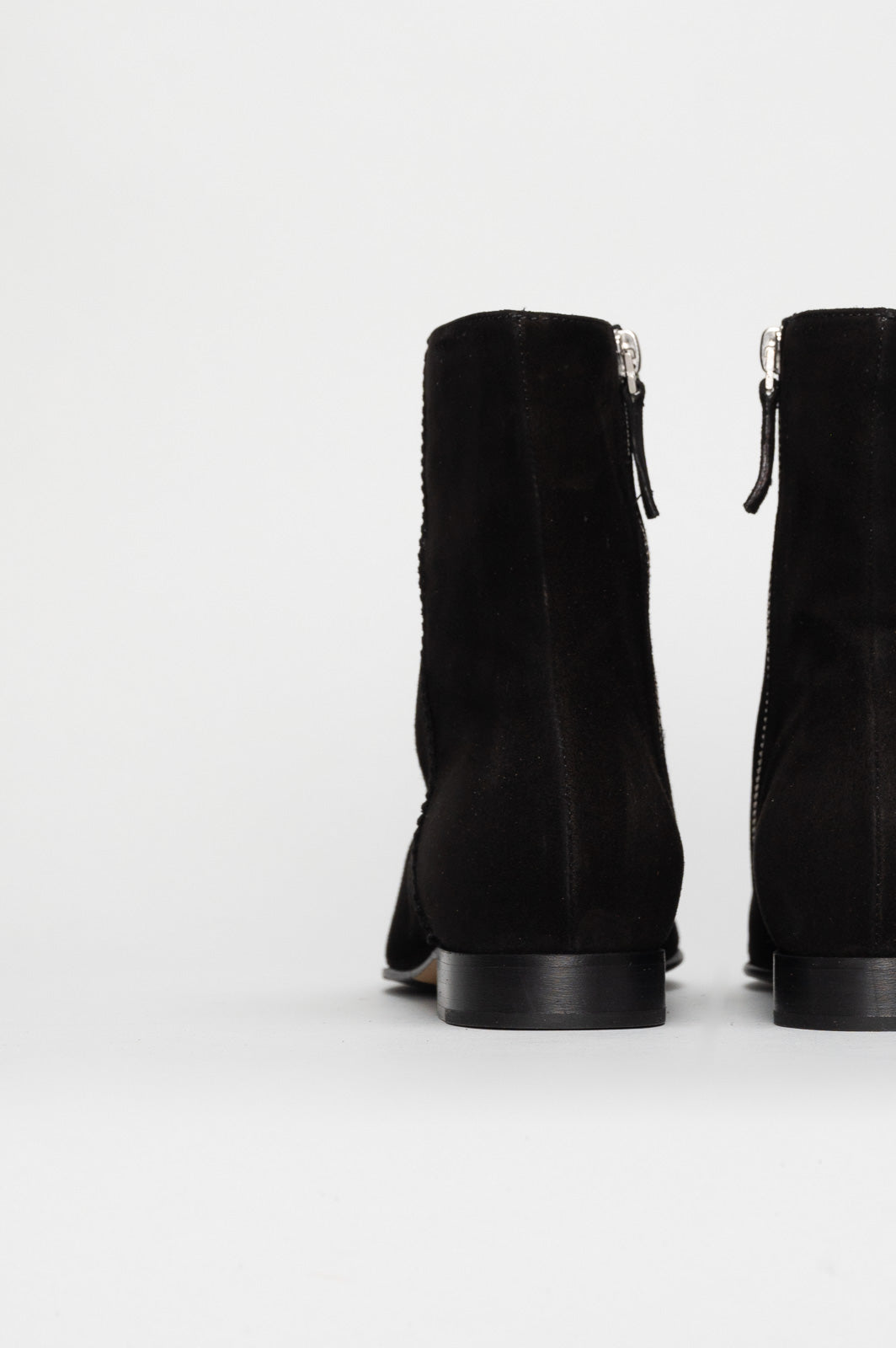
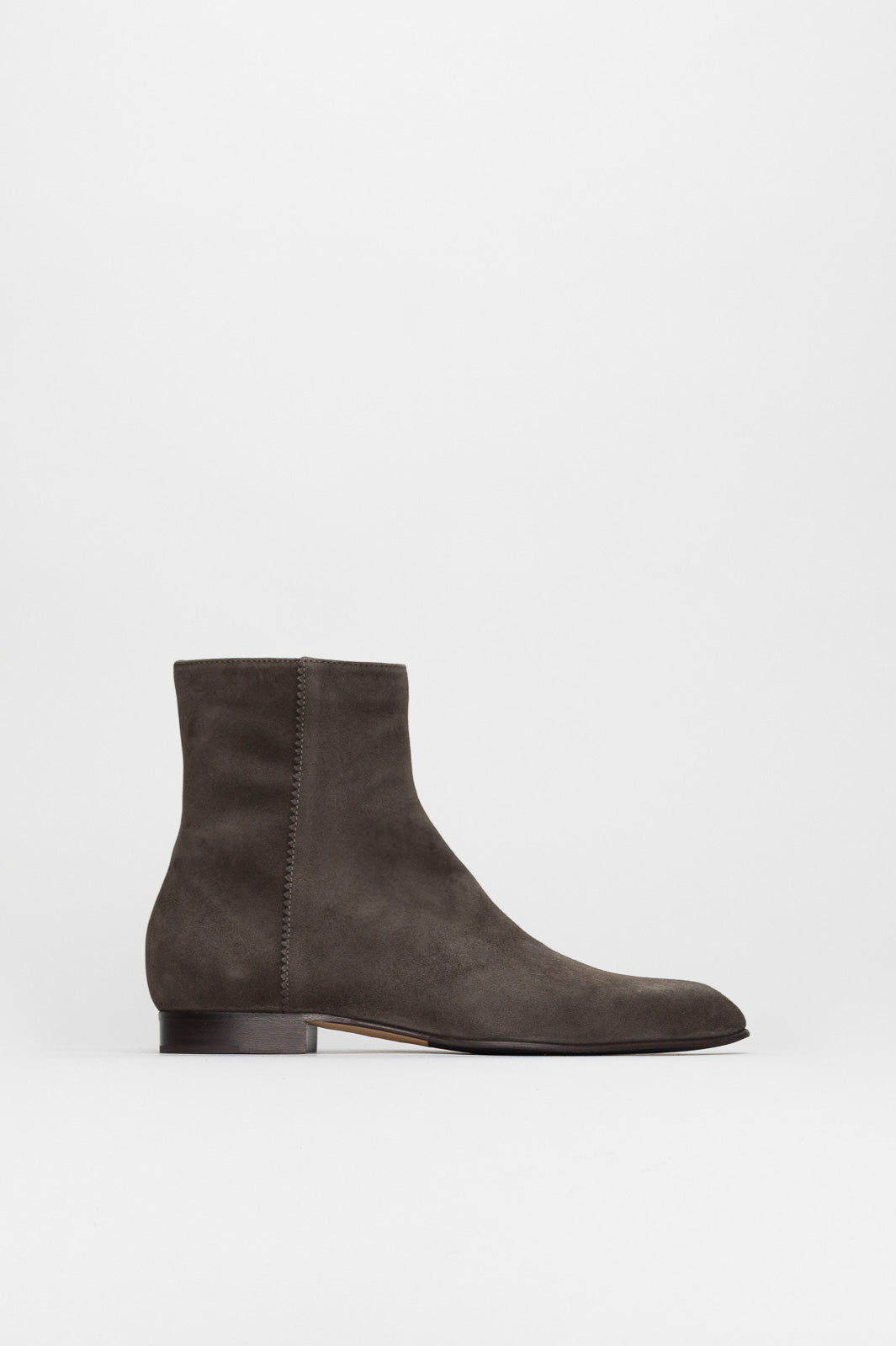
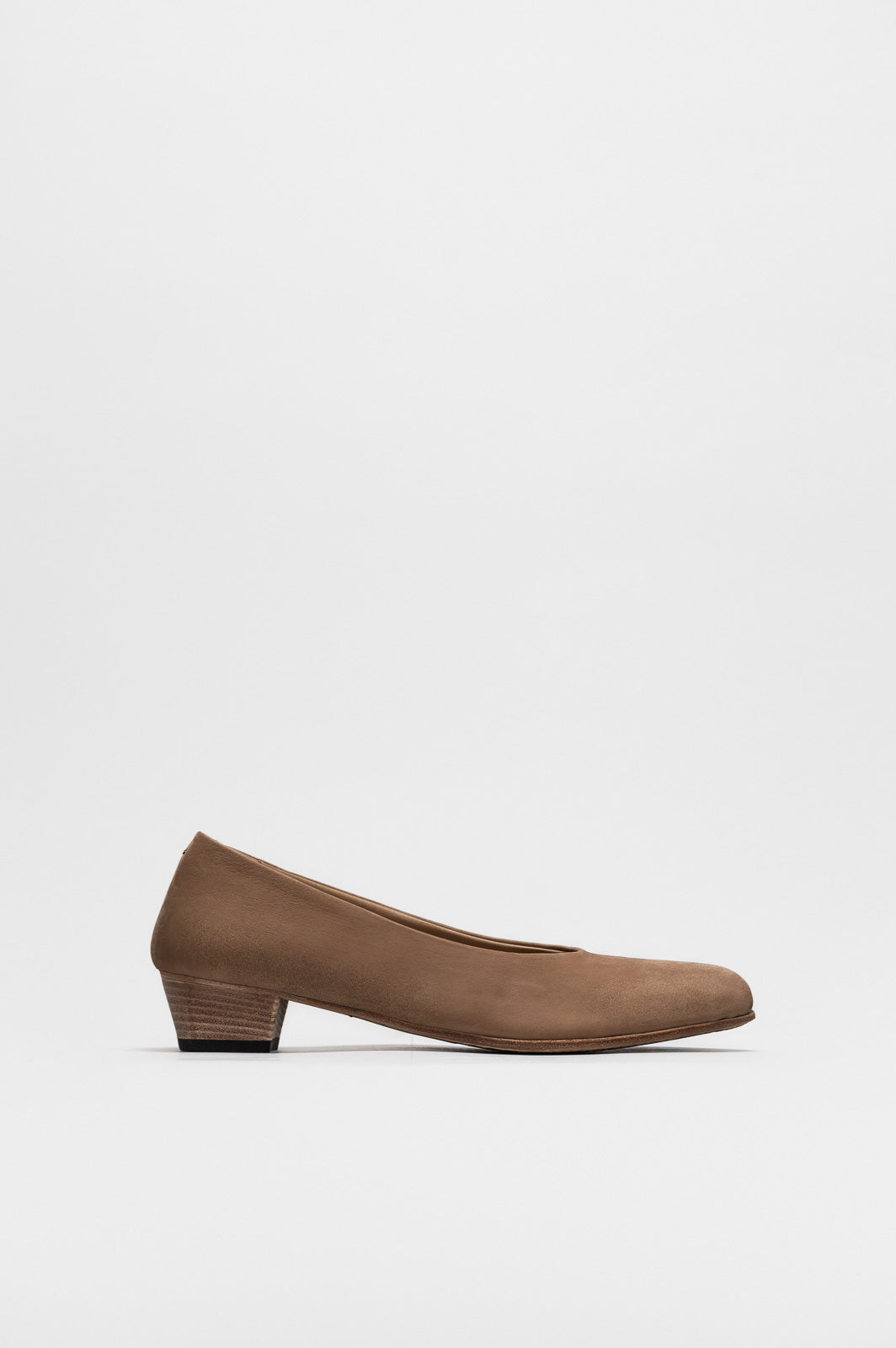
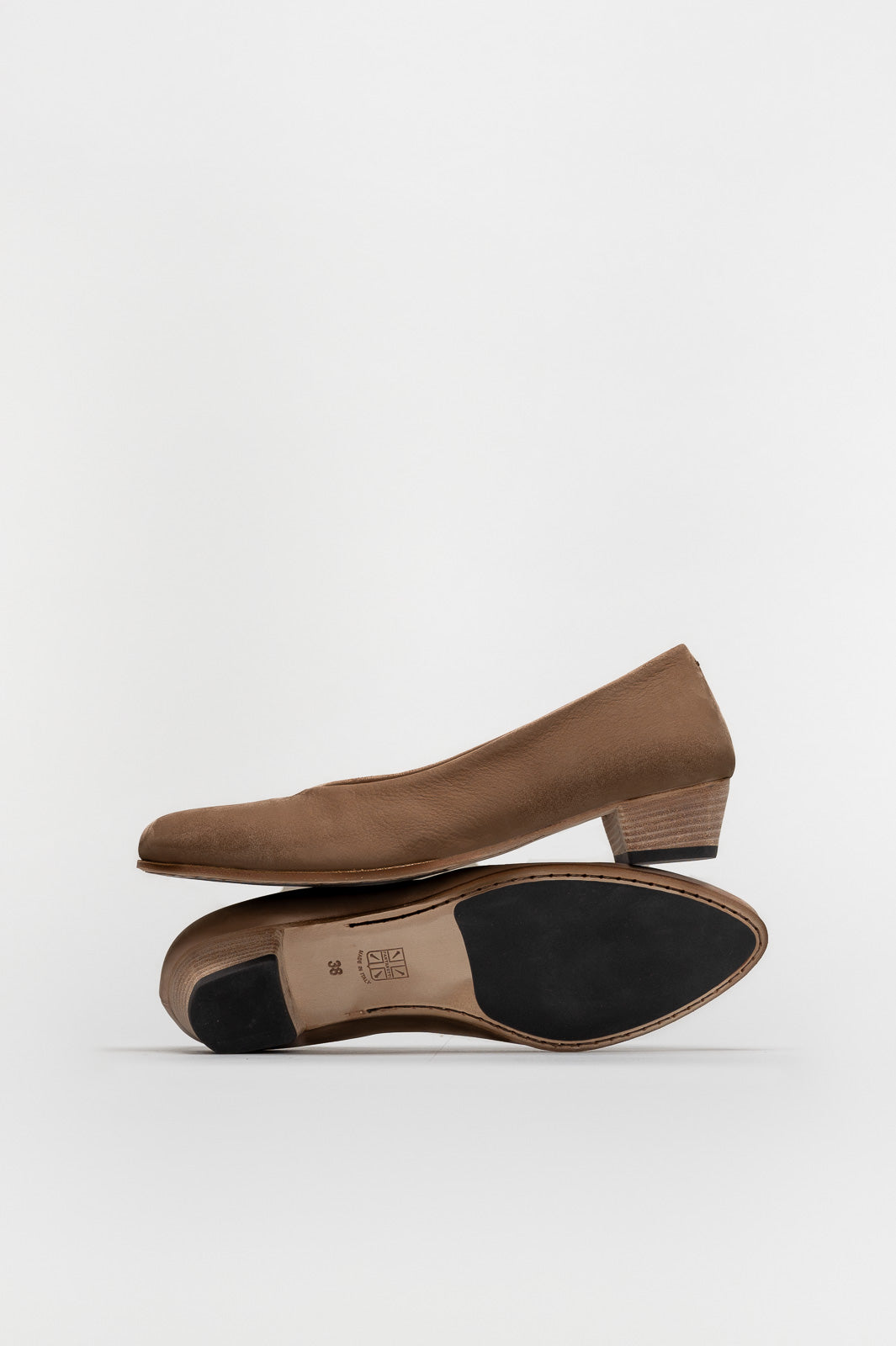
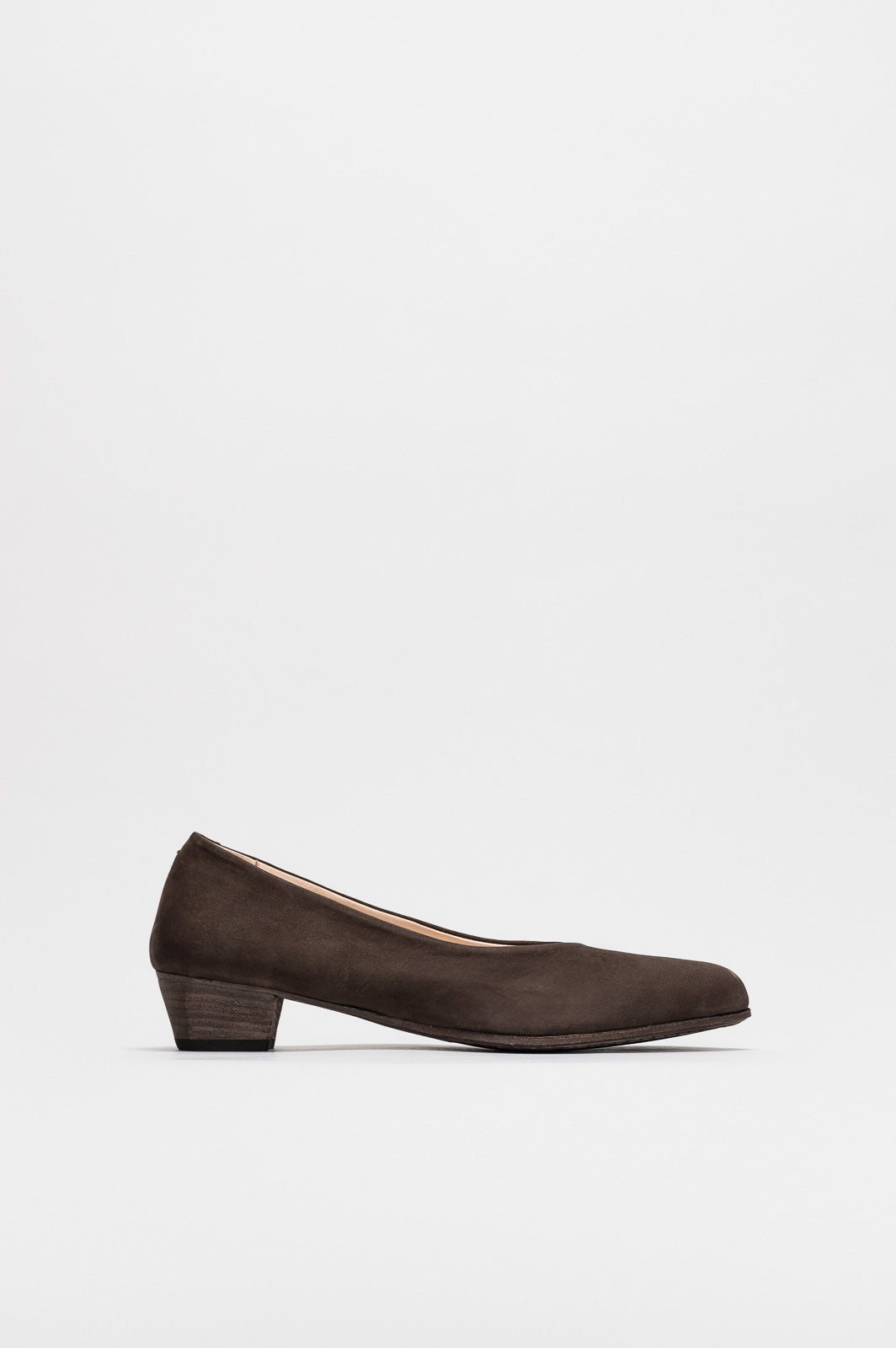
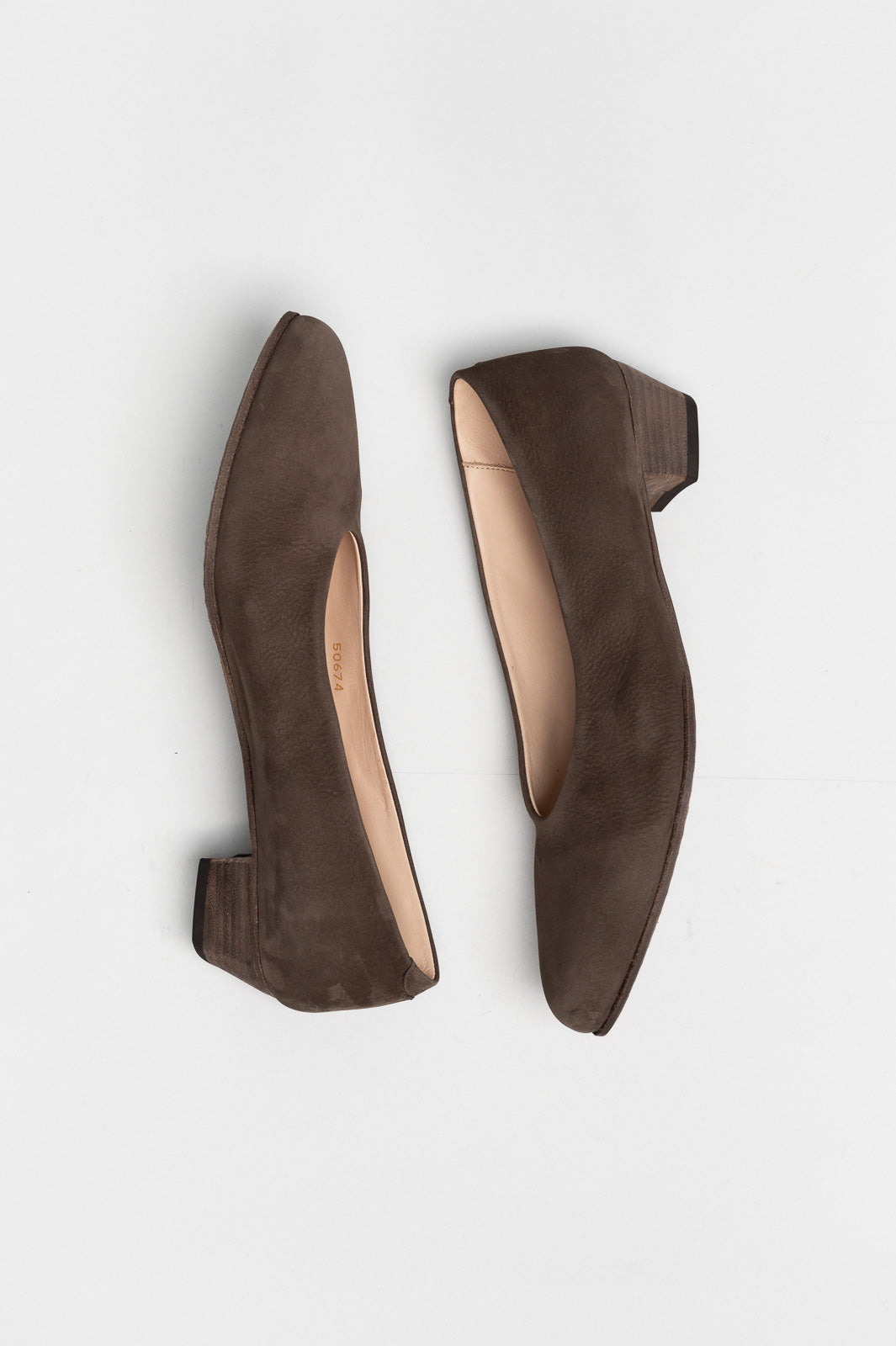
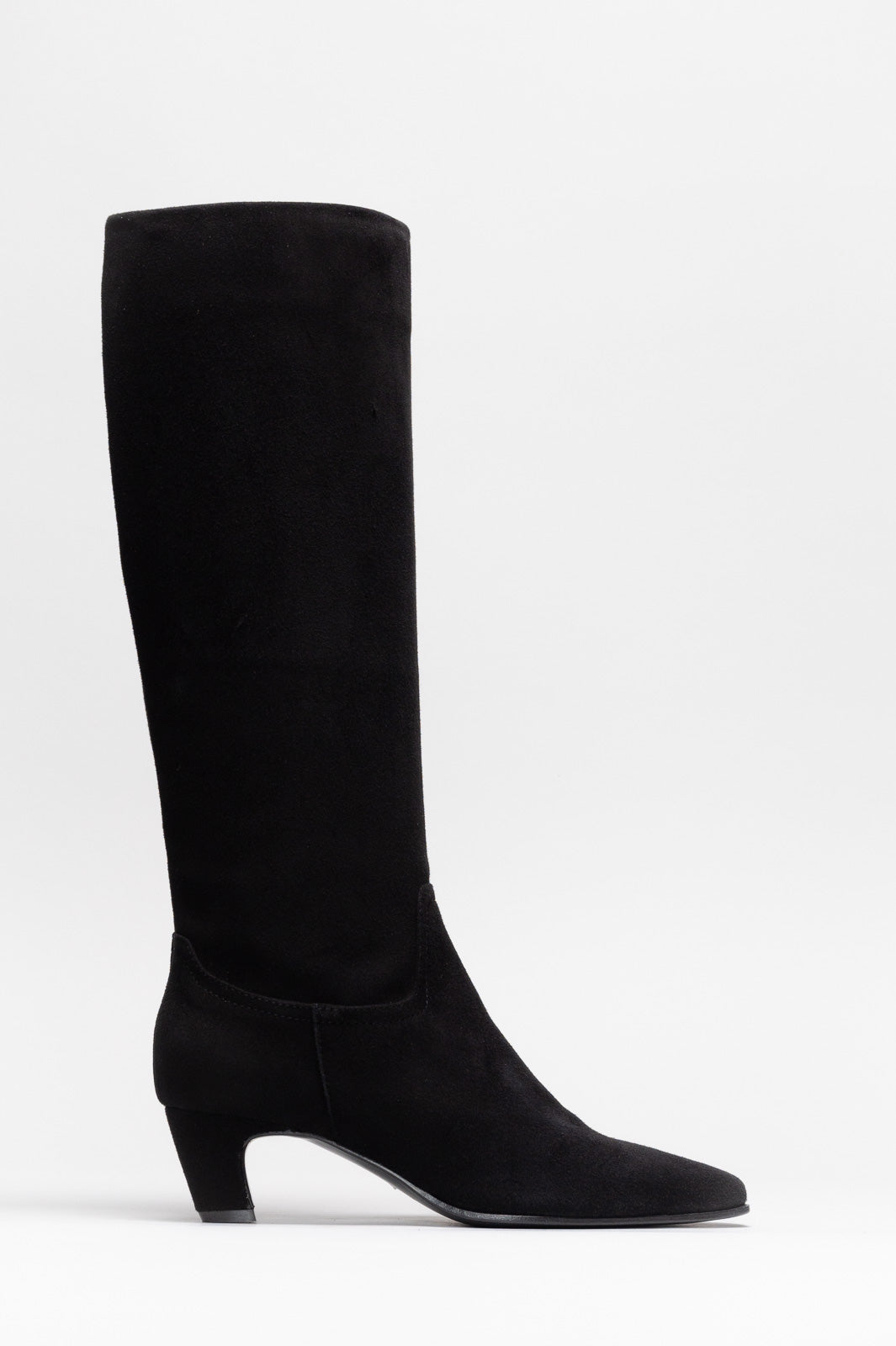
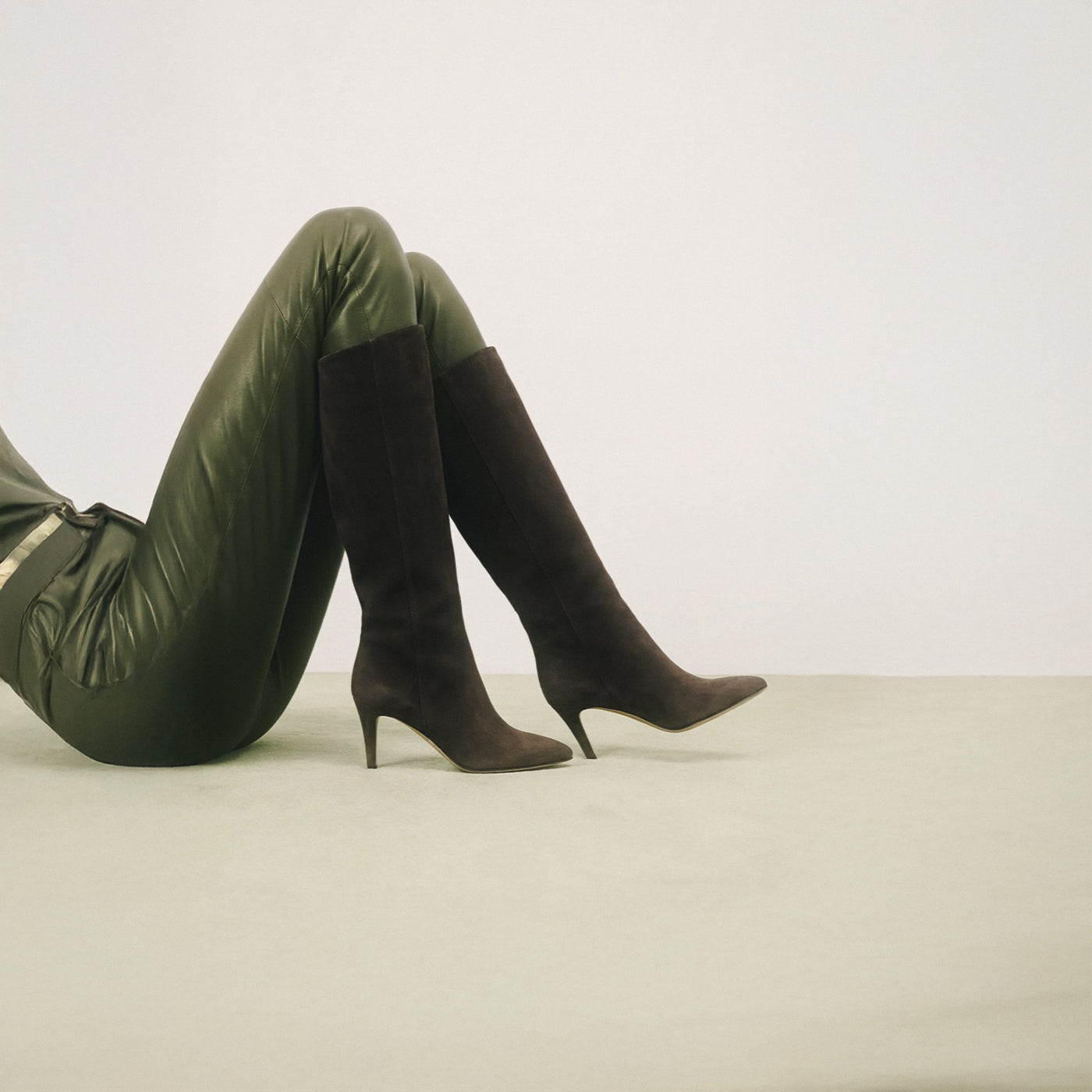
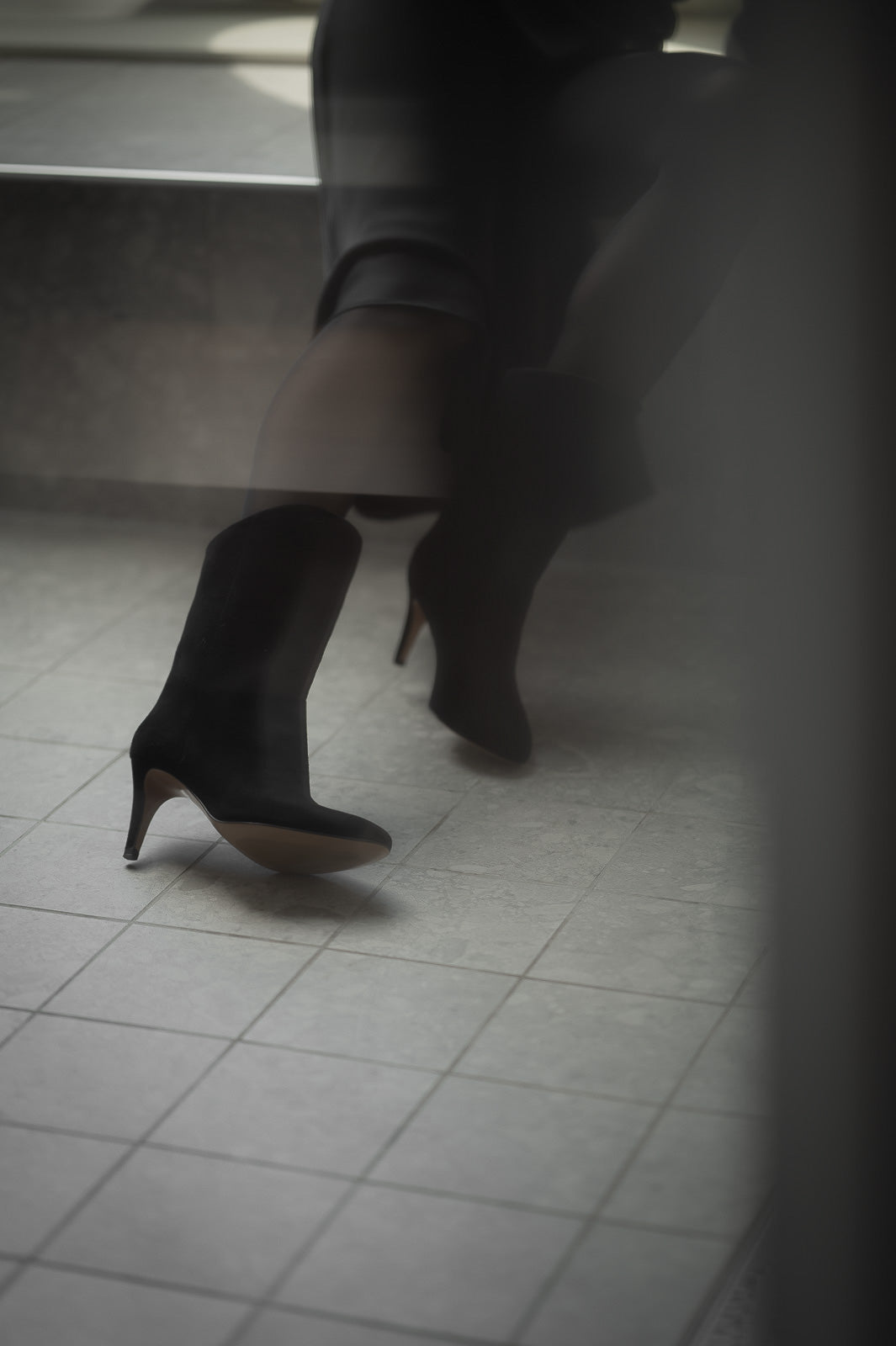
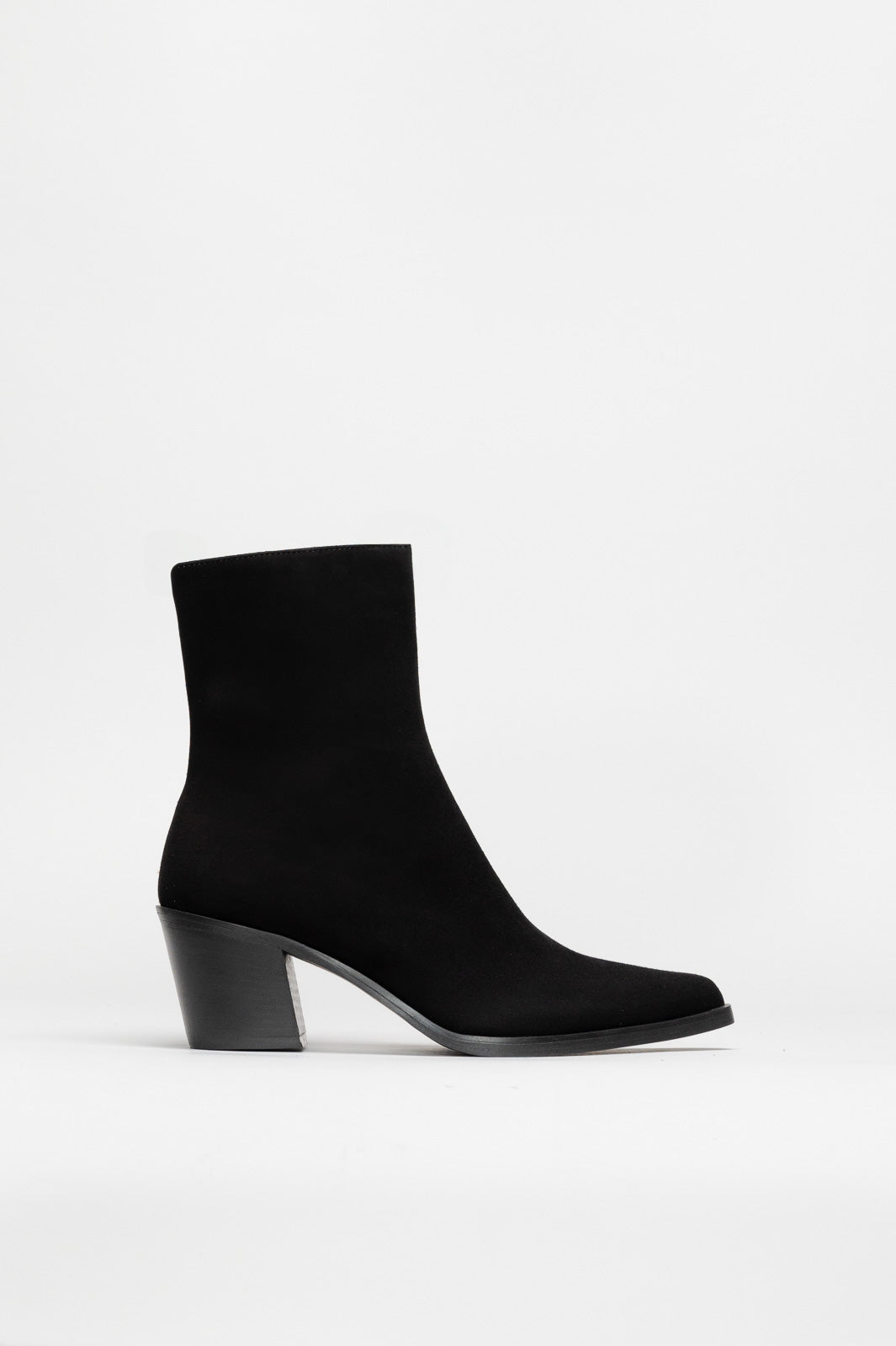
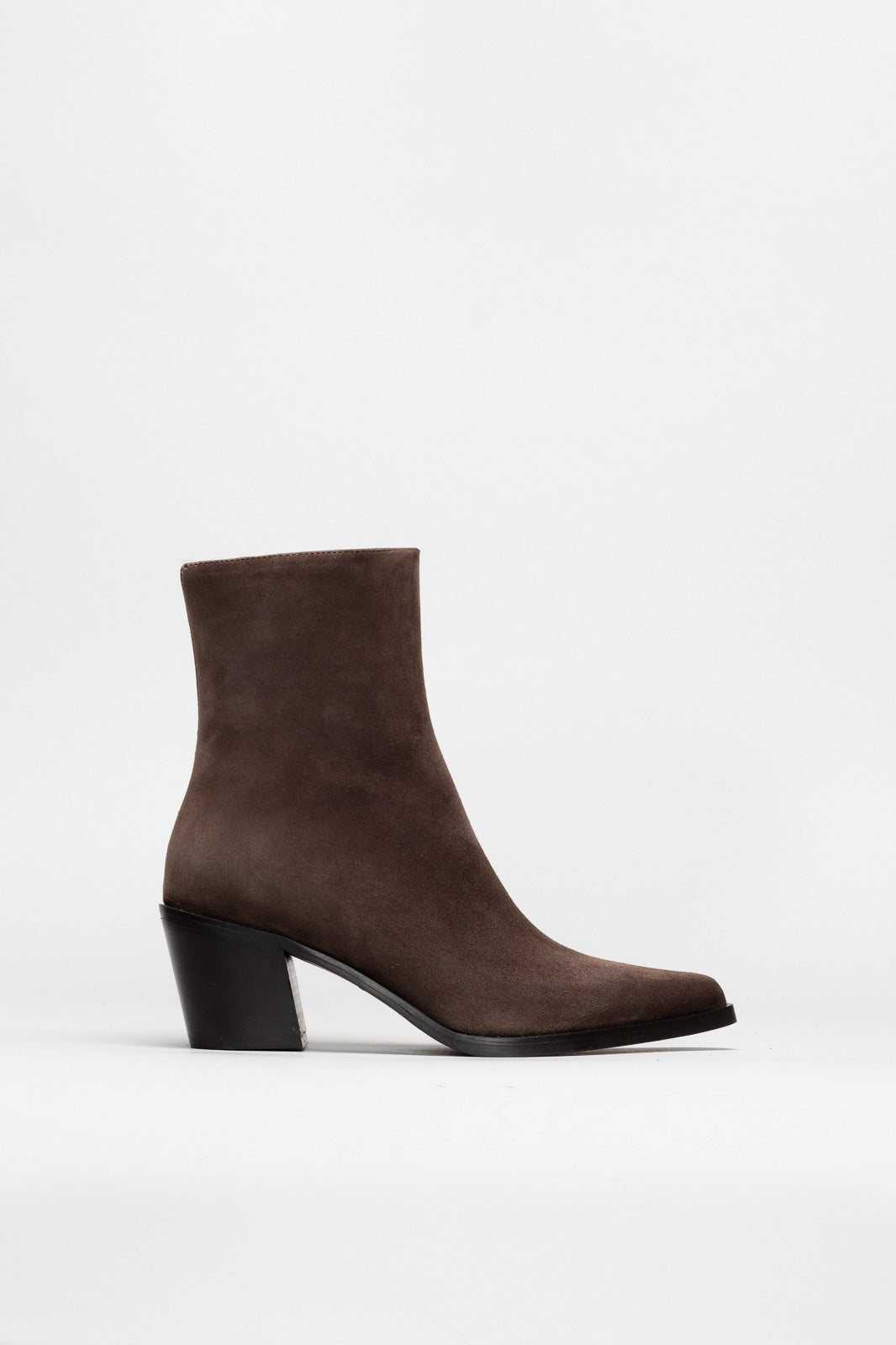
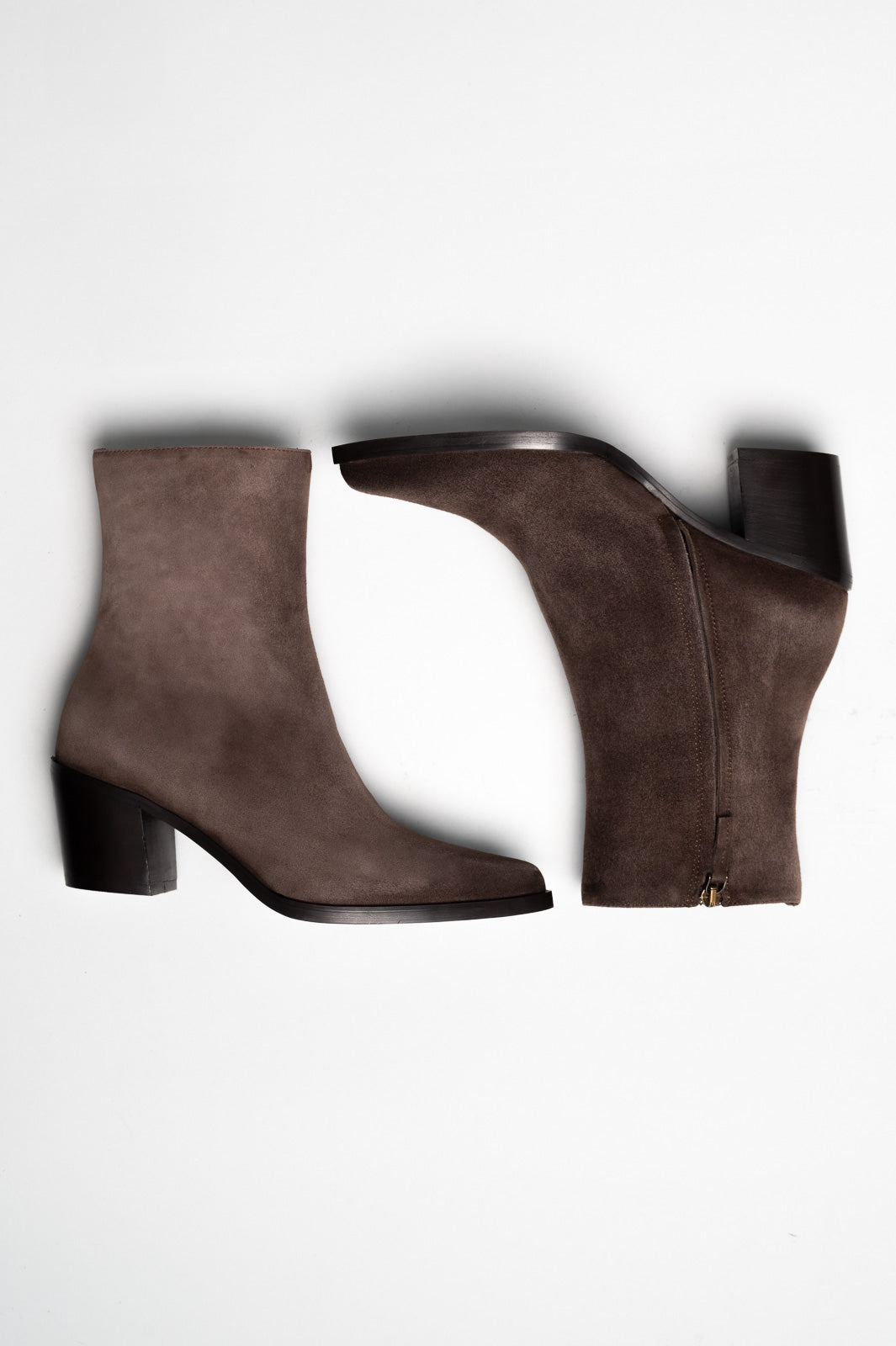
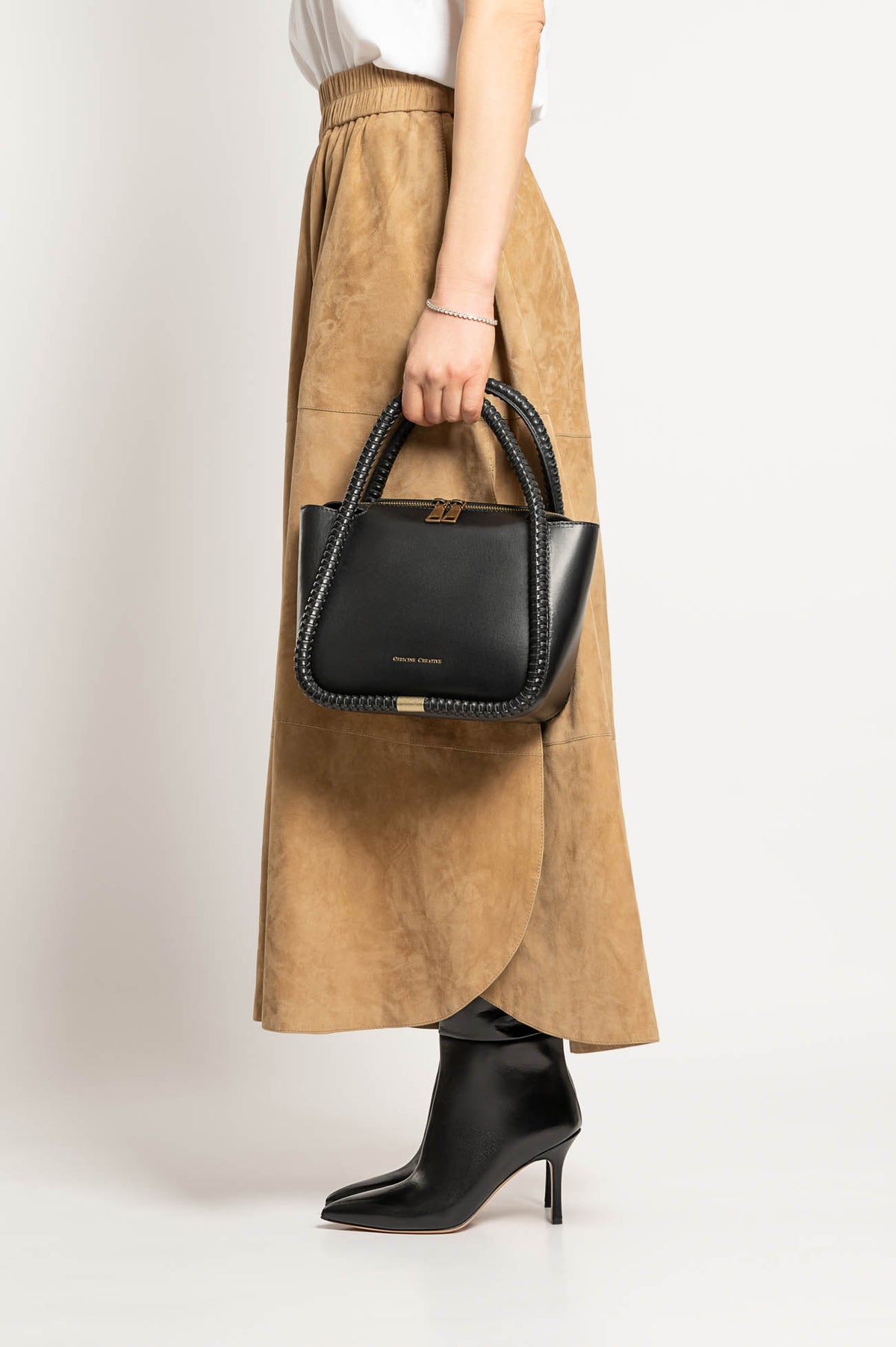
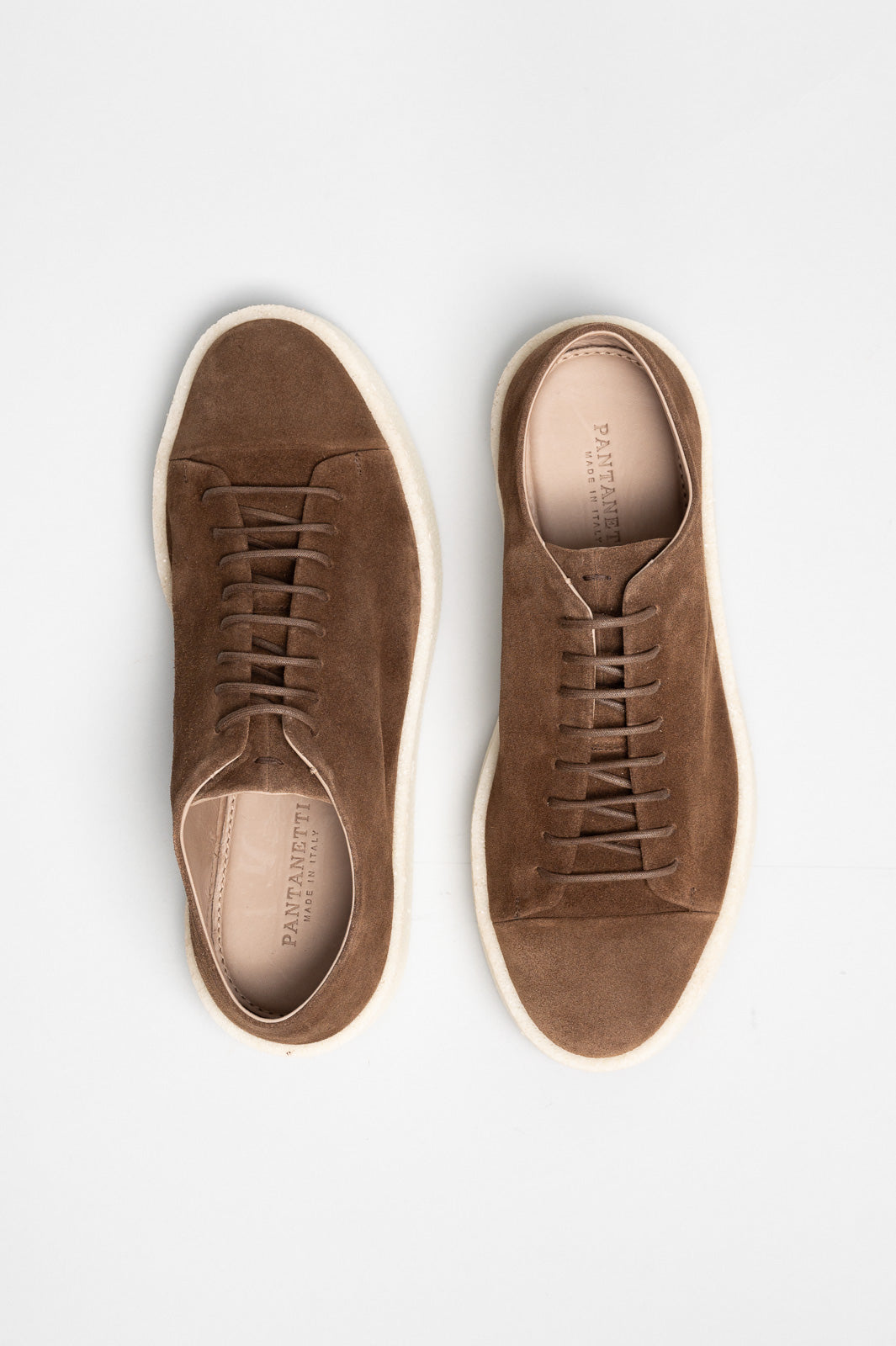
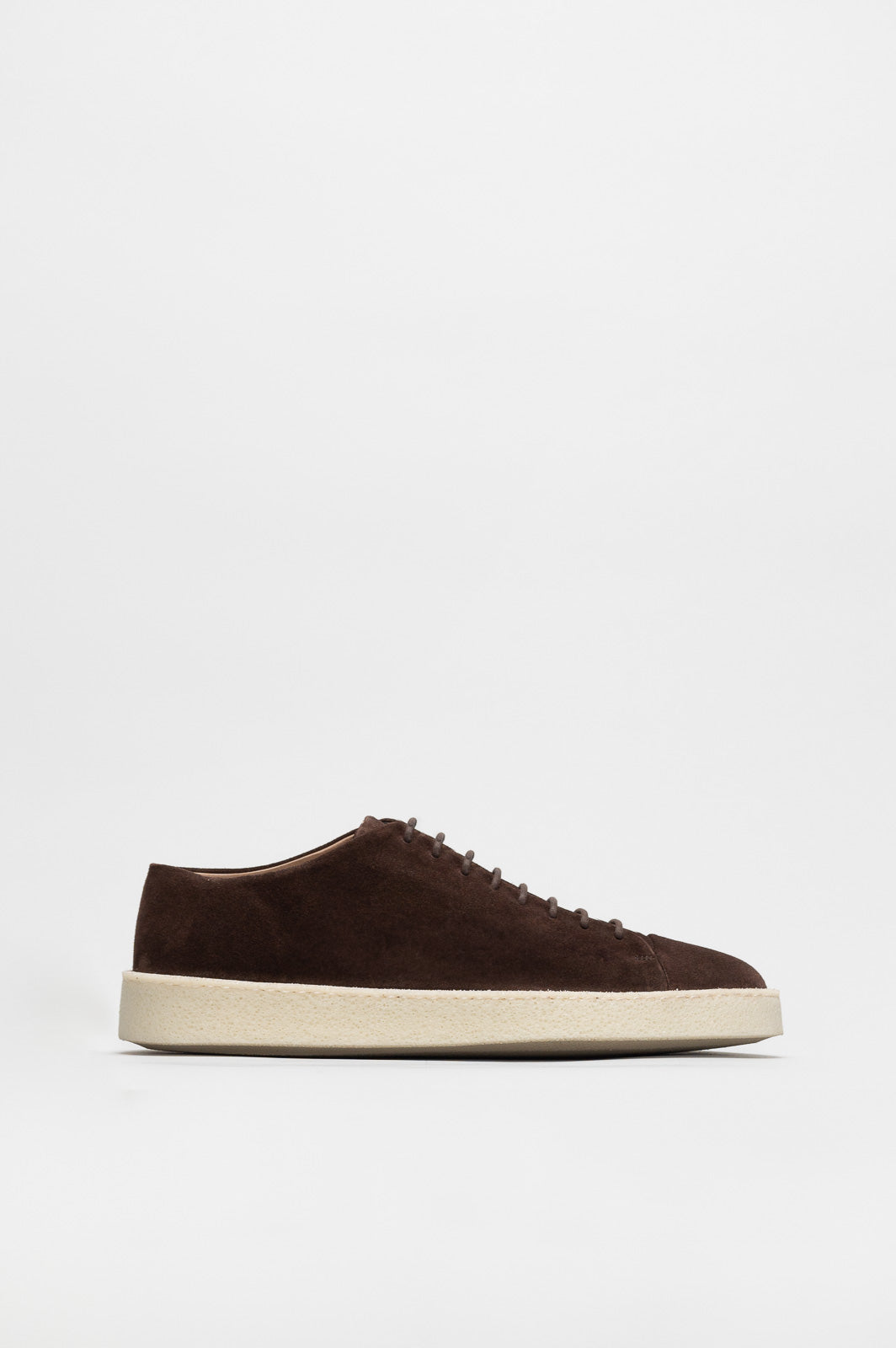
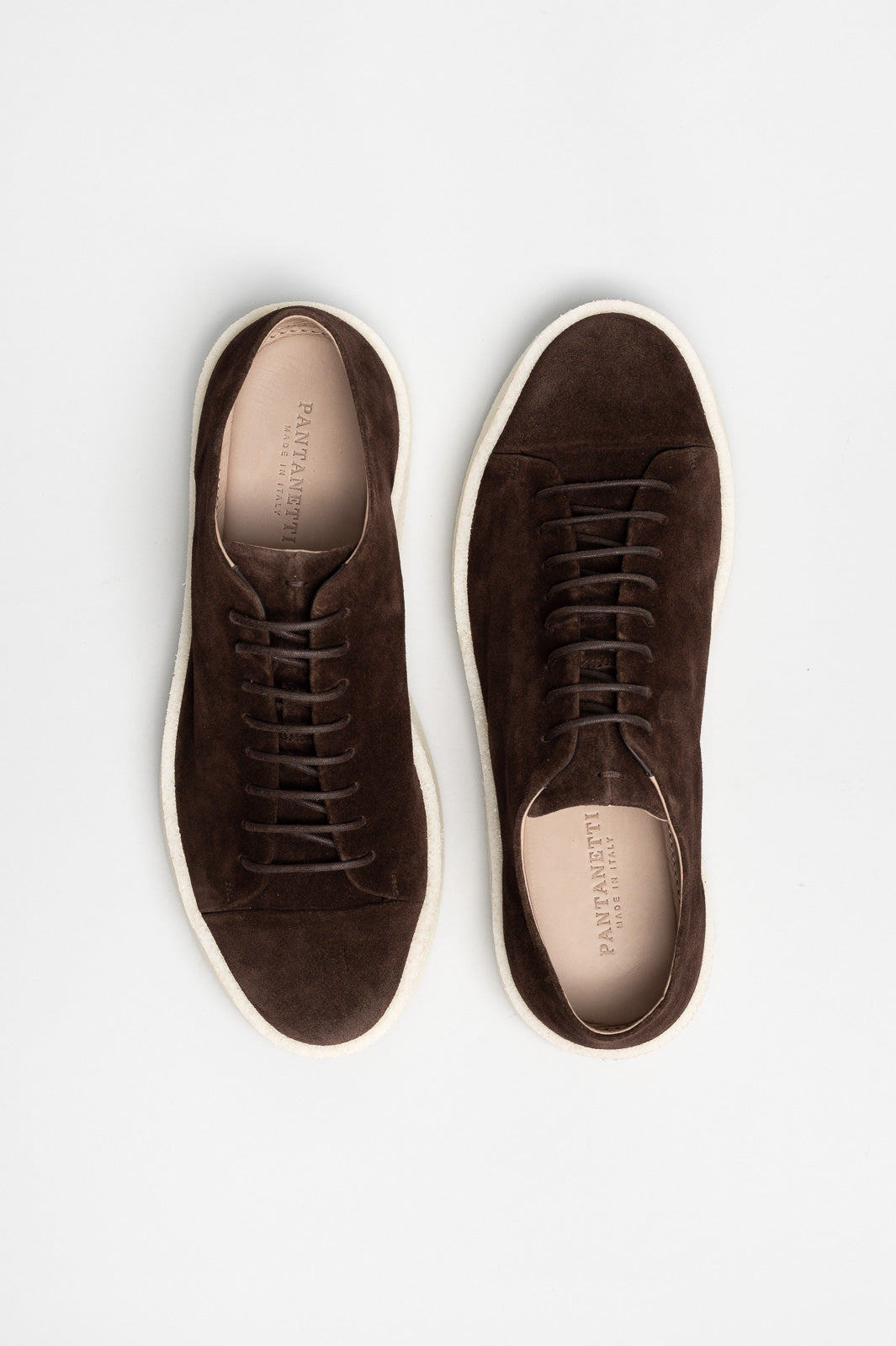
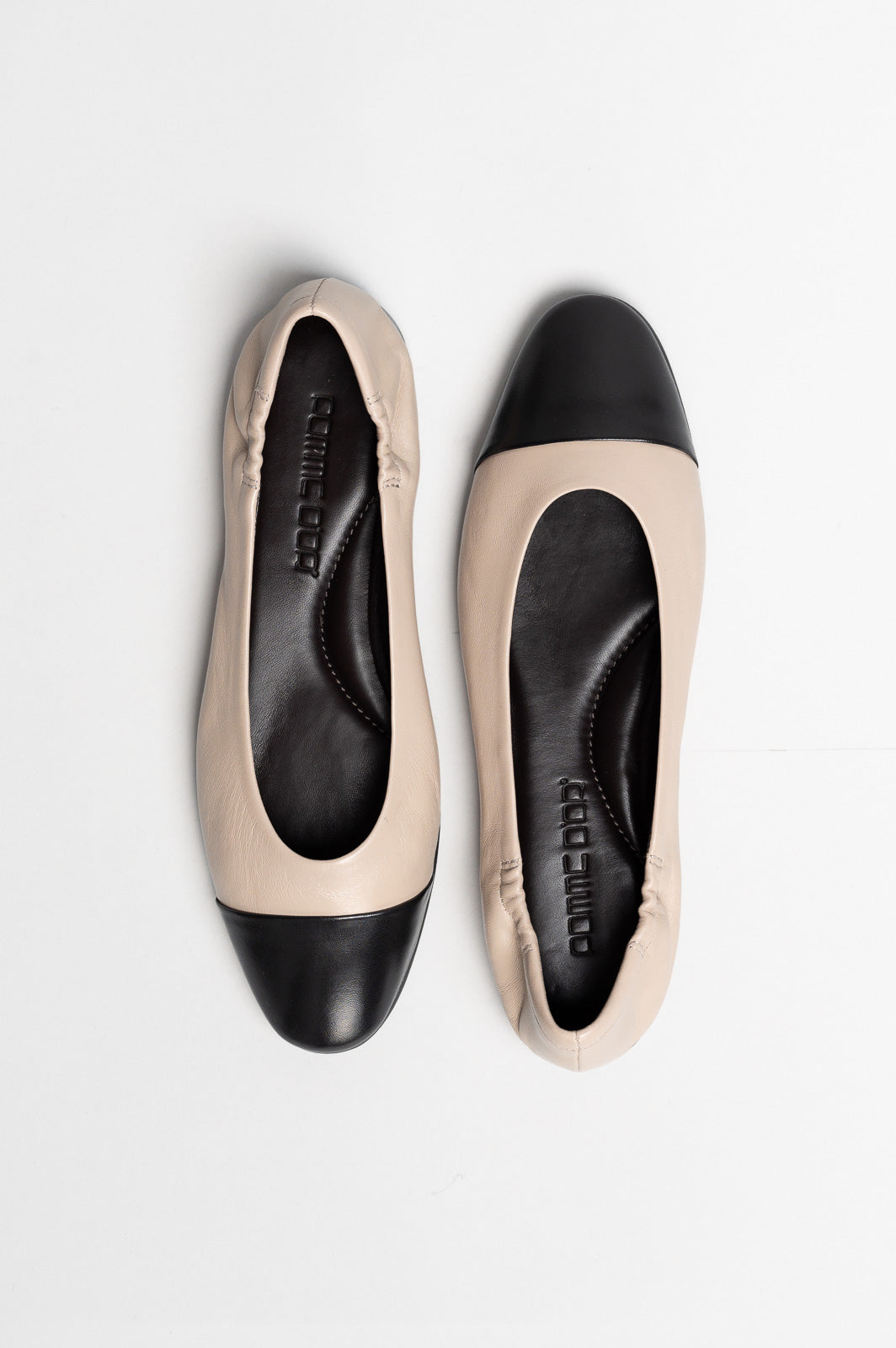
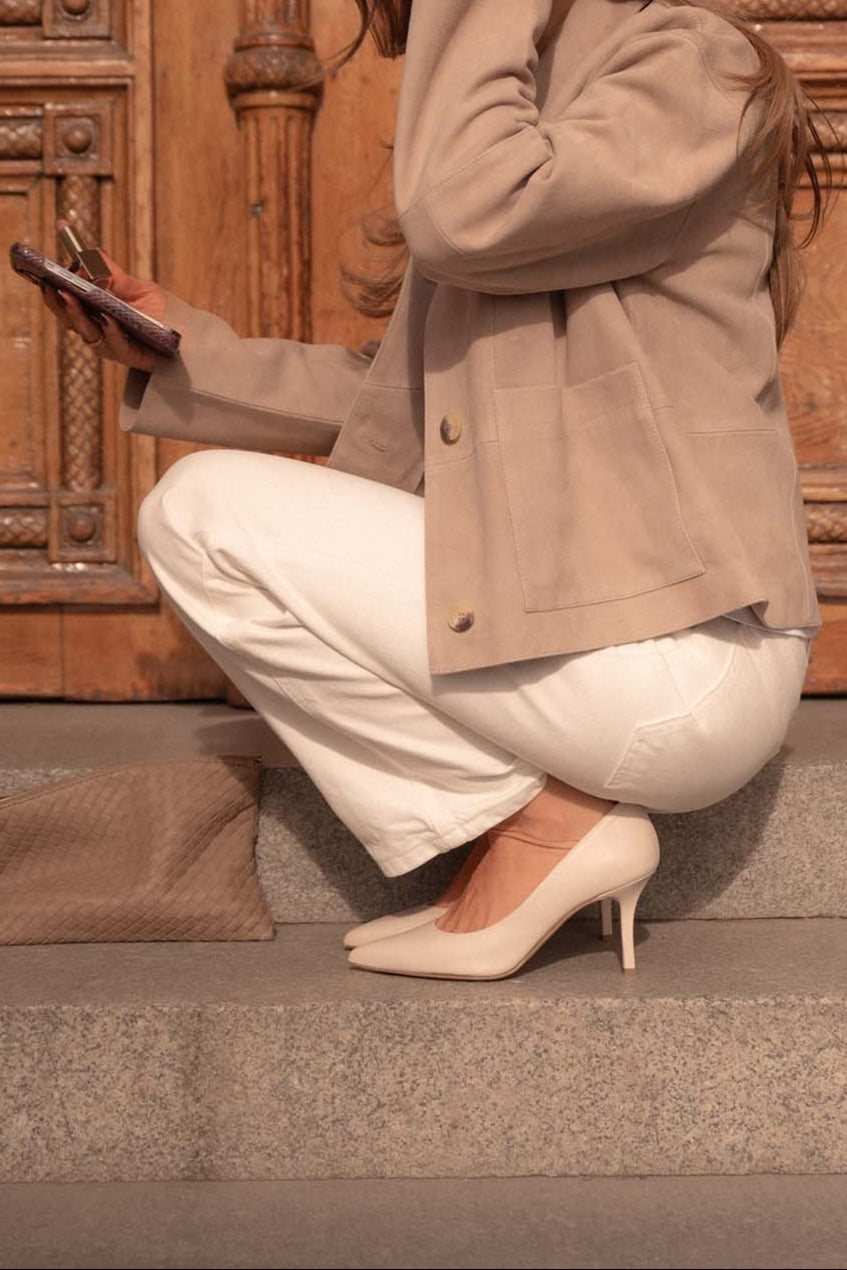
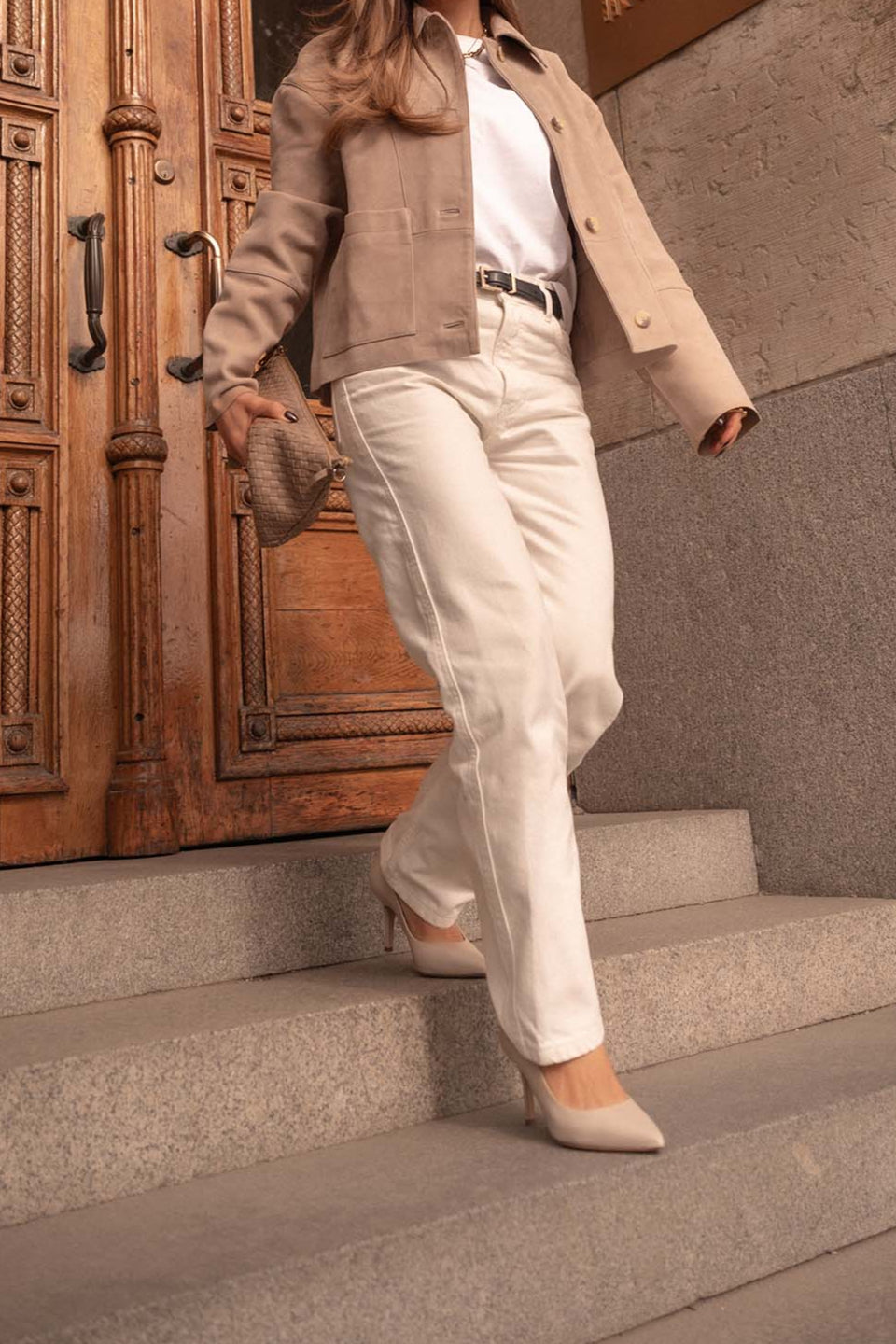
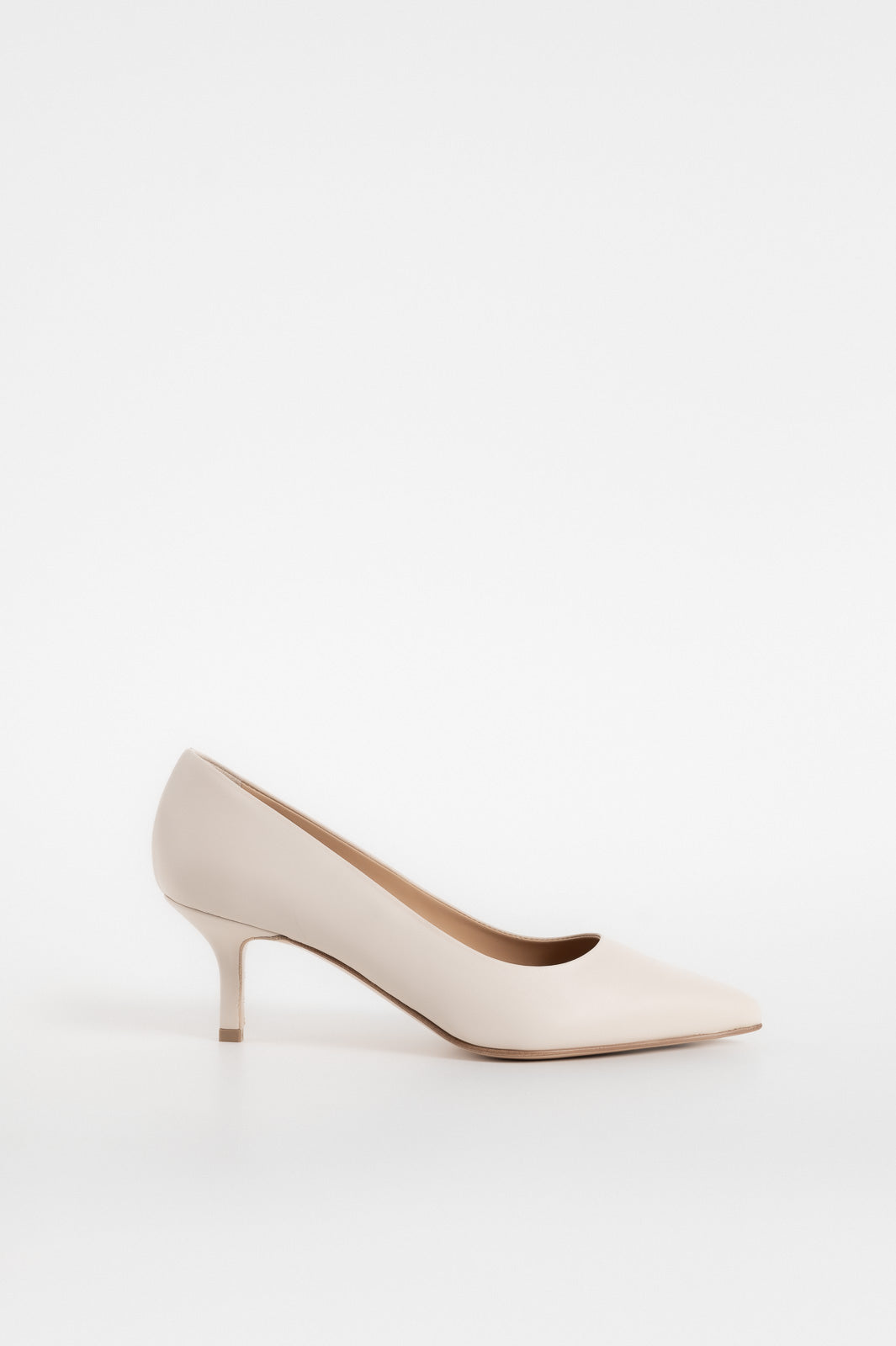
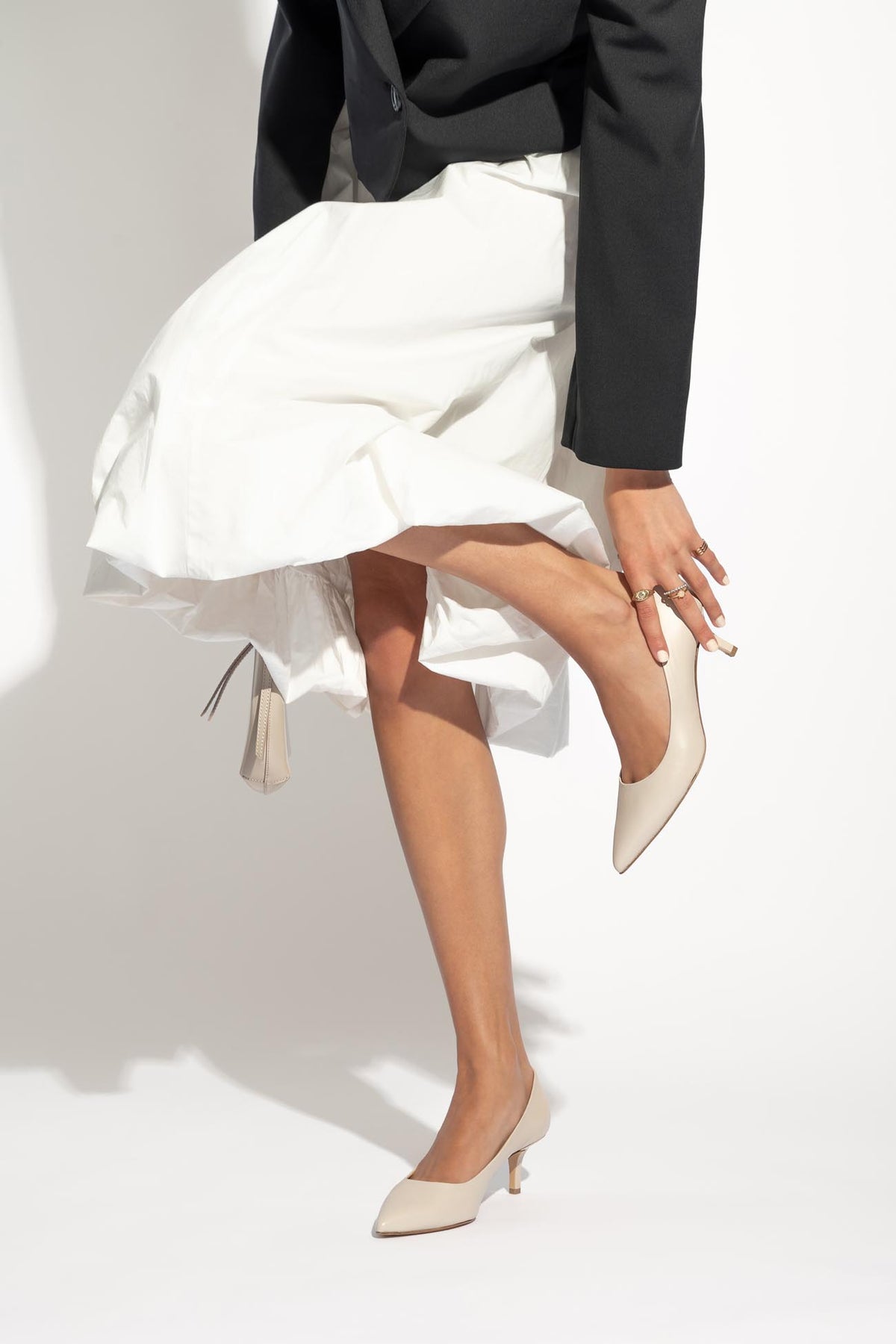
Reduced forms and clean lines. The emphasis lies on silhouette and proportion rather than visible detail.
Colour and material
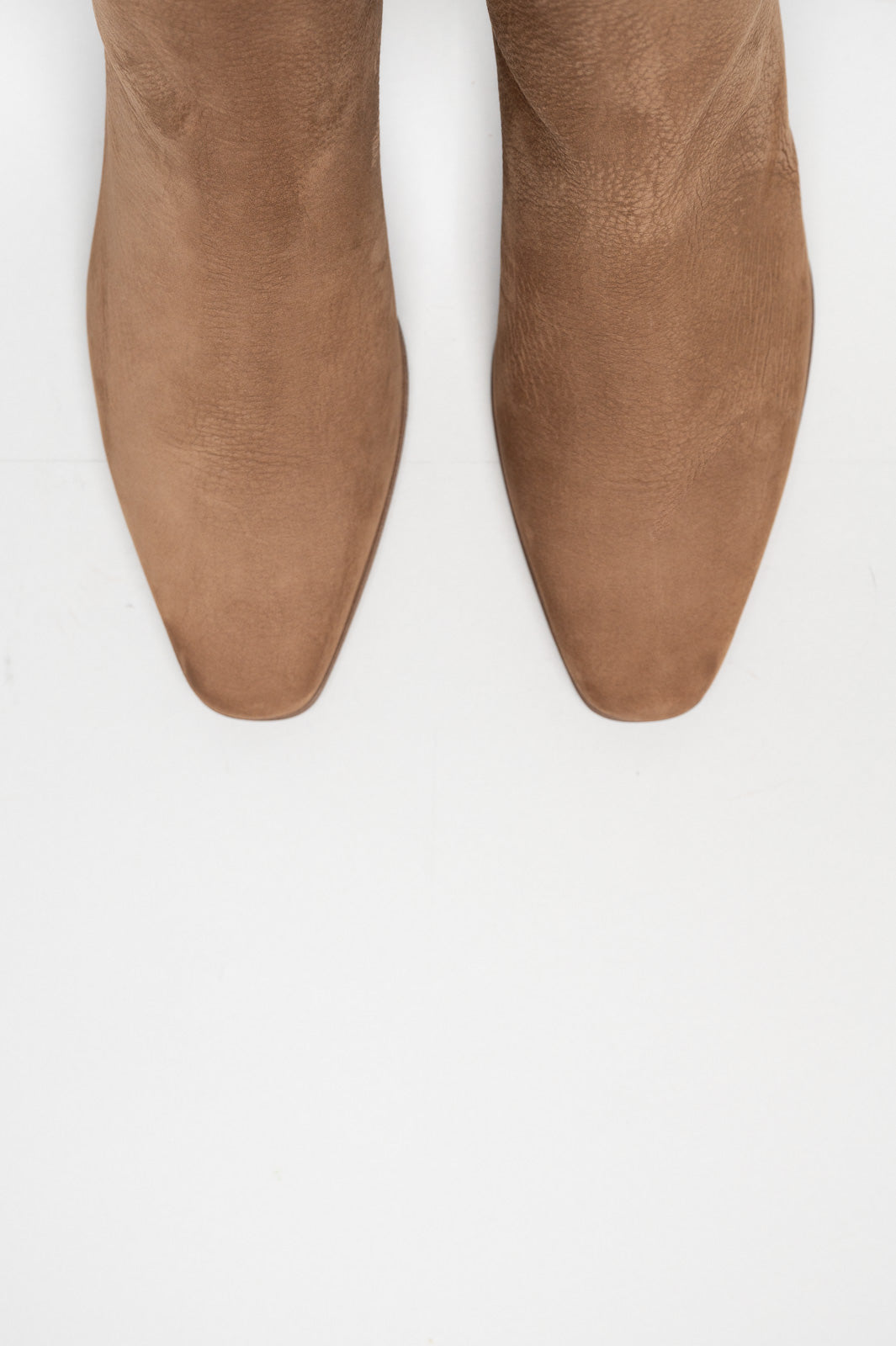
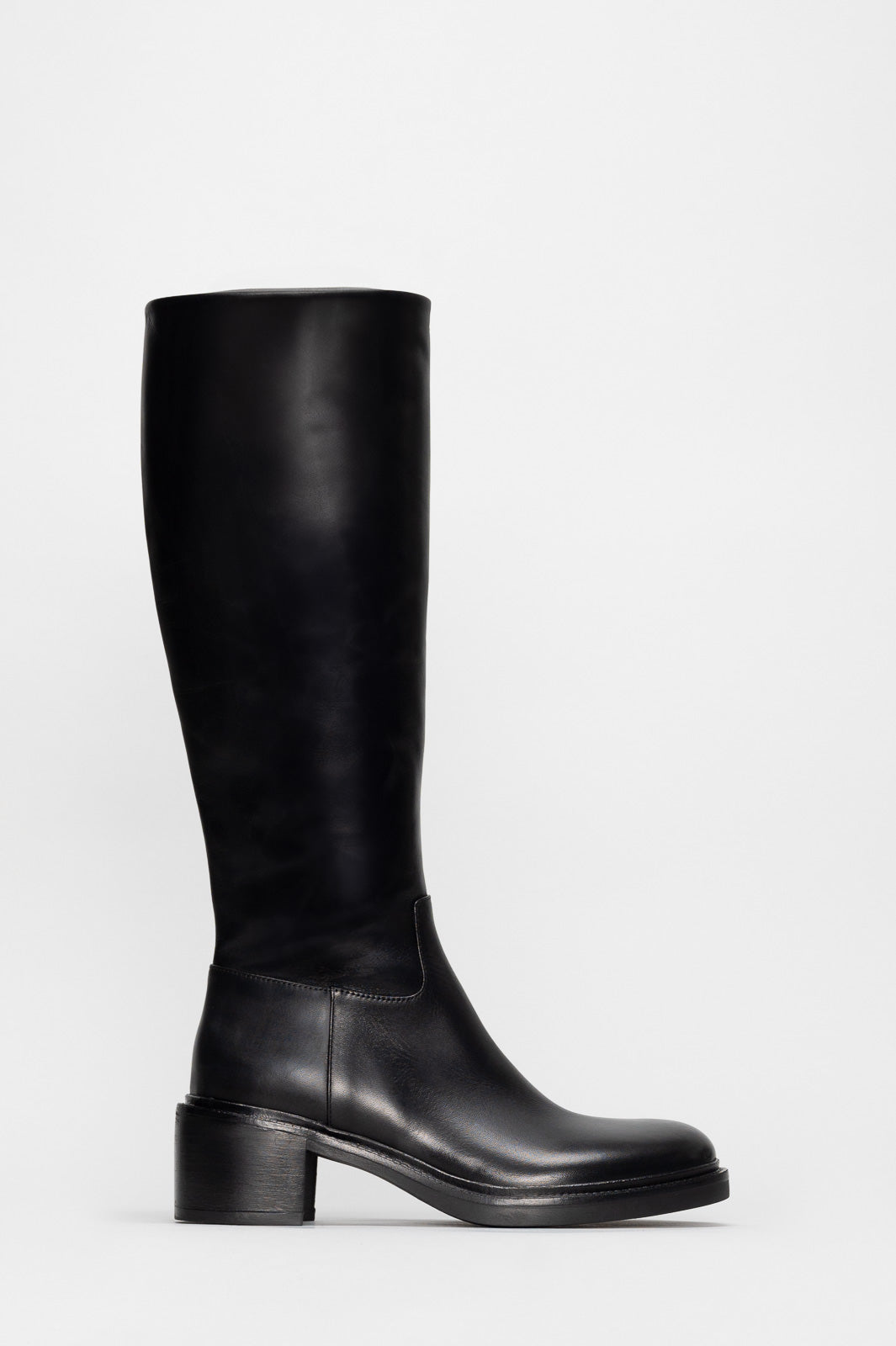
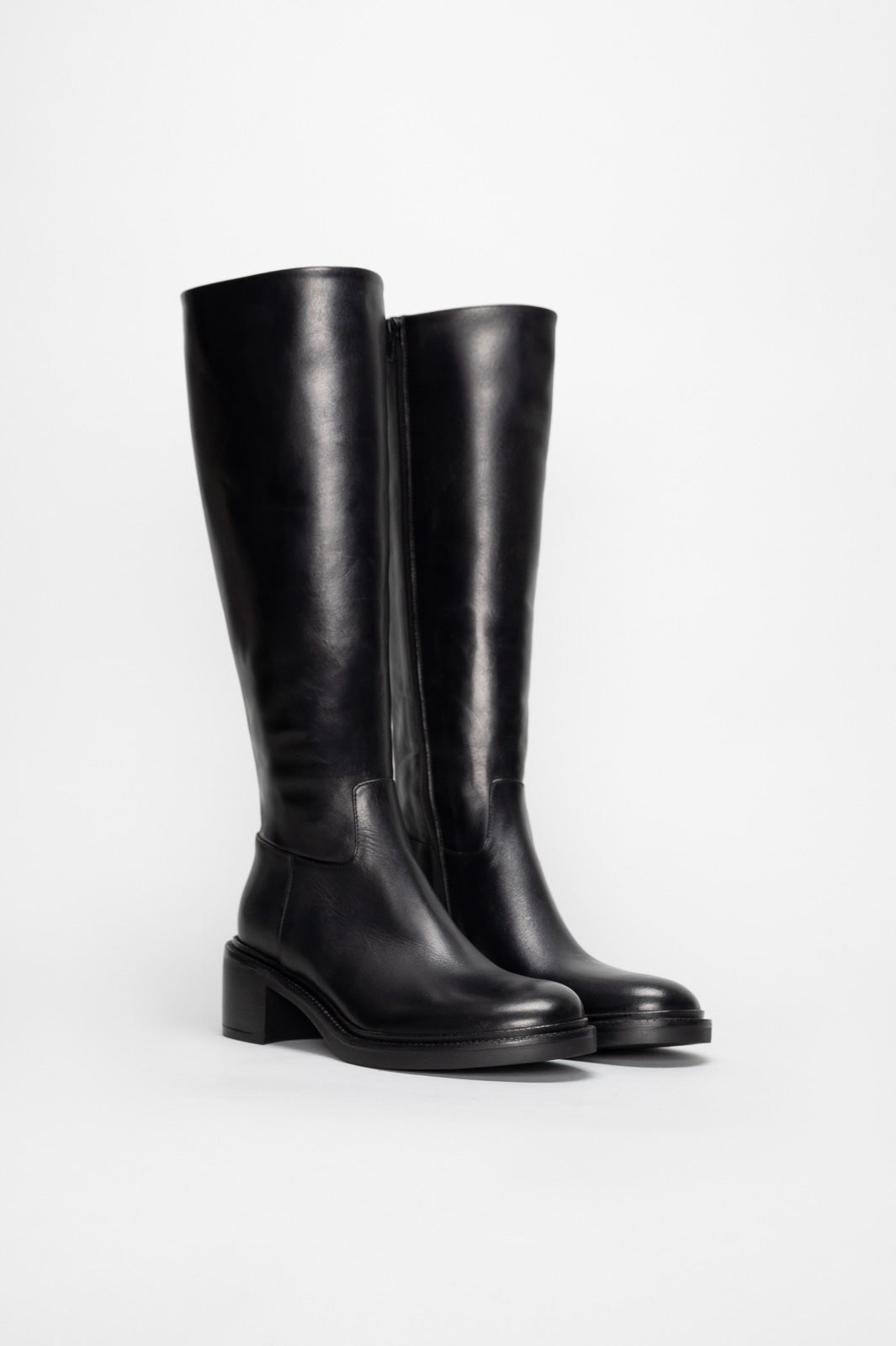
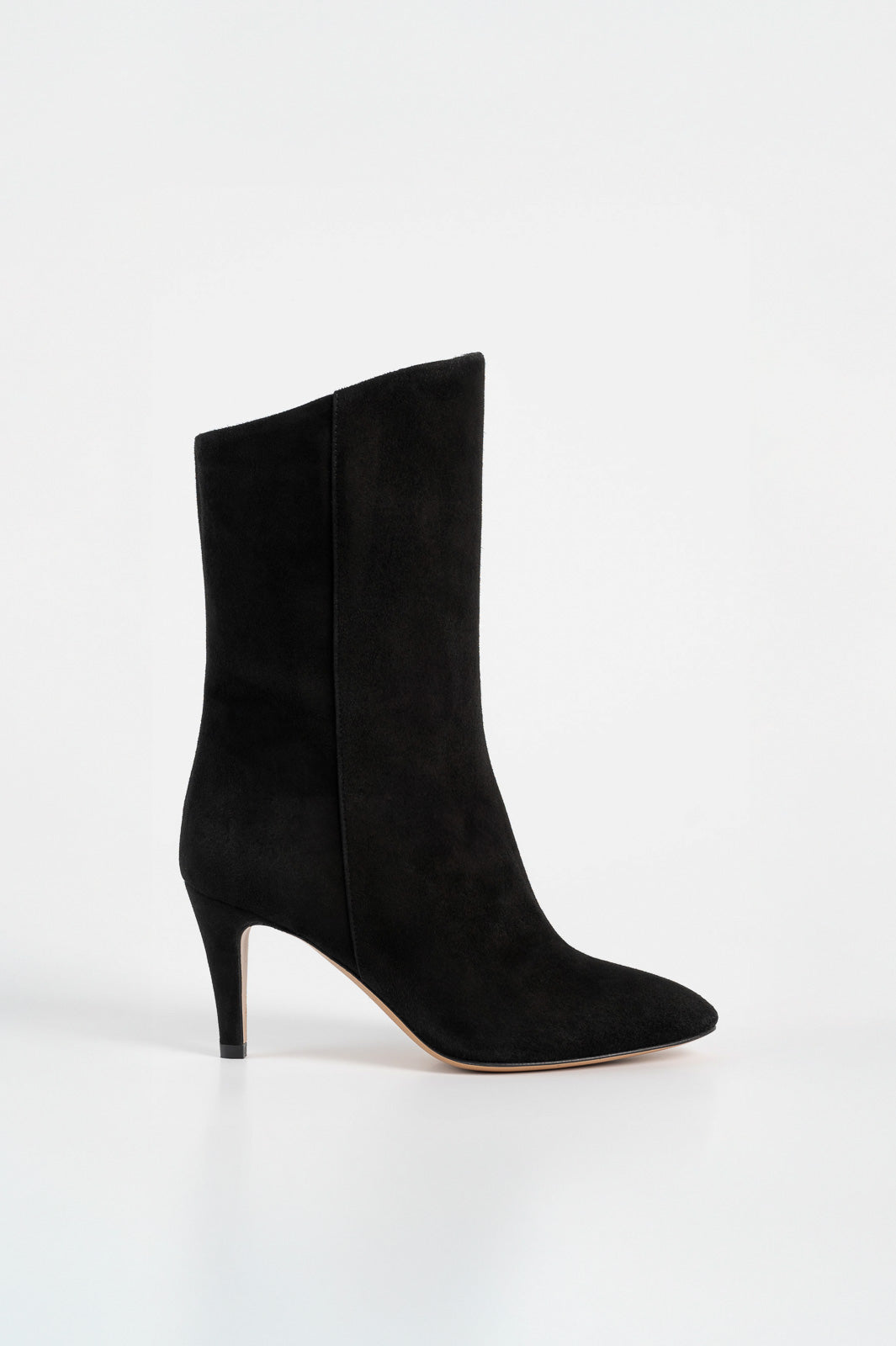
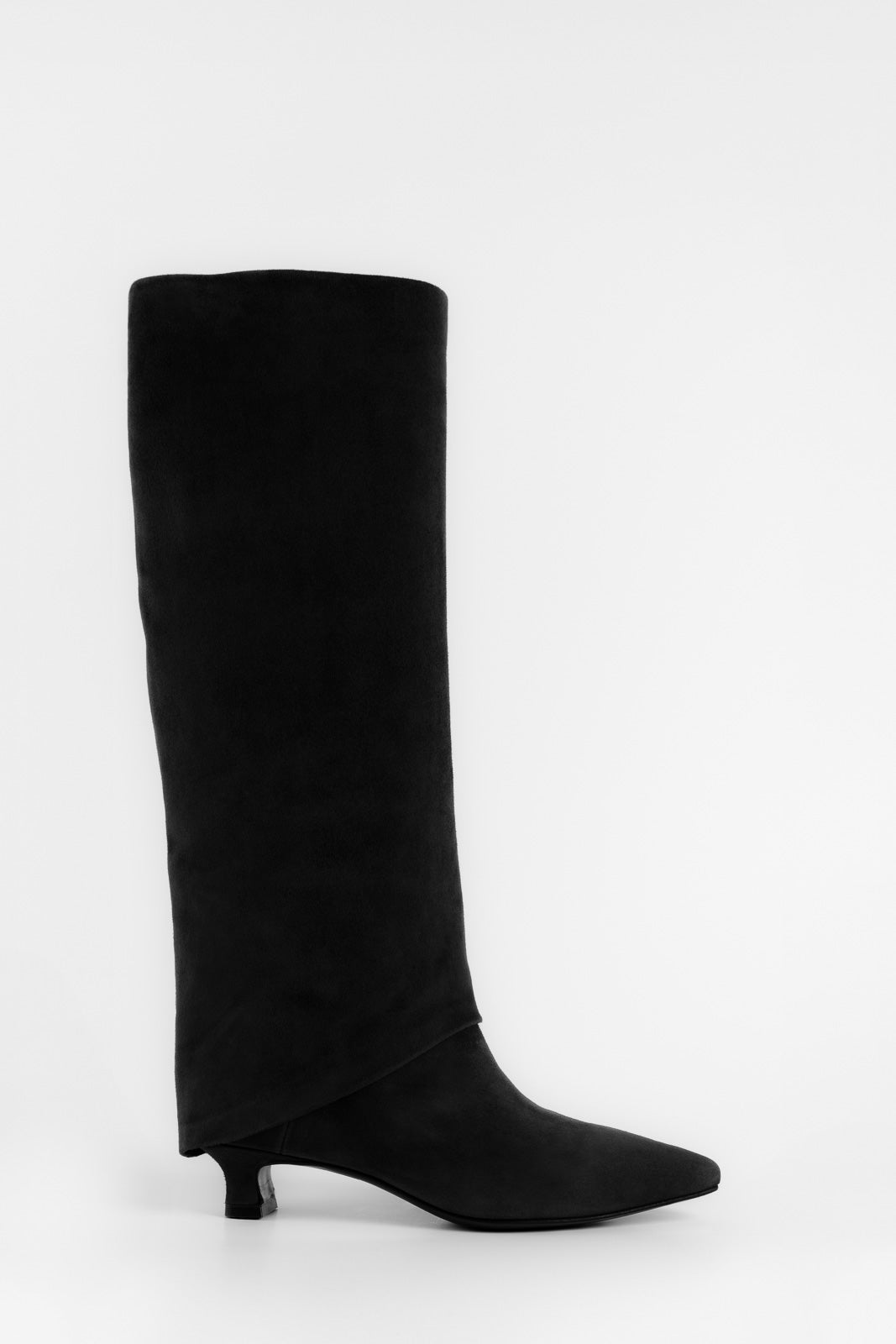
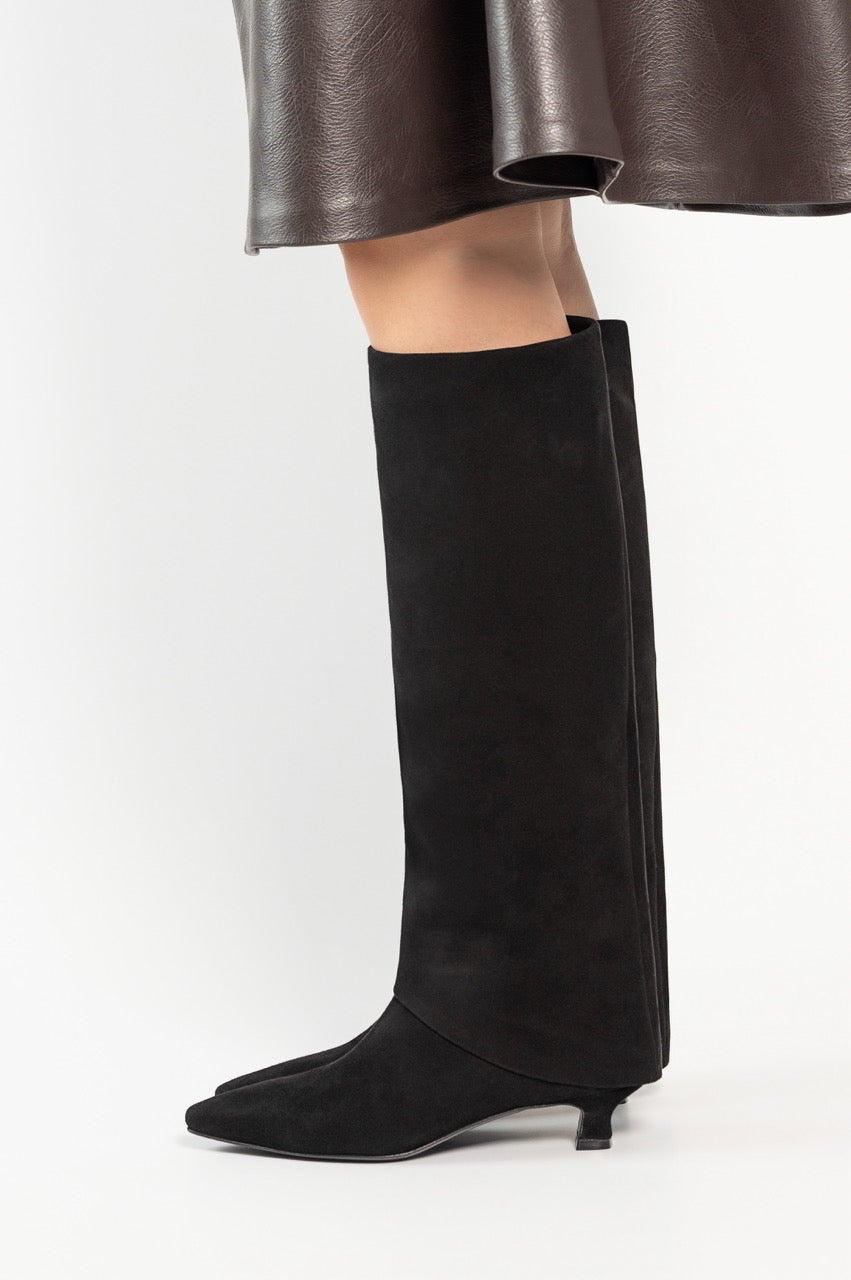
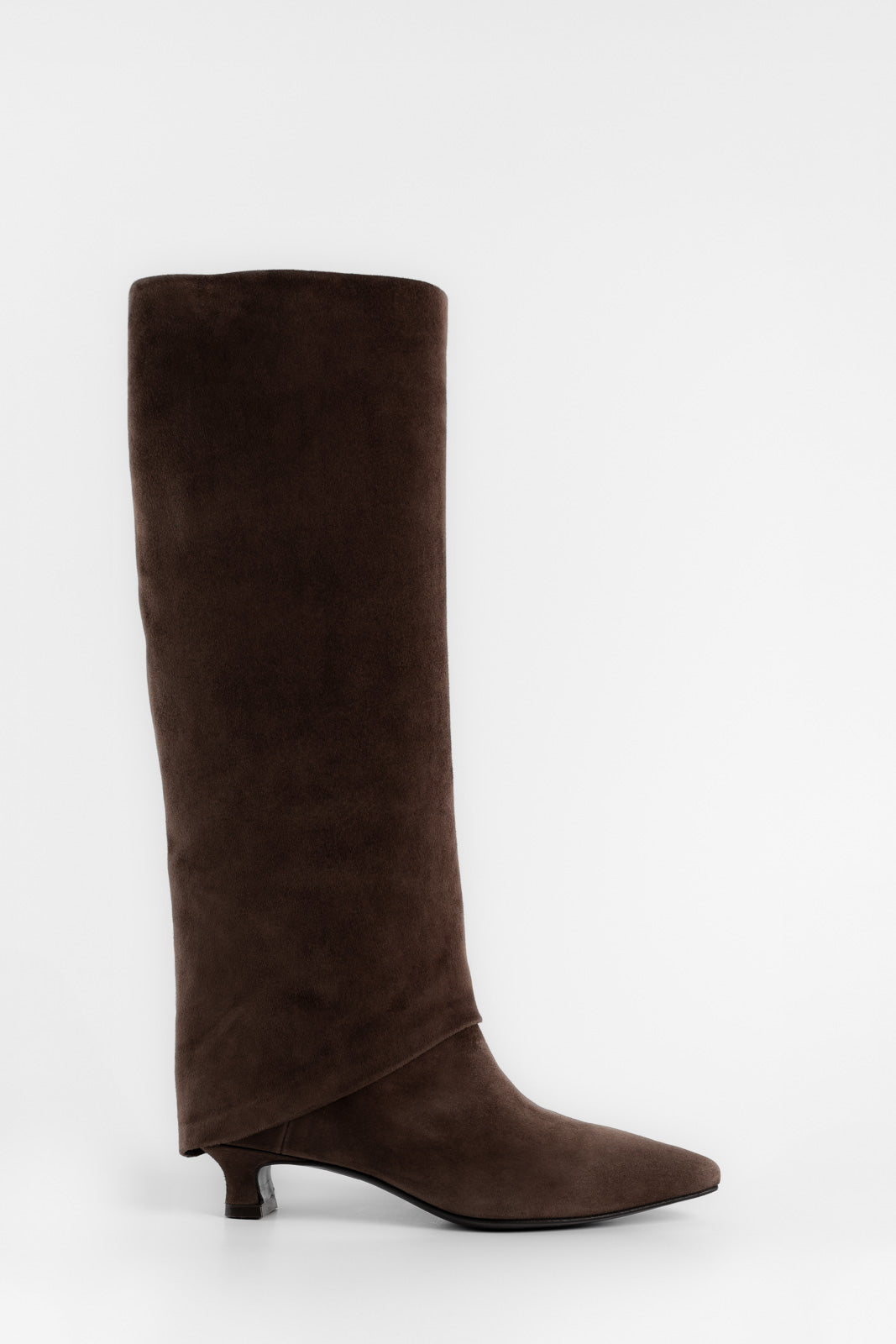
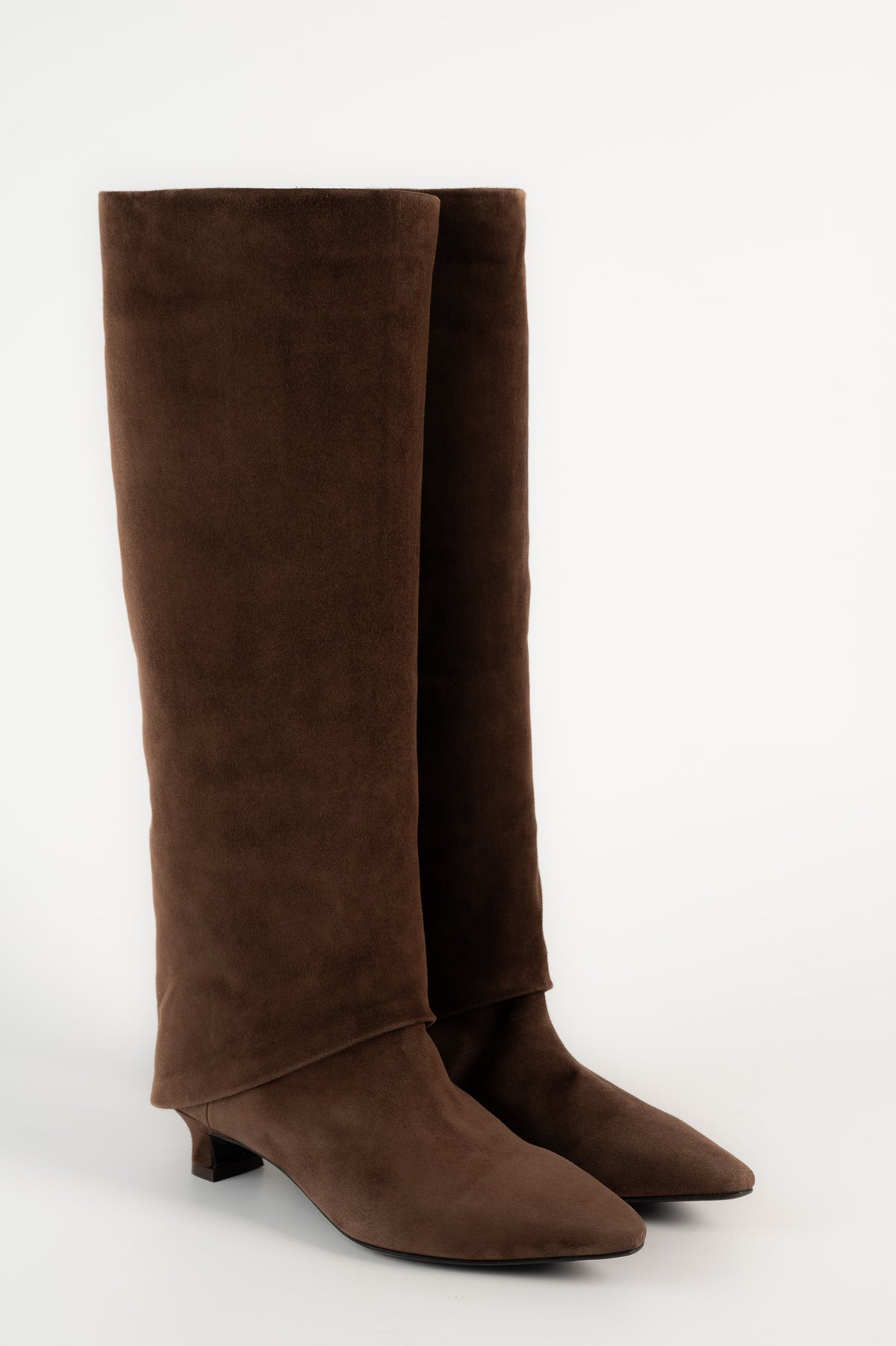
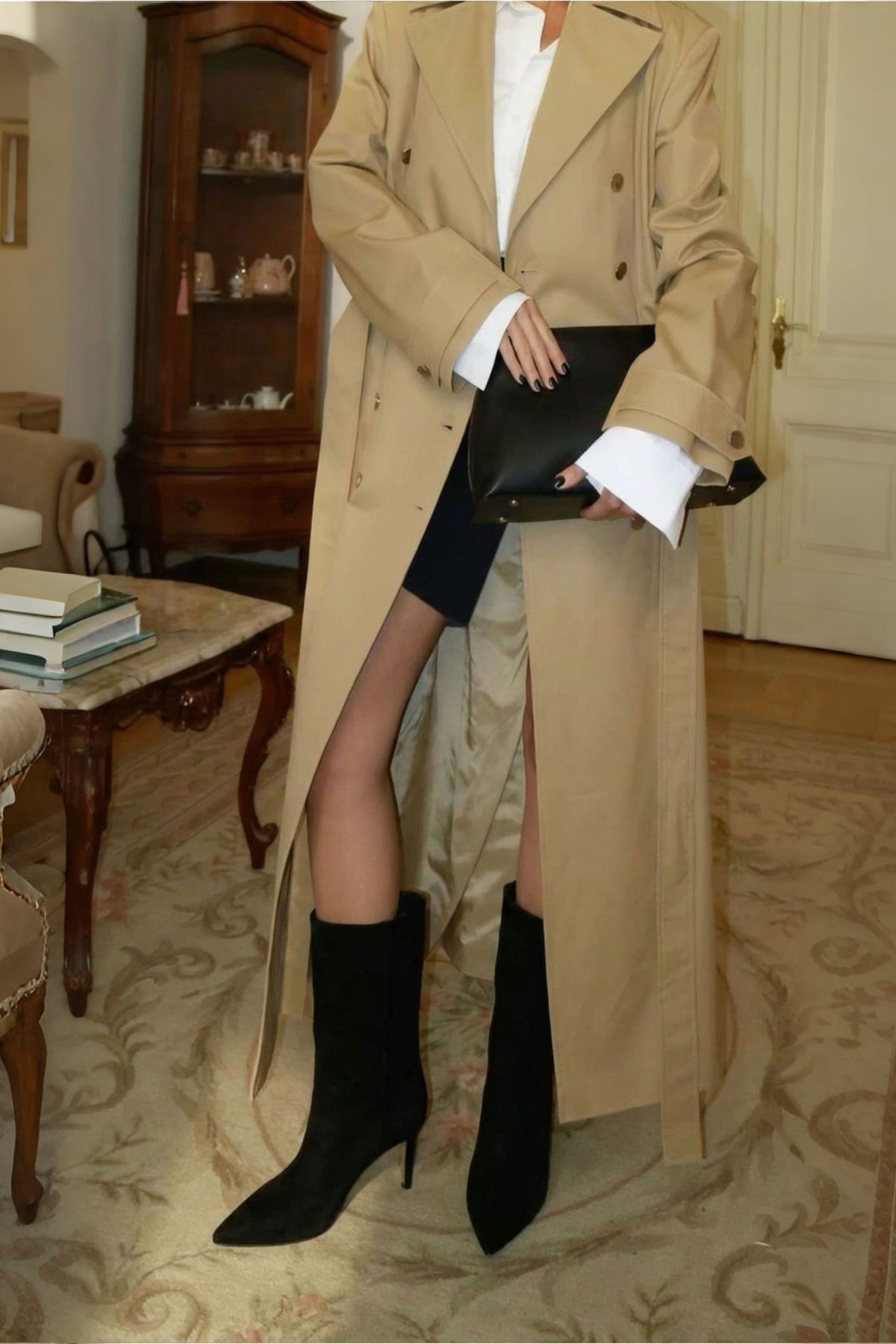
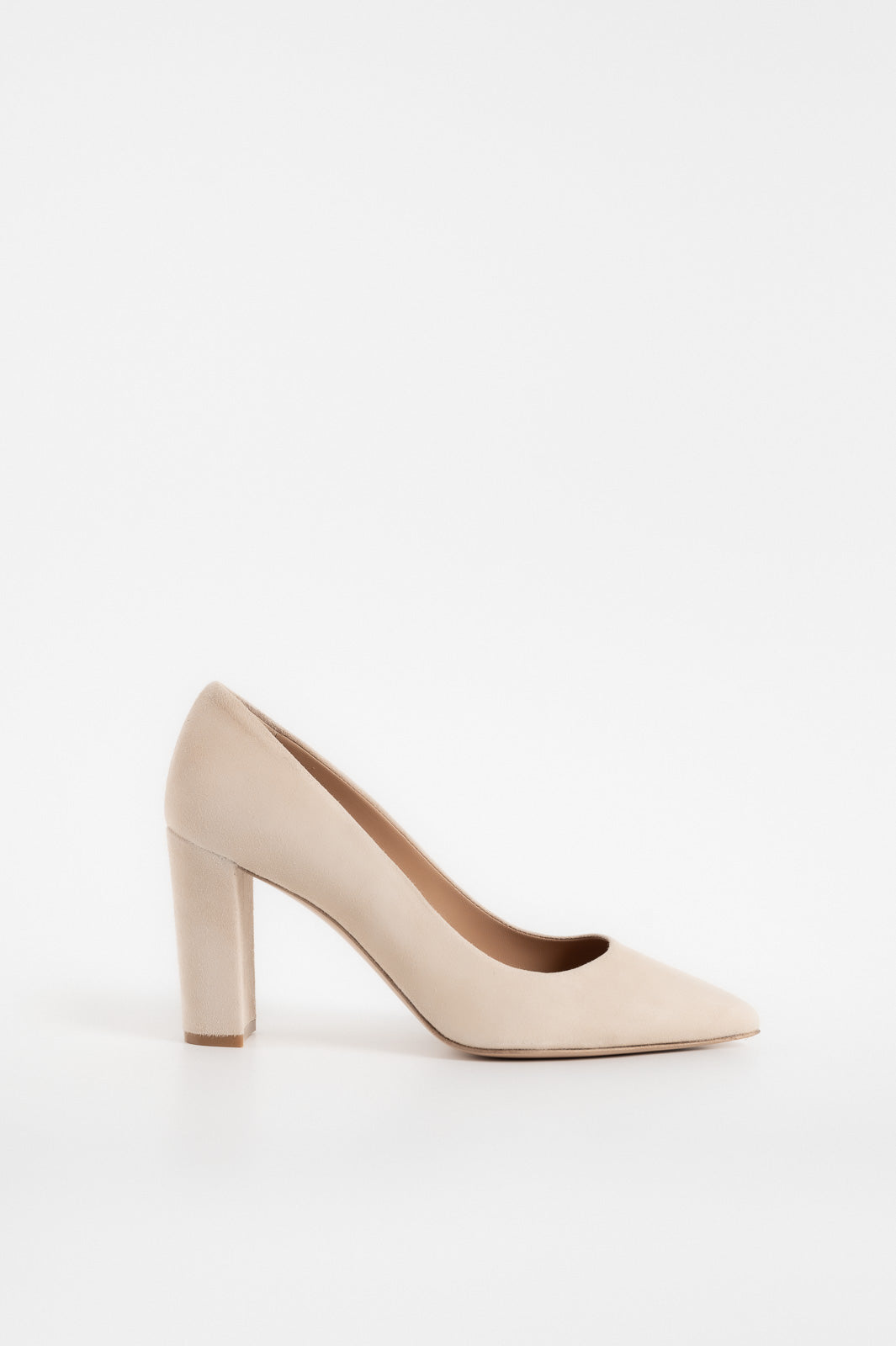
A restrained palette in black, brown, beige and muted tones. Smooth leather gives a precise outline; suede introduces a softer surface without changing the structure.
How it works
Minimal style integrates easily into an existing wardrobe. It supports tailoring, denim and evening wear without drawing unnecessary attention.
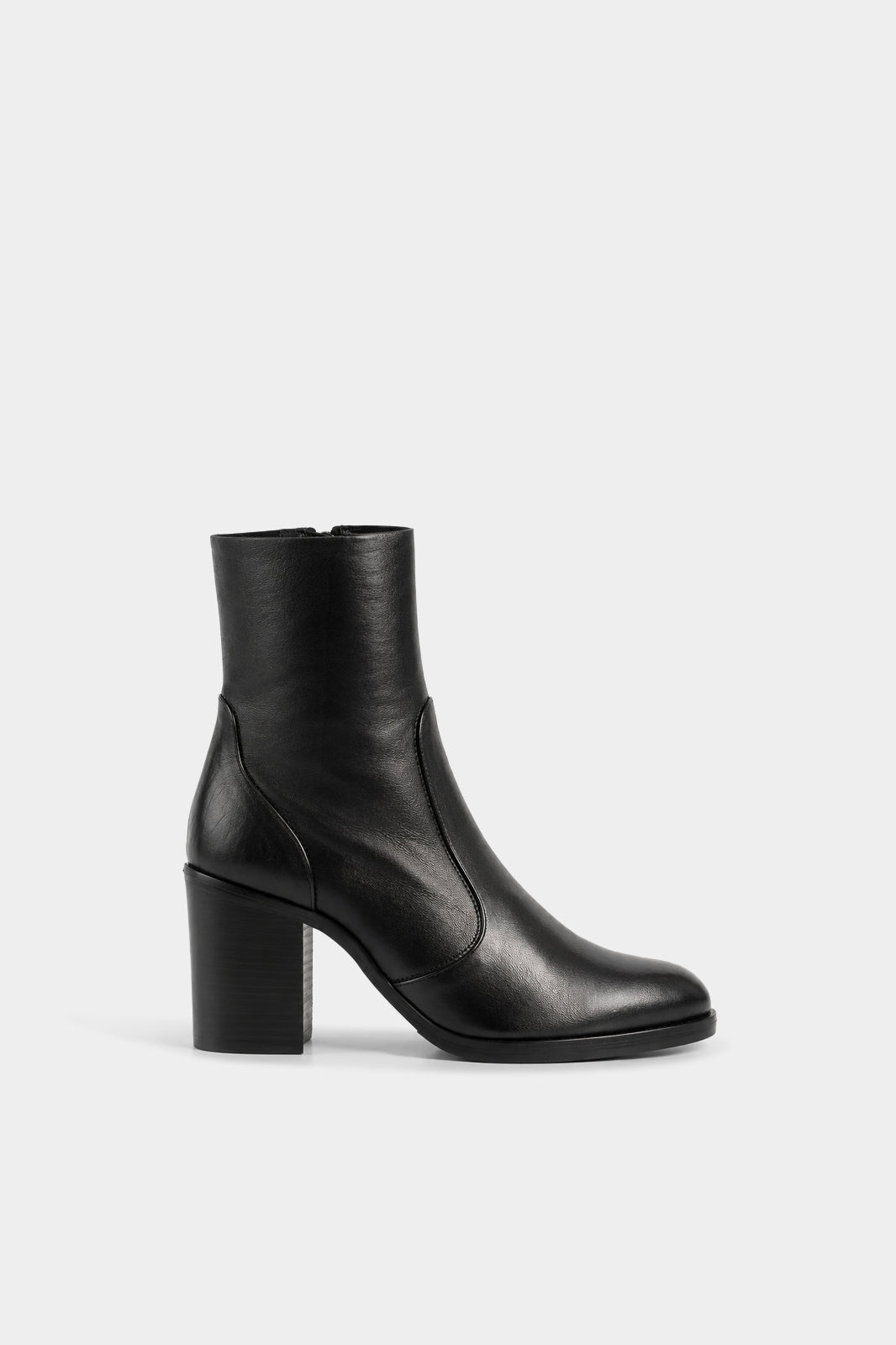
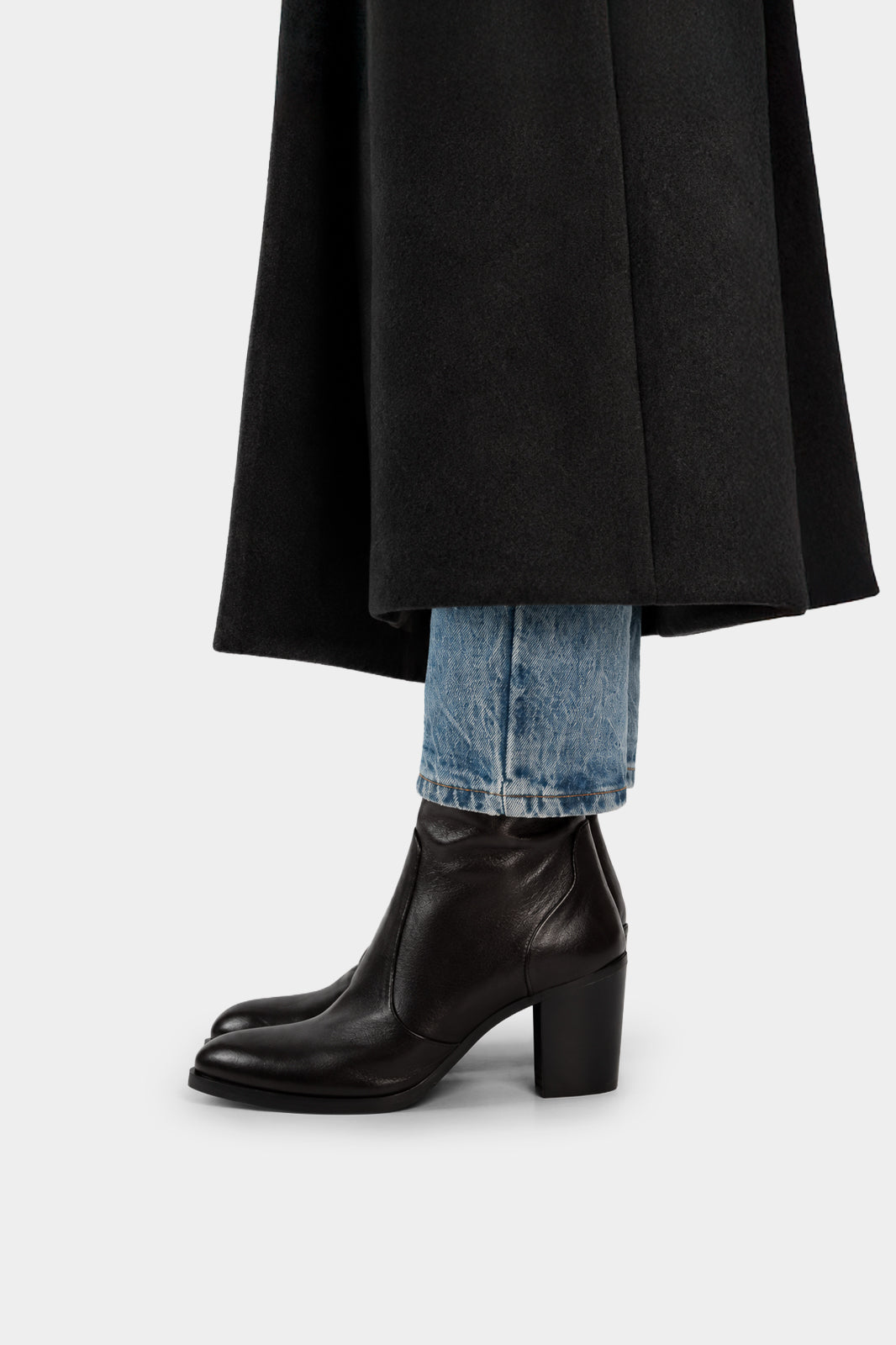
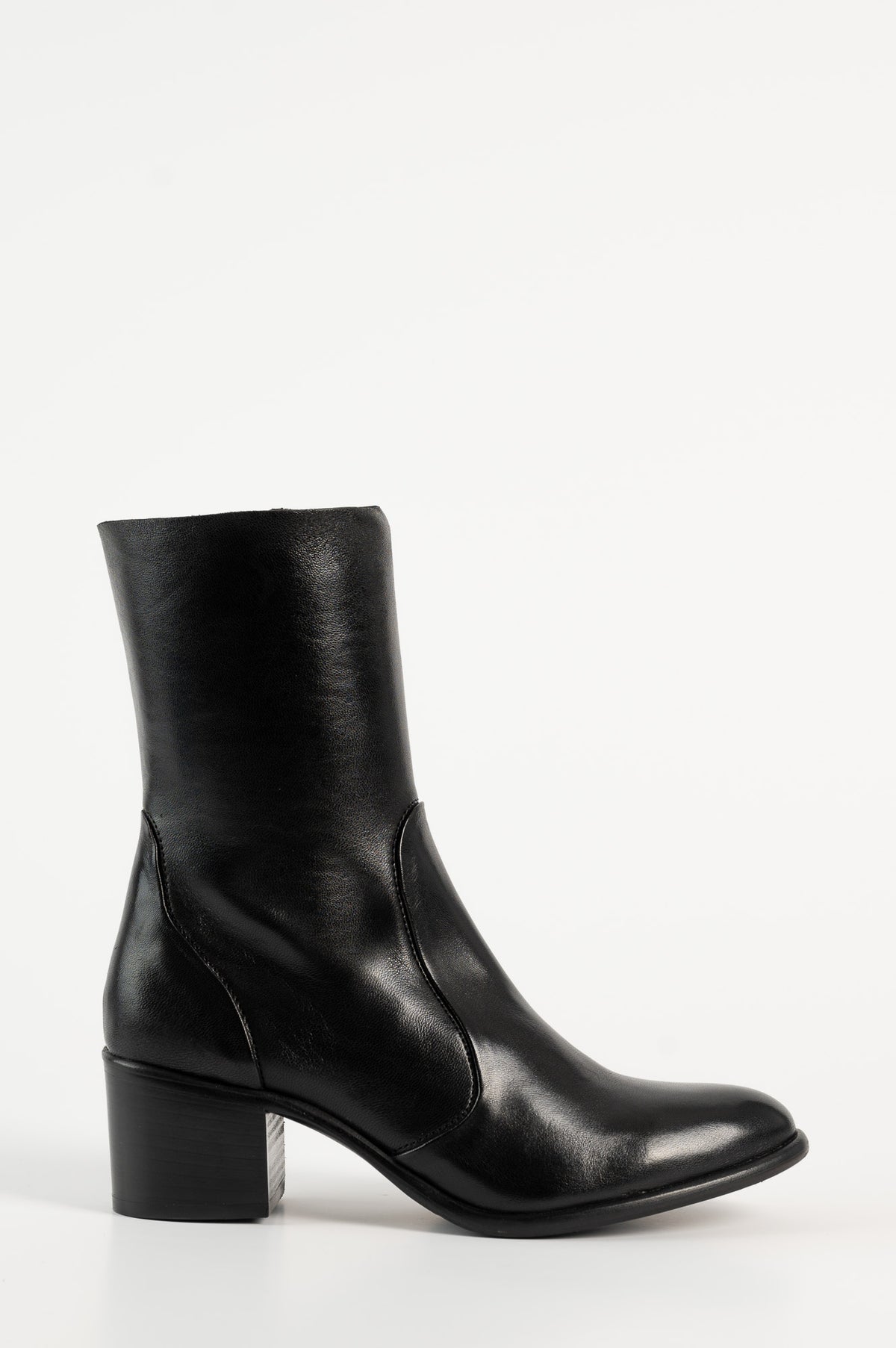
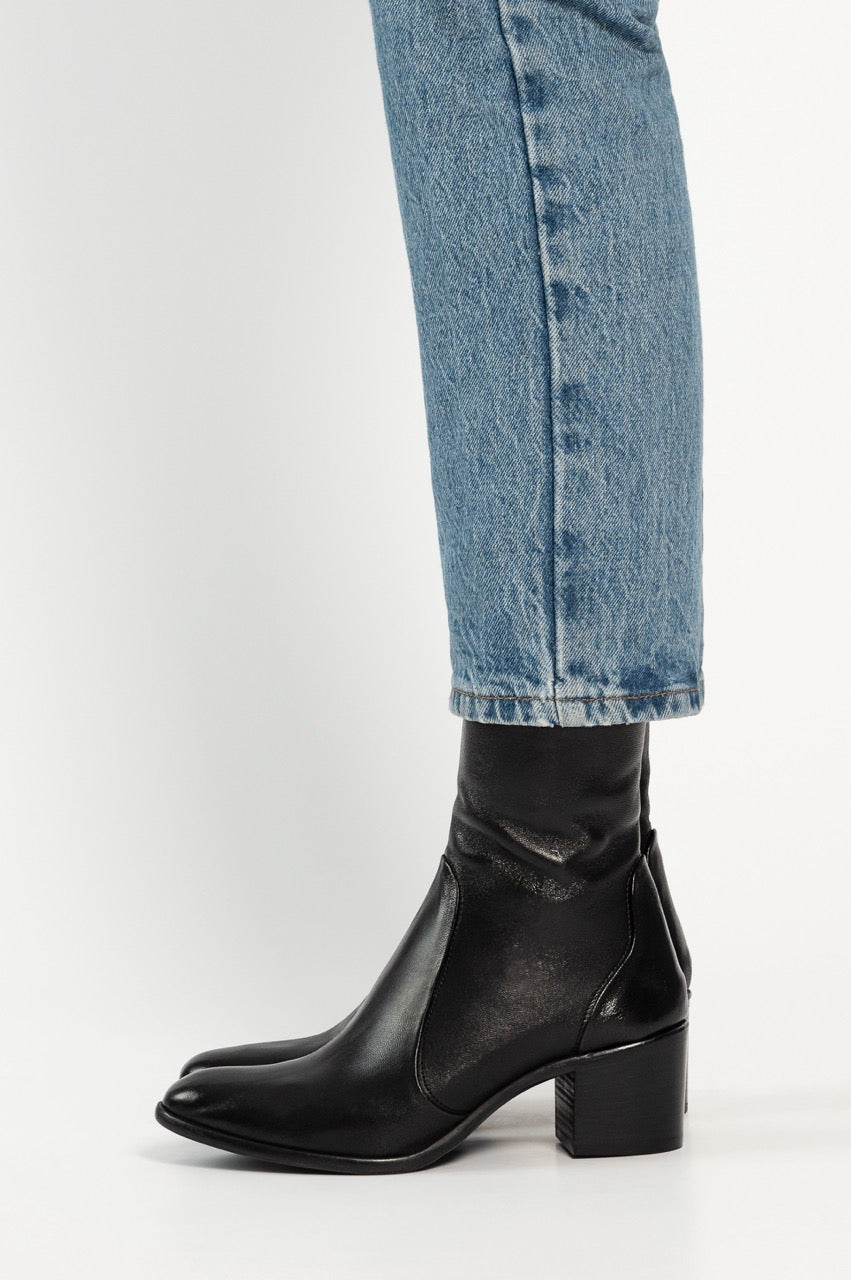





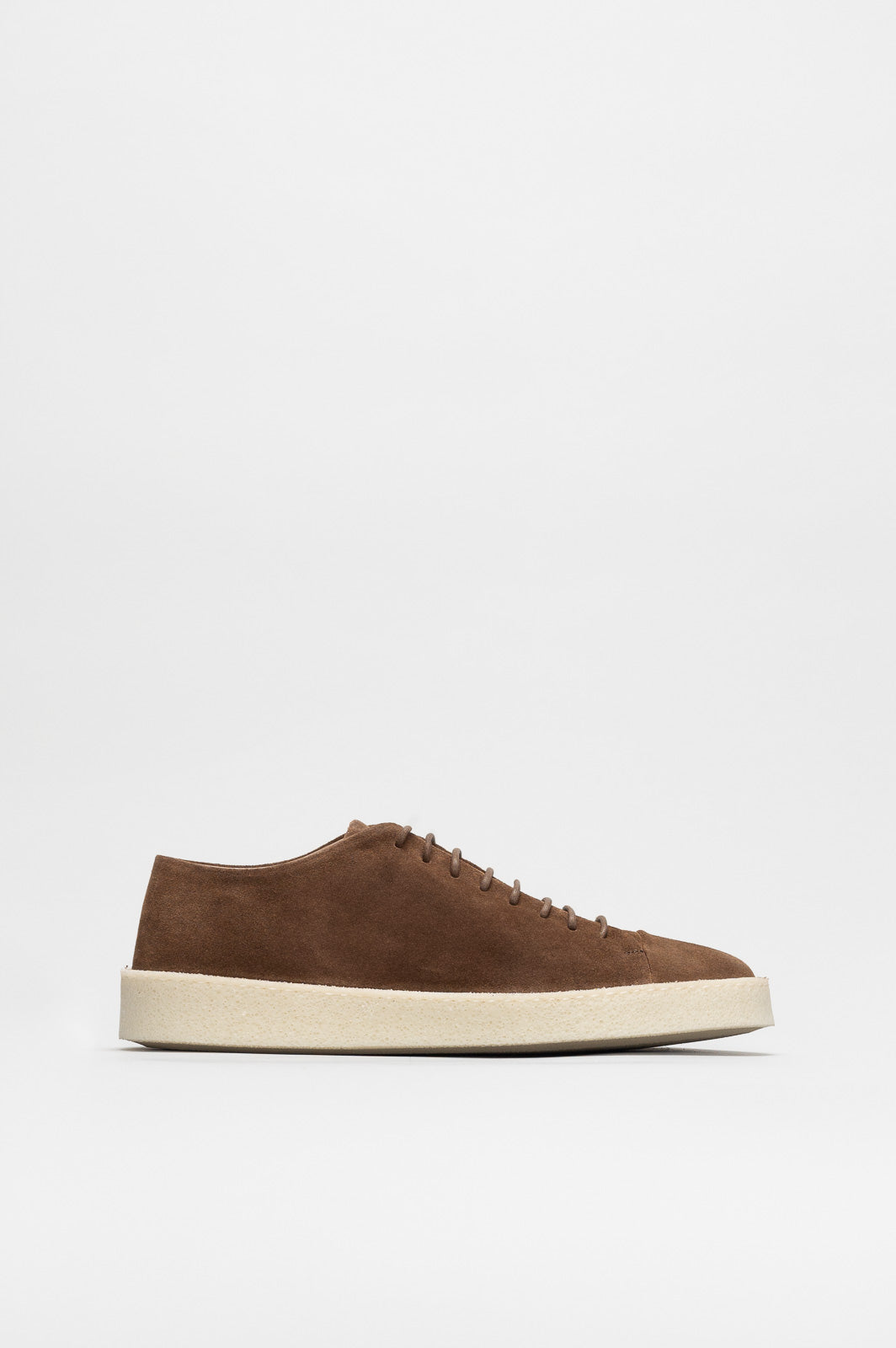
Classic
Foundation pieces
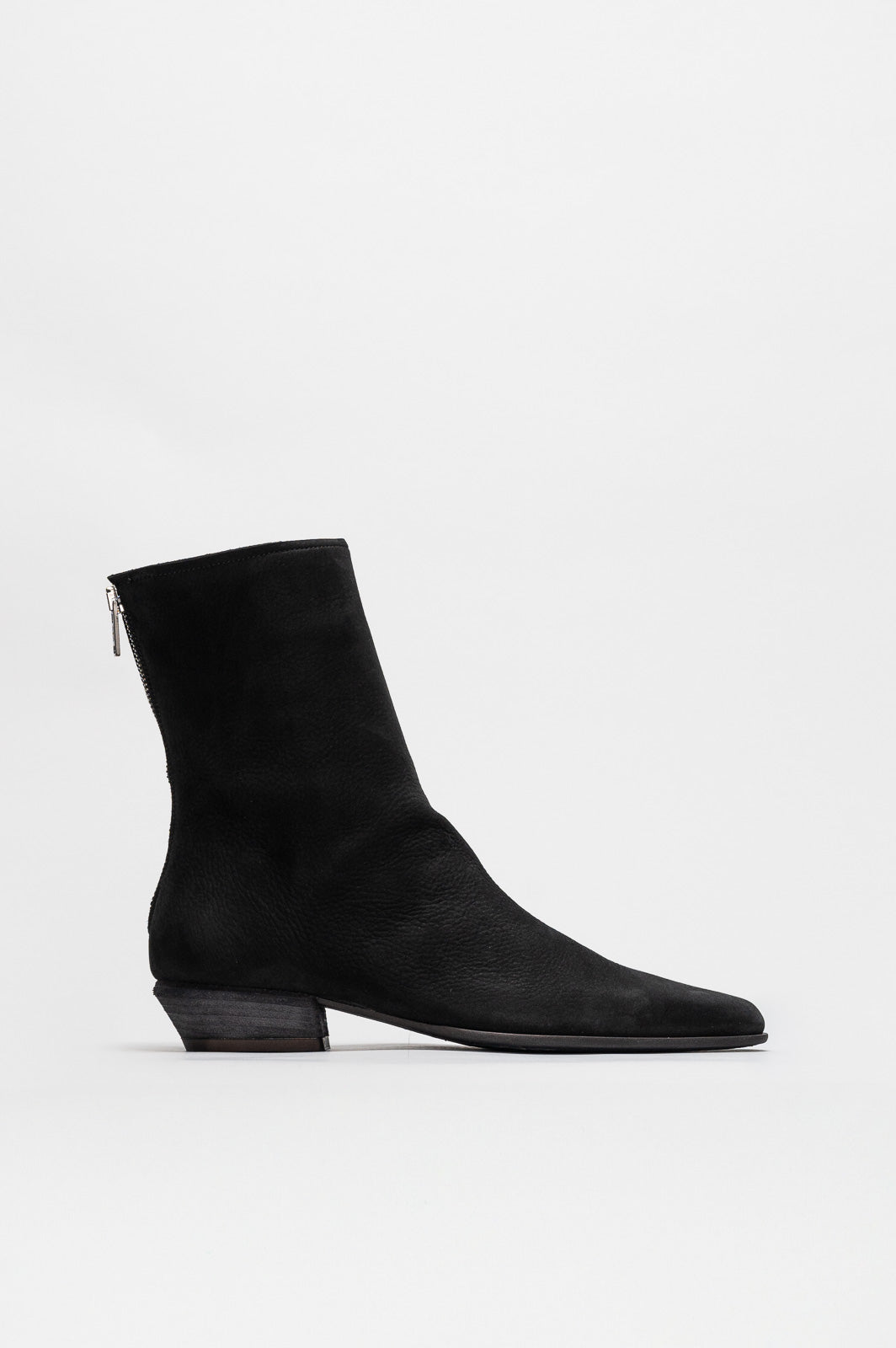
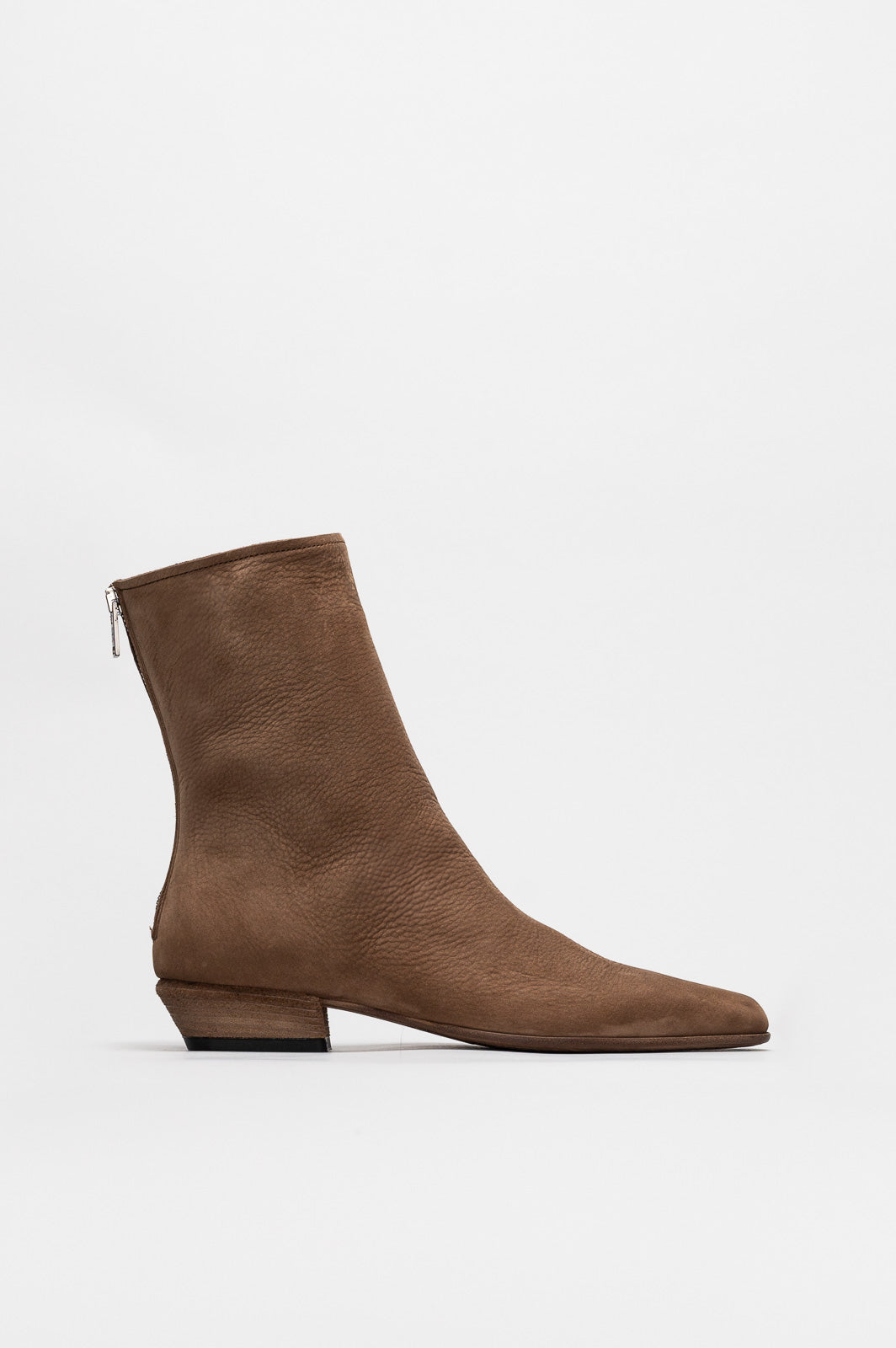
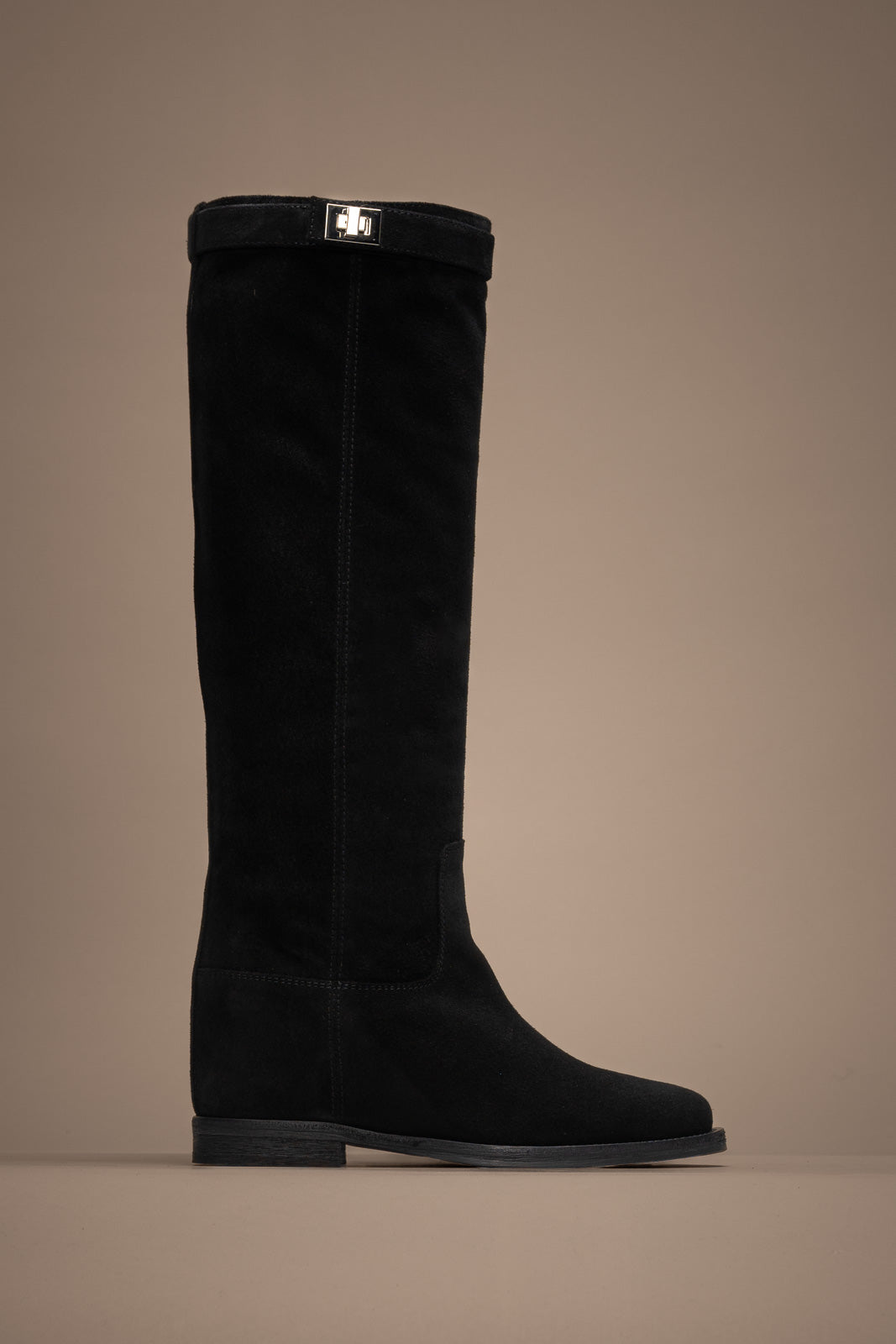
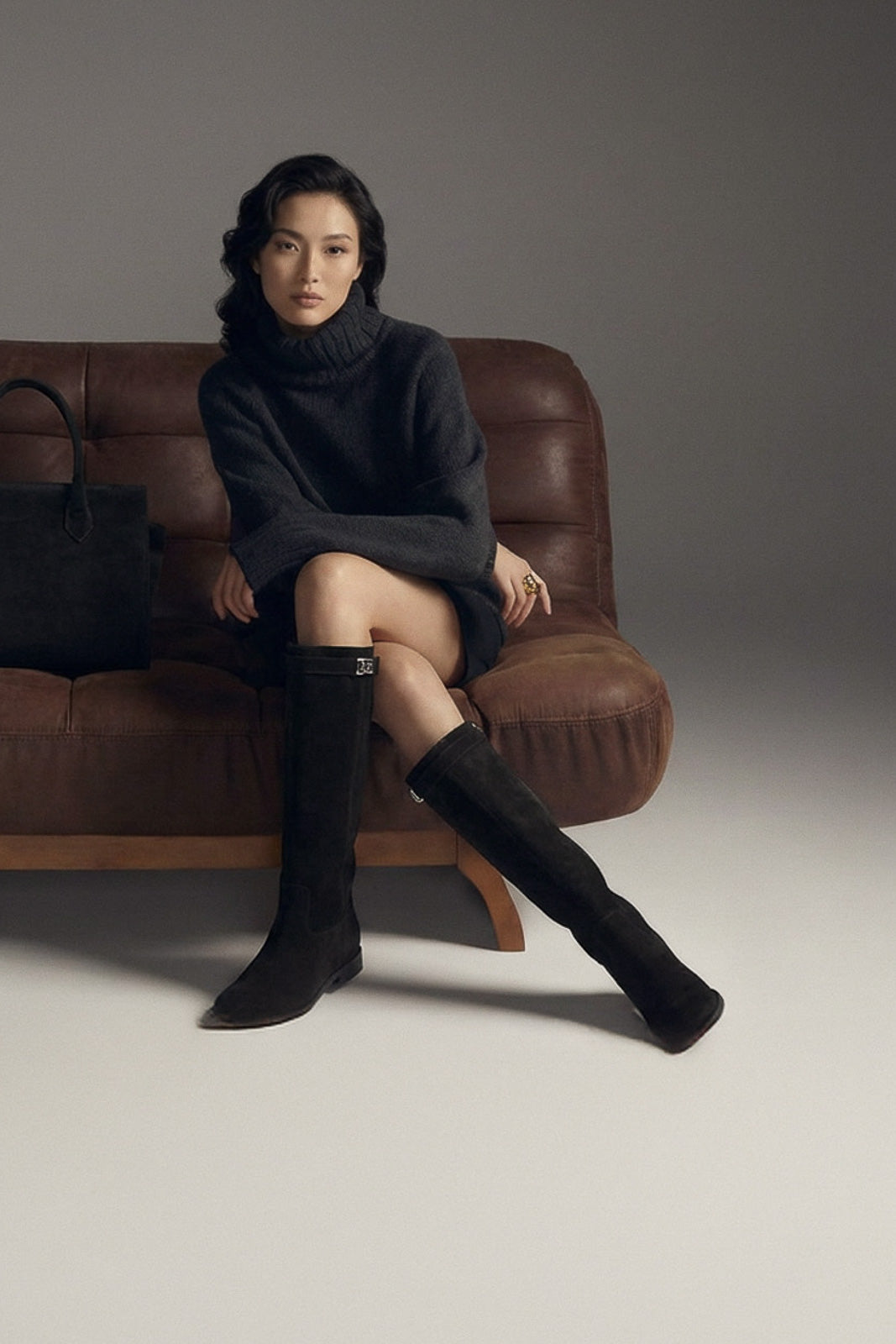
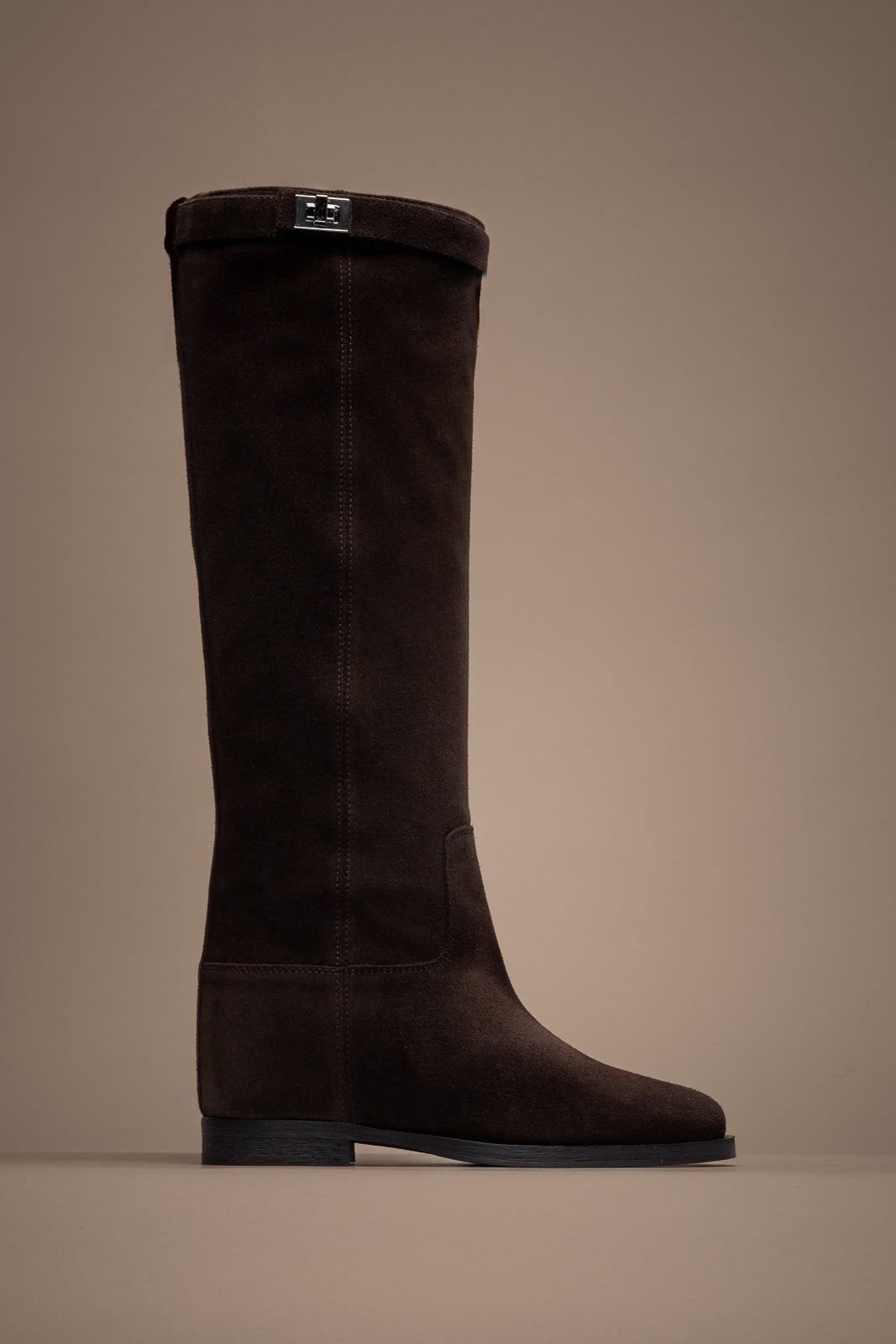
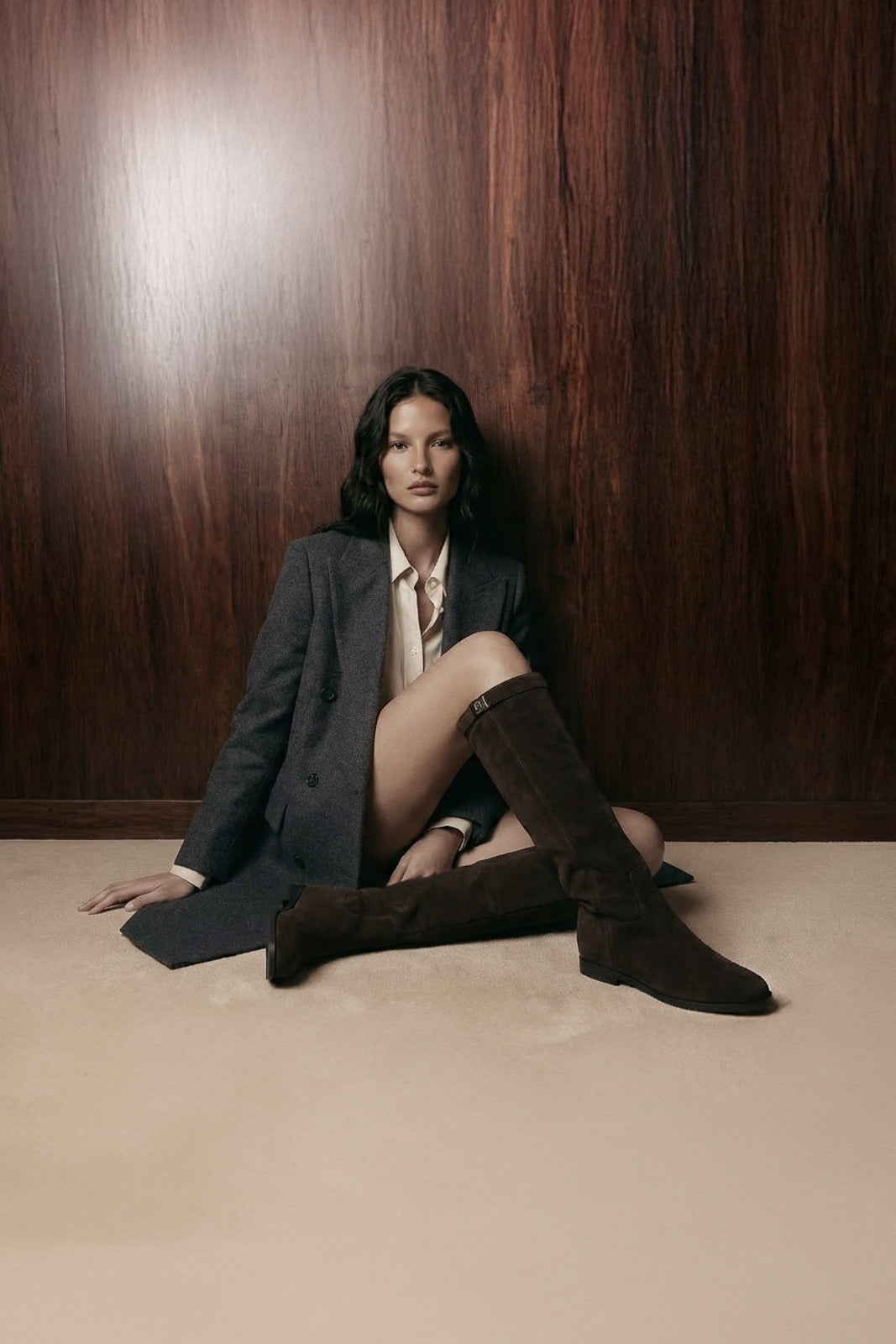
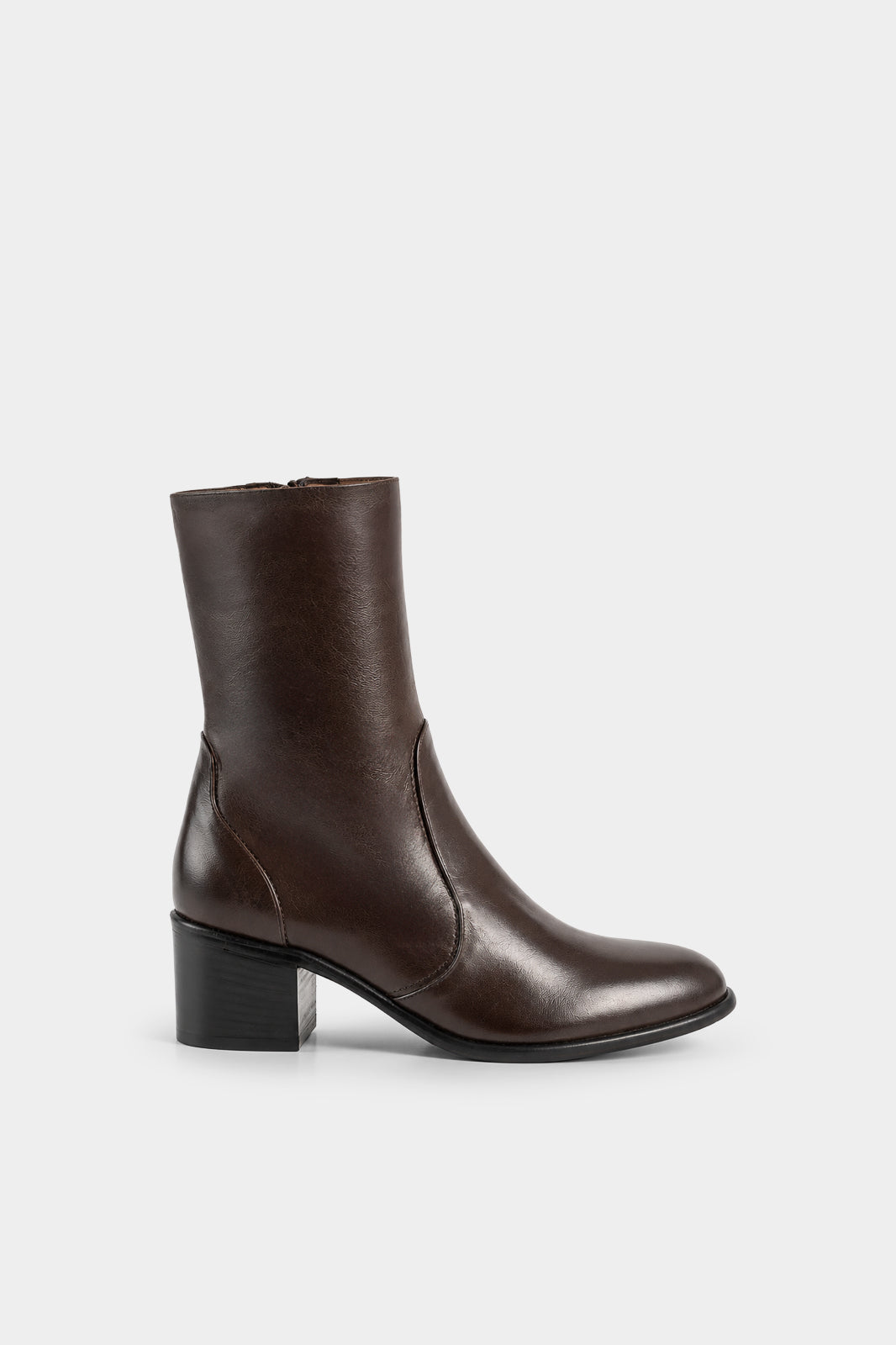
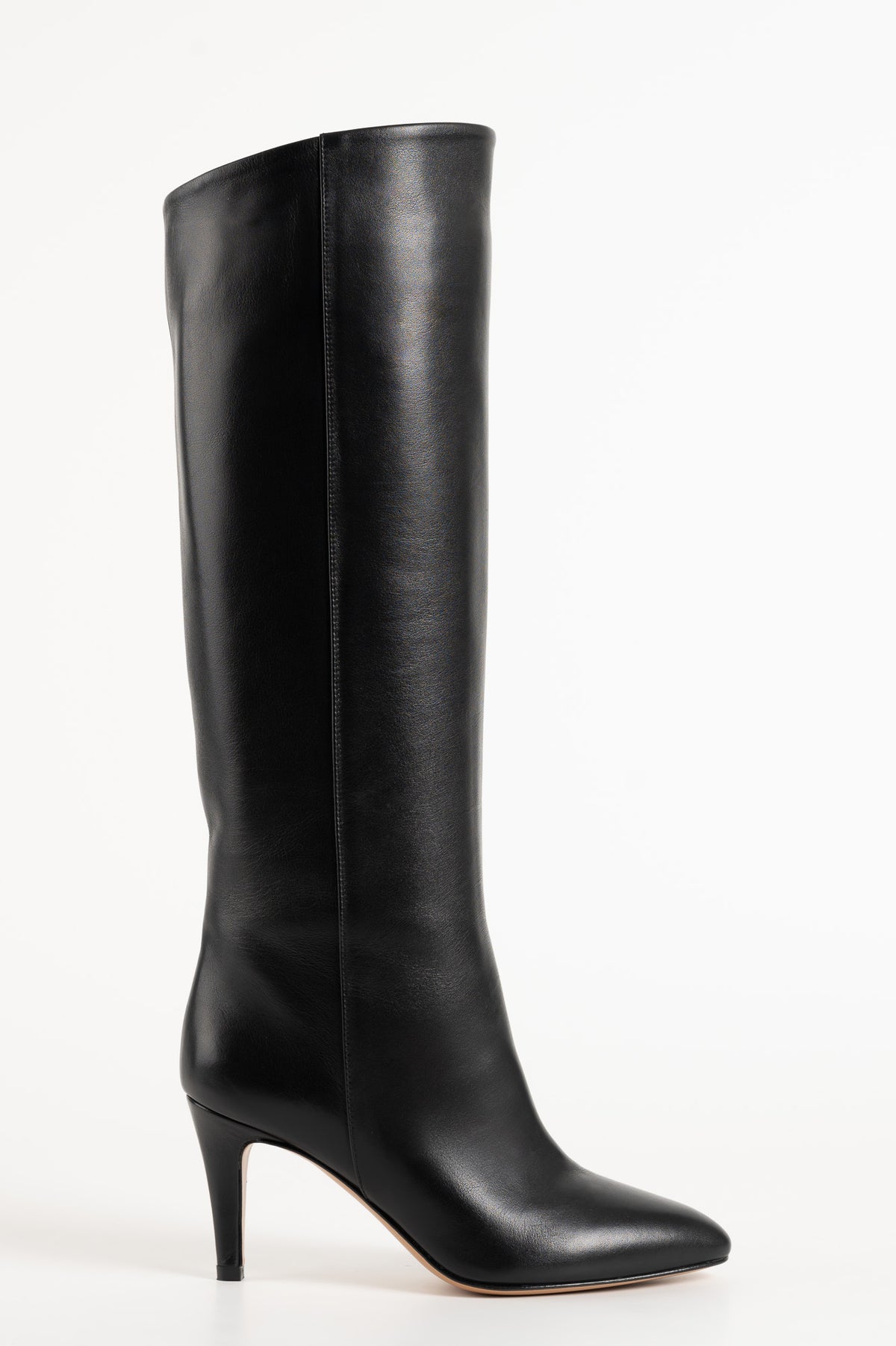
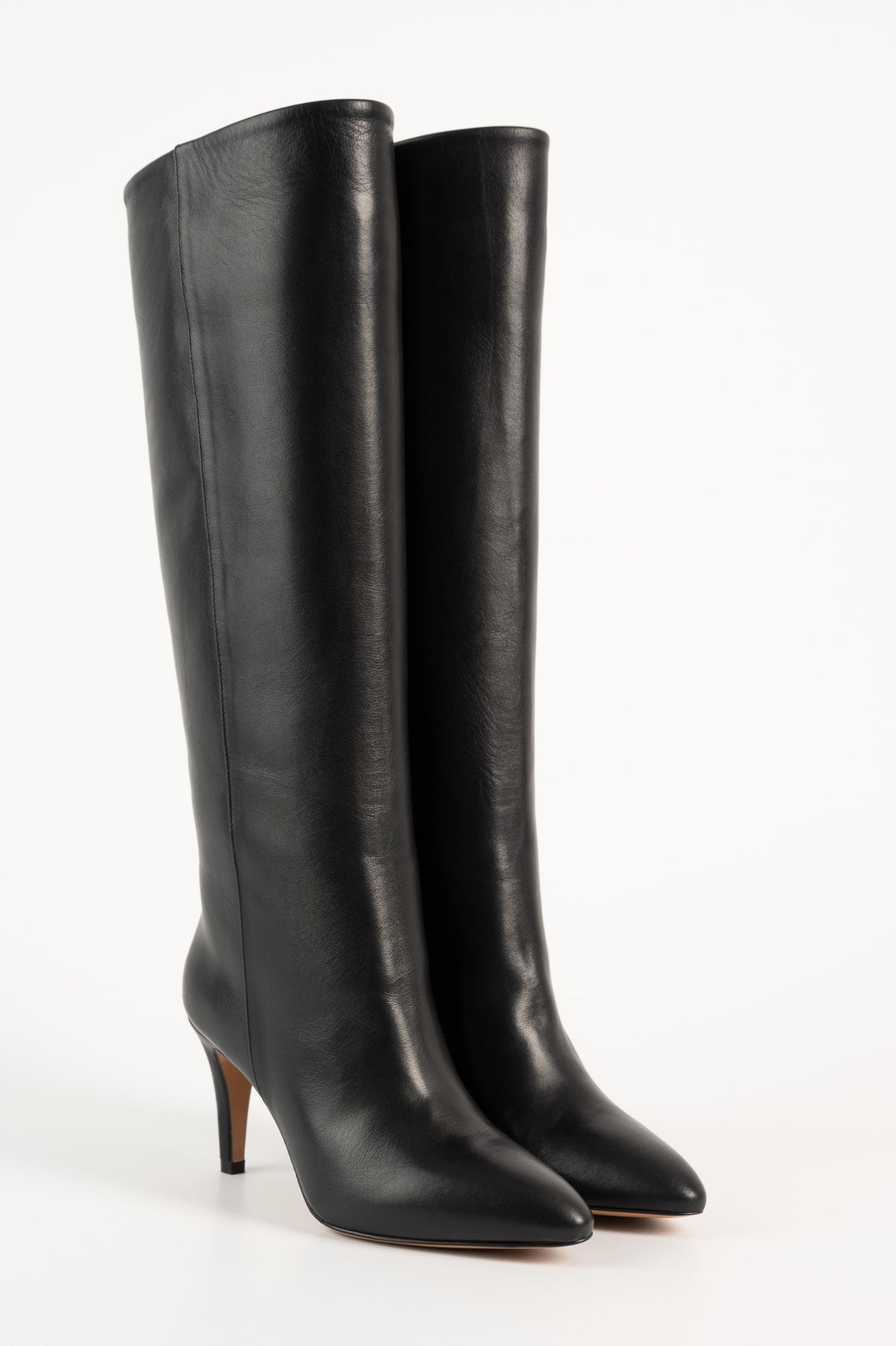
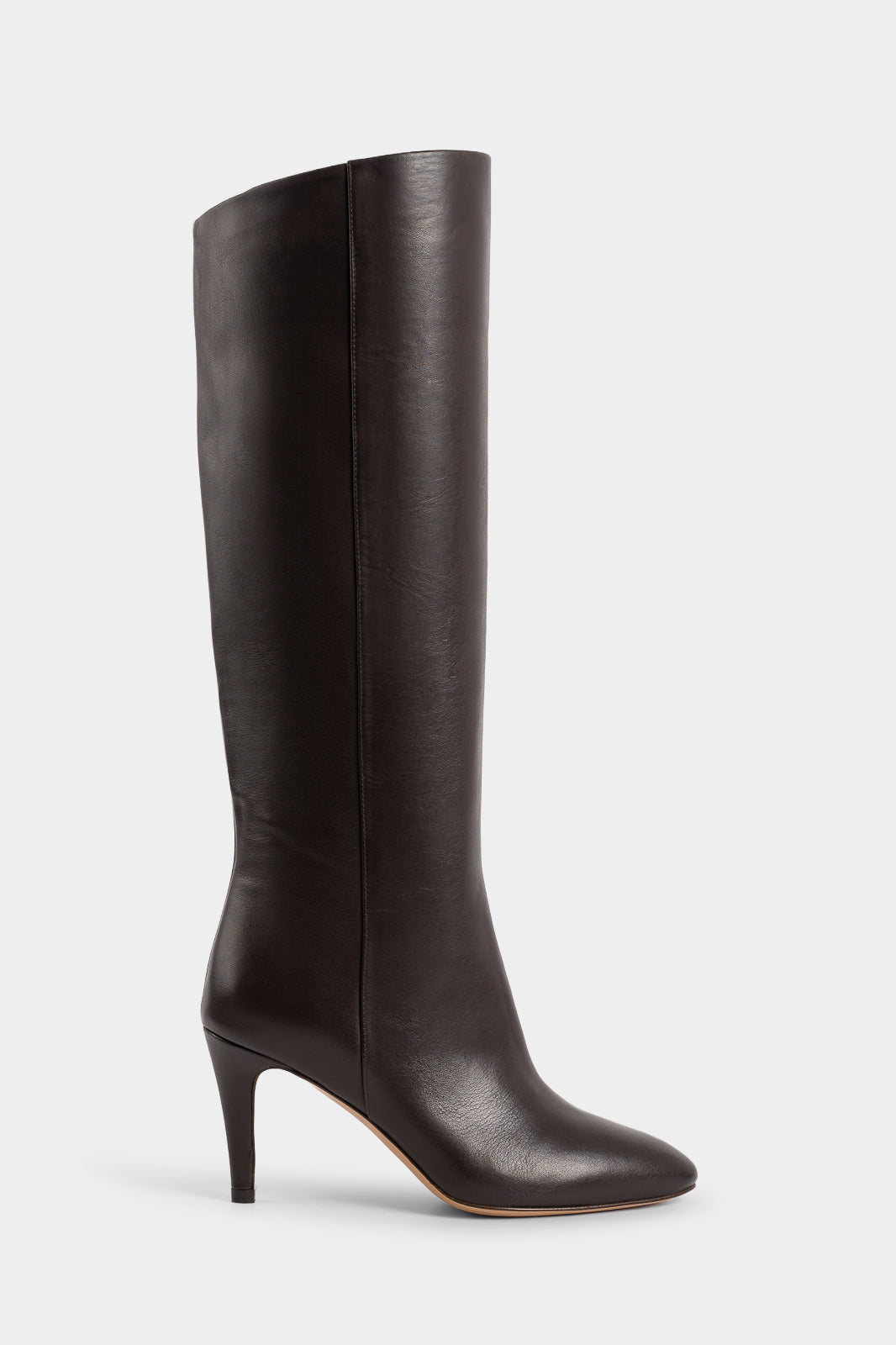
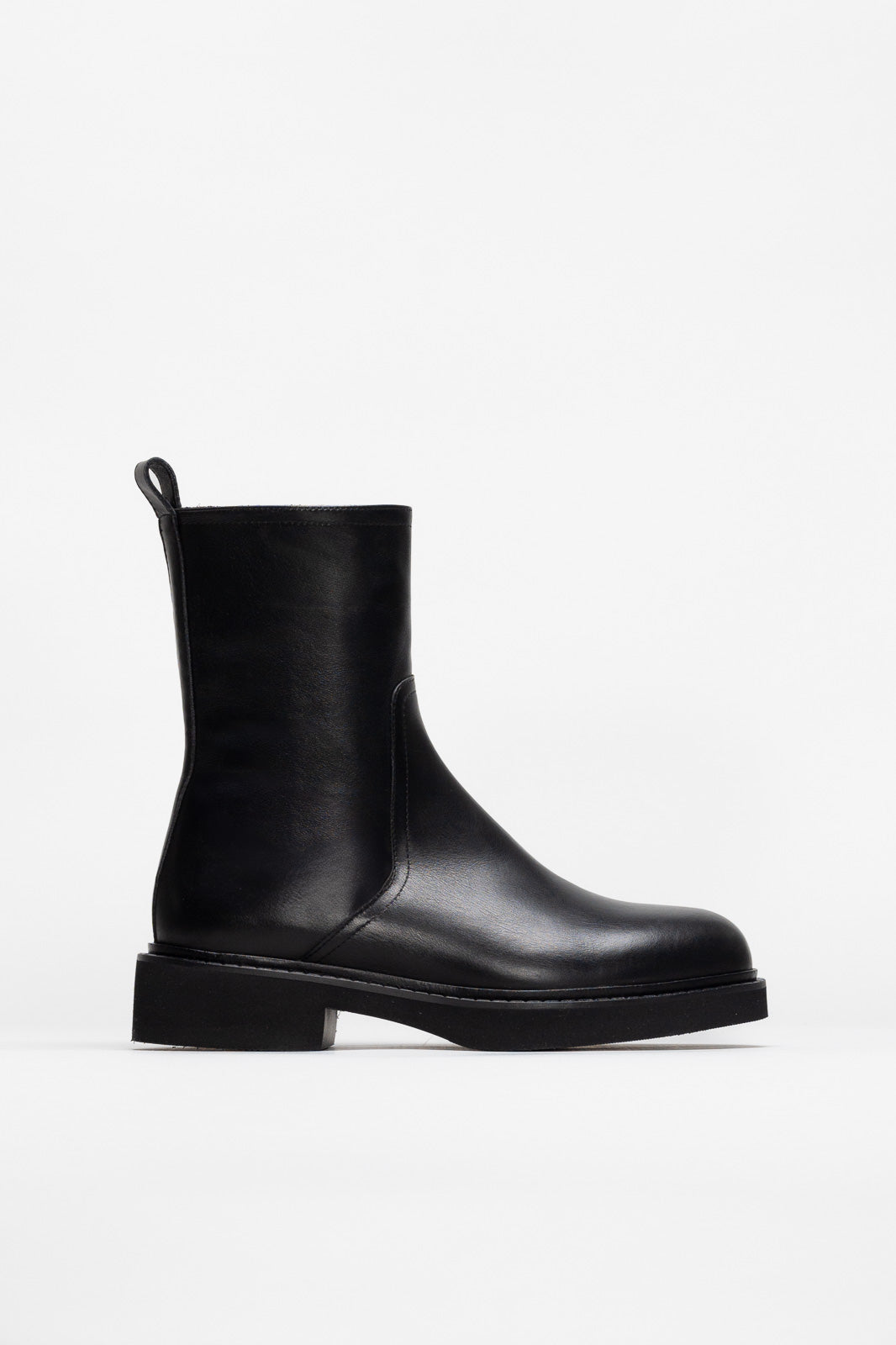
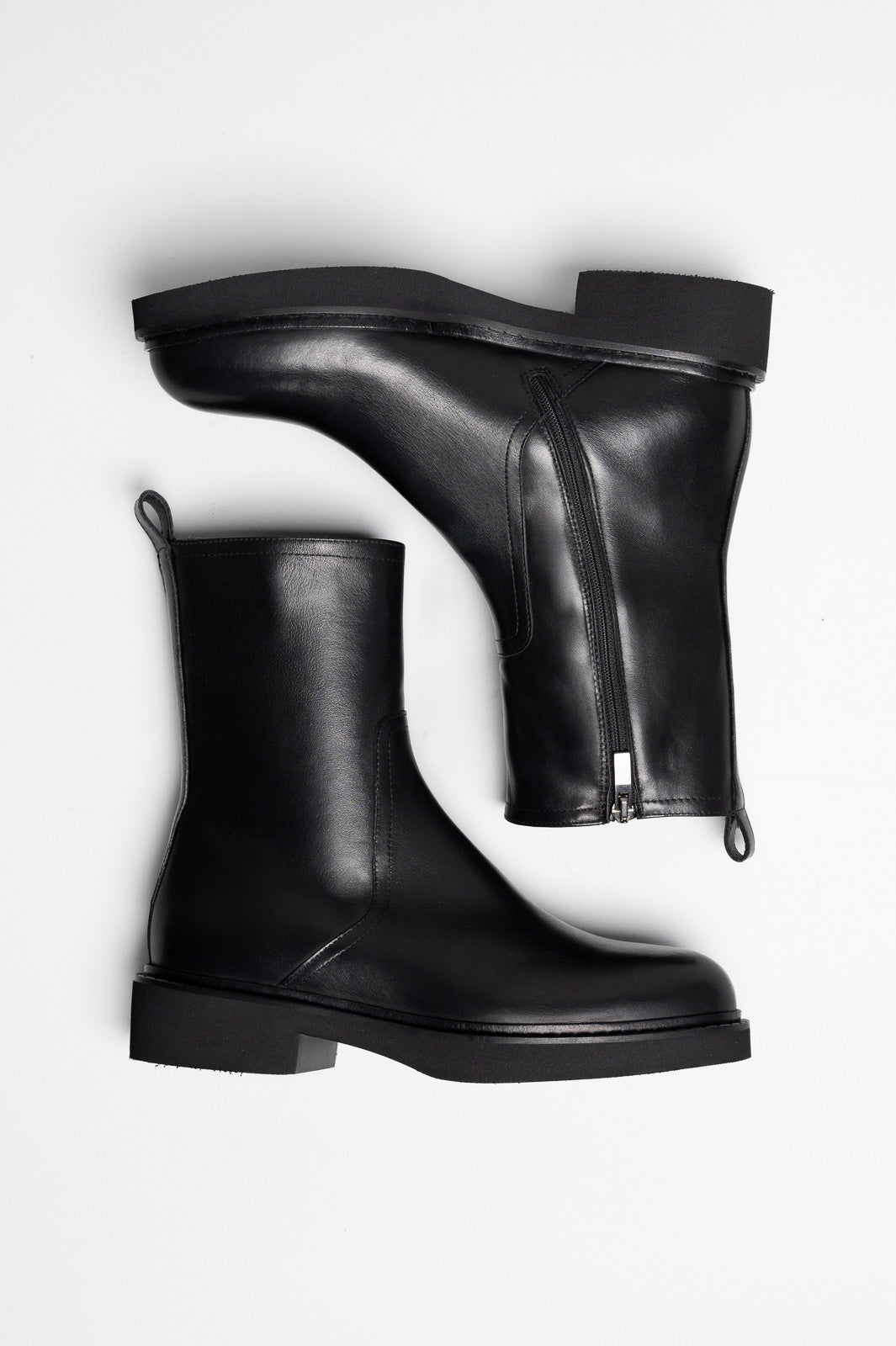
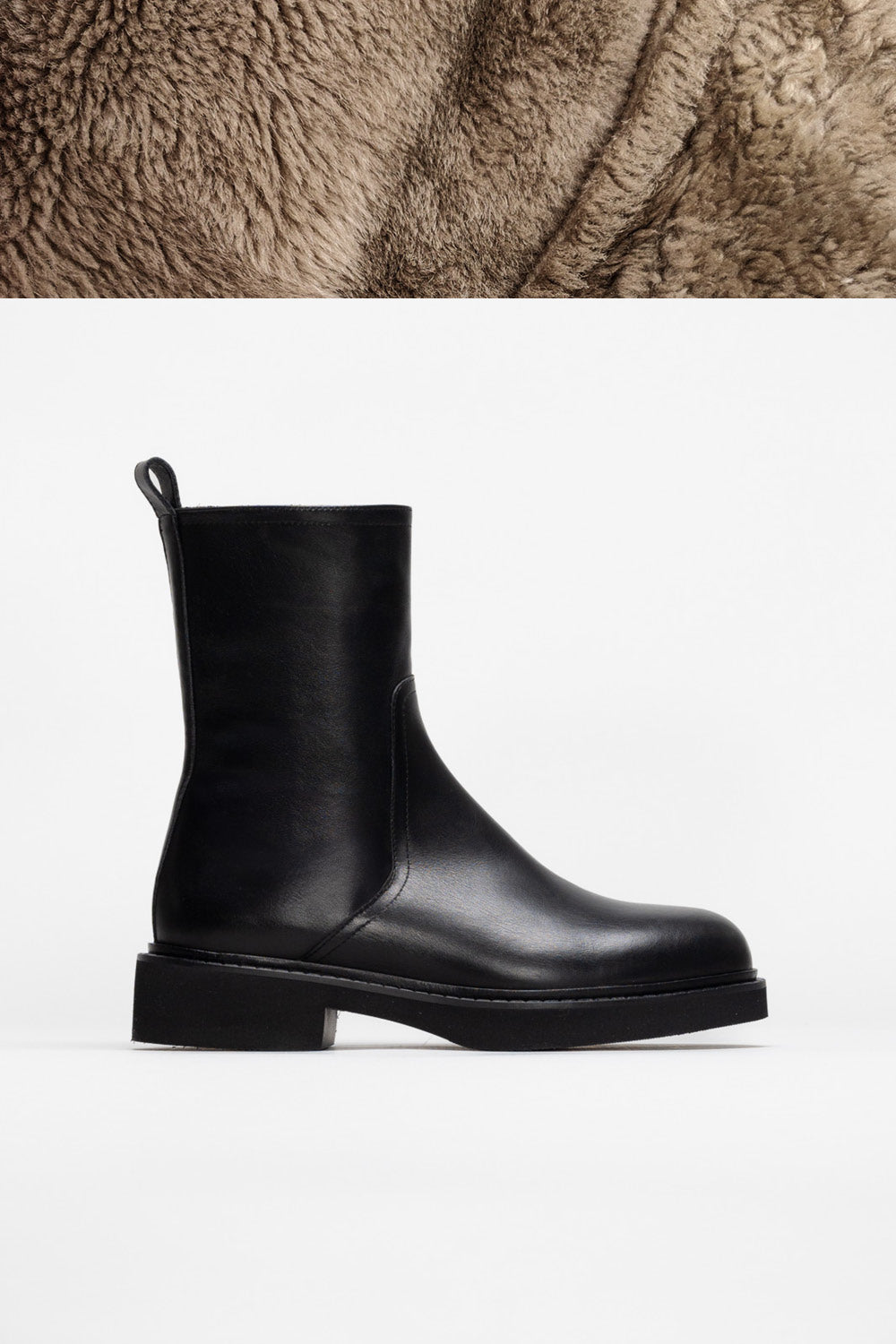
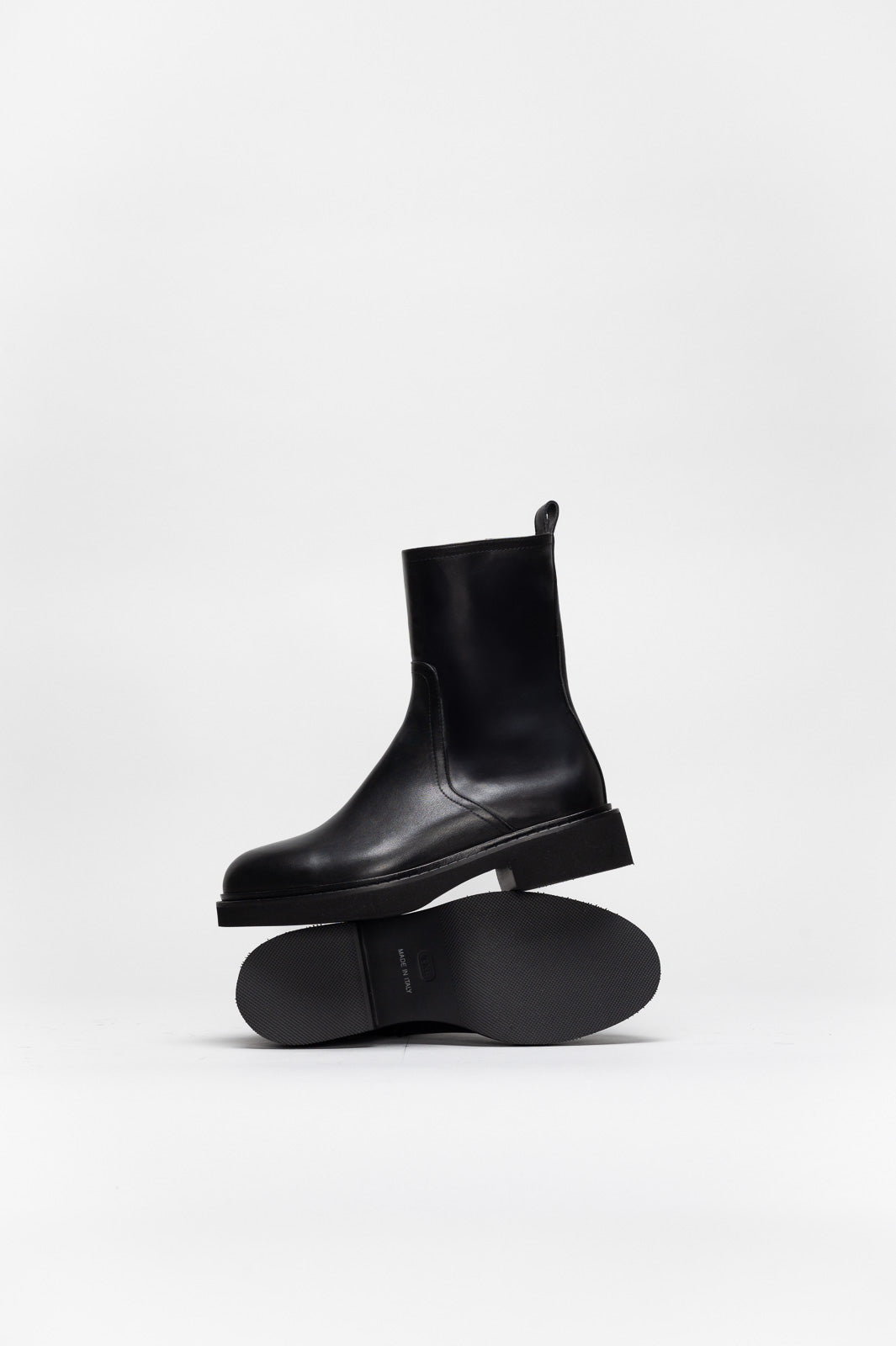
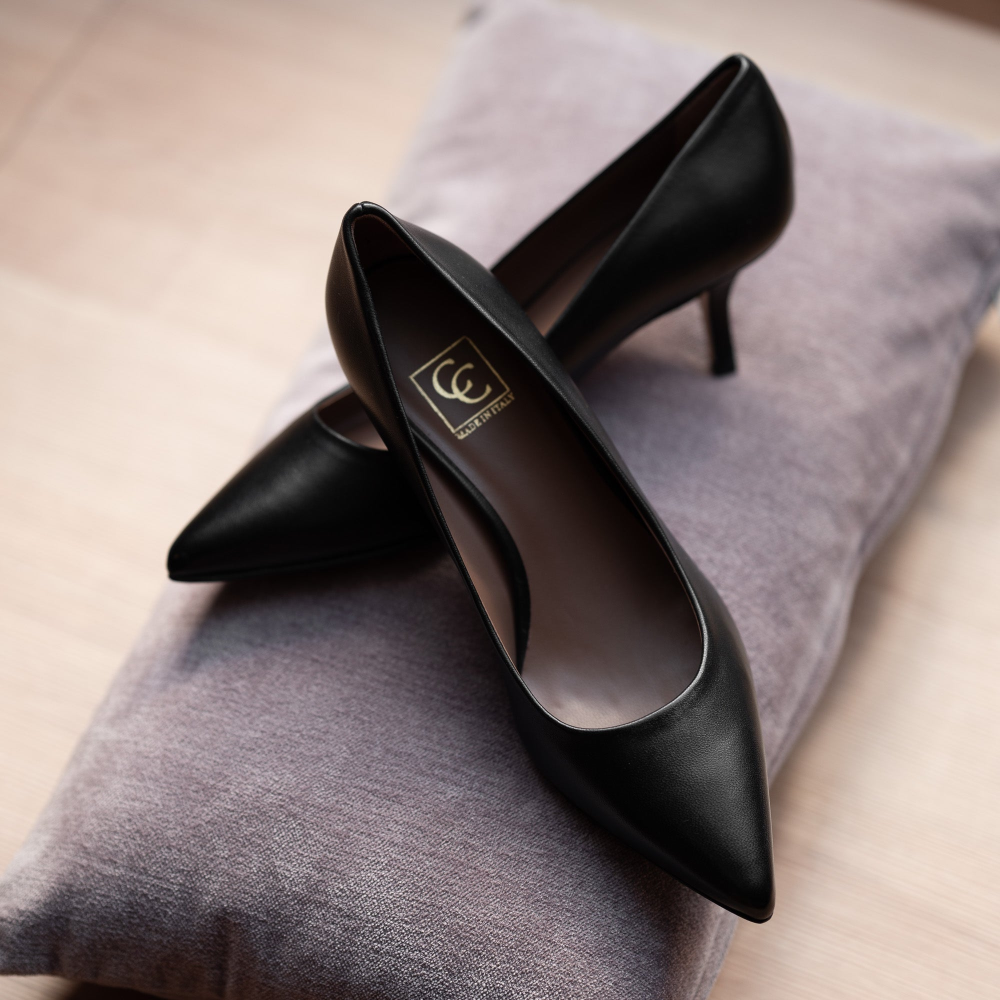
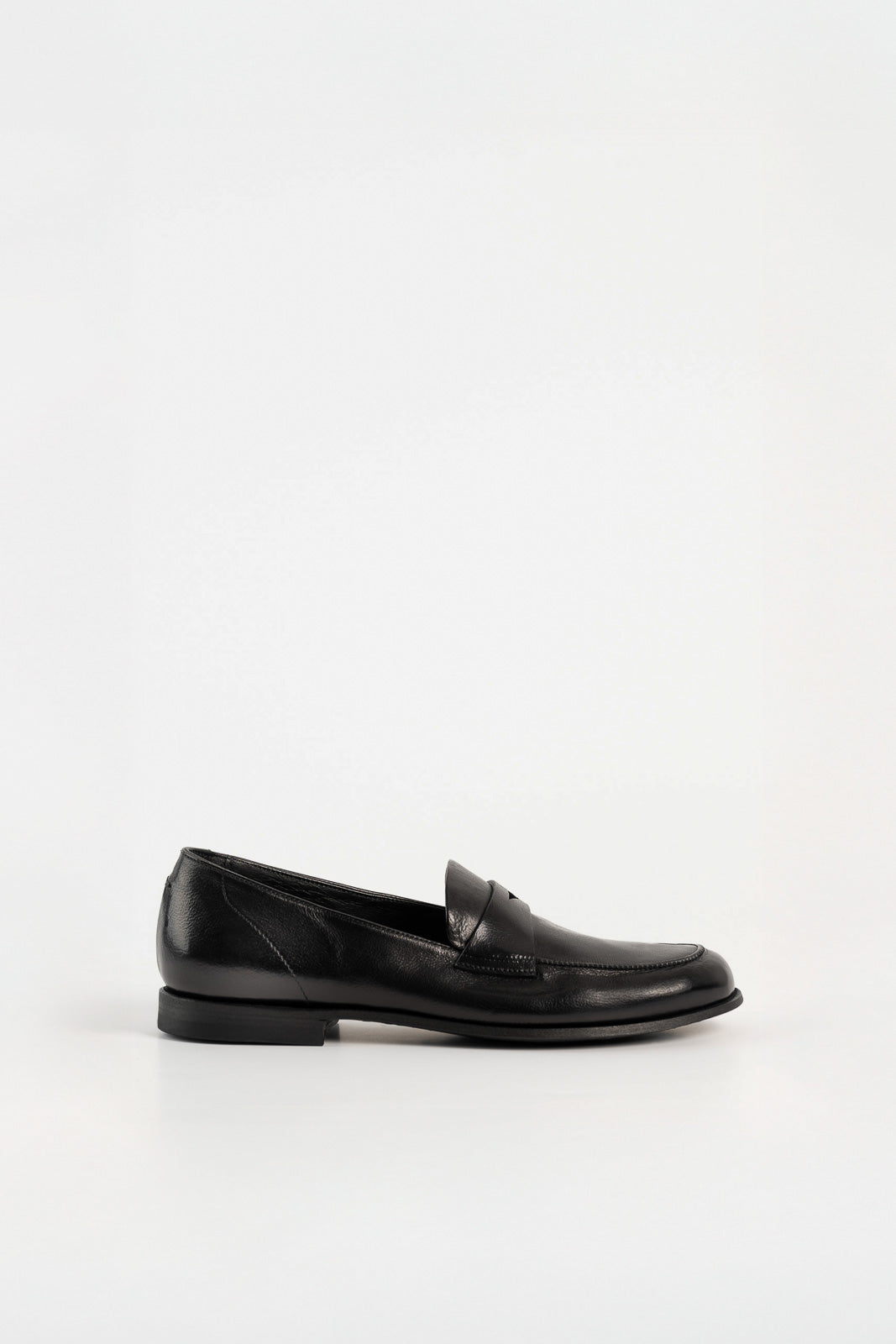
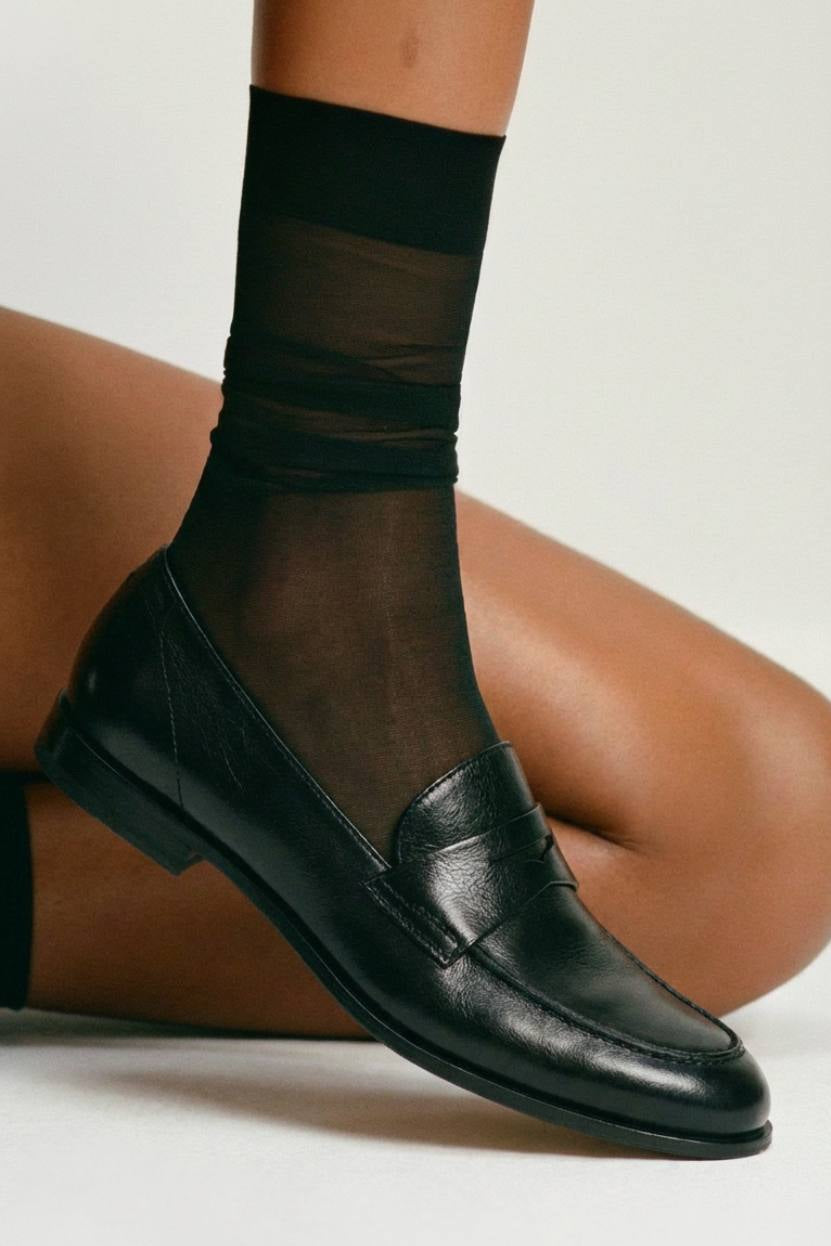
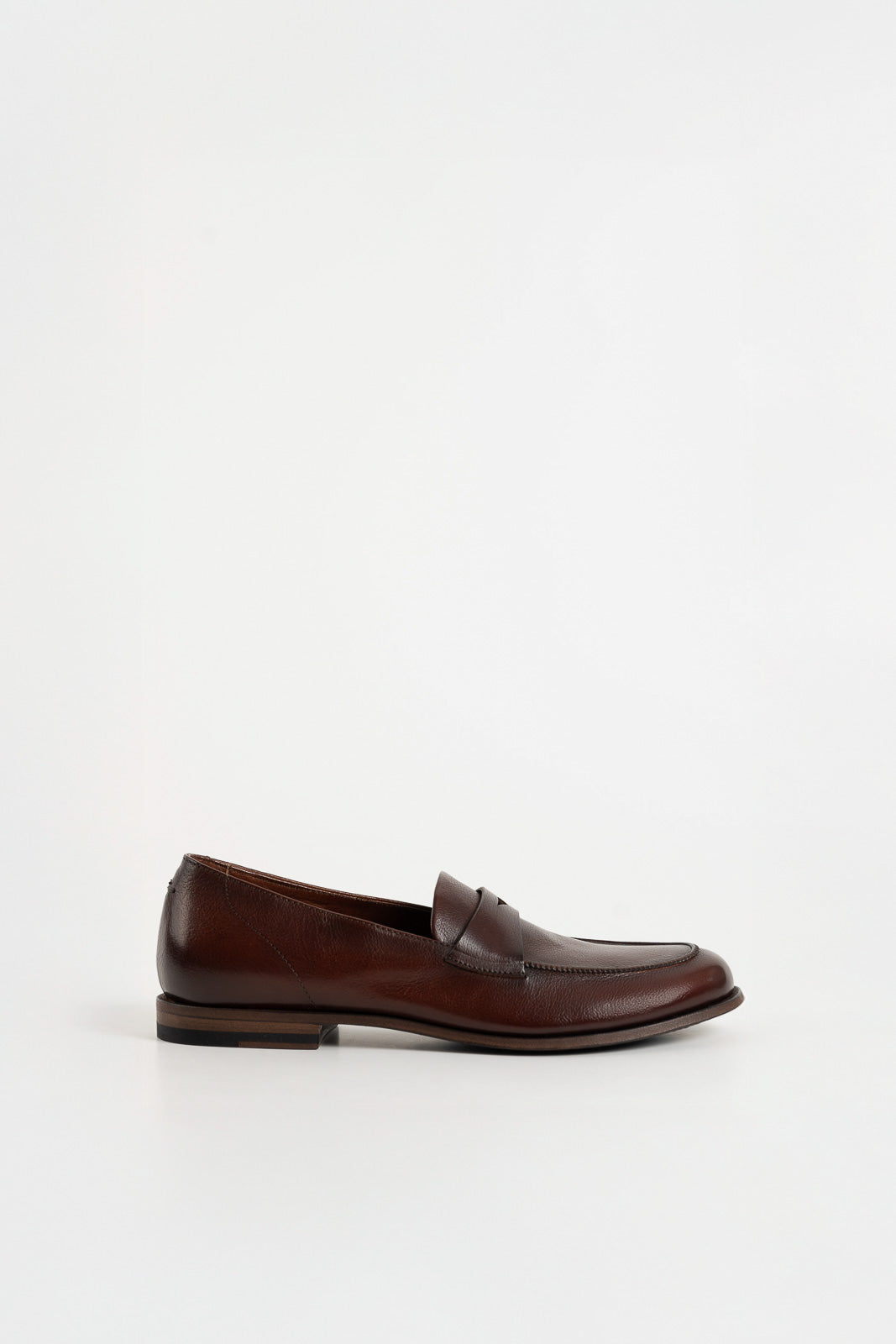
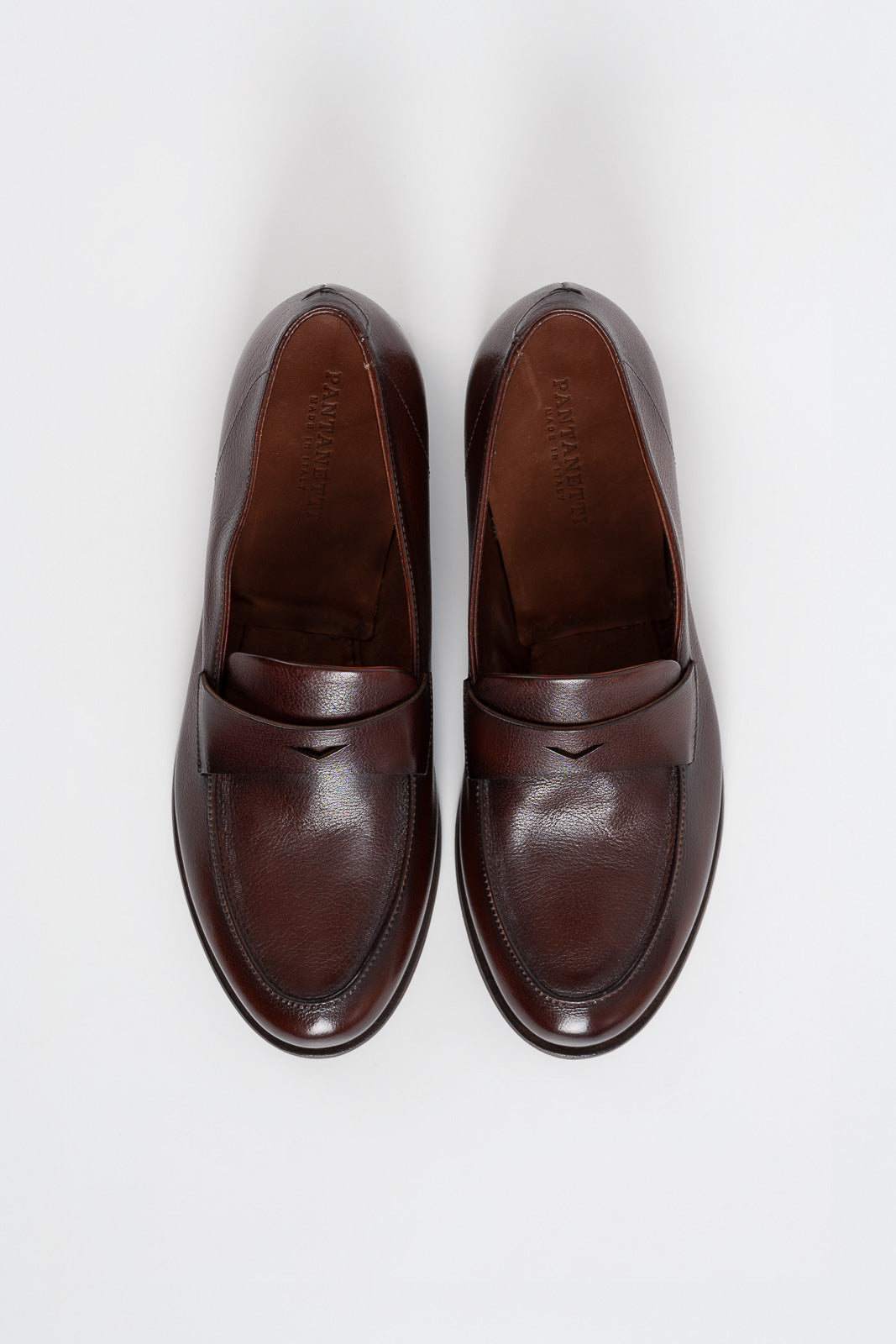
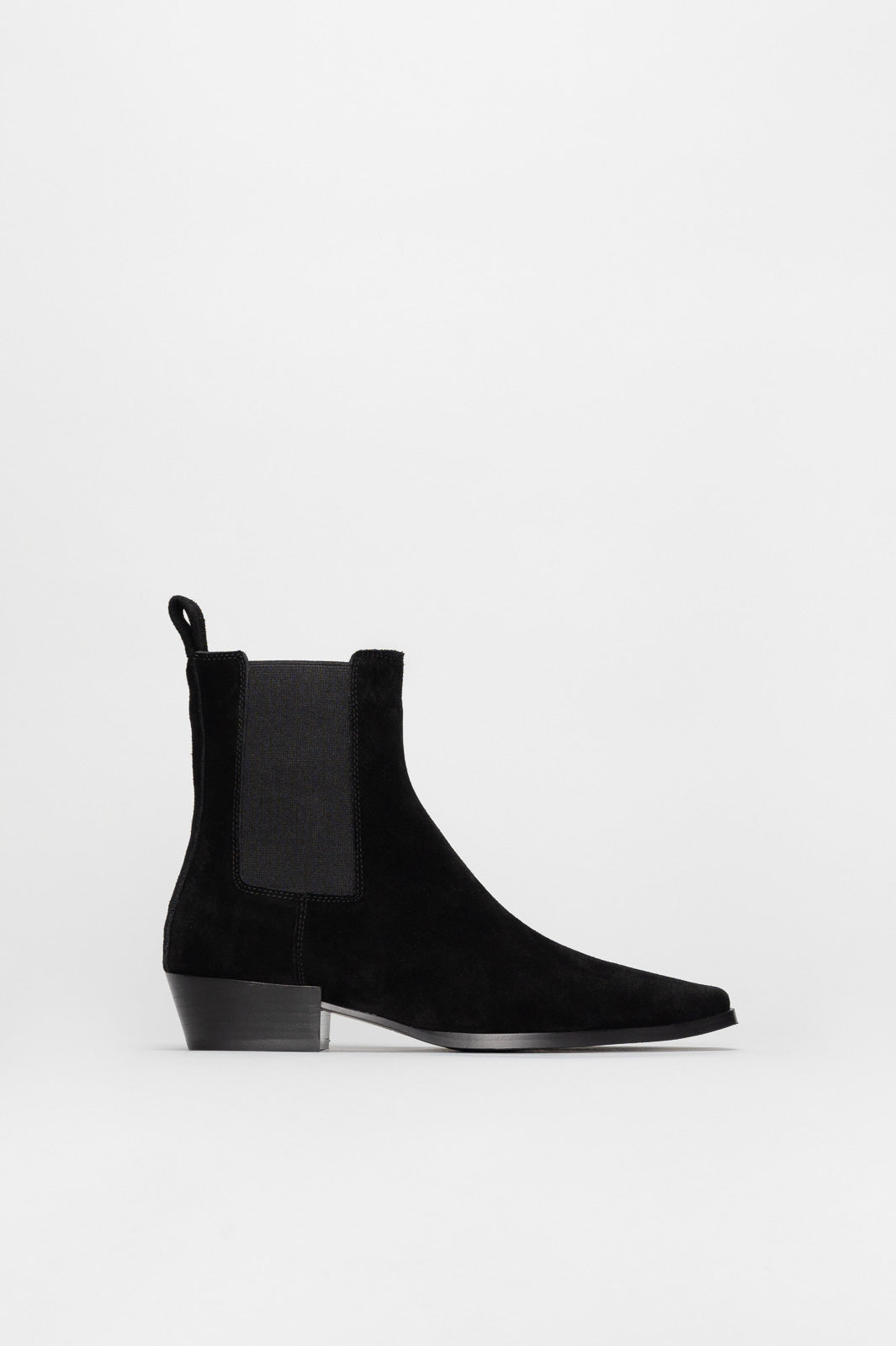
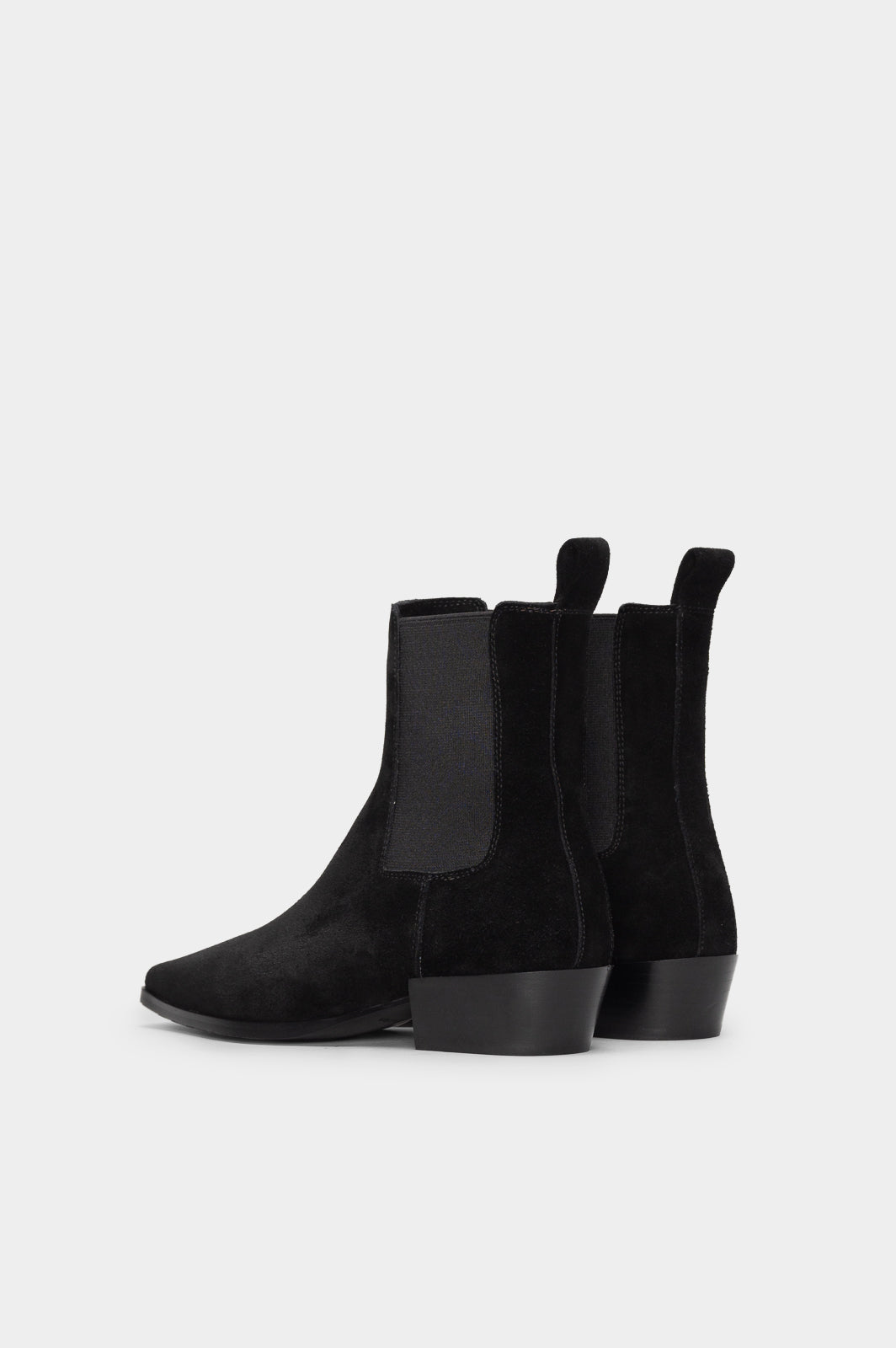
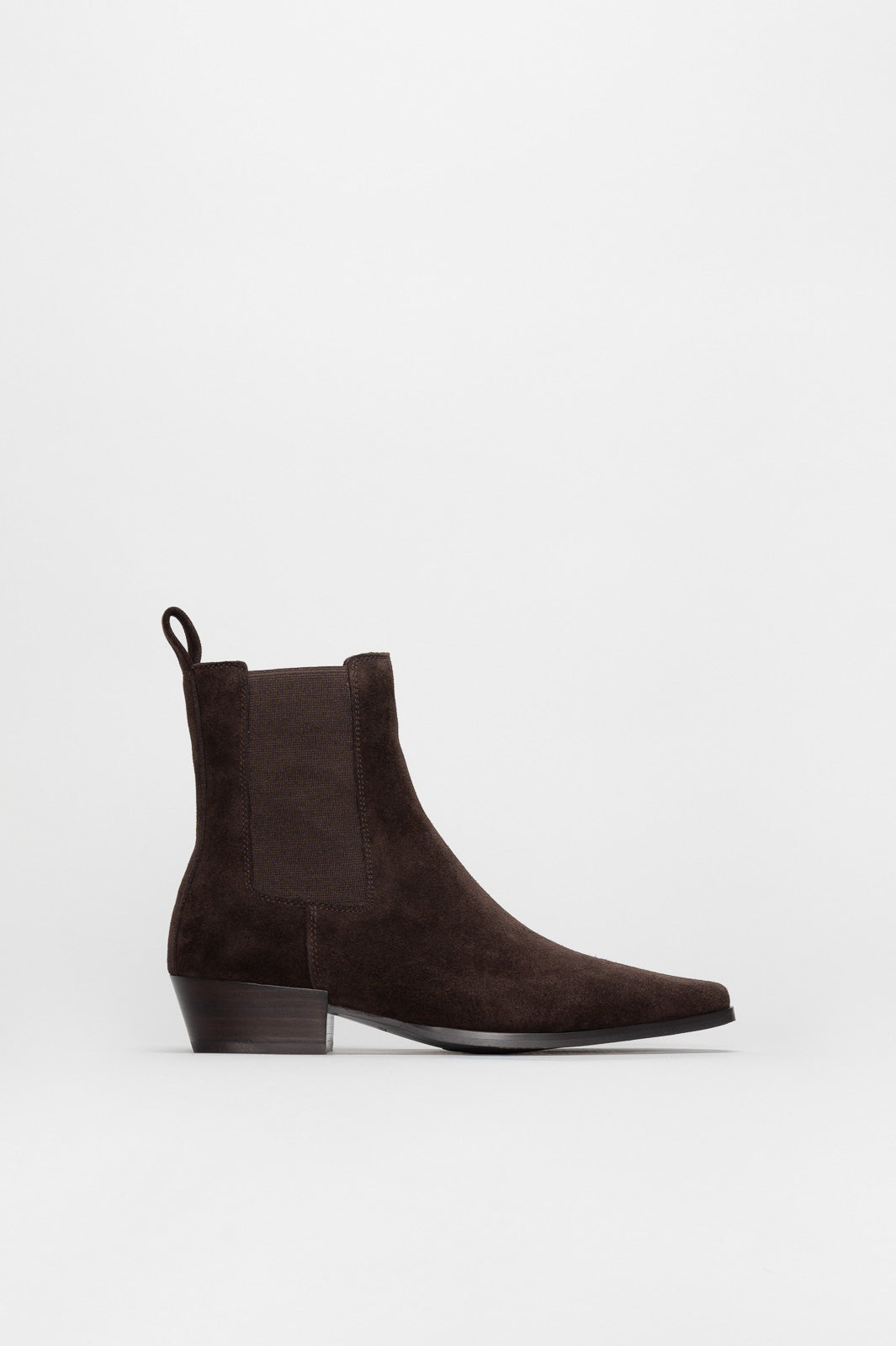
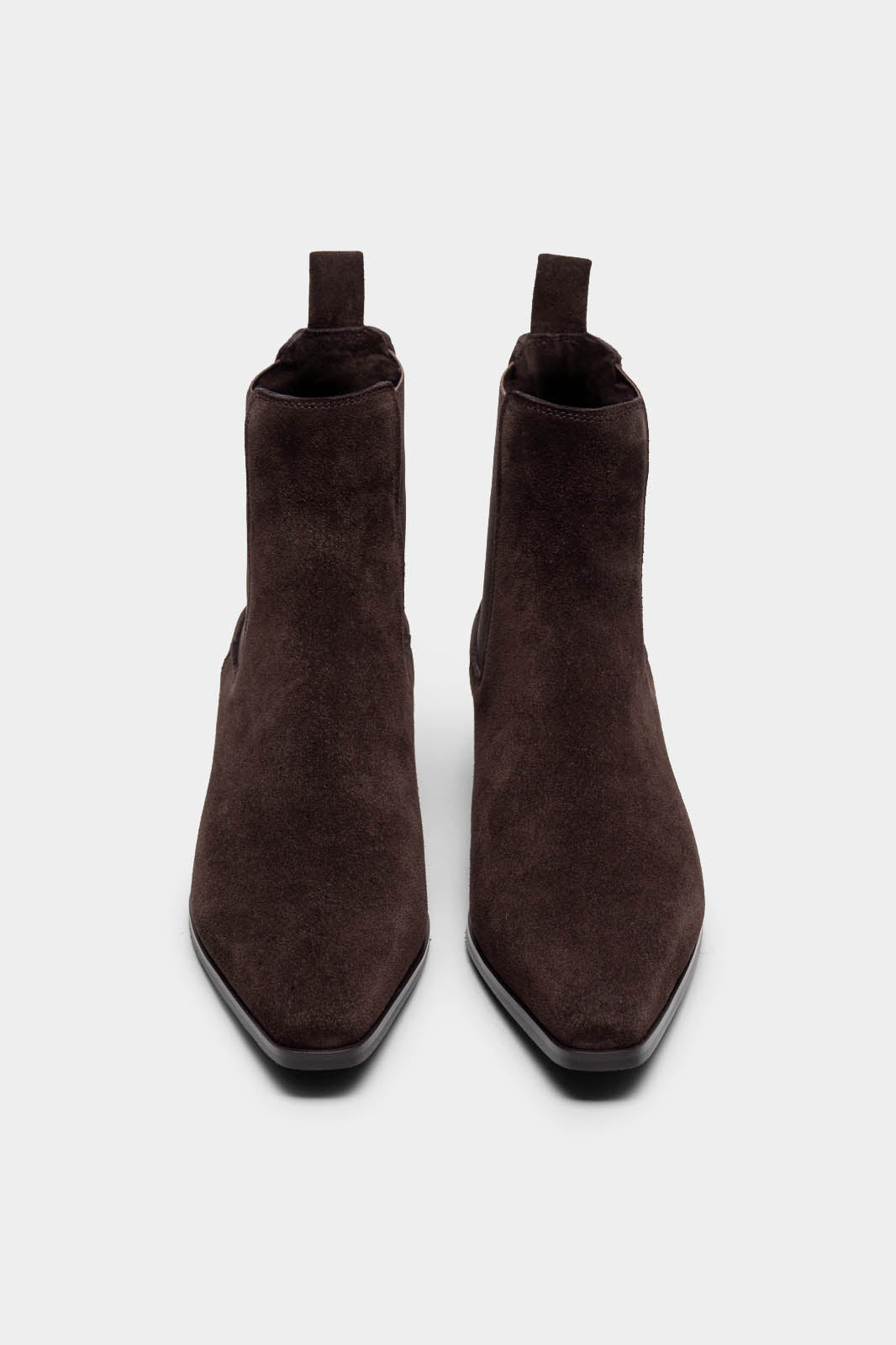
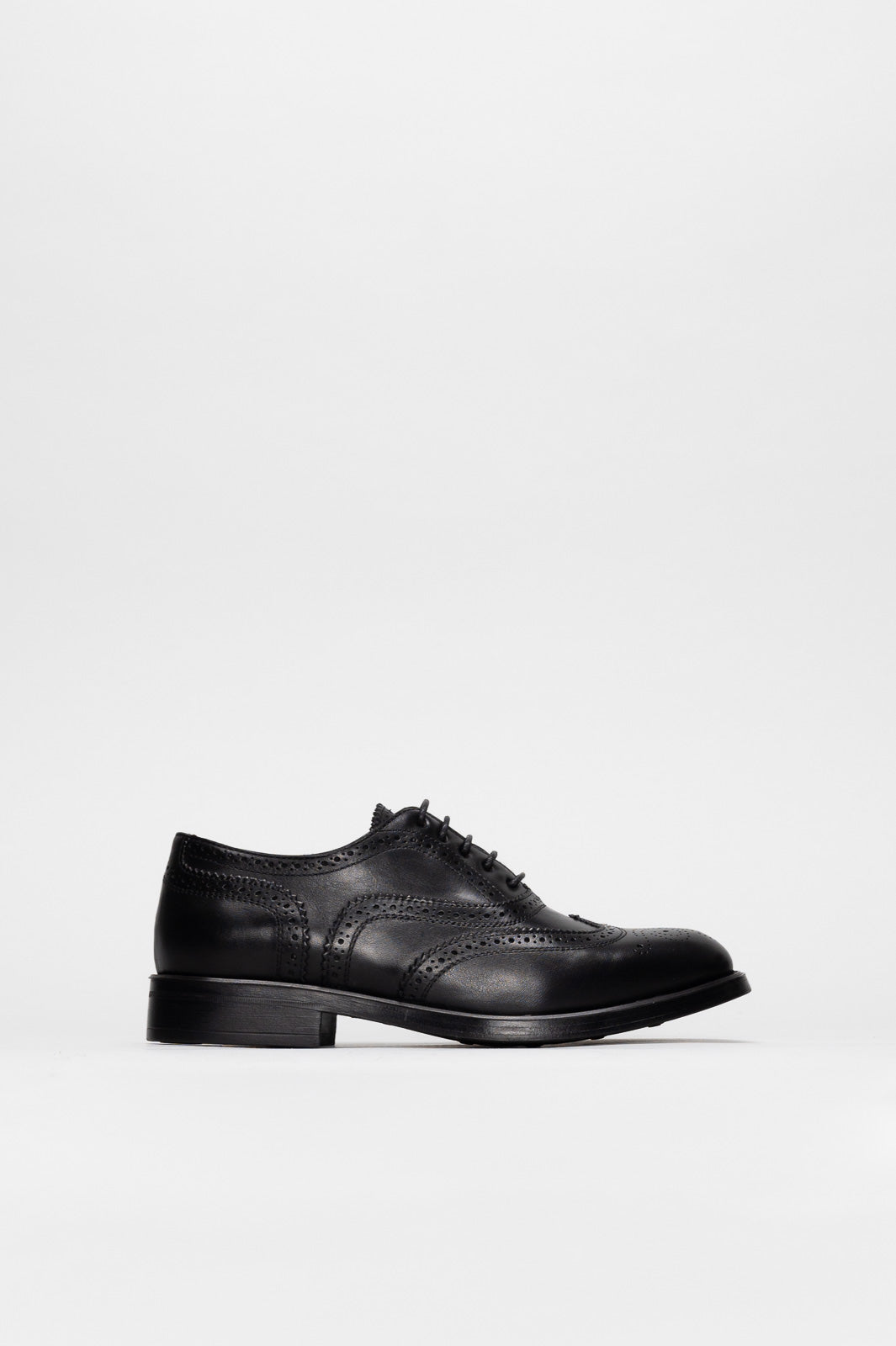
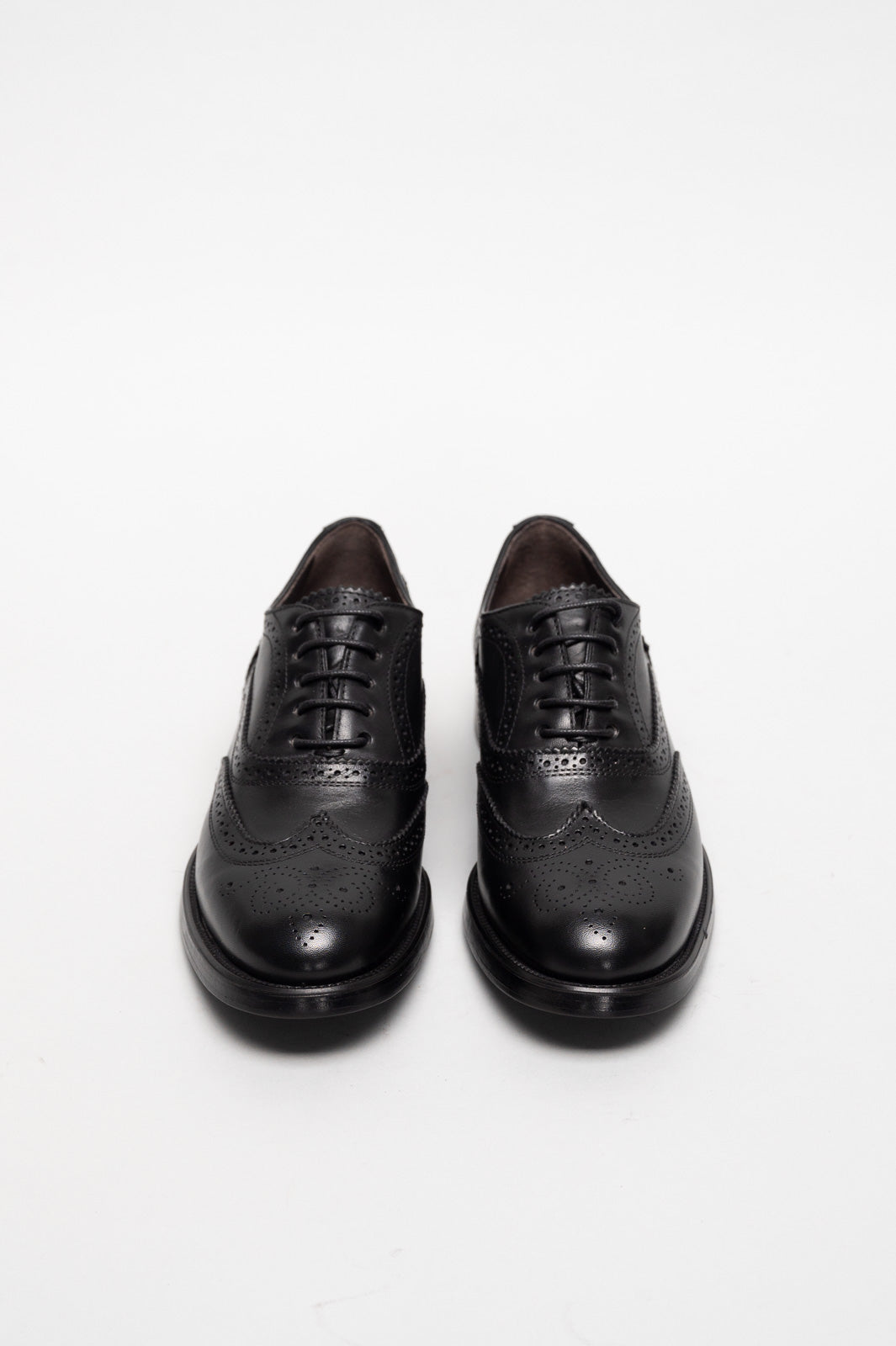
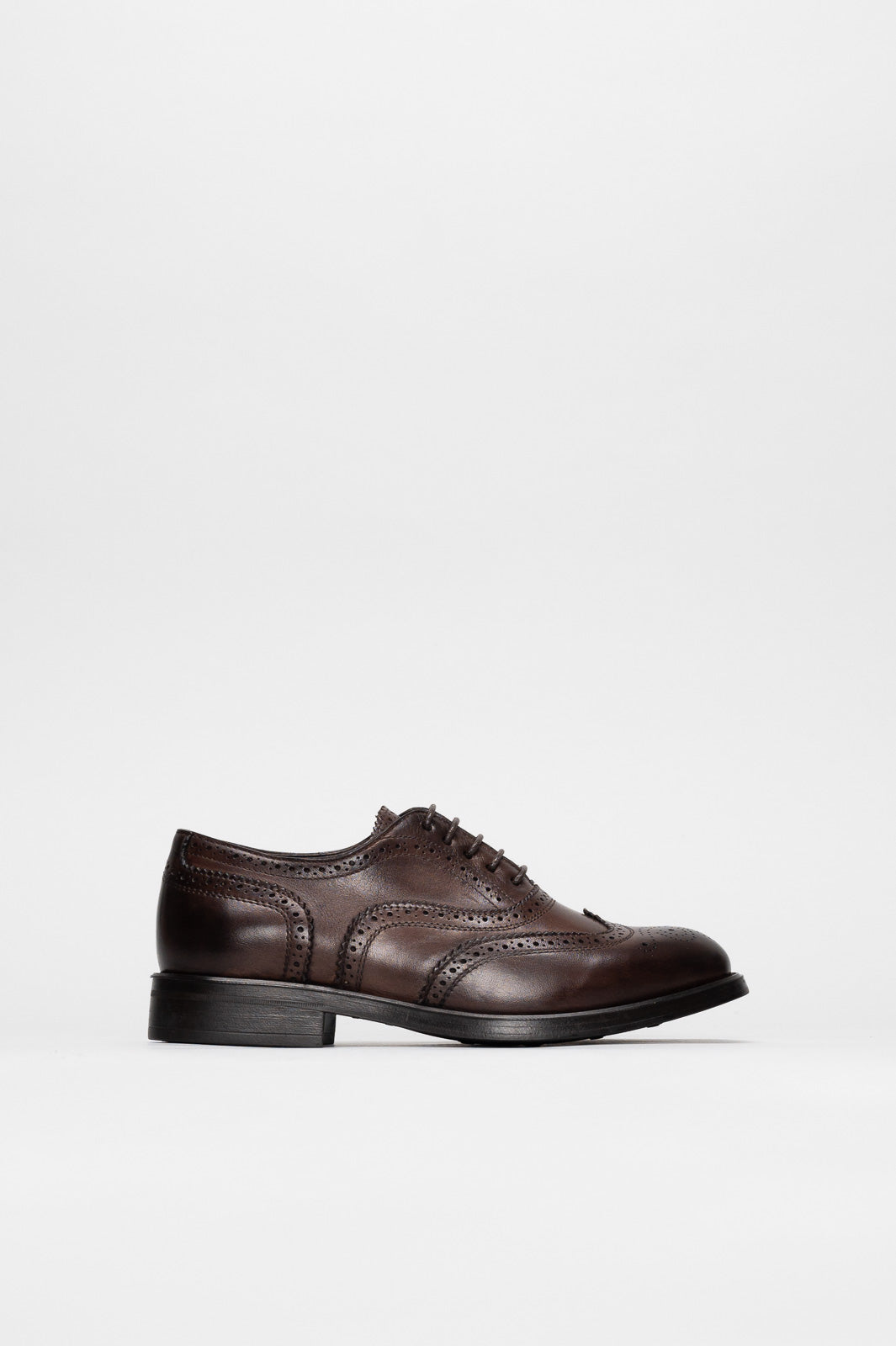
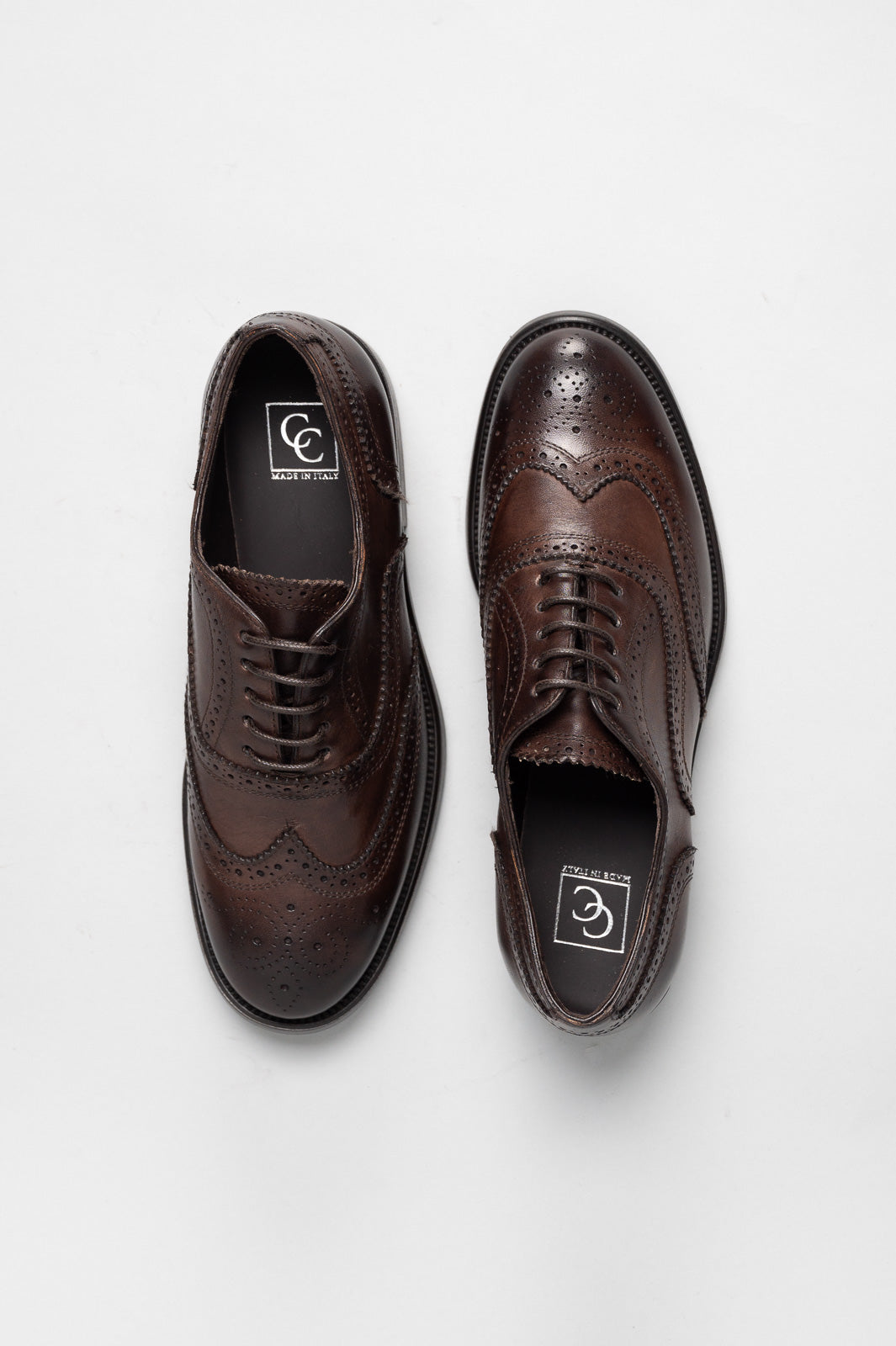
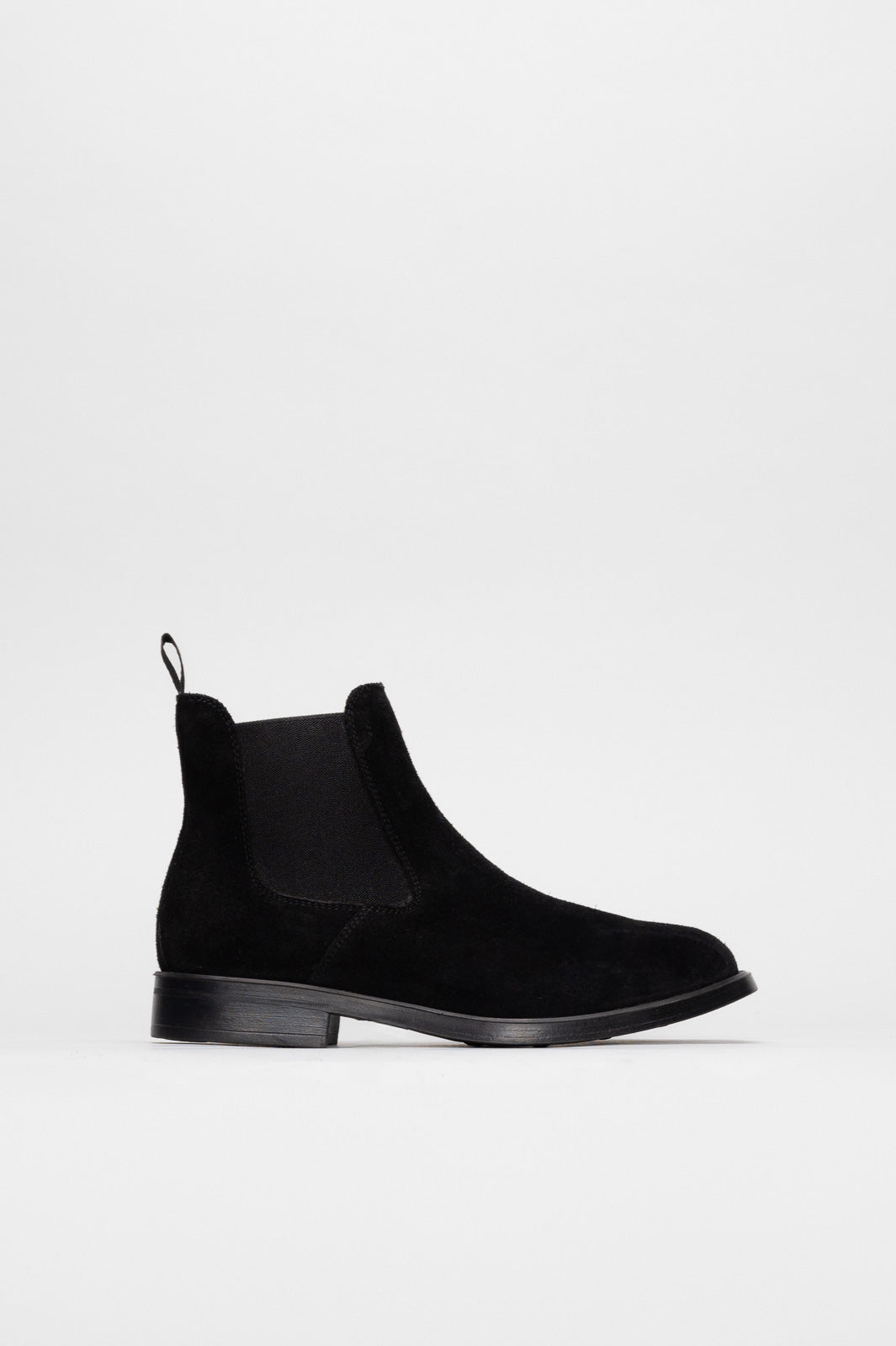
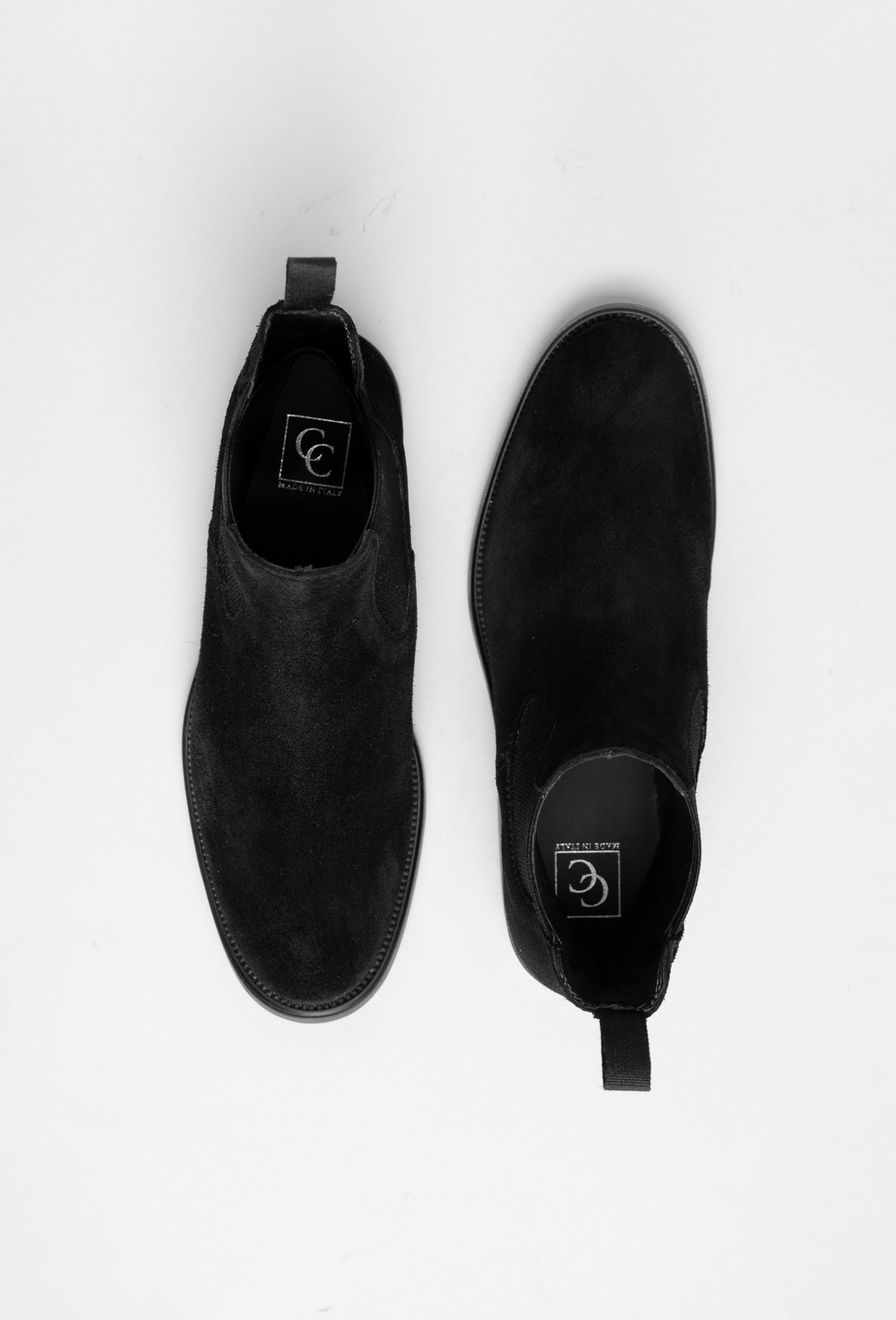
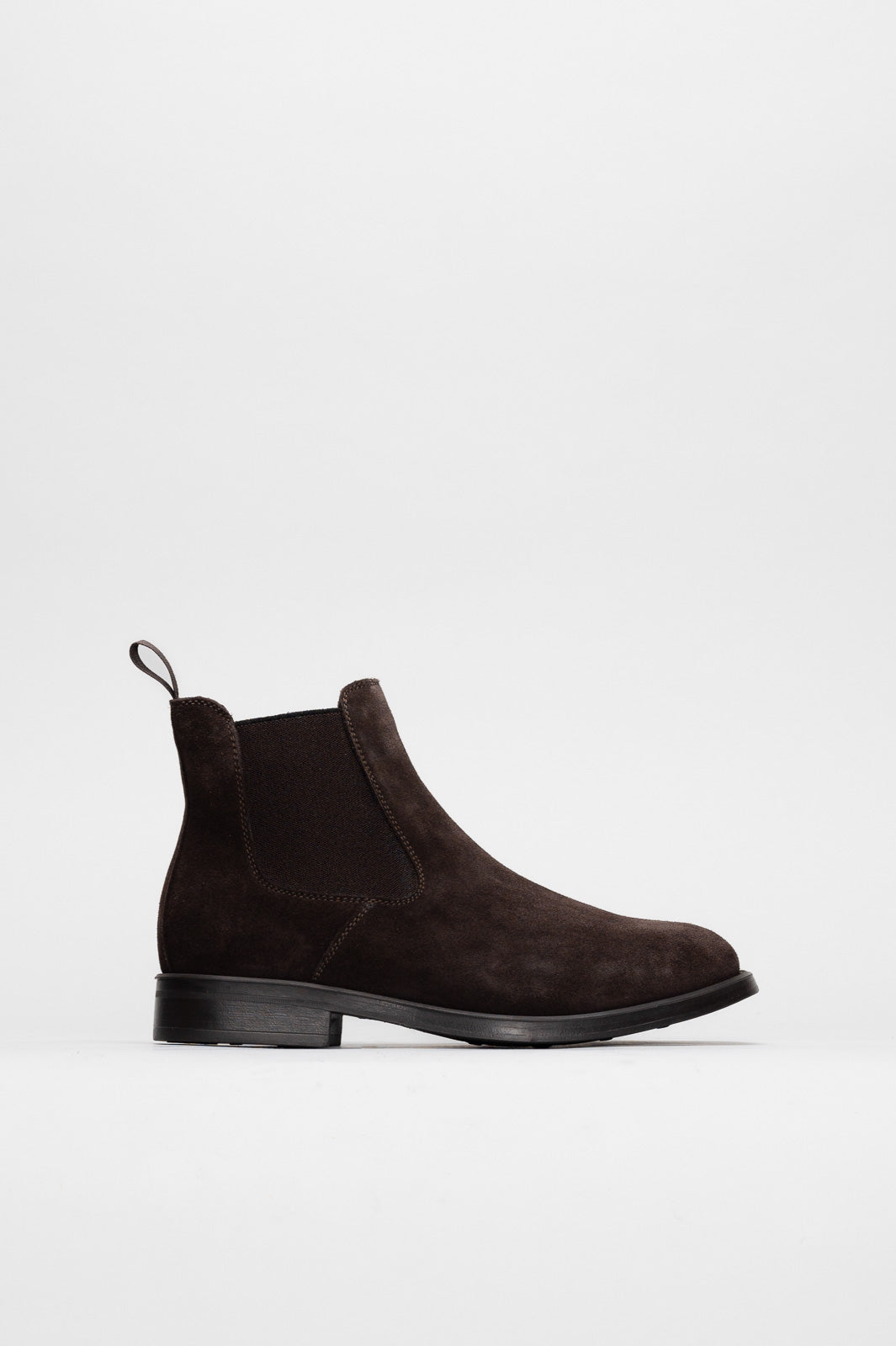
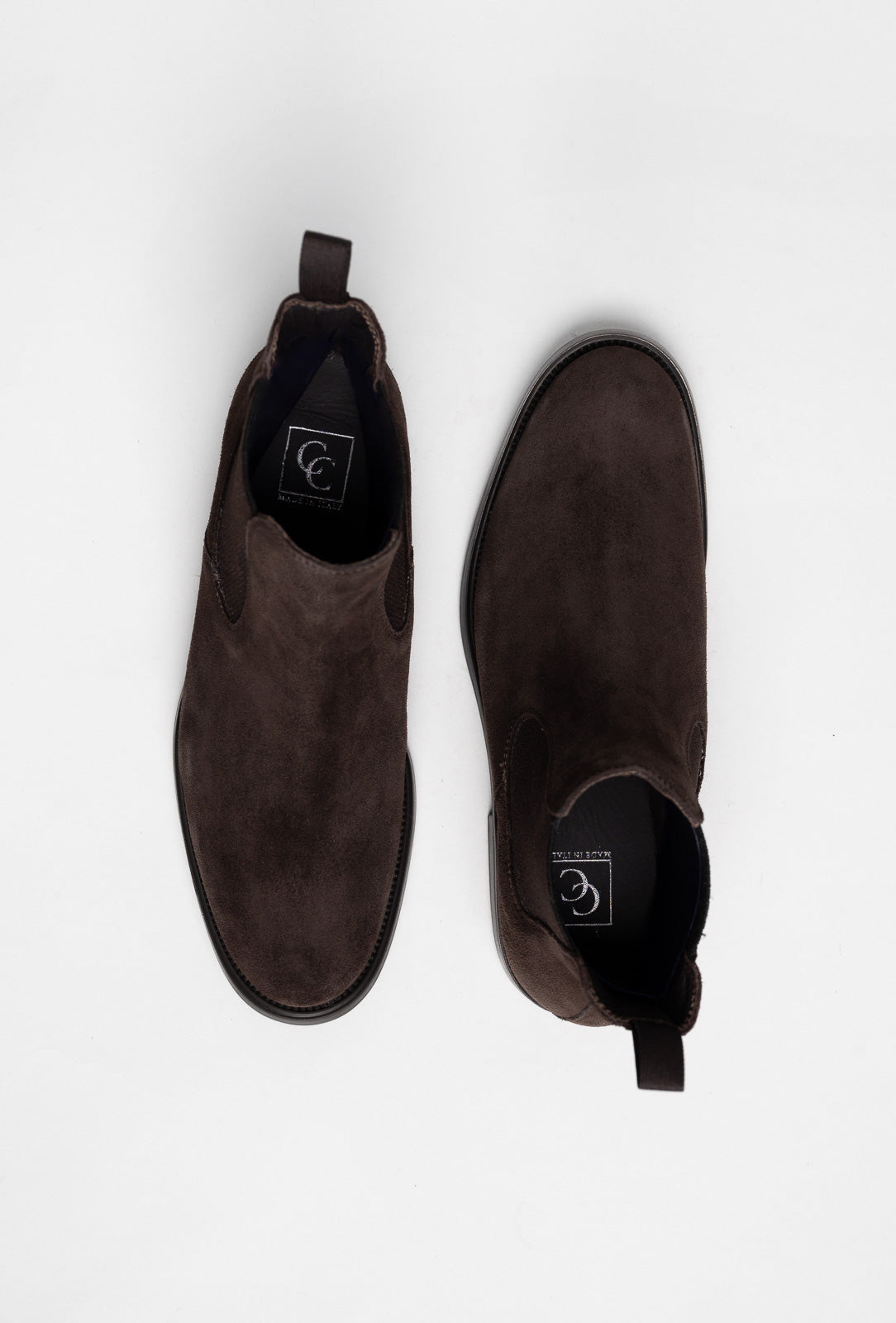
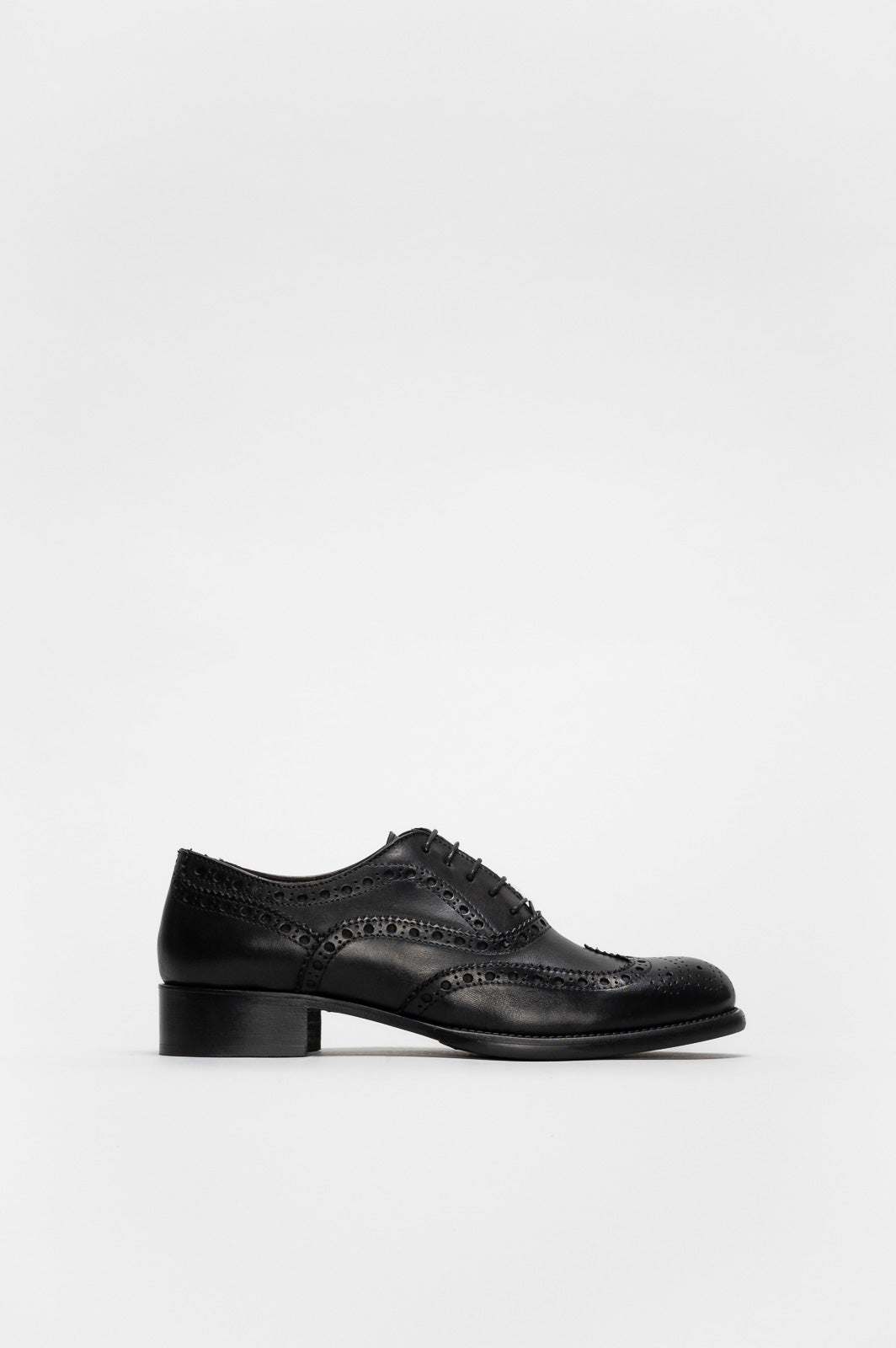
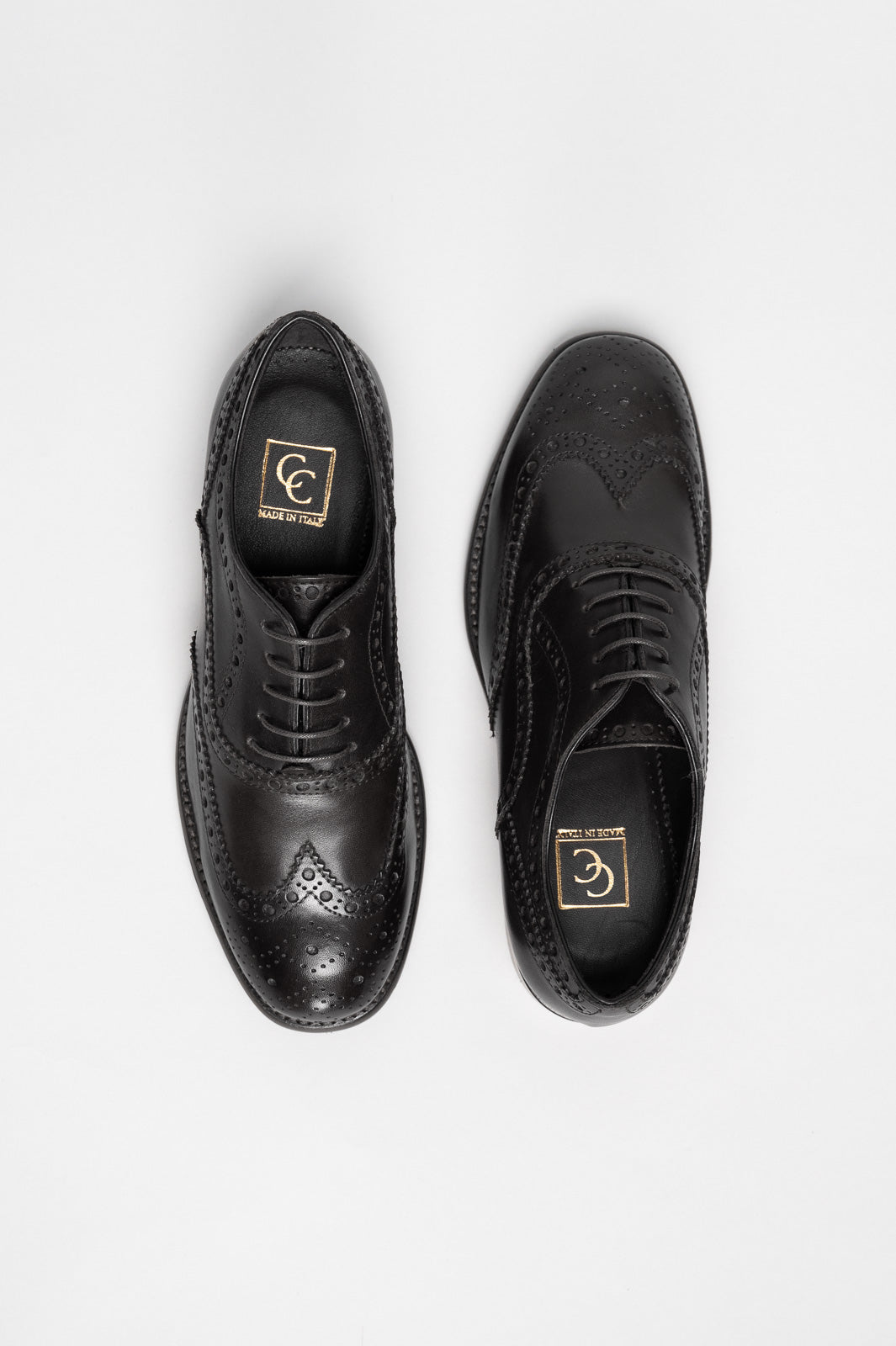
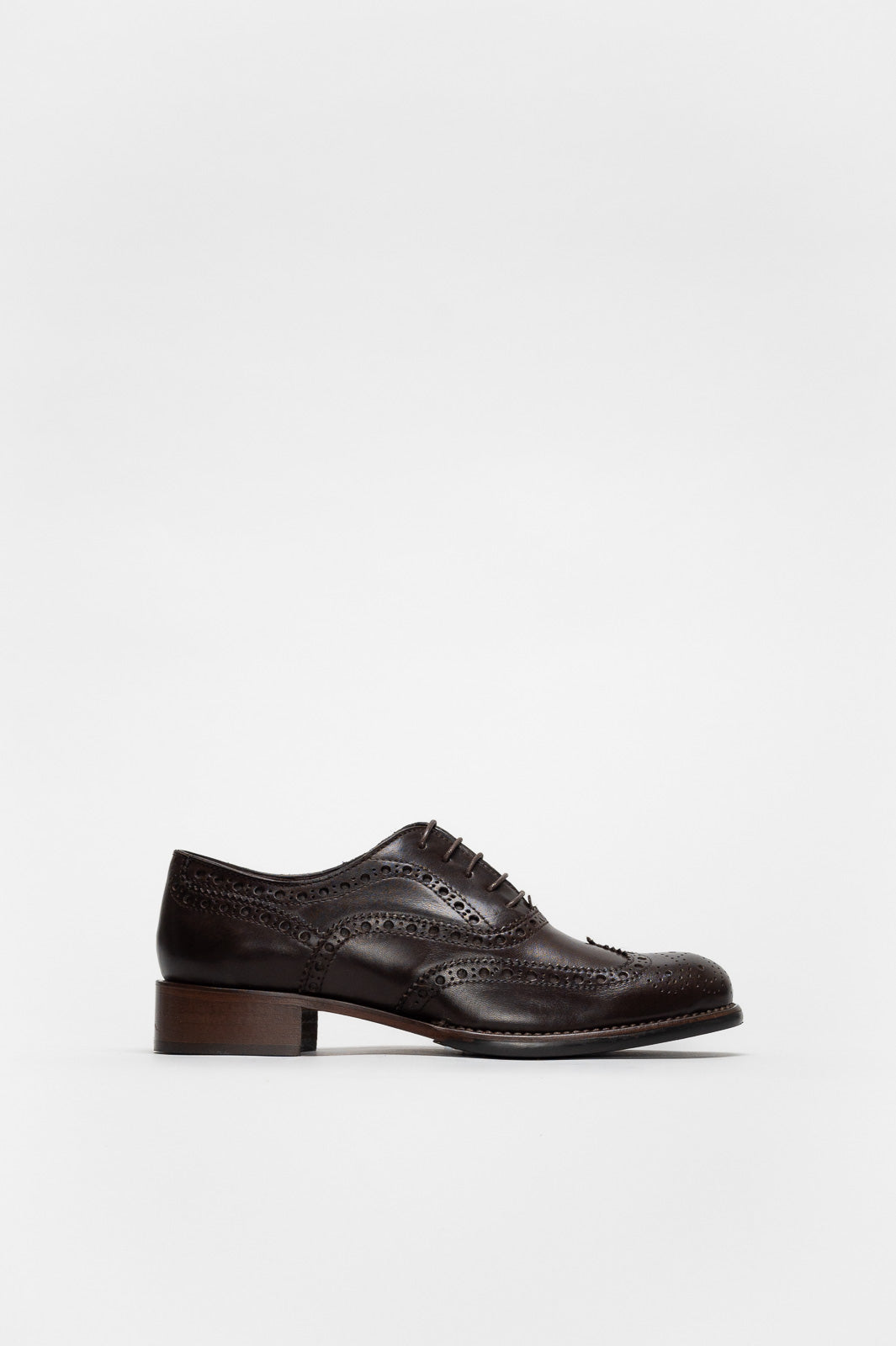
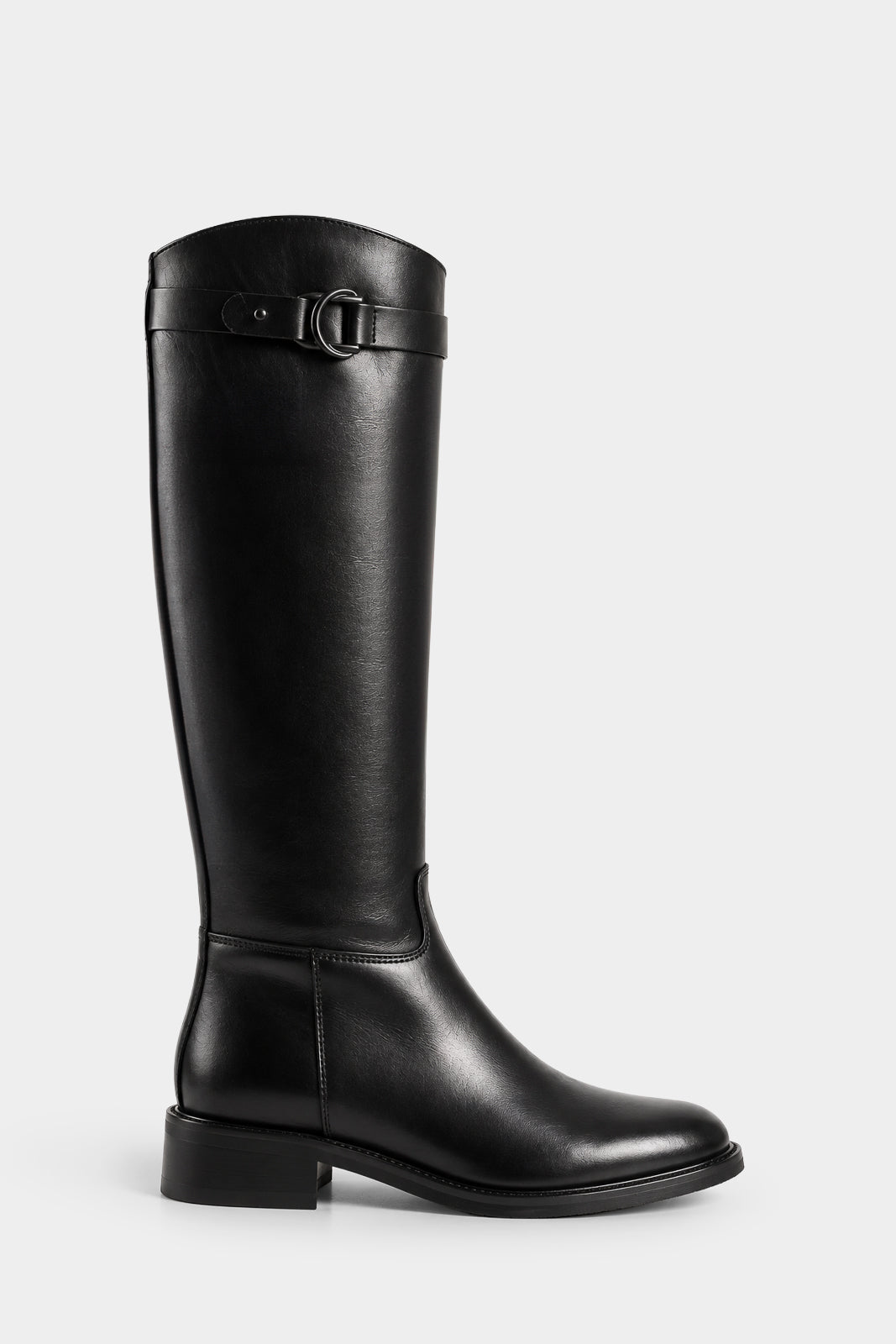
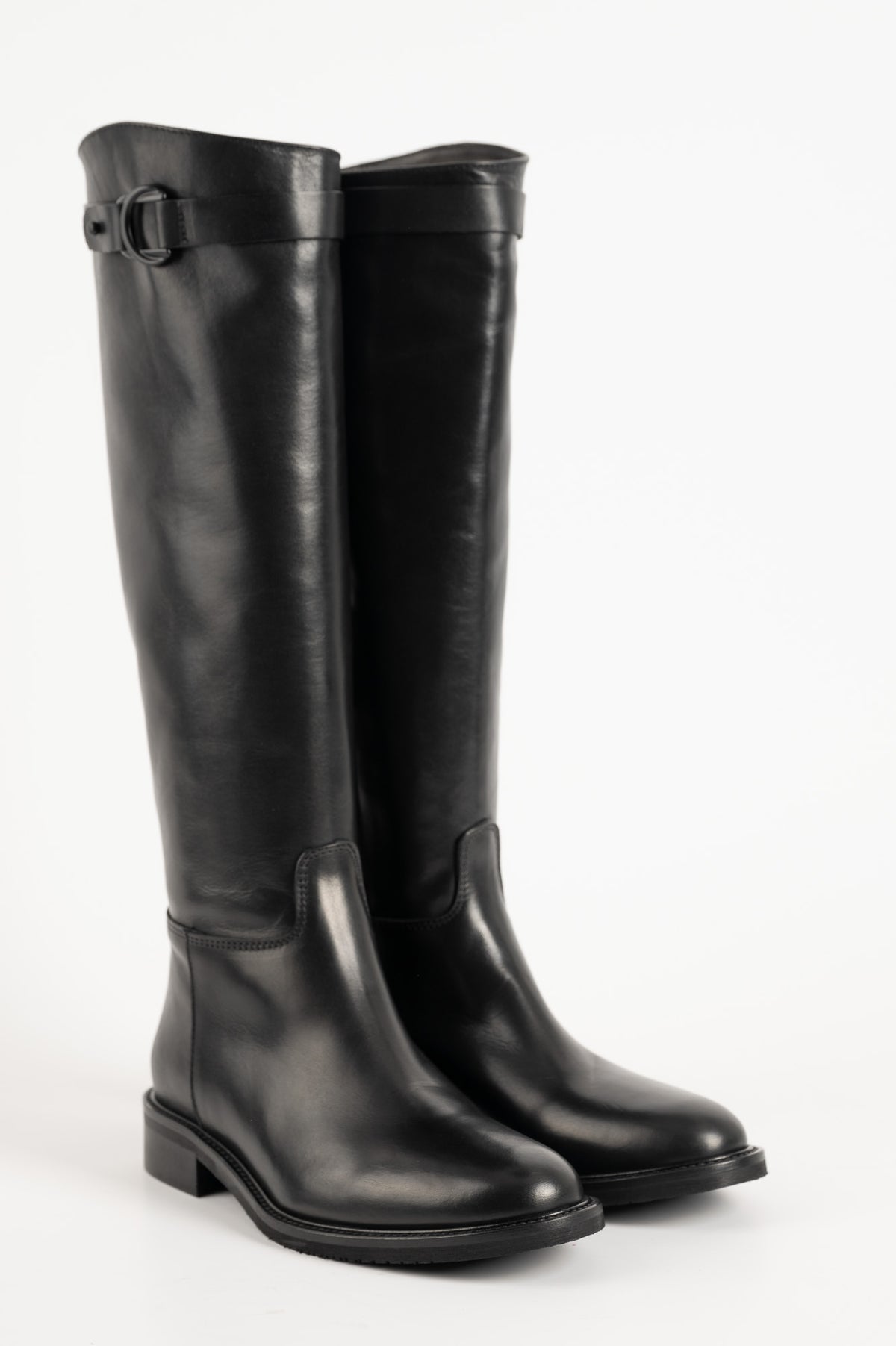
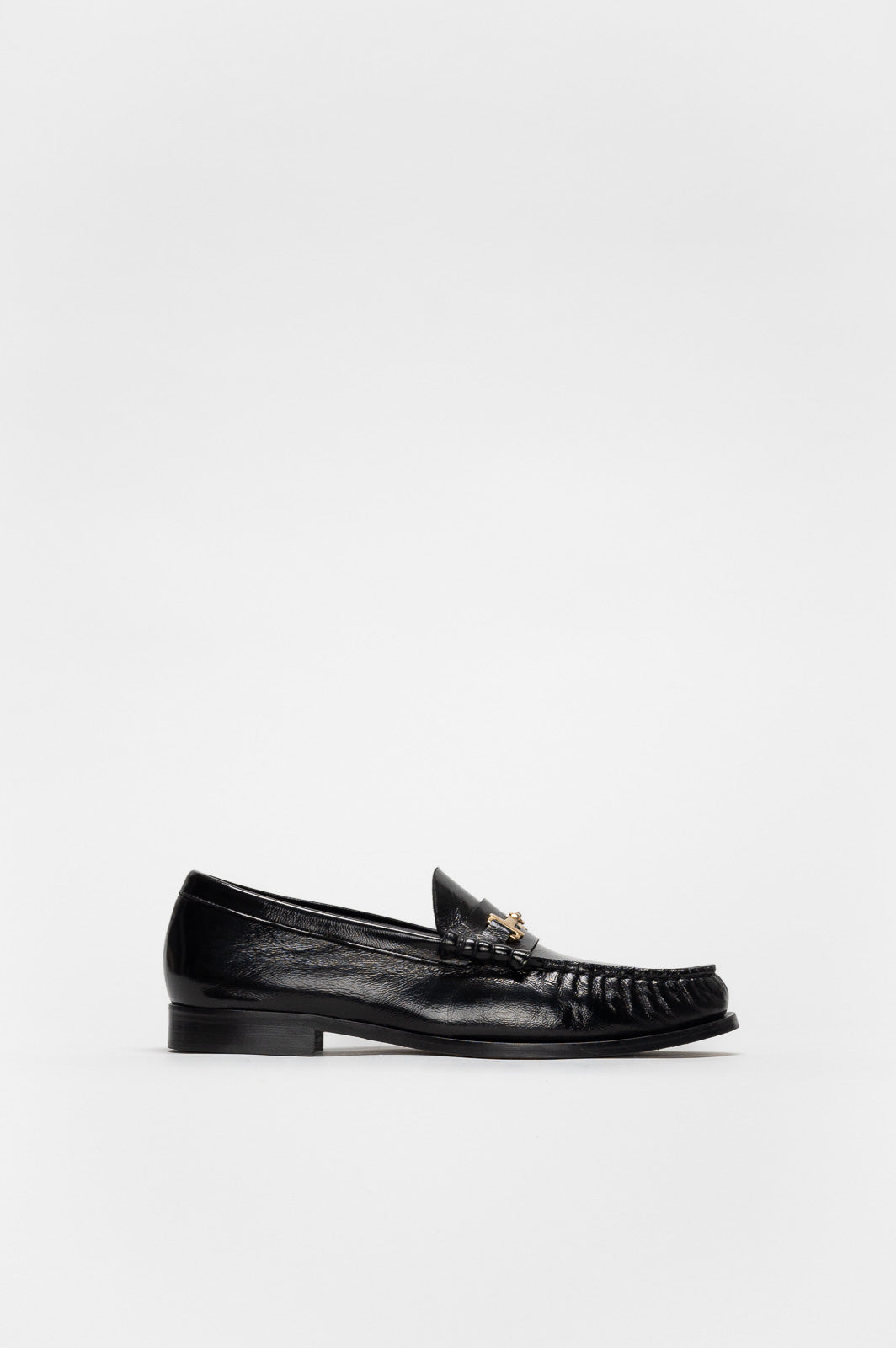
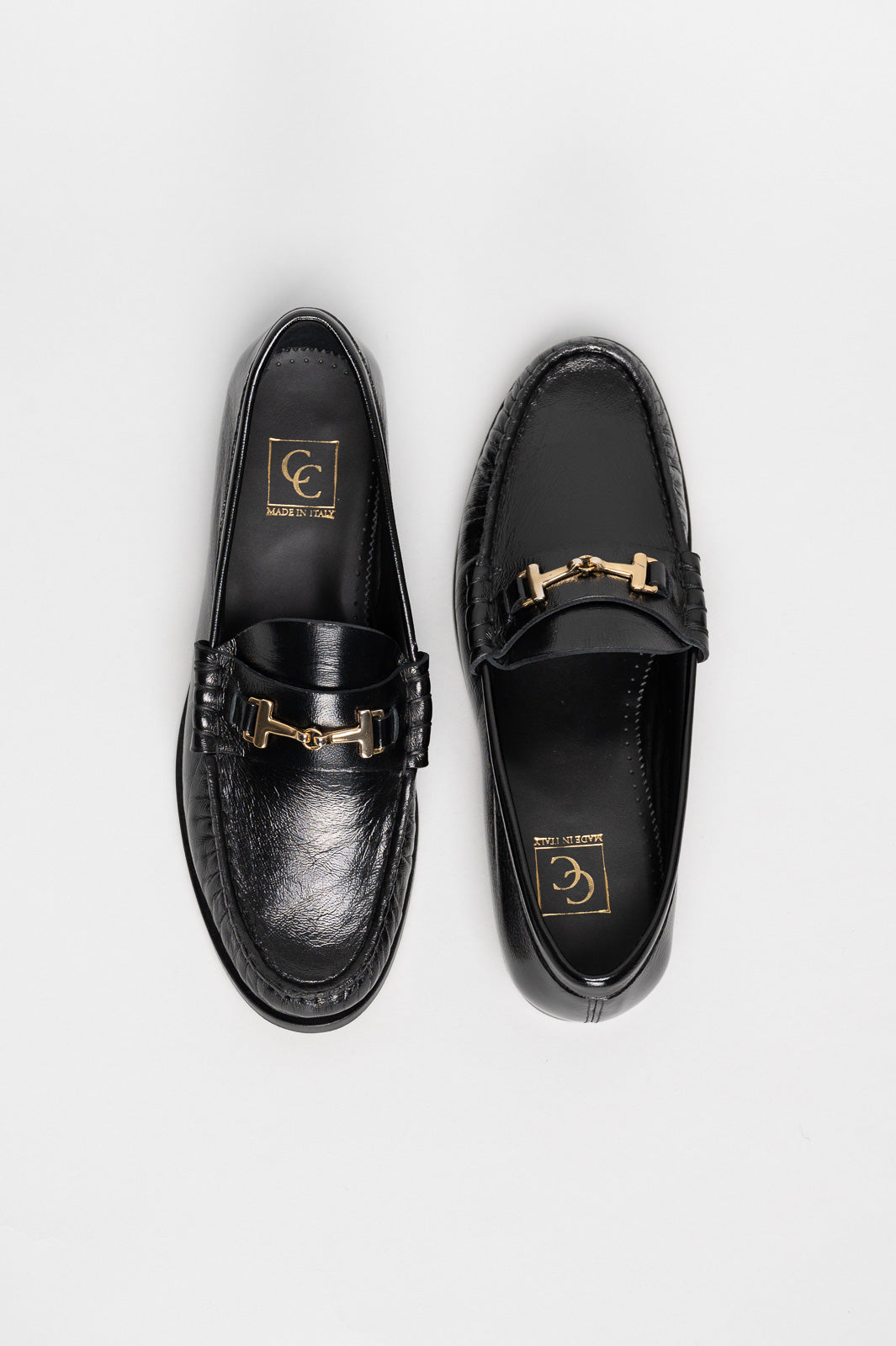
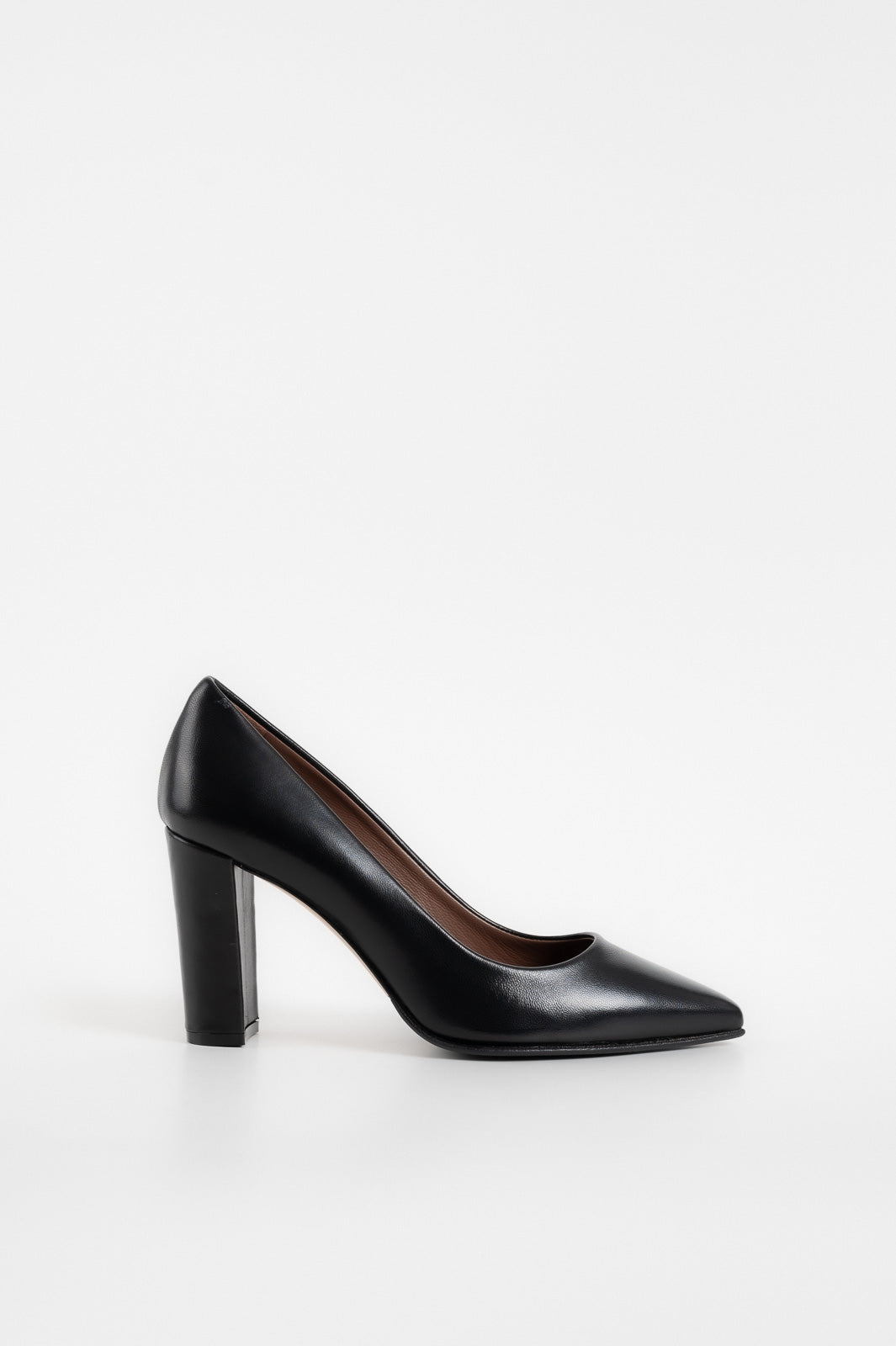
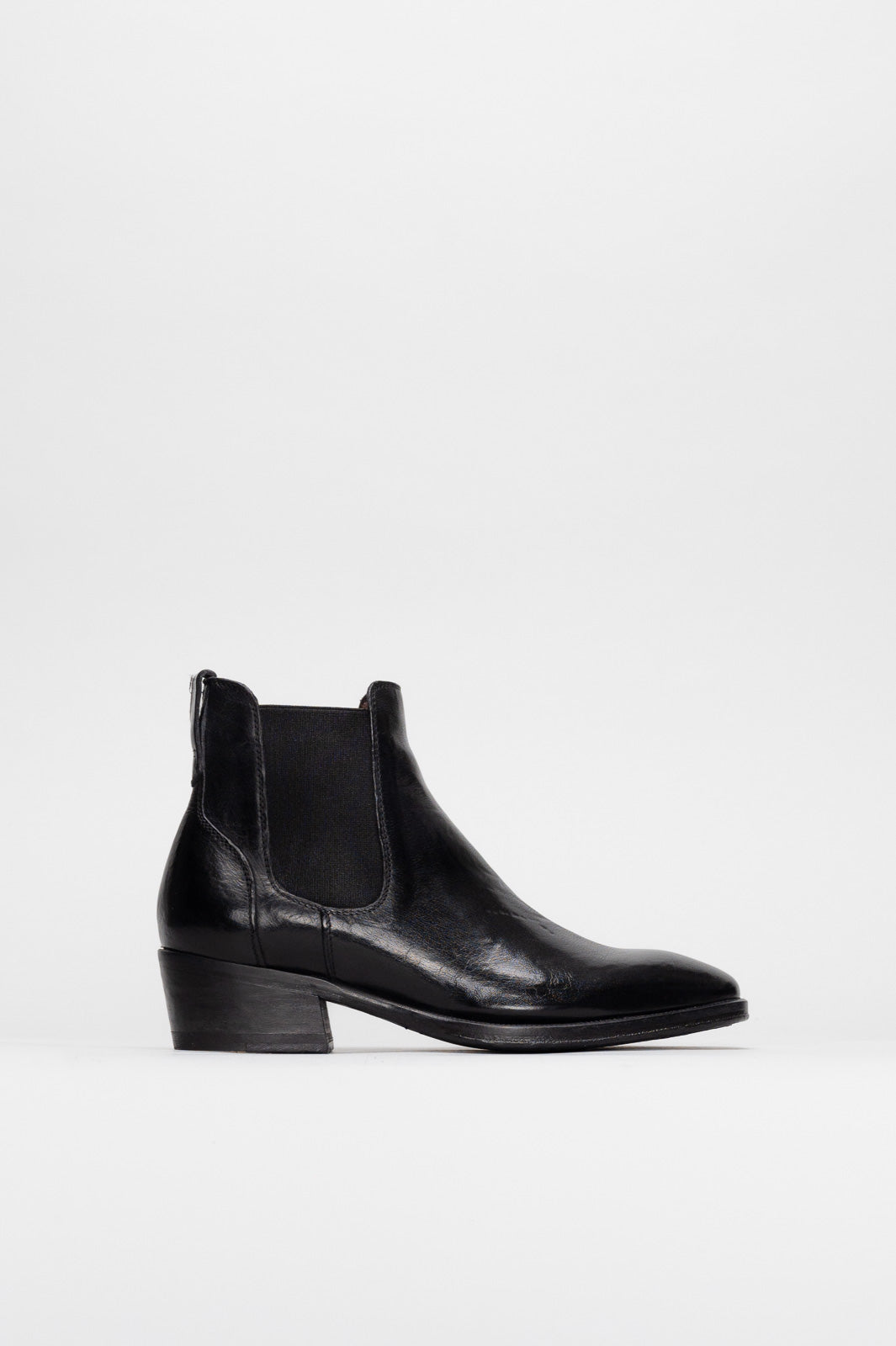
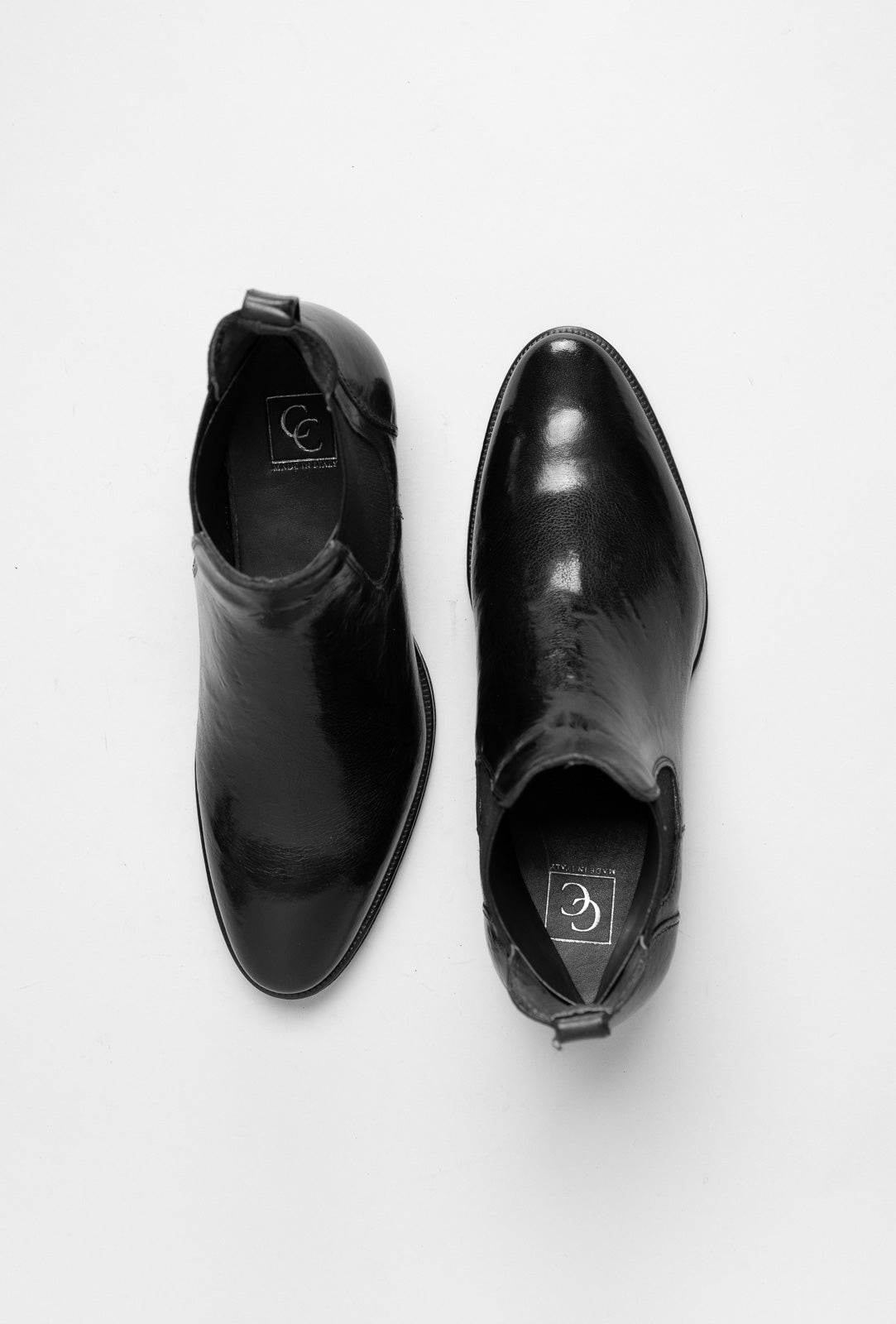
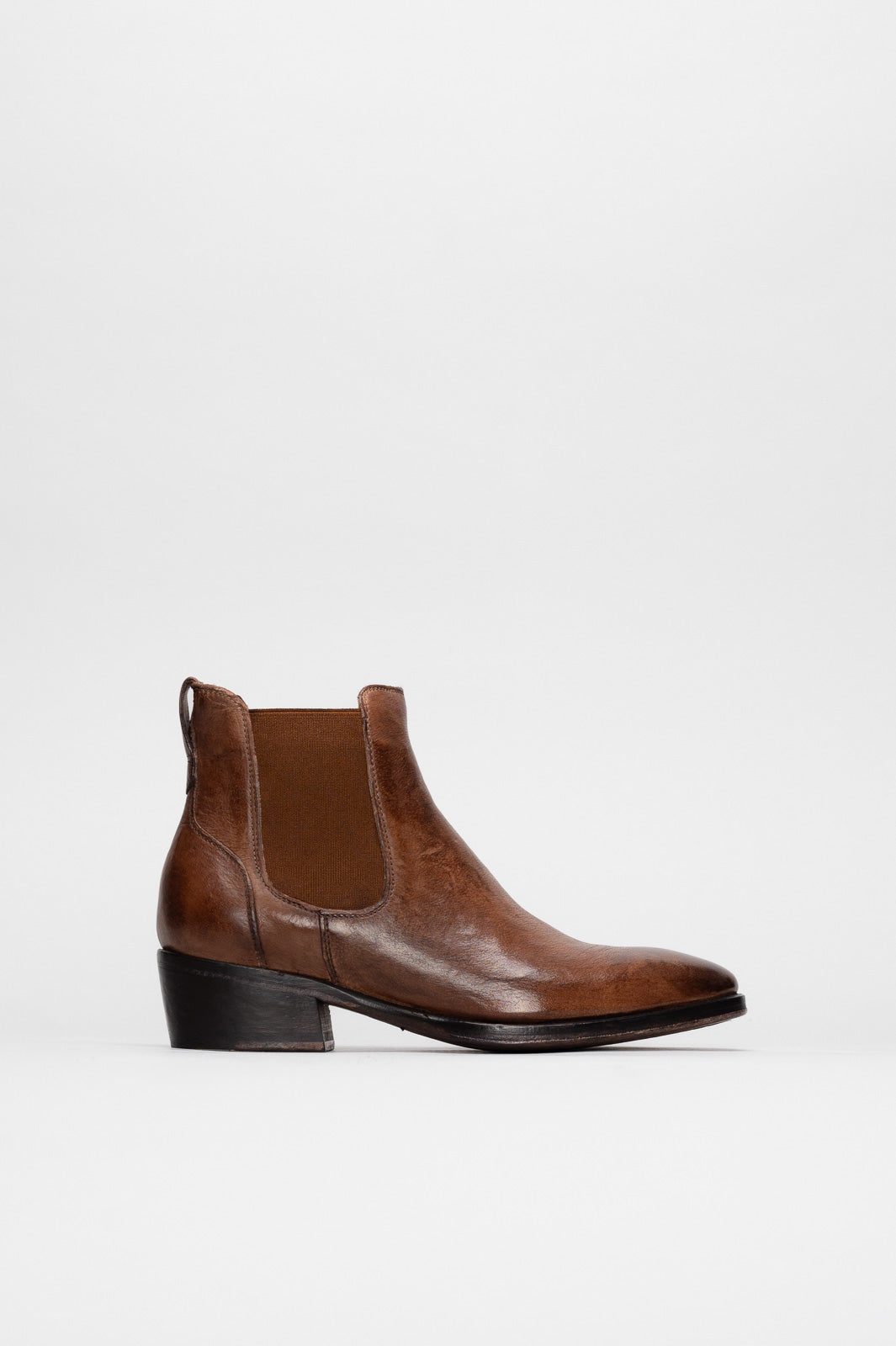
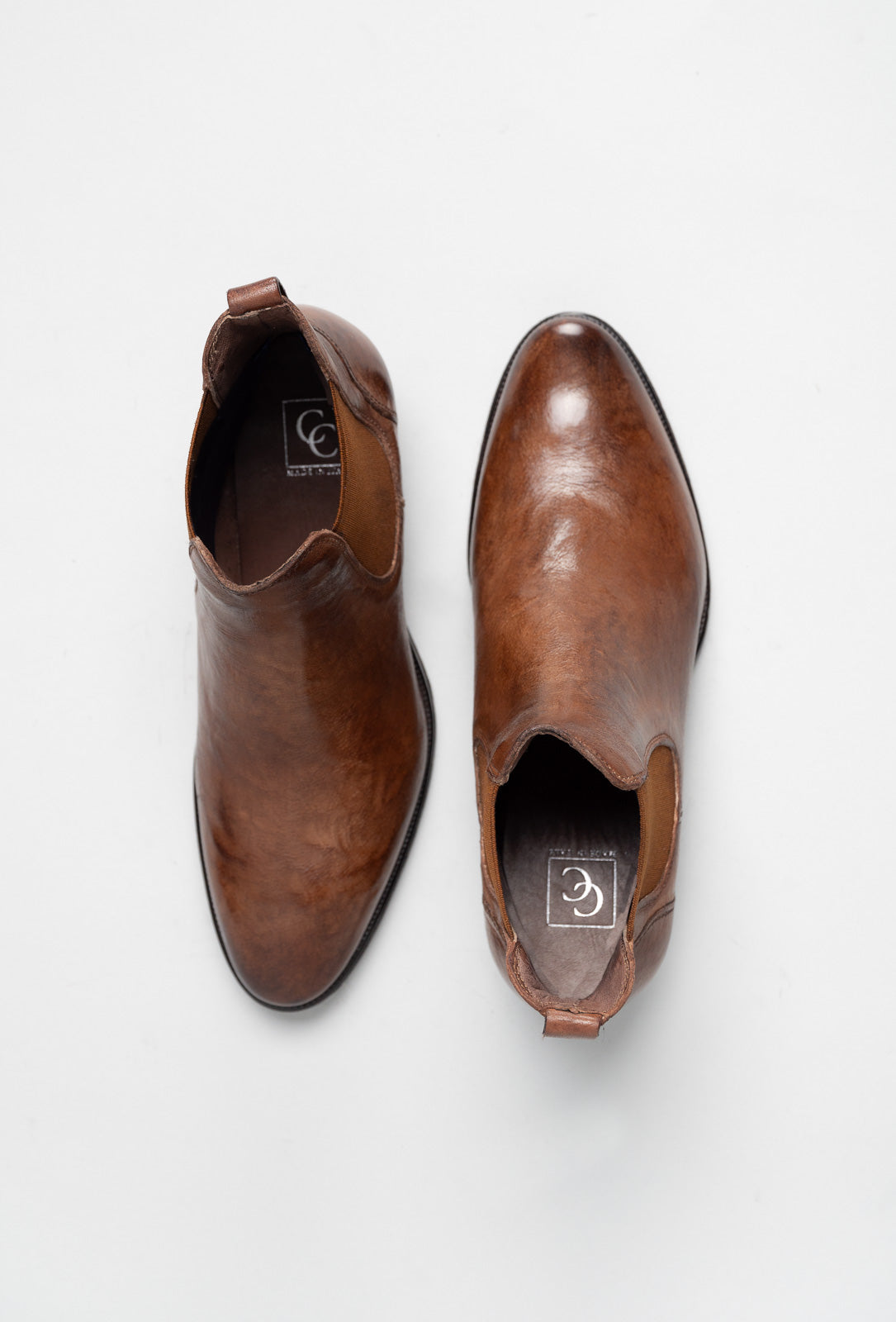
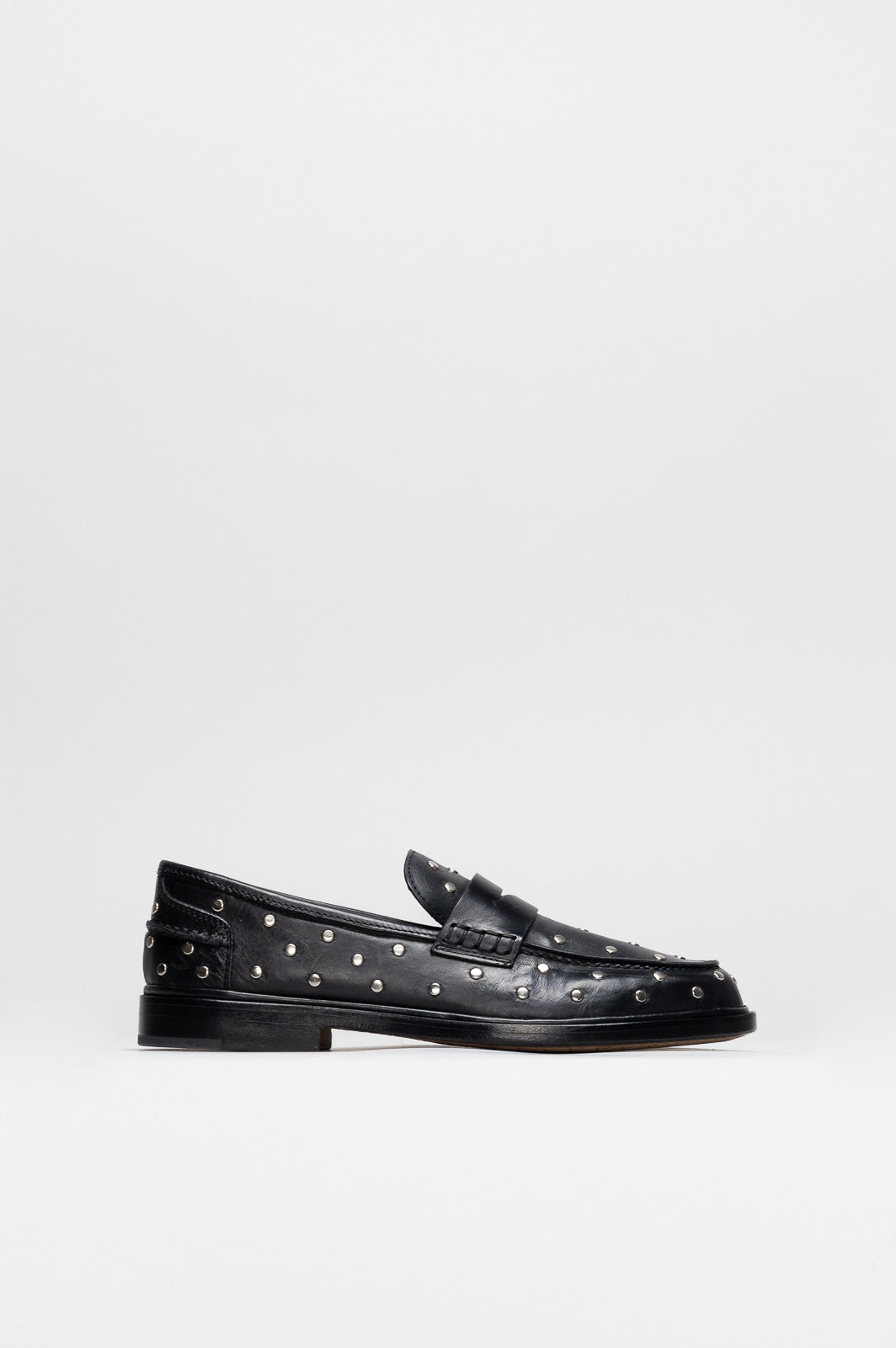
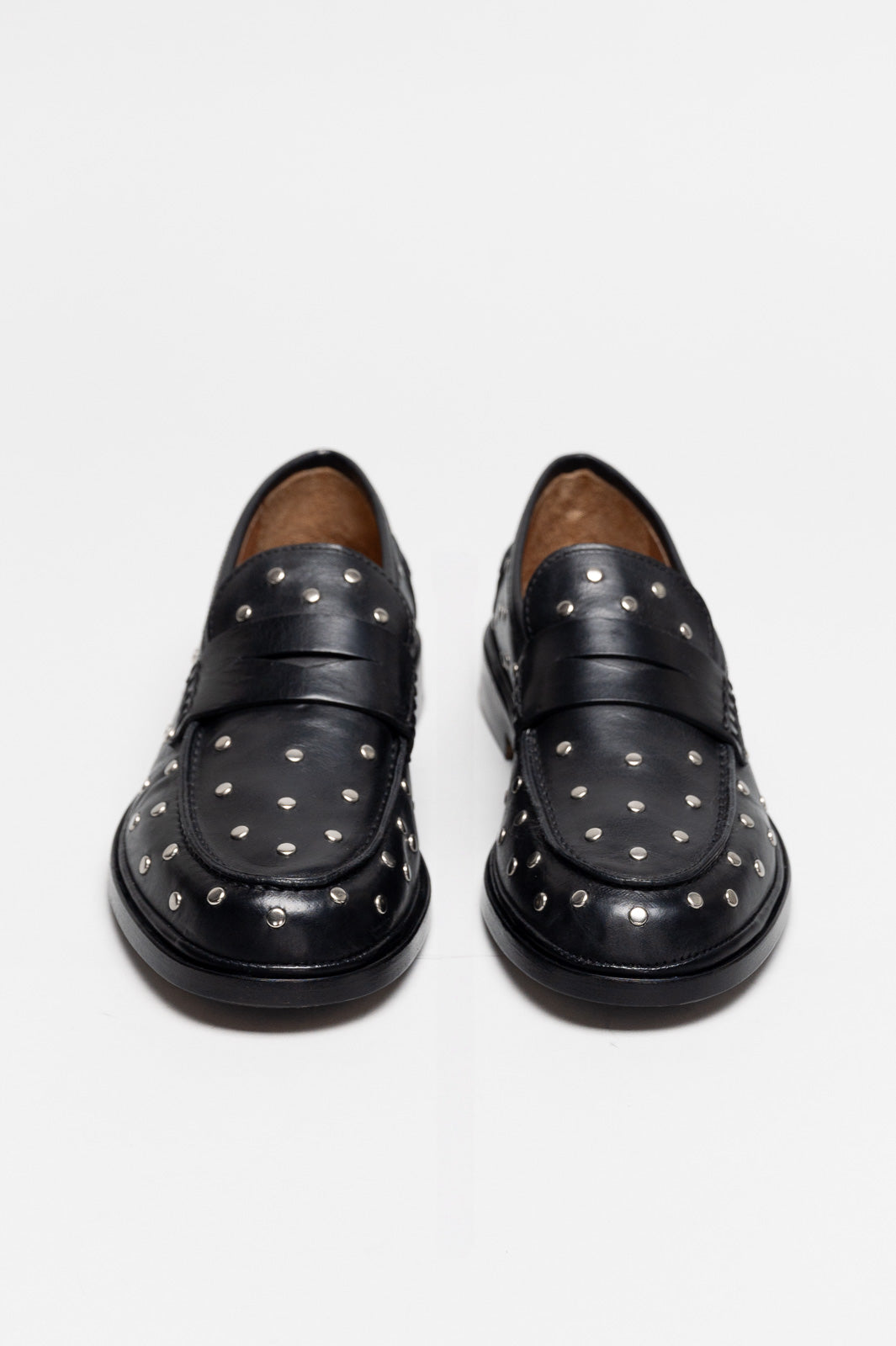
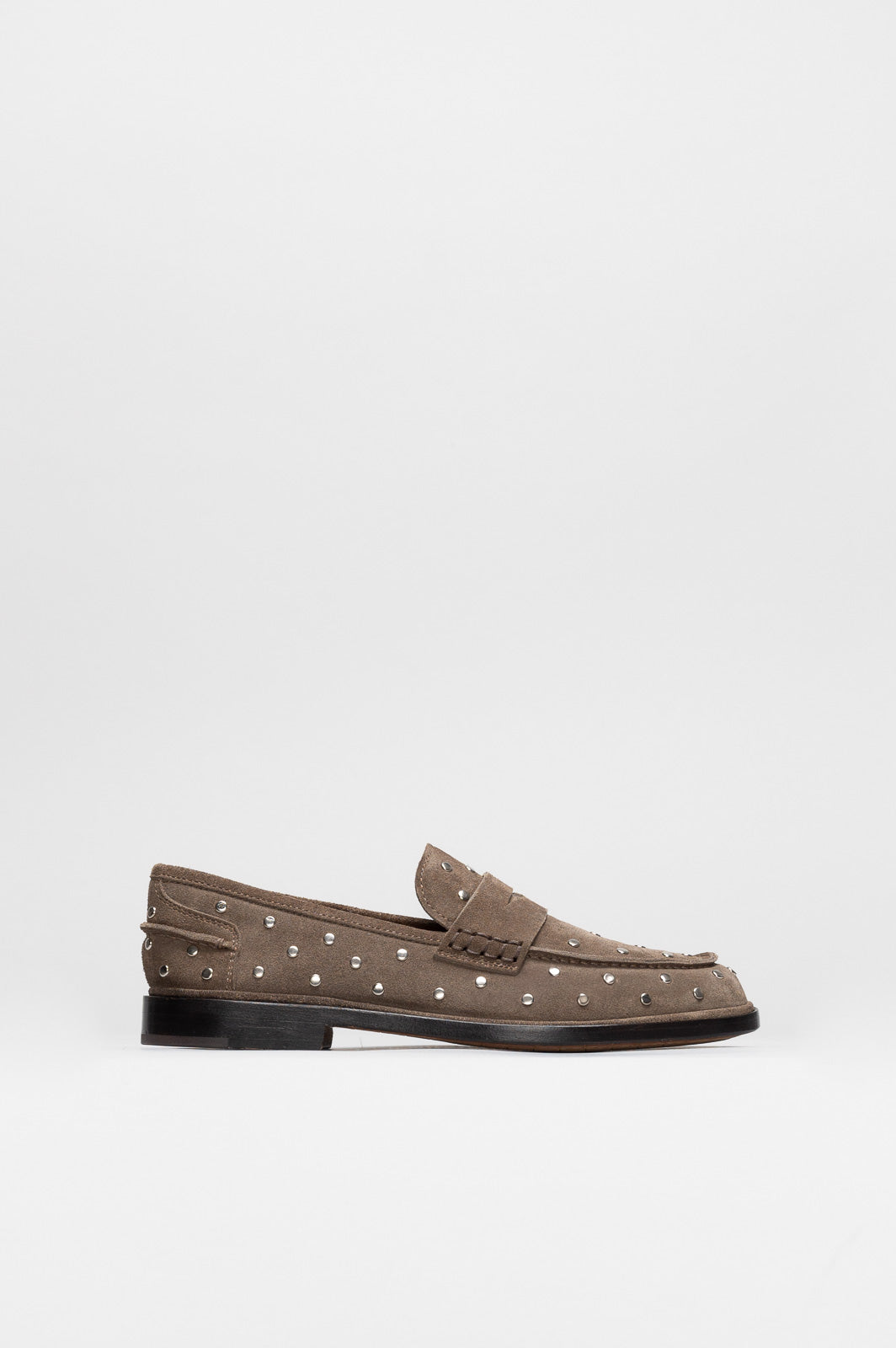
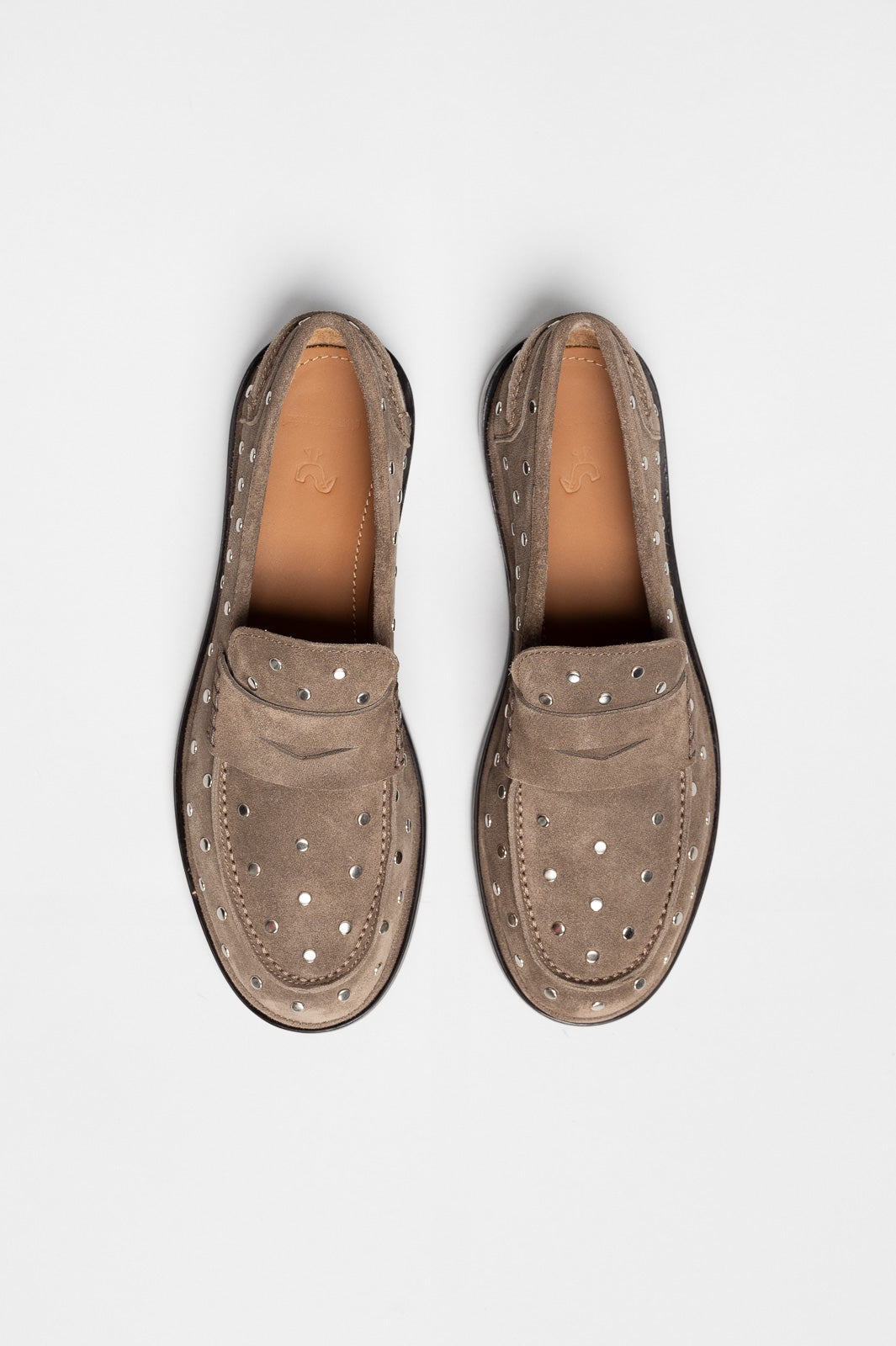
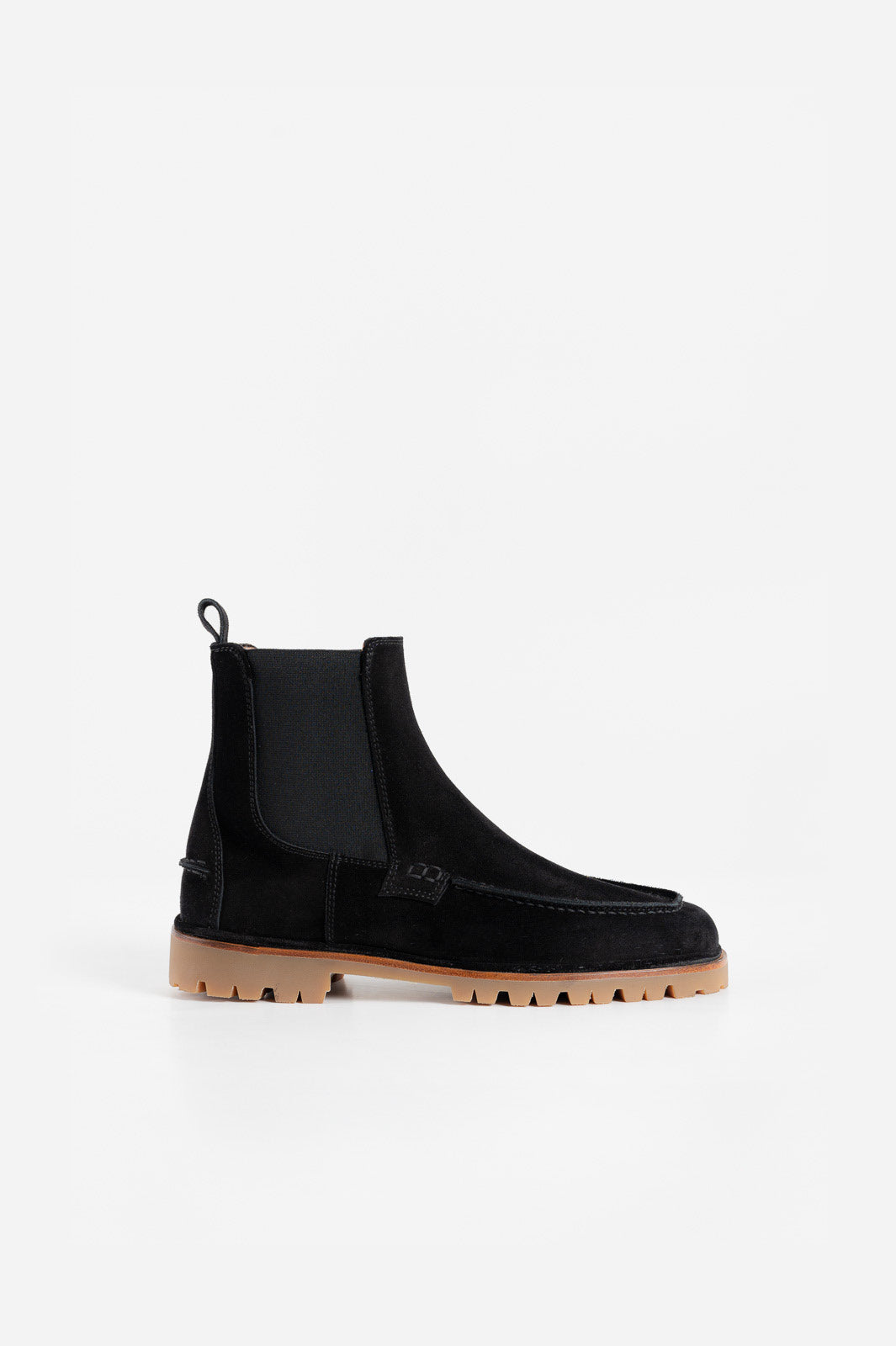
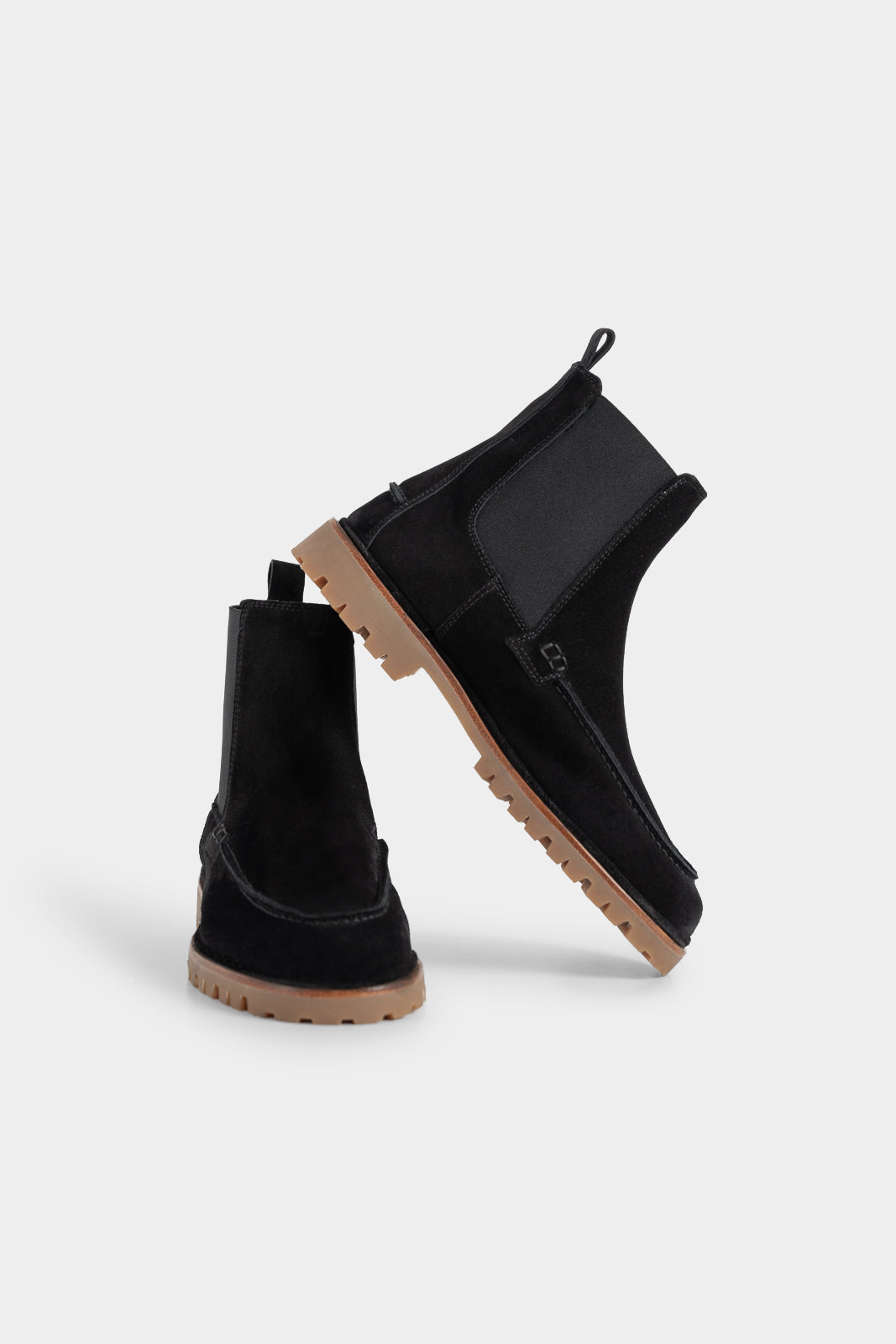
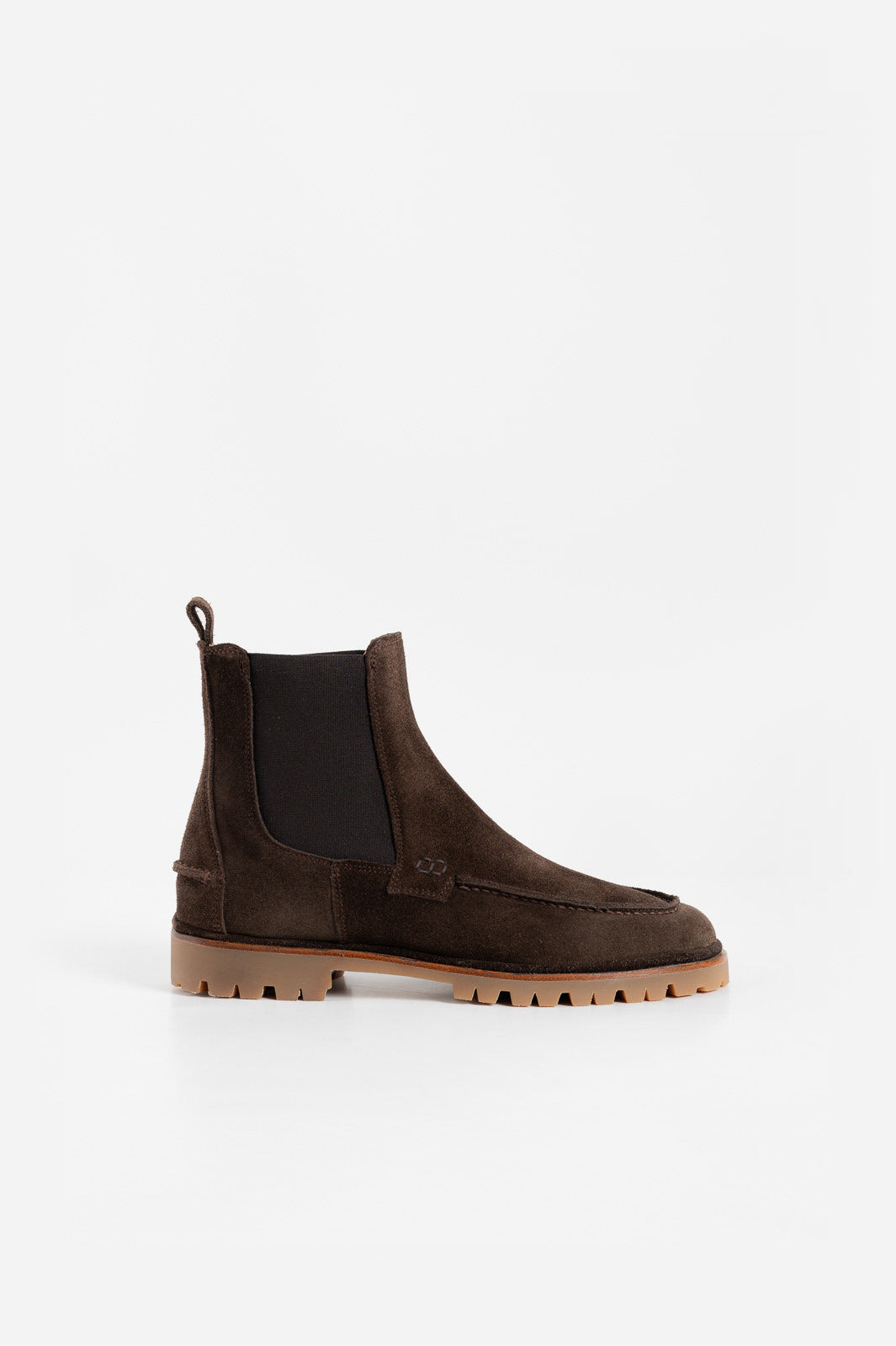
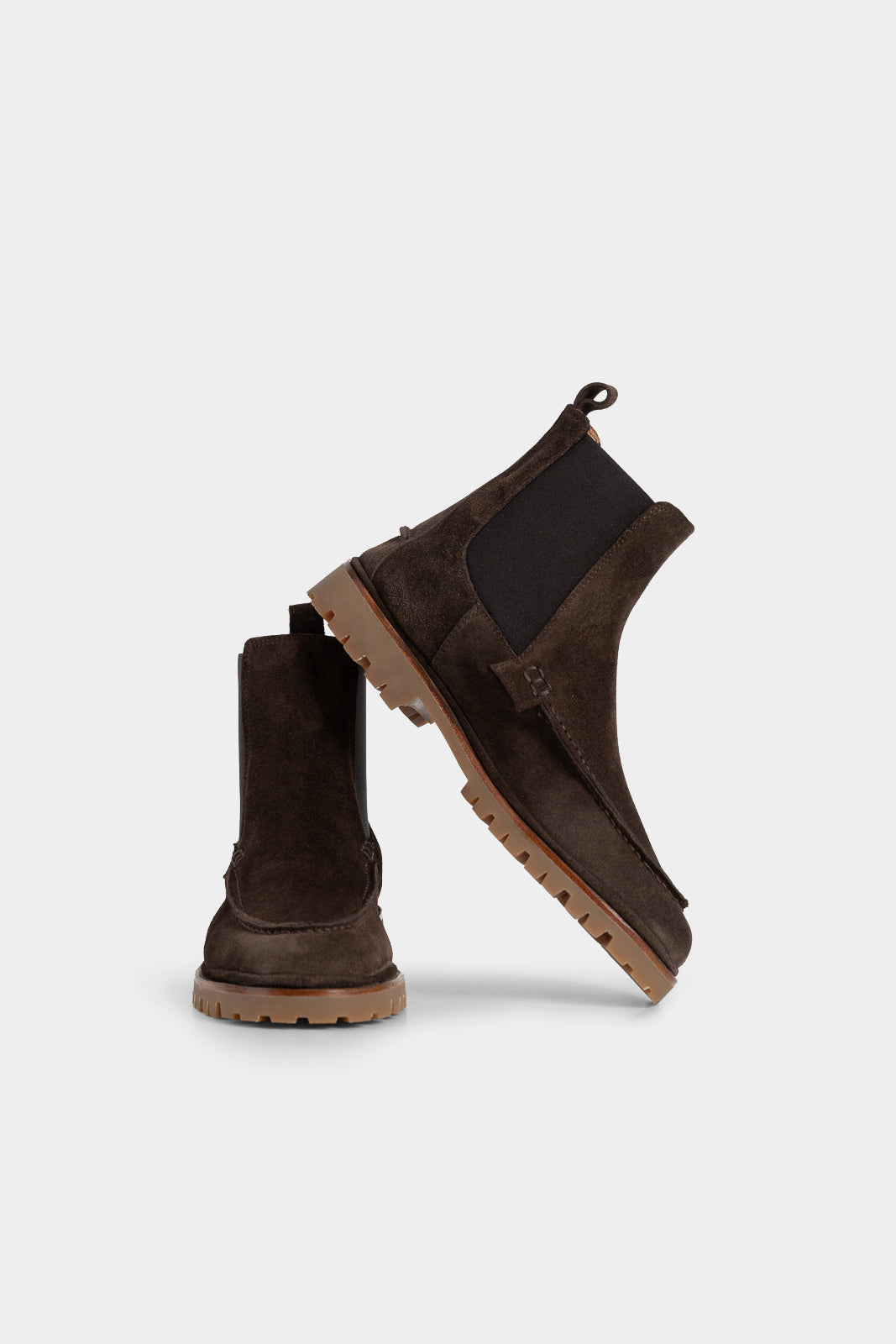
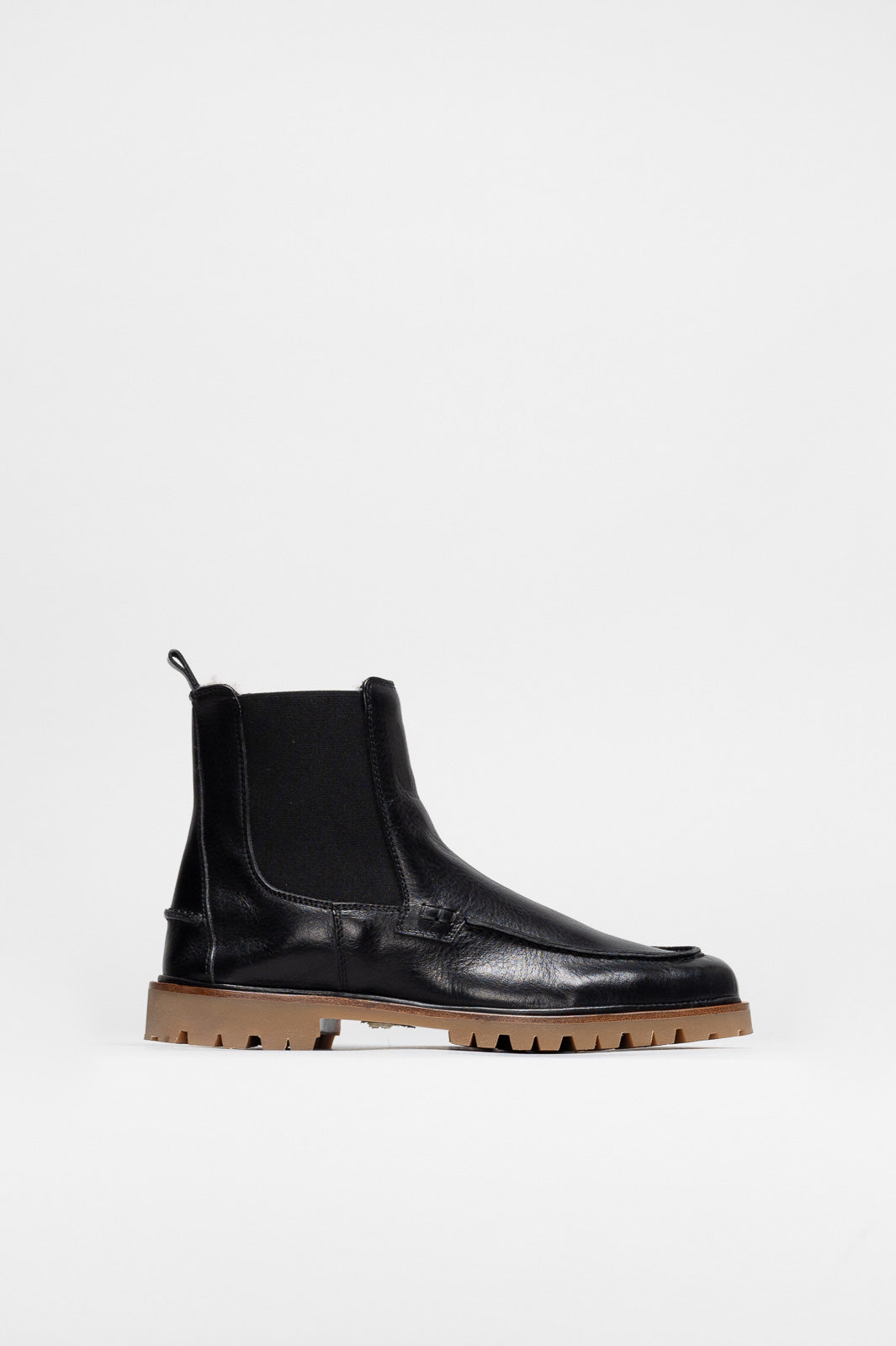
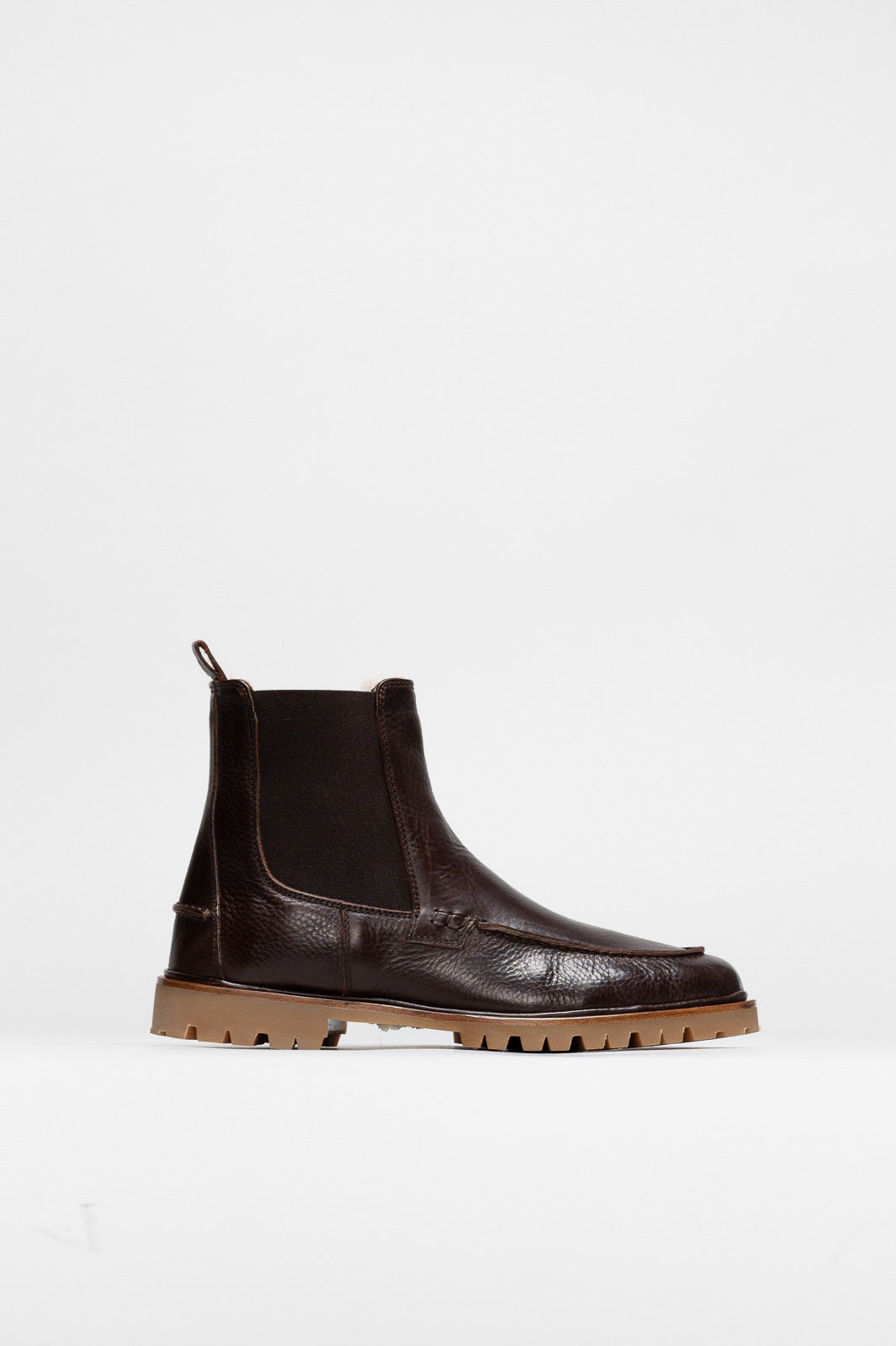
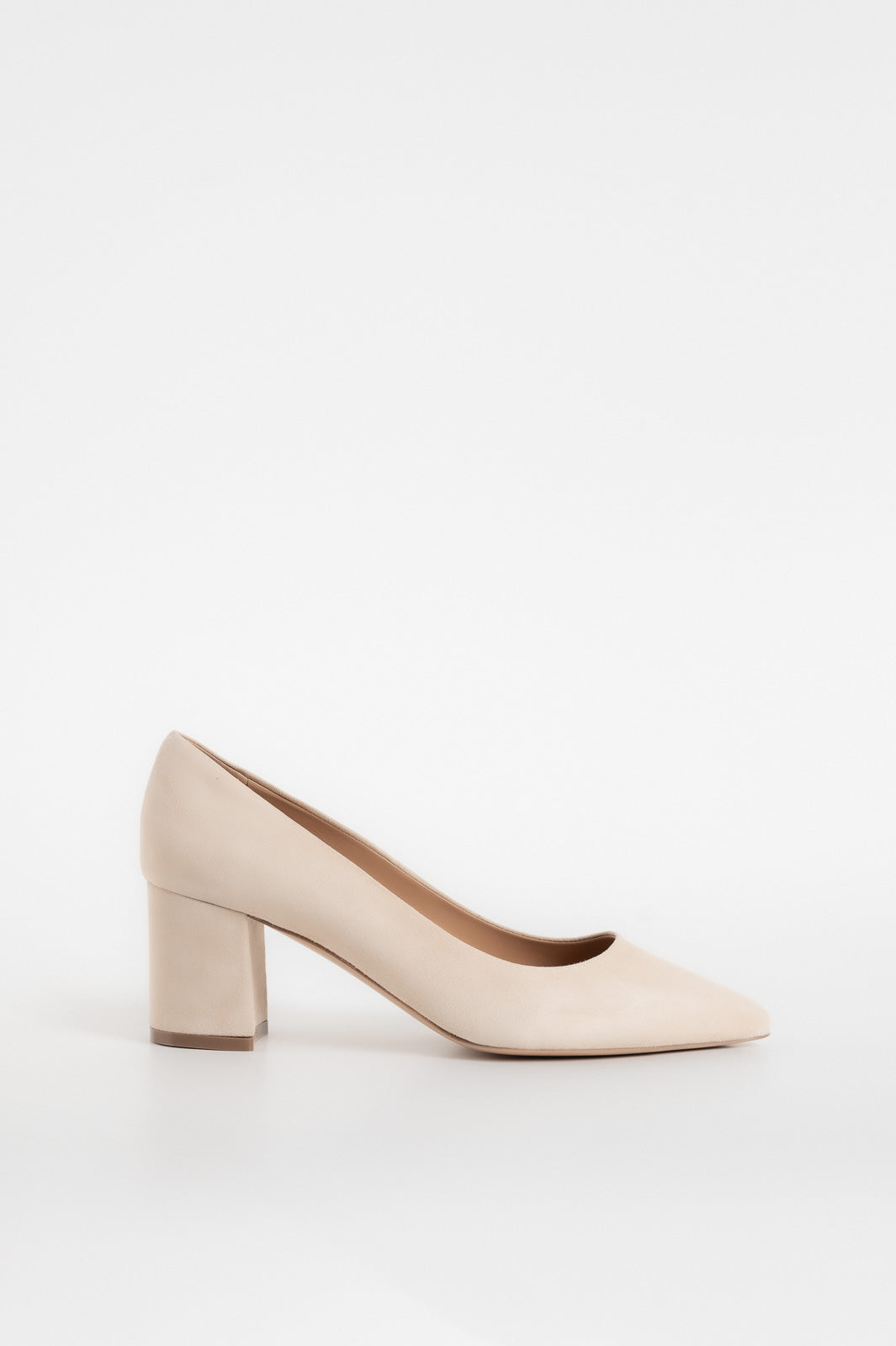
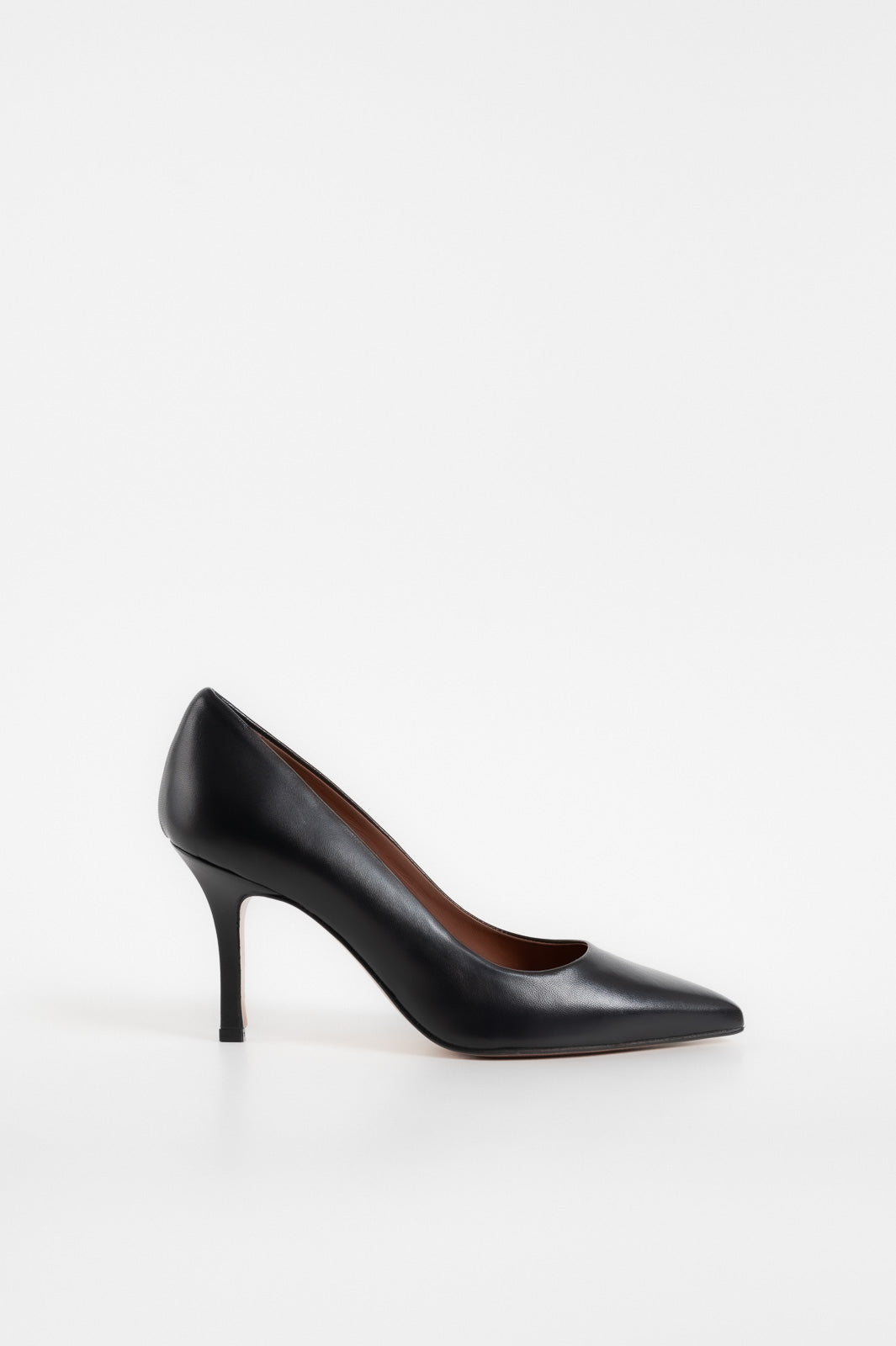
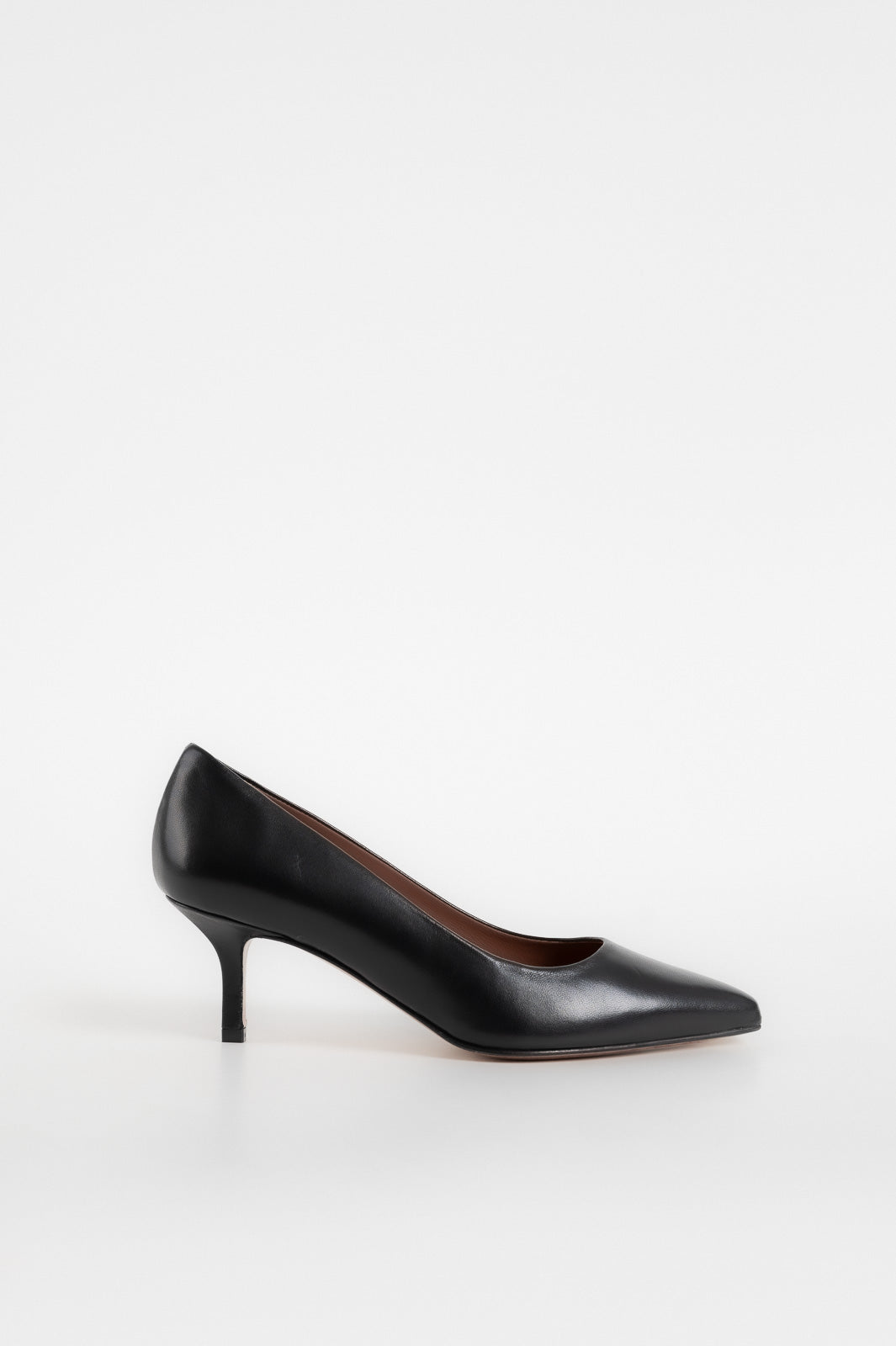
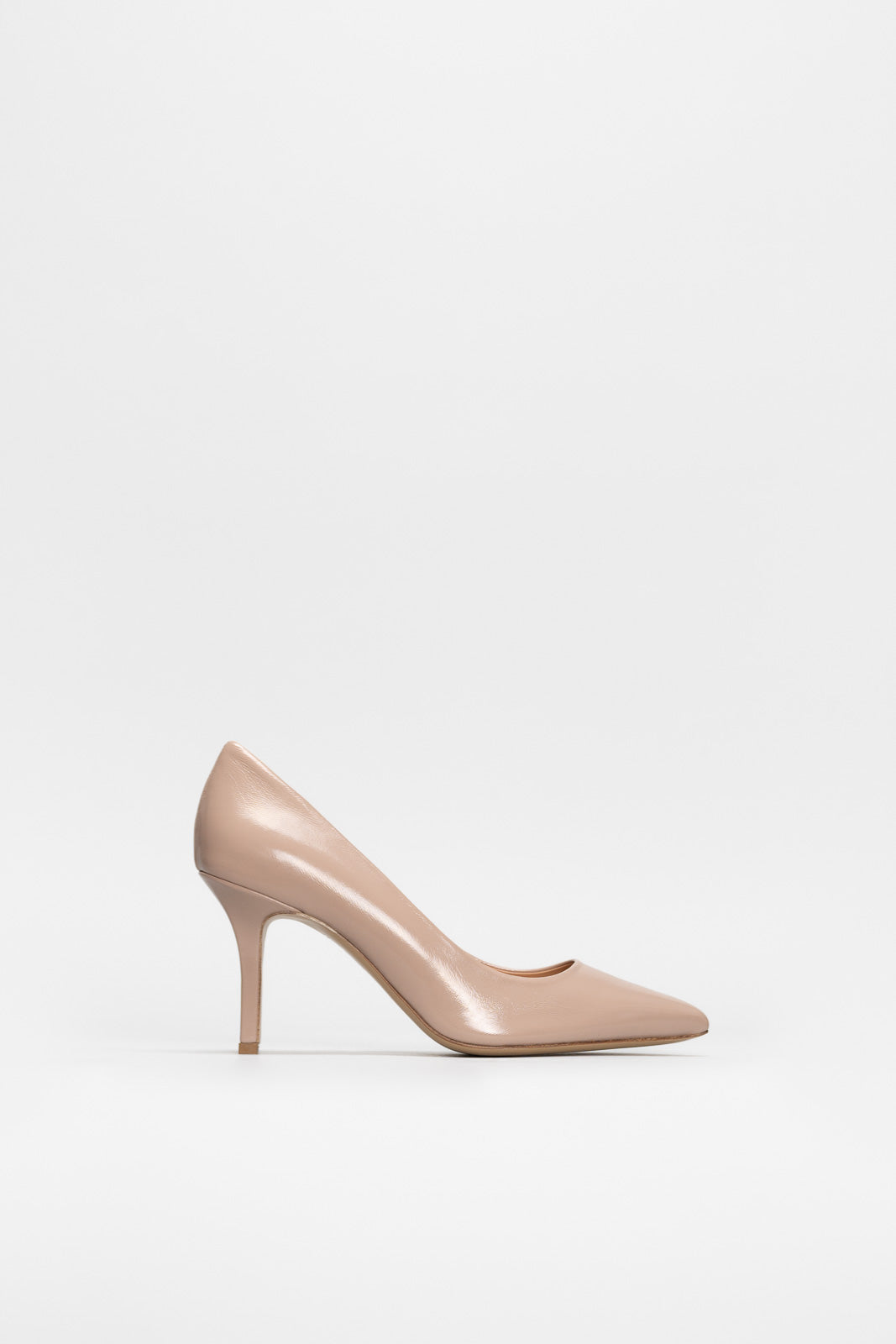
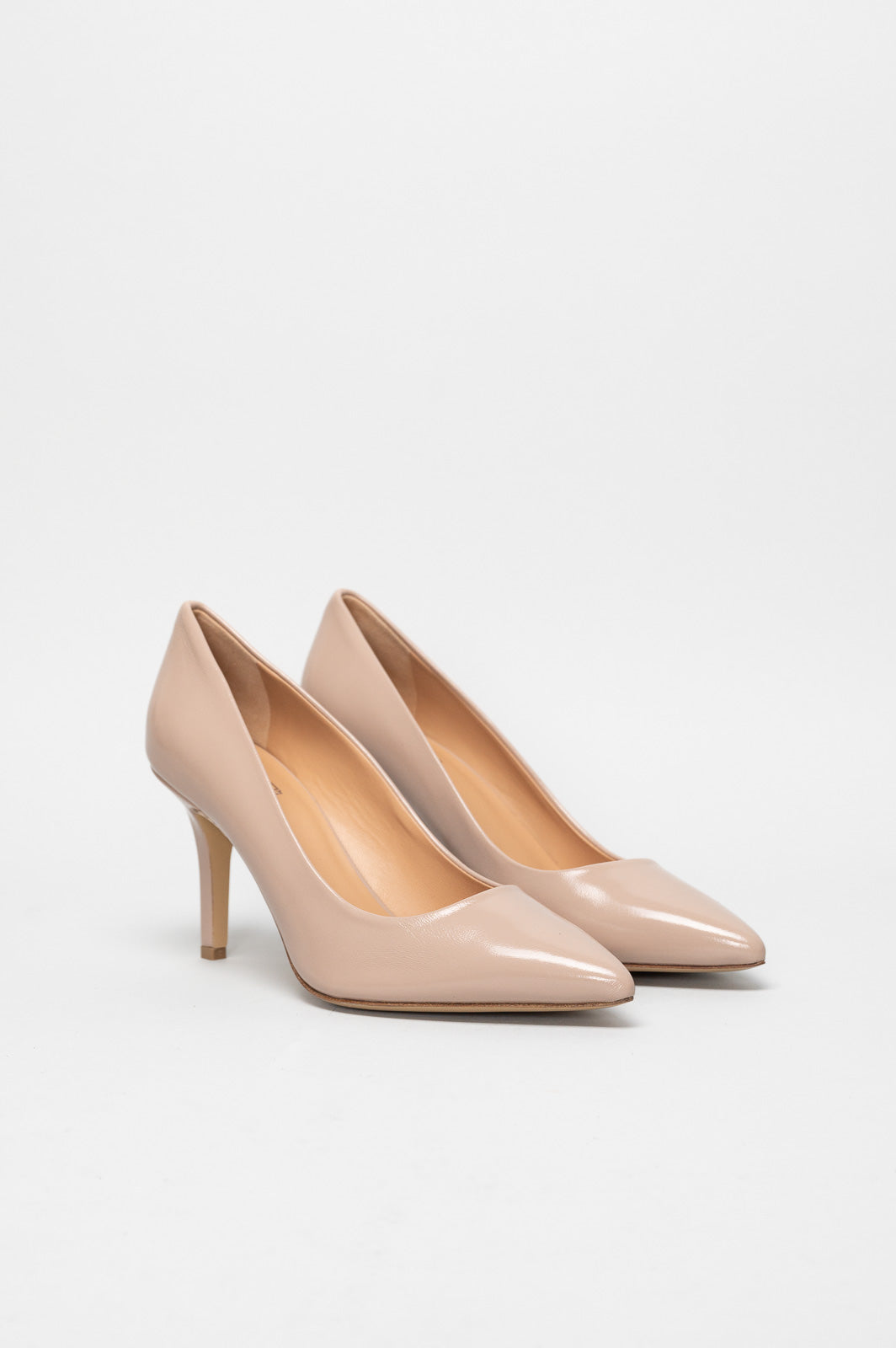
Defined by balance and proportion. These are established forms that return season after season — penny loafers, simple pumps, Chelsea boots and clean lace-ups.
Material and restraint
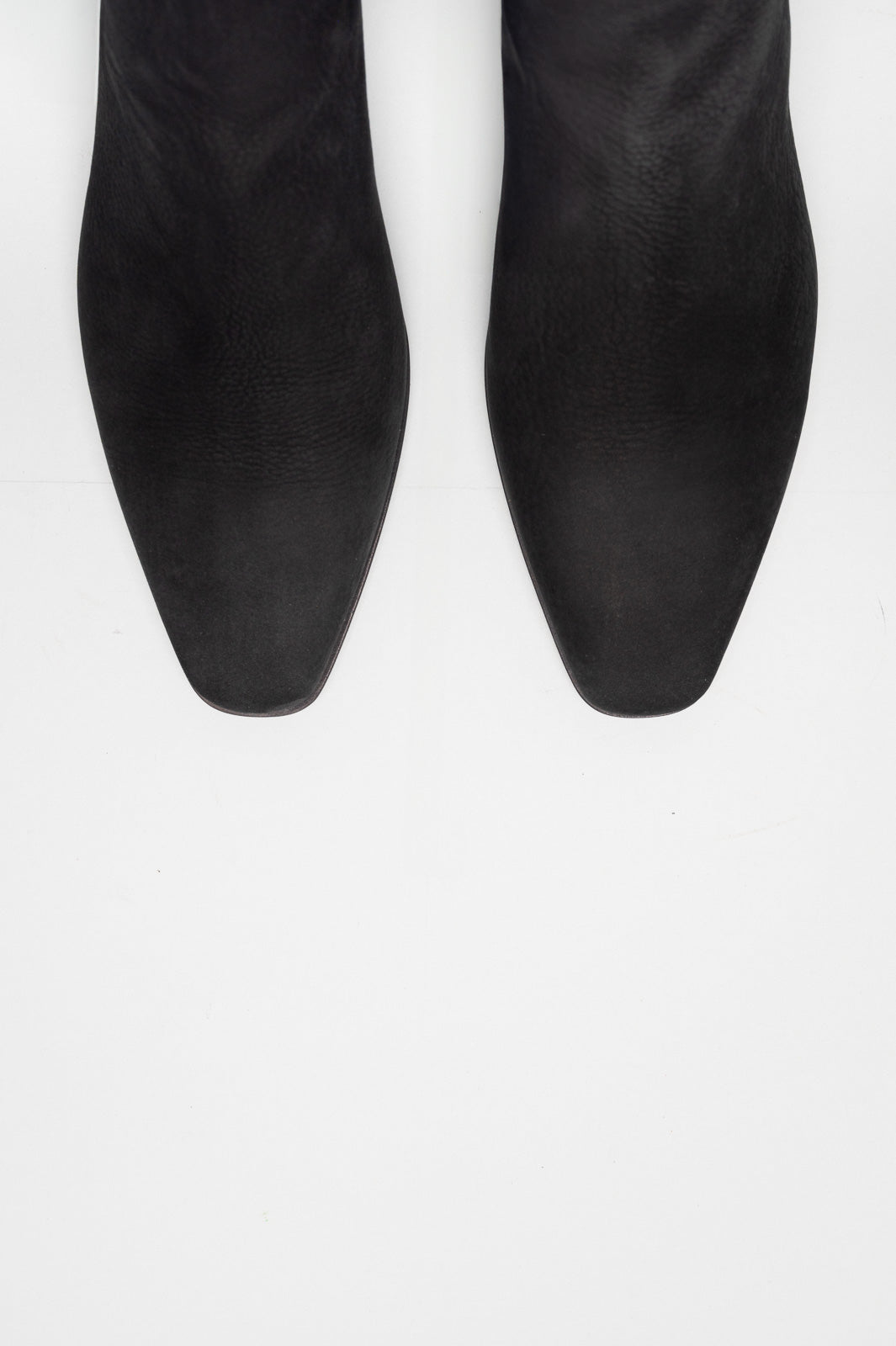
Durable leather and suede in neutral tones. Decoration is minimal, construction is clear. The emphasis lies on longevity rather than seasonal detail.
When building consistency
For a wardrobe built on consistency. Classic styles support both work and formal settings without drawing attention to themselves.
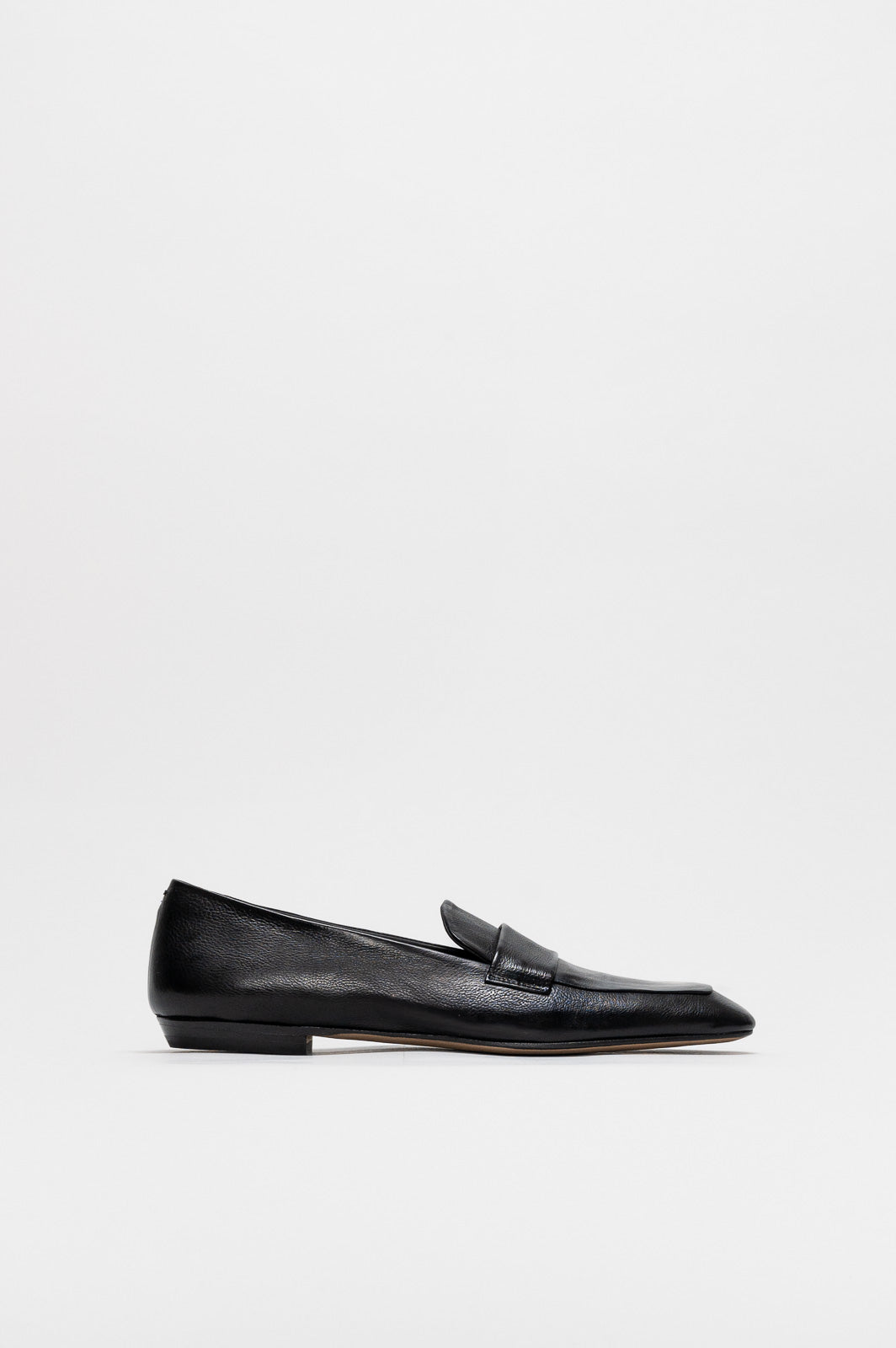
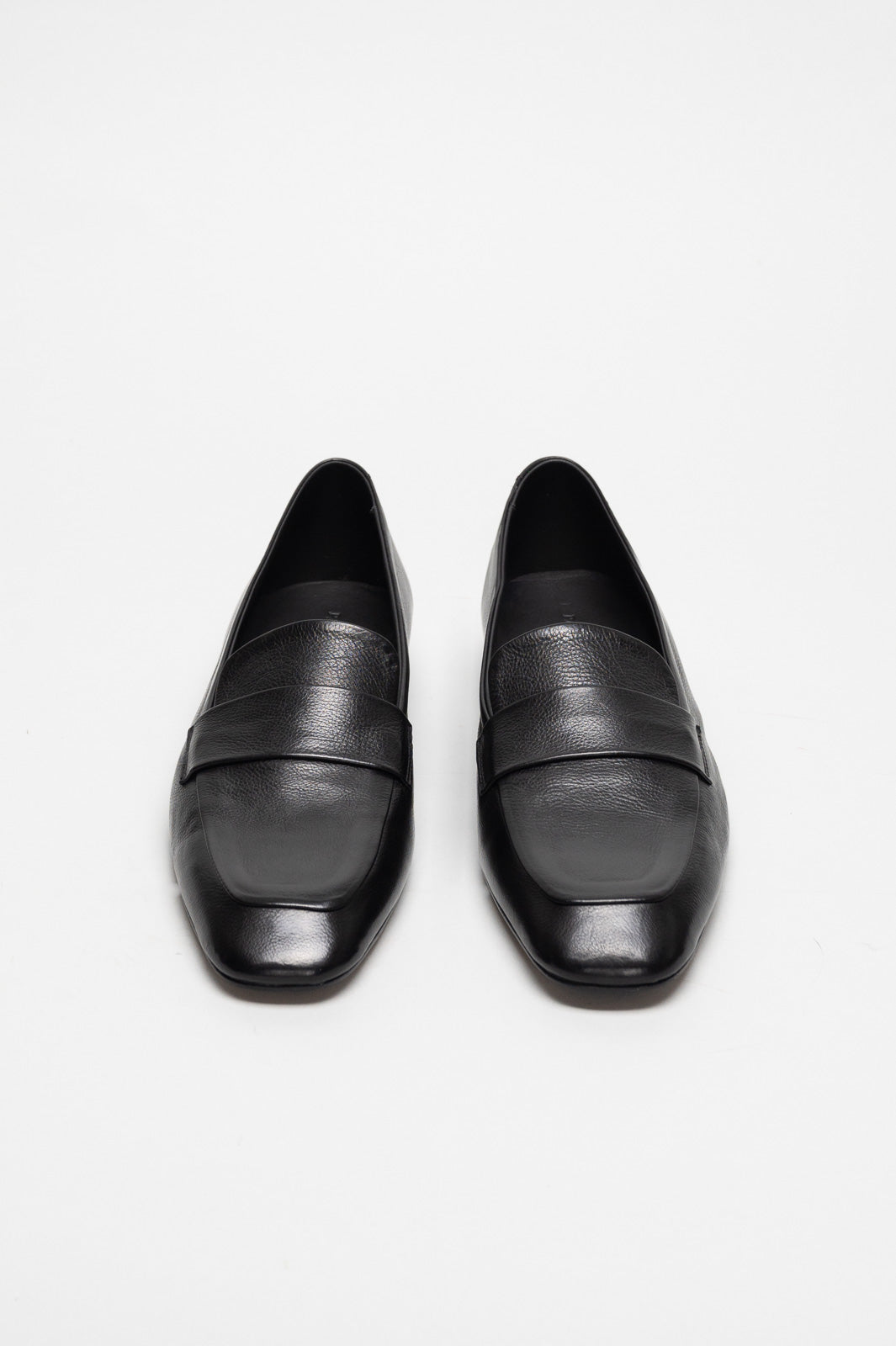
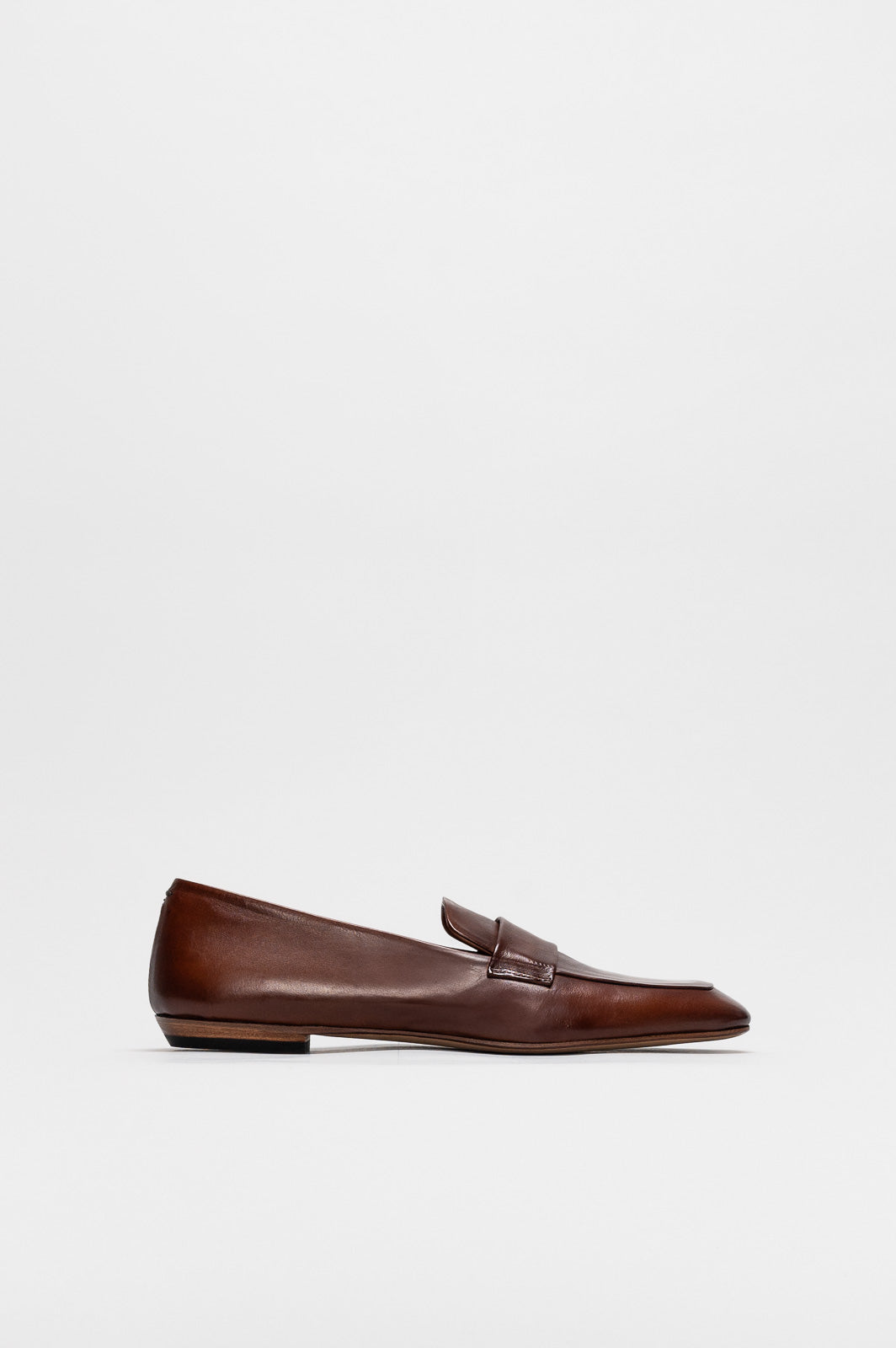
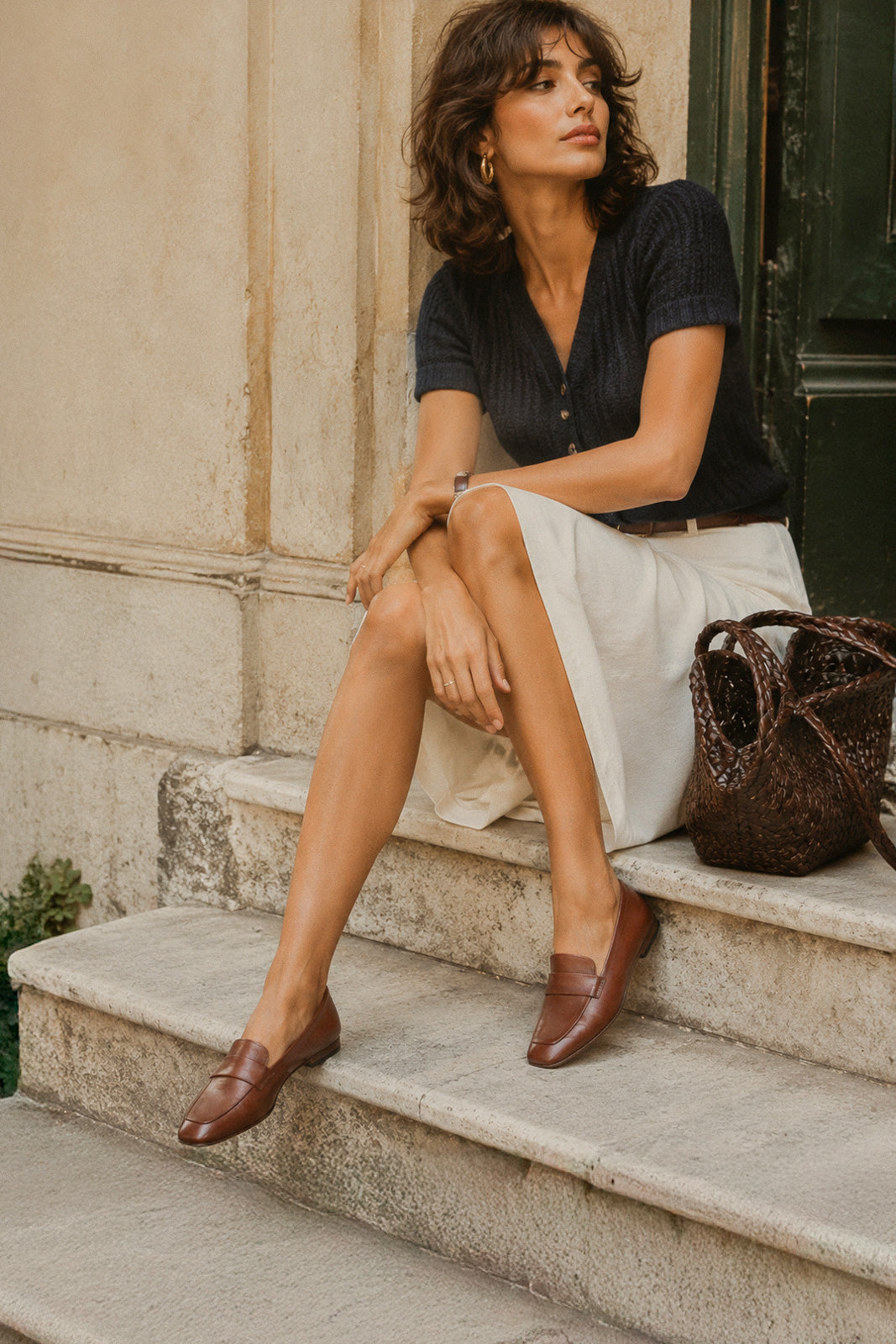
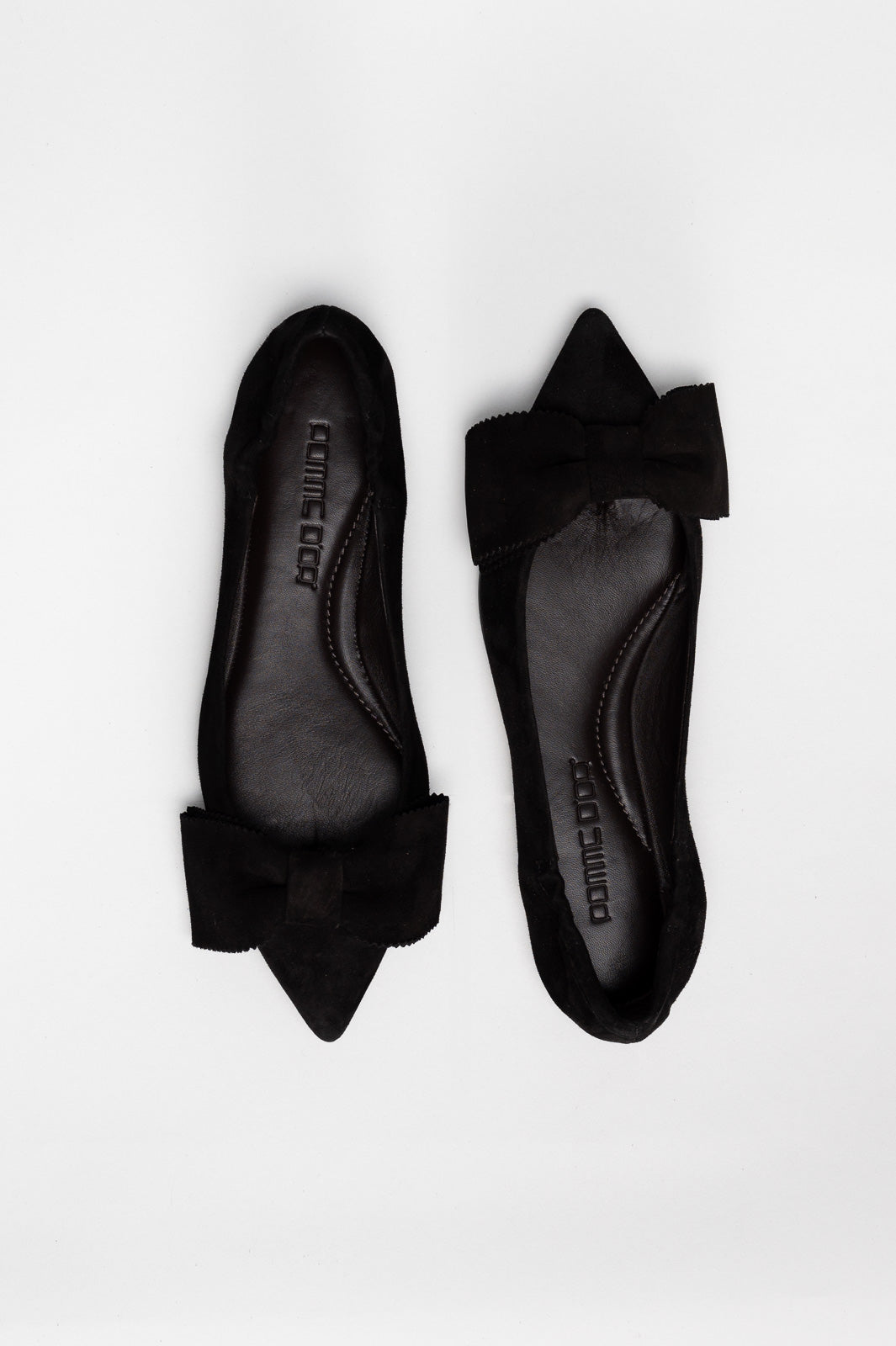
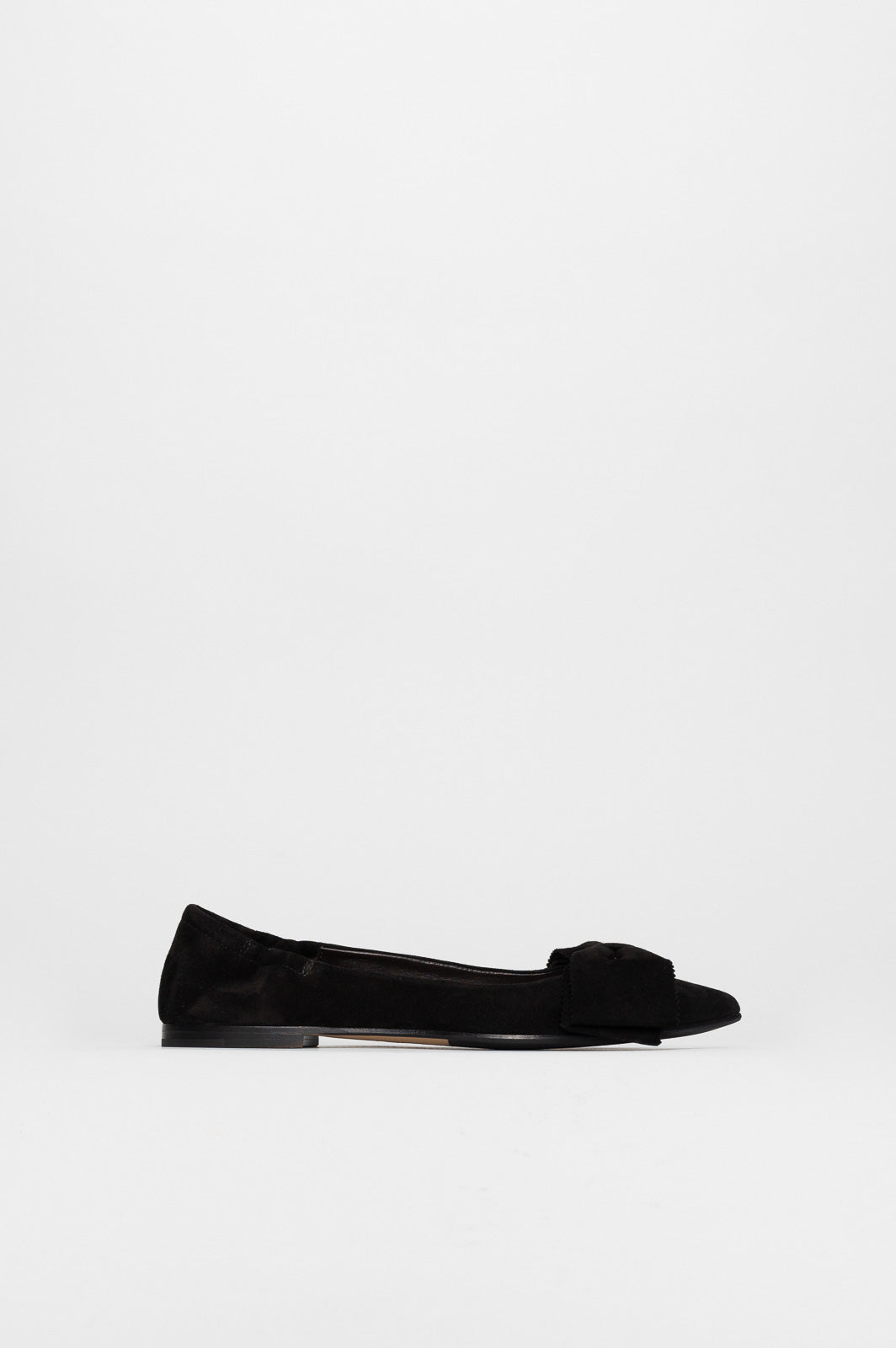
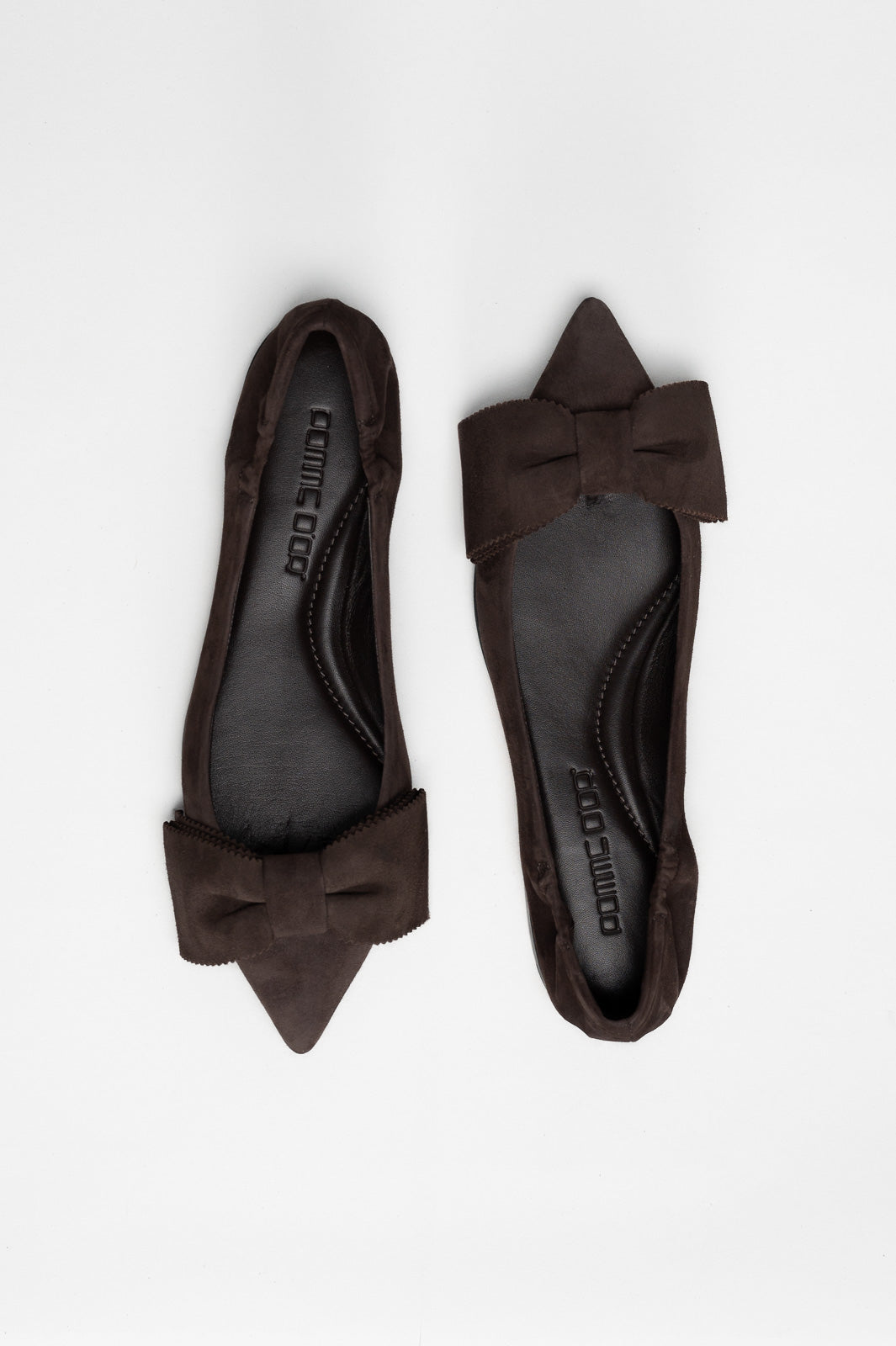
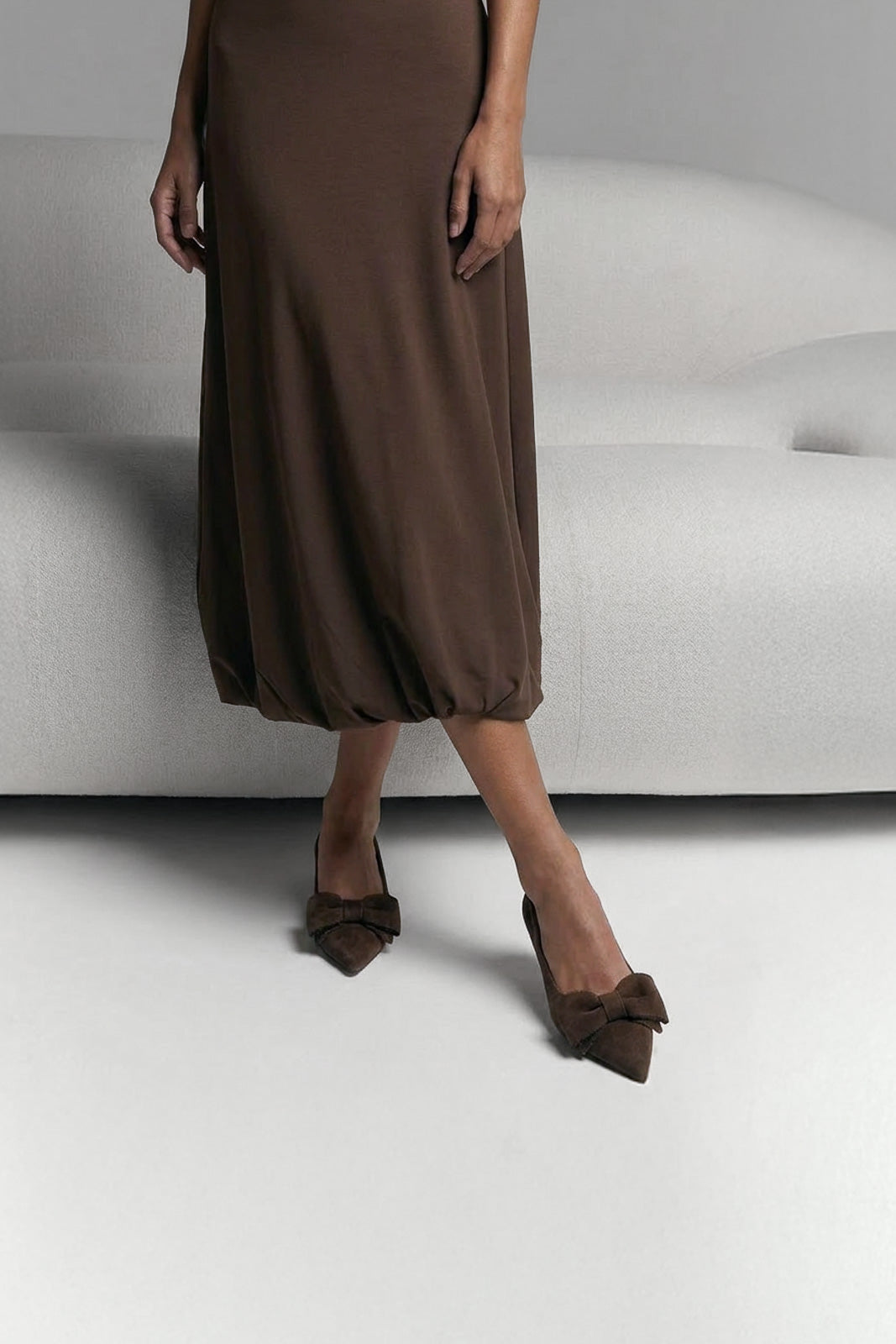




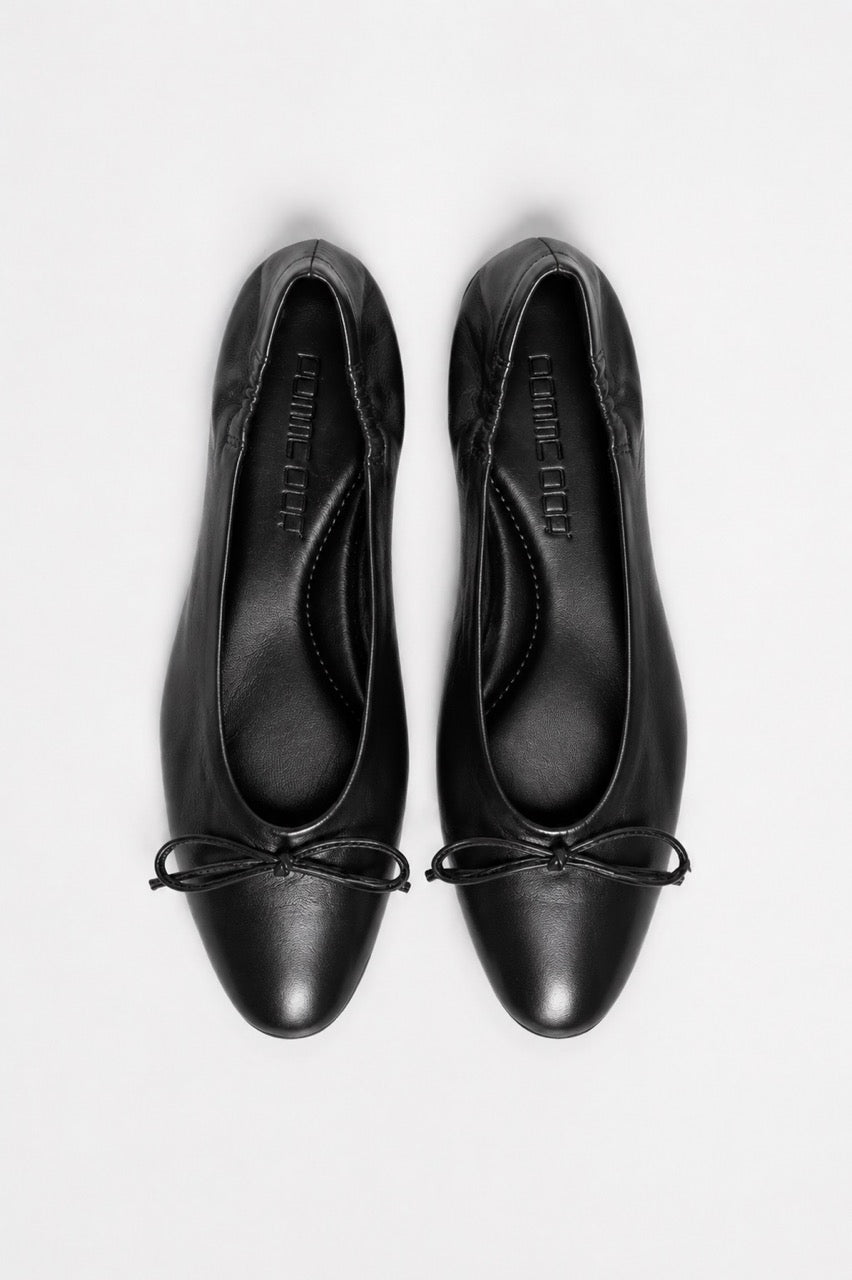
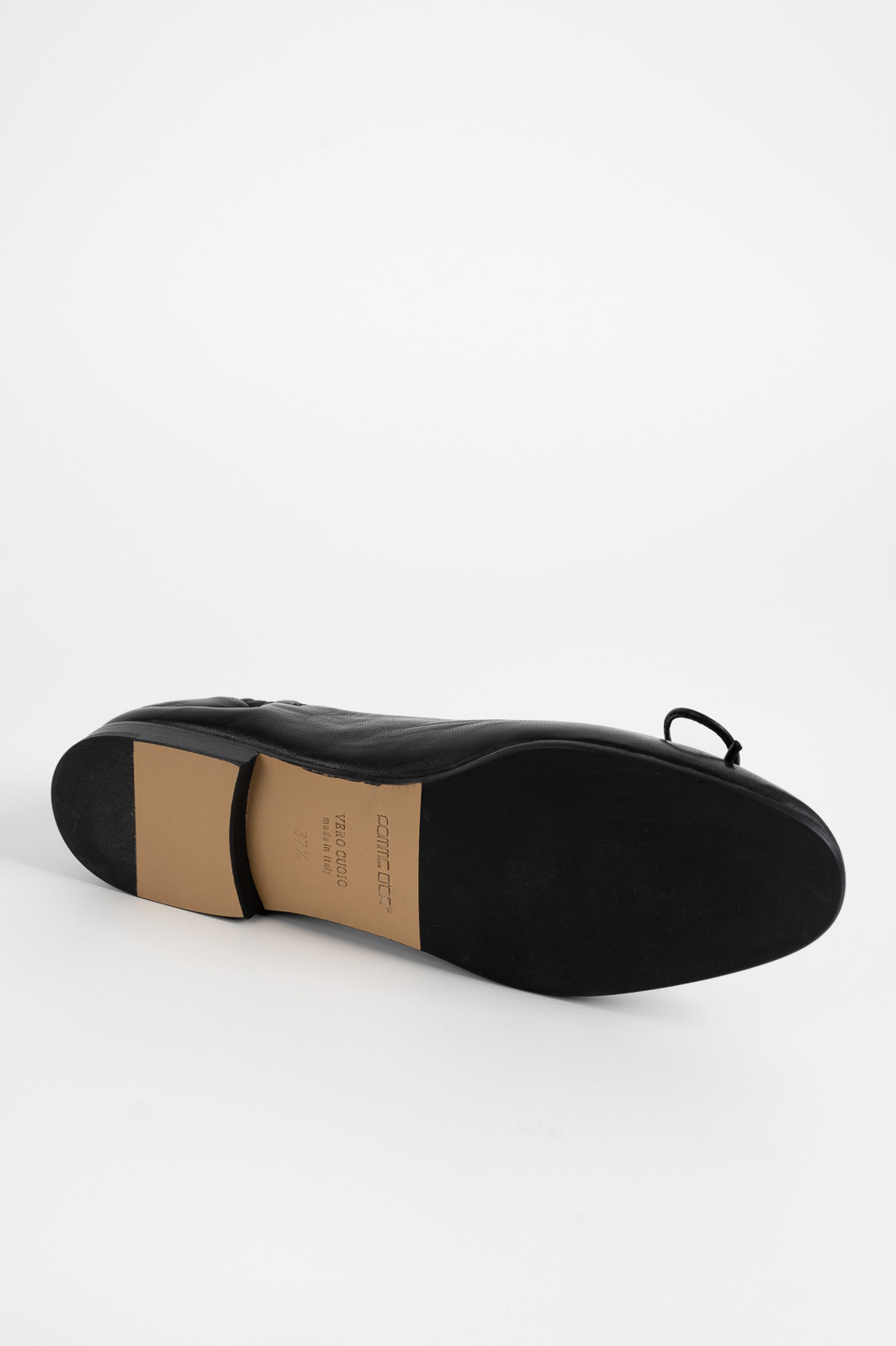
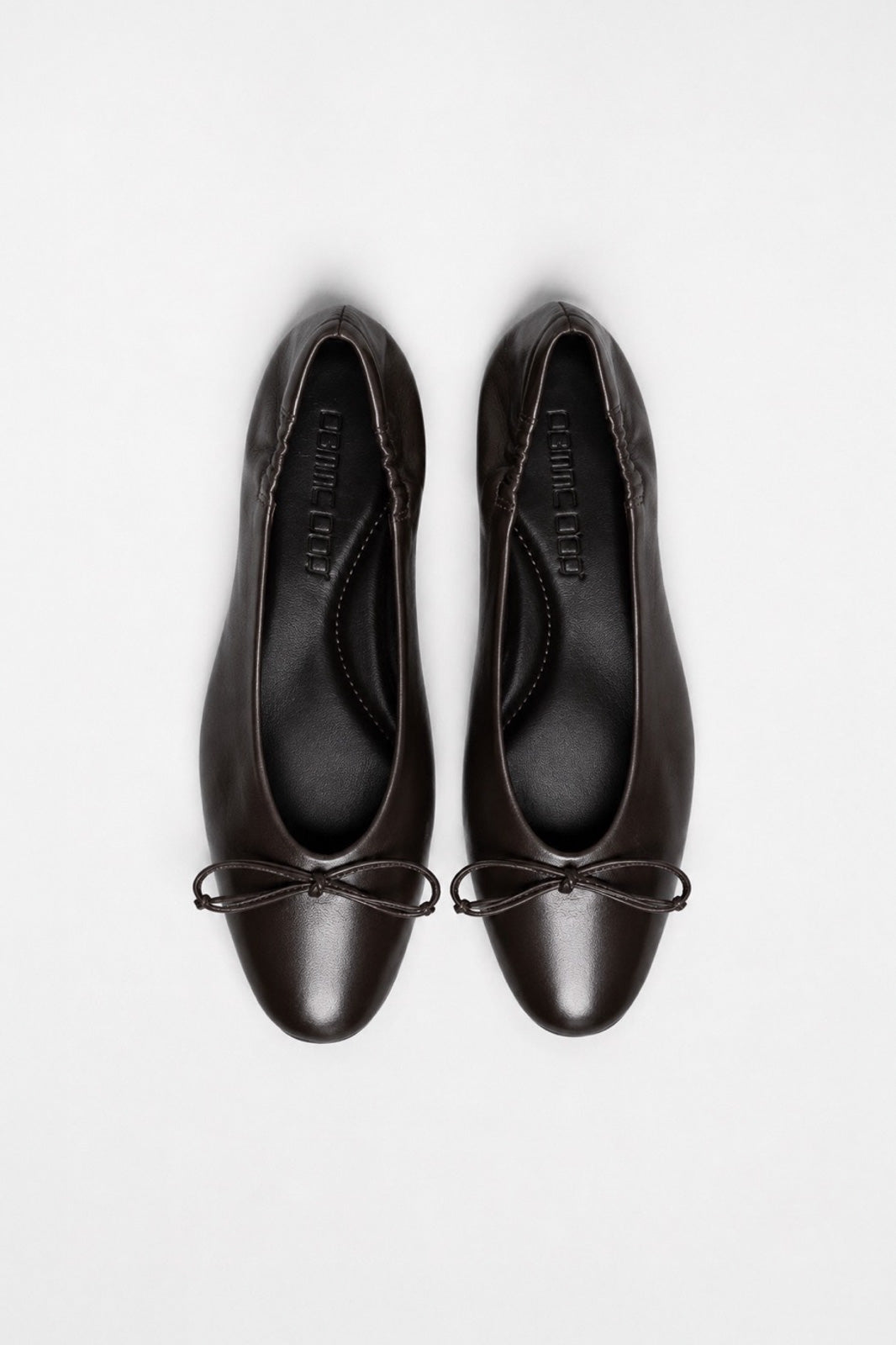
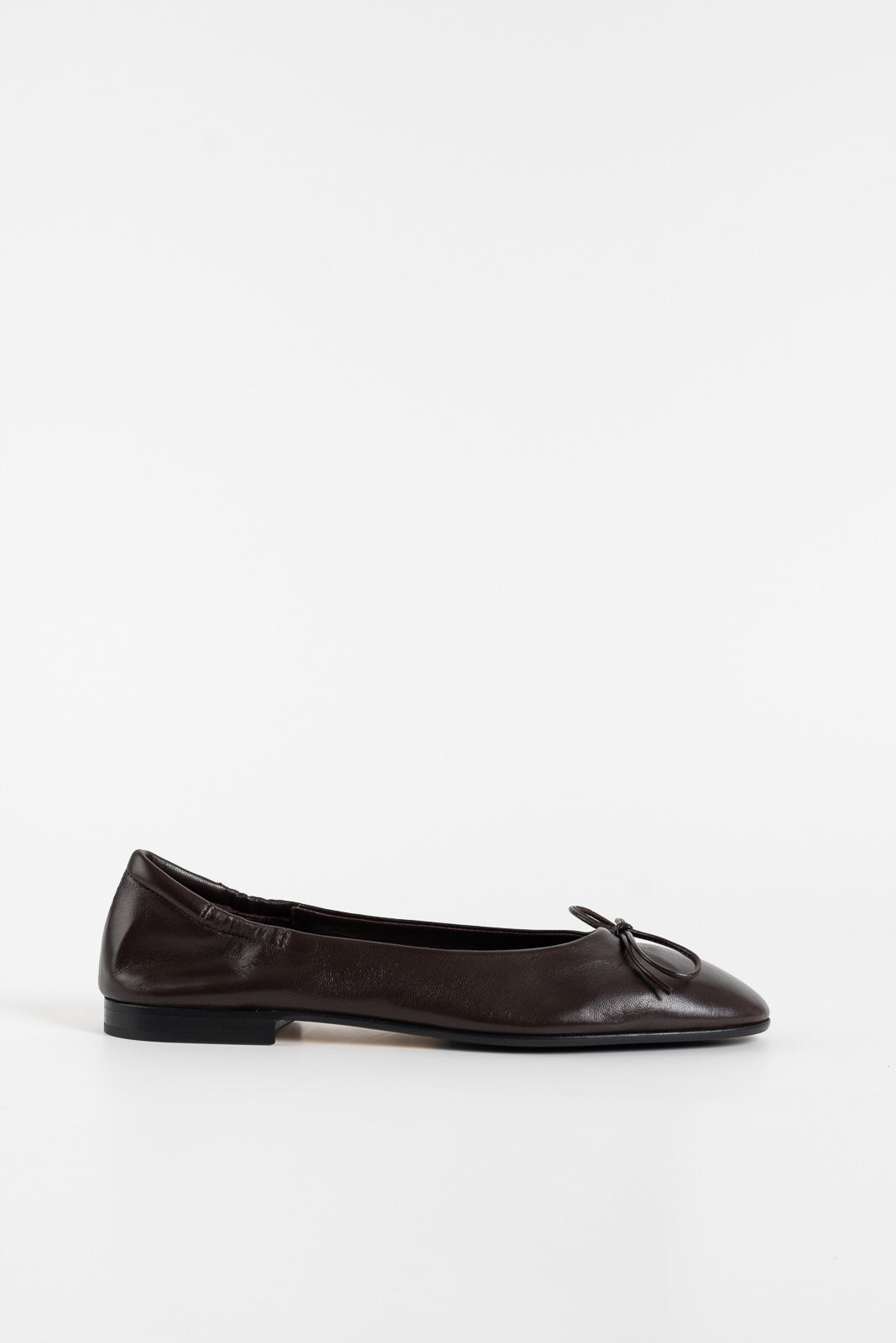

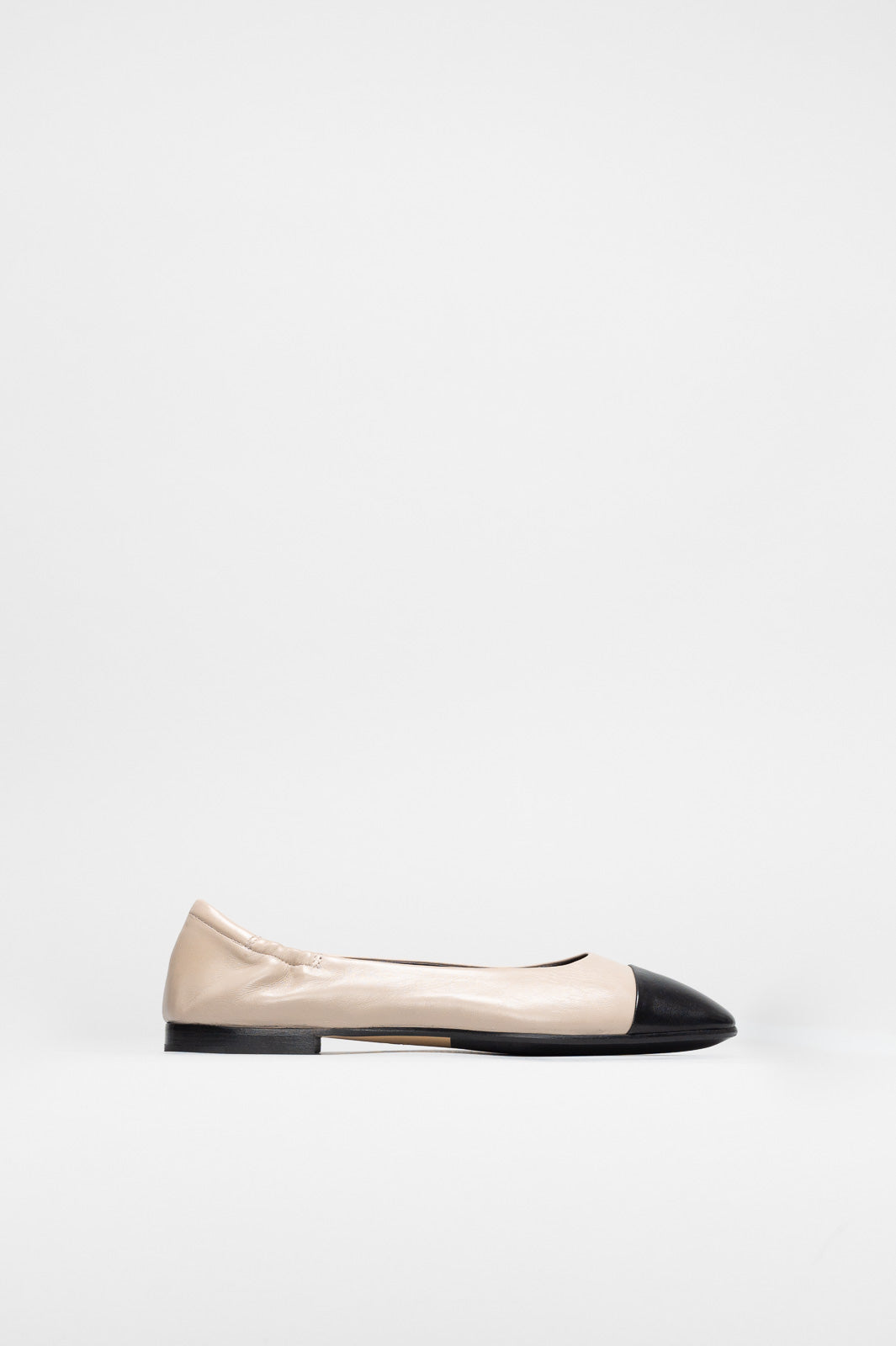
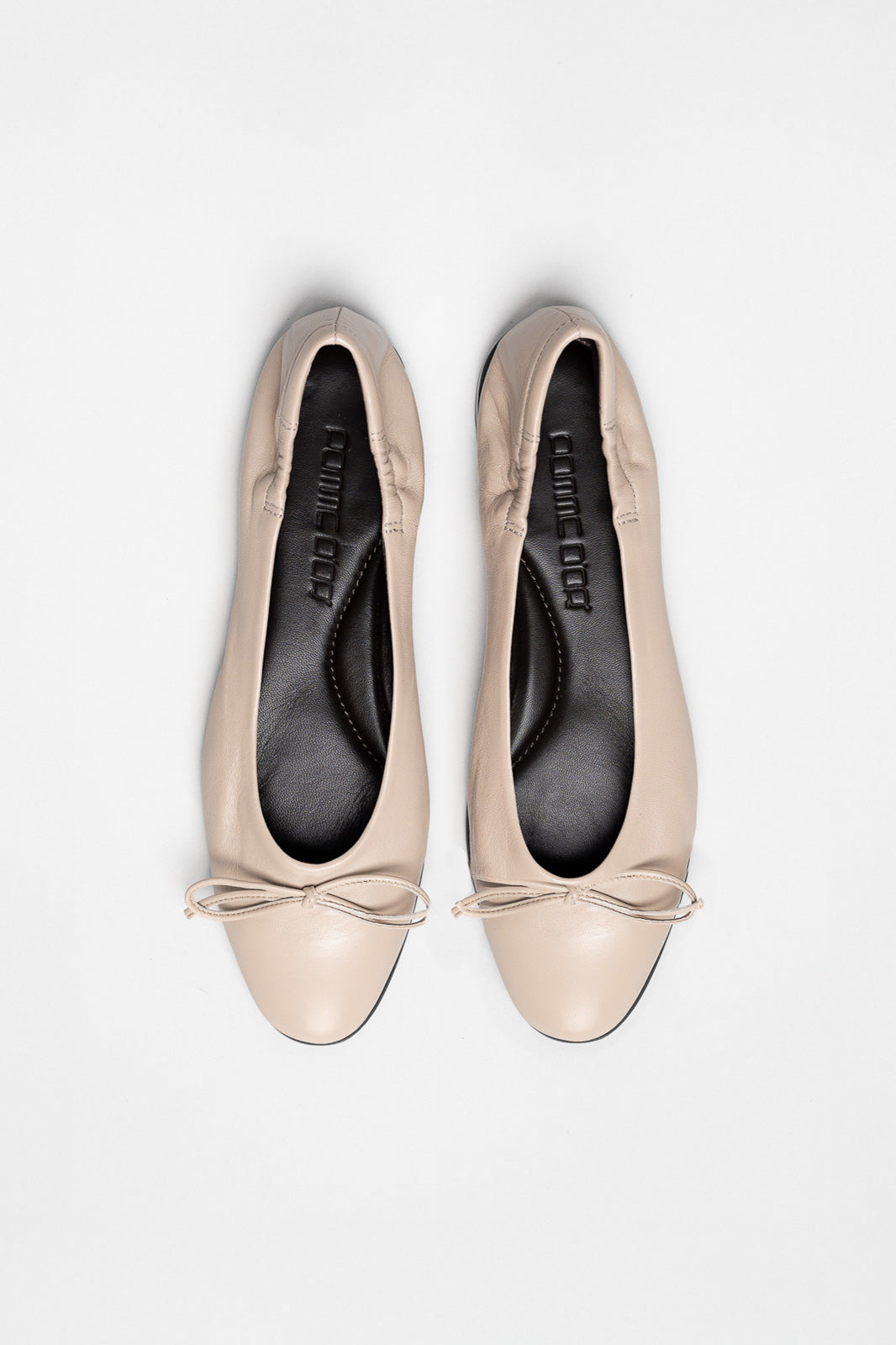
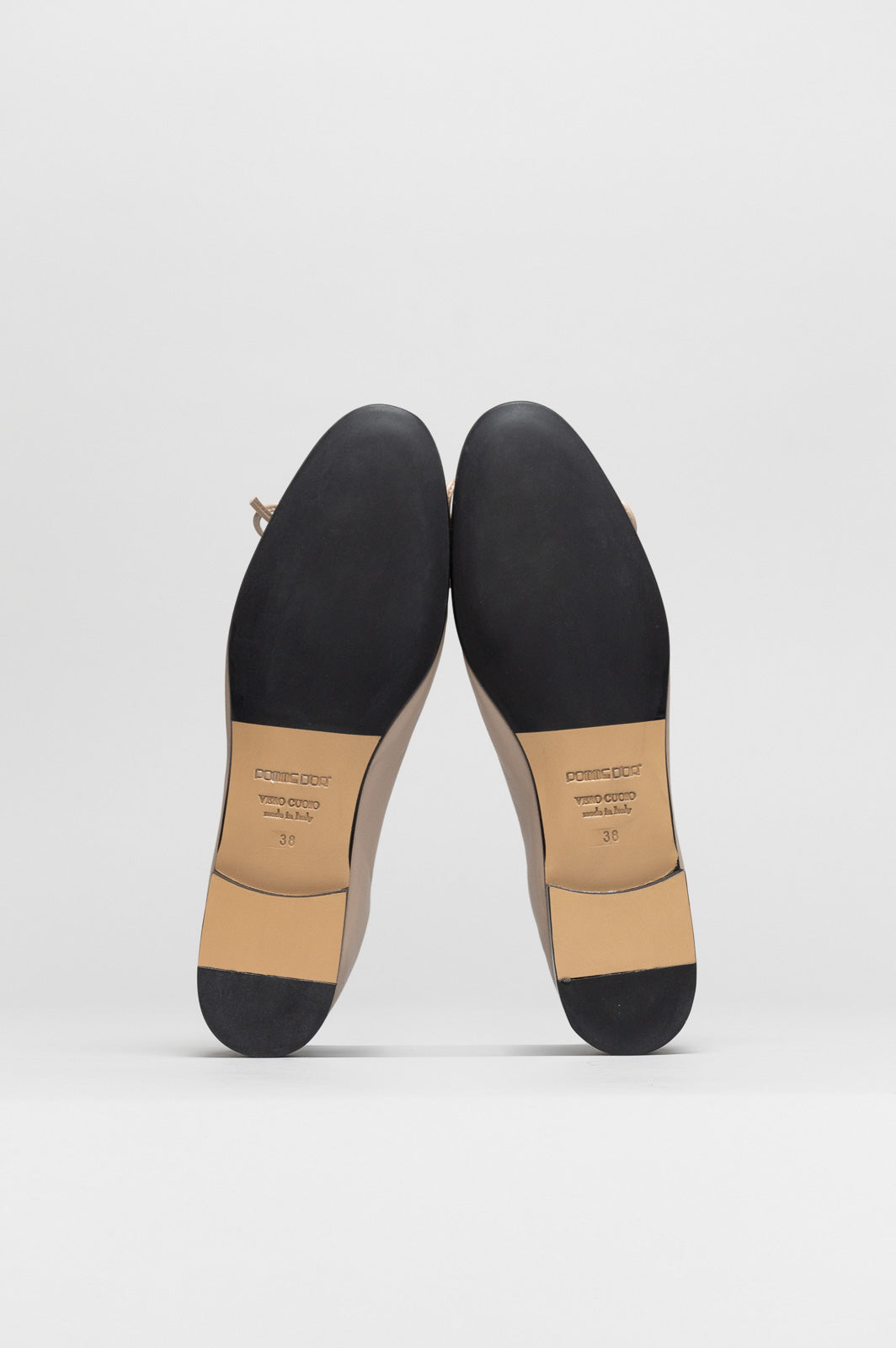
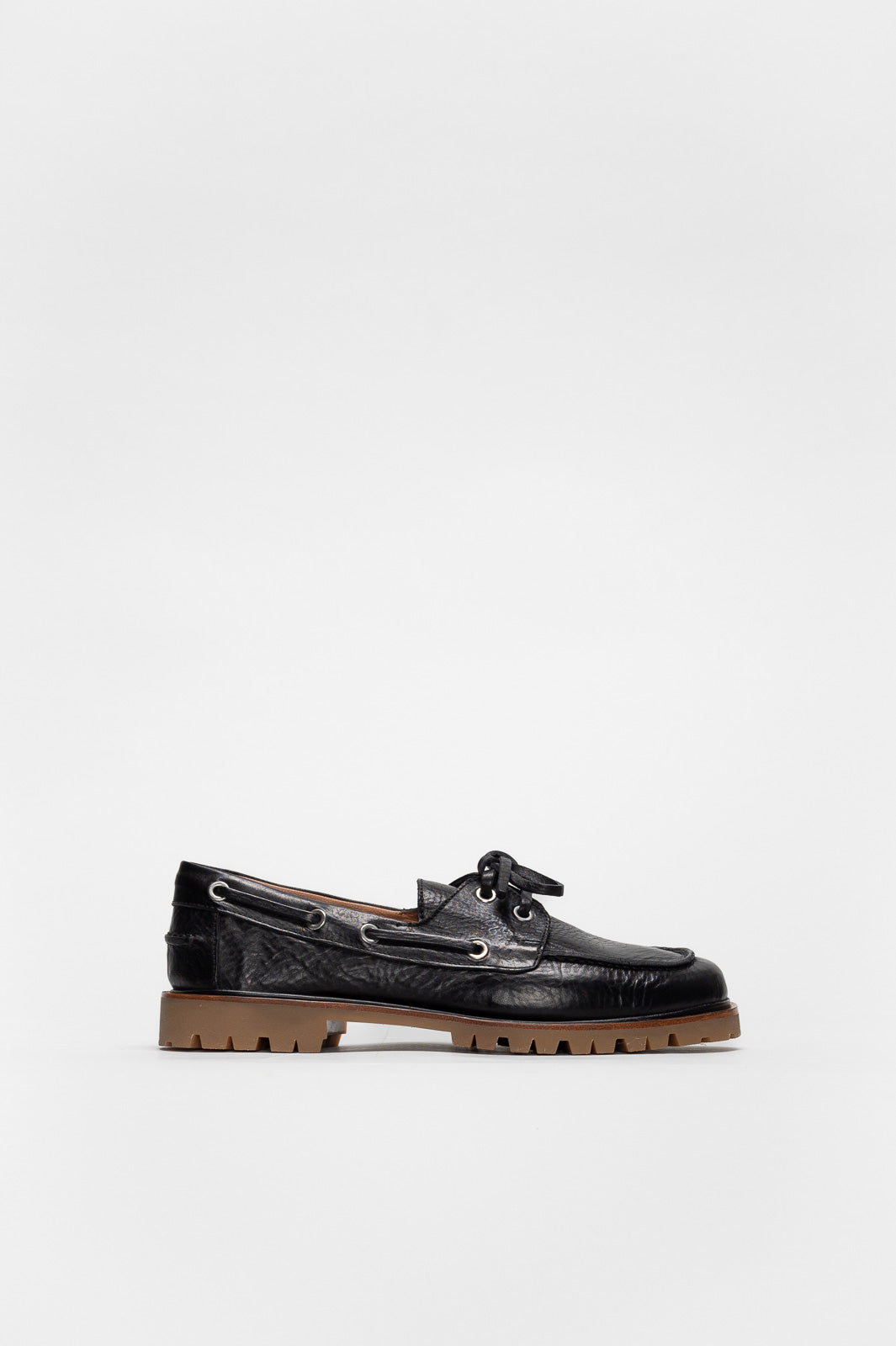
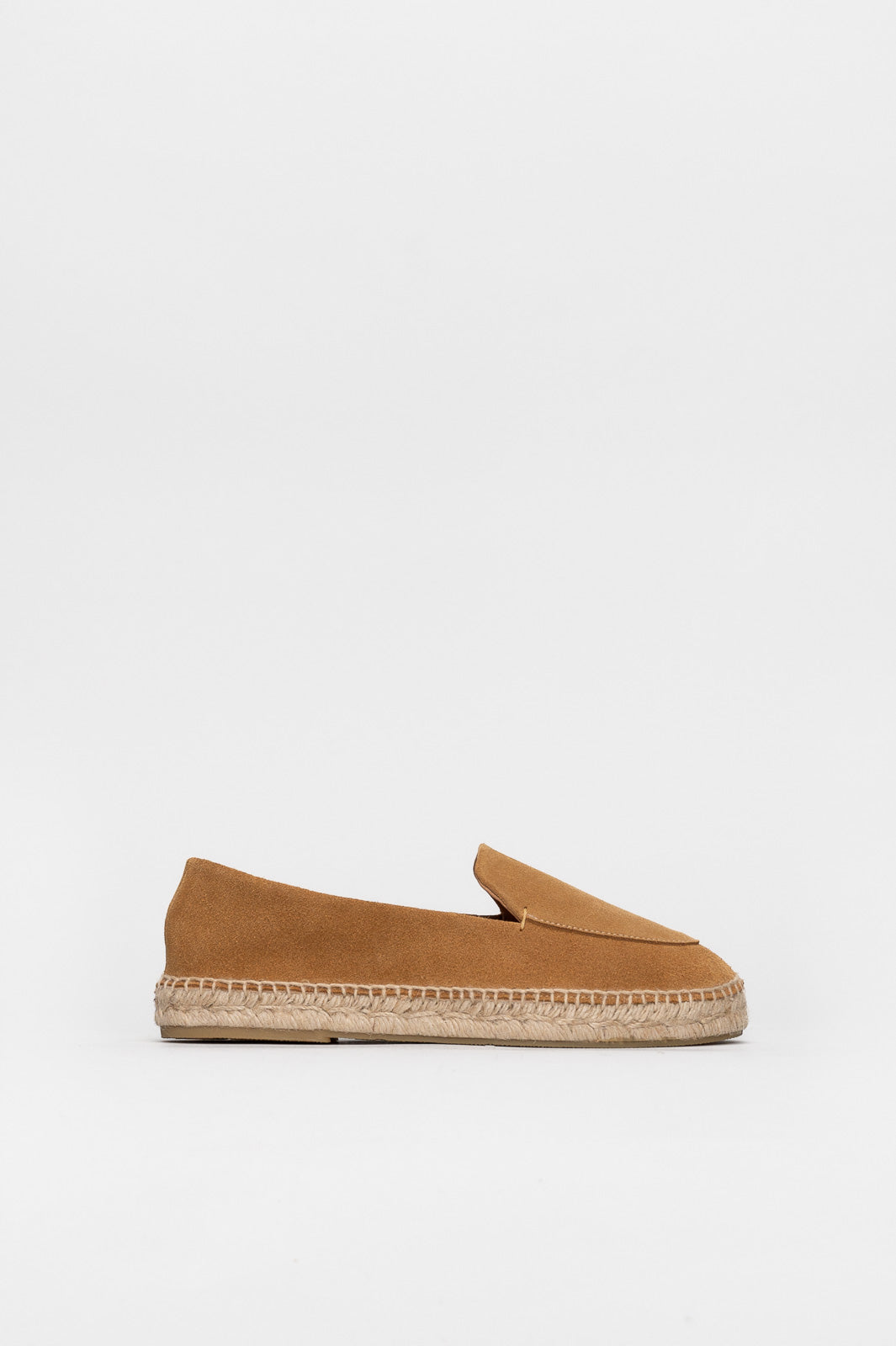
Artisan
Craft as expression
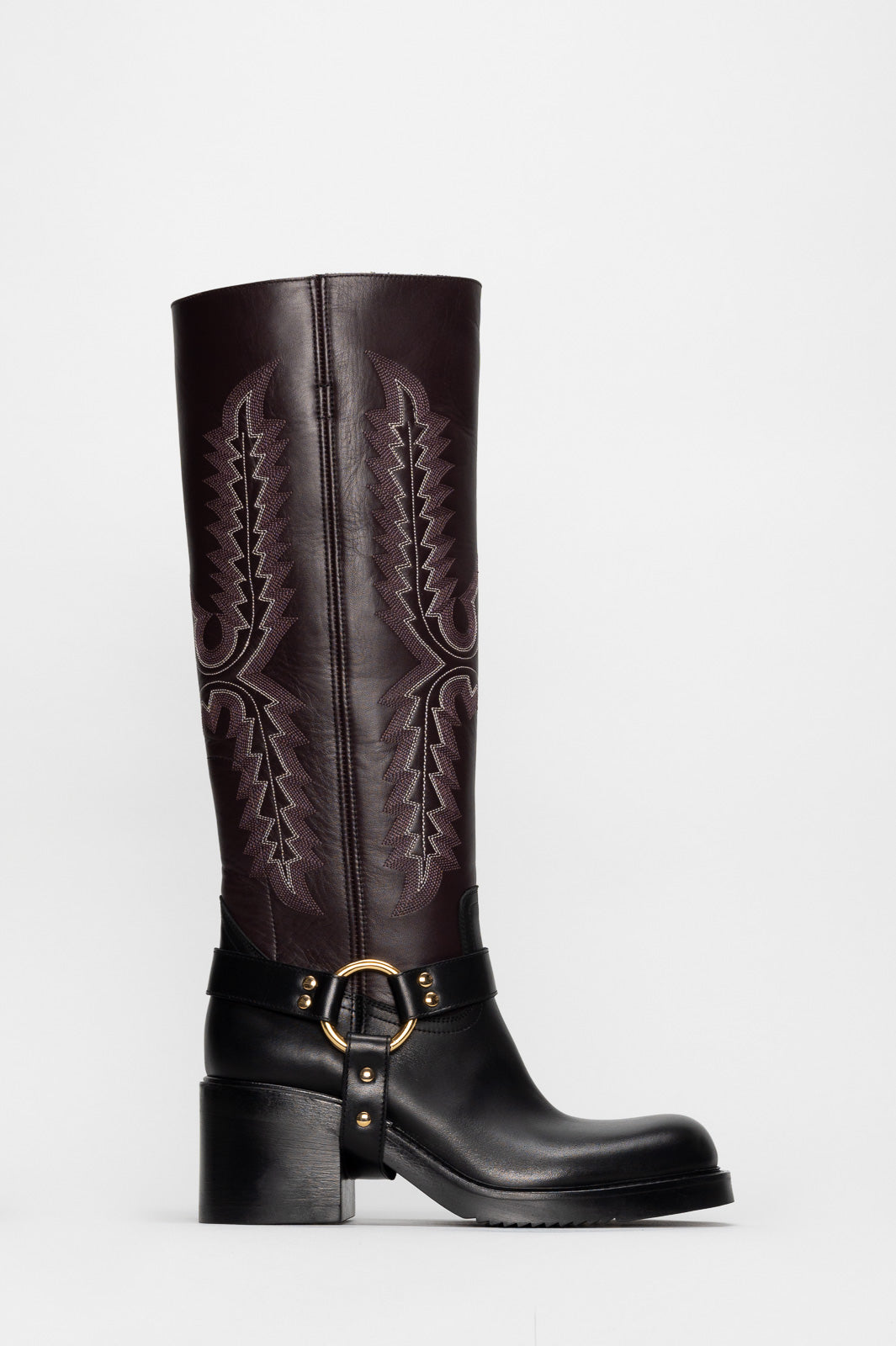
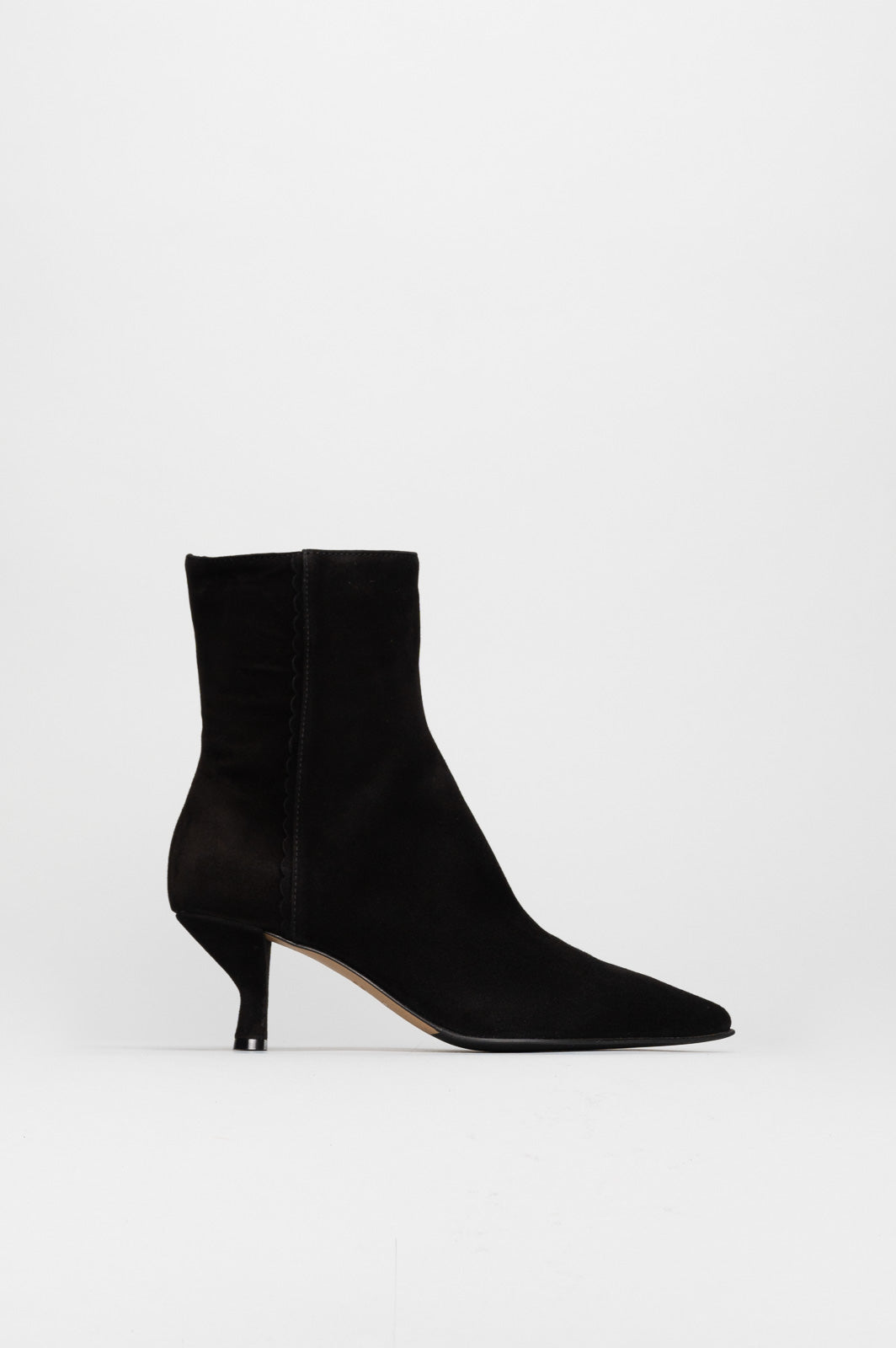
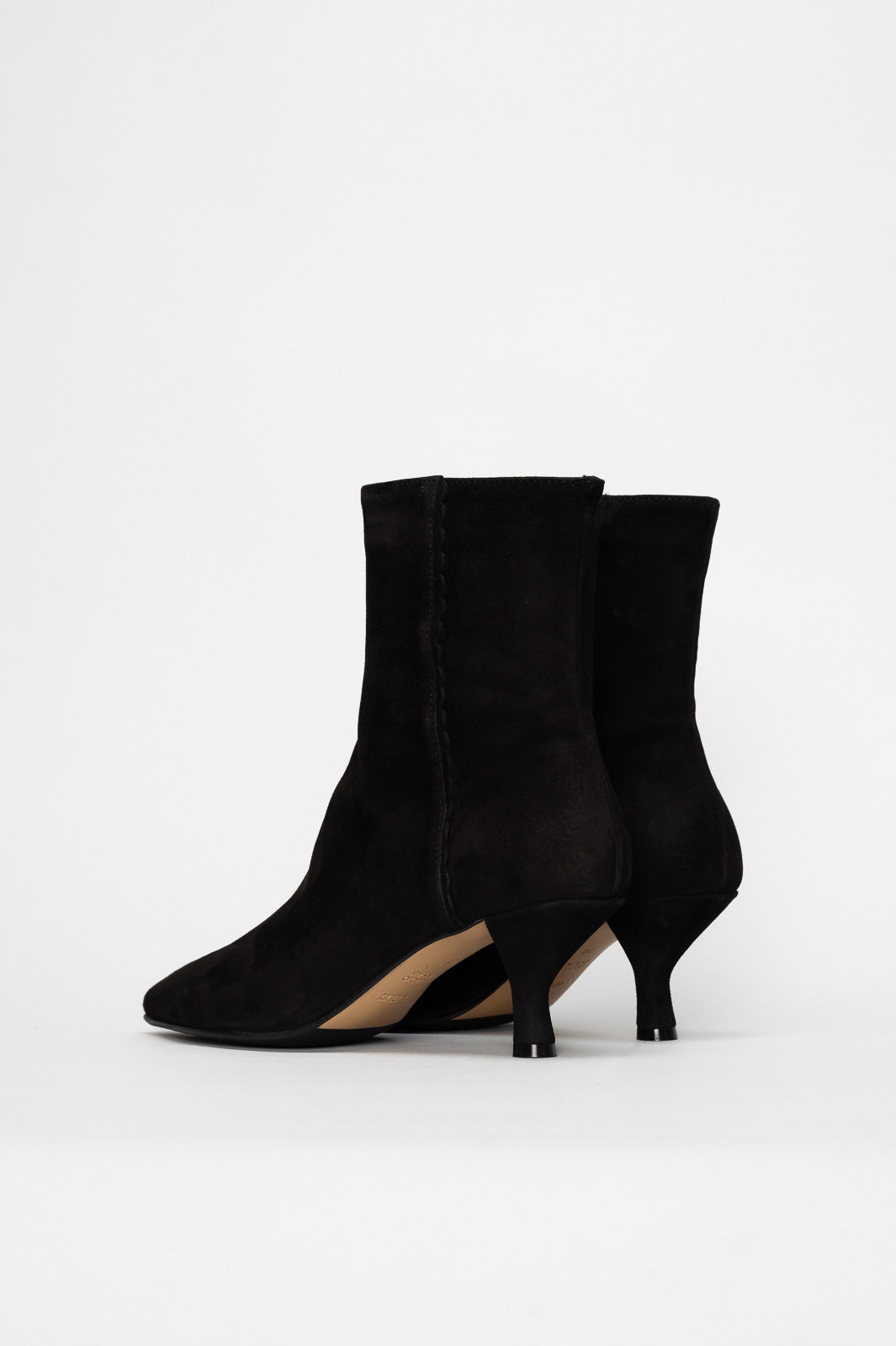
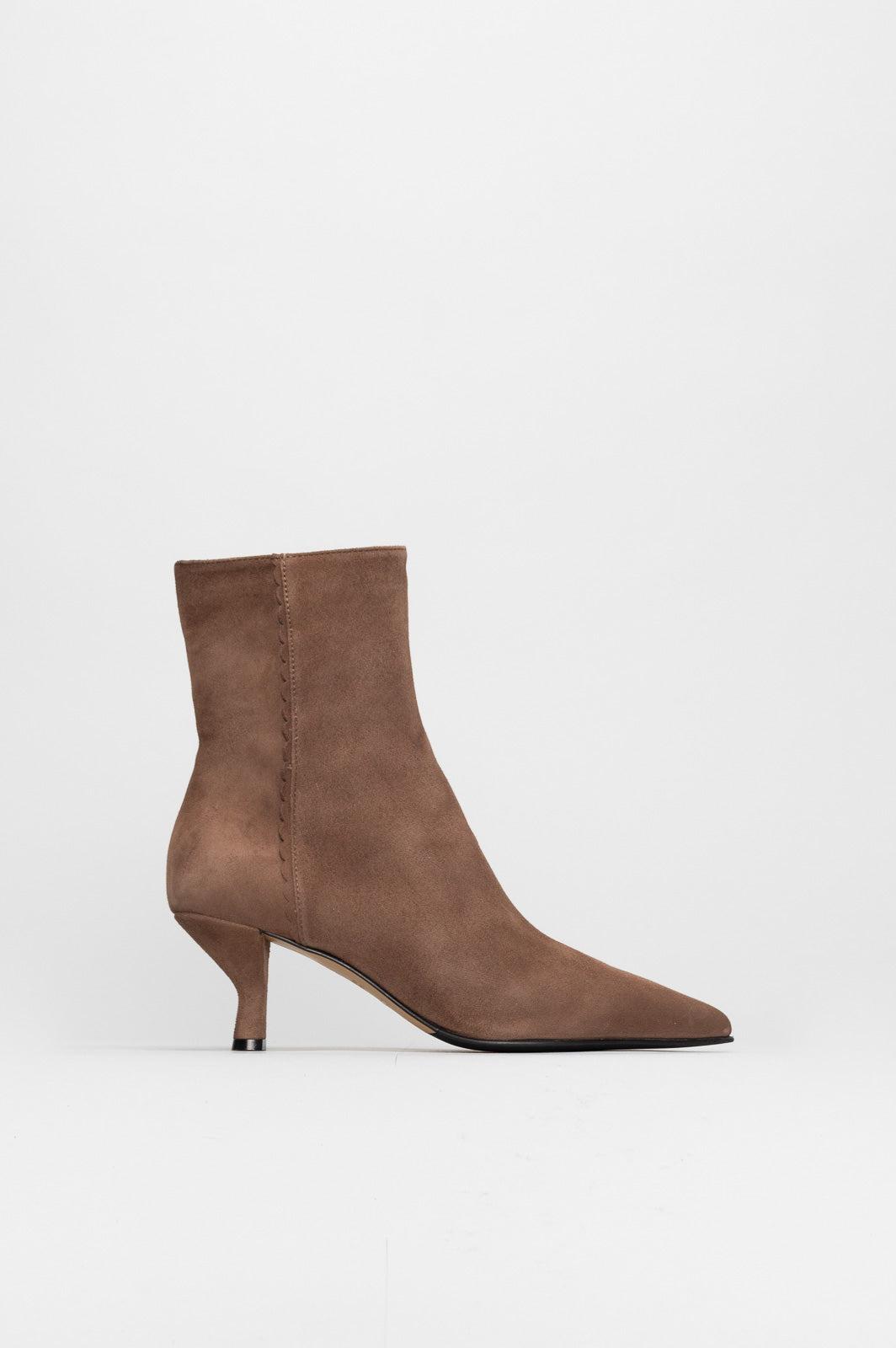
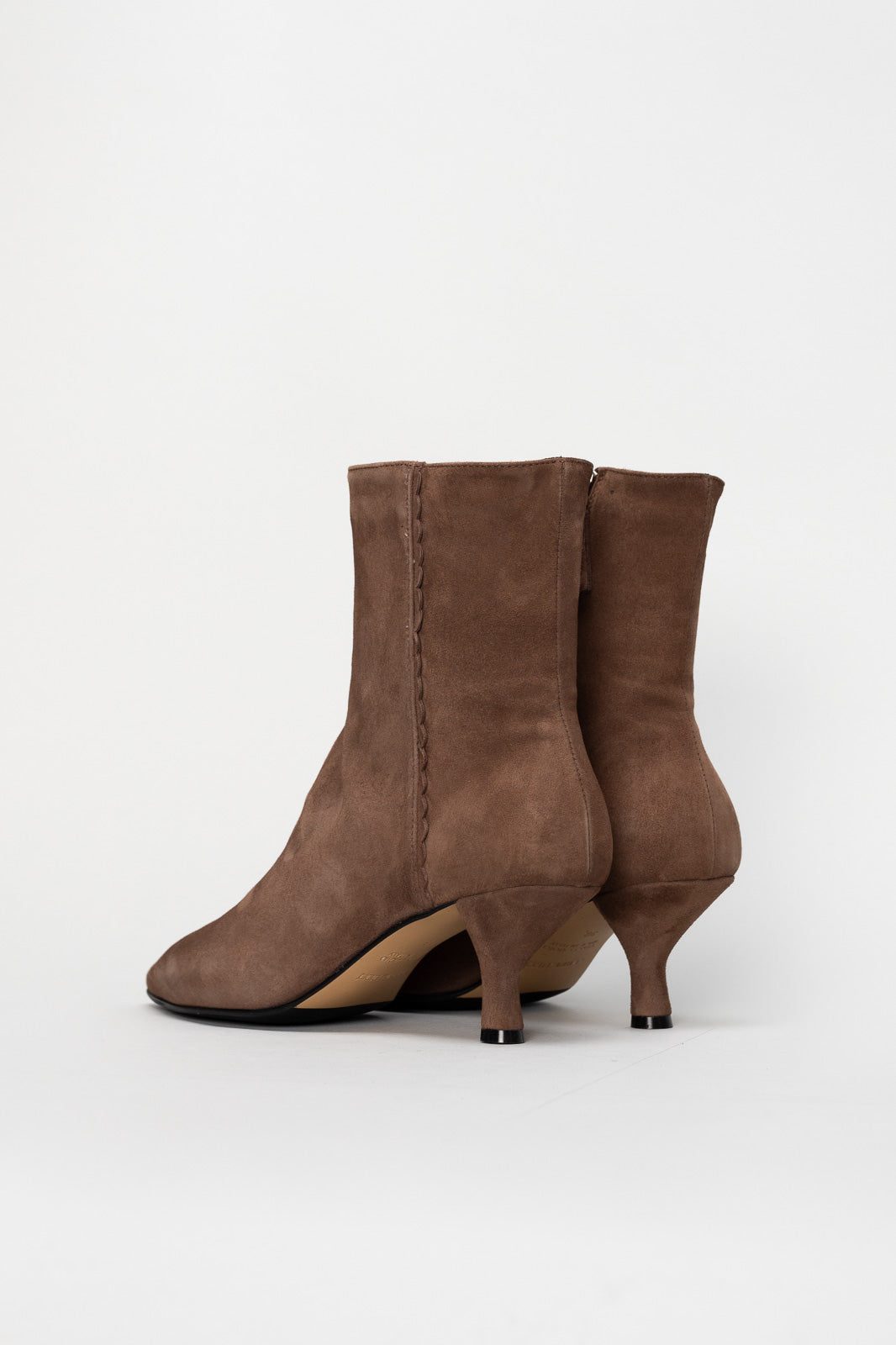
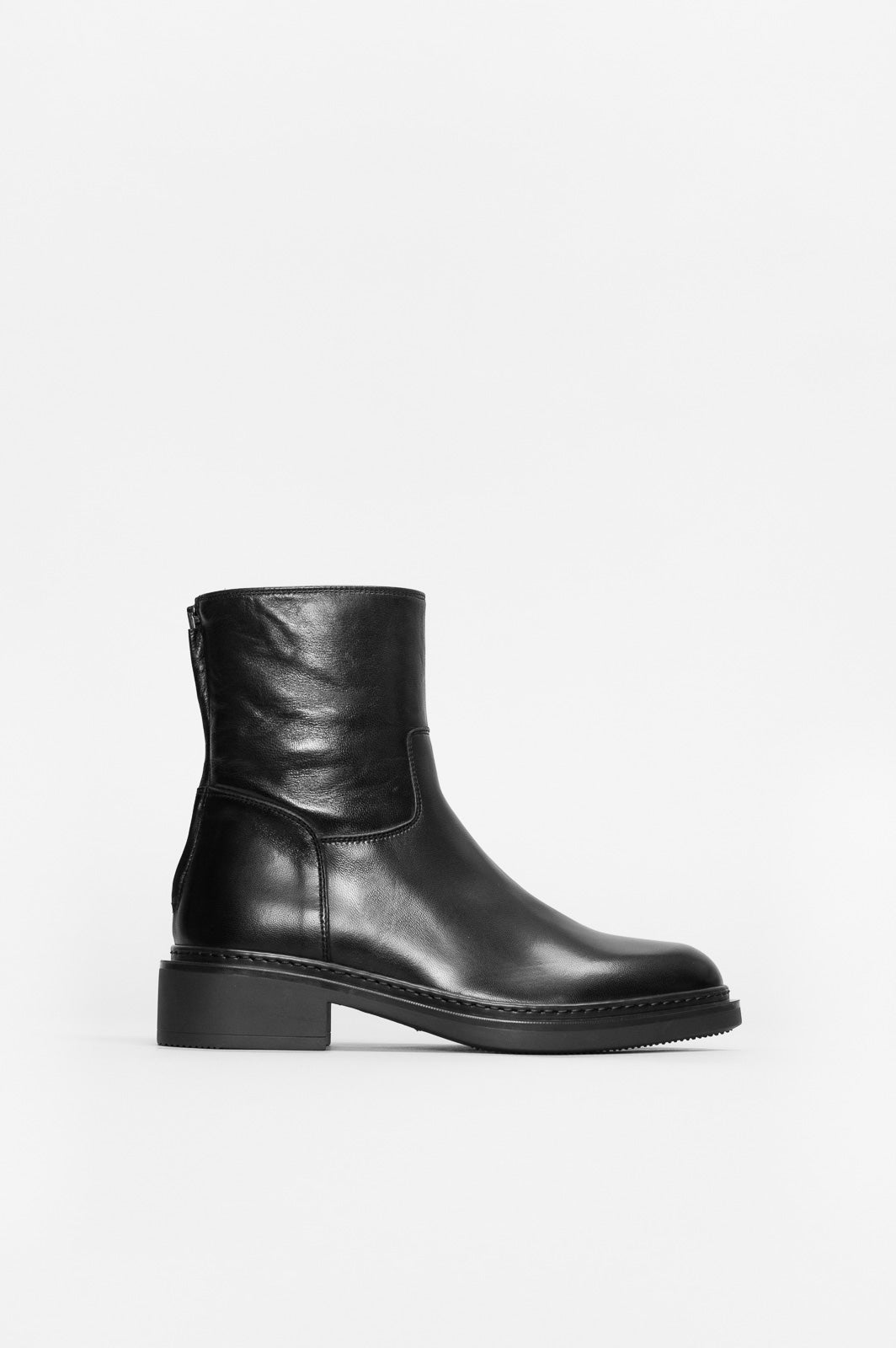
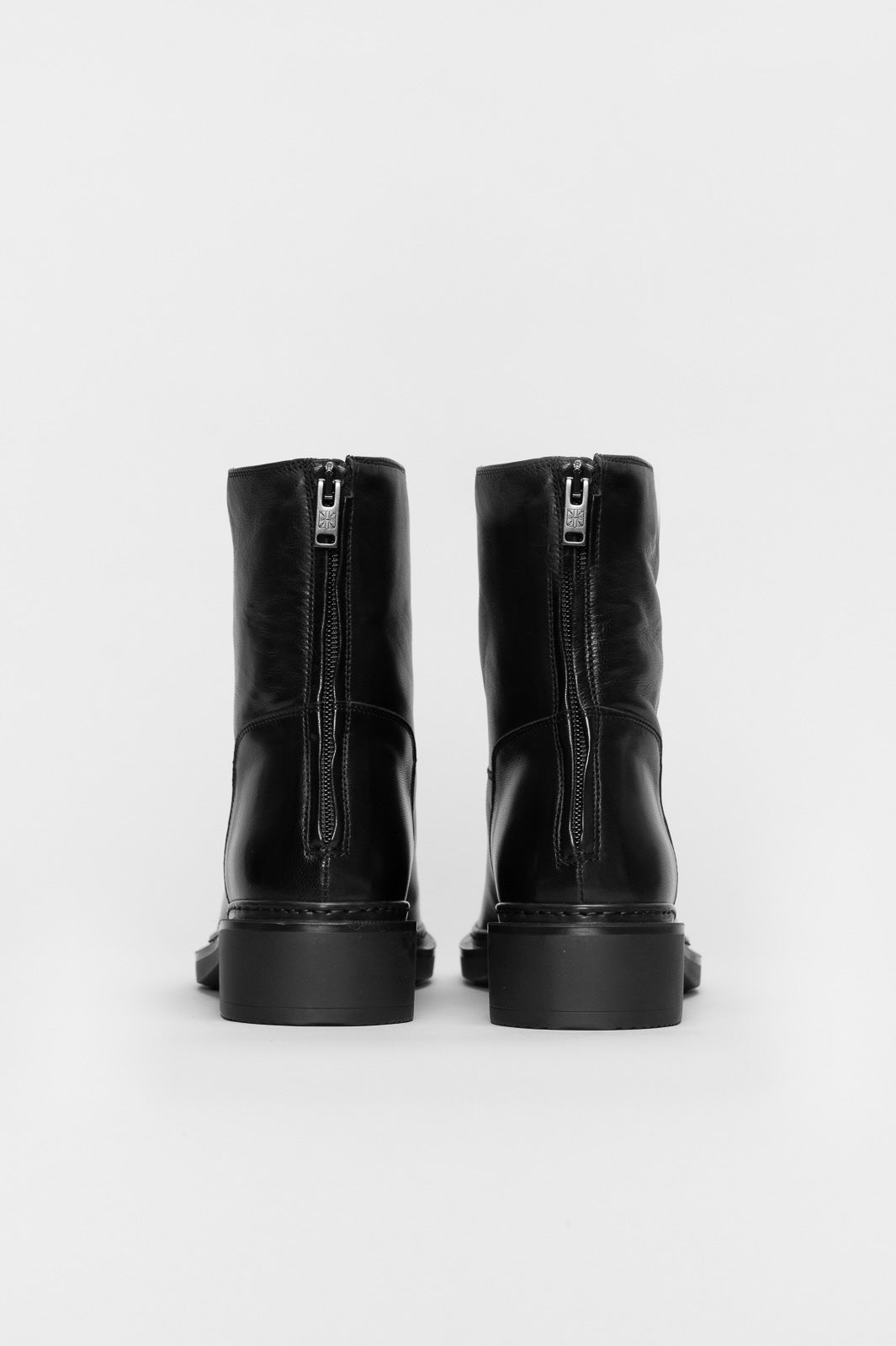
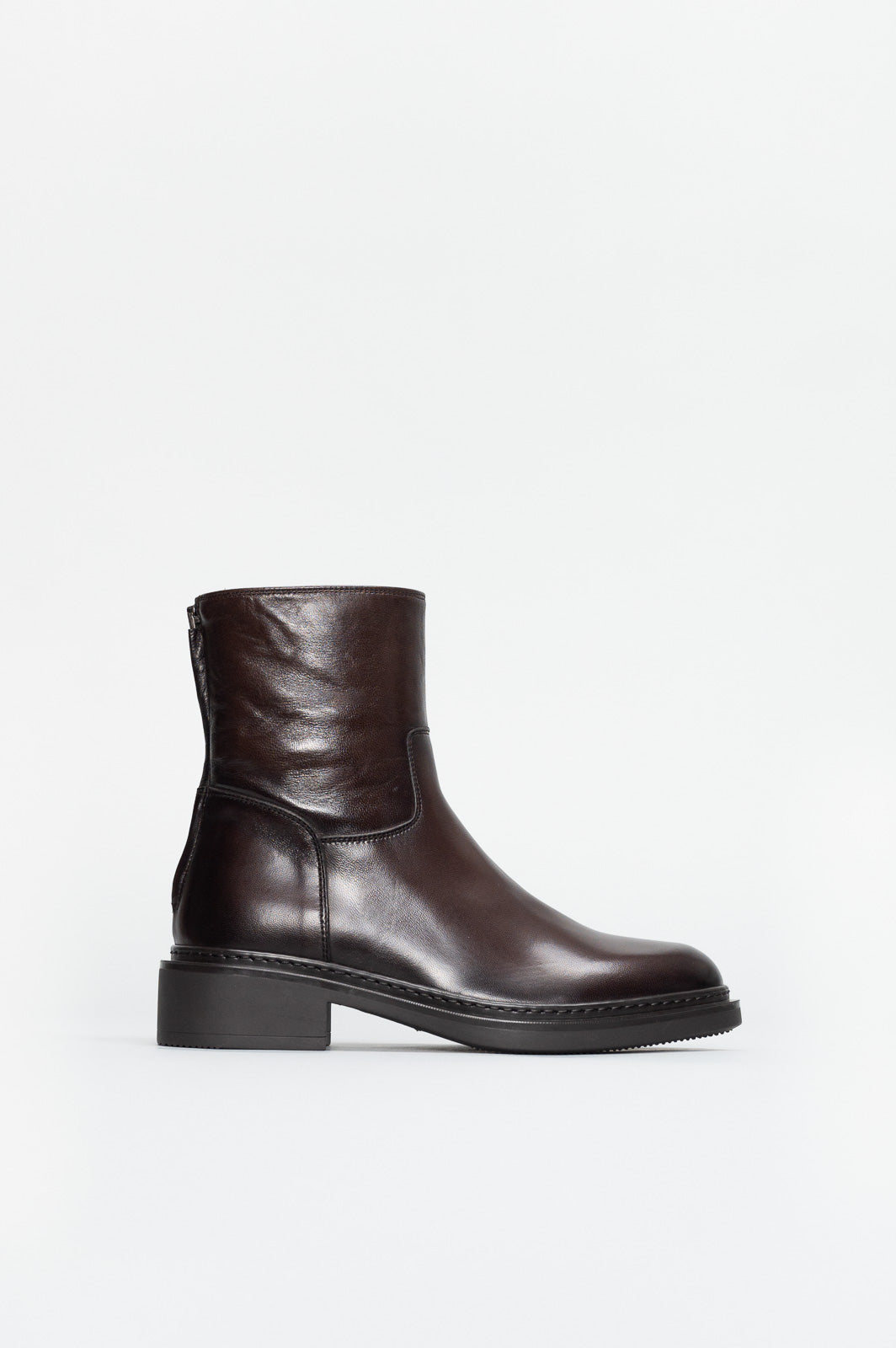
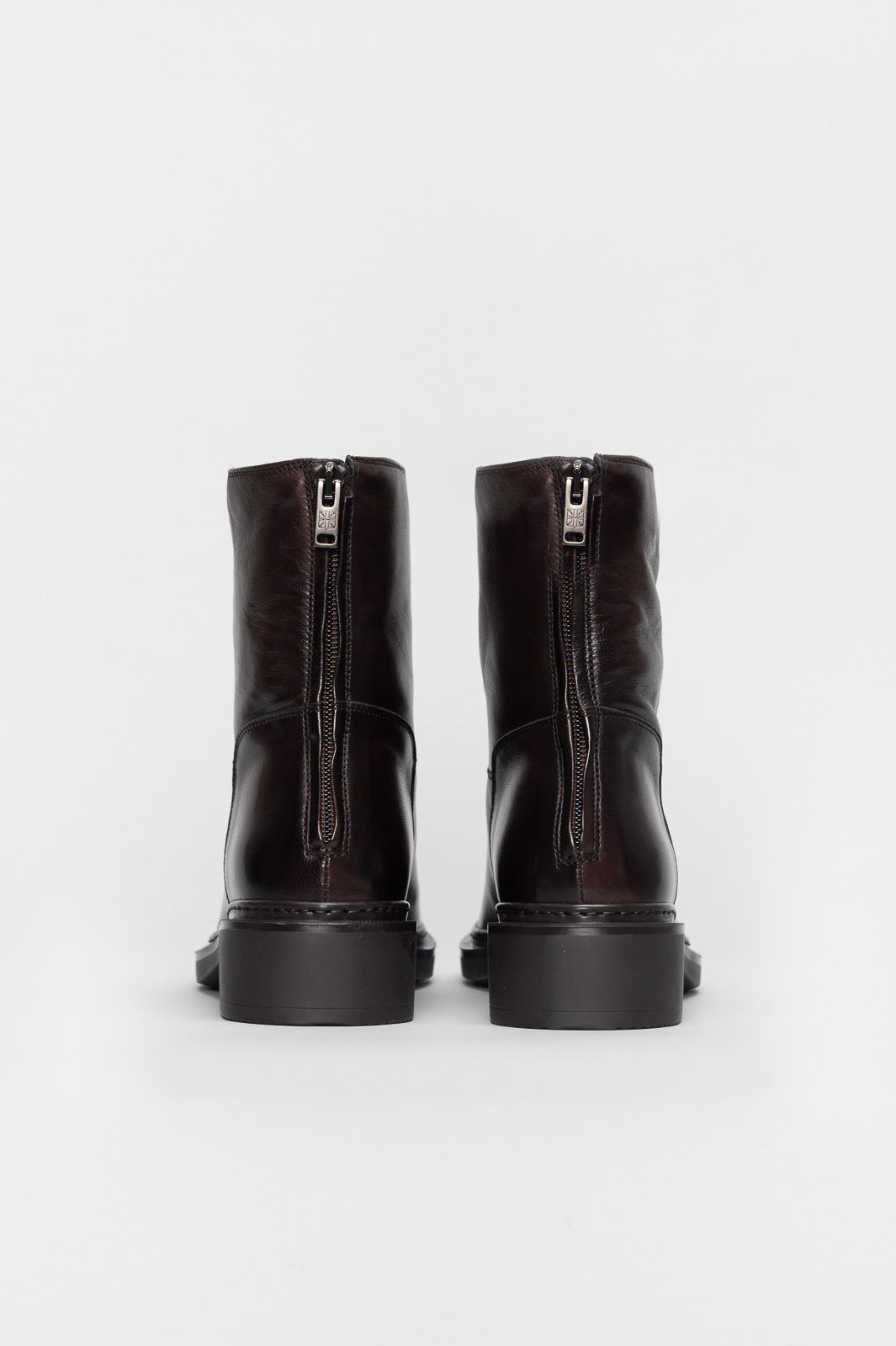
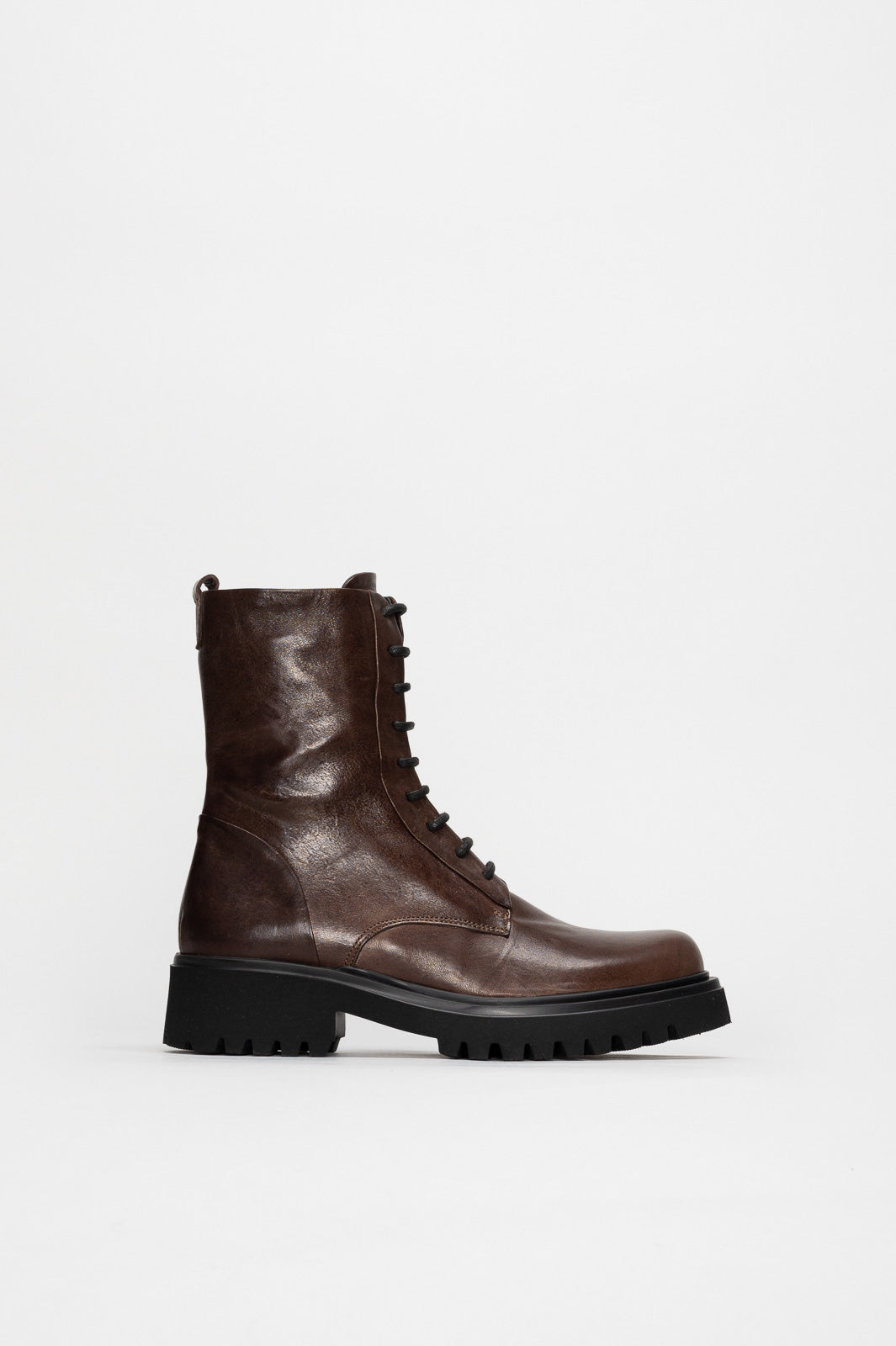
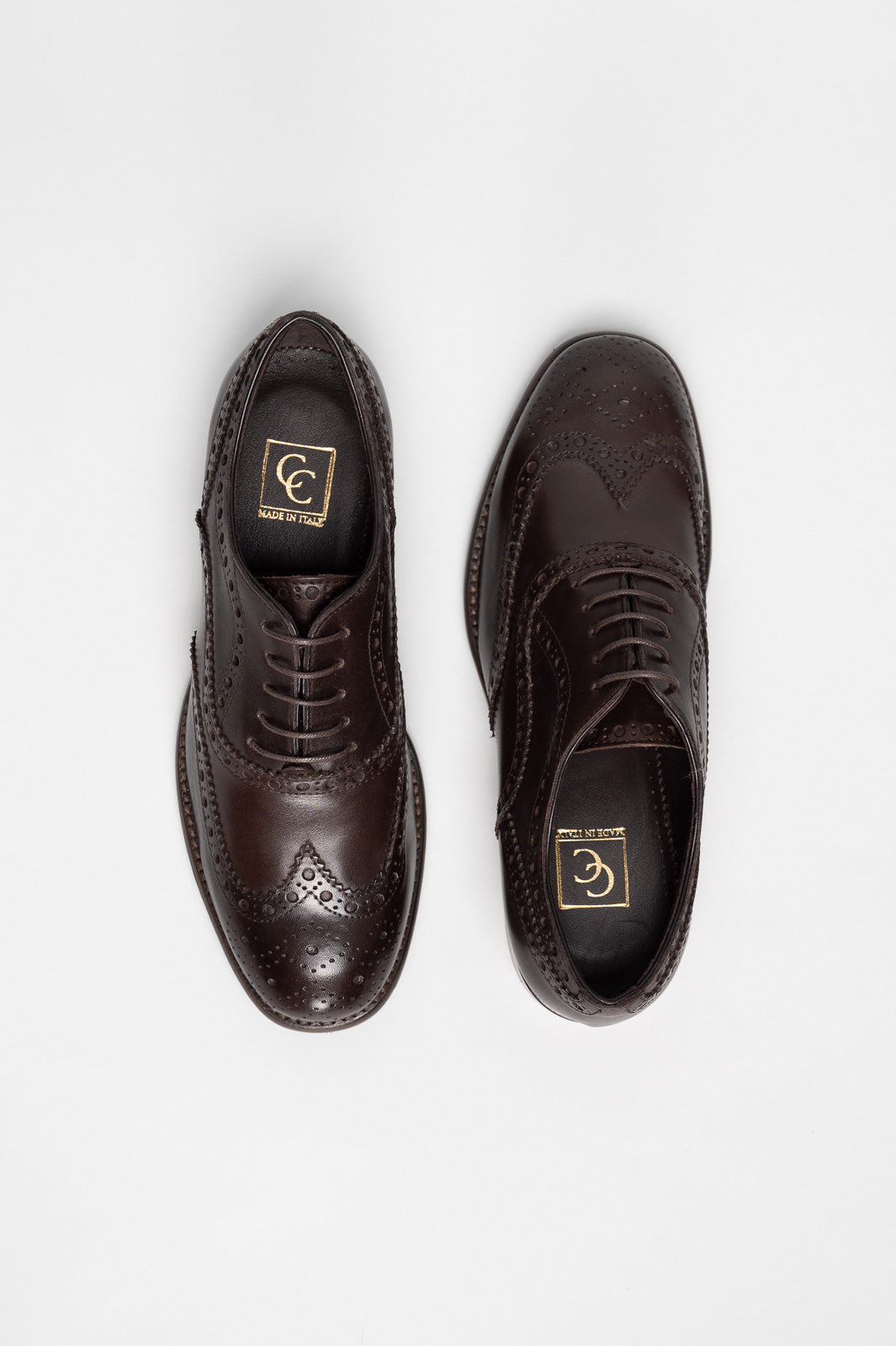
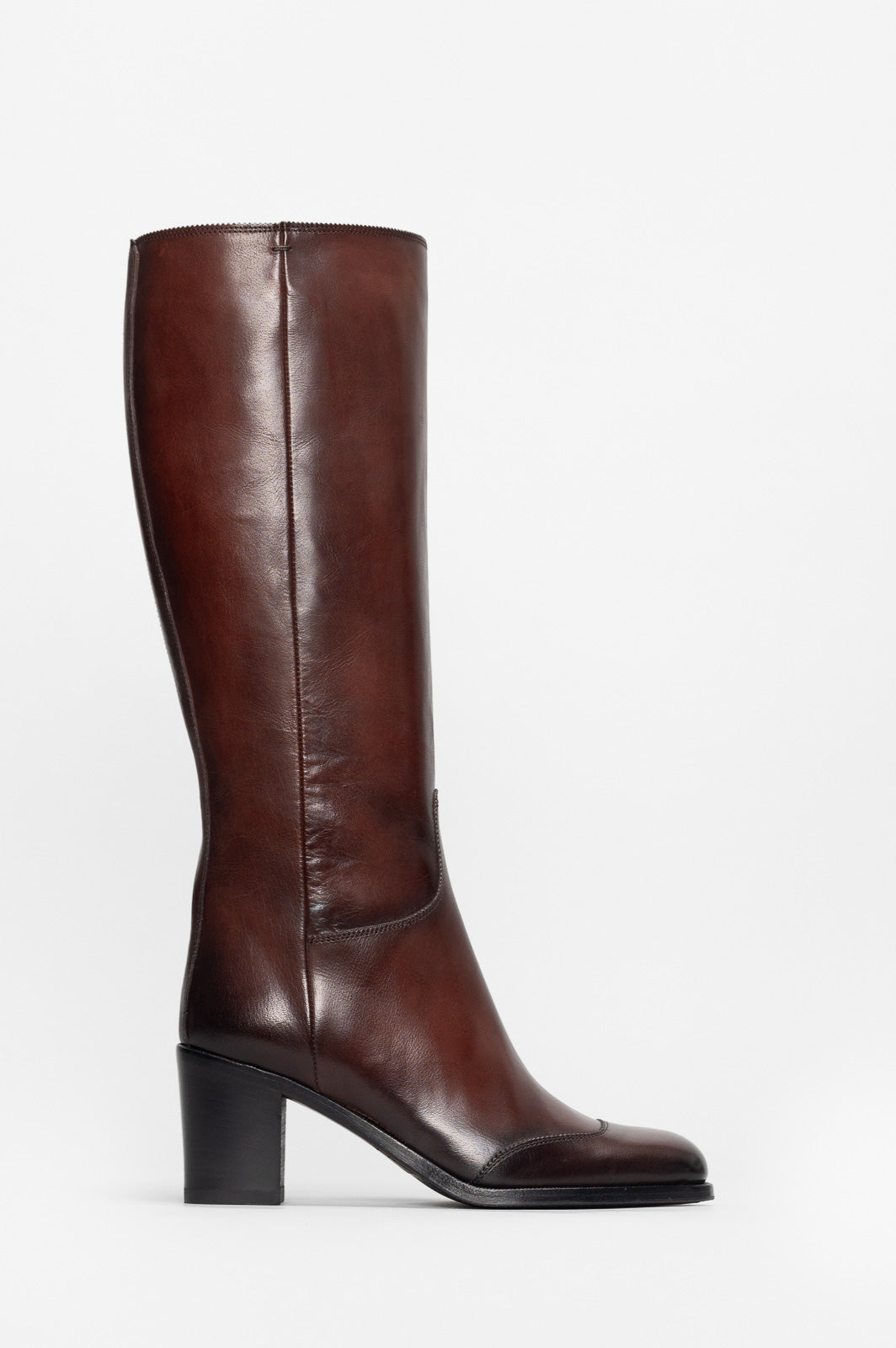
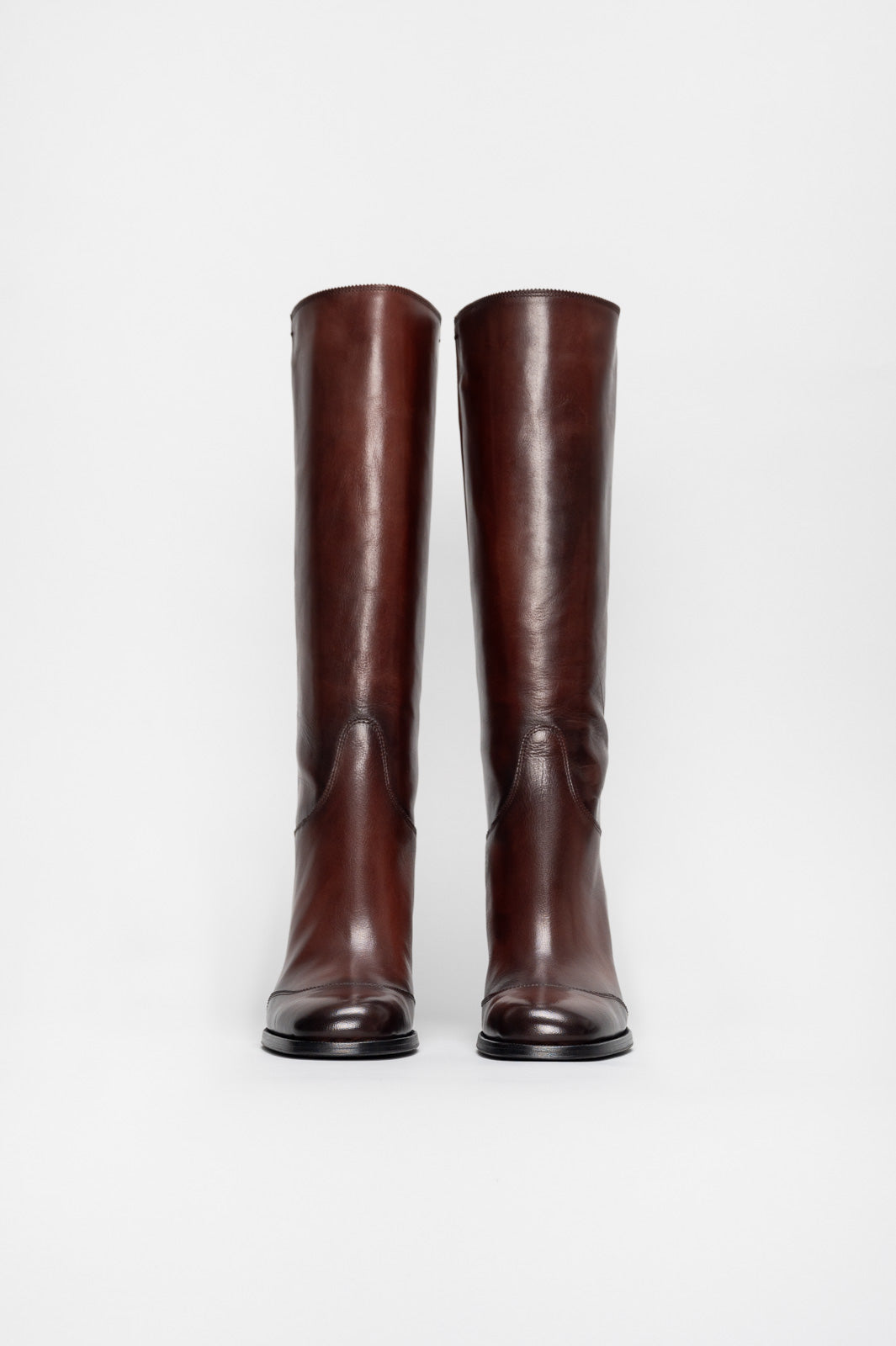
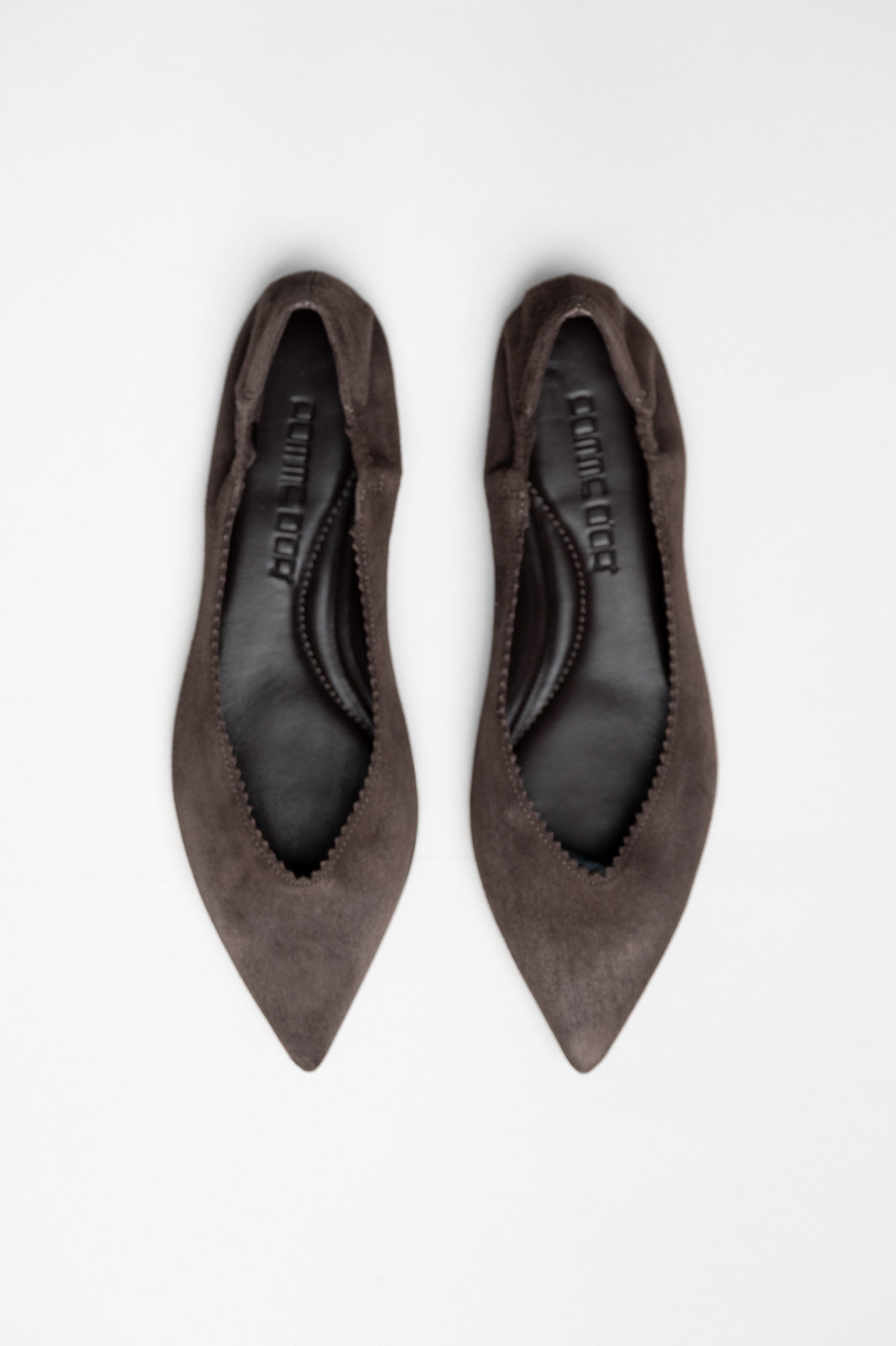
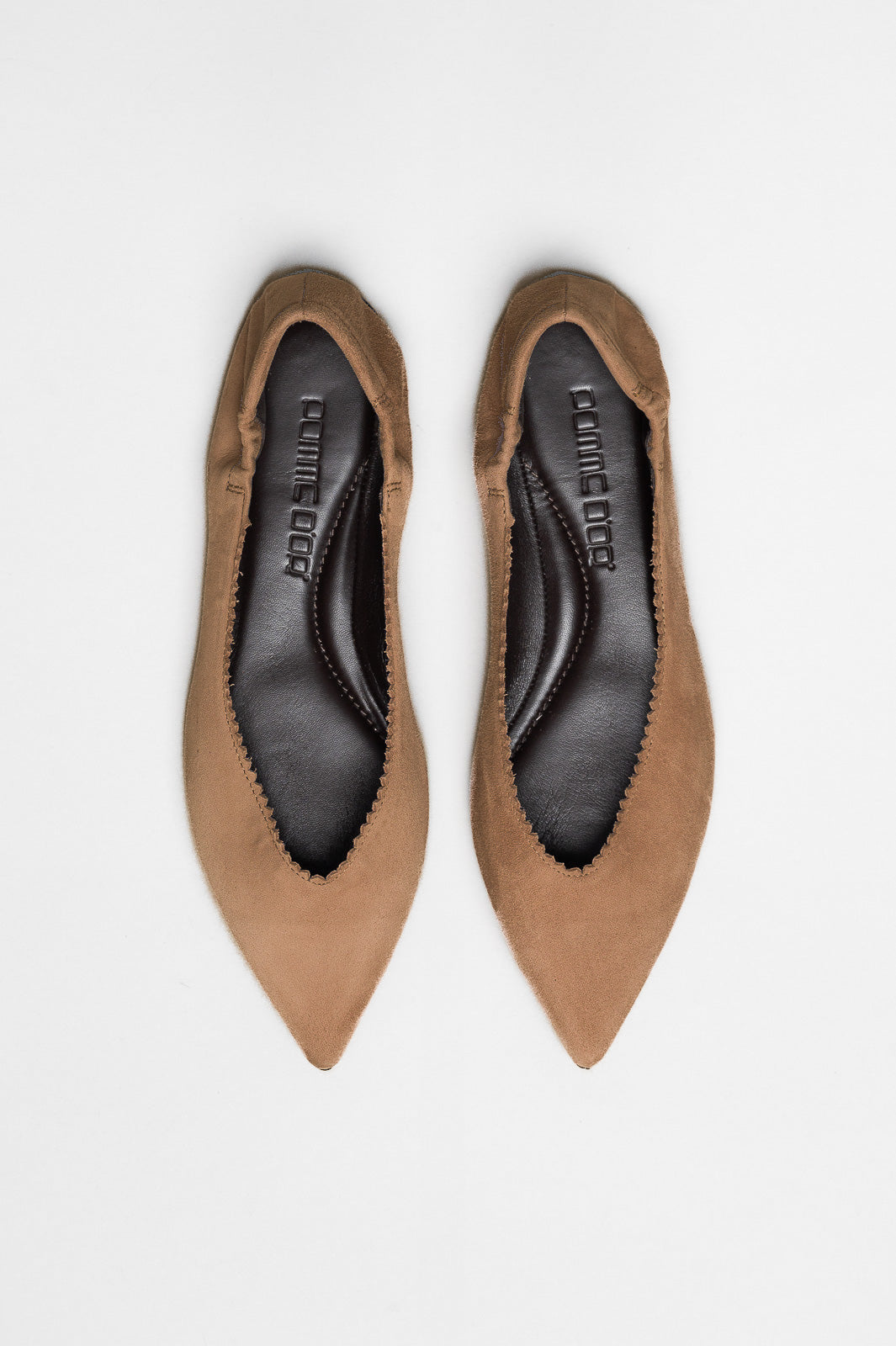
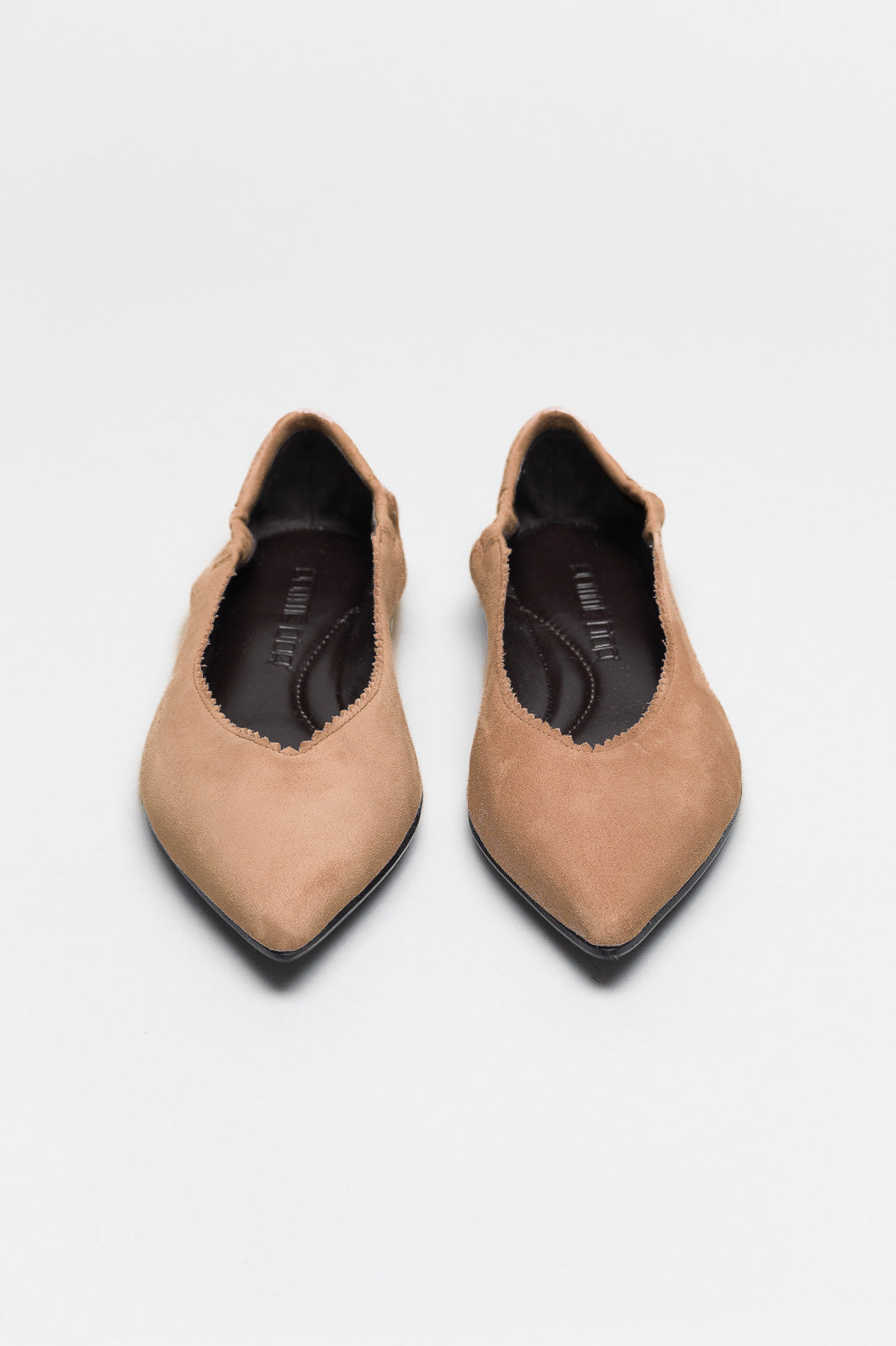
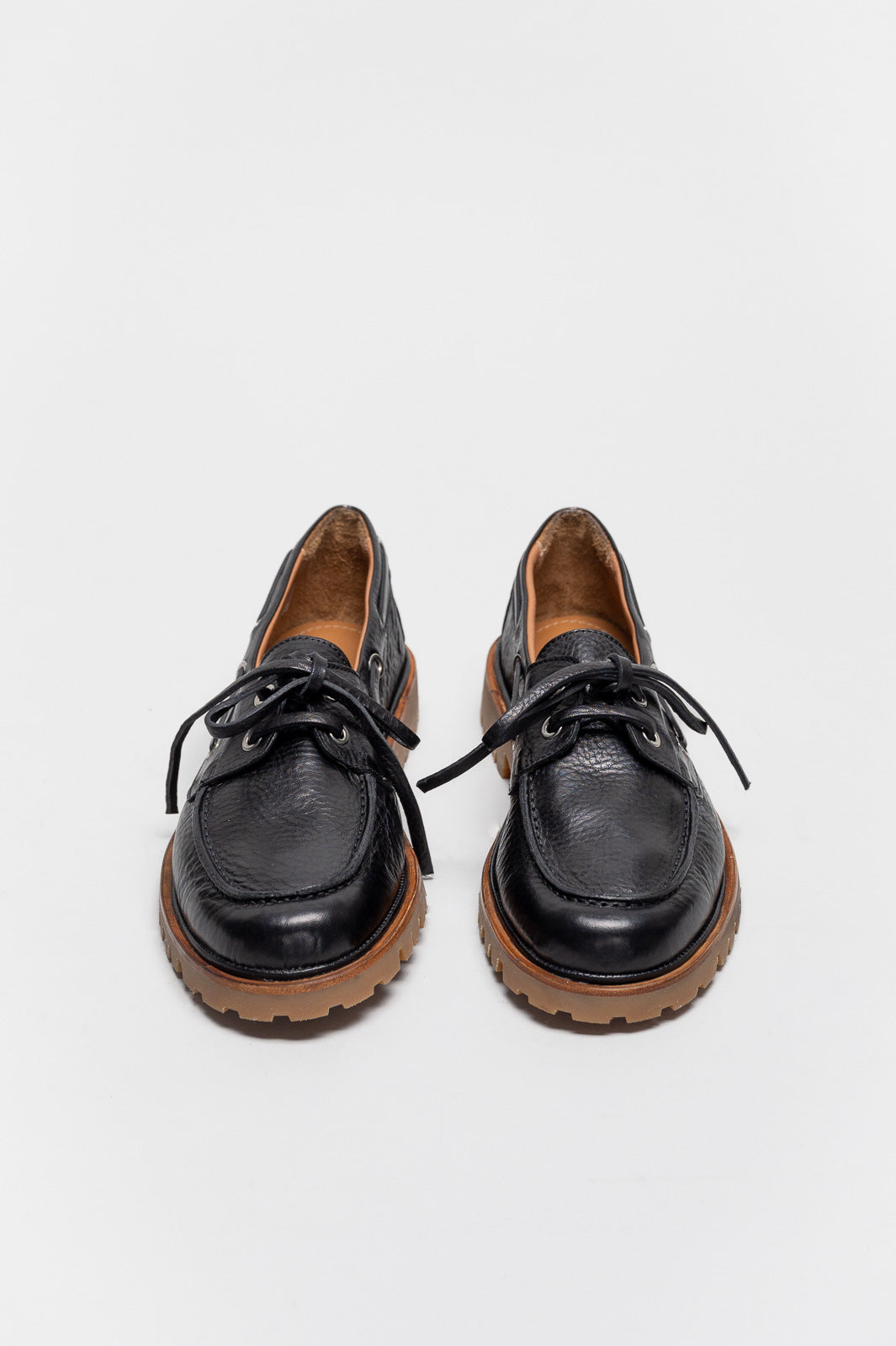
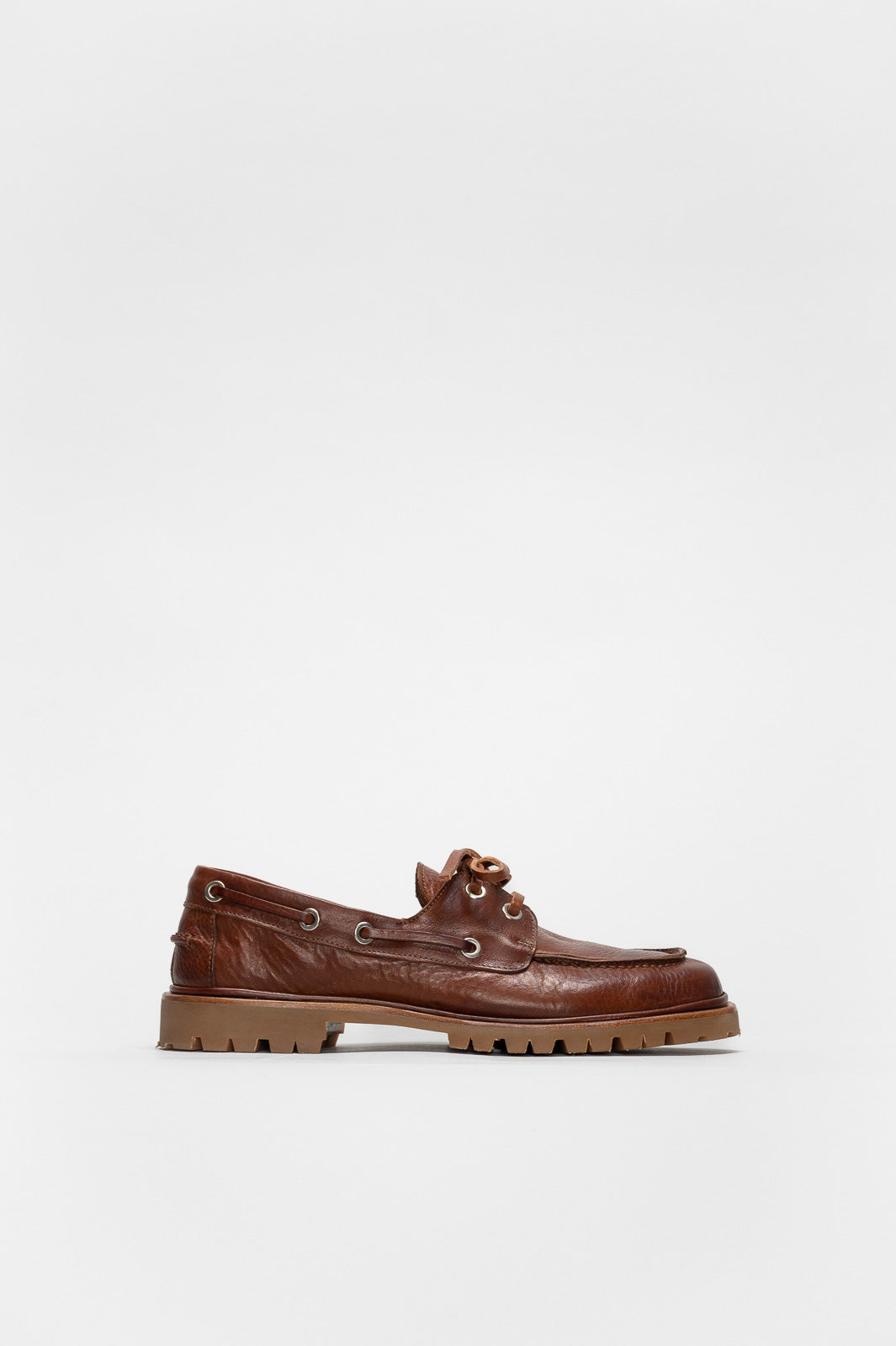
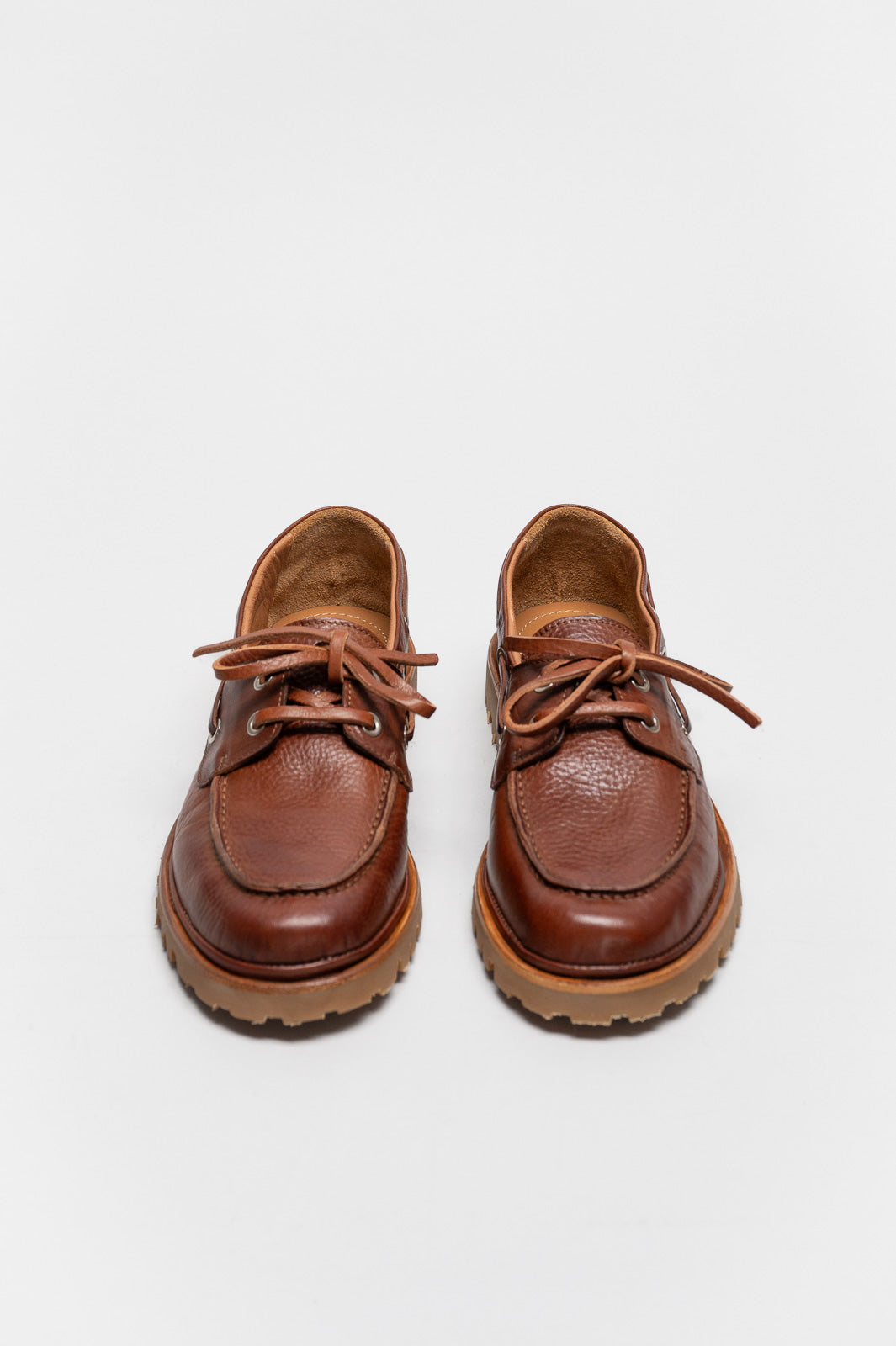
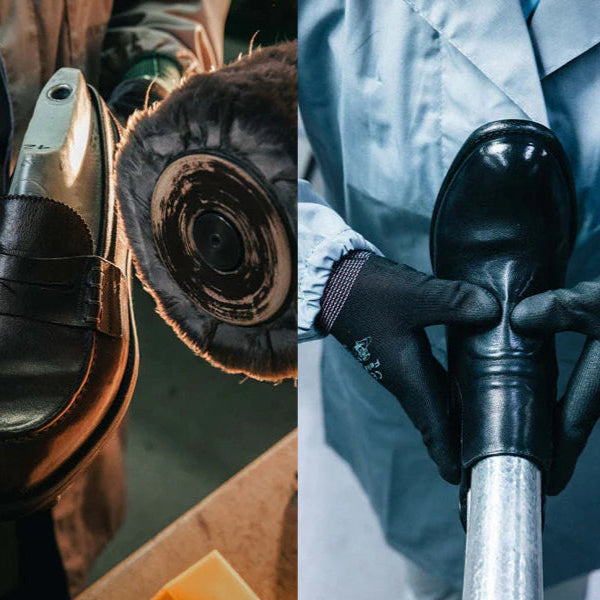
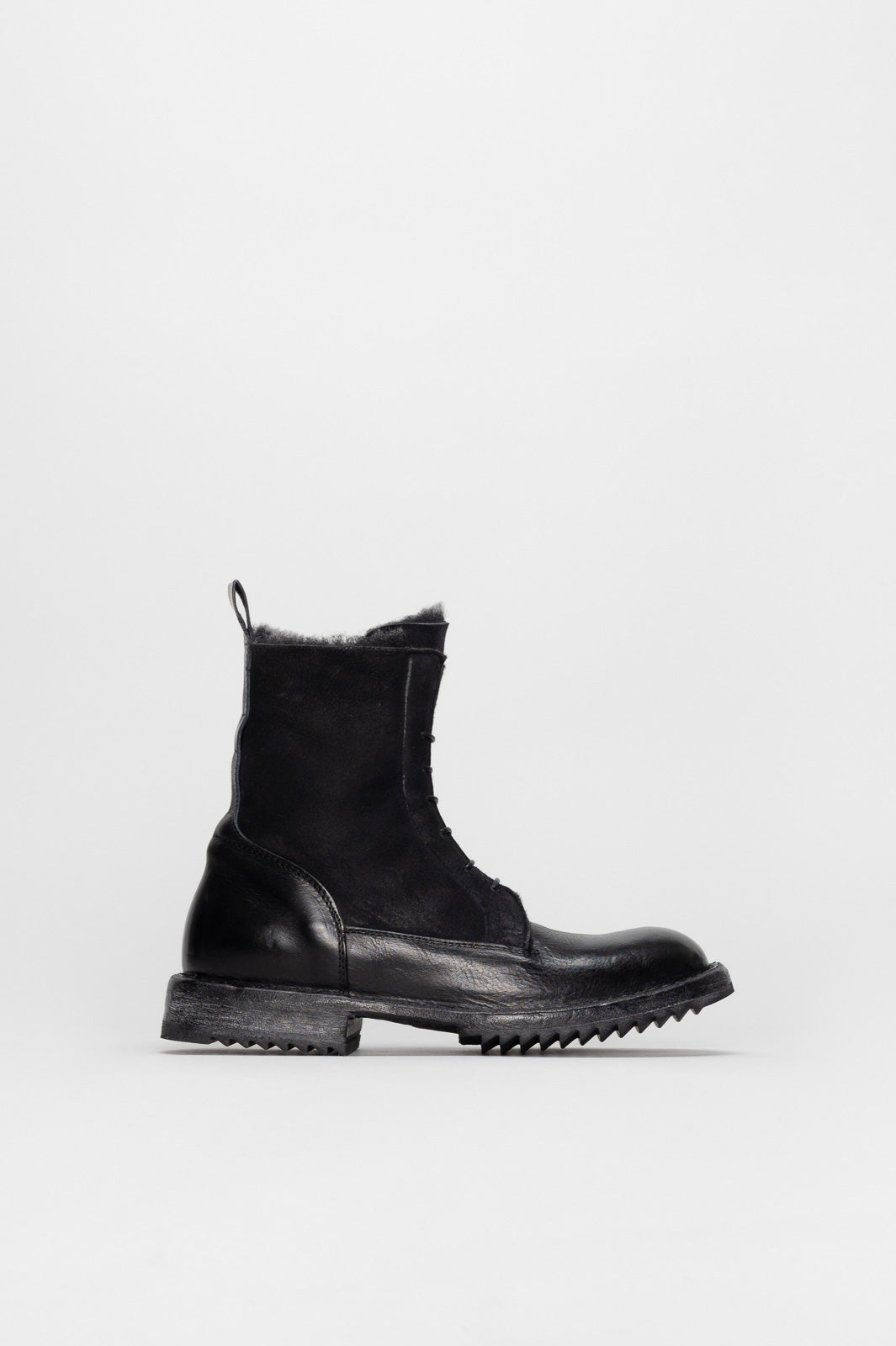
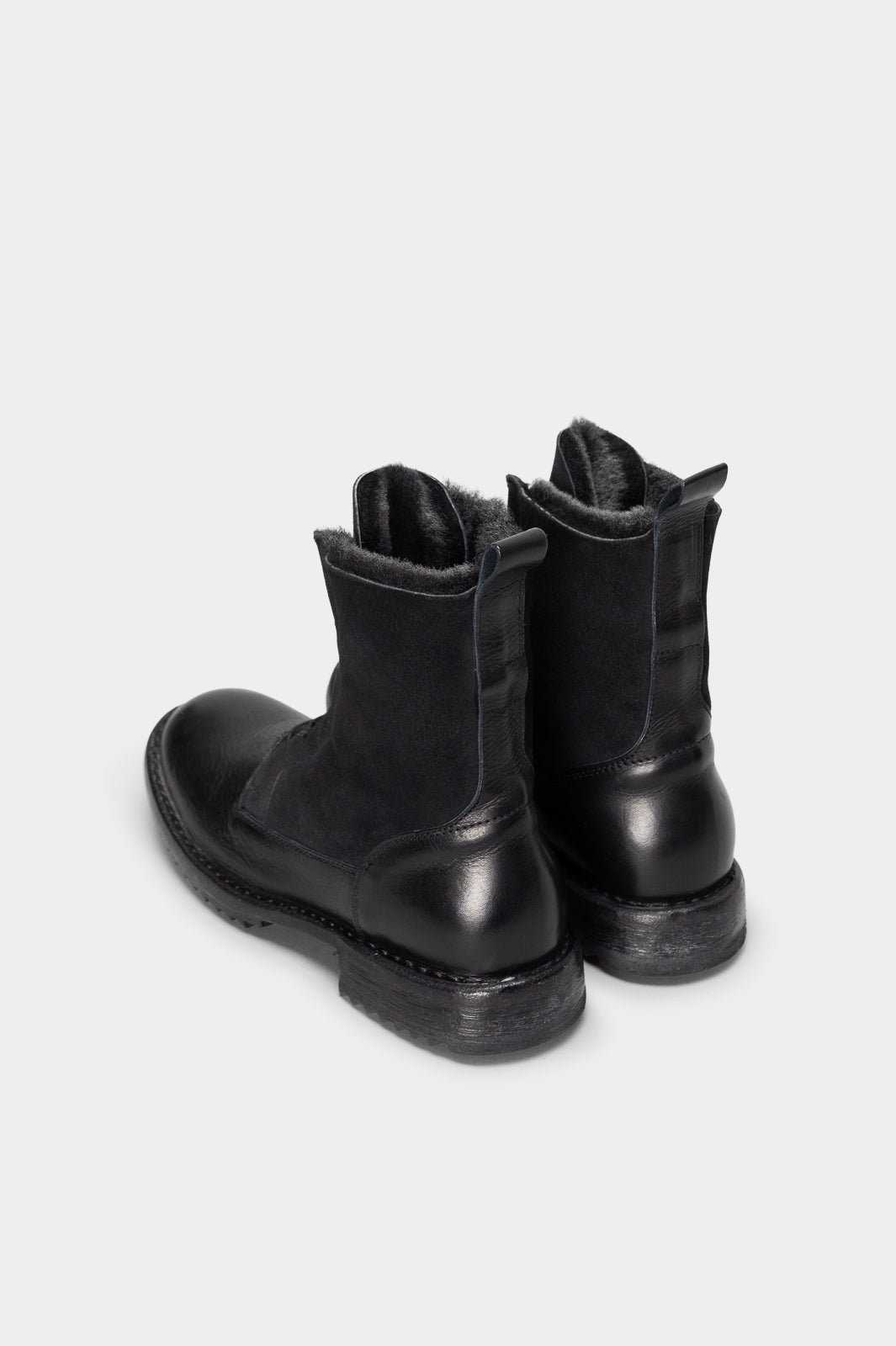
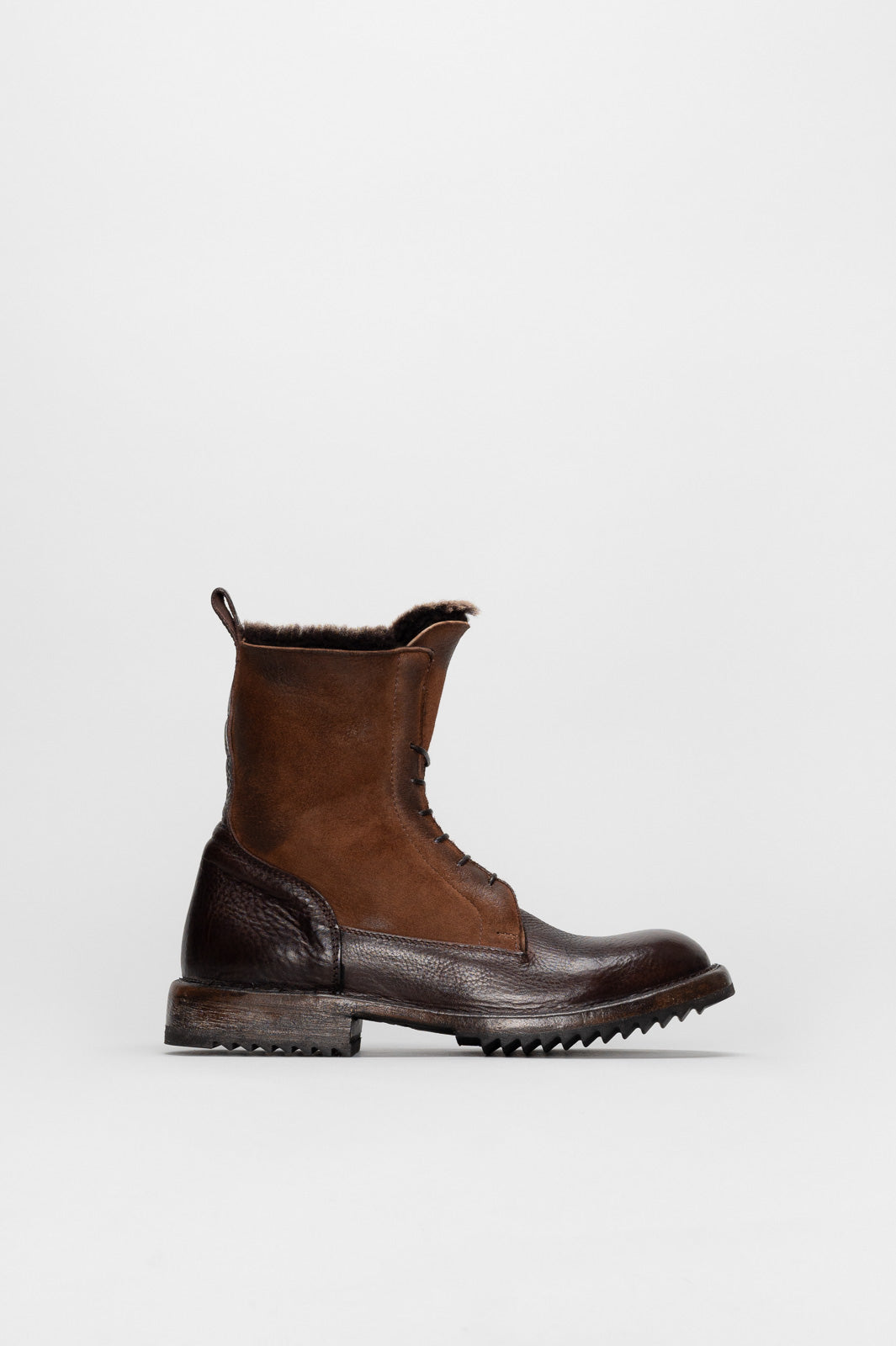
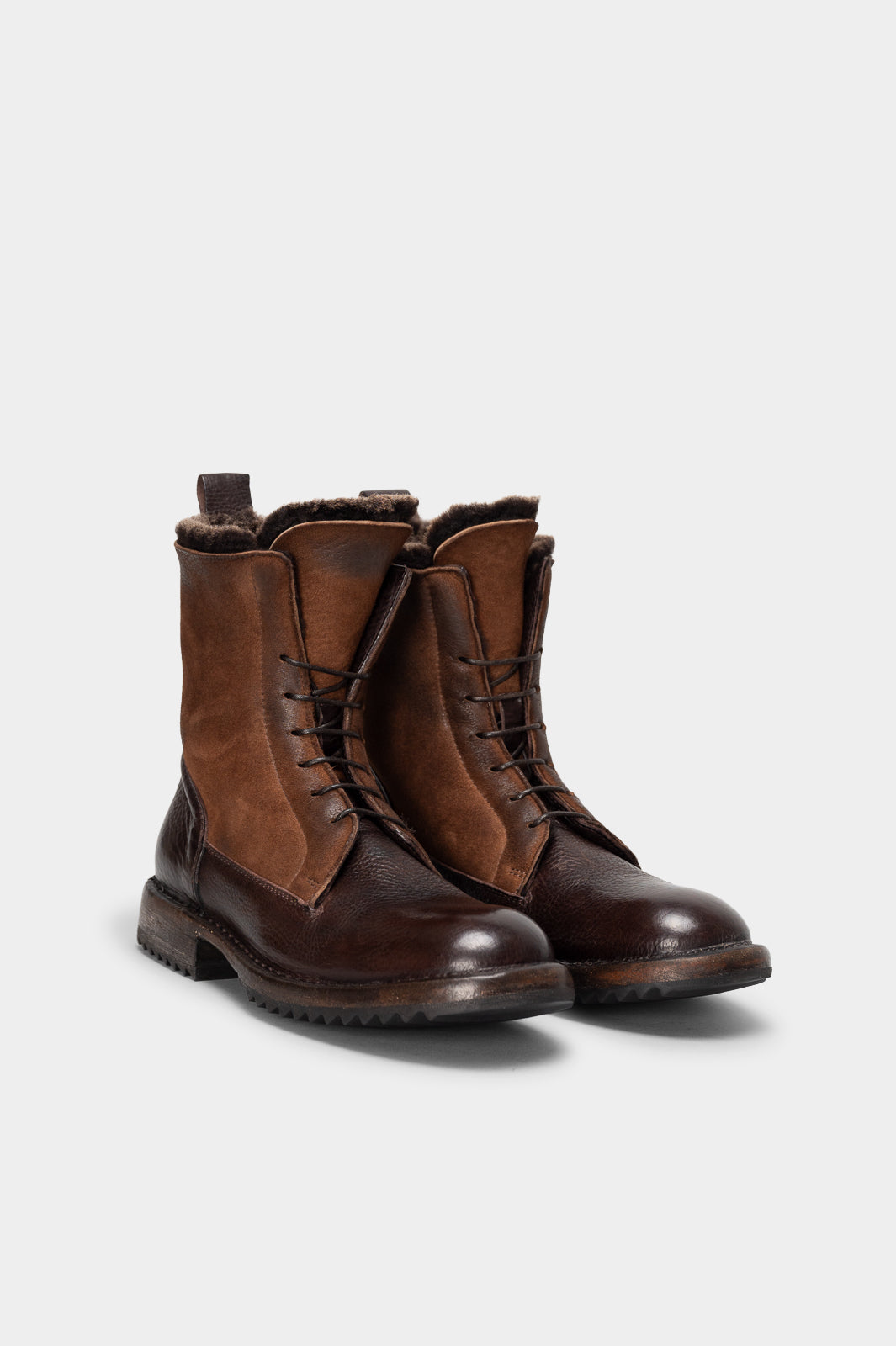
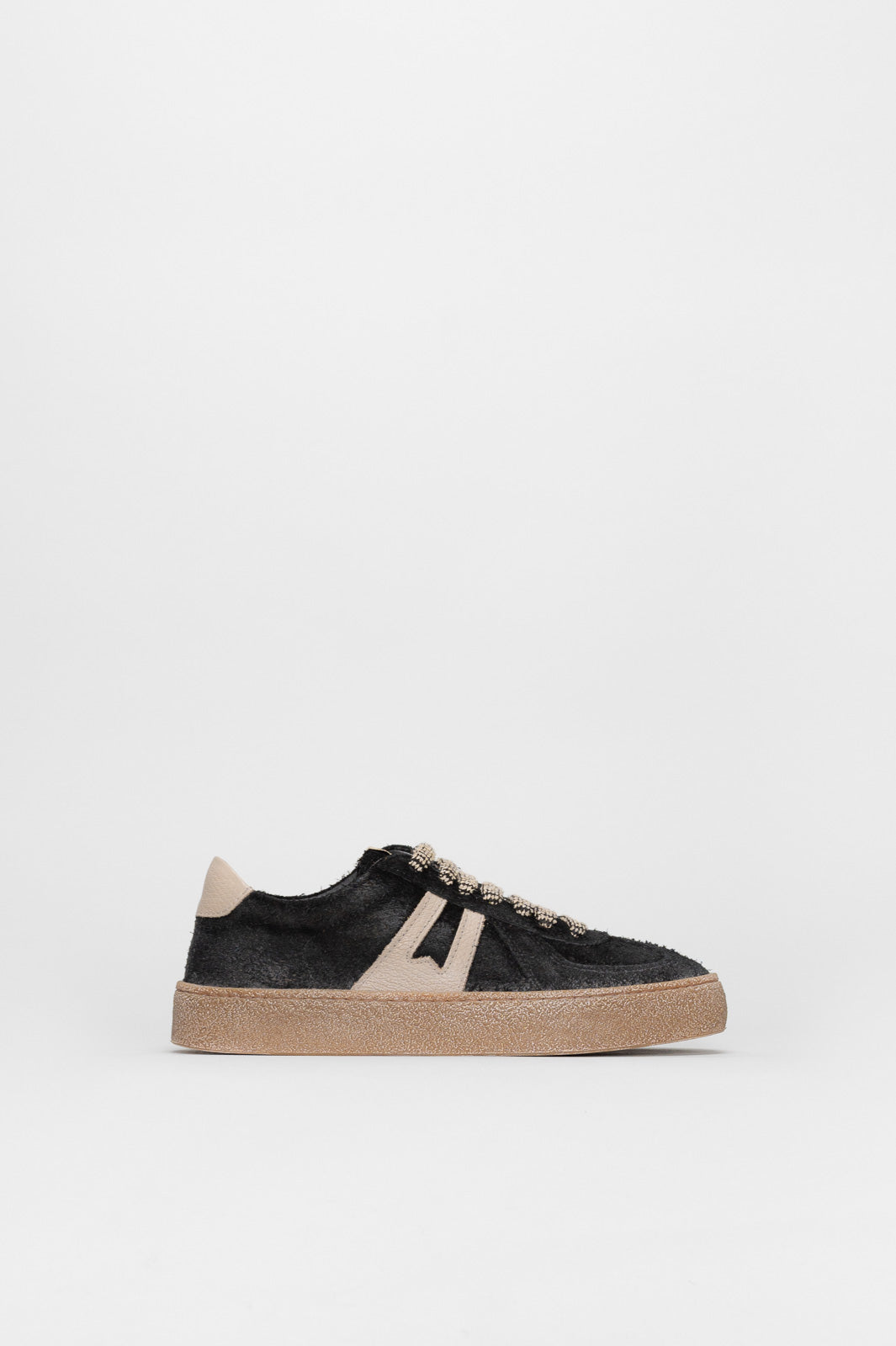
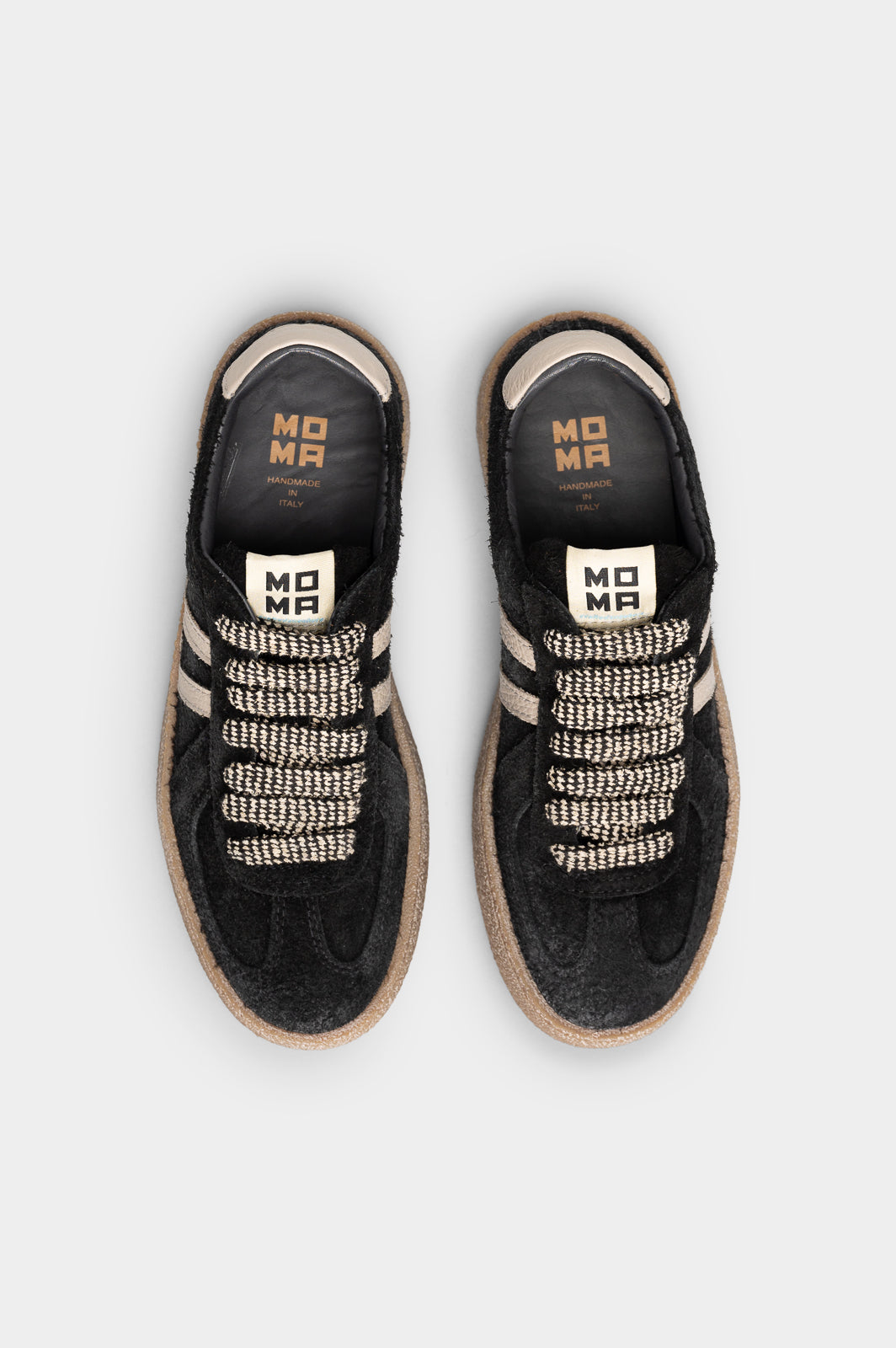
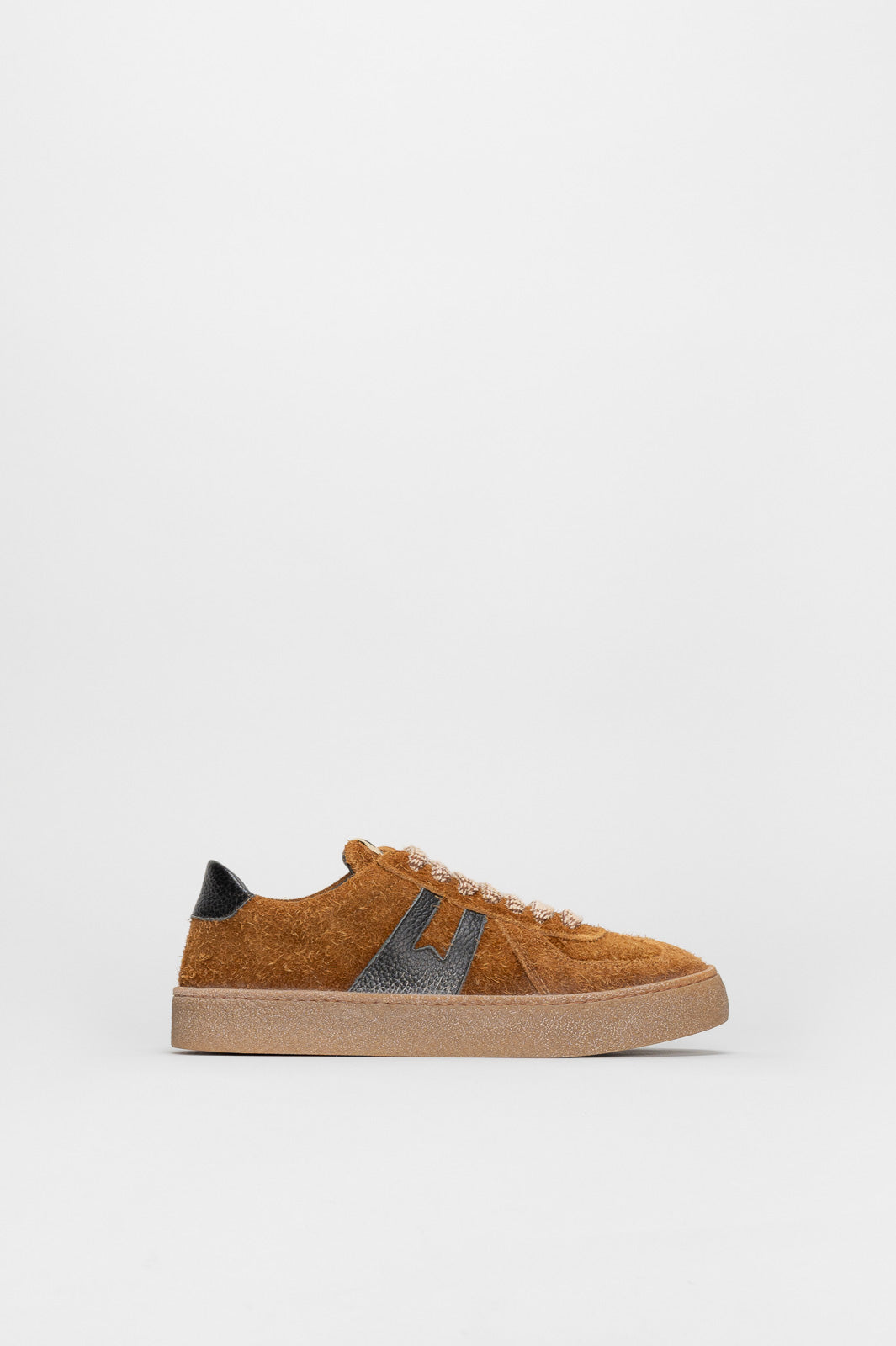
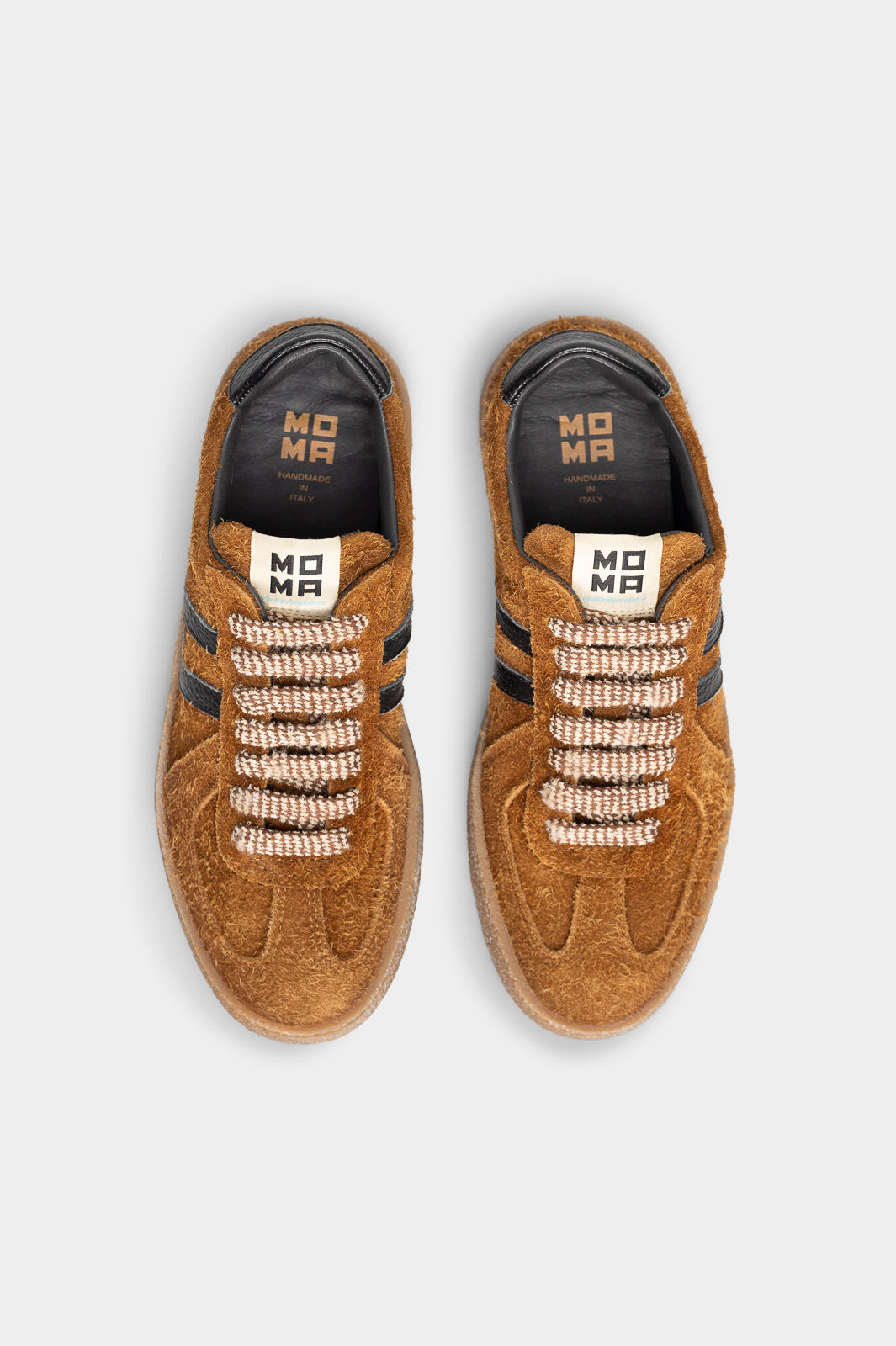
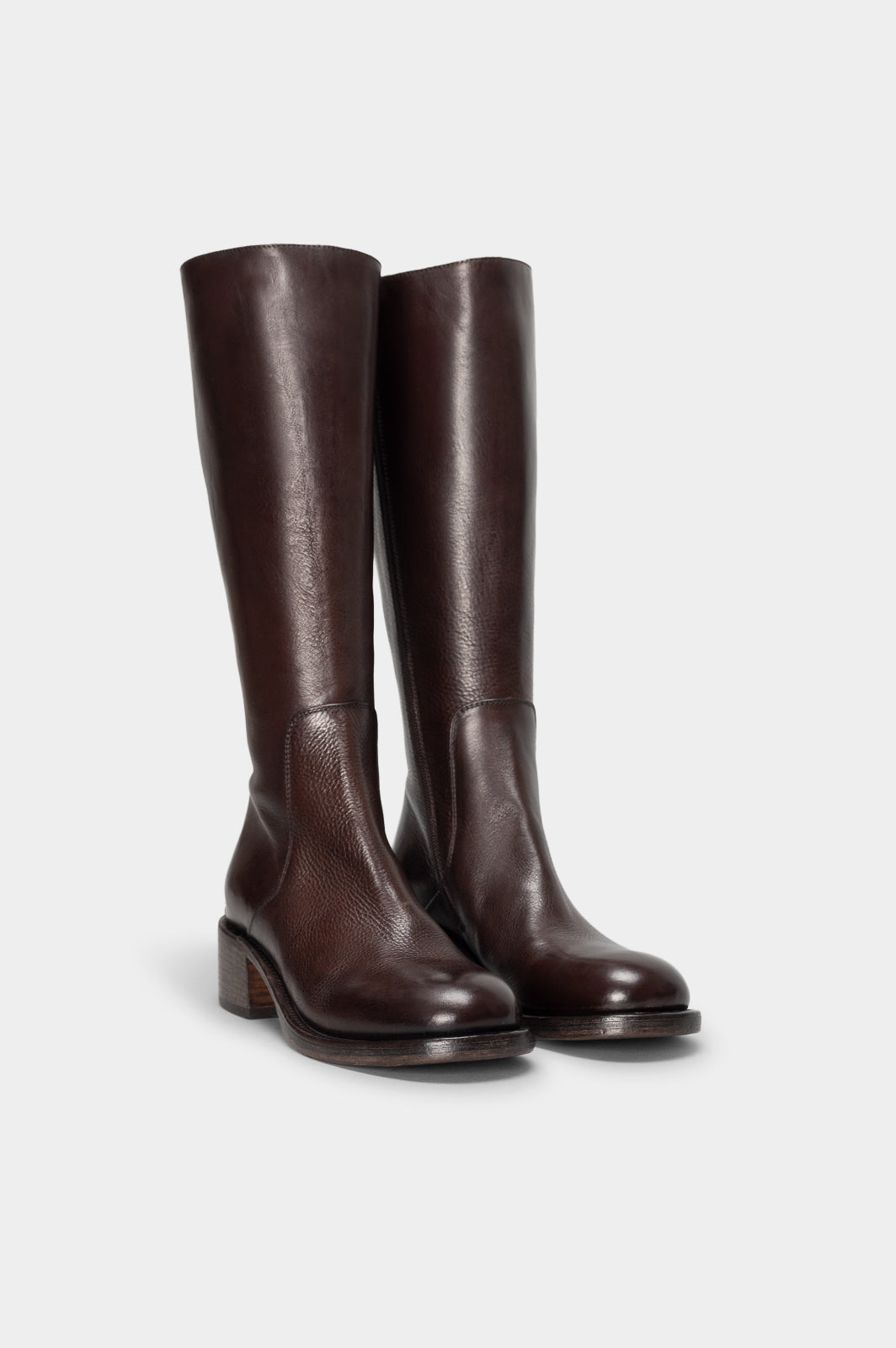
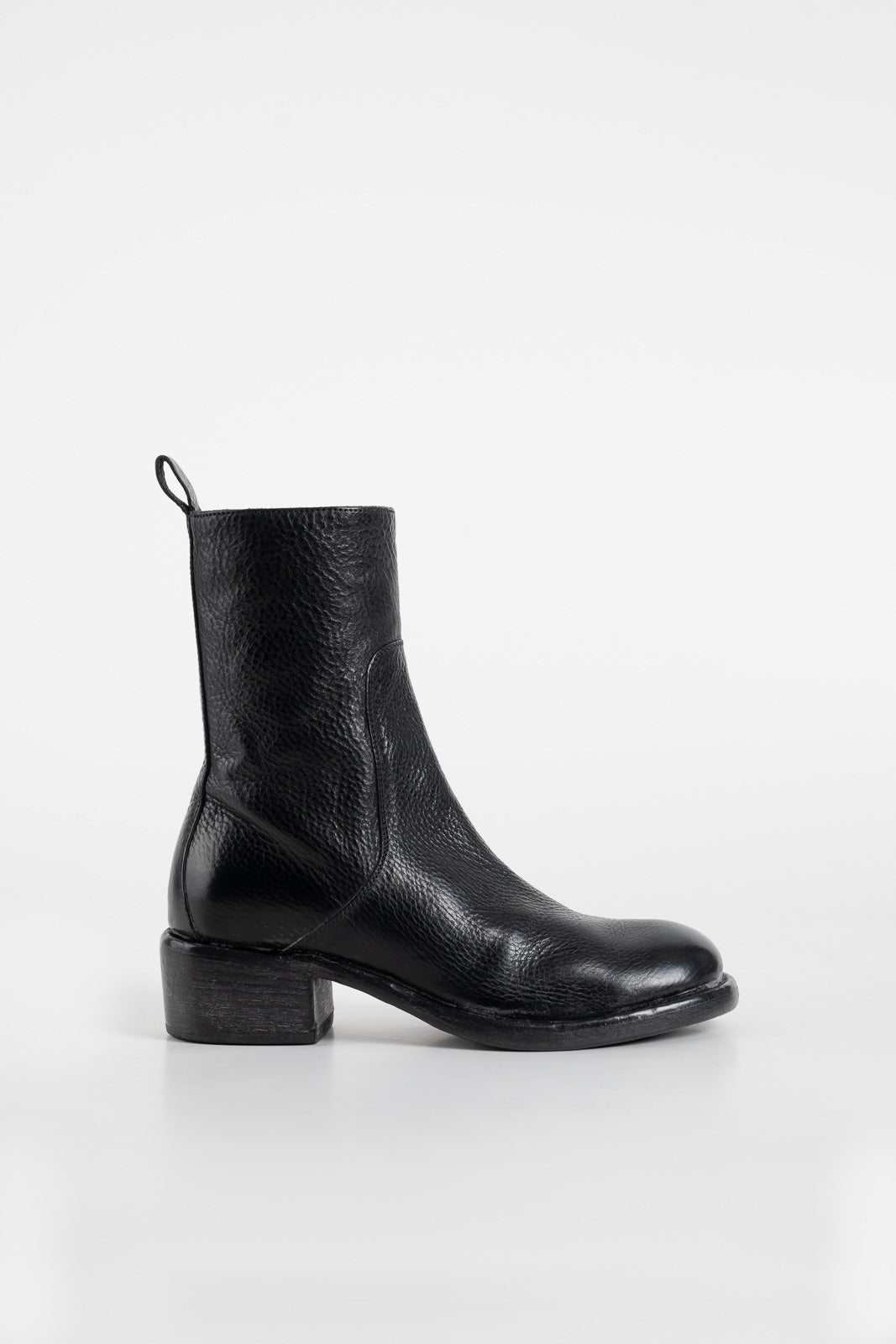
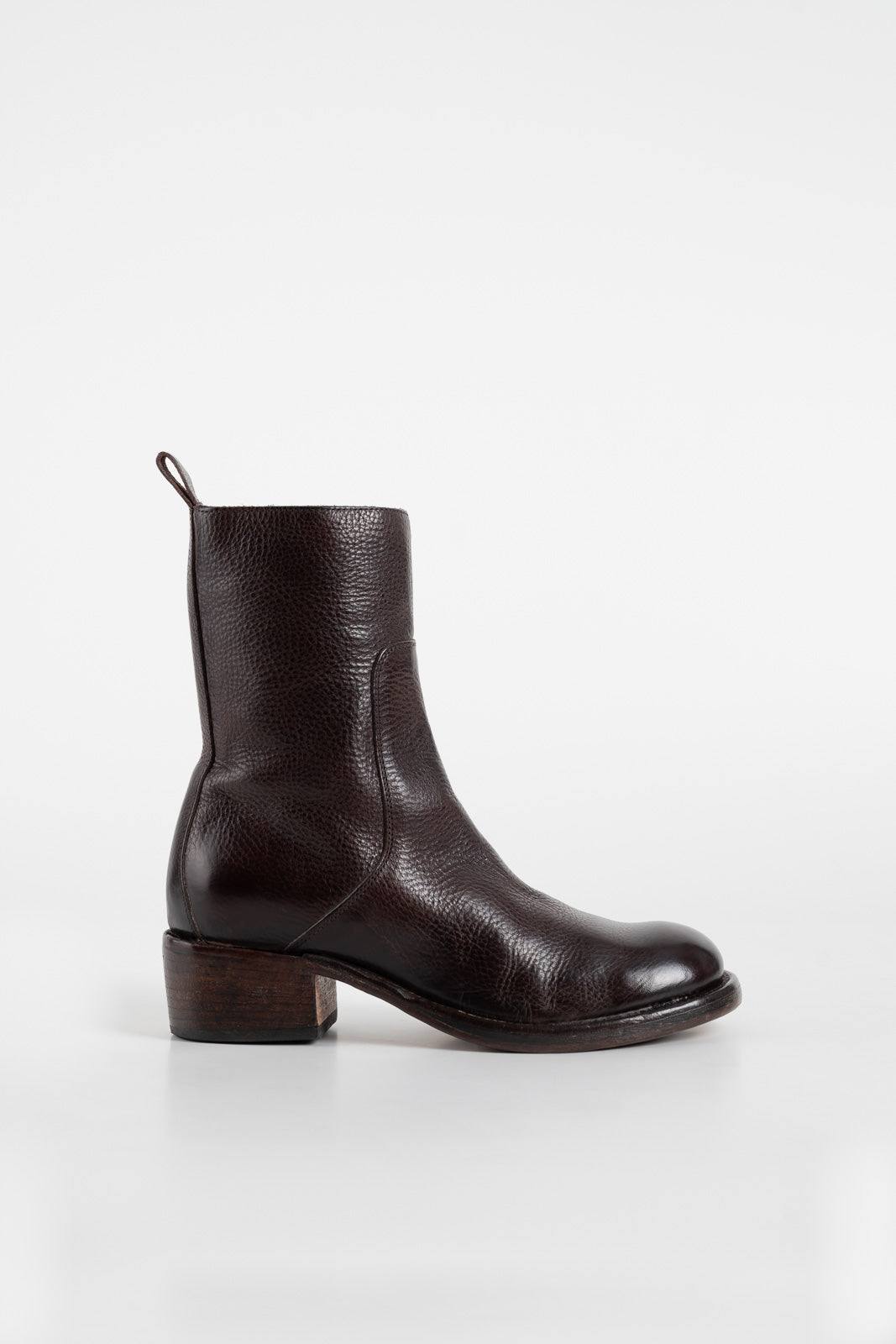
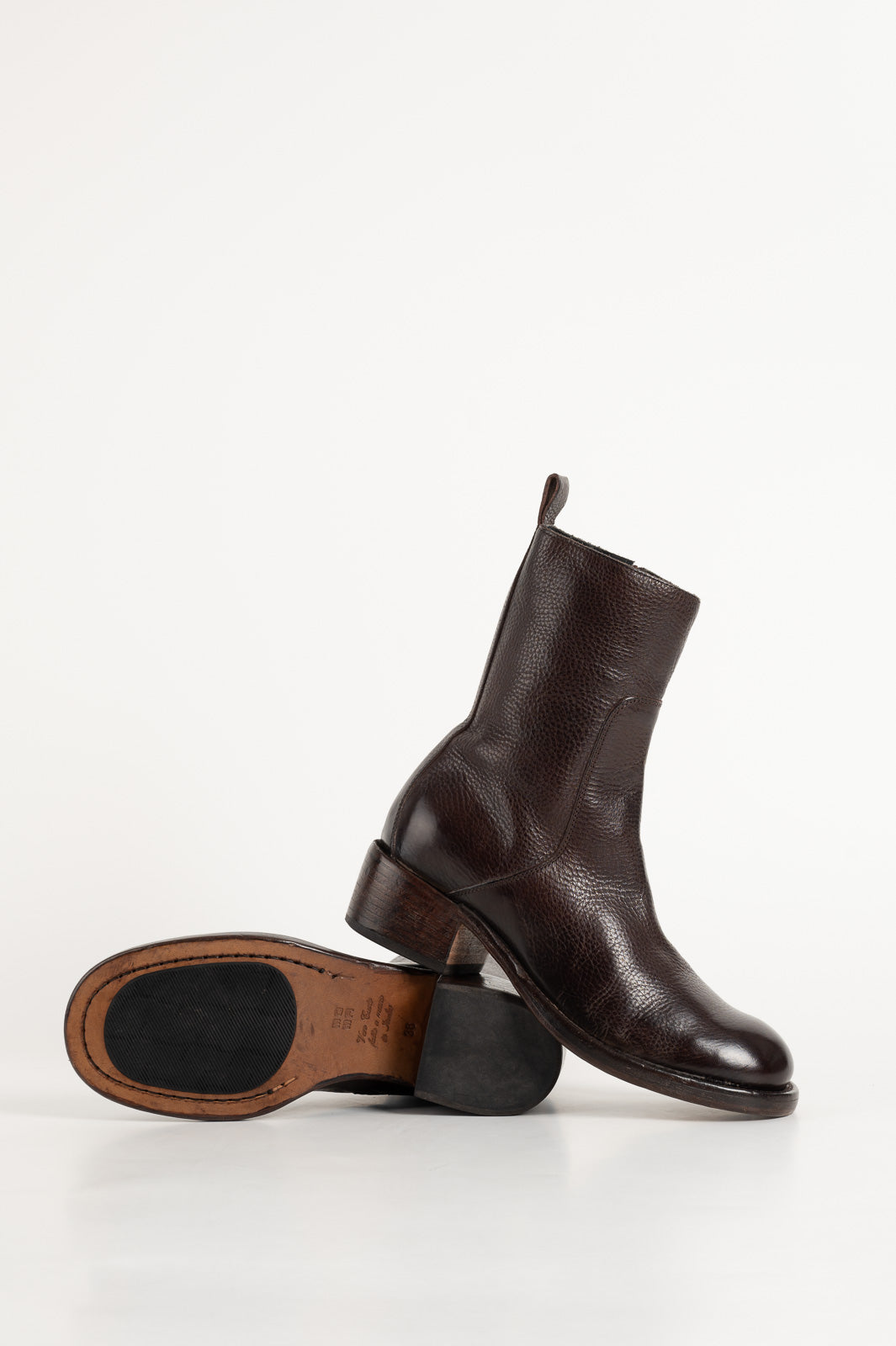
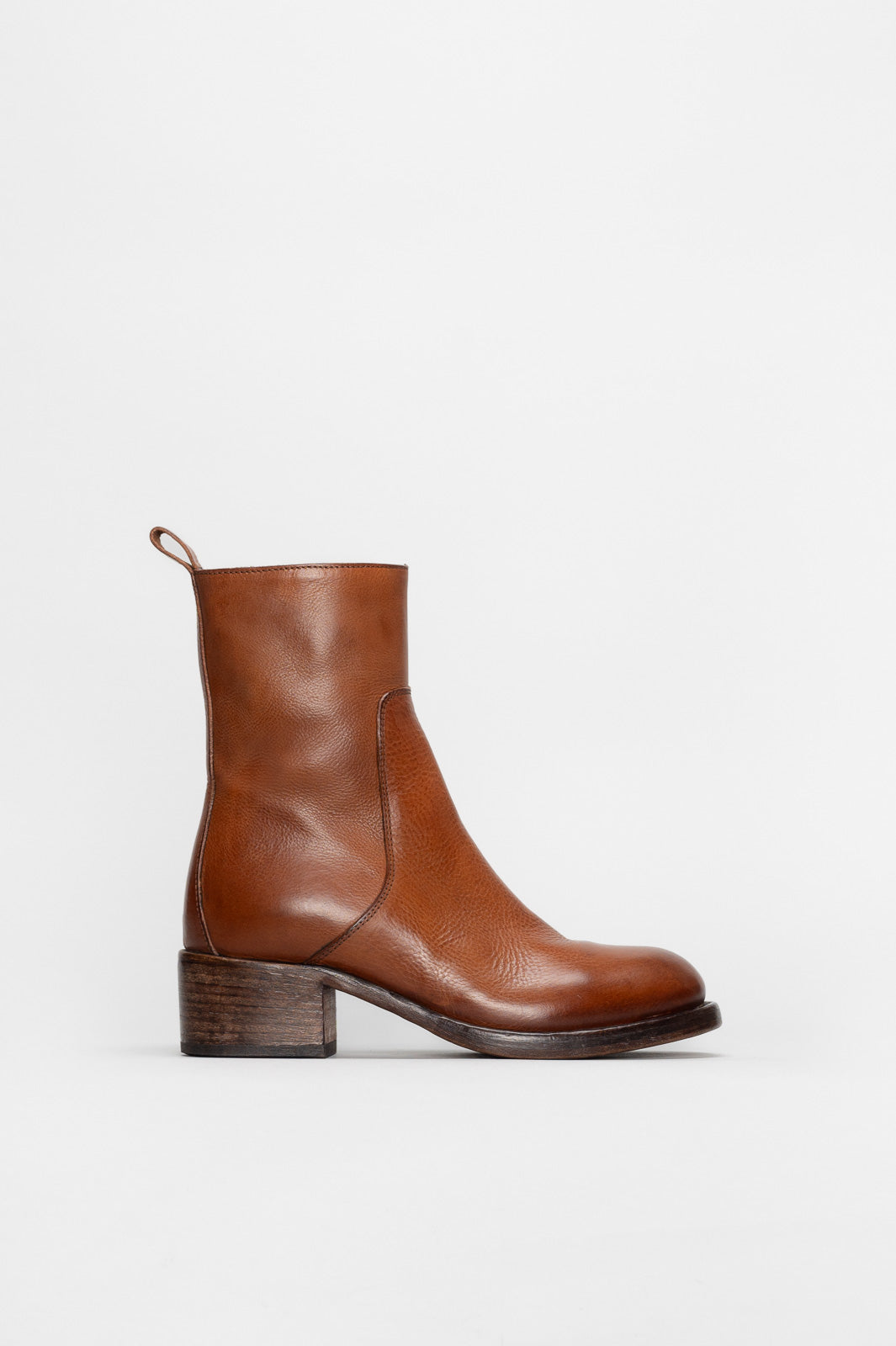
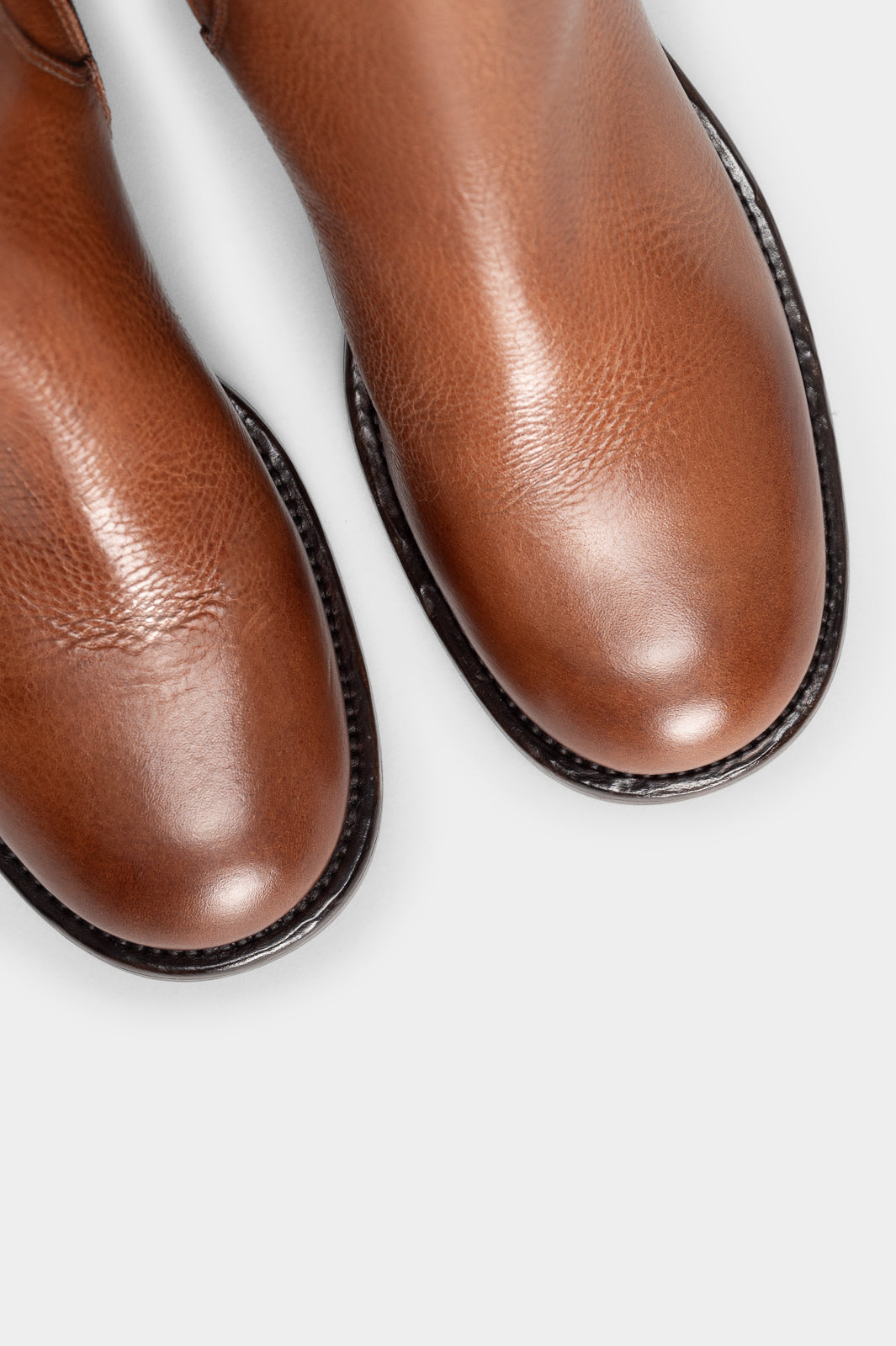
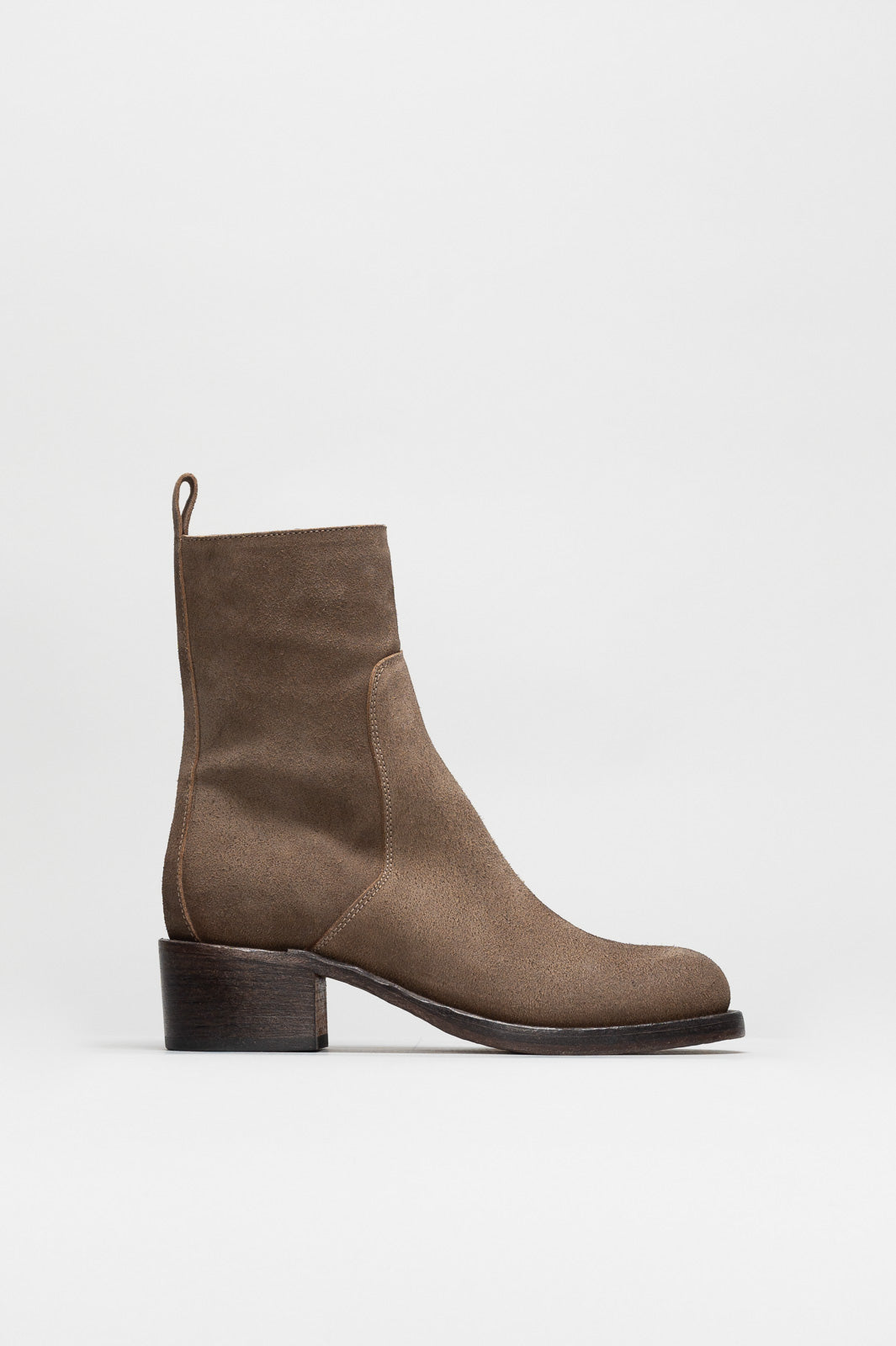
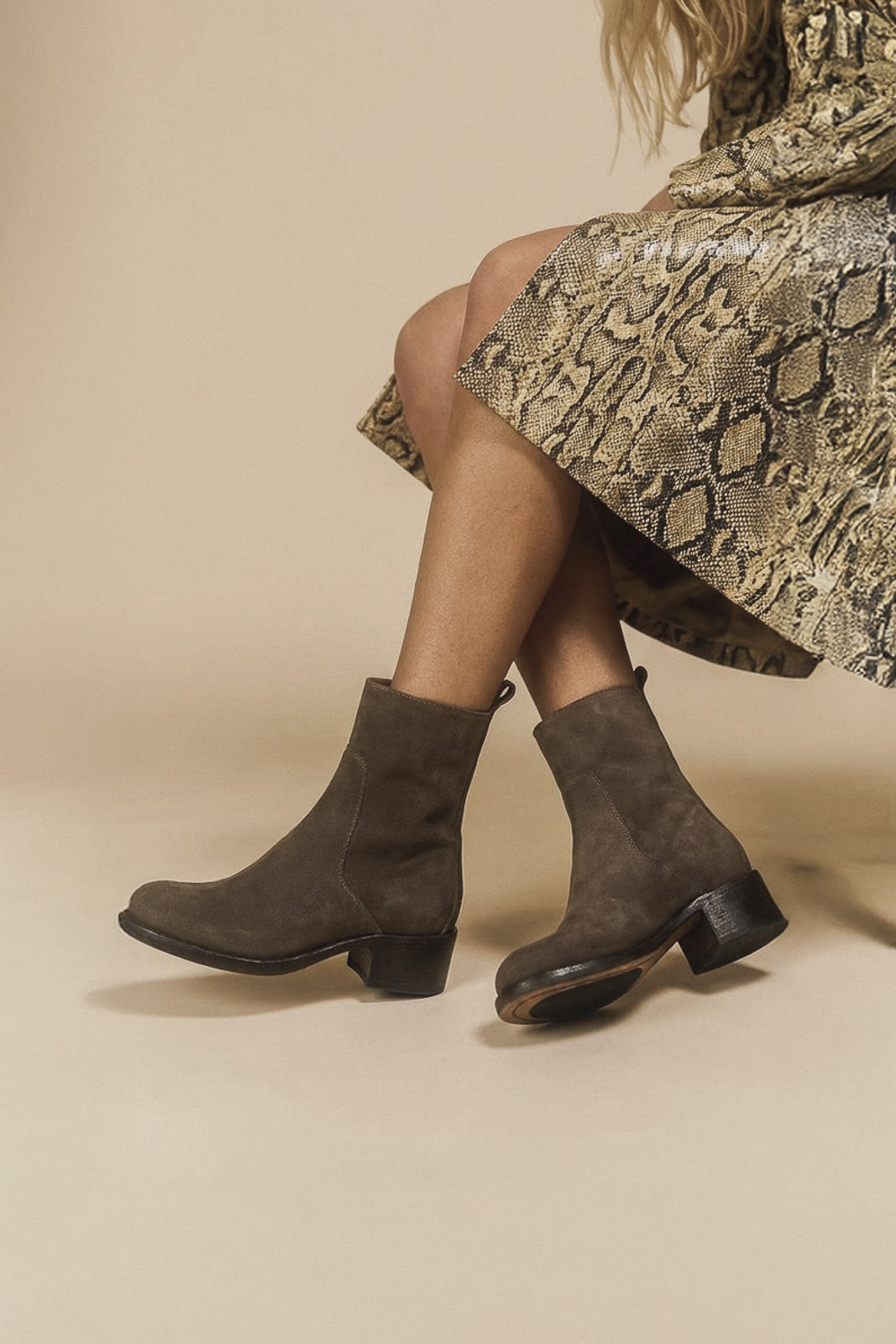
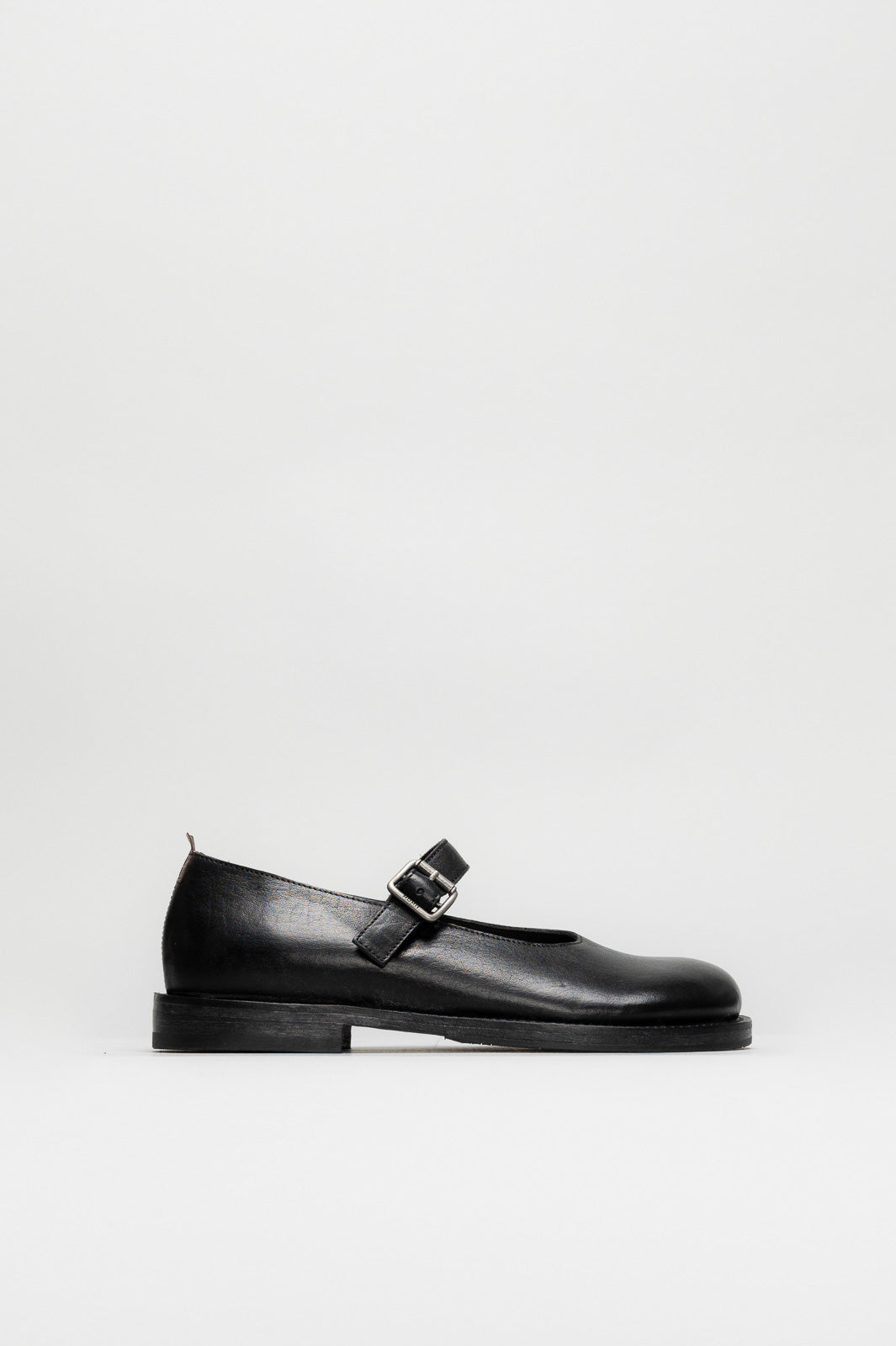
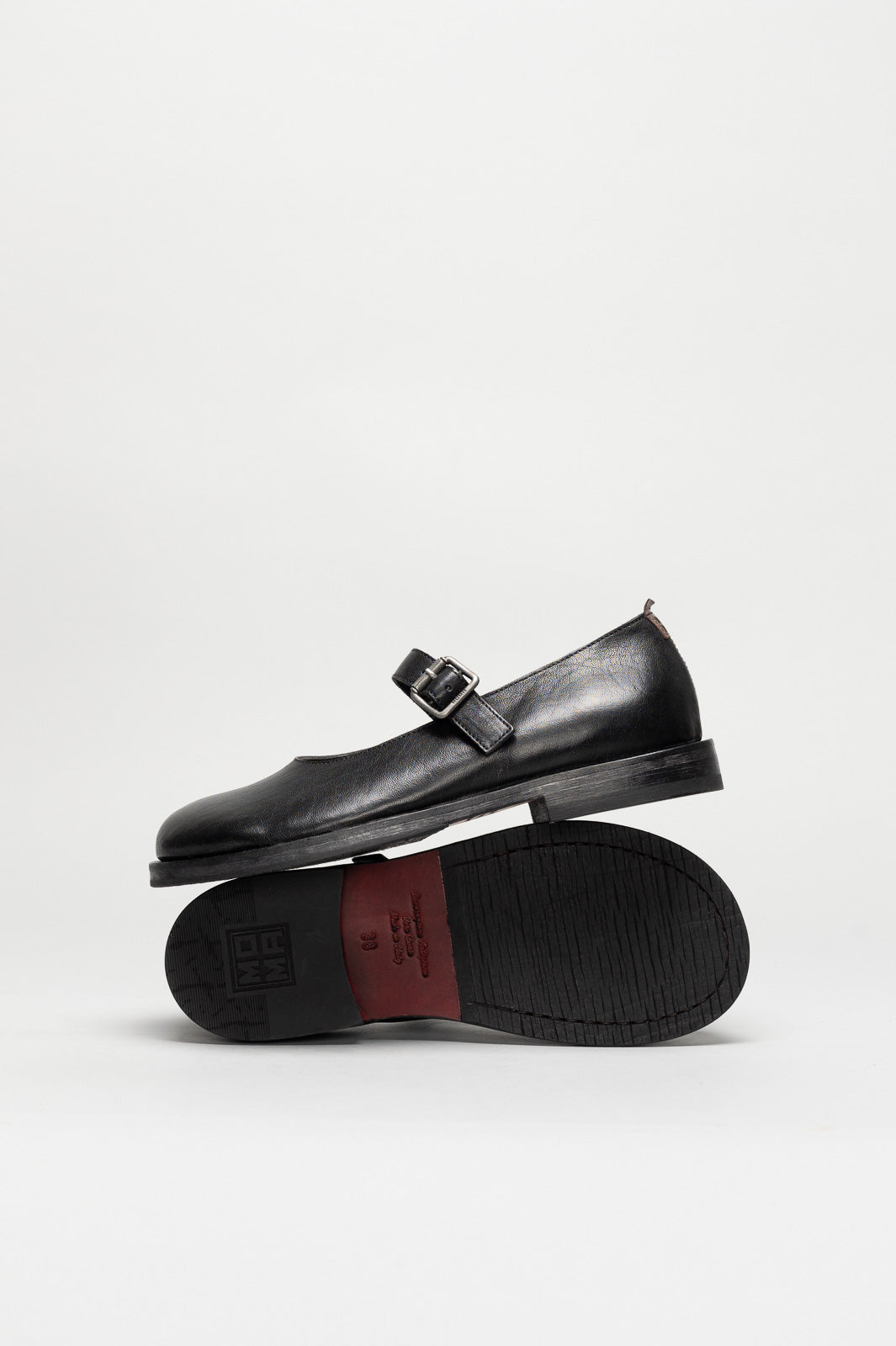
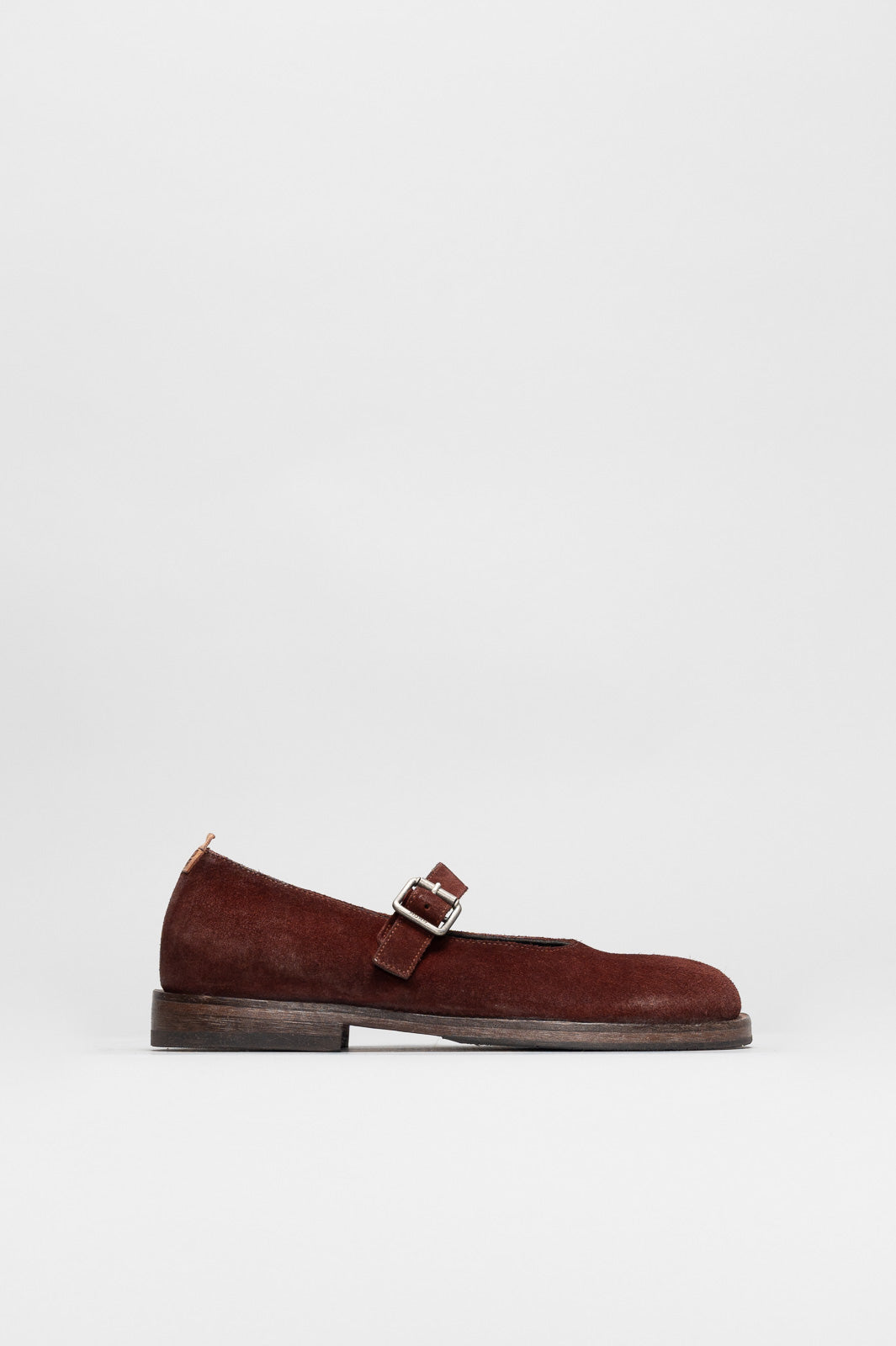
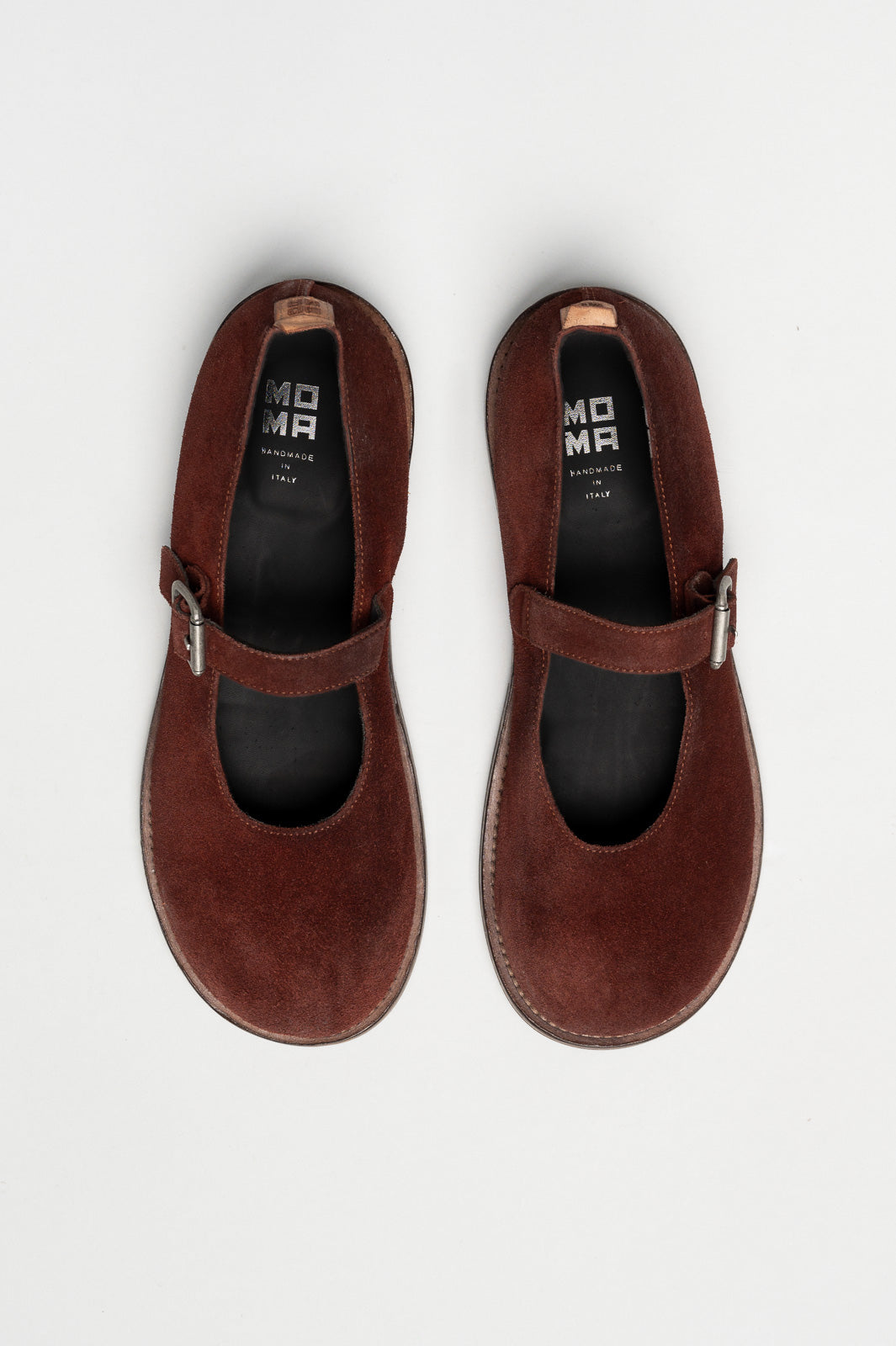
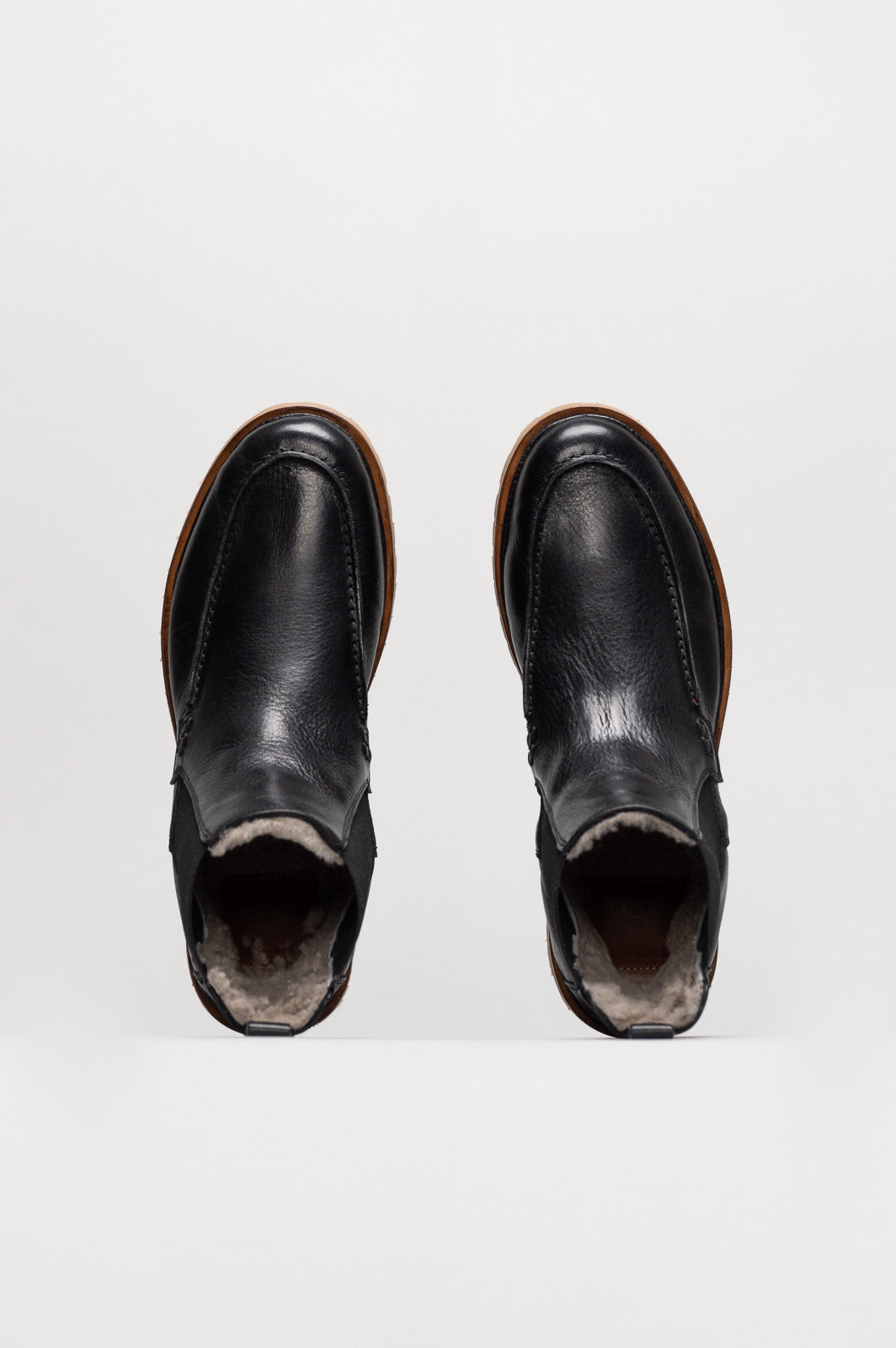
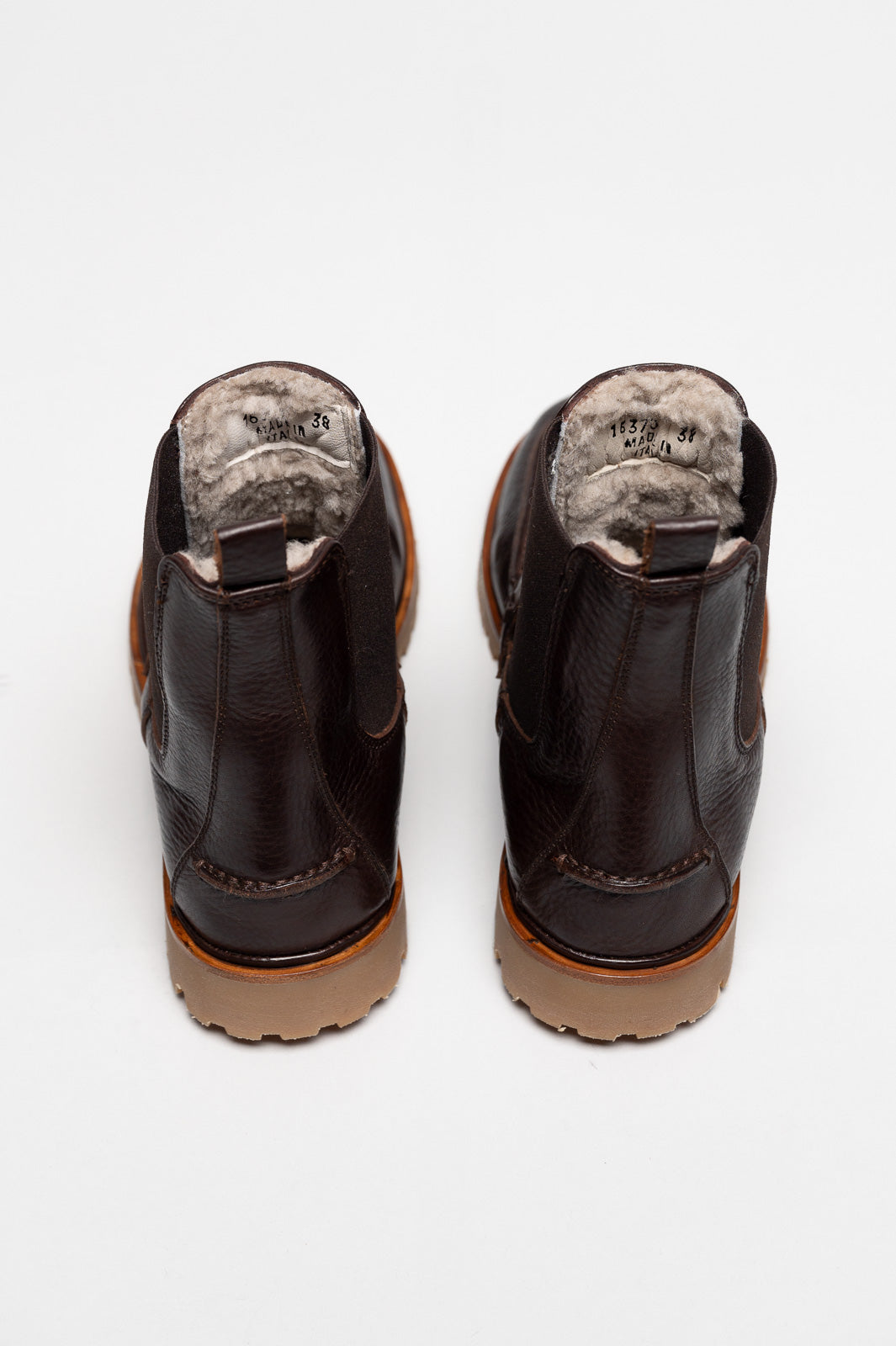
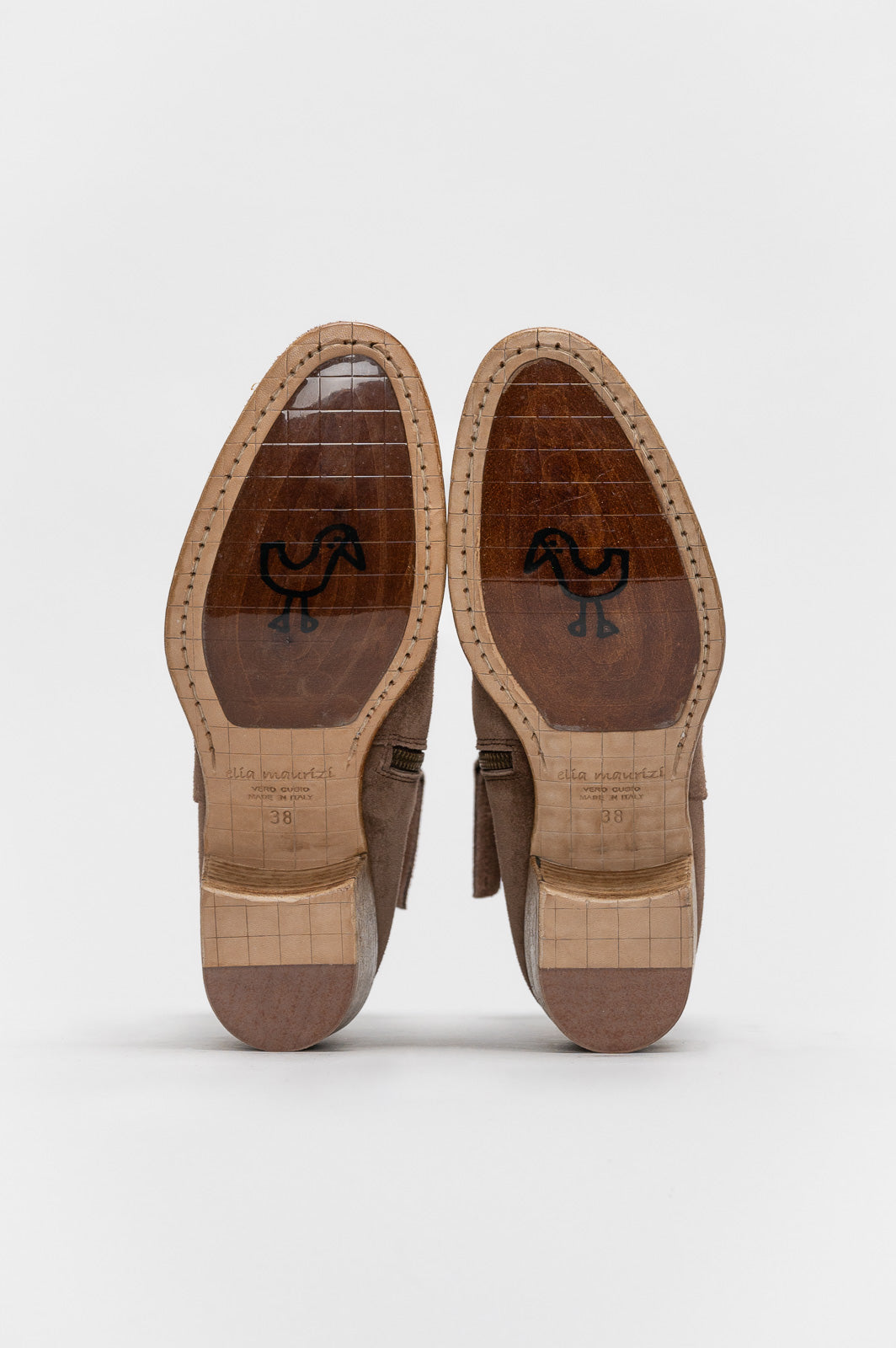
Footwear where construction and surface are visible. Stitching, edge finishing and material treatment remain part of the design rather than hidden.
Material character
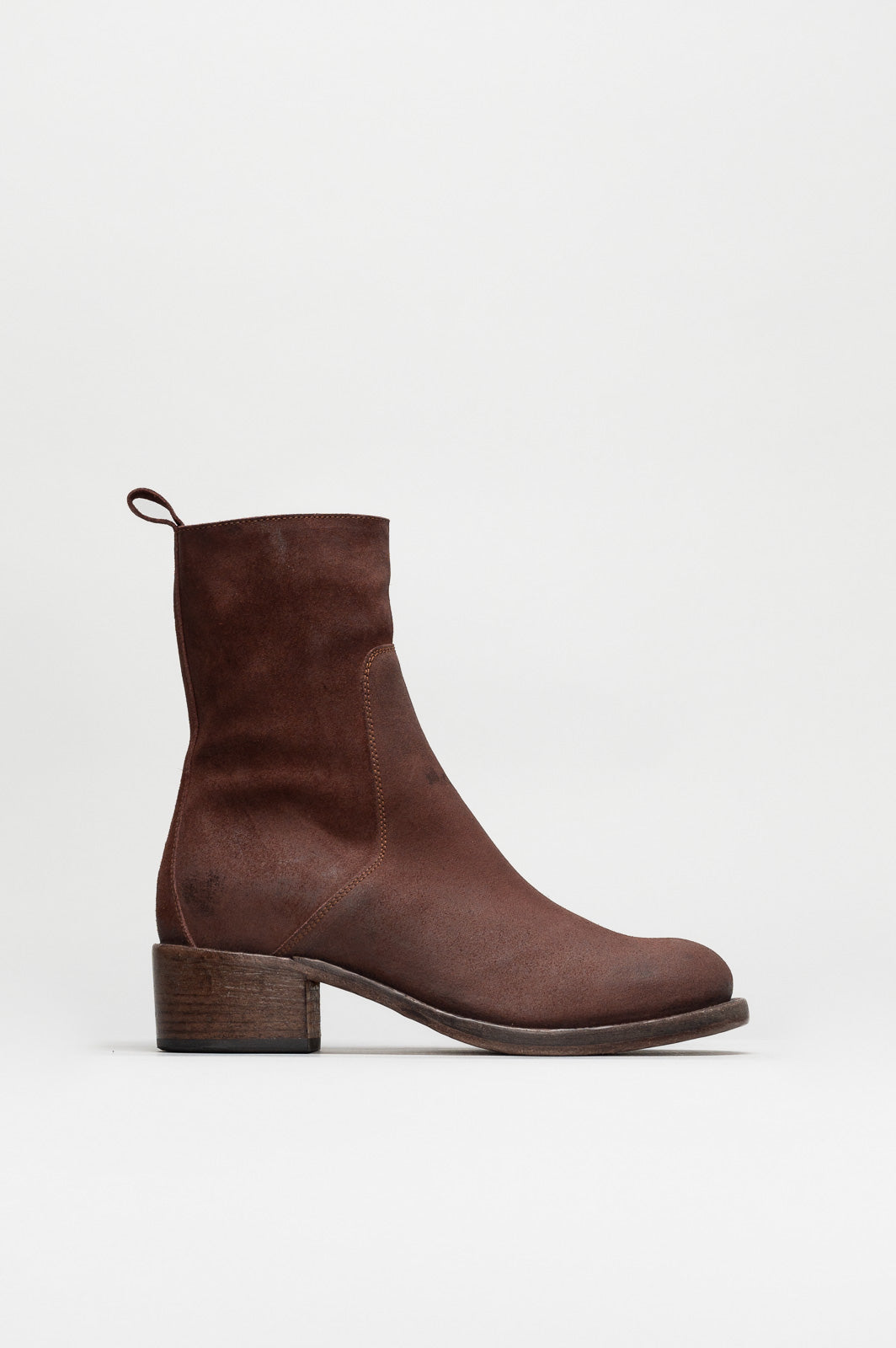
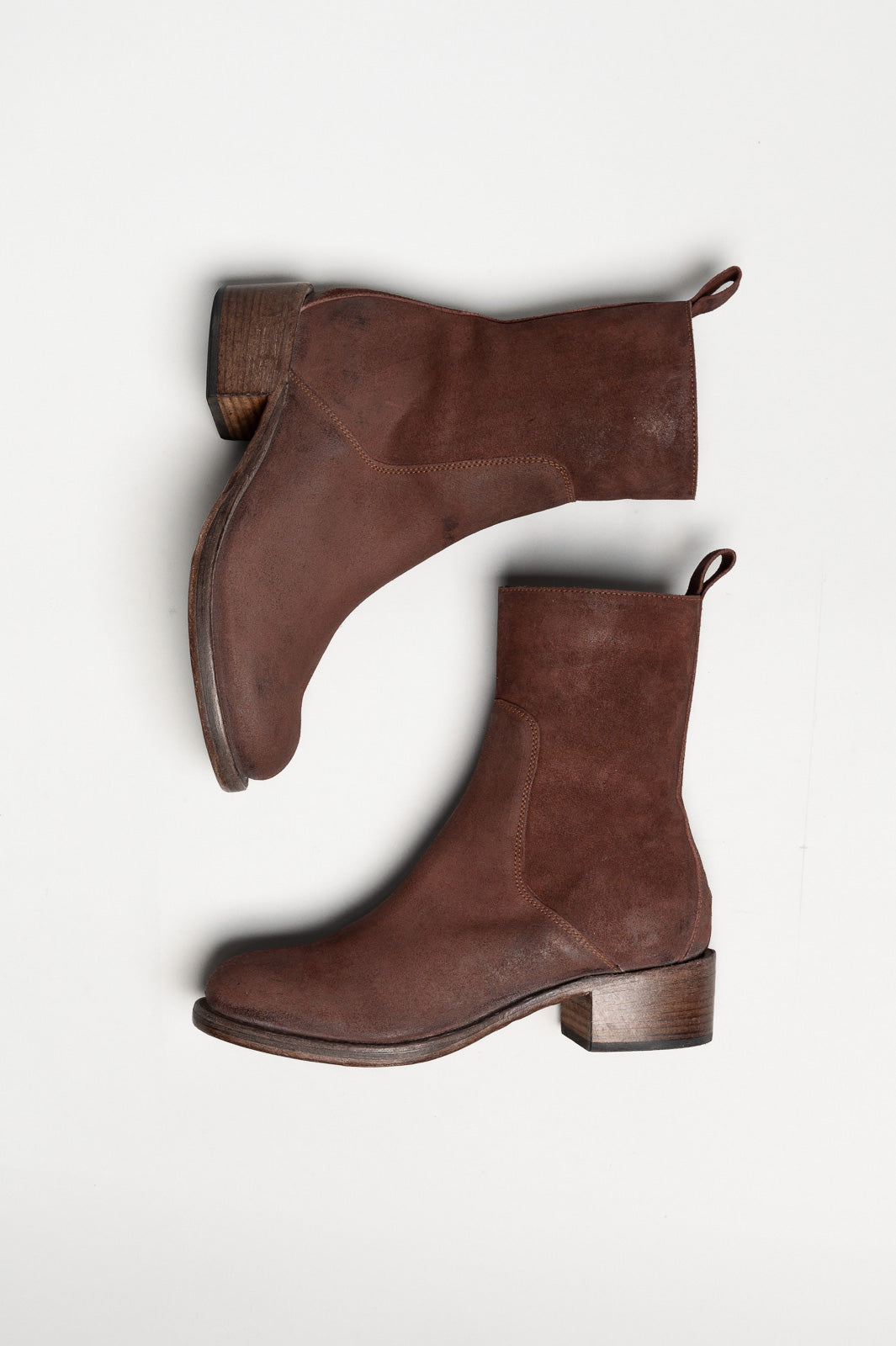
Rustic leathers, textured finishes and natural variation. The surface carries depth and irregularity, shaped through traditional techniques.
When to choose Artisan
For a wardrobe that values material presence and handcraft over polish. Artisan styles suit relaxed tailoring, denim and environments where texture defines the look.



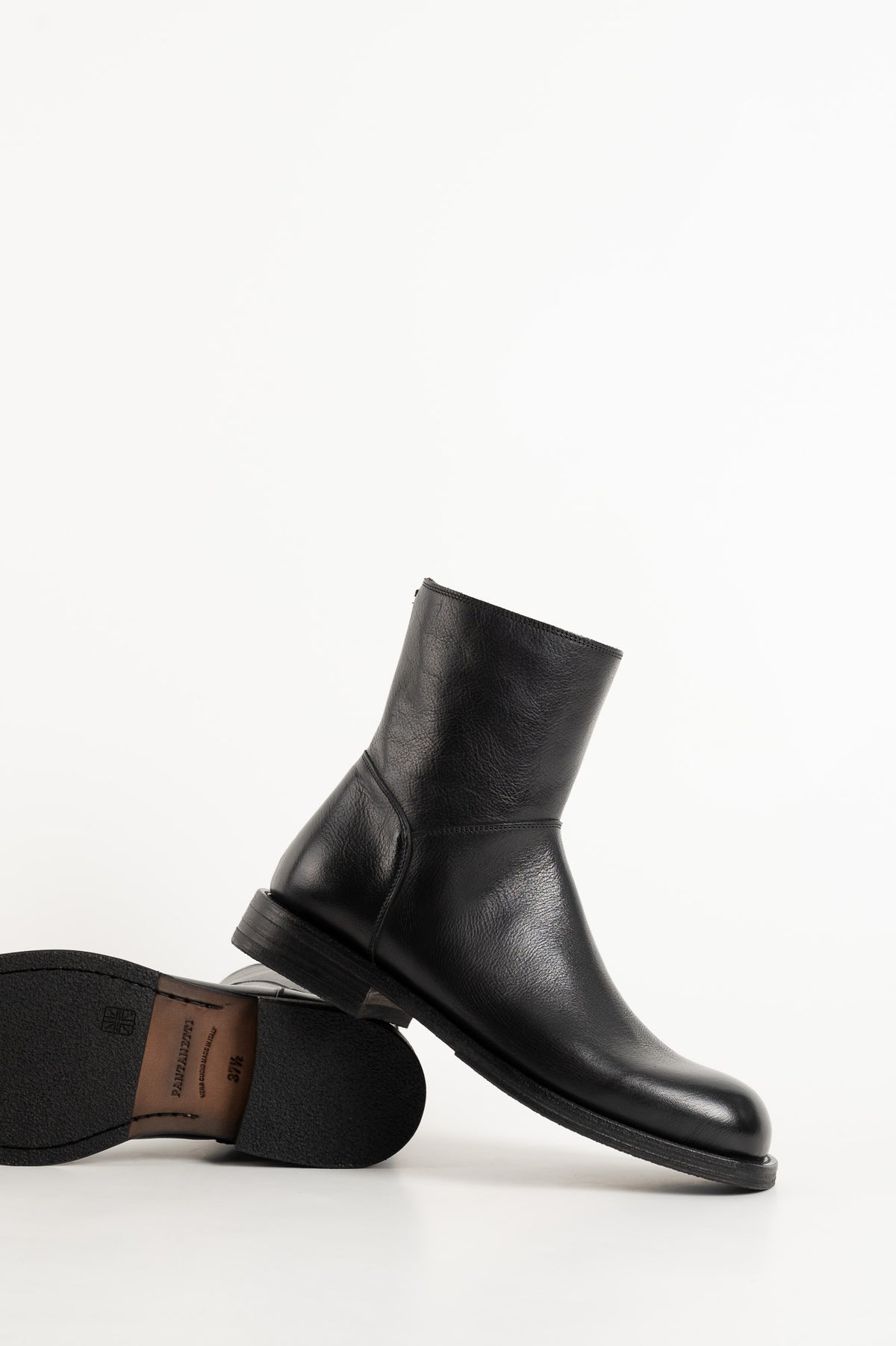
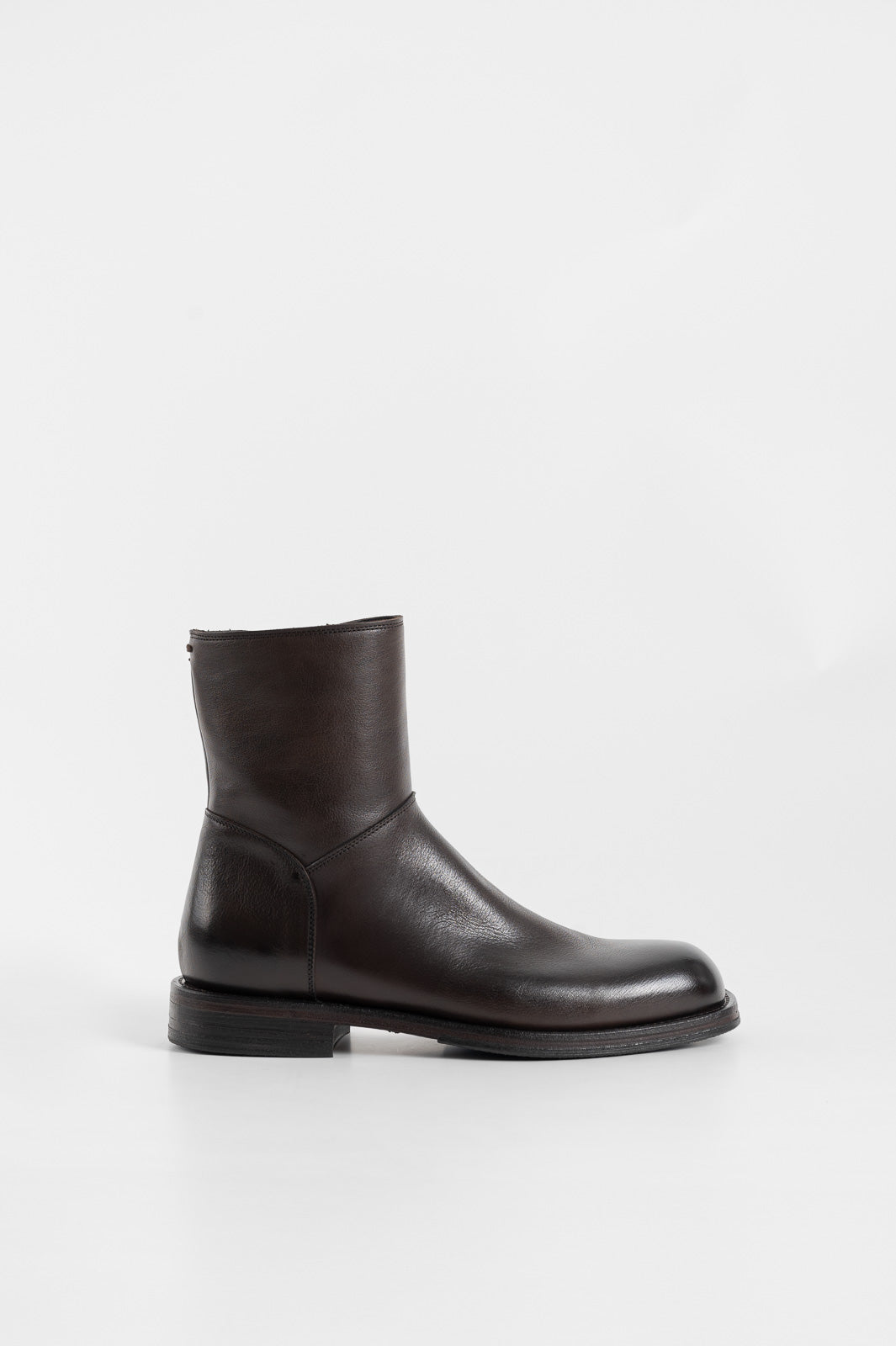
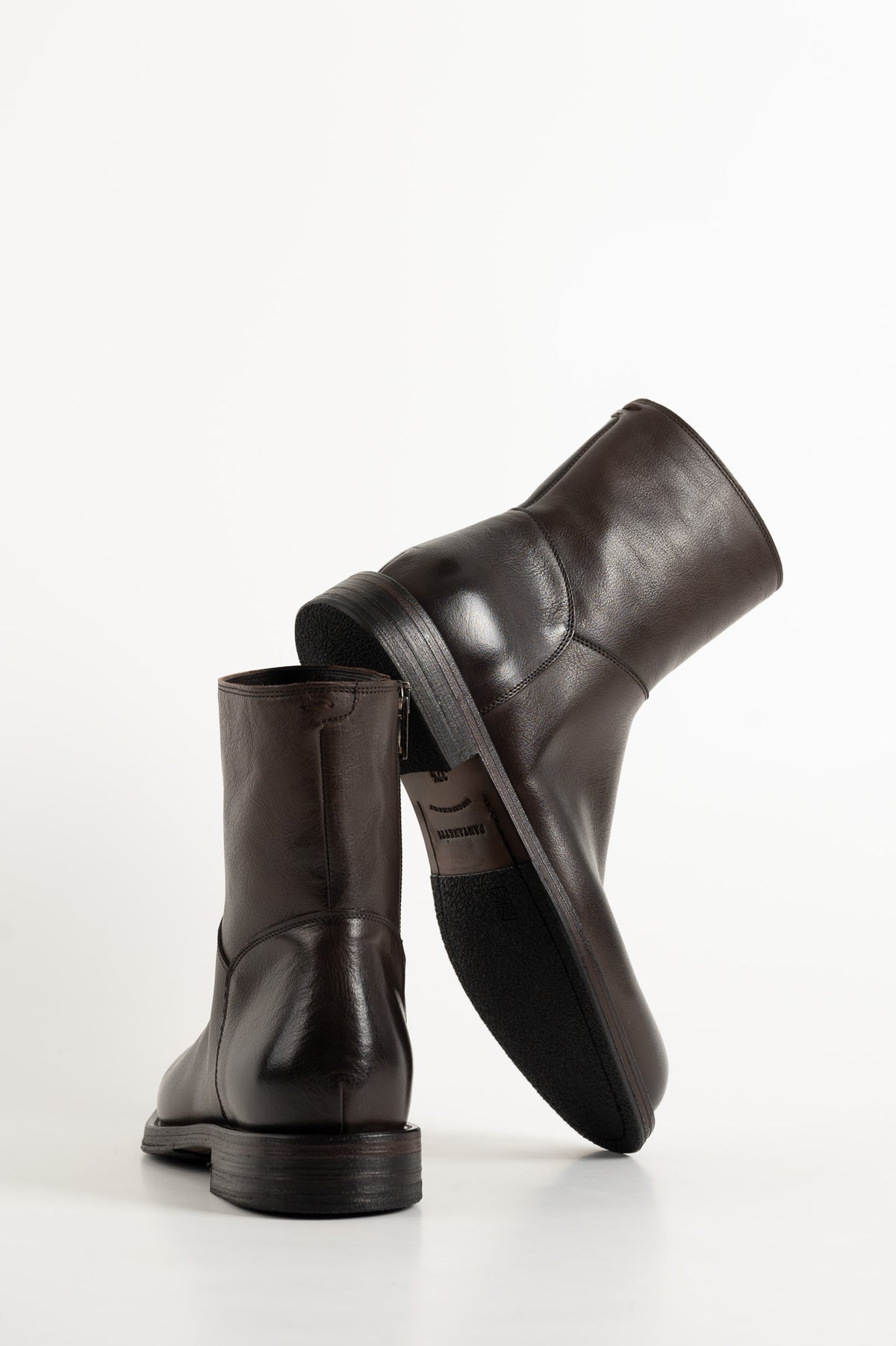
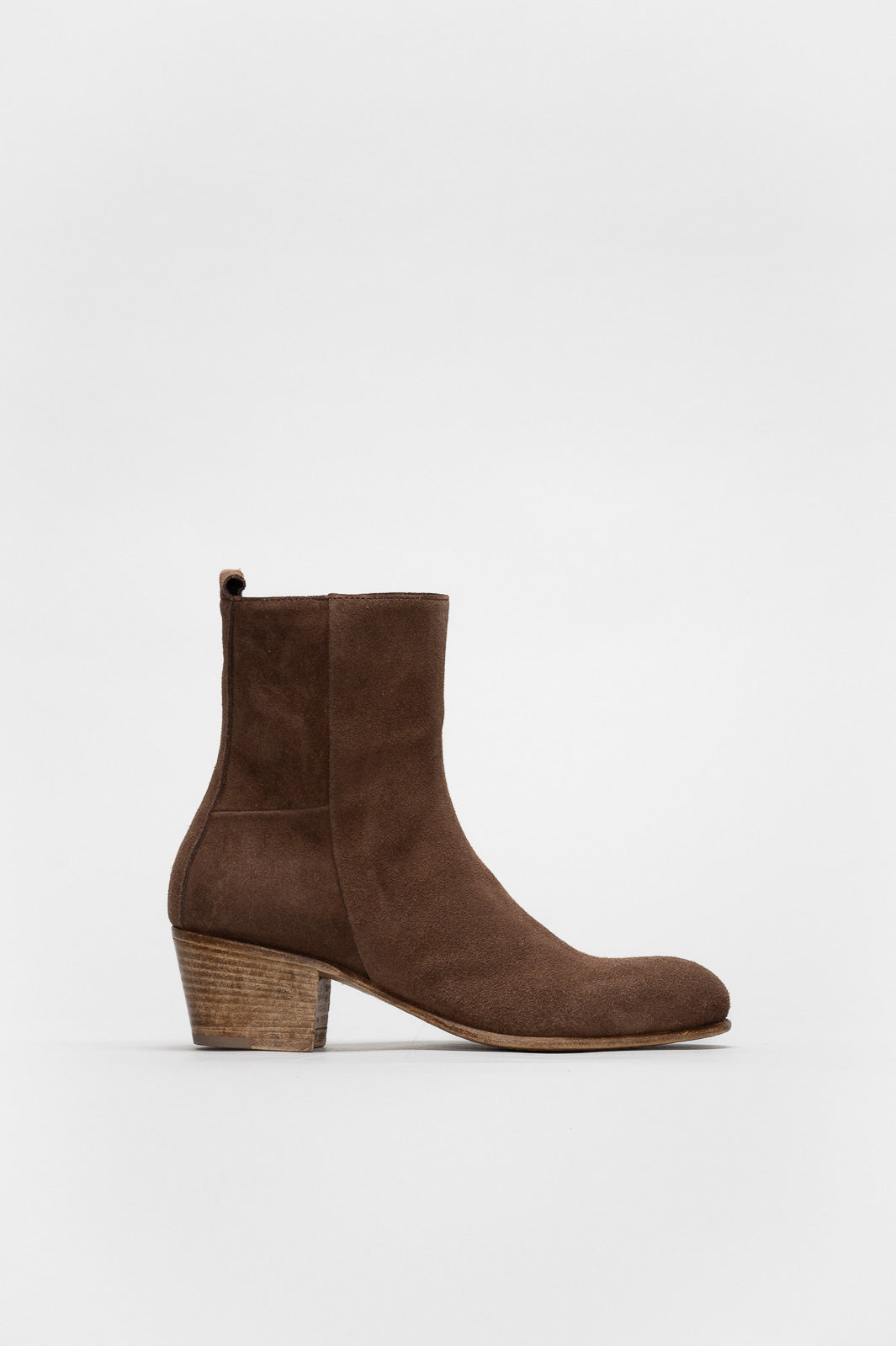
Midseason
Between seasons
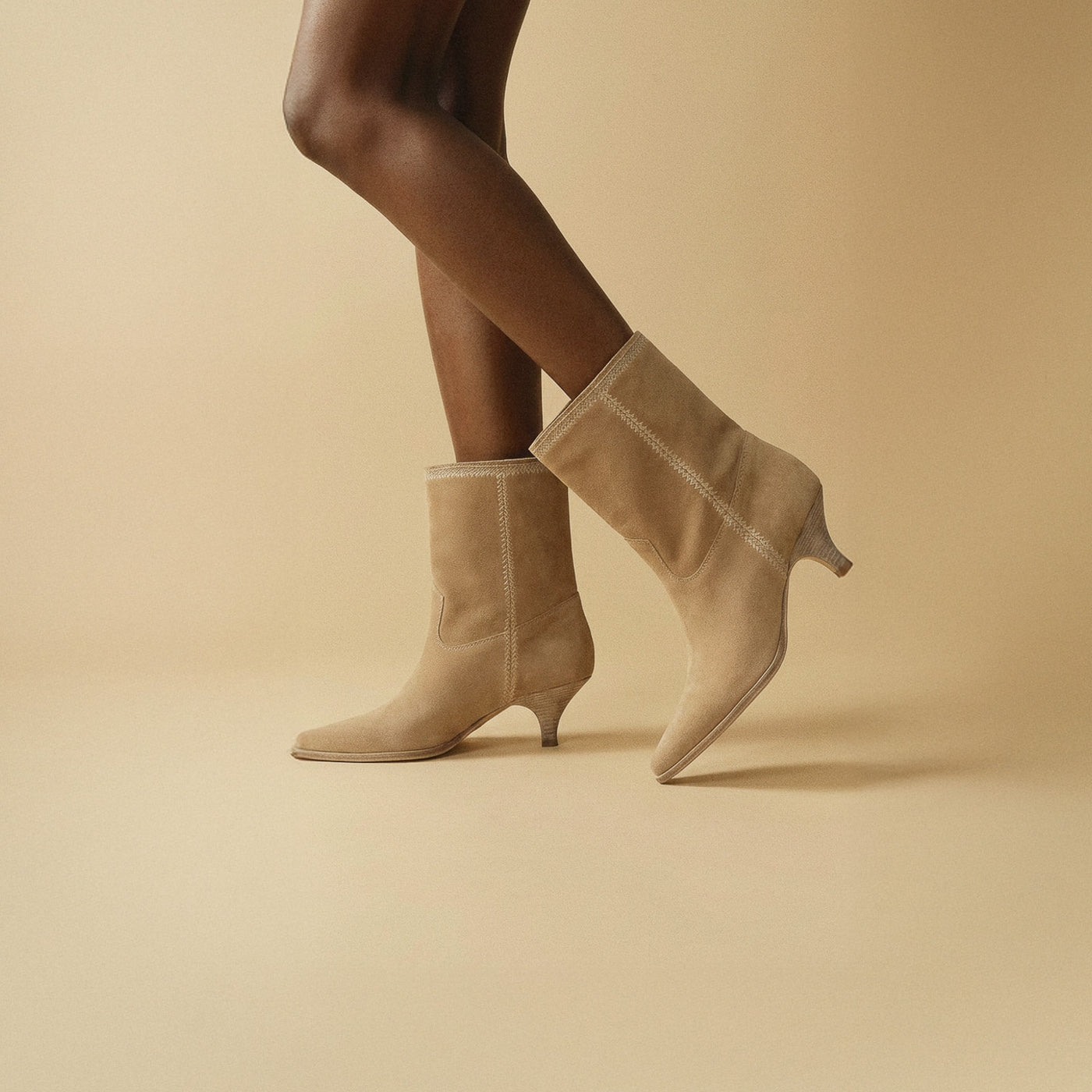
Styles suited to shifting temperatures and layered dressing. Neither fully summer nor winter, but adaptable across changing conditions.
Material and weight
Medium-weight leather and suede. Closed silhouettes with lighter soles, or open shapes that work with socks and tailoring. The balance lies in versatility rather than insulation.
When and why
For transitional months when the wardrobe moves between coats and lighter layers. Midseason styles bridge the gap without feeling seasonal.
Office
Work setting
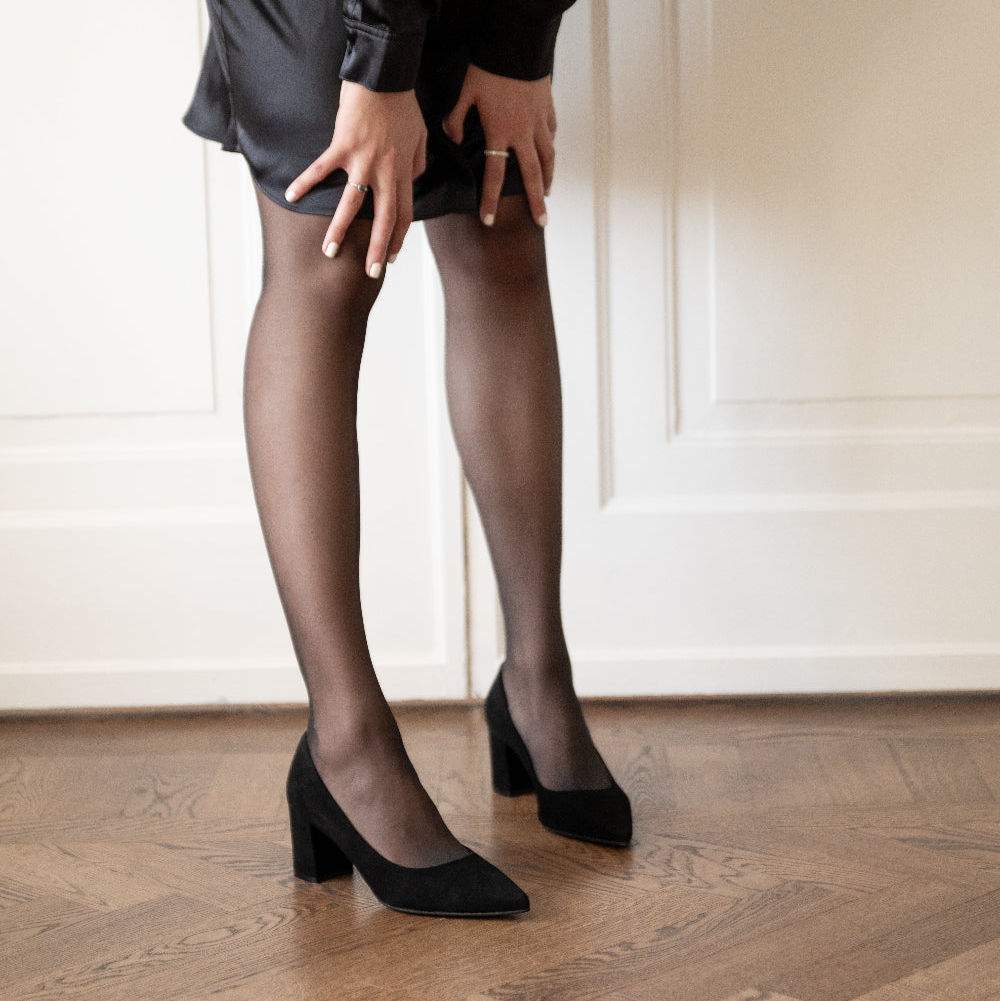
Shoes suited to structured environments without feeling rigid. The line remains clean, the silhouette controlled.
Form and material
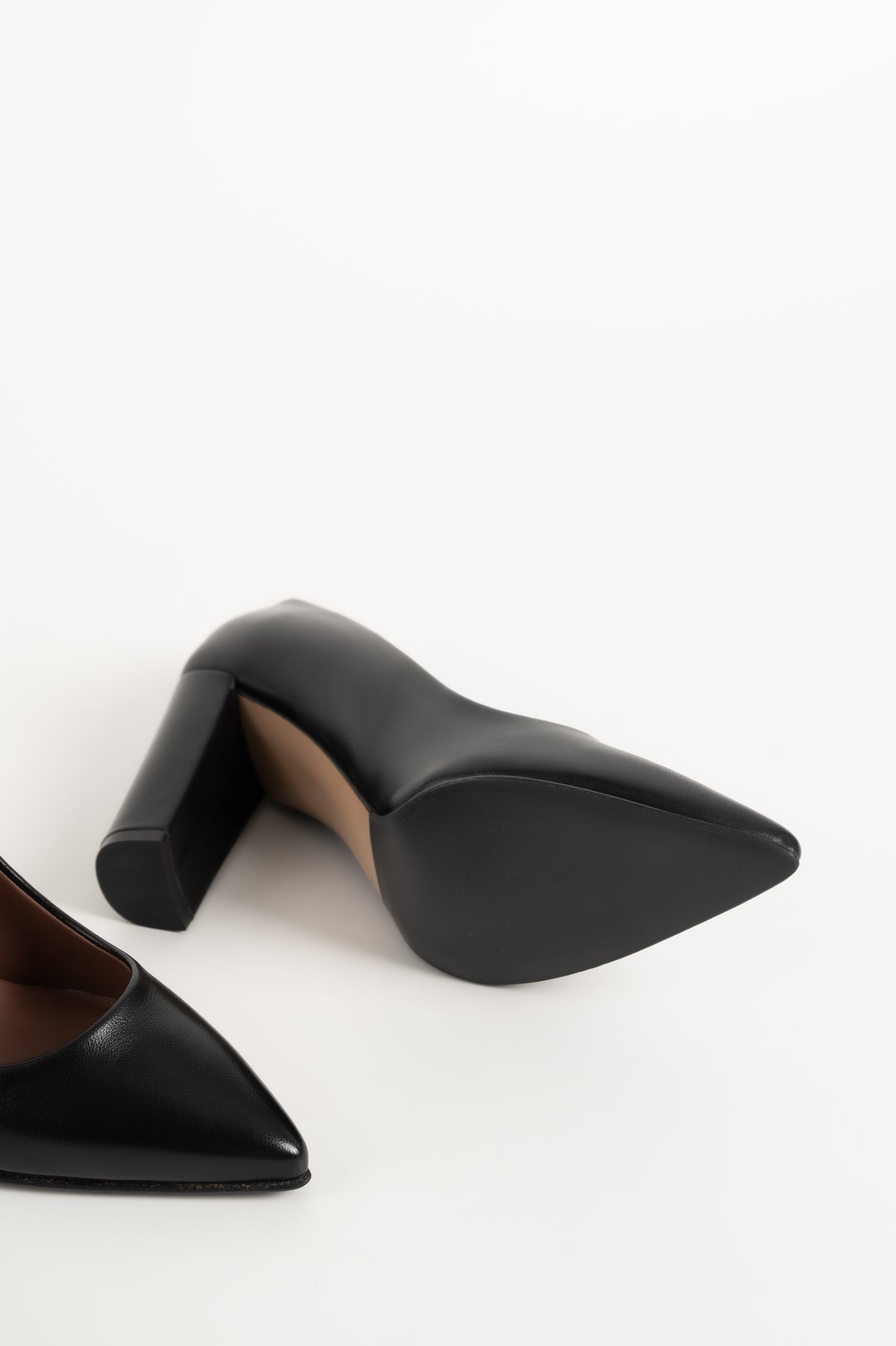
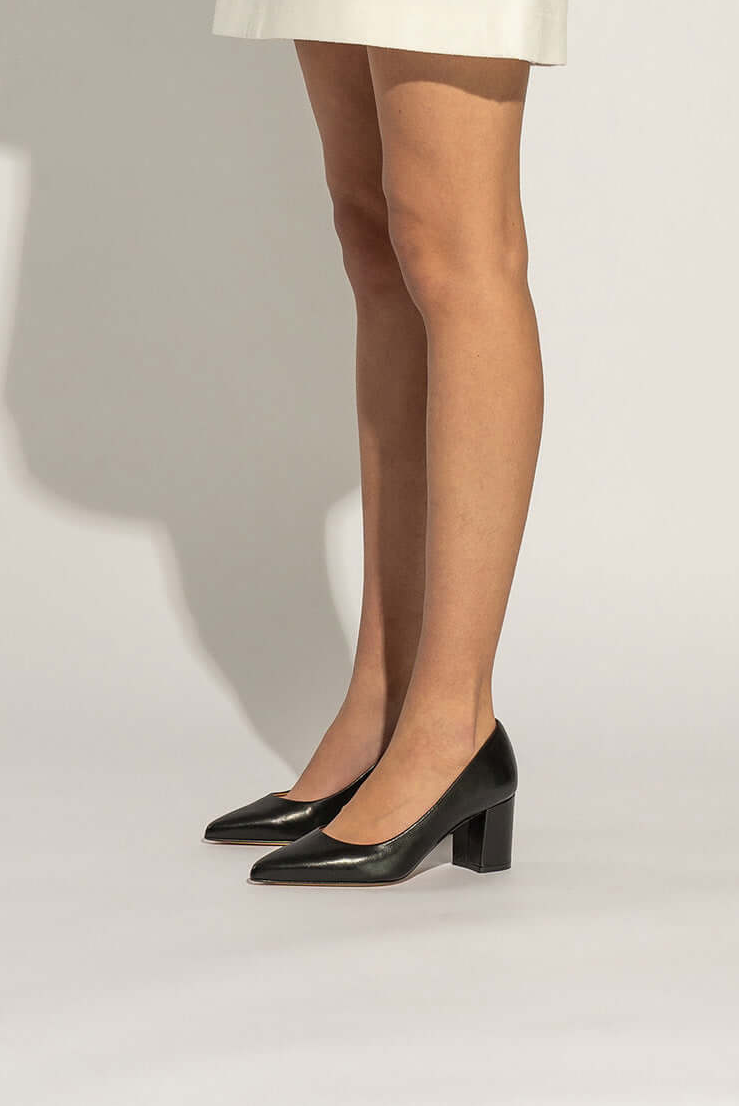
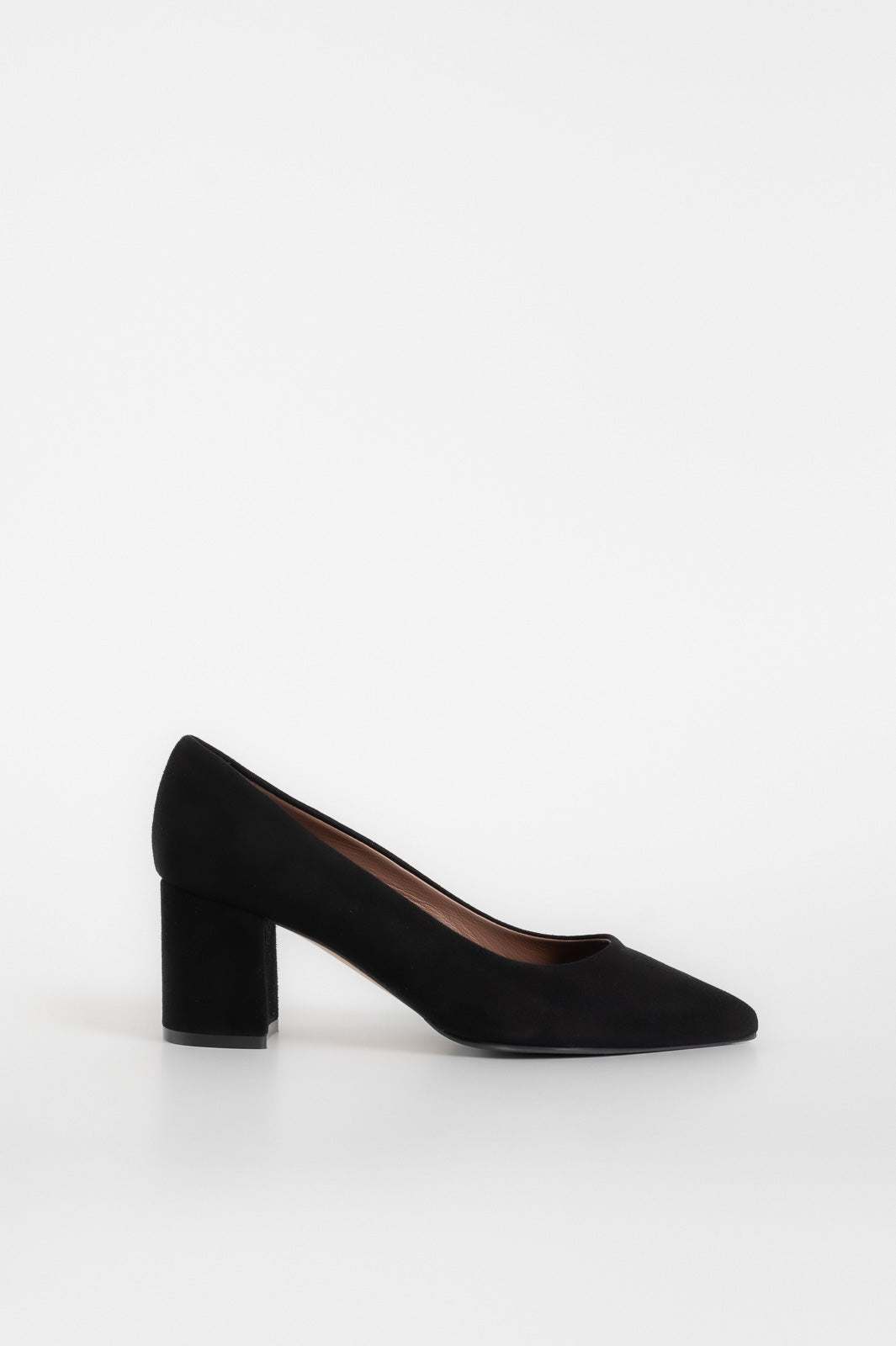
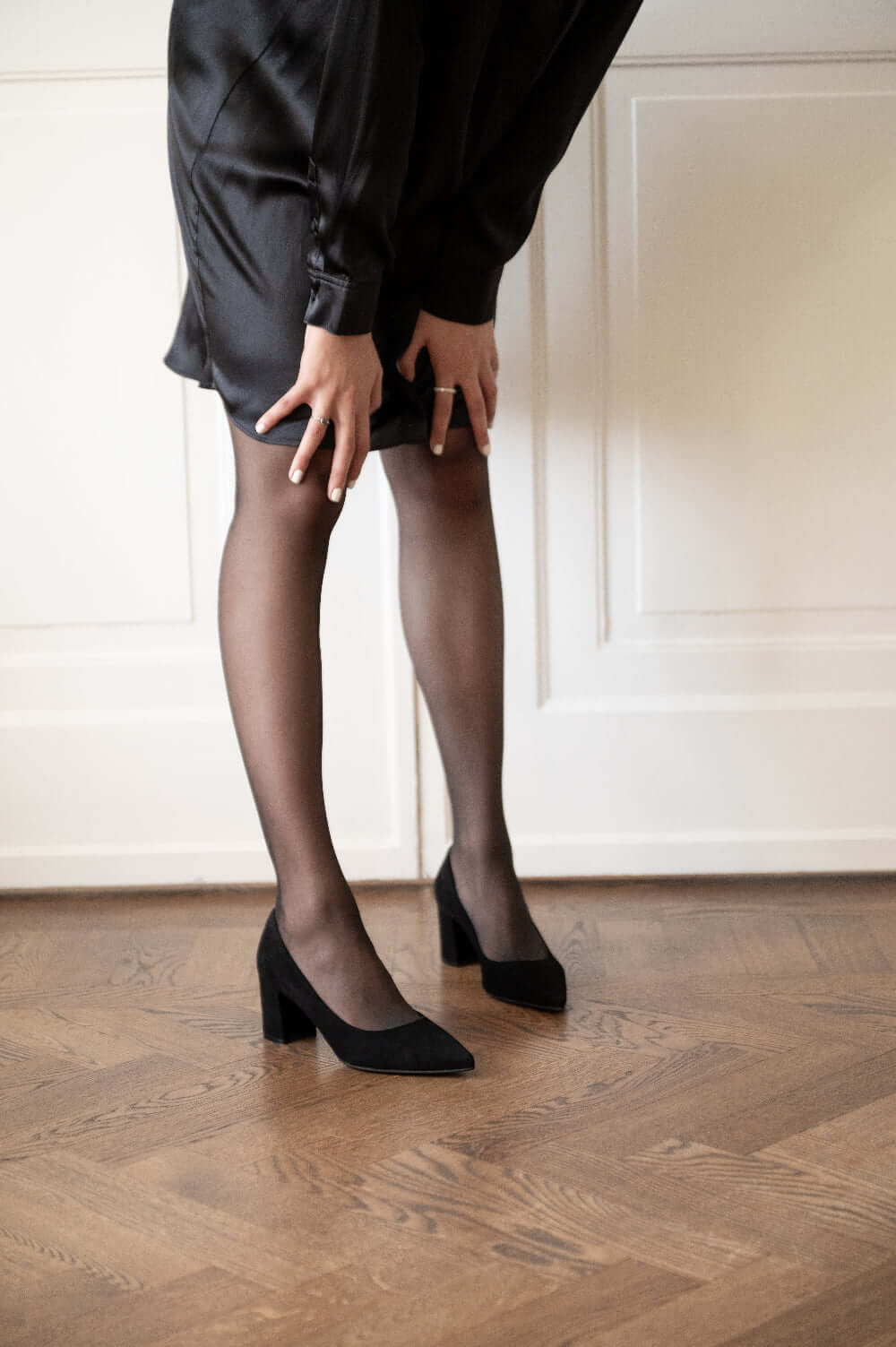
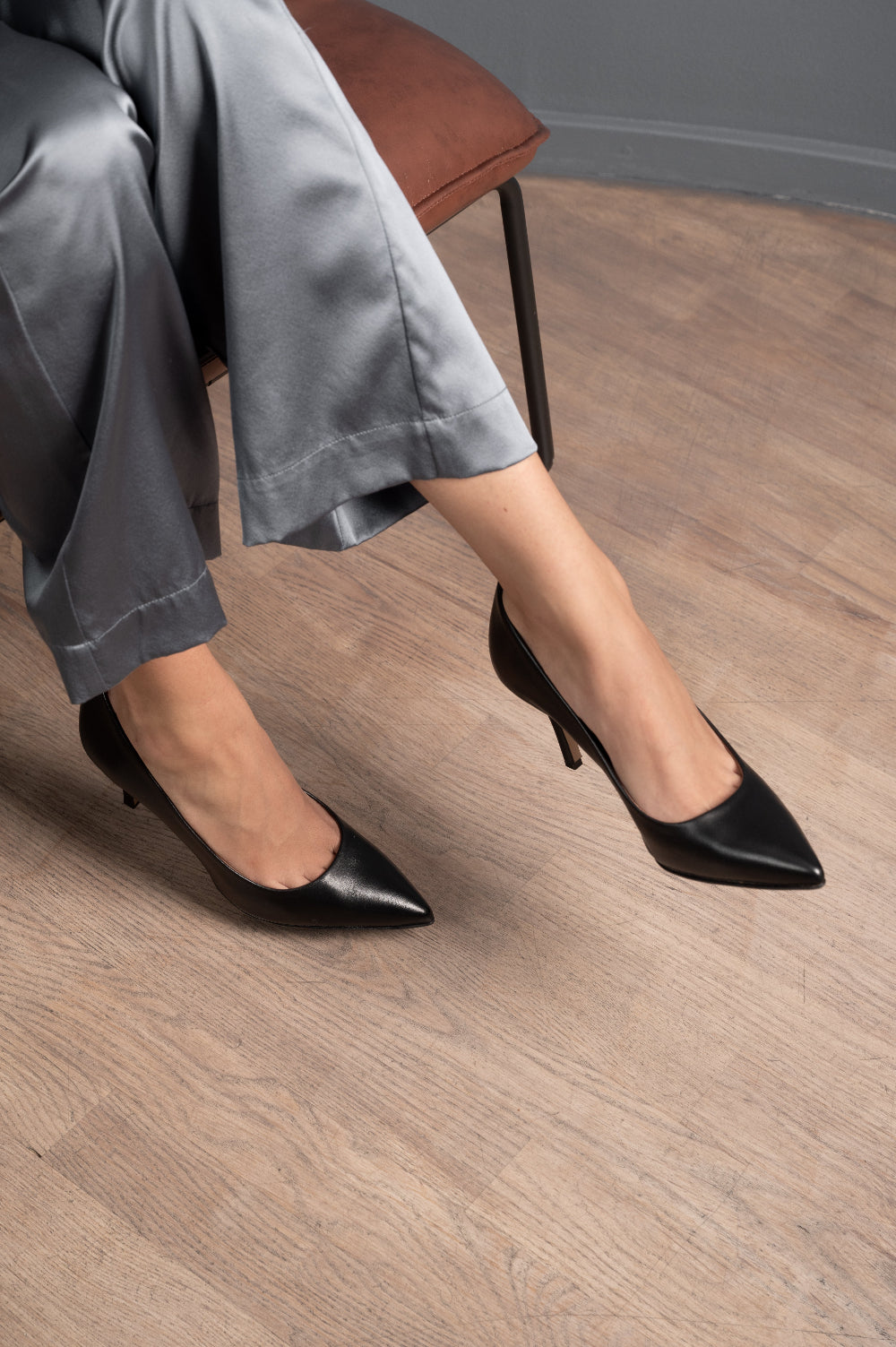
Pumps, loafers and boots in polished leather or suede. Heel heights stay measured, proportions balanced and detailing restrained.
Beyond the office
Designed to move from meetings to evening plans without a change of shoes. A composed expression that holds through the day.
Festive
Evening setting
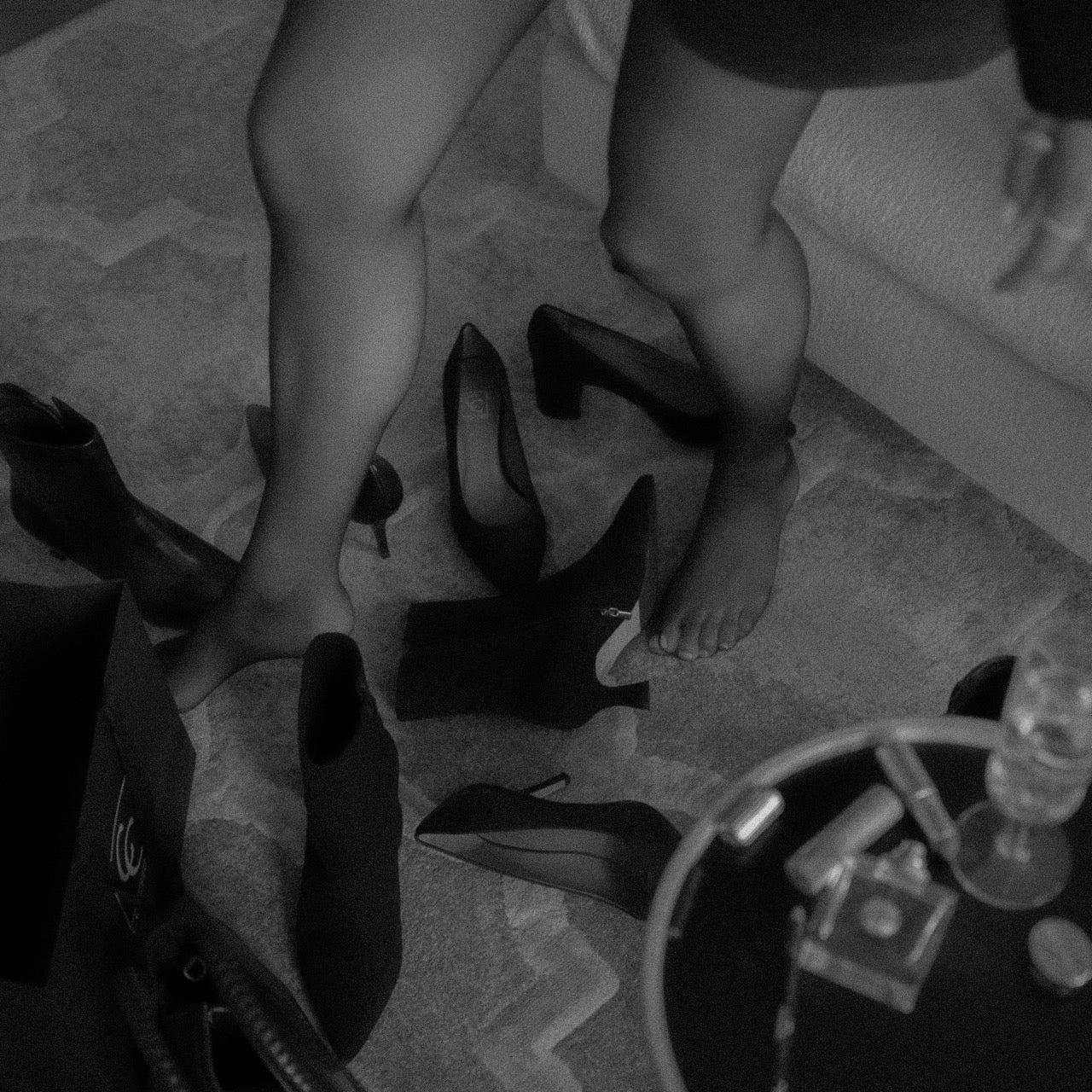
Styles chosen for formal occasions and events where the silhouette carries more presence.
Surface and detail
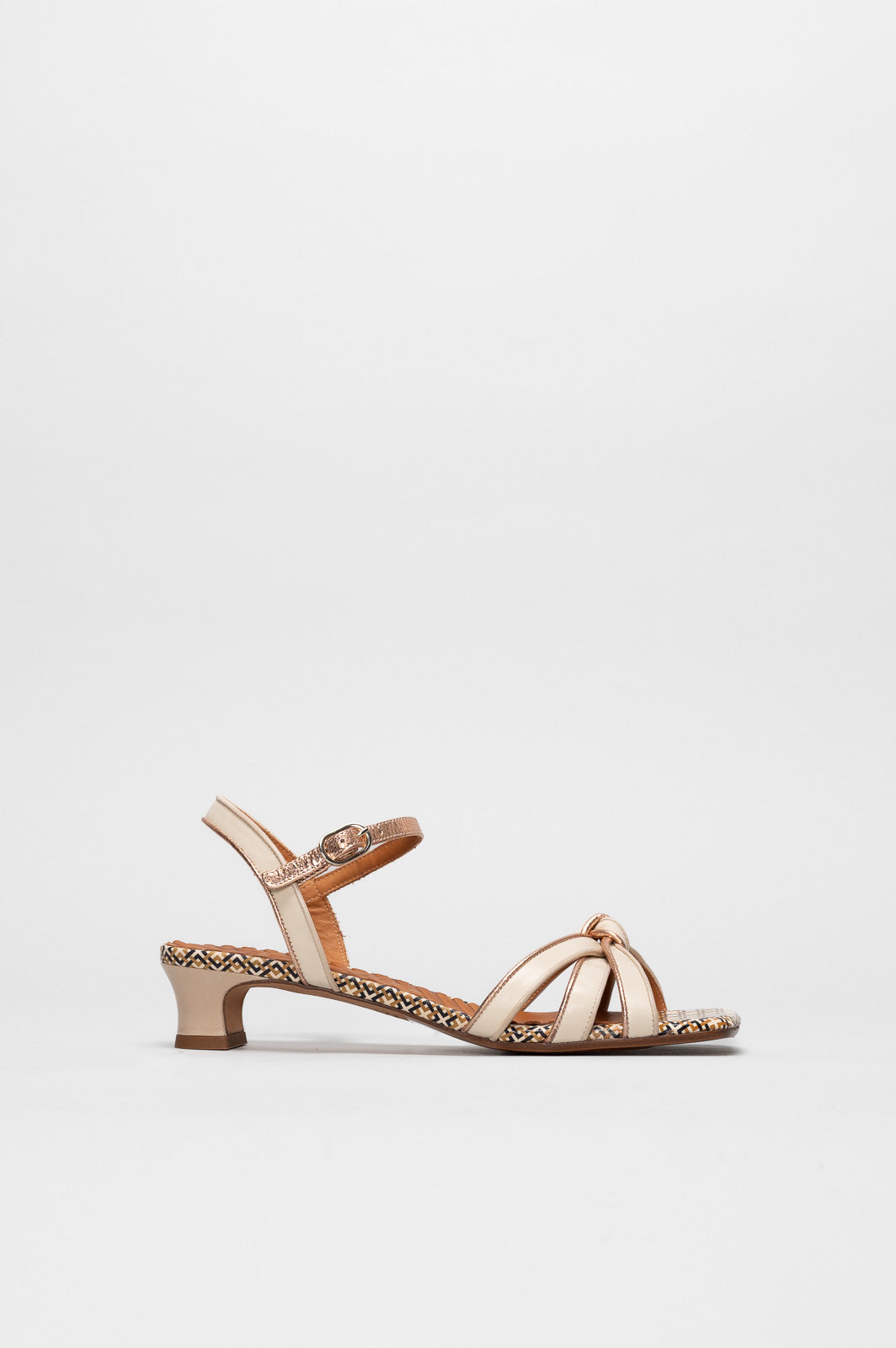
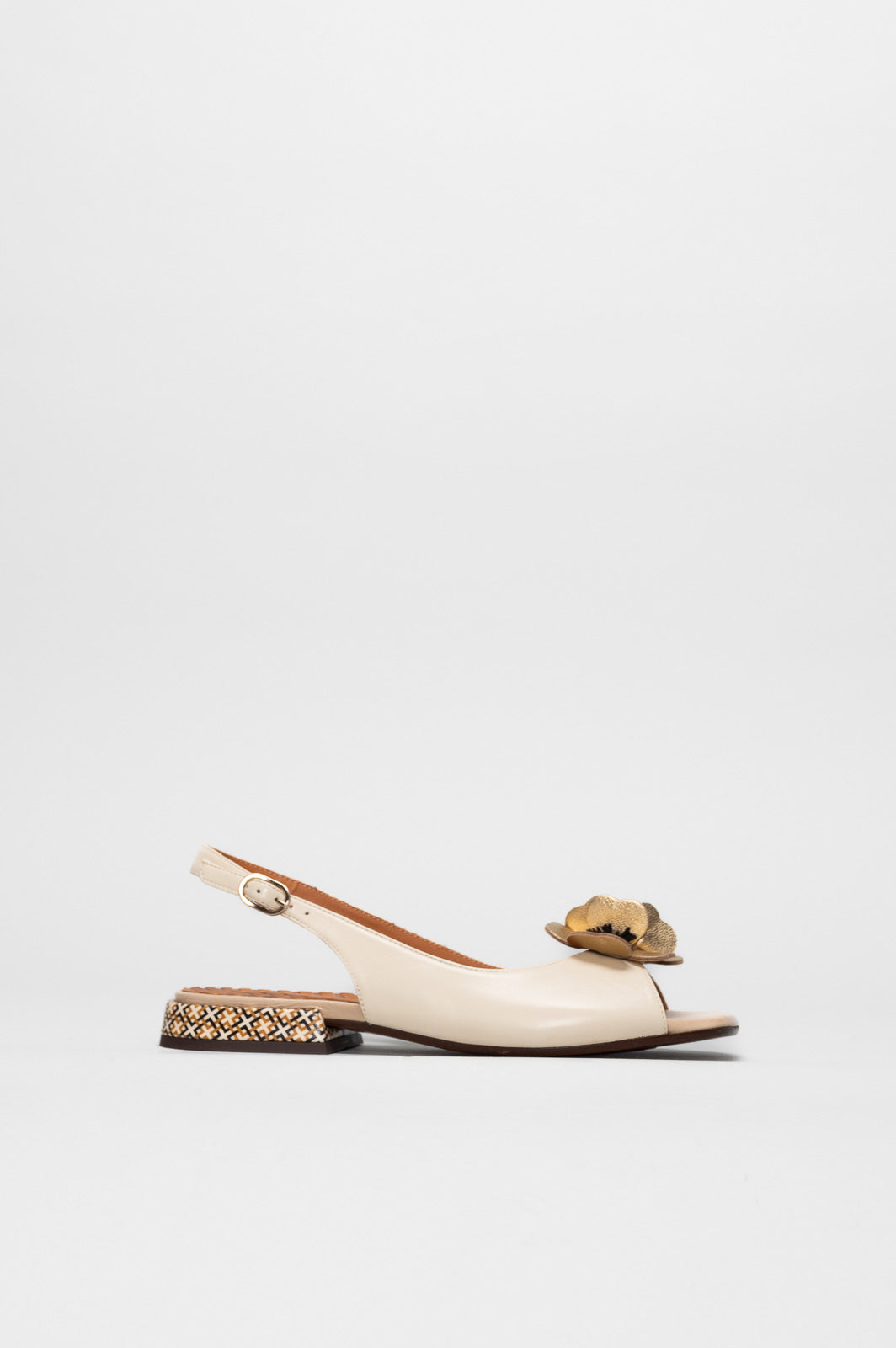
Suede, satin and metallic finishes appear in heels and refined sandals. The line is more defined, the height considered, the finish precise.
In context
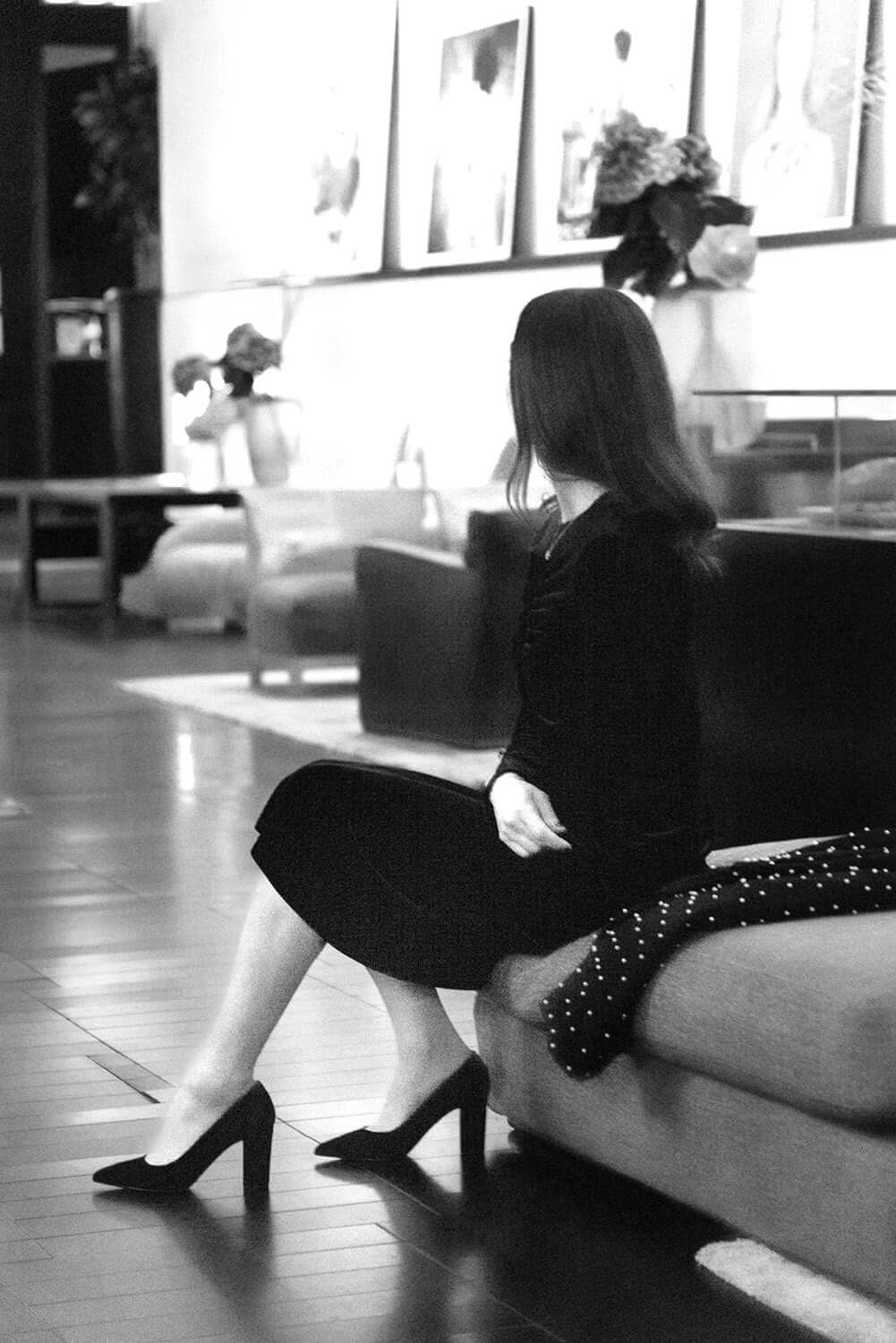
Designed to complement tailoring, dresses and structured evening wear. A composed expression suited to formal settings.

NEW ARRIVALS