

SHOE TYPES
From pumps to boots. All handmade in Italy.
Women’s shoe types range from structured pumps and Italian loafers to ankle boots, high boots, sandals and sneakers. Each silhouette serves a specific use, season and level of formality.
Understanding shoe types is less about trend and more about proportion. A pointed pump sharpens tailoring. A loafer softens it. An ankle boot adjusts balance, while a sandal lightens the silhouette.
All styles are produced in Italy with focus on material integrity, fit and durability.
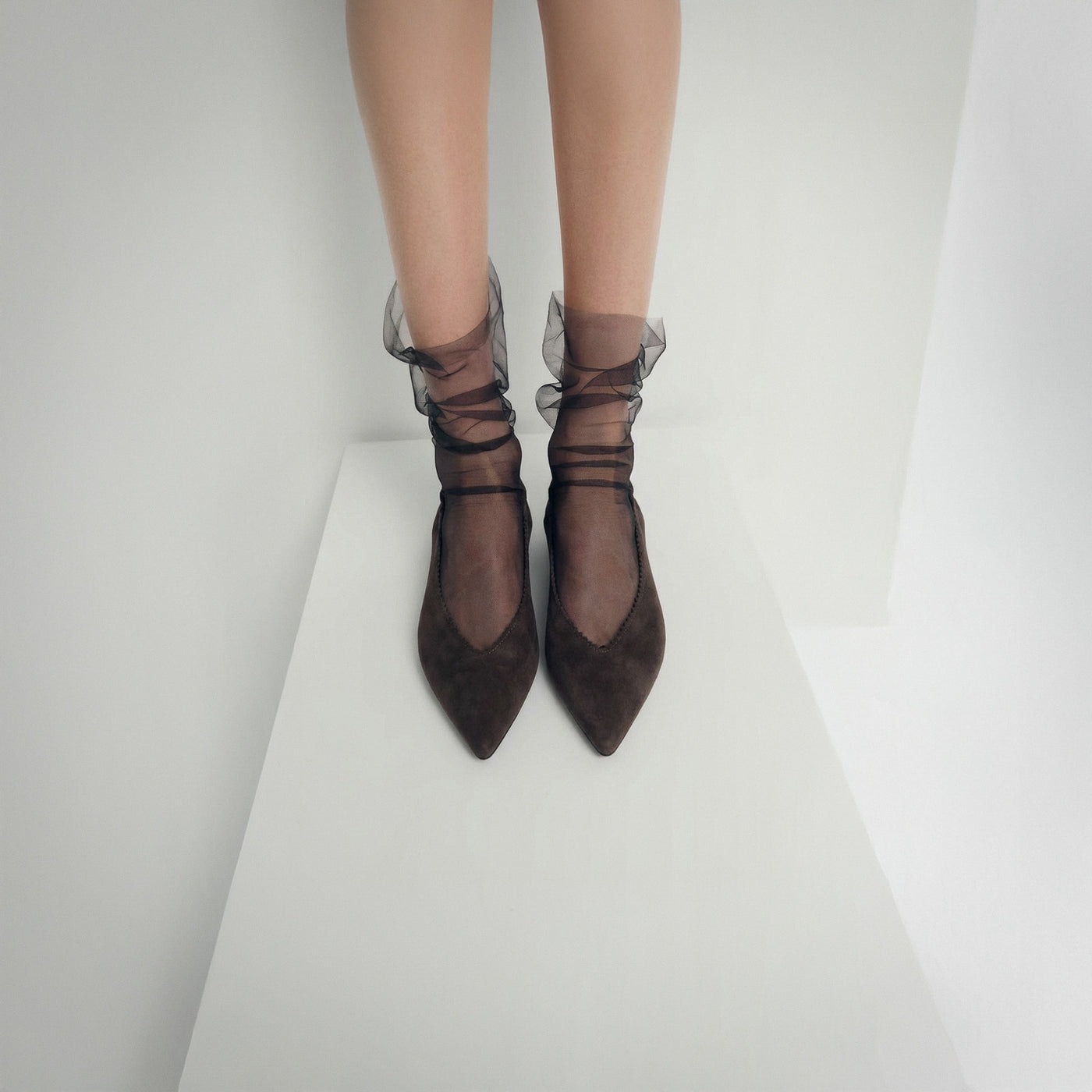
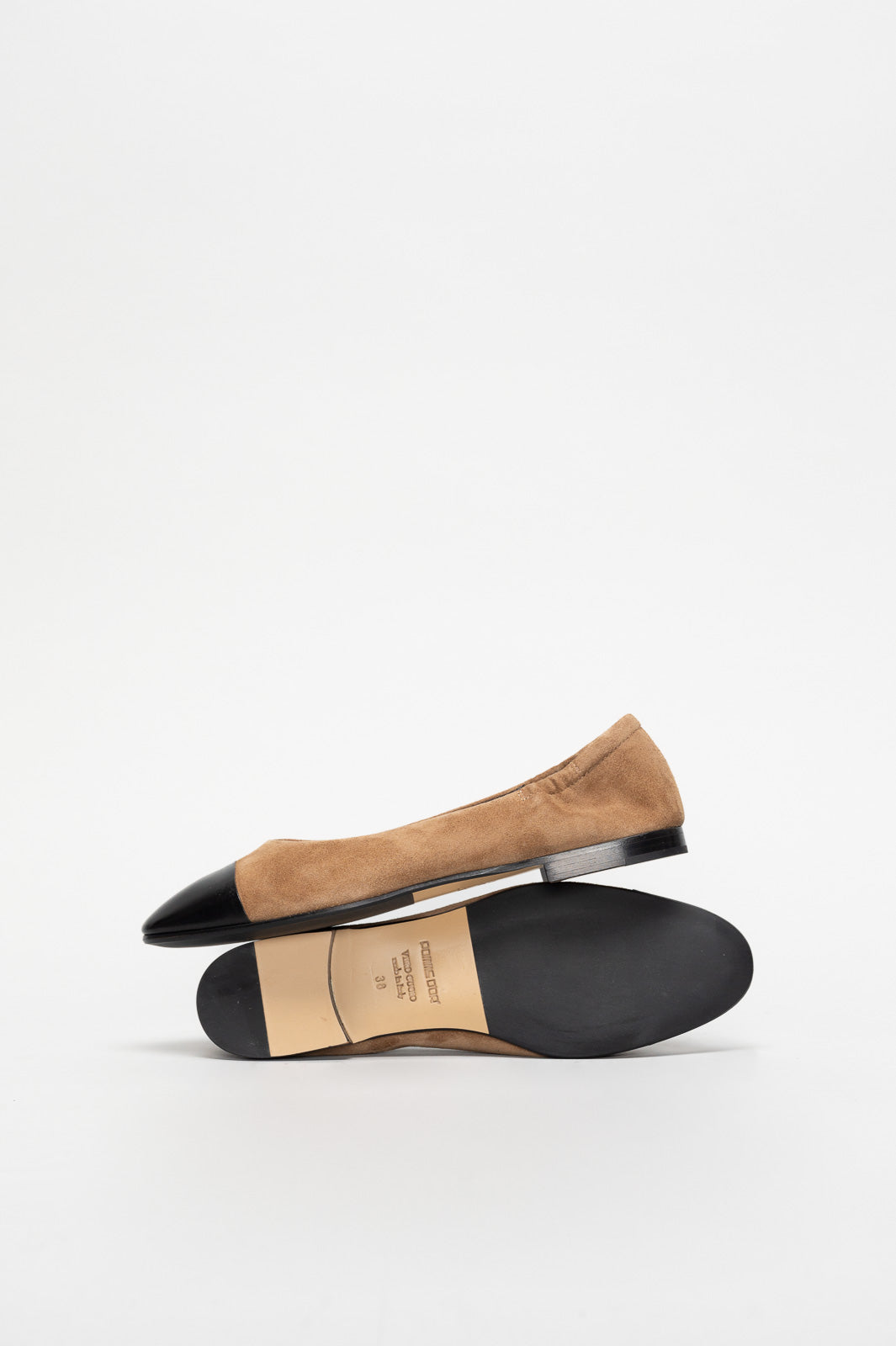
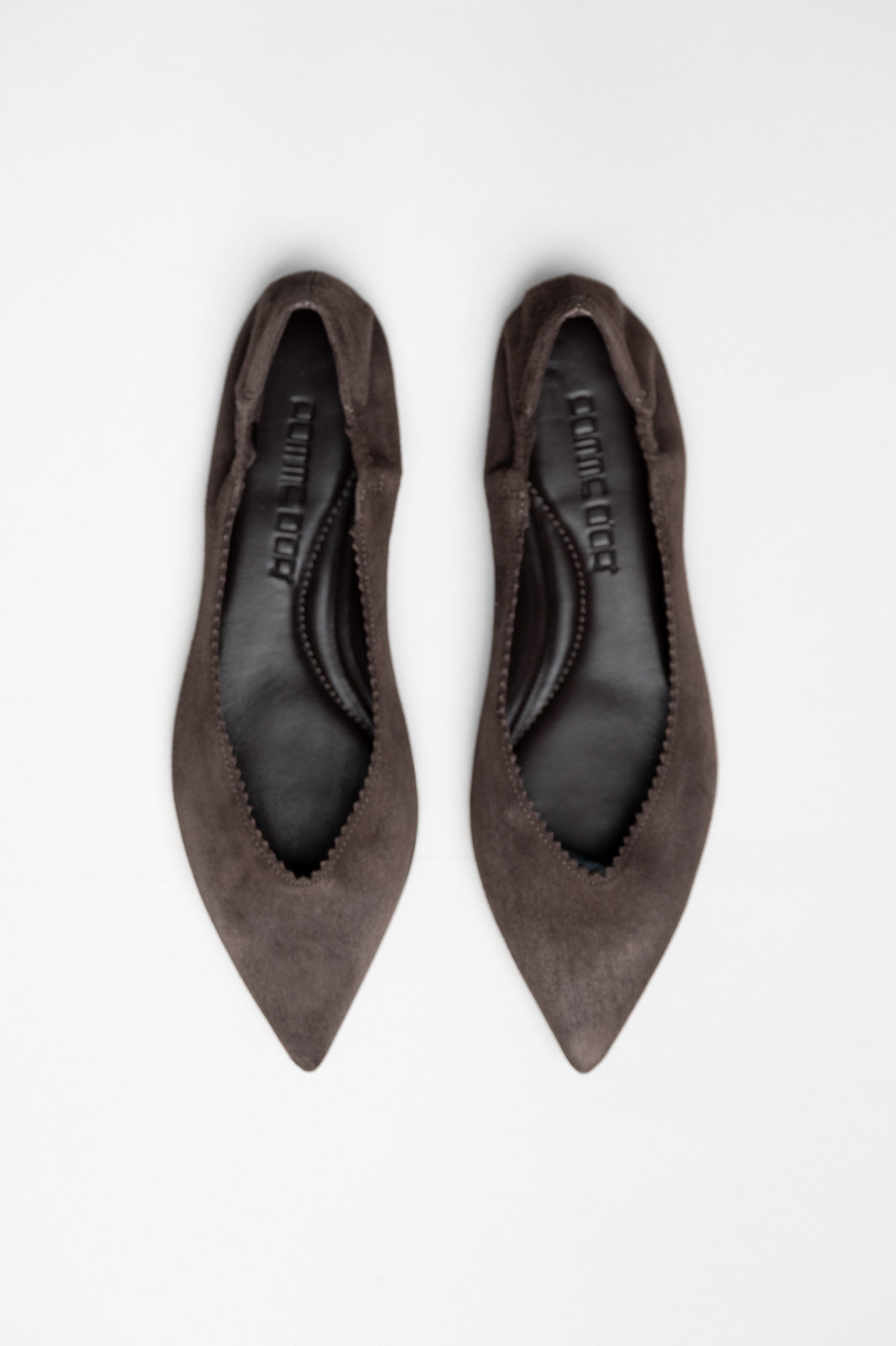
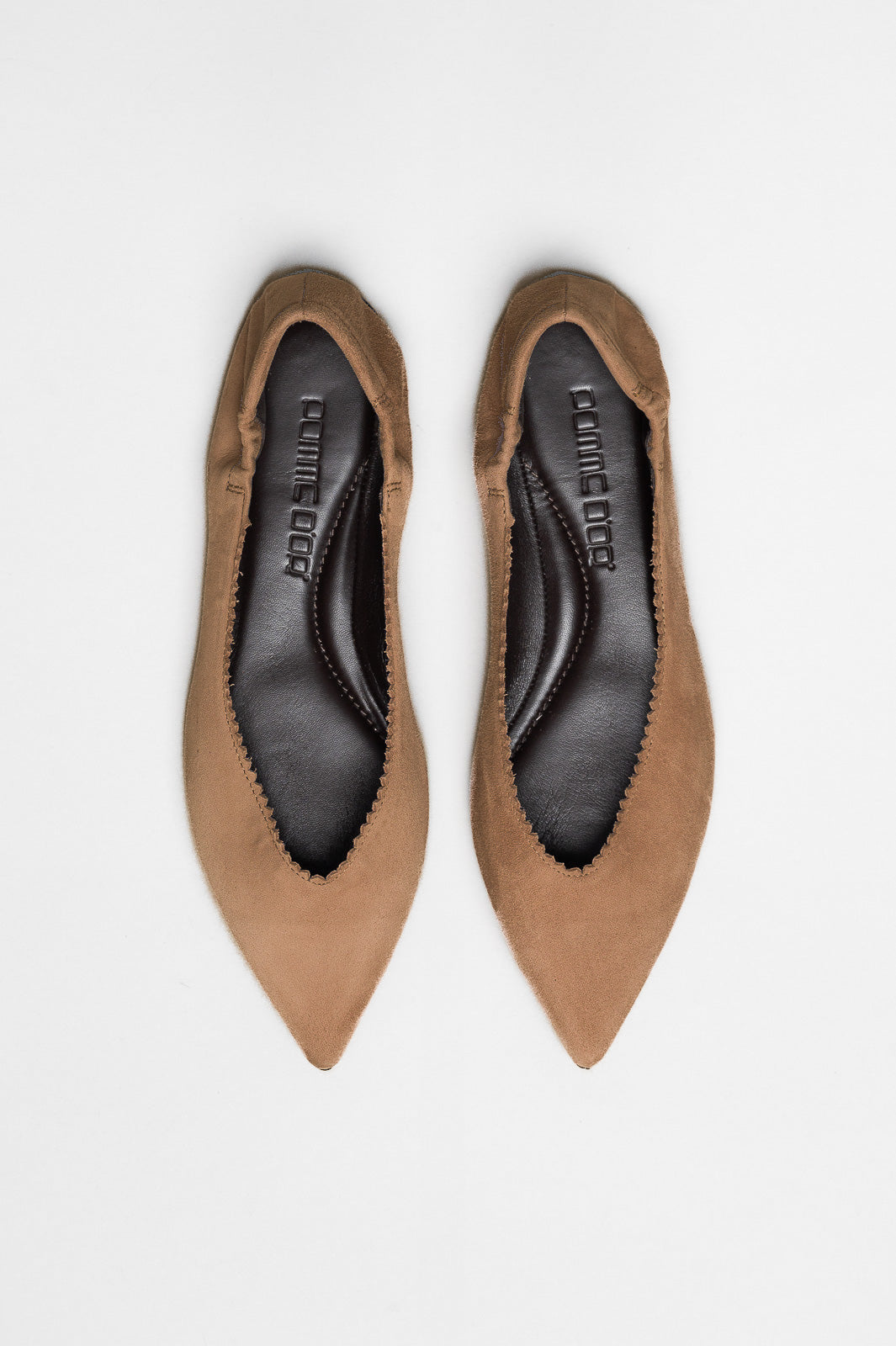
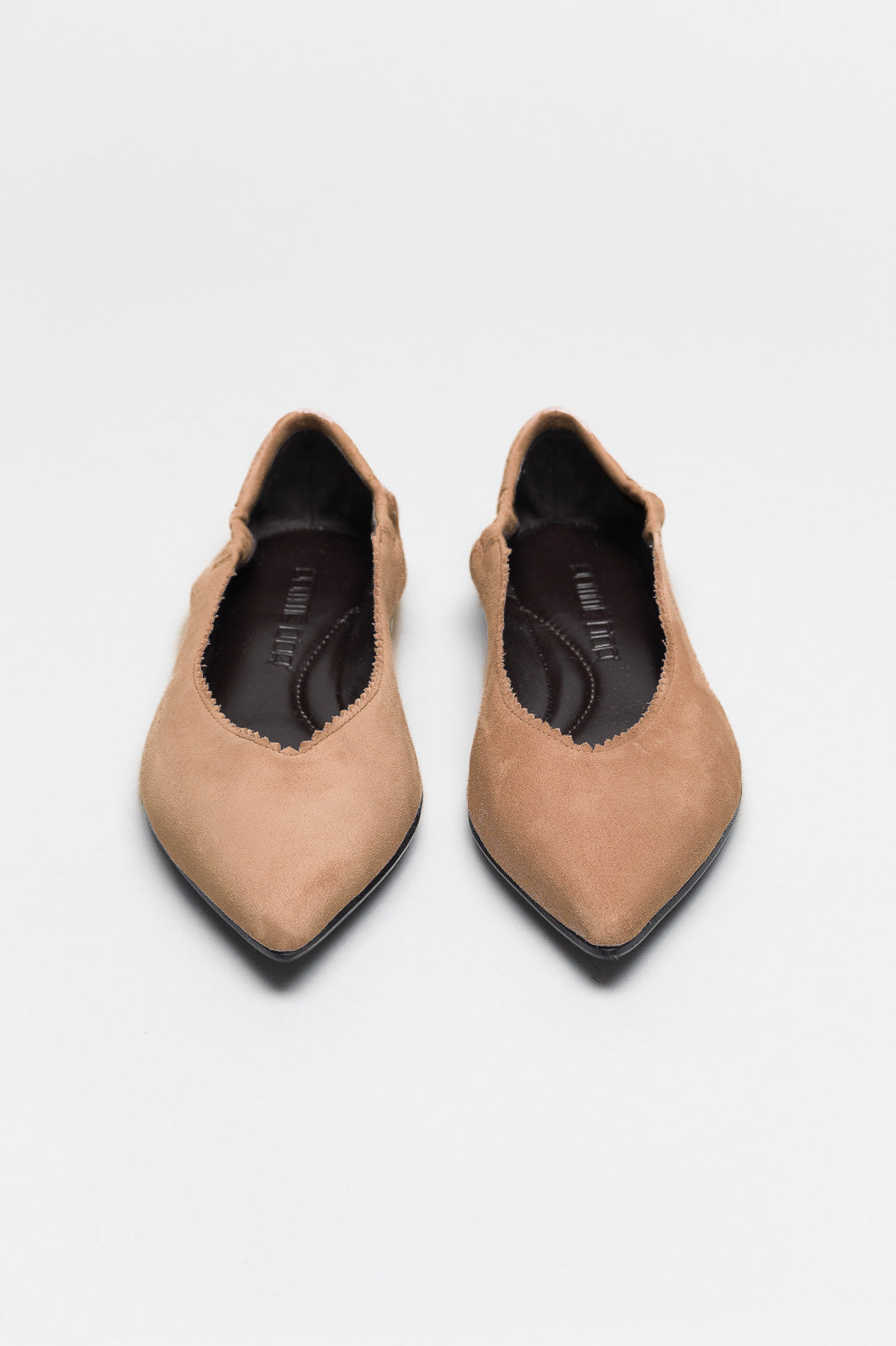
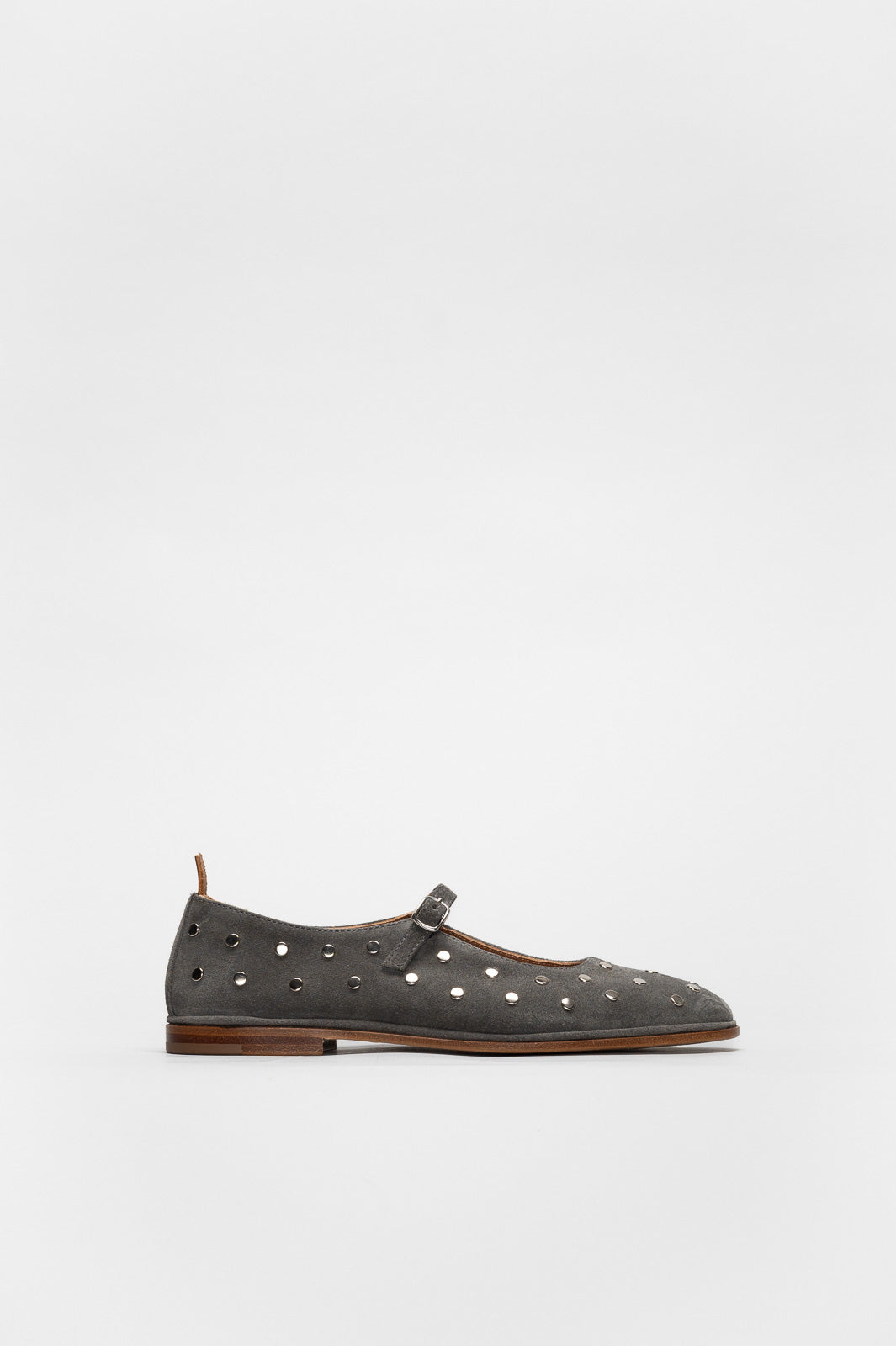
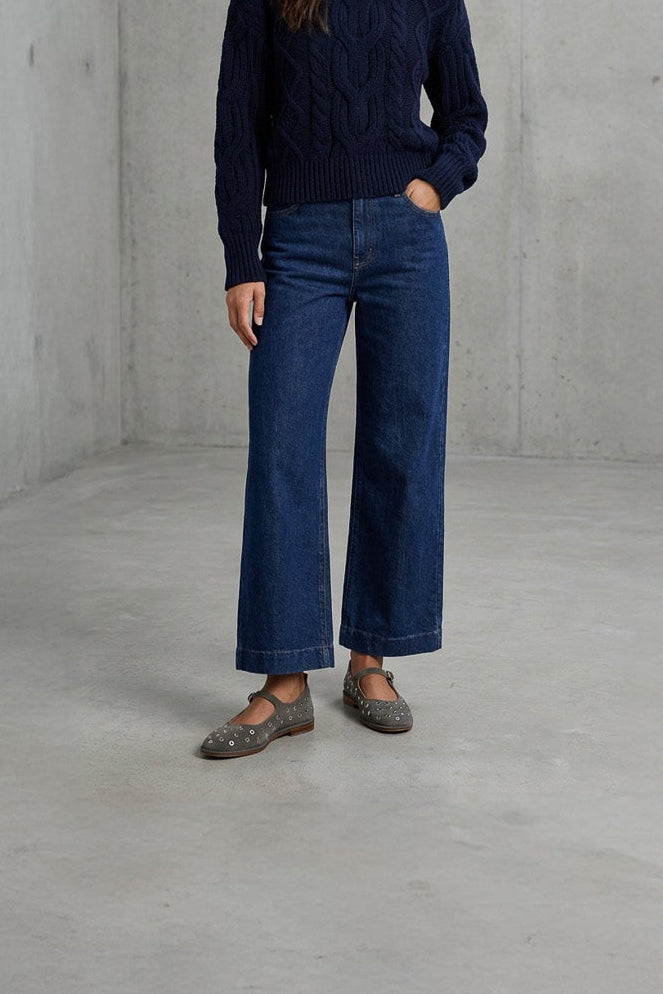
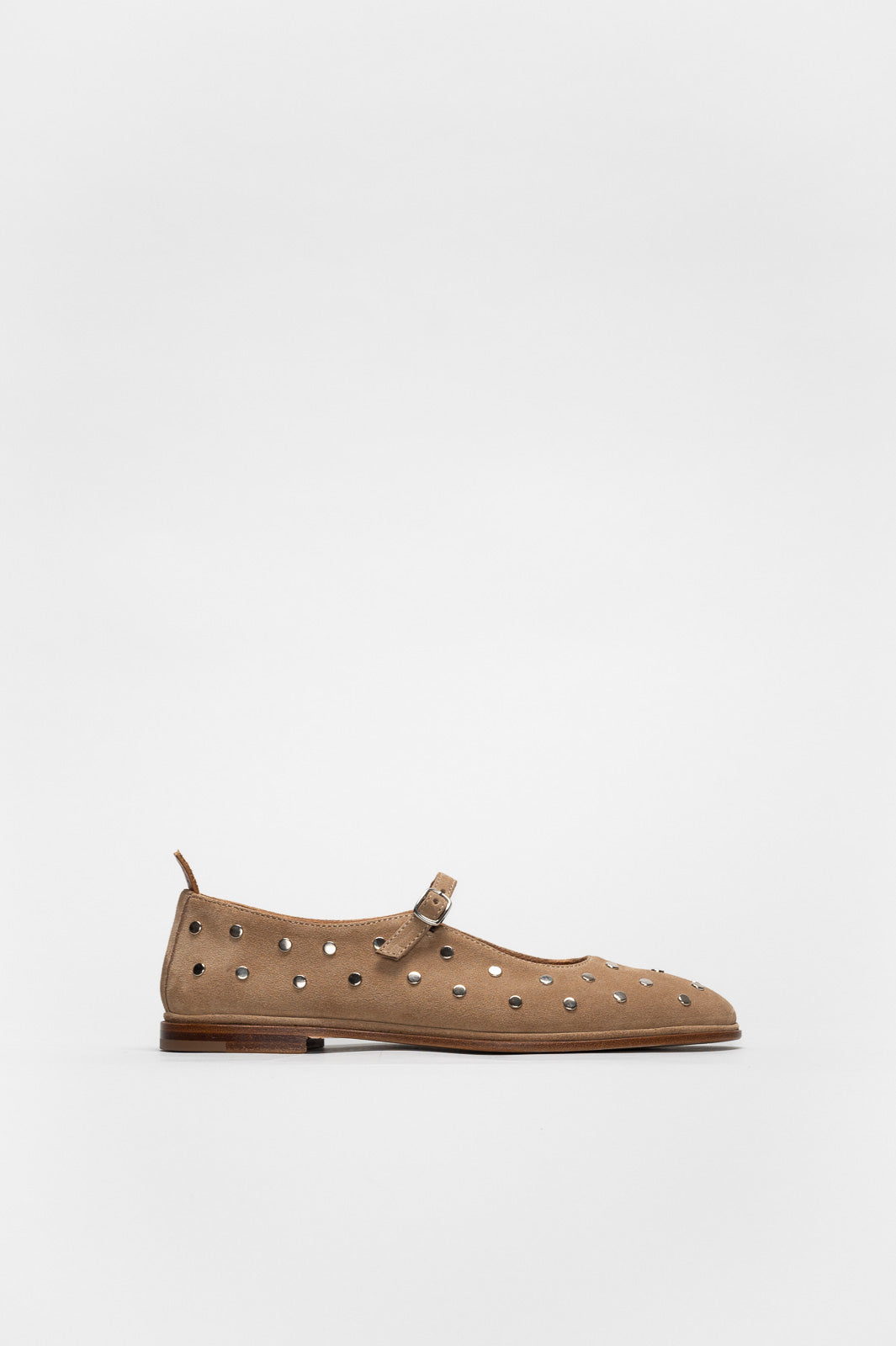
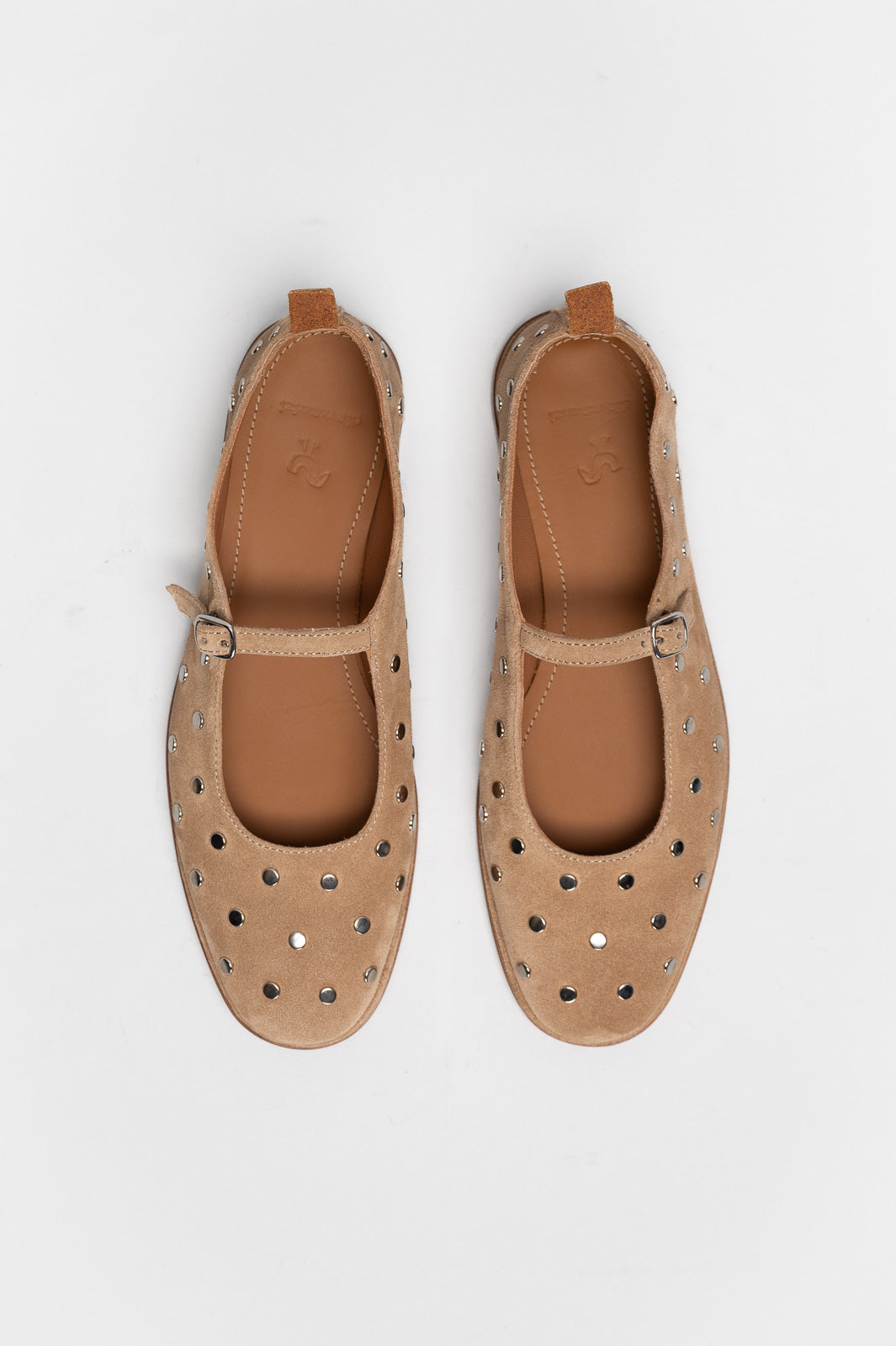
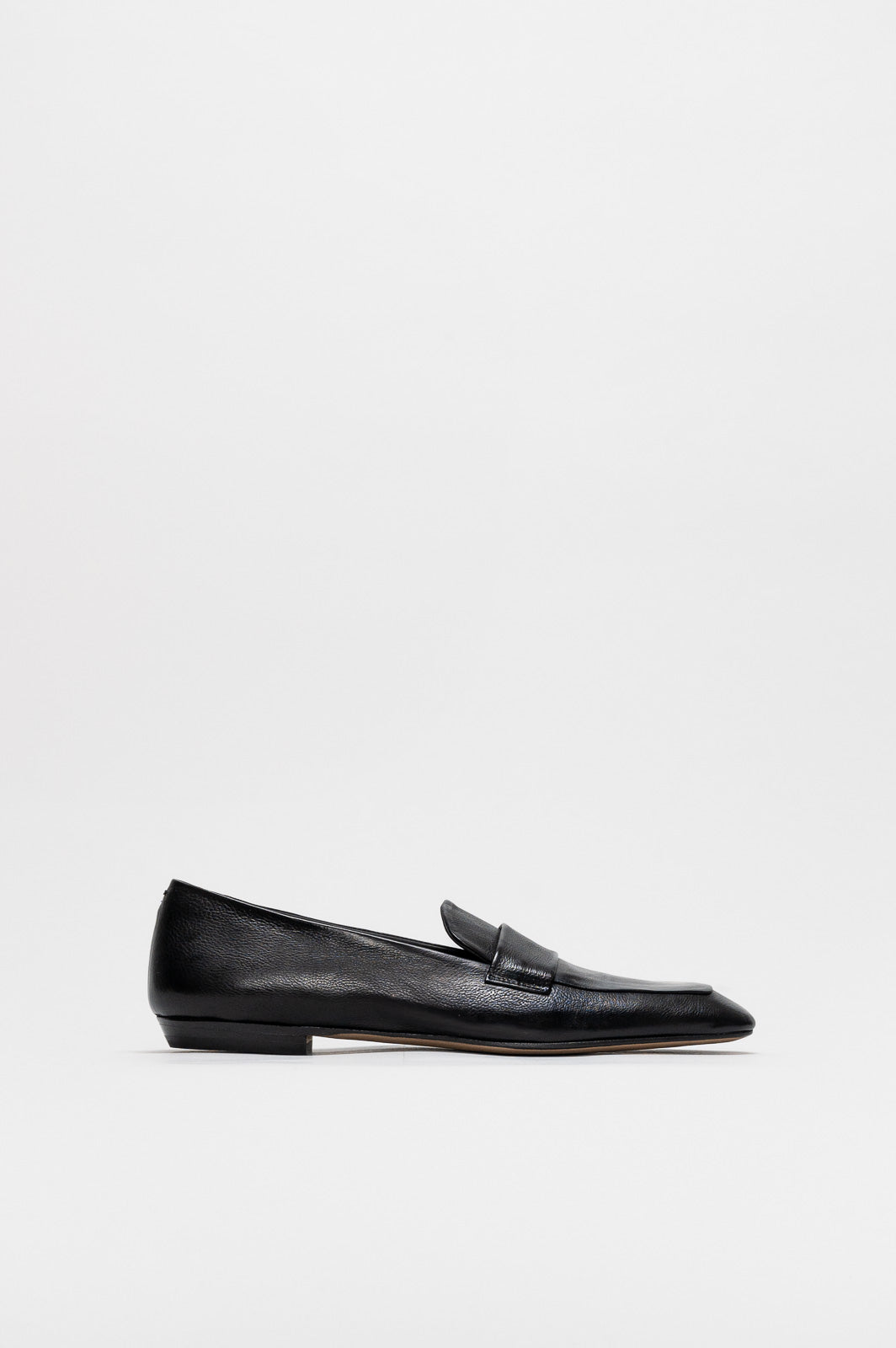
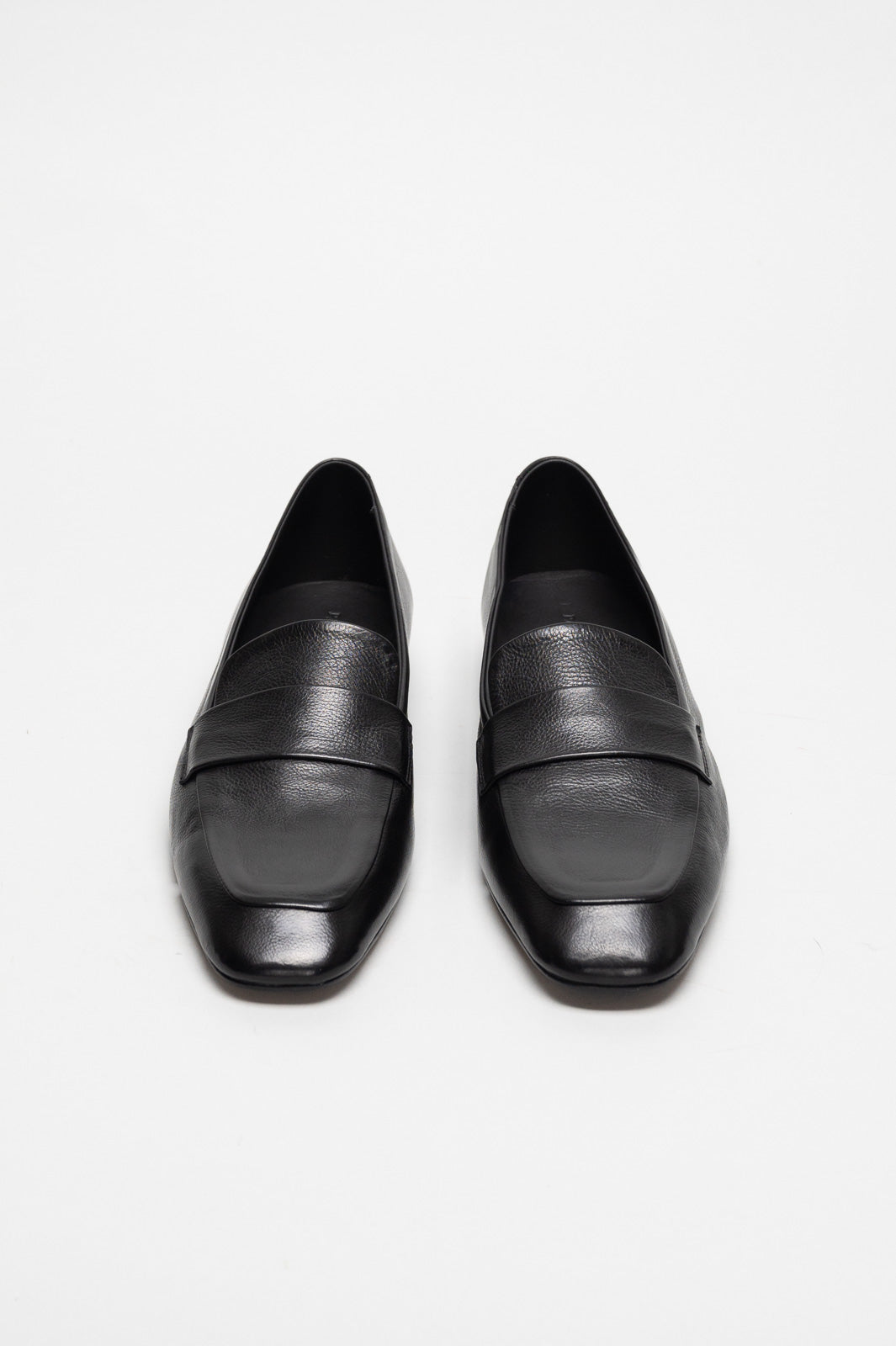
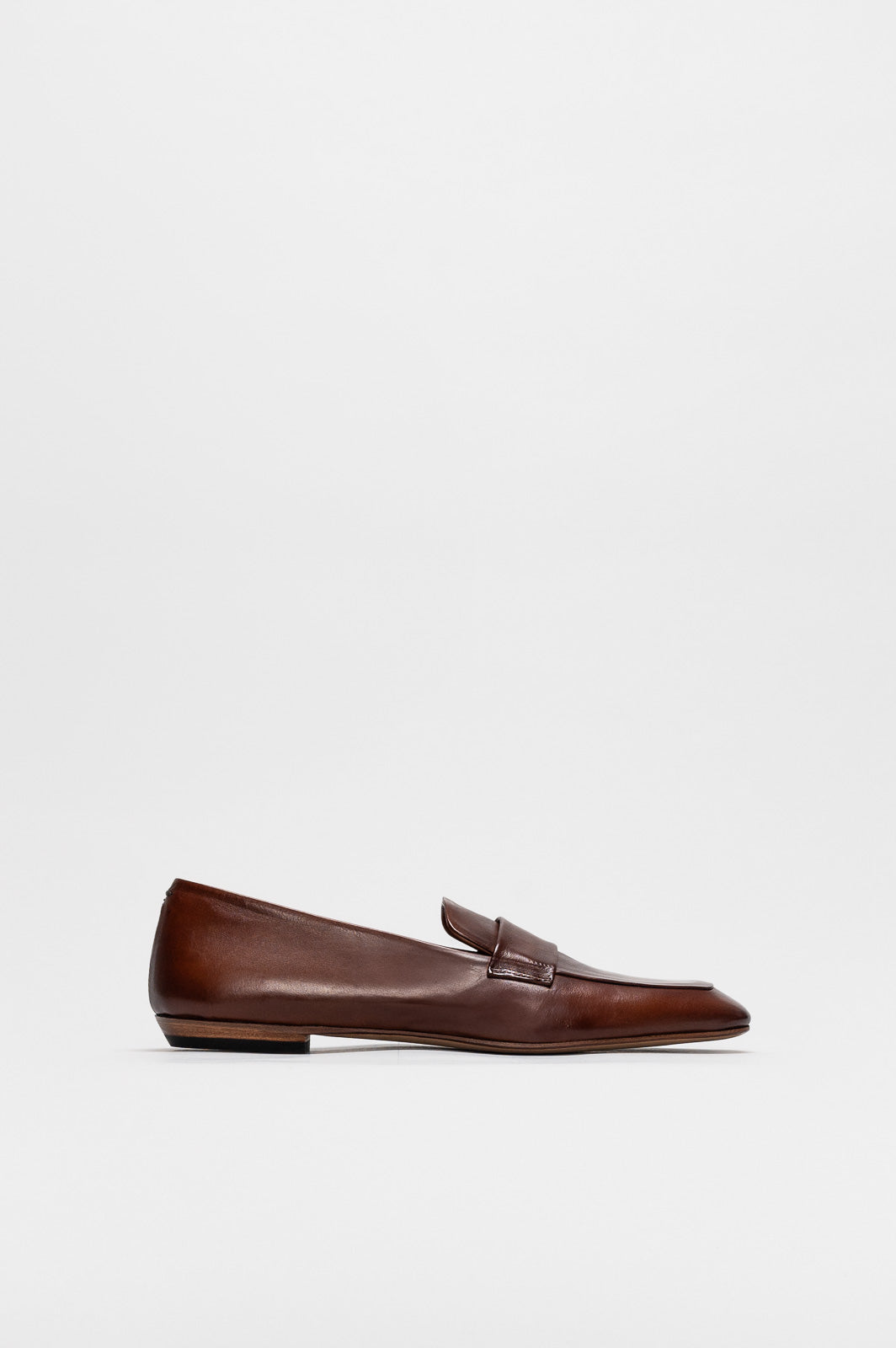
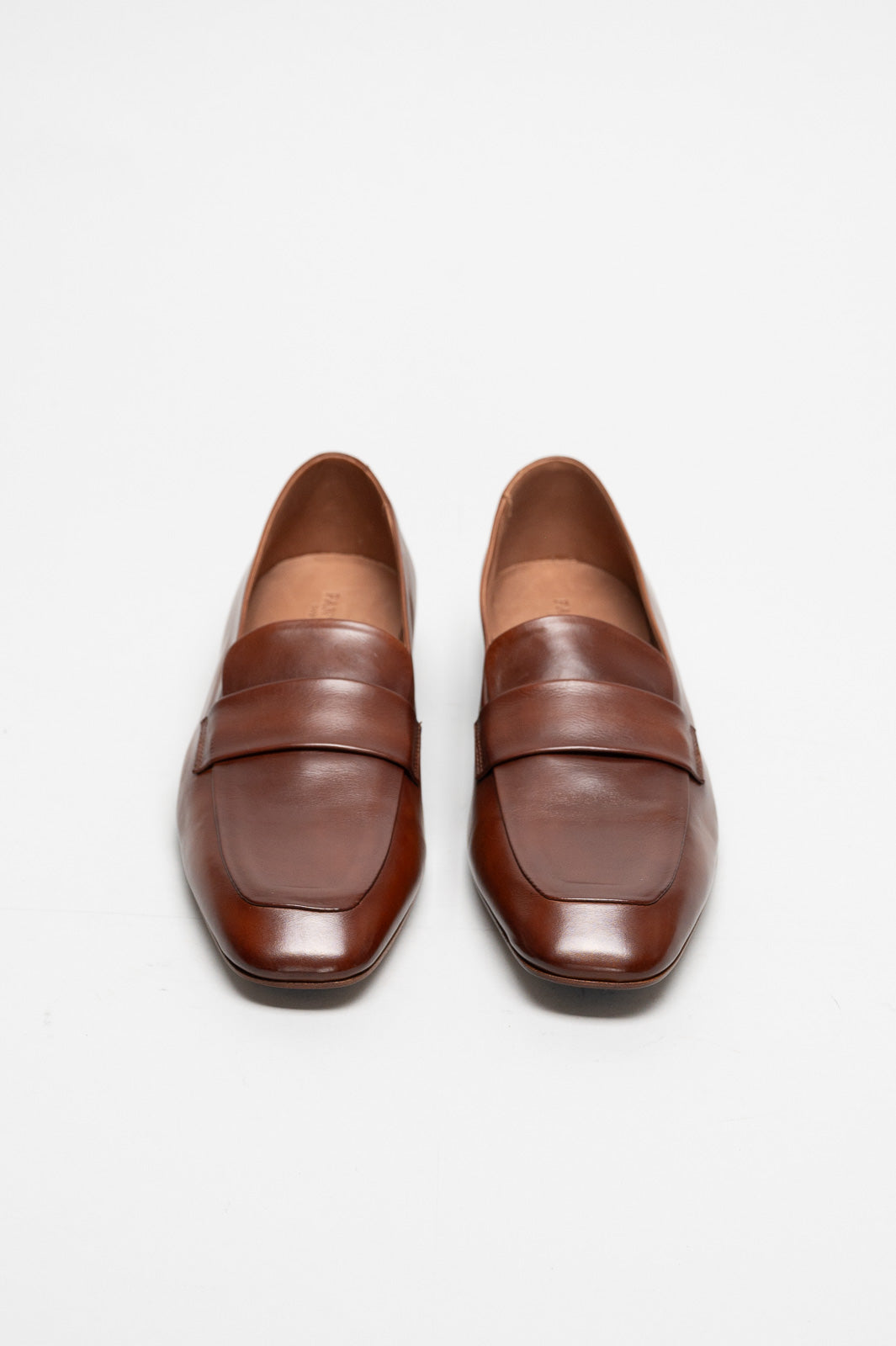
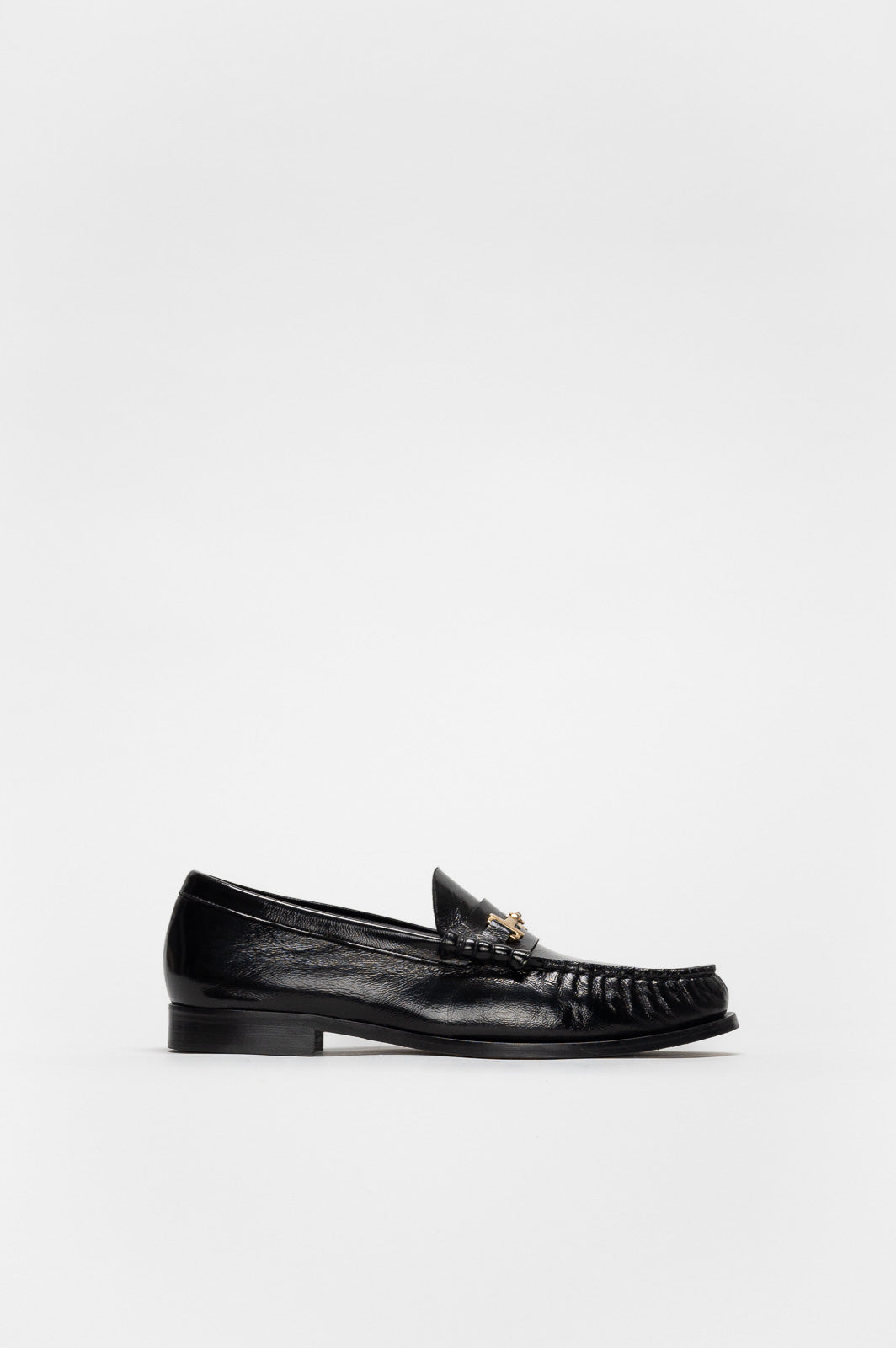
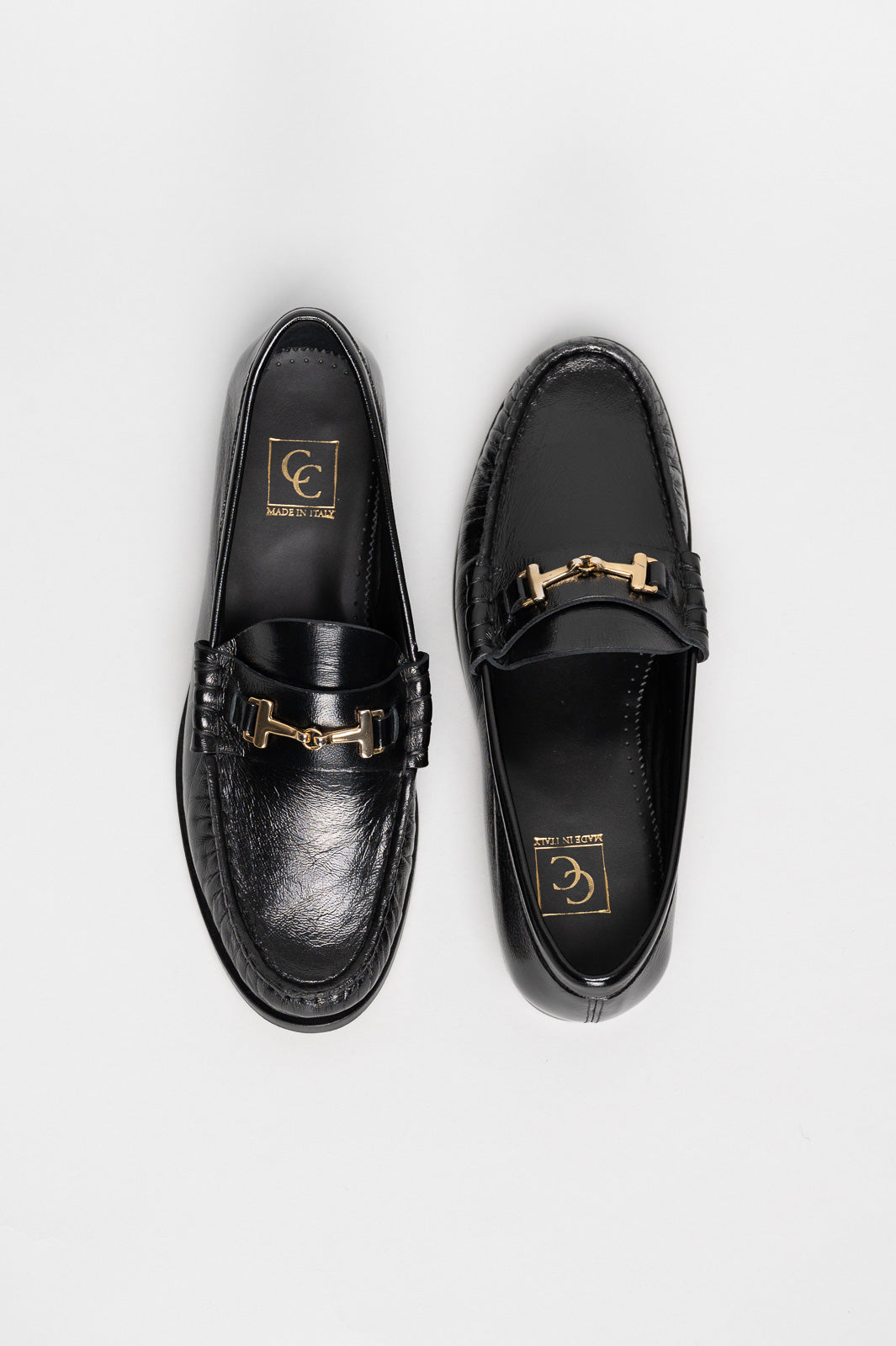
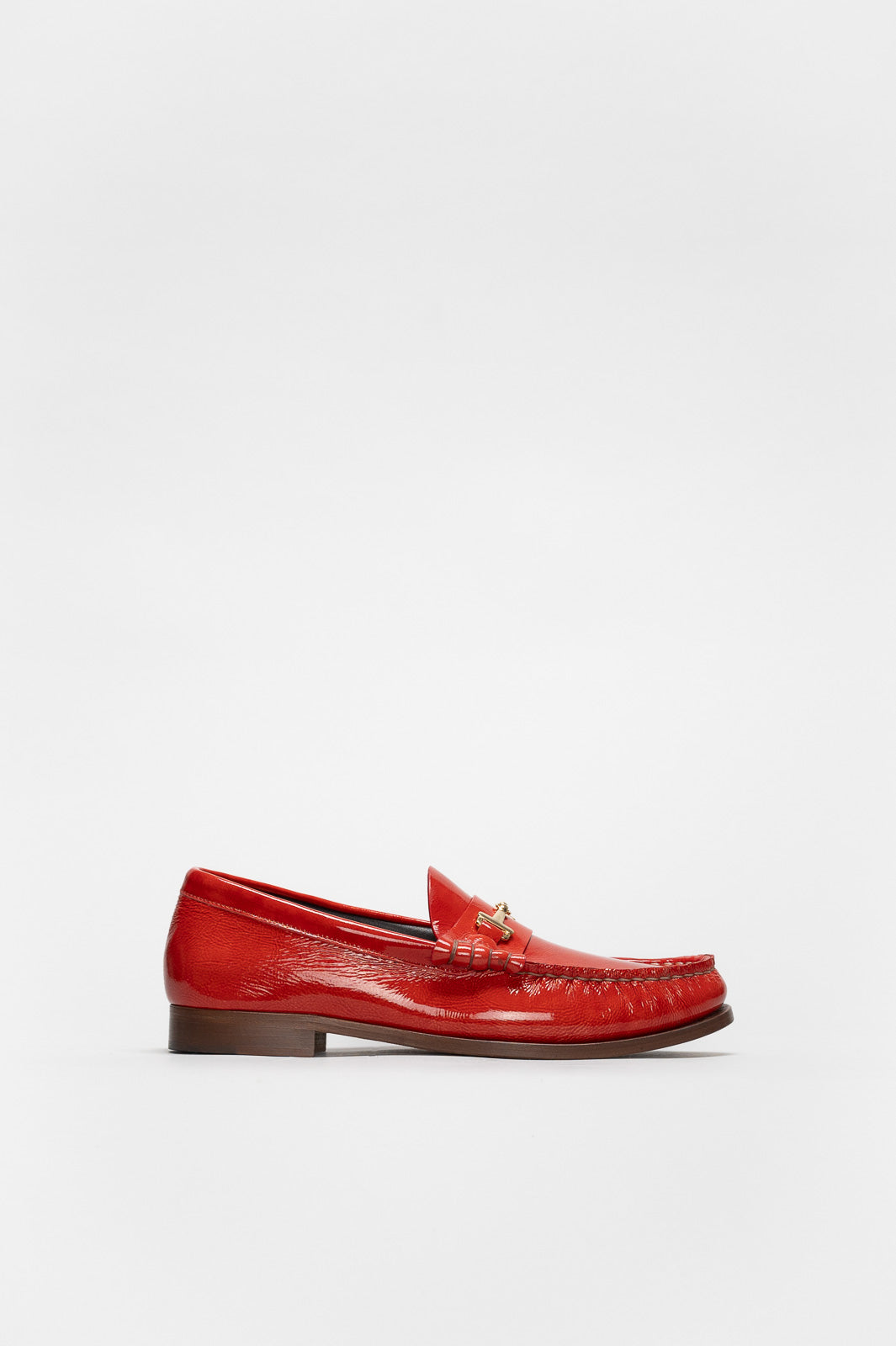
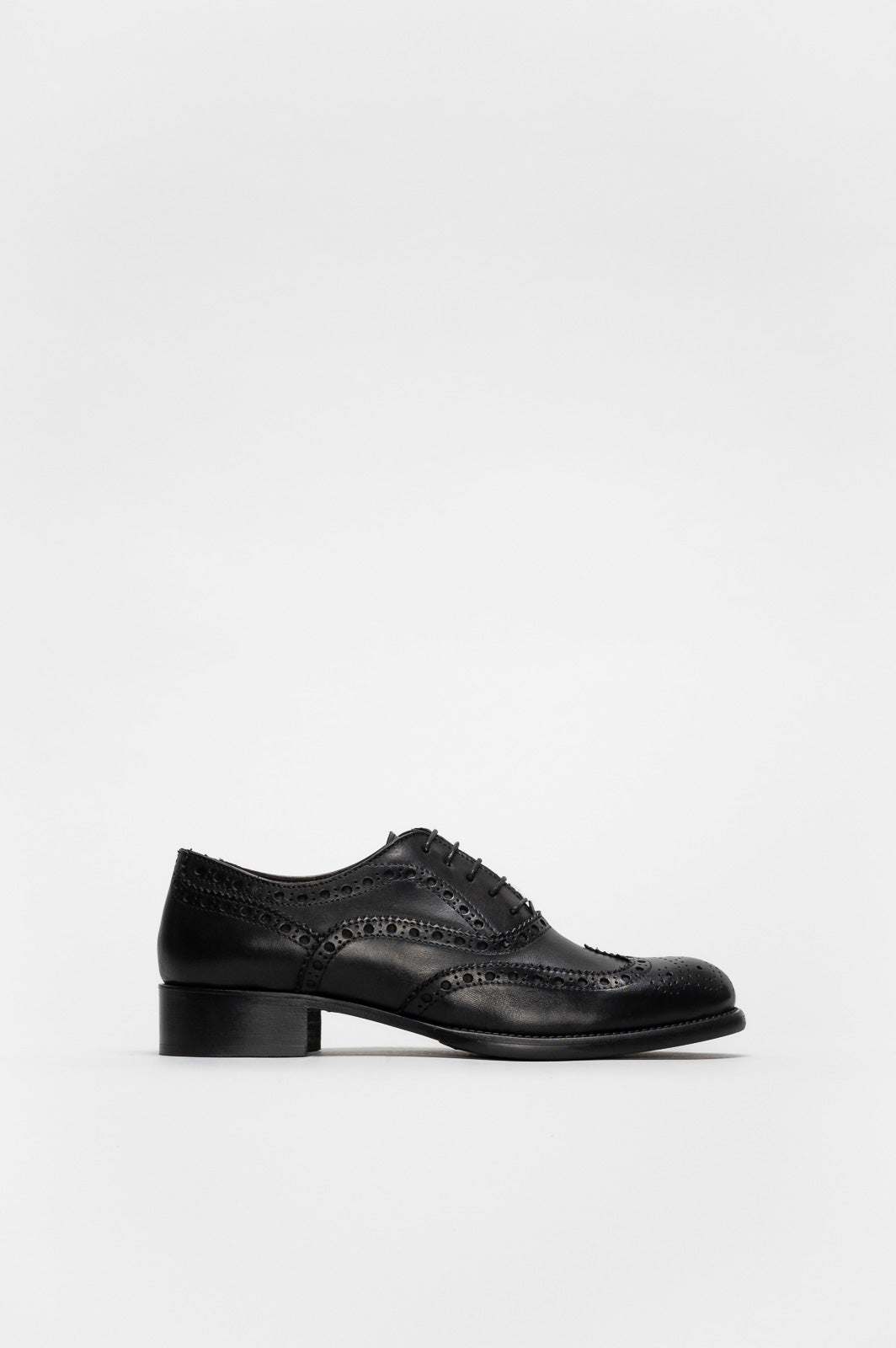
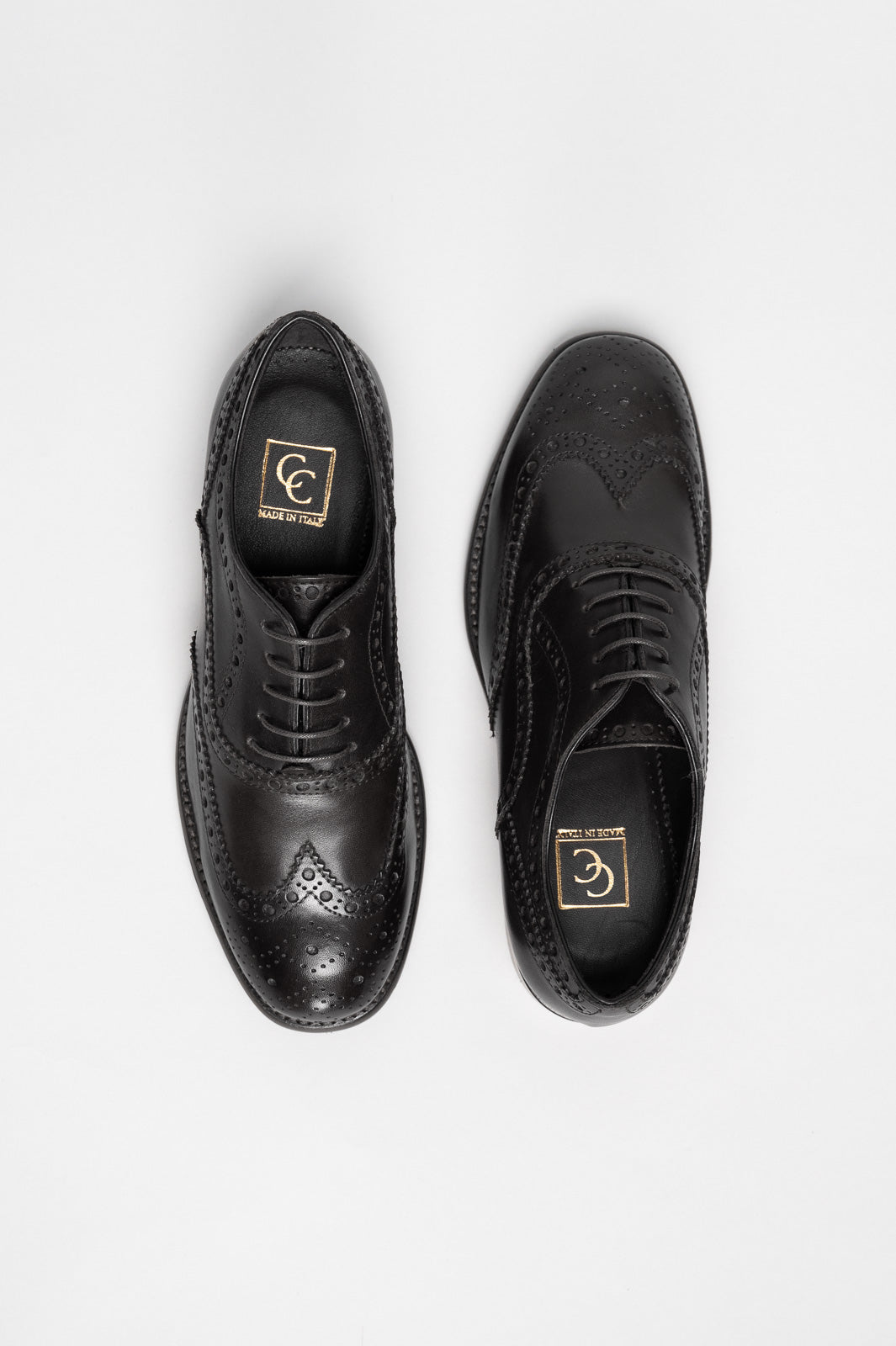
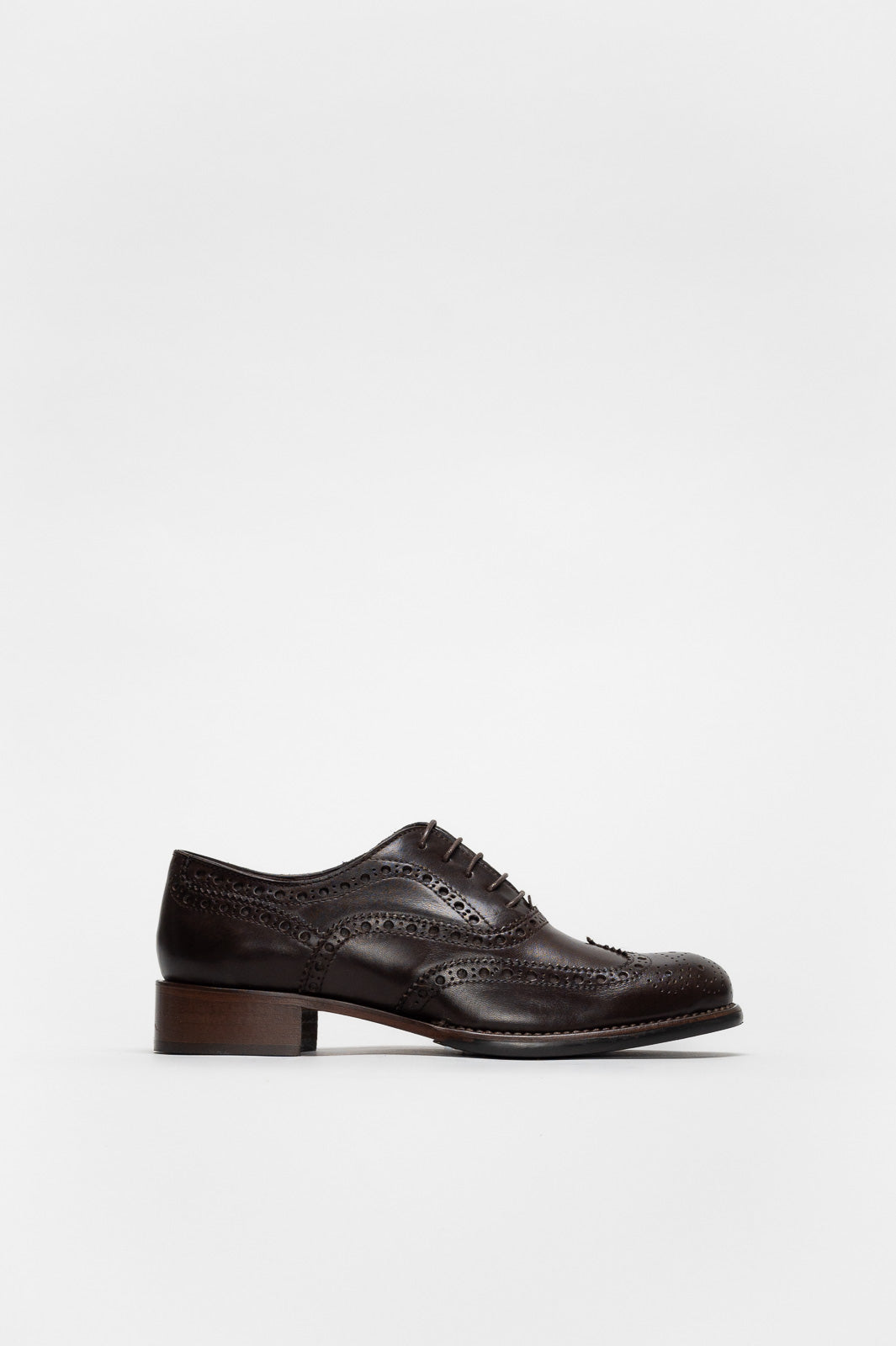
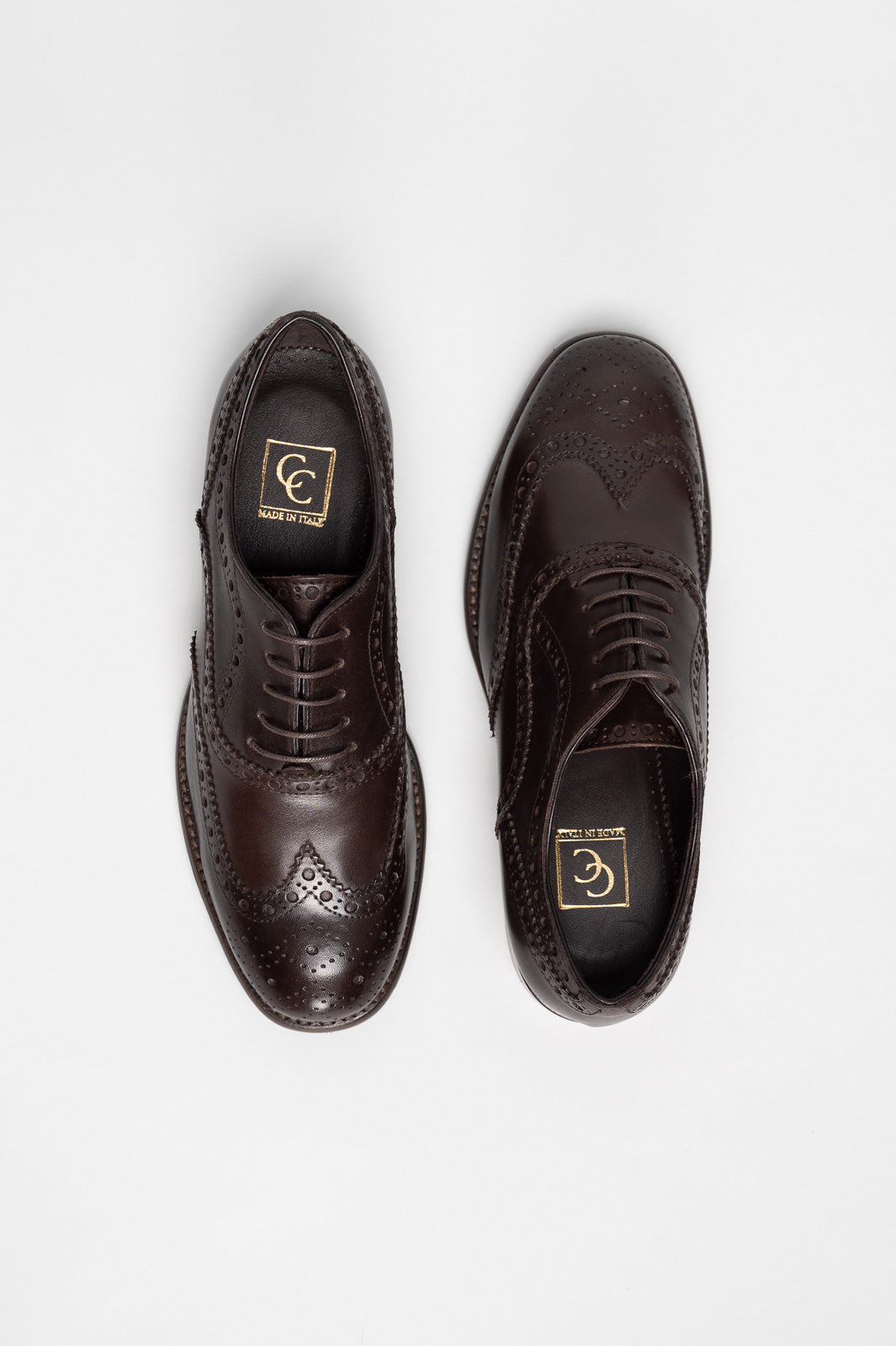
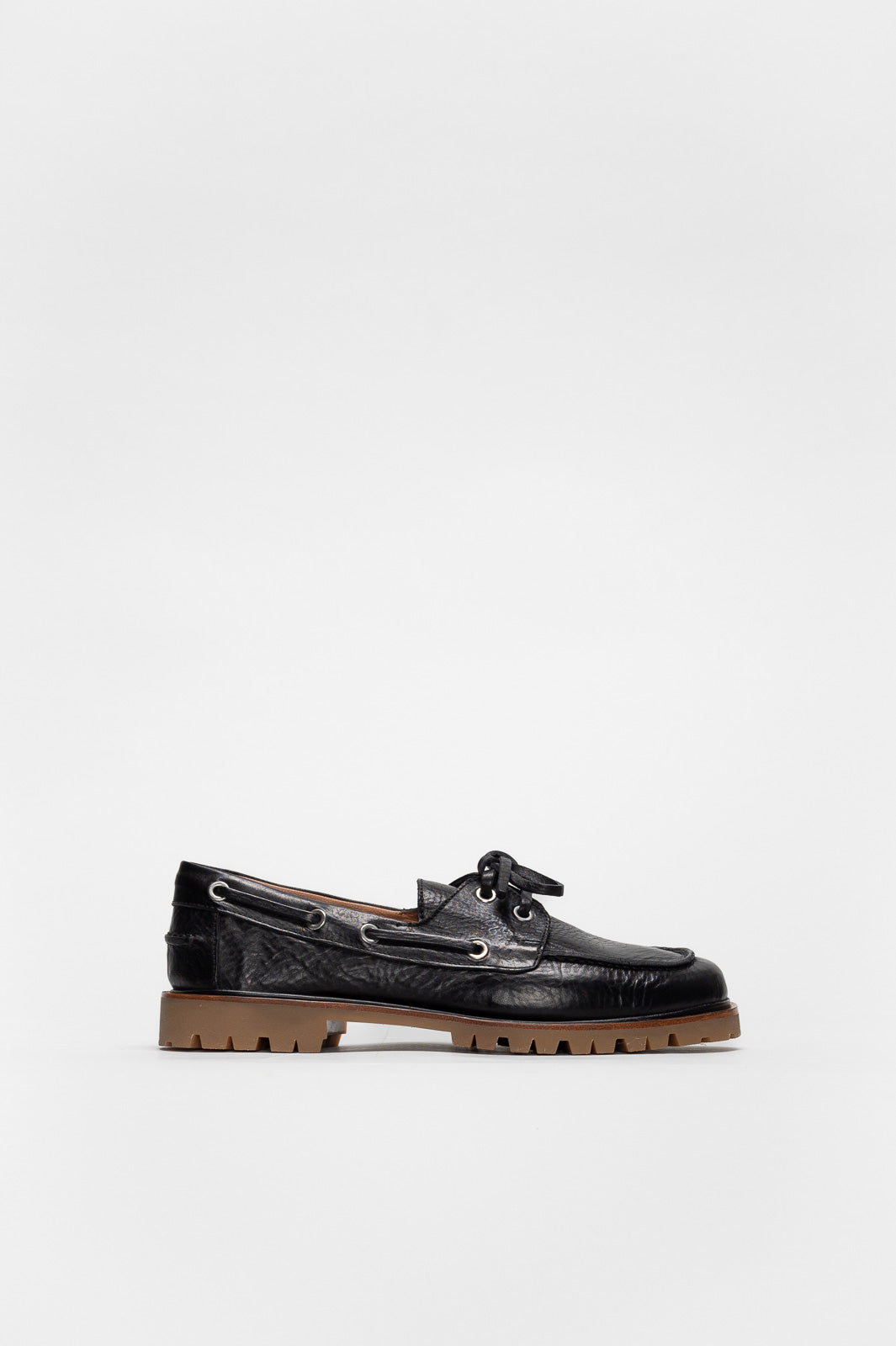
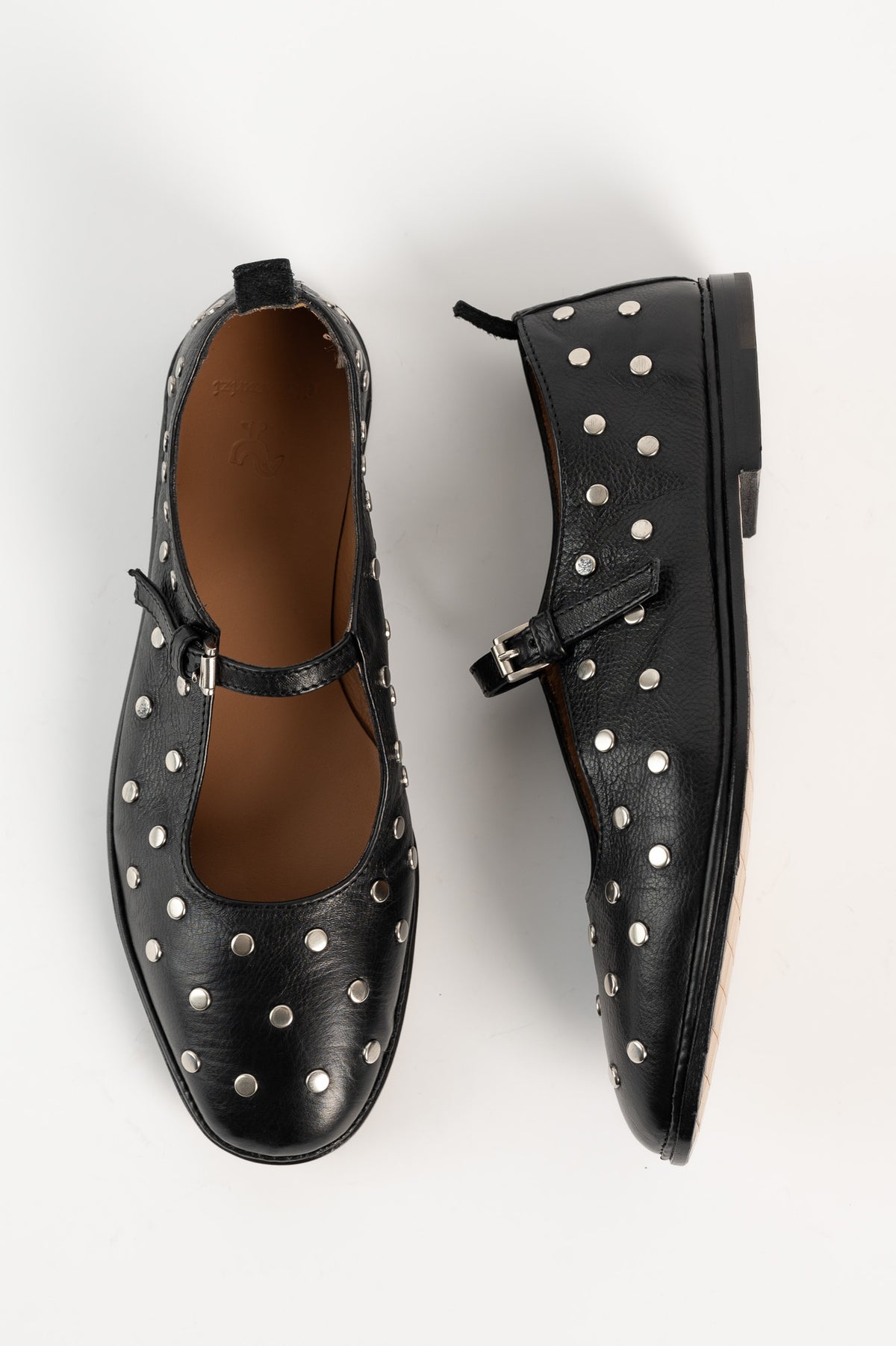
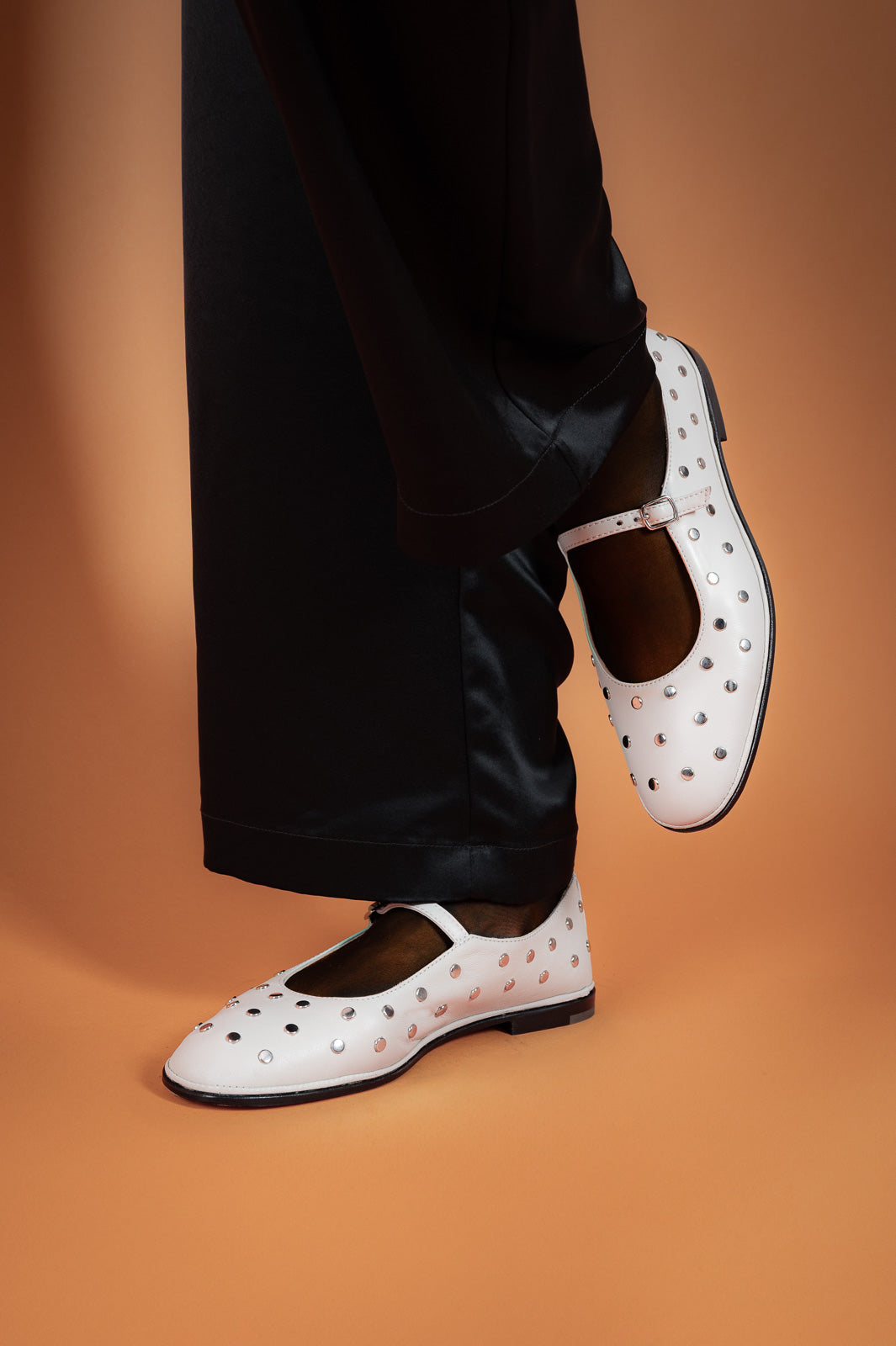
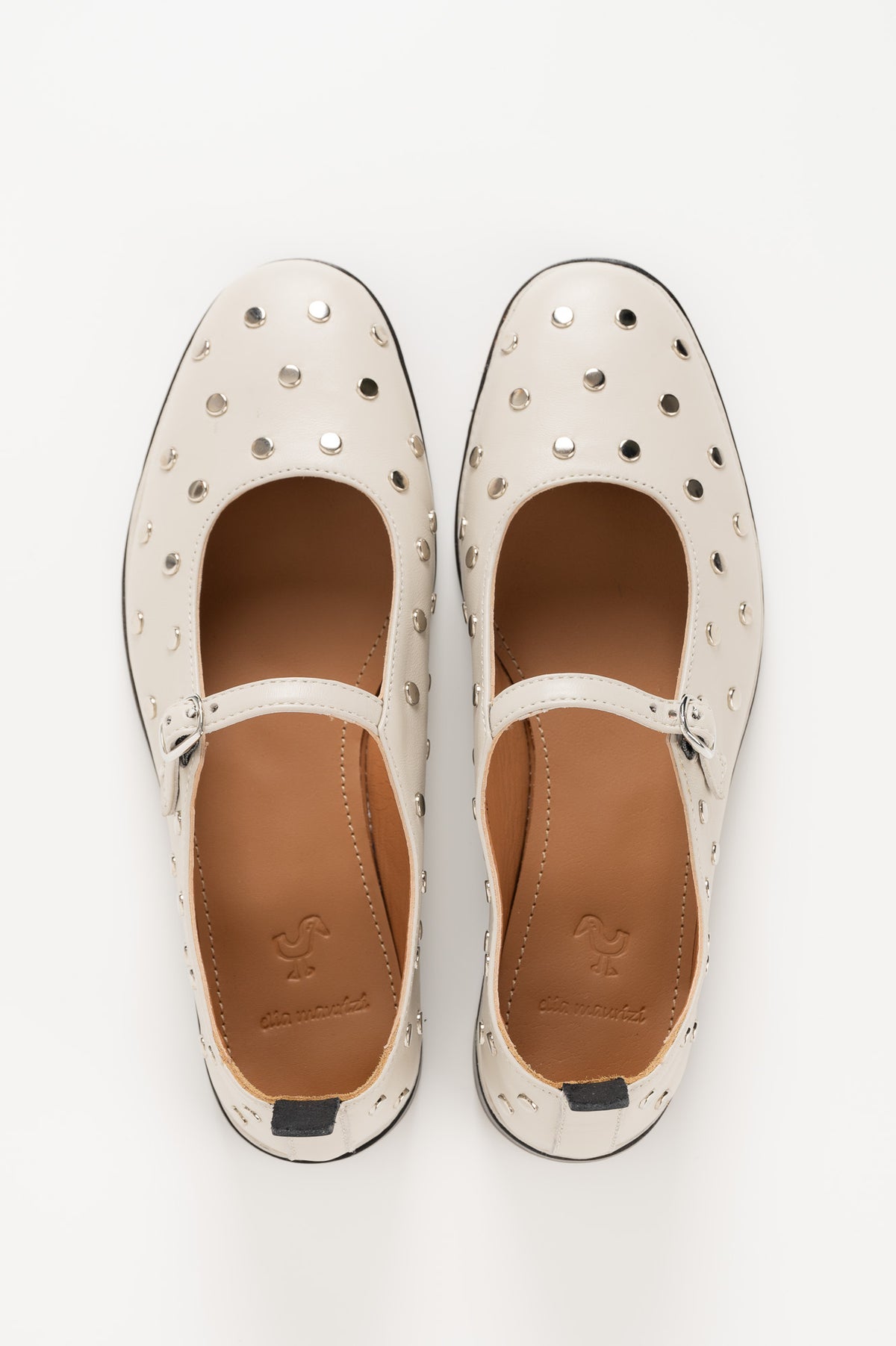
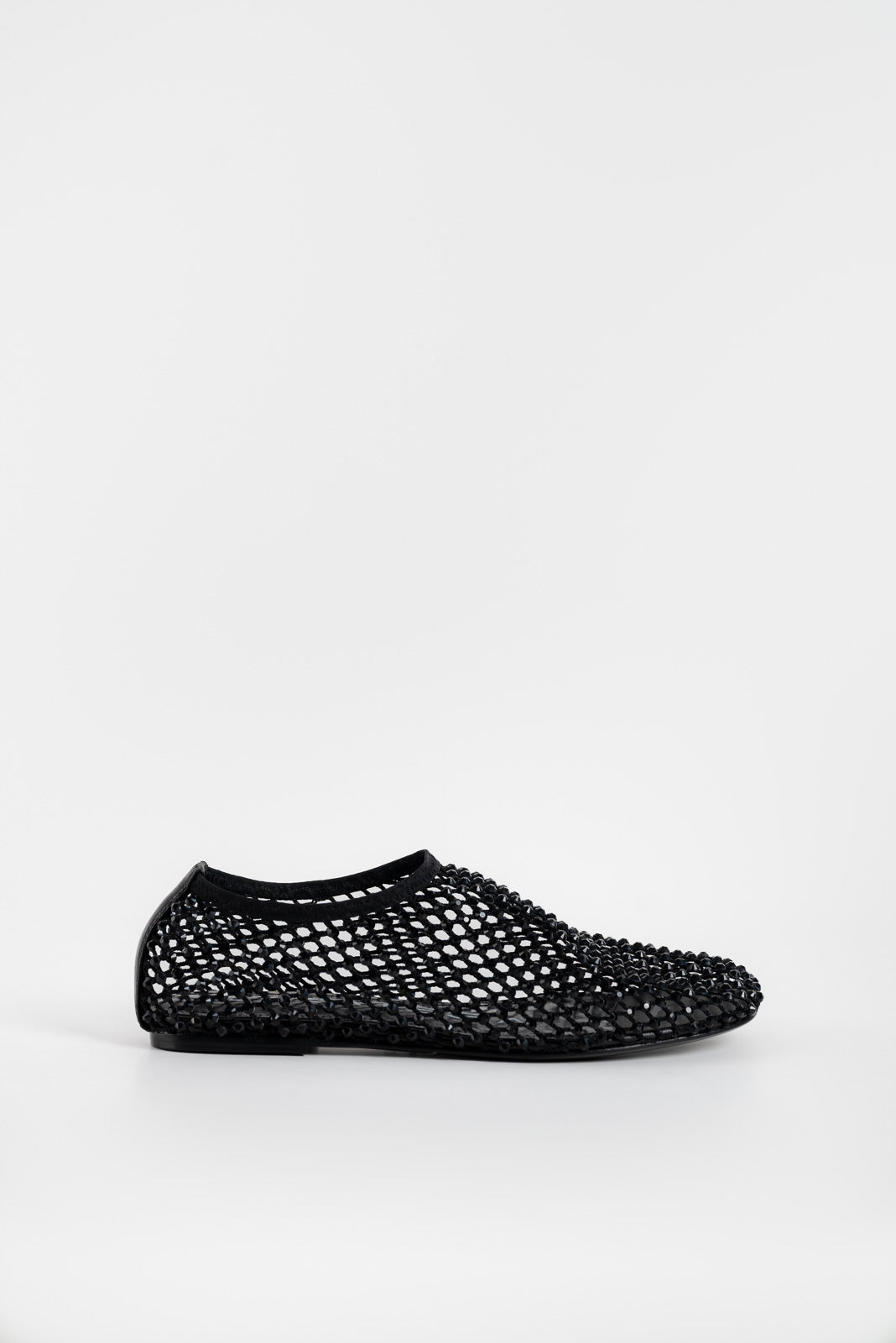
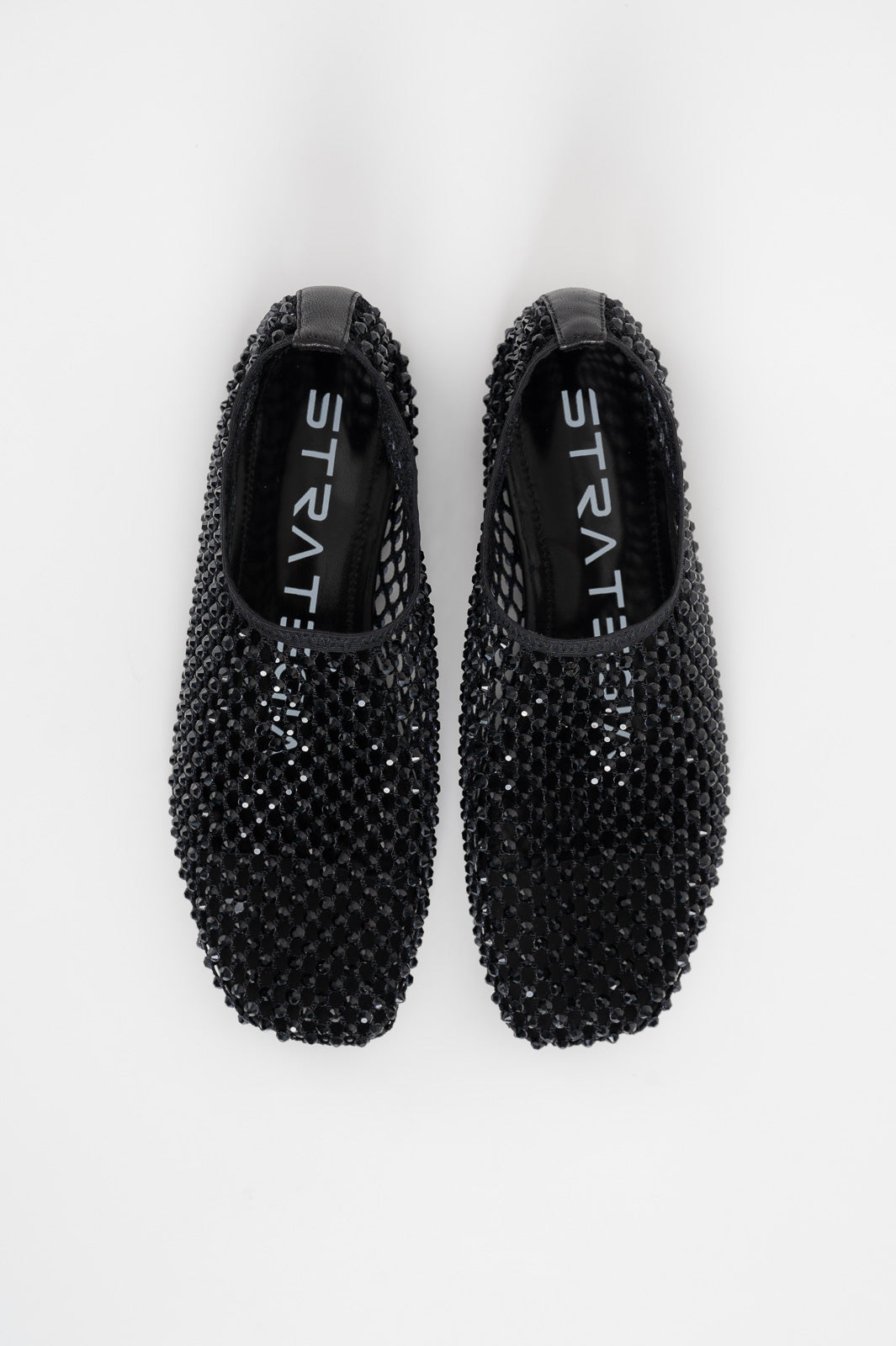
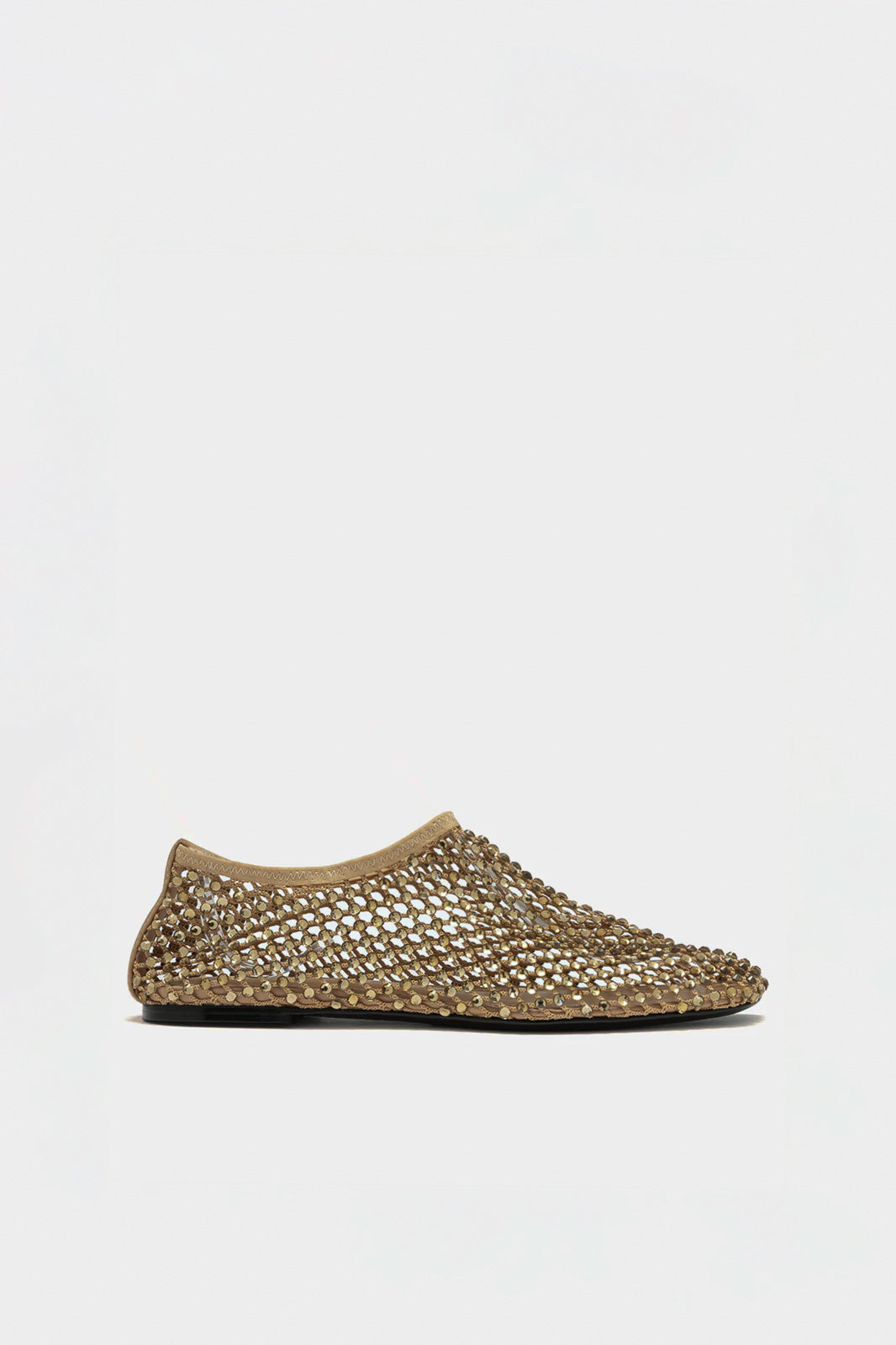
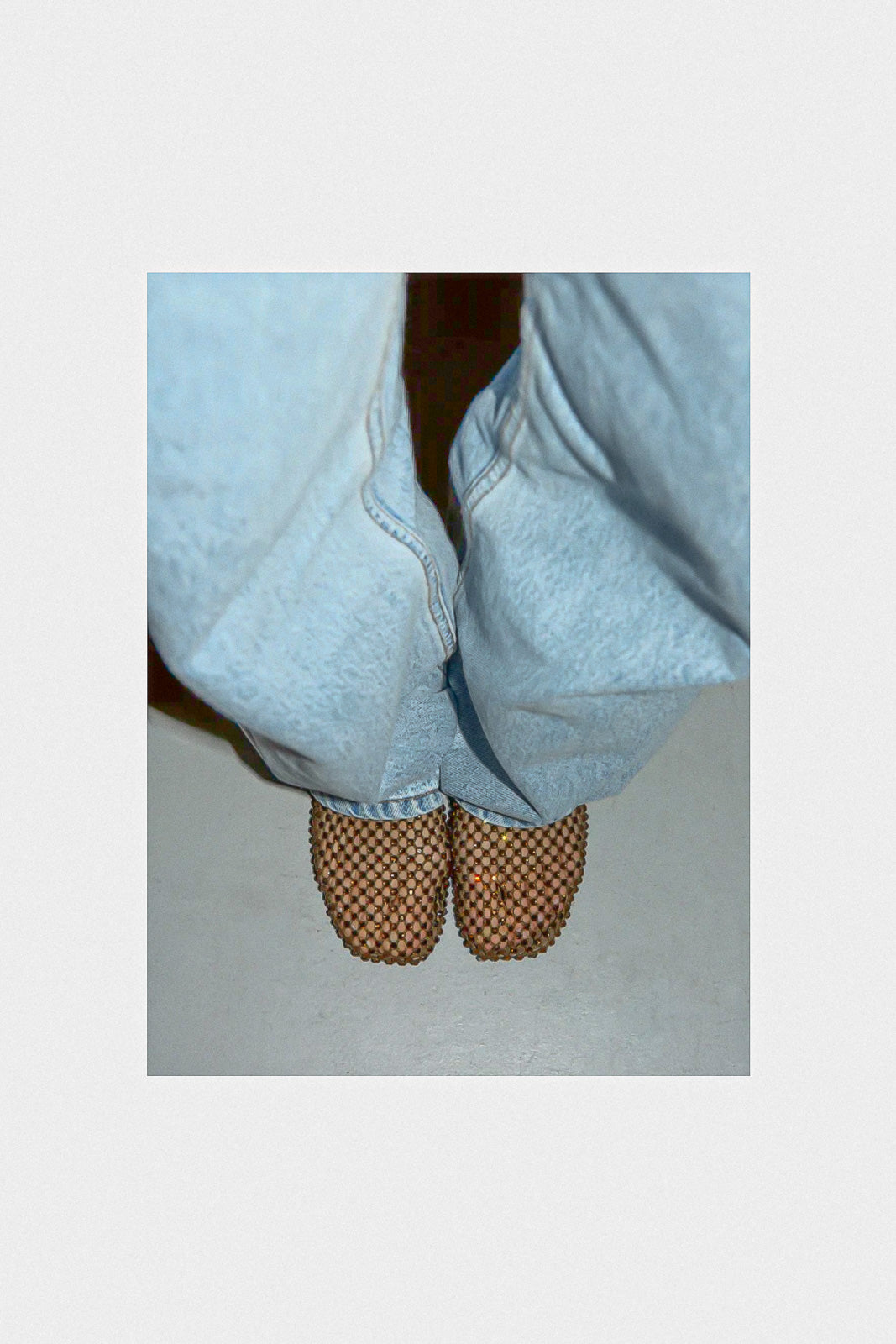
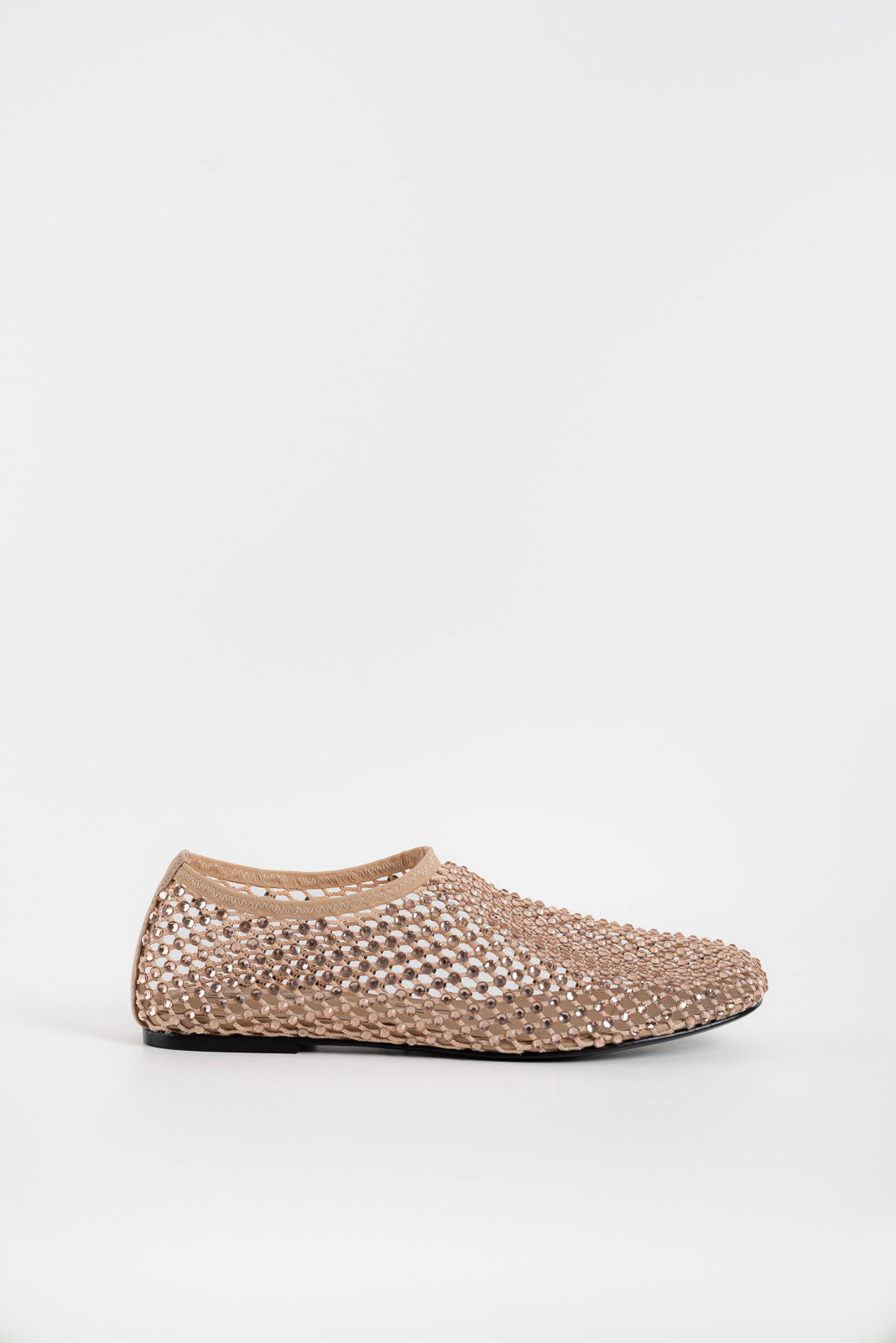
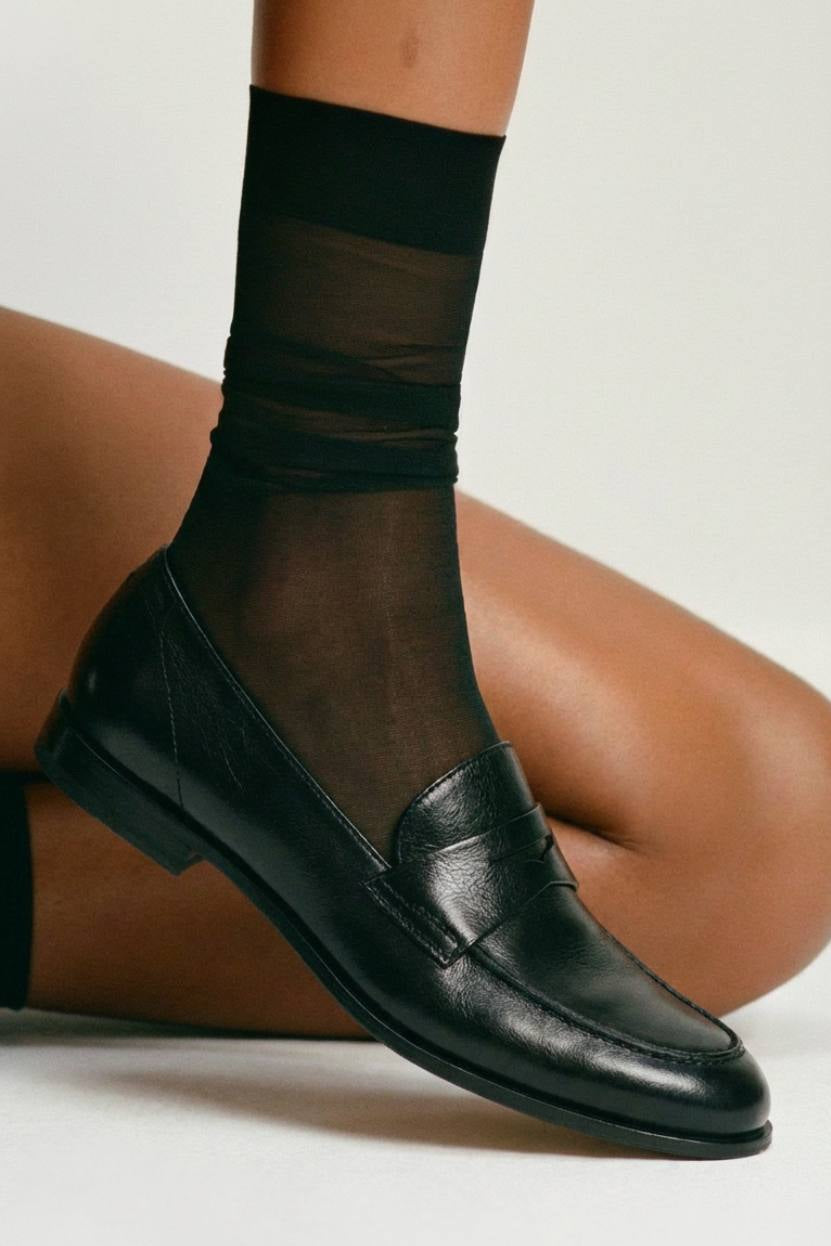
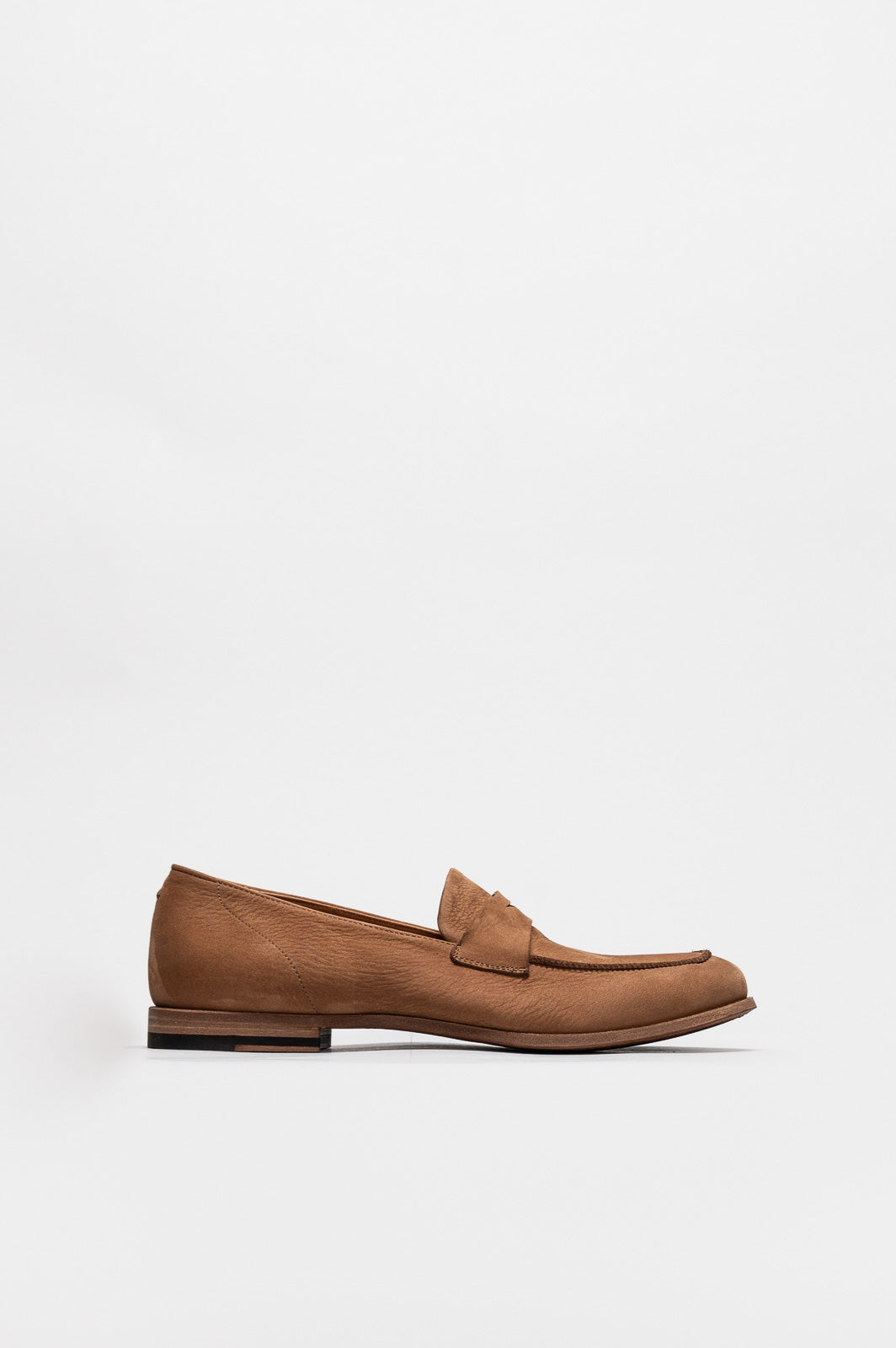
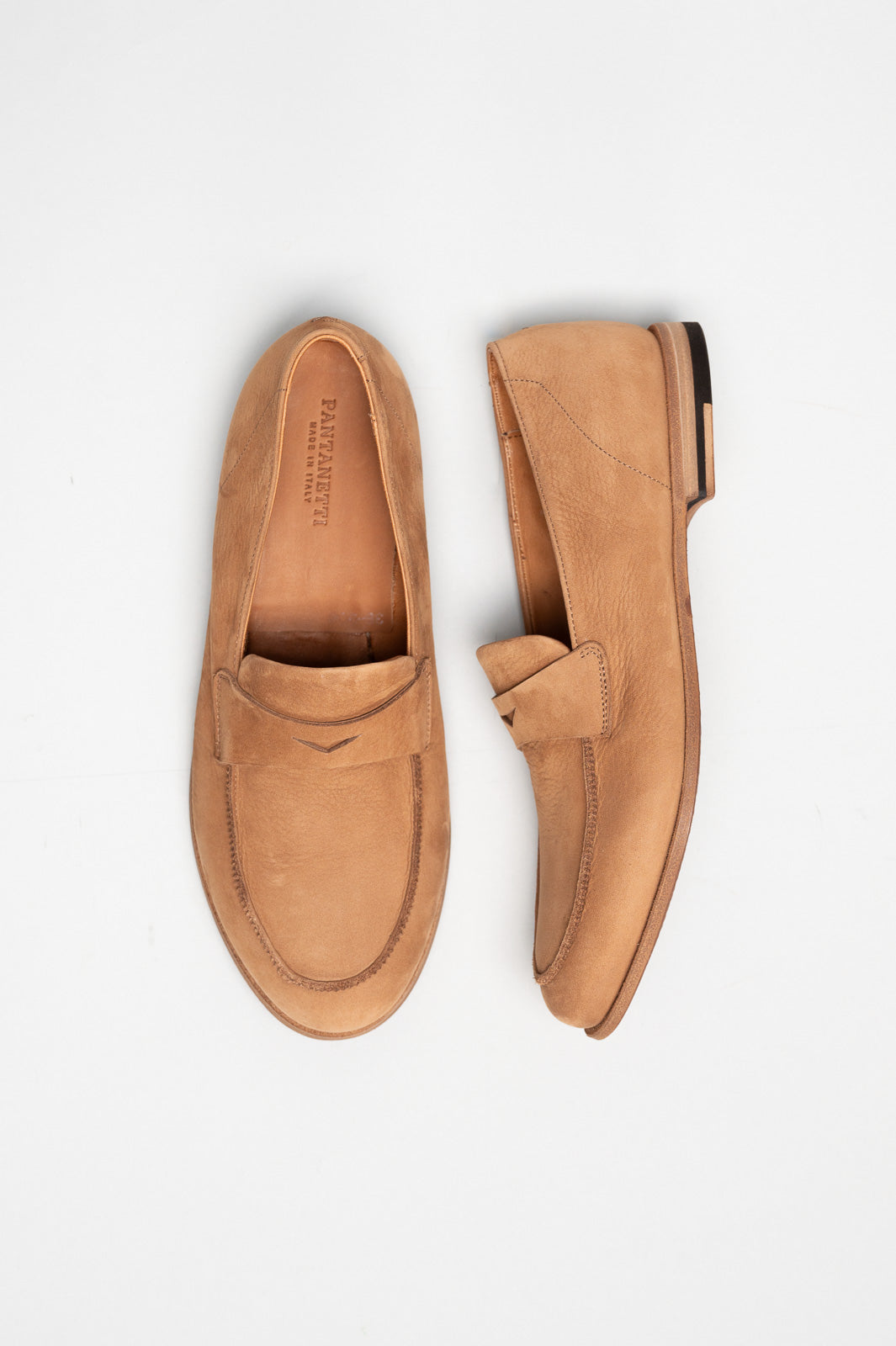
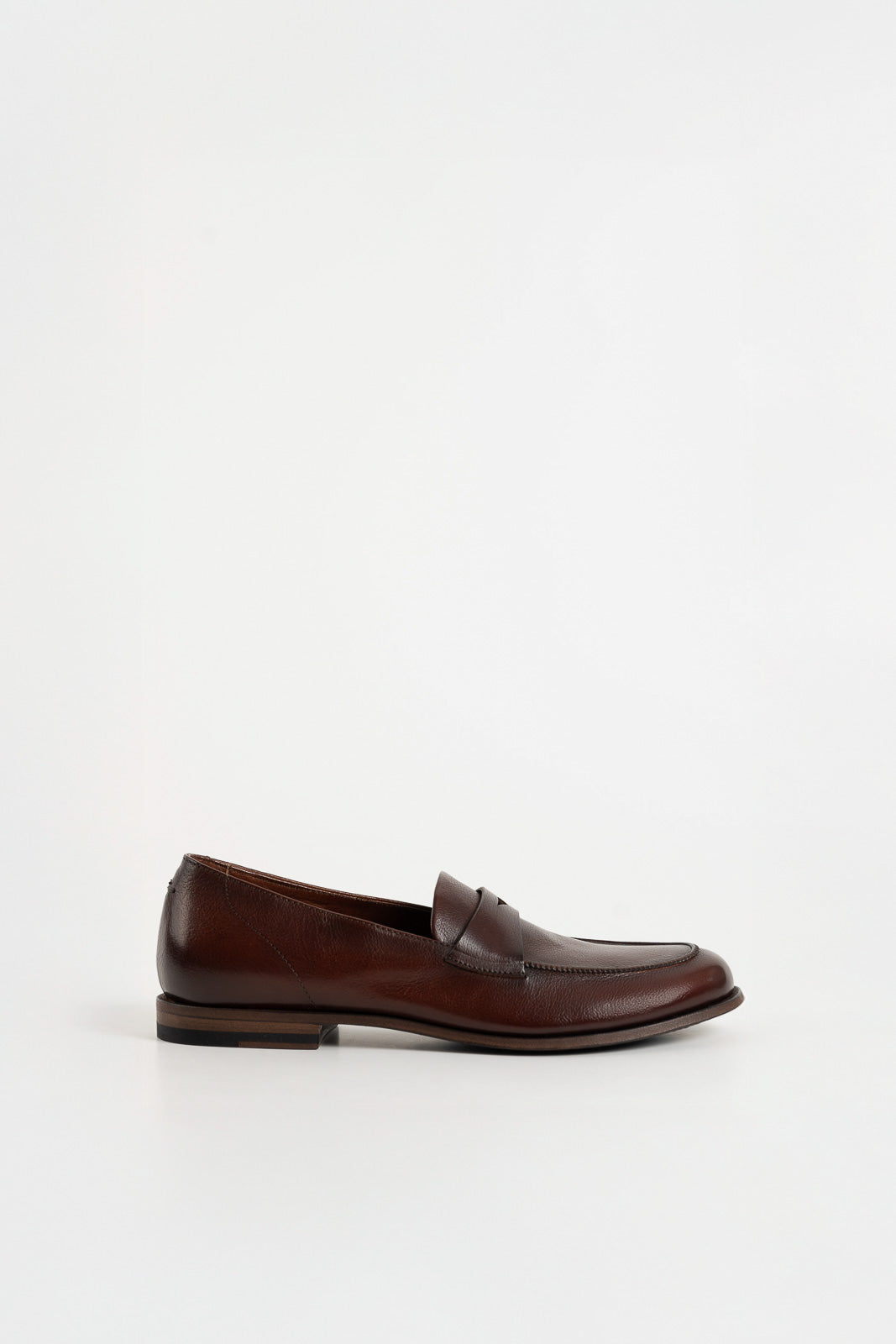
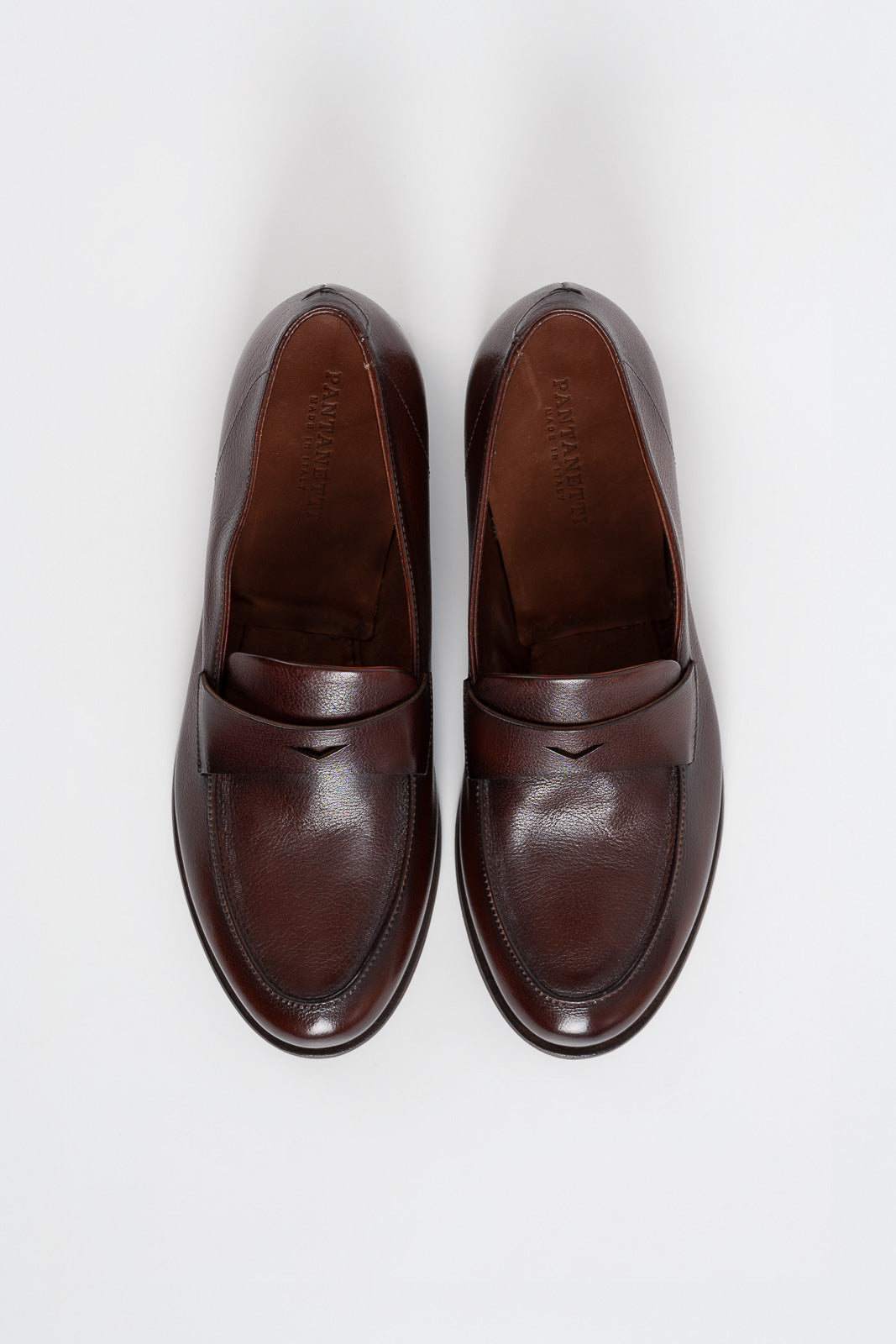
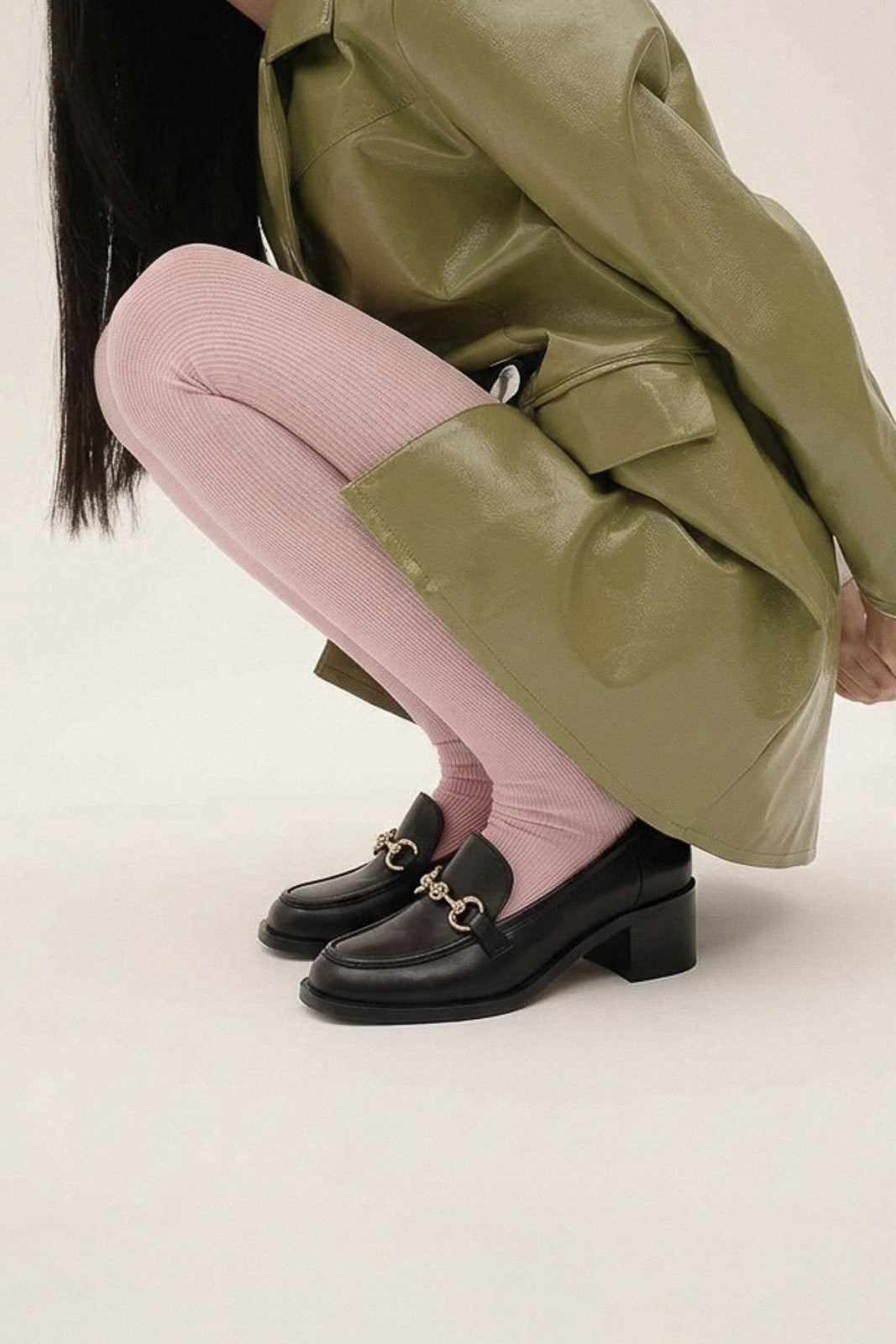
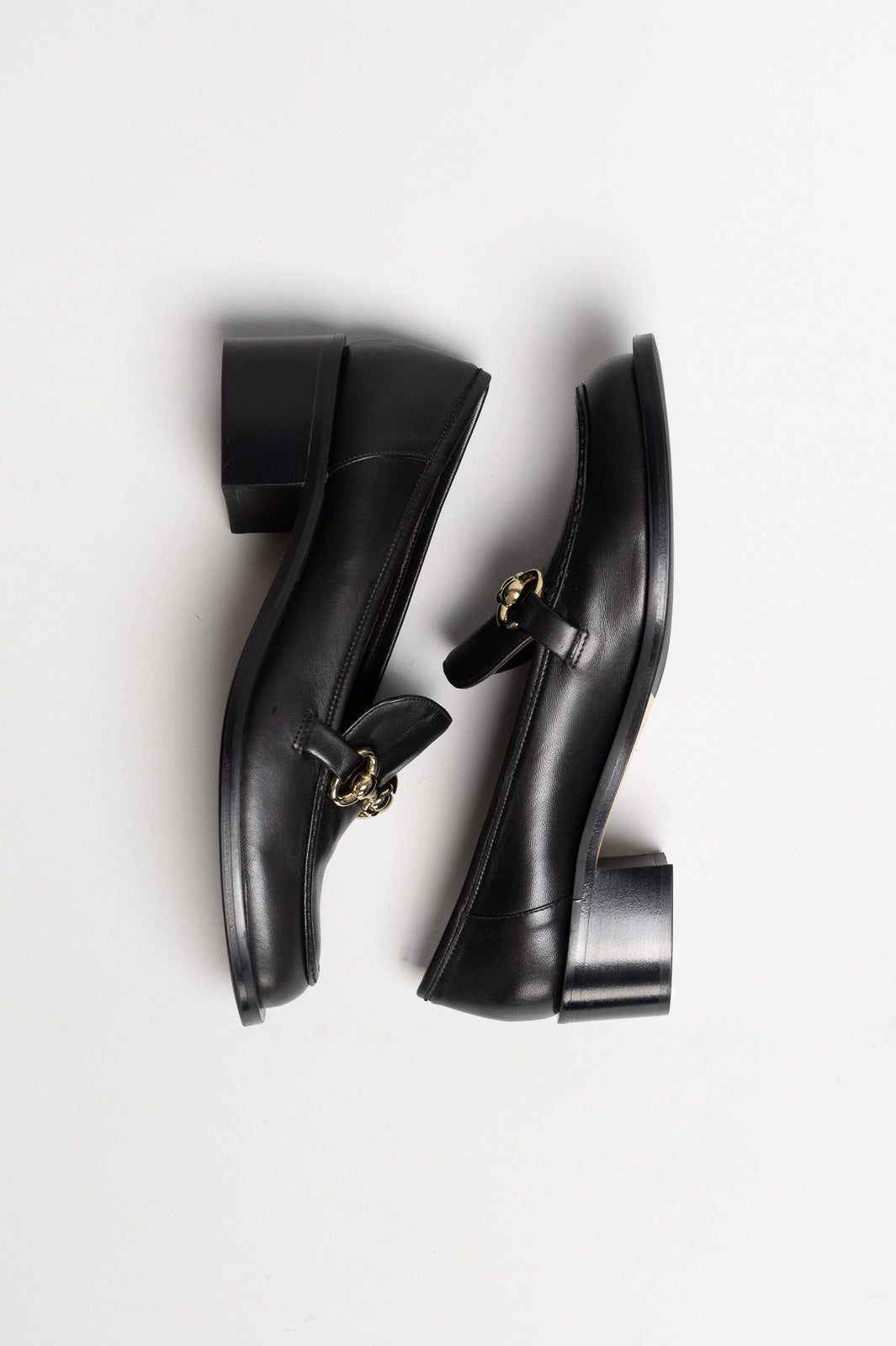
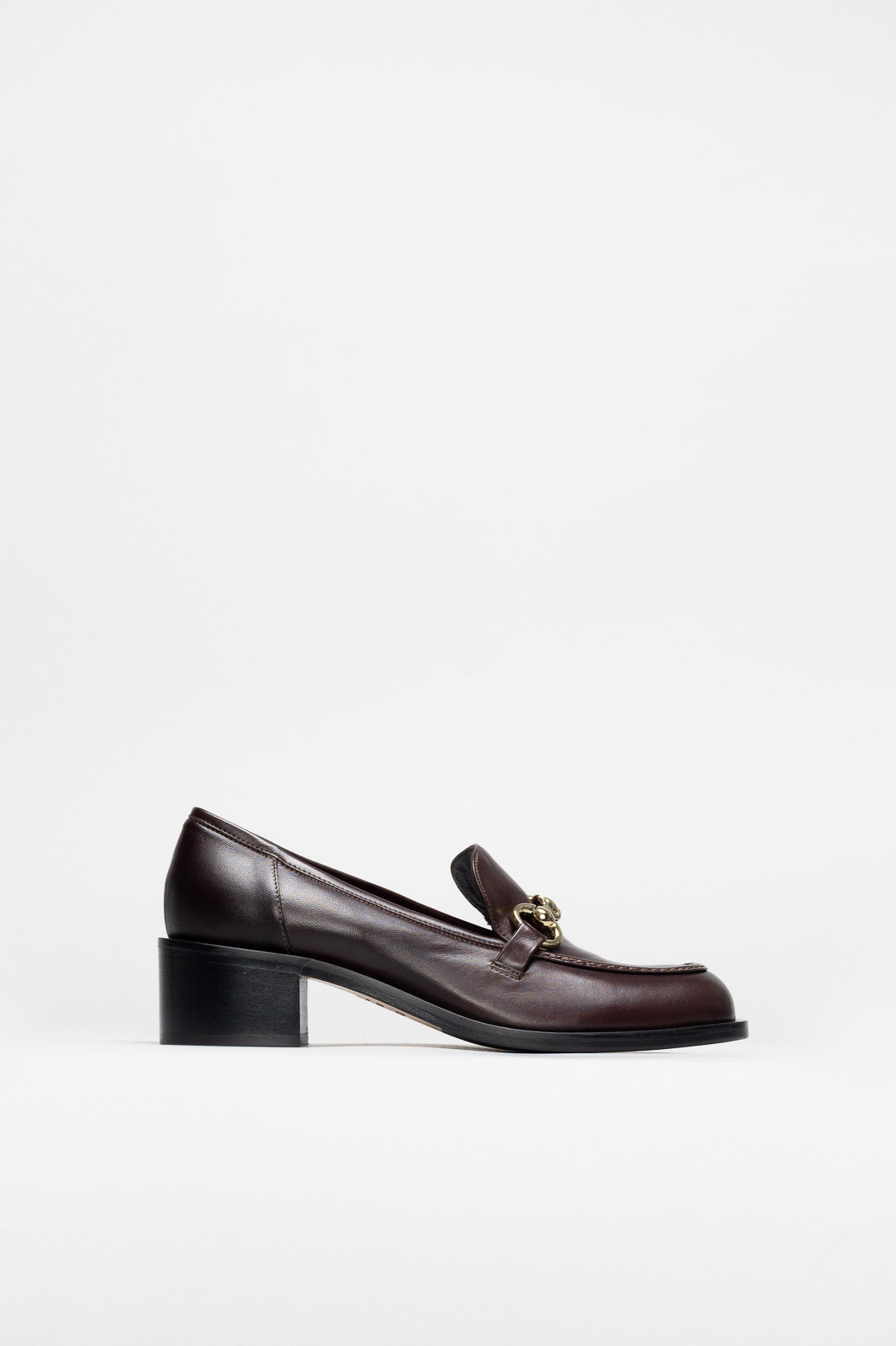
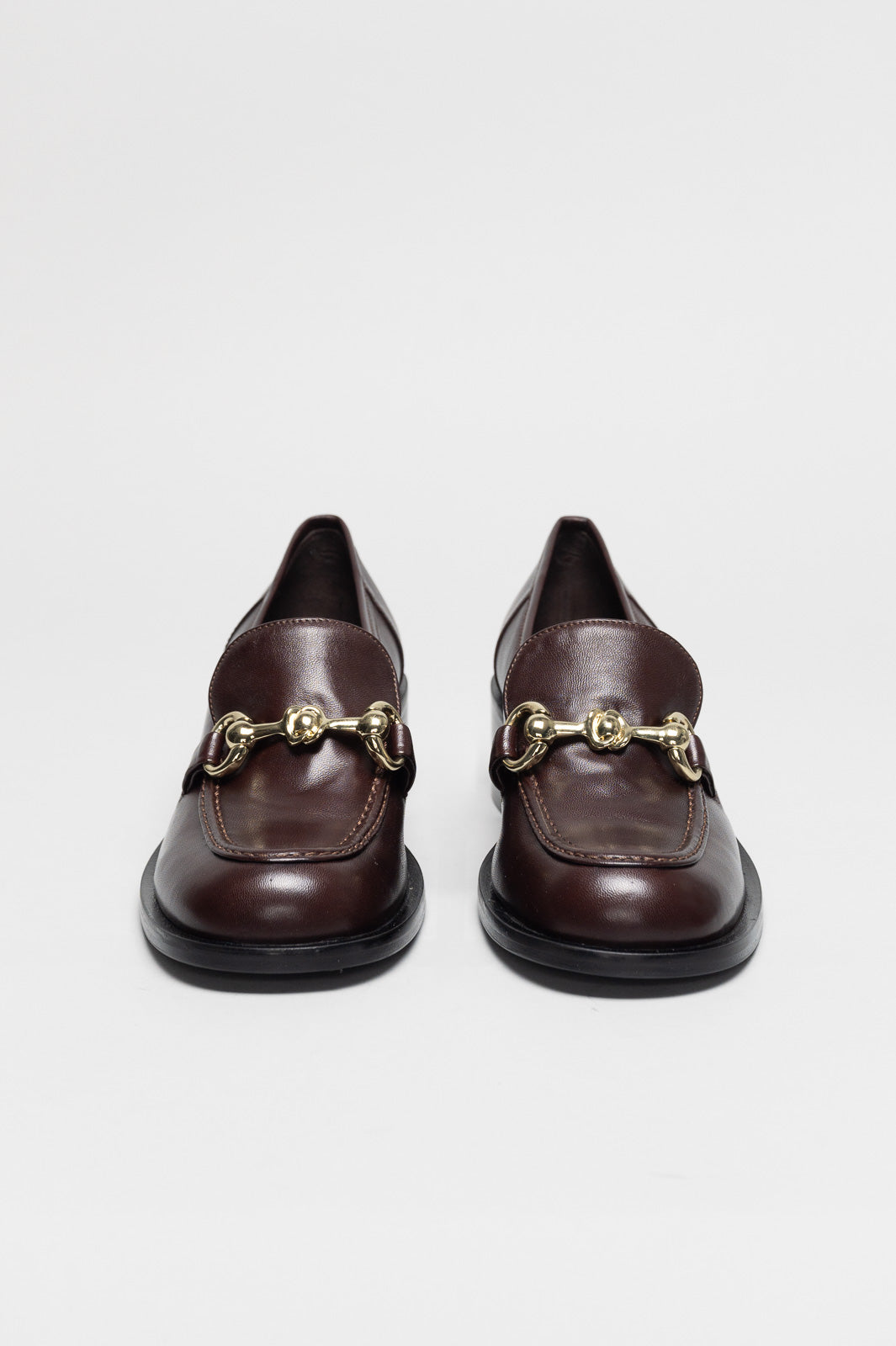
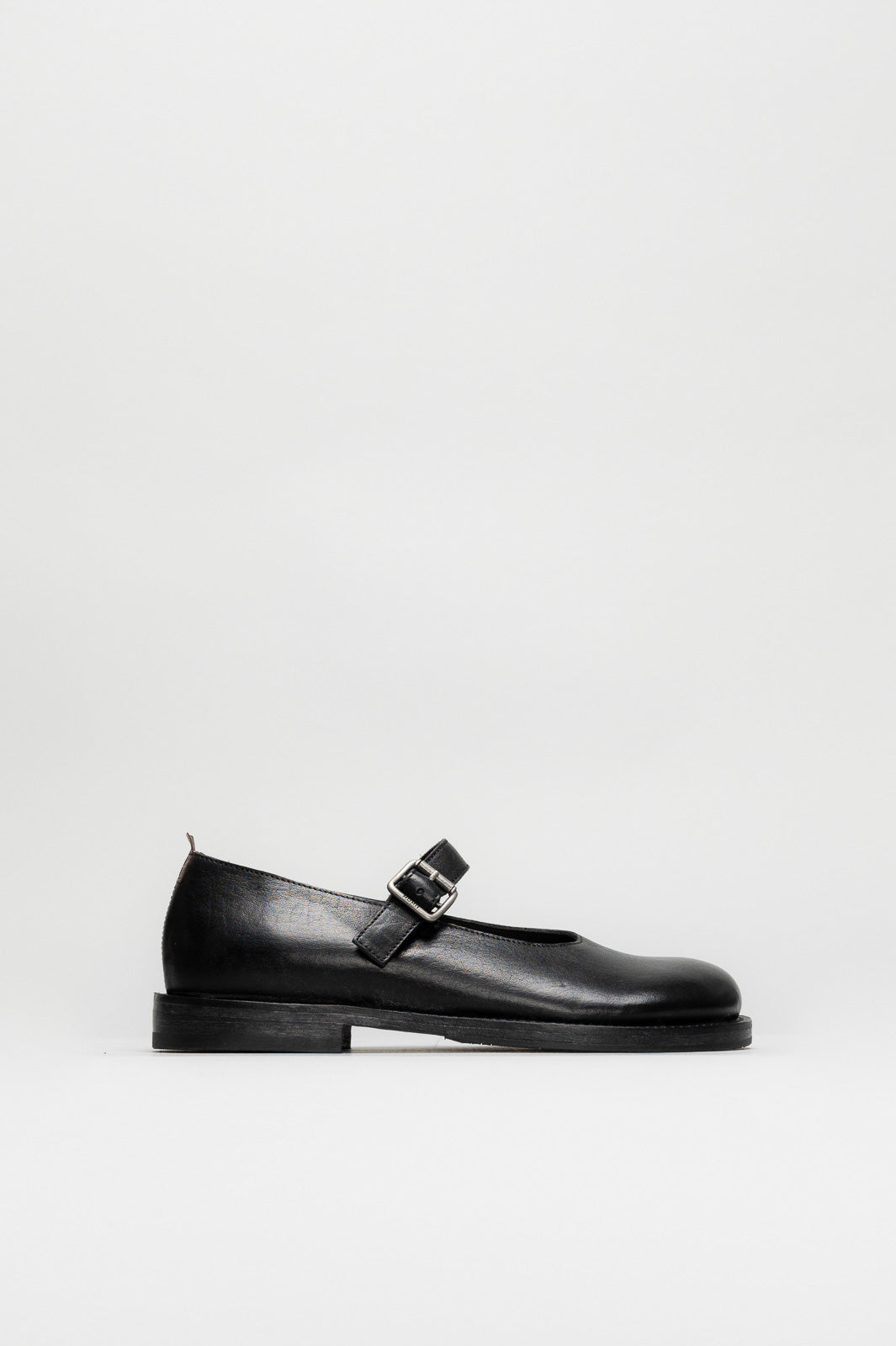
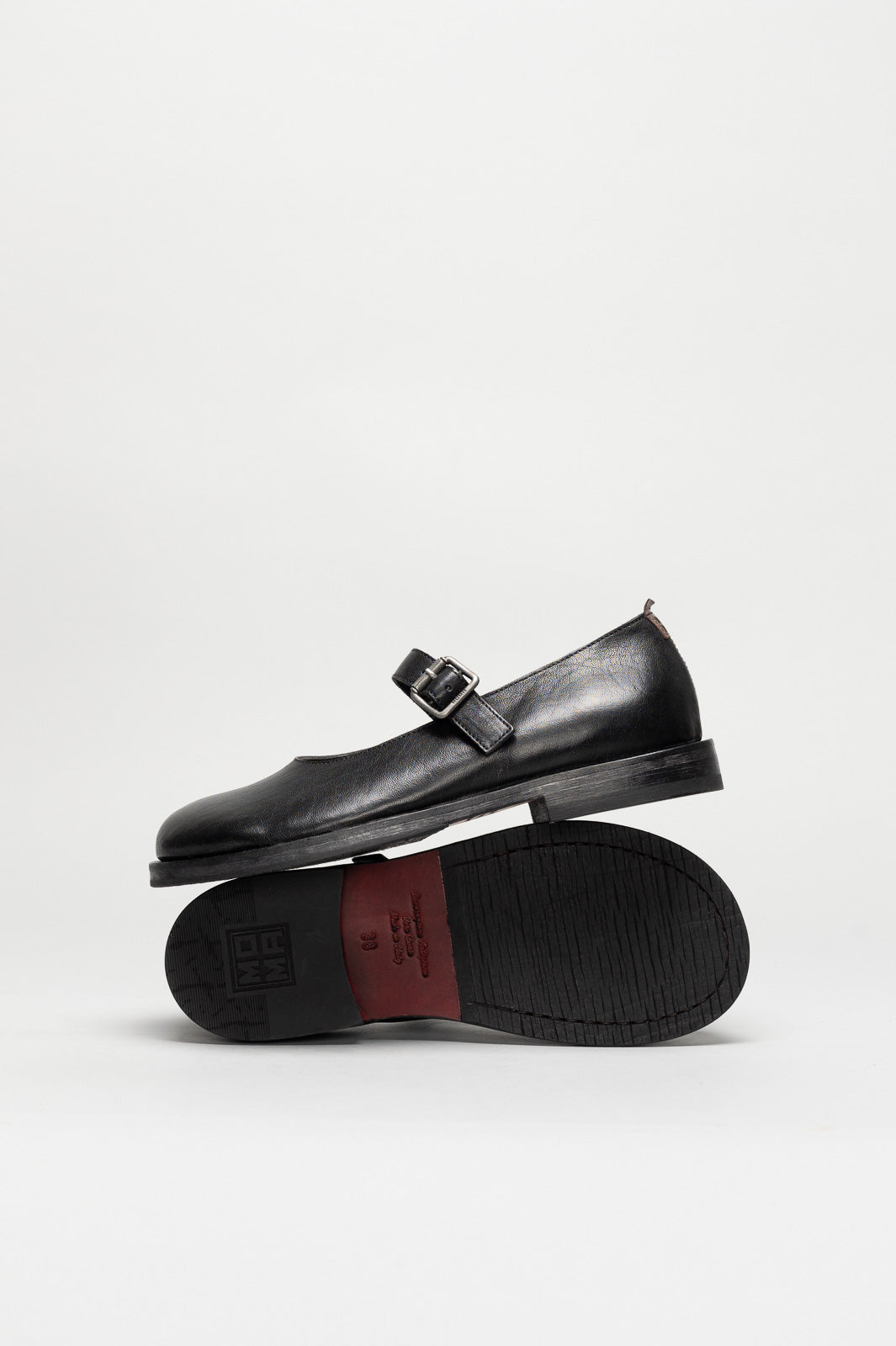
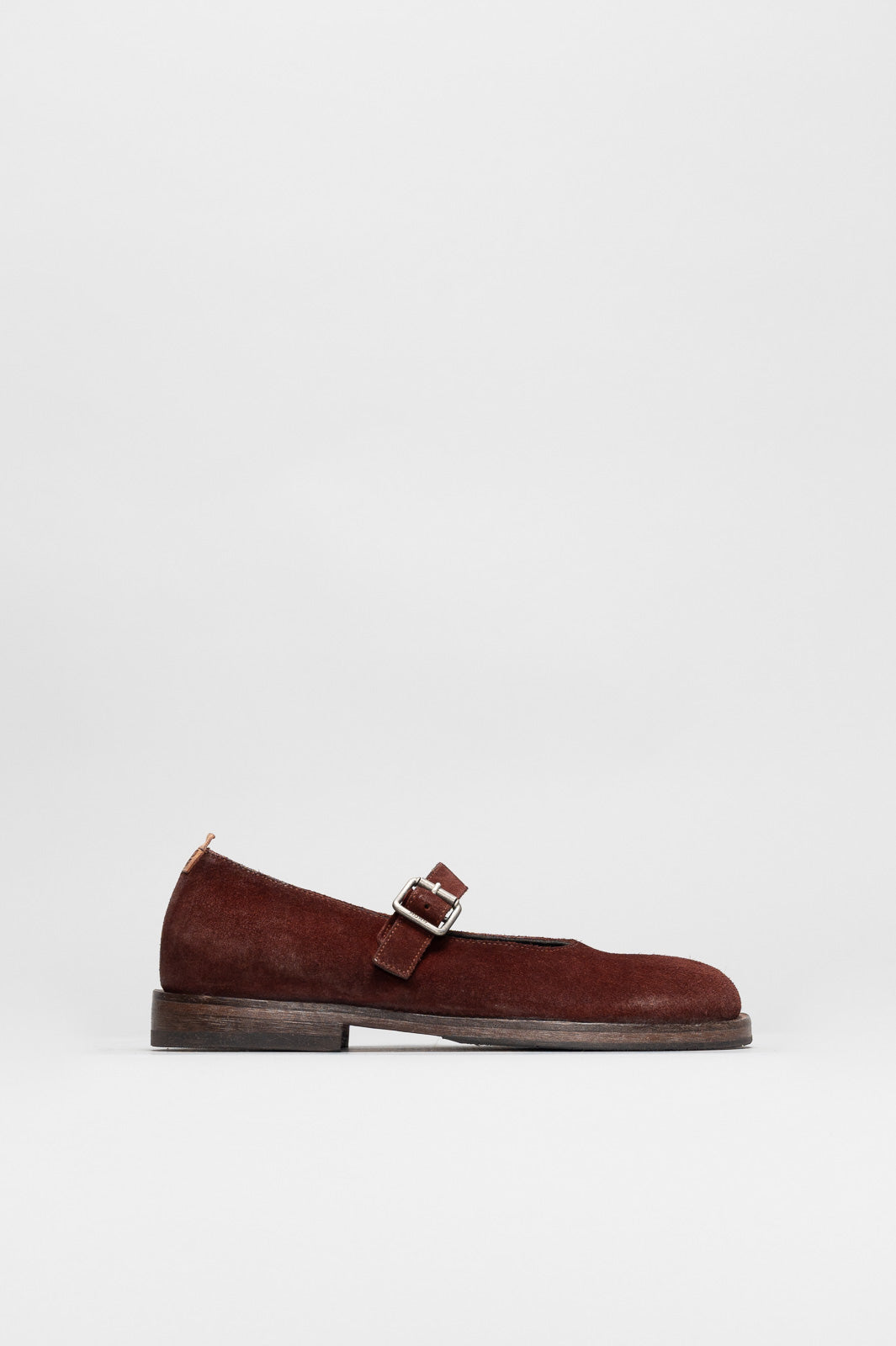
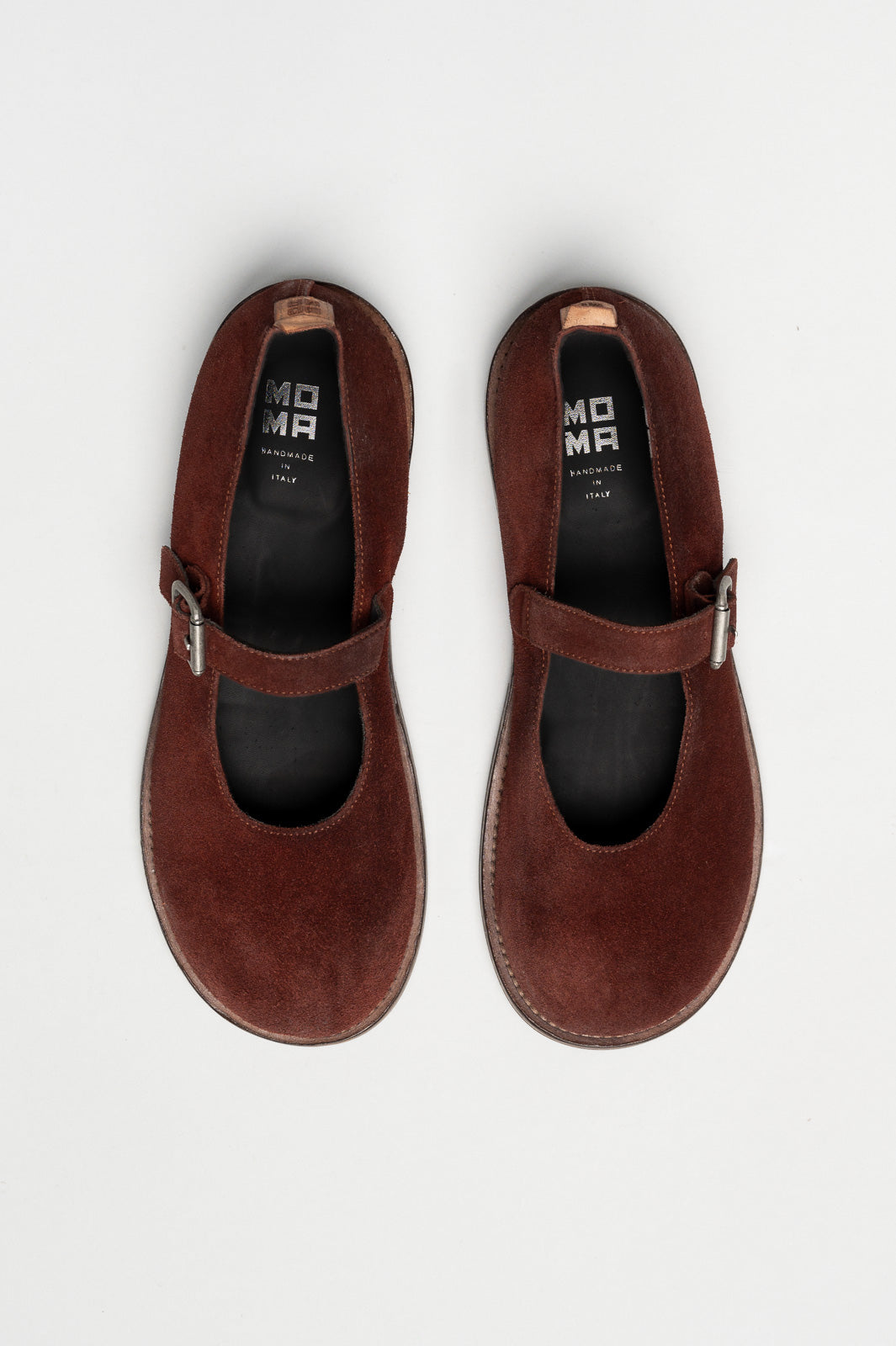
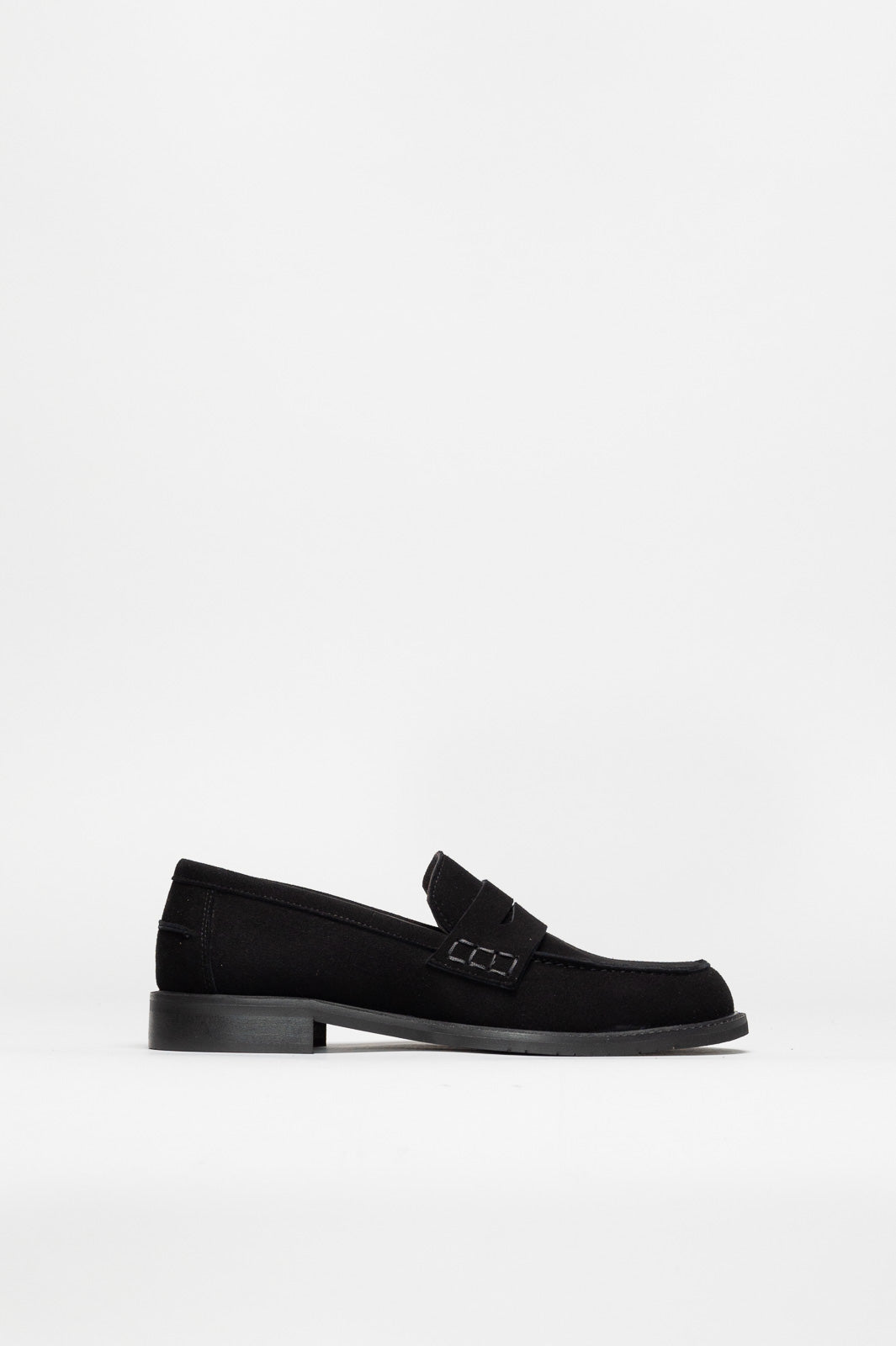
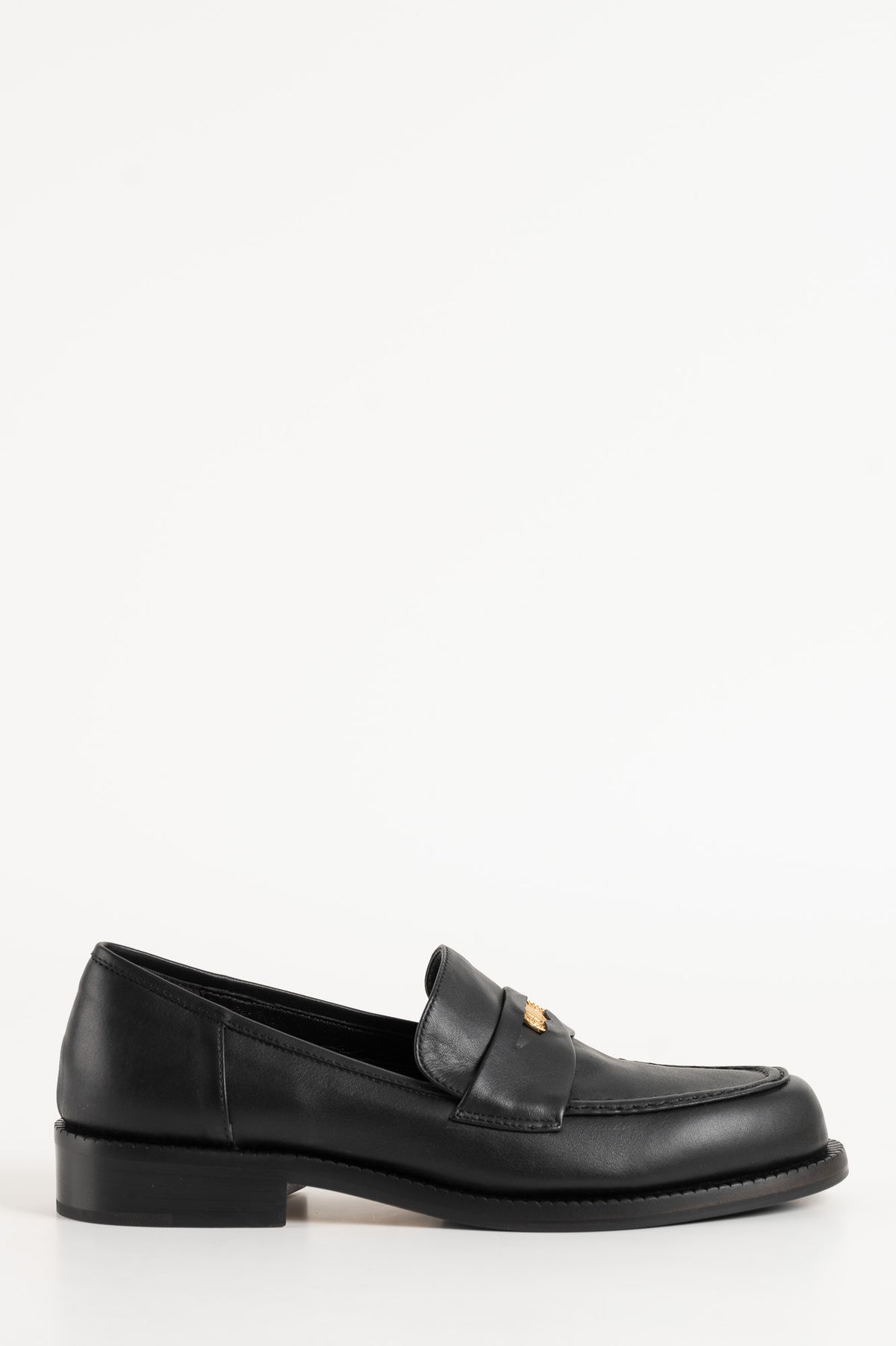
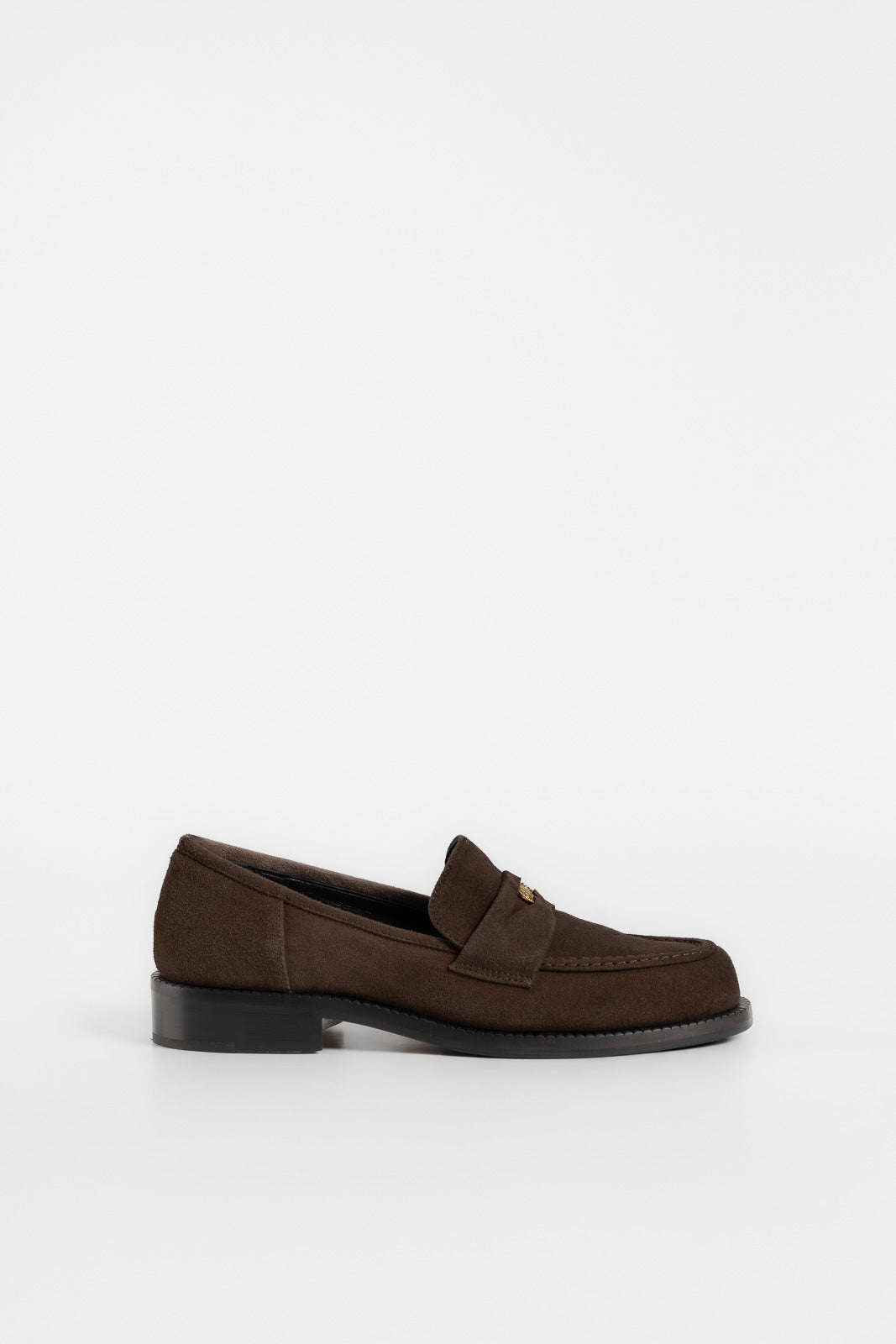
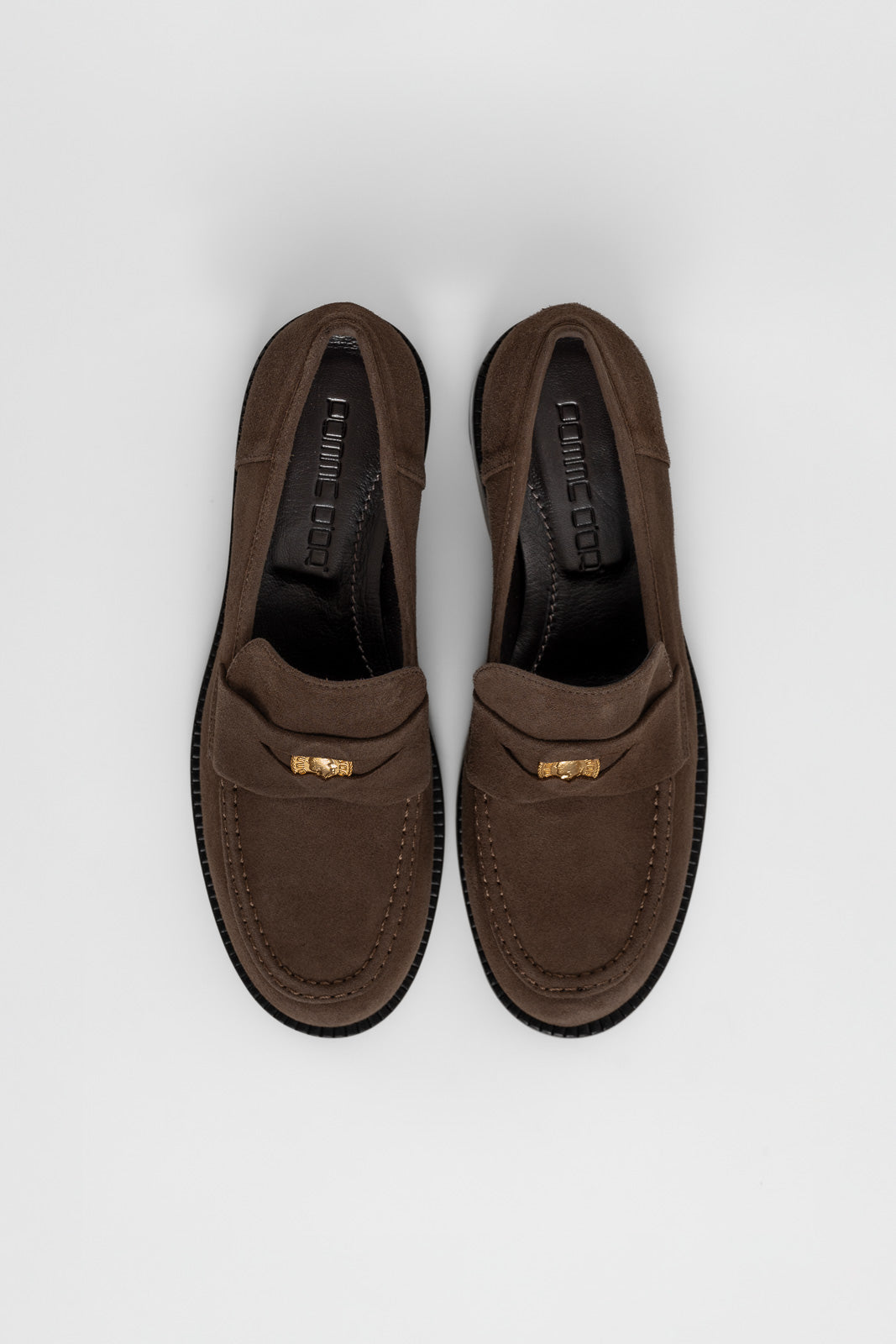
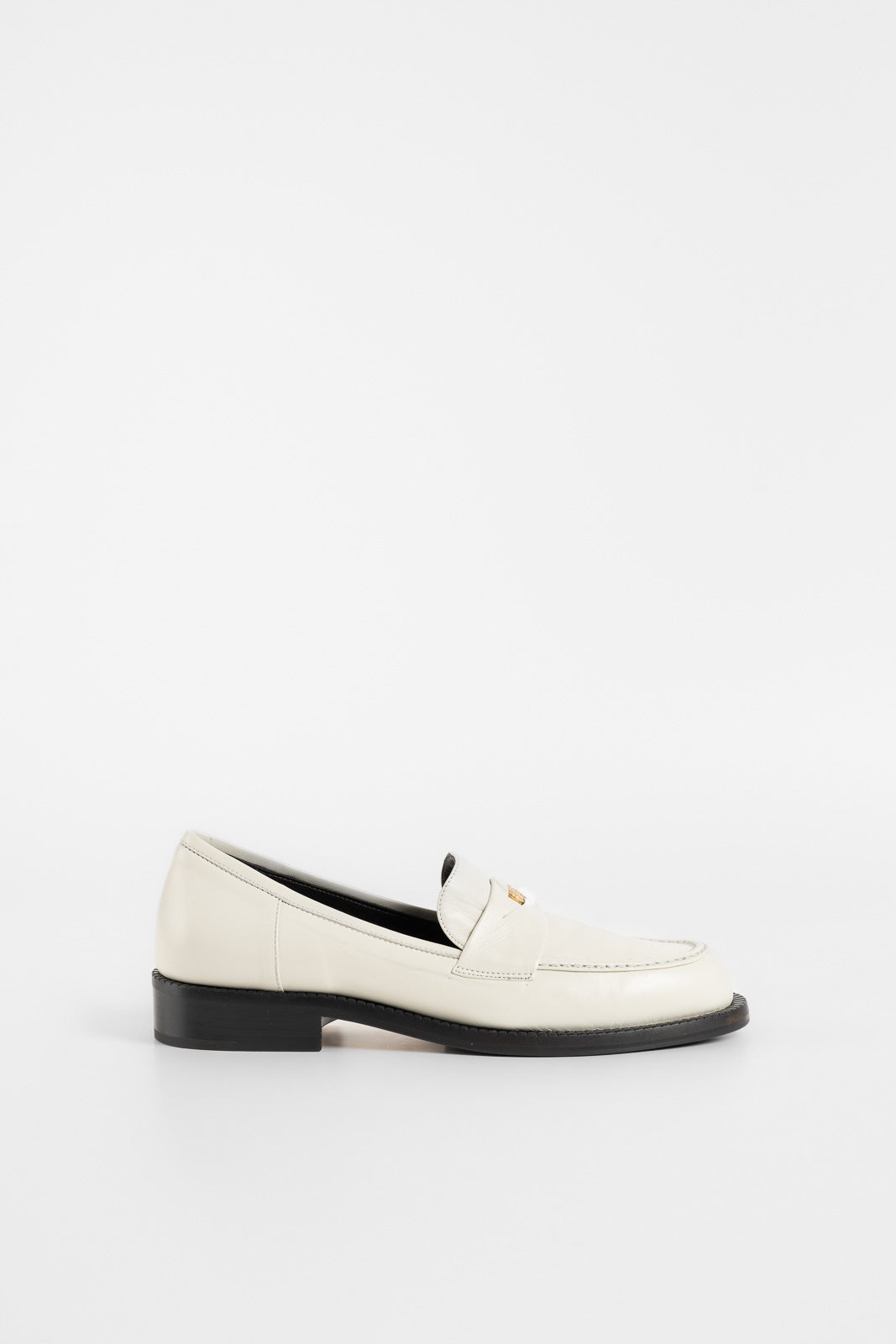
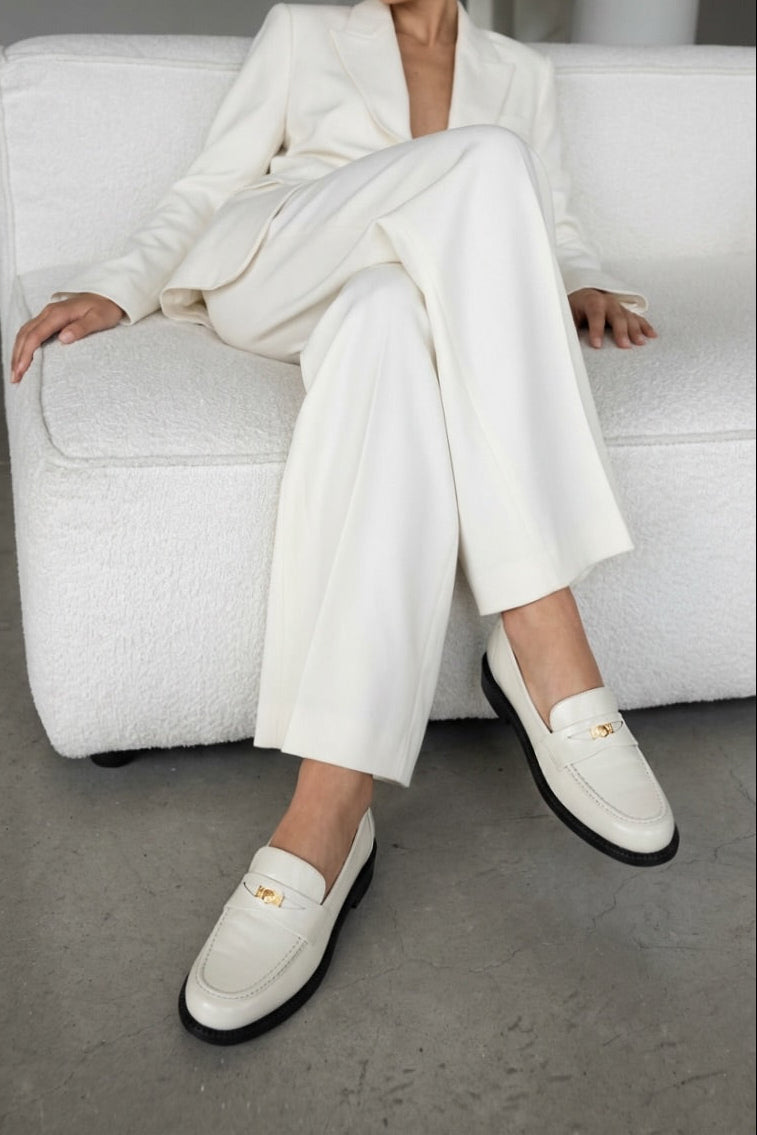
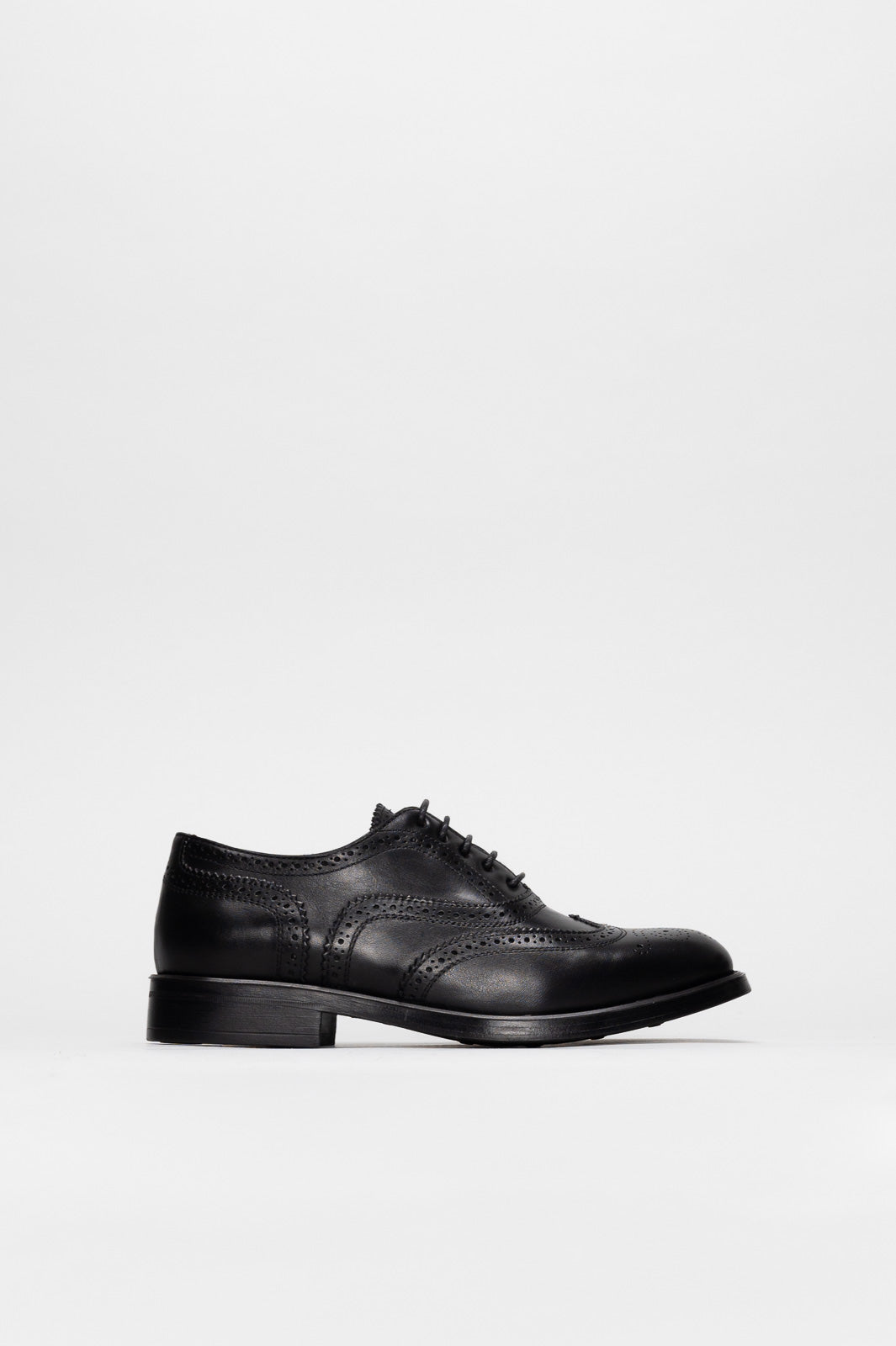
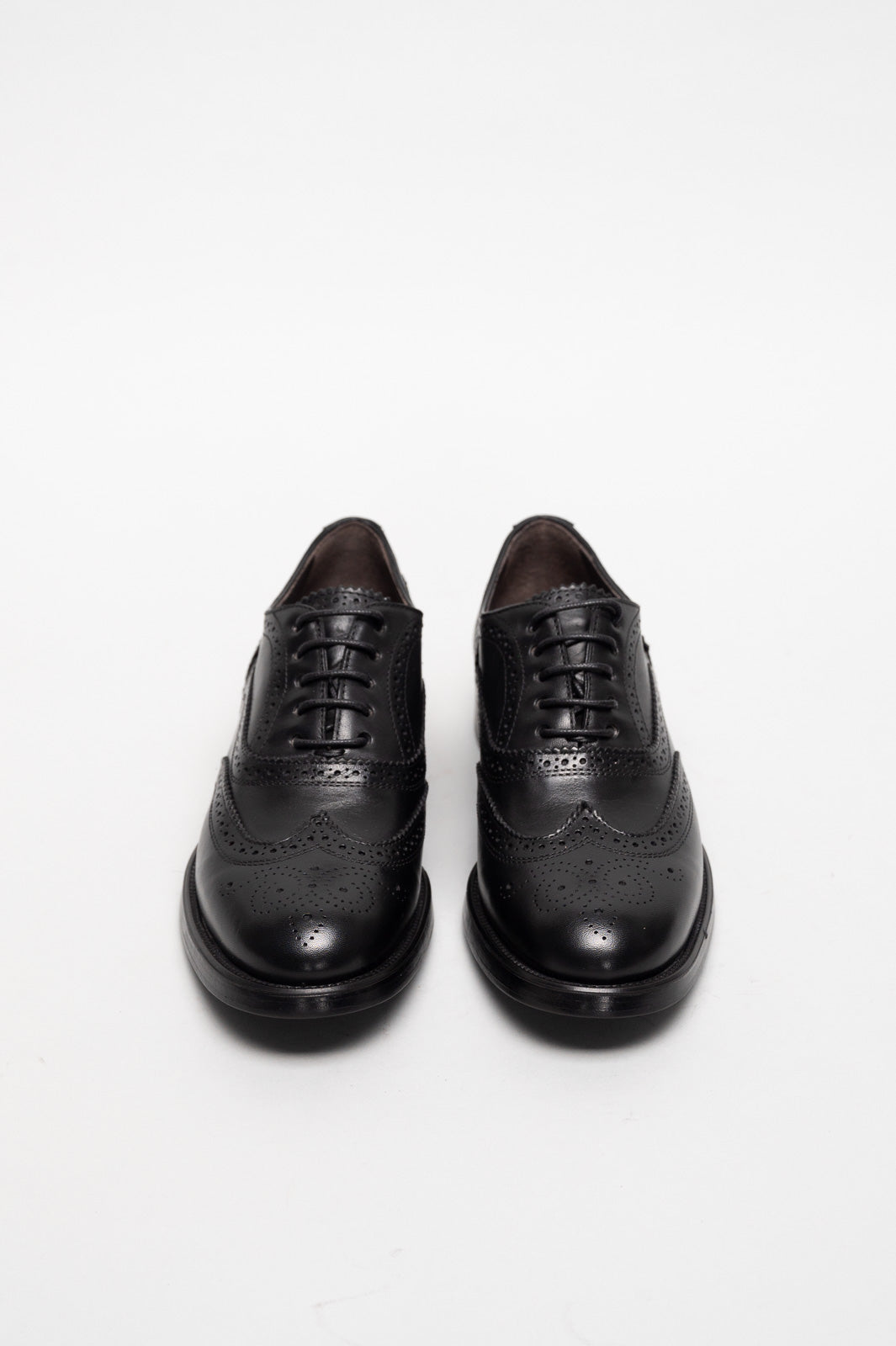
Flats & Loafers
Why
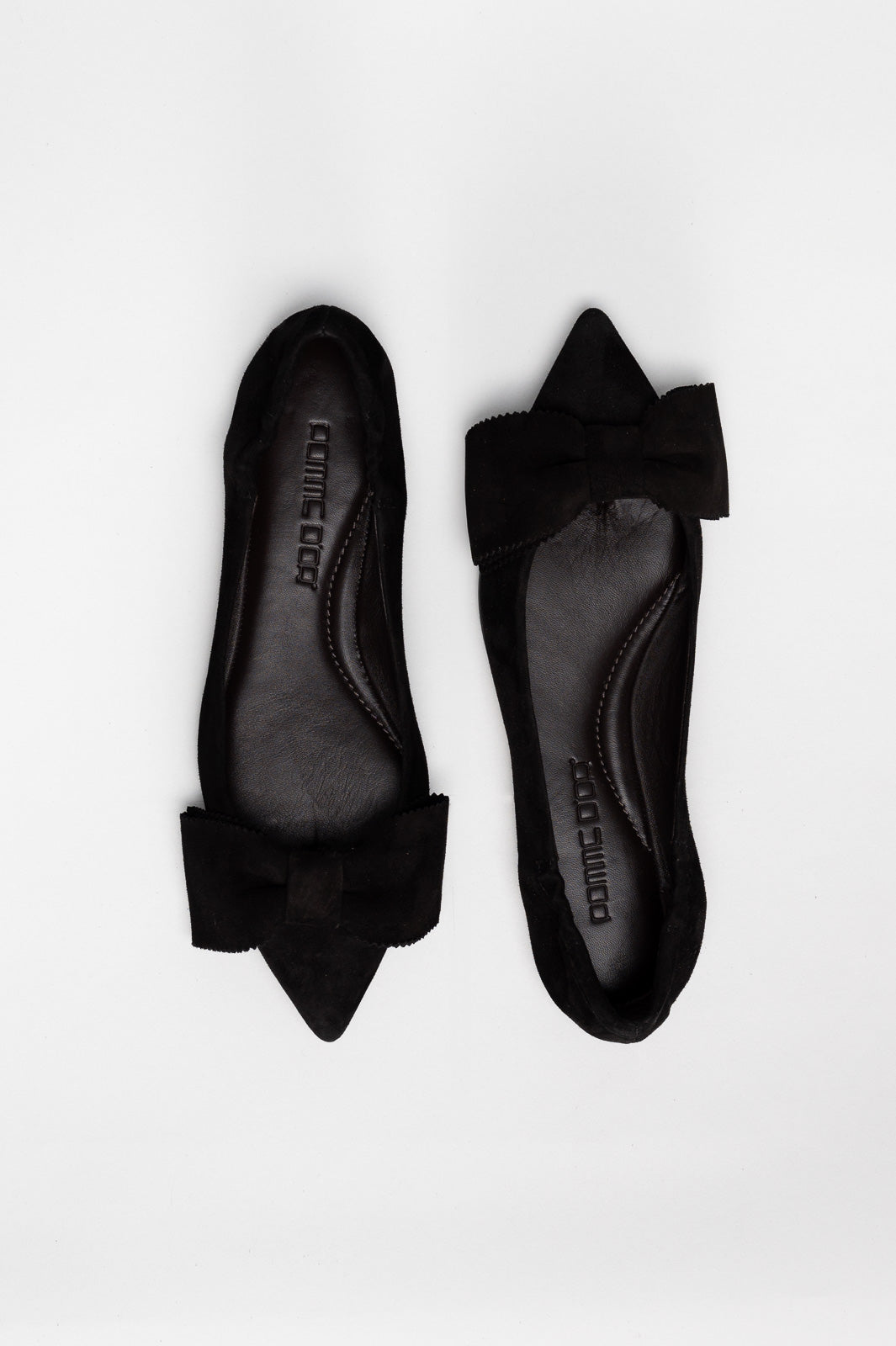
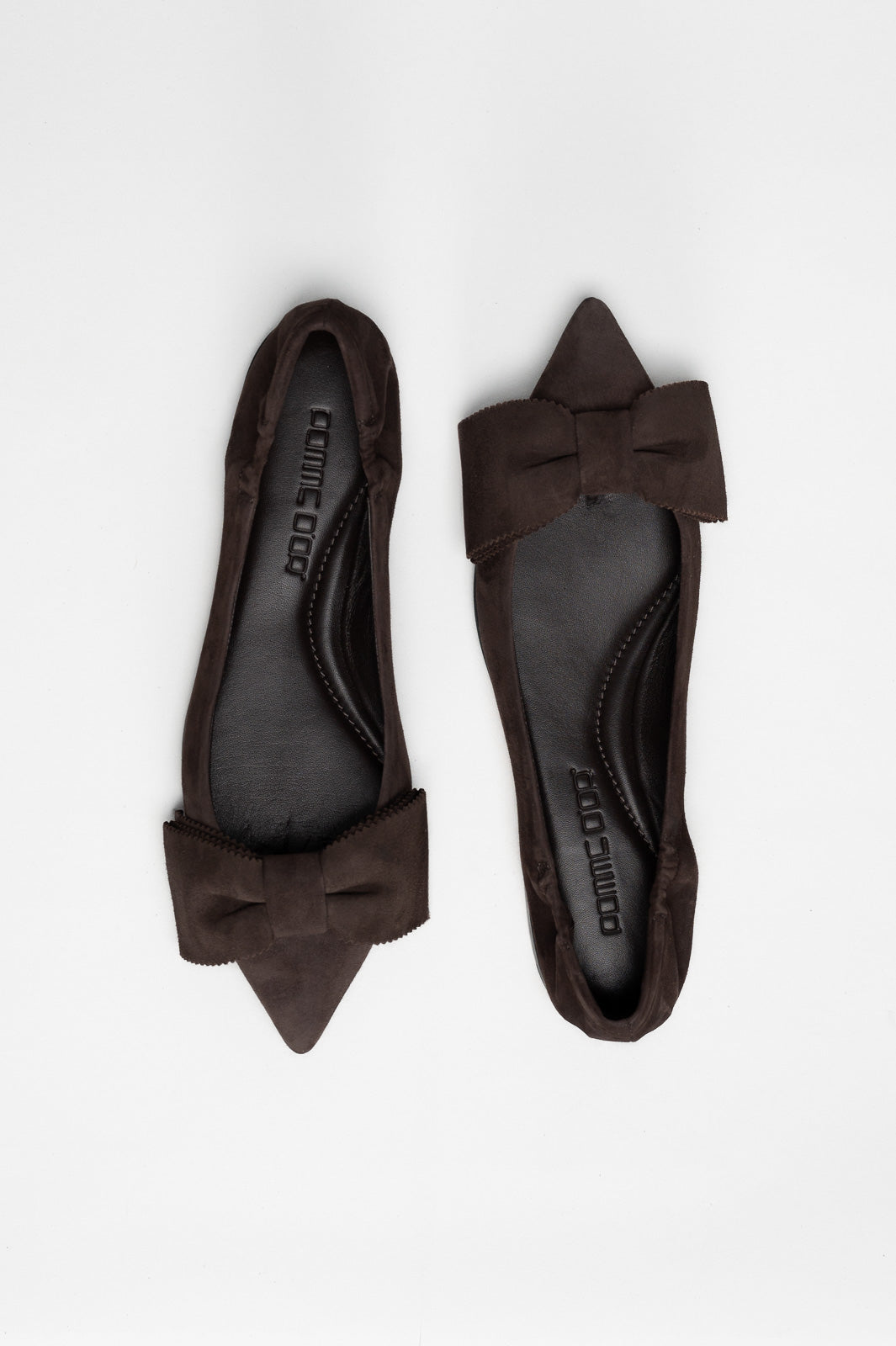
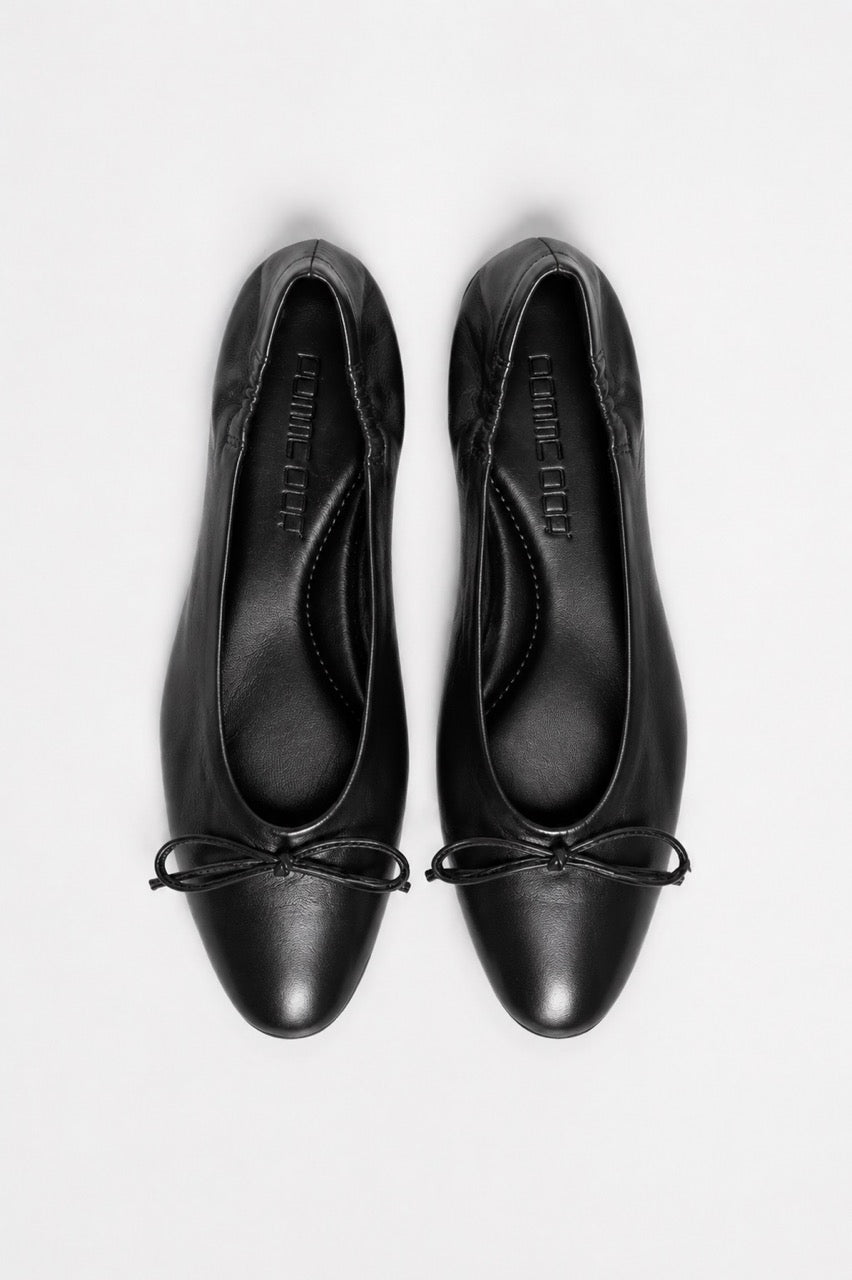
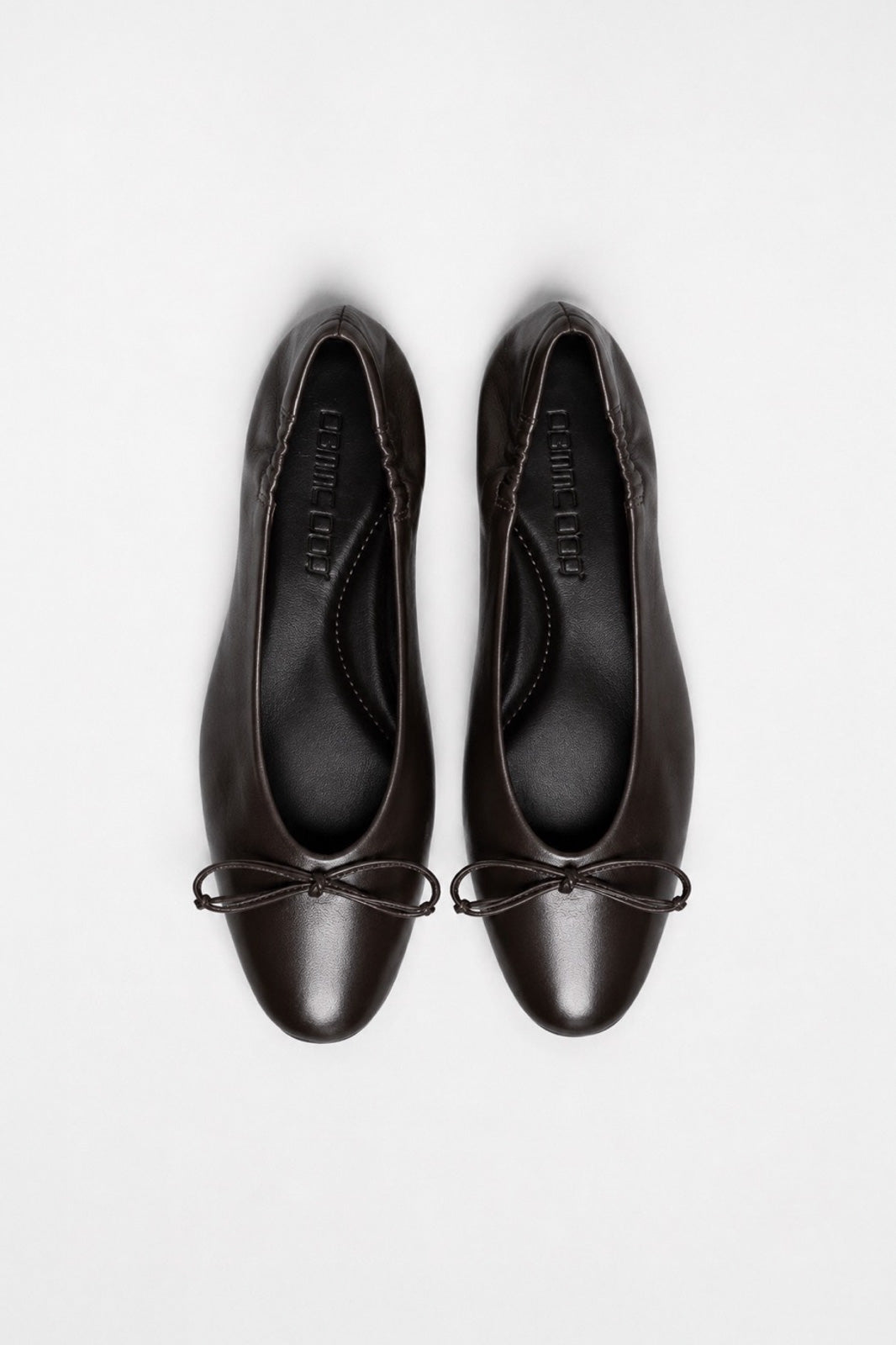
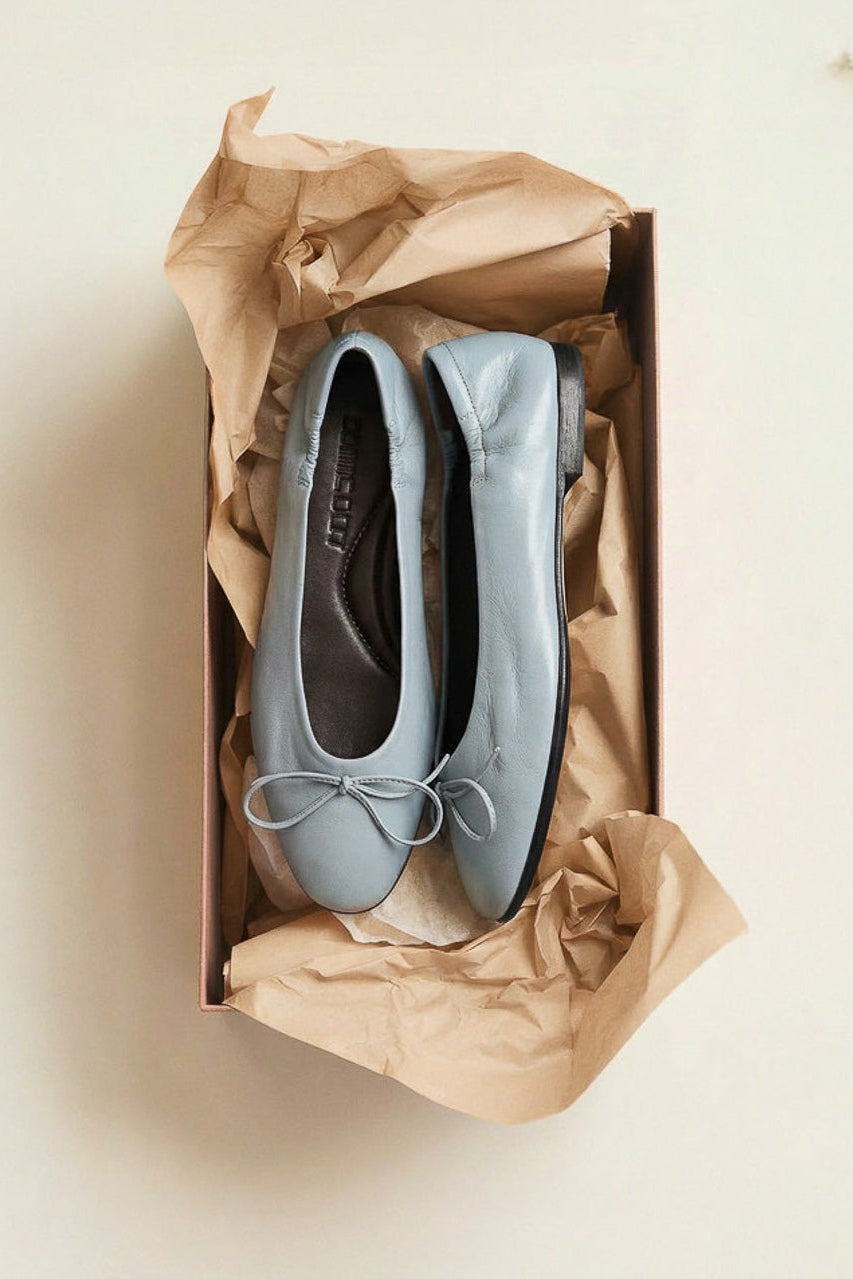
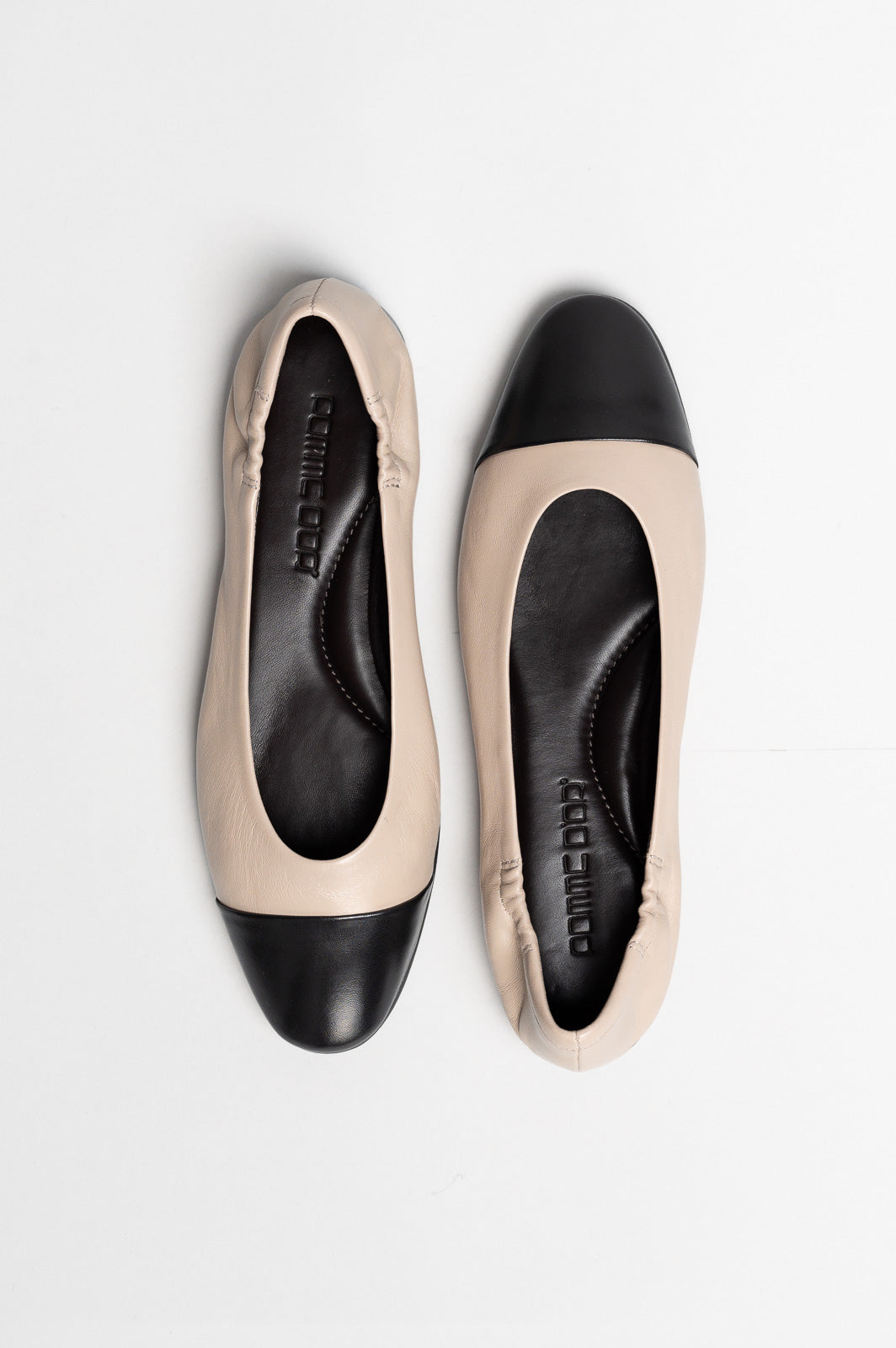
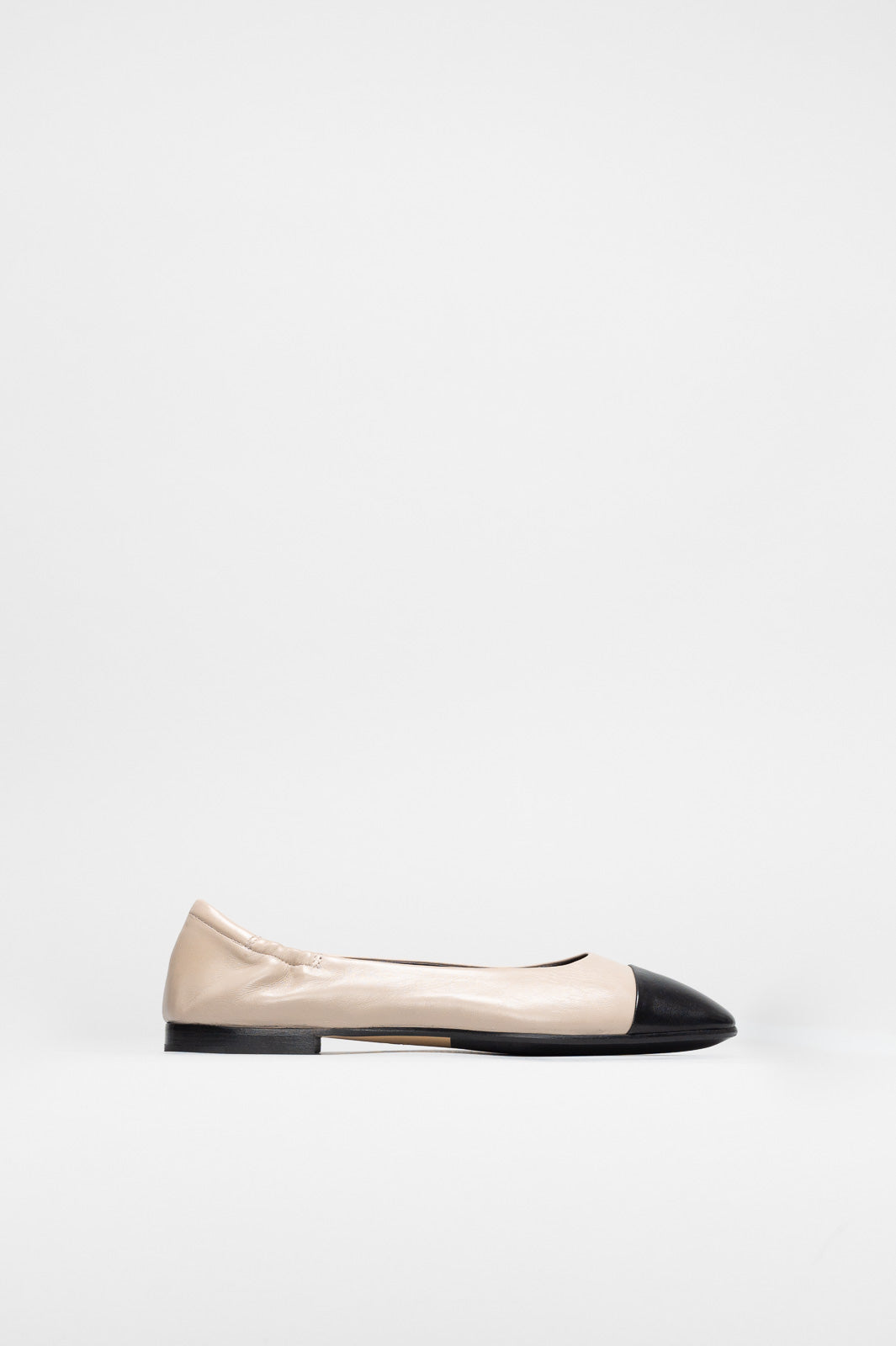
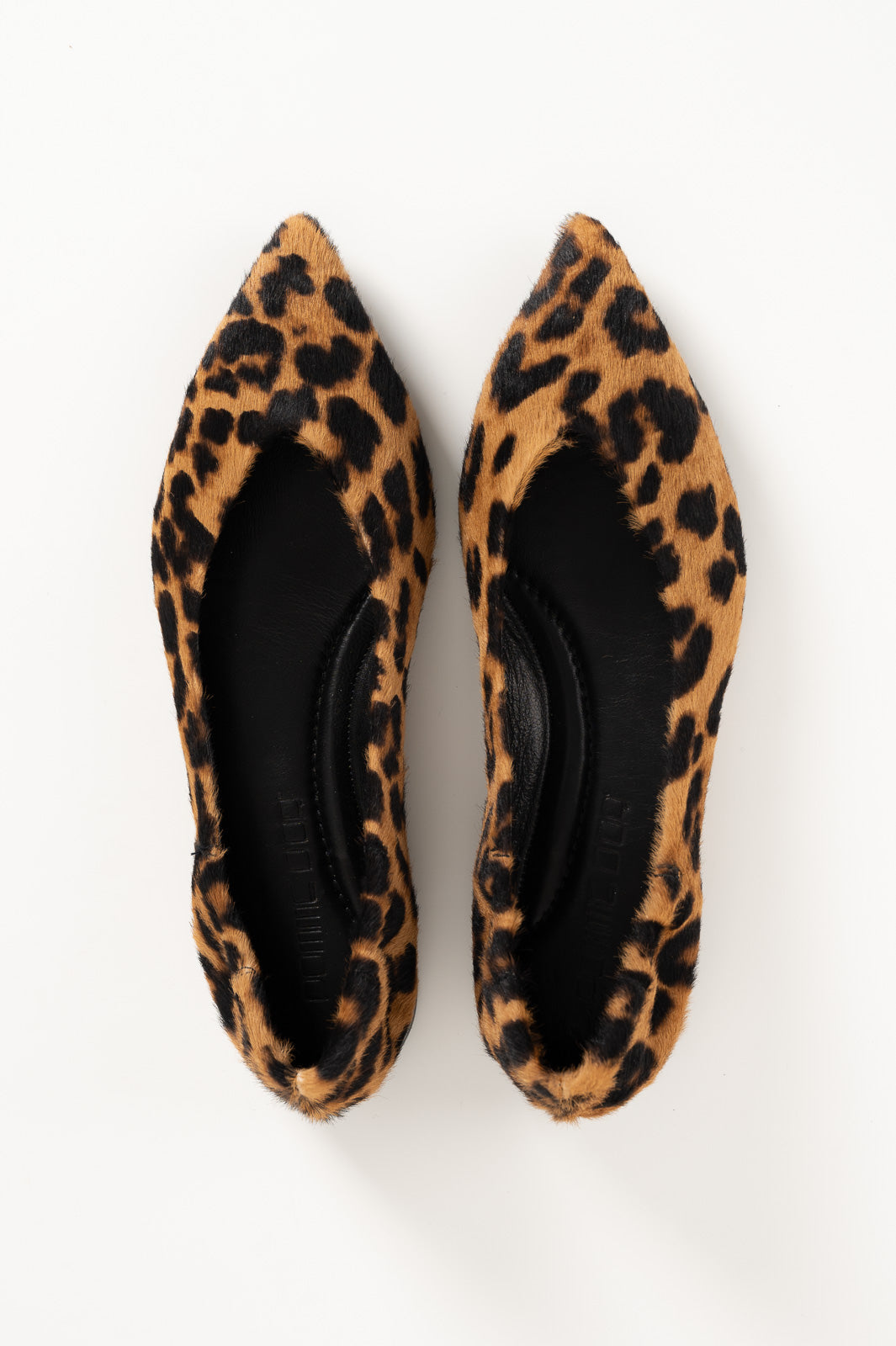
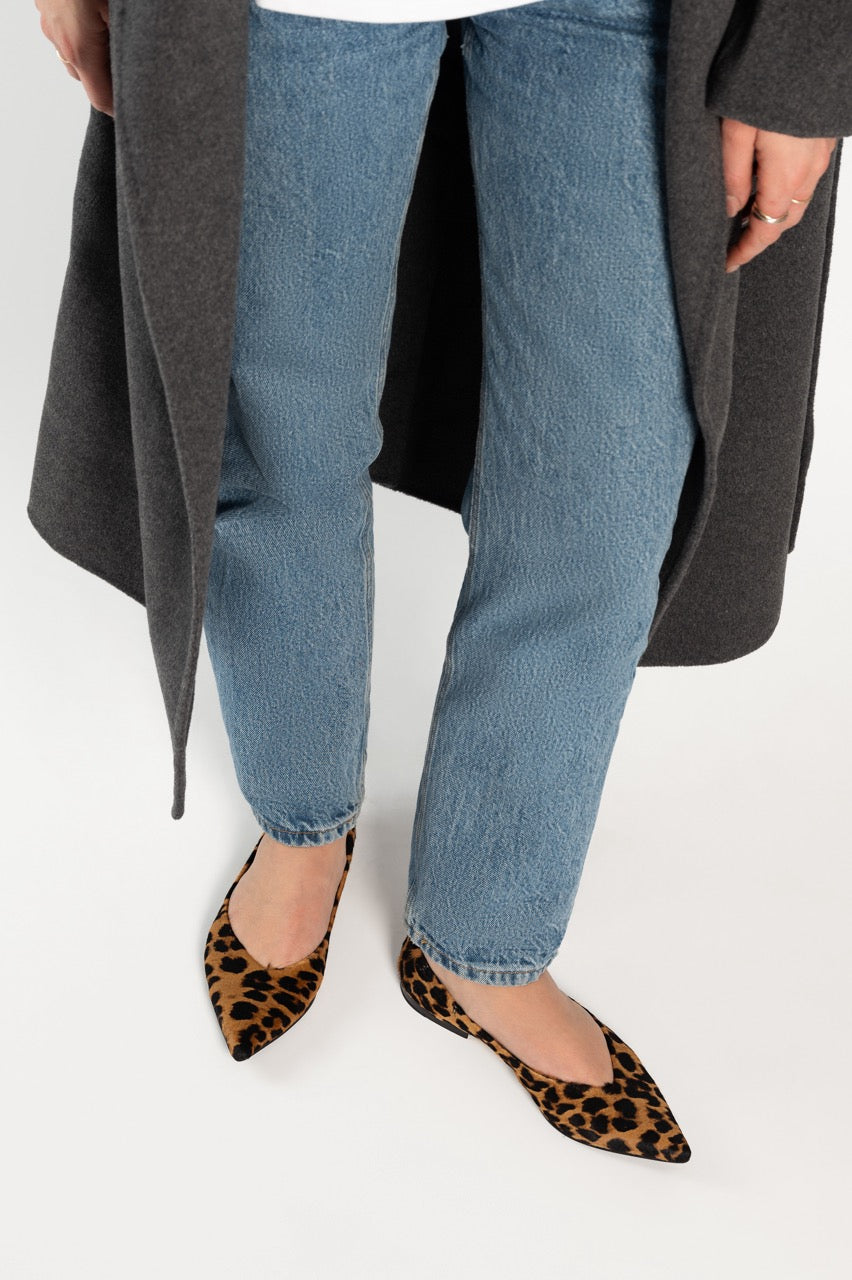
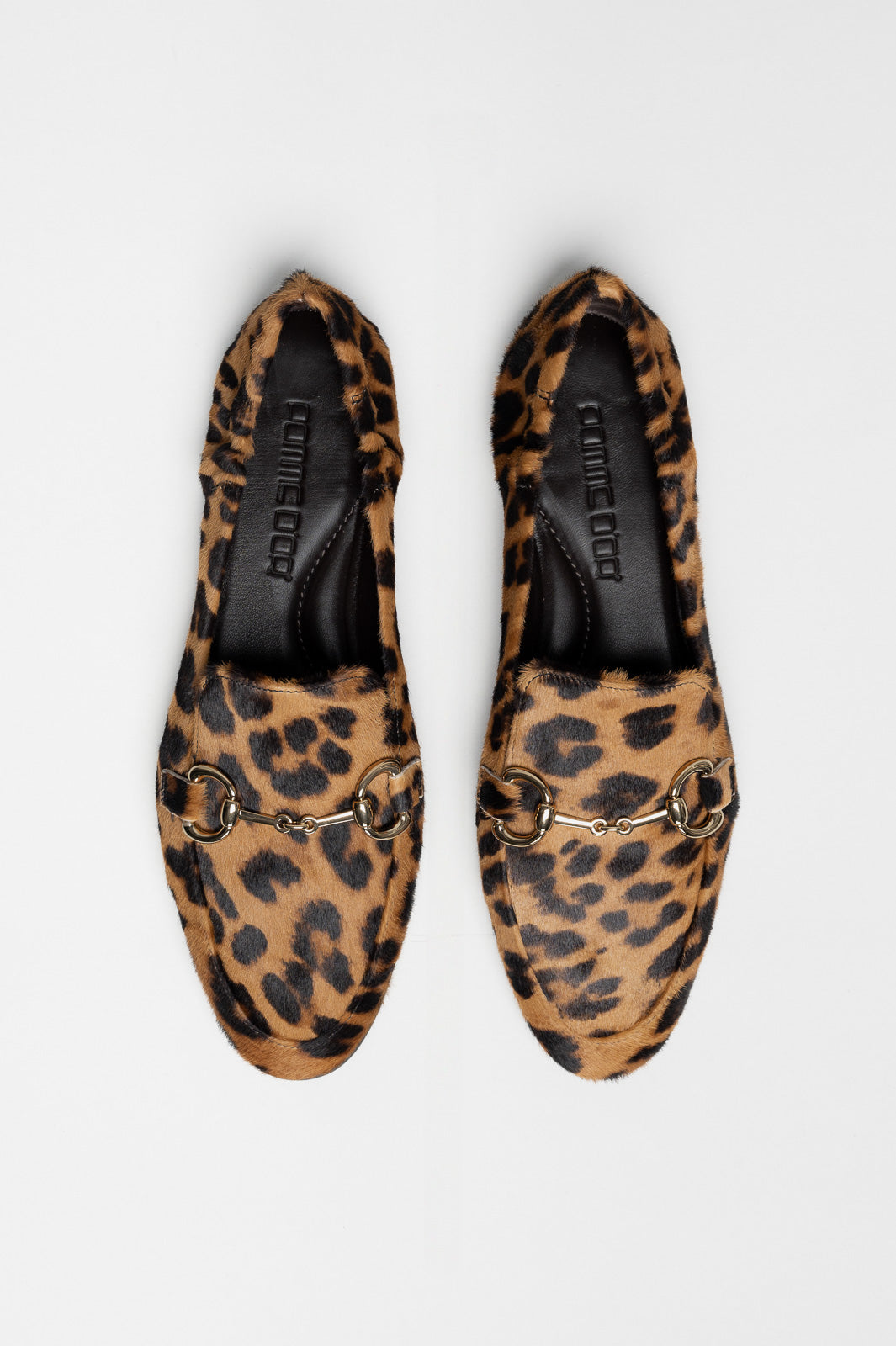
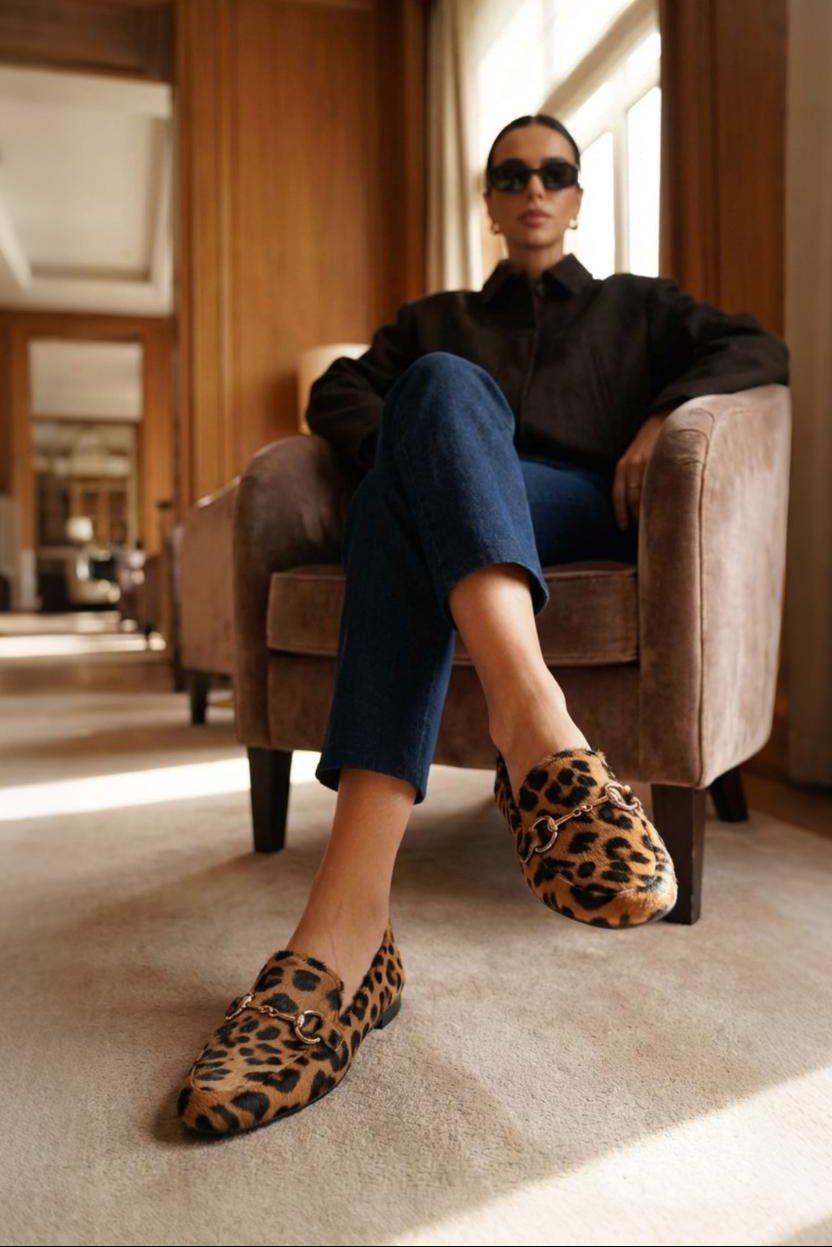
Flats, ballerinas and loafers move easily between everyday dressing and more considered occasions. They keep the line low and controlled while maintaining clarity in the silhouette.
Definition & background
Loafers developed in the early 20th century as a laceless alternative to formal shoes. Flats span from ballet-inspired shapes to sharper pointed forms. Both have settled as permanent elements in a modern wardrobe.
How to wear
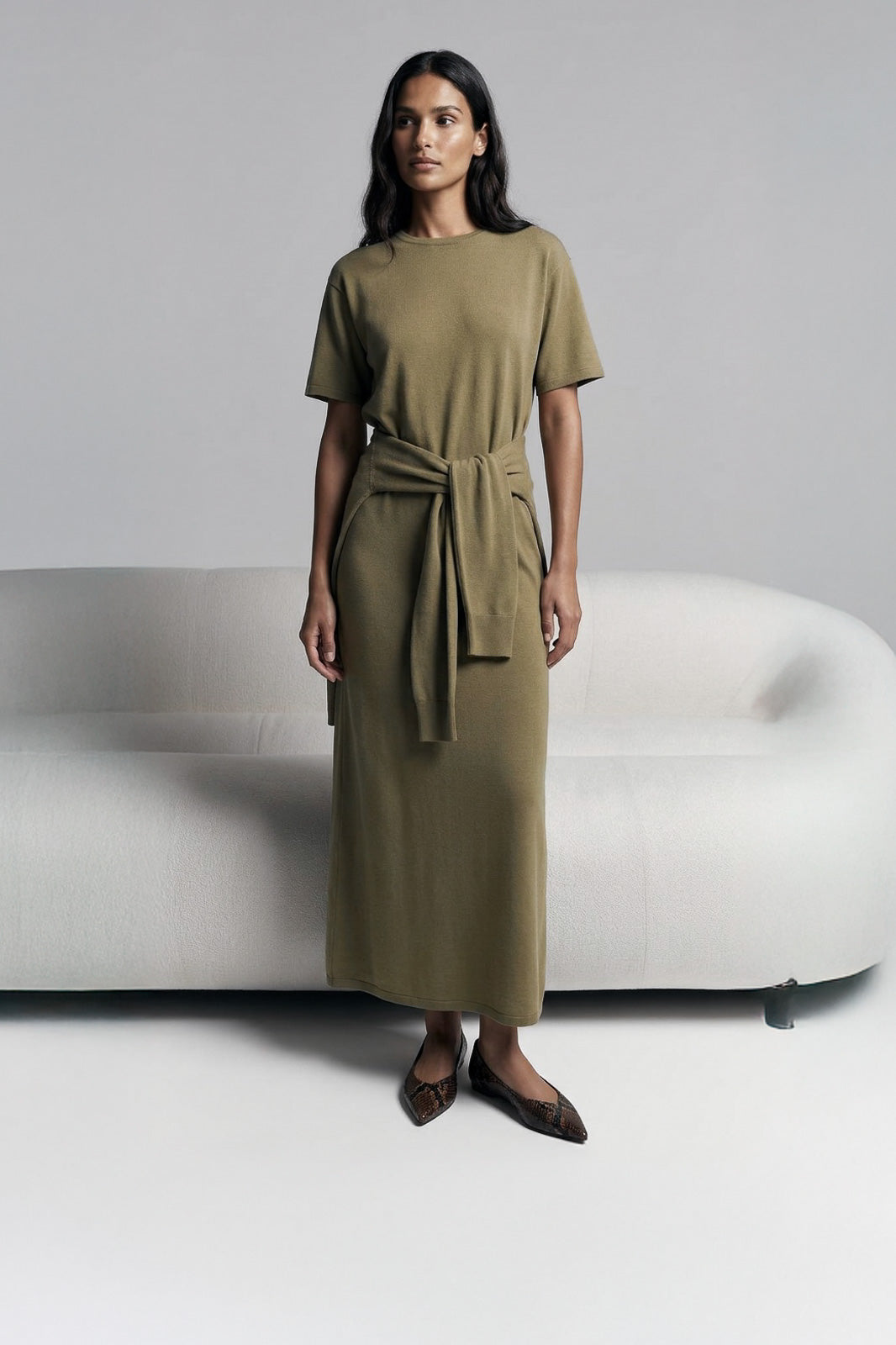
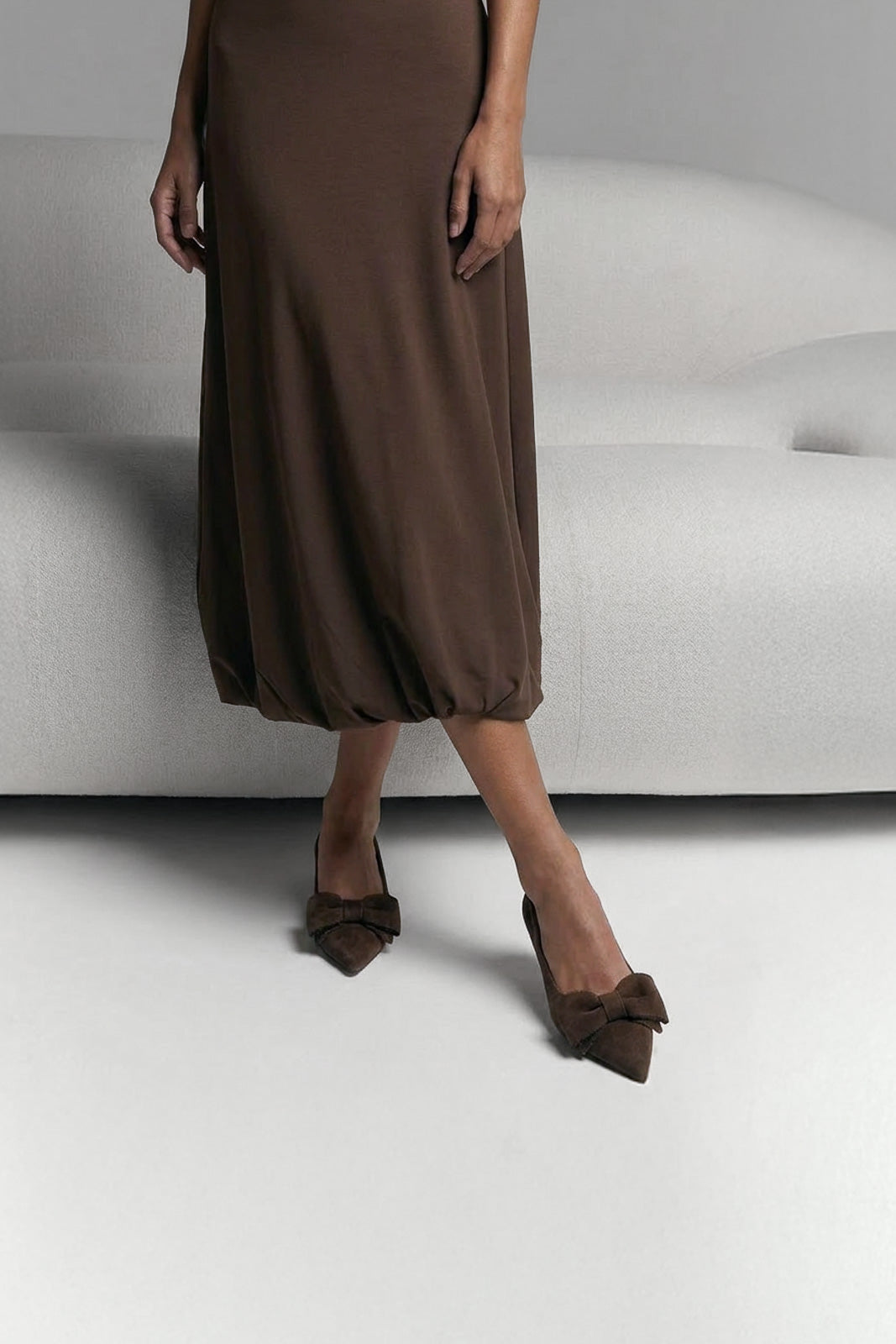
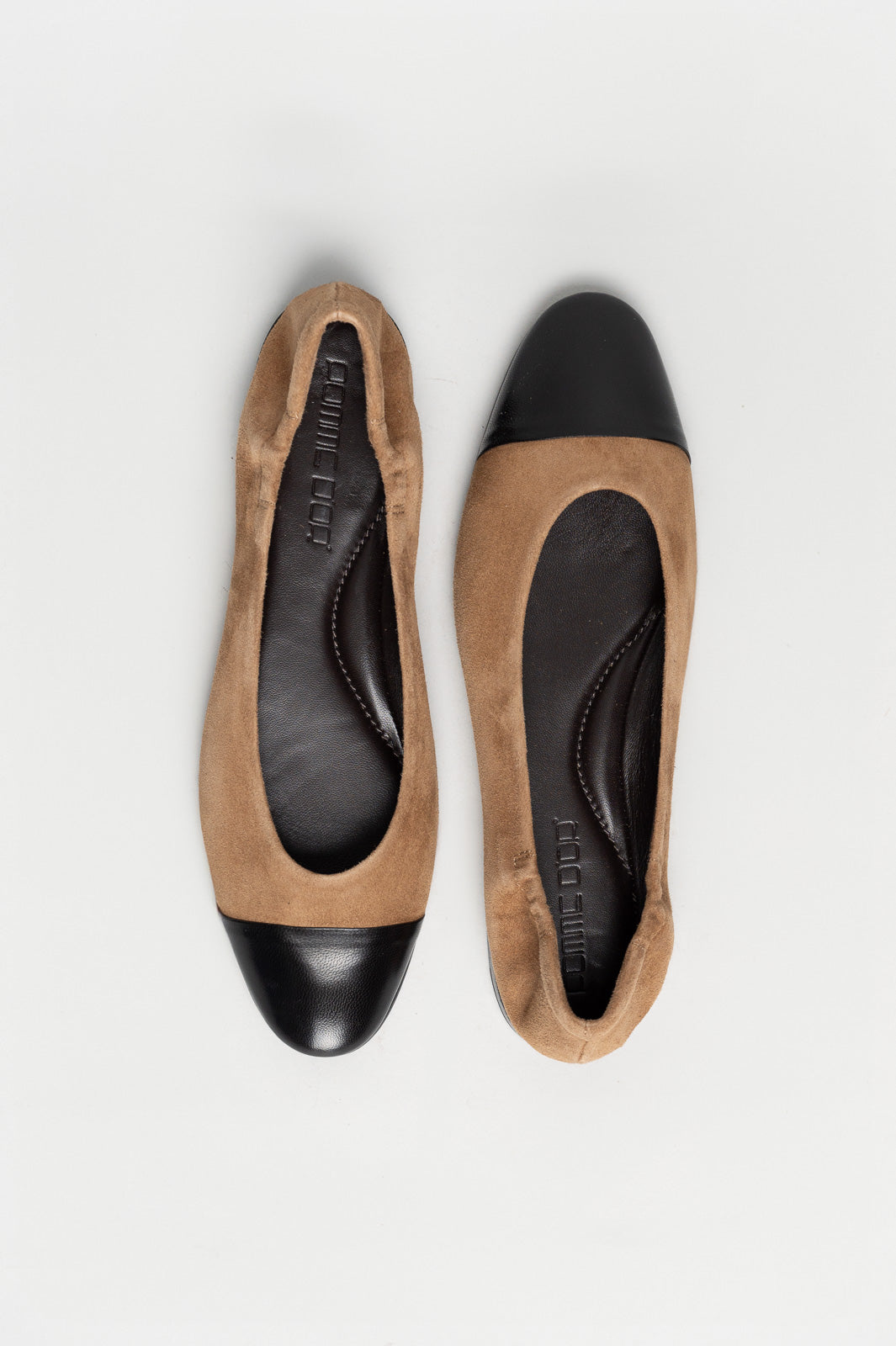
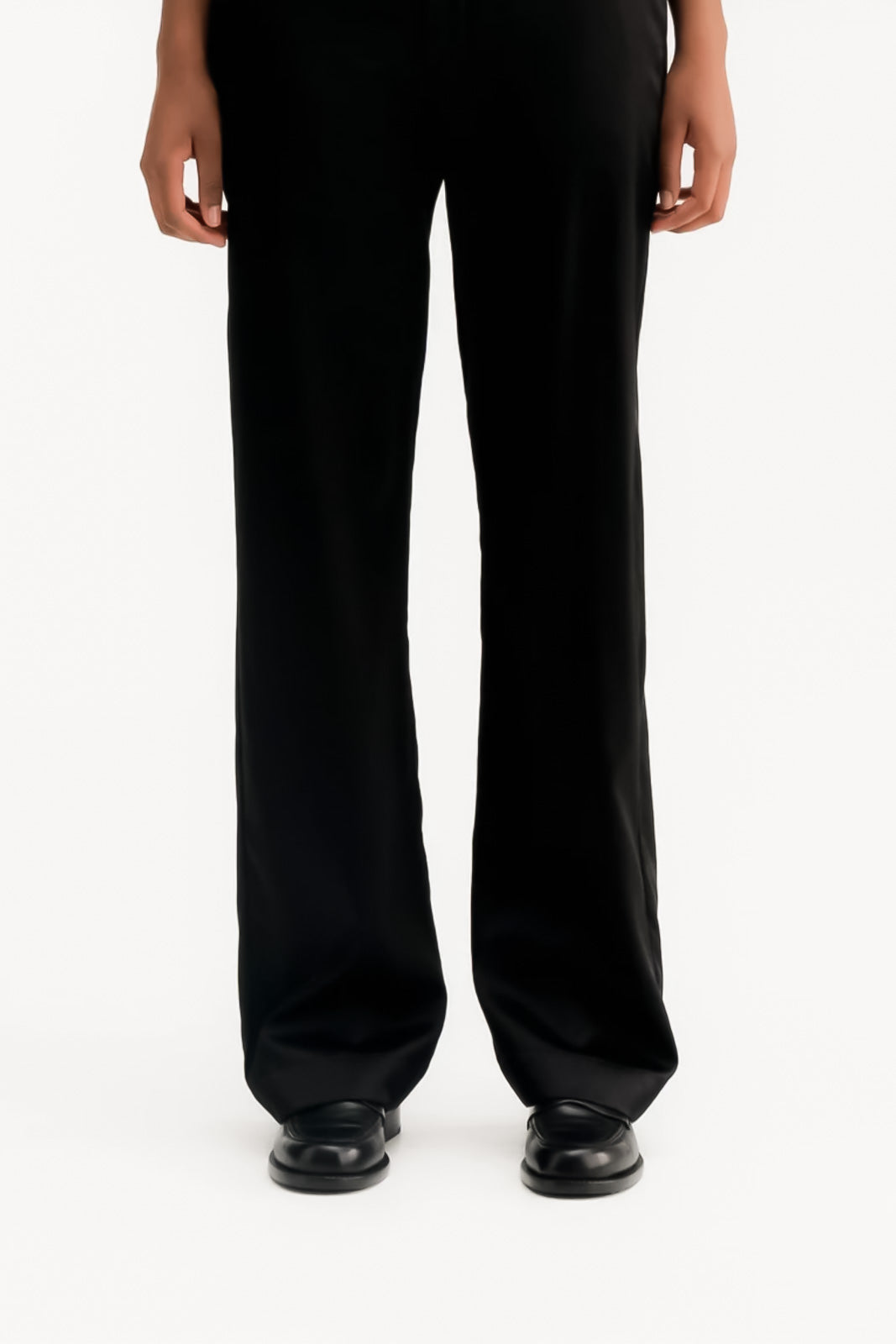
With cropped tailoring, wide denim or skirts. A pointed toe elongates the line; rounder shapes soften it. Suede reduces contrast; polished leather defines it. Neutrals integrate, metallic or colour shift the focus.
Our selection
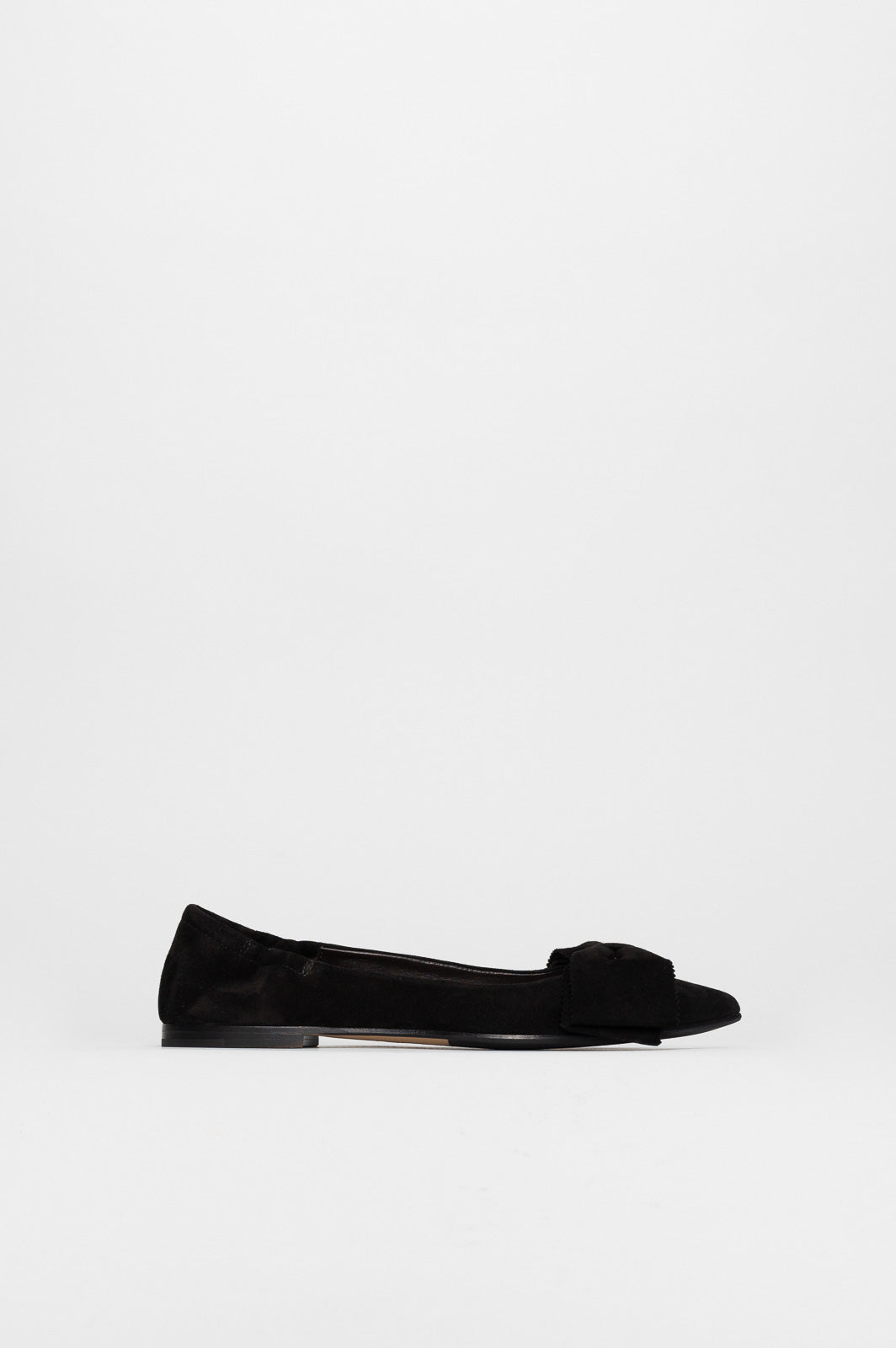
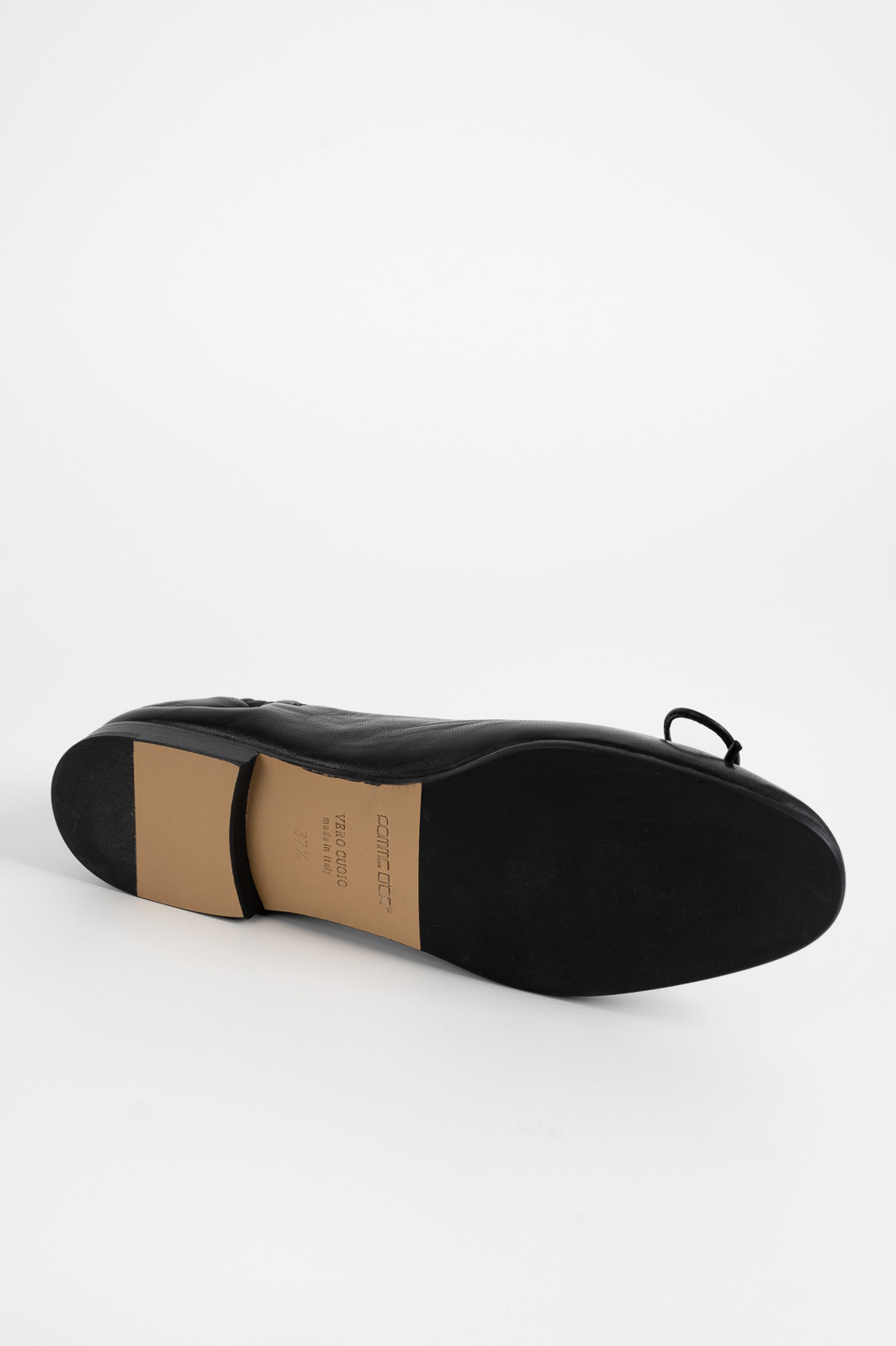
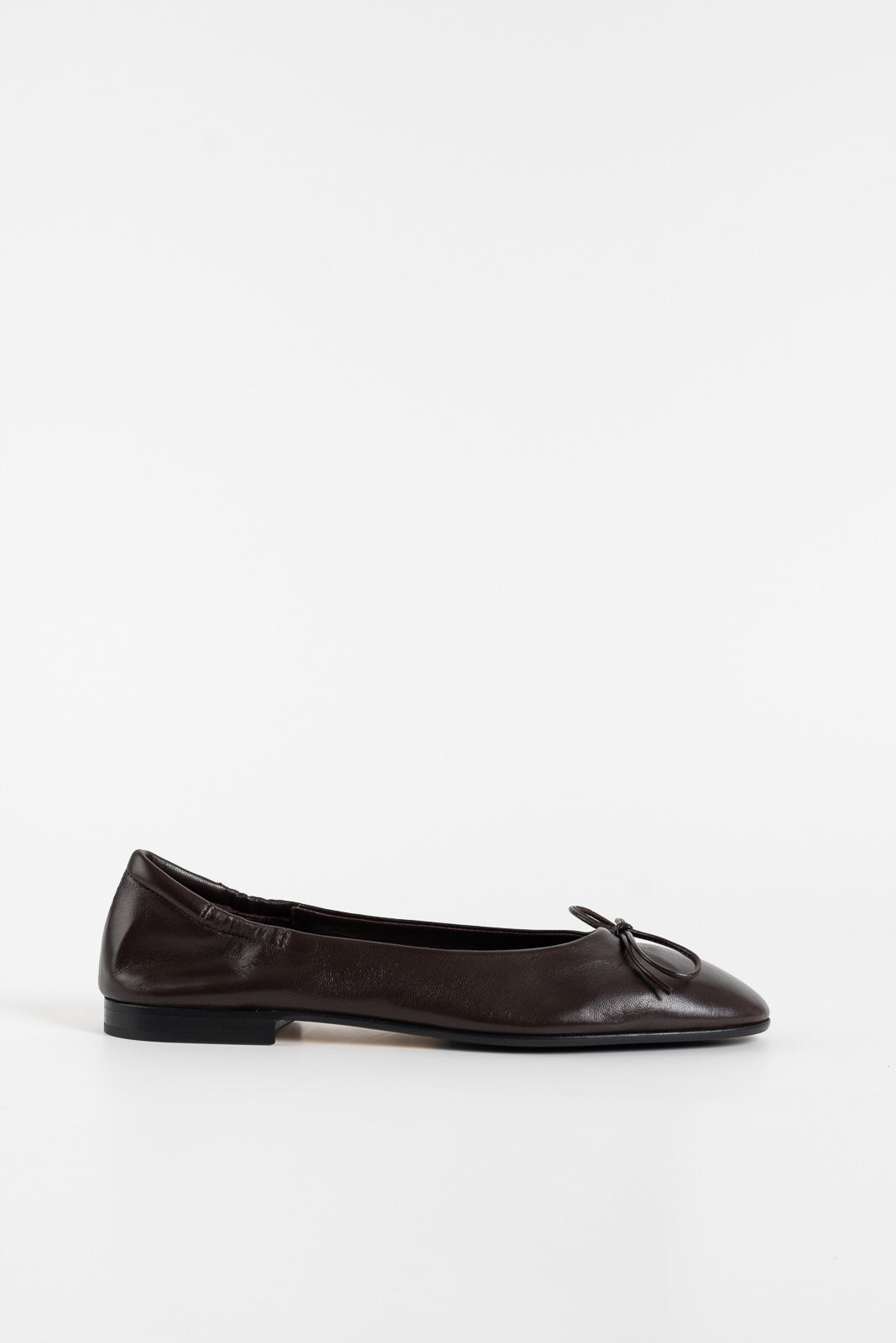
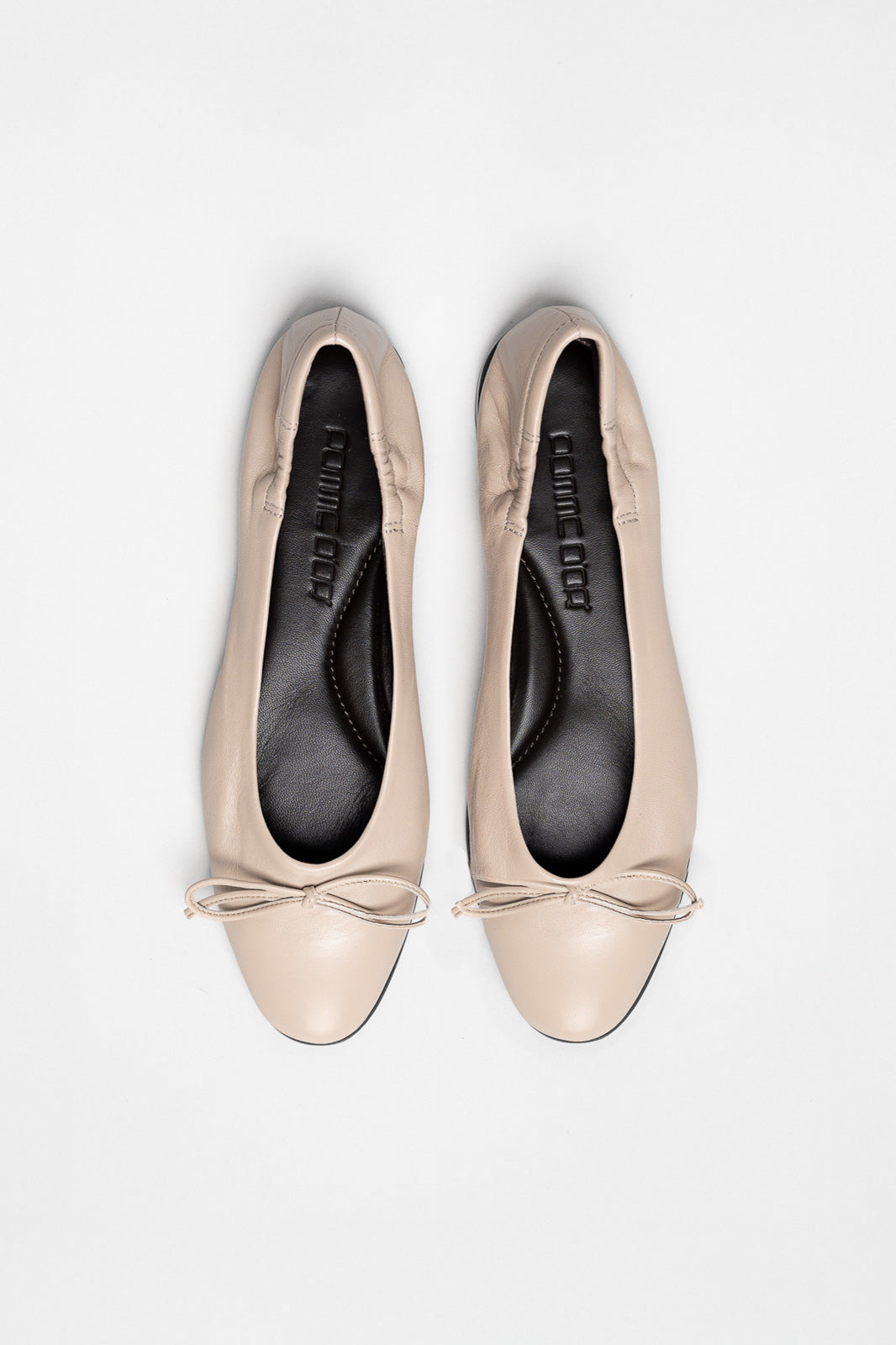
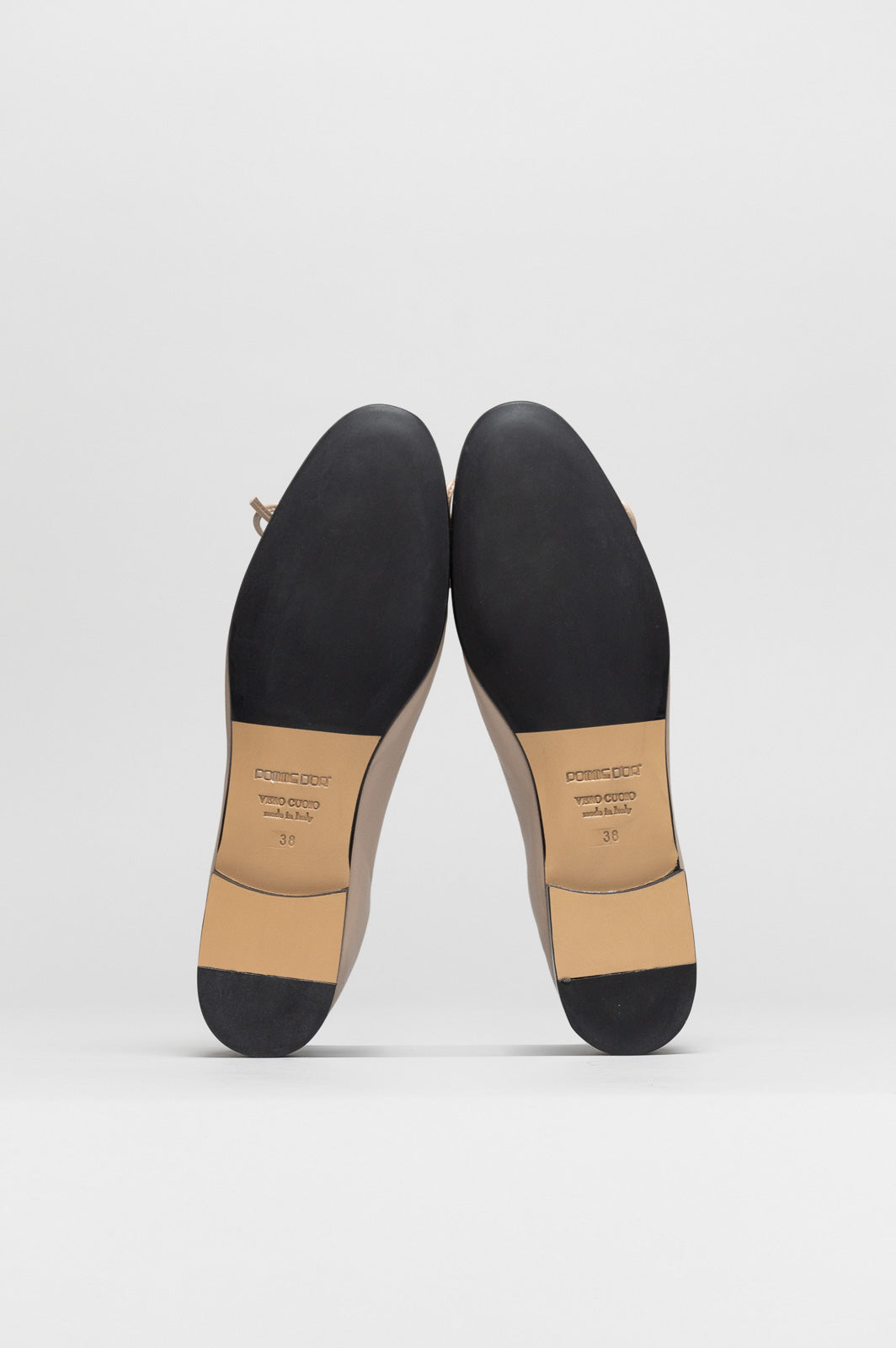
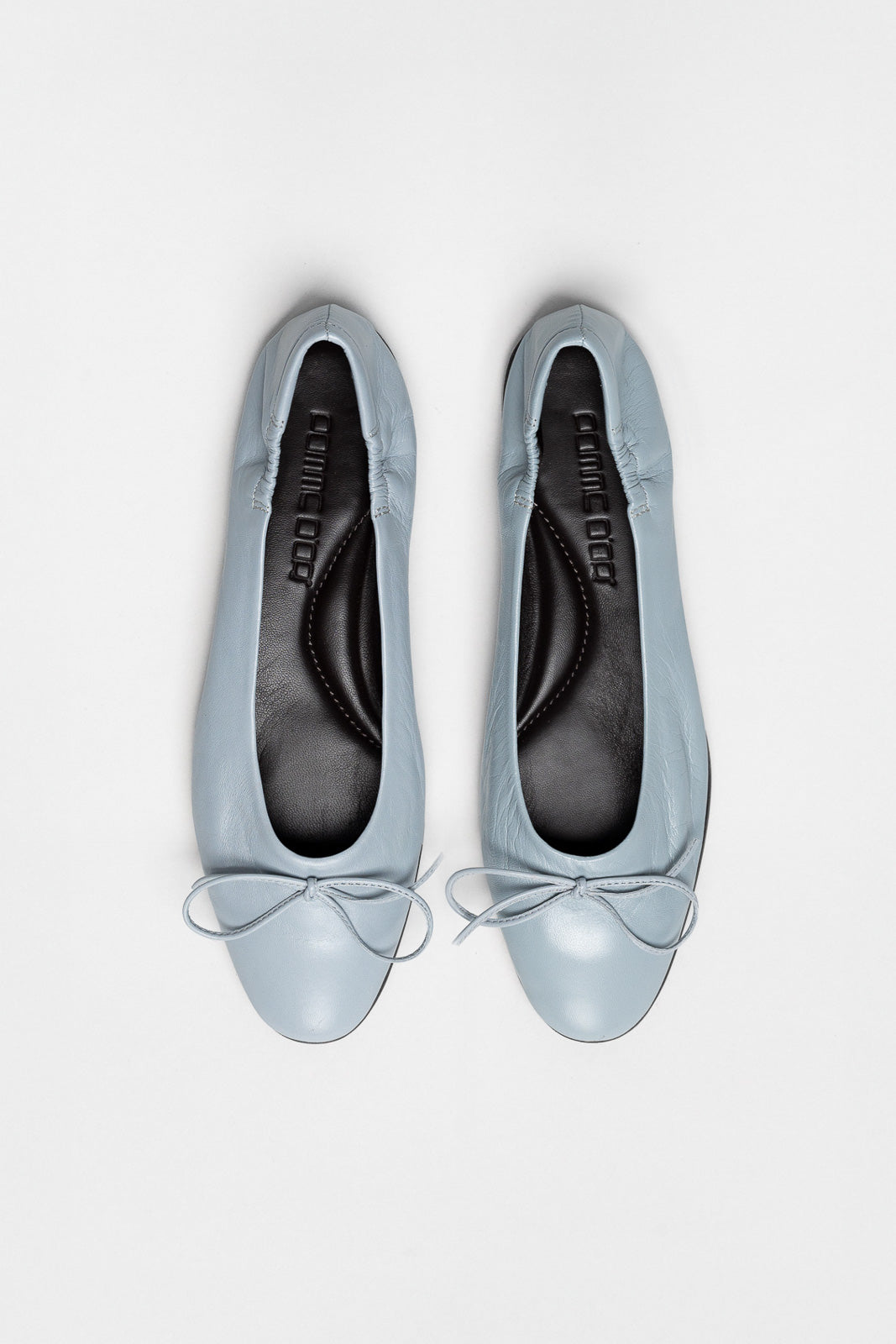
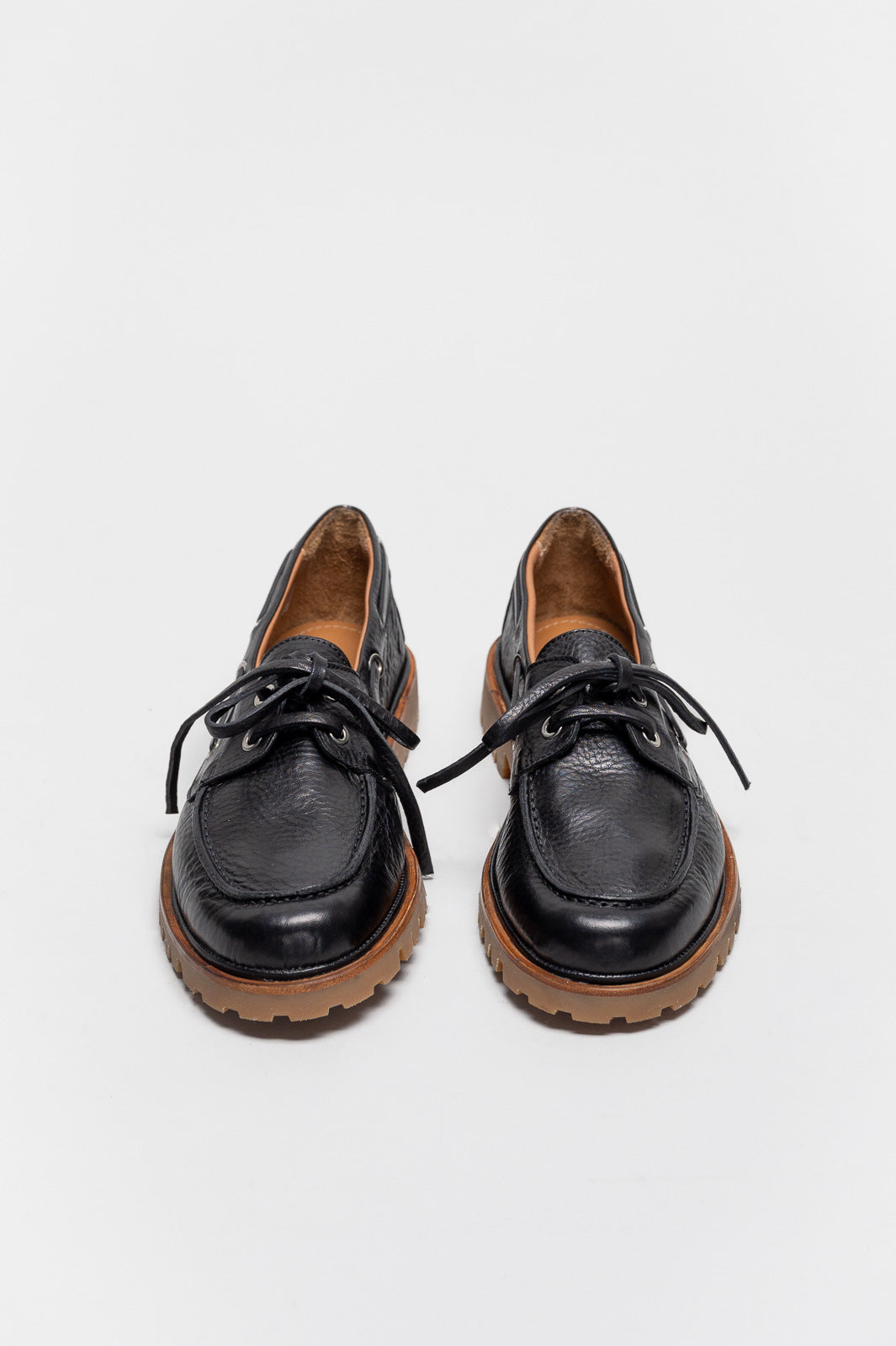
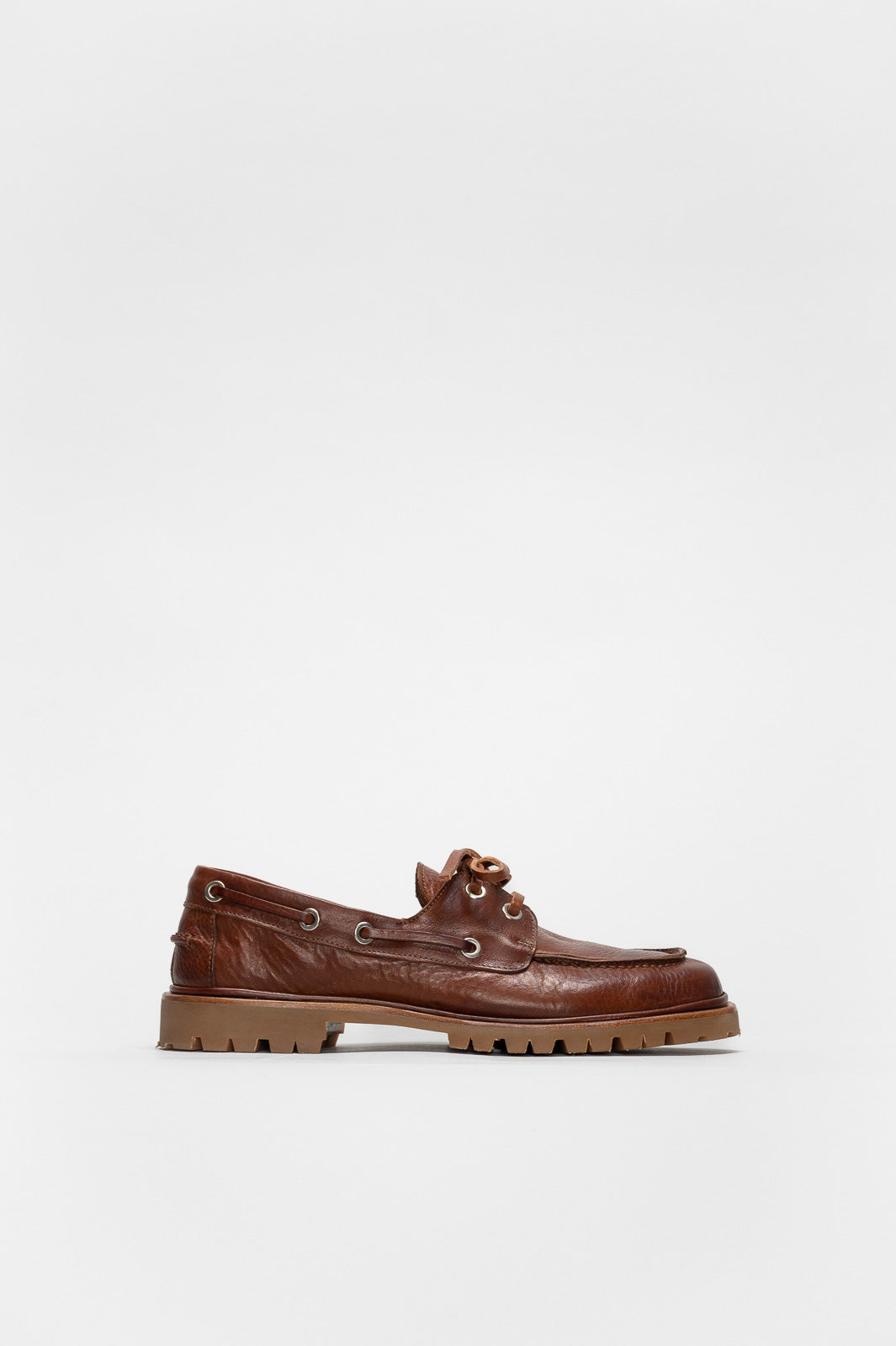
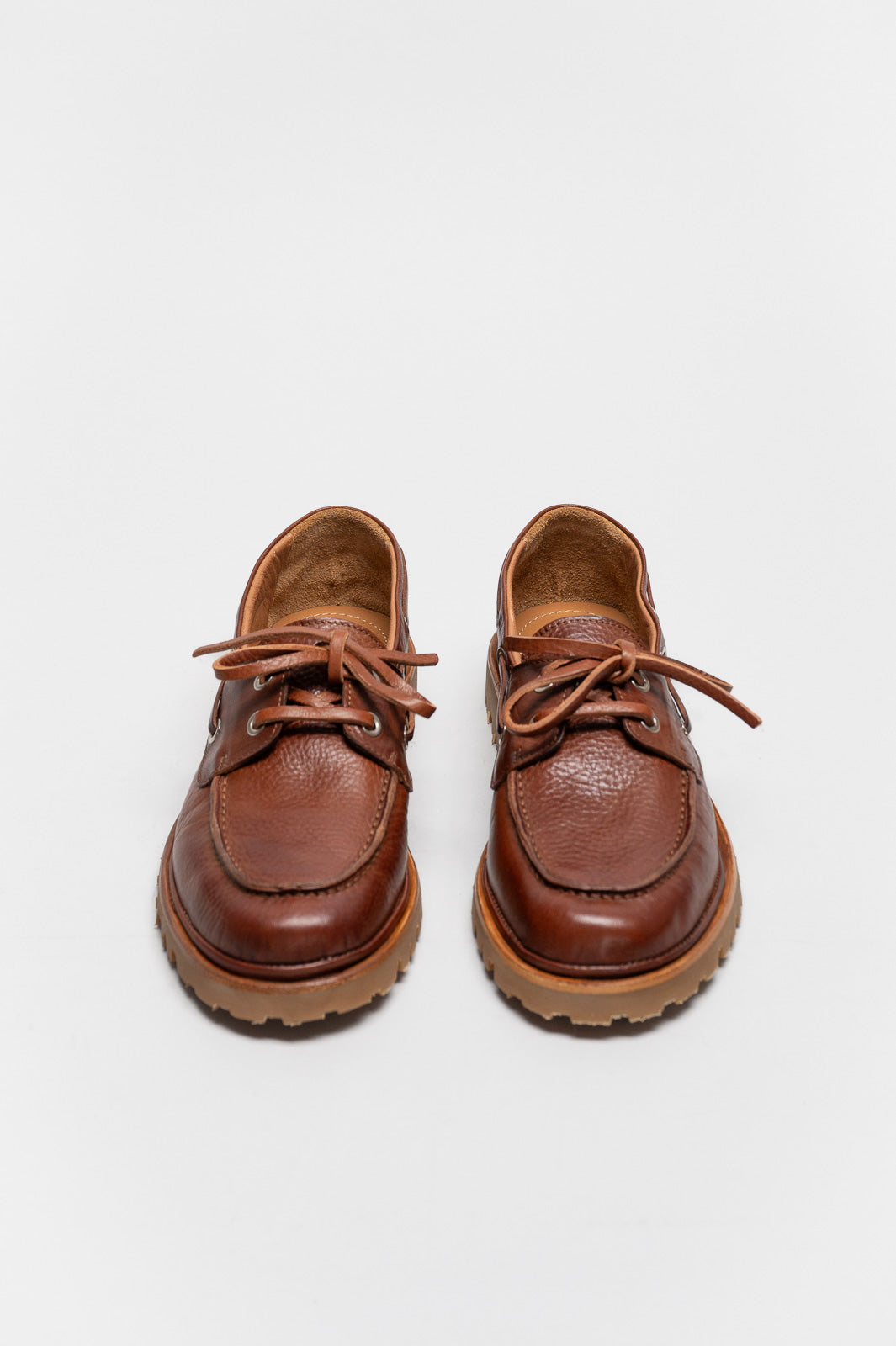
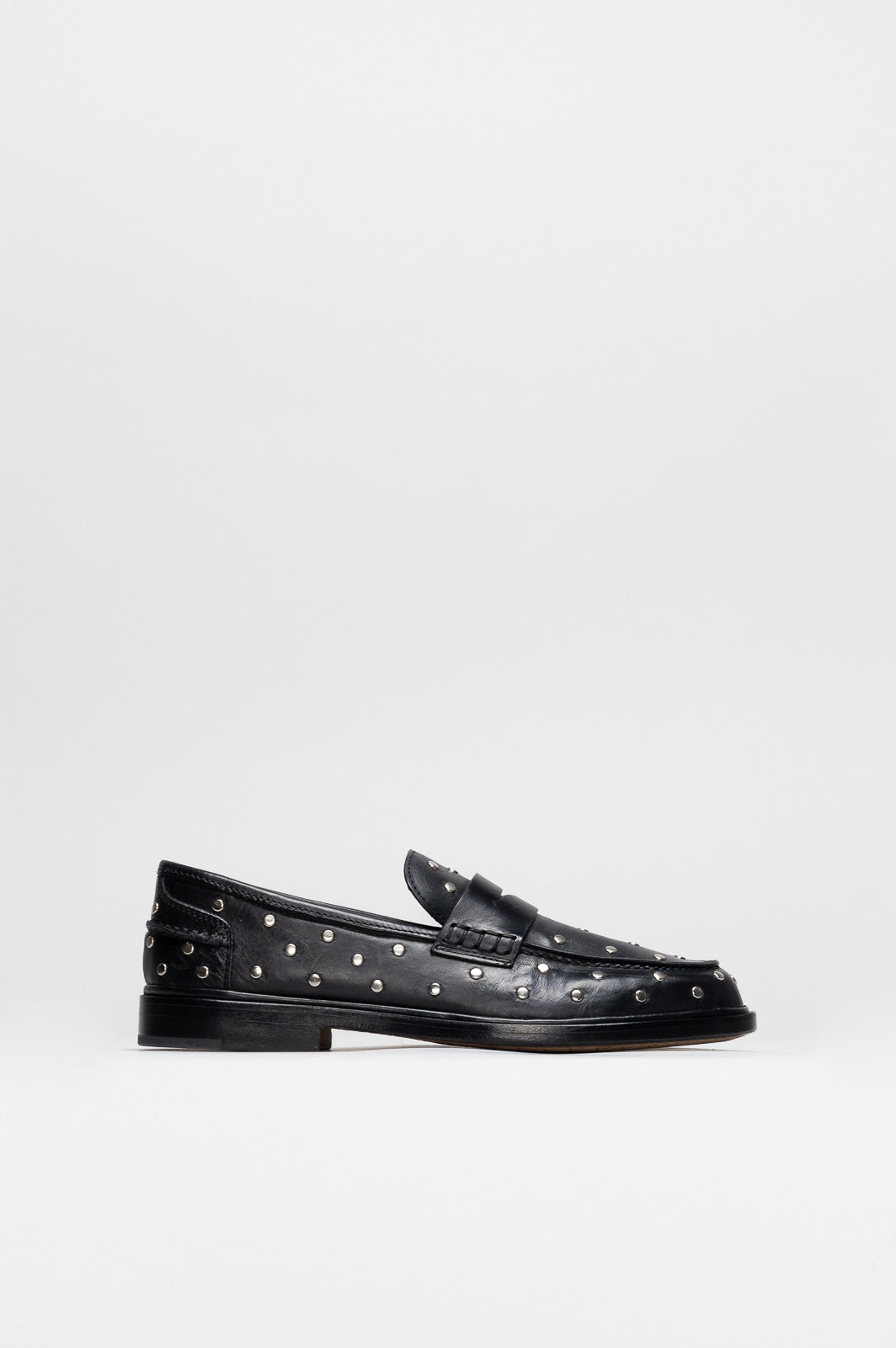
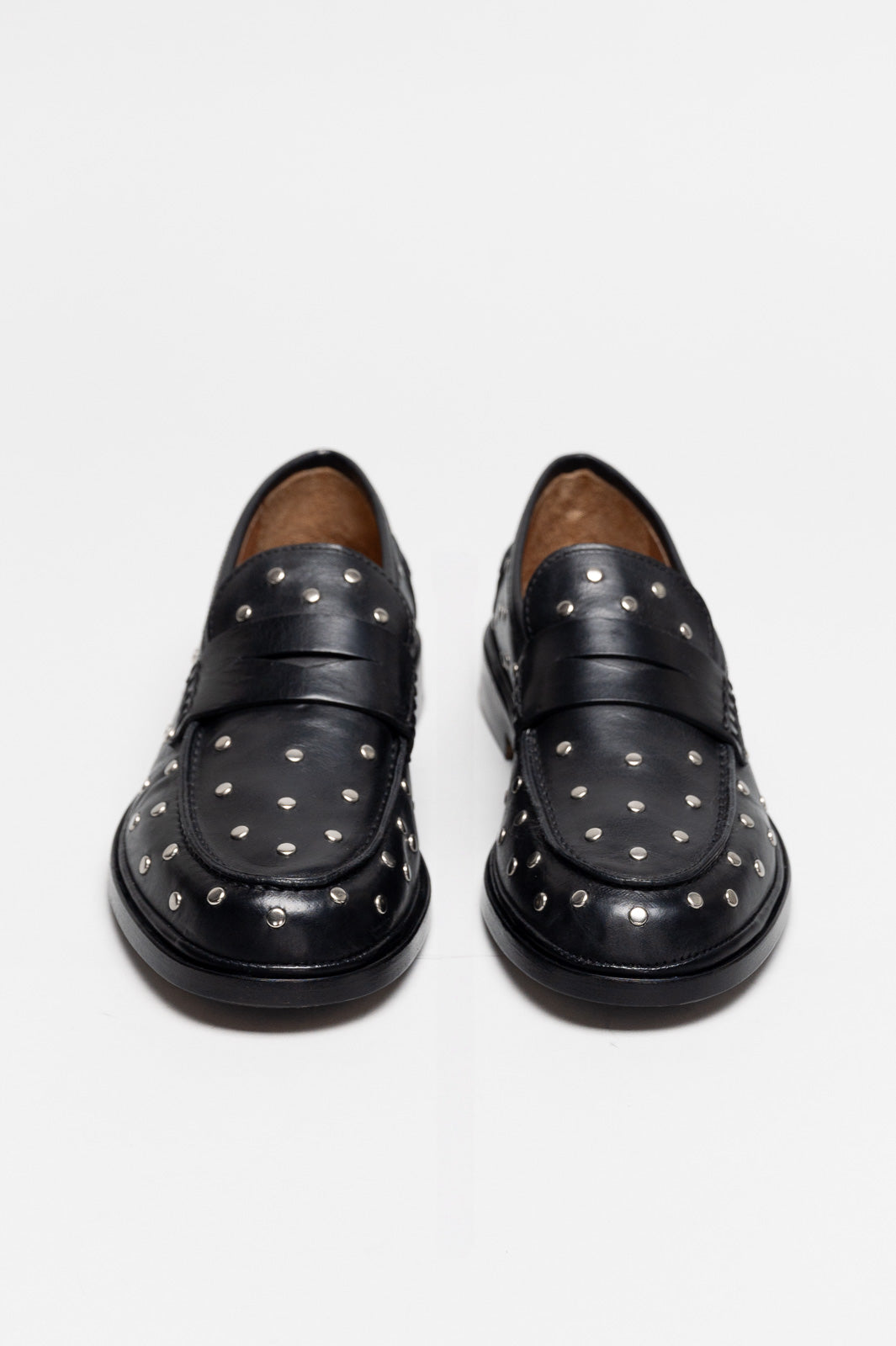
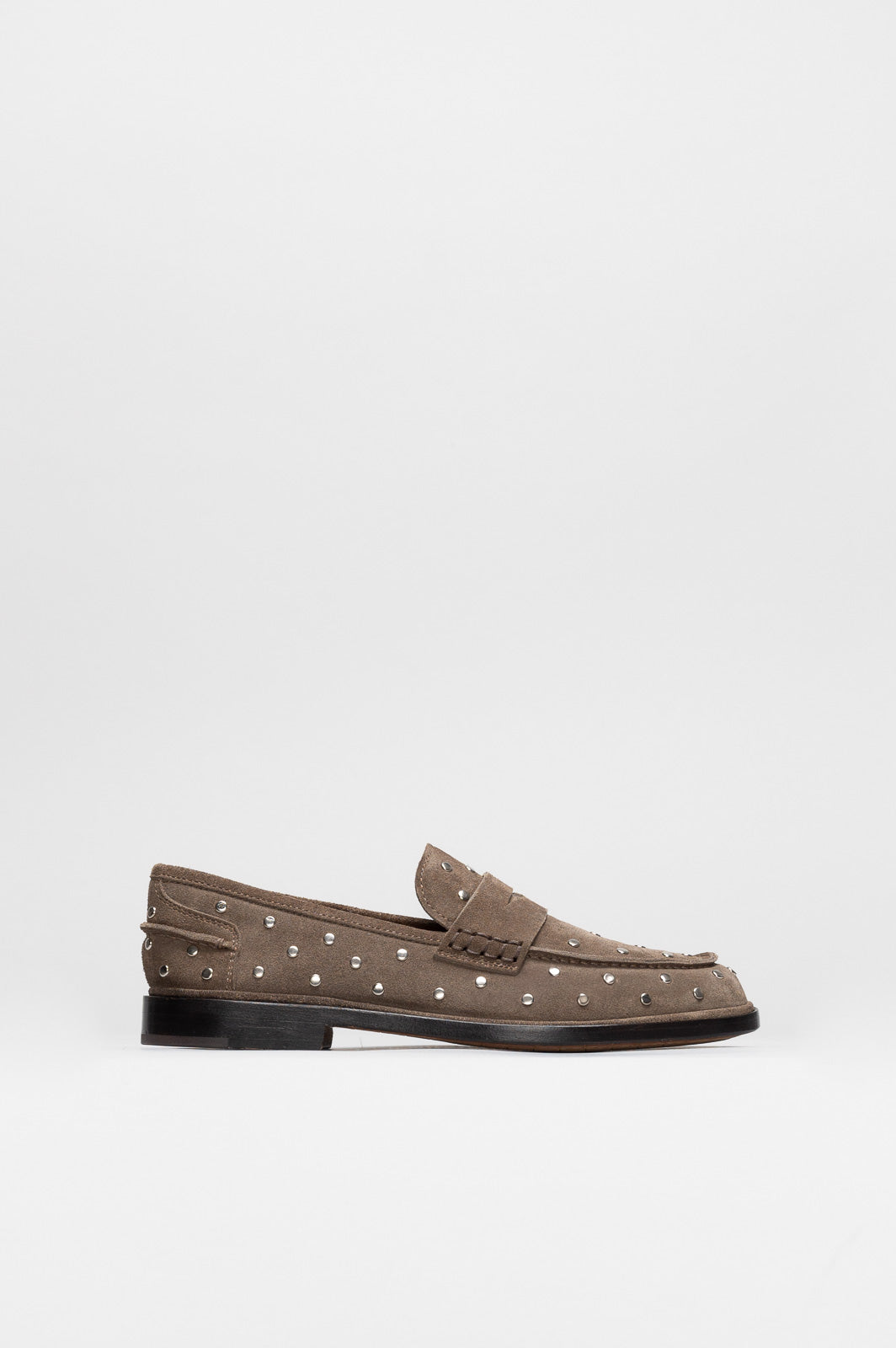
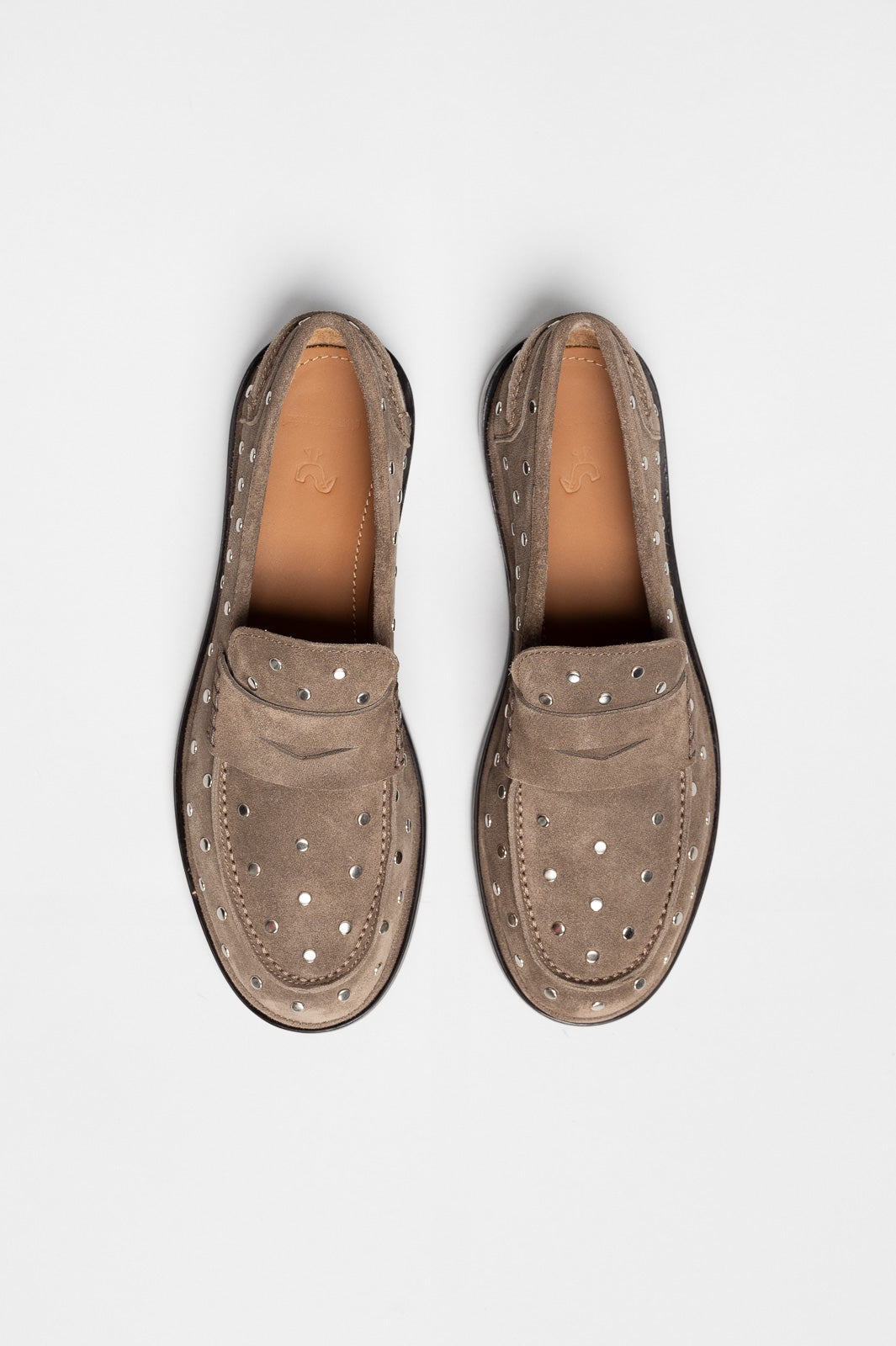
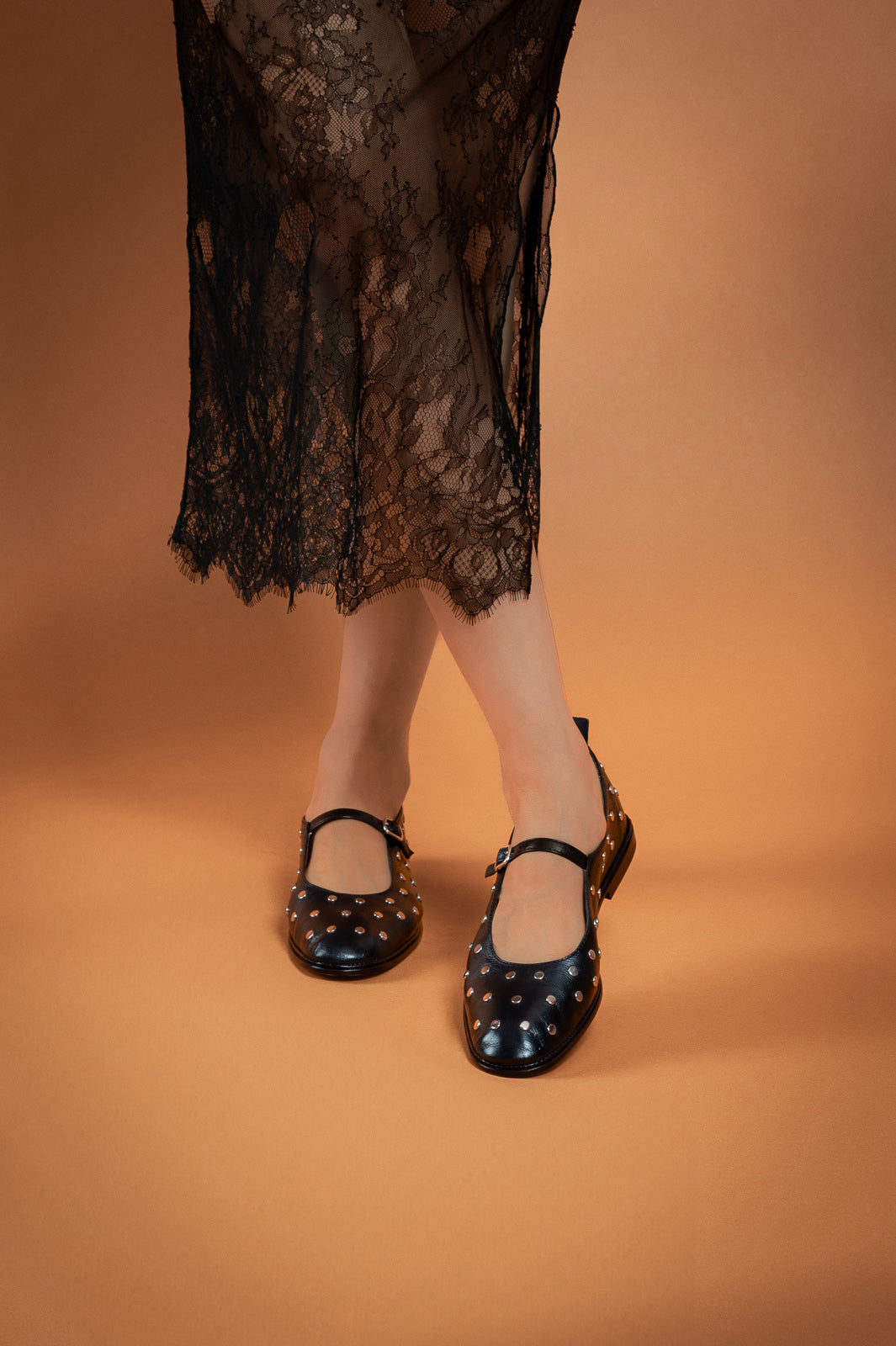
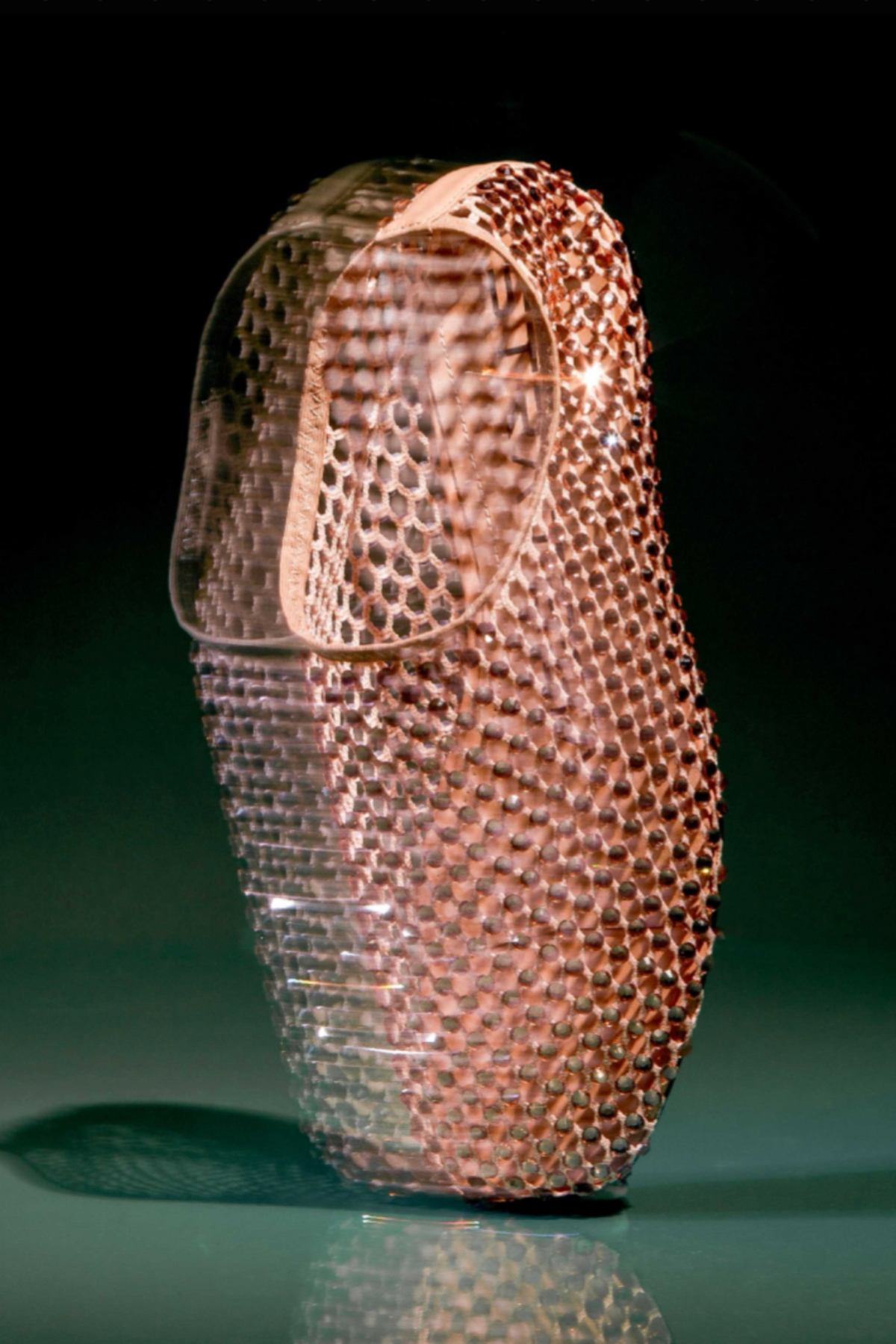
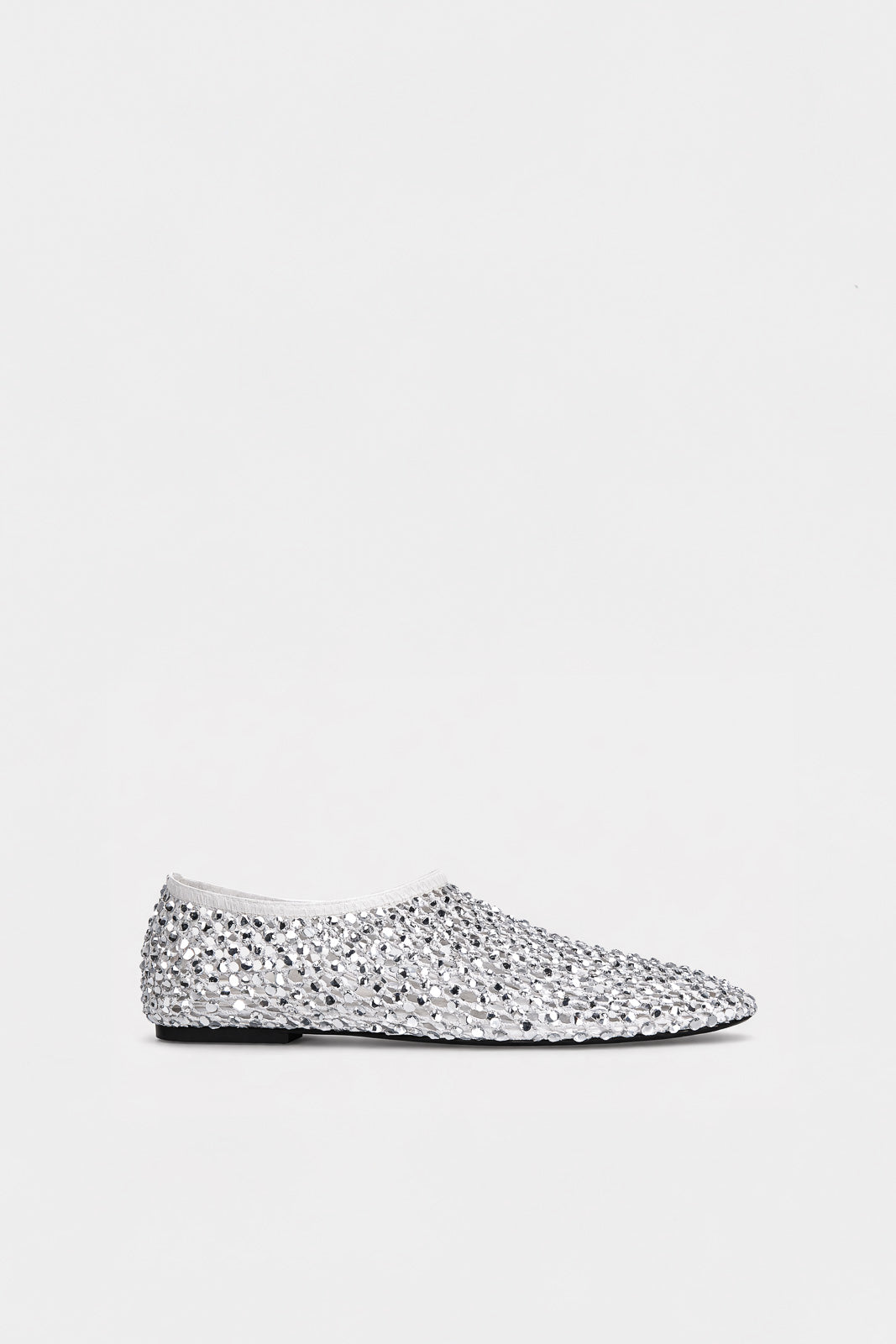
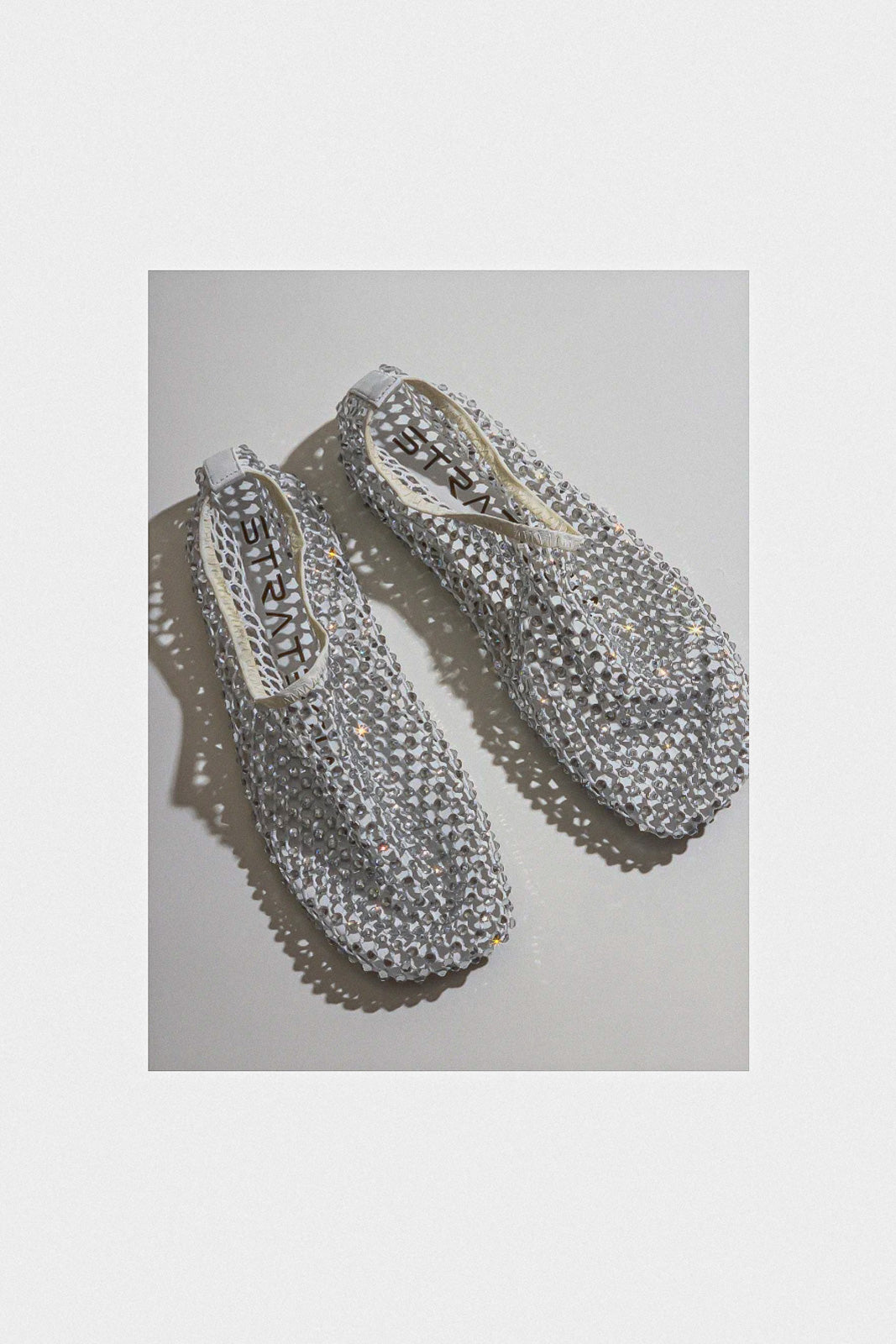
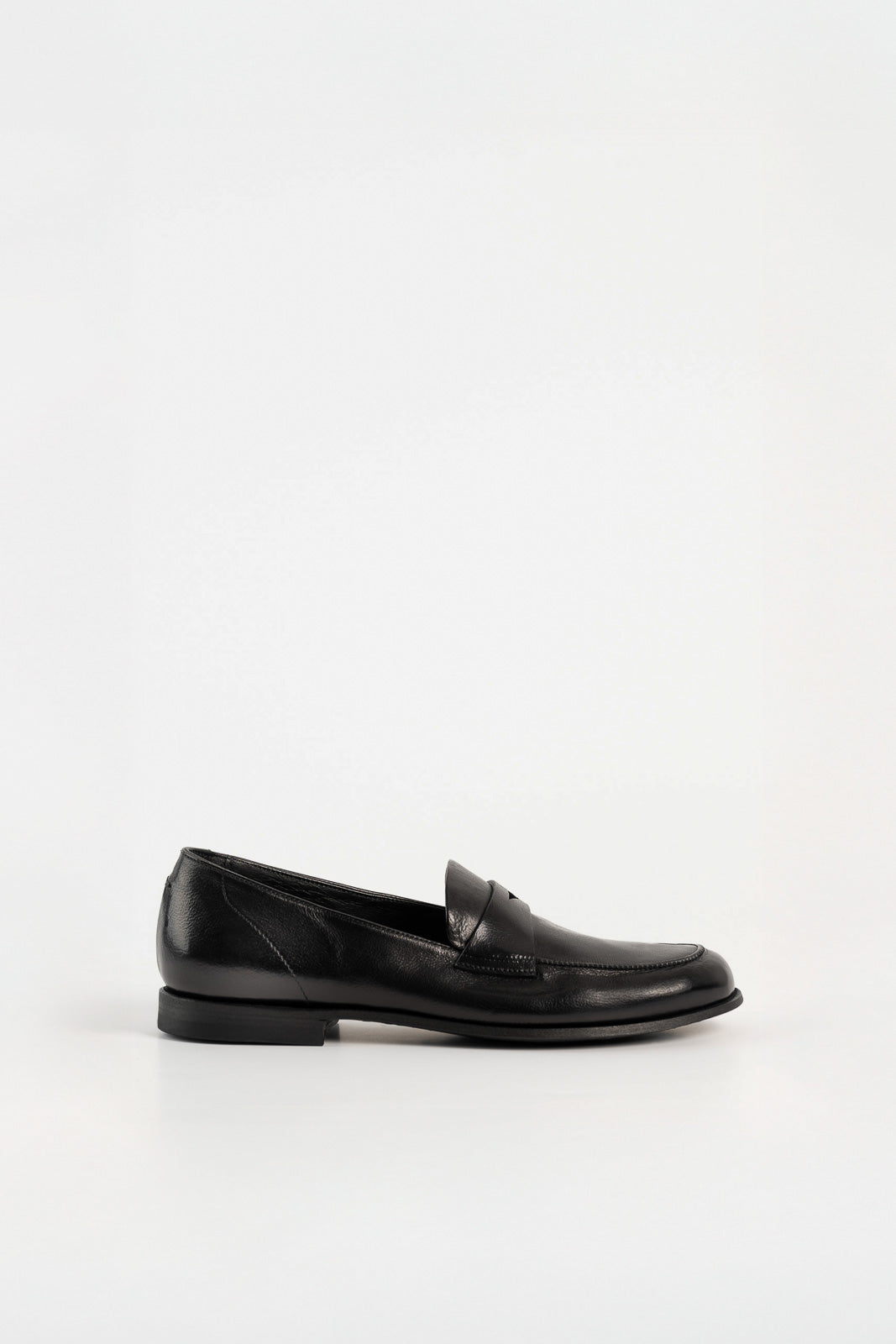
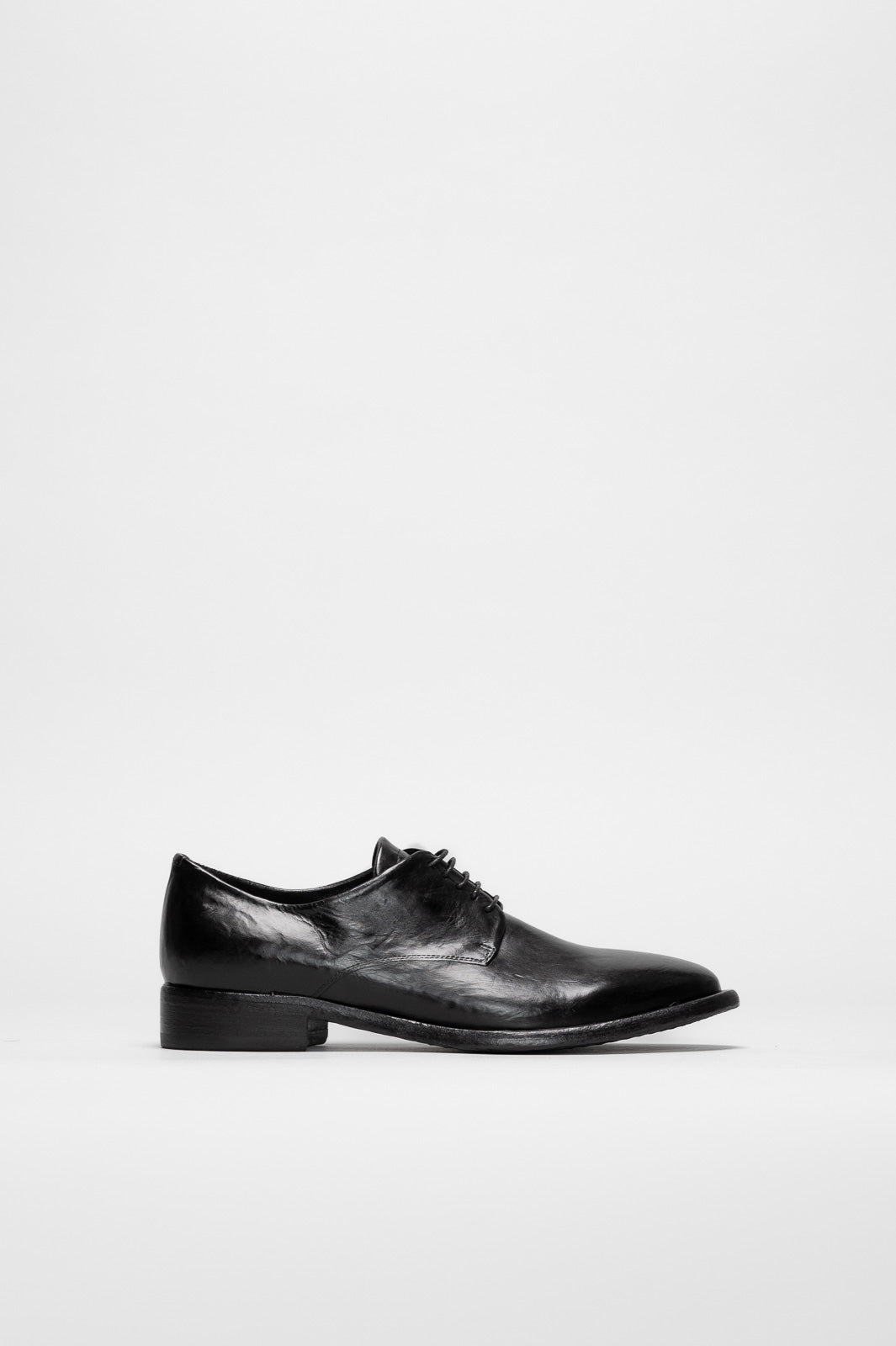
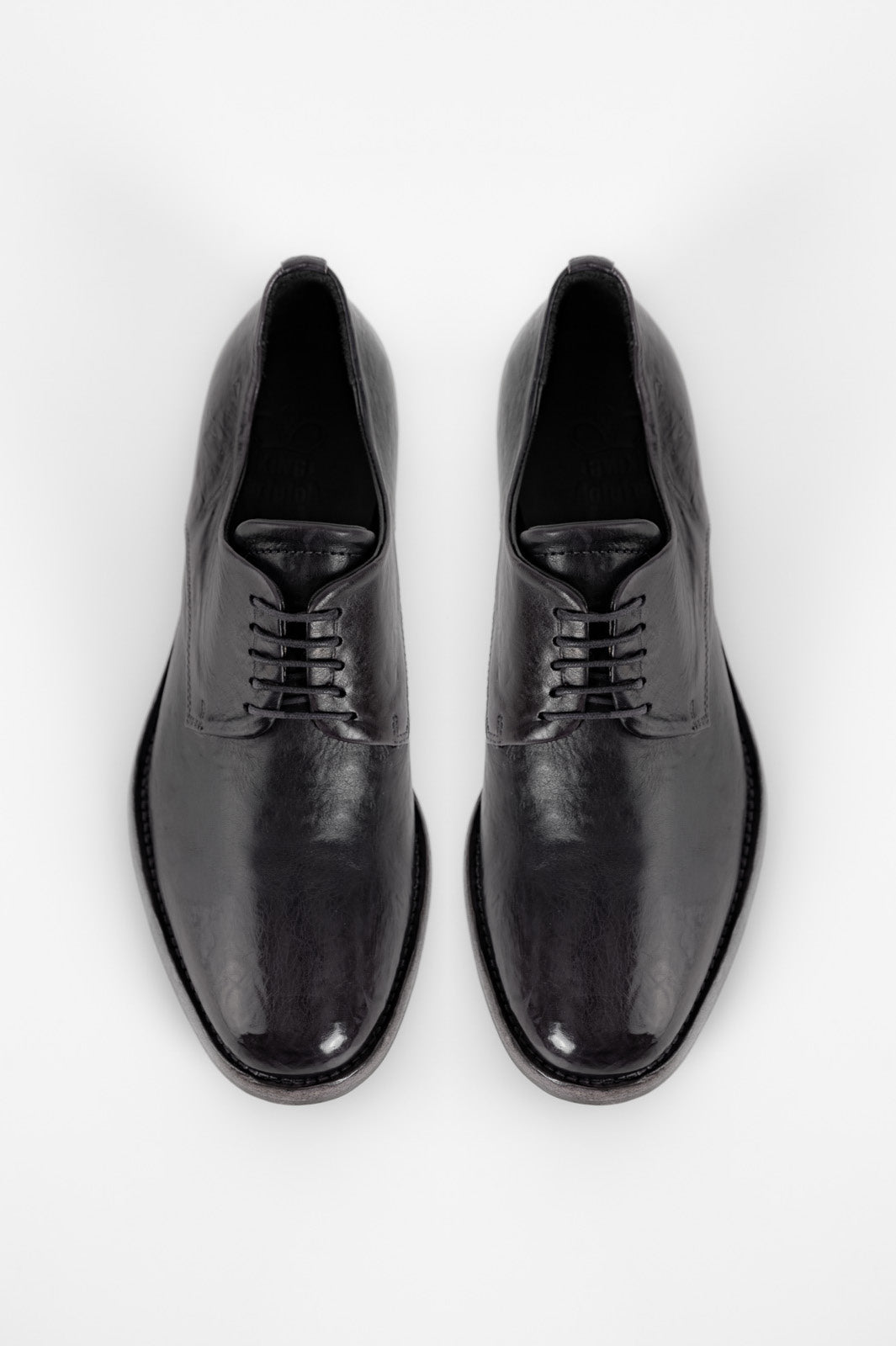
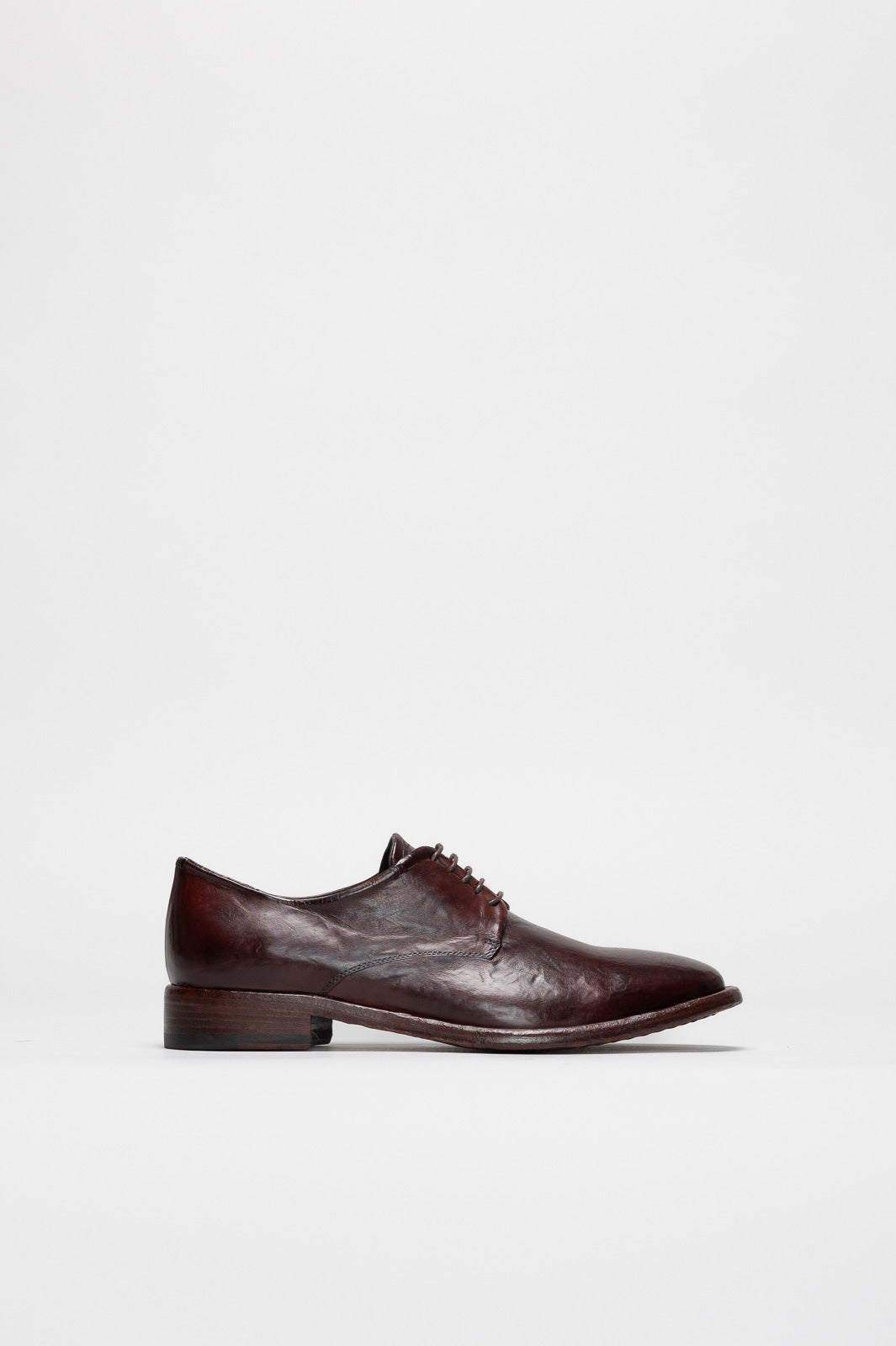
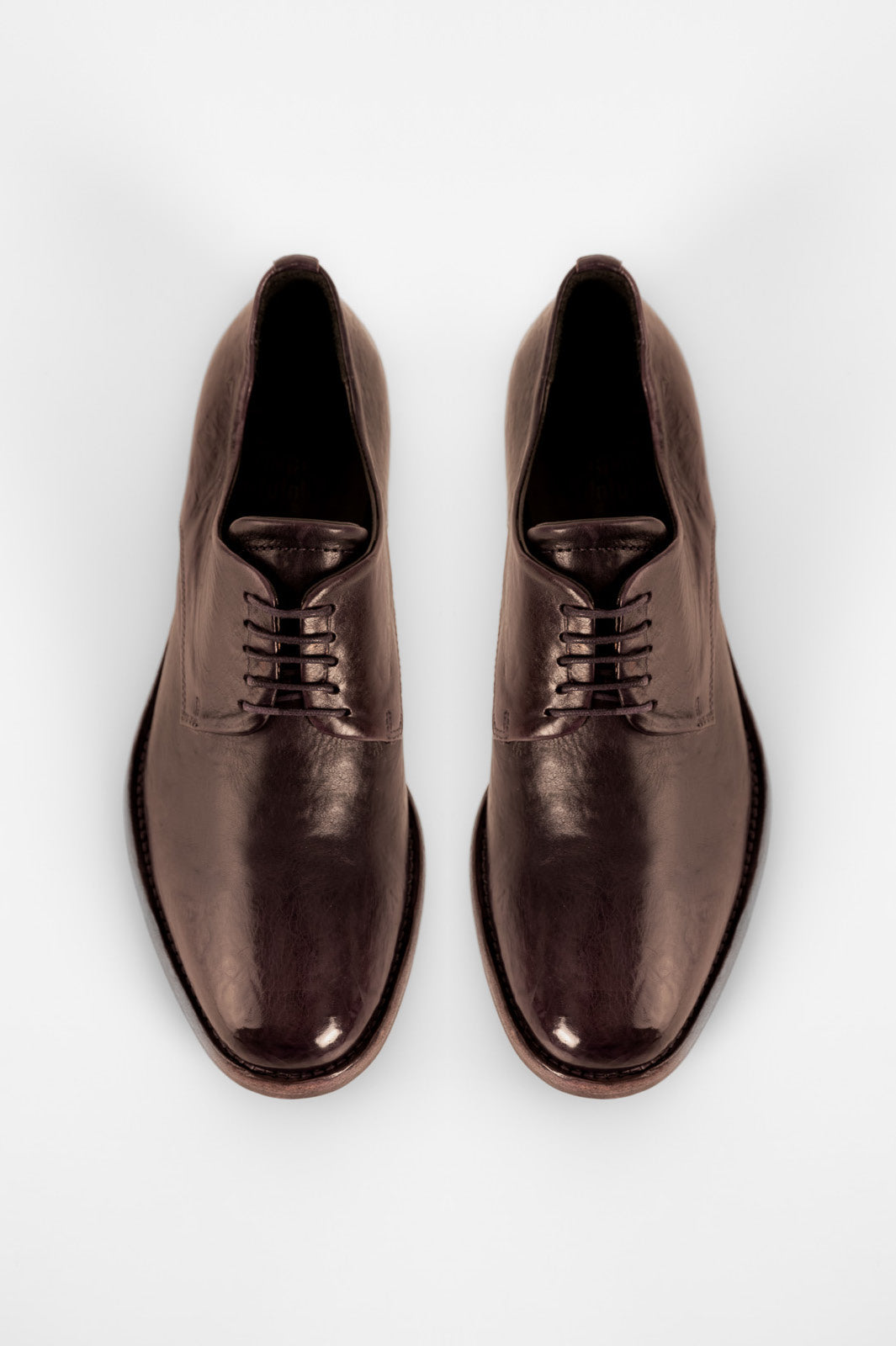
Made in Italy in calf leather and suede, often with flexible or sacchetto construction. Classic penny loafers sit alongside lighter ballerinas and refined flats, chosen for proportion and long-term relevance.
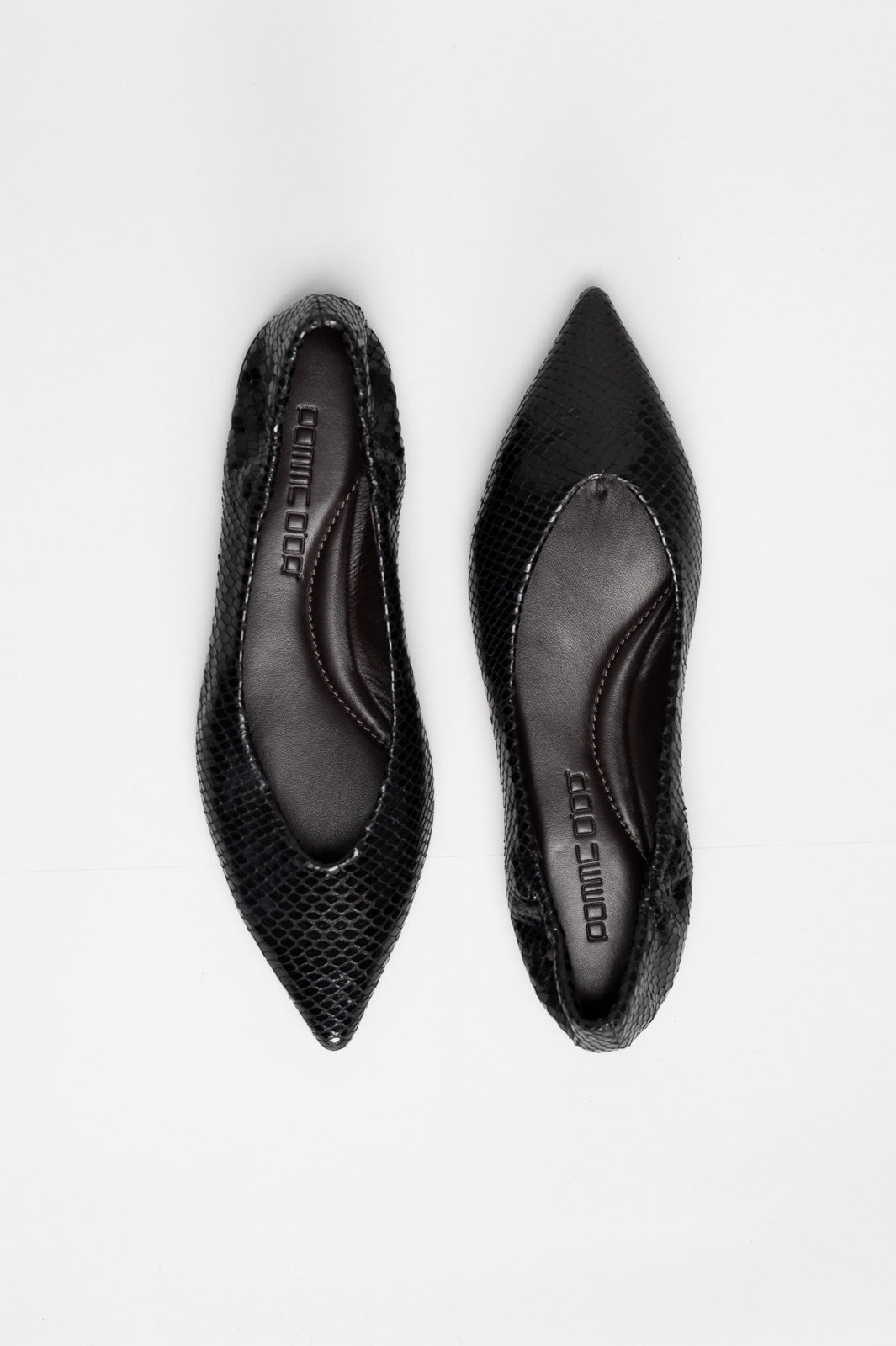

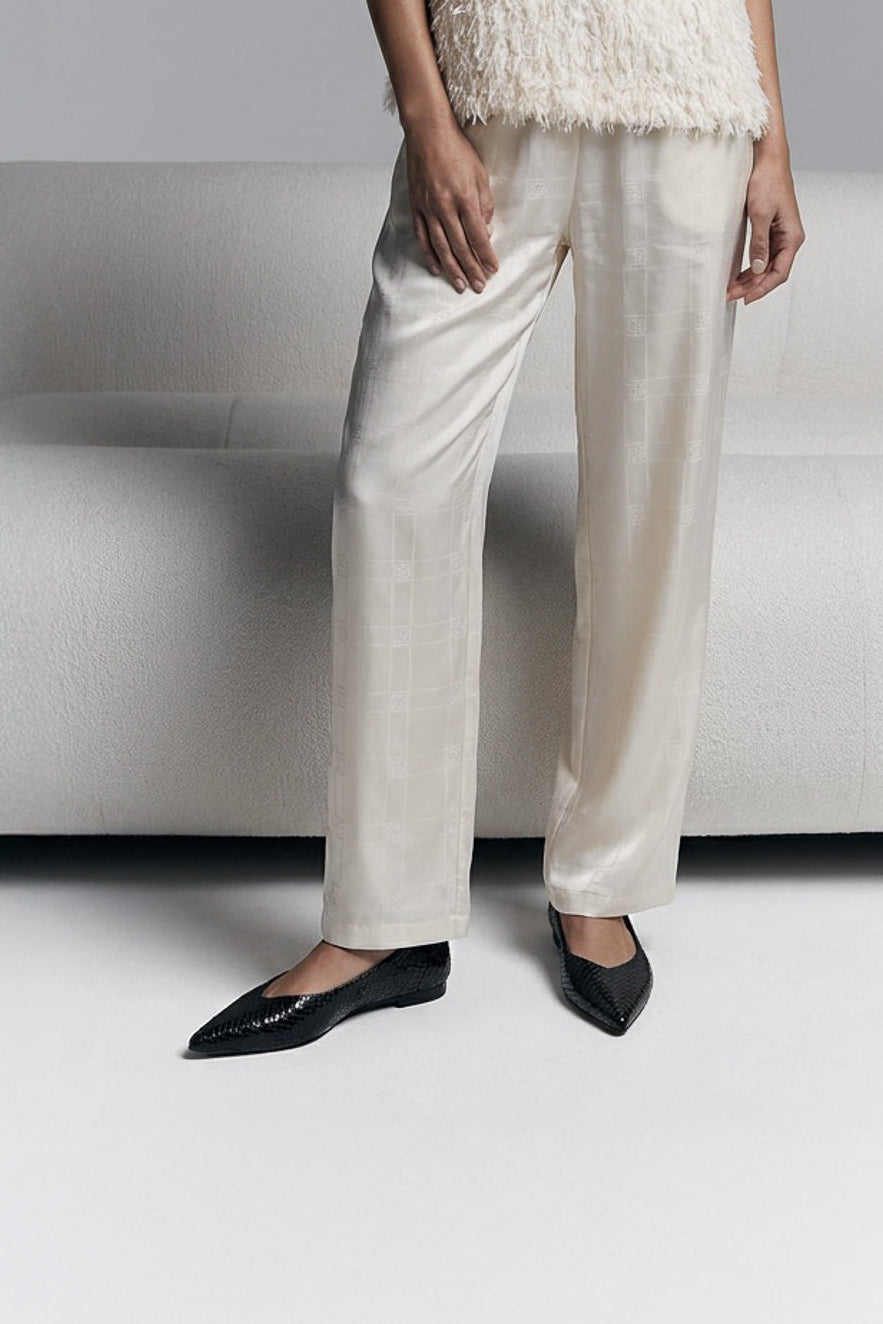
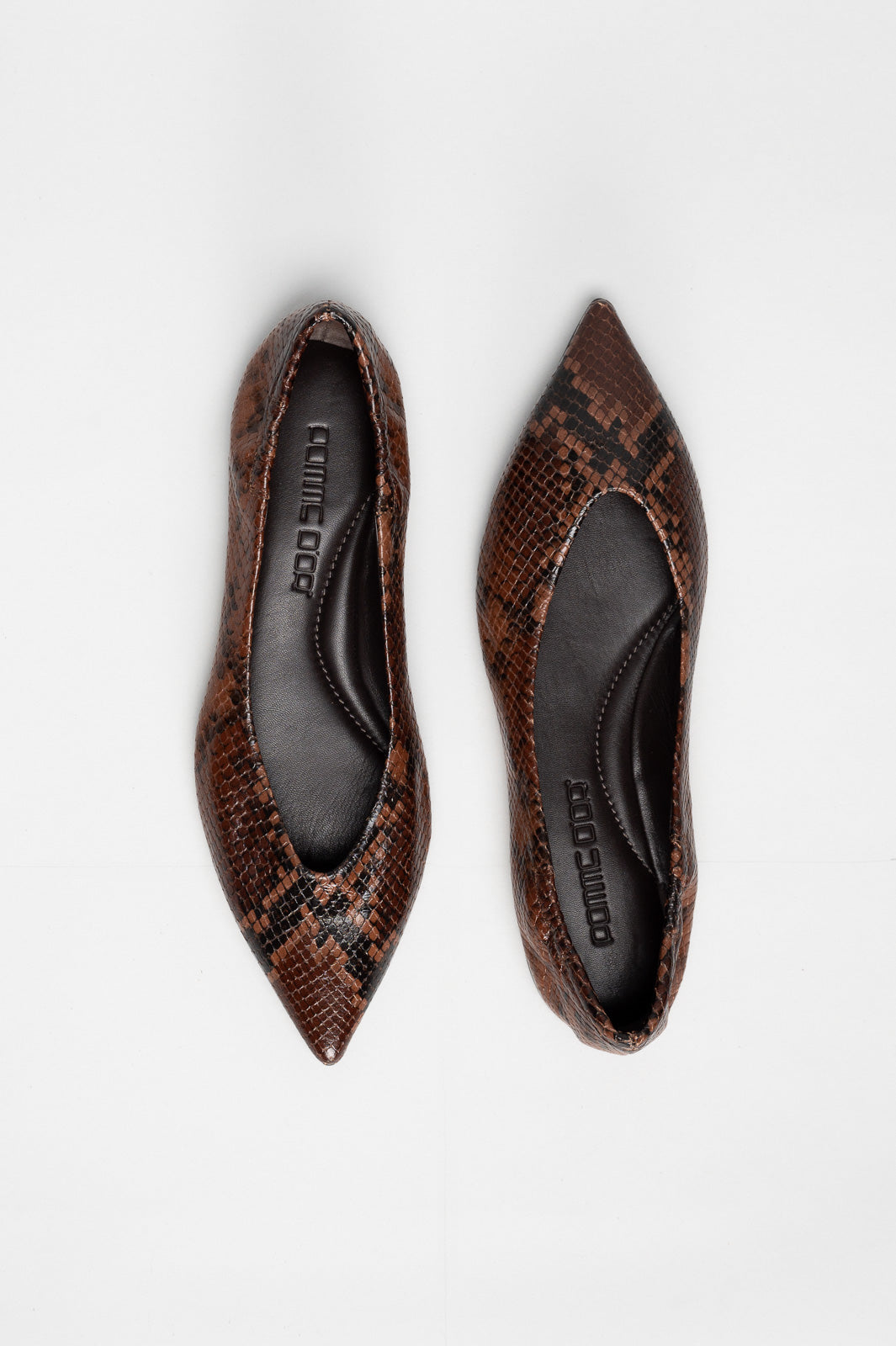



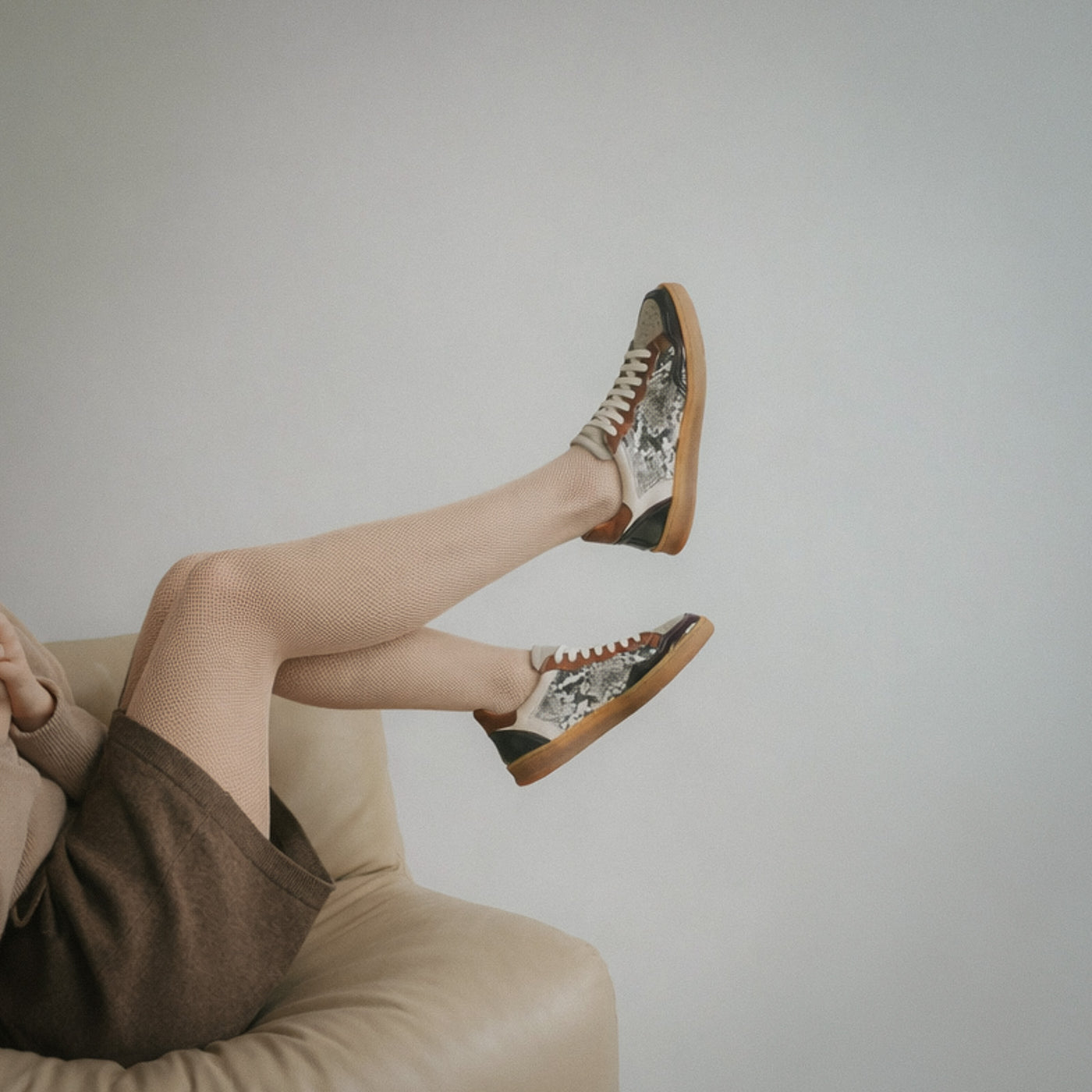
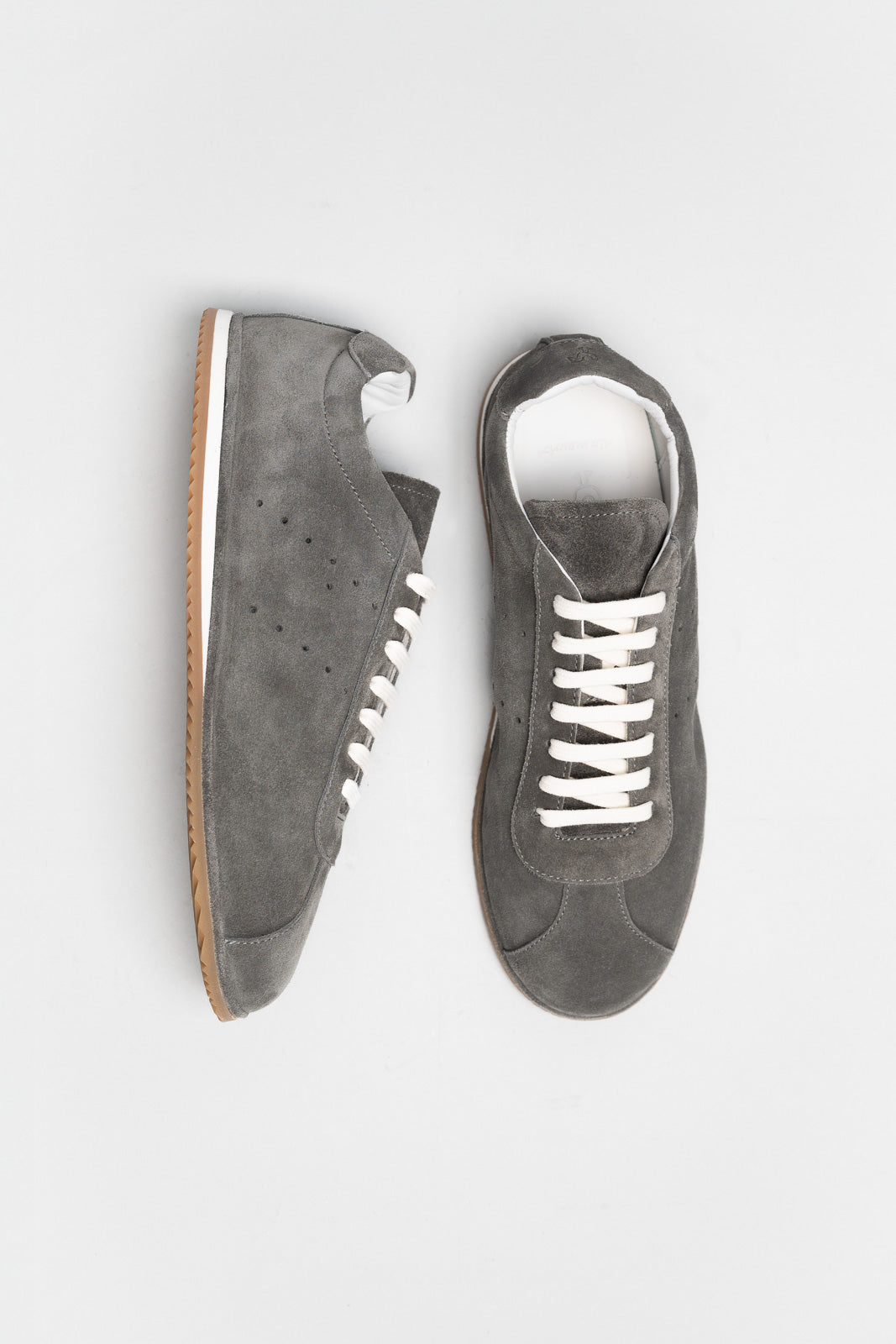
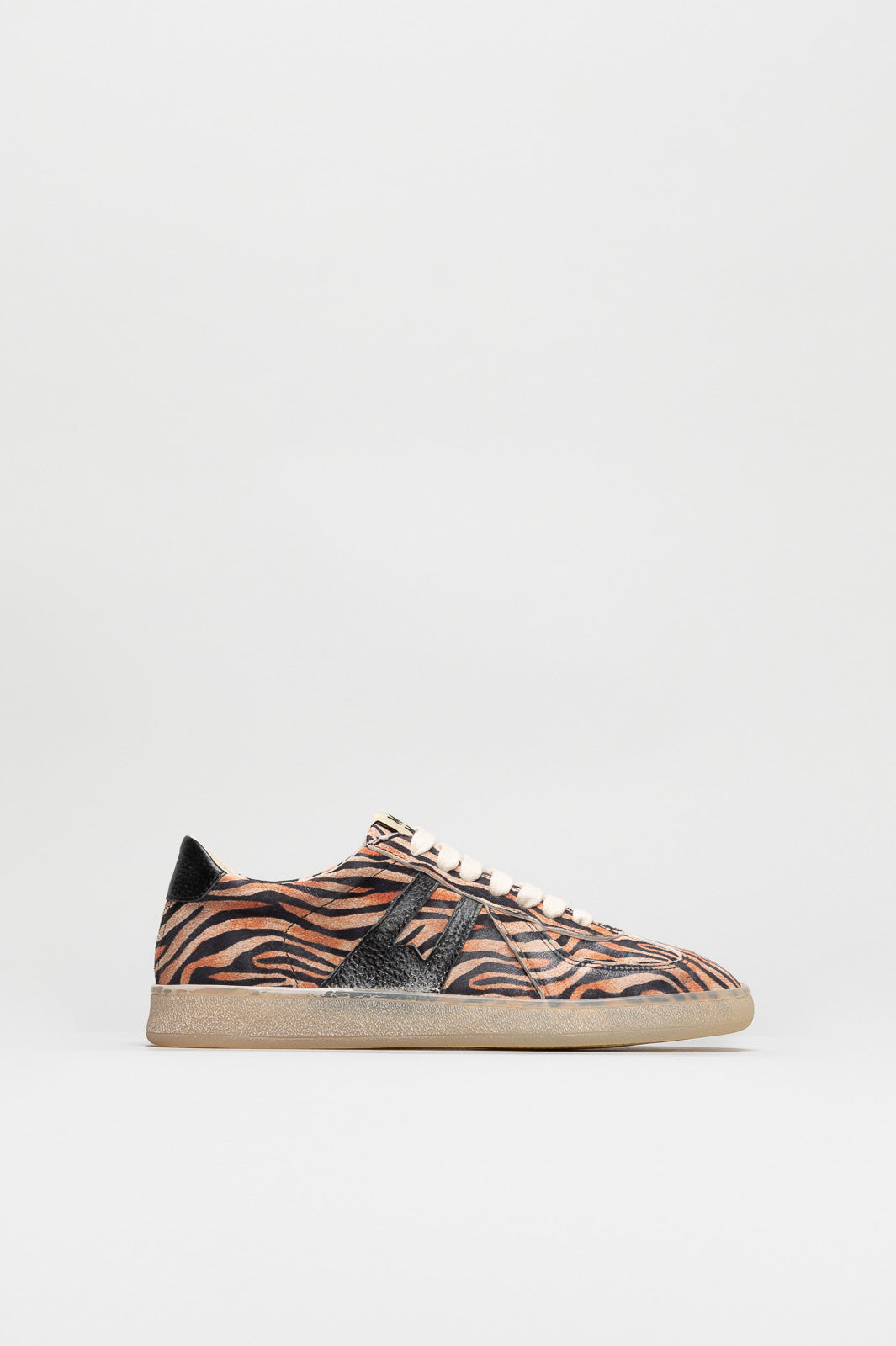
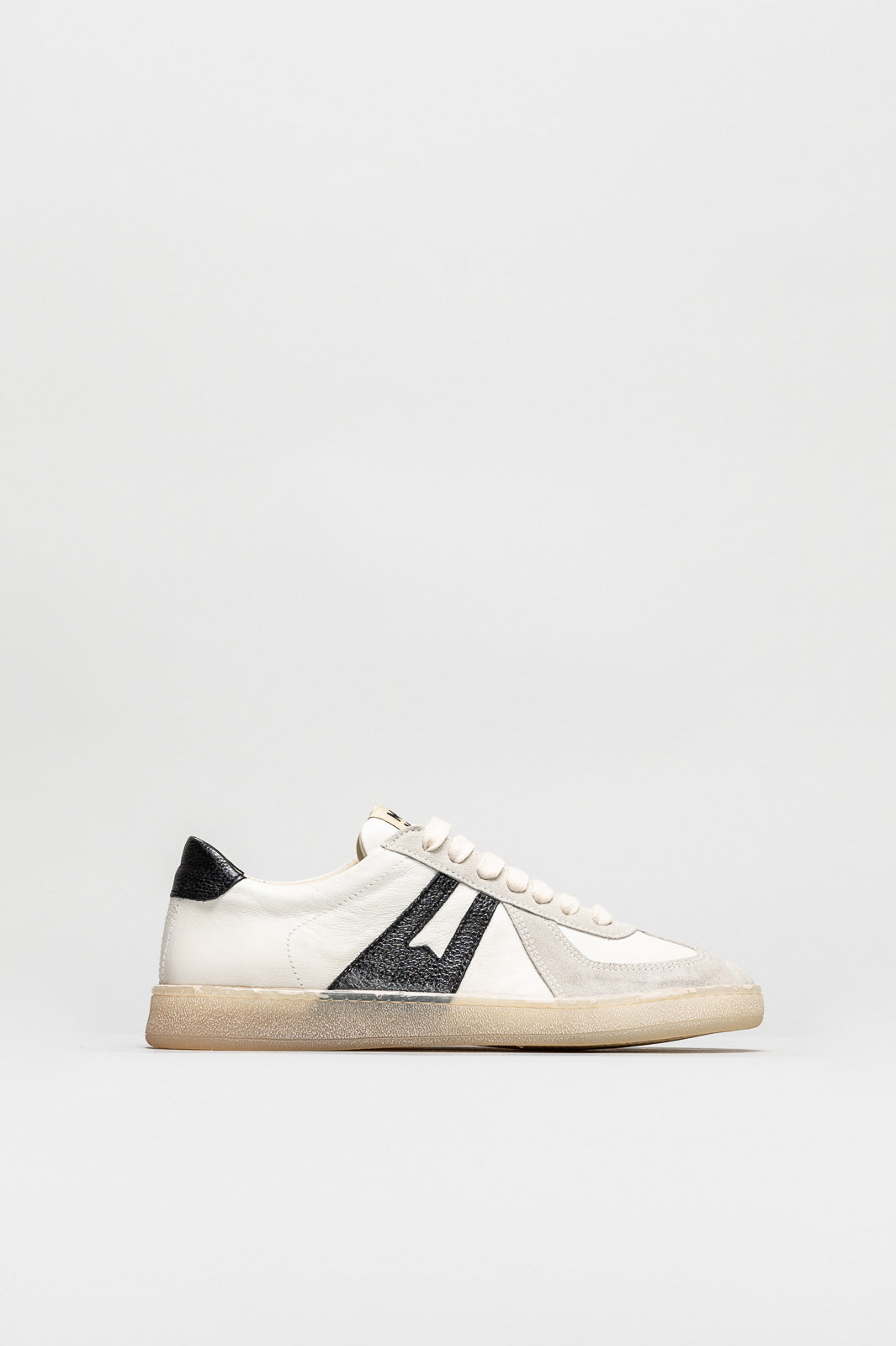
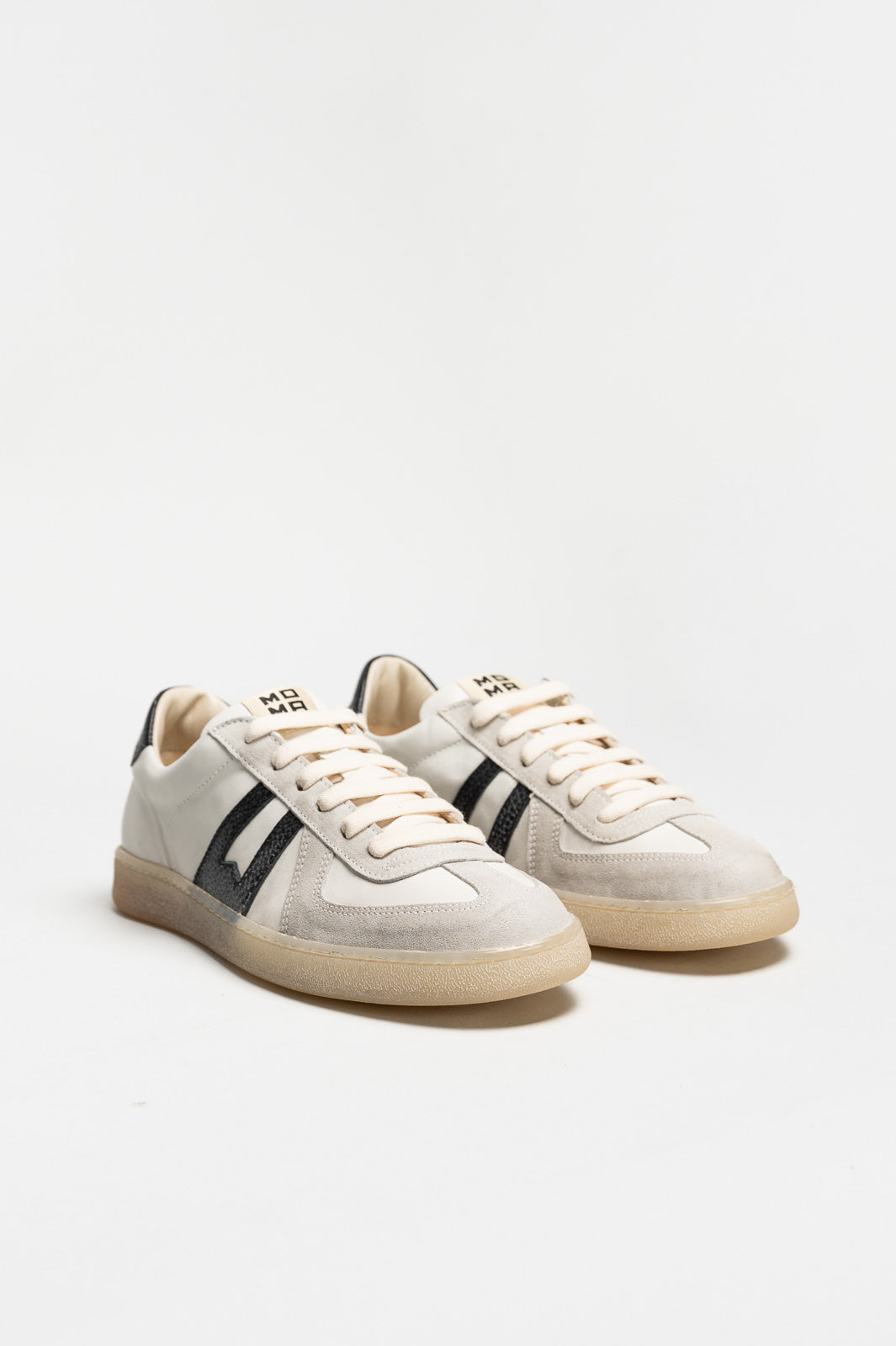
Sneakers
Always suitable?
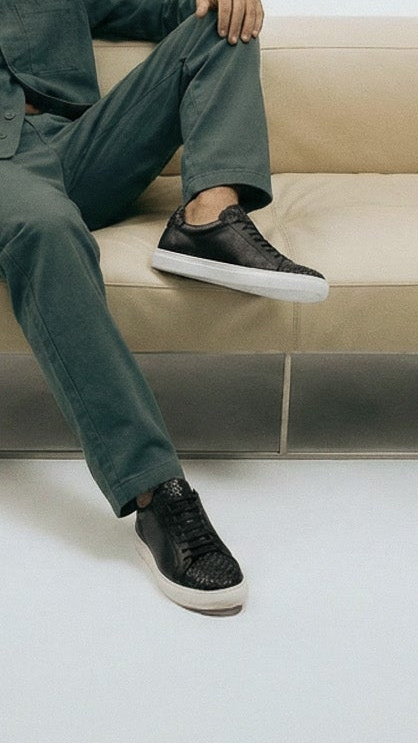
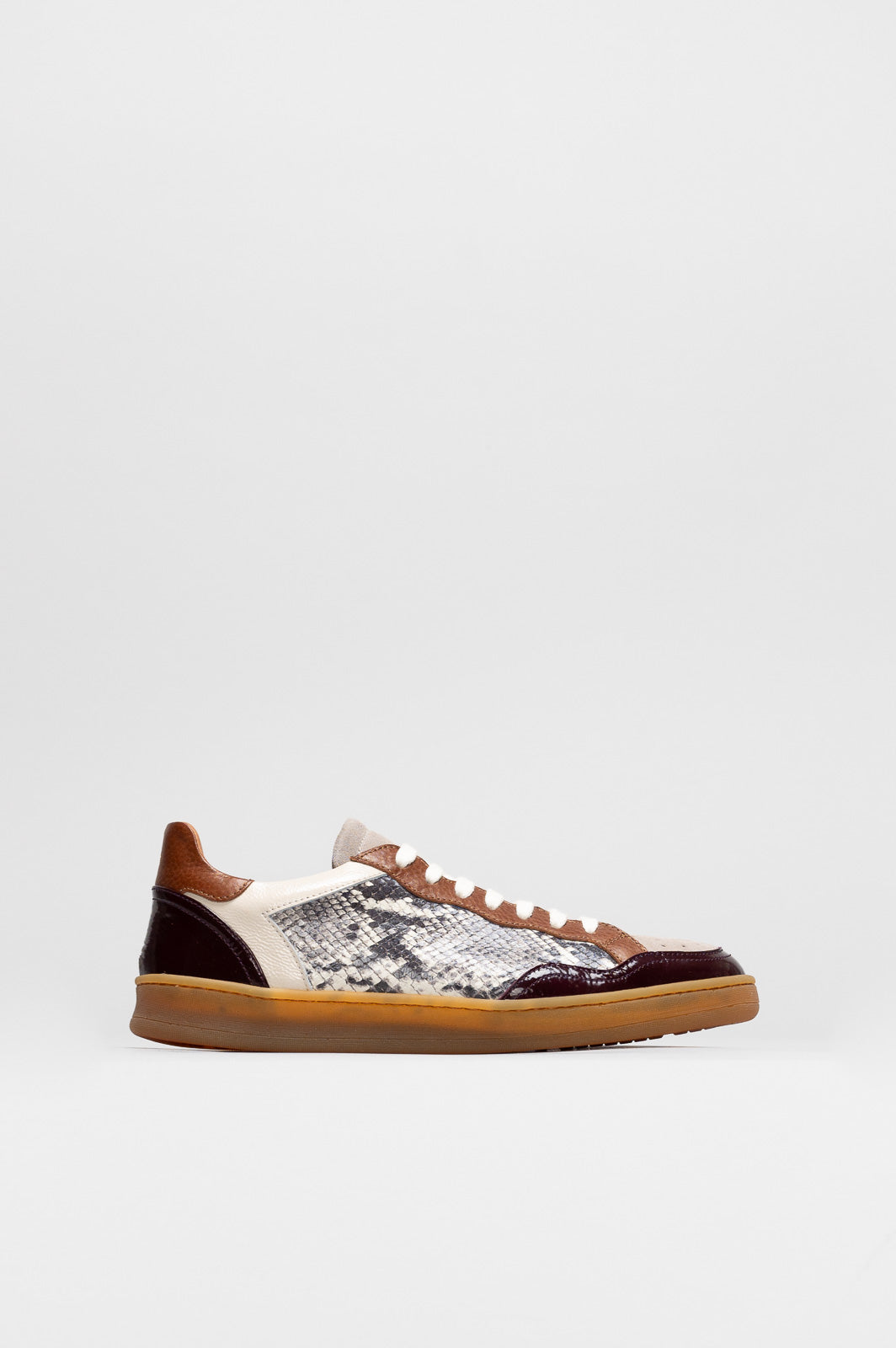
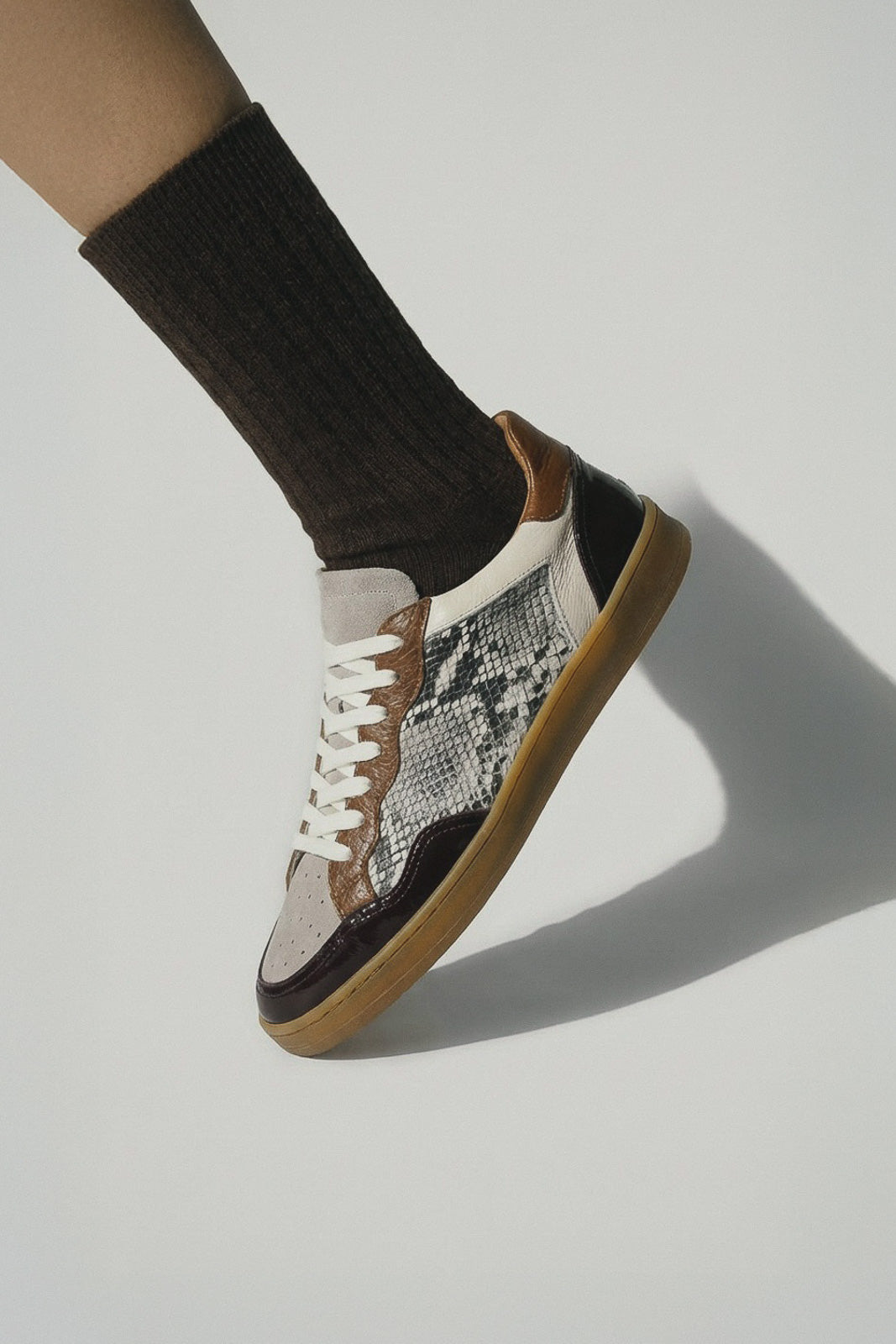
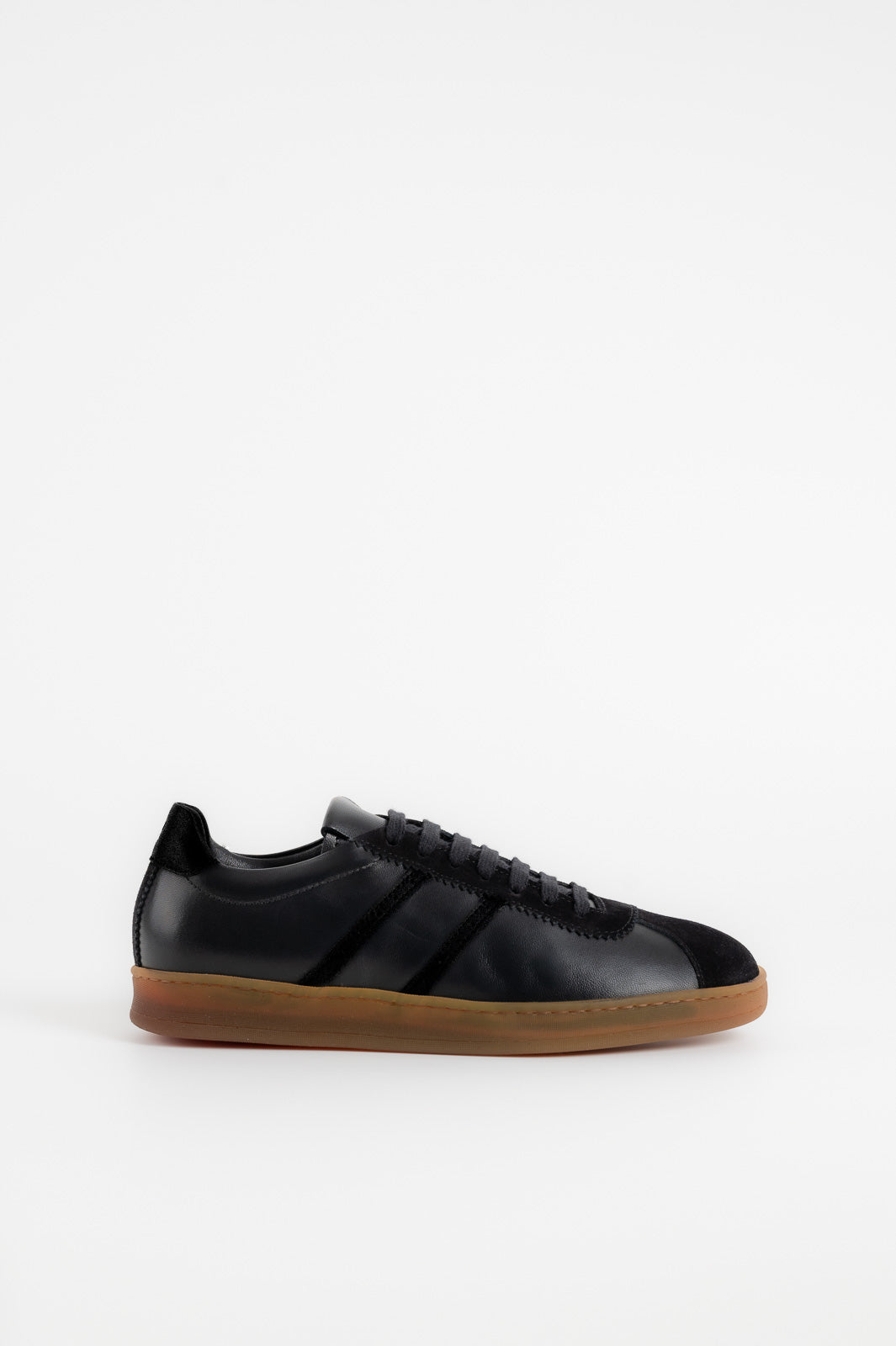
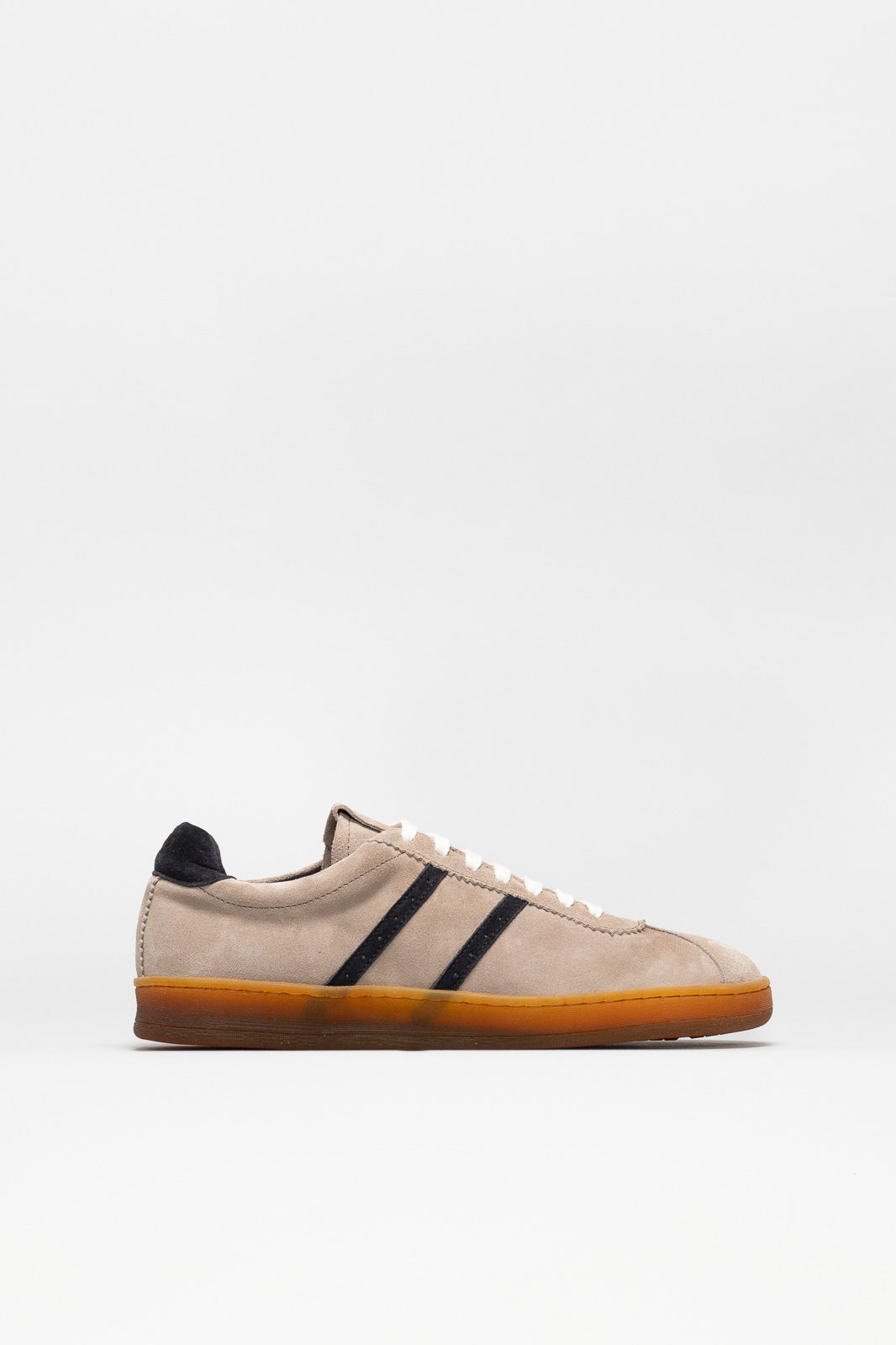
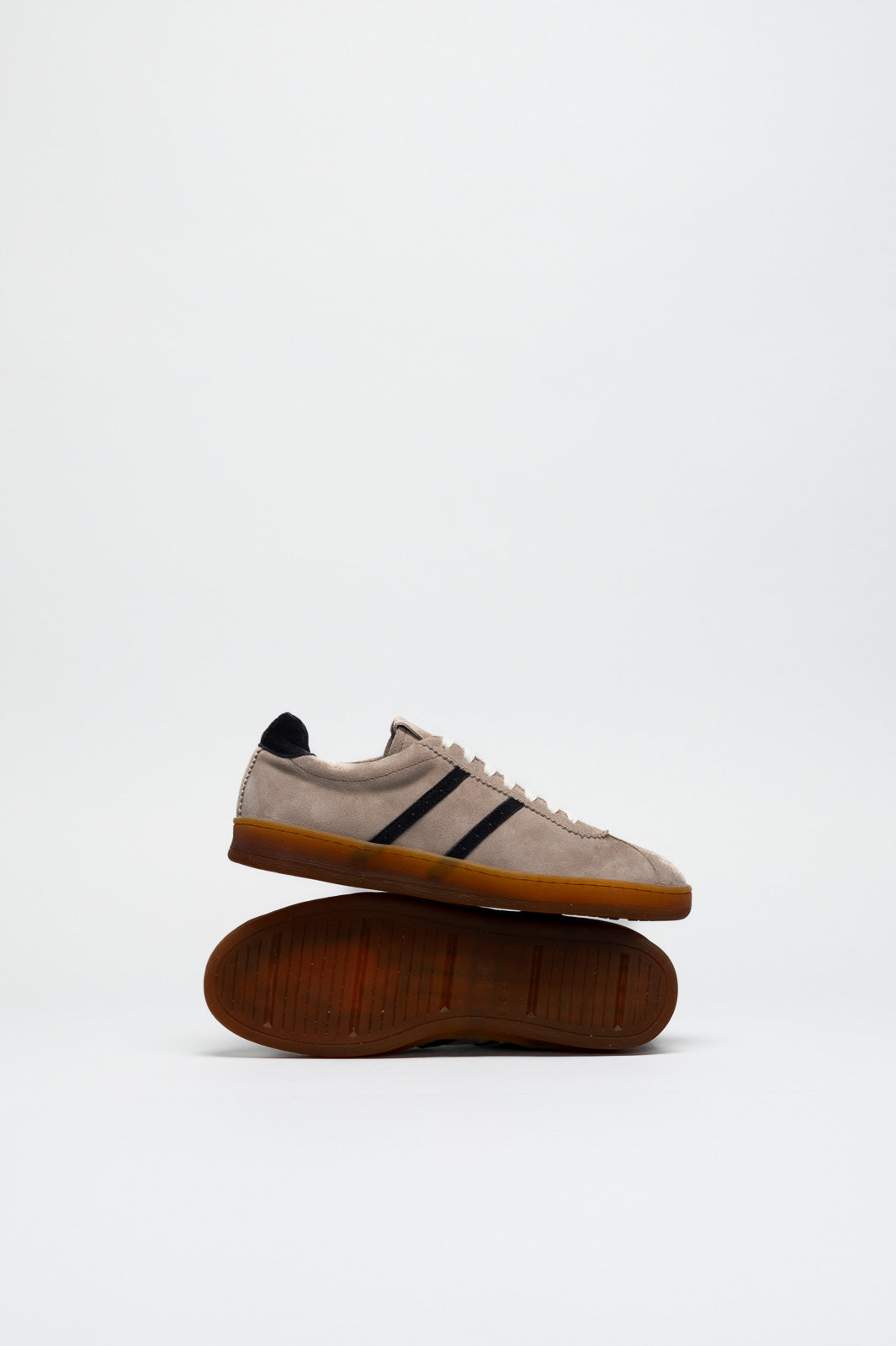
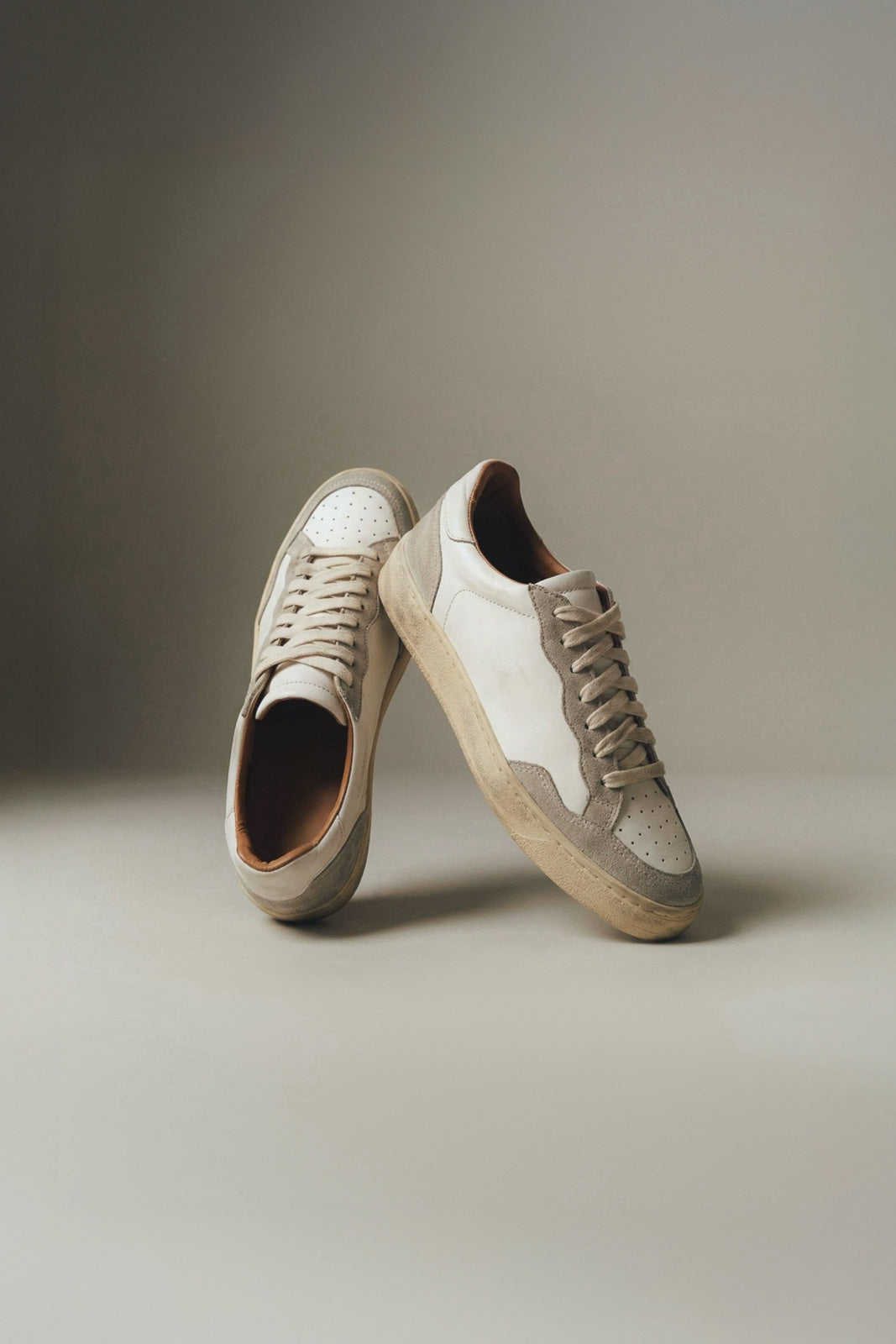
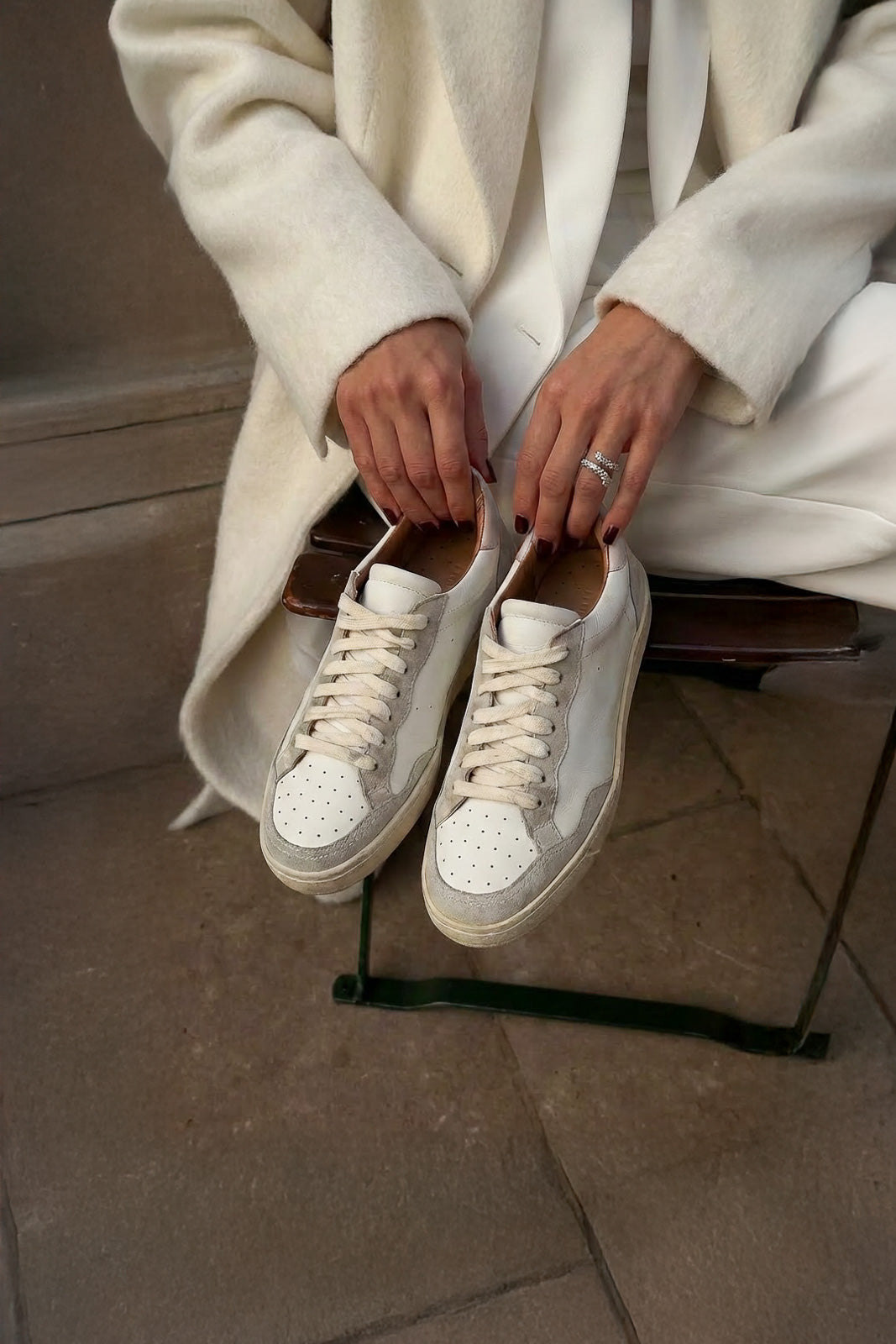
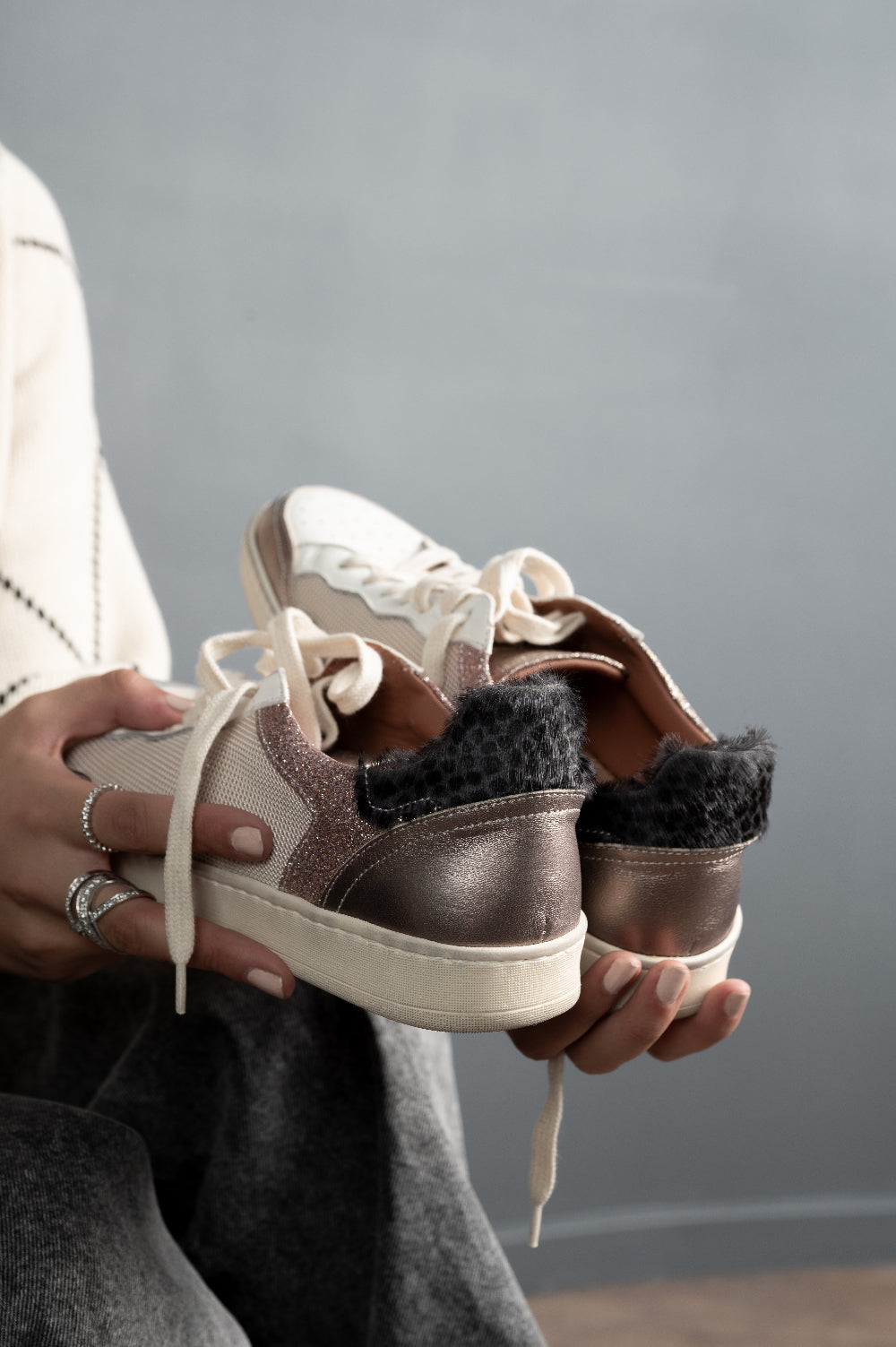
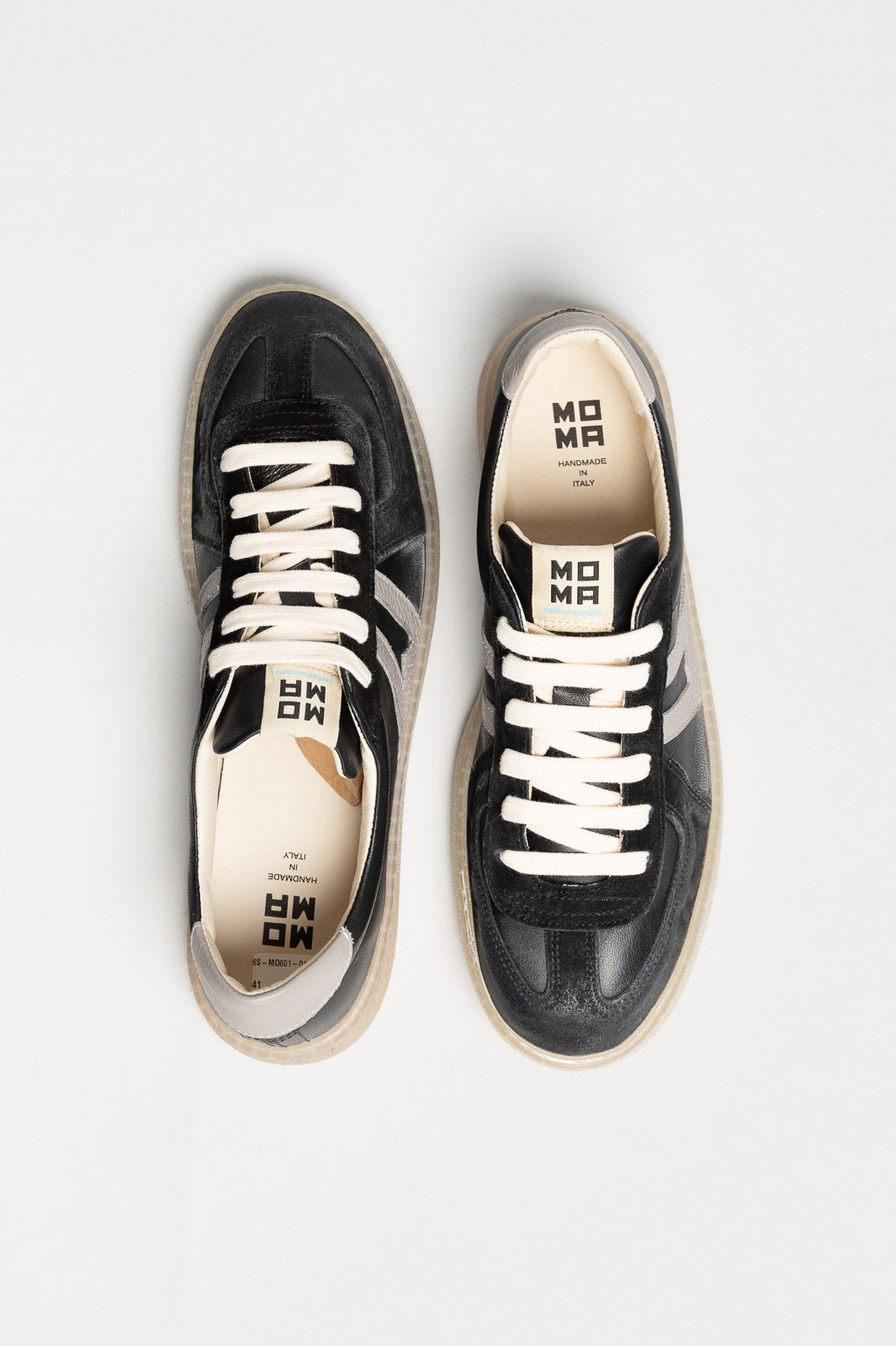
Sneakers are no longer confined to sport. They sit naturally within work, travel and daily dressing.
The story
Originating in the late 19th century as rubber-soled sports shoes, sneakers gradually moved into everyday use. Today leather and suede versions are established staples for both women and men.
Styling your sneaks
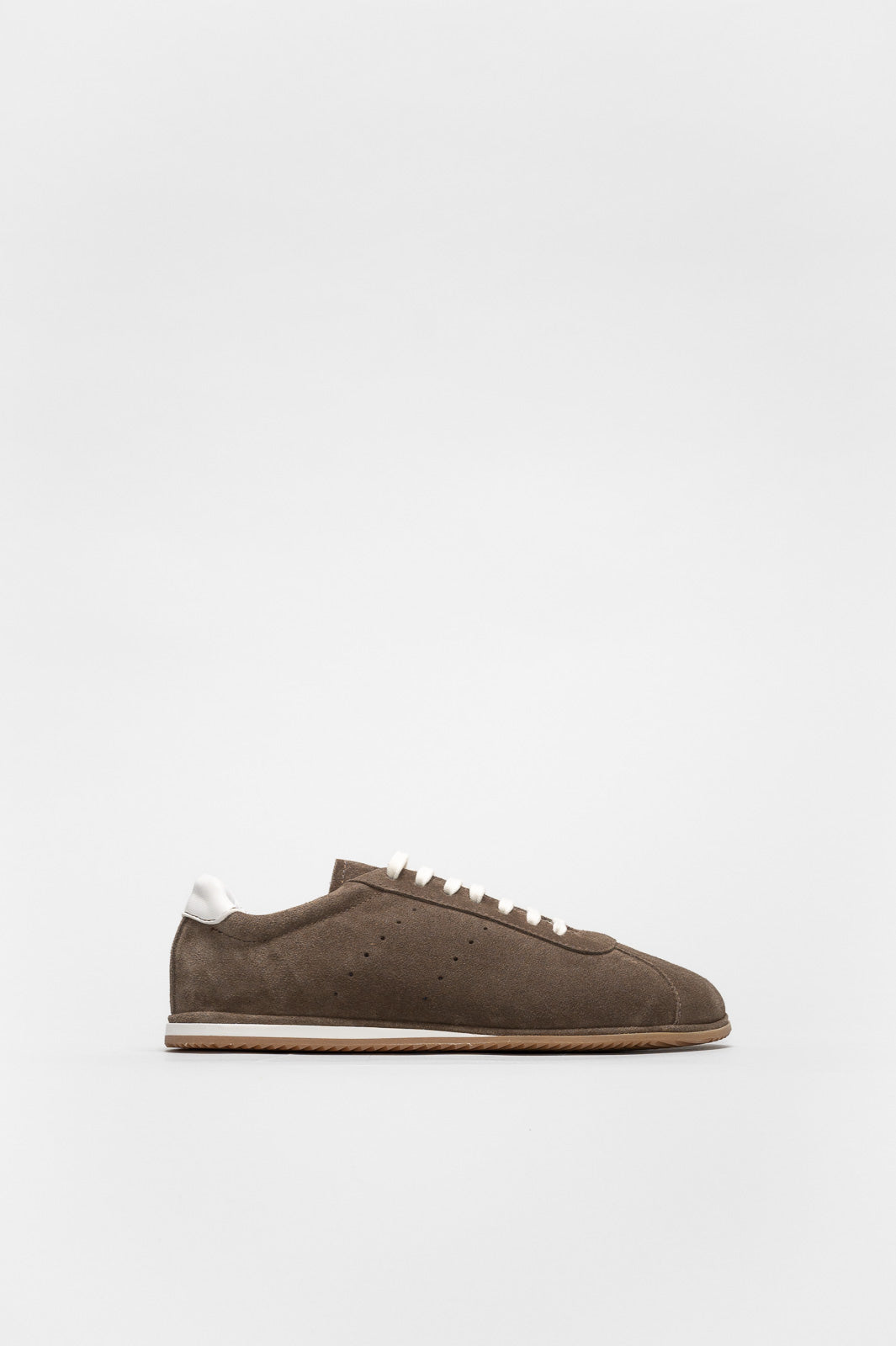
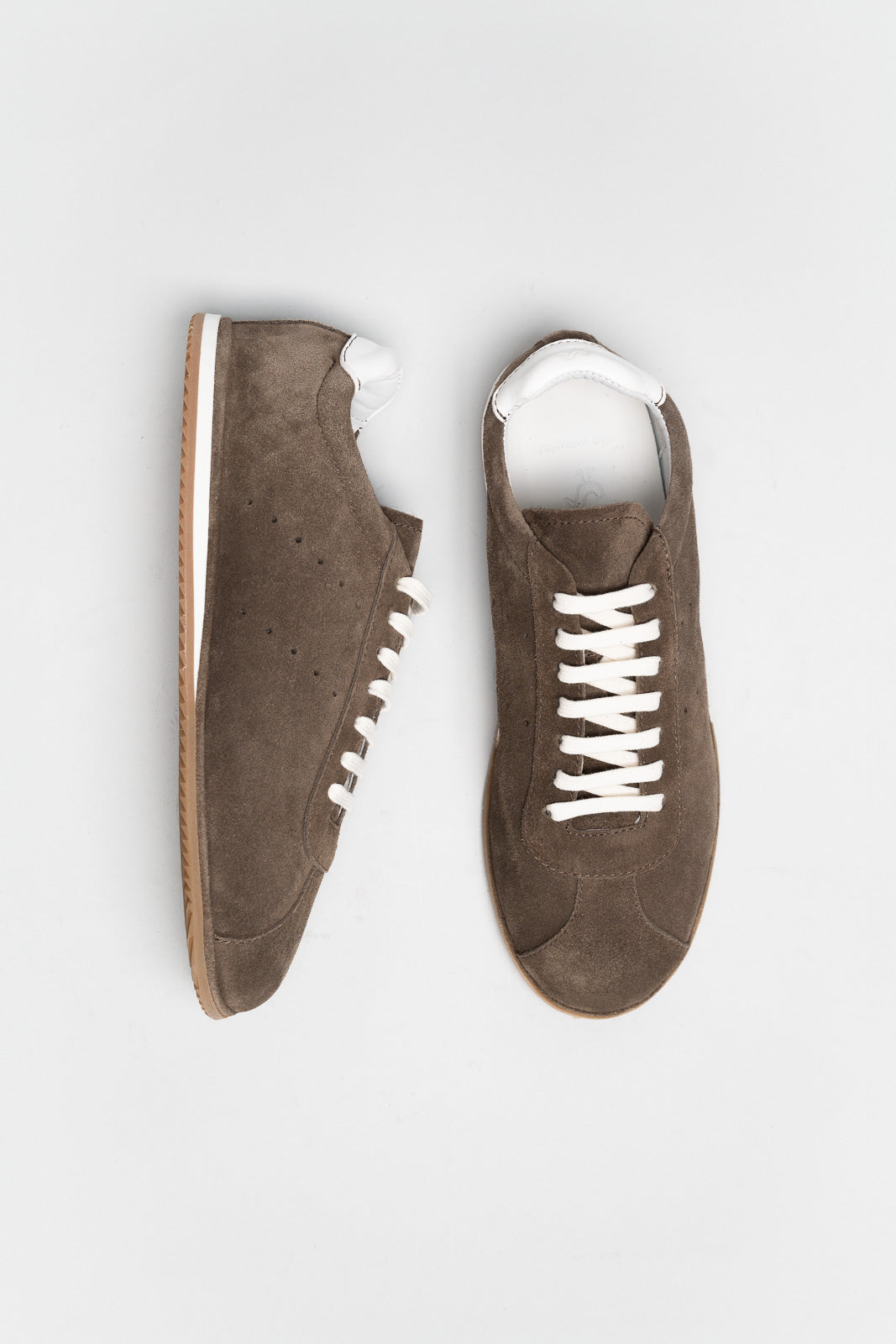
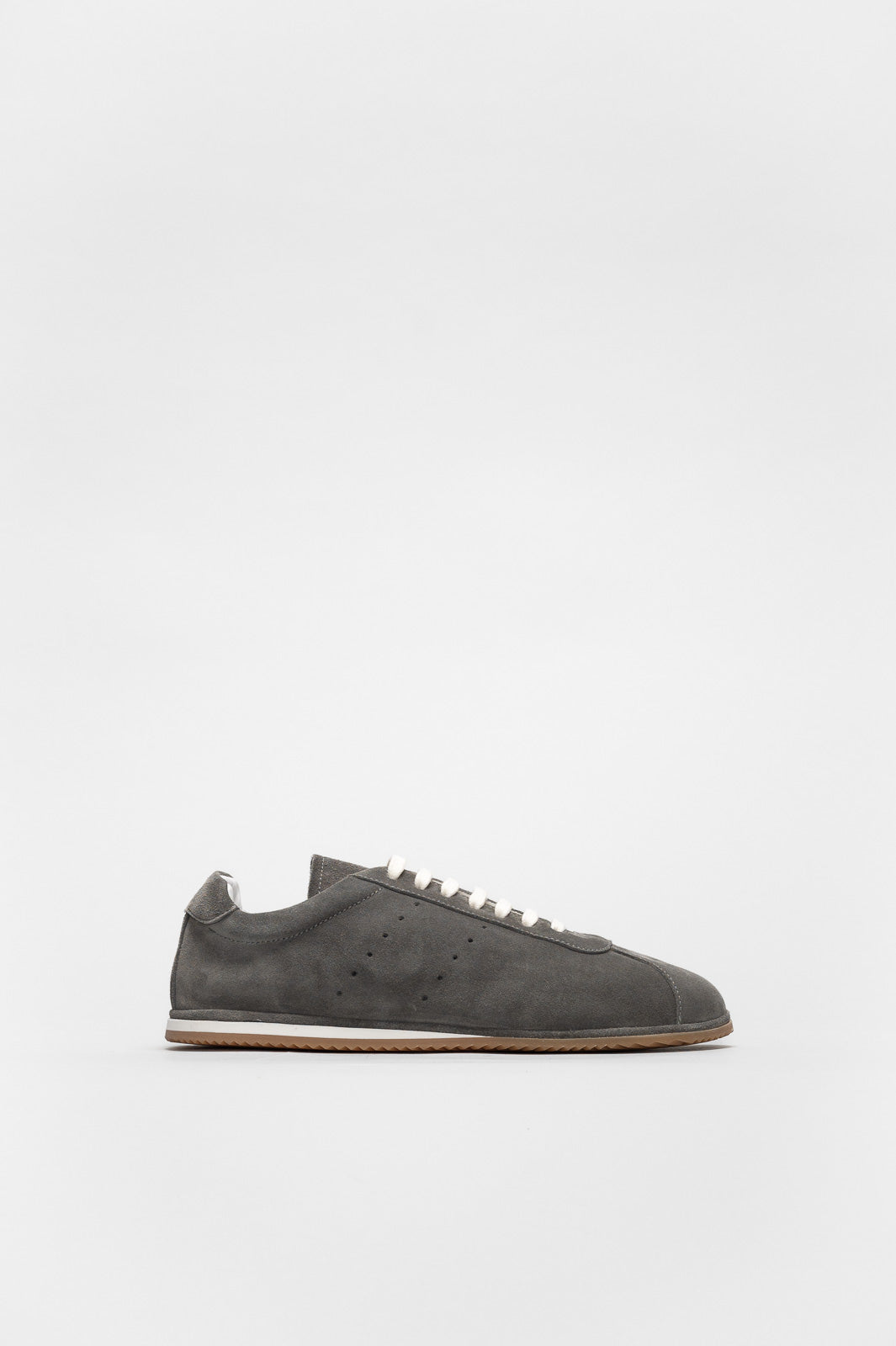
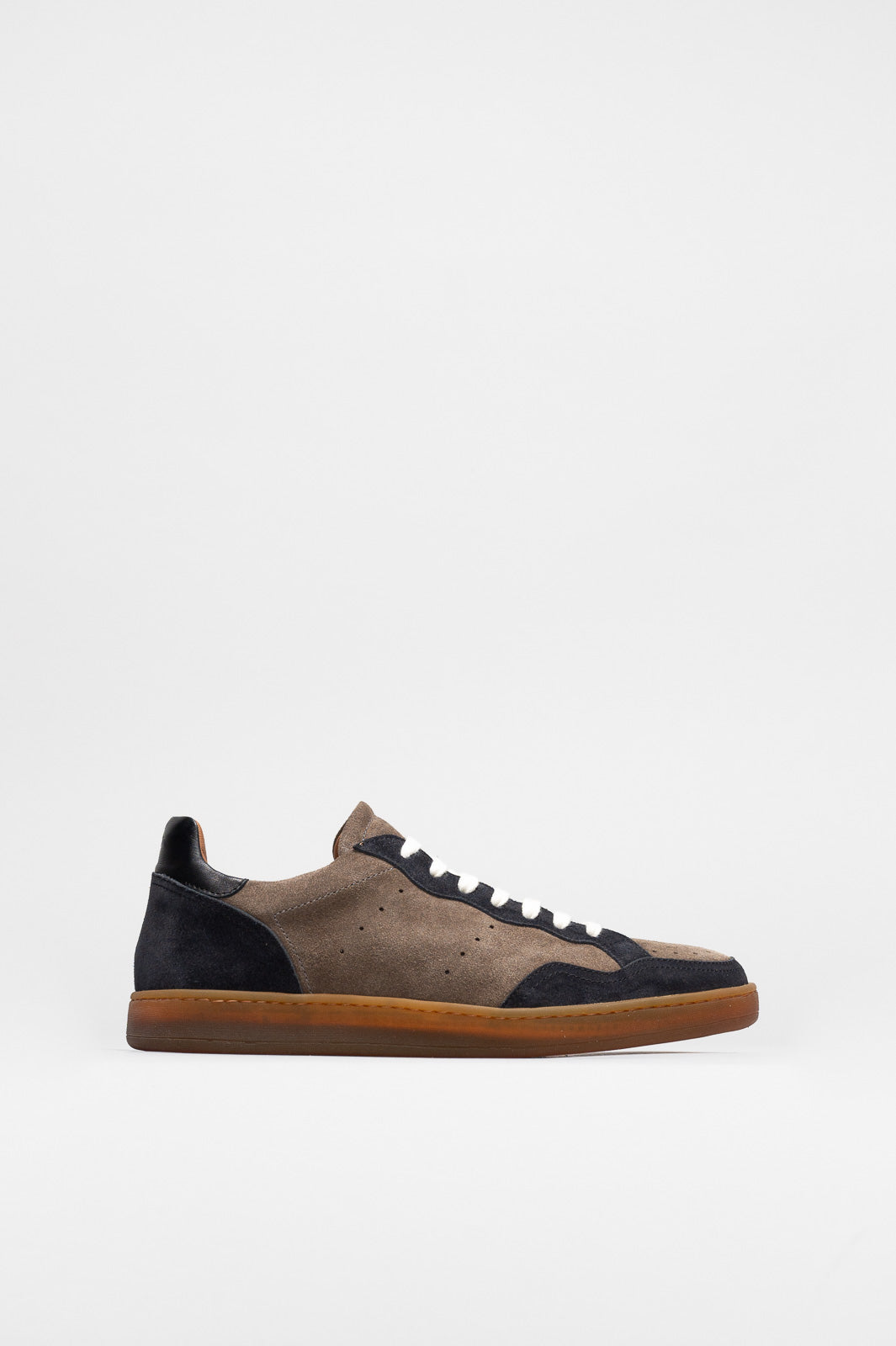
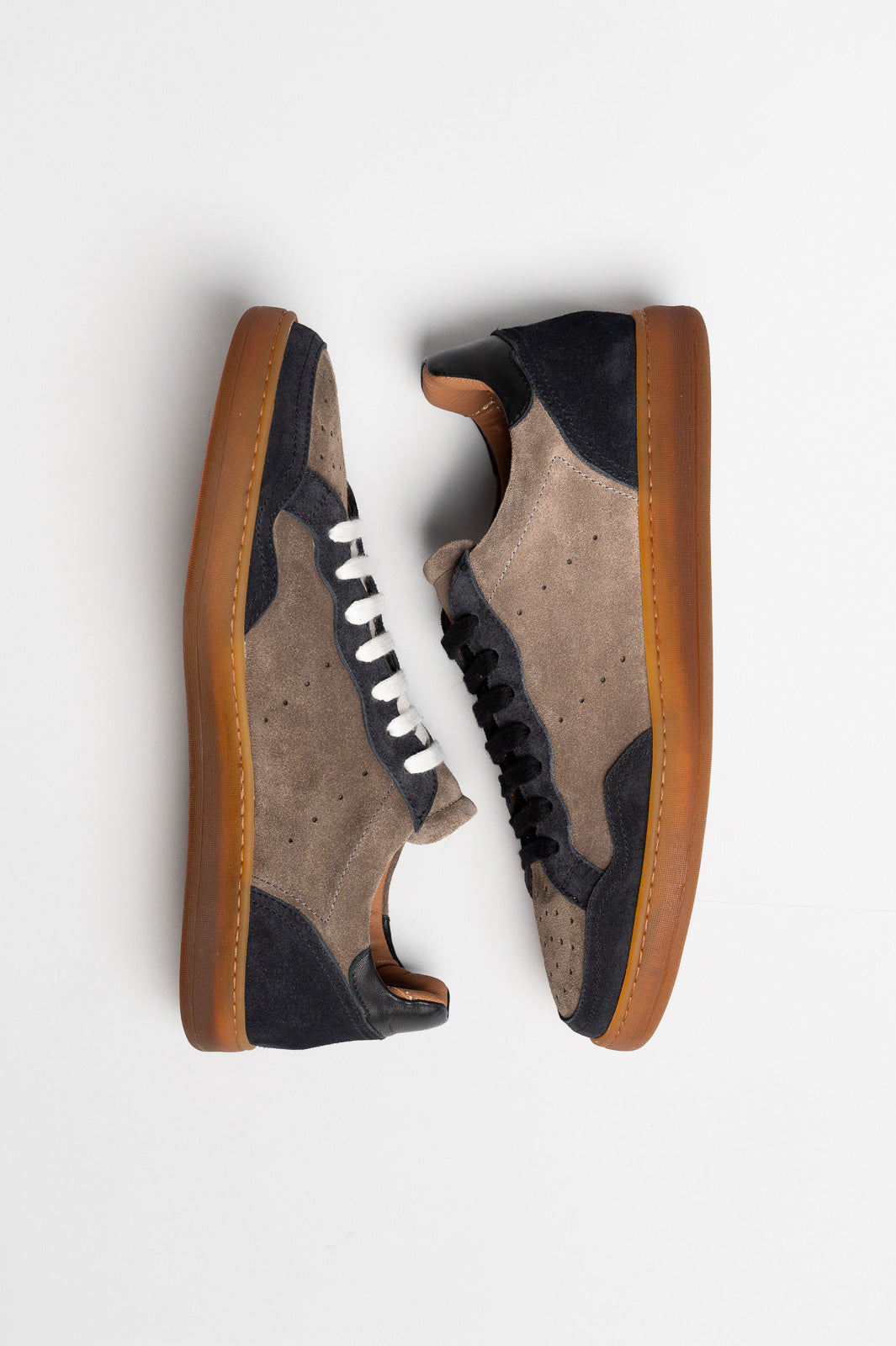
With denim, chinos or tailoring for a relaxed but structured look. Paired with skirts or dresses they create contrast. White leather remains the most adaptable; darker tones and suede add weight and depth.
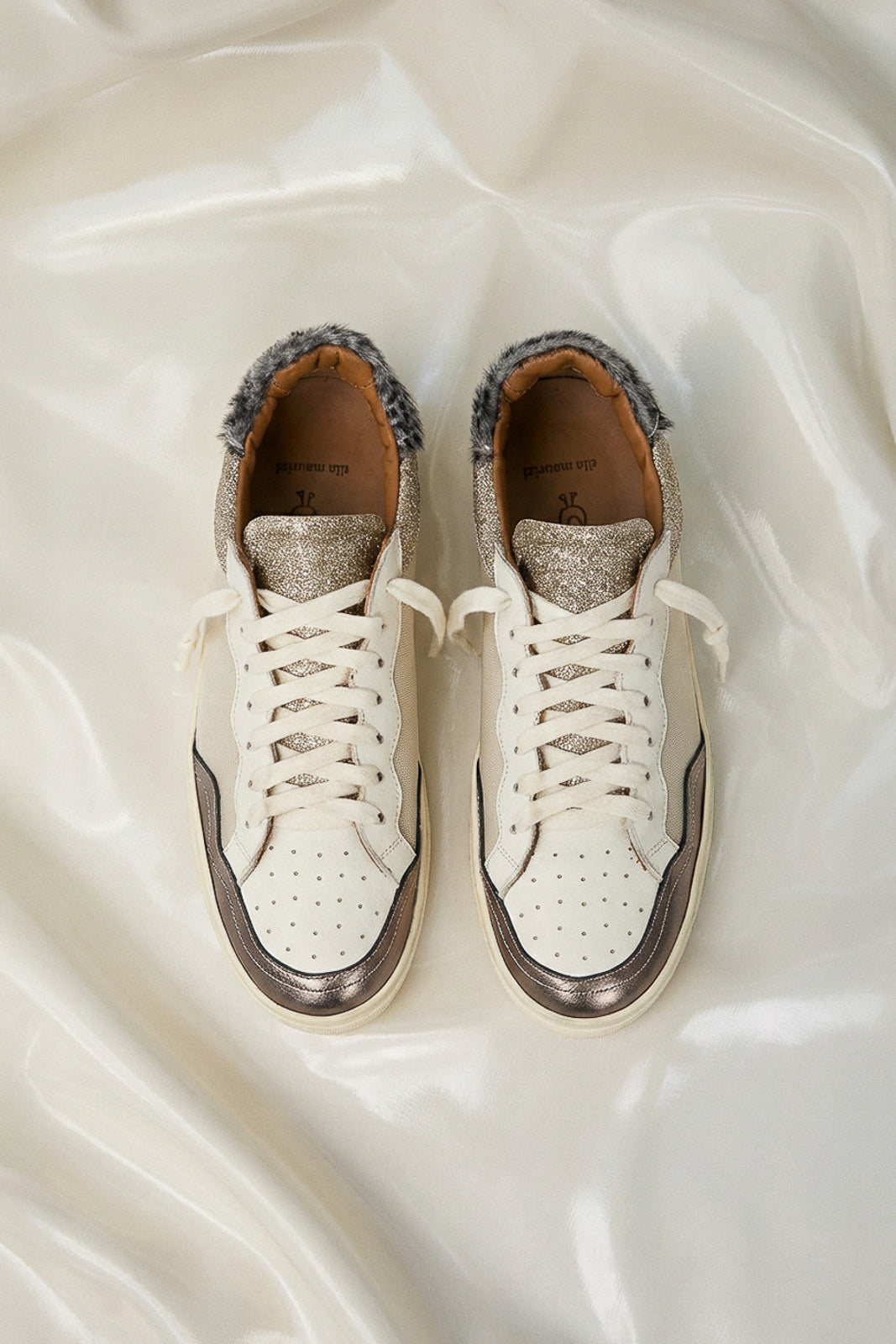
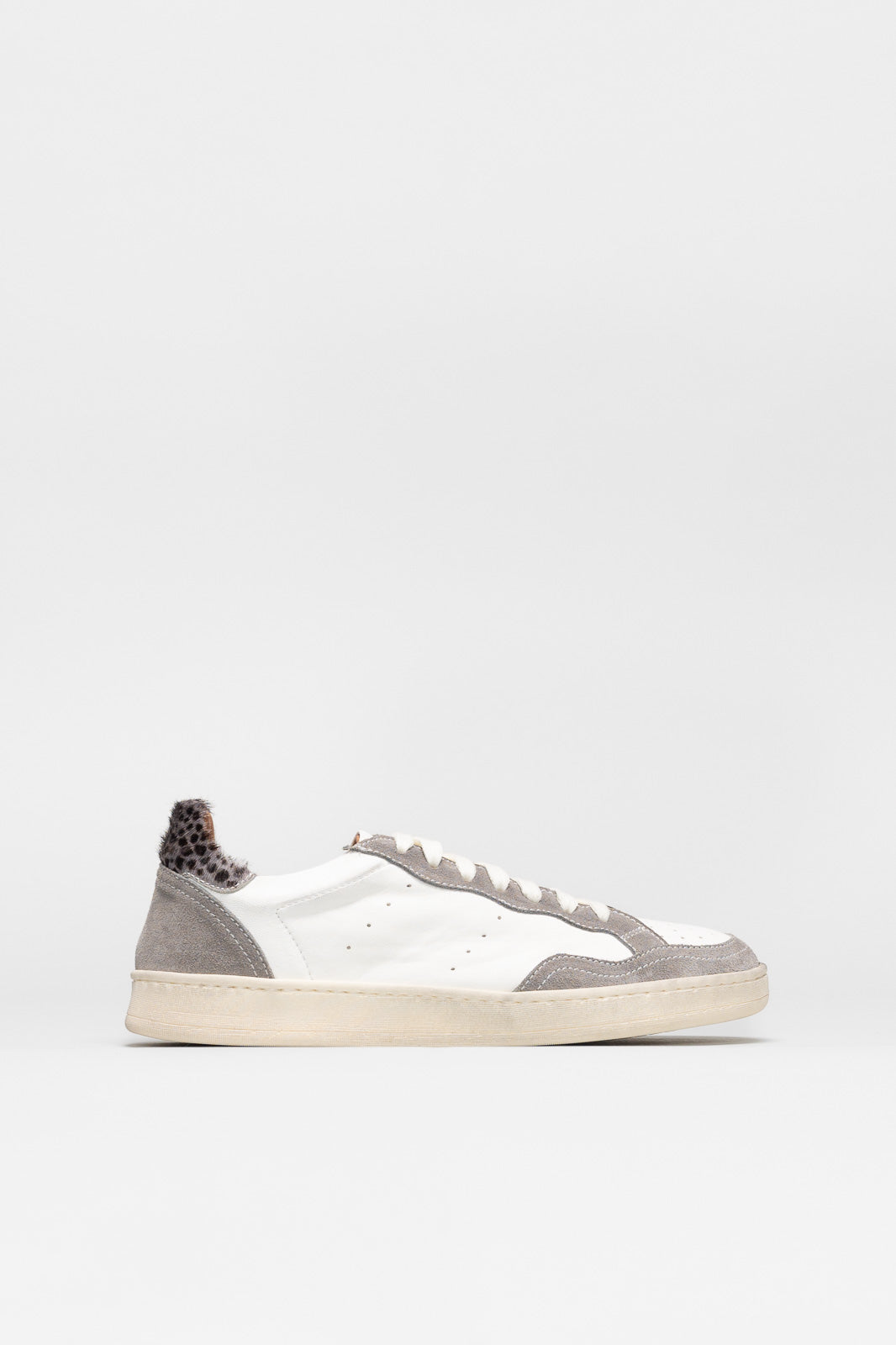
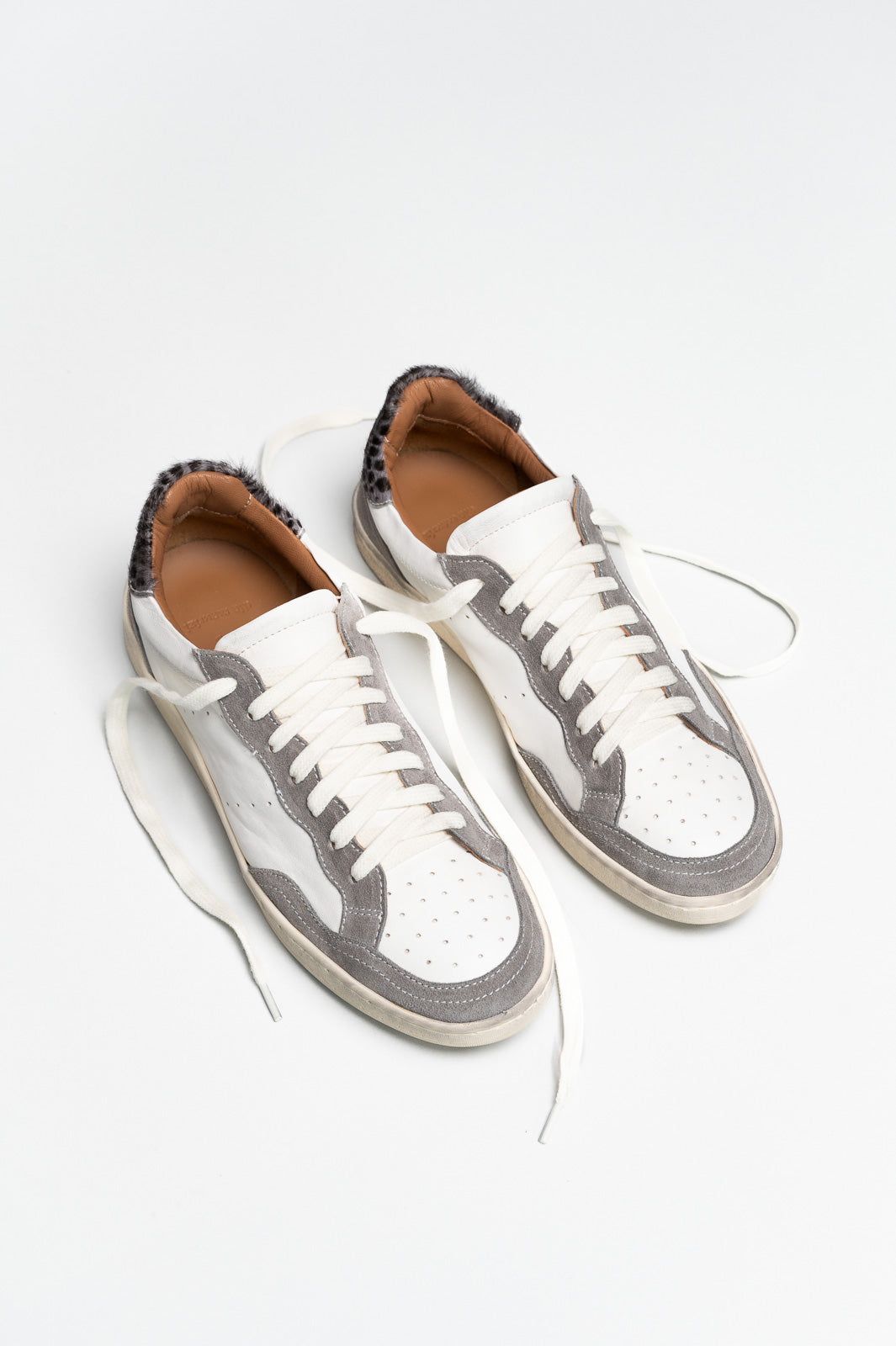
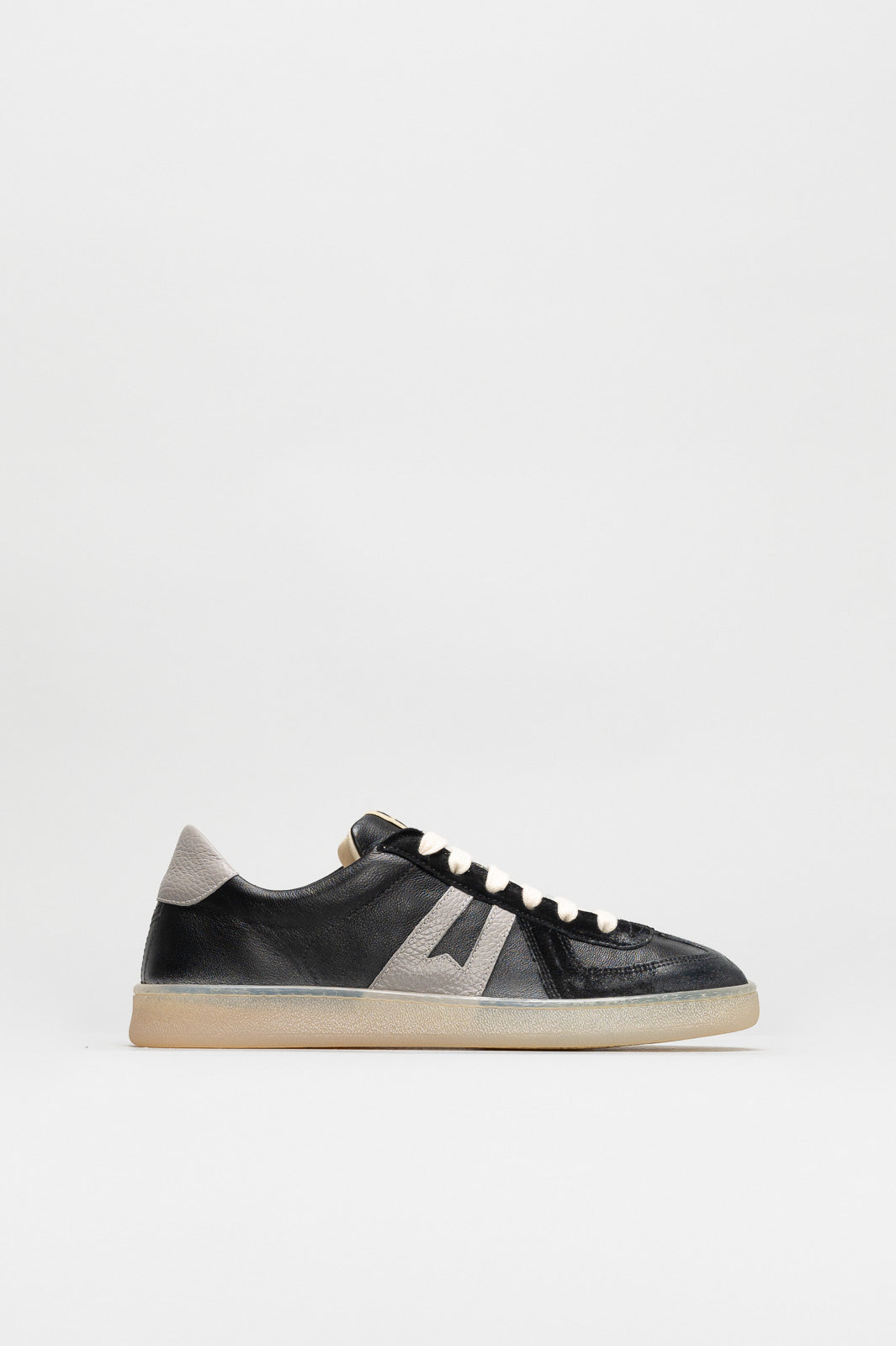
Our range of sneakers
Crafted in Italy in leather and suede with stitched soles and durable construction. Selected for clean shape, balanced proportion and consistent wear.


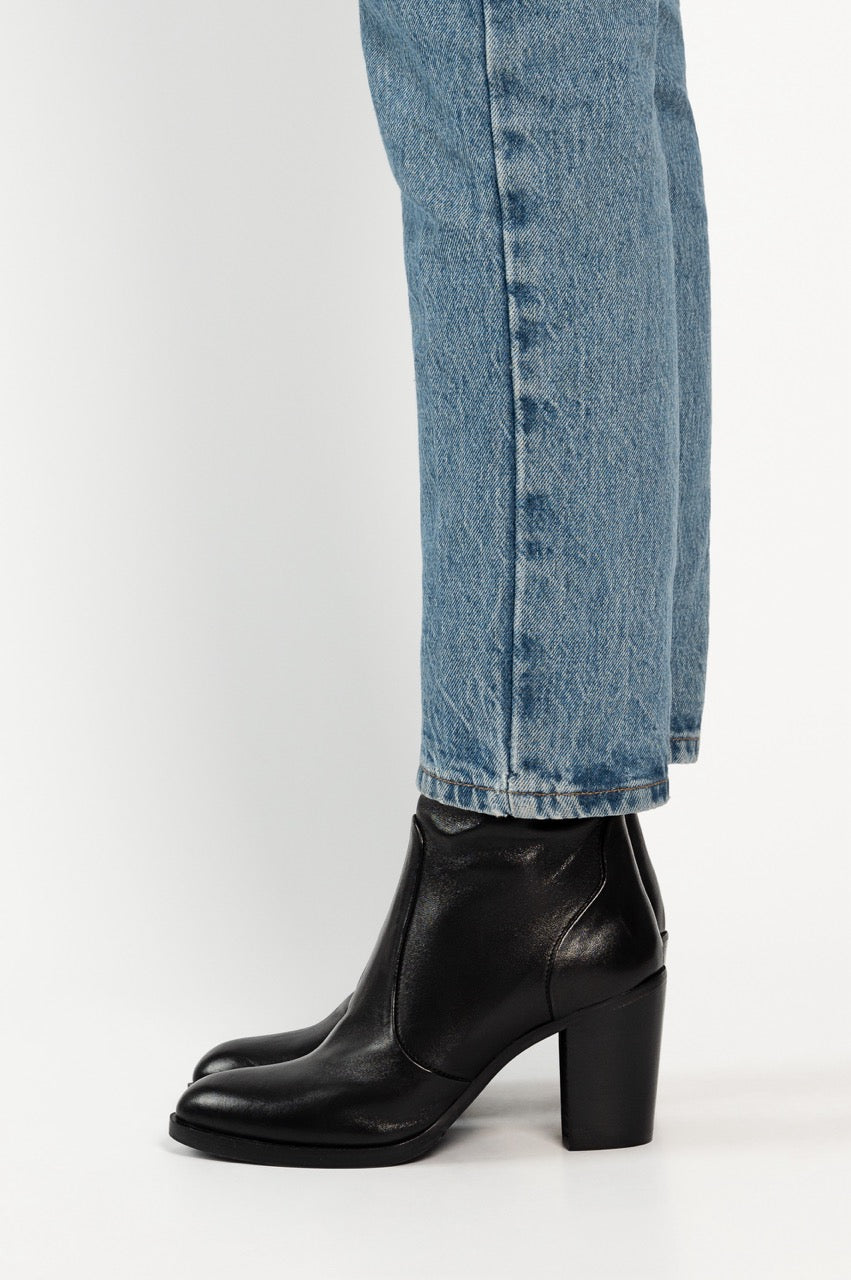
Ankle Boots
A wardrobe essential
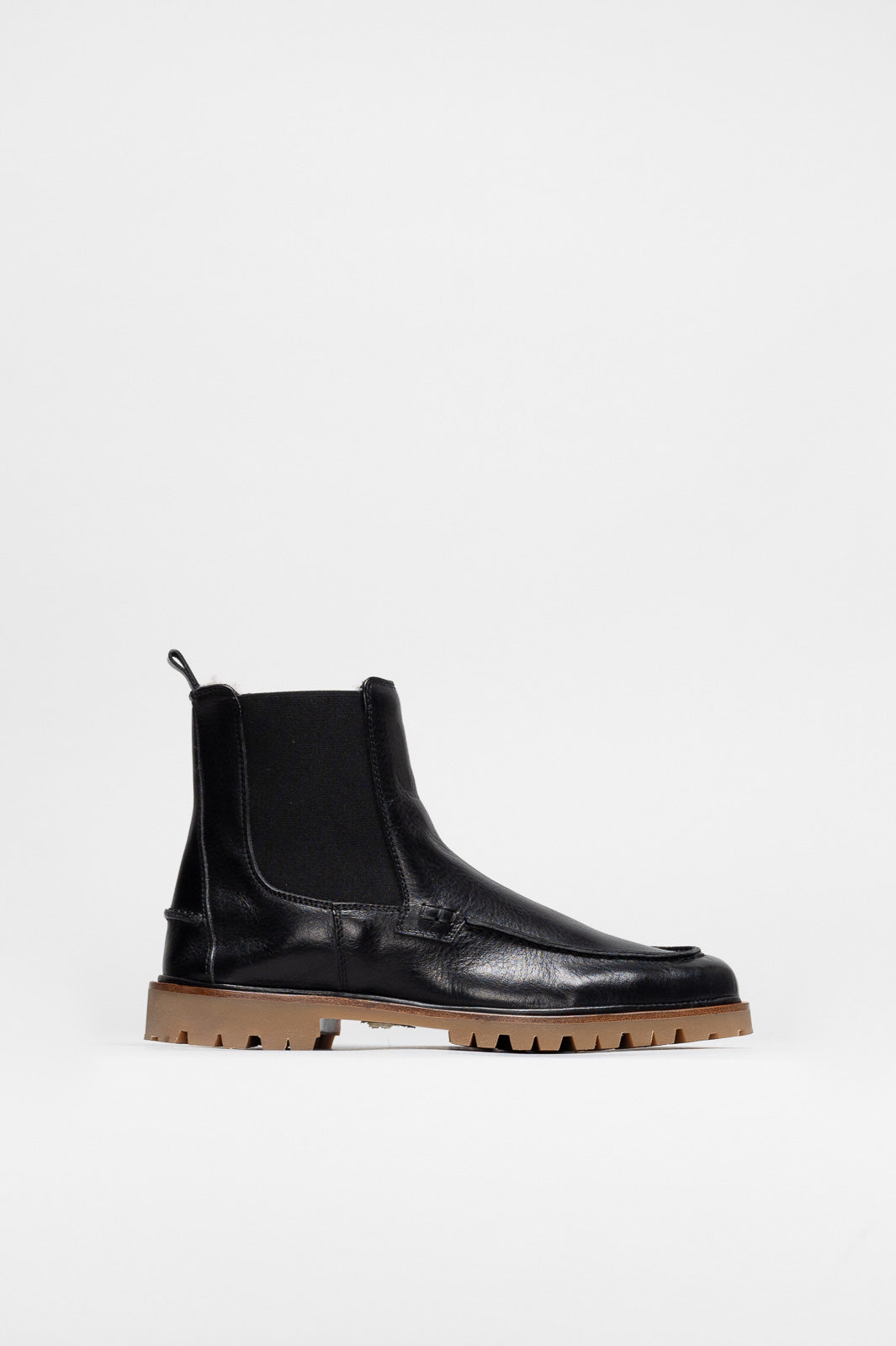
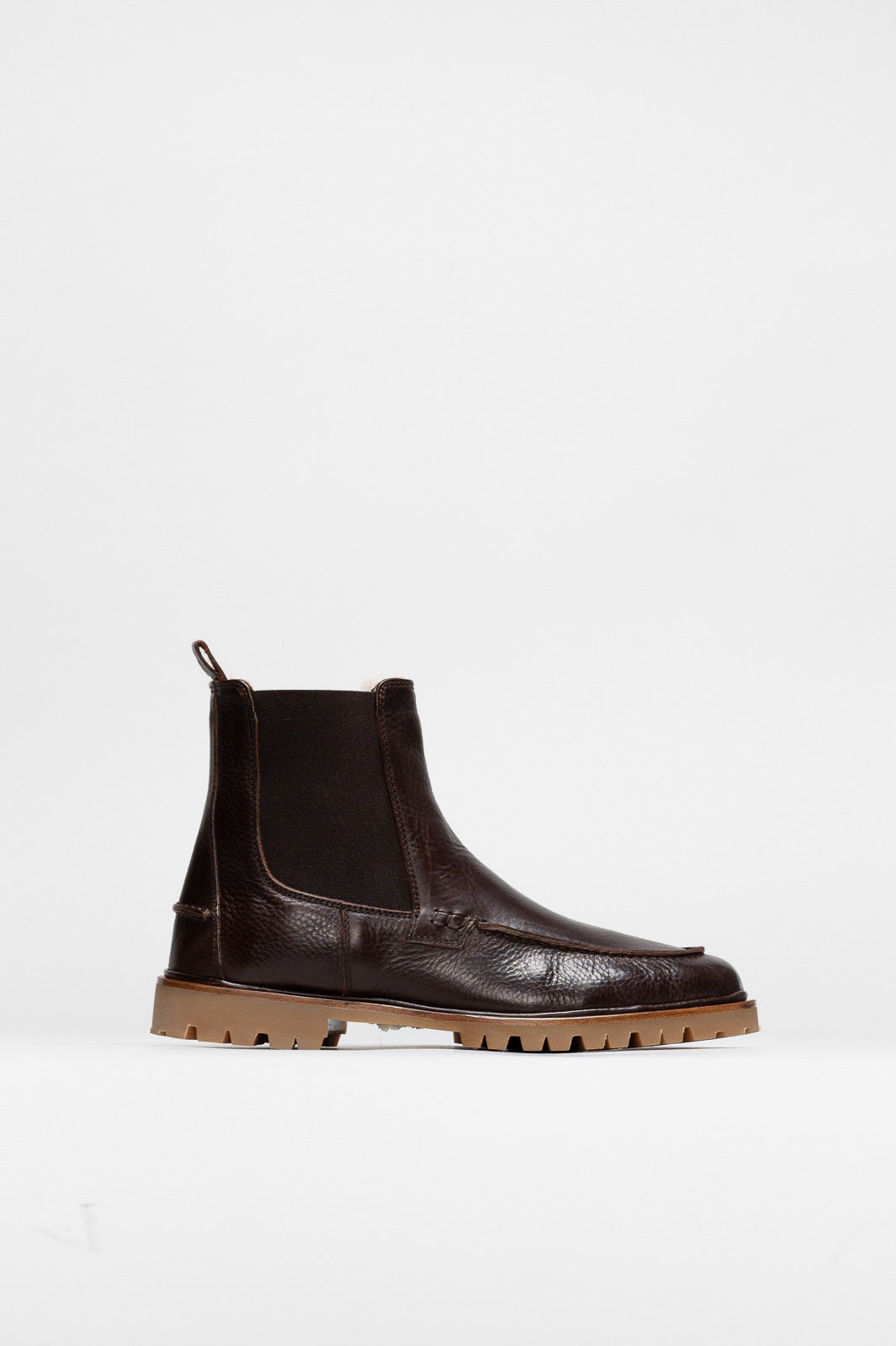
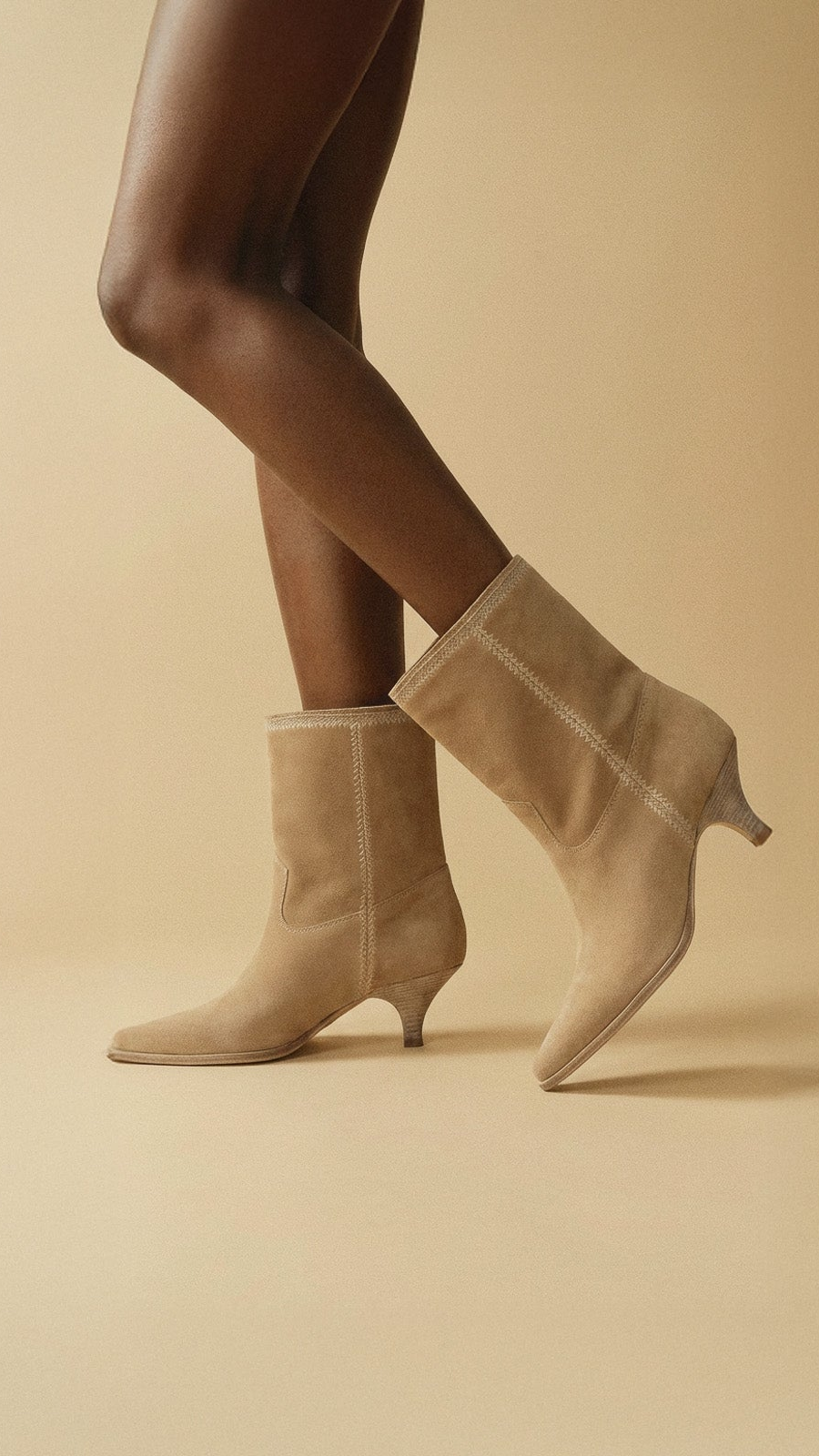
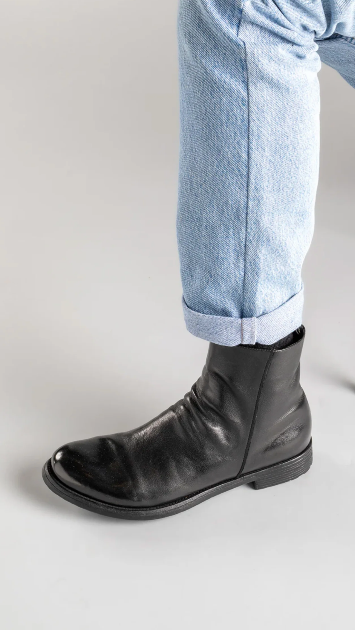
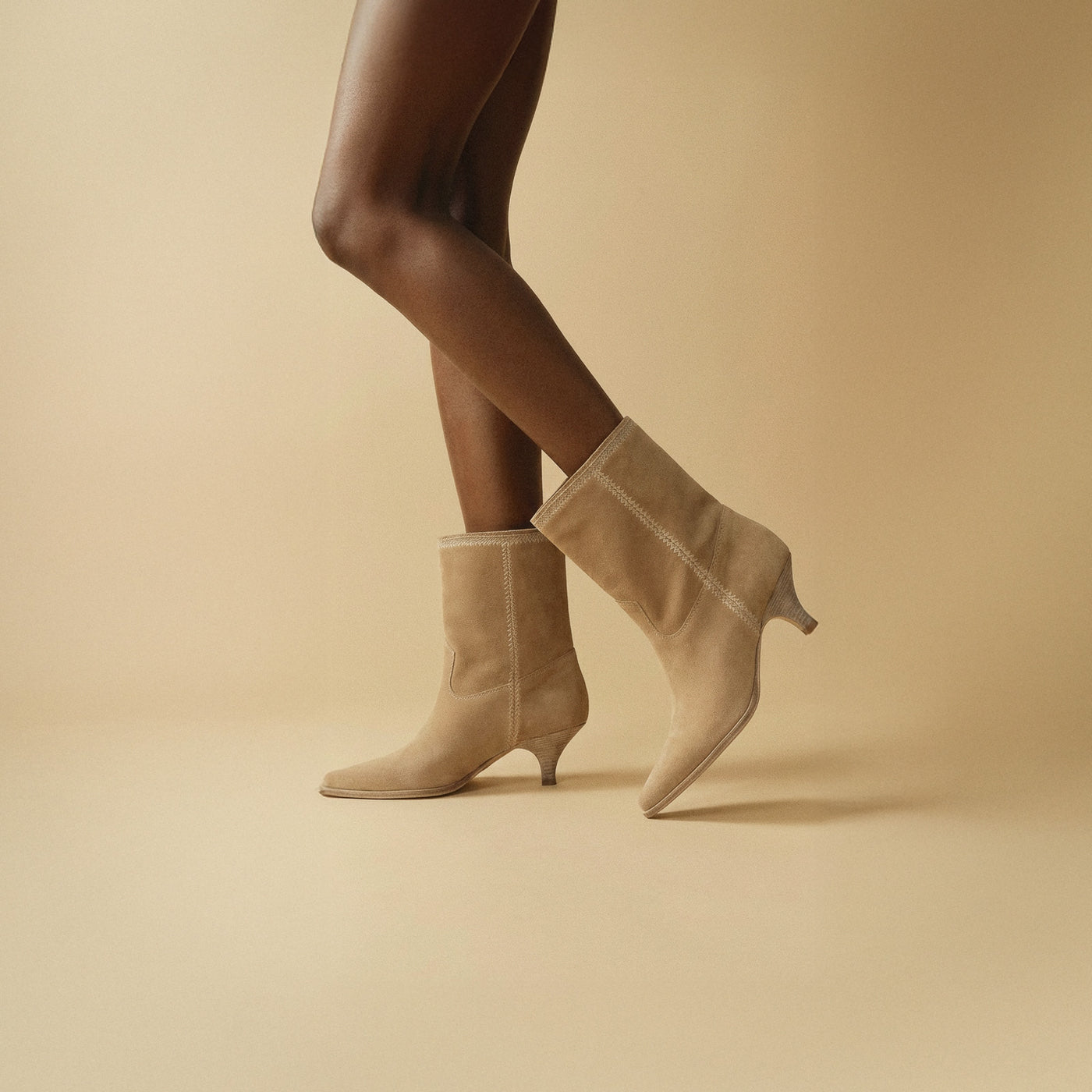
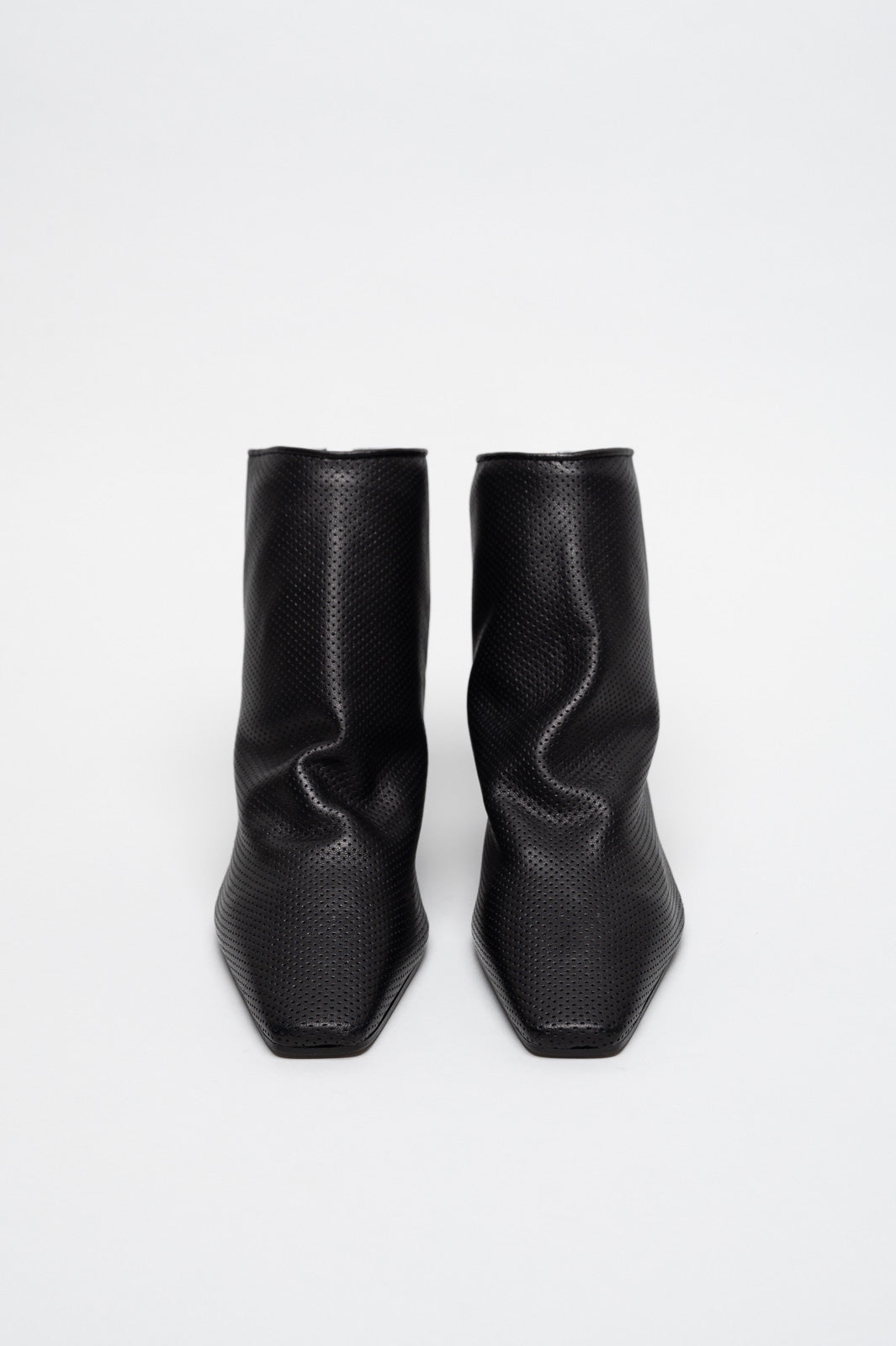
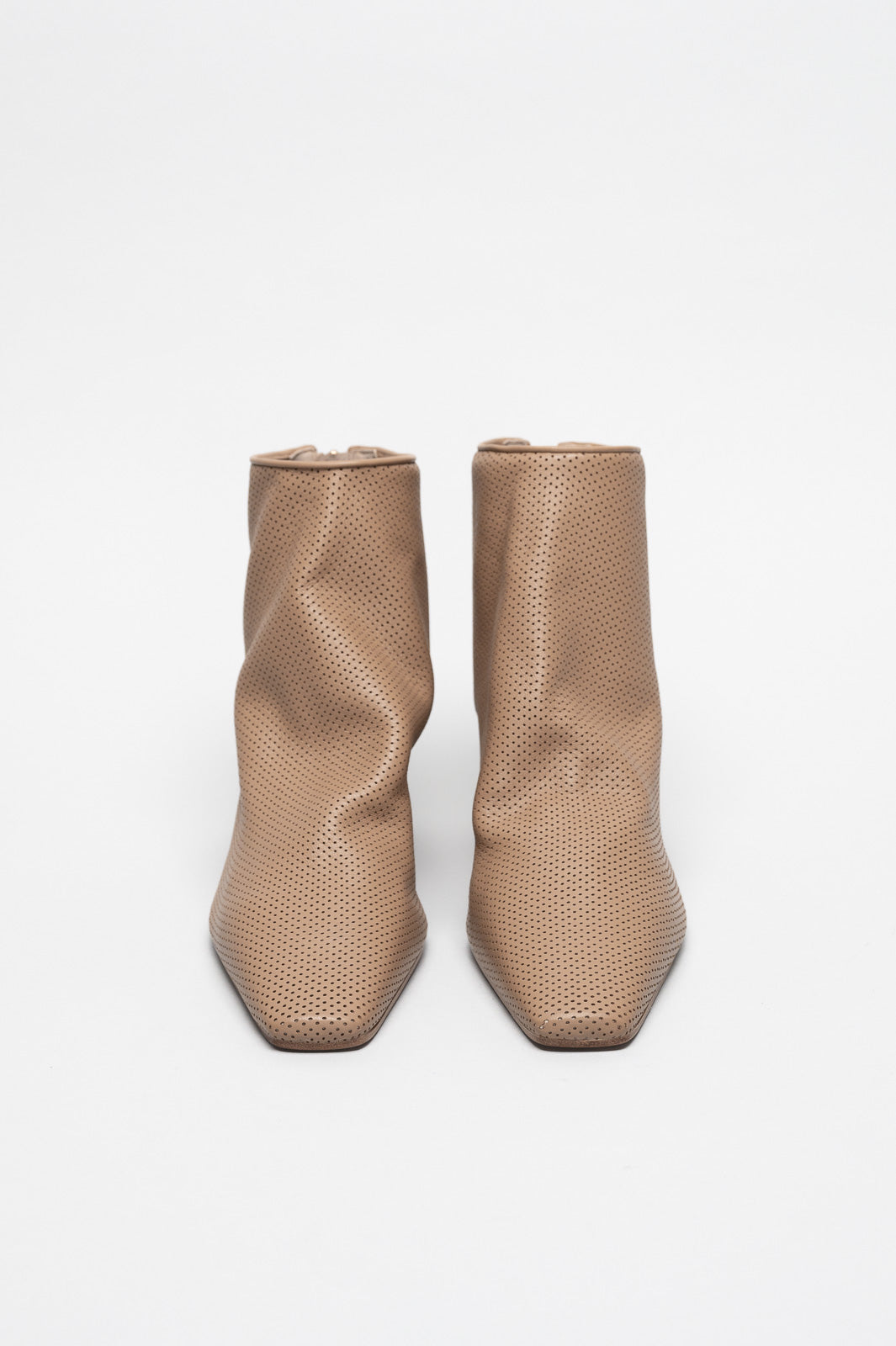
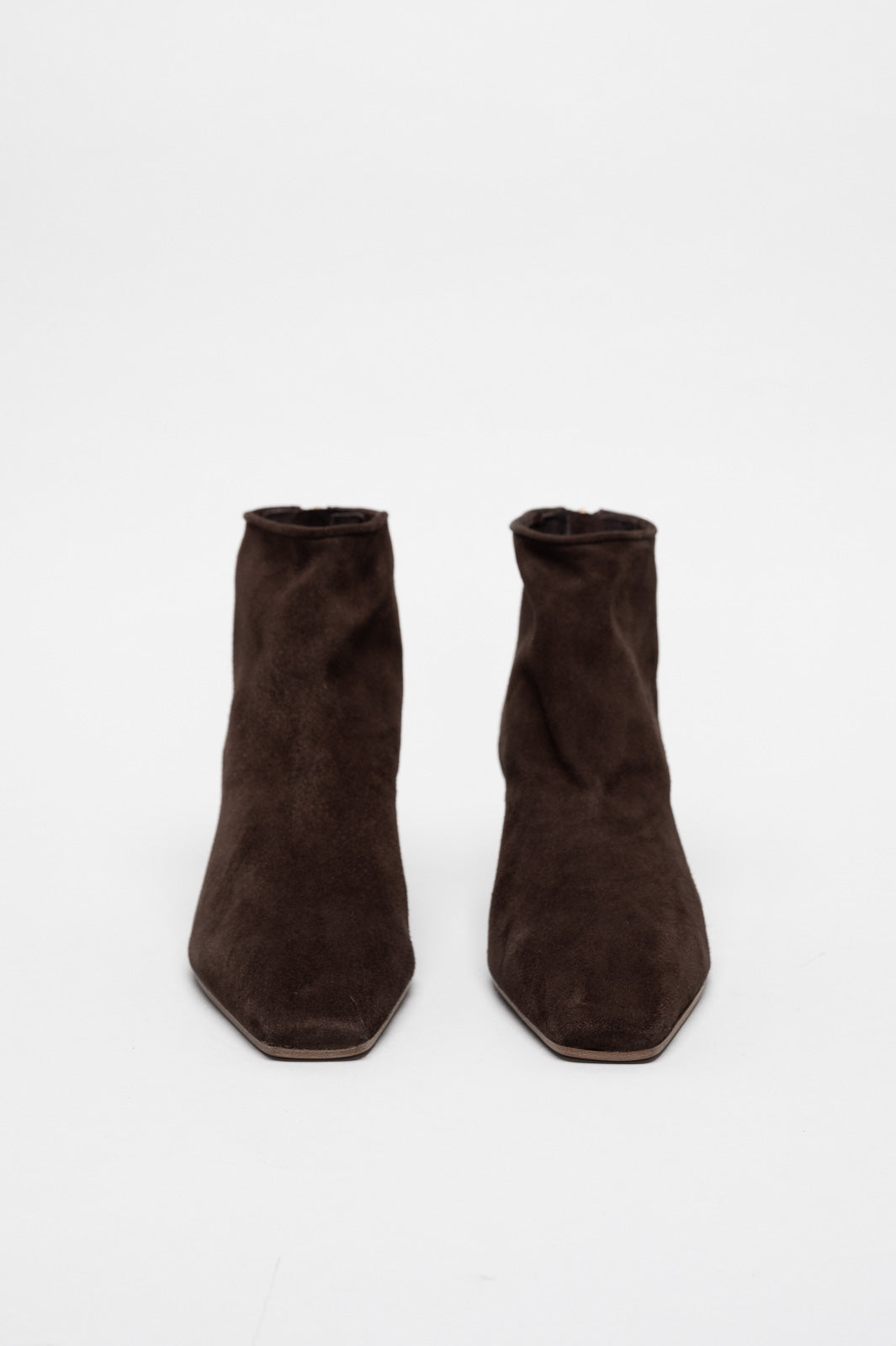
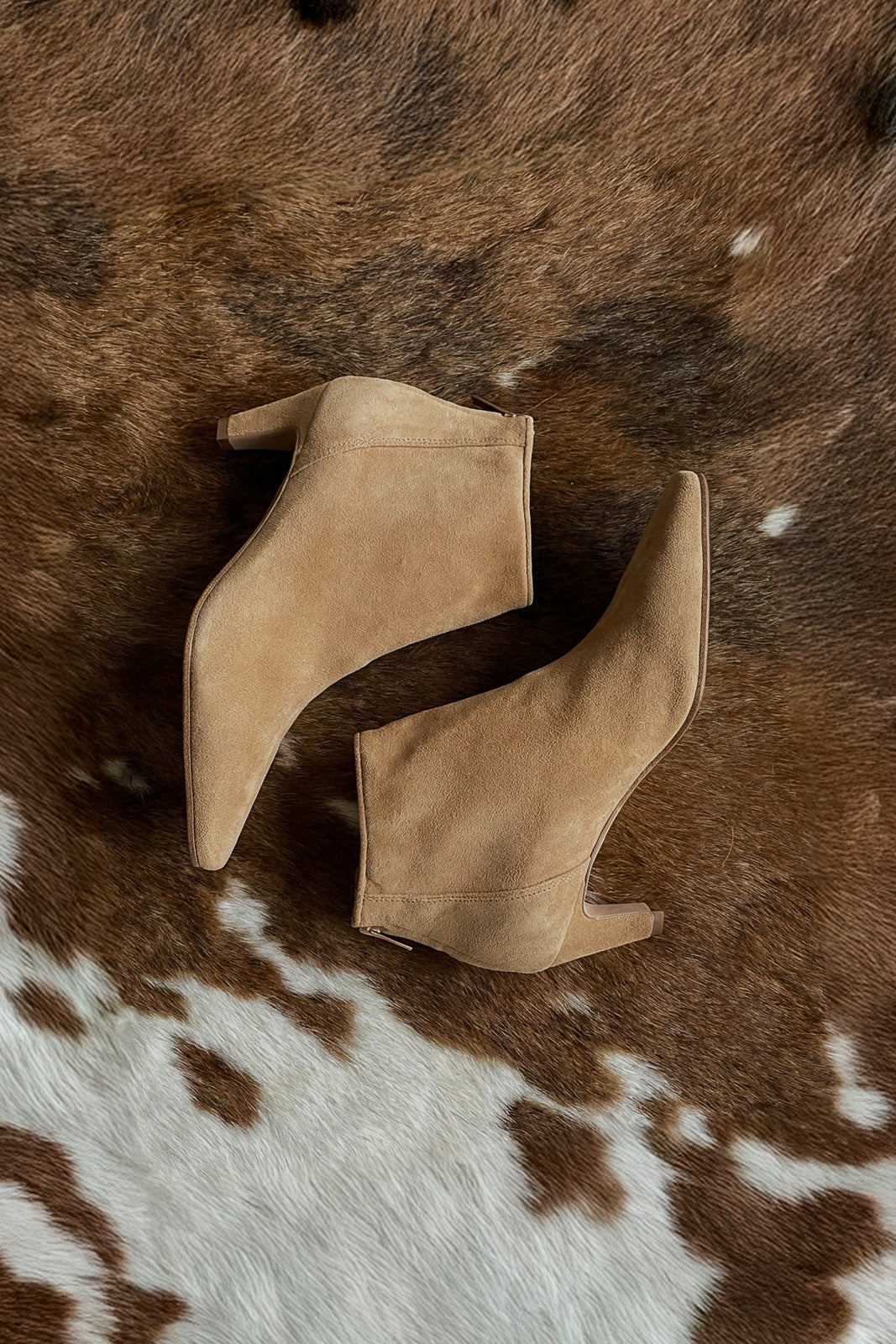
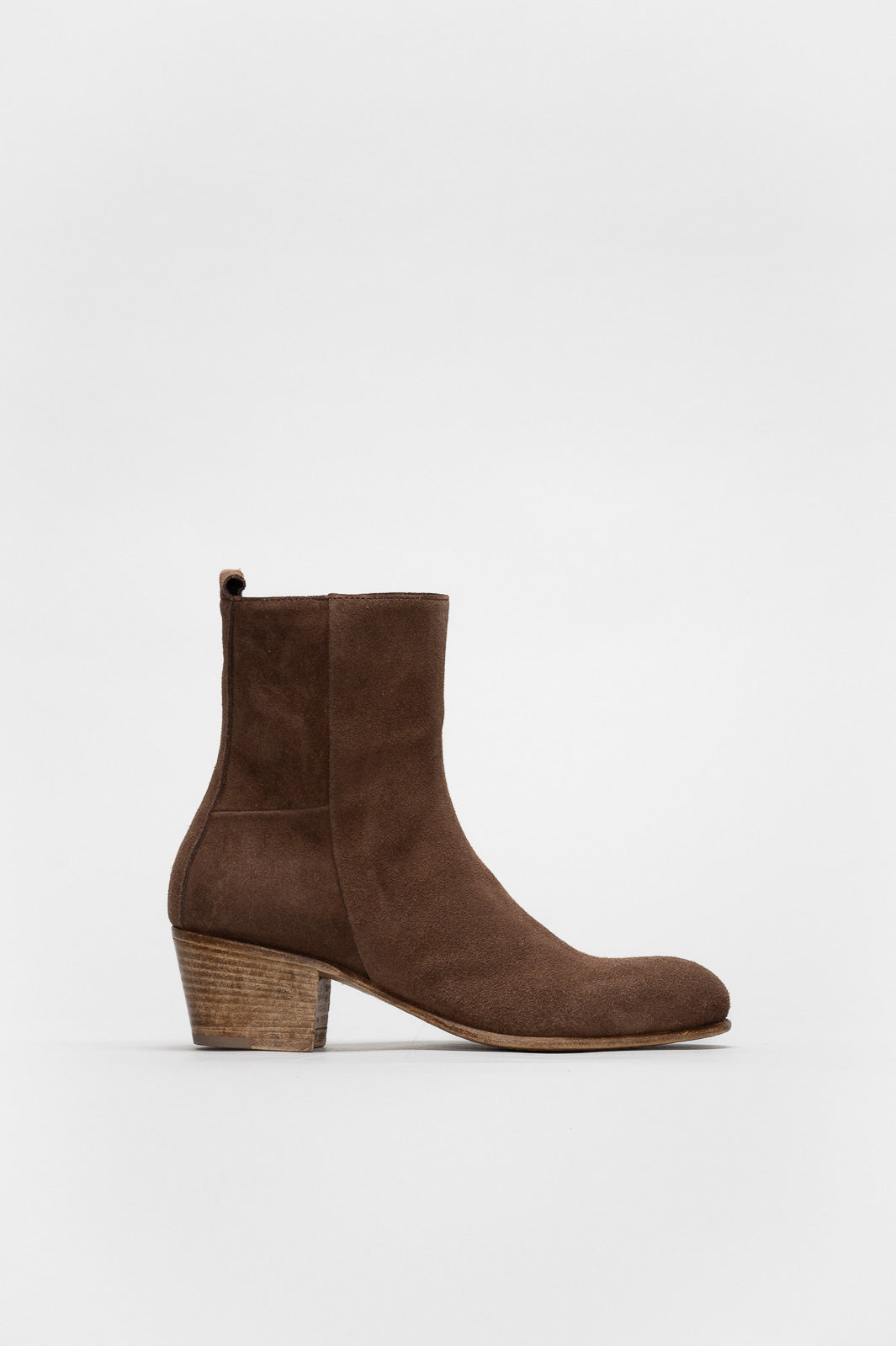
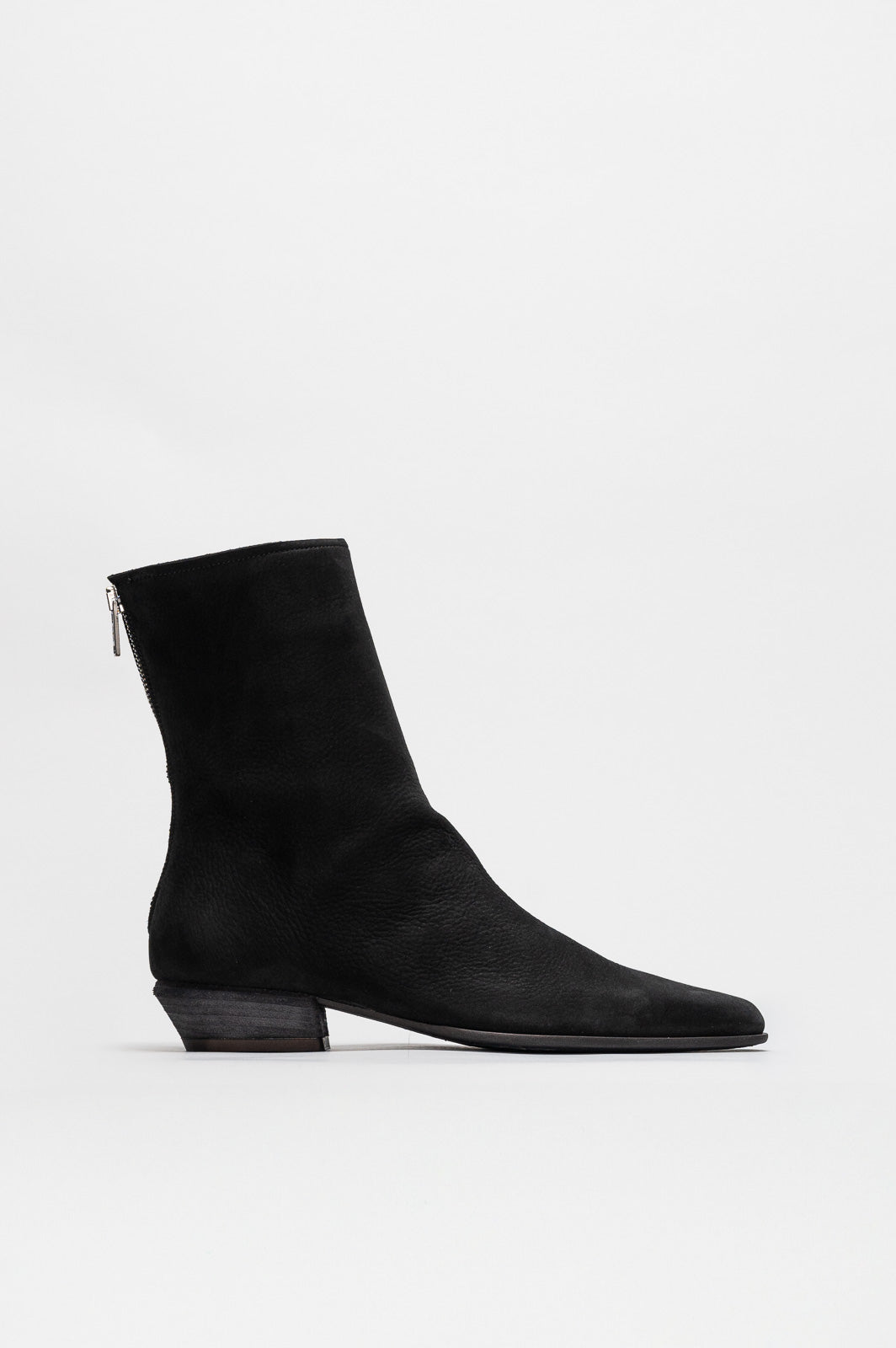
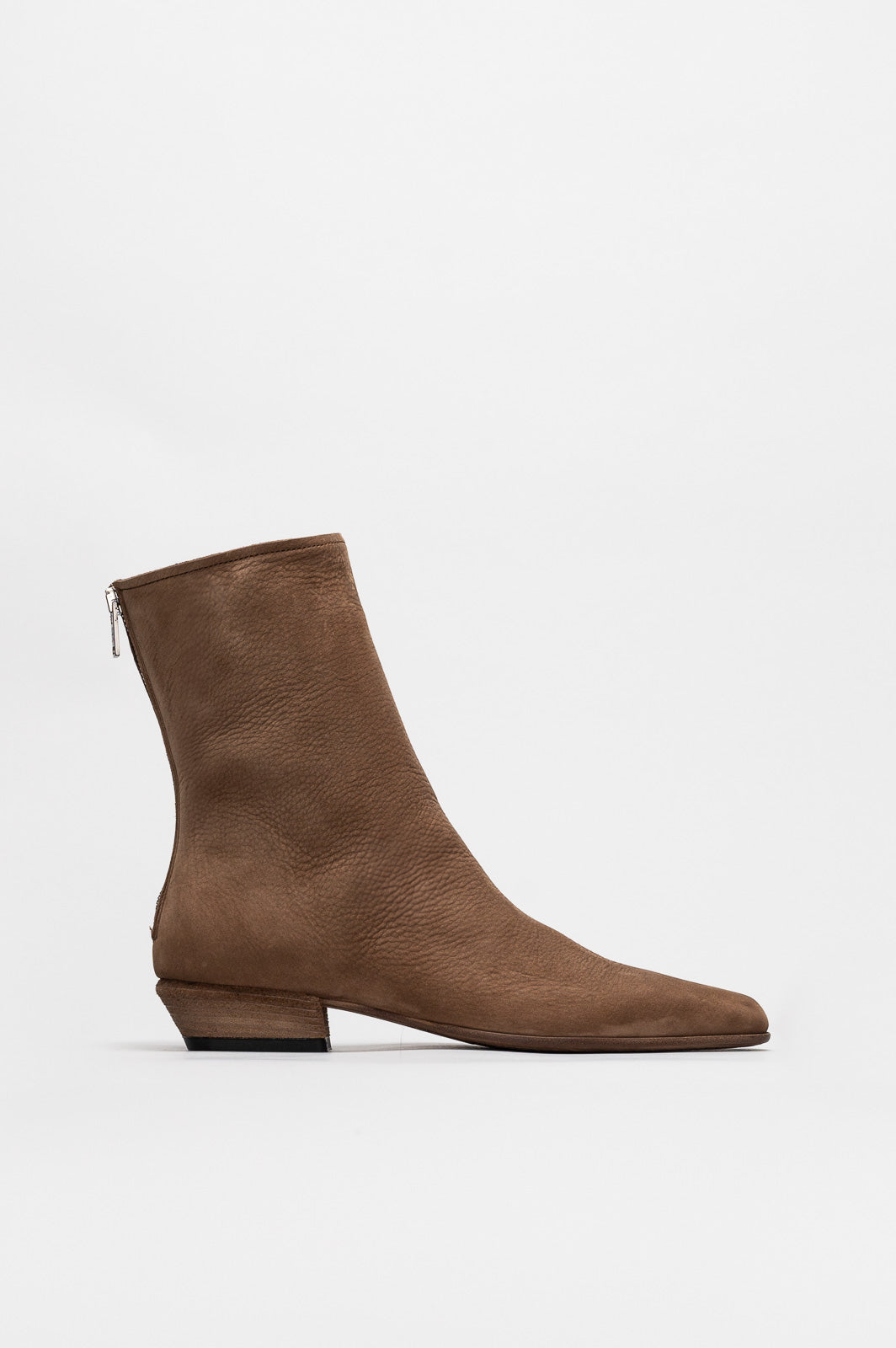
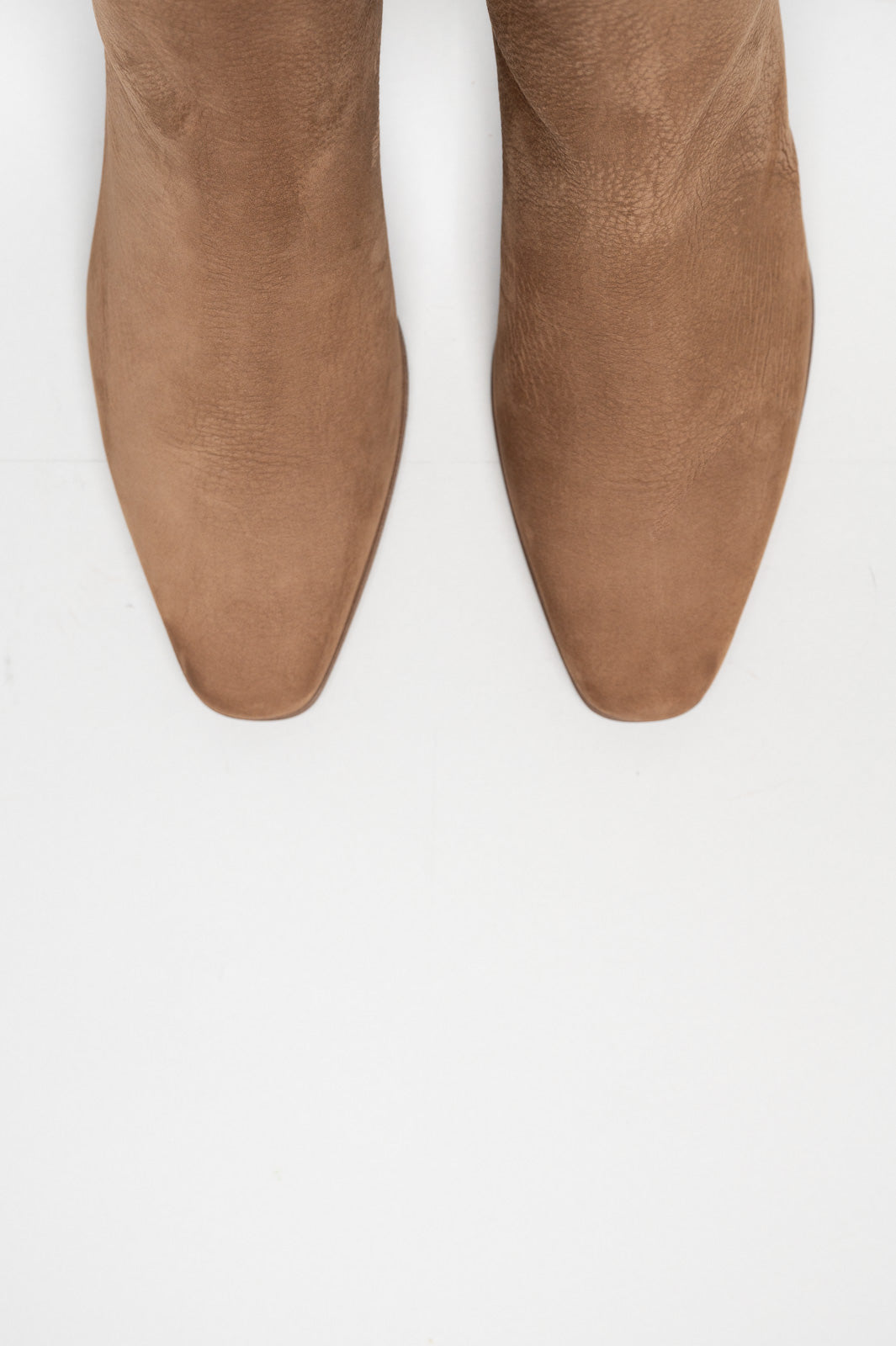
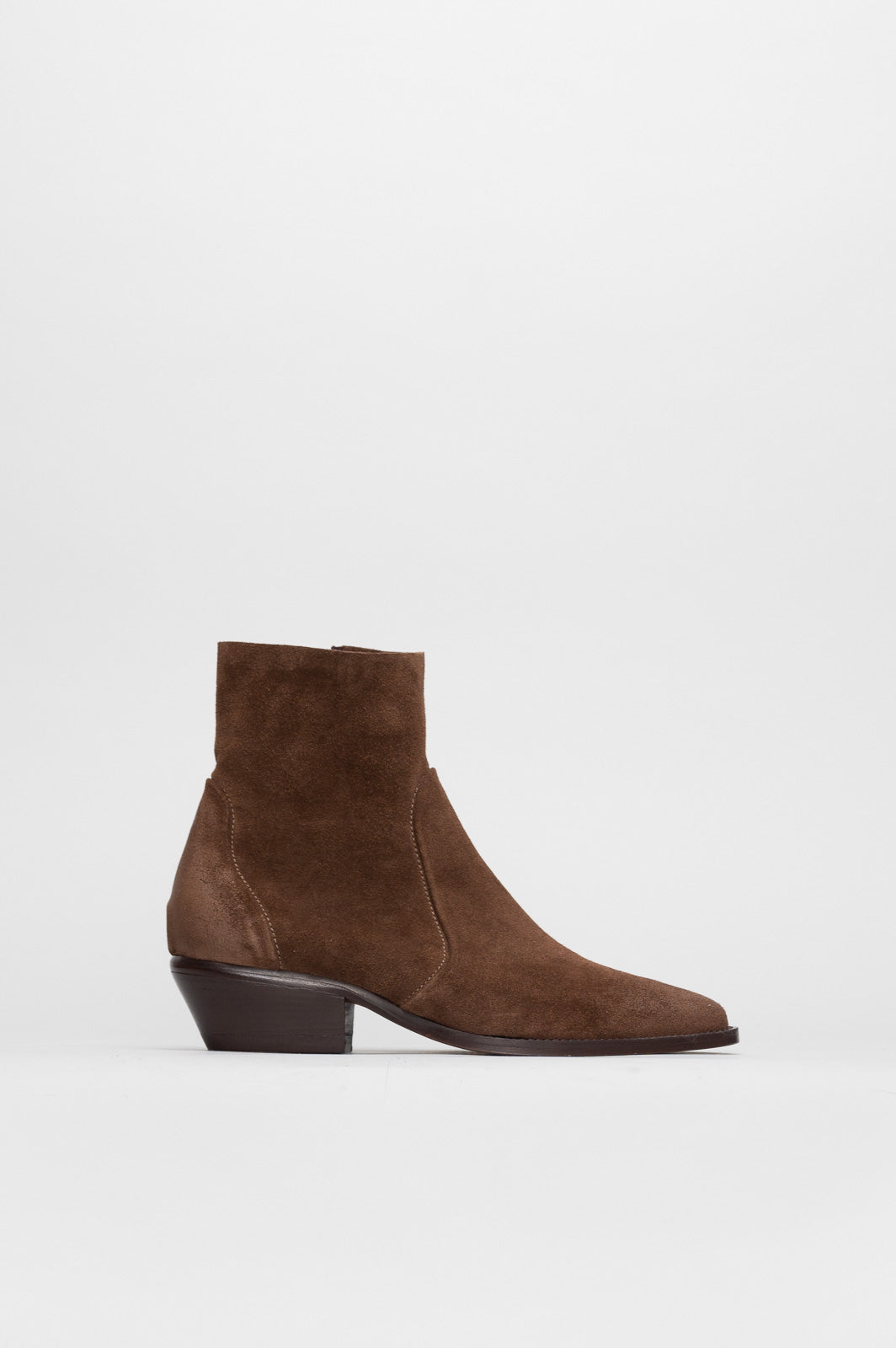
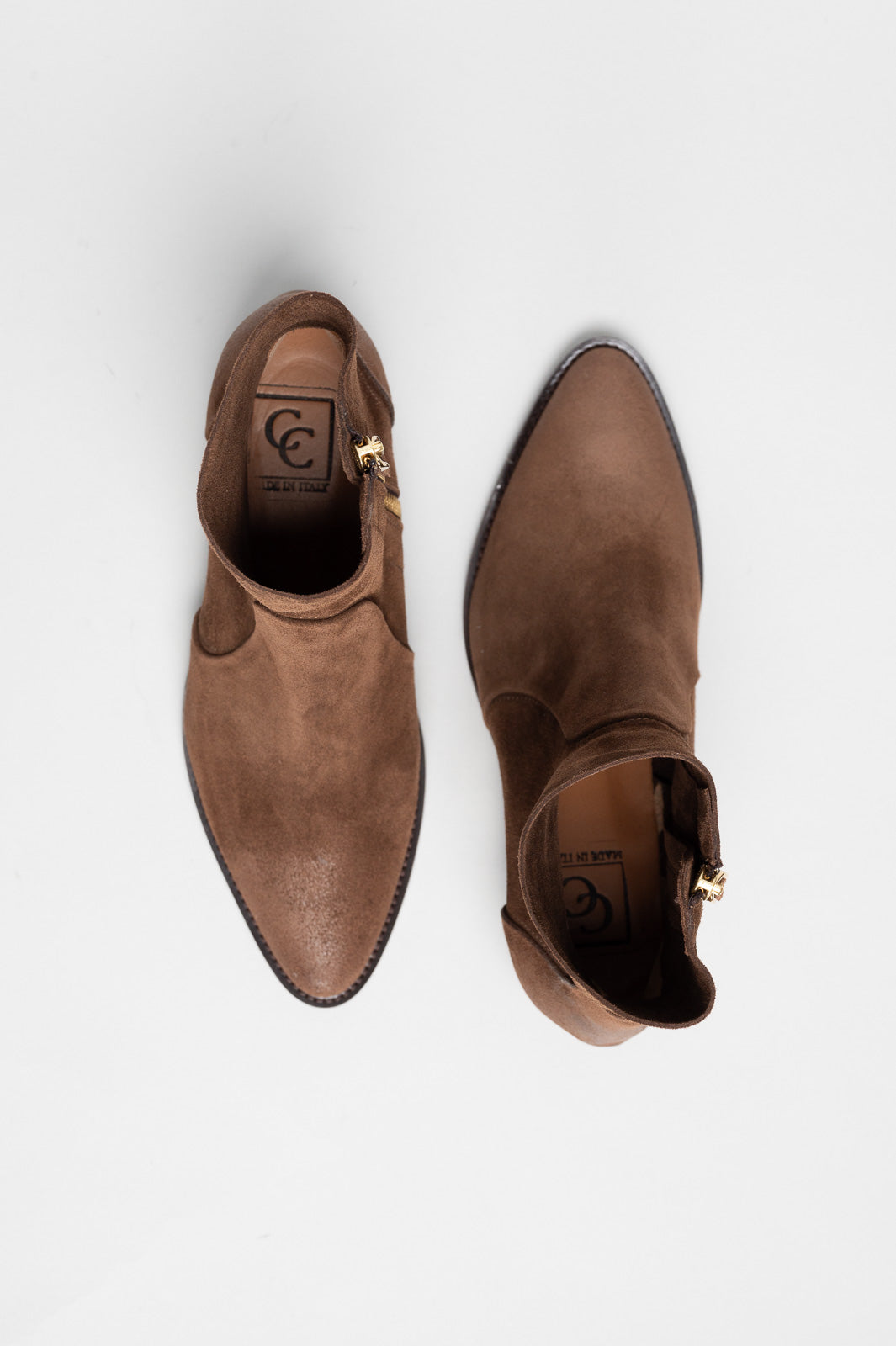
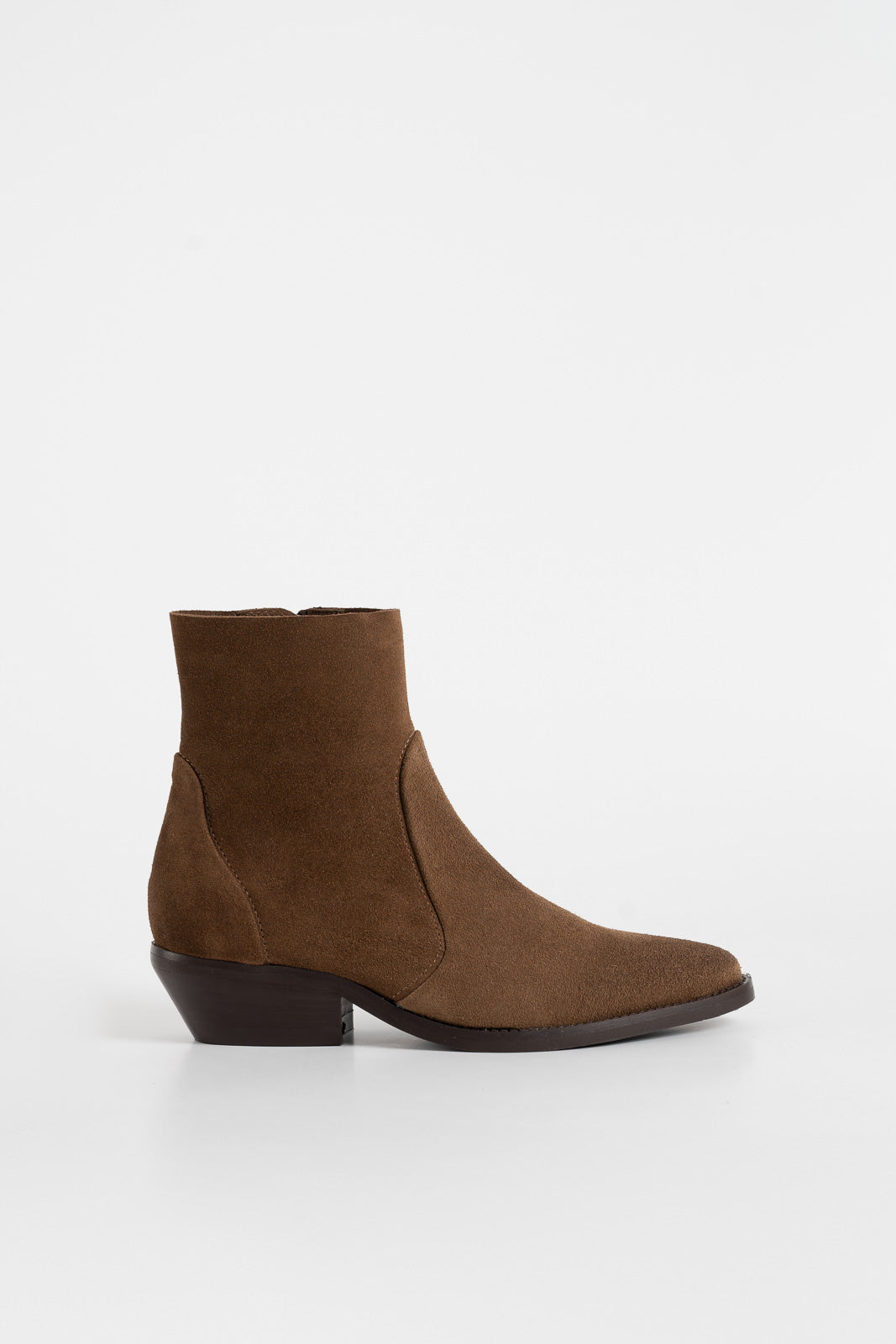
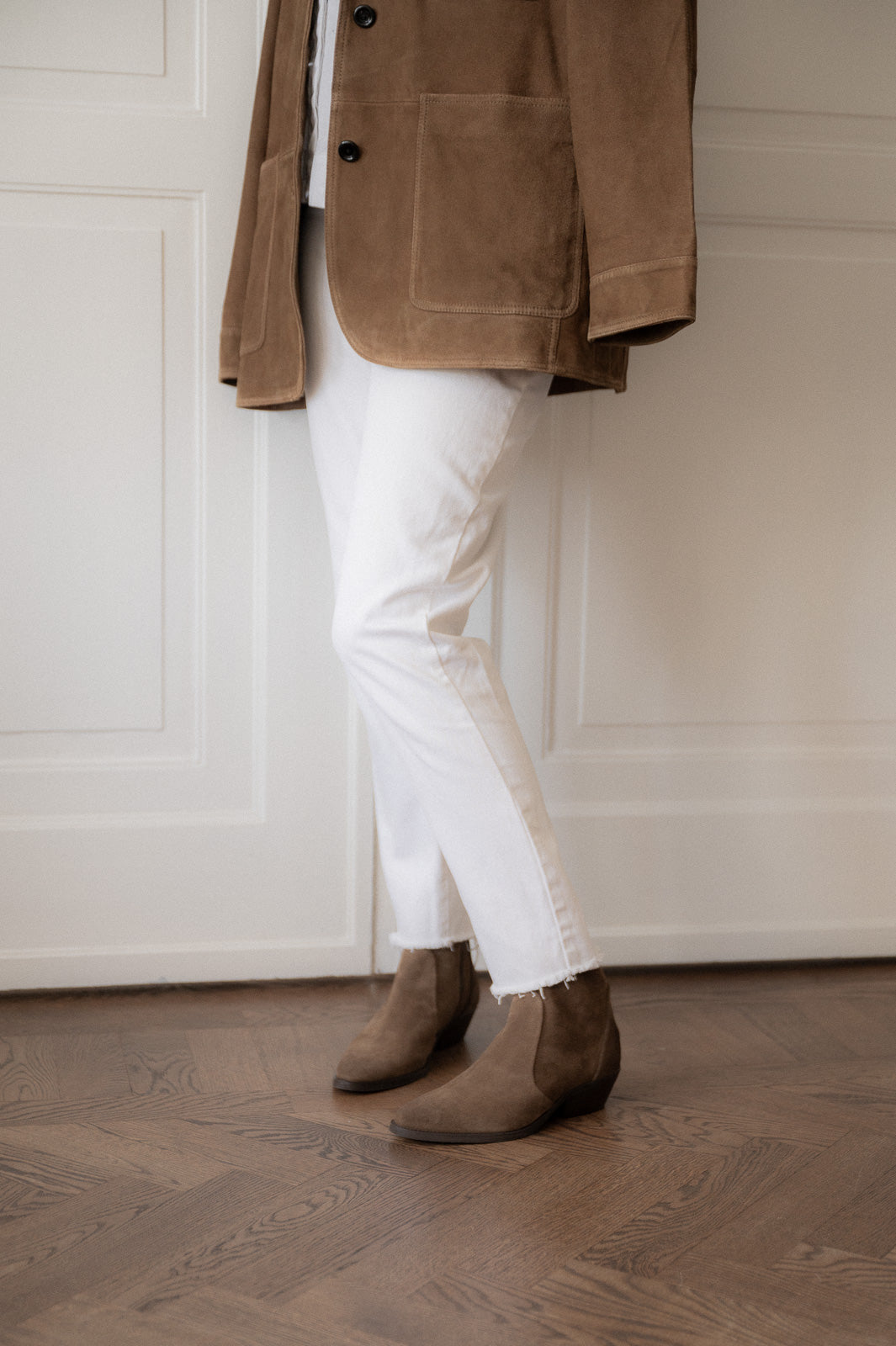
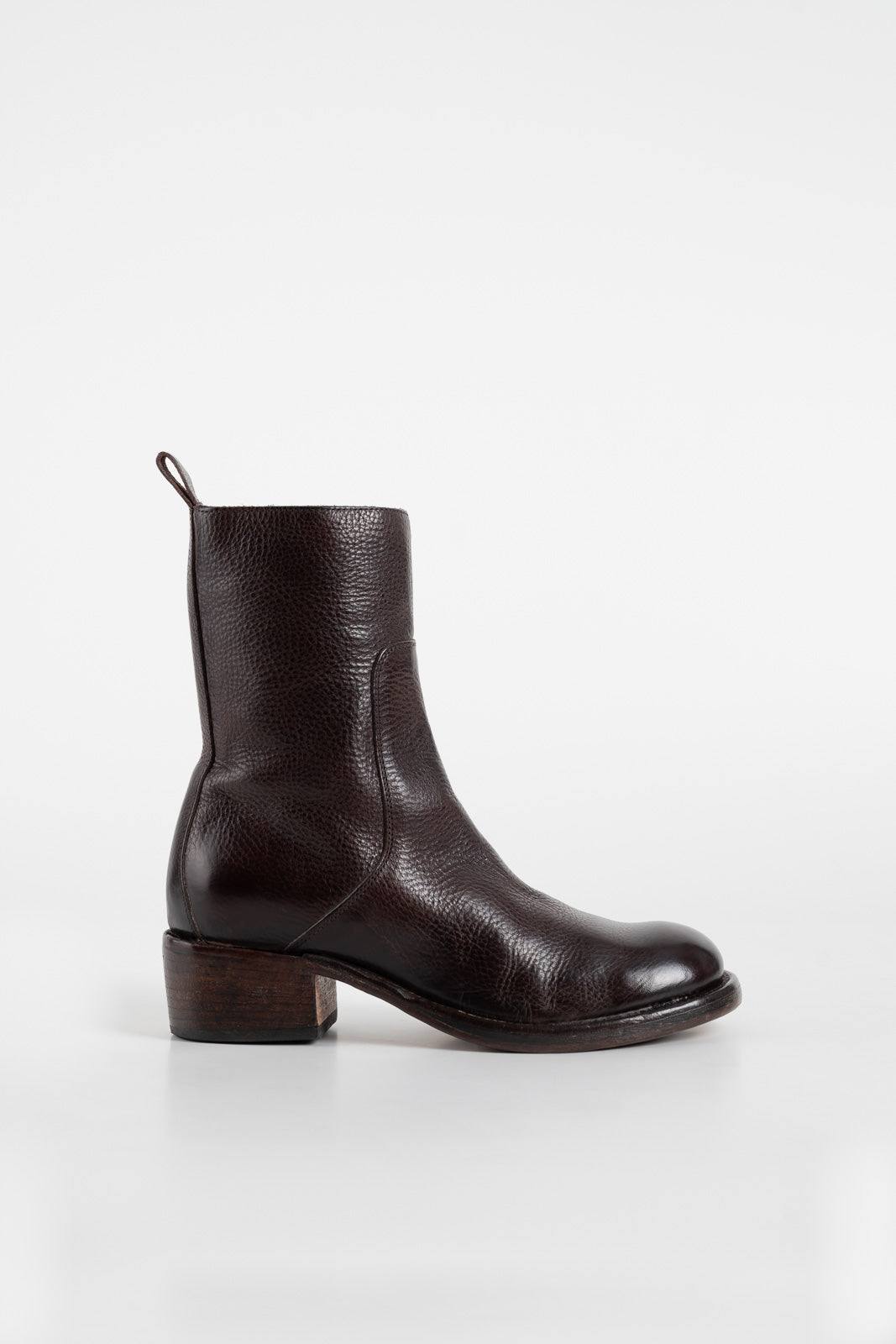
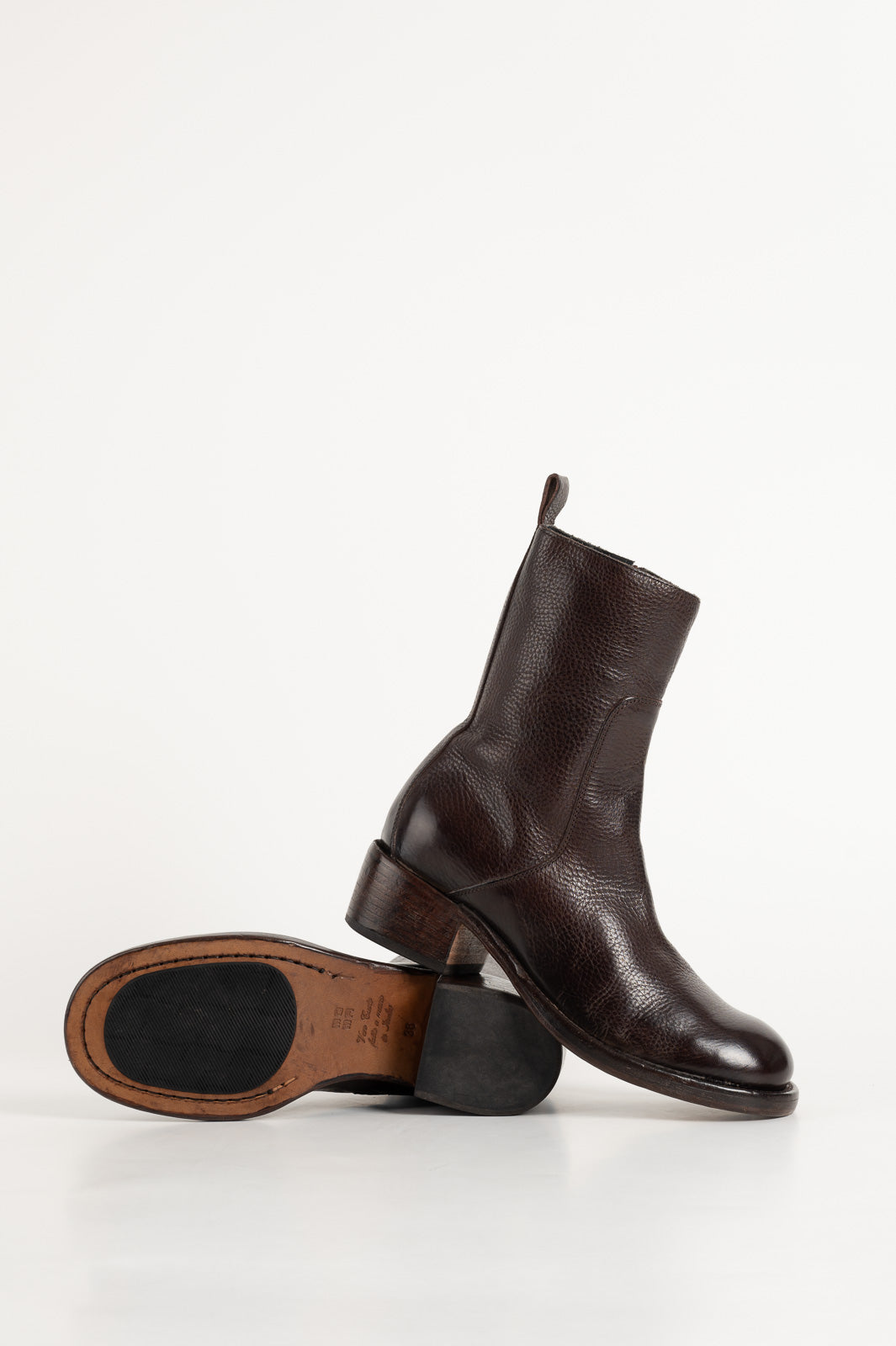
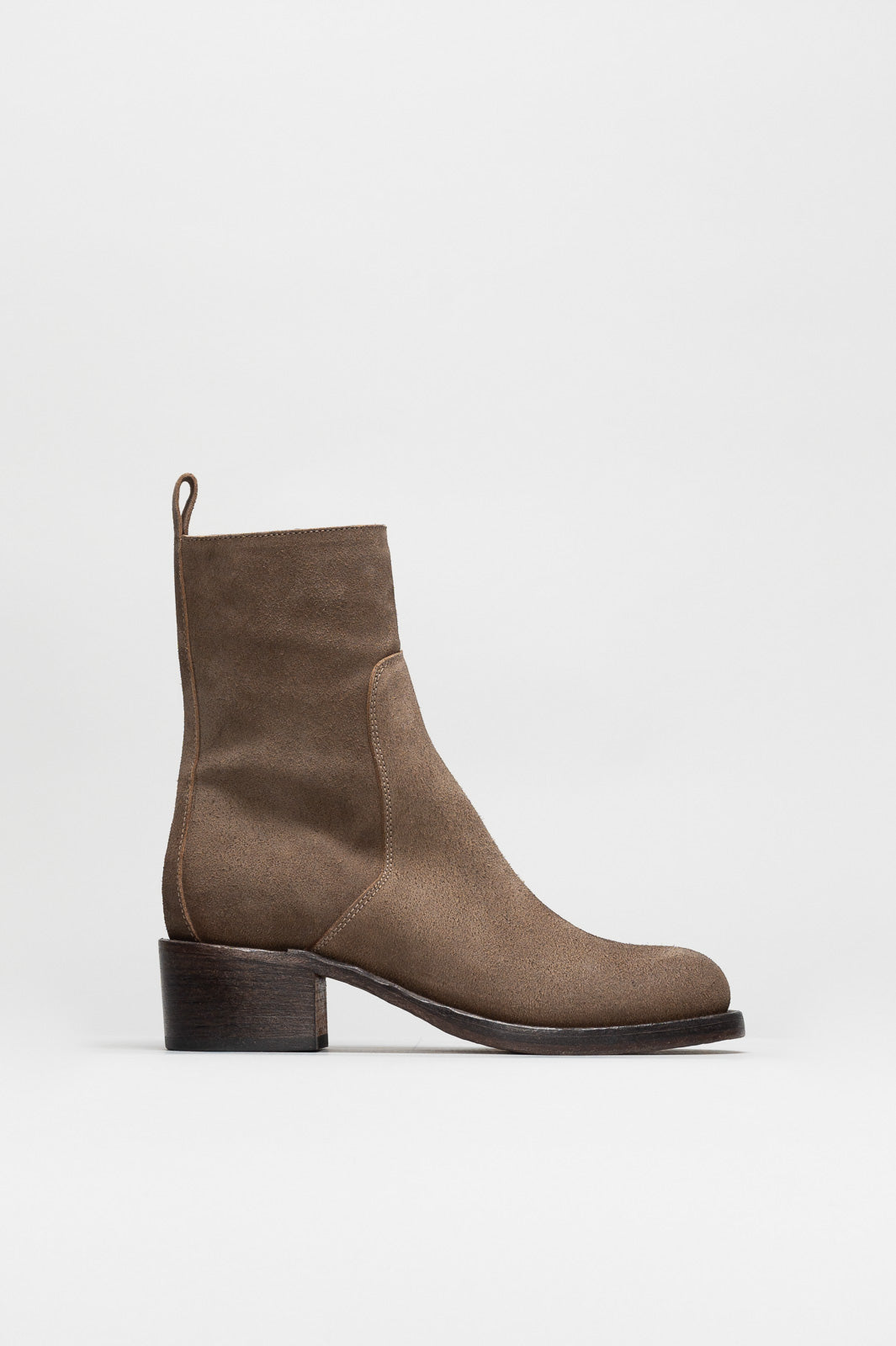
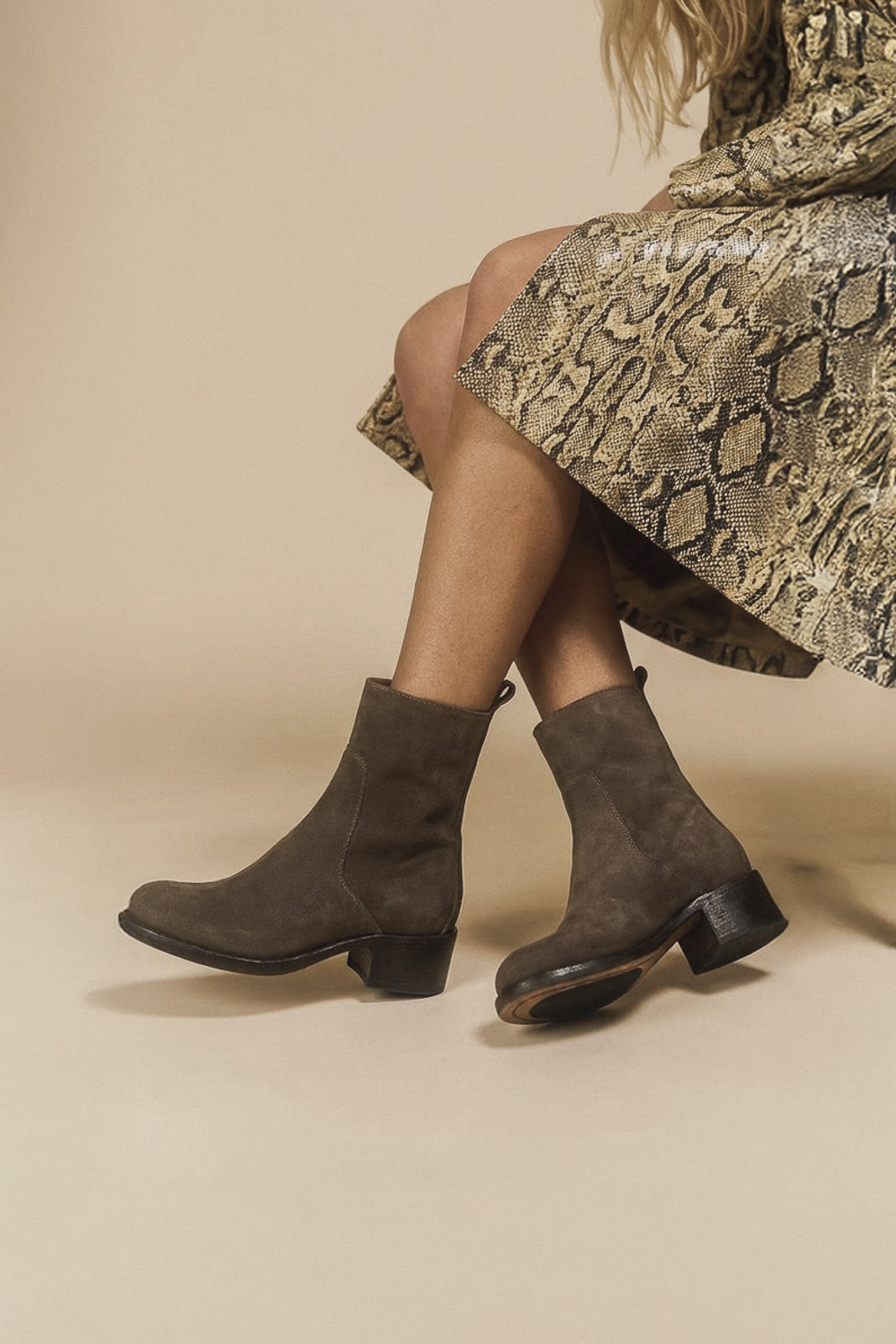
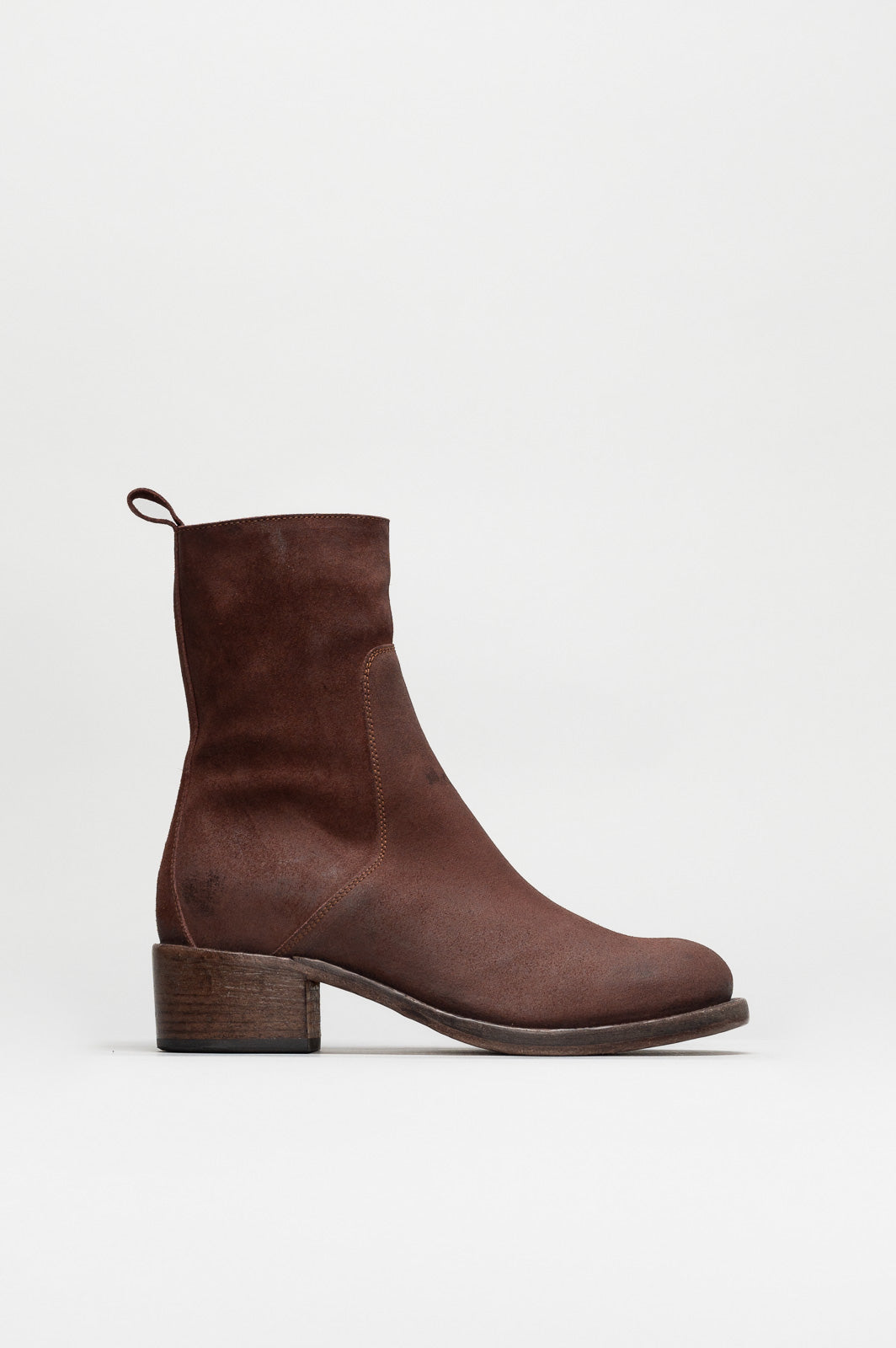
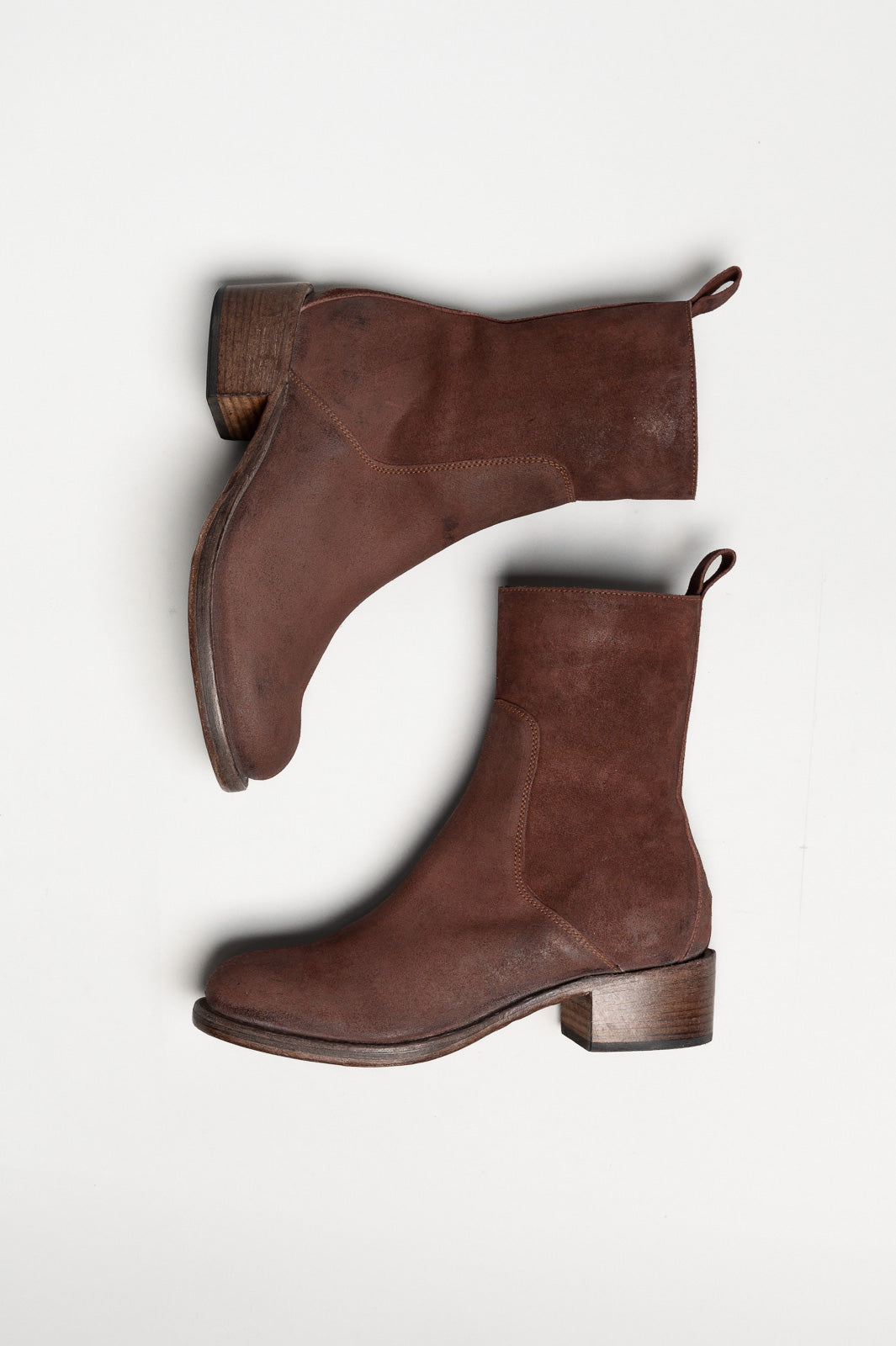
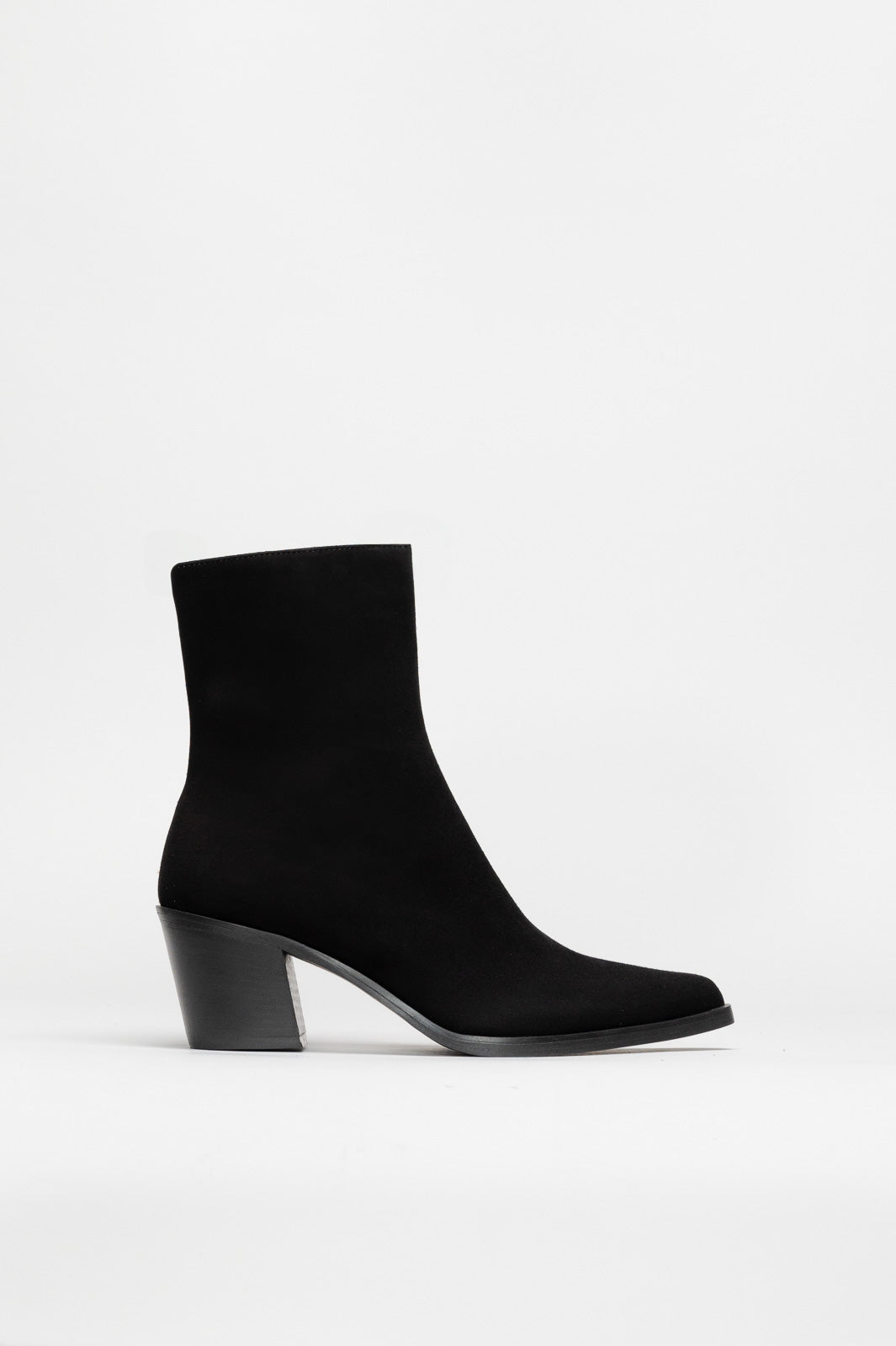
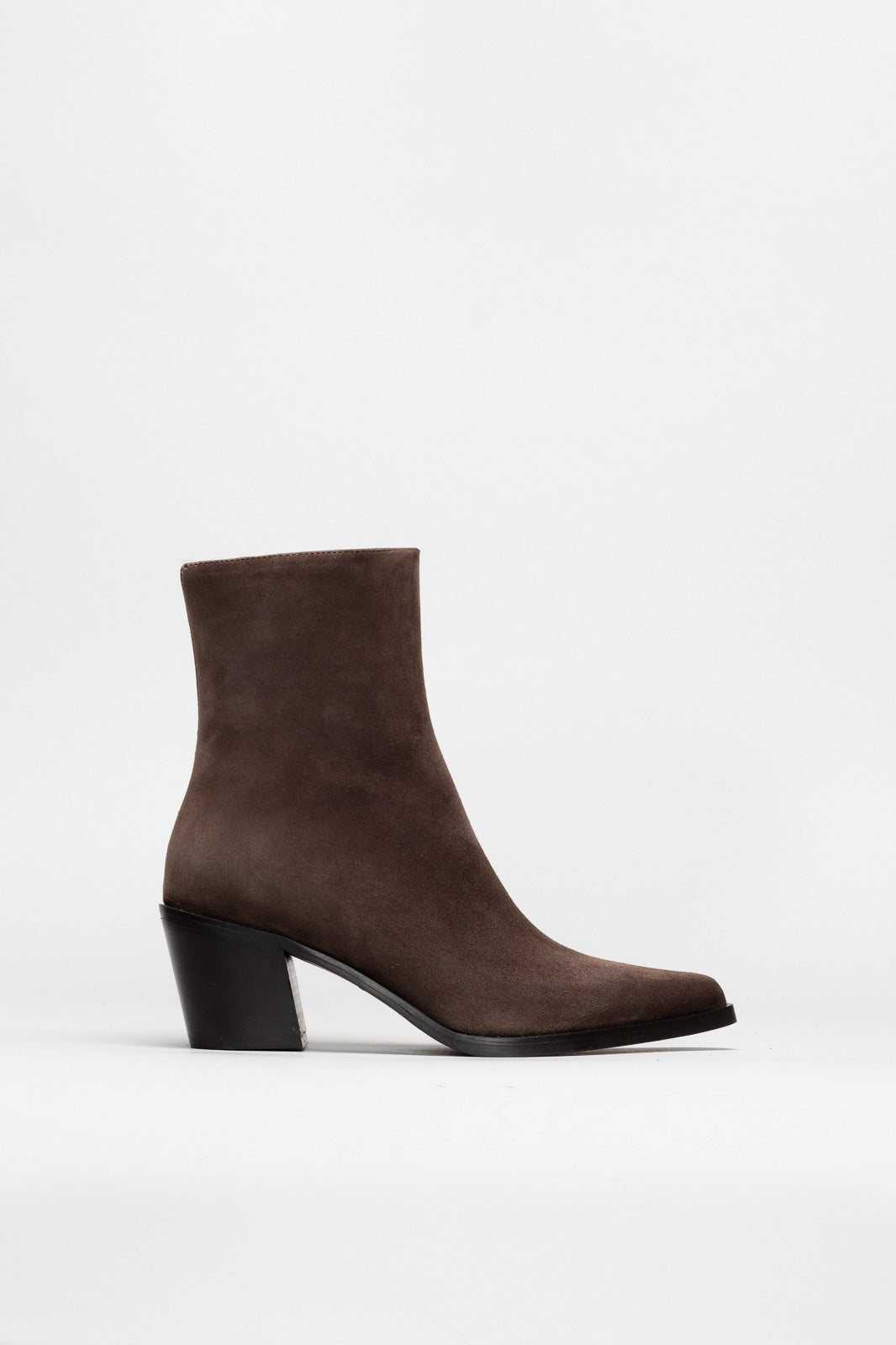
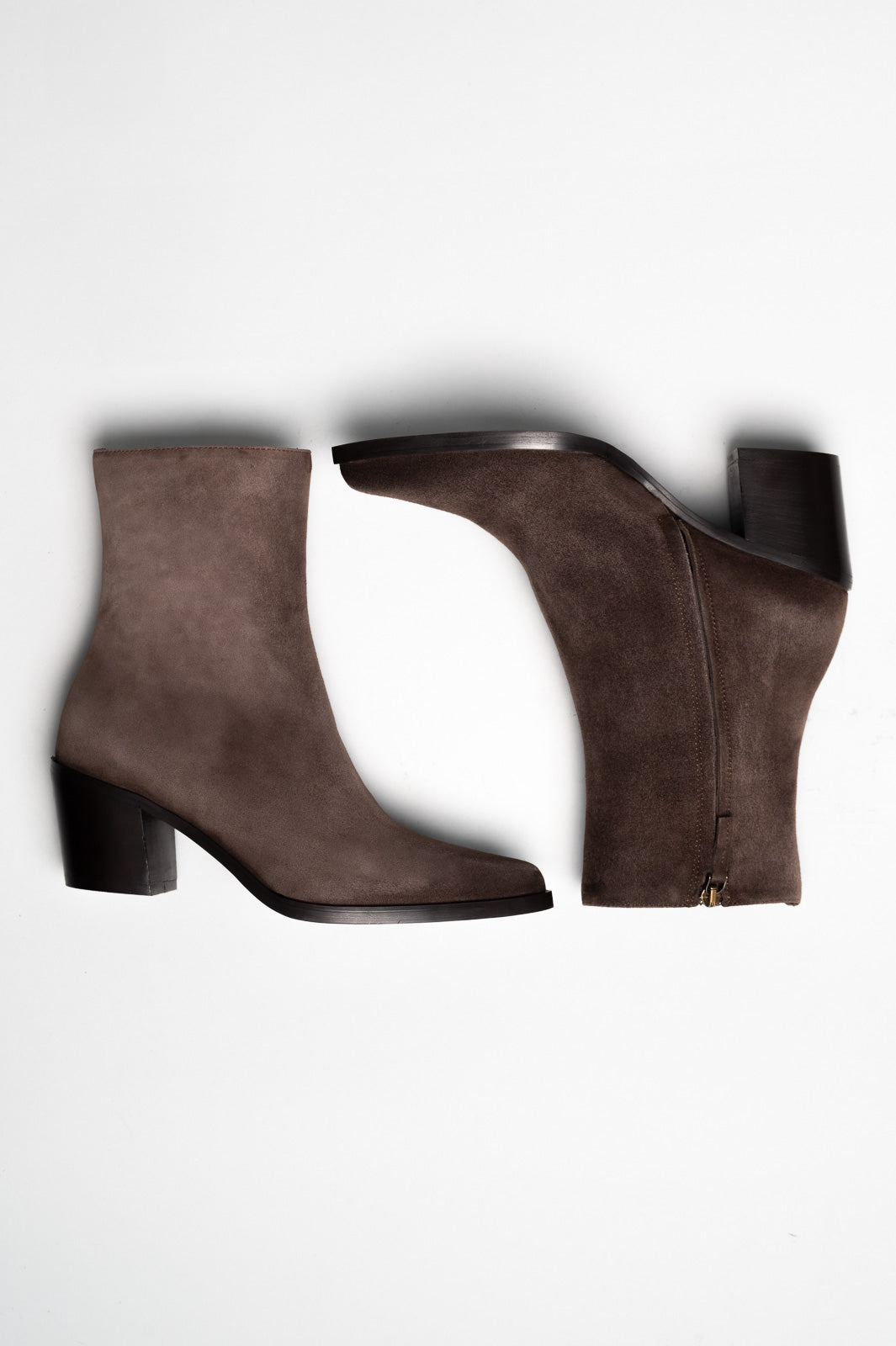
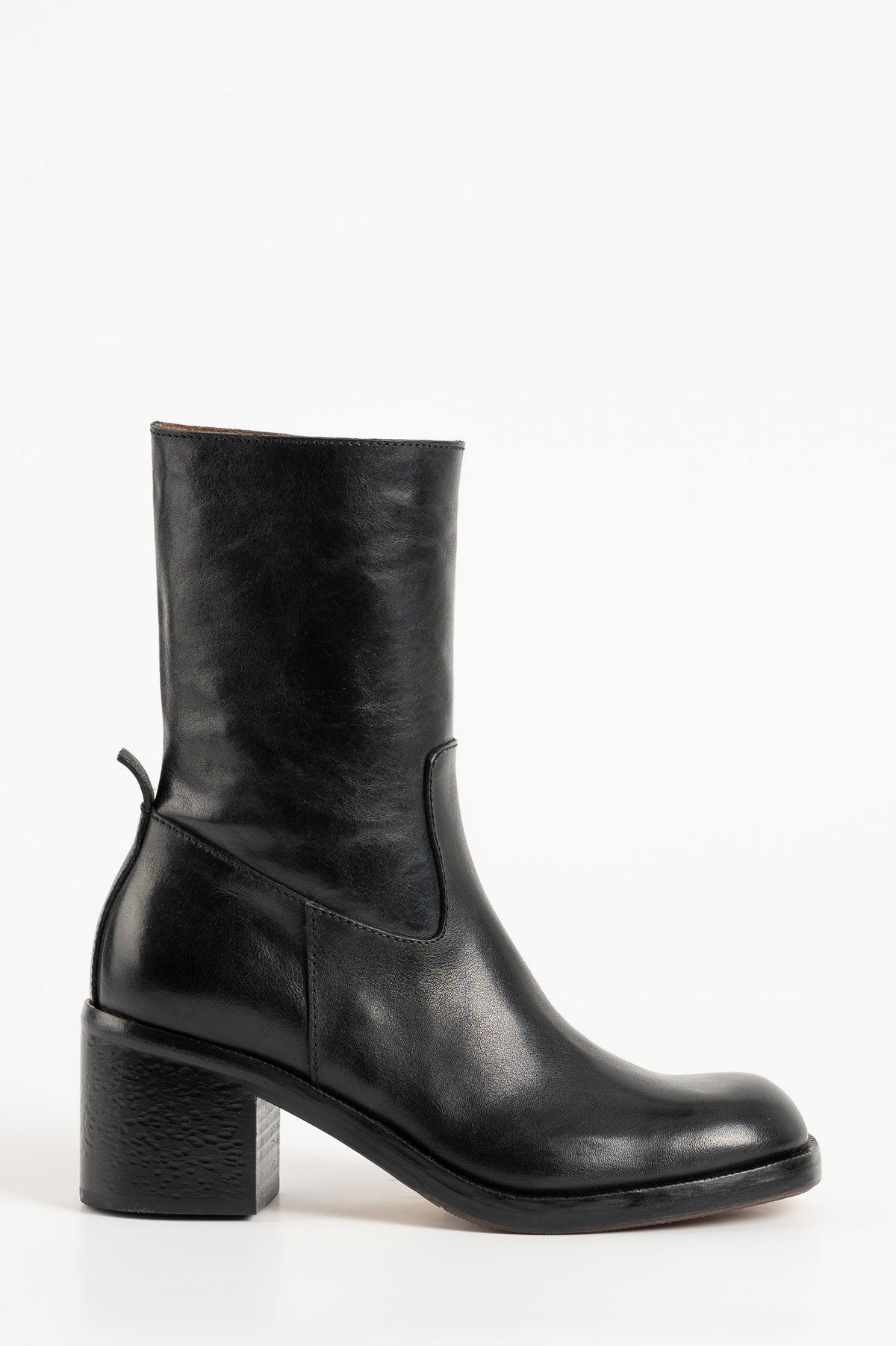
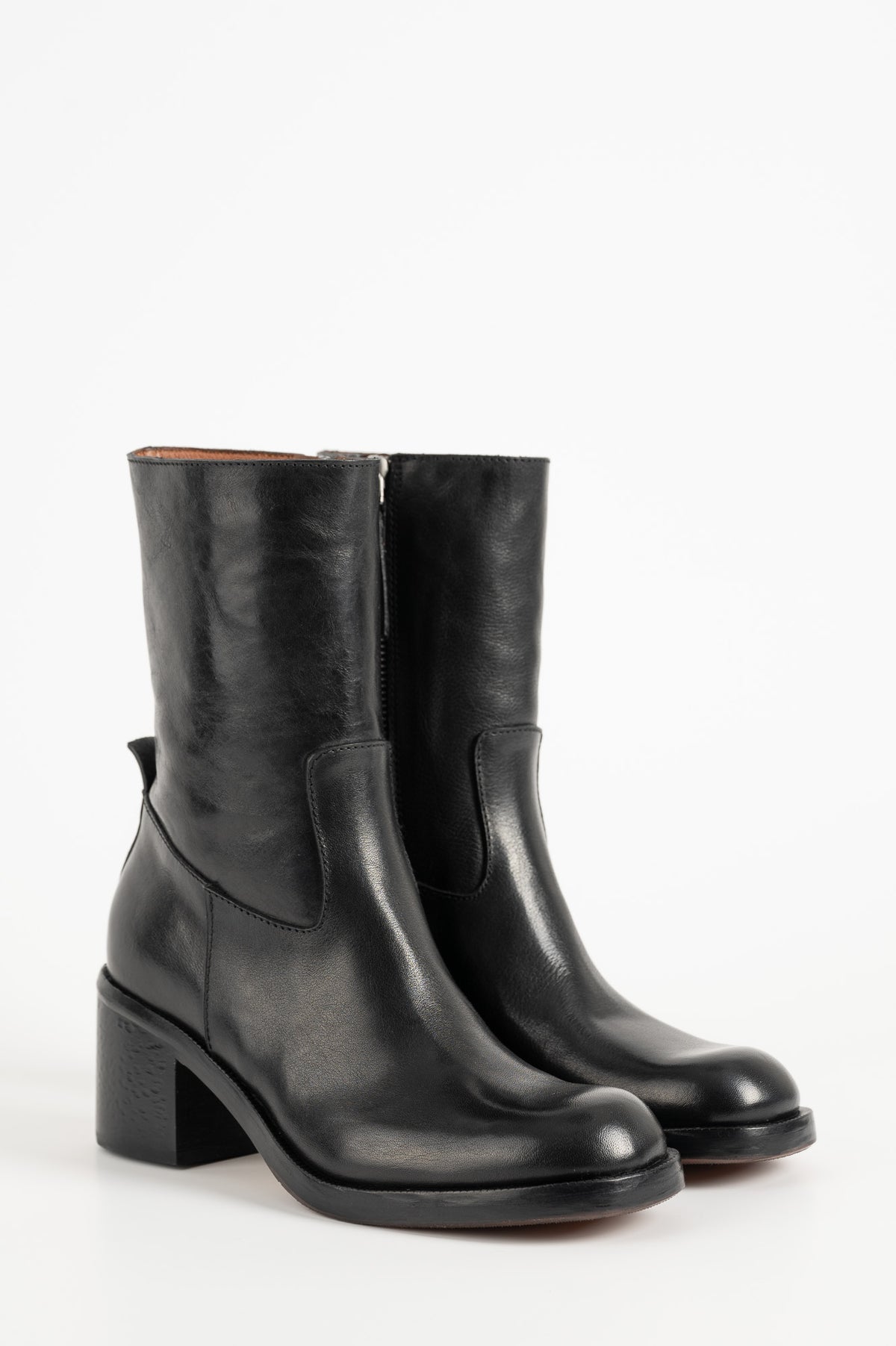
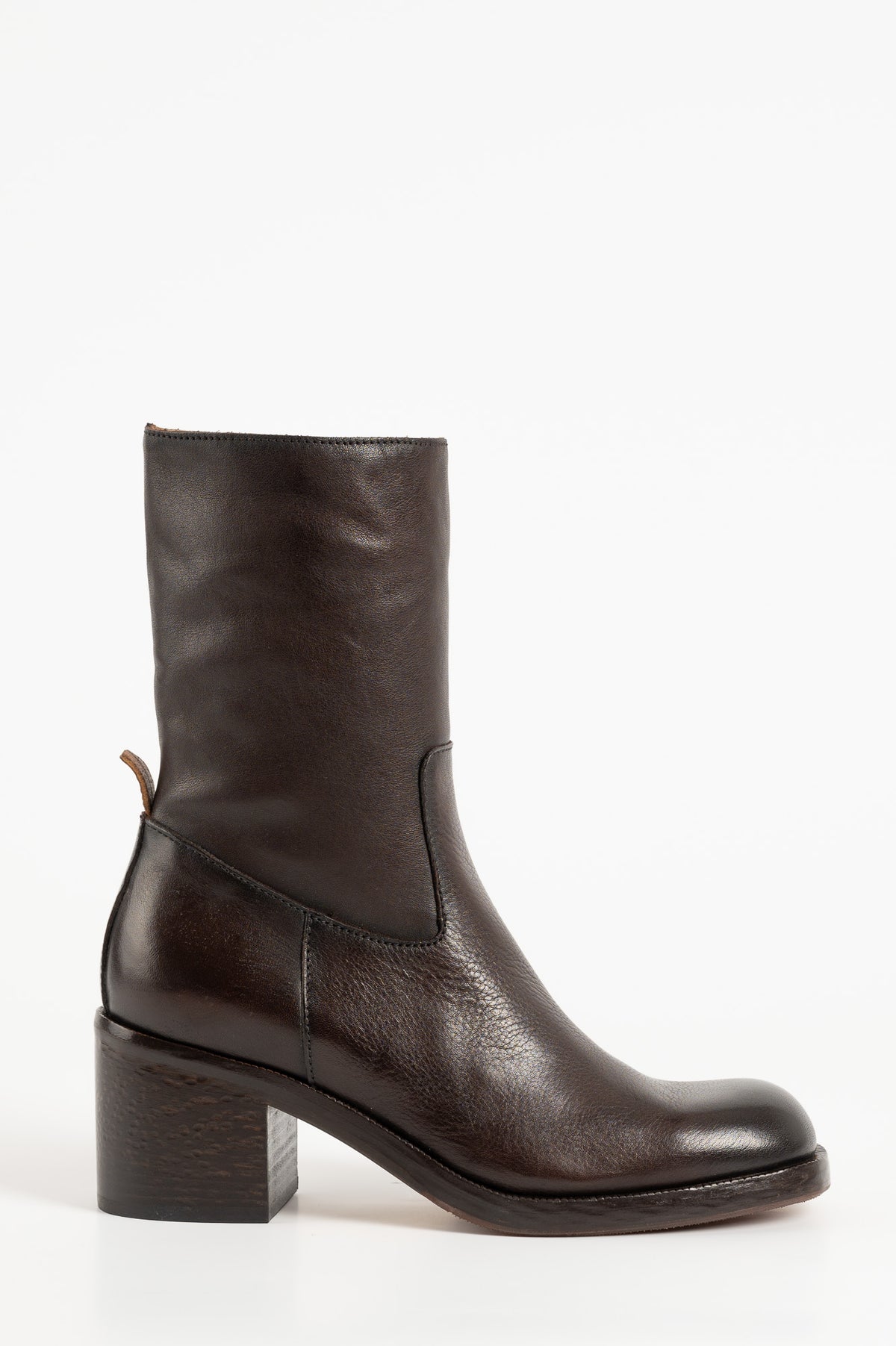
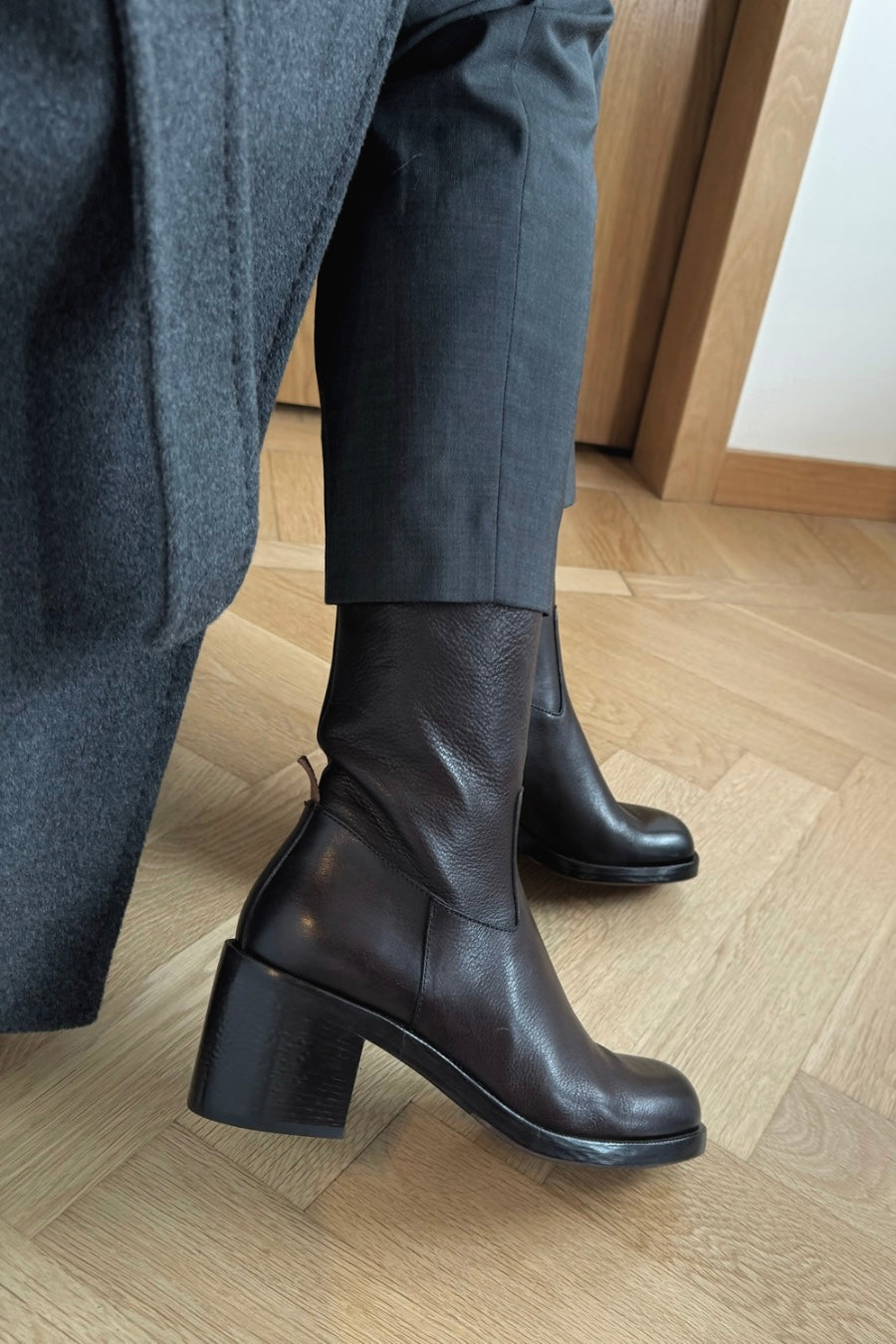
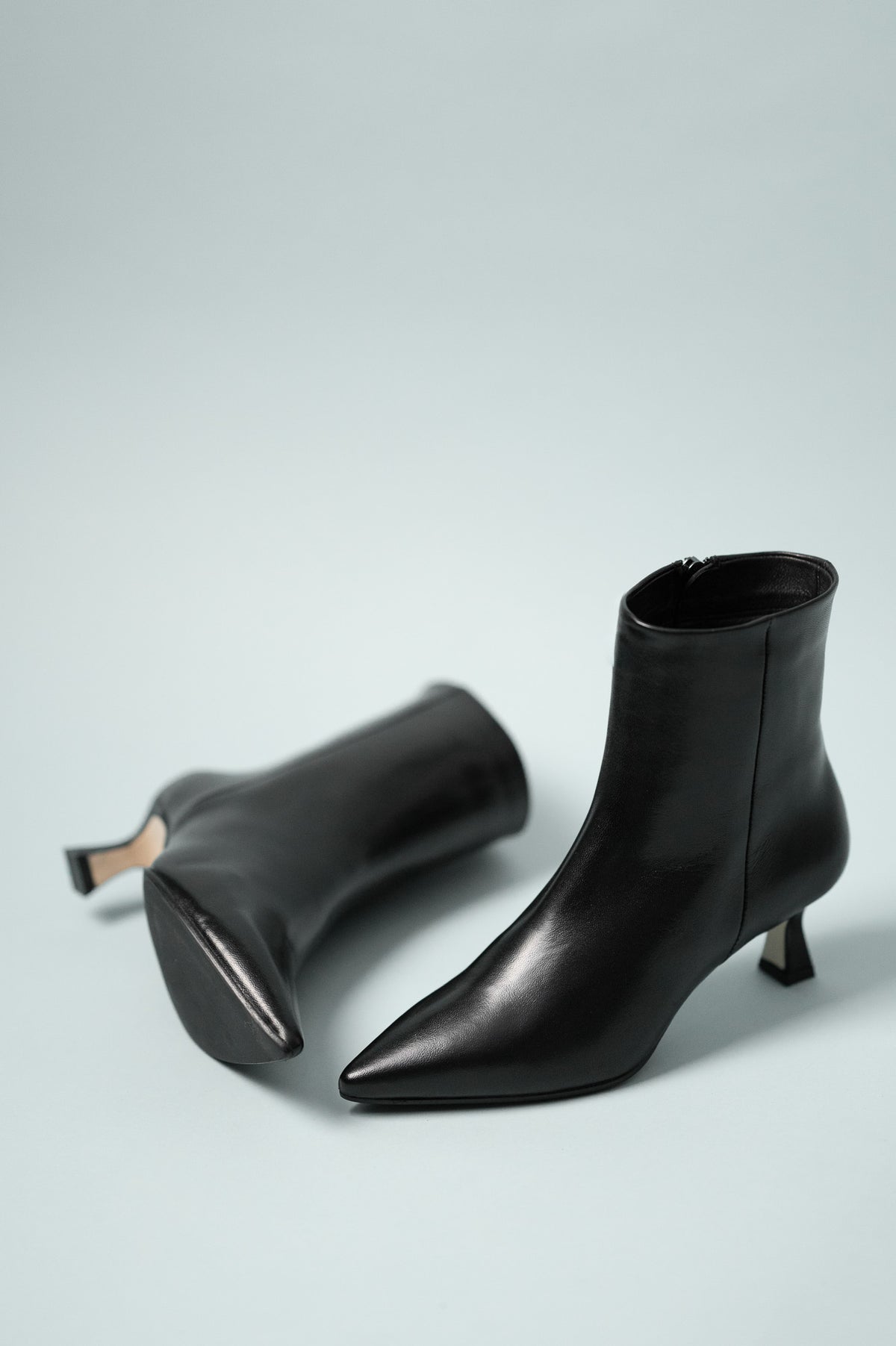
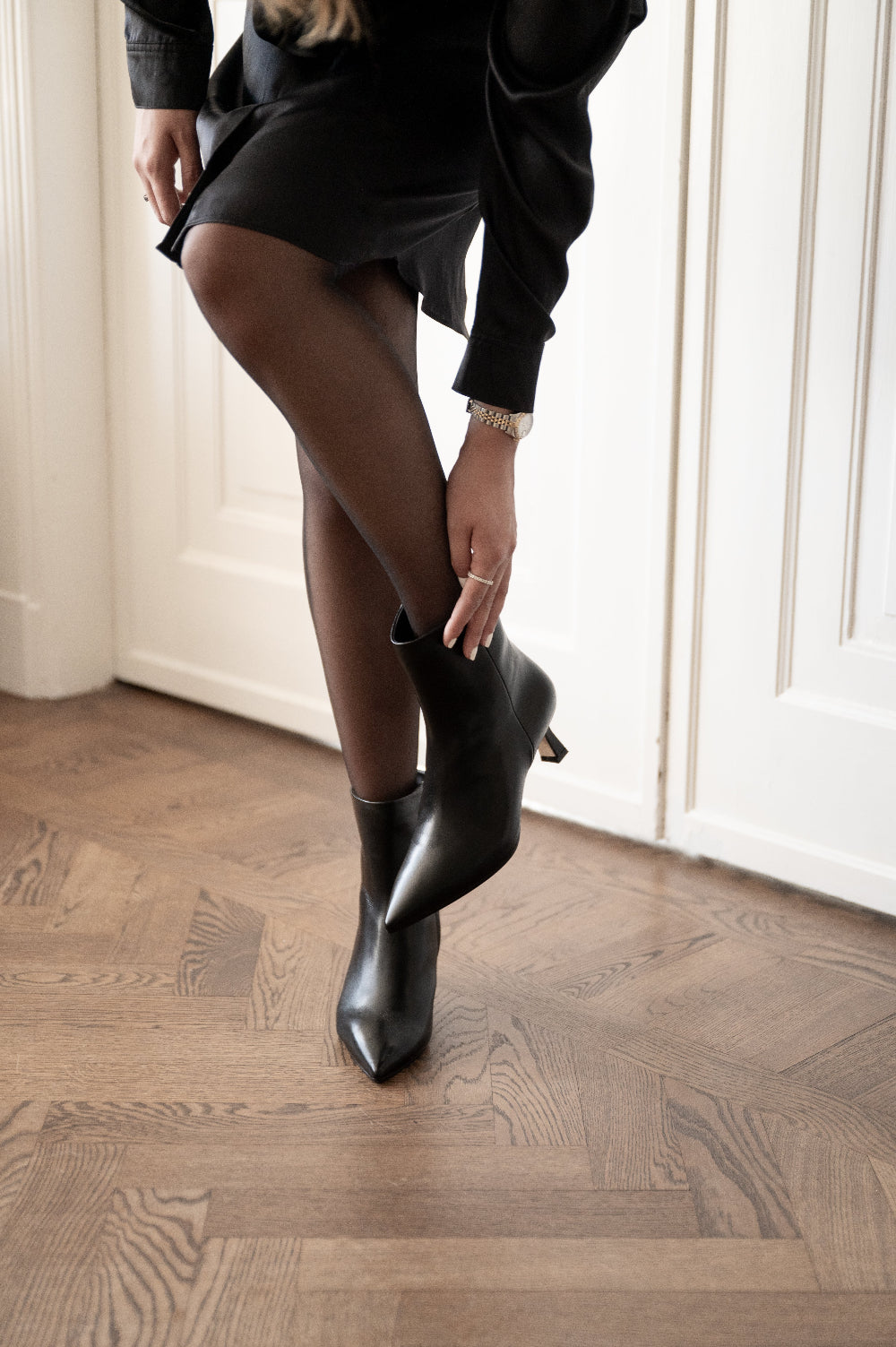
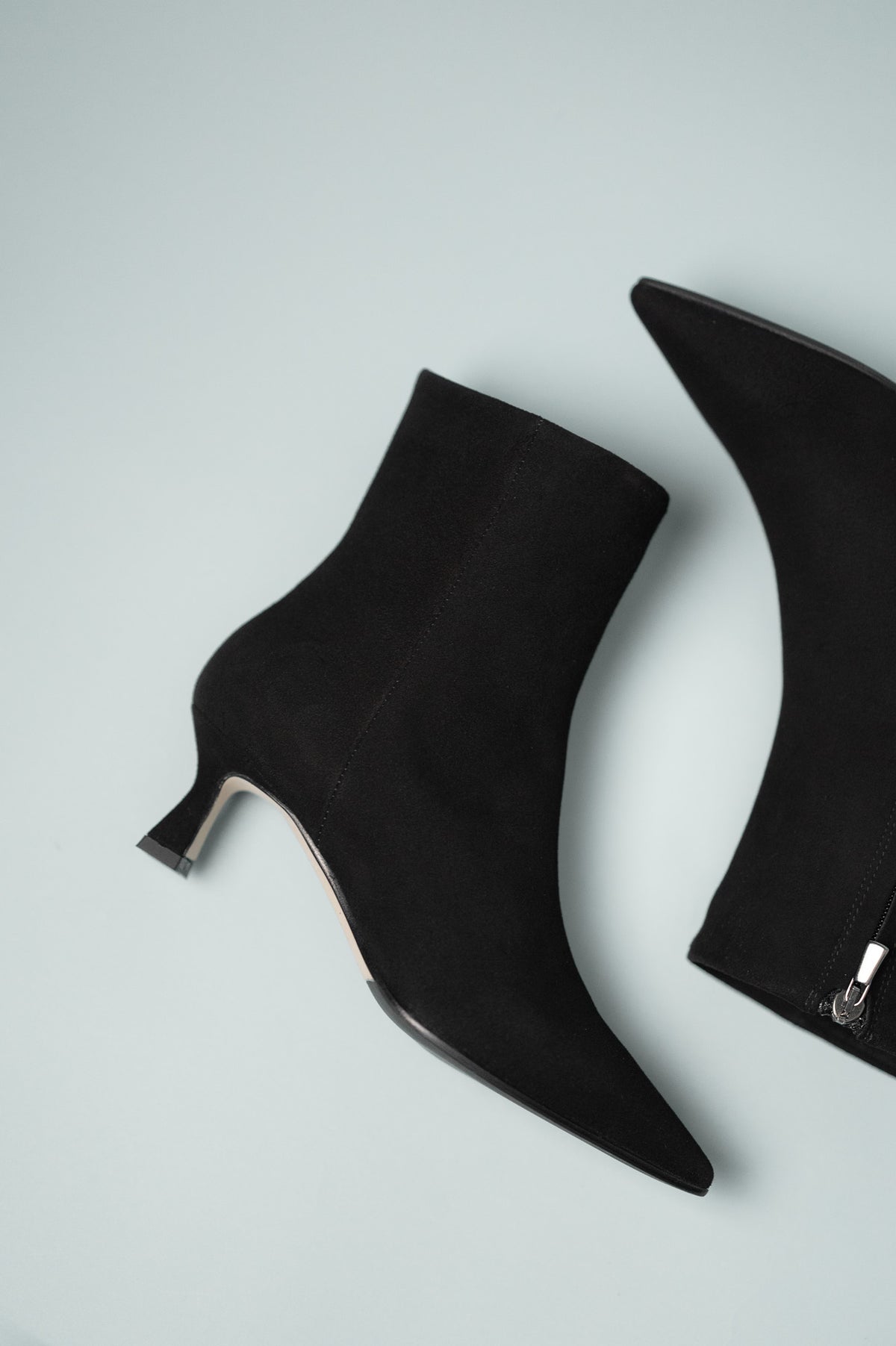
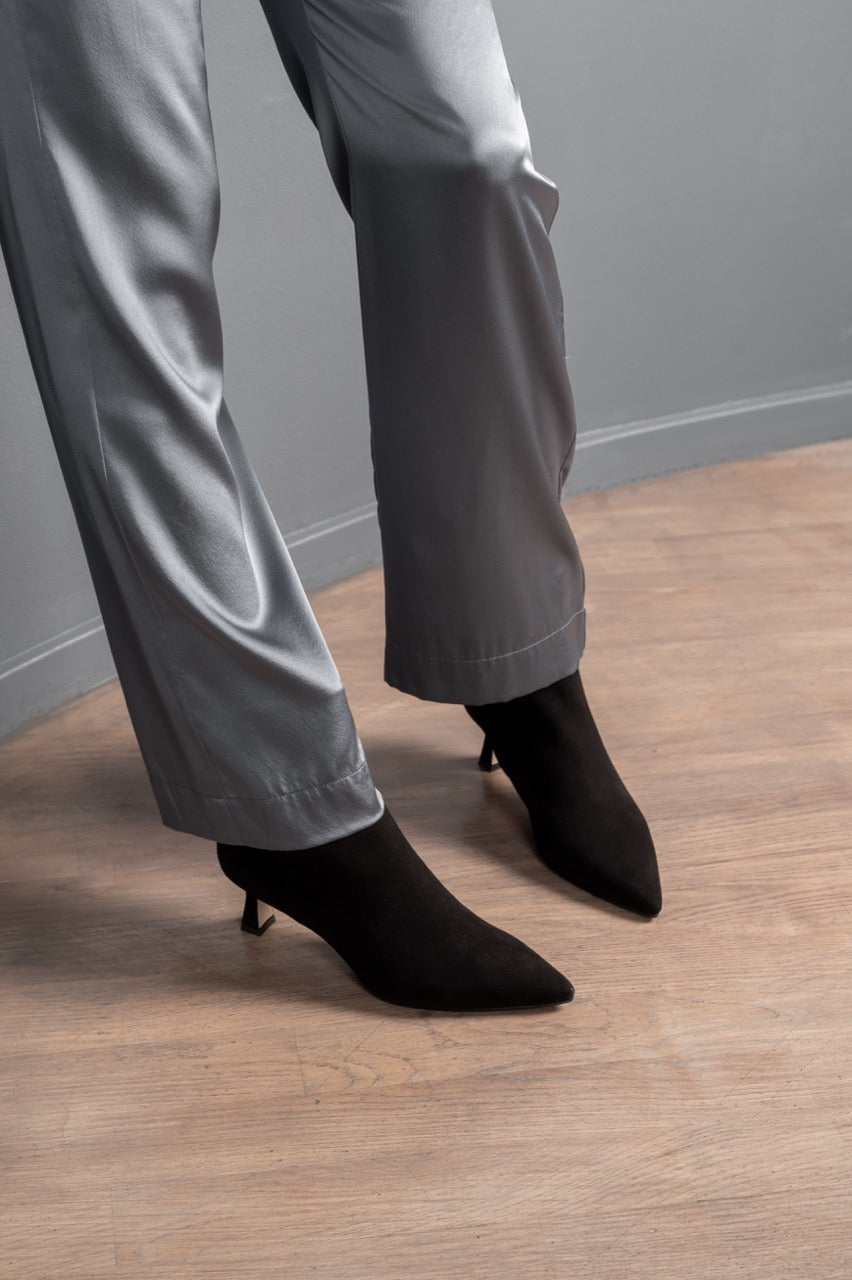
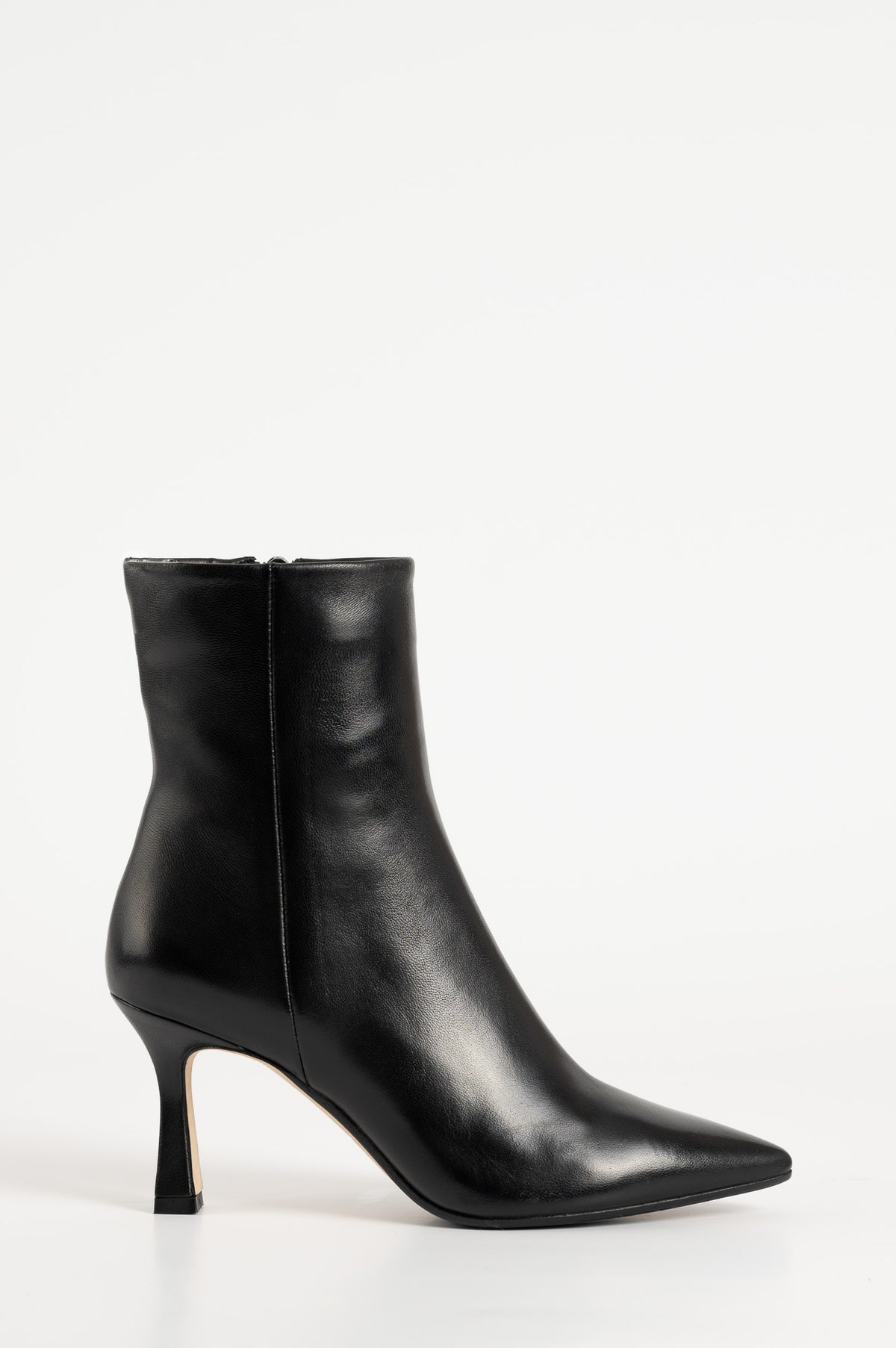
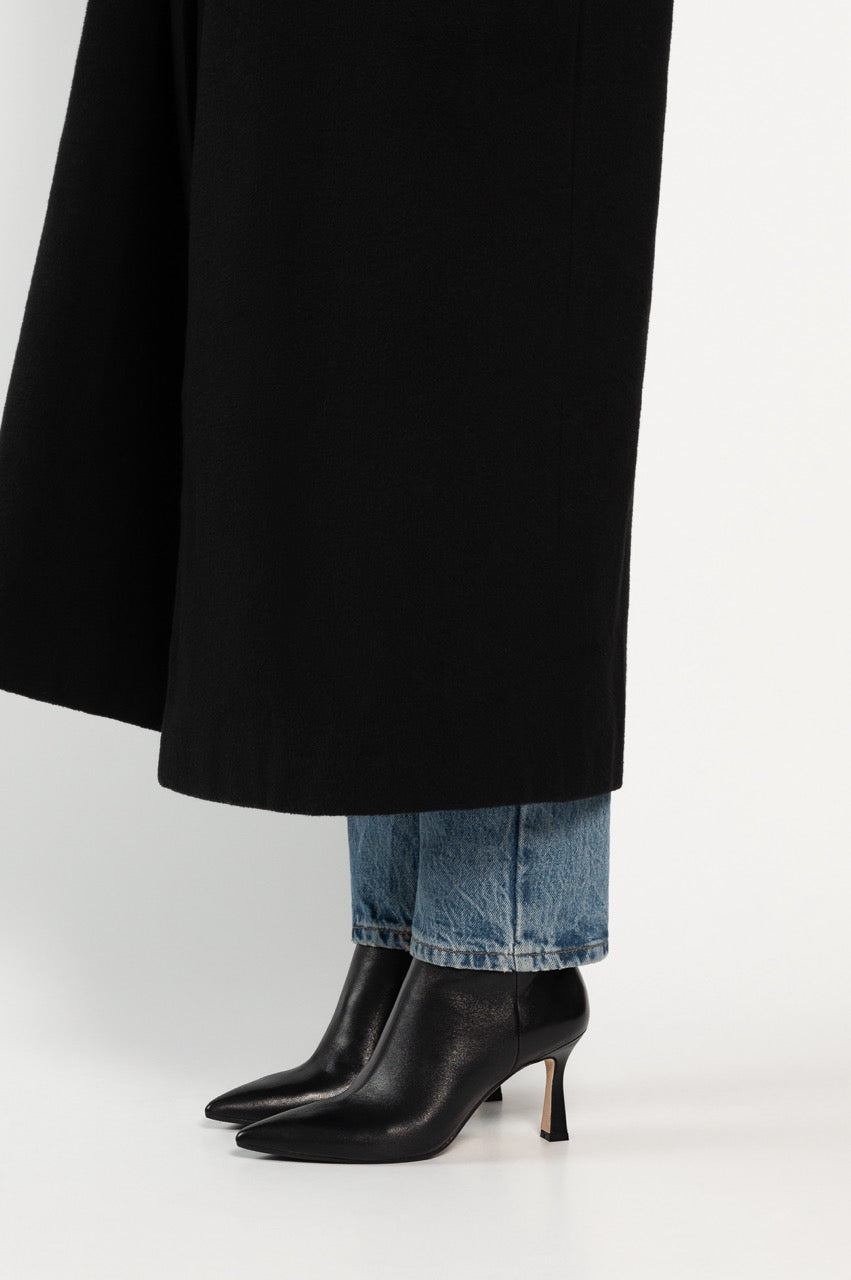
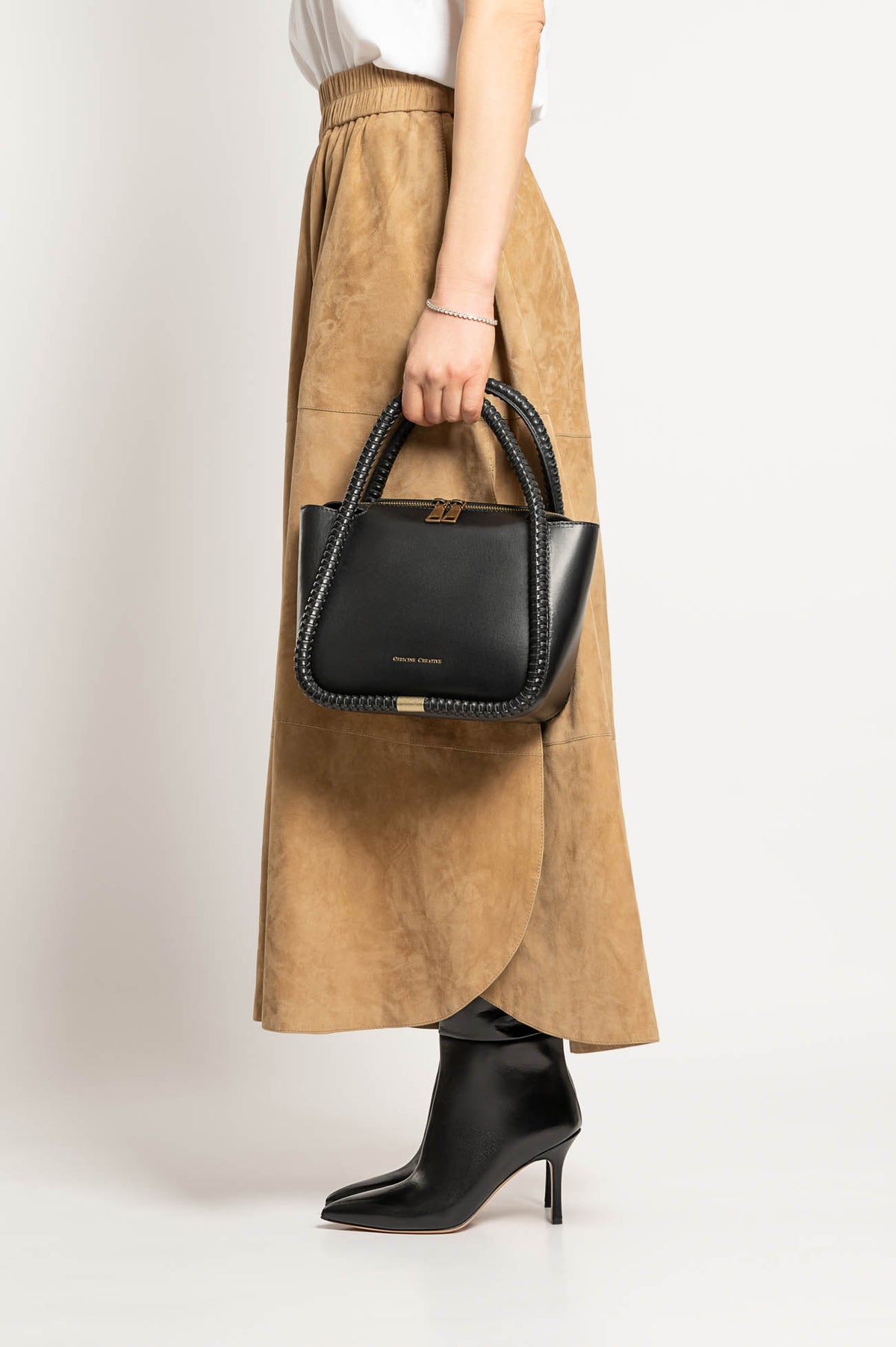
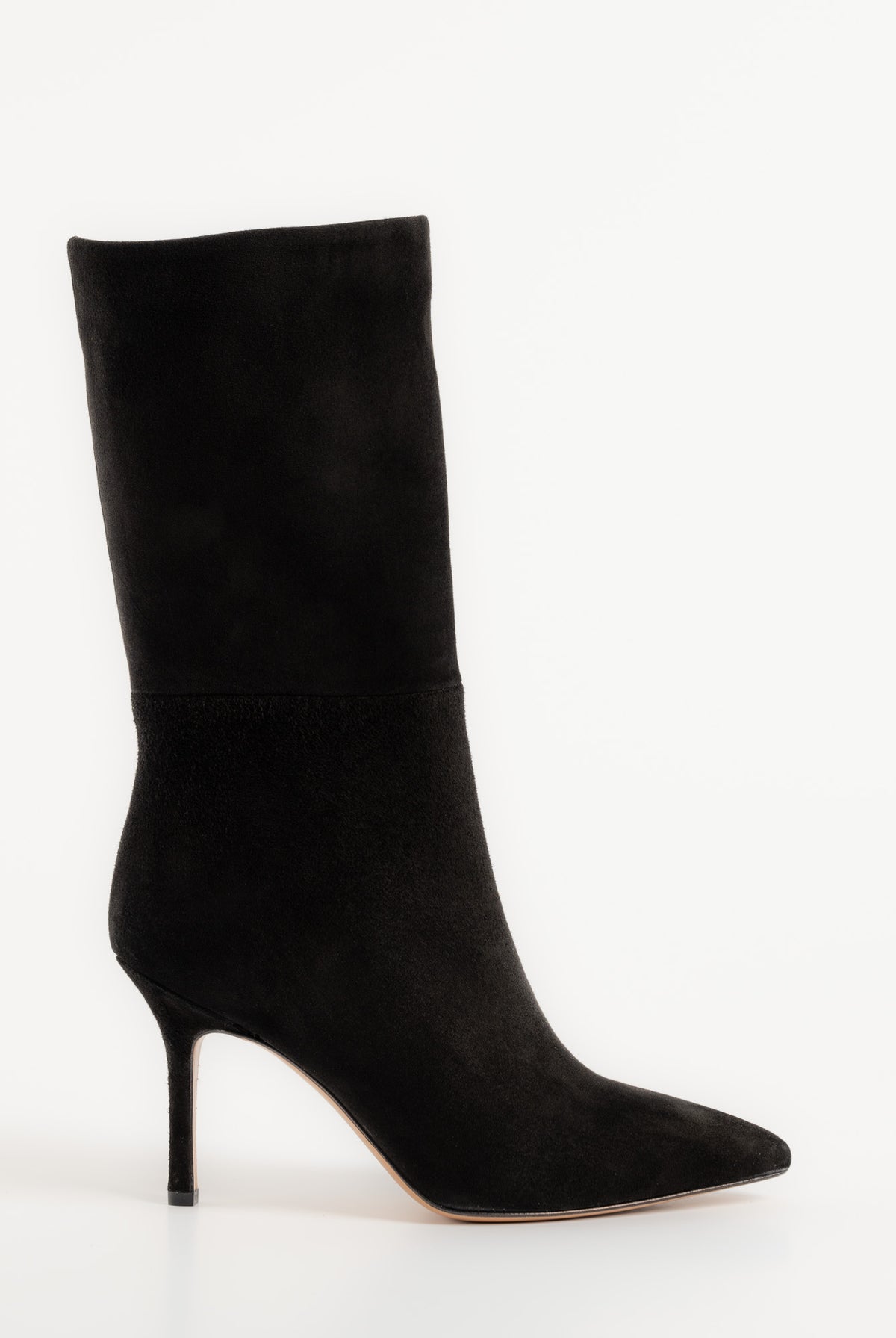
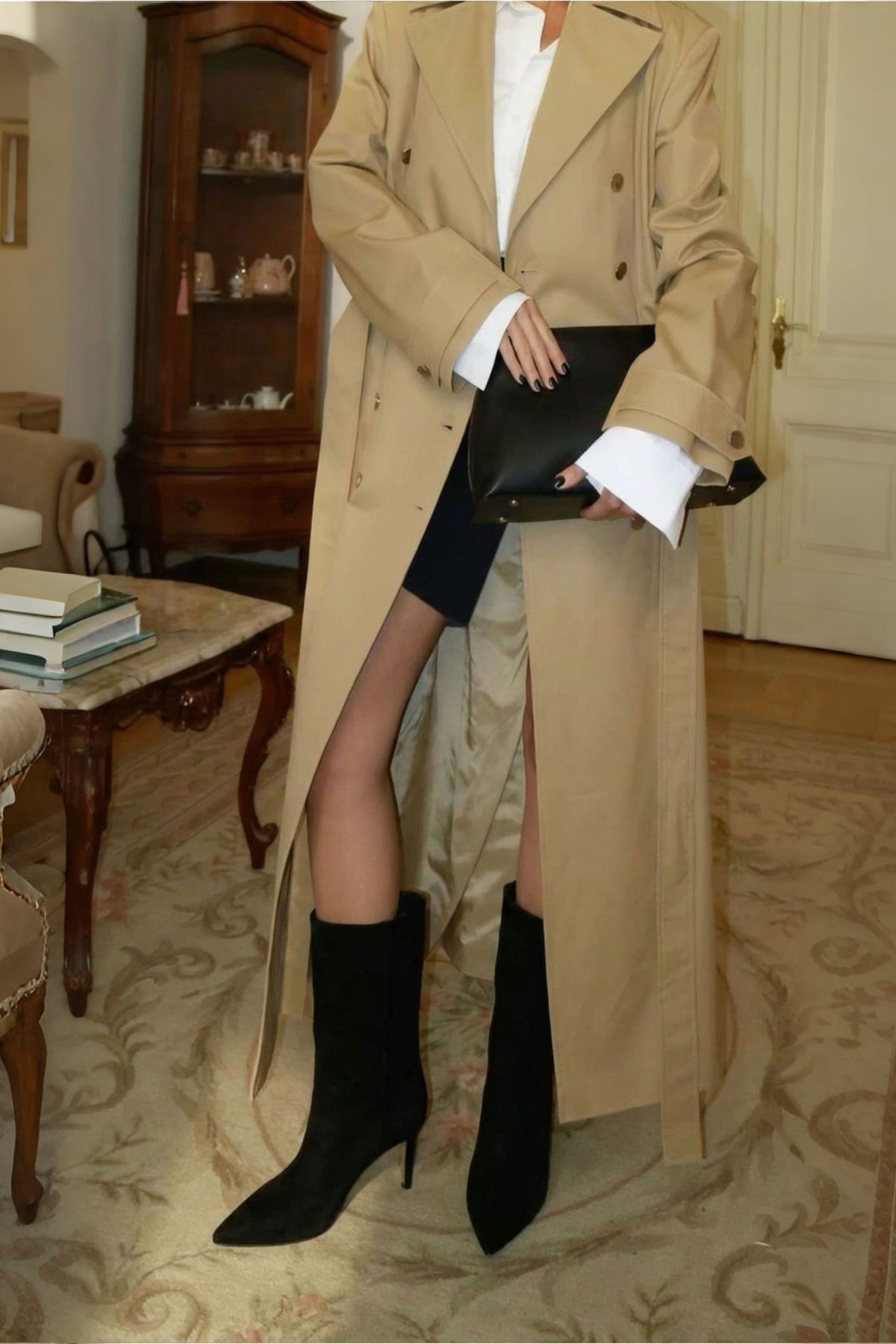
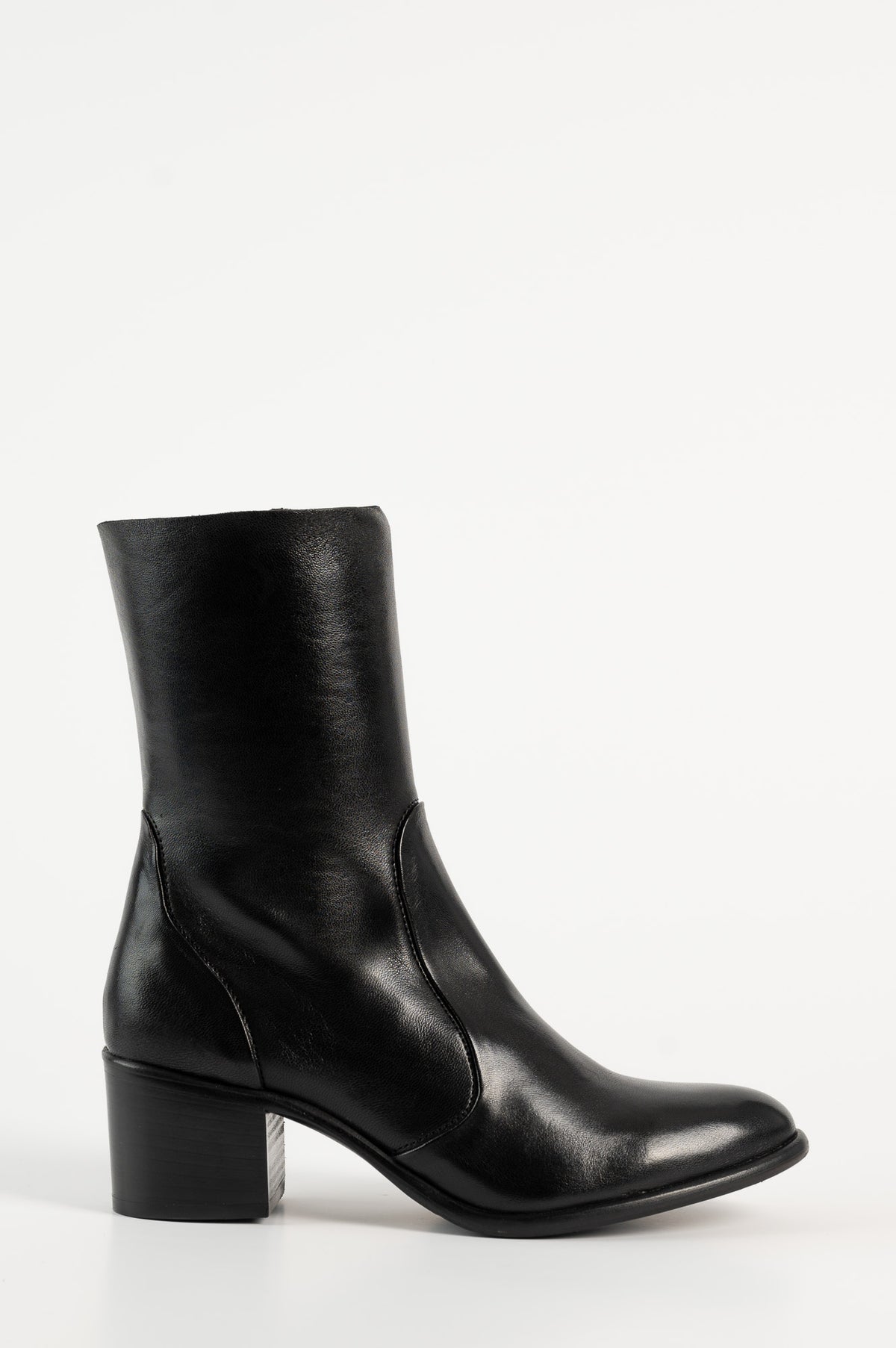
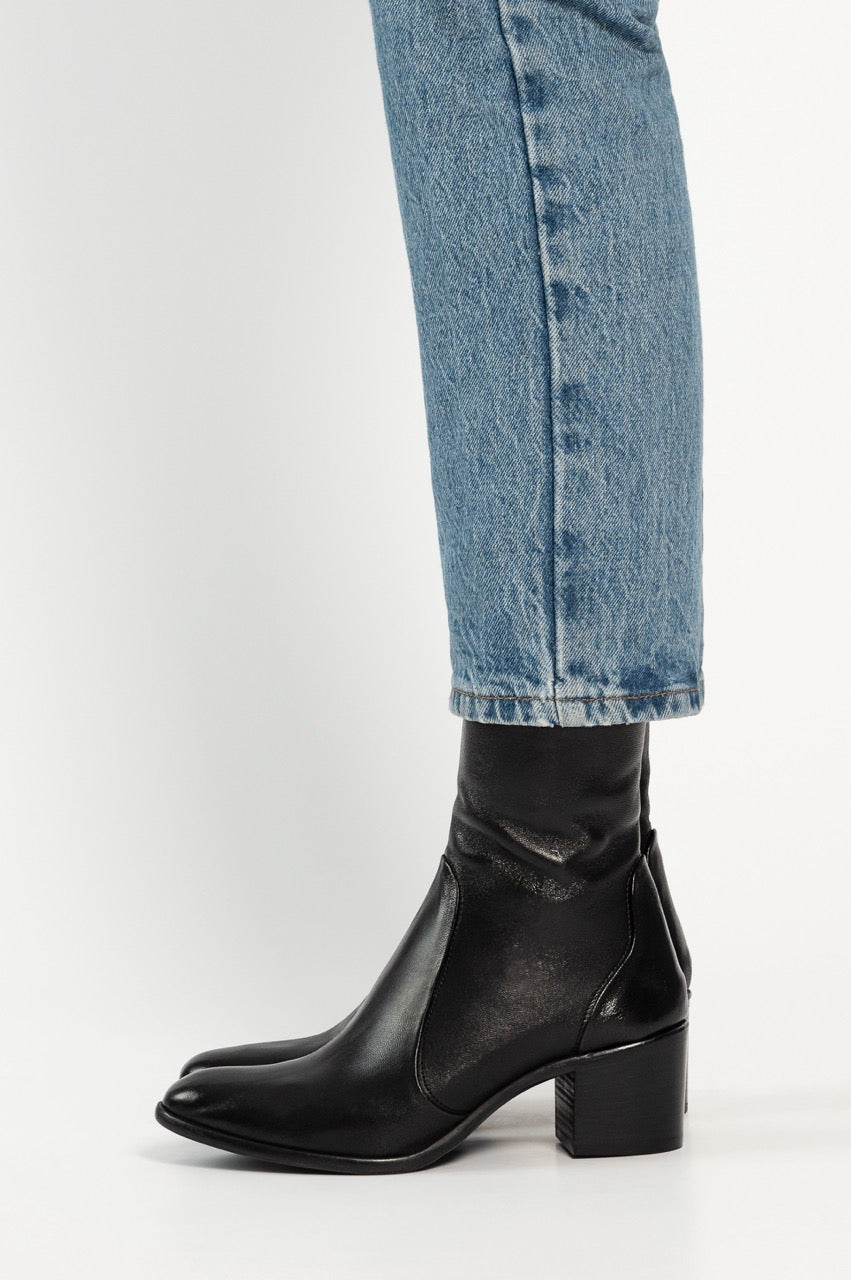
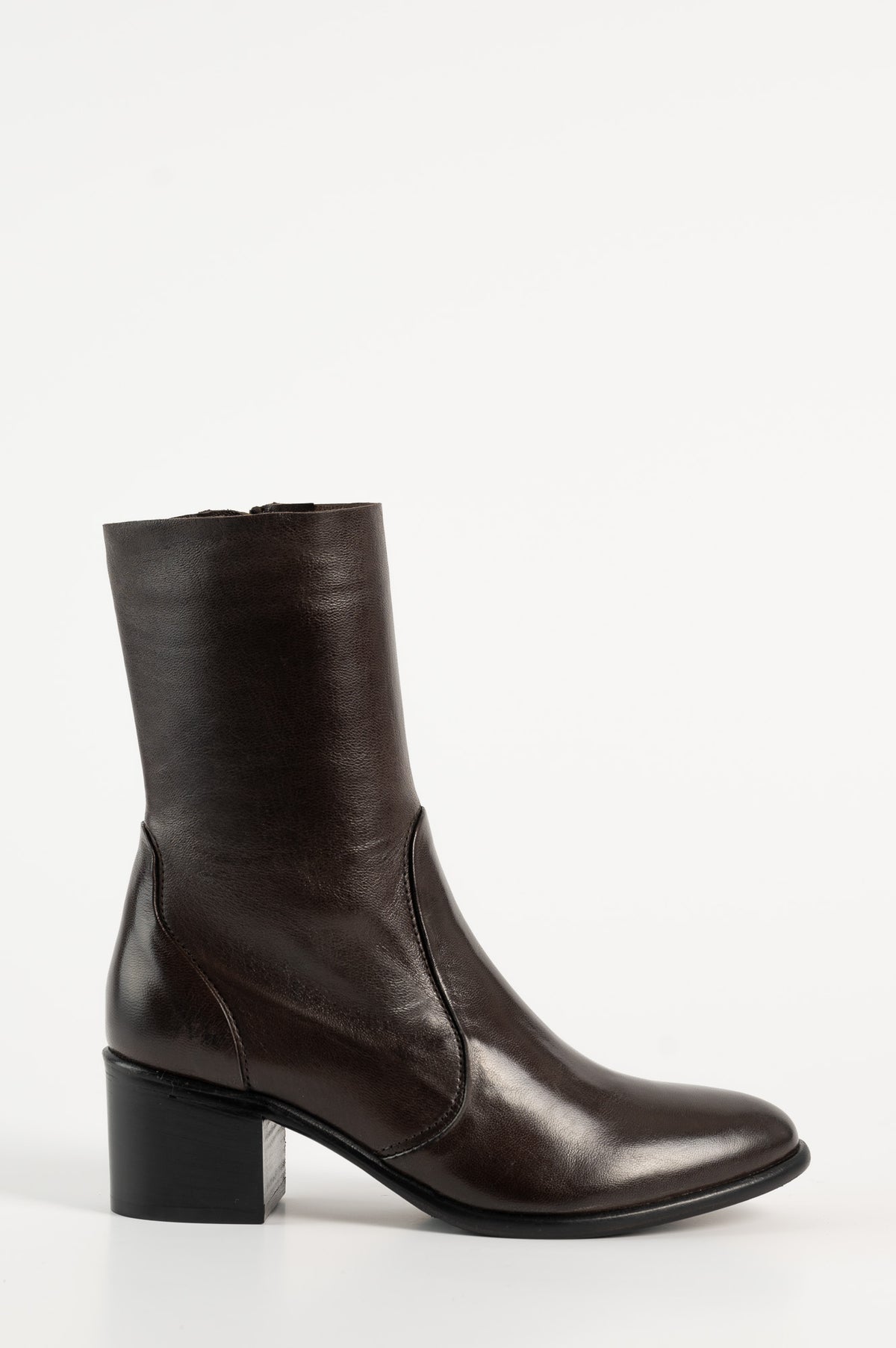
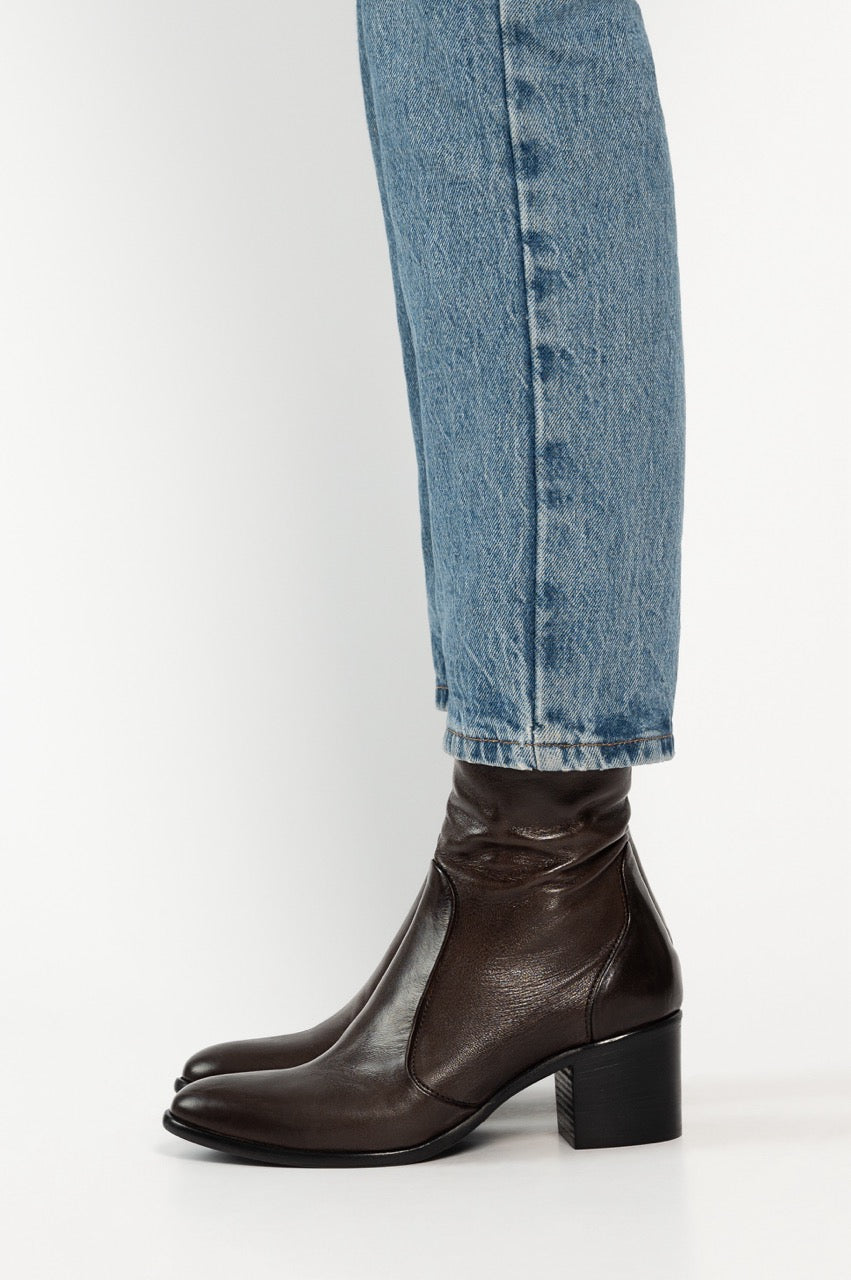
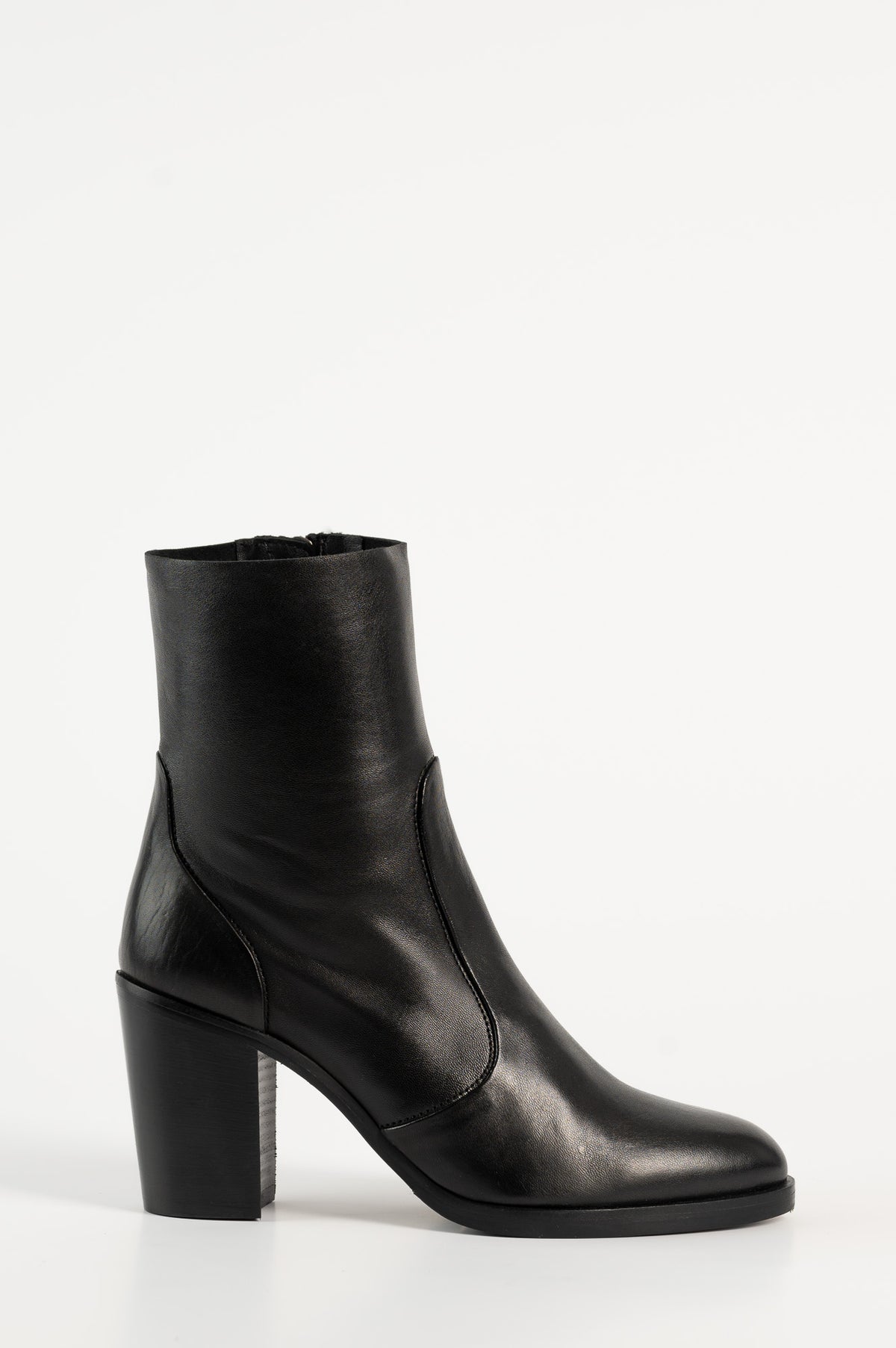
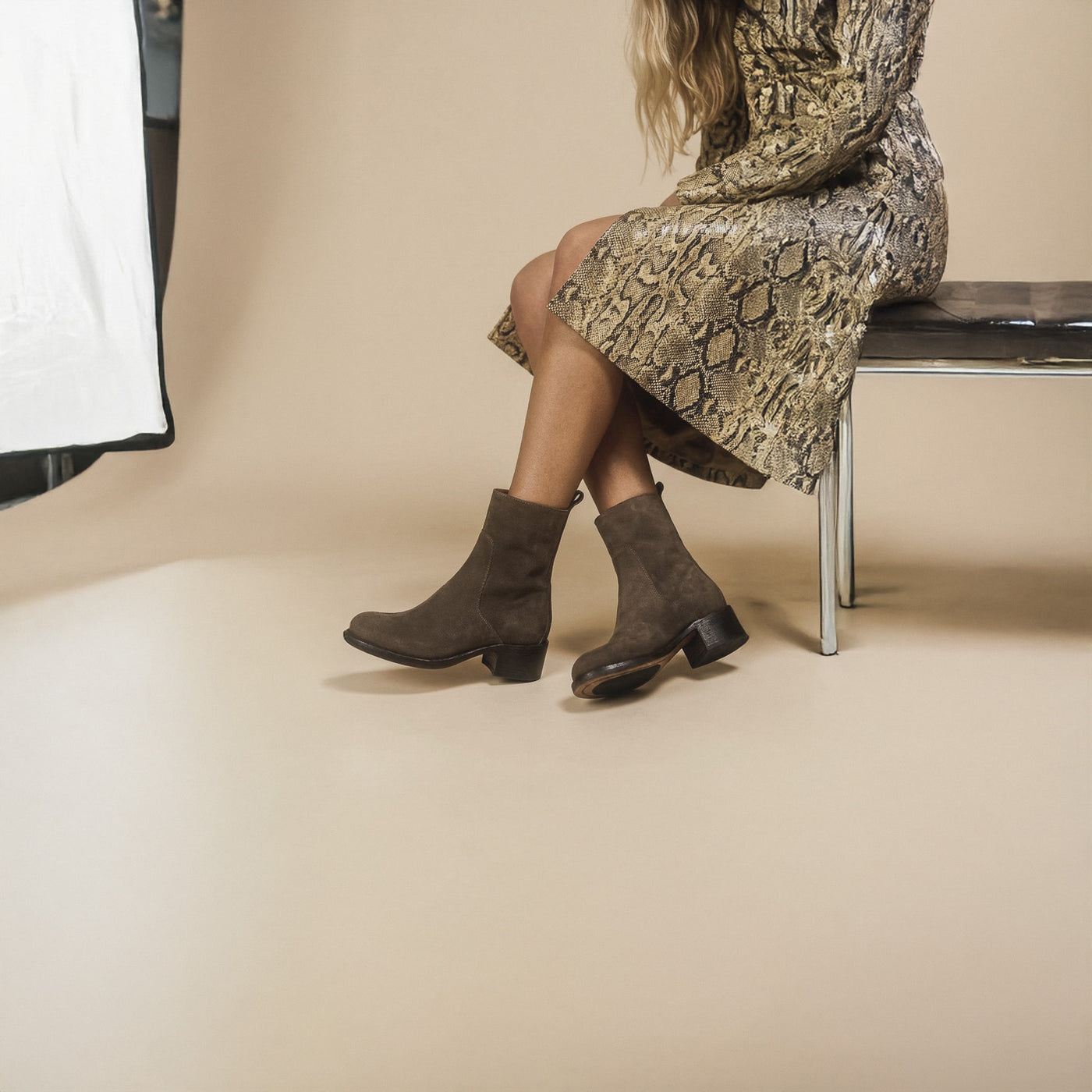
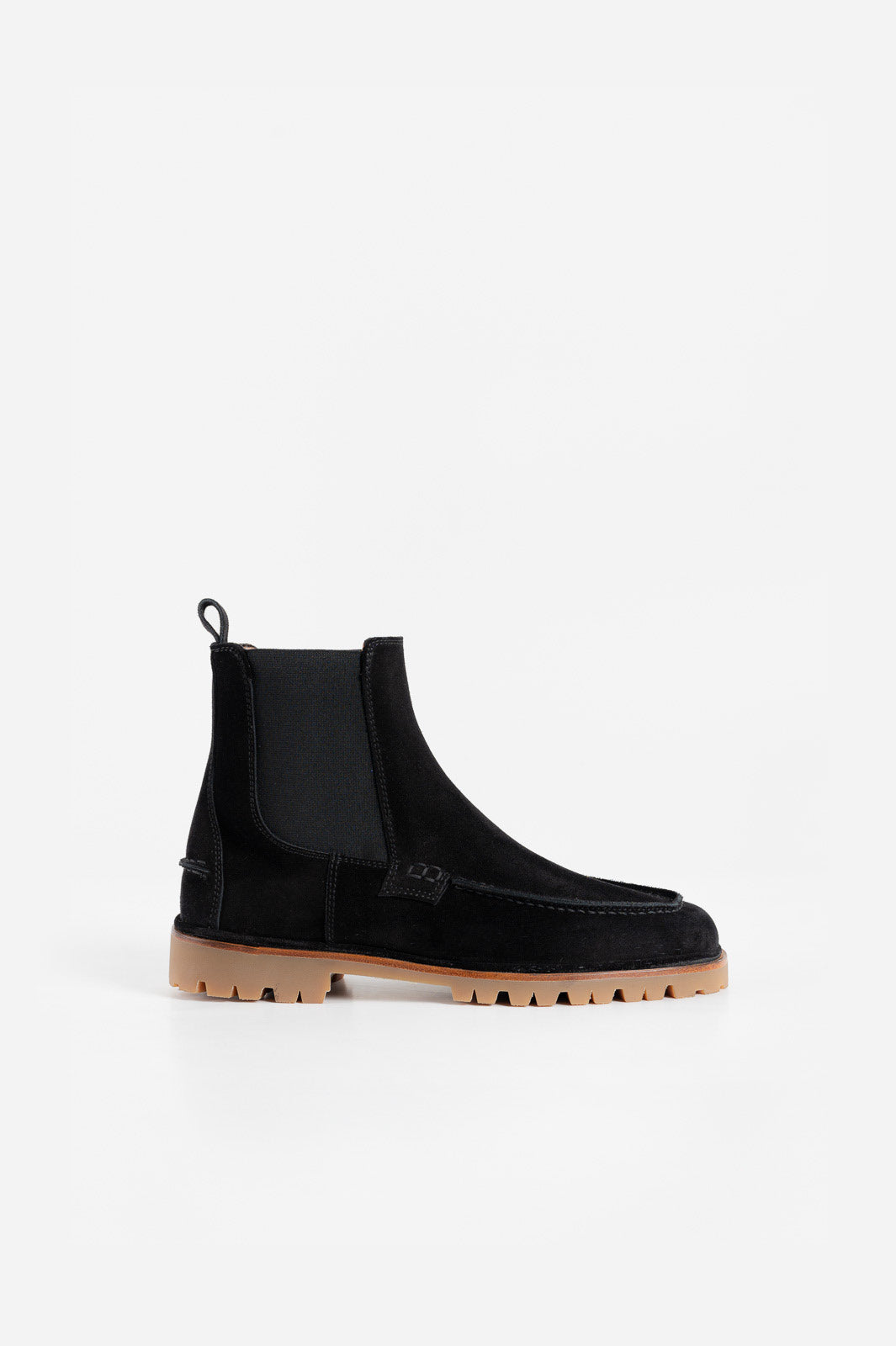
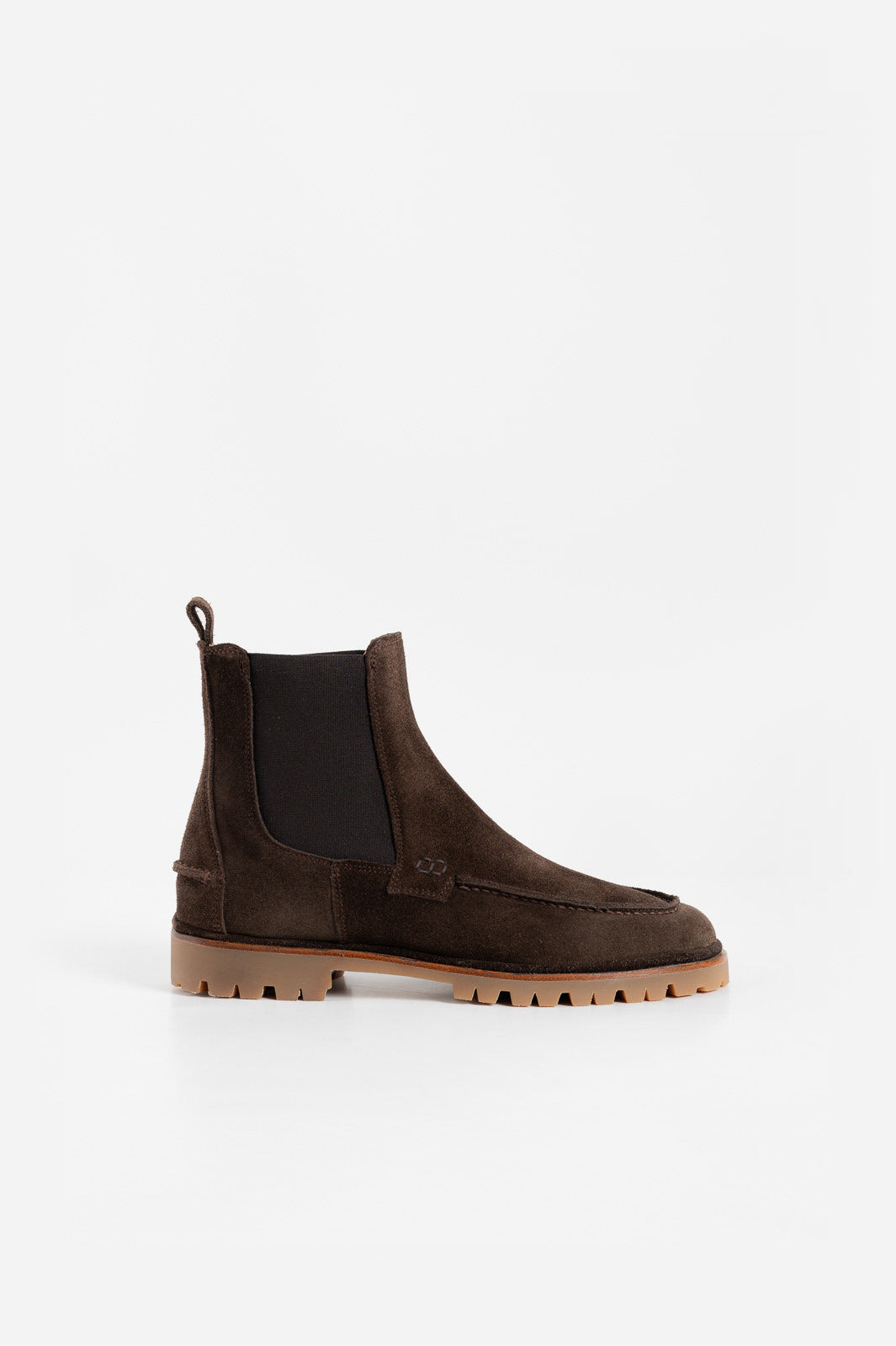
Ankle boots carry the wardrobe across seasons. The shorter shaft frames the ankle and adjusts proportion without covering the leg.
Background
Emerging in the 19th century as a practical alternative to taller lace-up boots, the form evolved into block-heeled, slim-heeled and Chelsea variations that remain in regular use.
How to style
With denim, cropped trousers or midi skirts. A block heel distributes weight for longer days; a slimmer heel refines the outline. Suede softens the surface; polished leather sharpens it.
Our ankle boots
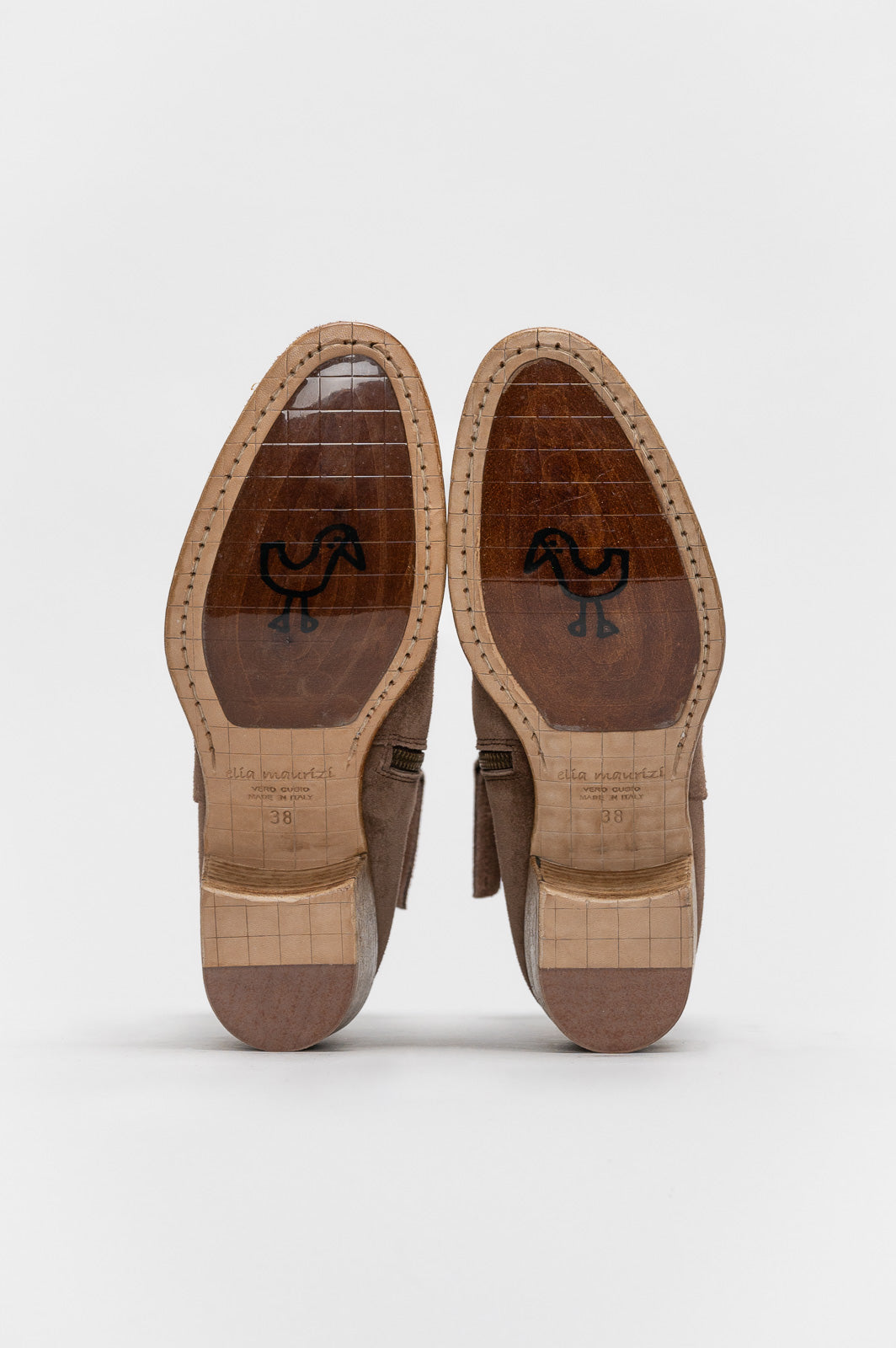
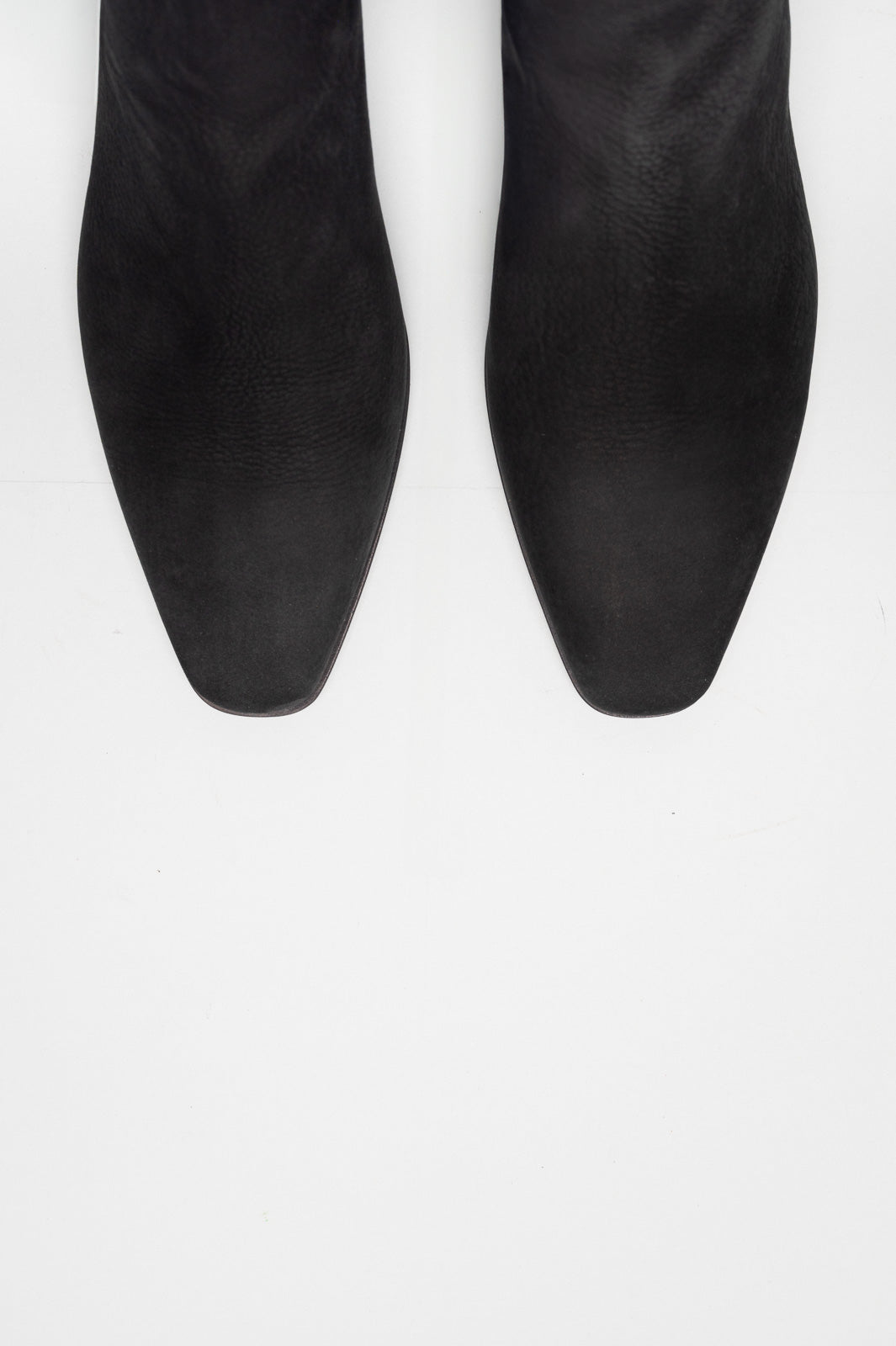
Made in Italy in calf leather and suede, constructed with balanced heels and considered soles. Chosen for proportion and durability rather than seasonal effect.




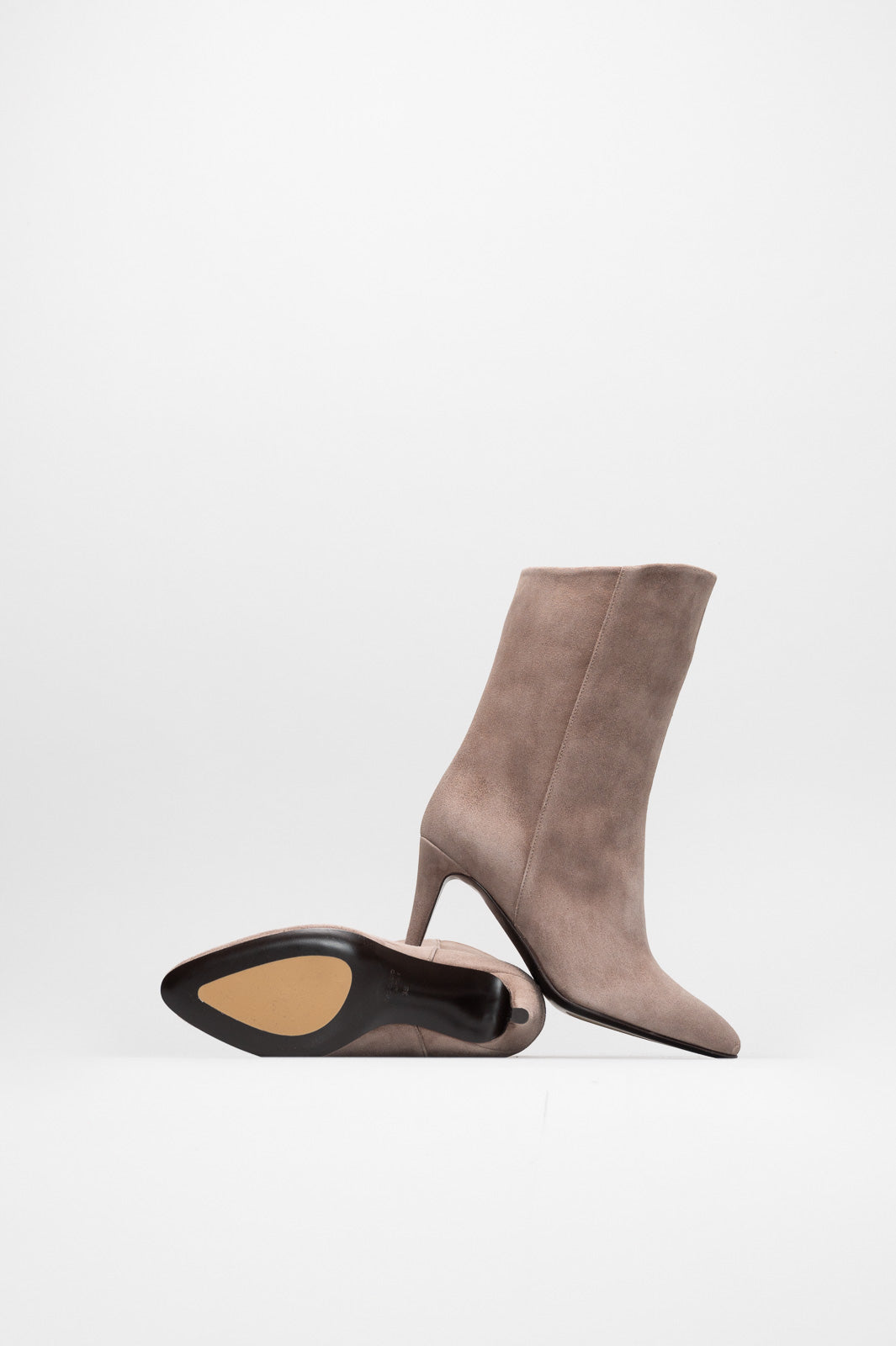
Pumps
Context
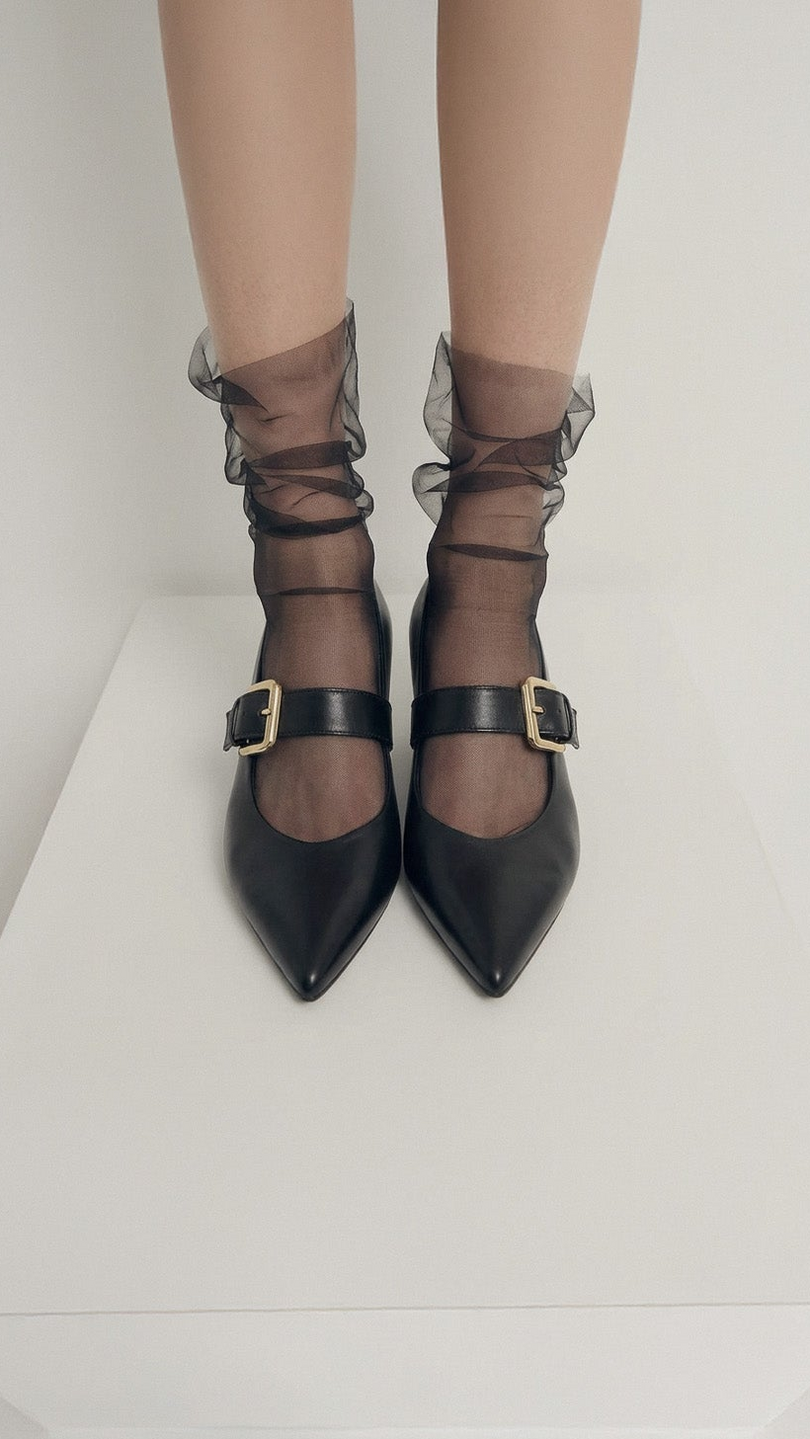
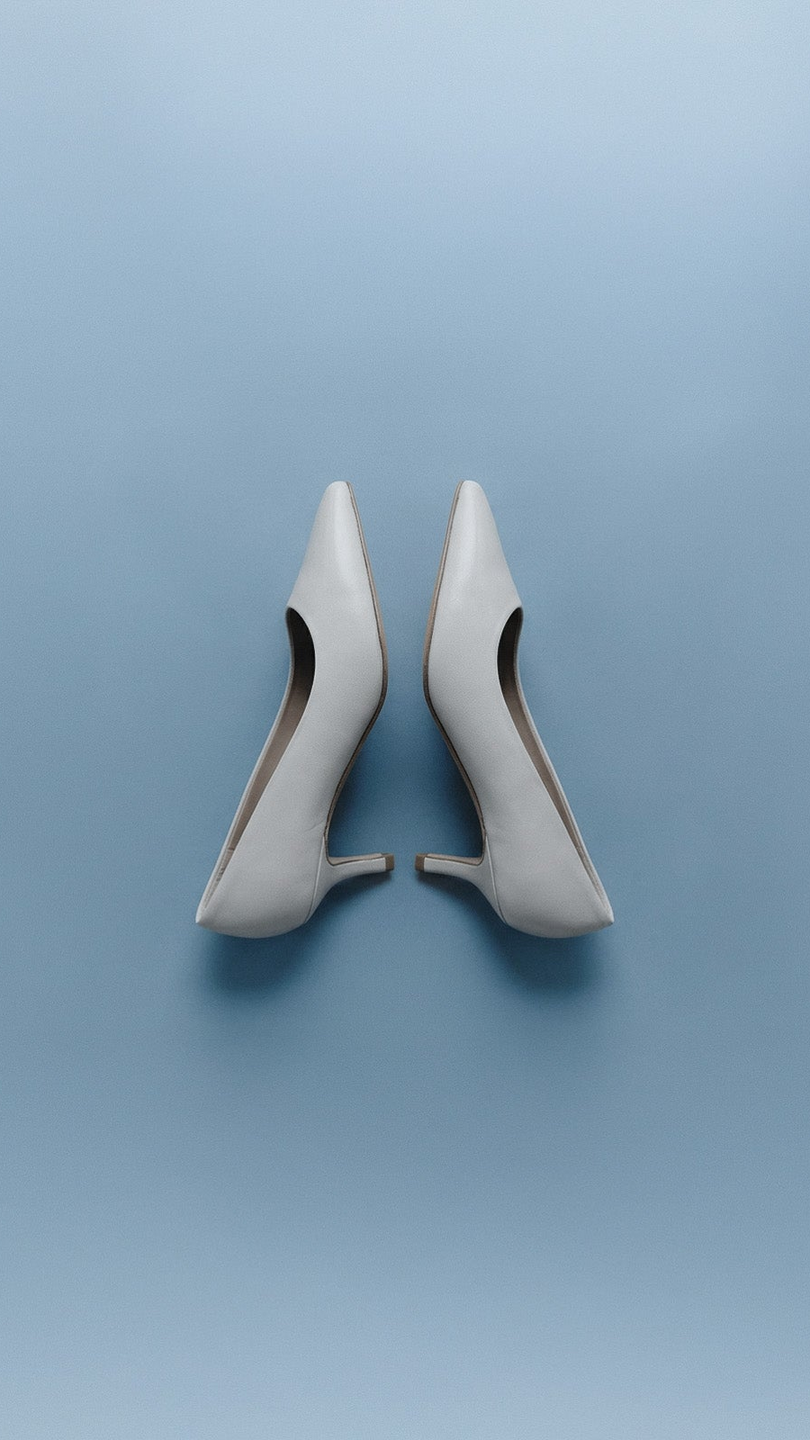
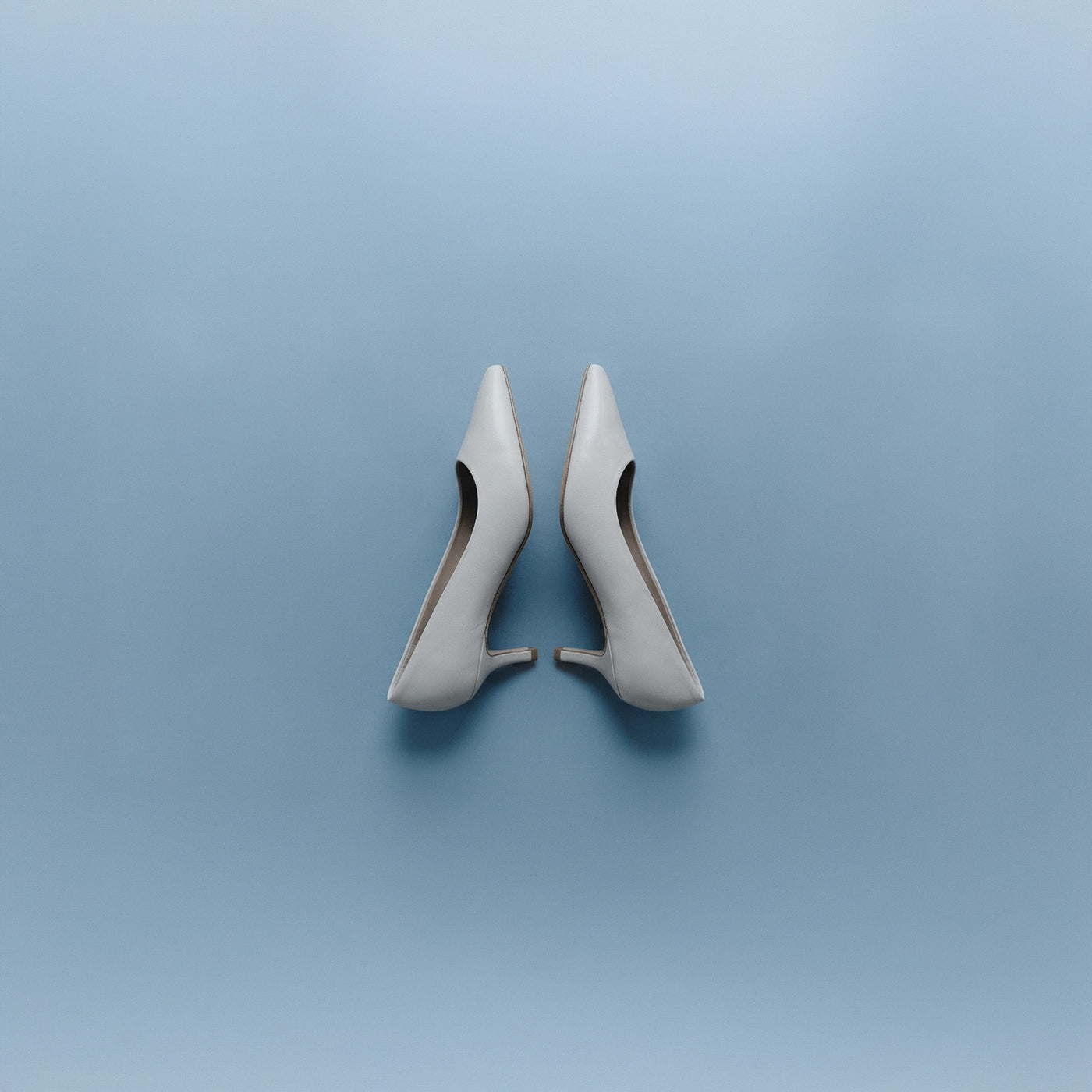
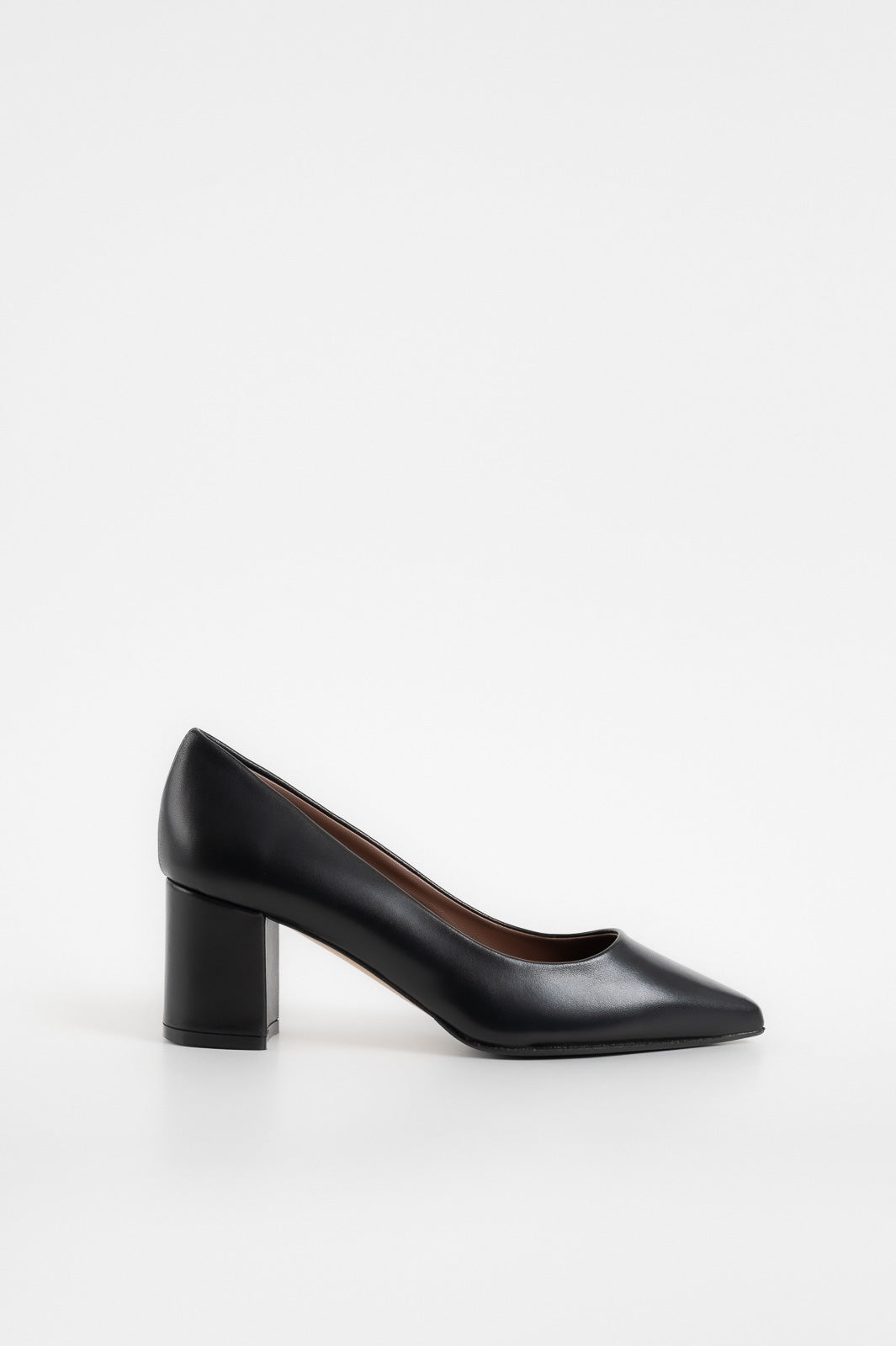
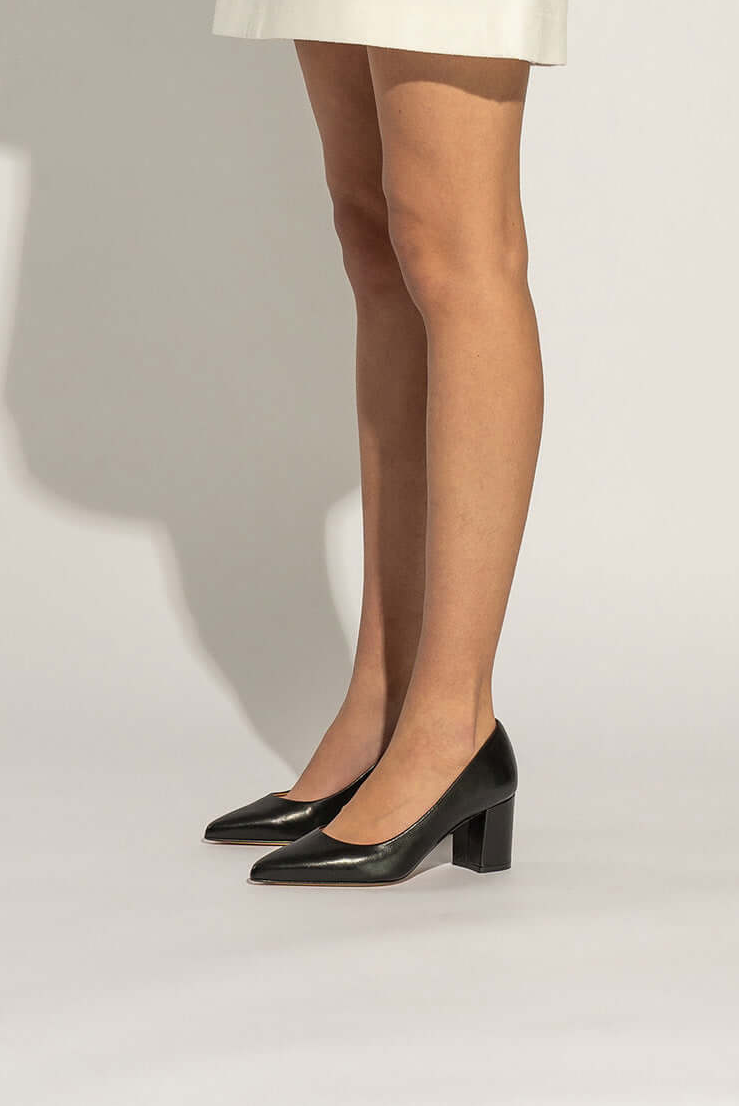
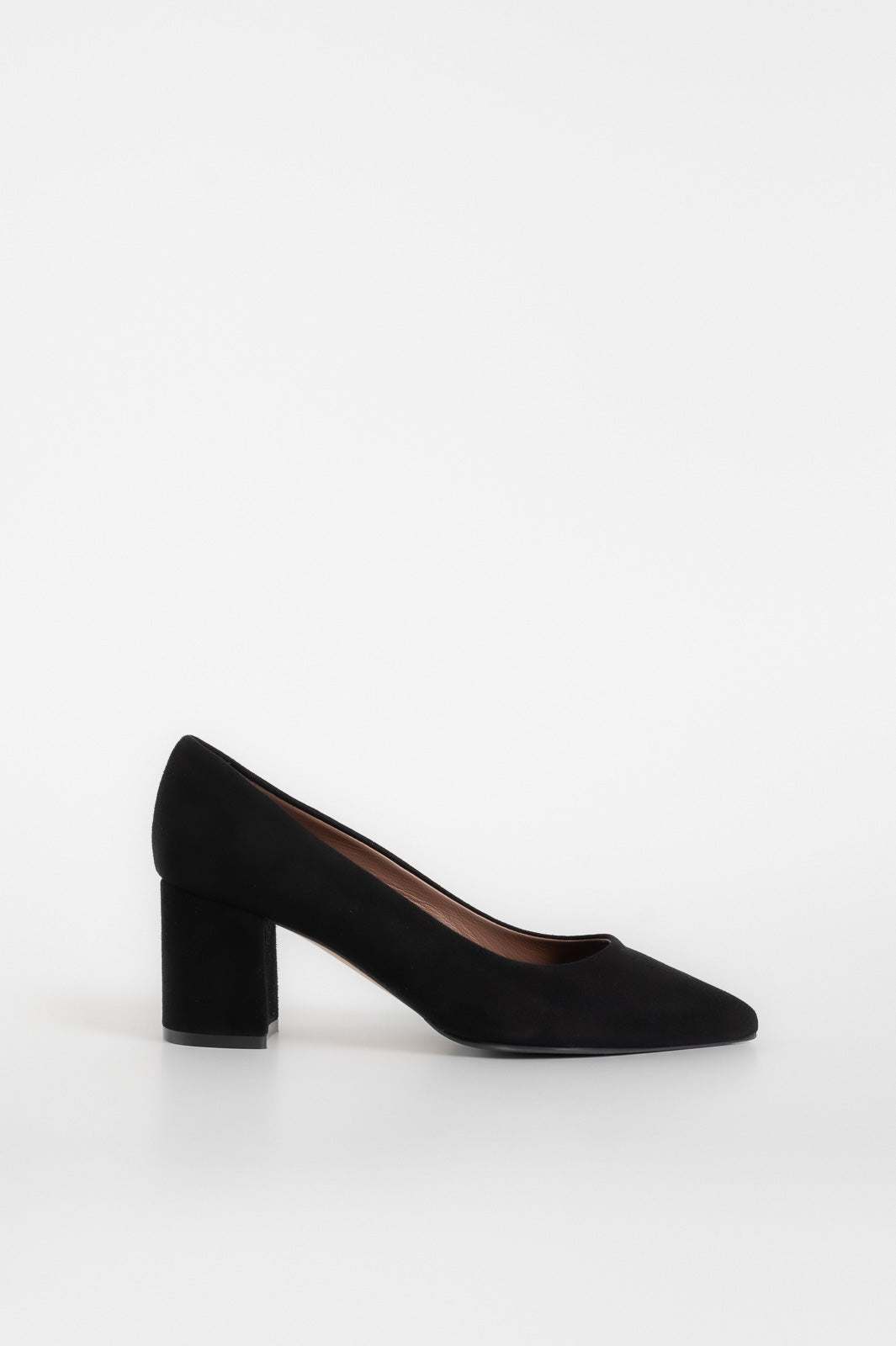
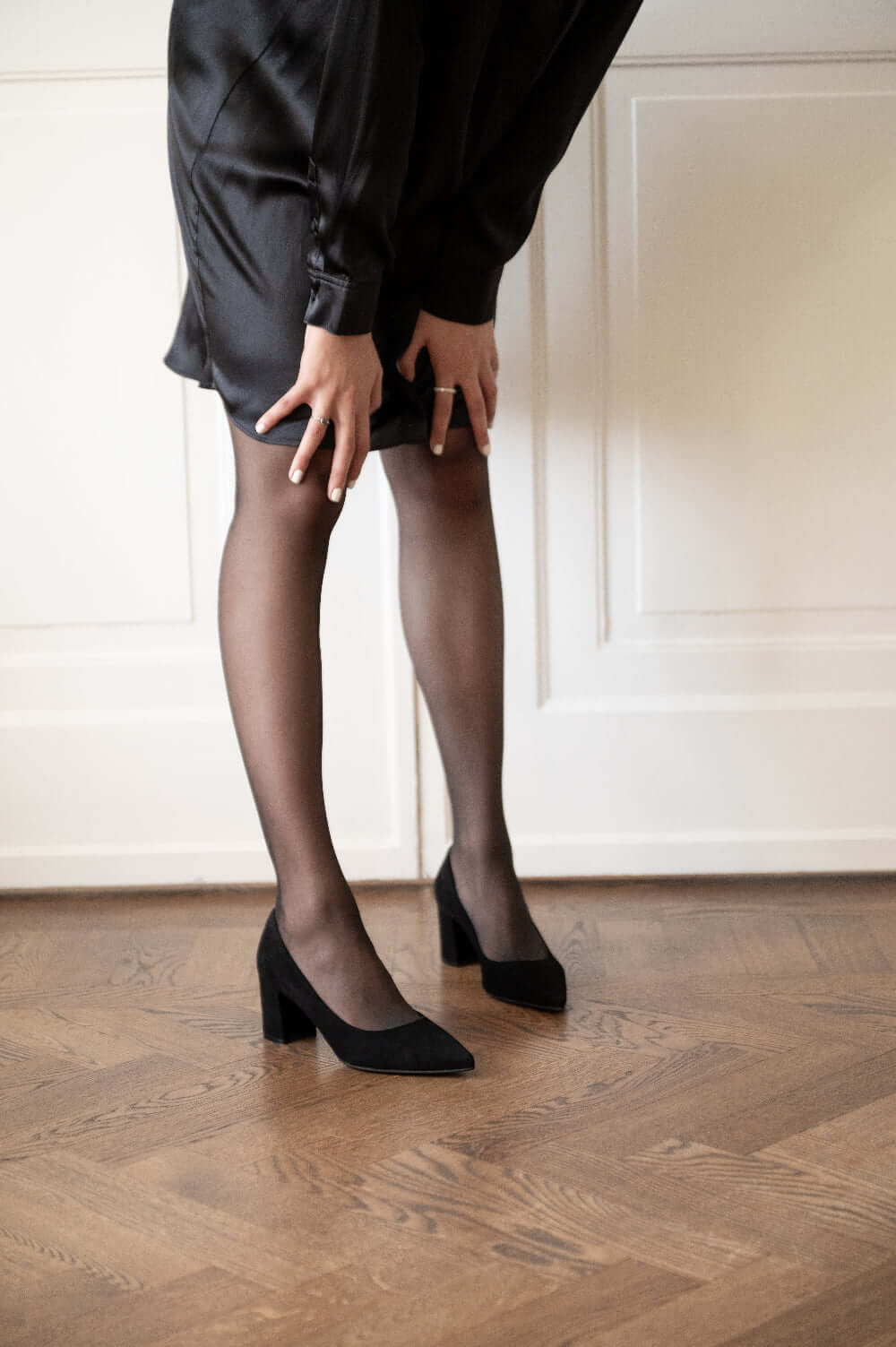
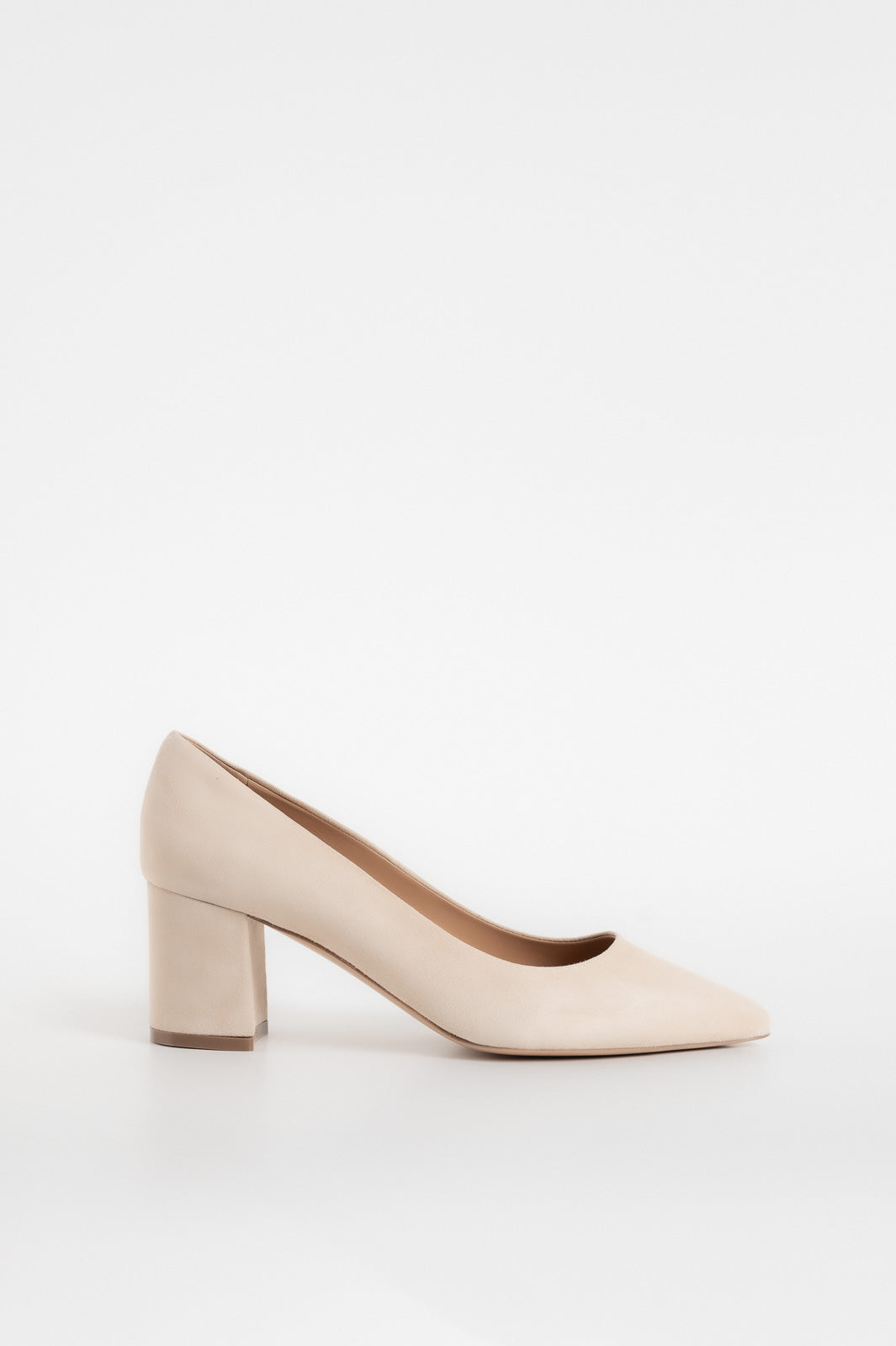
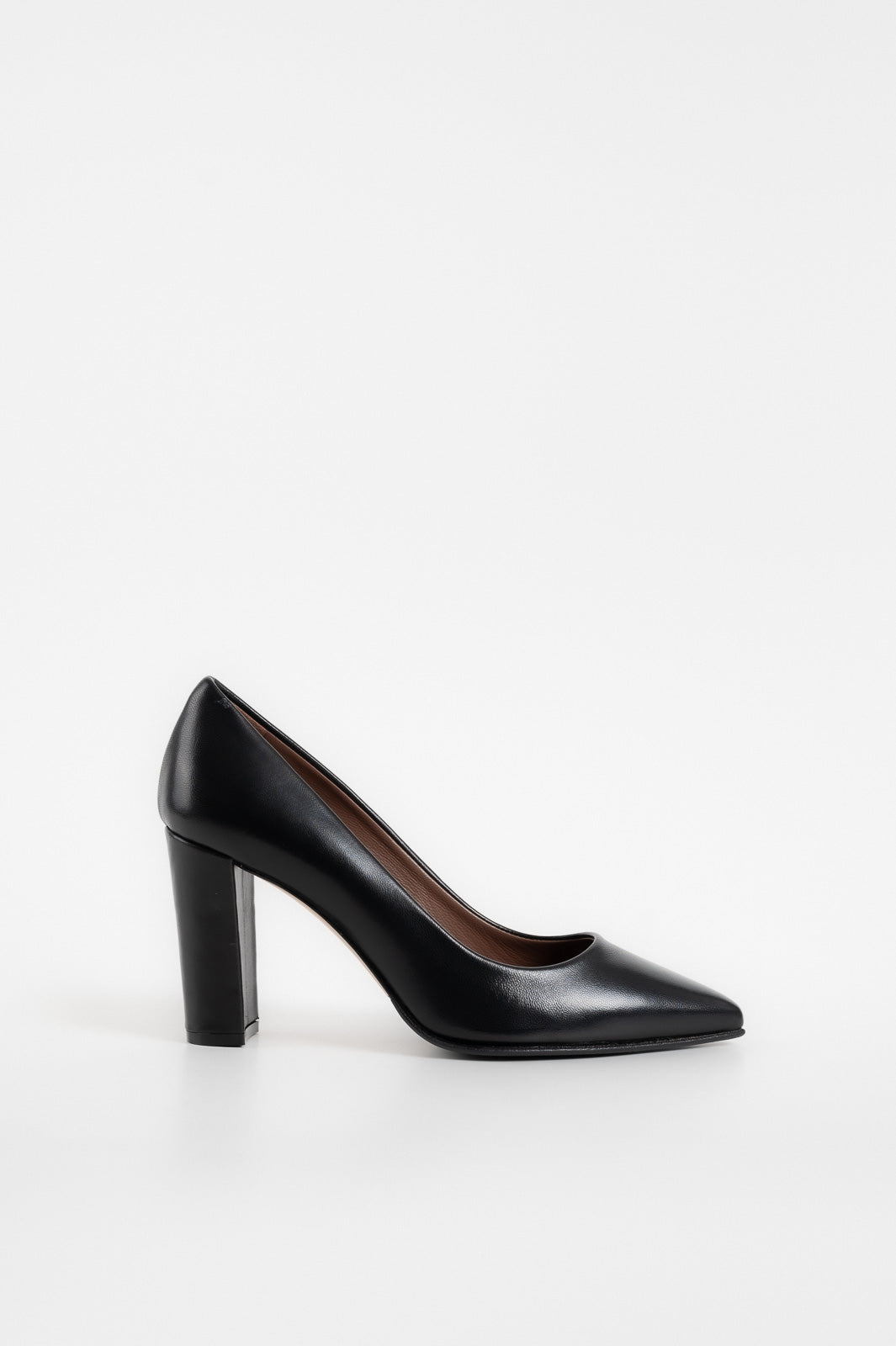
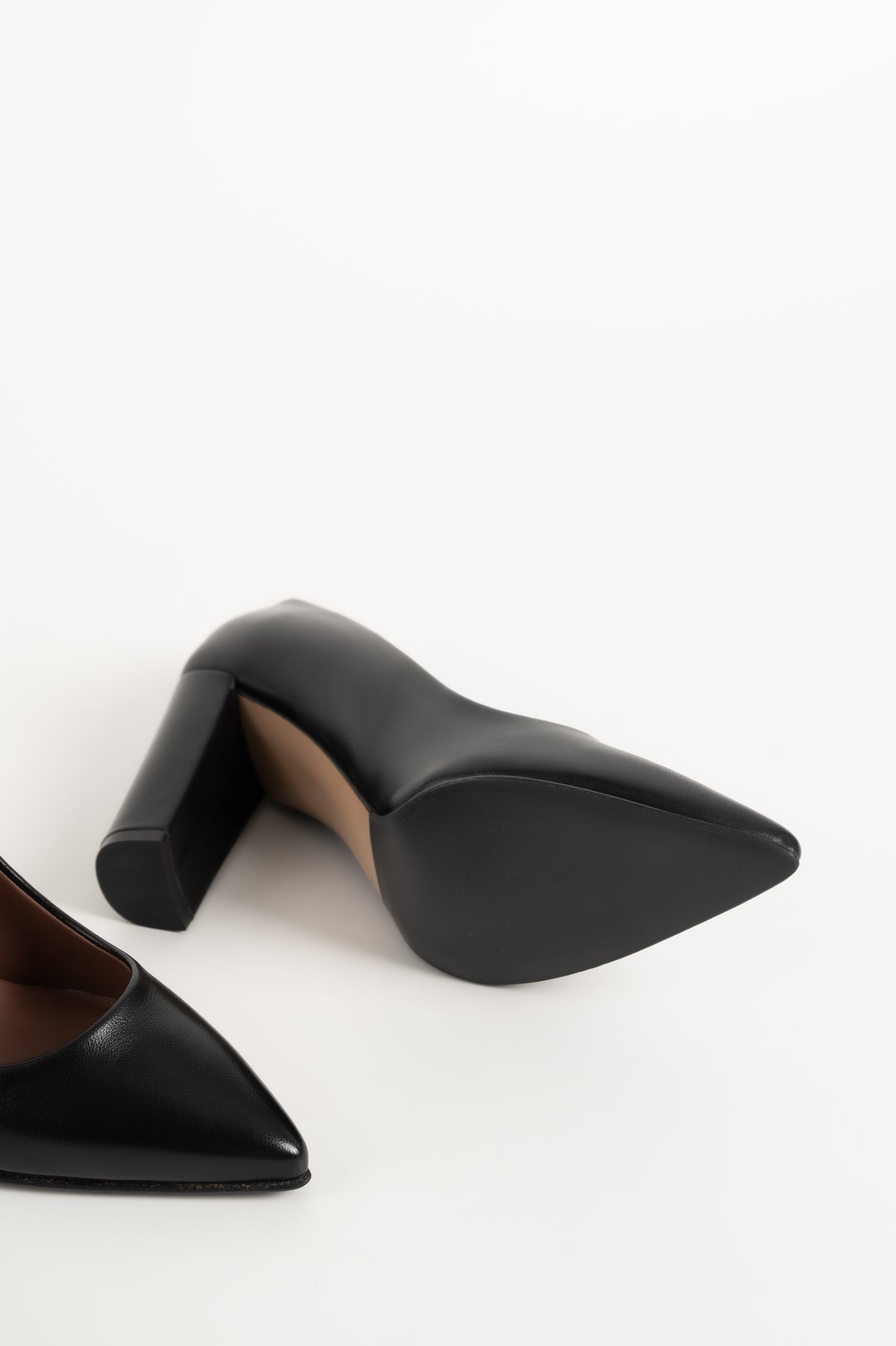
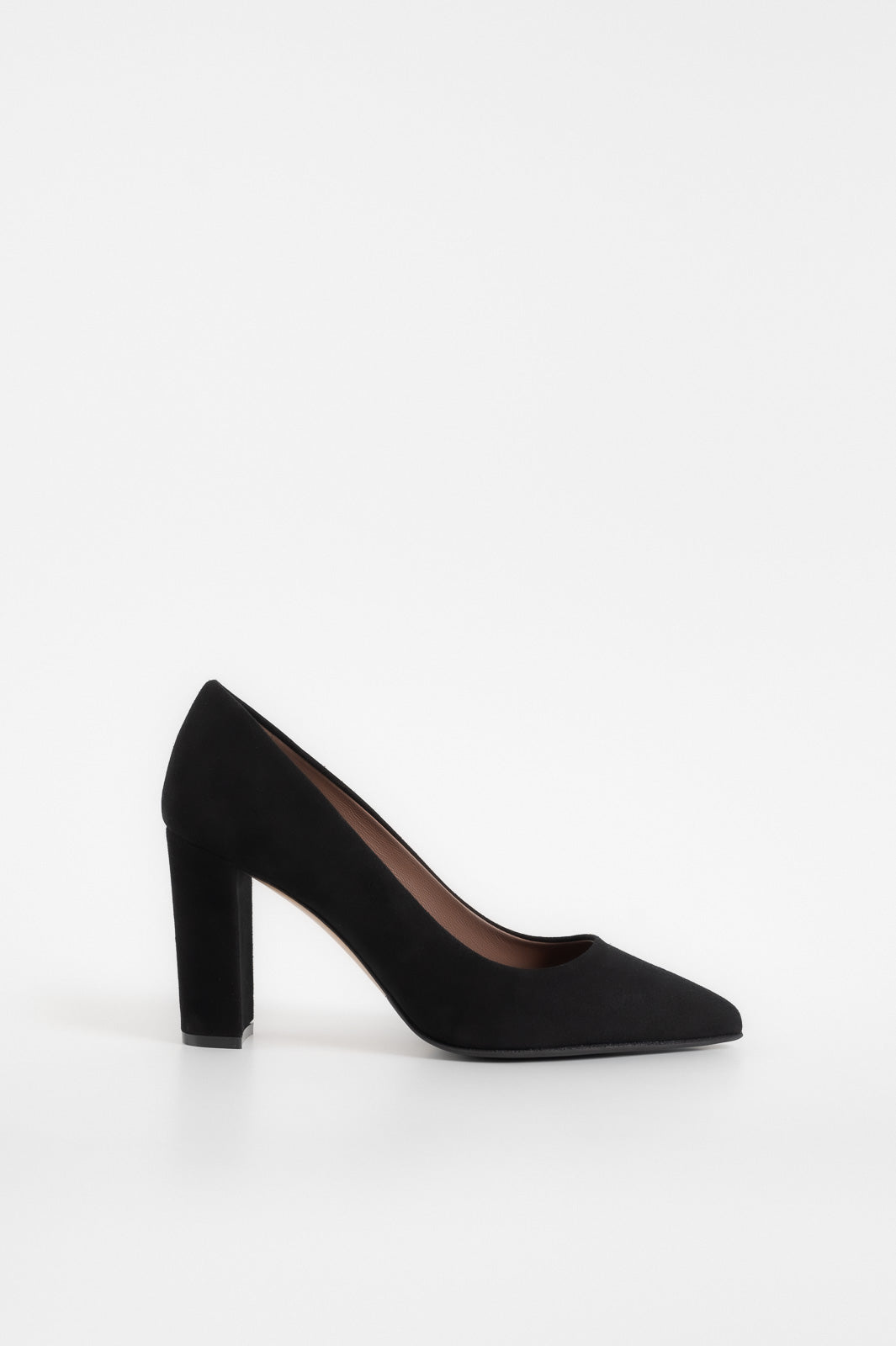
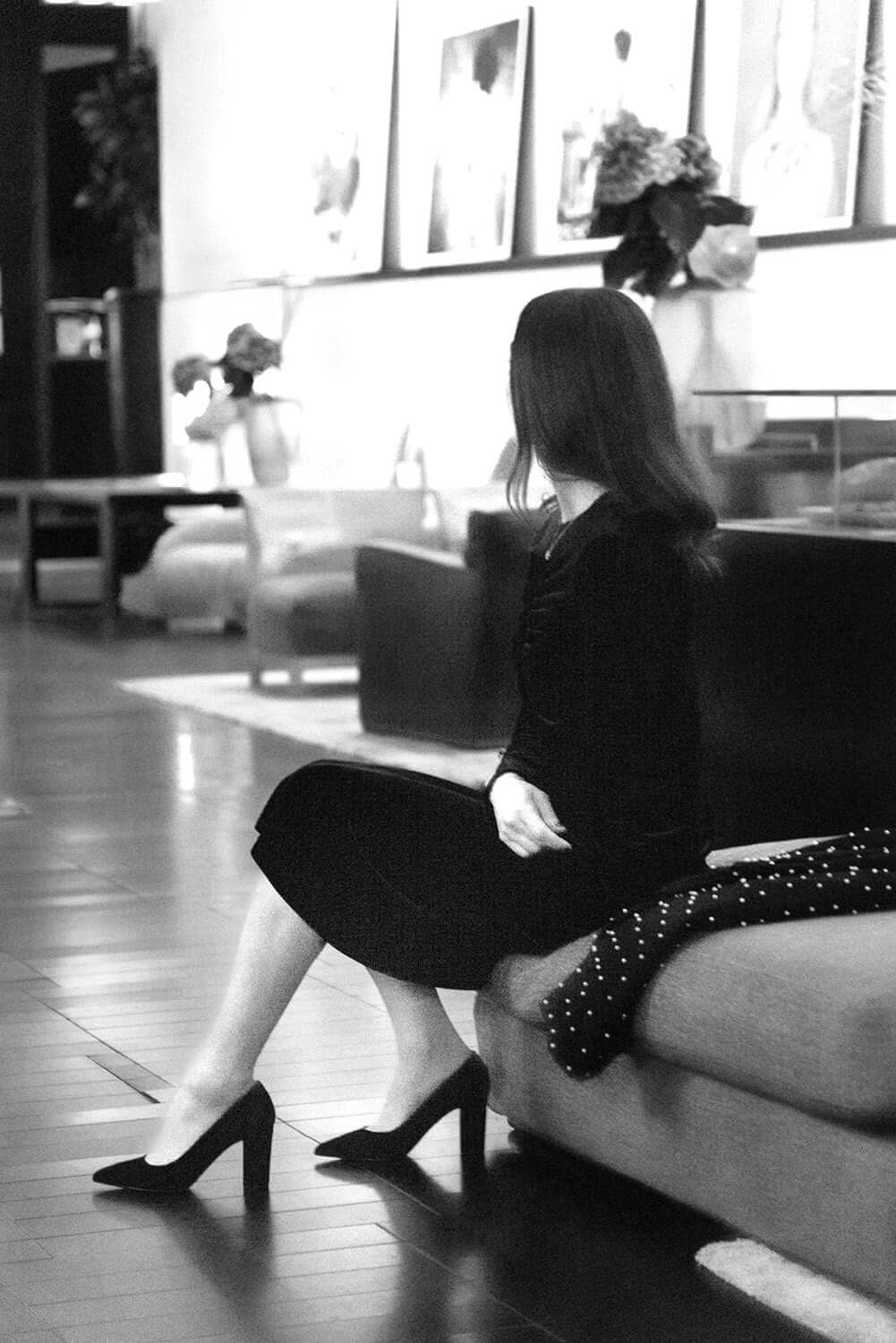
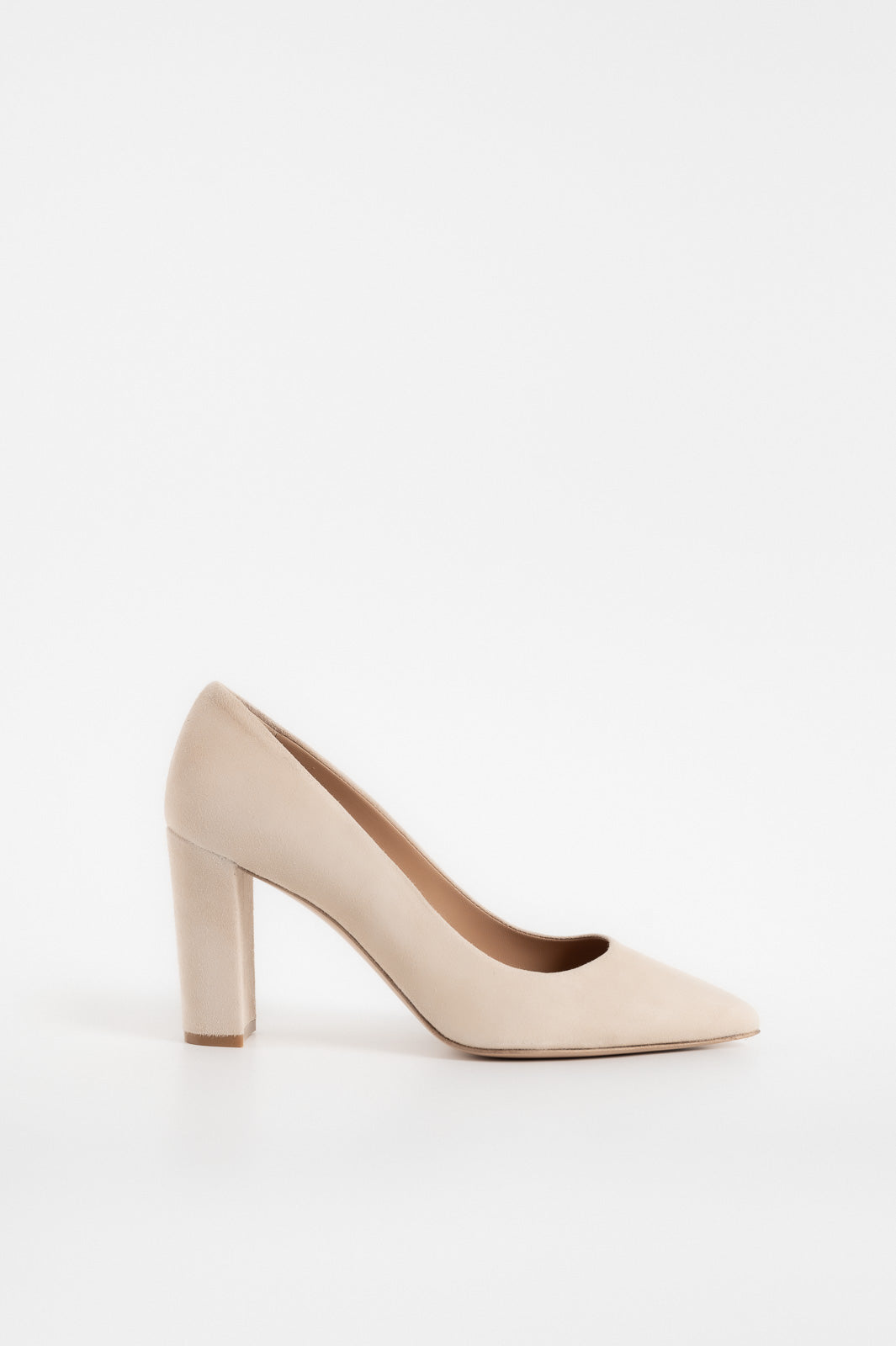
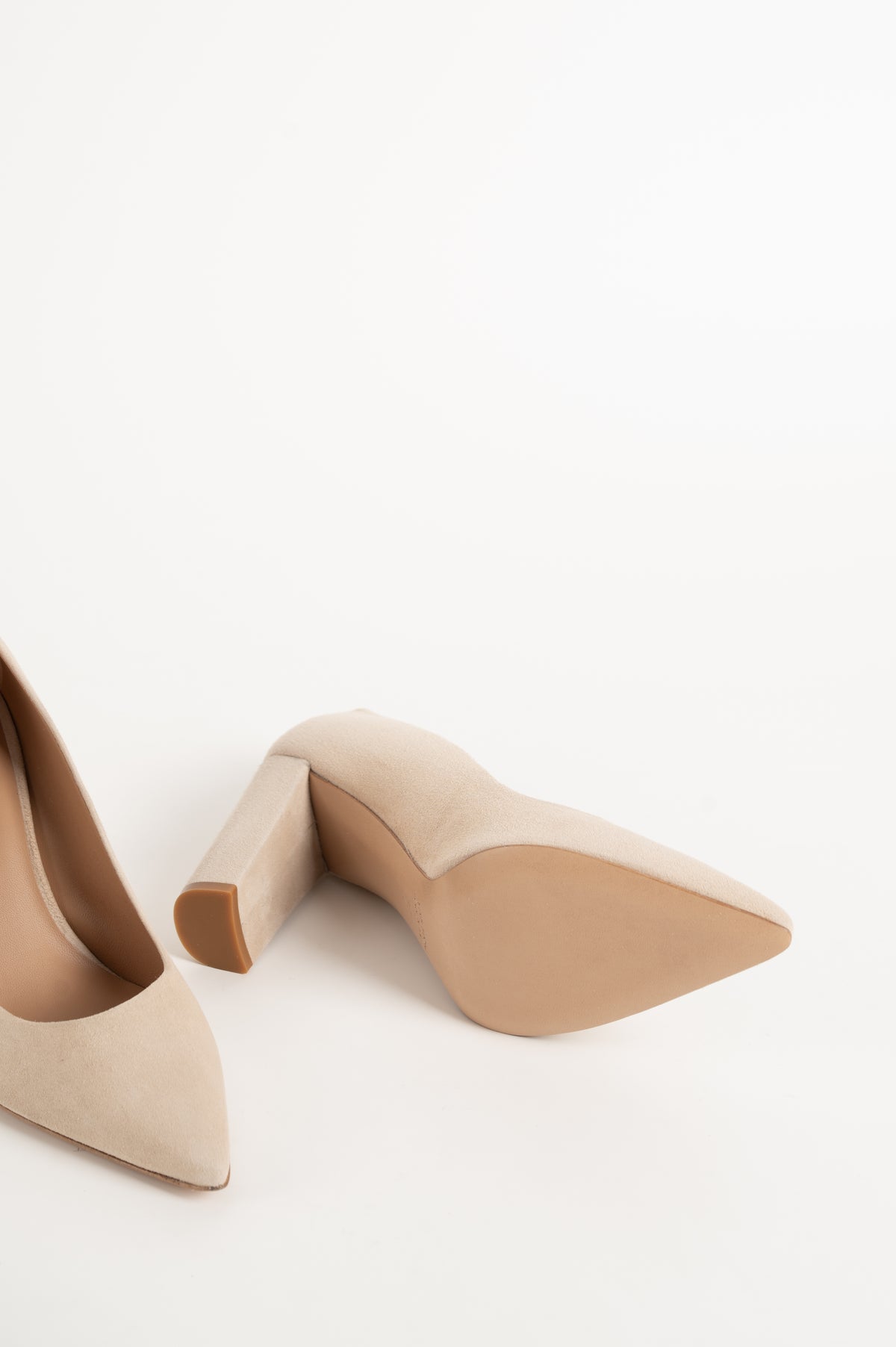
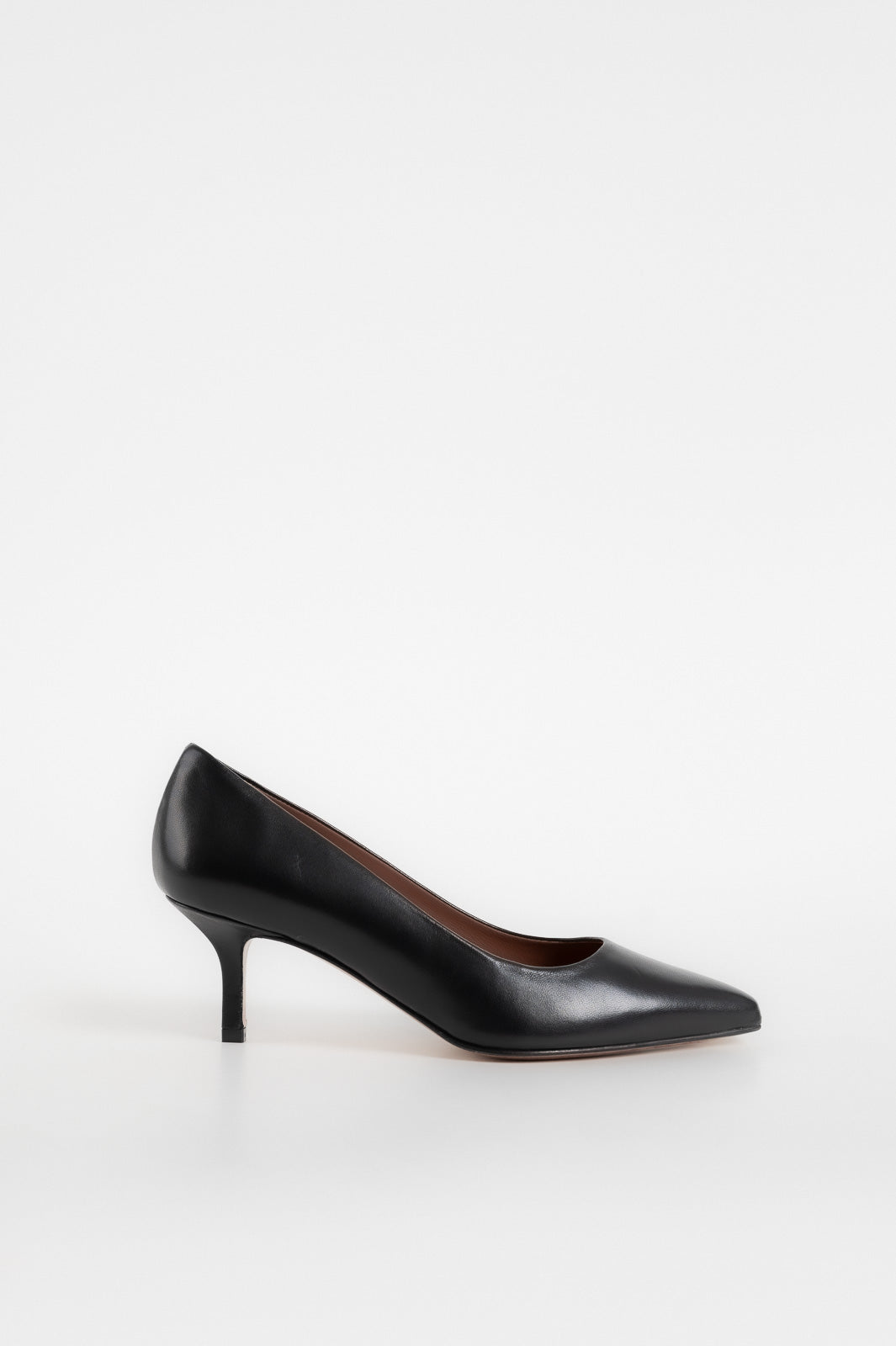
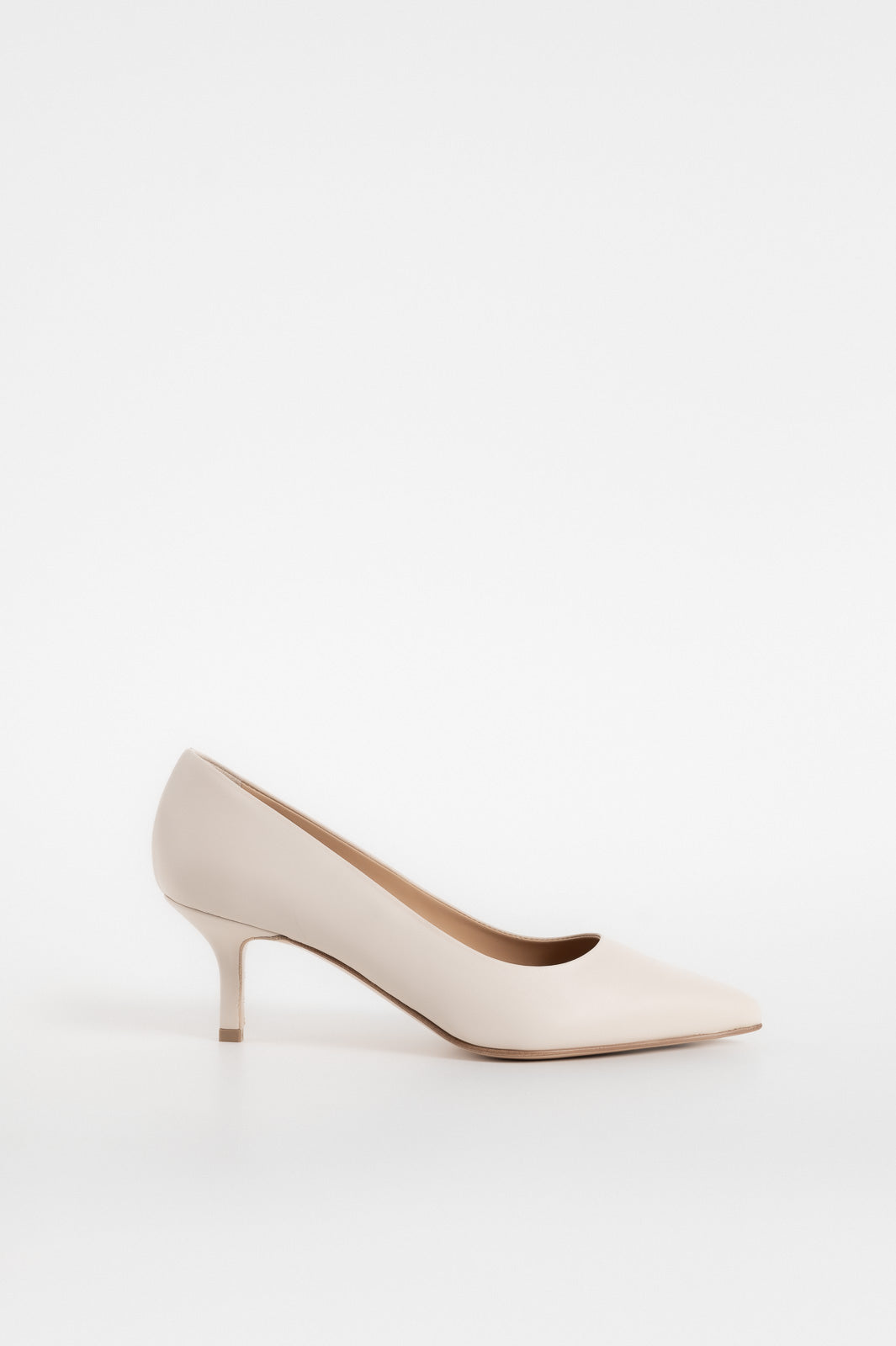
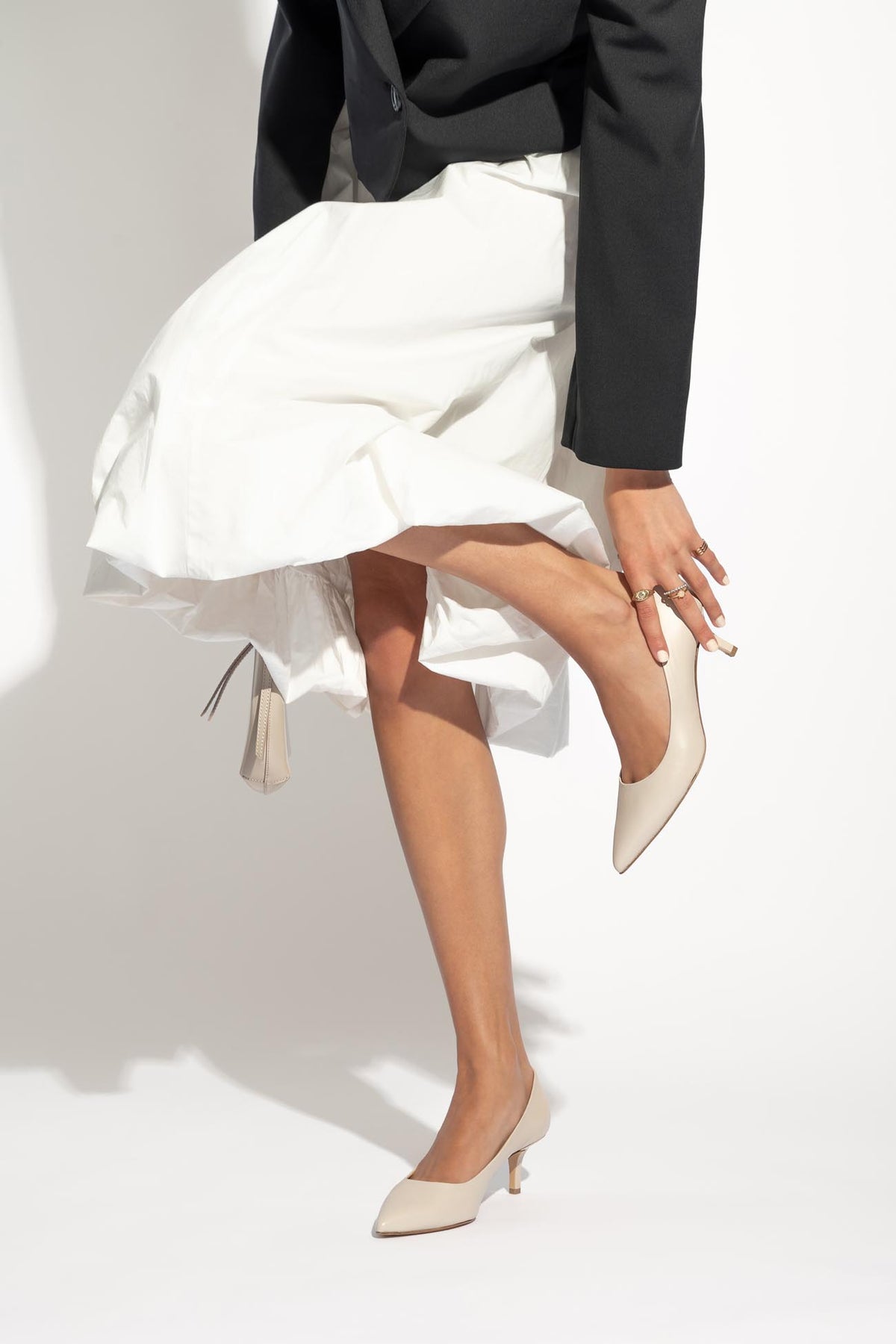
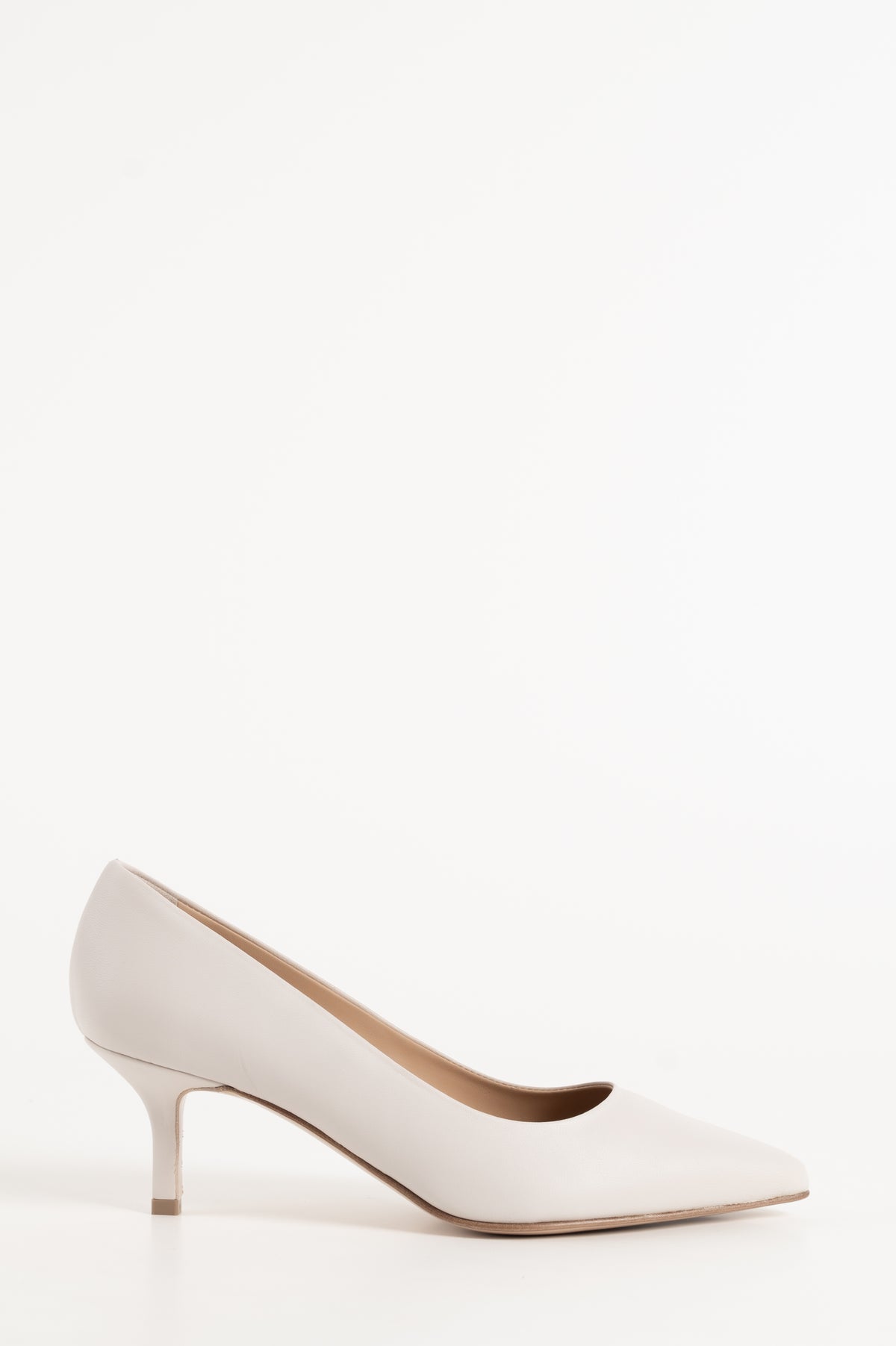
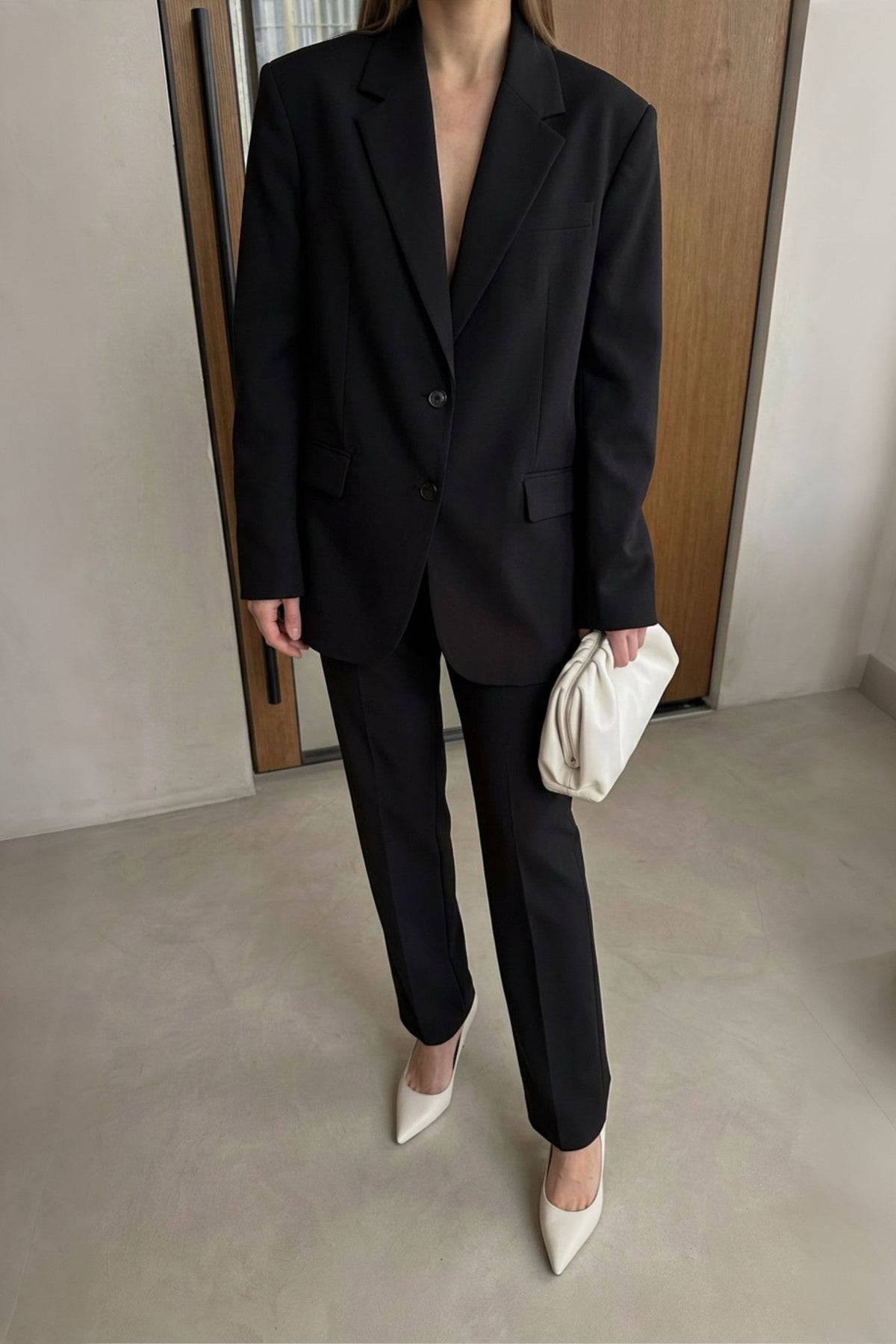
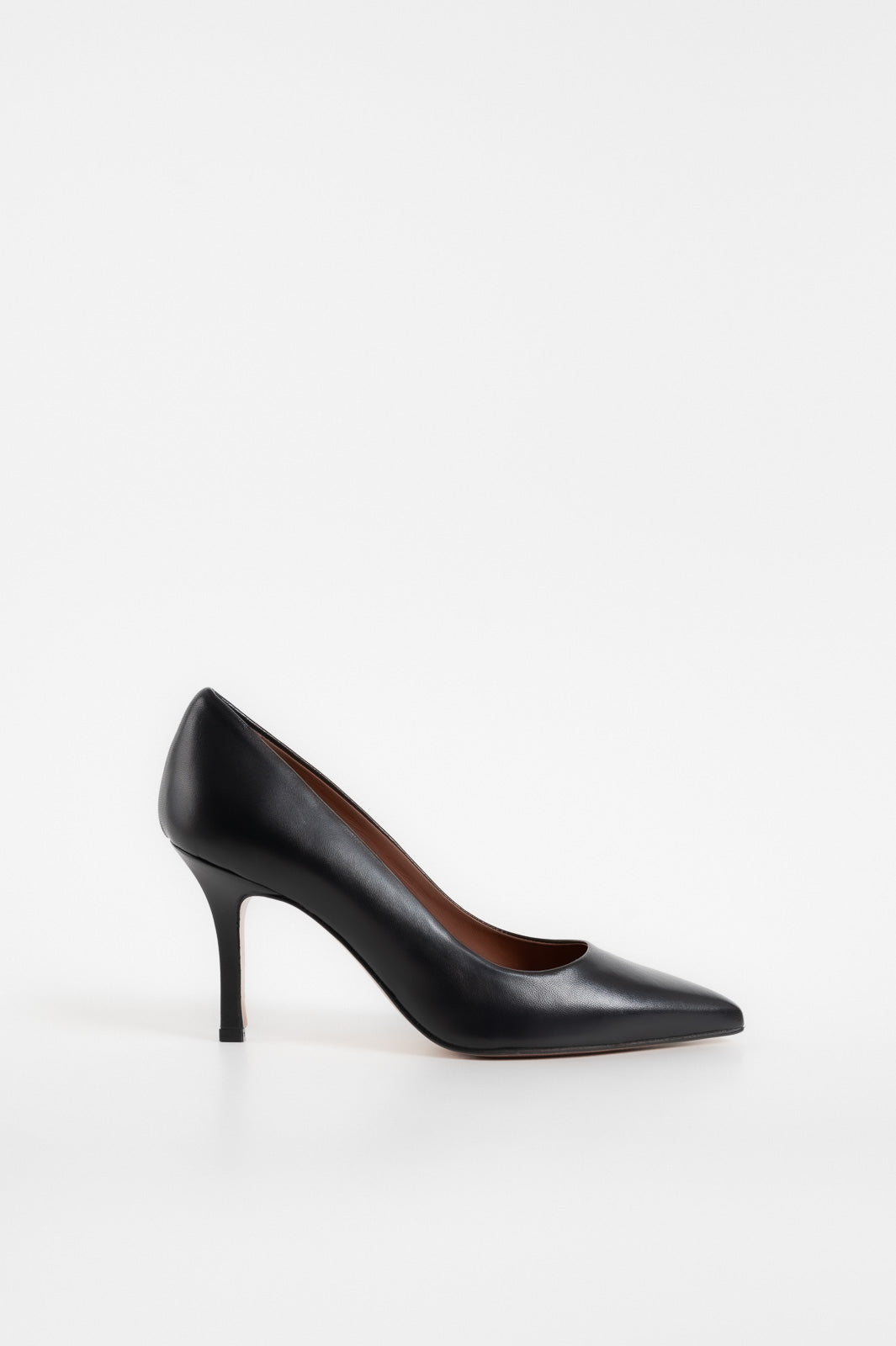
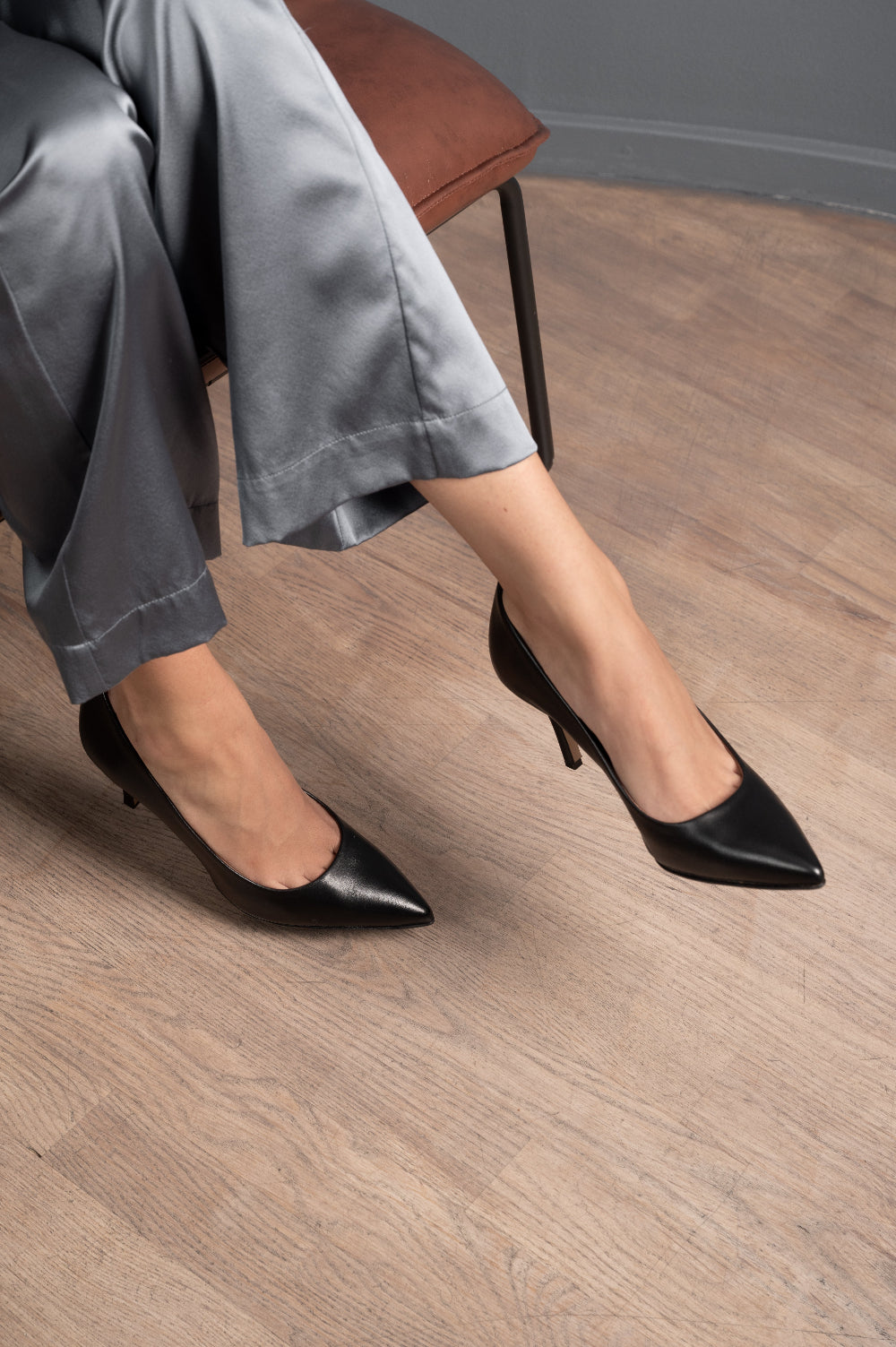
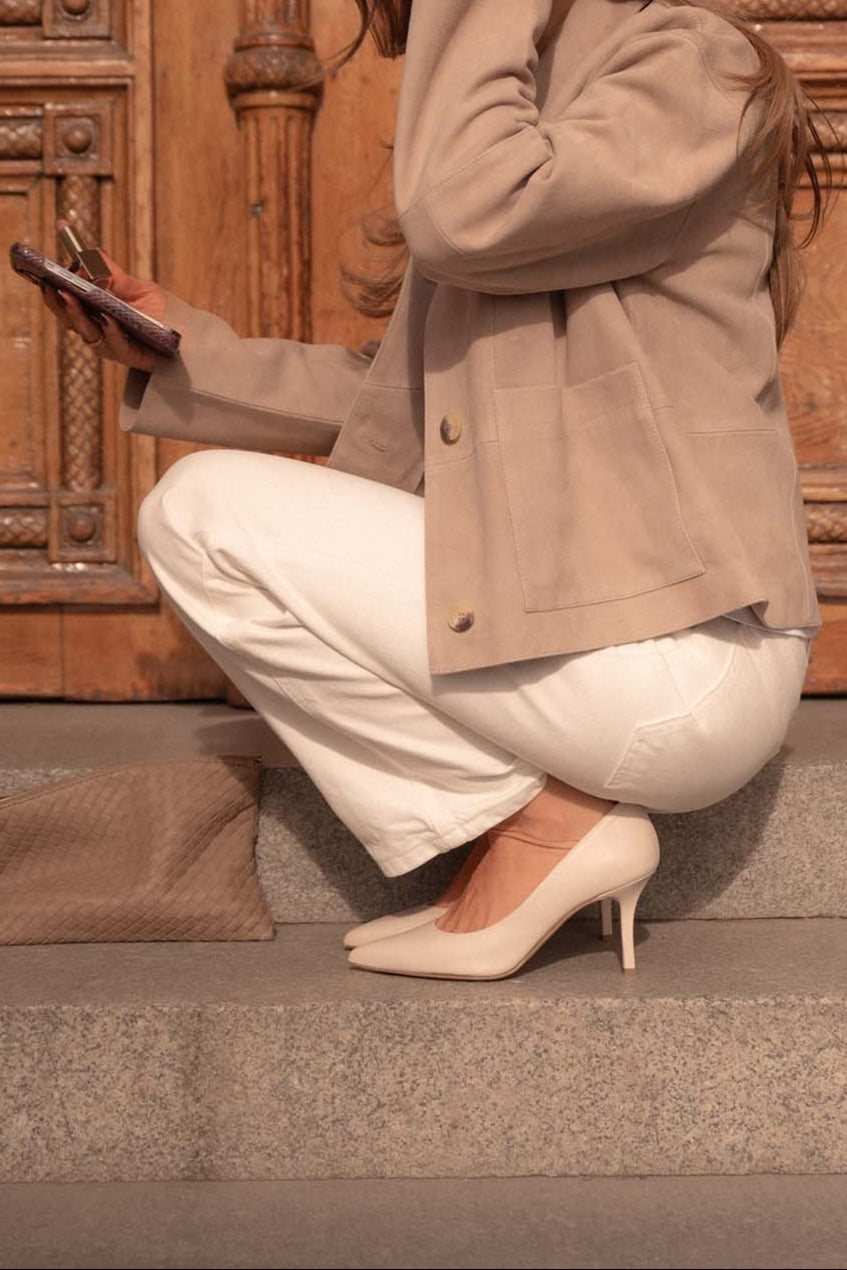
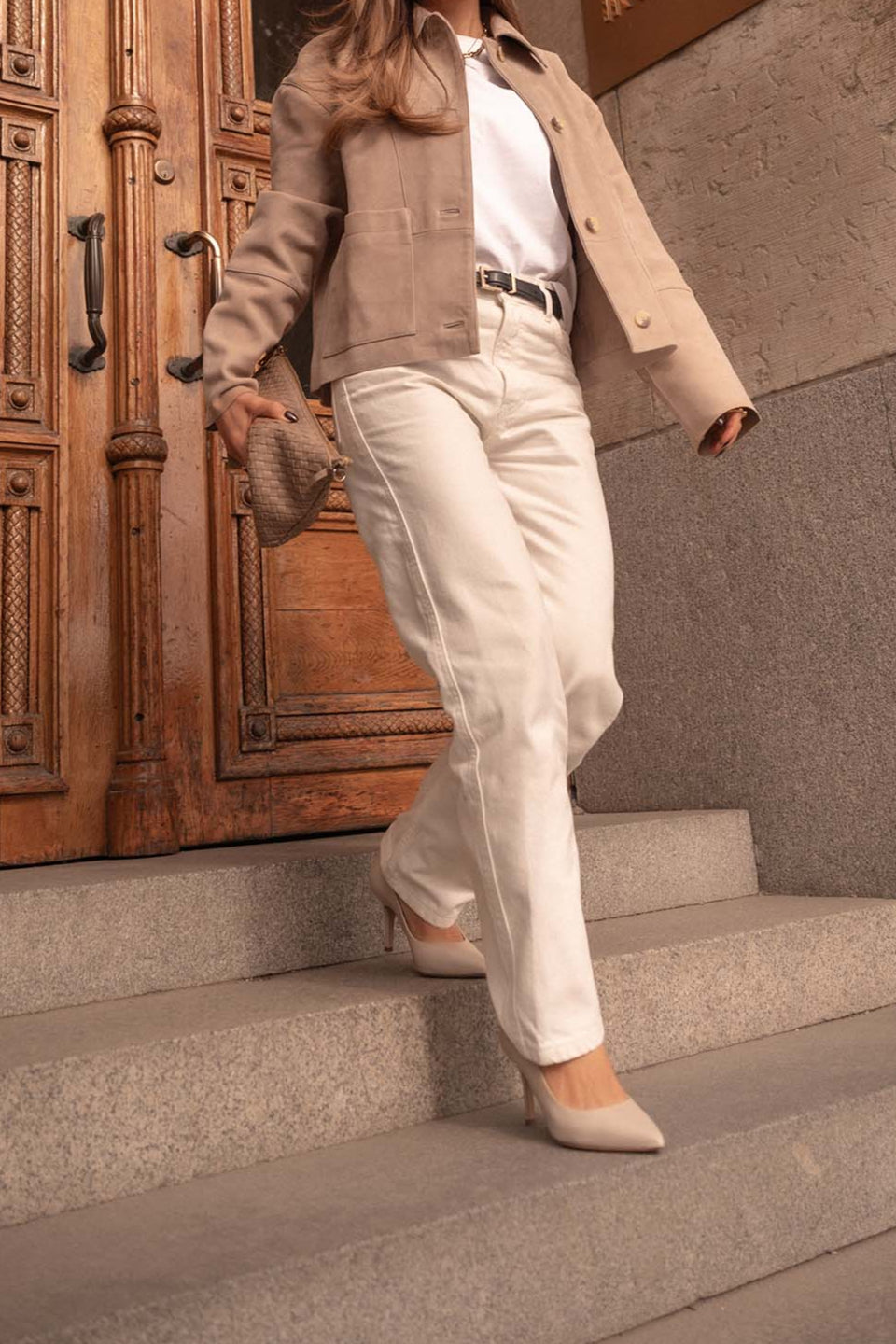
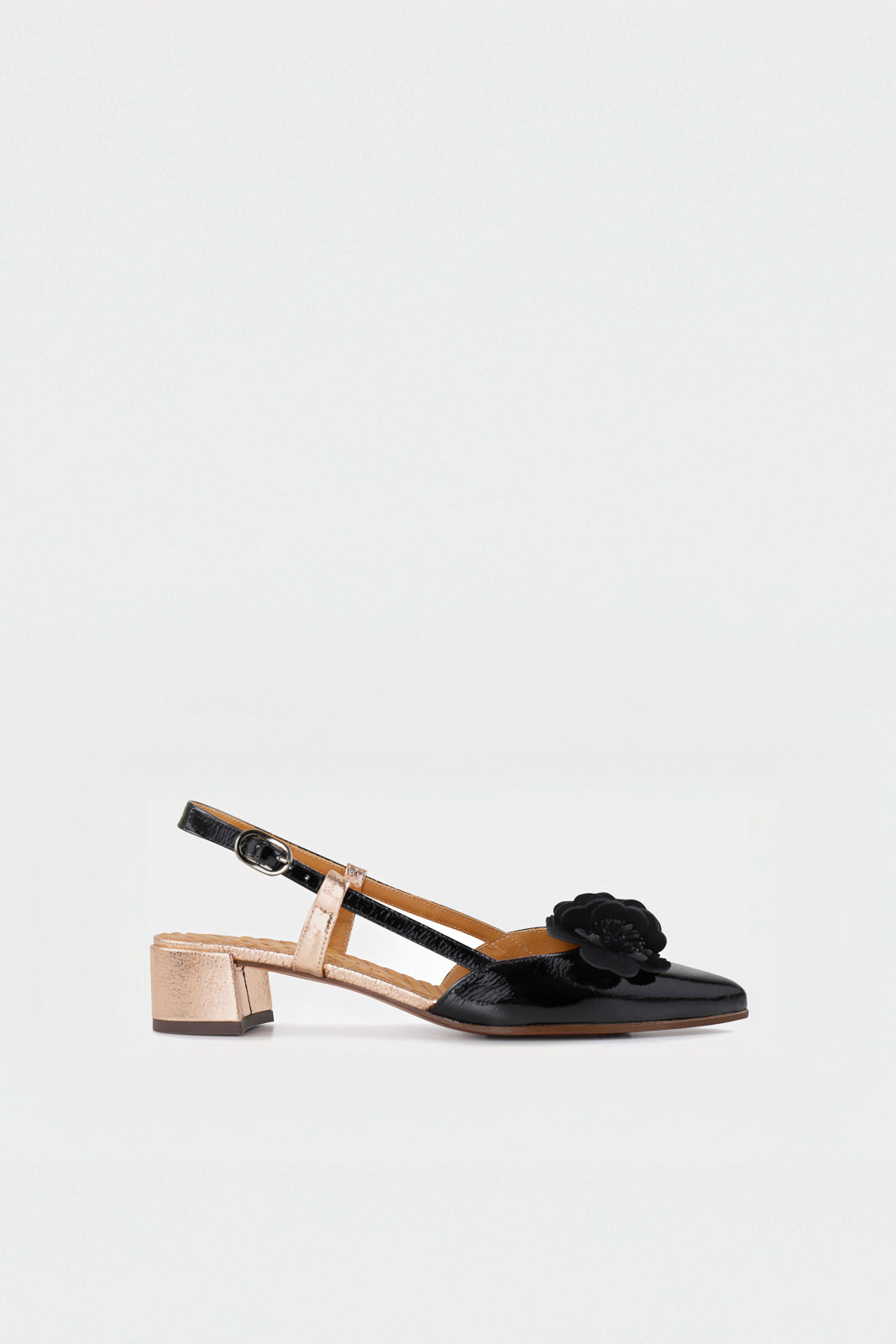
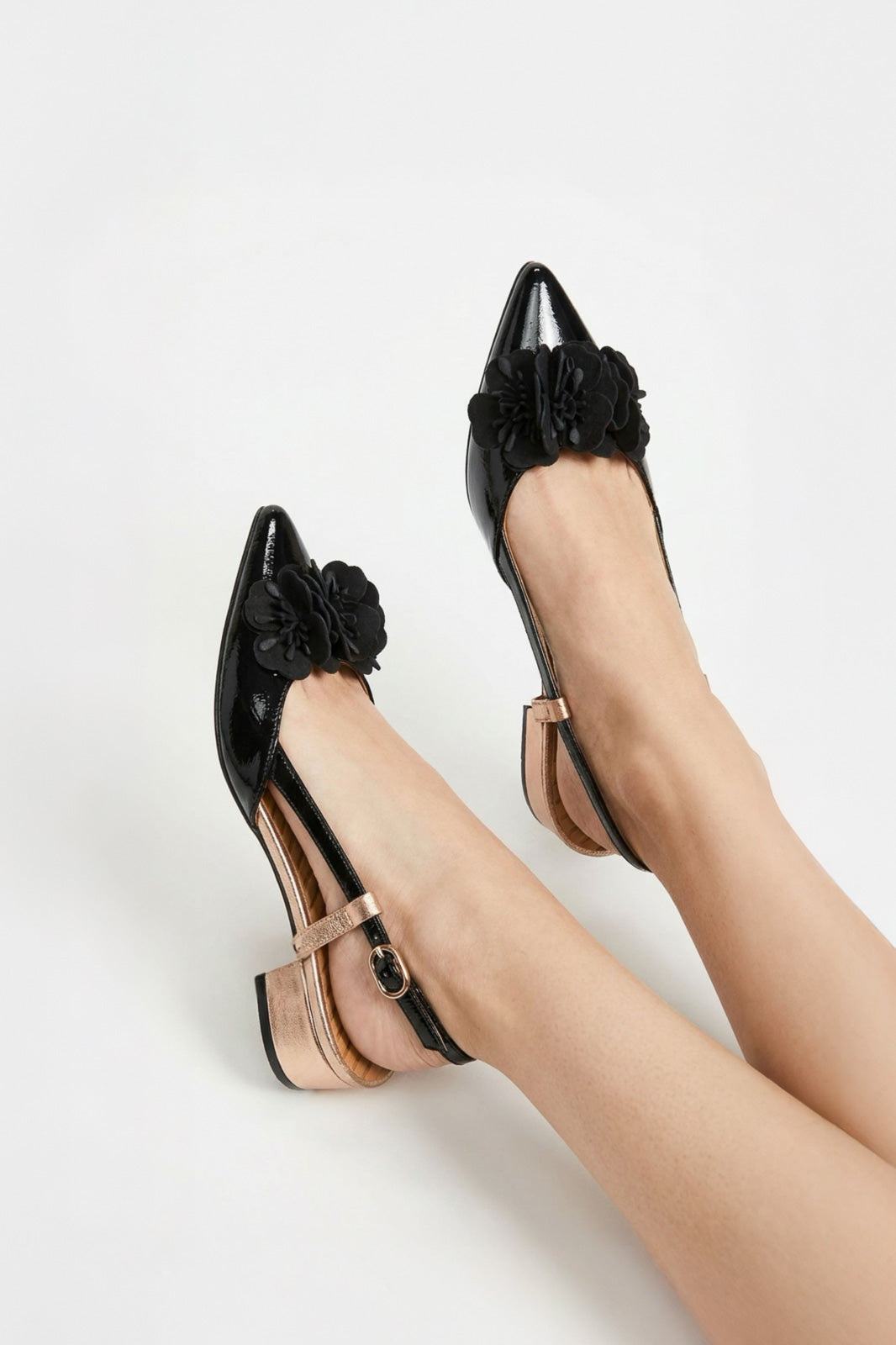
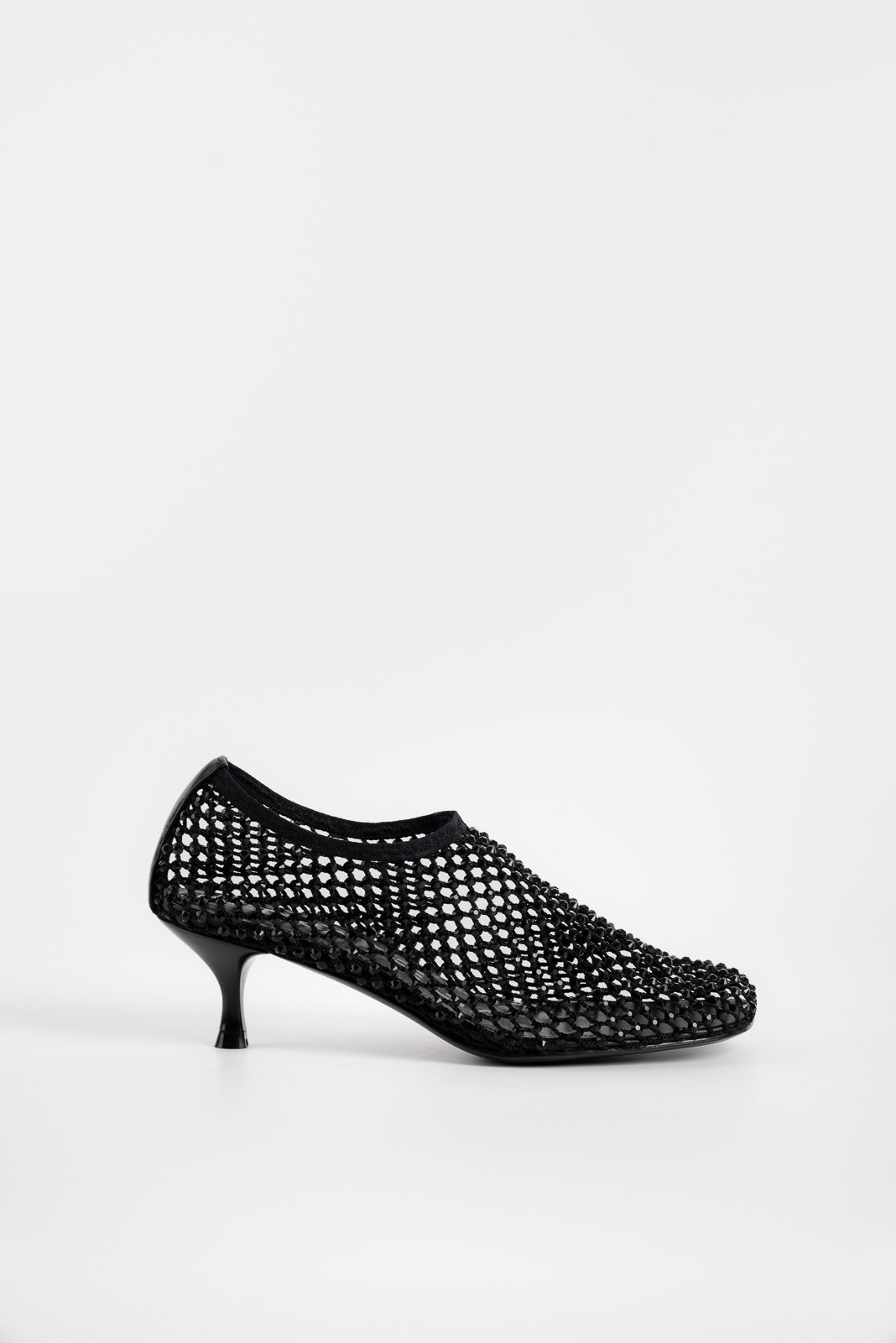
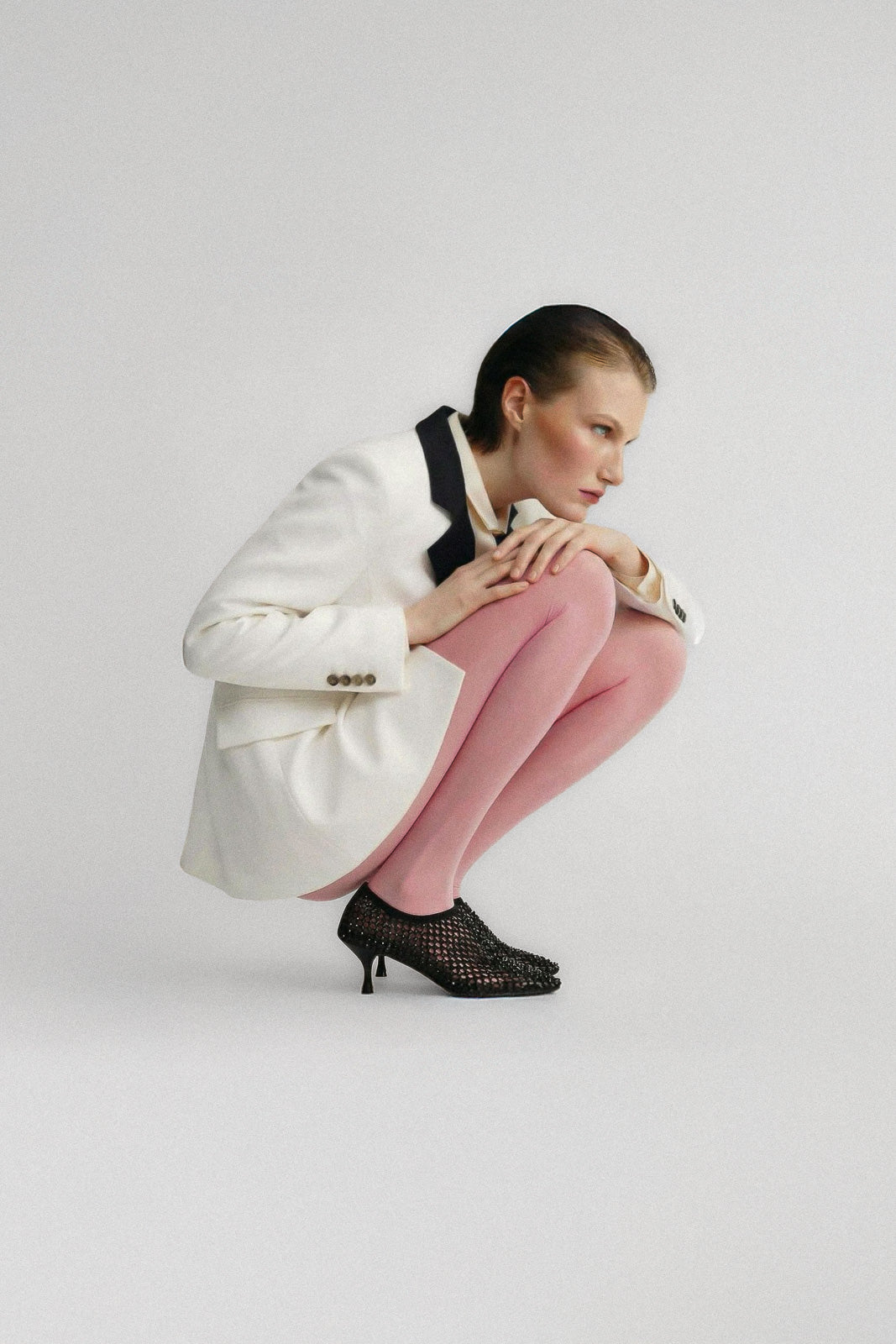
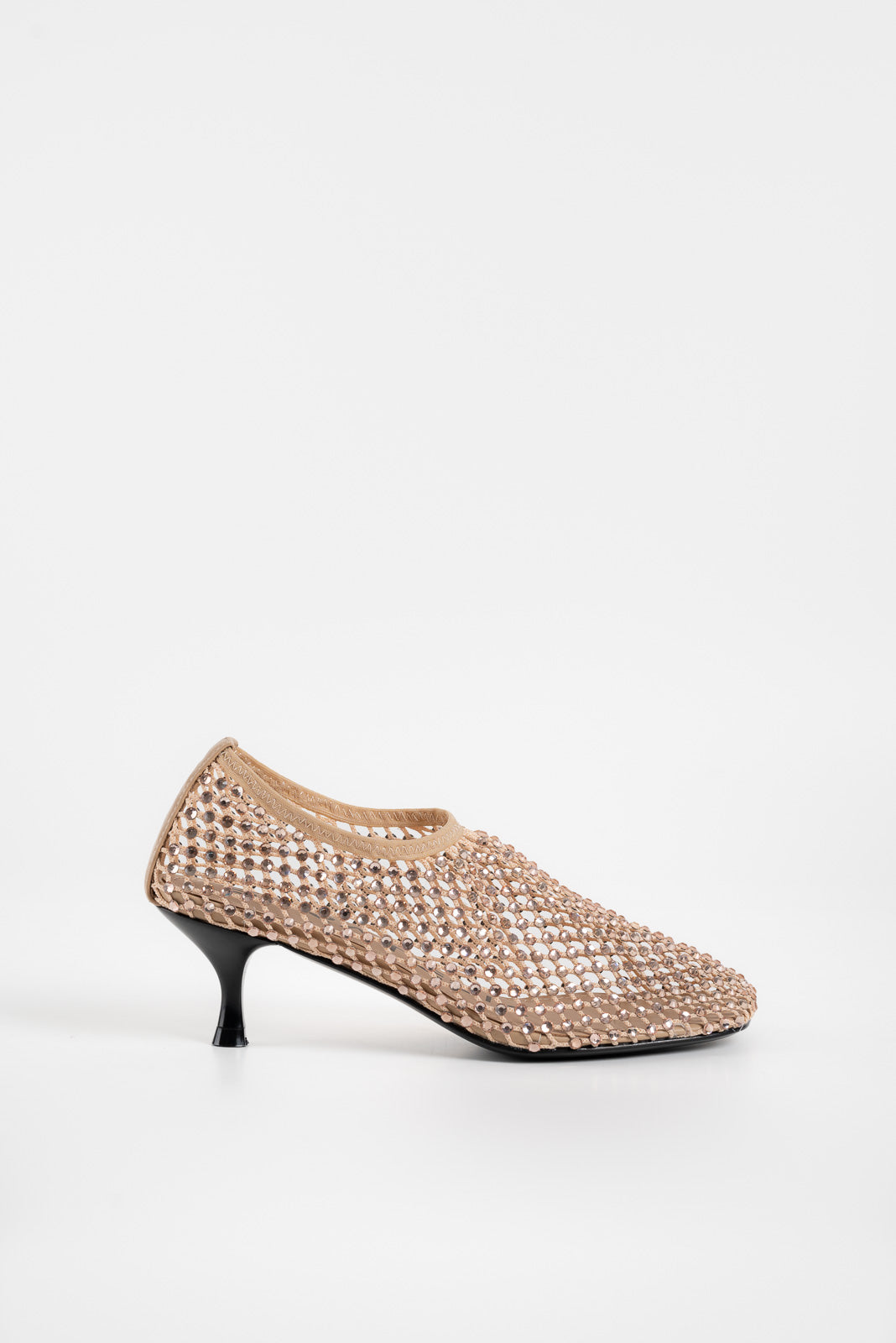
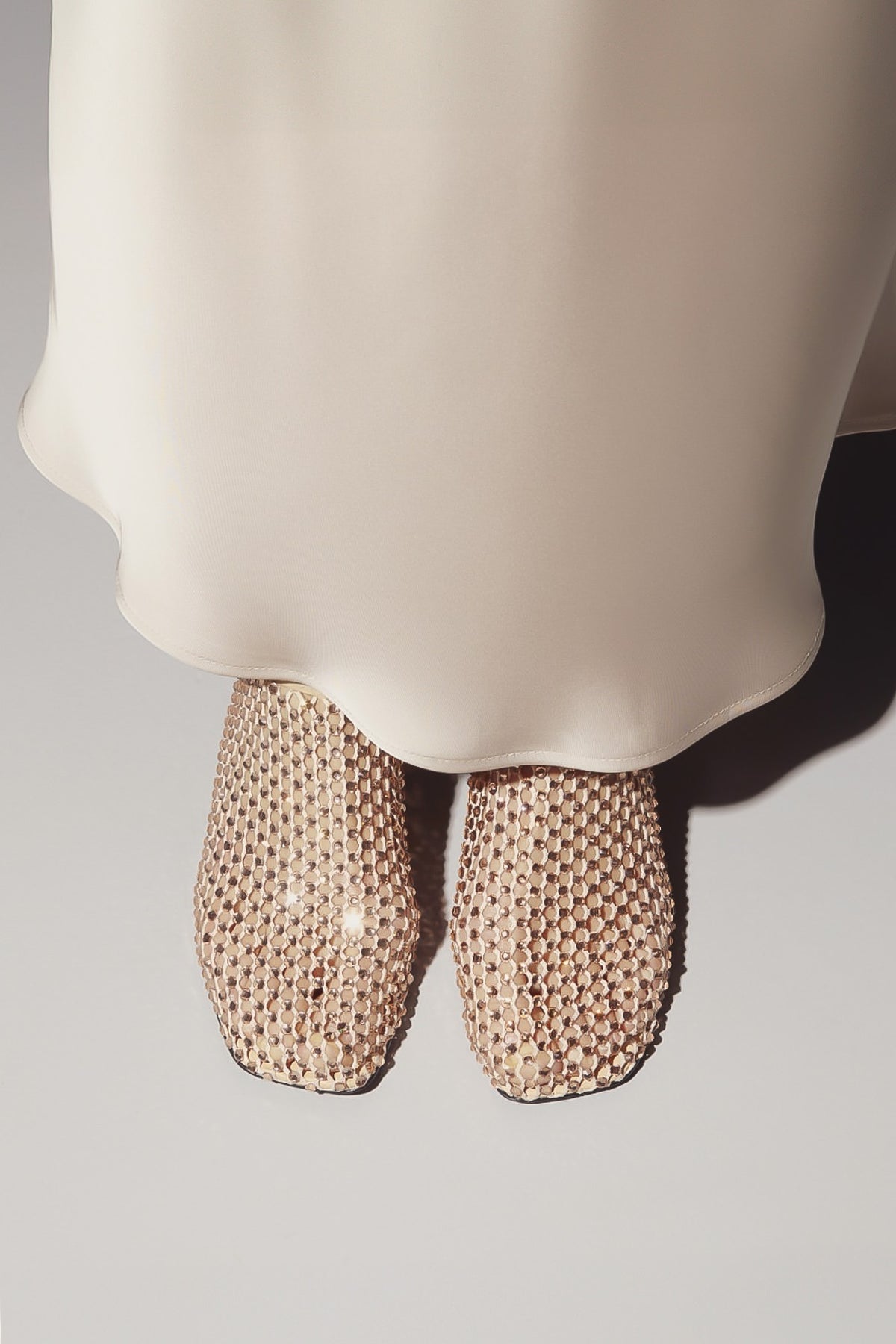
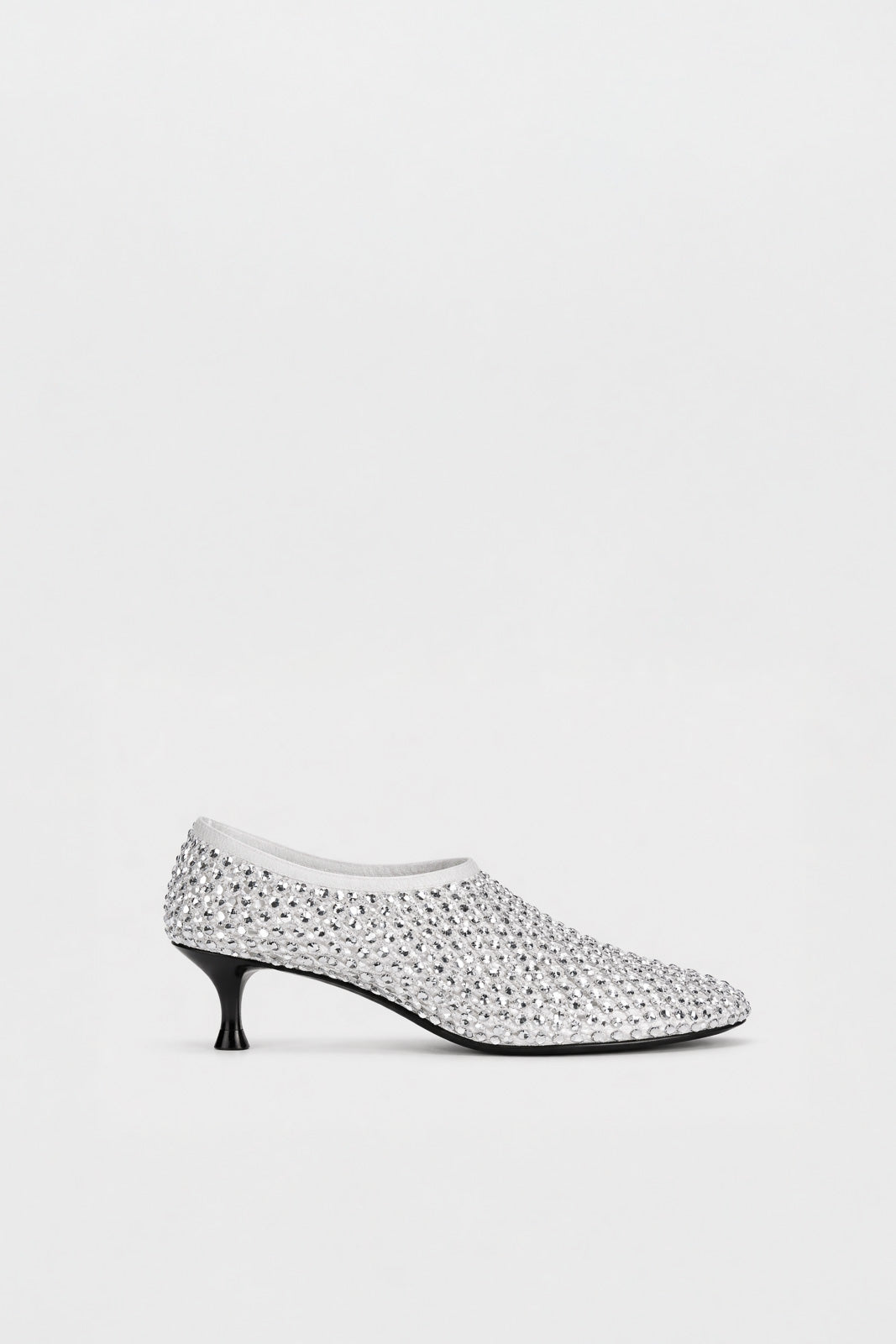
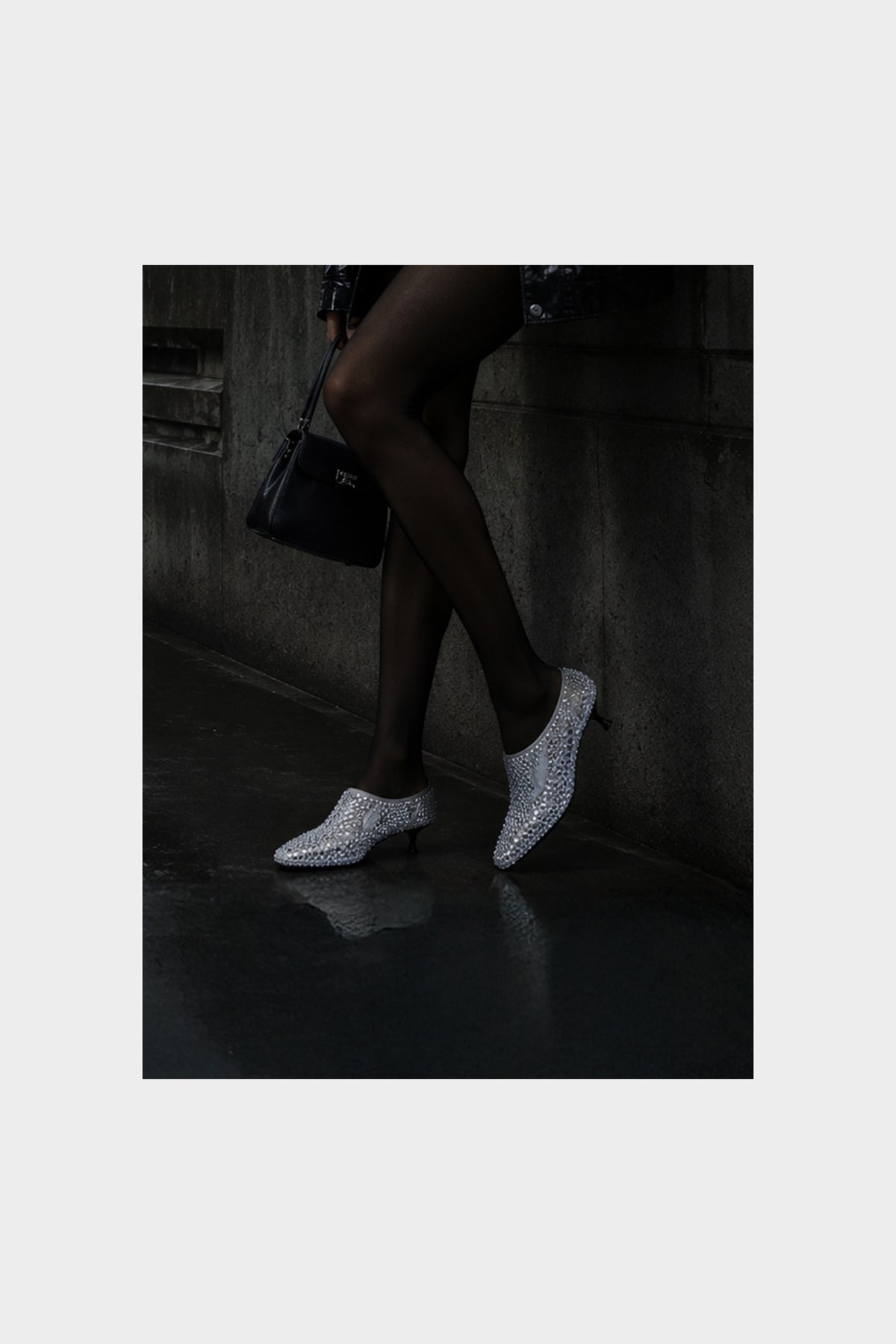
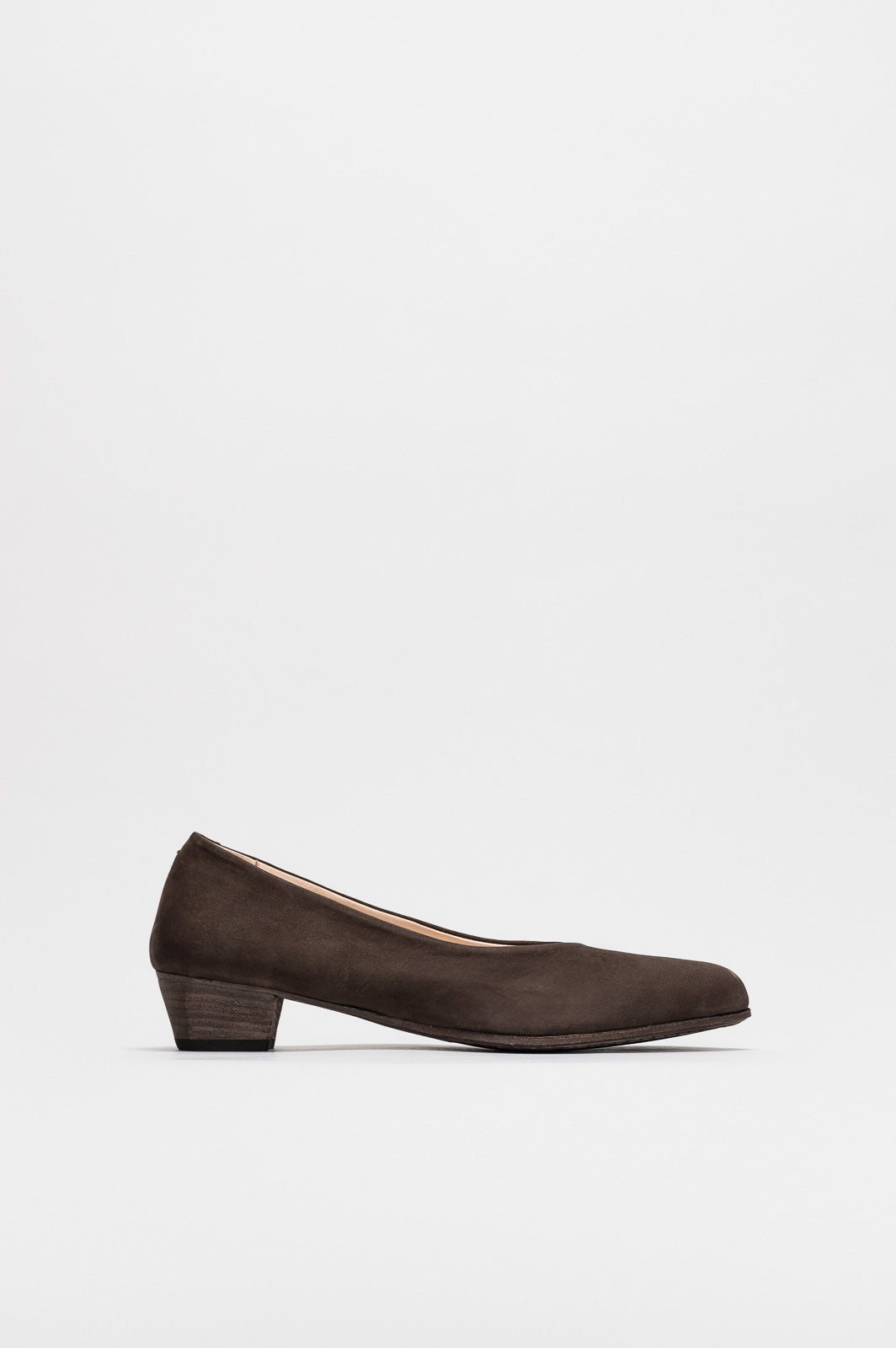
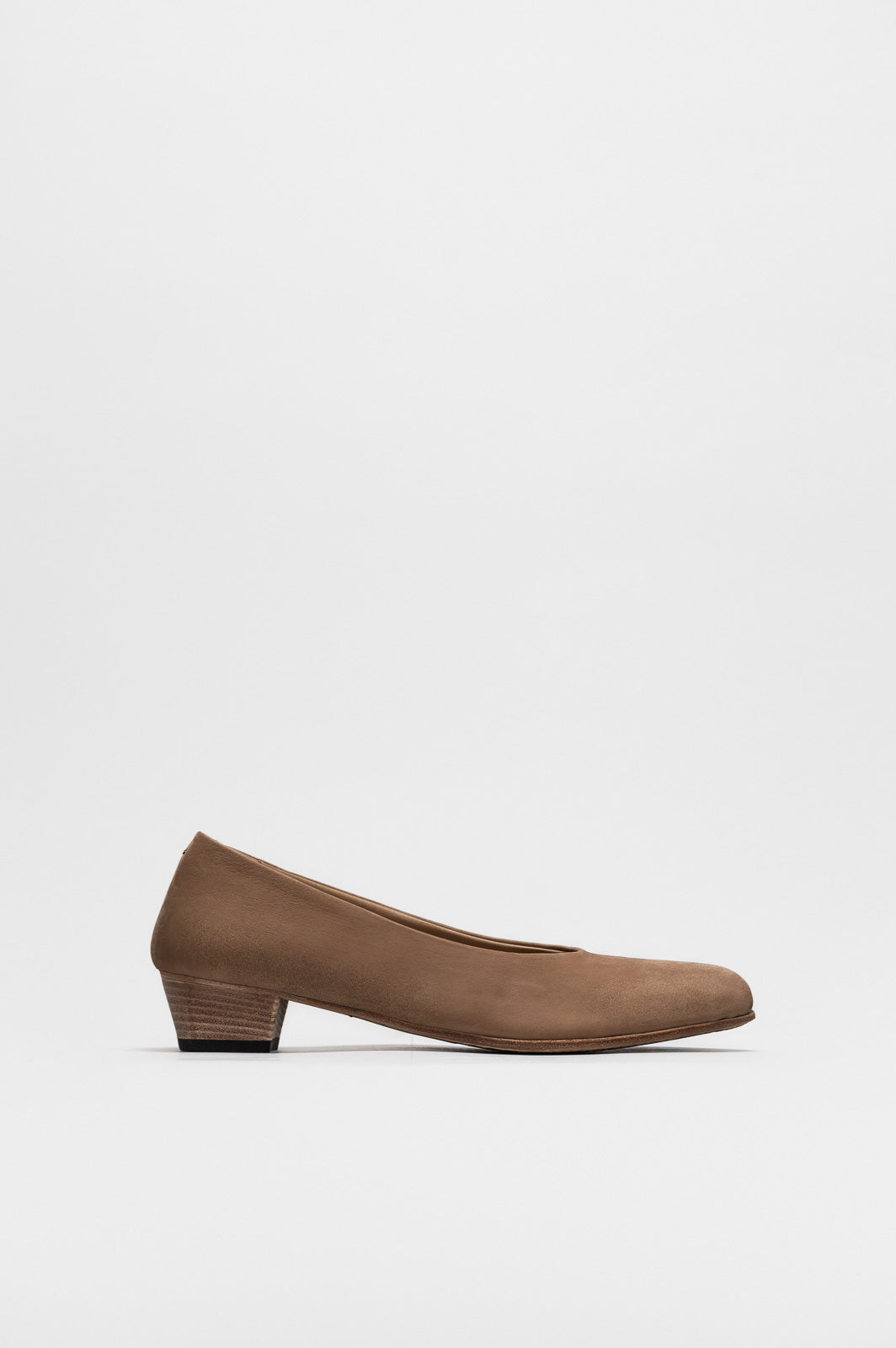
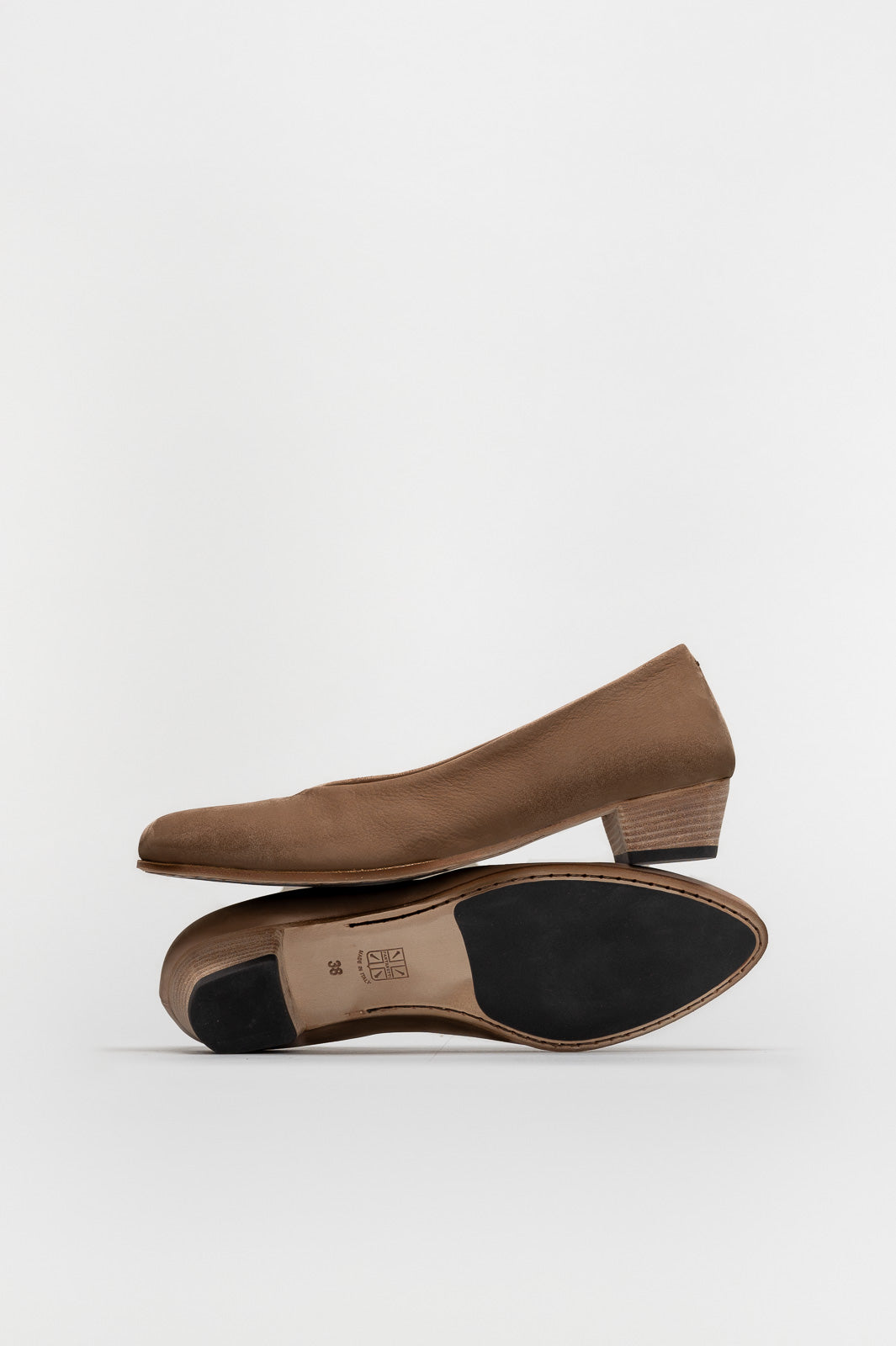
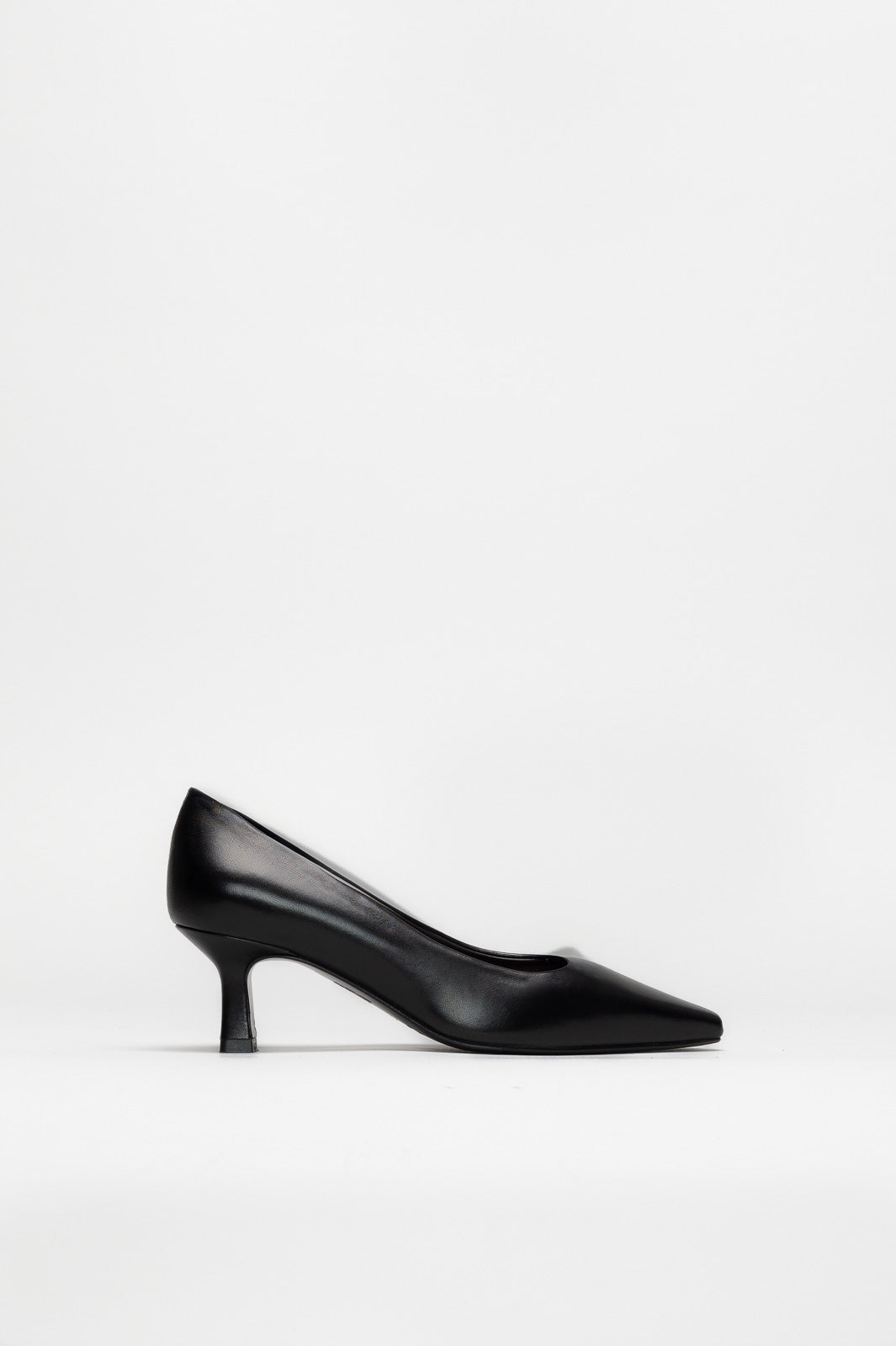
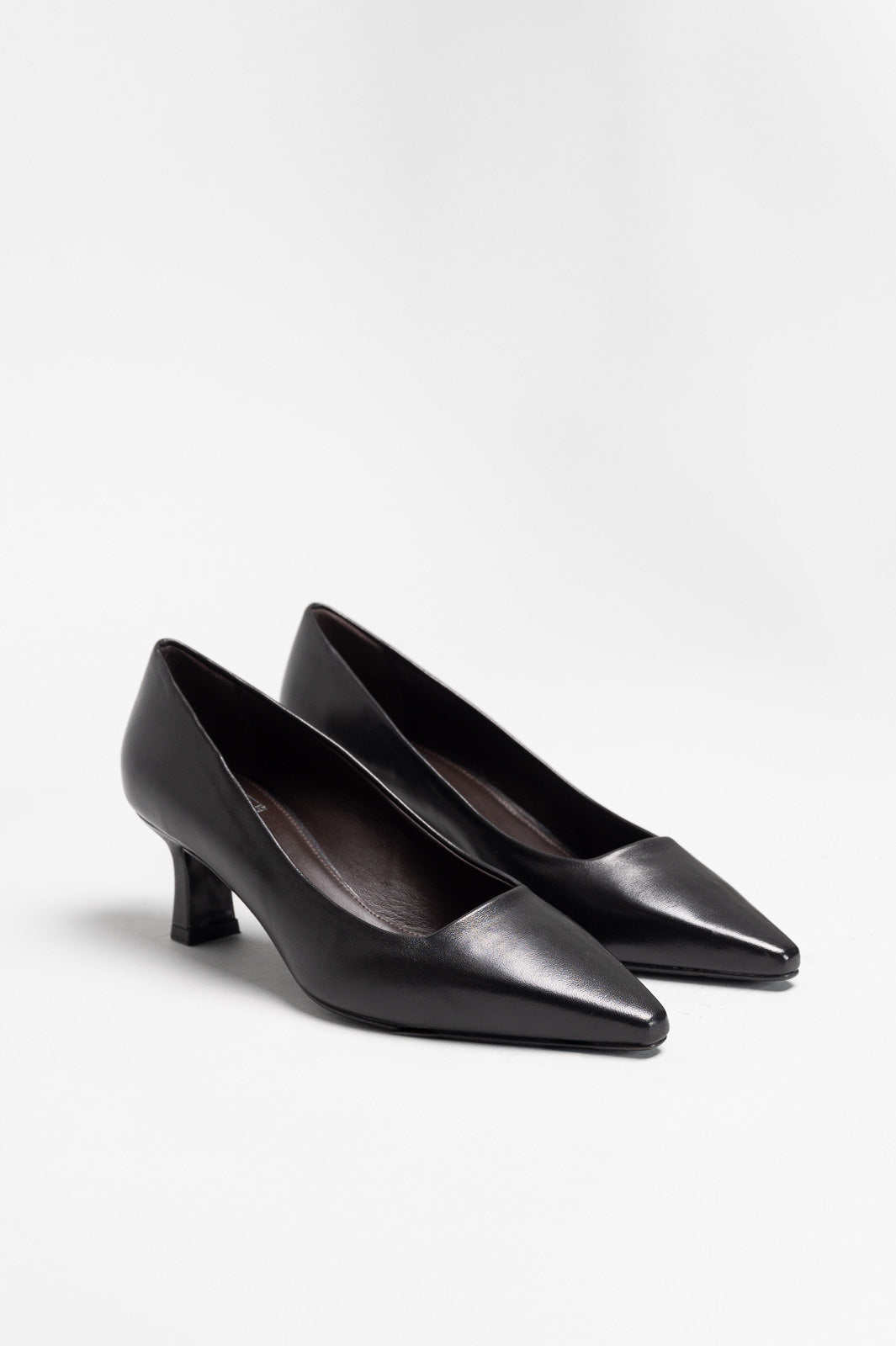
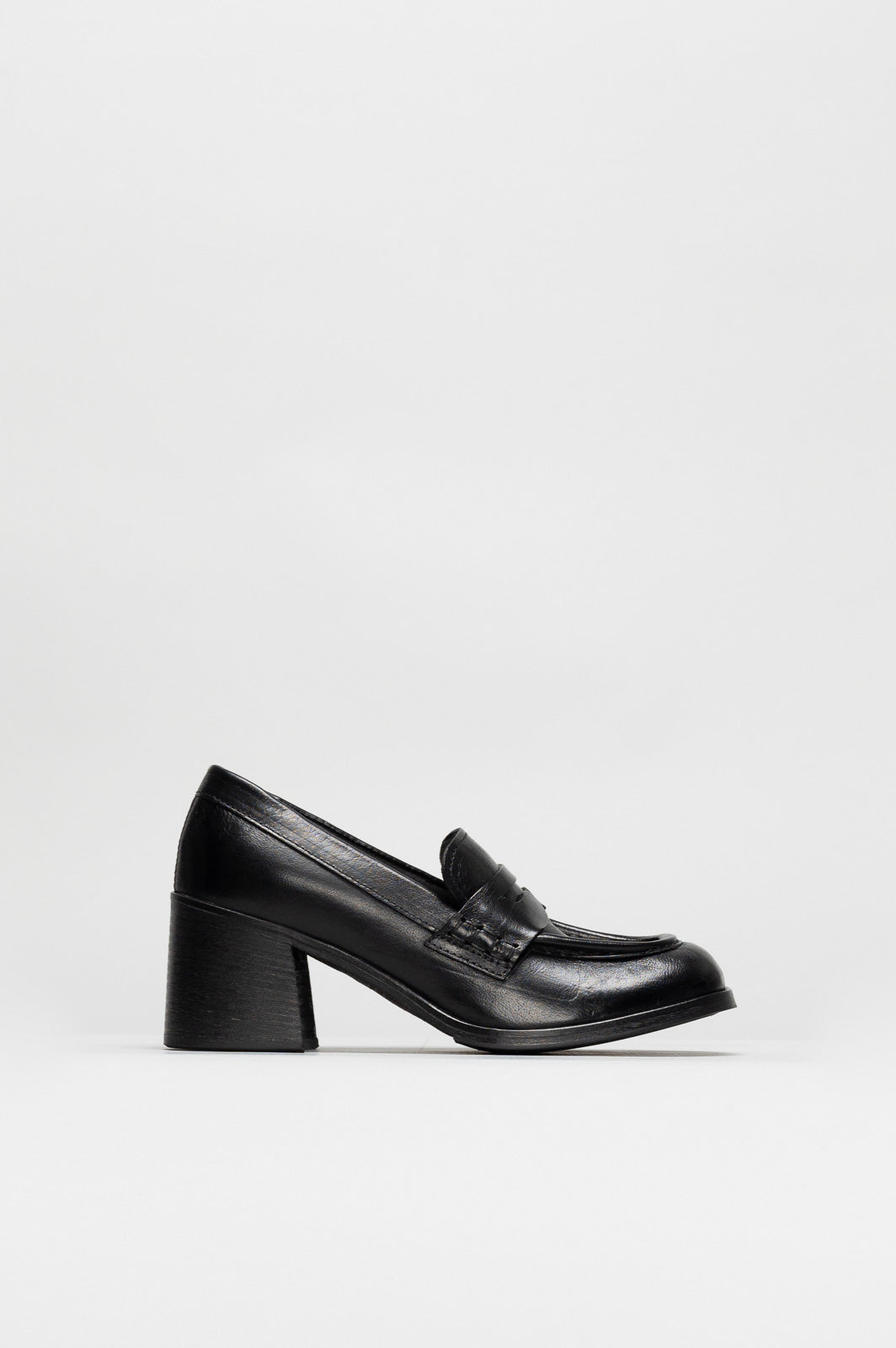
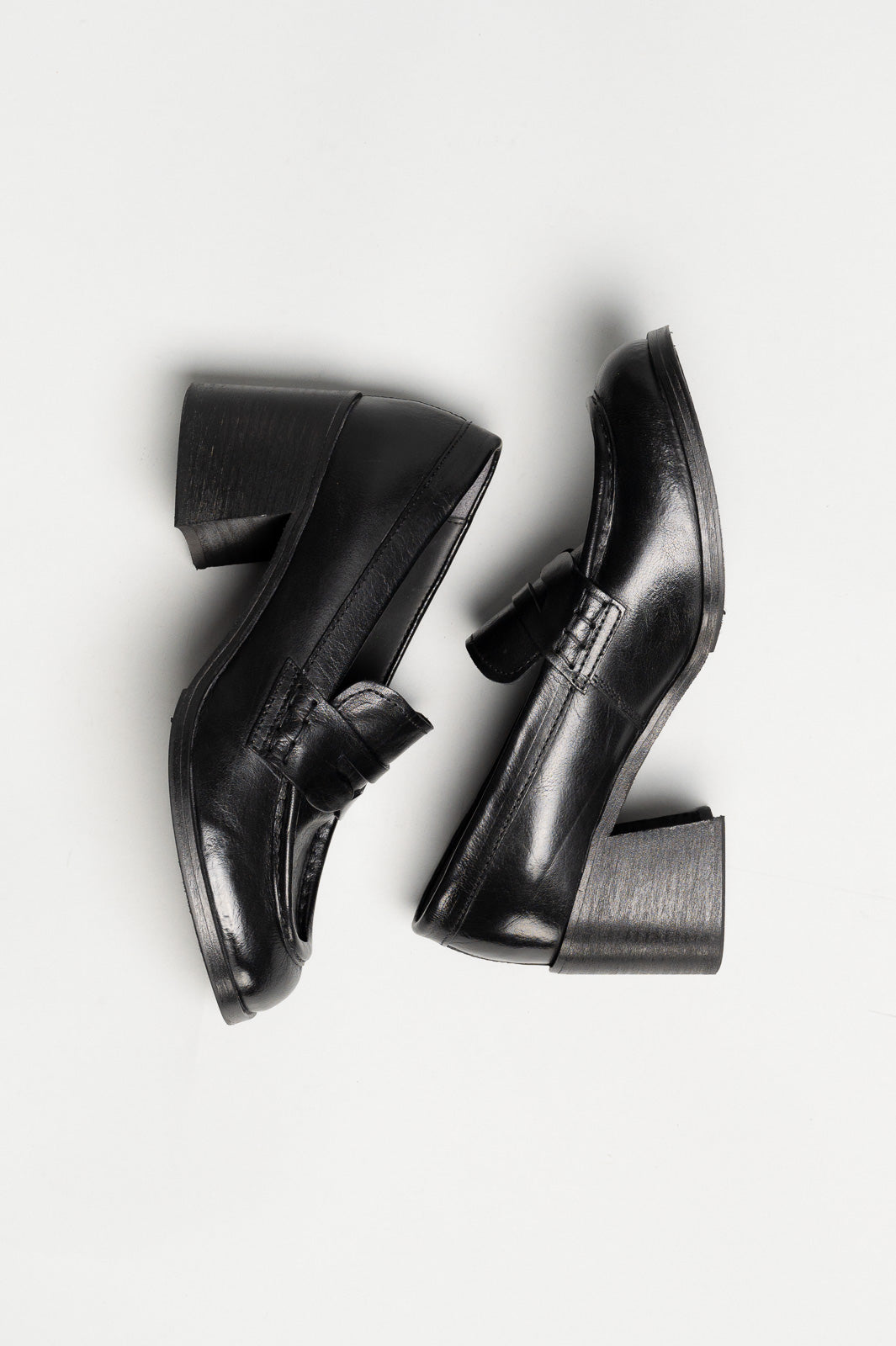
Worn when a clearer, more formal line is required. Pumps add height and structure without adding bulk, creating a defined outline to the silhouette. Suitable for work, formal settings and evenings.
Form and origin
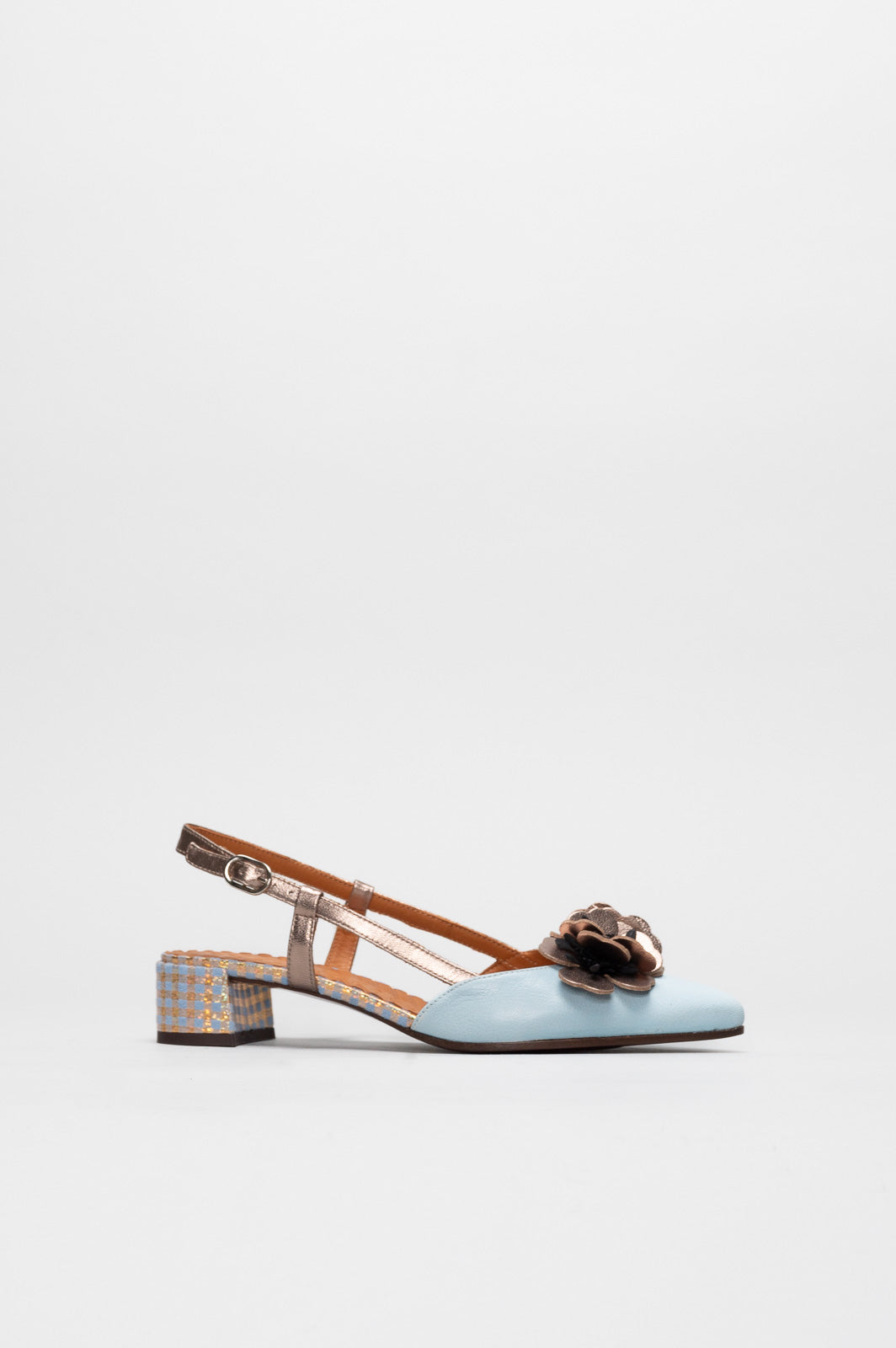
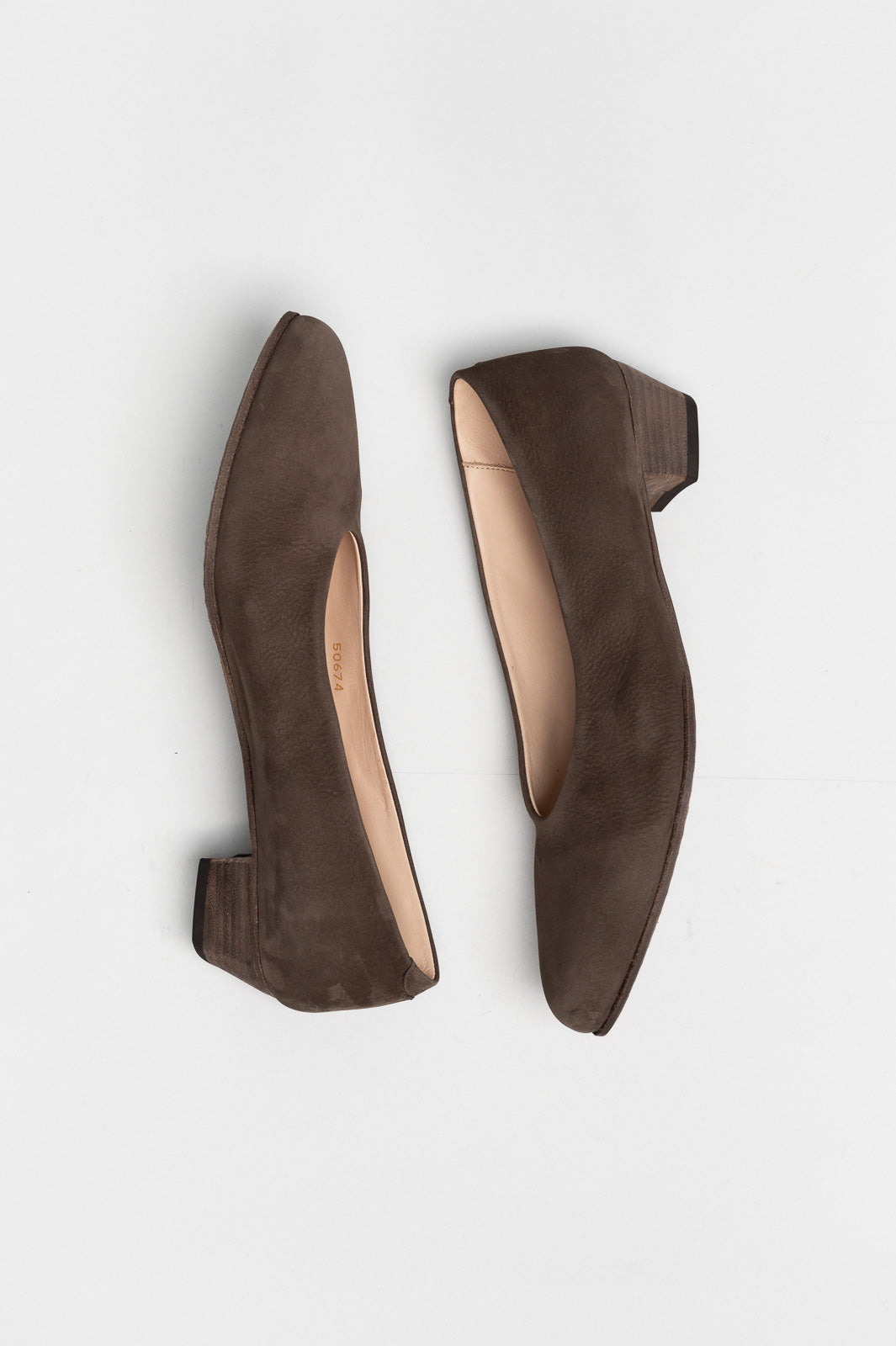
A low-cut women’s shoe with a heel, traditionally worn without straps or laces. The form appeared in European courts in the 17th century and settled into regular wardrobe use during the 20th century. Heel height and shape vary, but the essential structure remains.
In practice
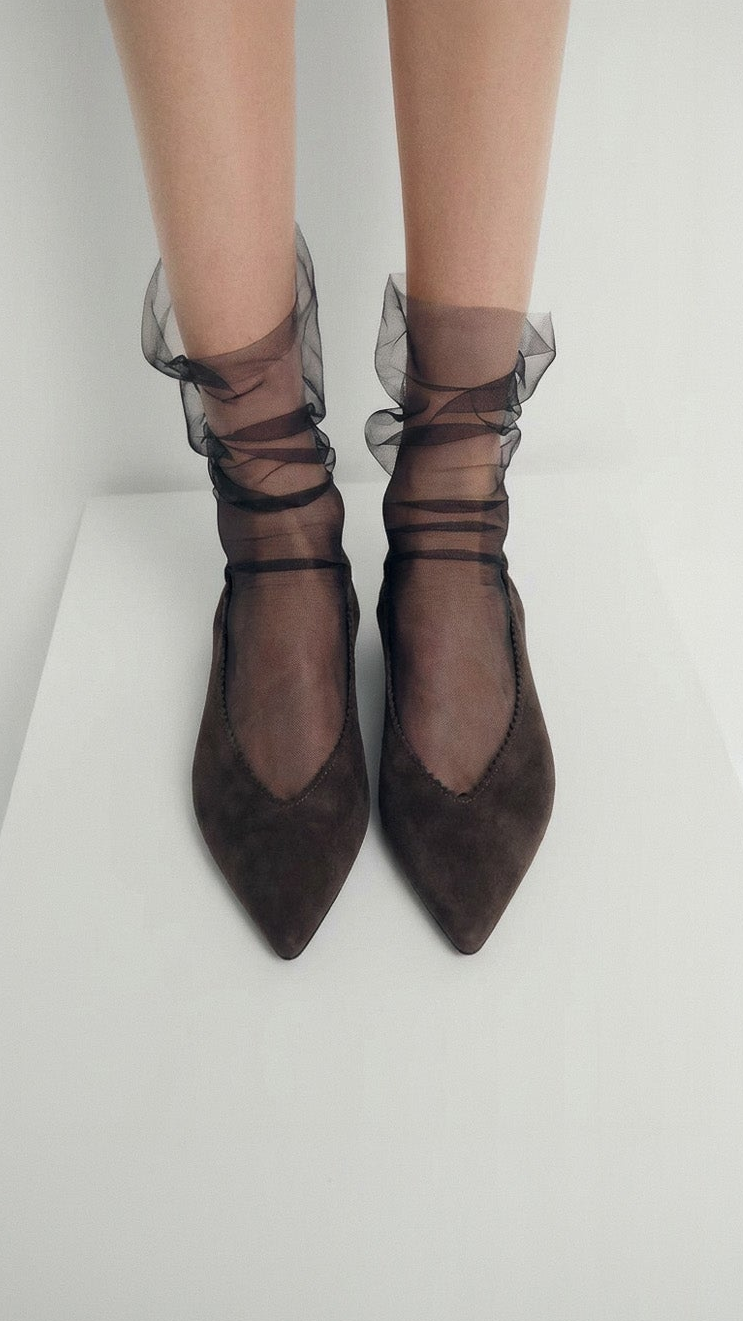
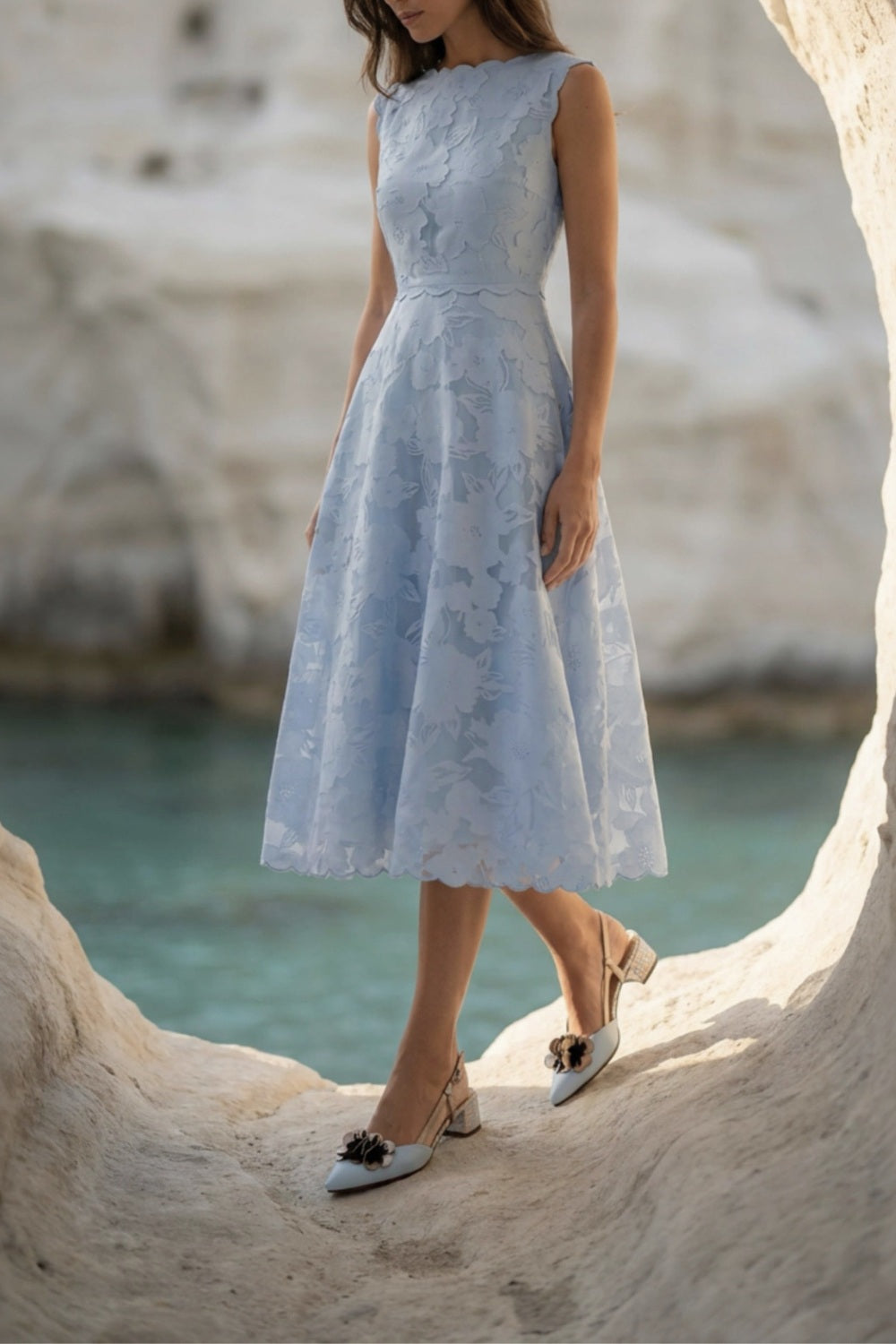
With straight trousers or tailored skirts for a composed office look. With cropped denim they sharpen an otherwise relaxed outfit. Neutral tones extend the leg line; metallic, suede or colour shift the focus. Lower heels support longer days, higher heels suit more formal settings.
Our selection
Handmade in Italy in leather and suede. Attention is placed on construction, lining and proportion. The range covers daily wear and formal occasions with the same focus on material and balance.
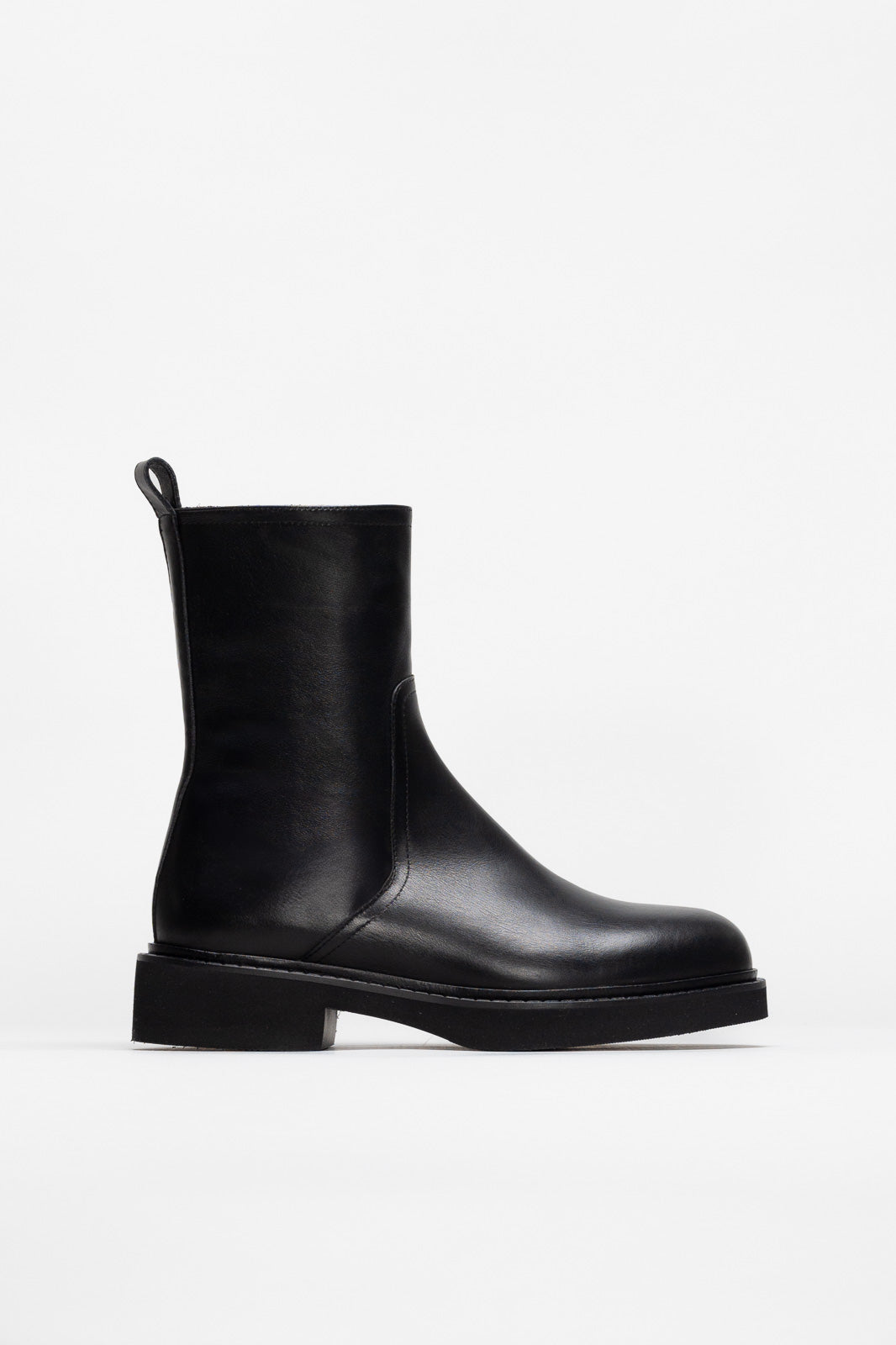
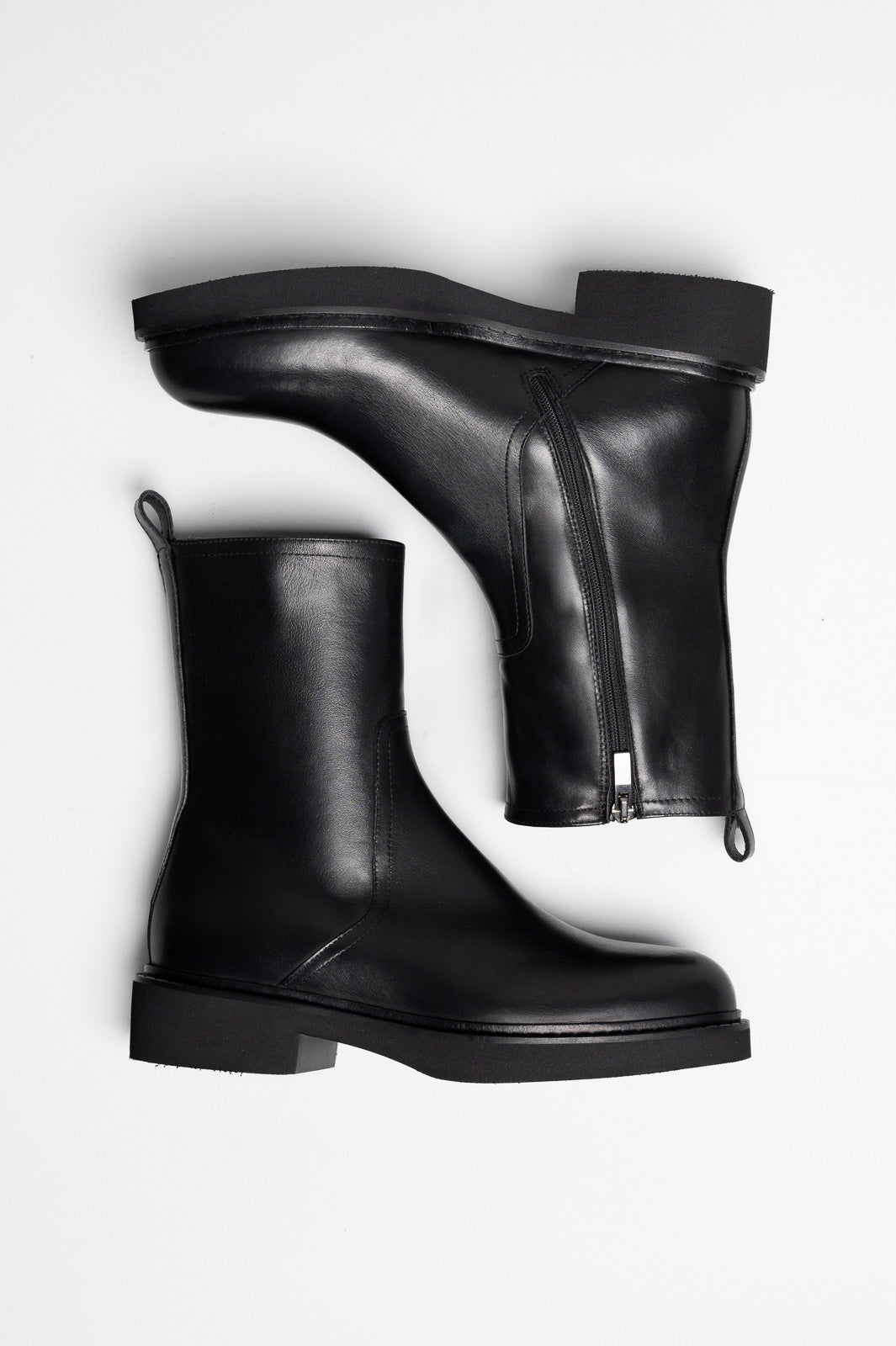
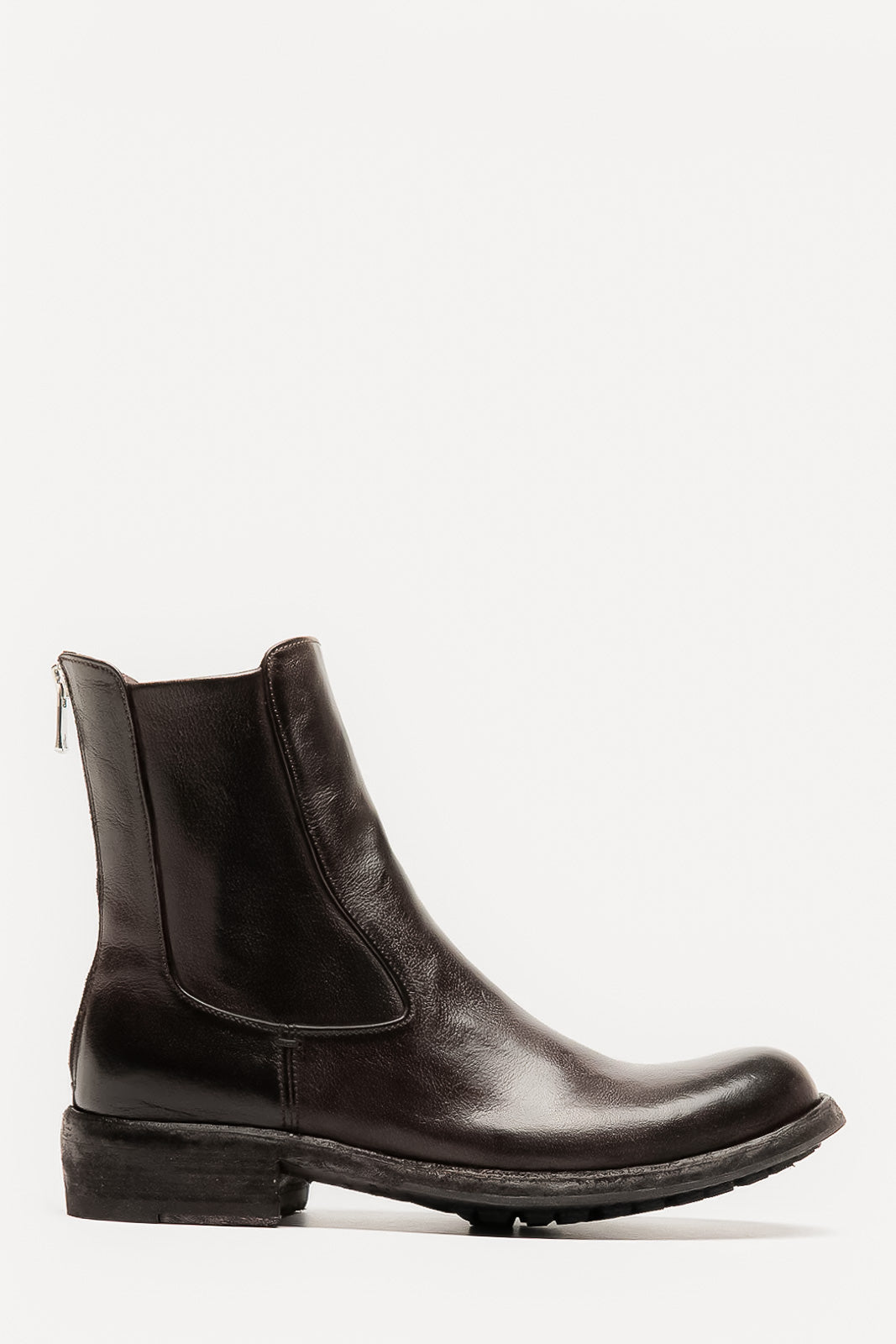
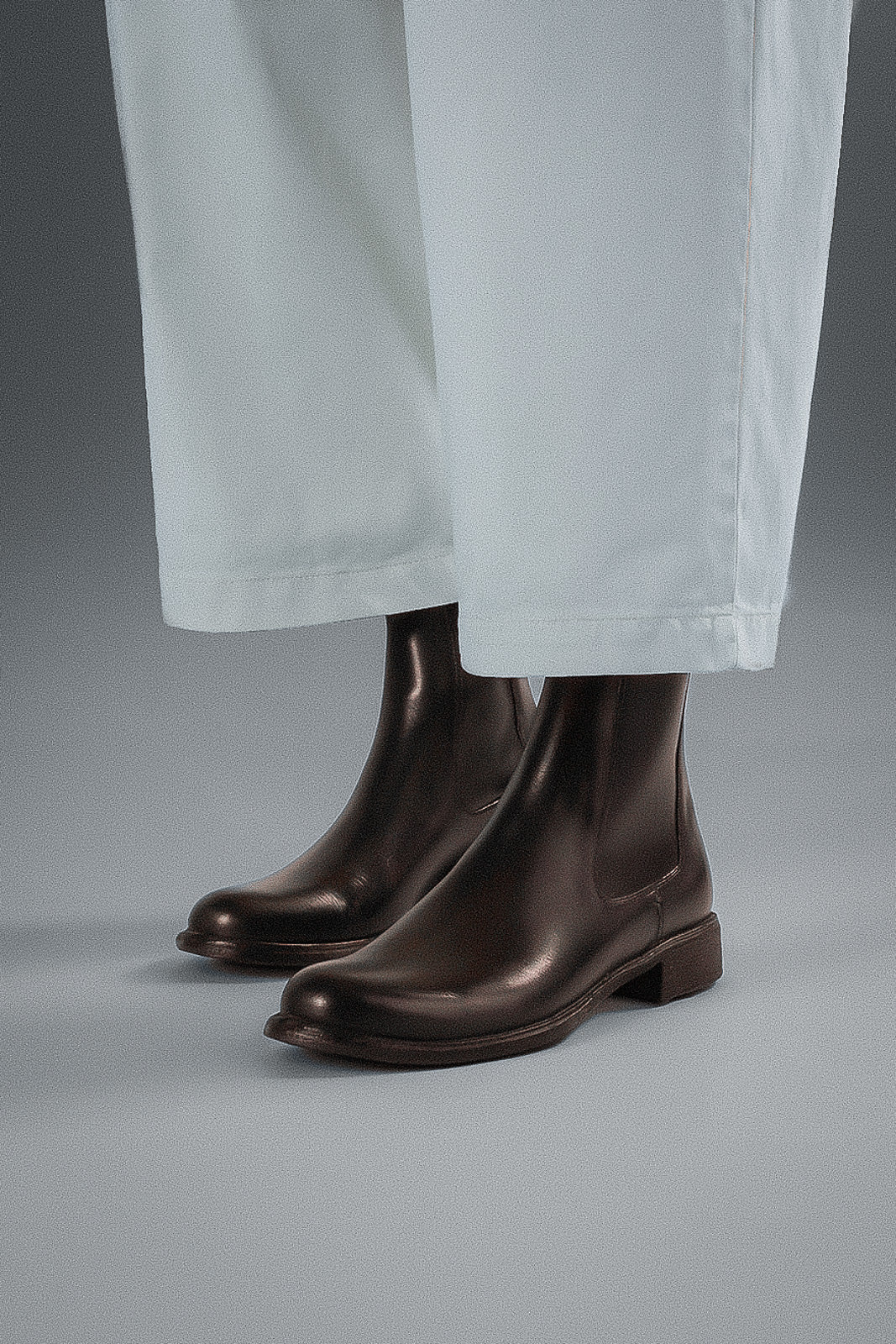
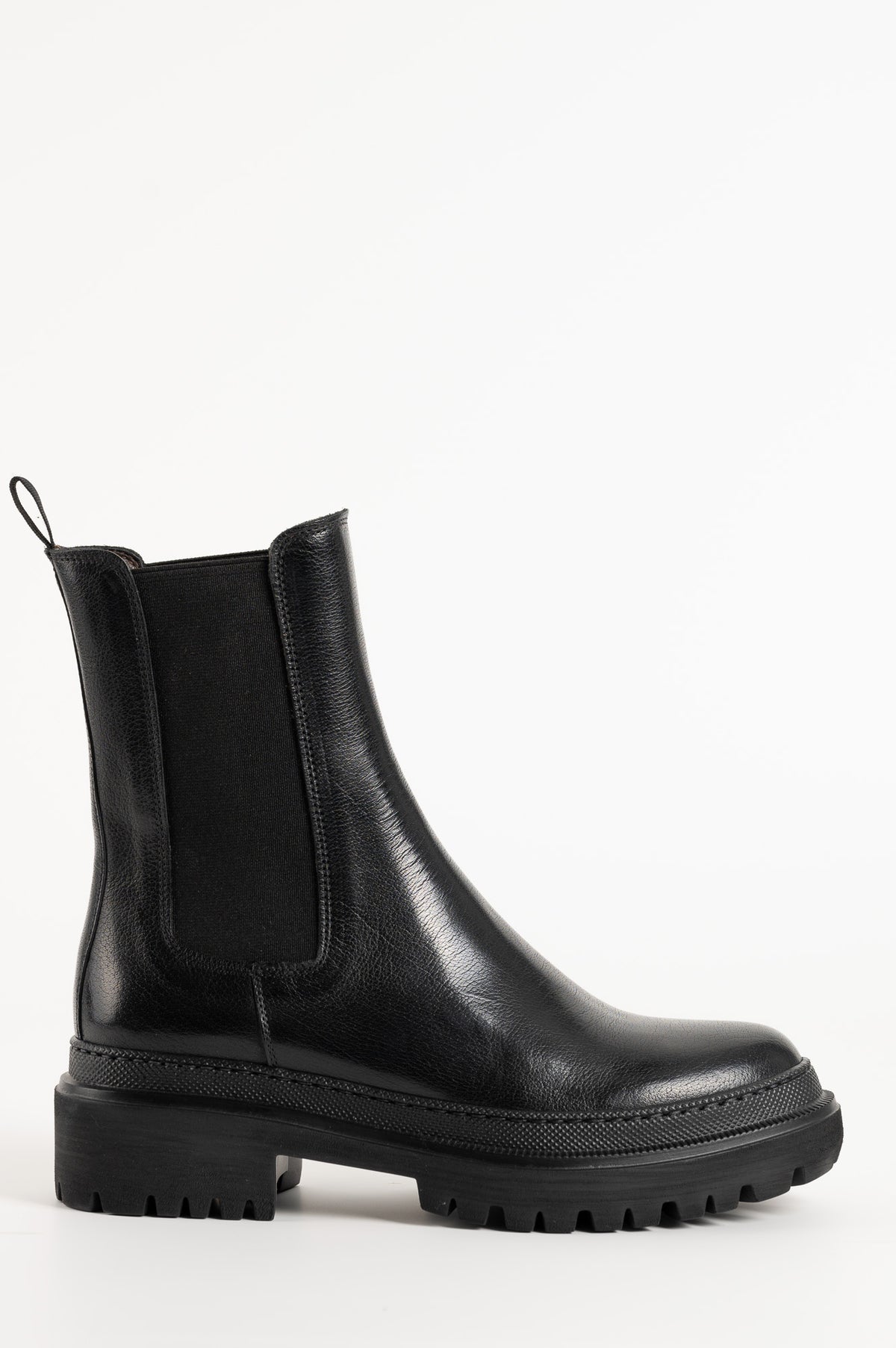
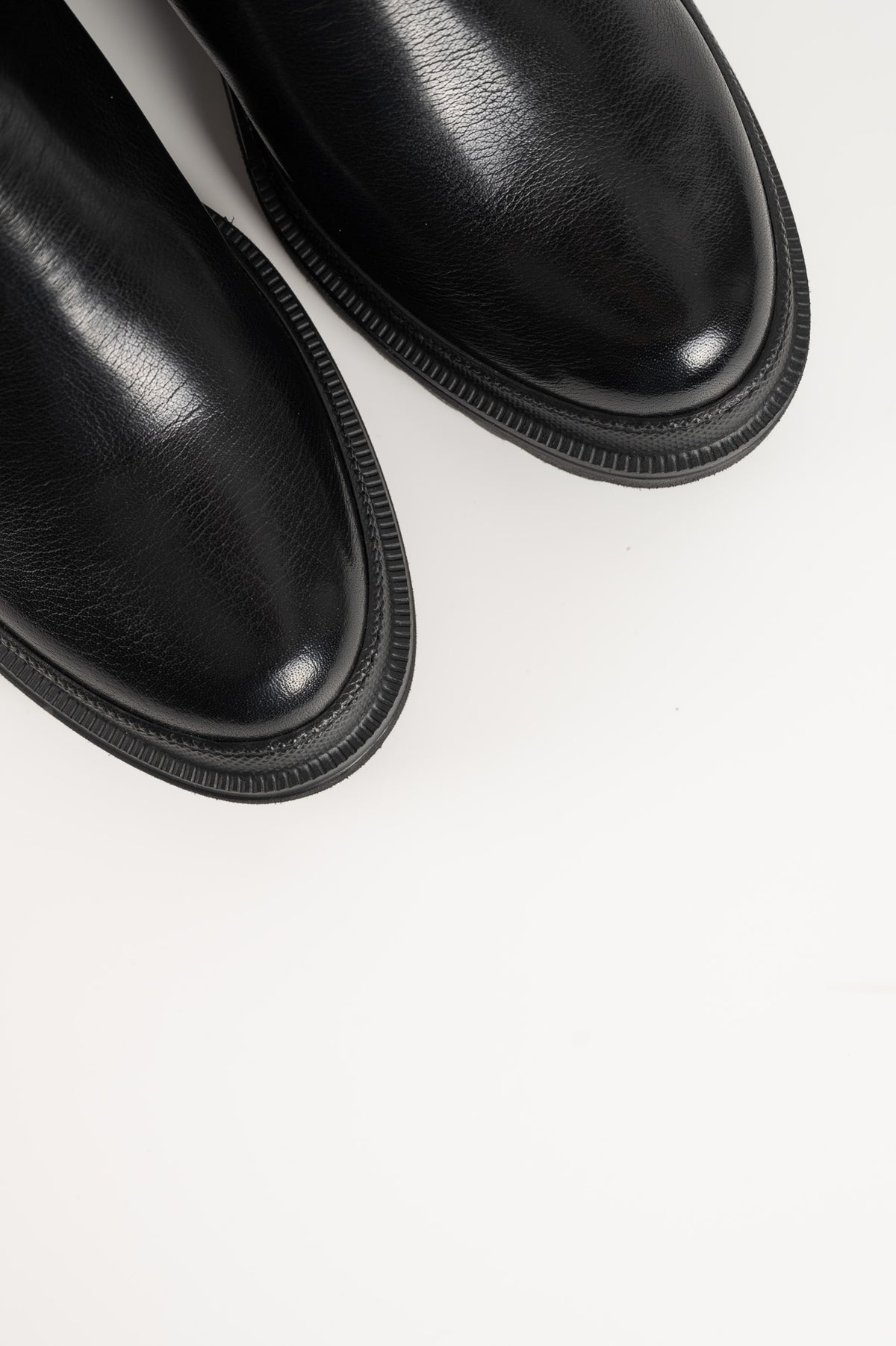
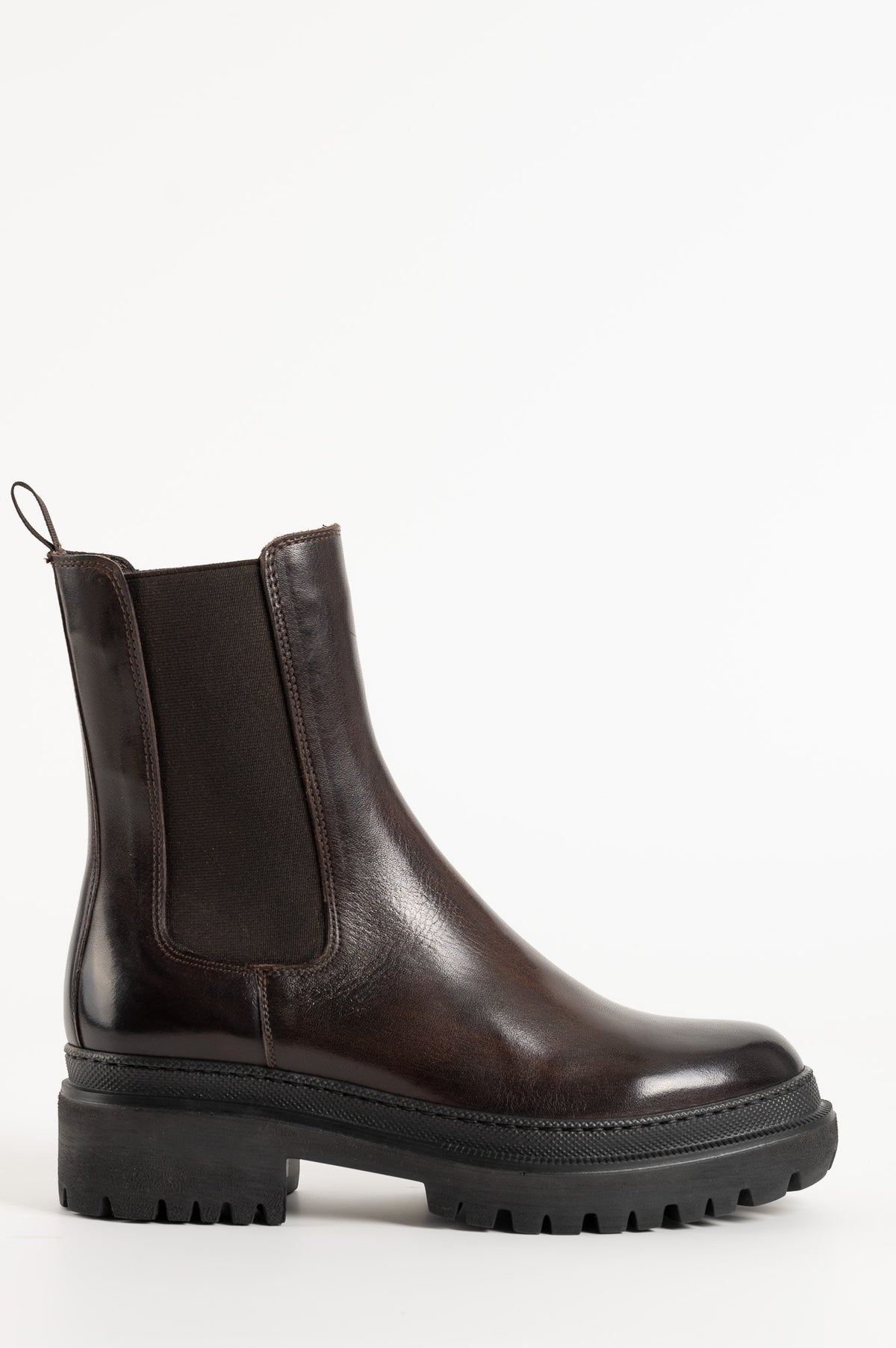
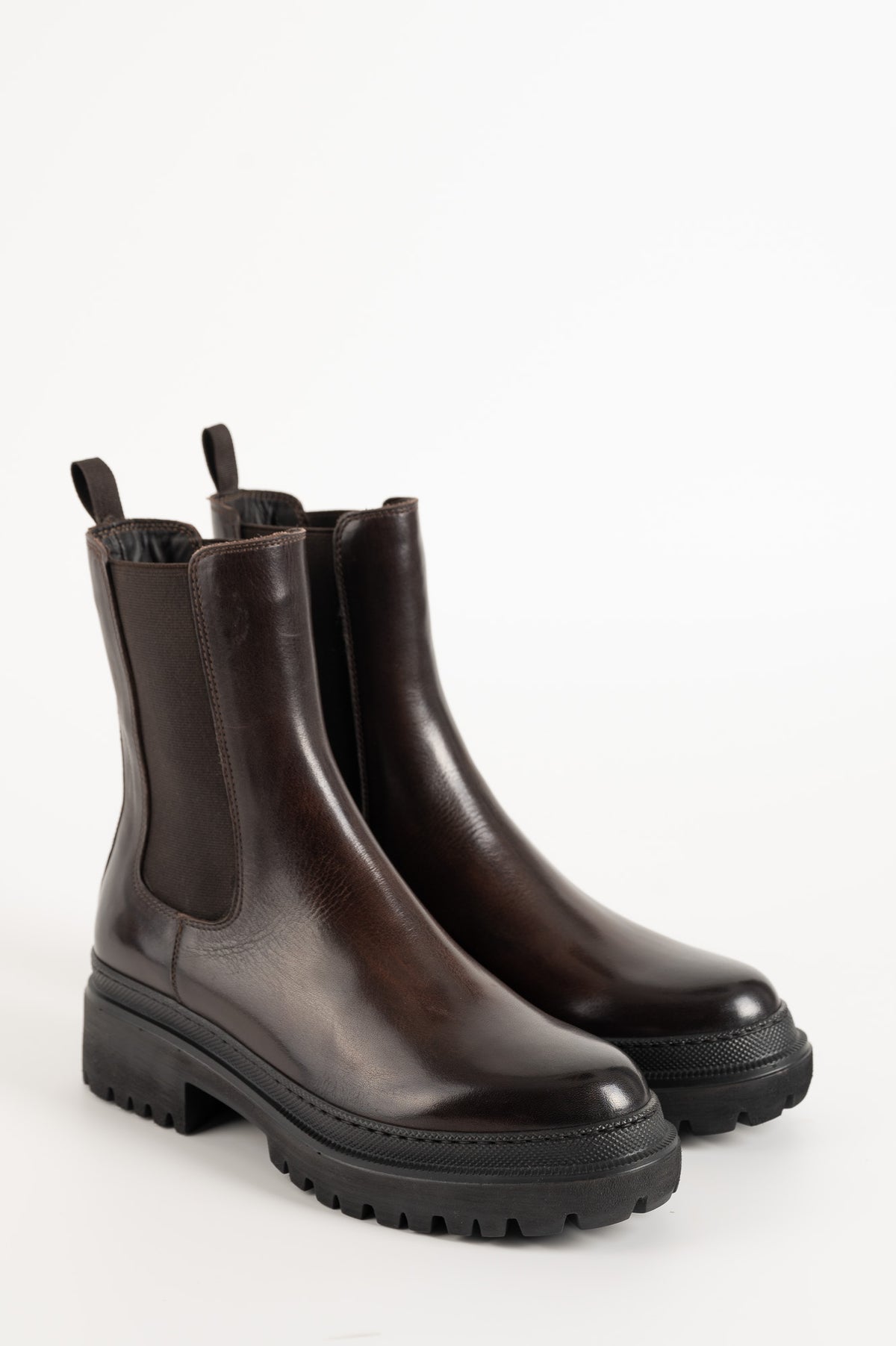
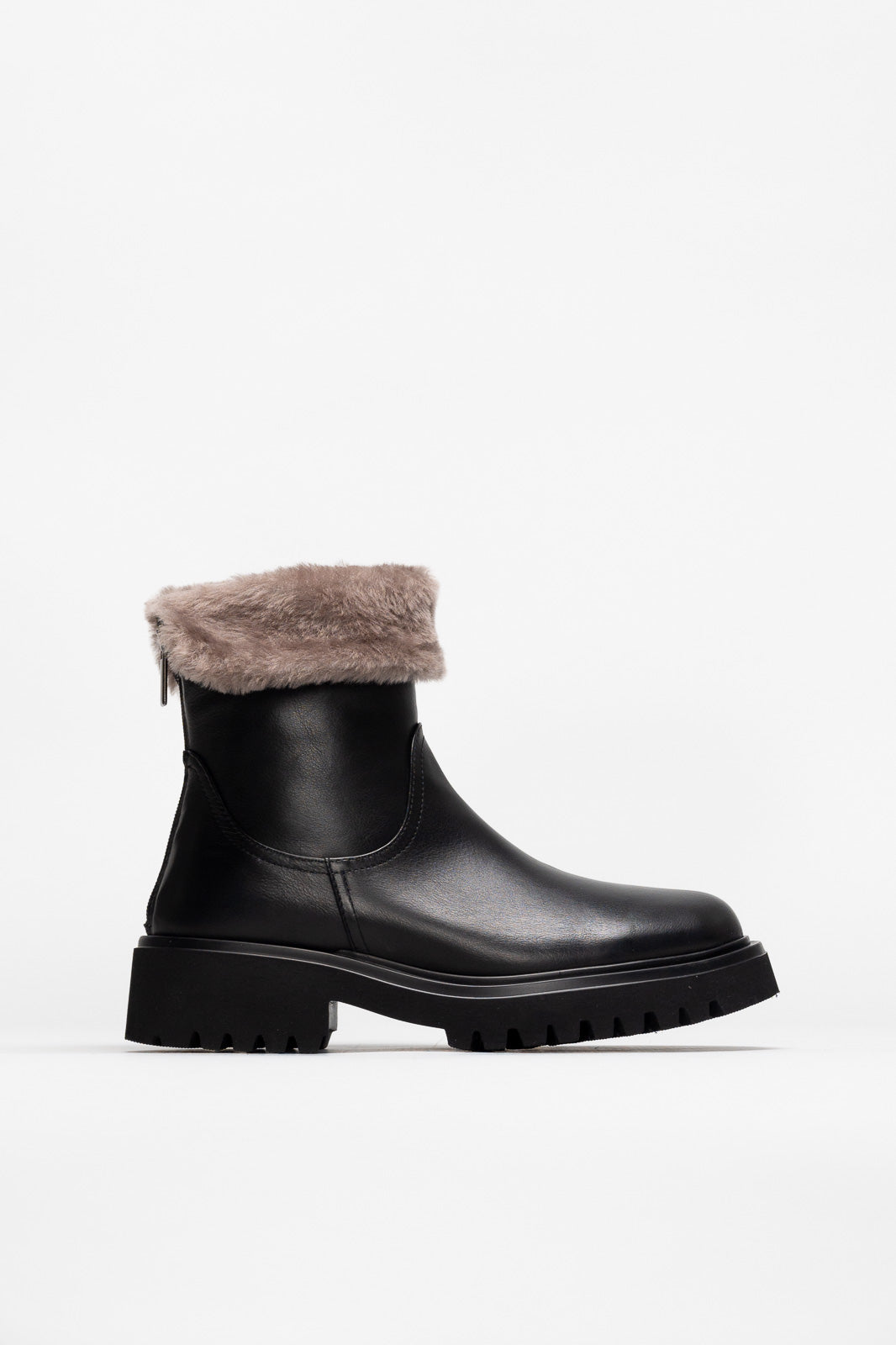
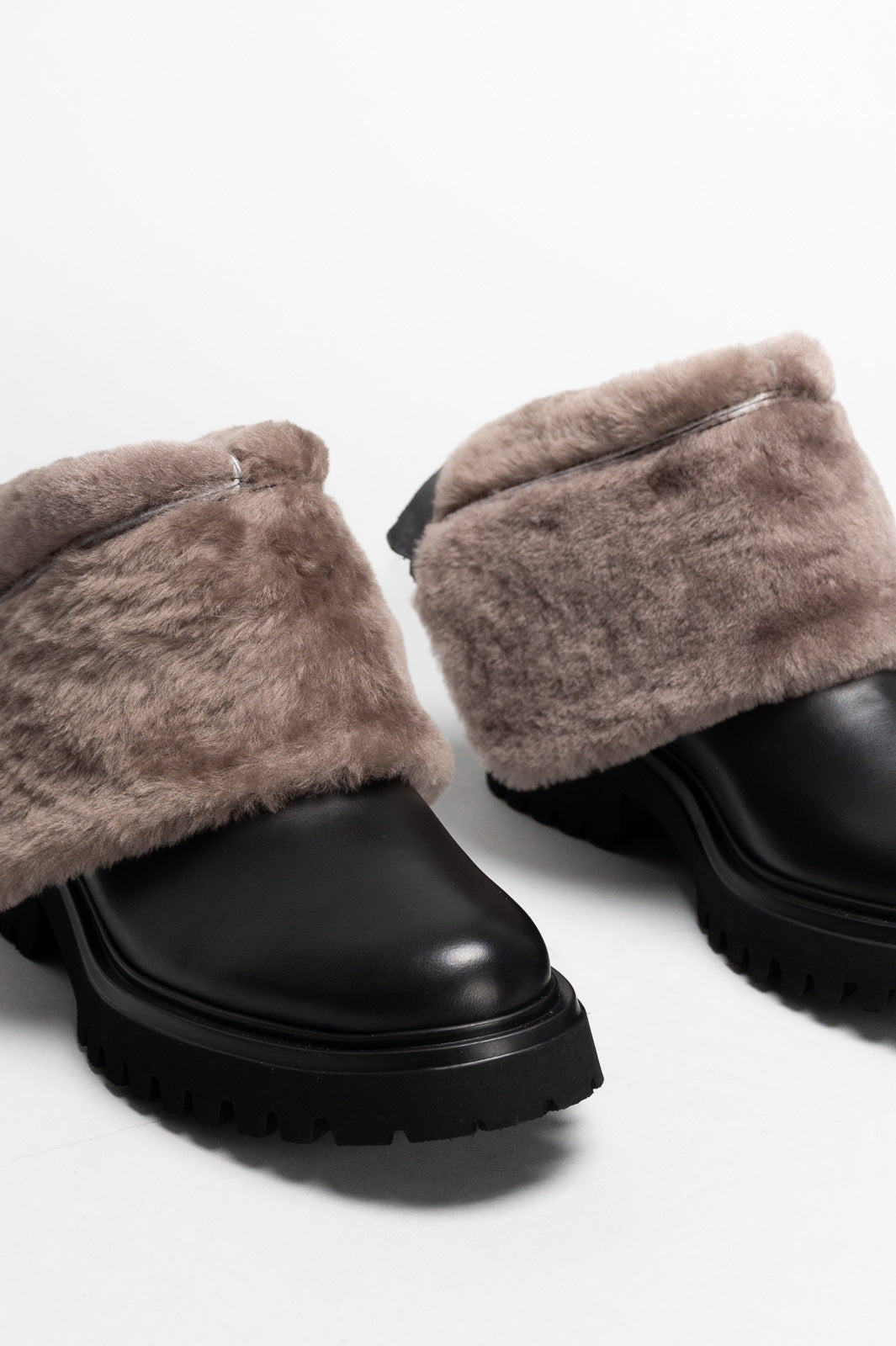
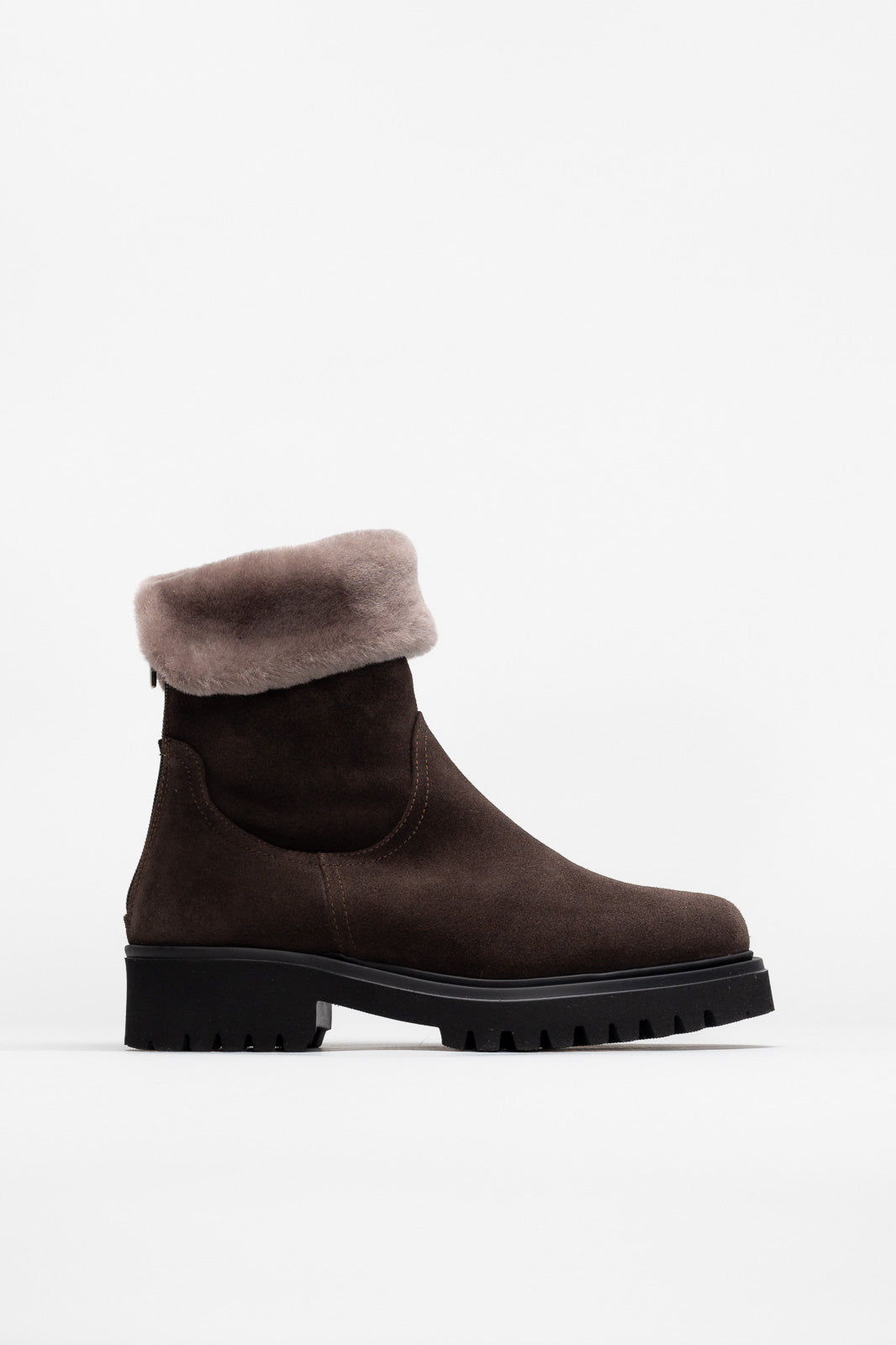
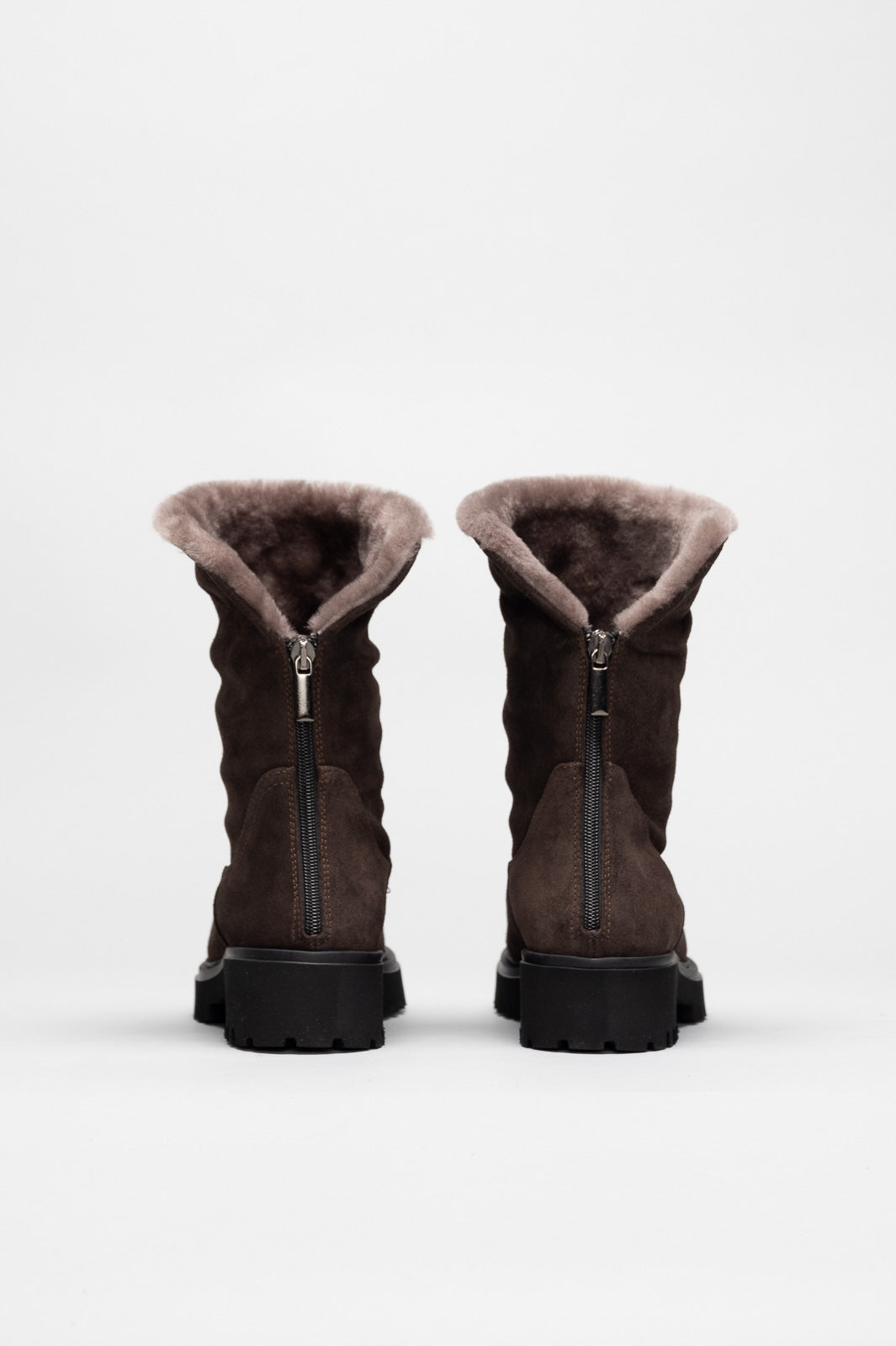
Boots
Use
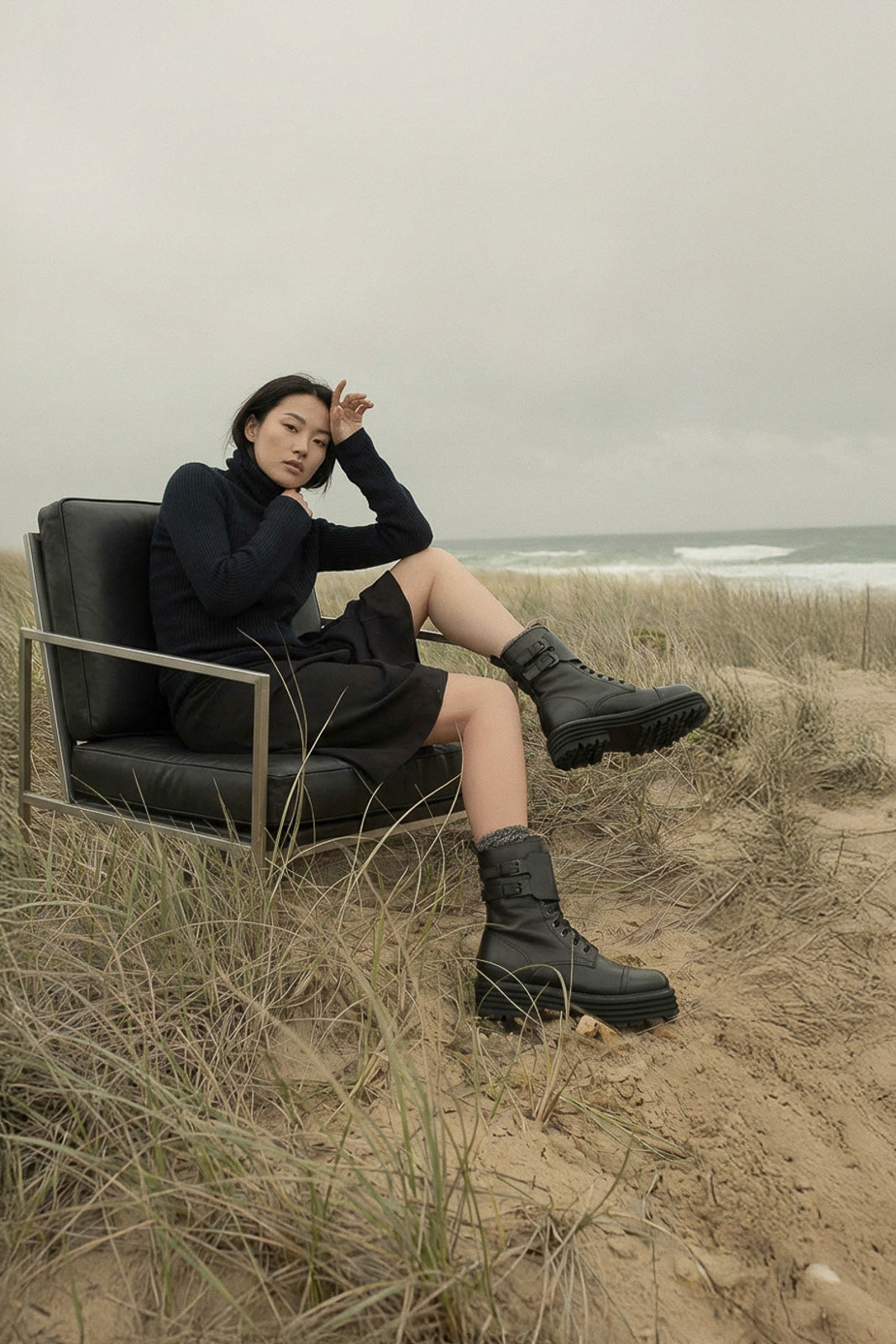
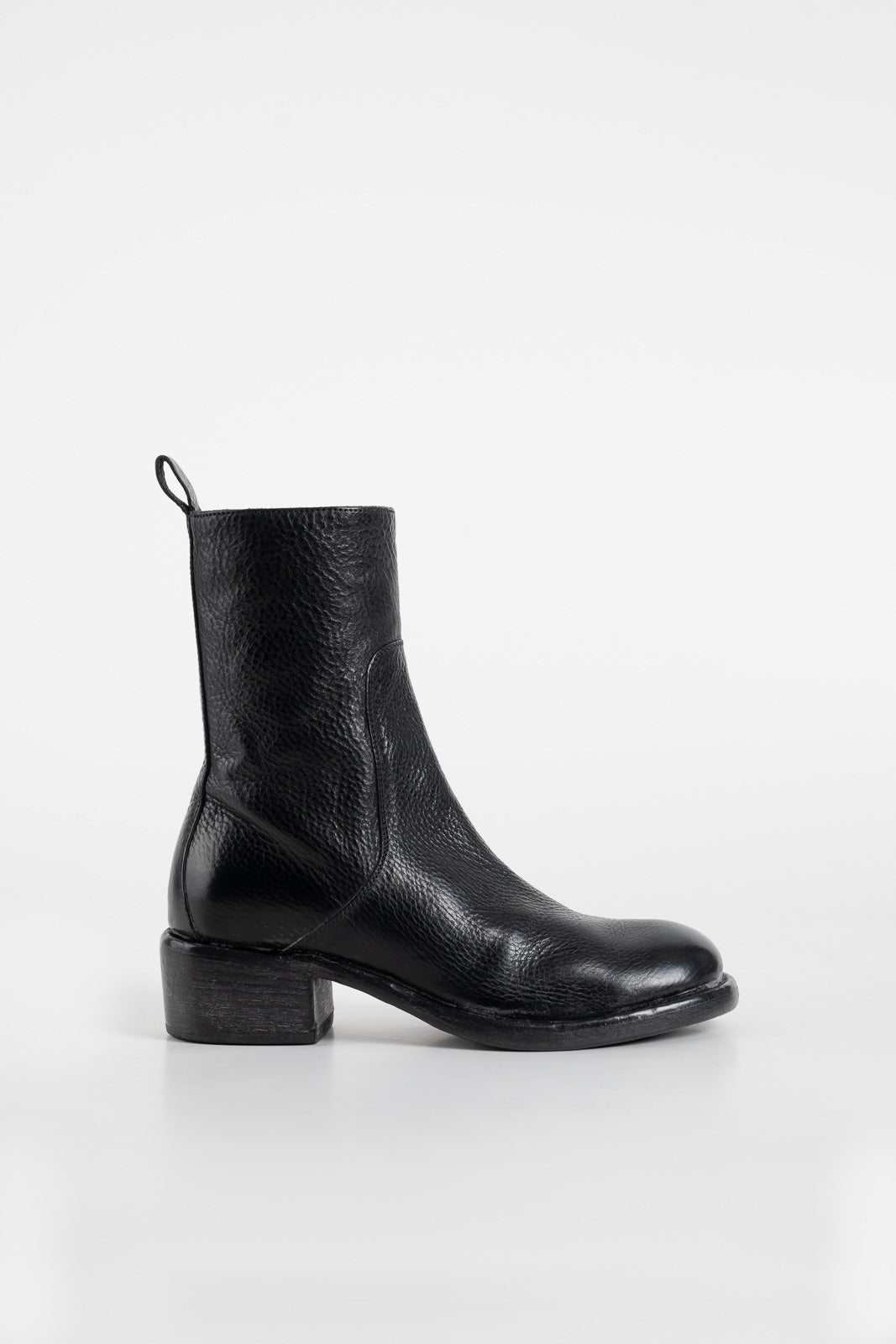
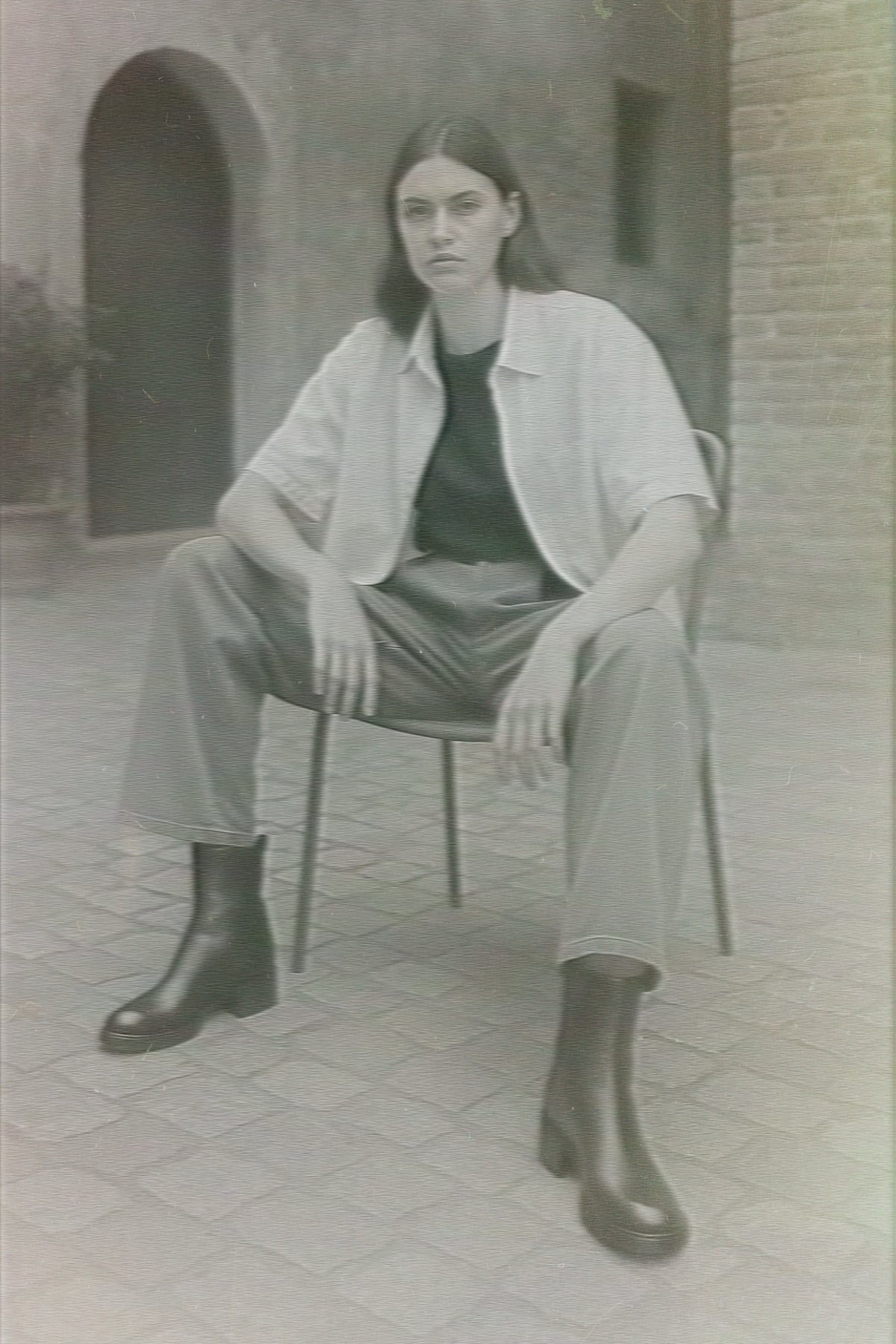
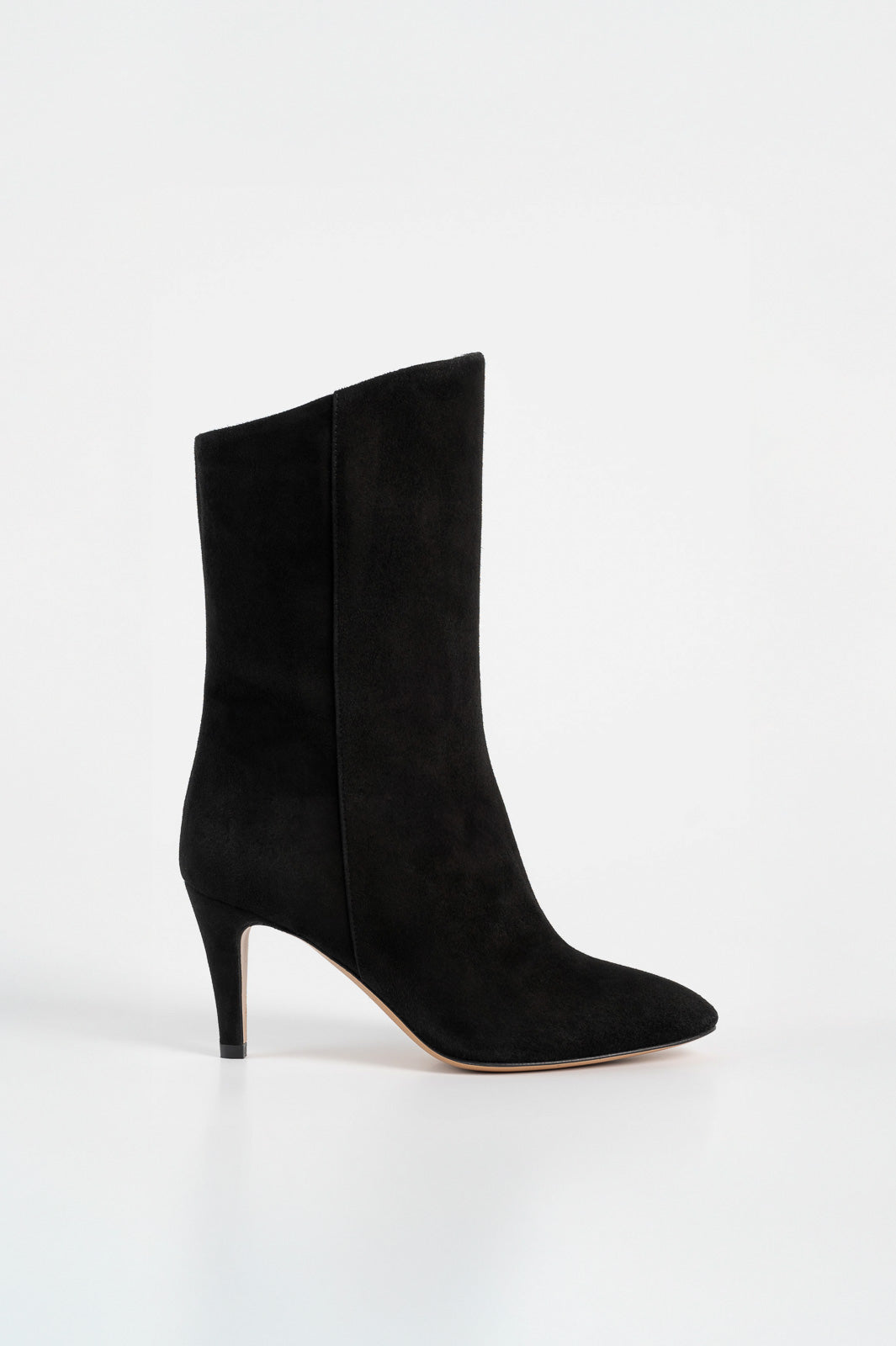
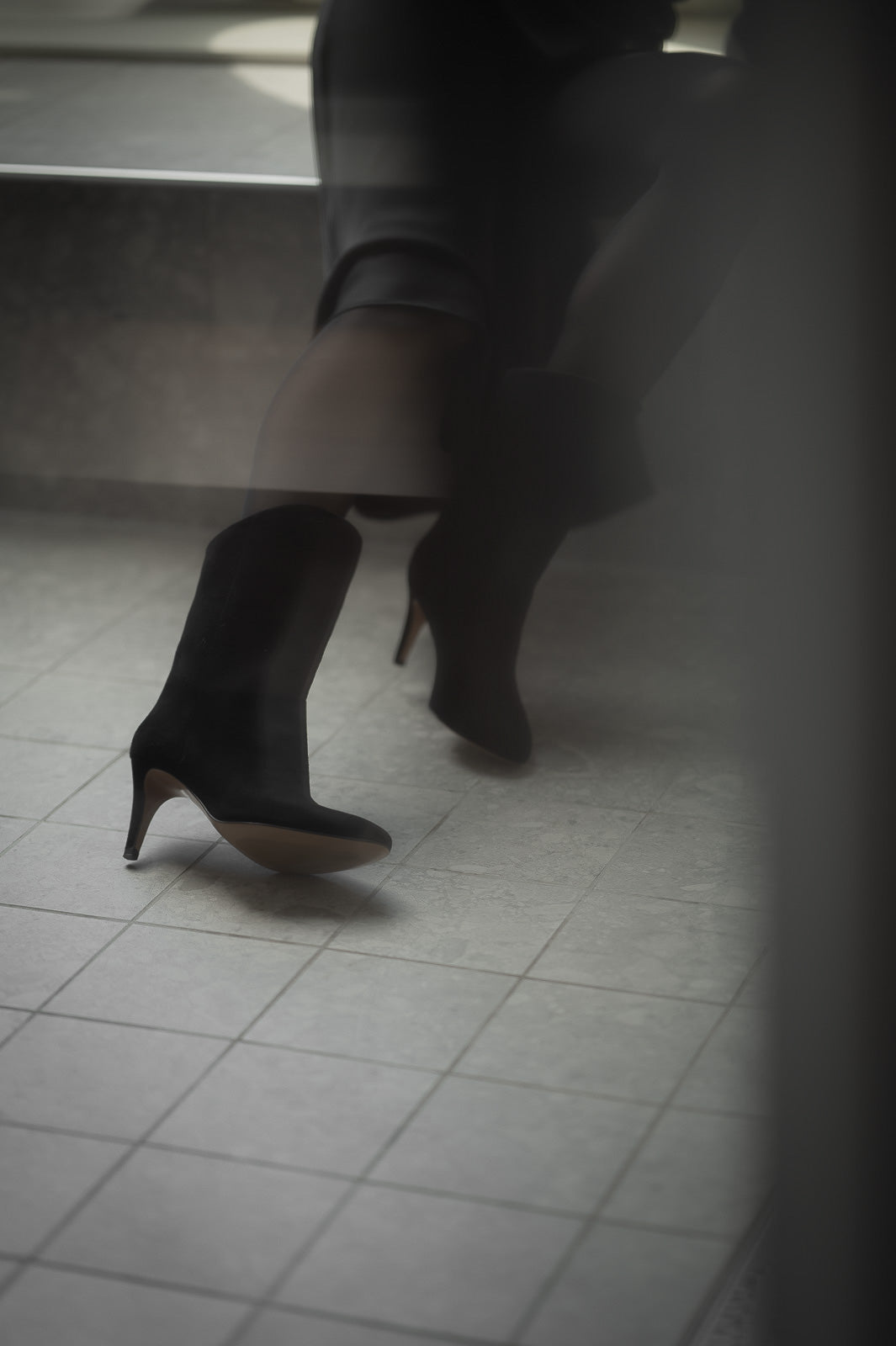
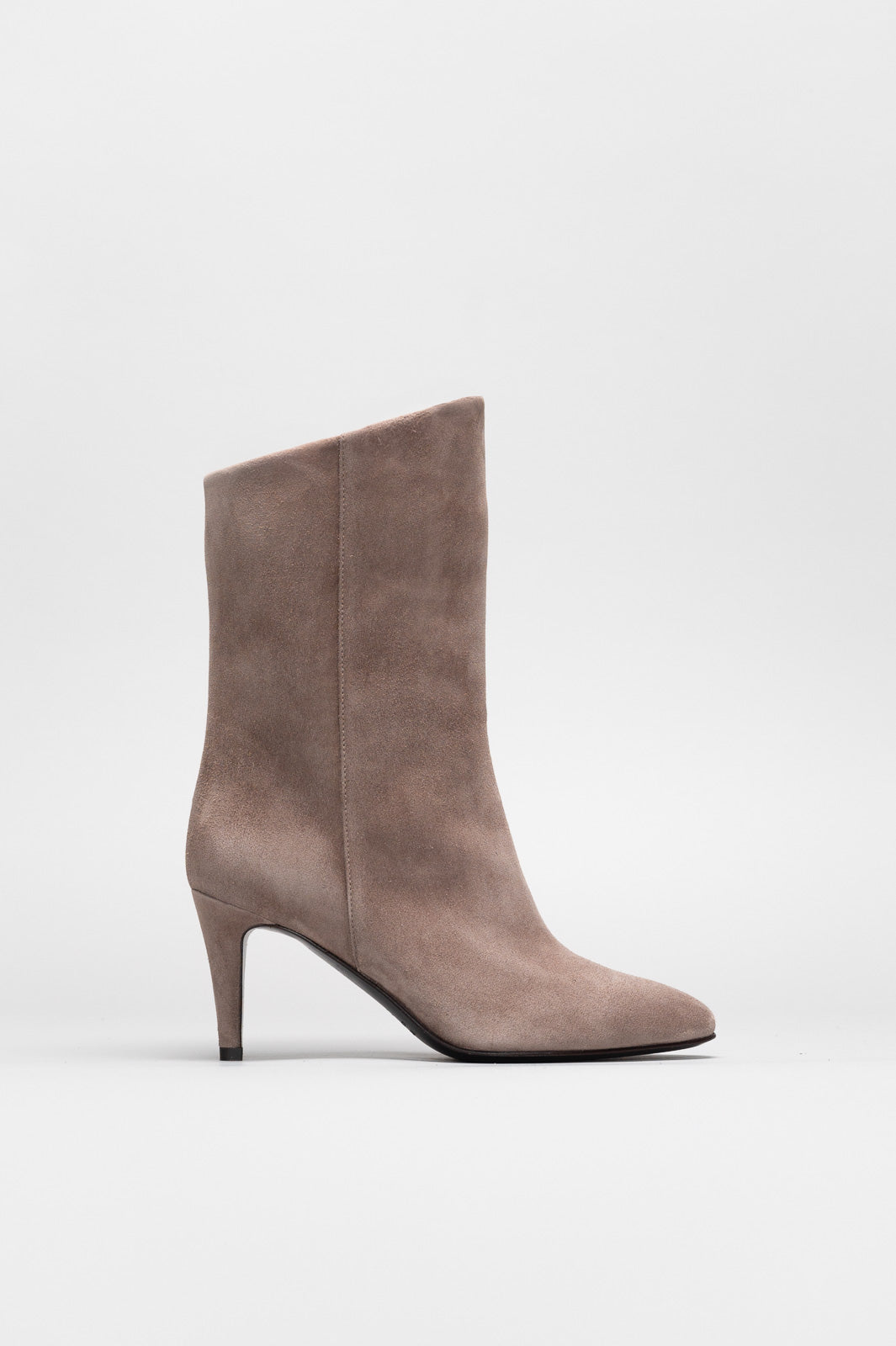
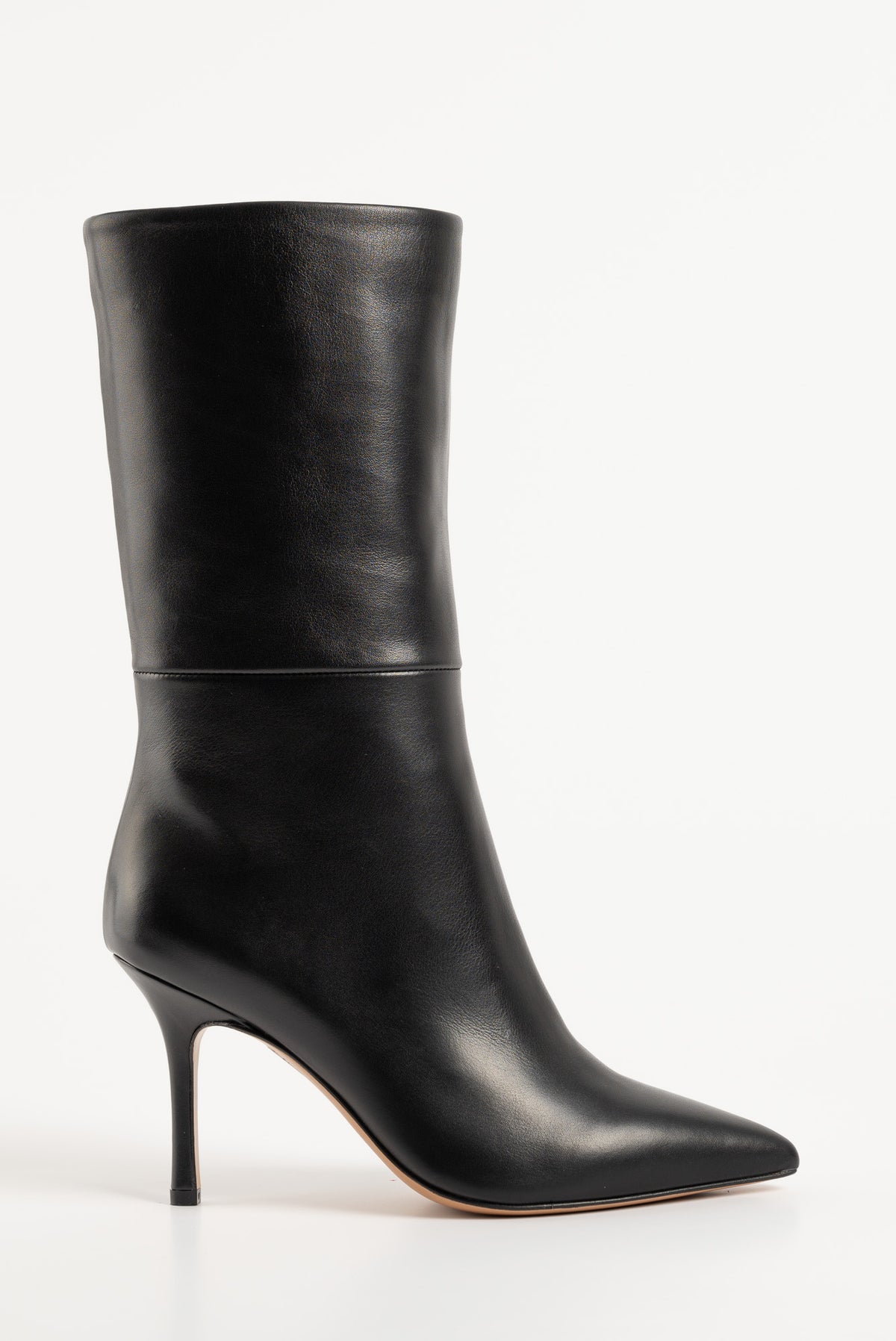
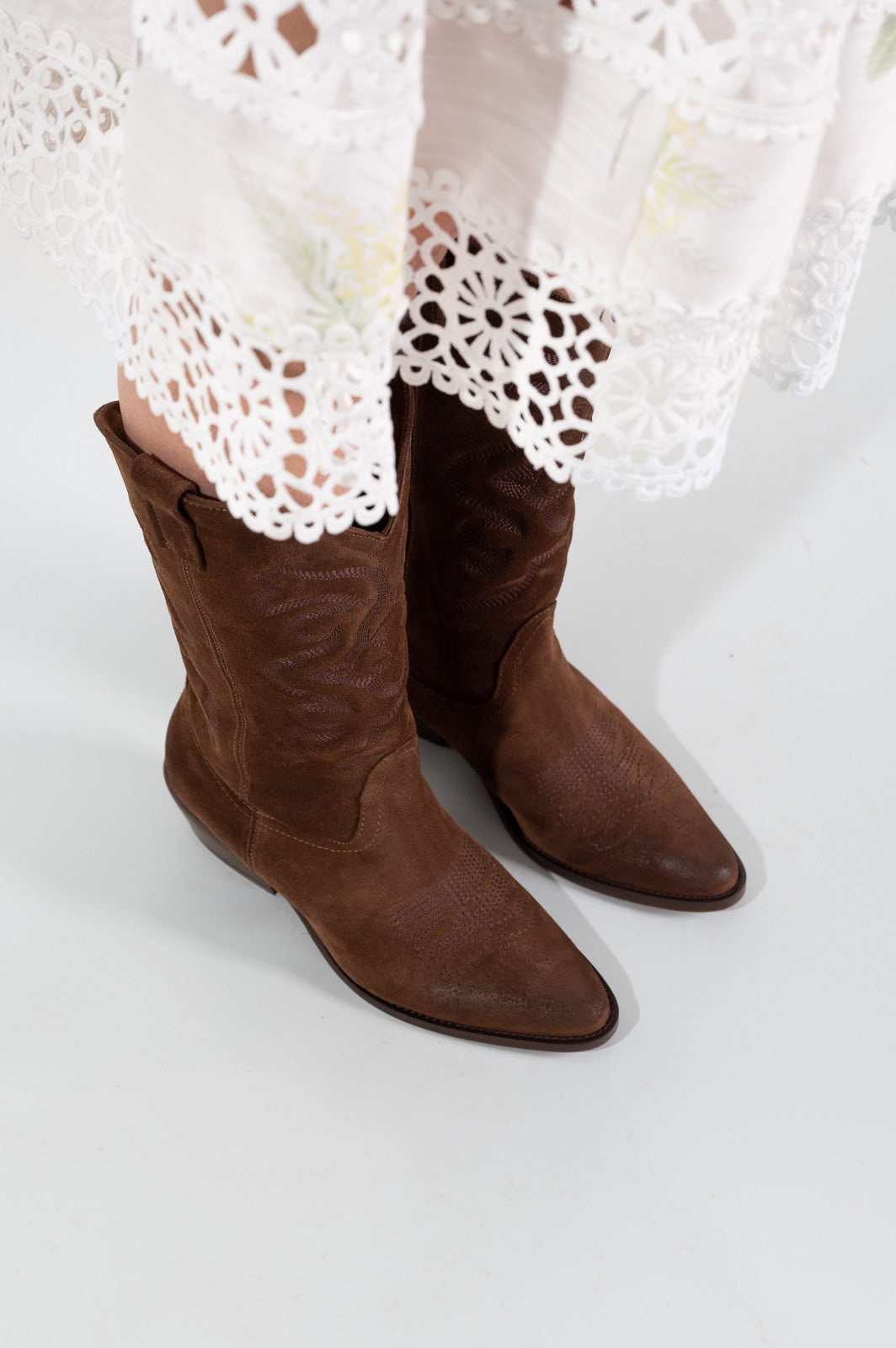
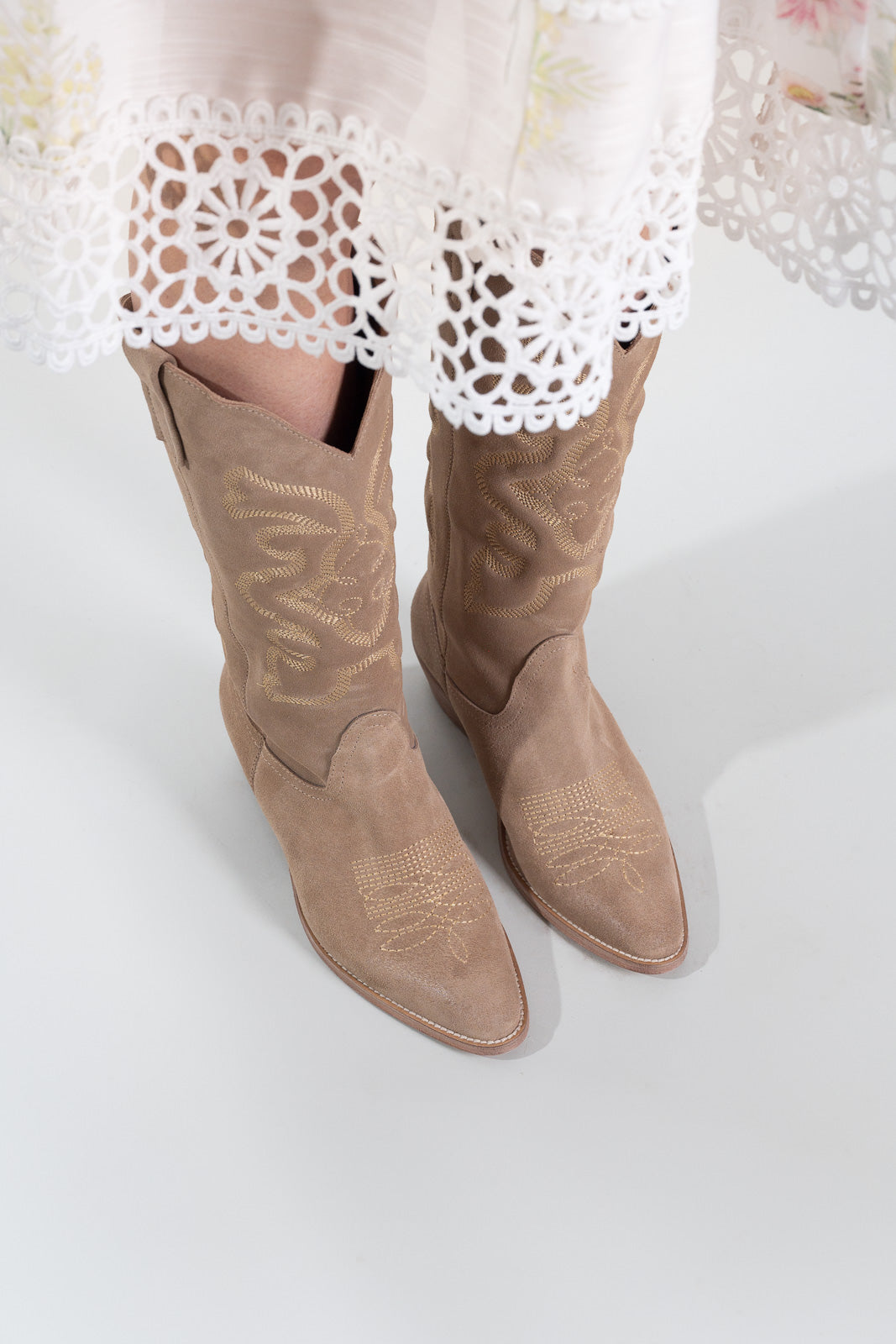
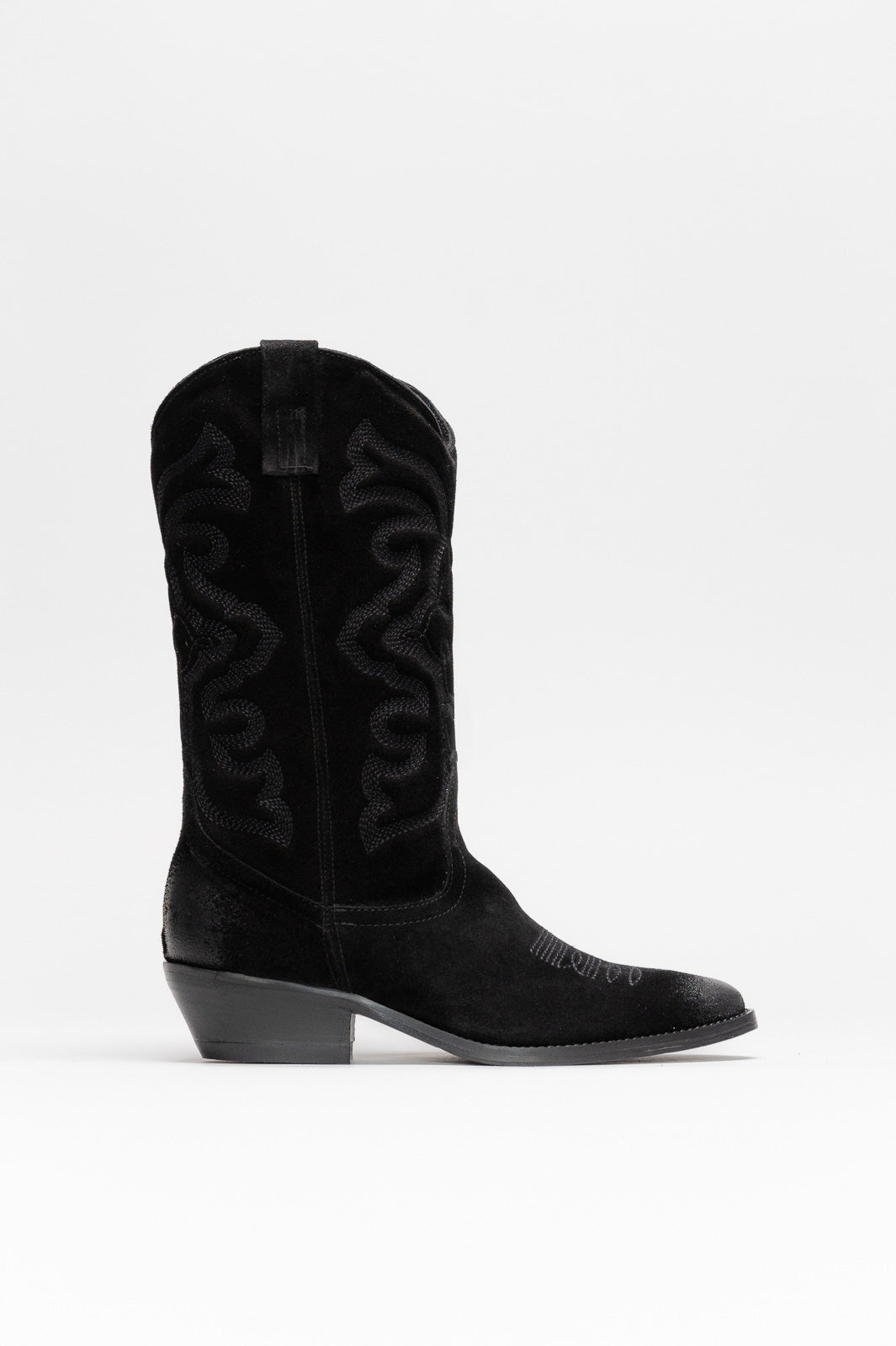
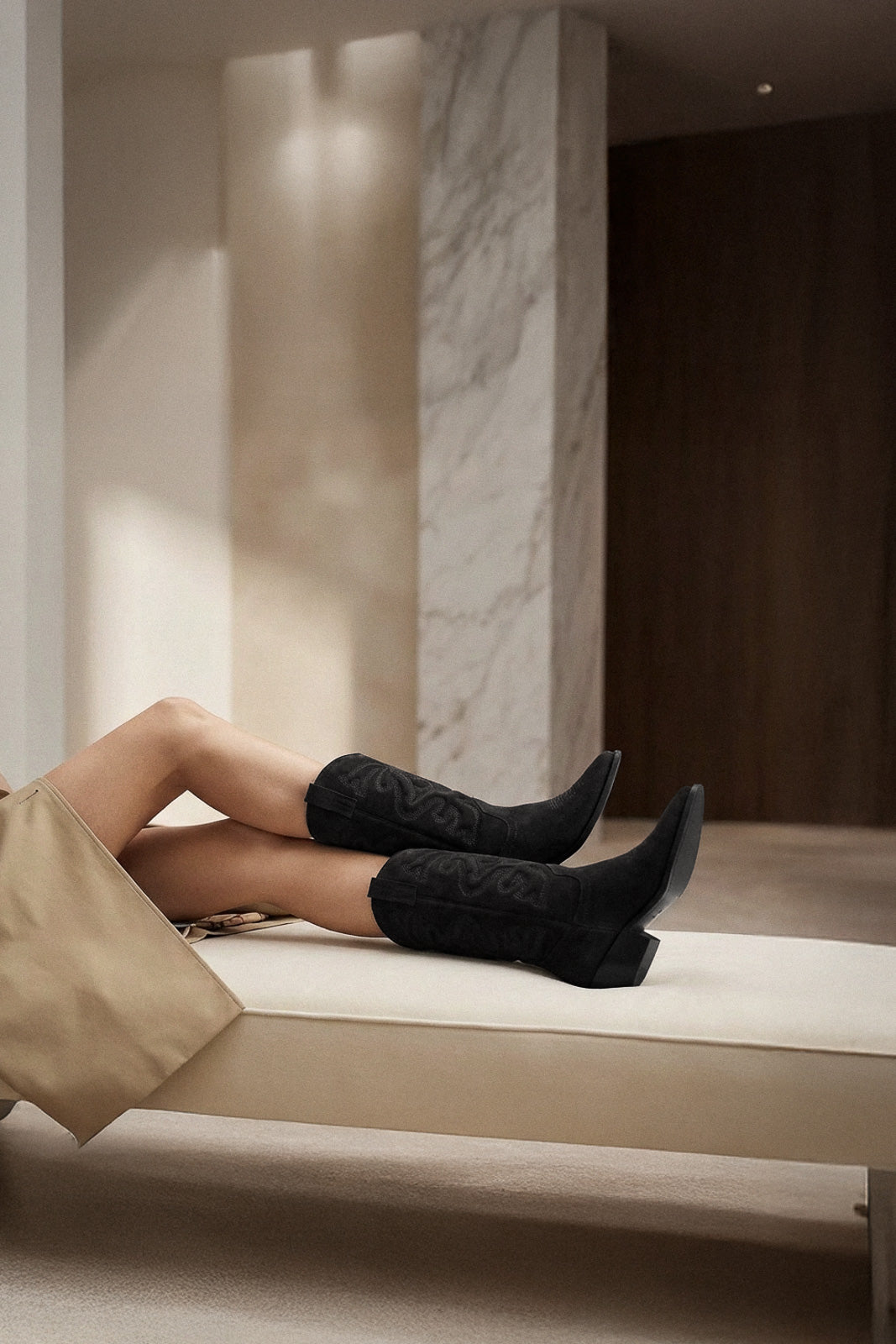
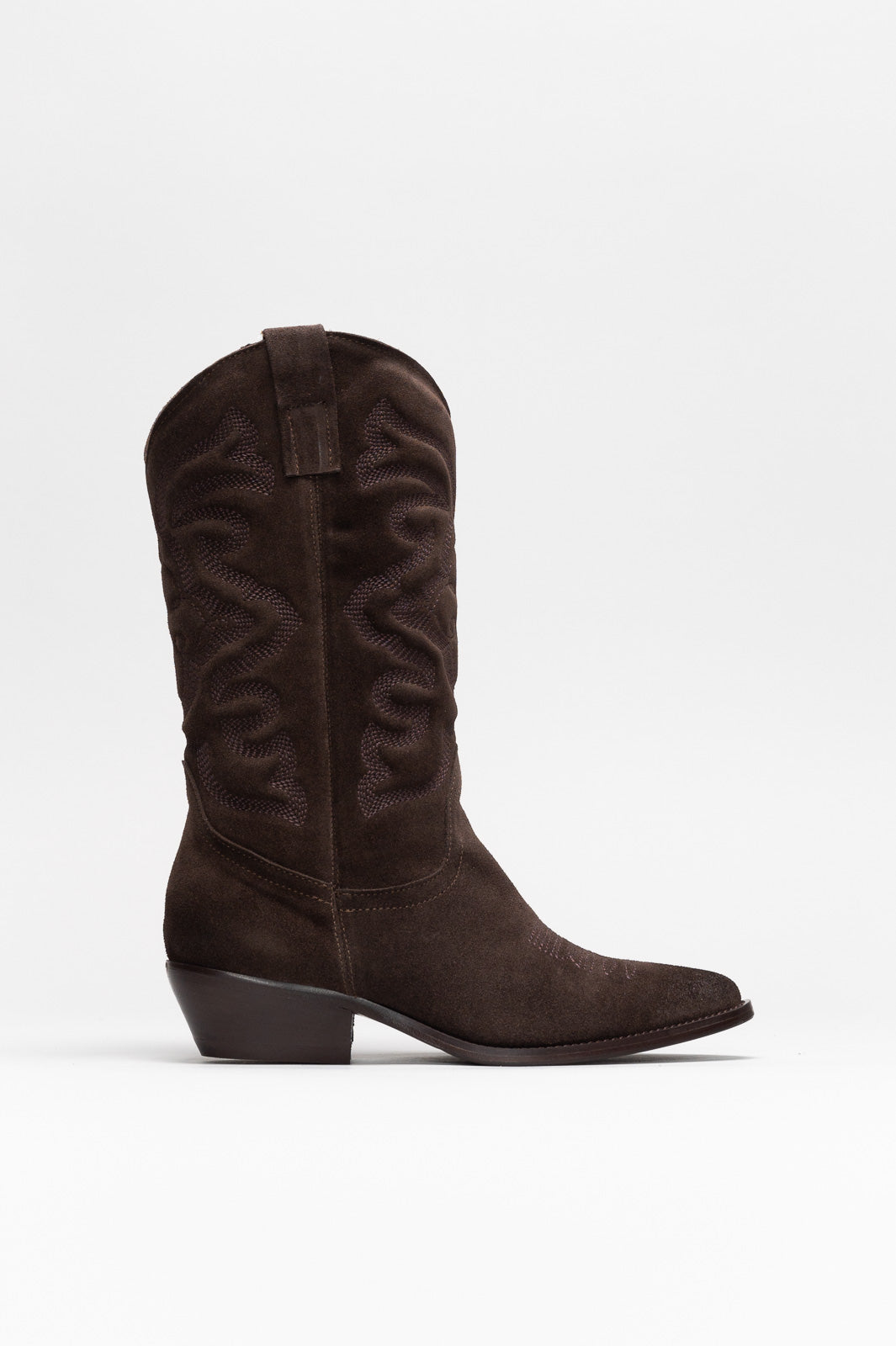
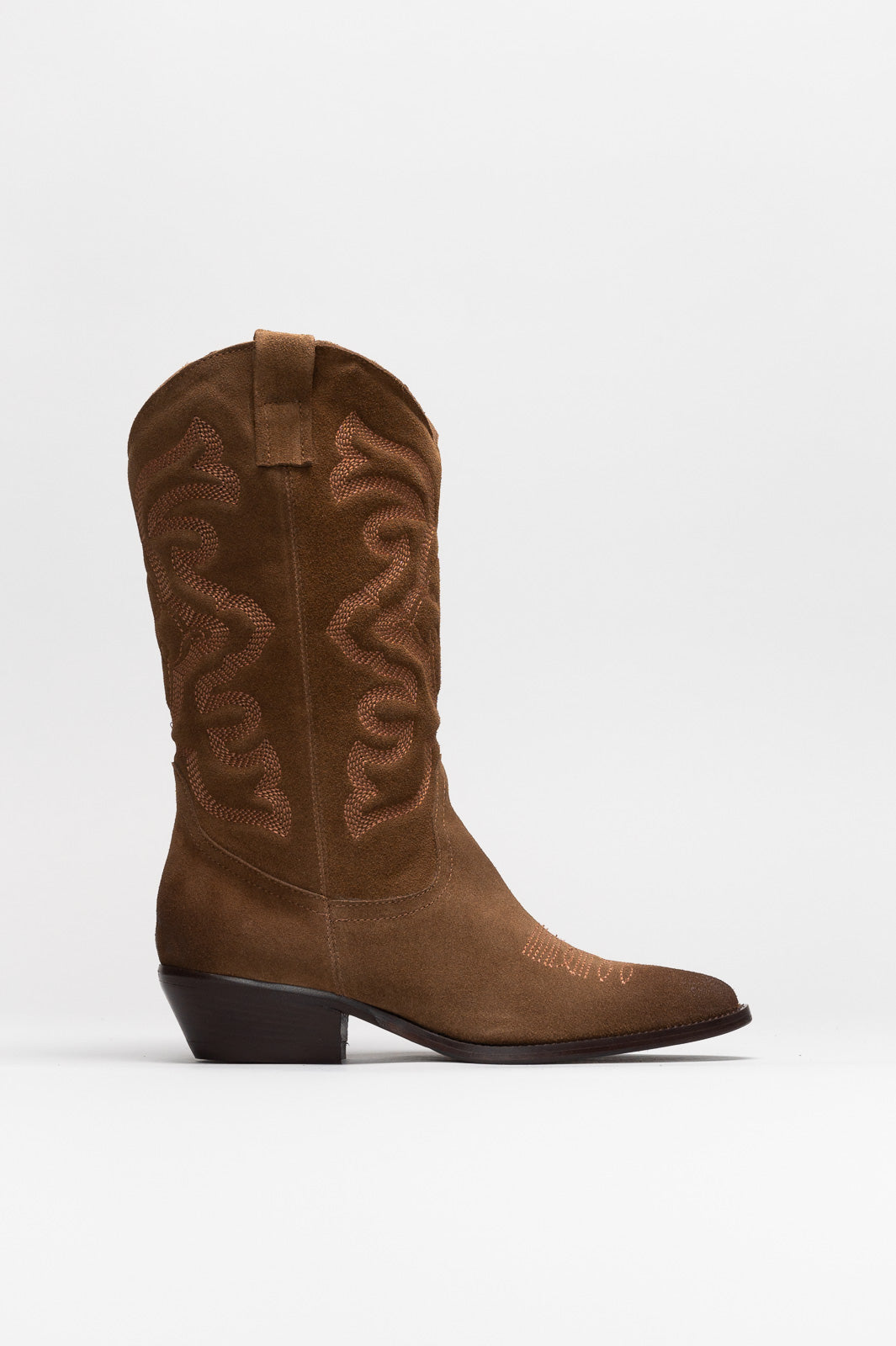
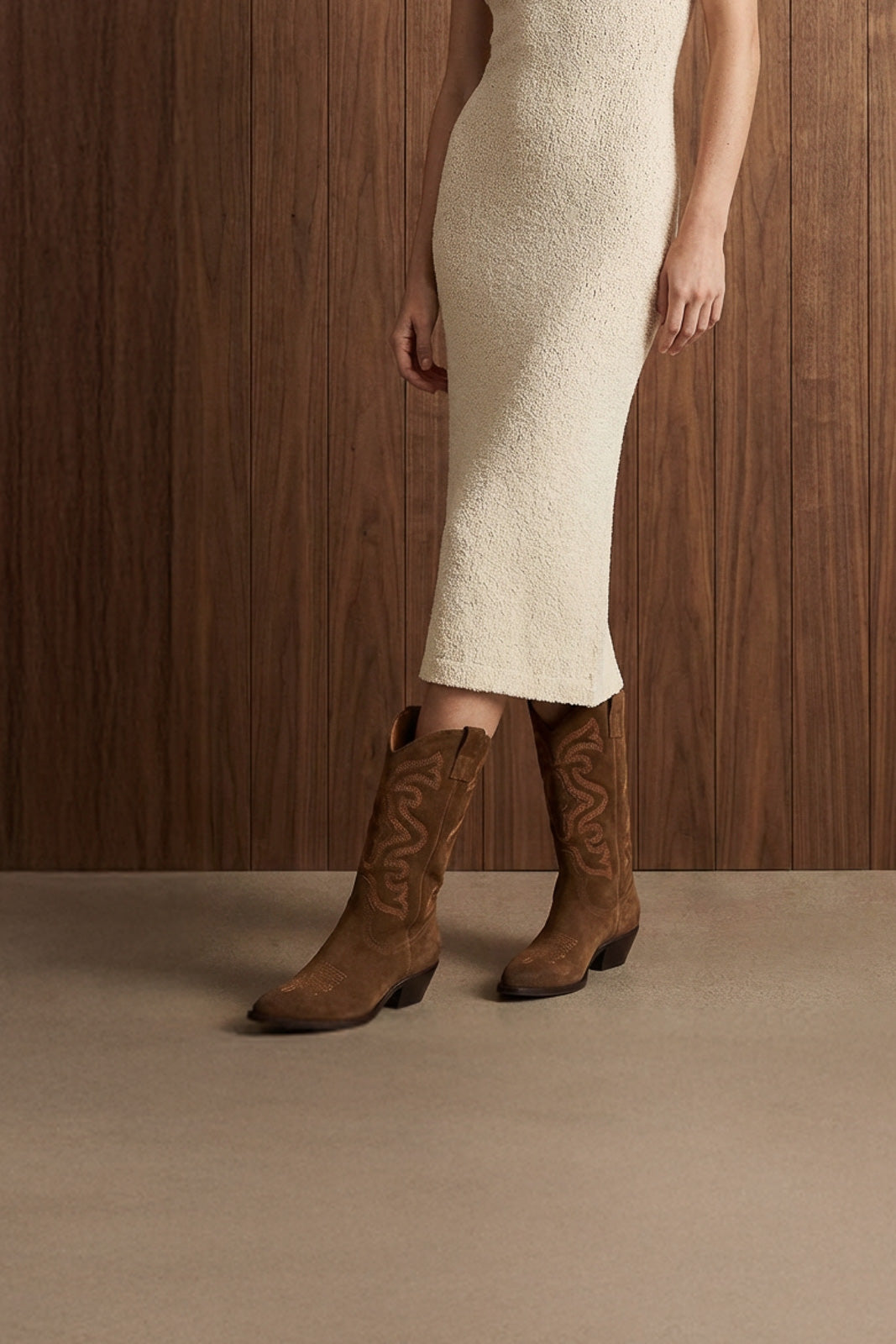
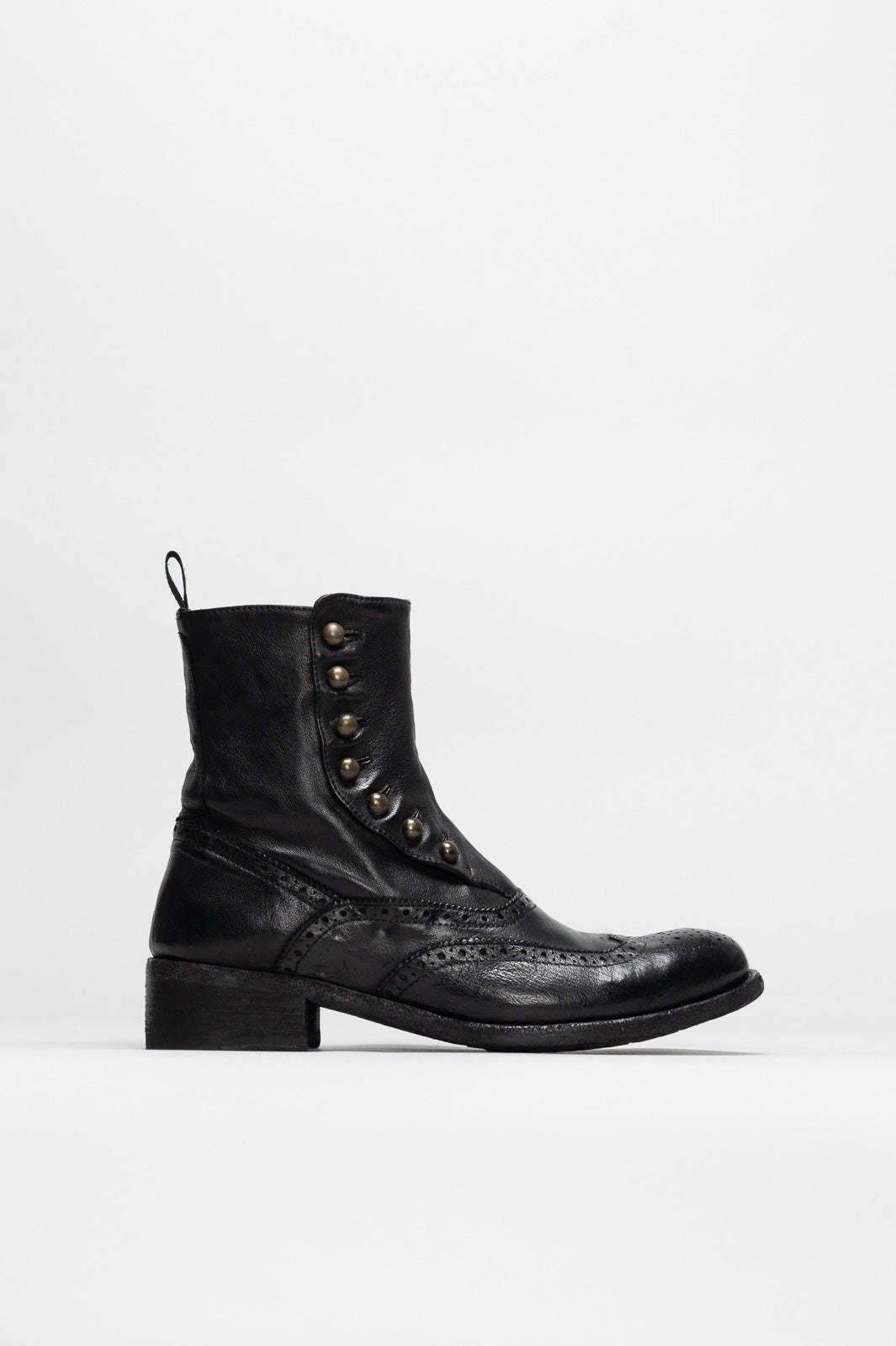
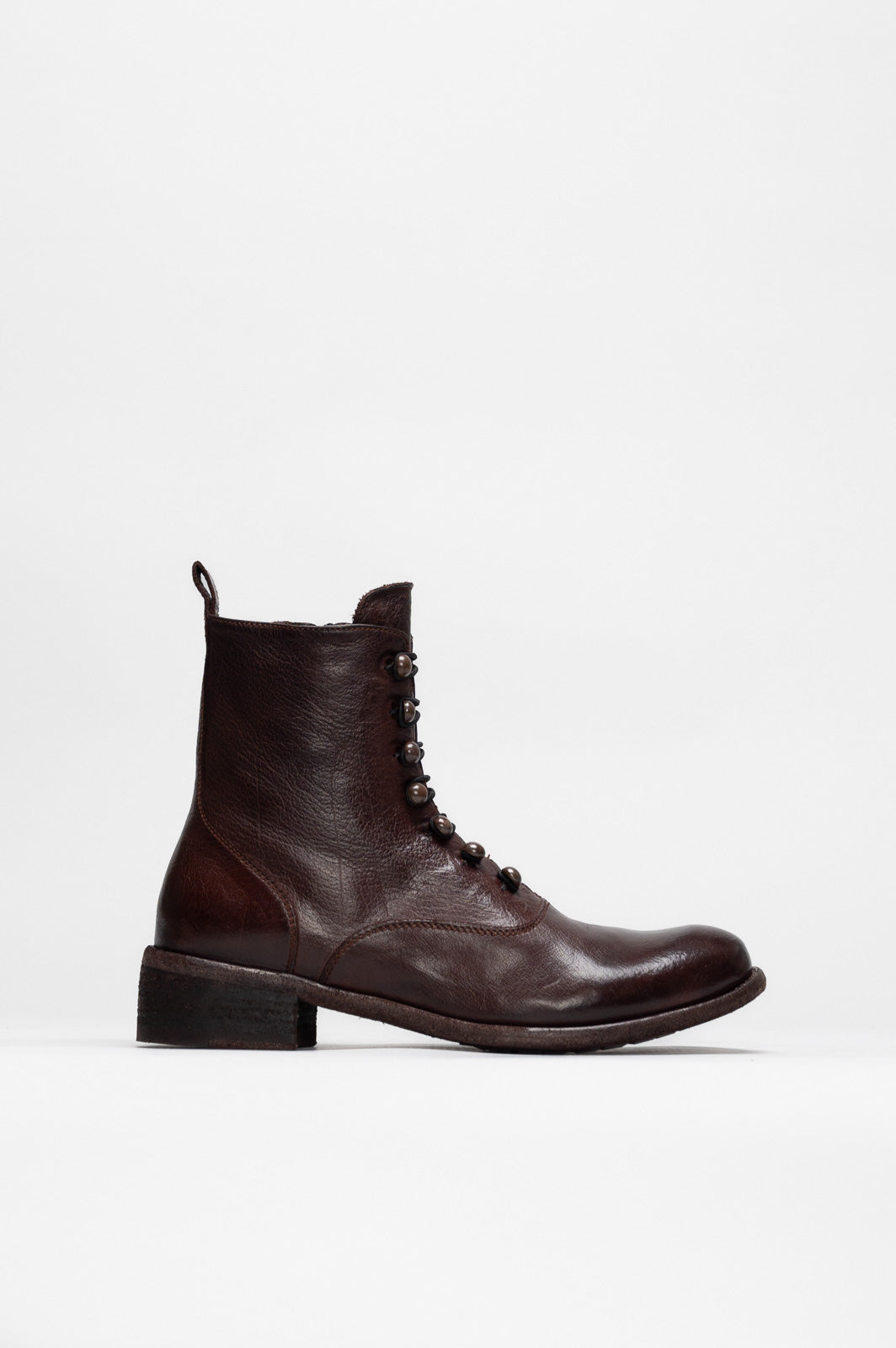
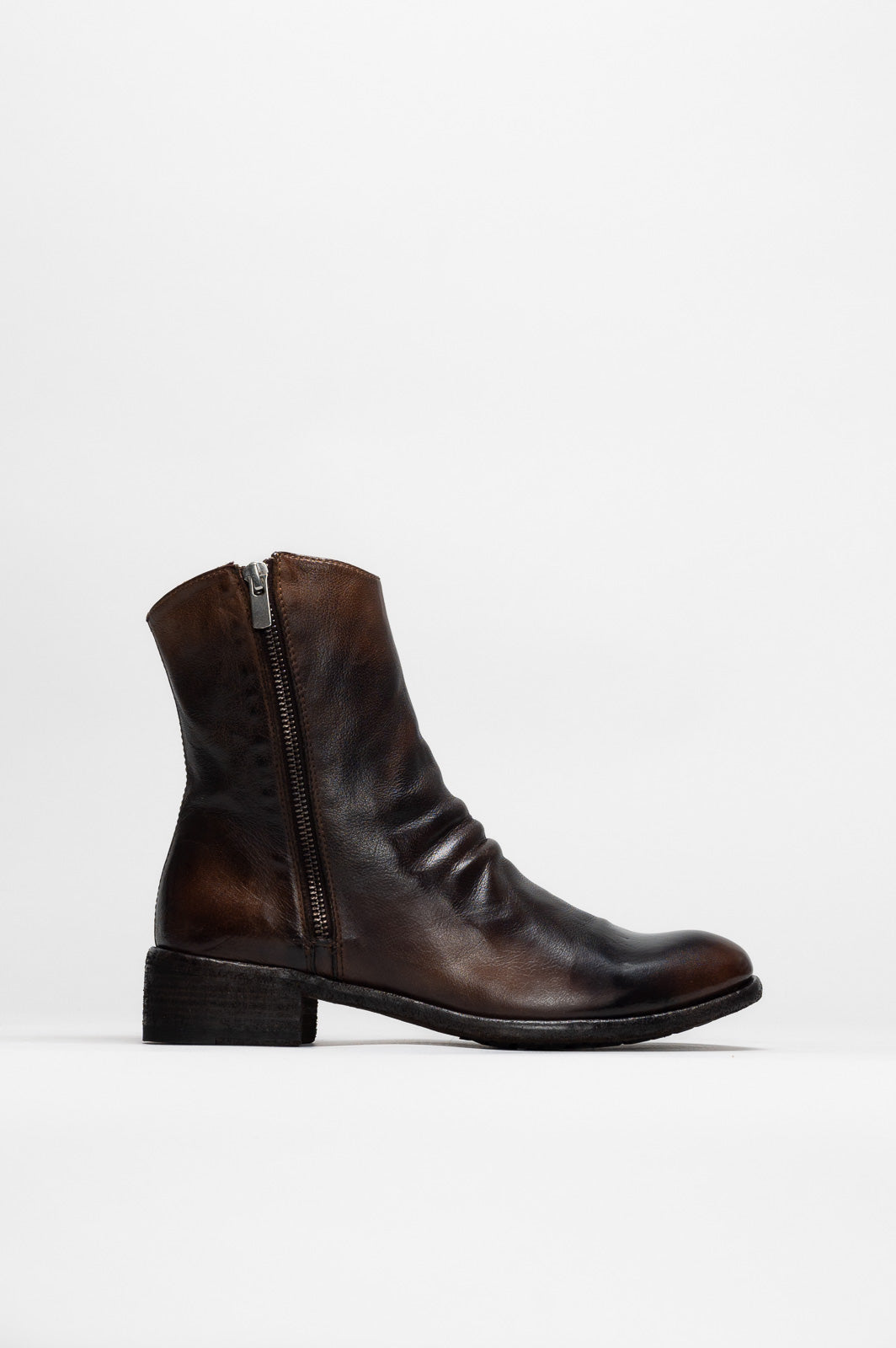
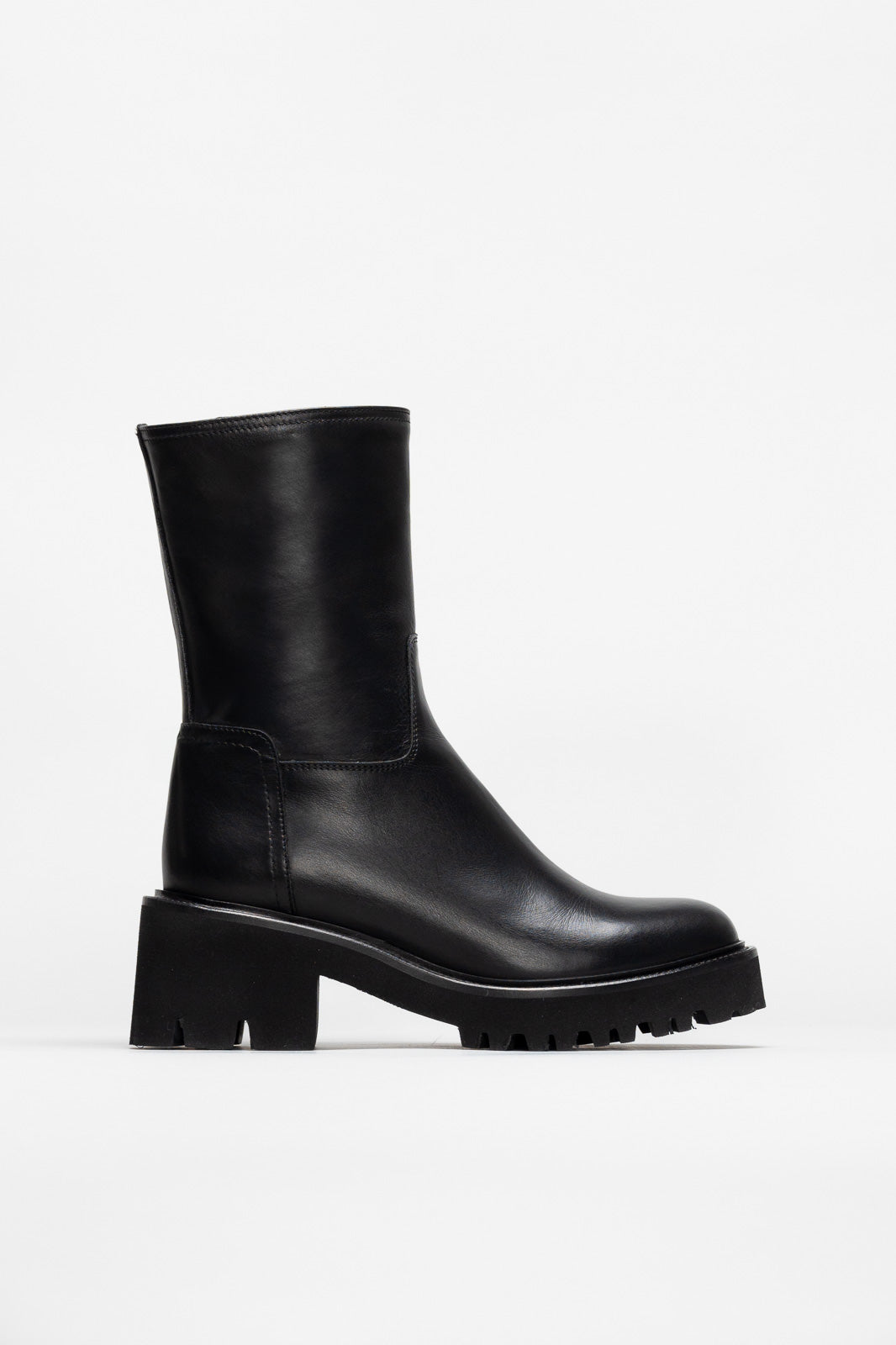
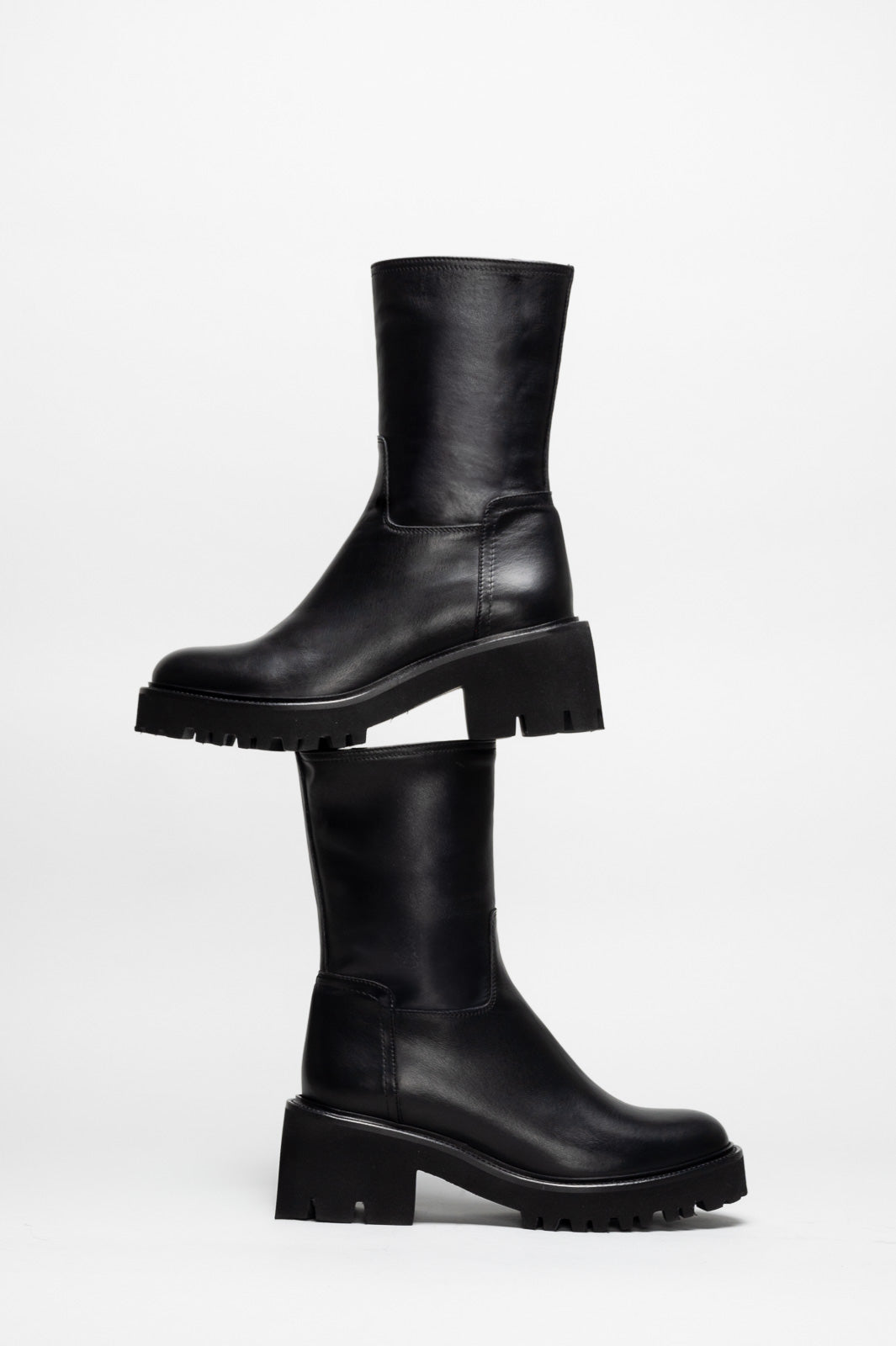
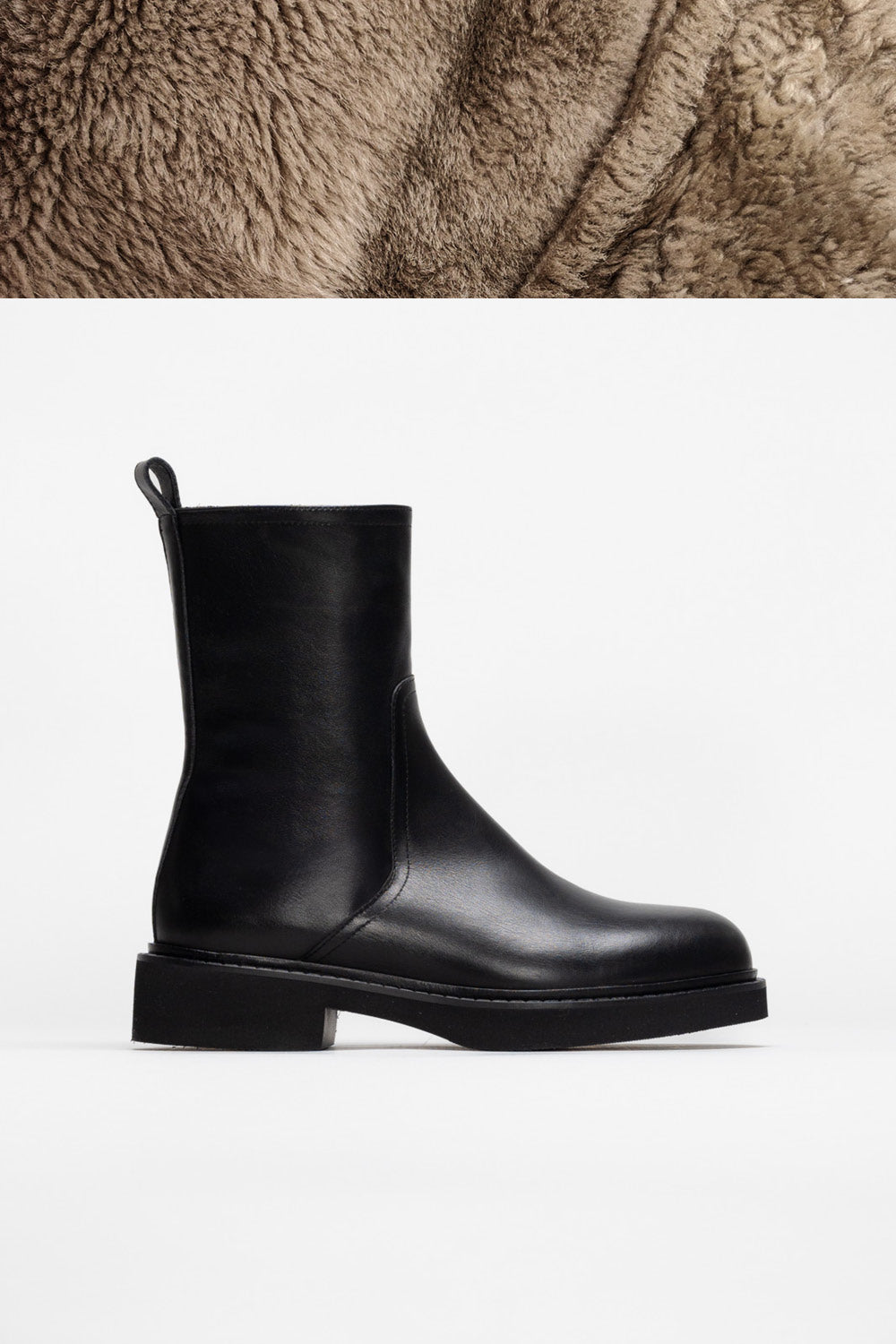
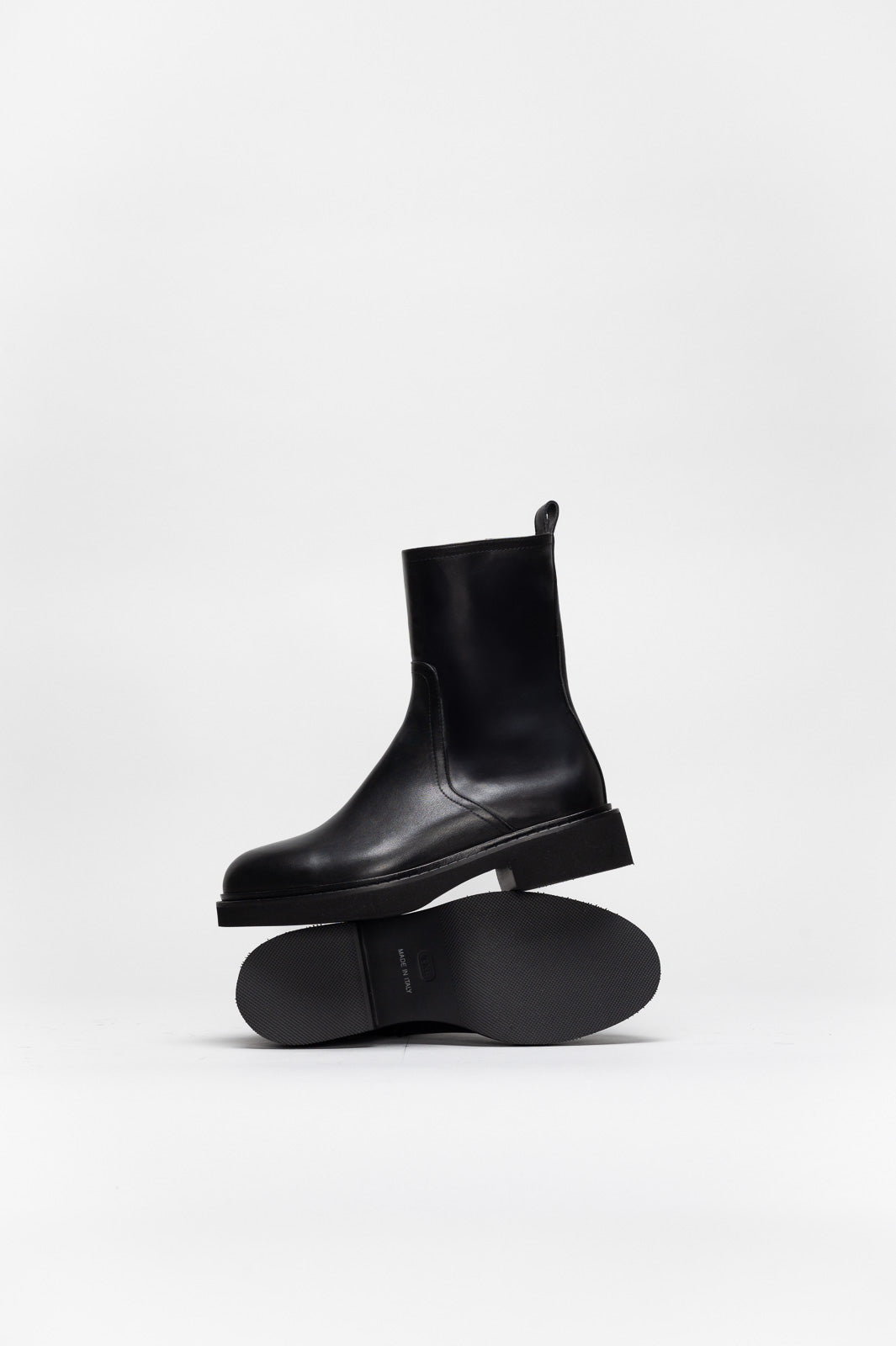
Boots anchor the wardrobe in colder seasons. They add weight and presence to the silhouette, whether worn for longer walks or more considered settings.
Historical context
Worn for centuries as working and military footwear, boots gradually entered everyday dressing during the 20th century. Leather and suede versions evolved from lace-up forms to cleaner pull-on styles that remain in regular use.
In the wardrobe
With denim, long skirts or dresses. Lace-up styles feel more grounded; slim pull-on boots create a clearer line. Black leather integrates easily, while brown and lighter tones soften the expression.
Our selection
Produced in Italy in leather and suede with attention to construction and proportion. Leather soles are often reinforced with rubber for durability. Selected for balance, longevity and material integrity.


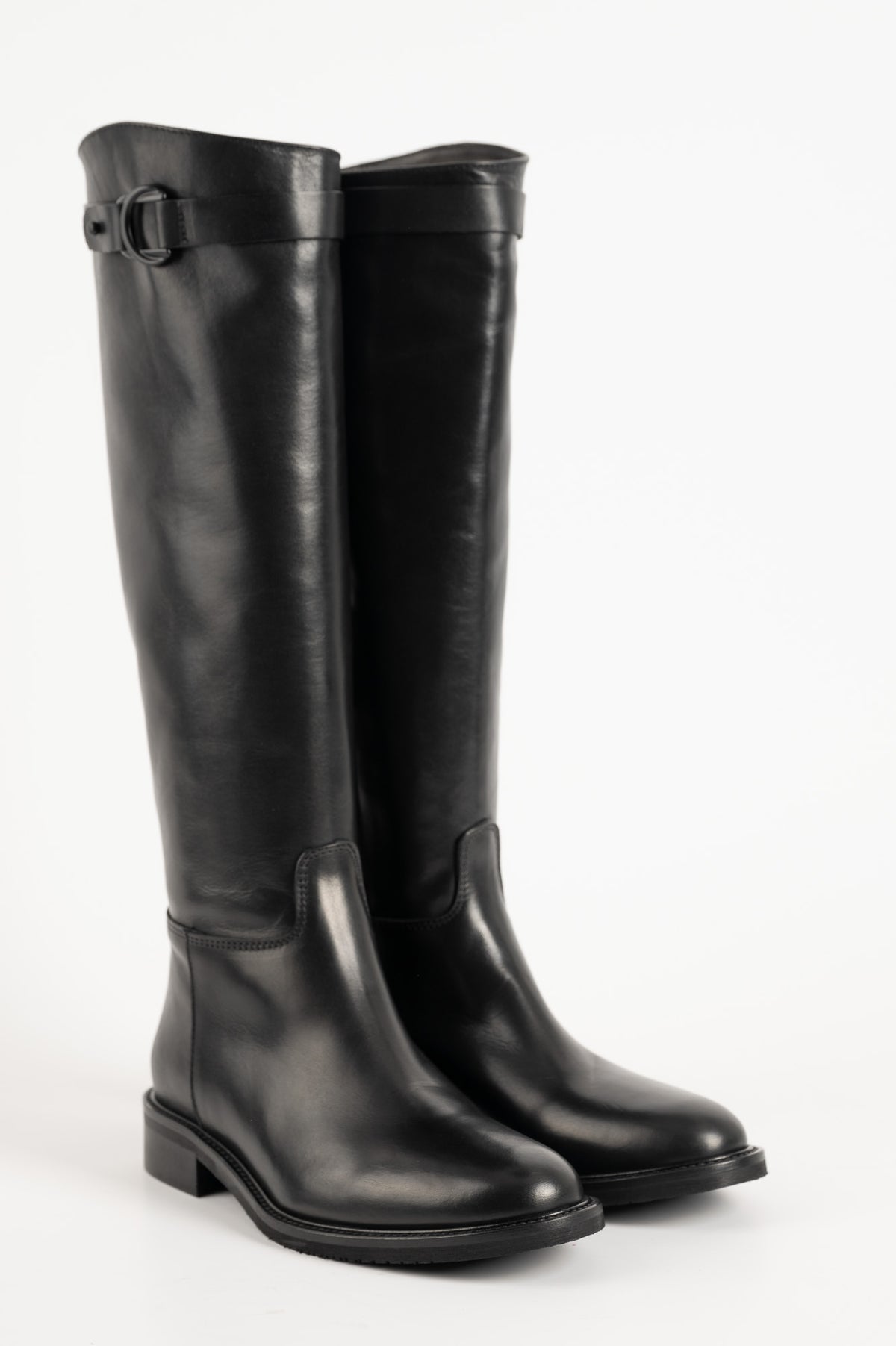
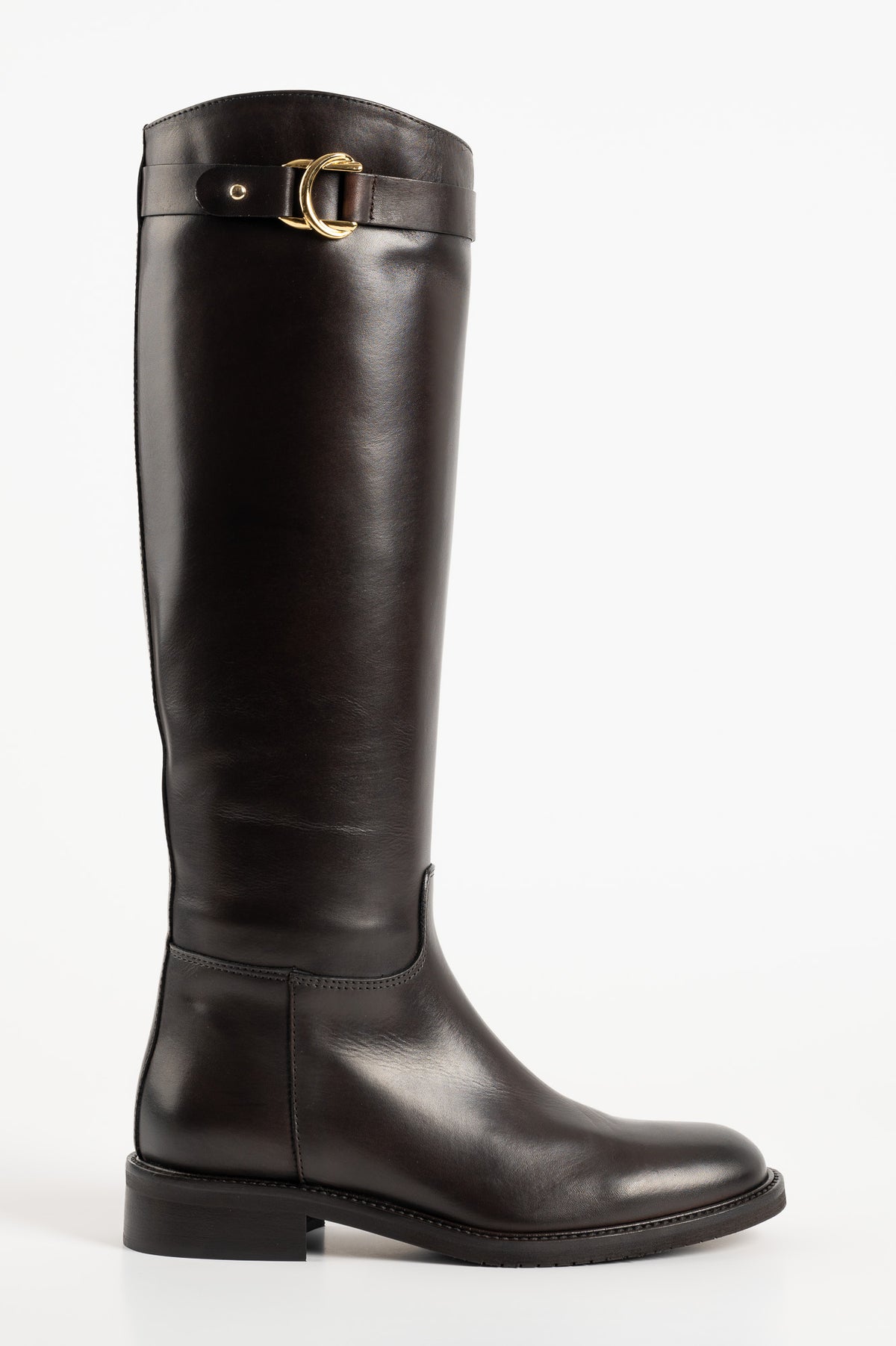
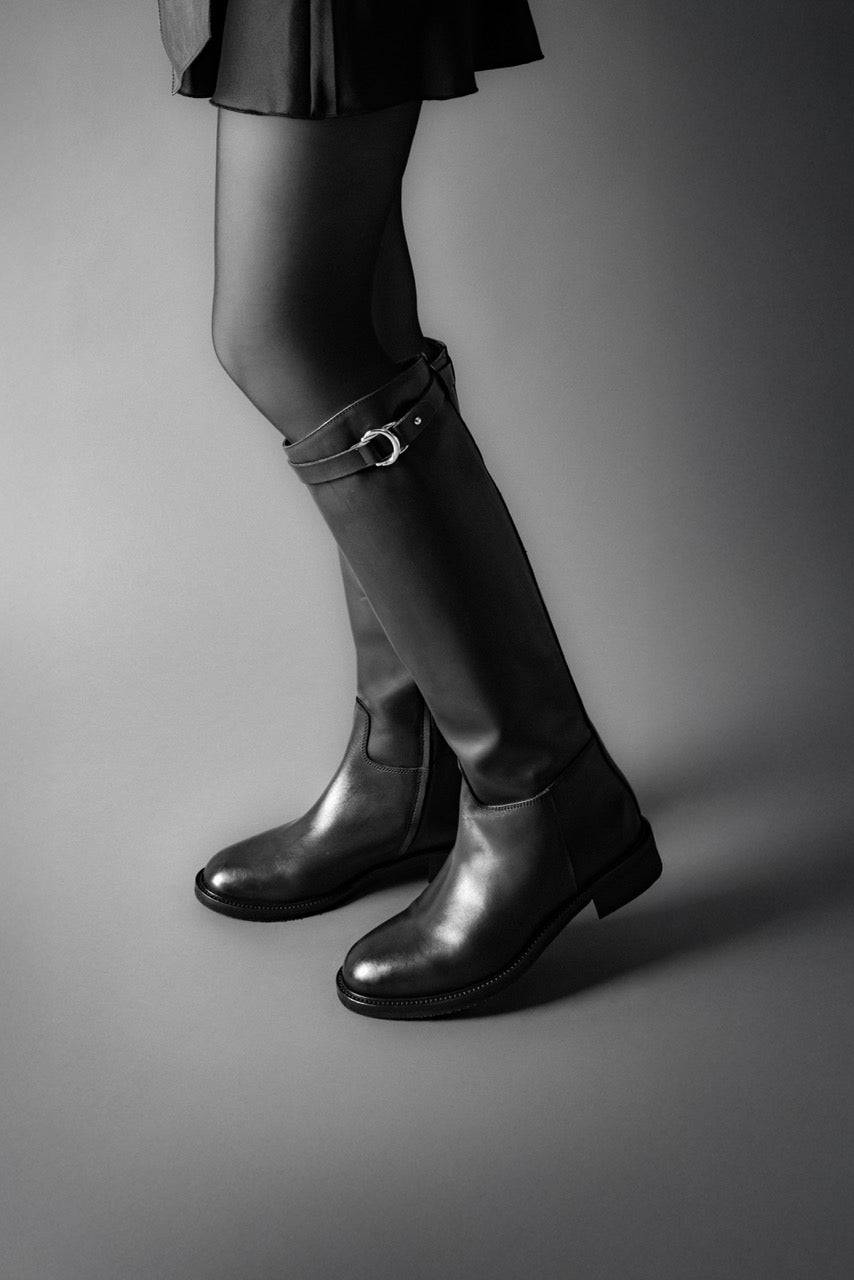
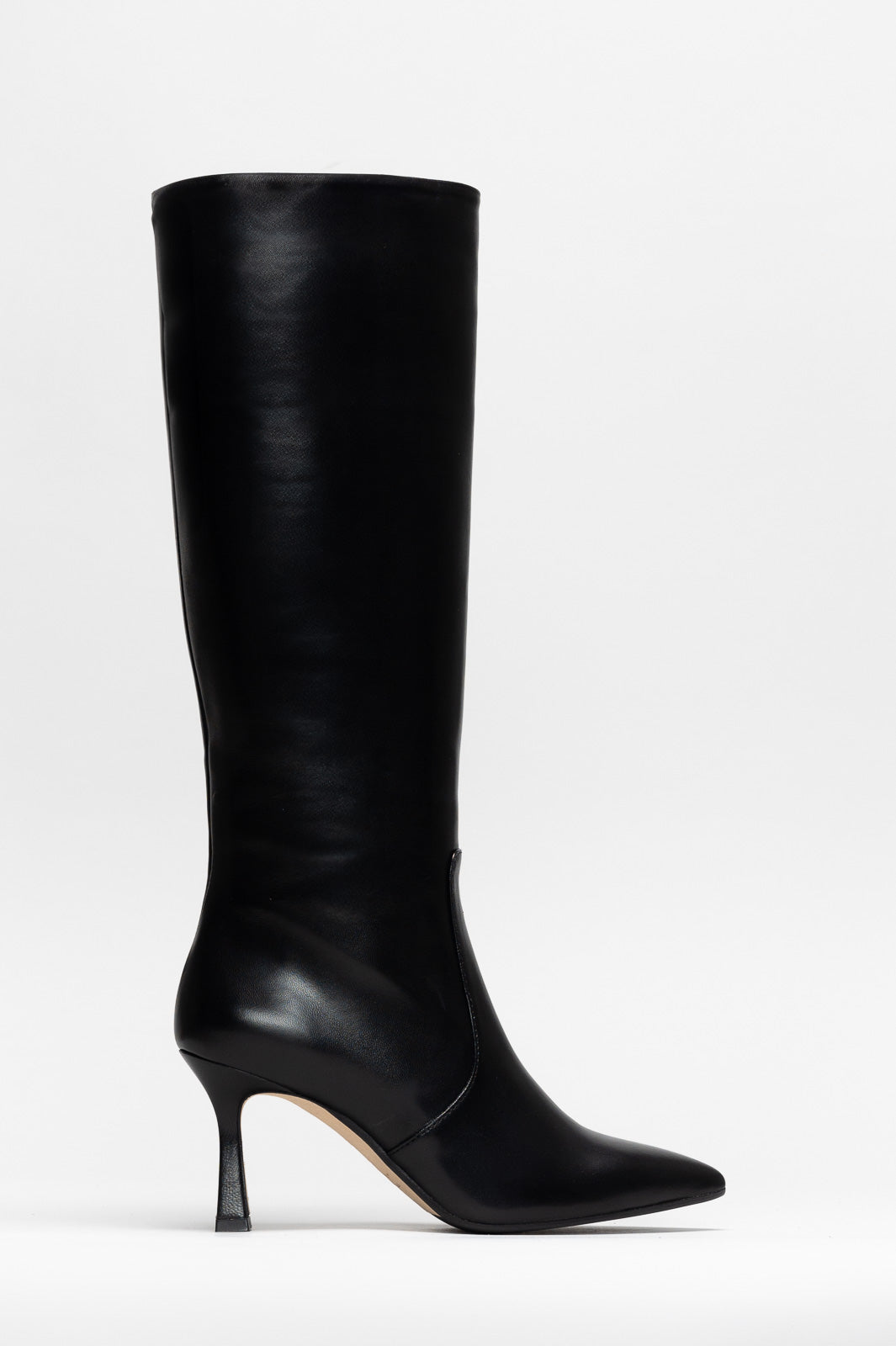
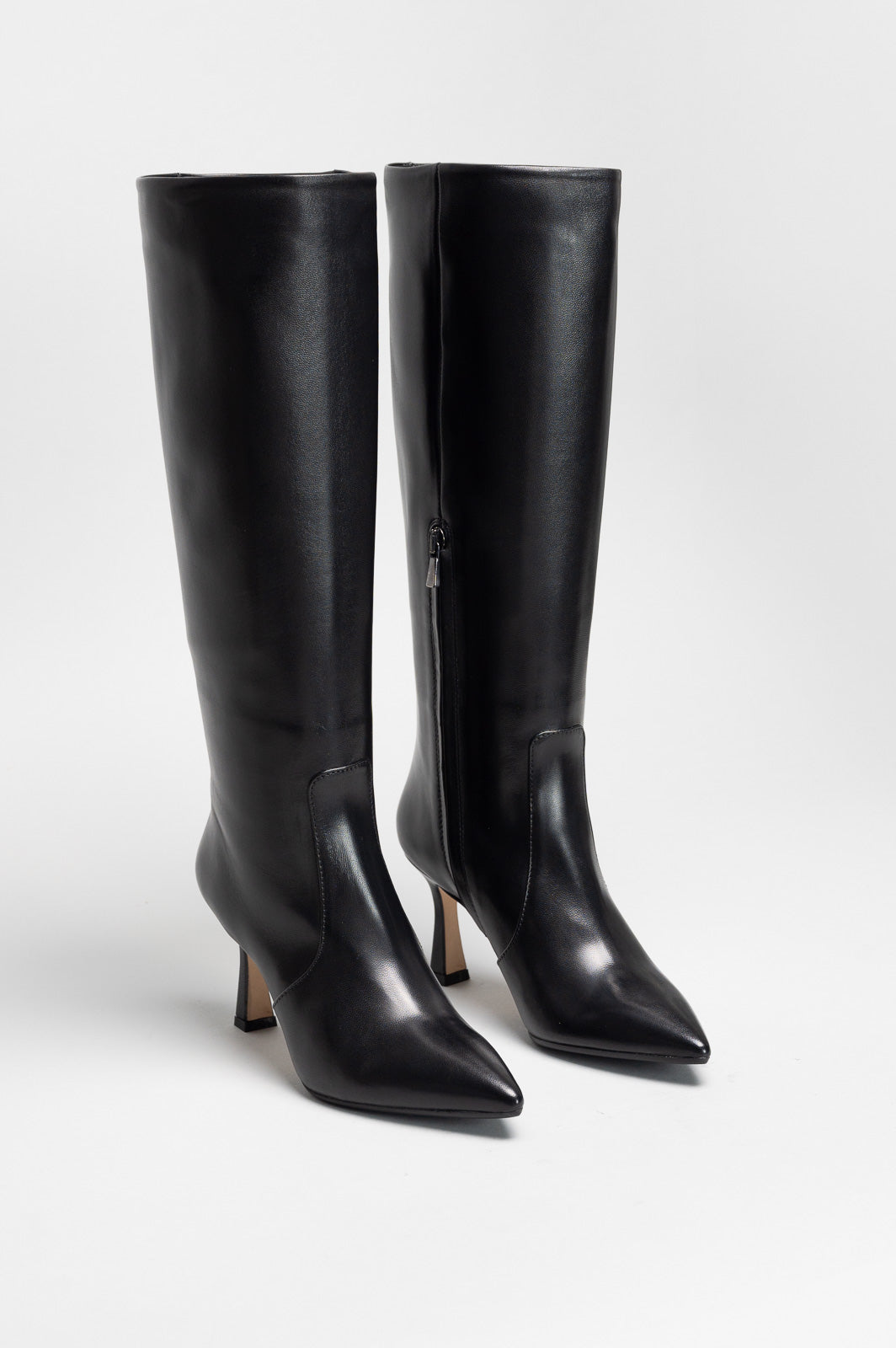
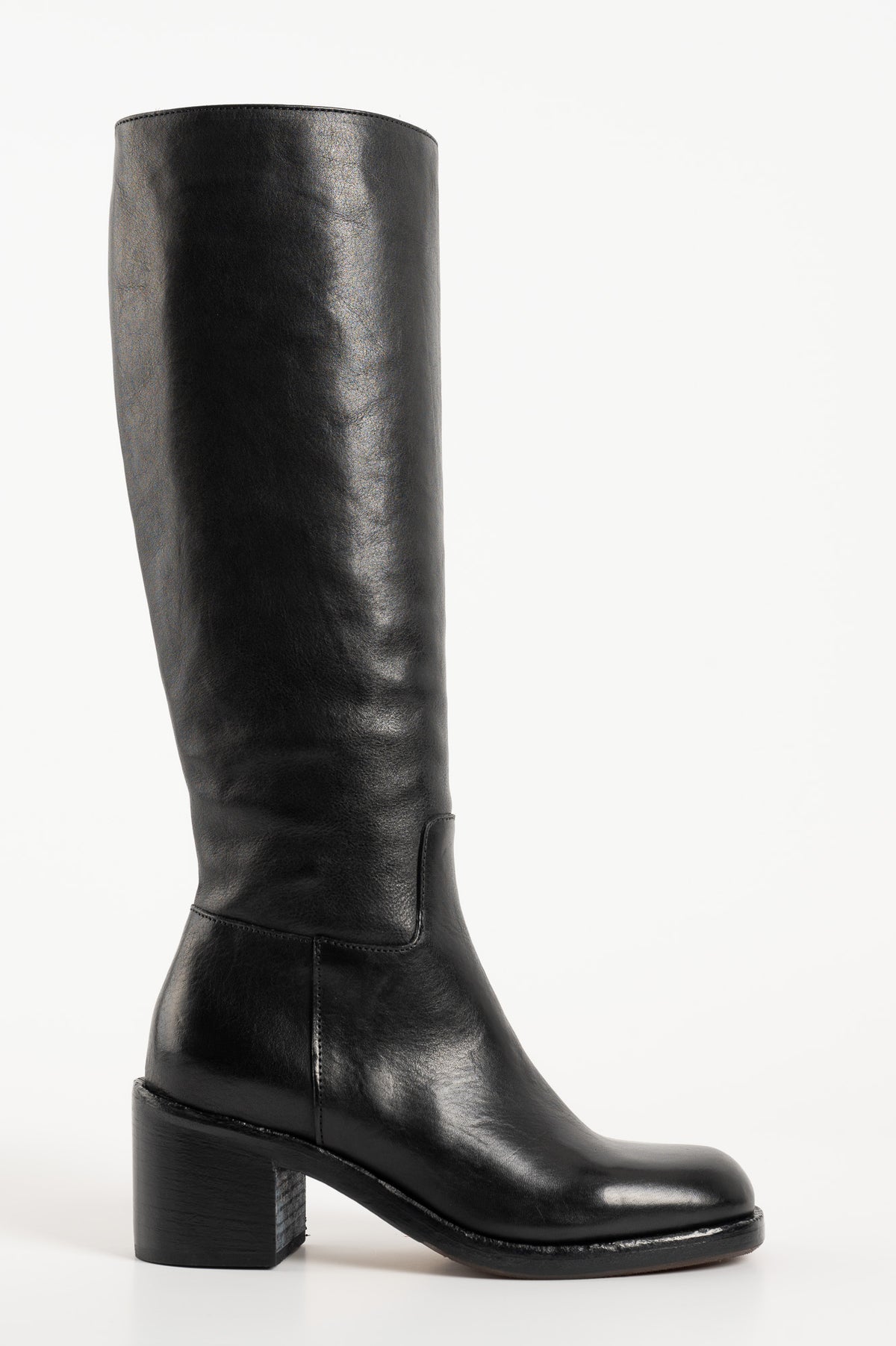
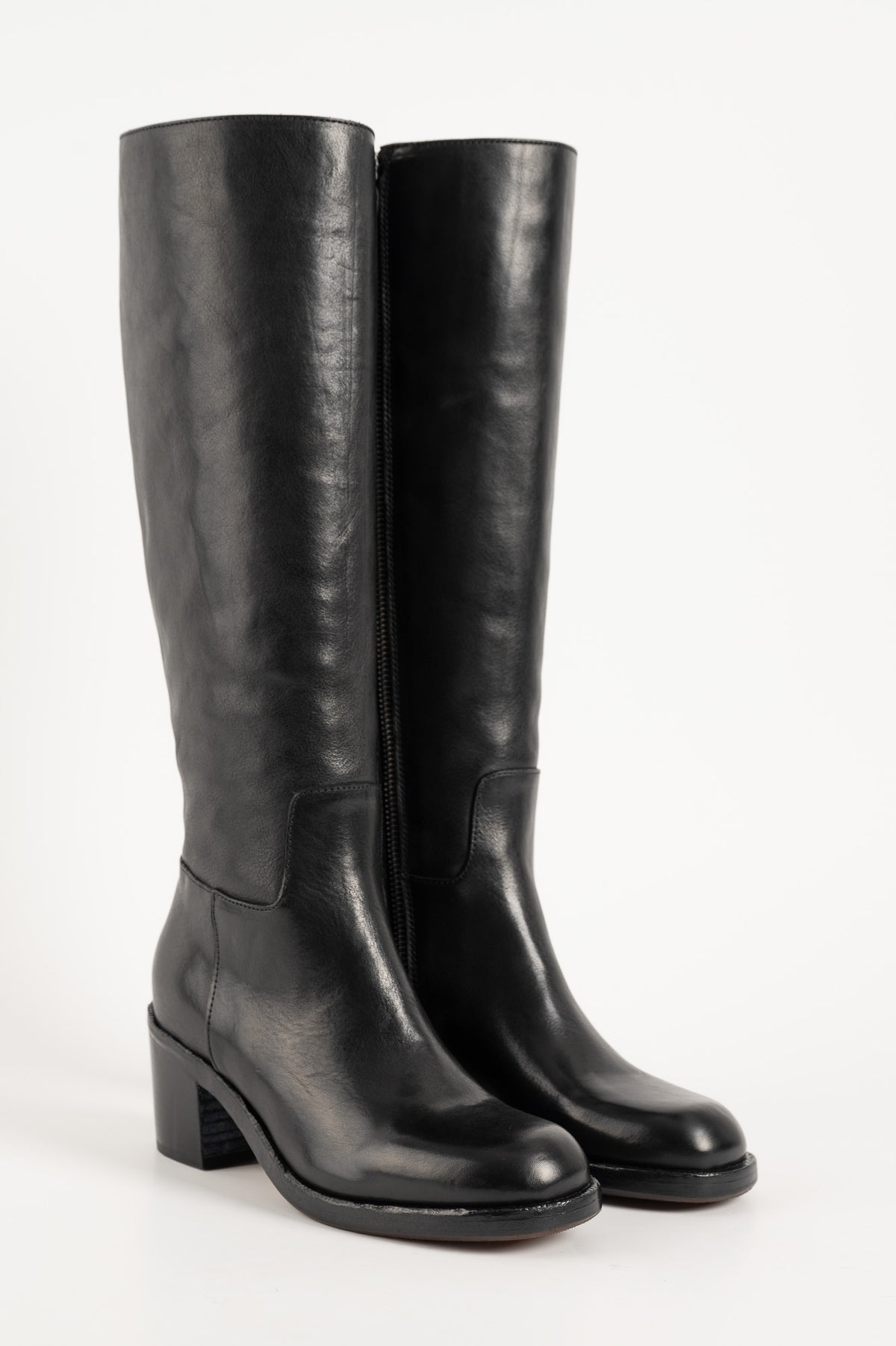
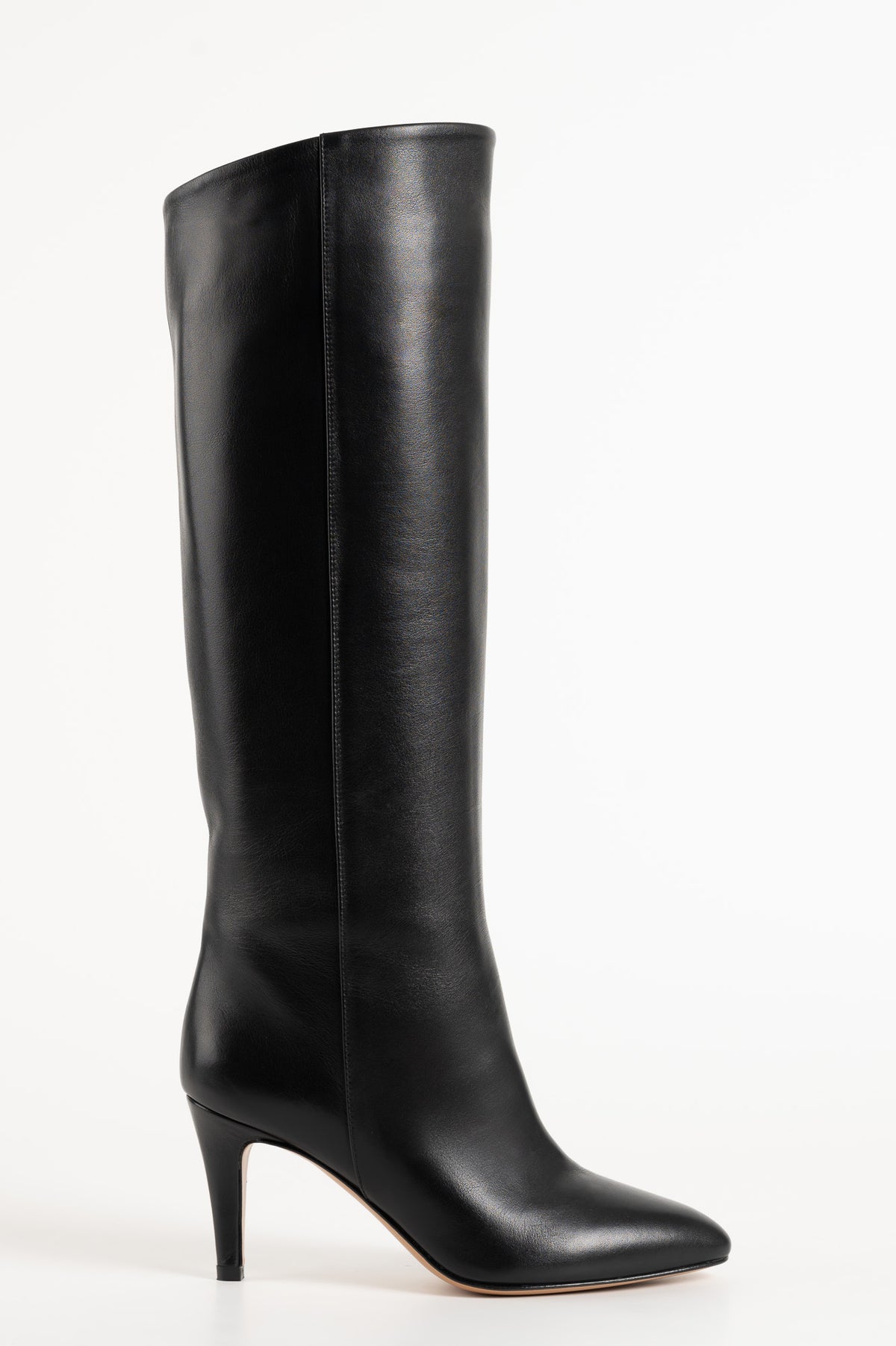
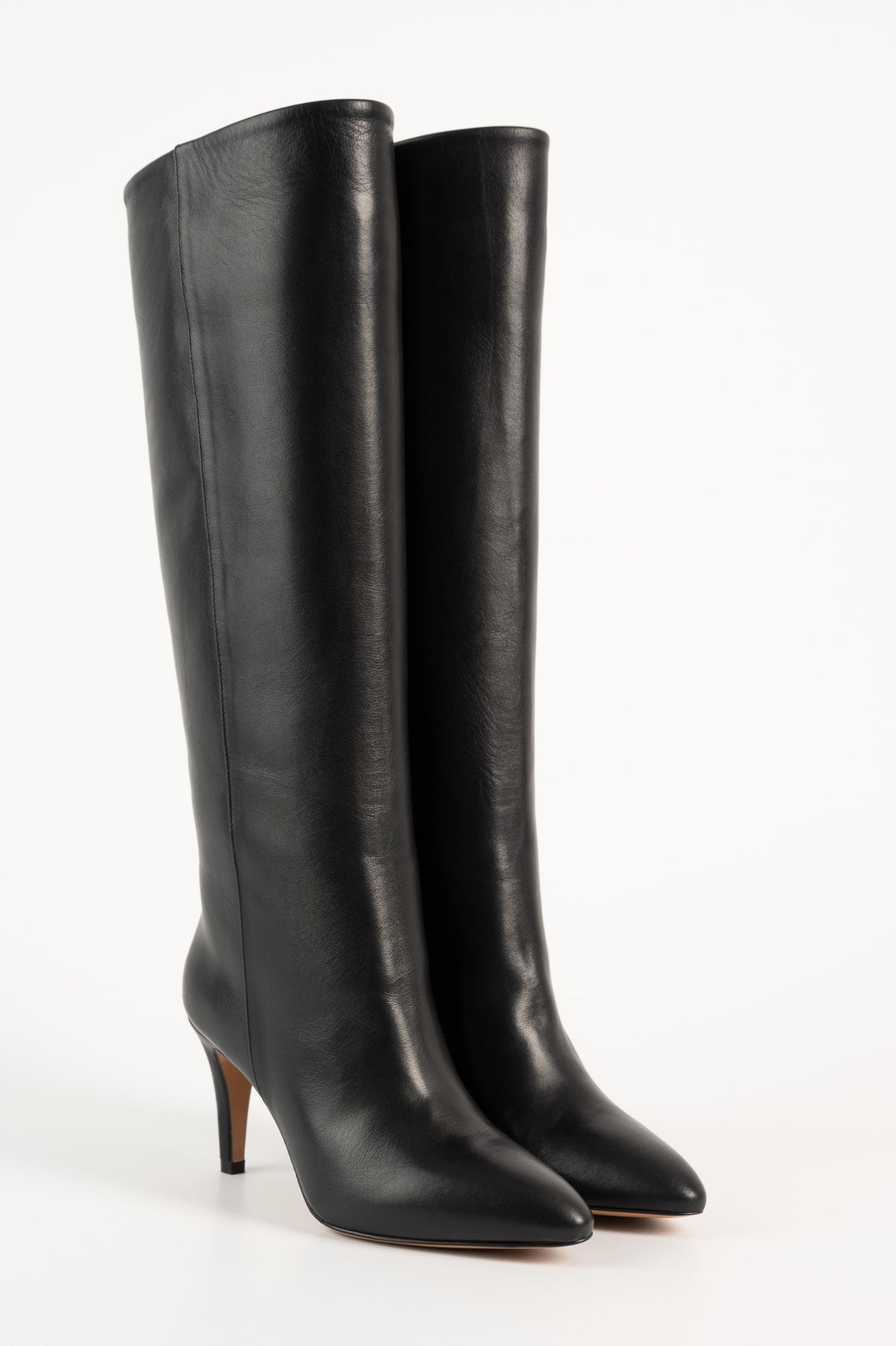
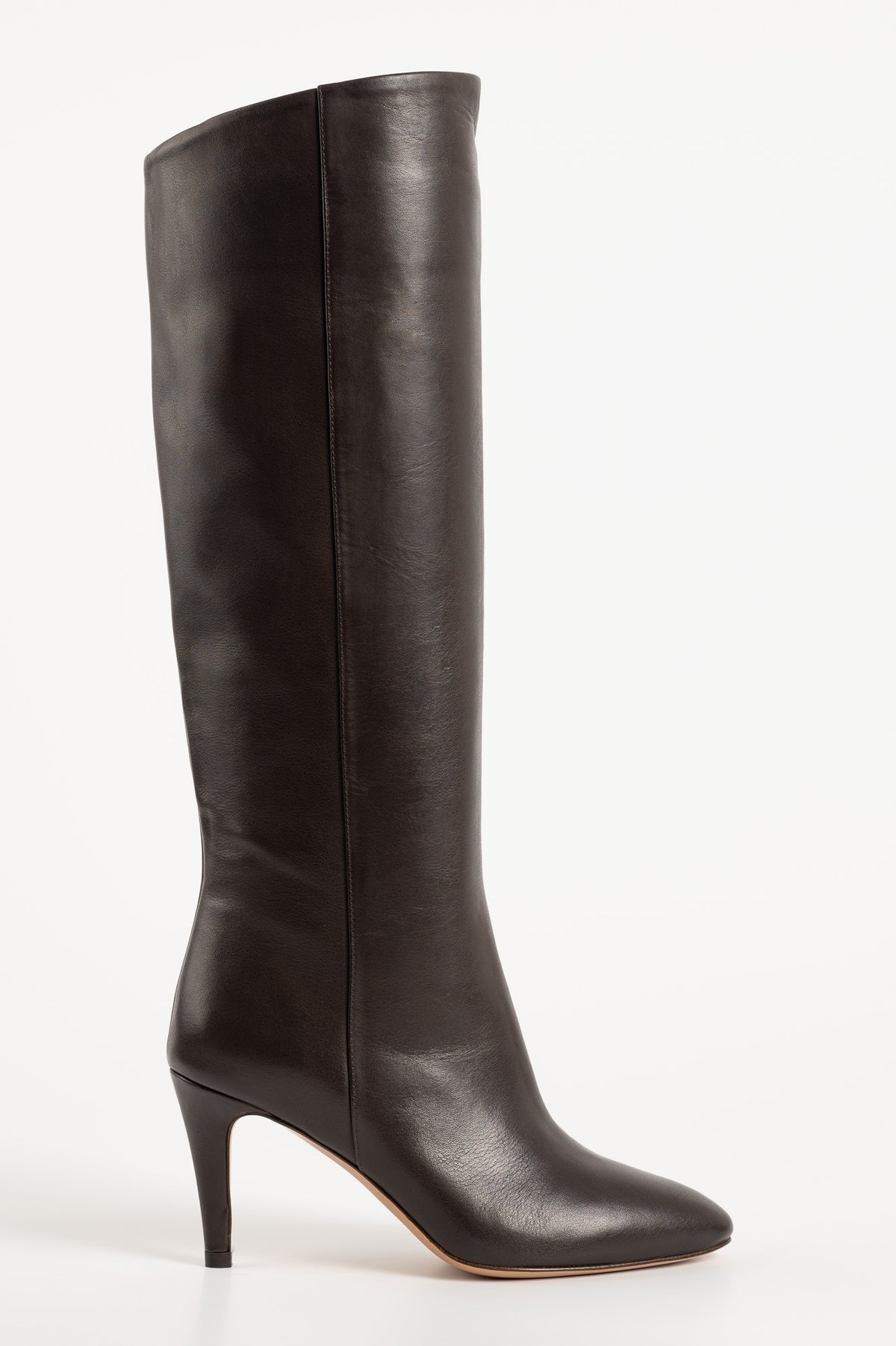
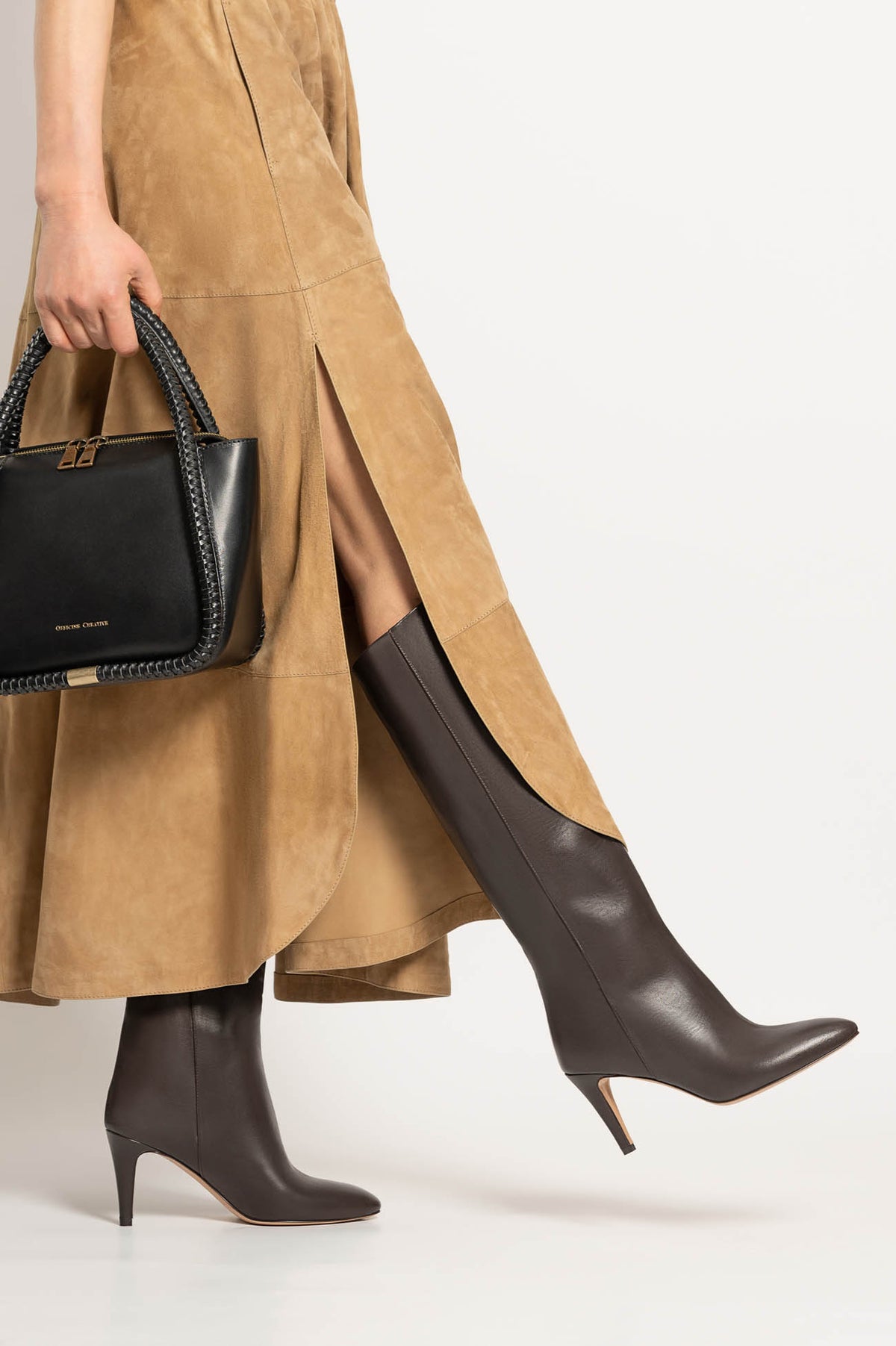
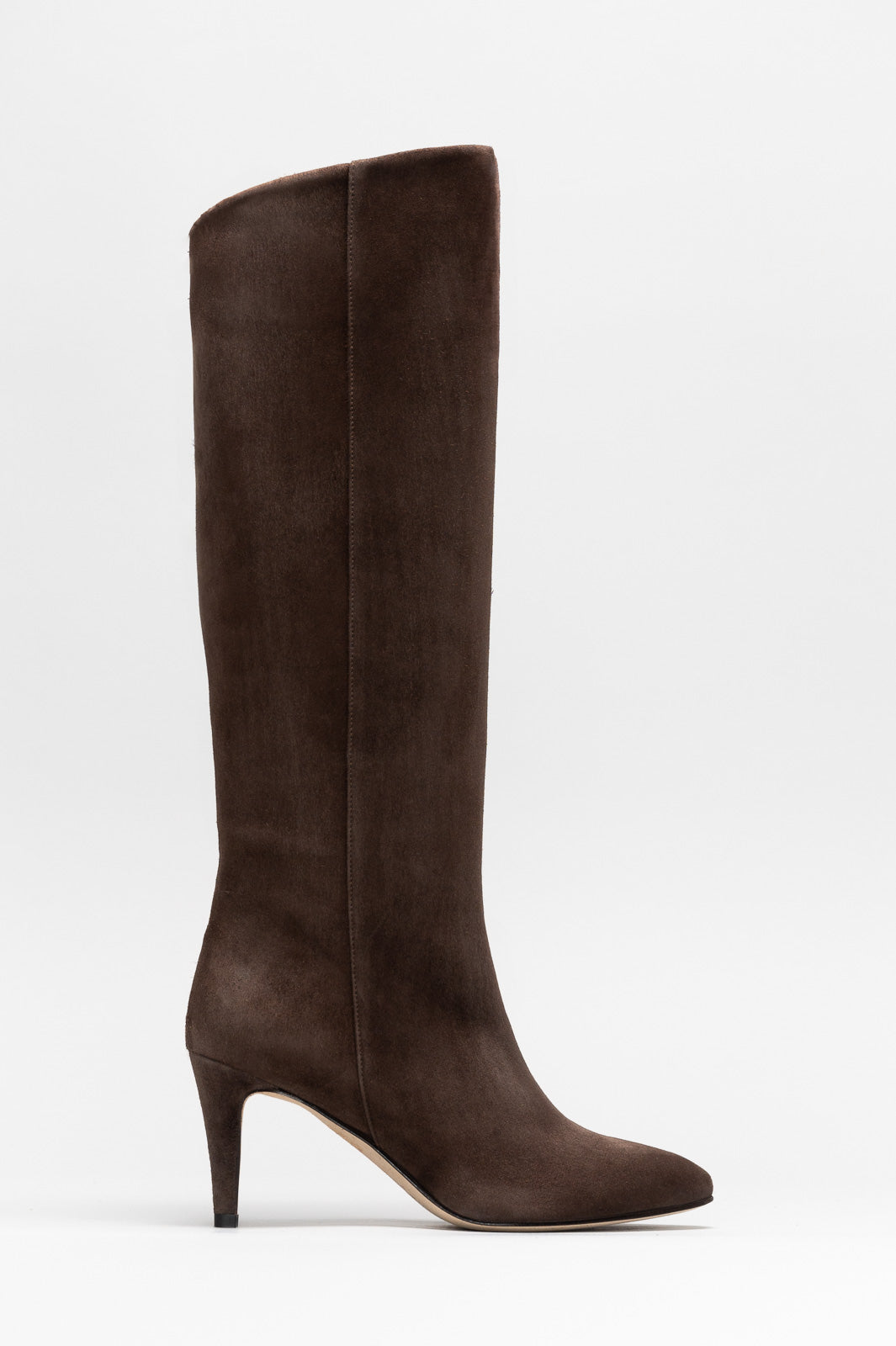
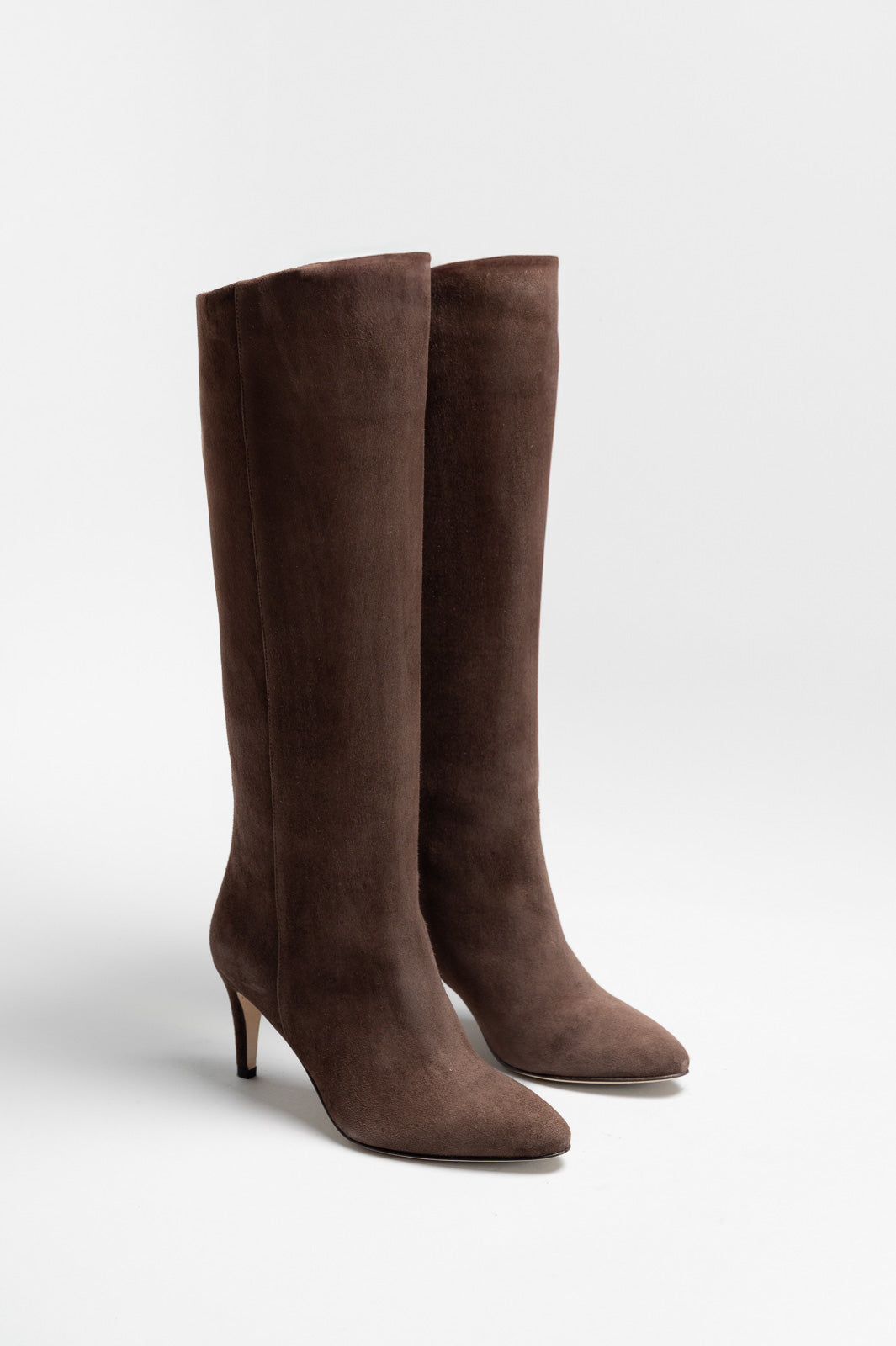
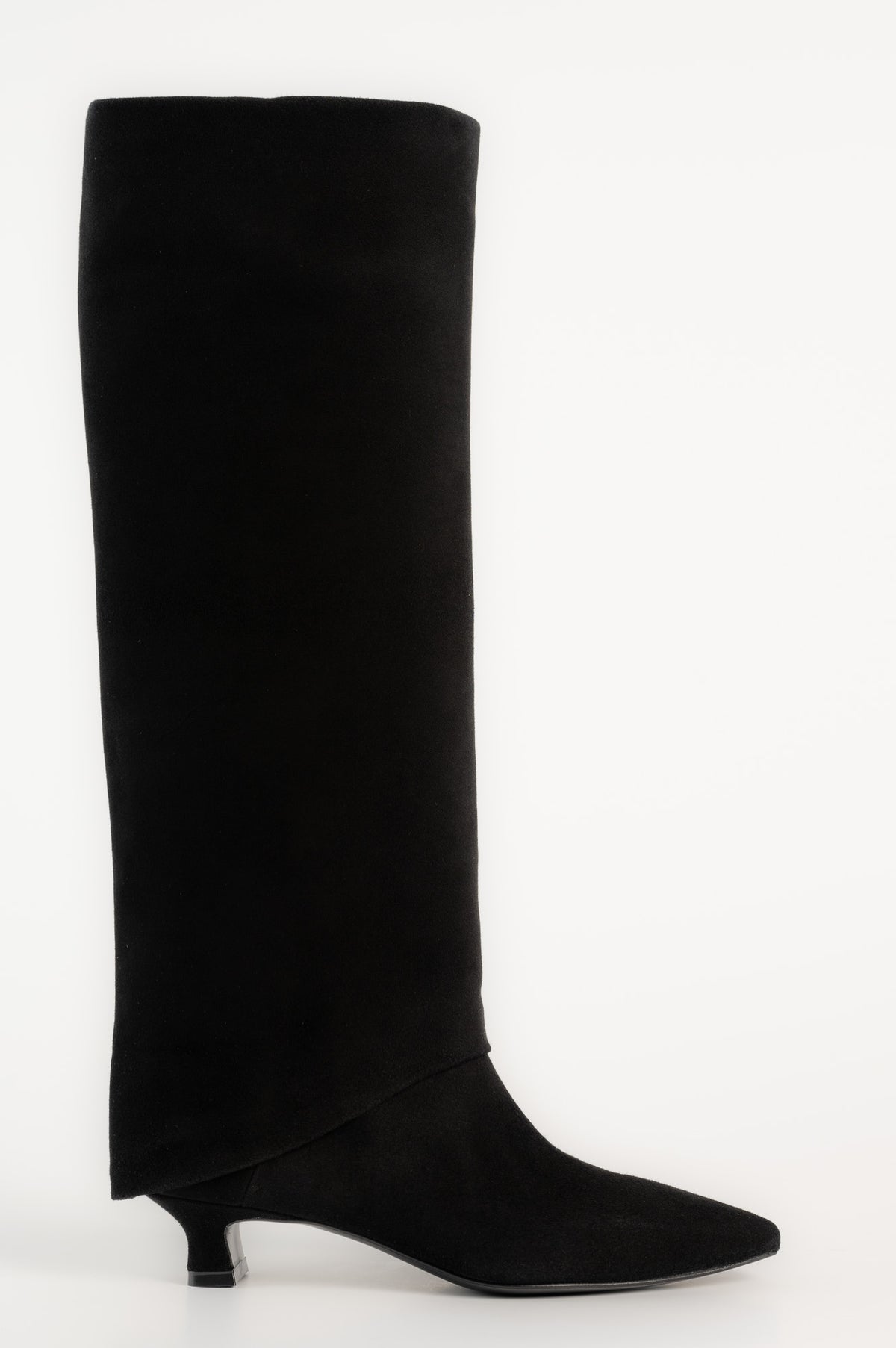
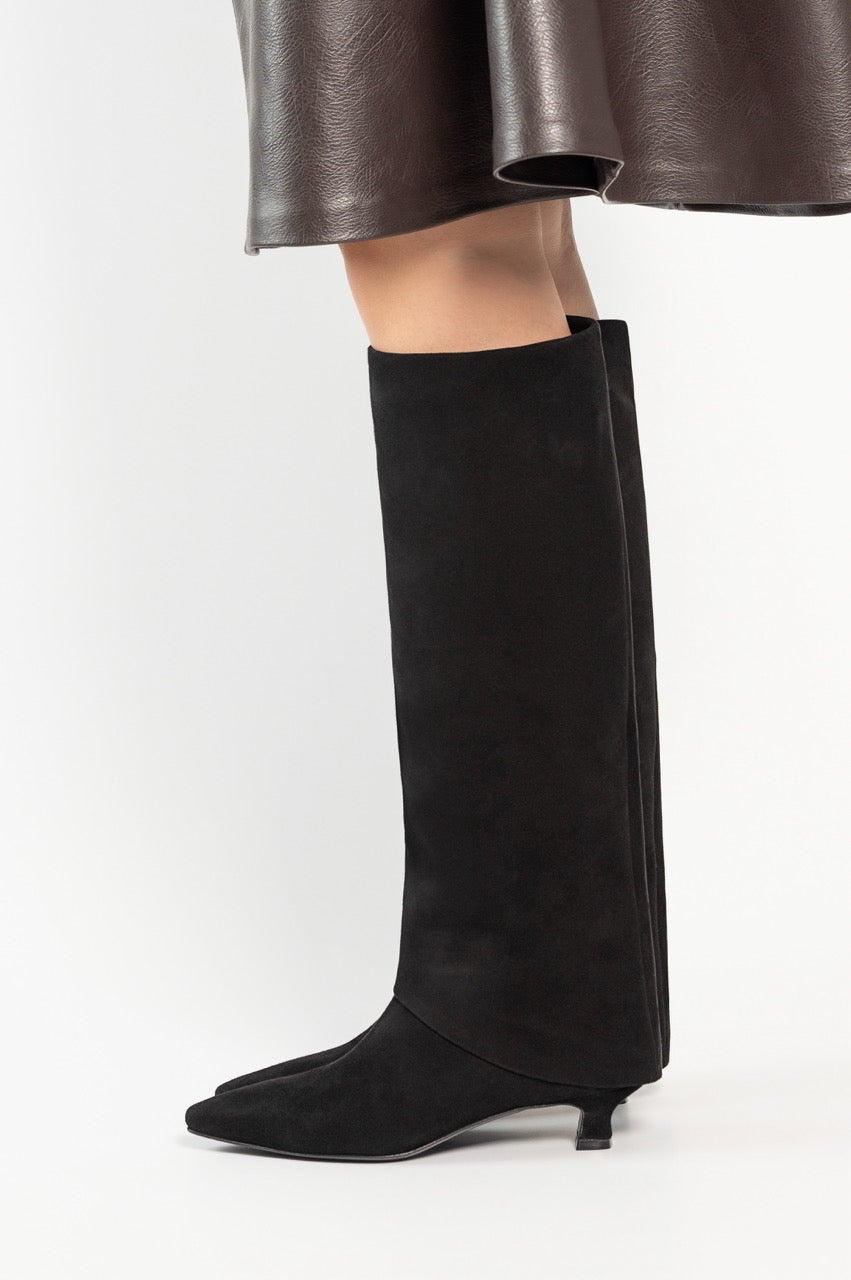
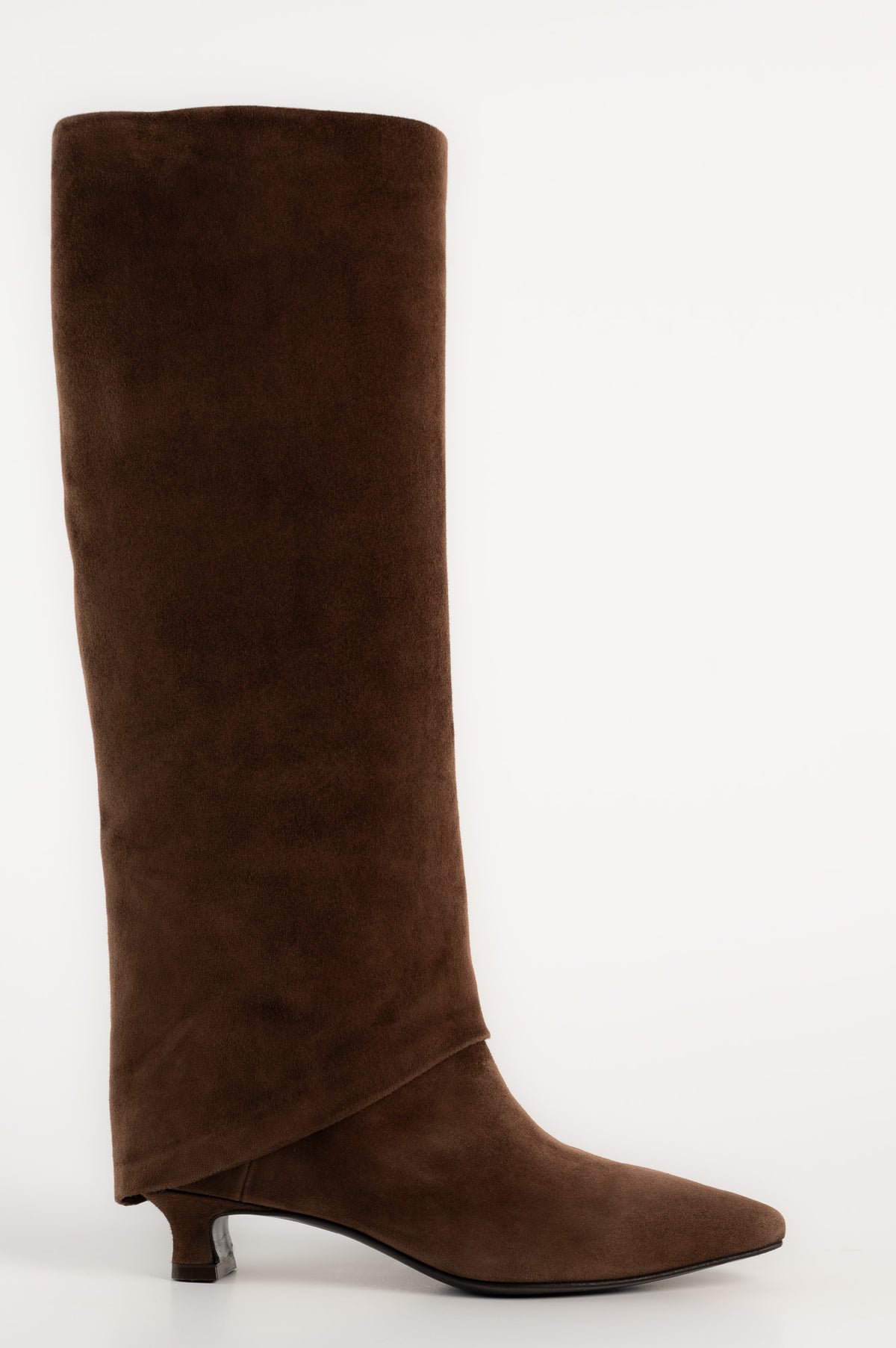
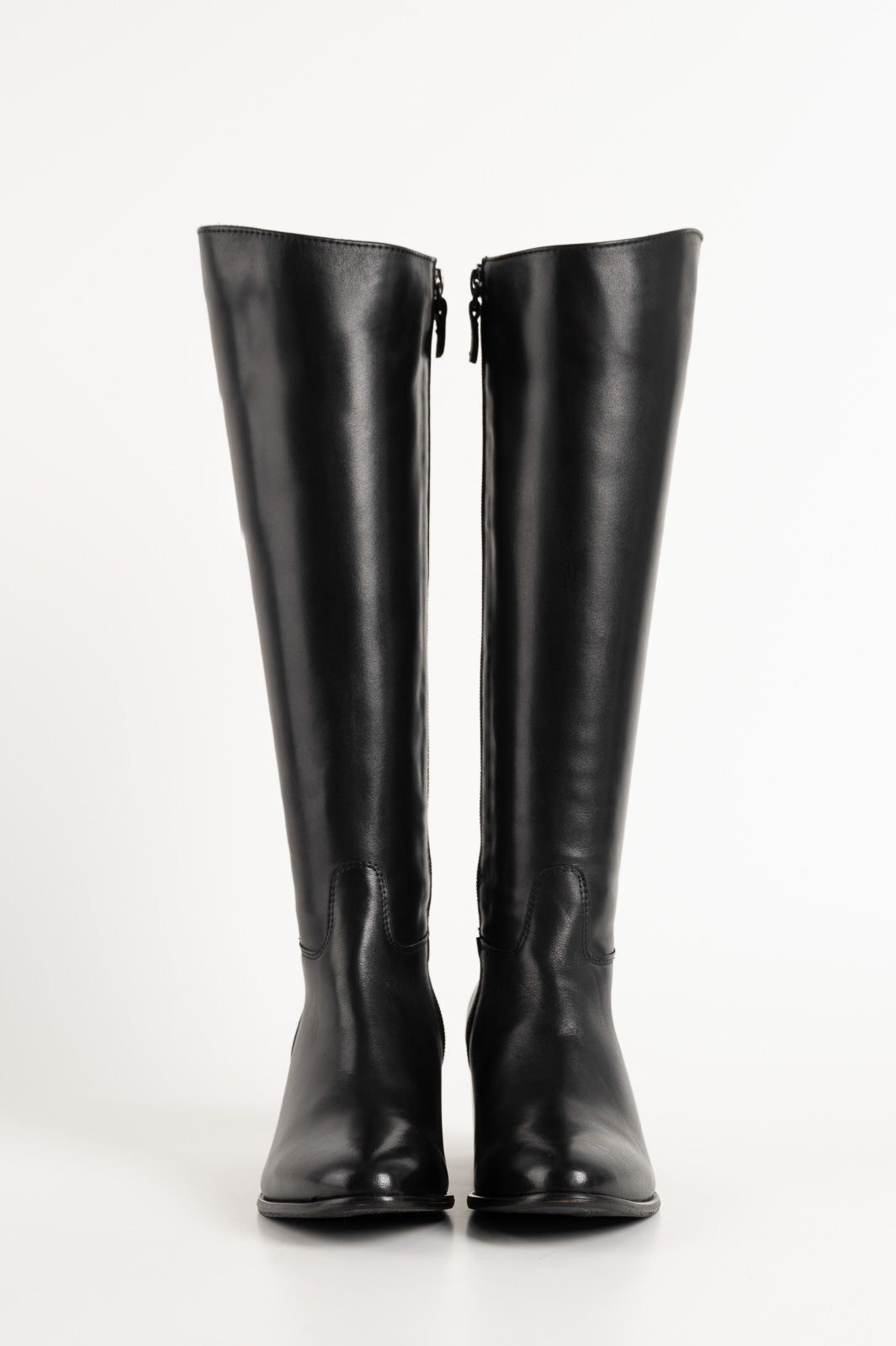
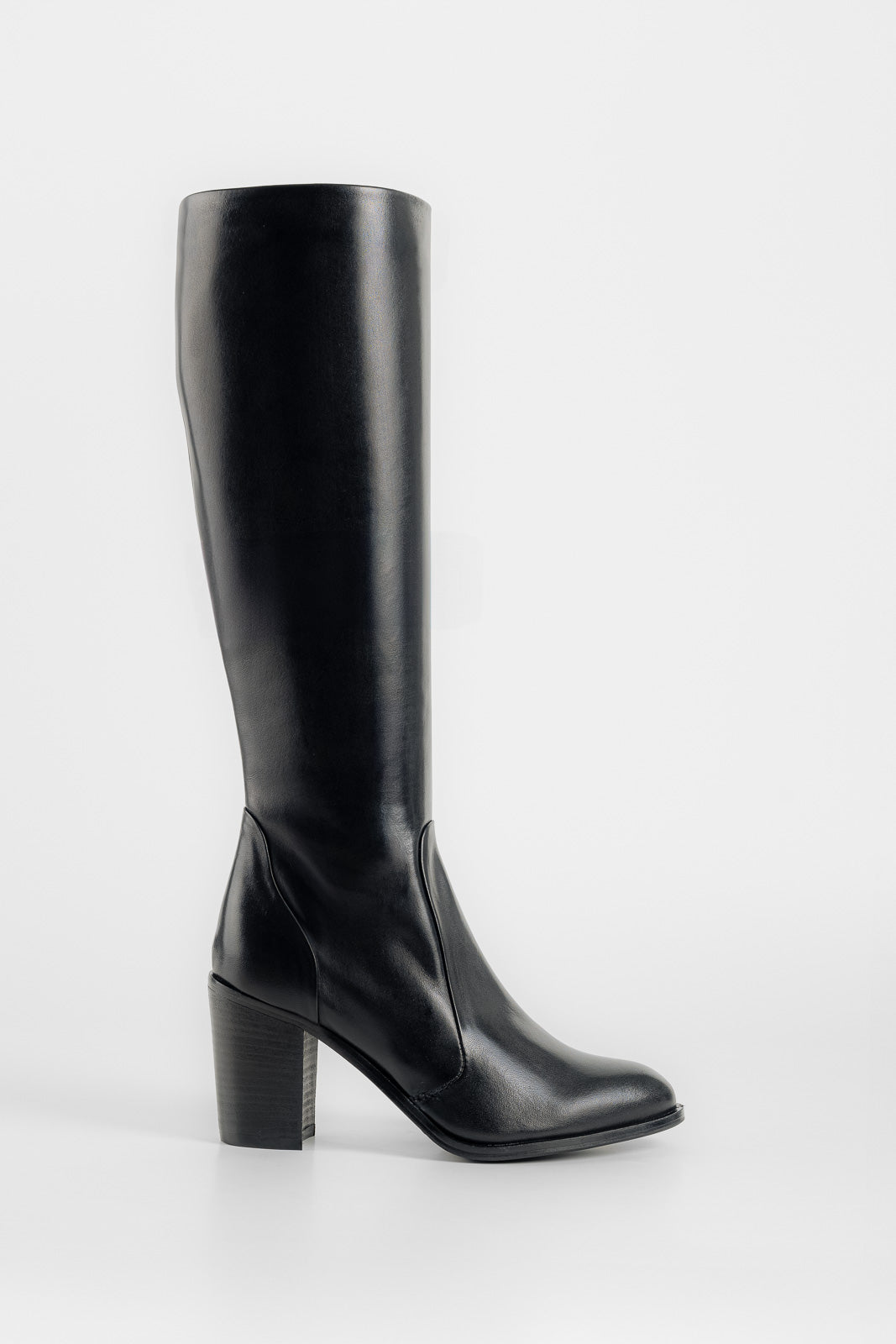
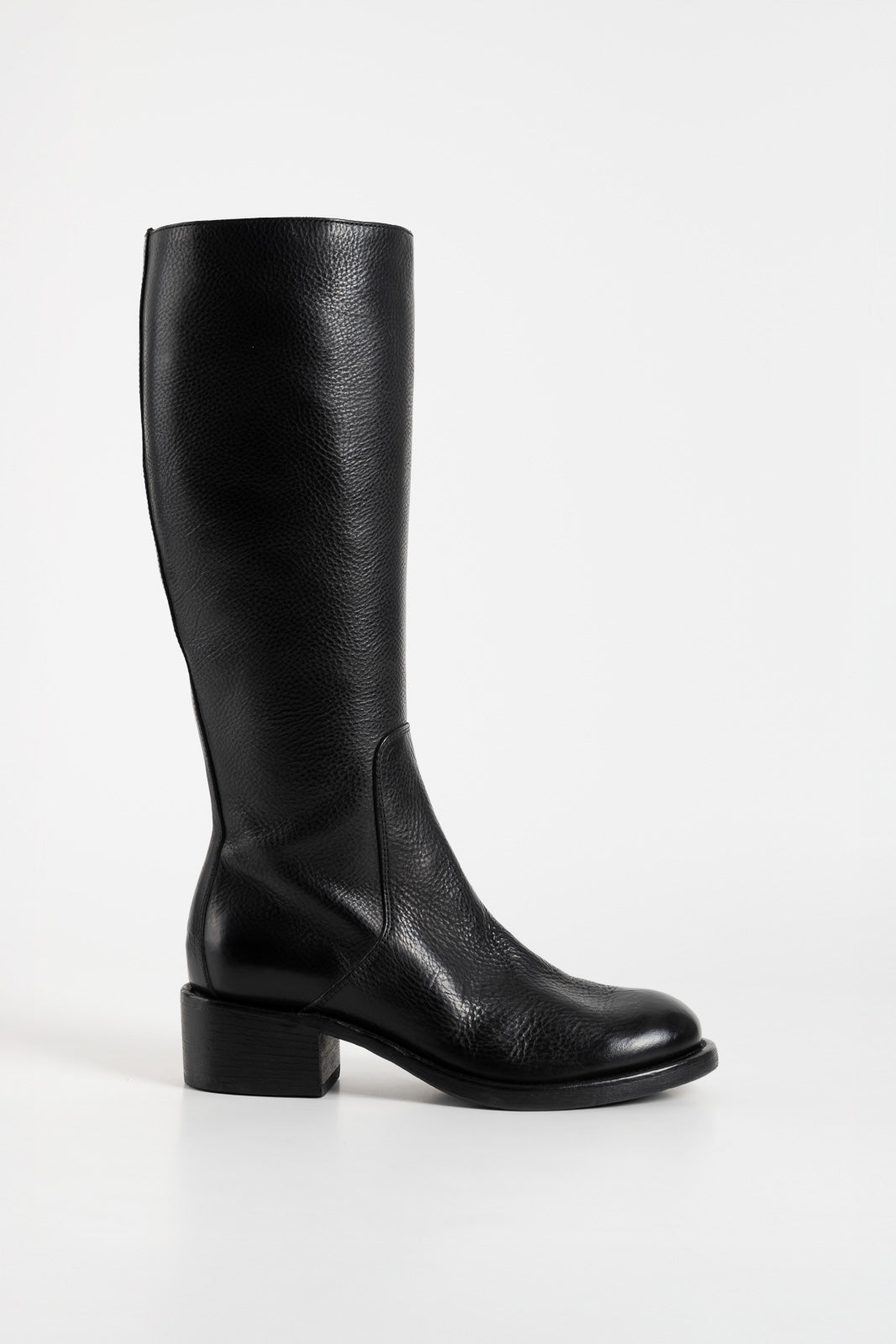
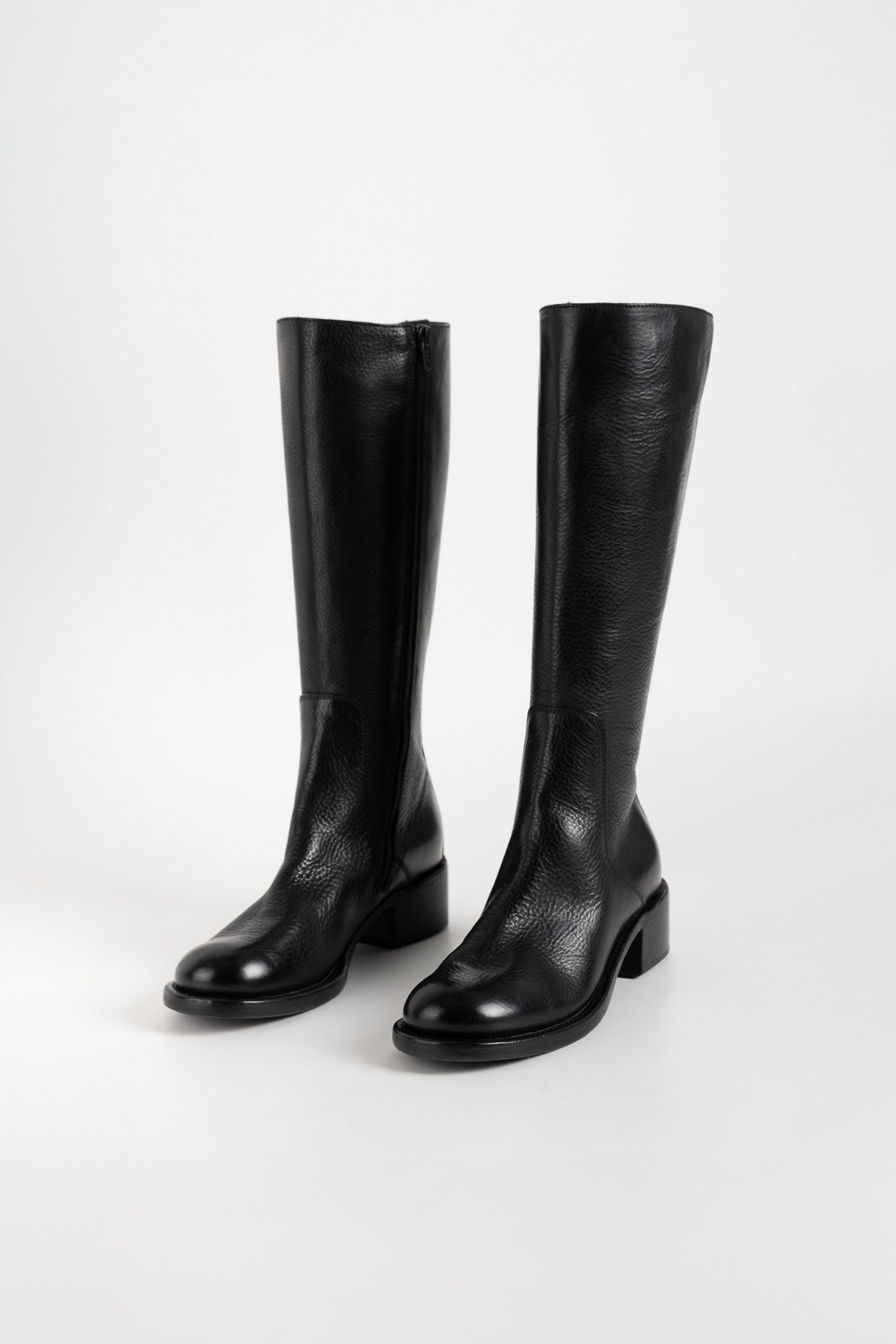
High Boots
Season and silhouette
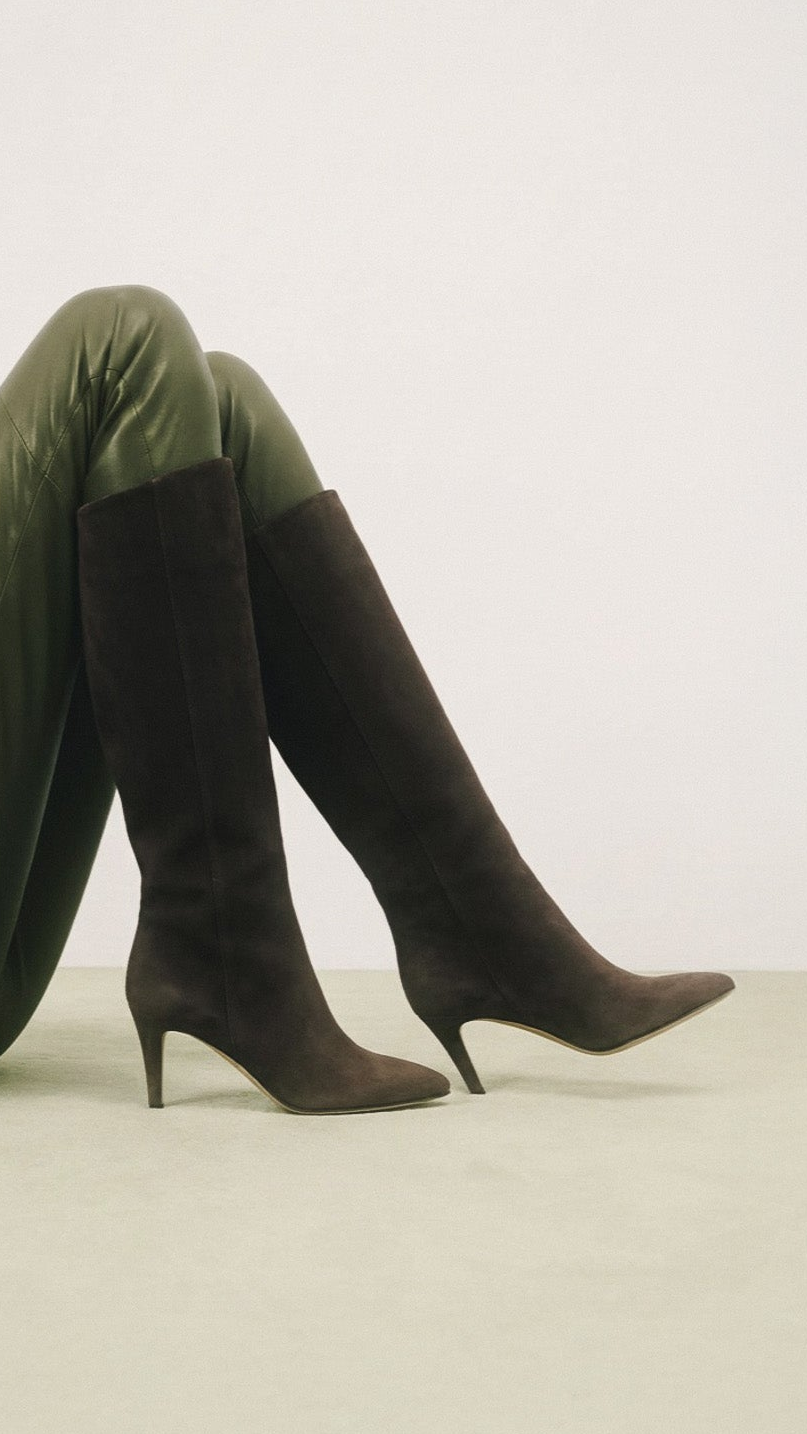
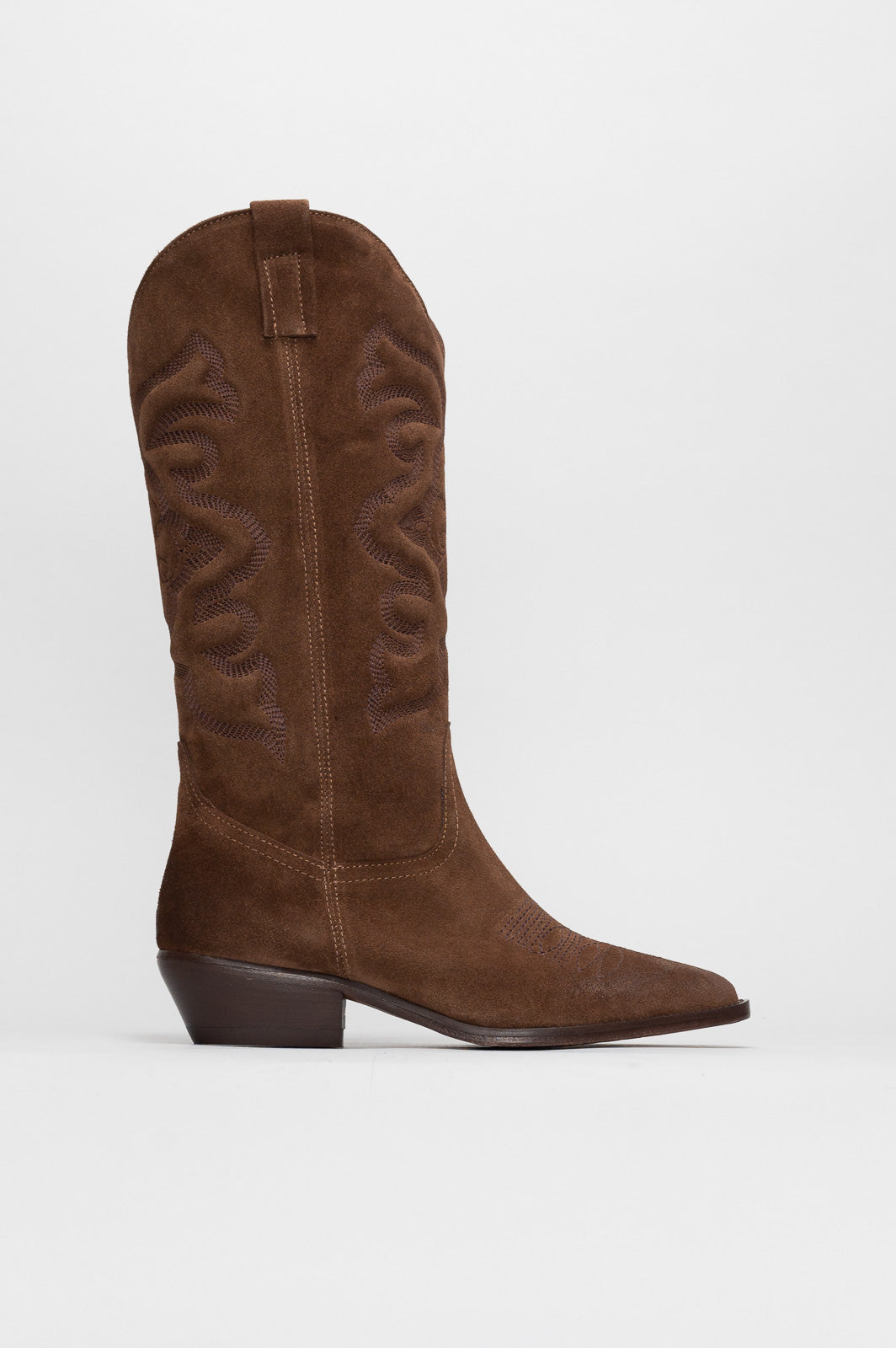
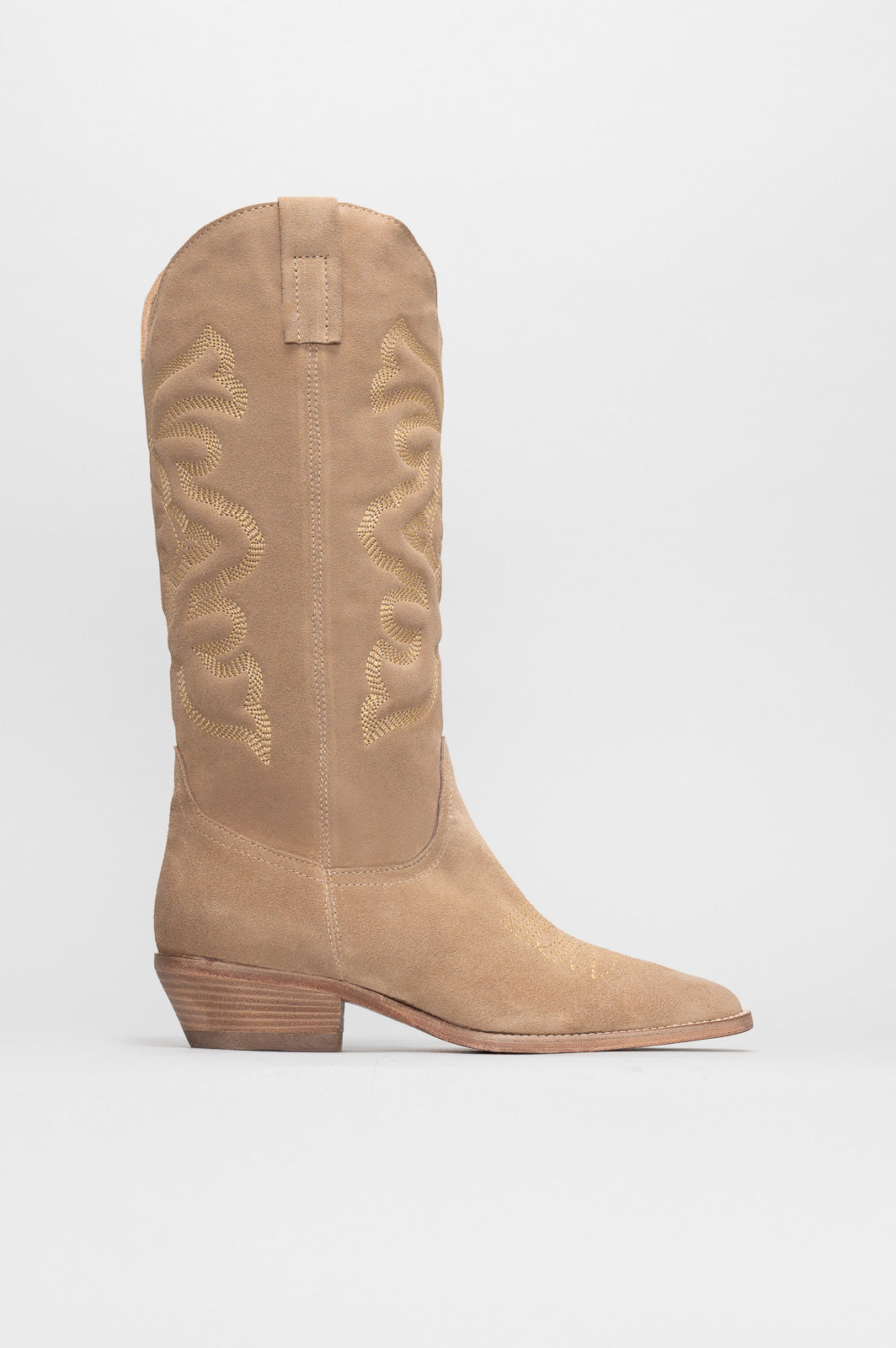
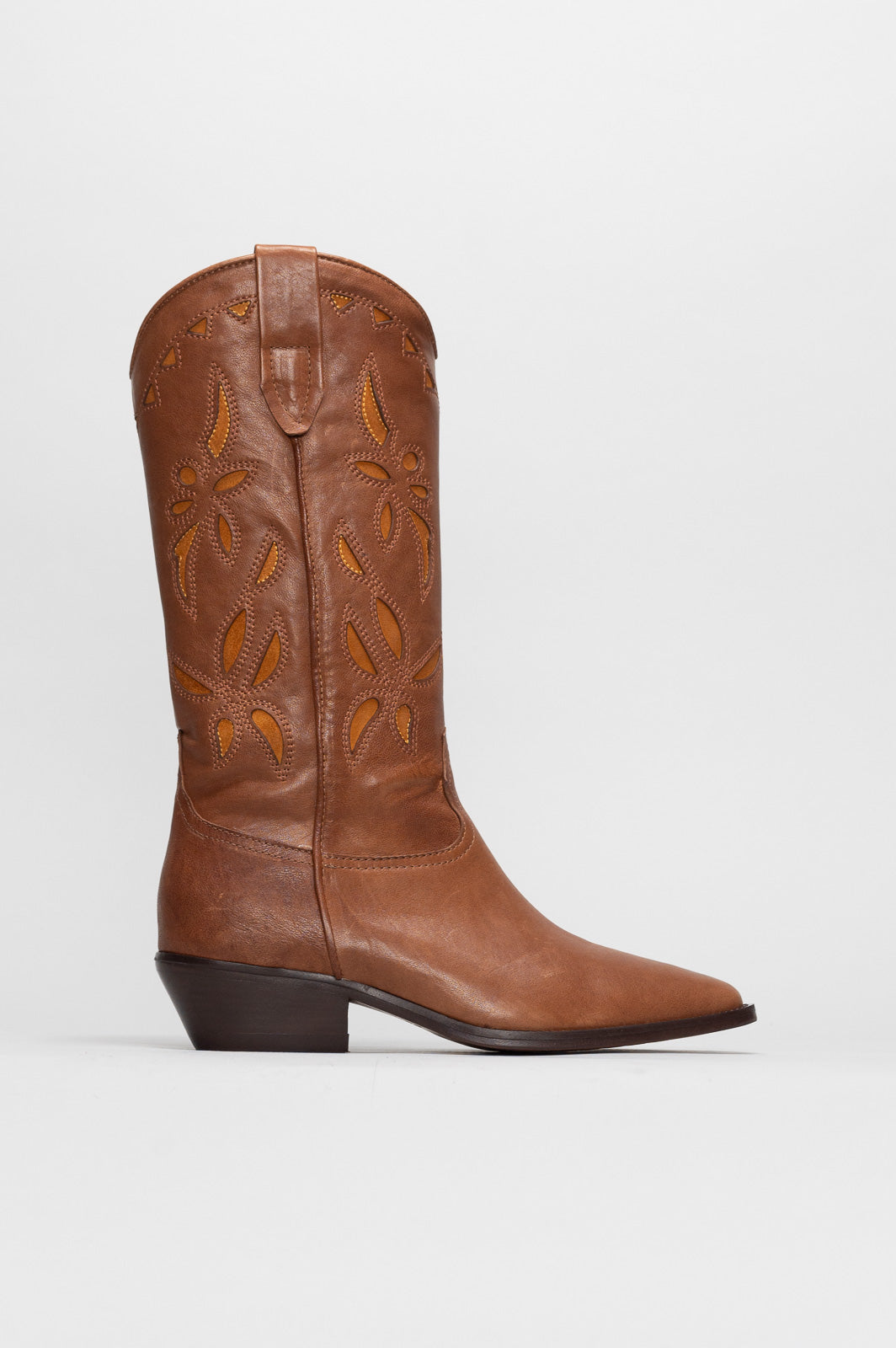
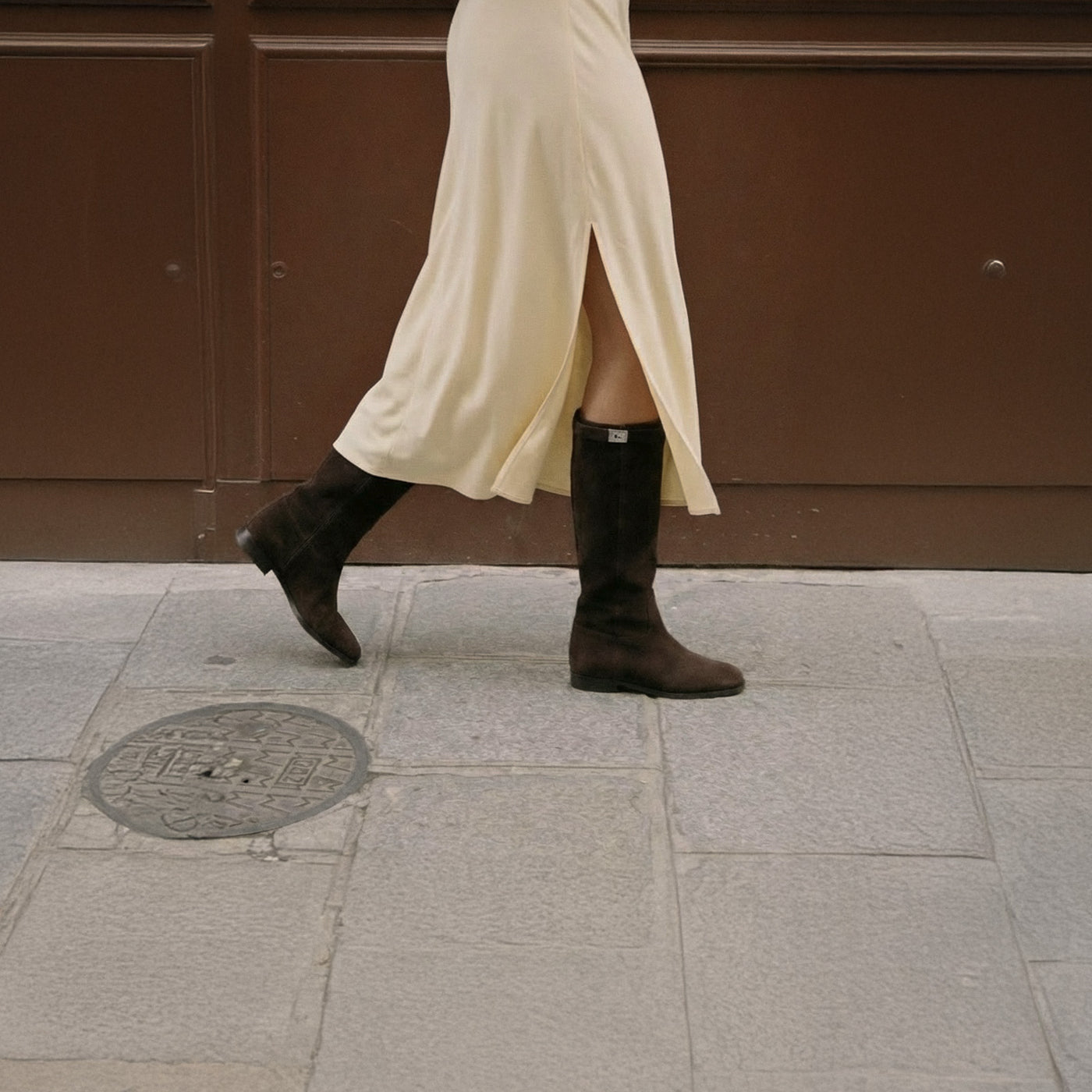
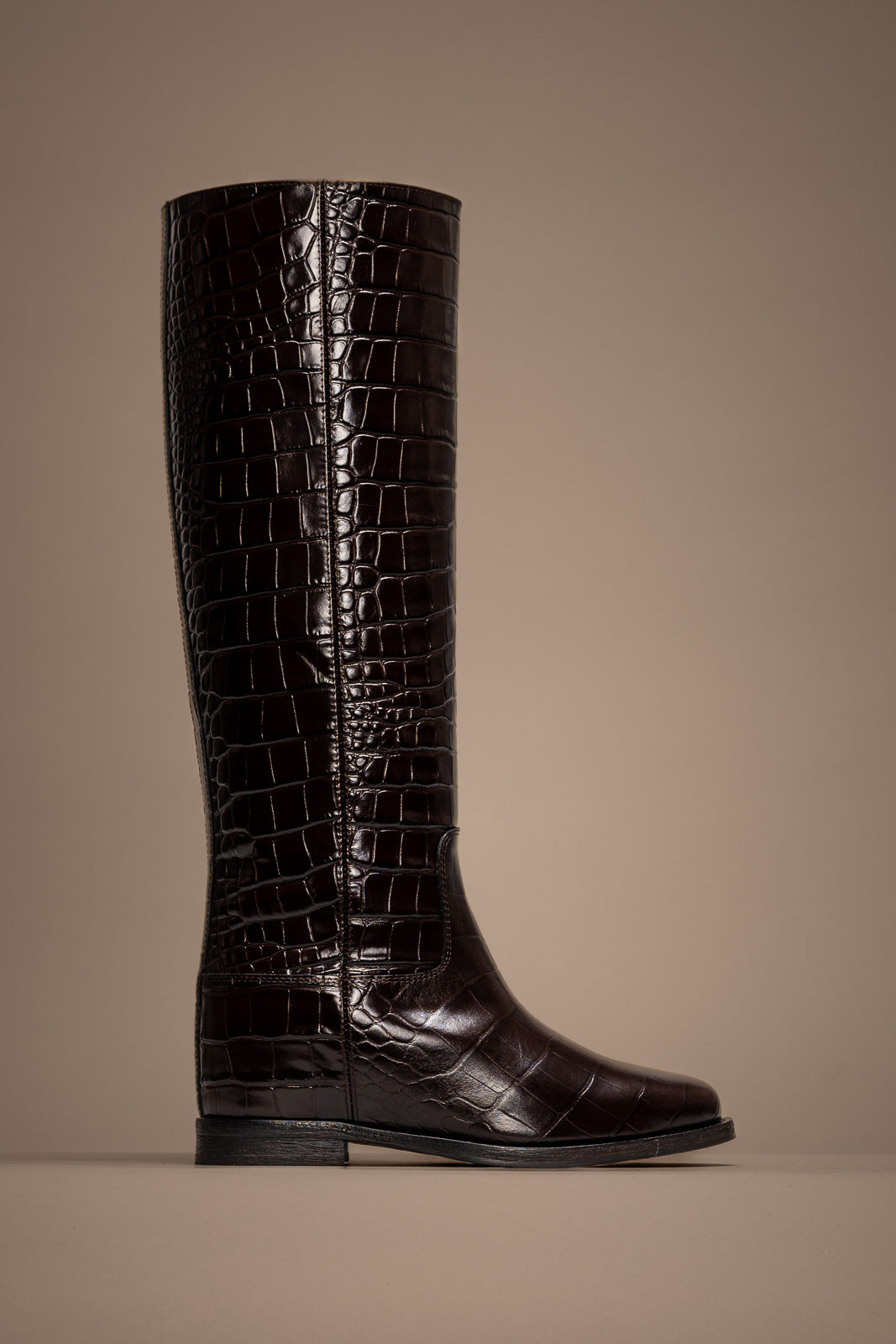
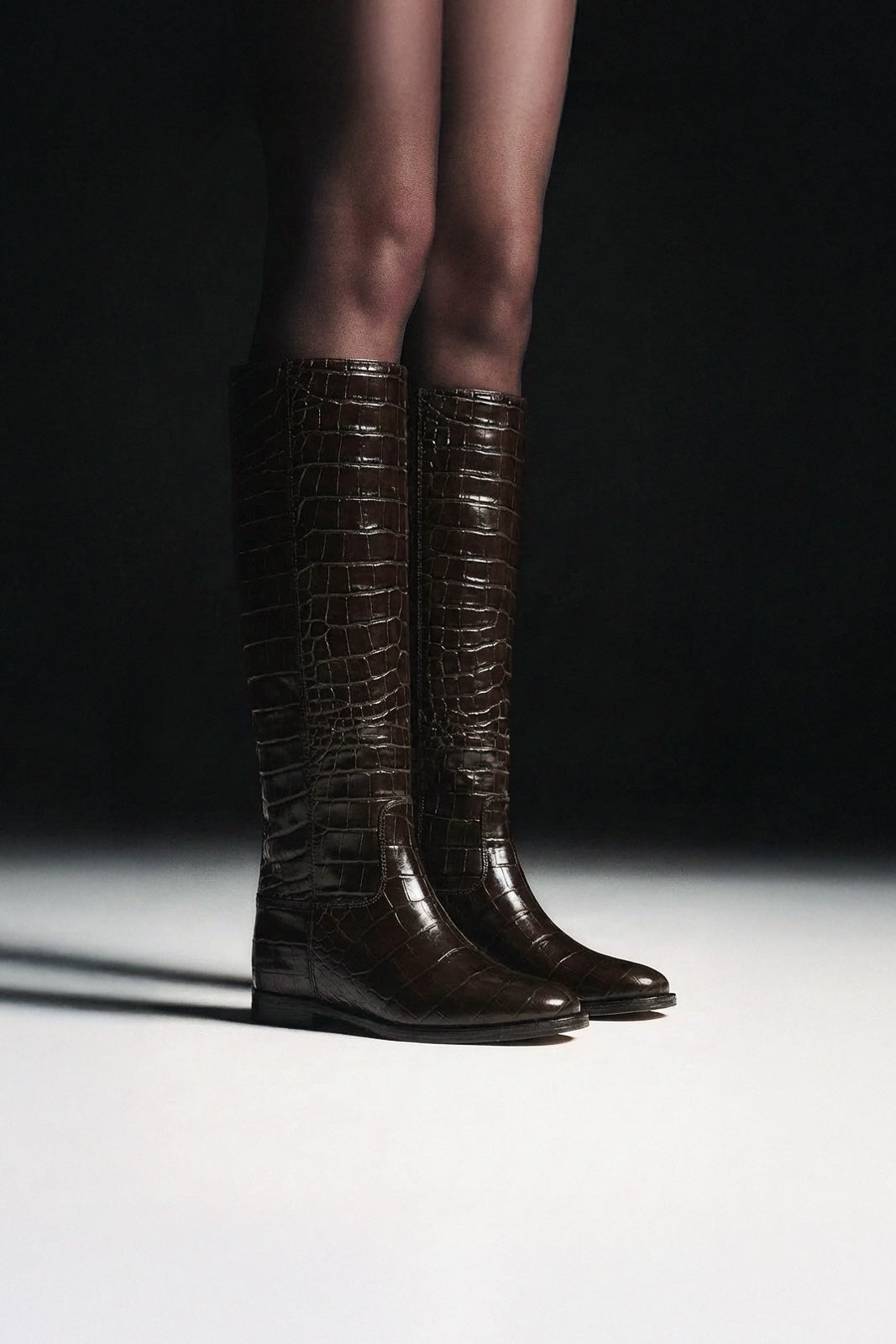
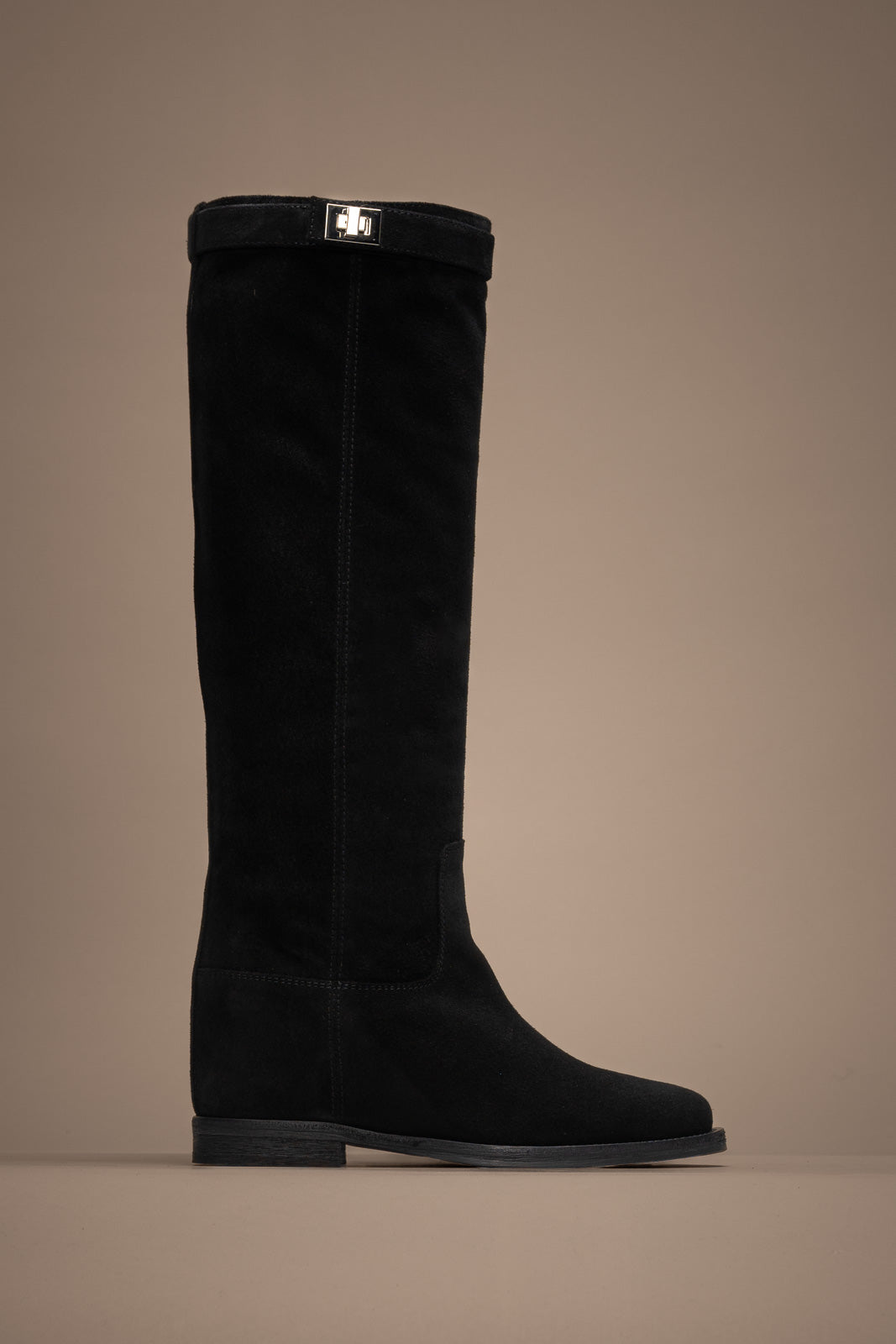
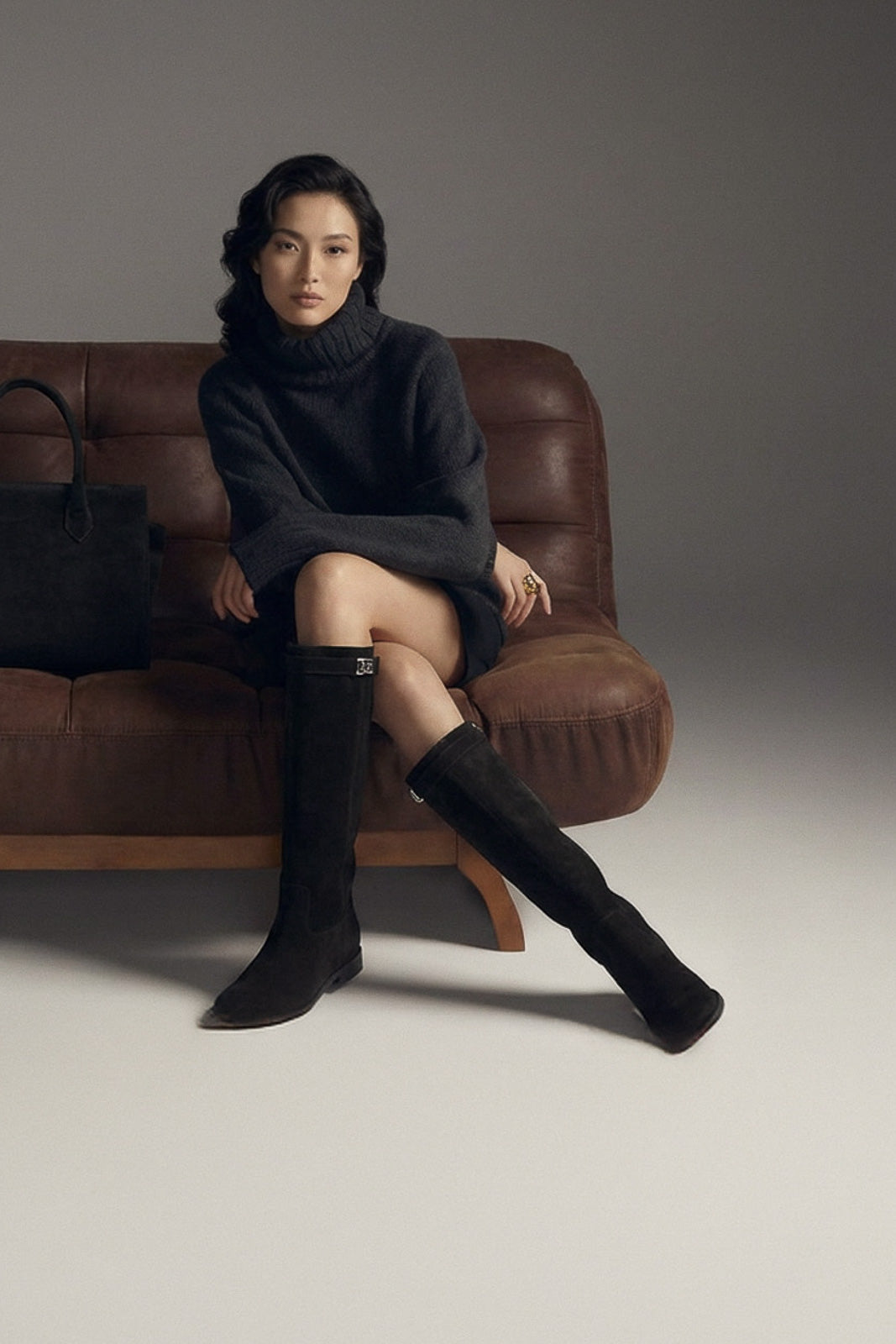
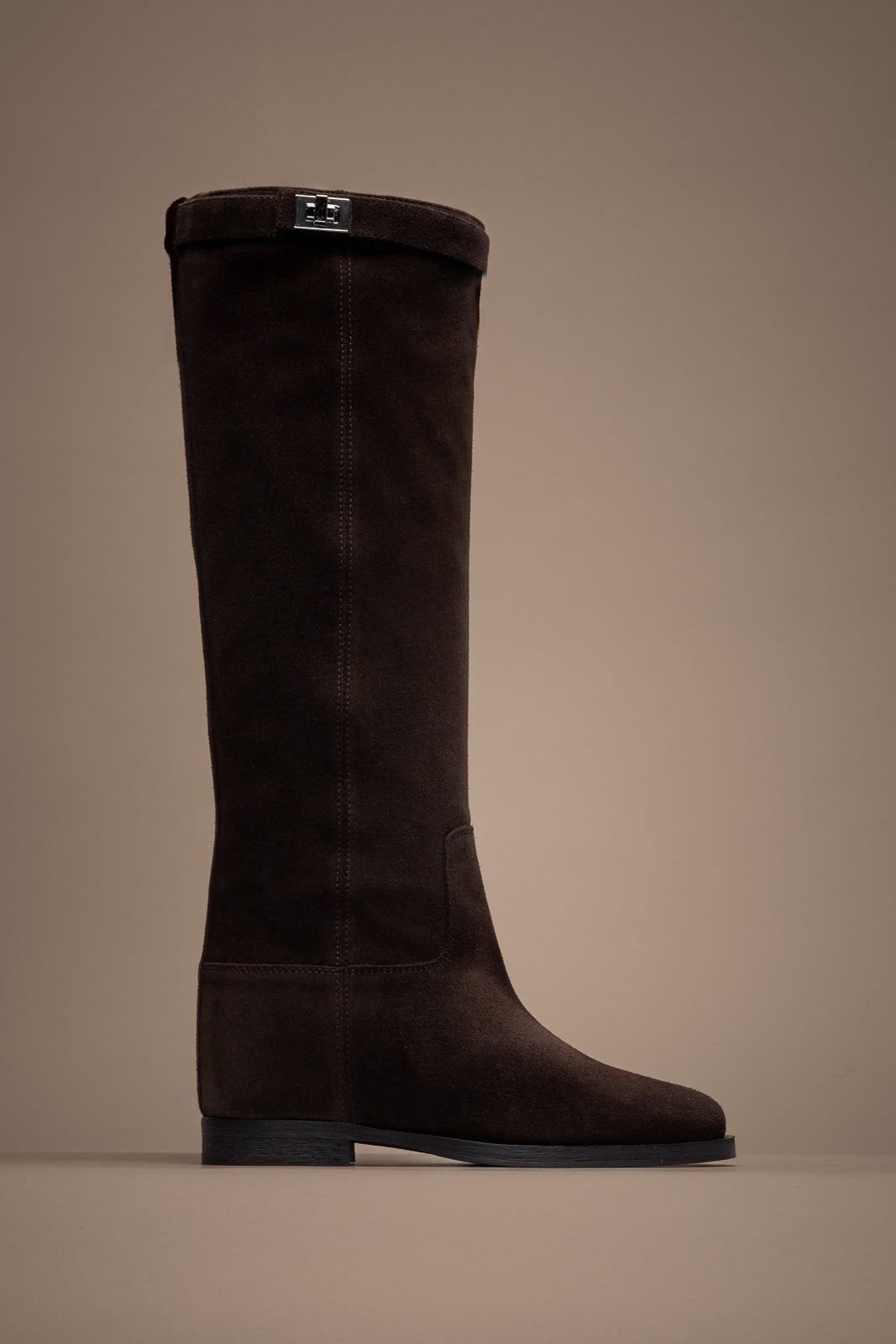
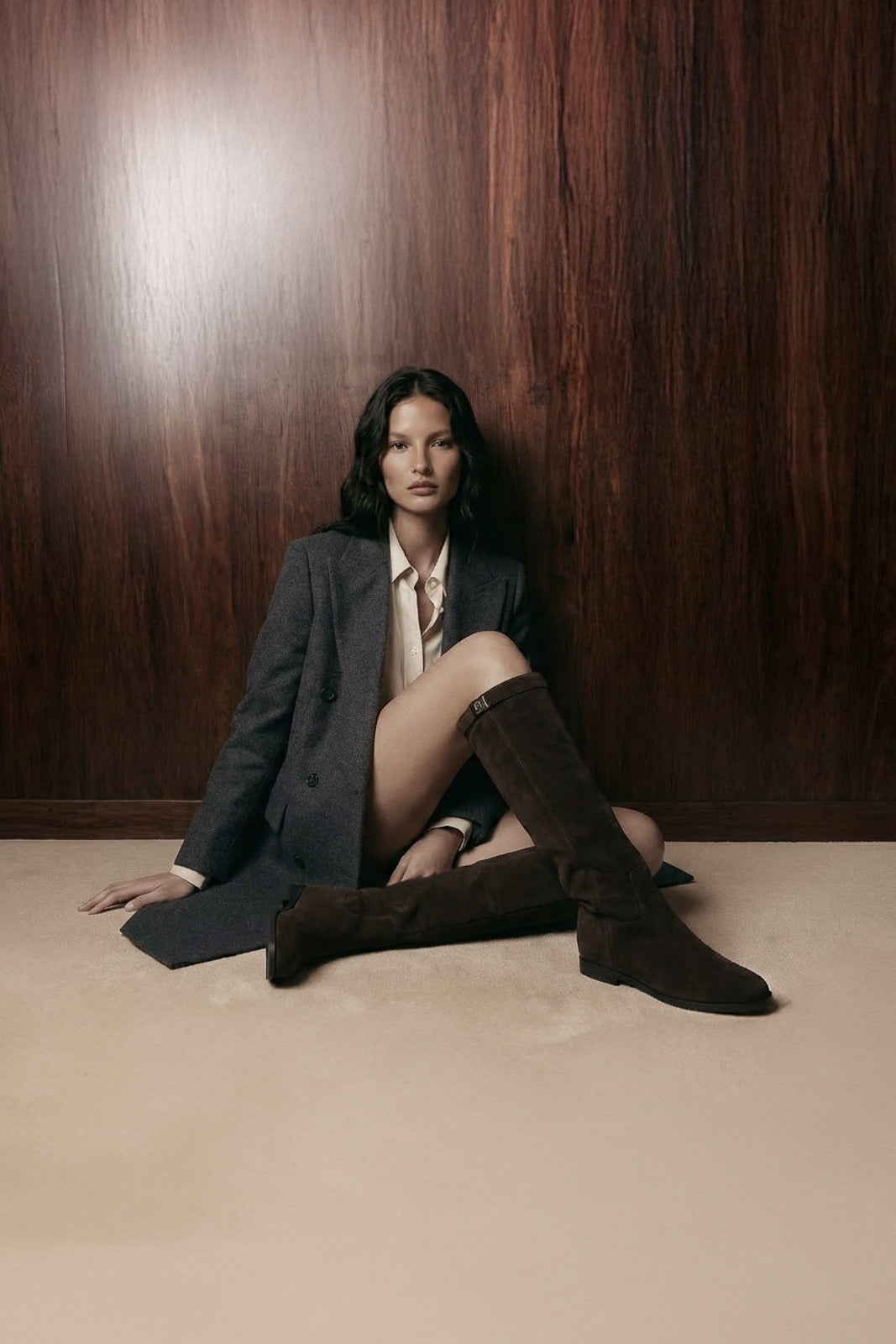
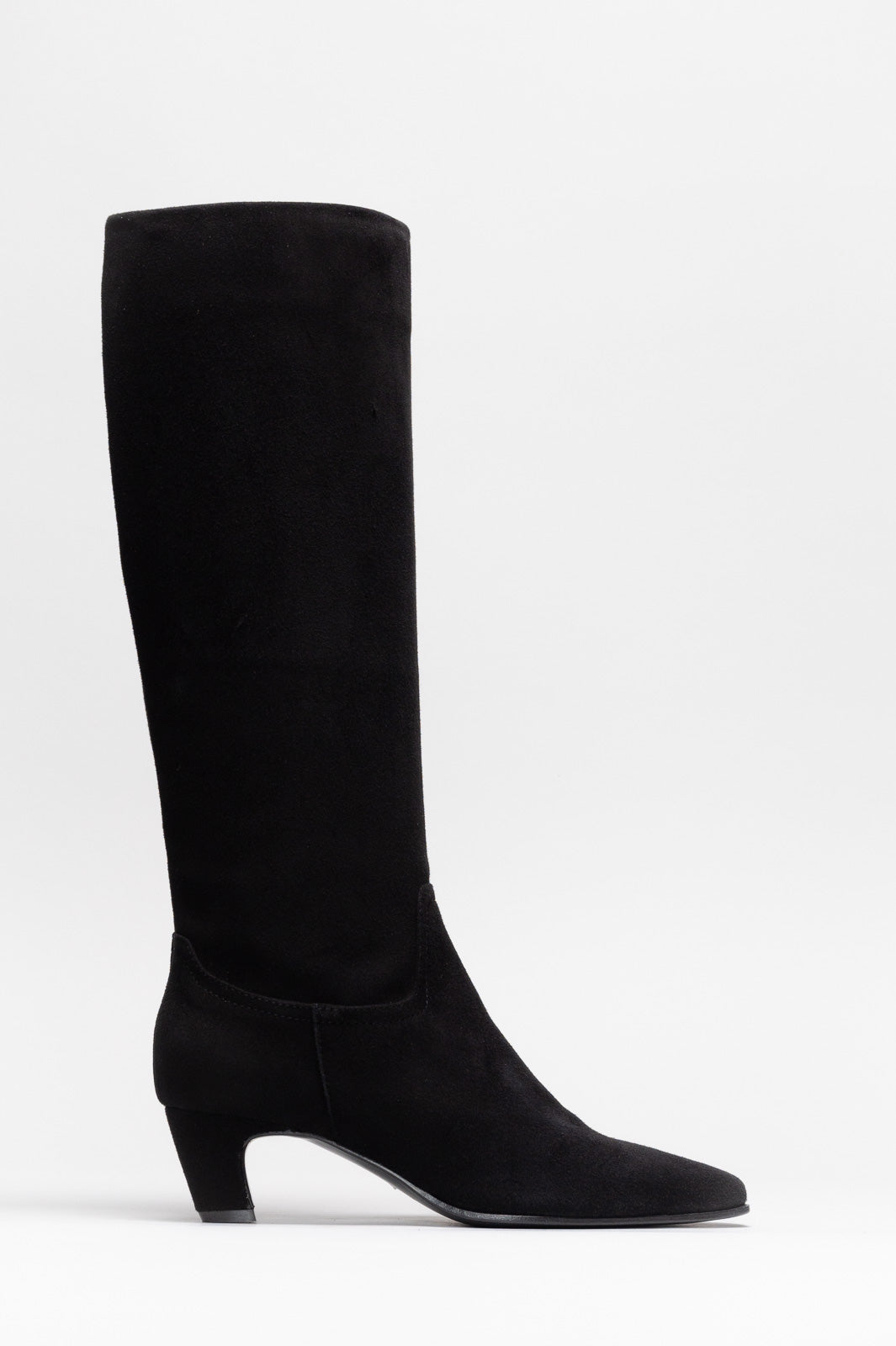
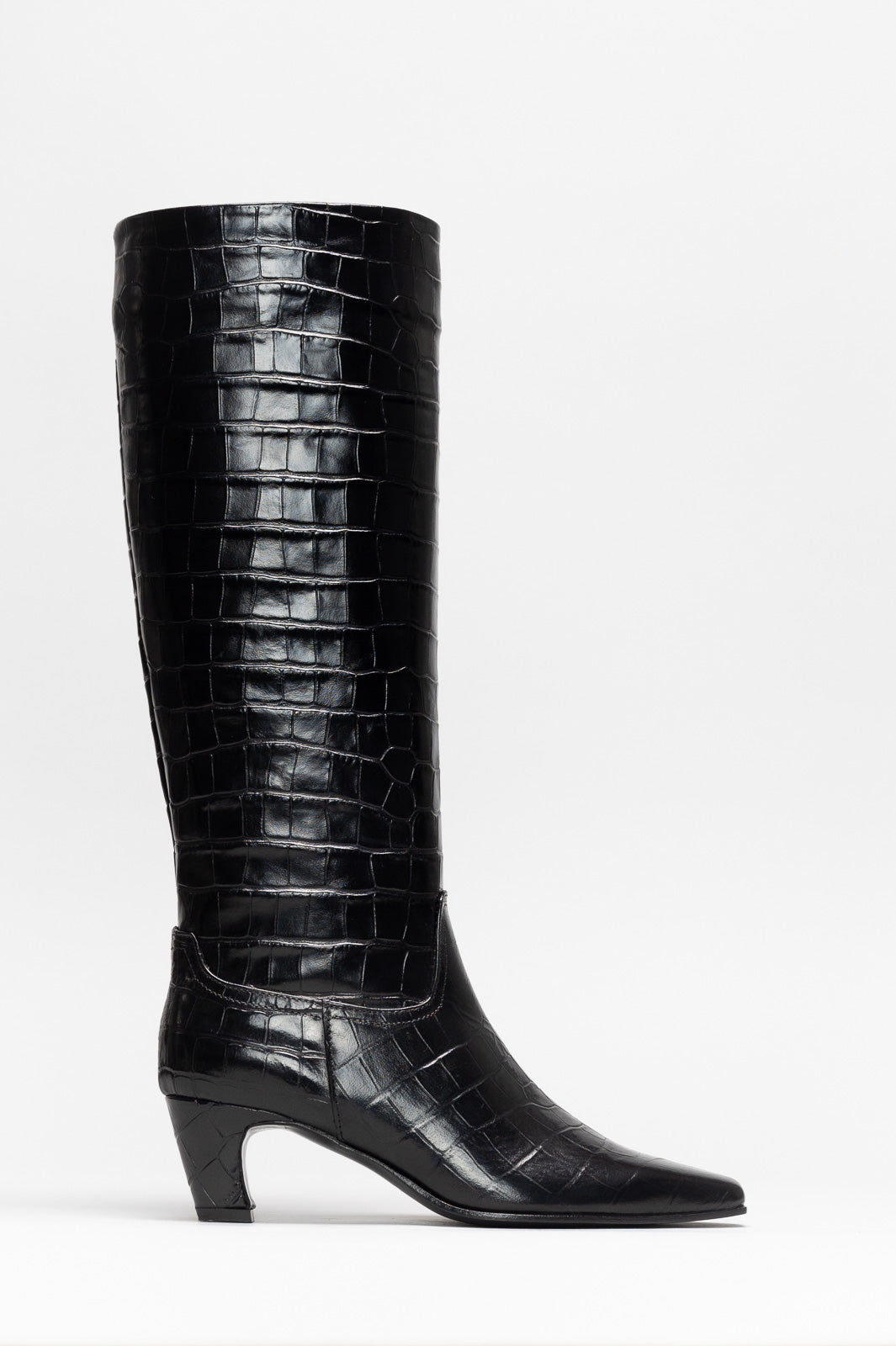
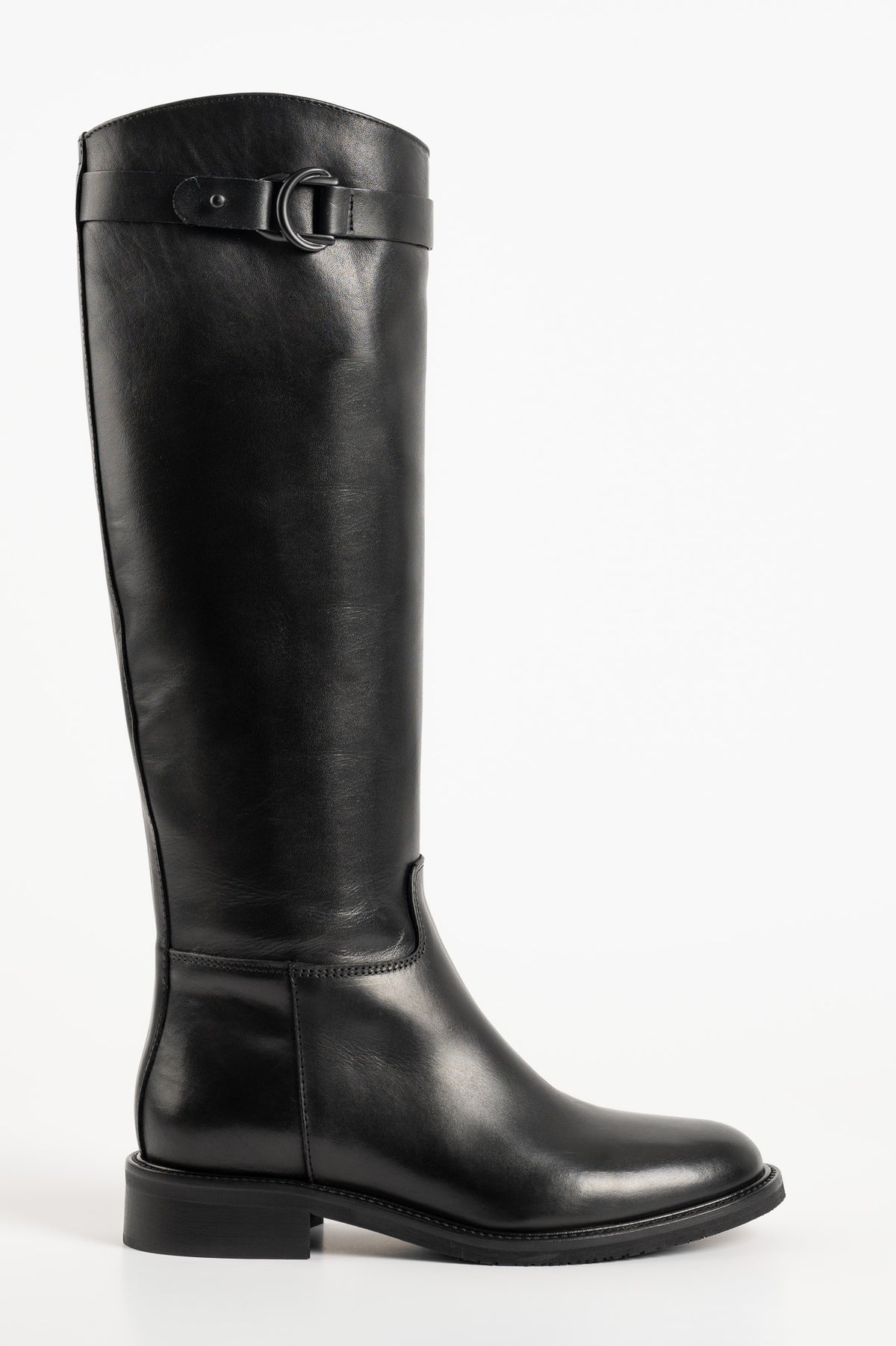
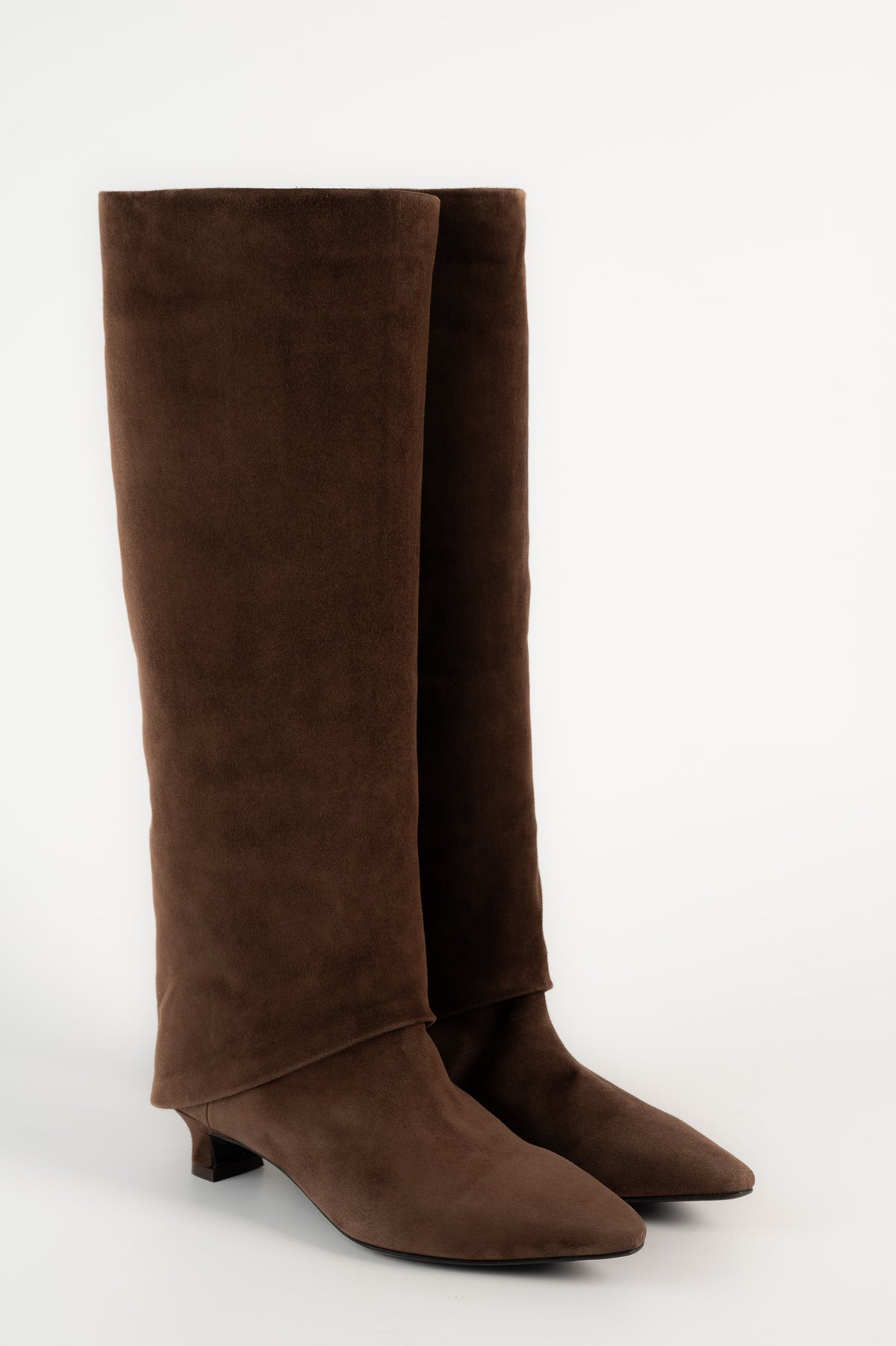
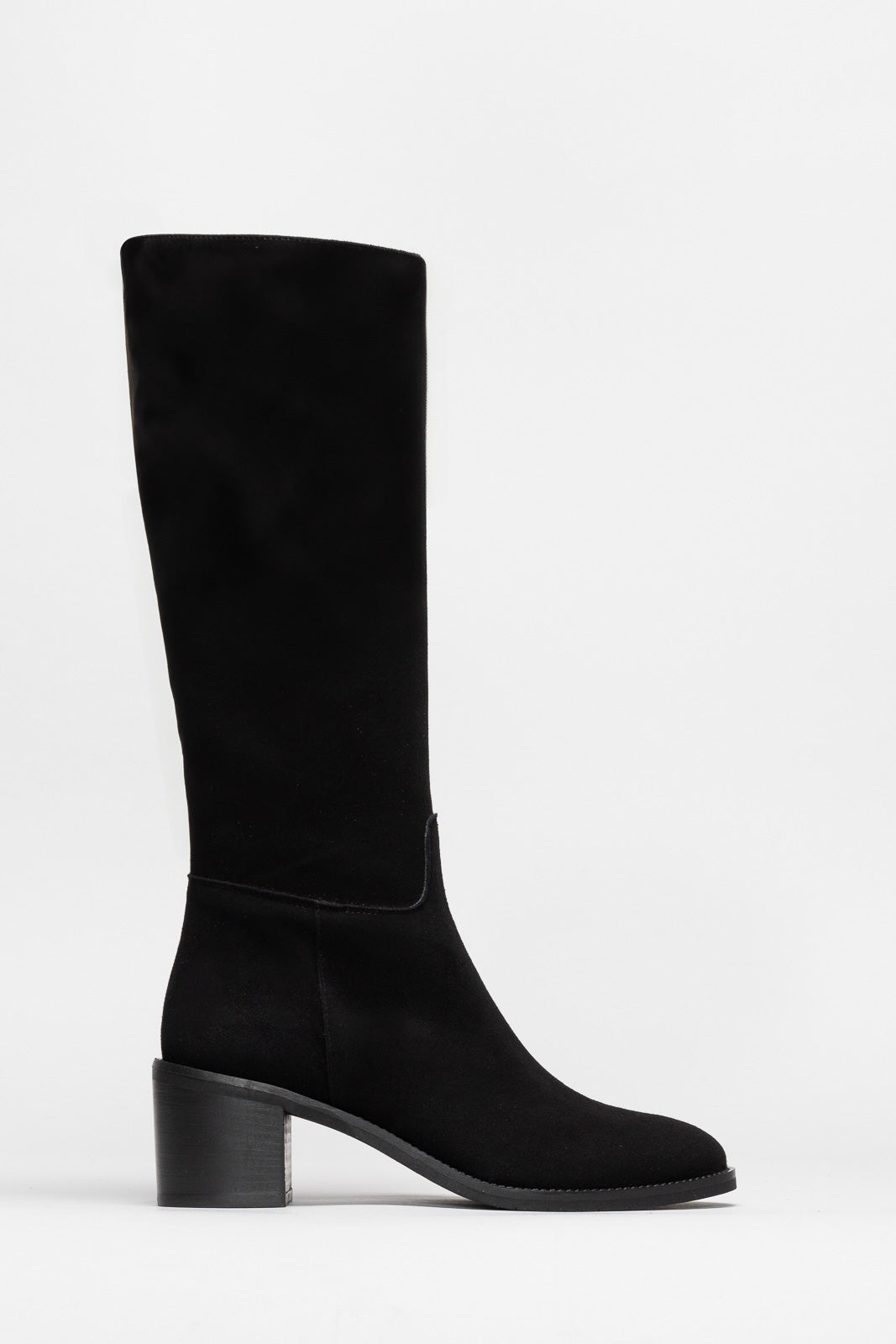
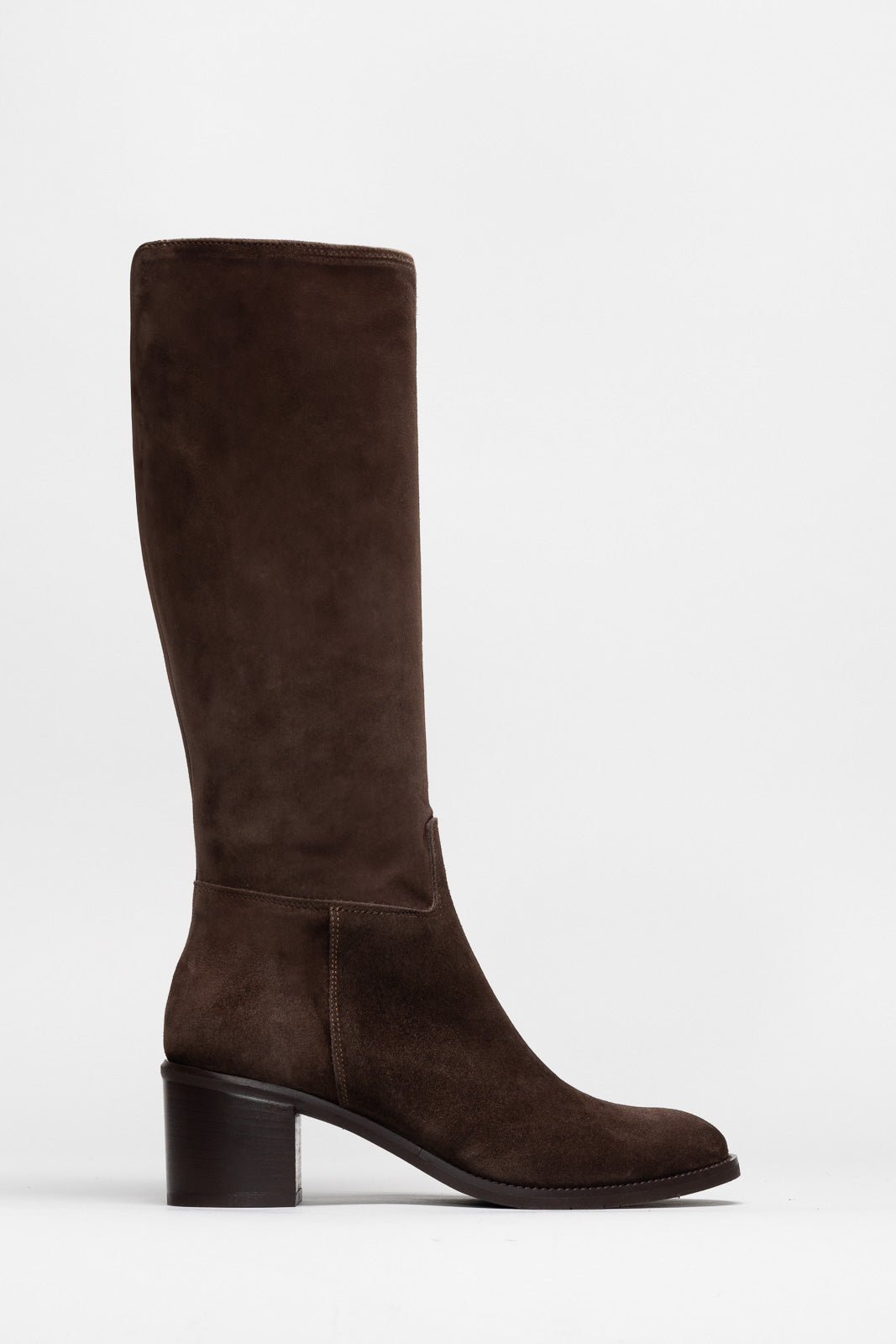
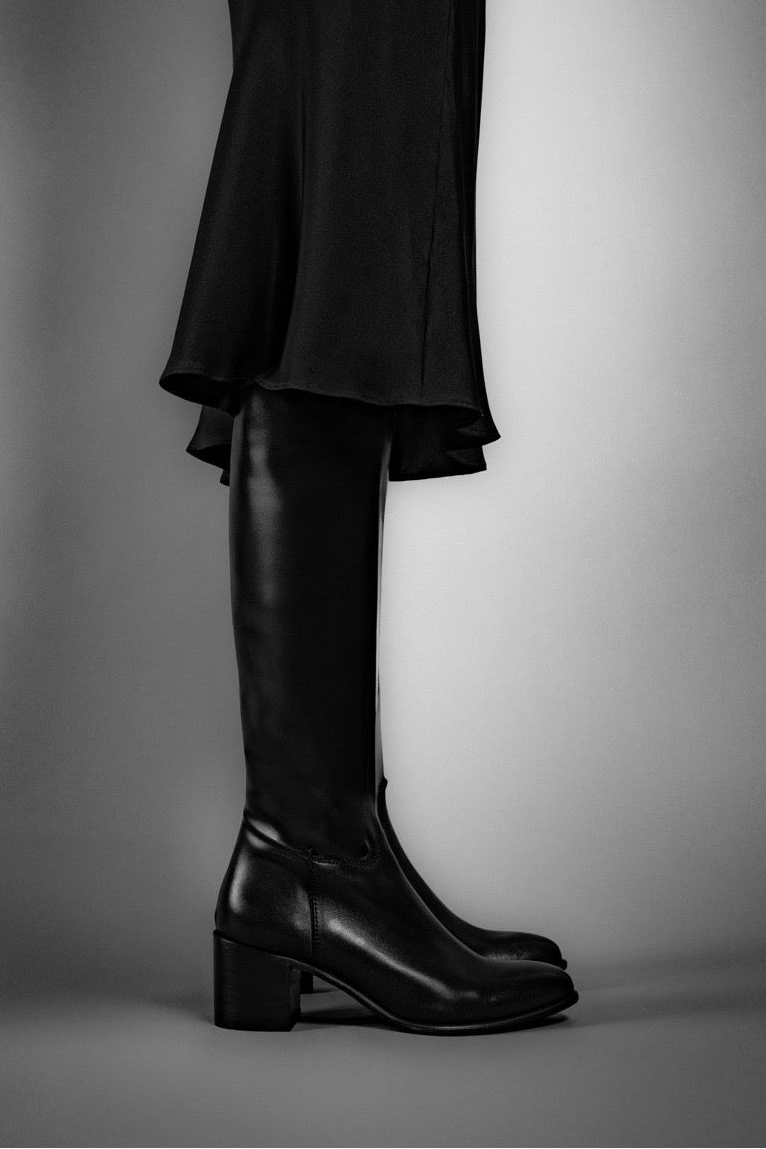
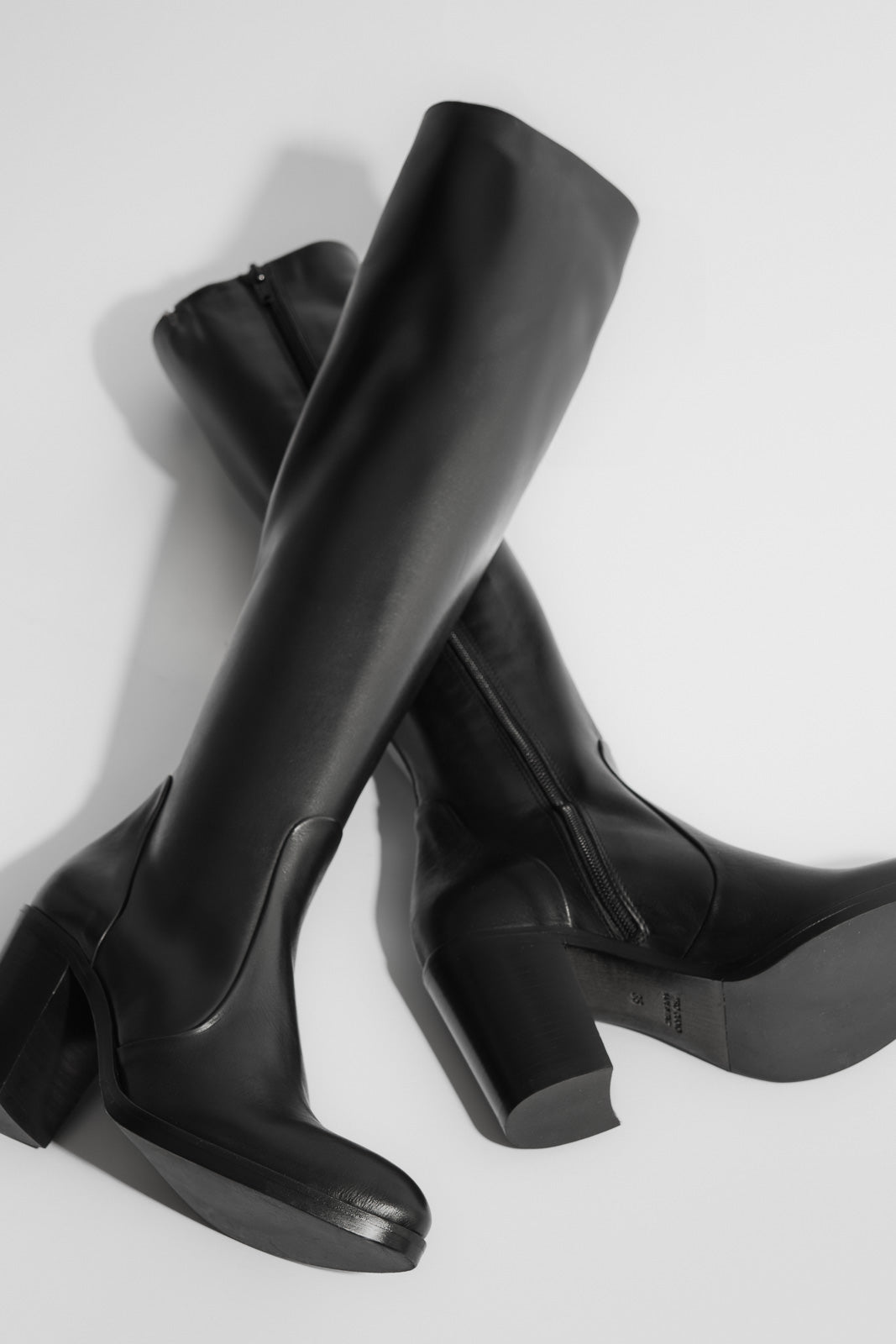
High boots are worn through autumn and winter, extending the line of the leg and shaping a stronger silhouette. The shaft defines proportion in a way shorter boots do not.
Background
Knee-high and over-the-knee boots appeared in the 17th century, initially in riding and military contexts. During the 20th century they moved into women’s wardrobes, notably in the 1960s, and have remained a recurring form.
In the wardrobe
With skirts and dresses to reveal the full shaft, or under wide trousers for an uninterrupted line. Suede softens the outline; polished leather sharpens it. Dark tones integrate with tights, lighter shades draw attention. Heel height adjusts the level of formality.
Our selection
Handmade in Italy in leather and suede. Shafts are cut with attention to proportion and fit around calf and knee. Selected for structure, balance and durability over time.
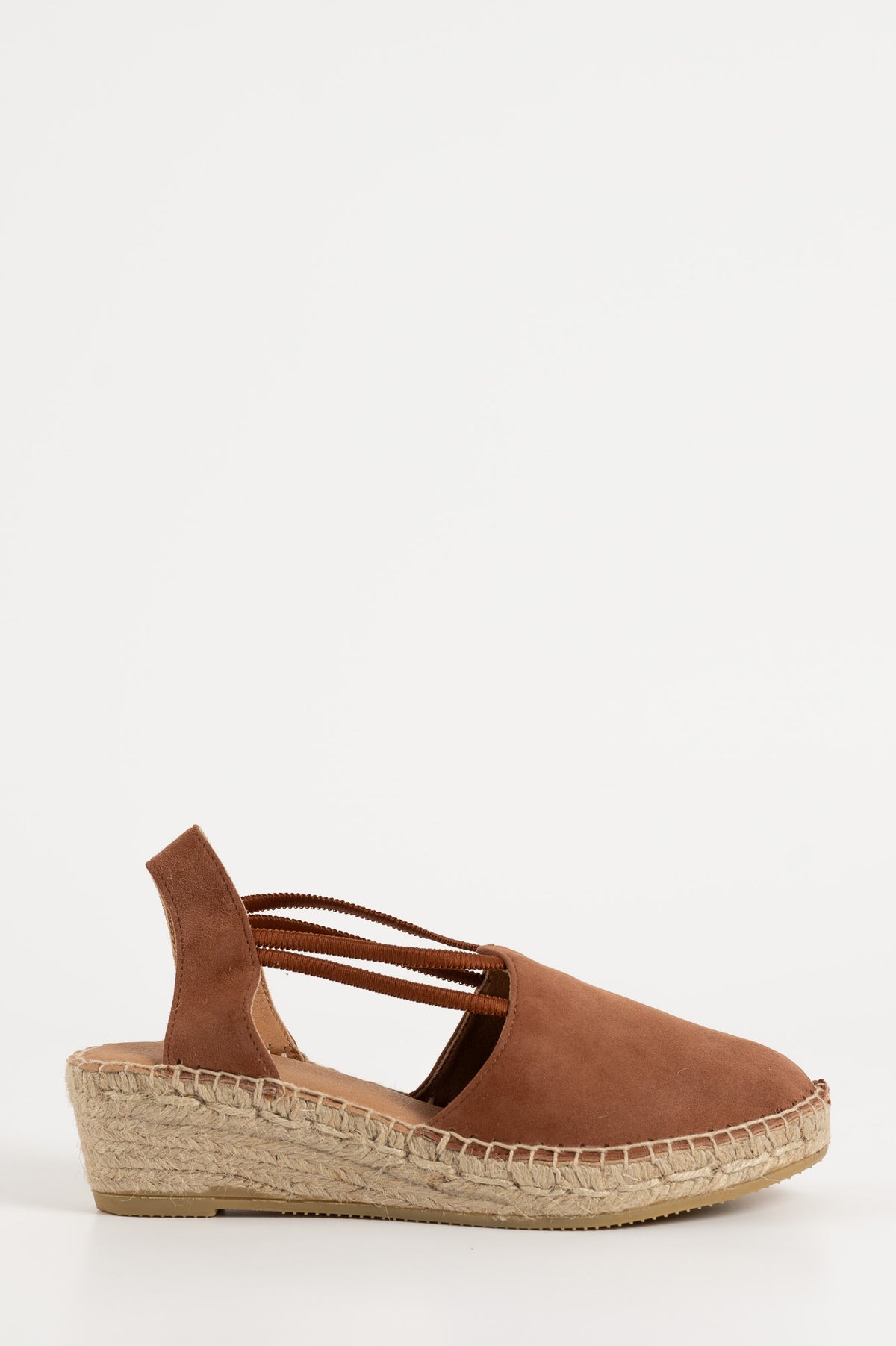
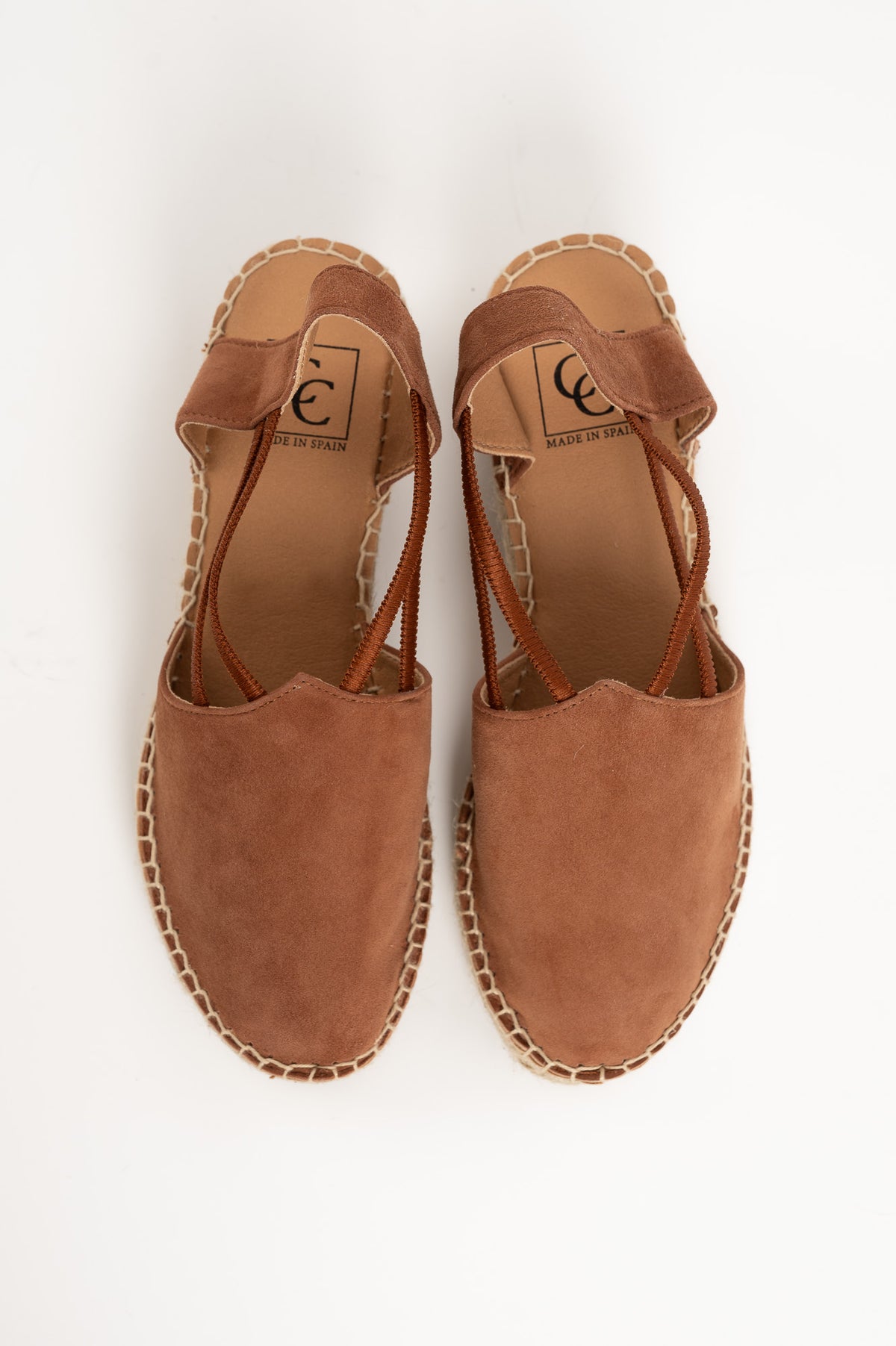
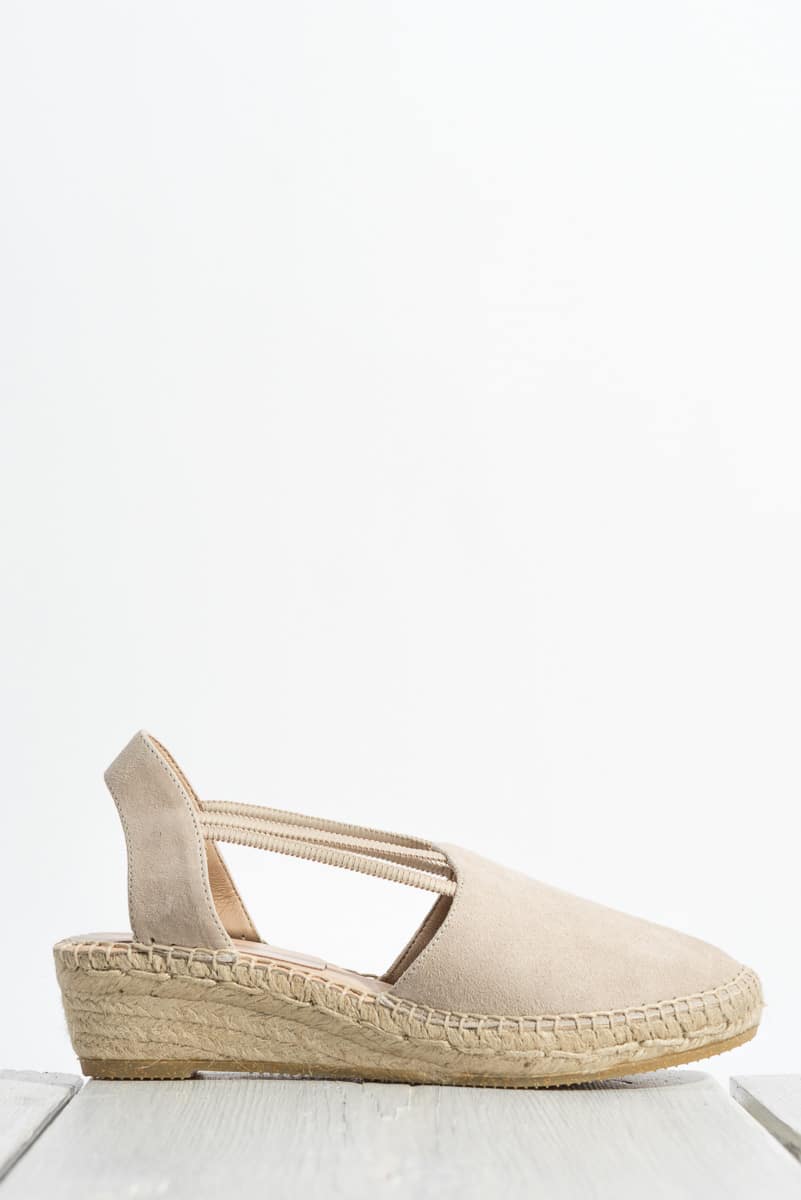
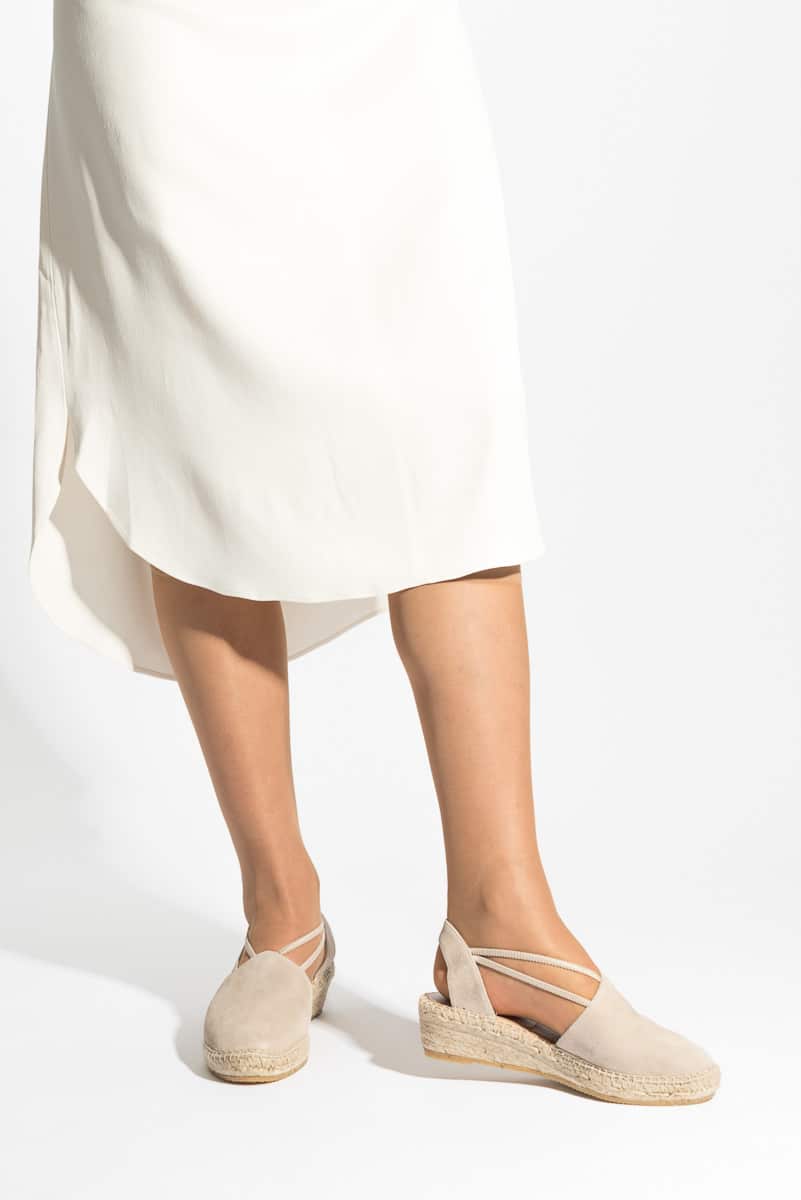
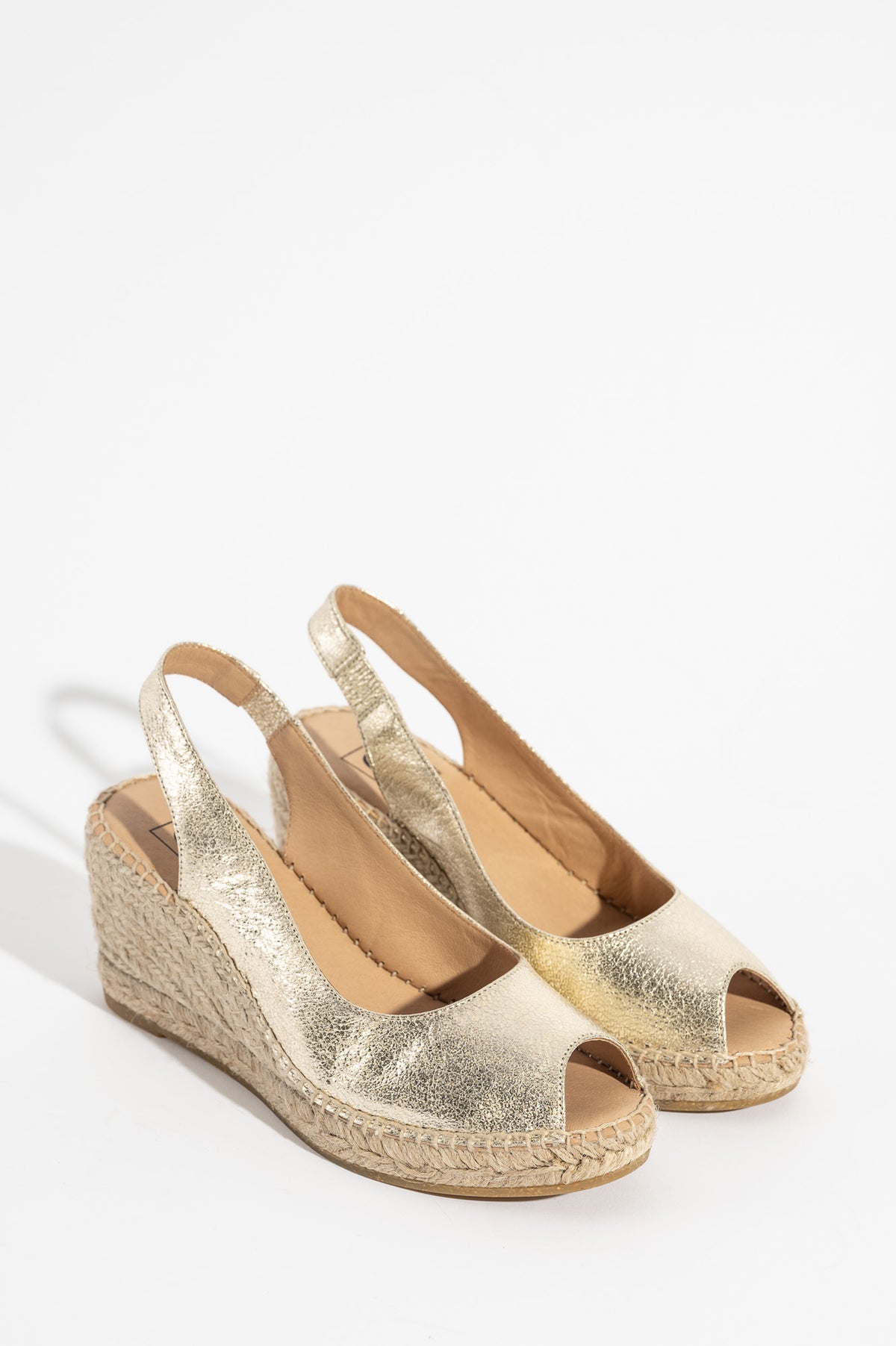
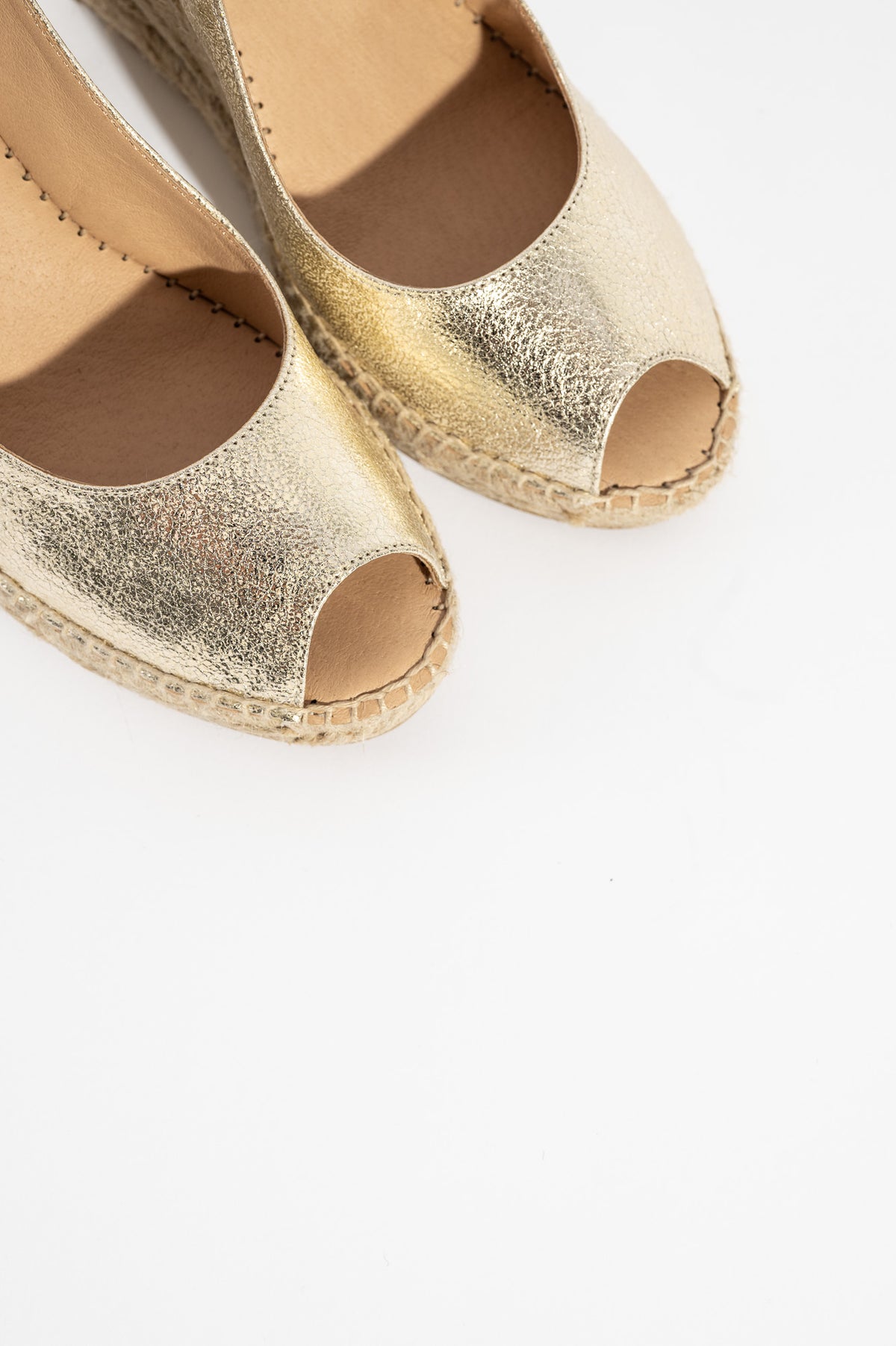
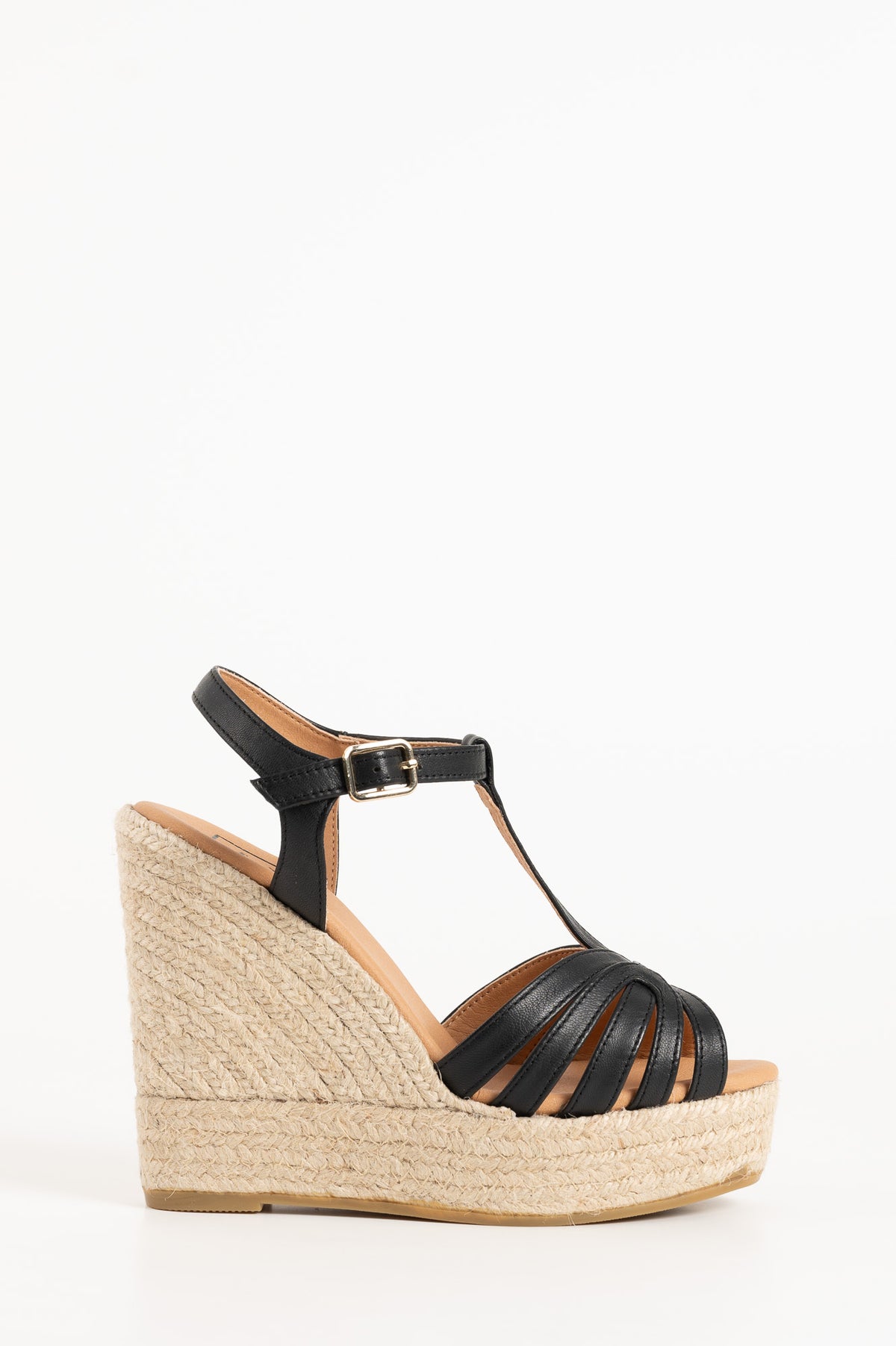
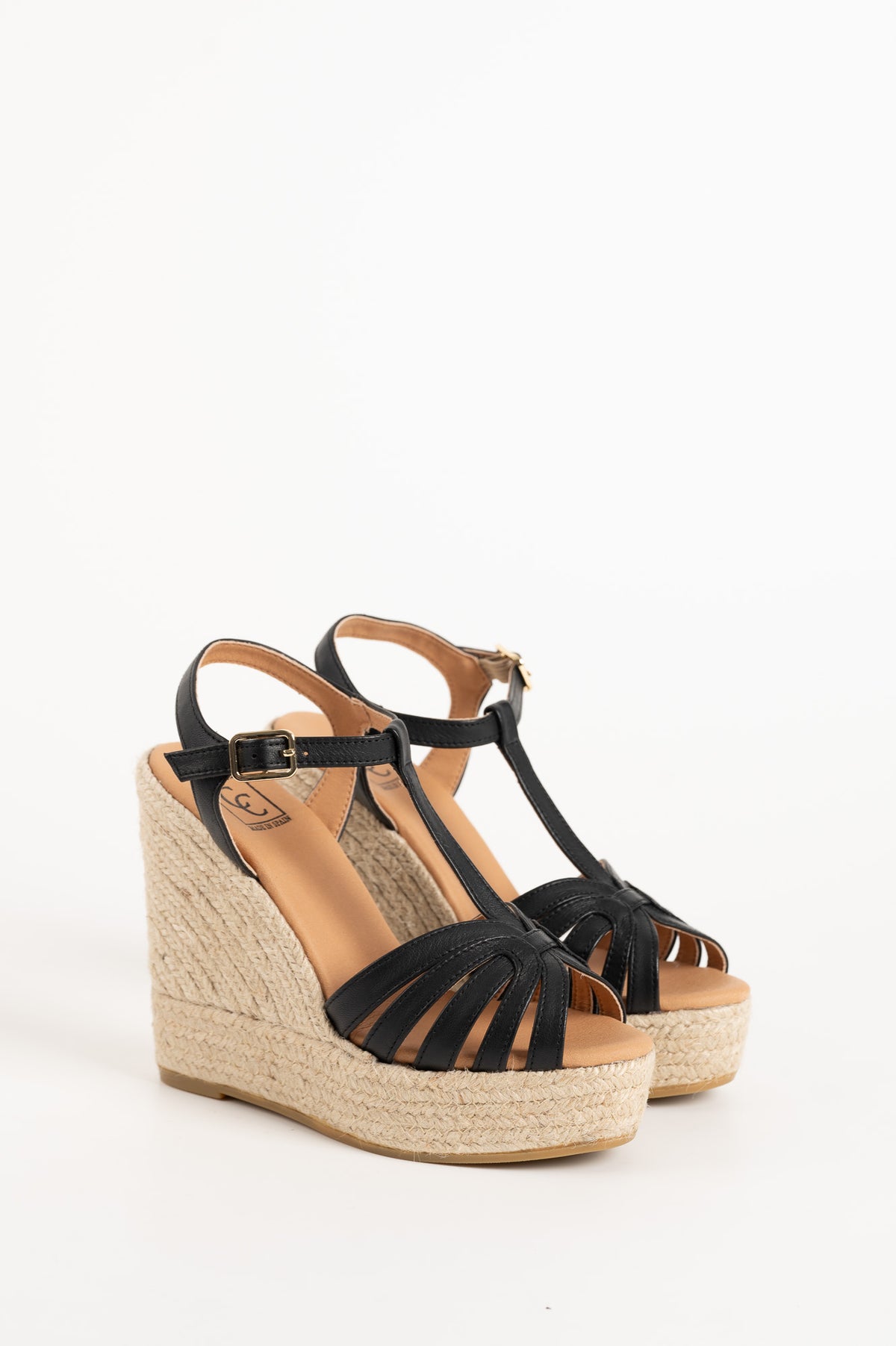
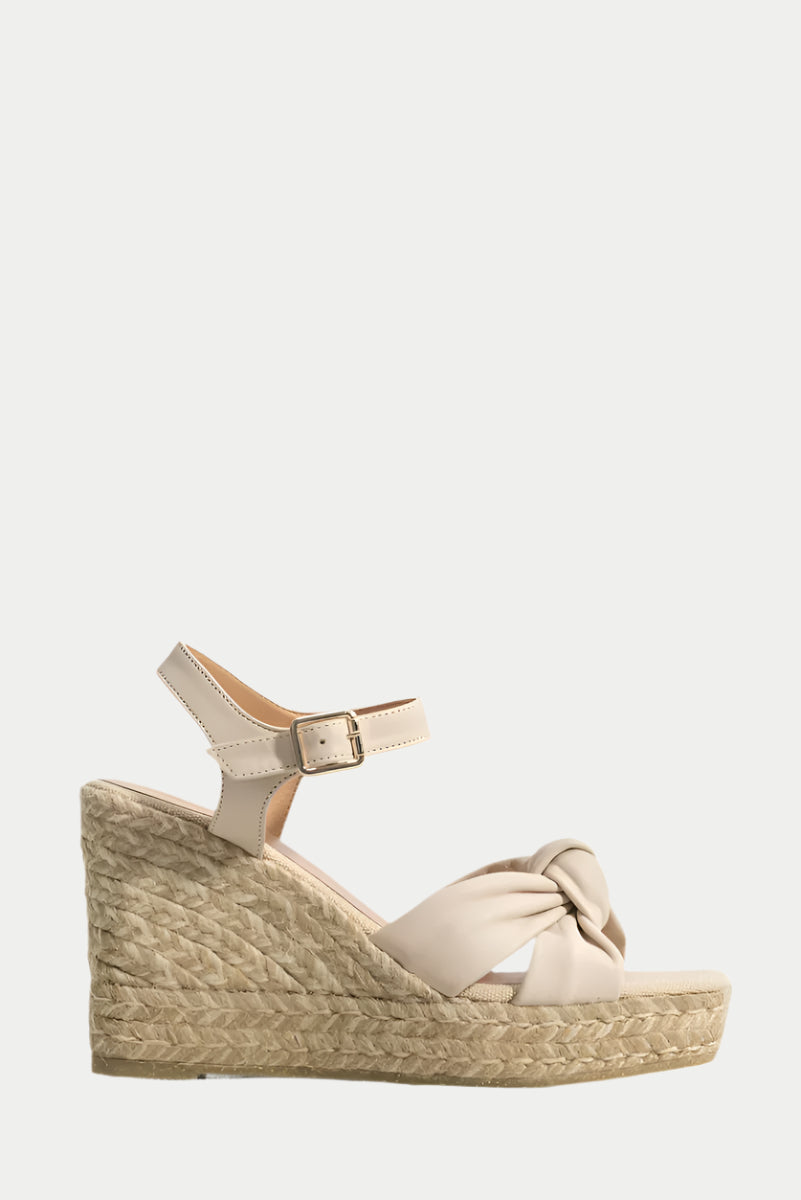
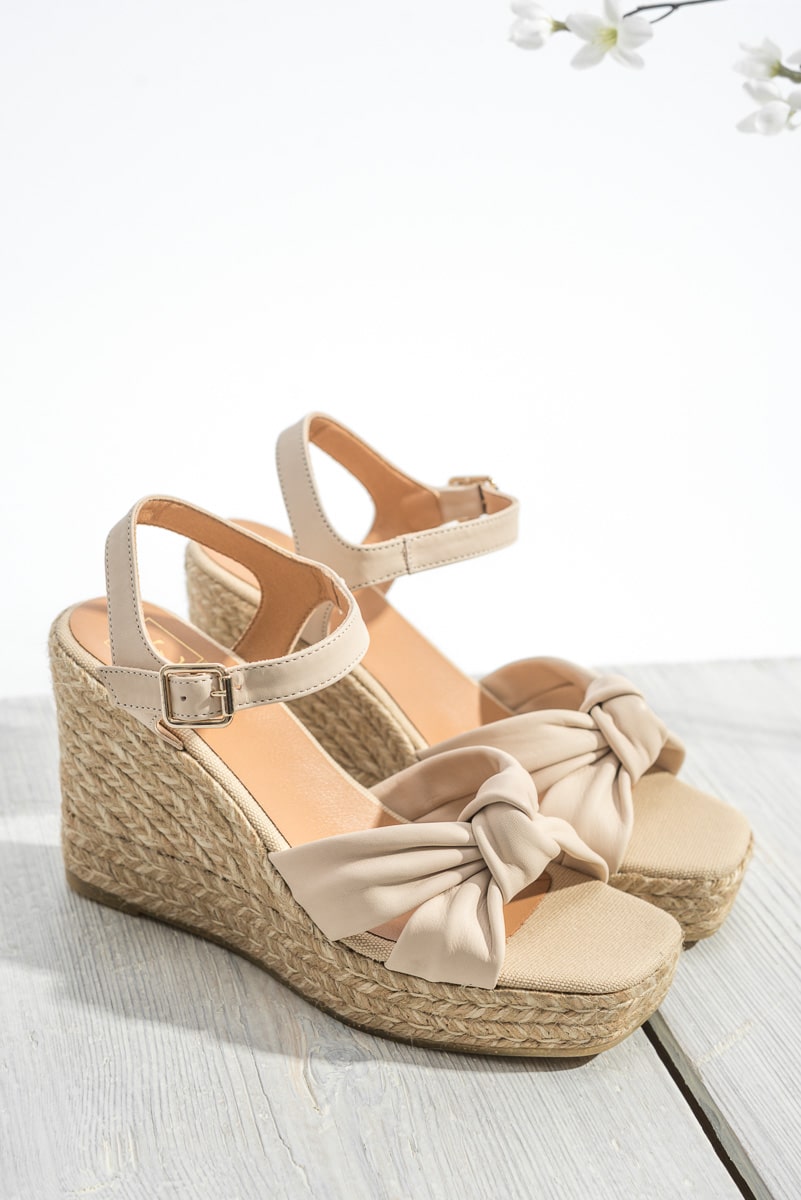
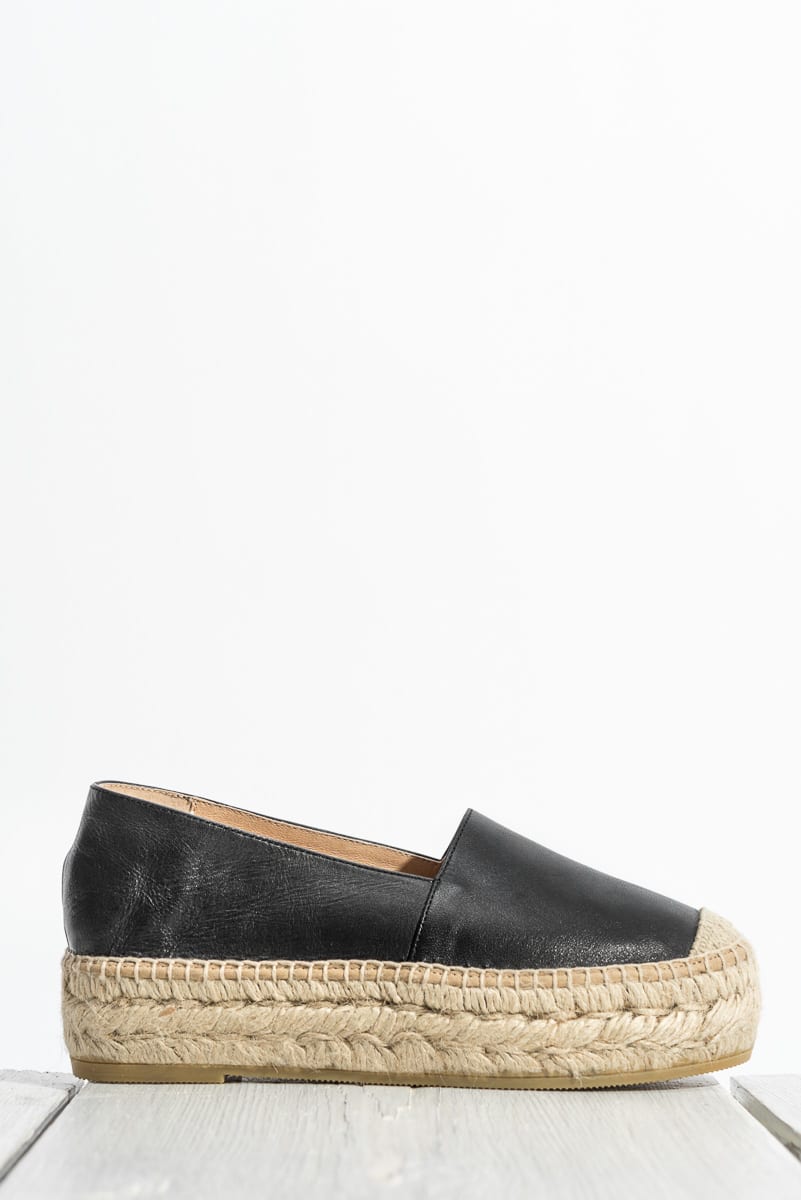
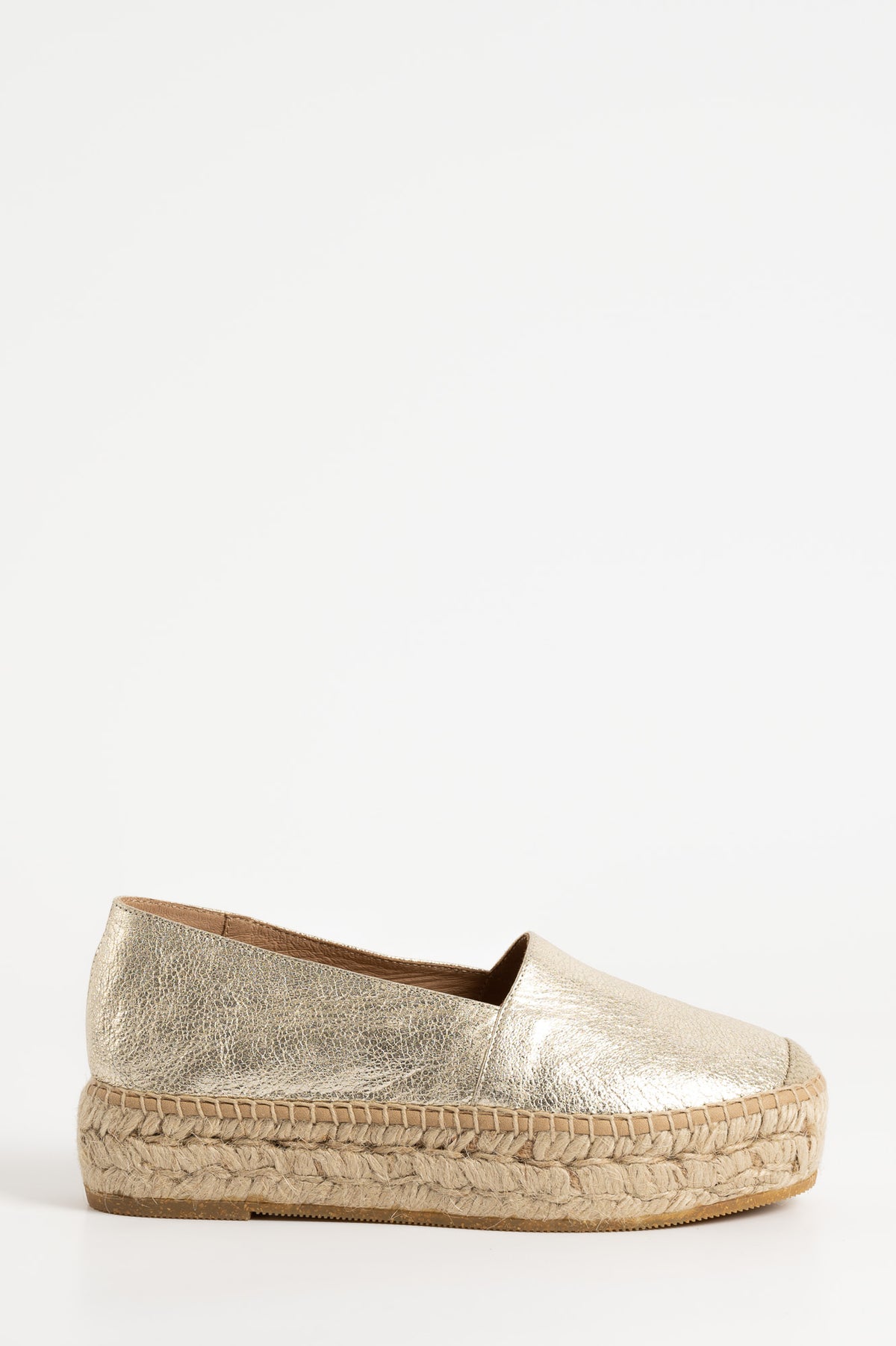
Espadrilles
Season and context
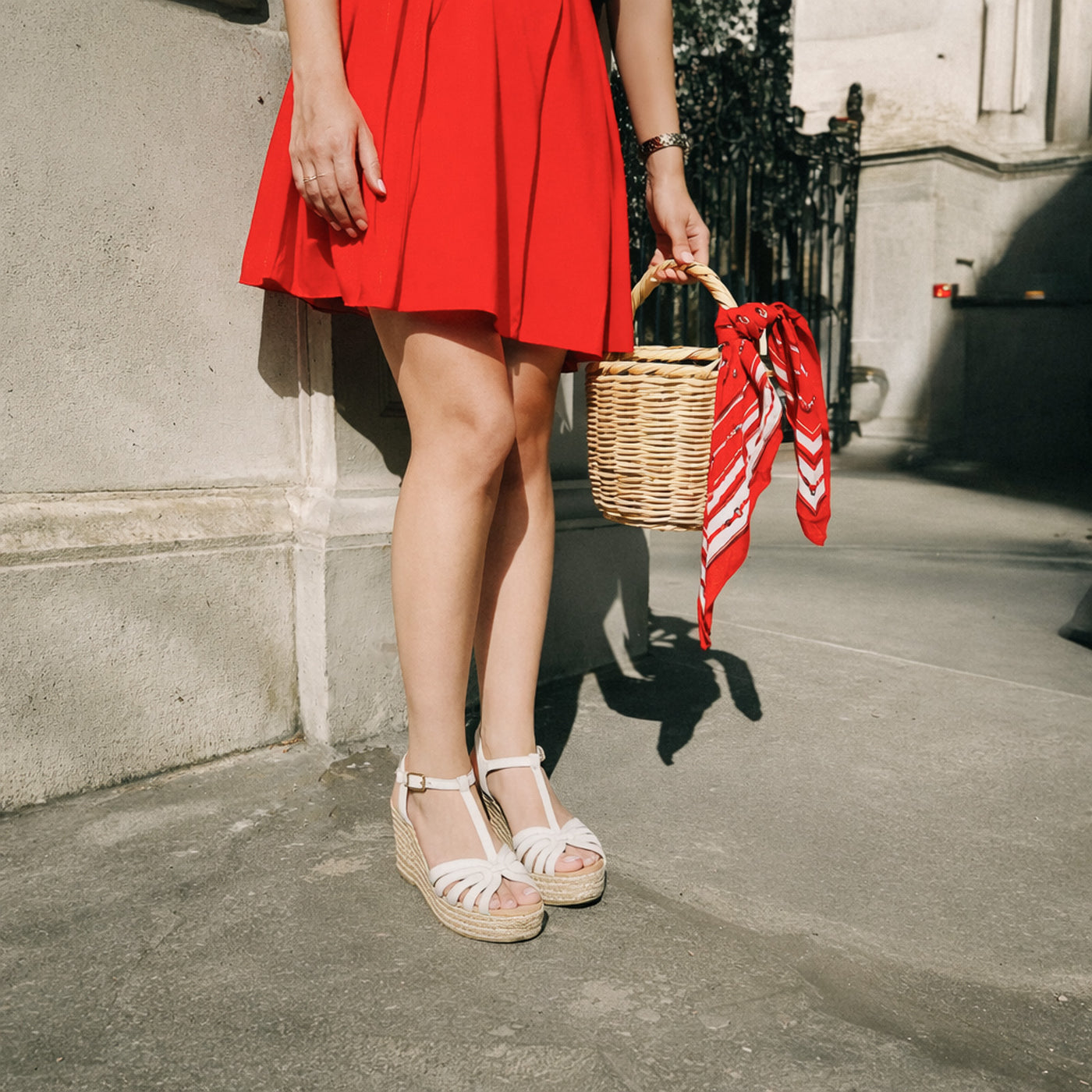
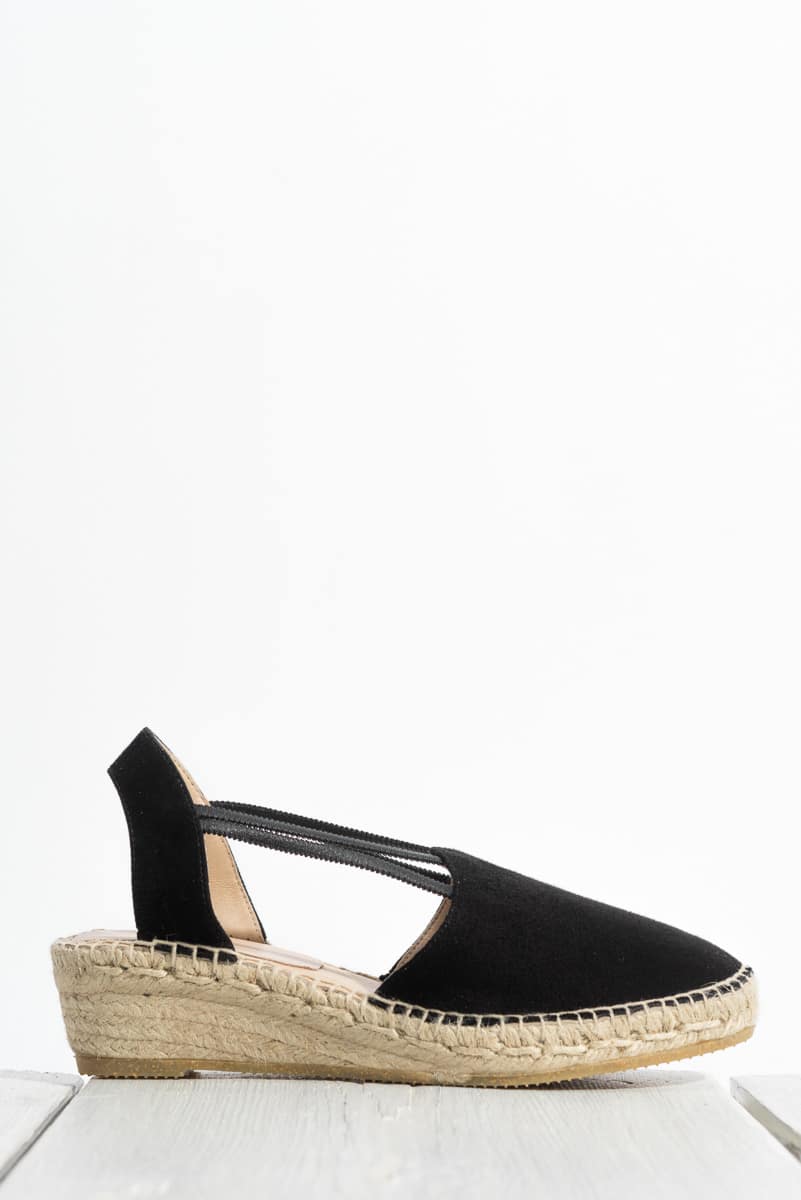
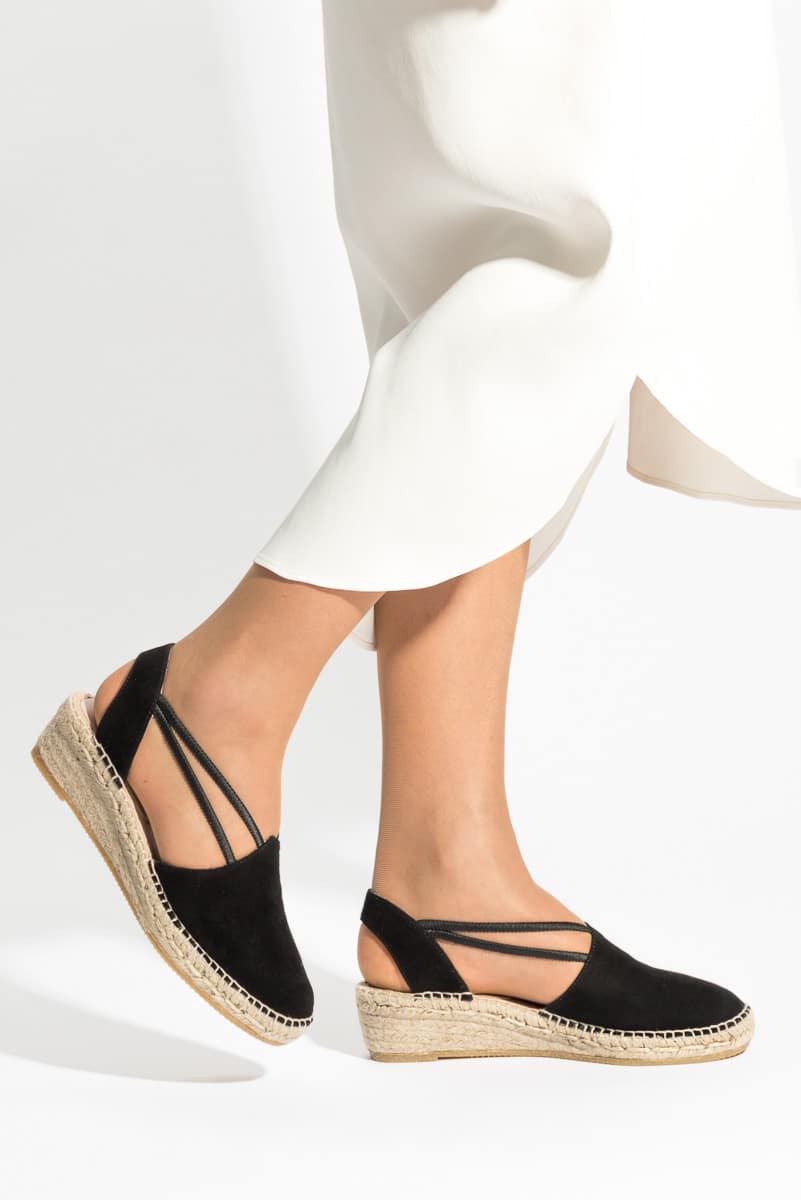
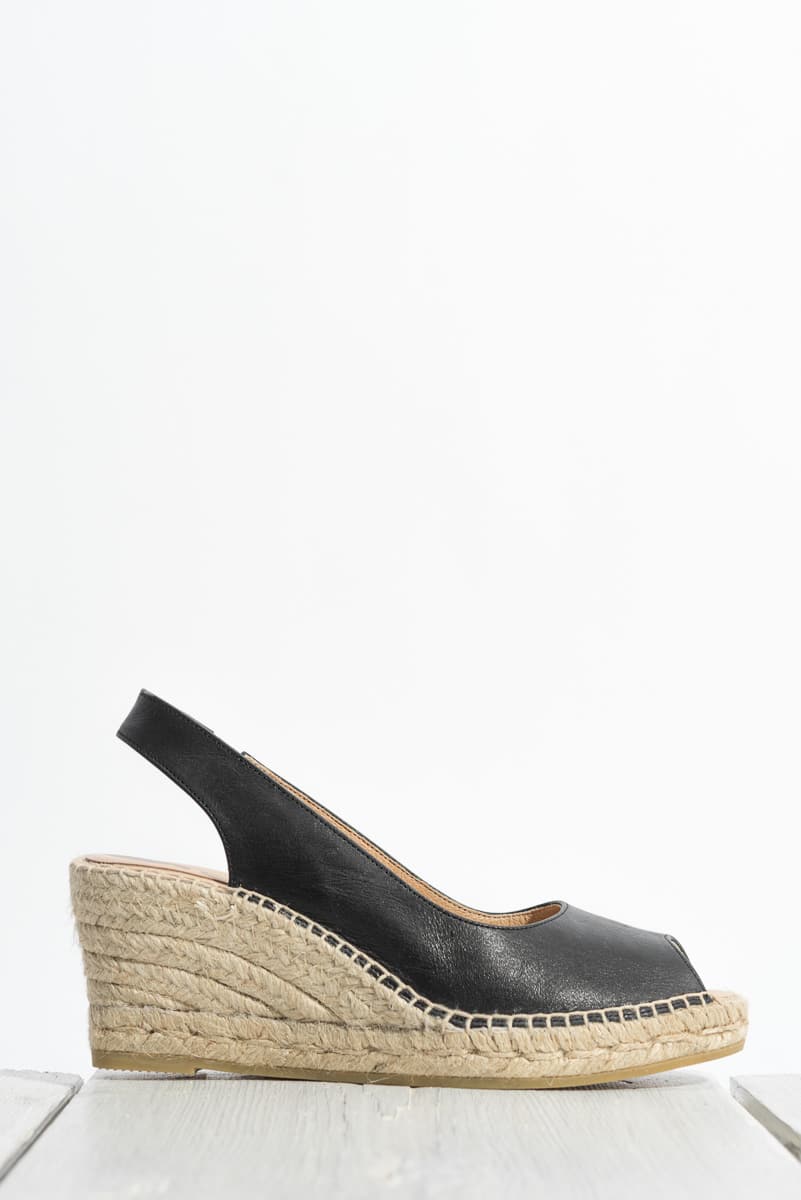
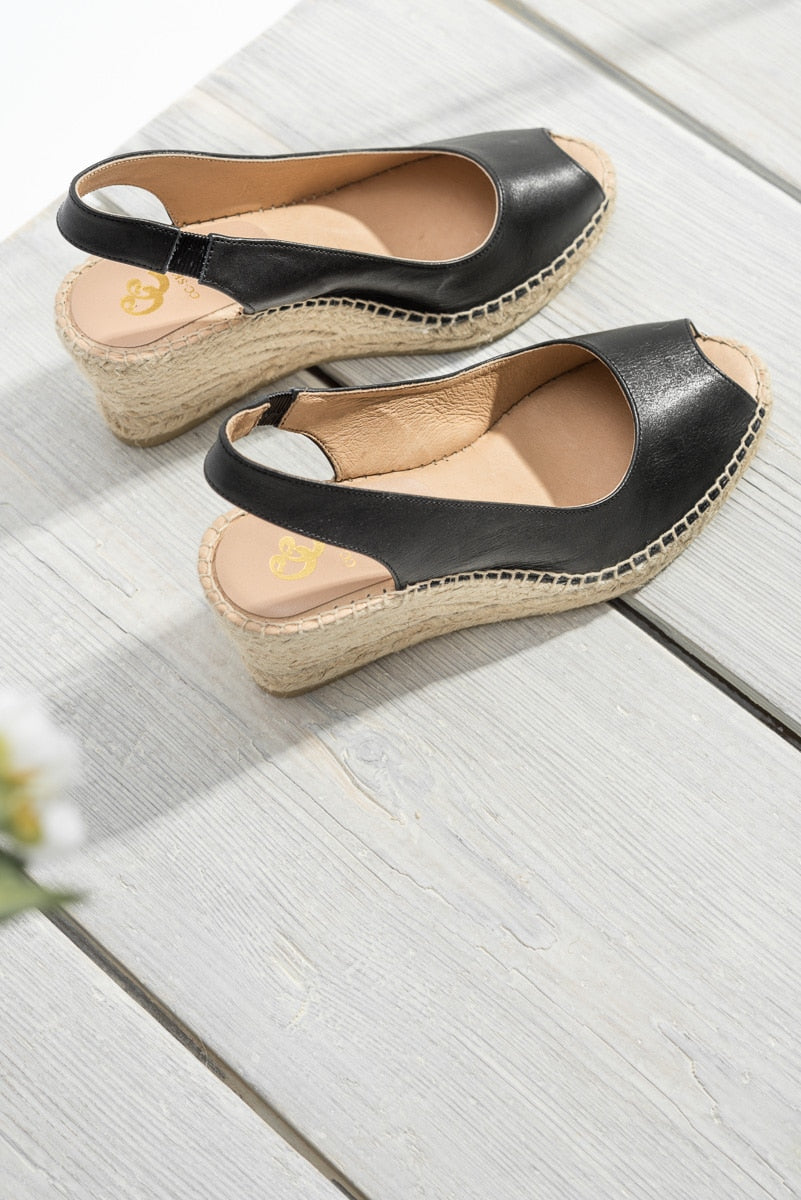
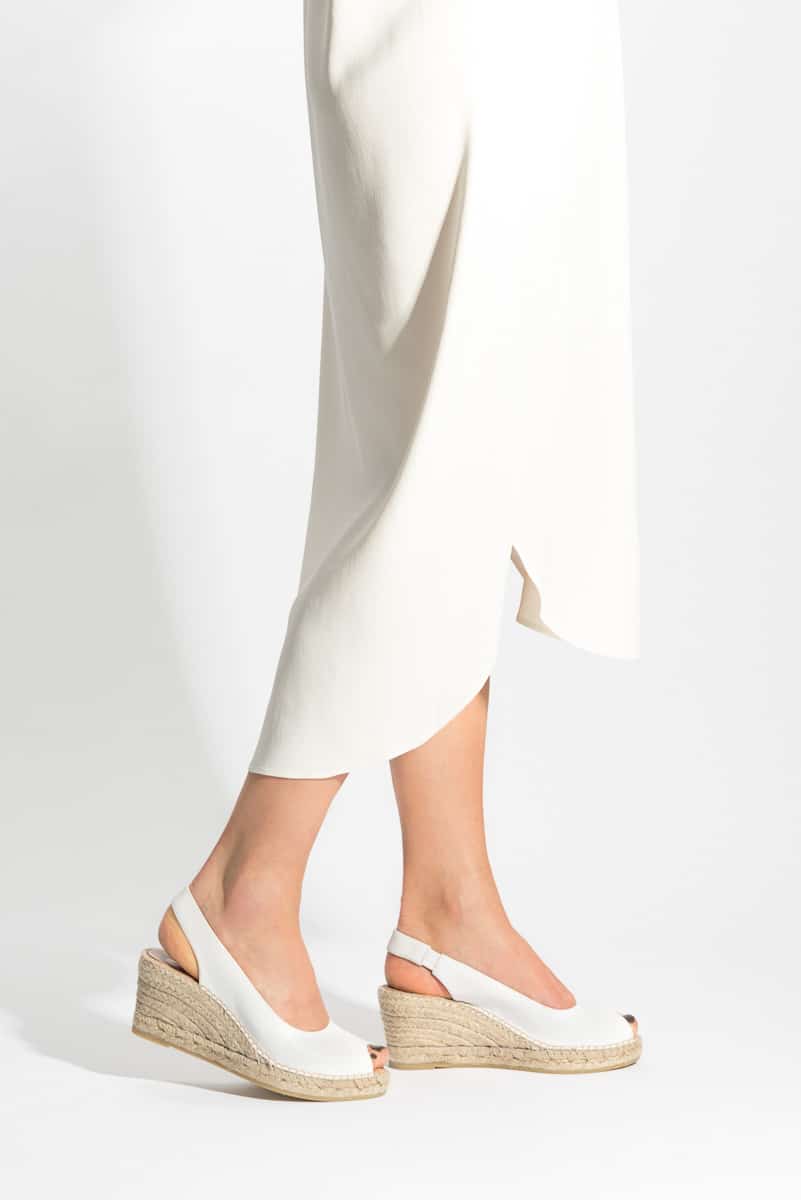
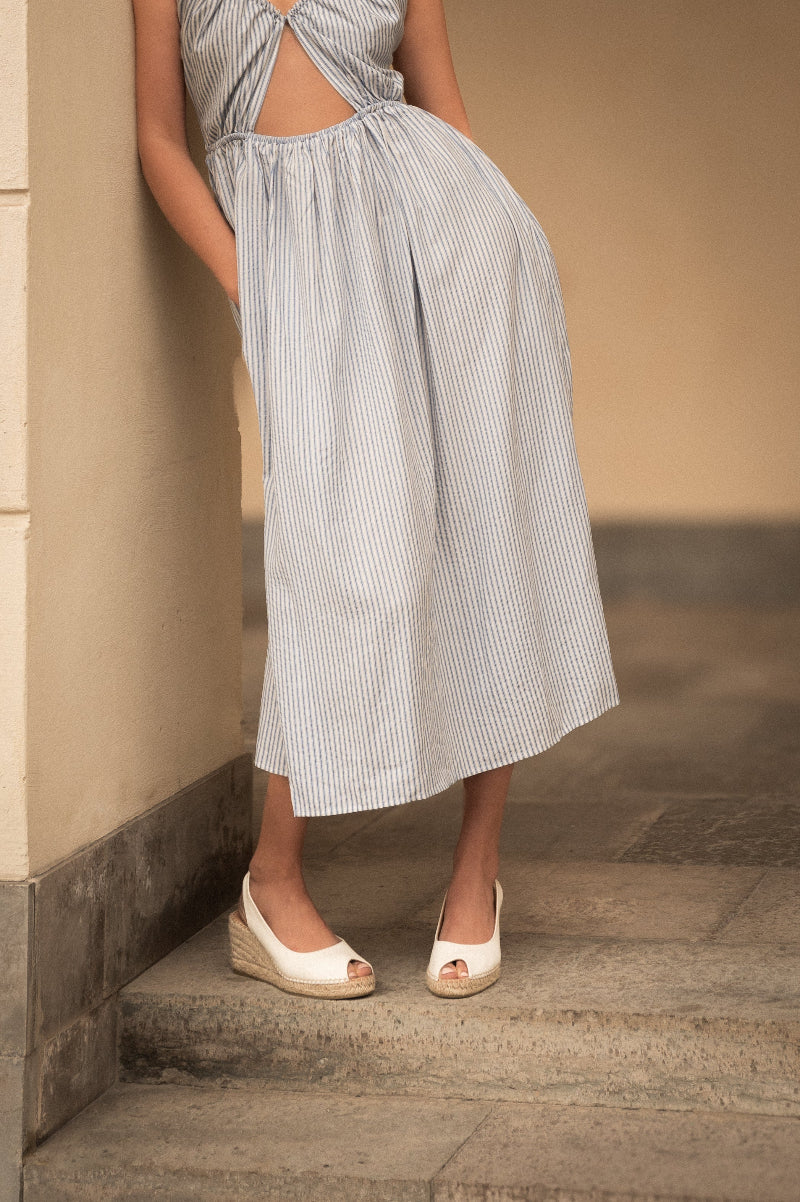
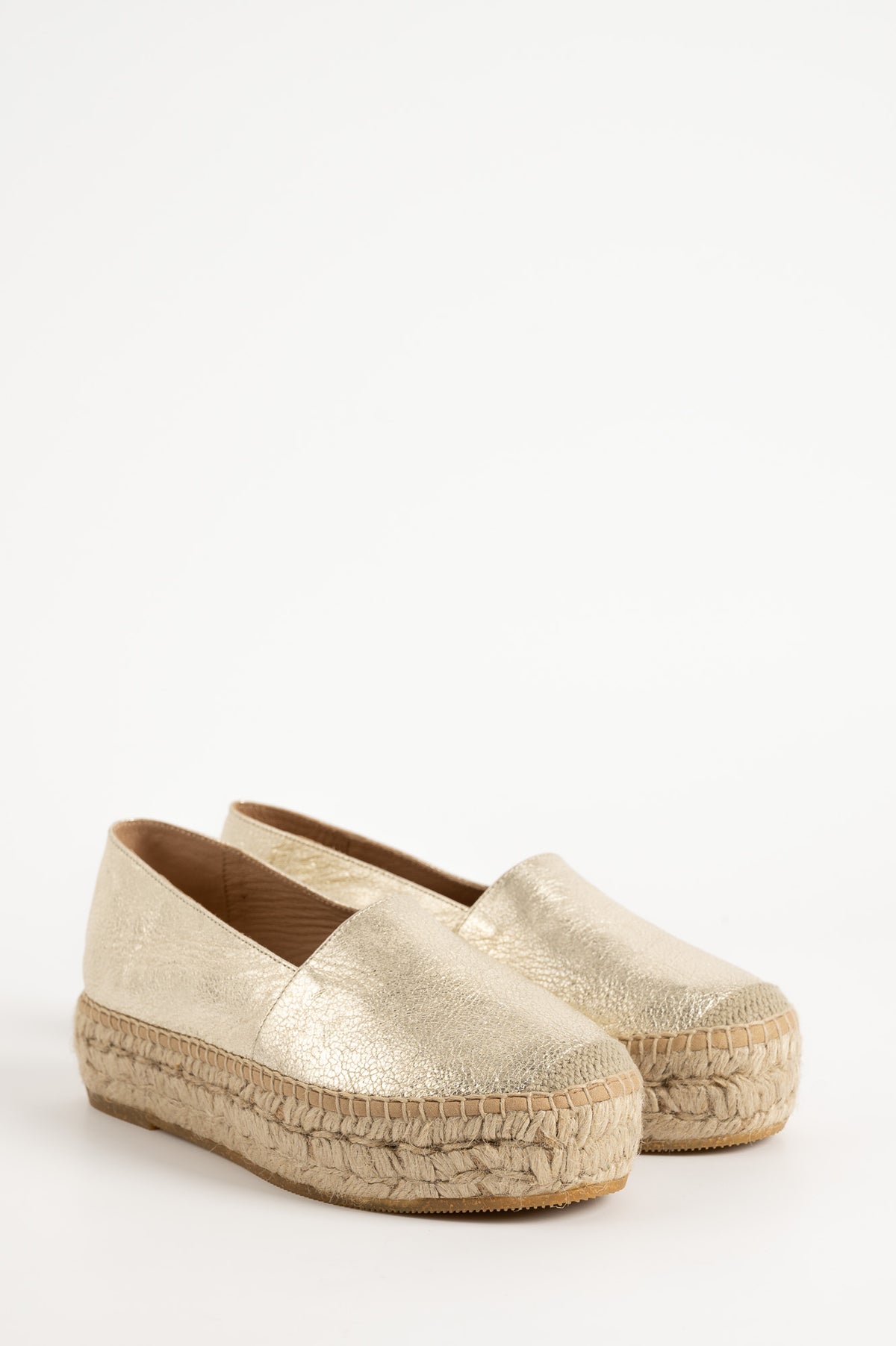
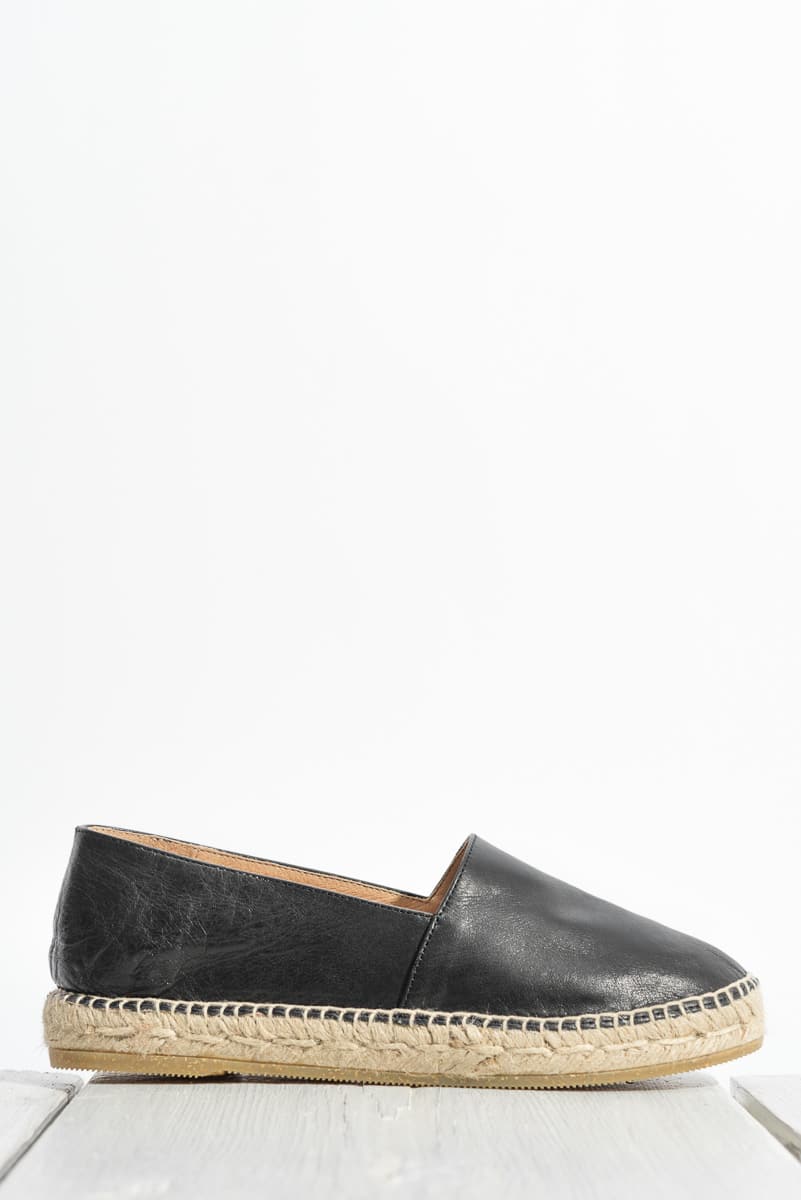
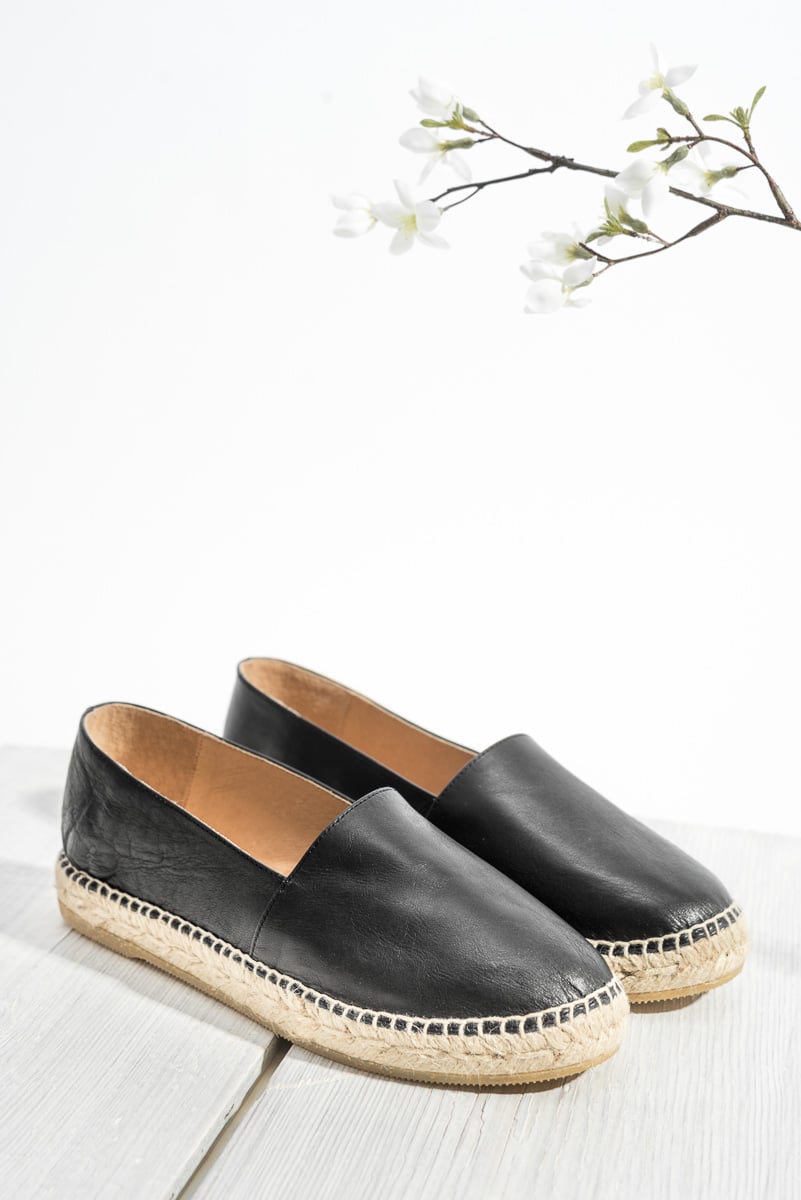
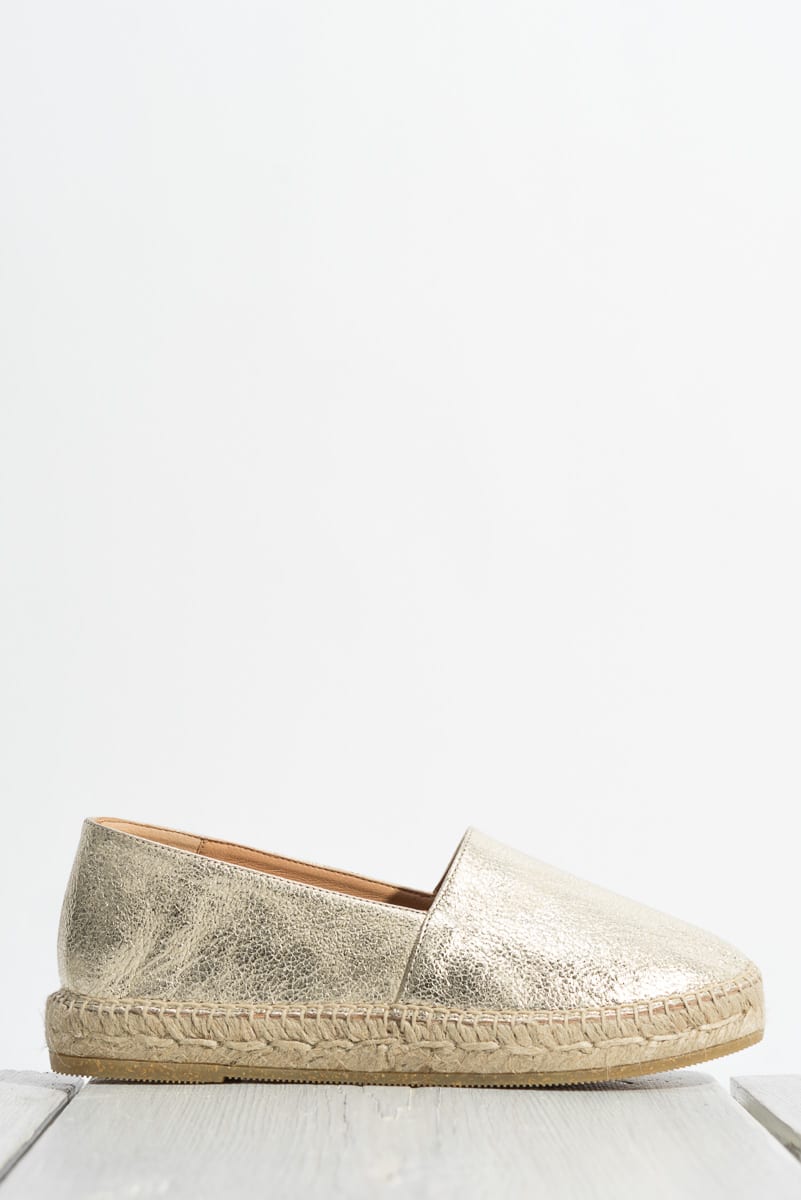
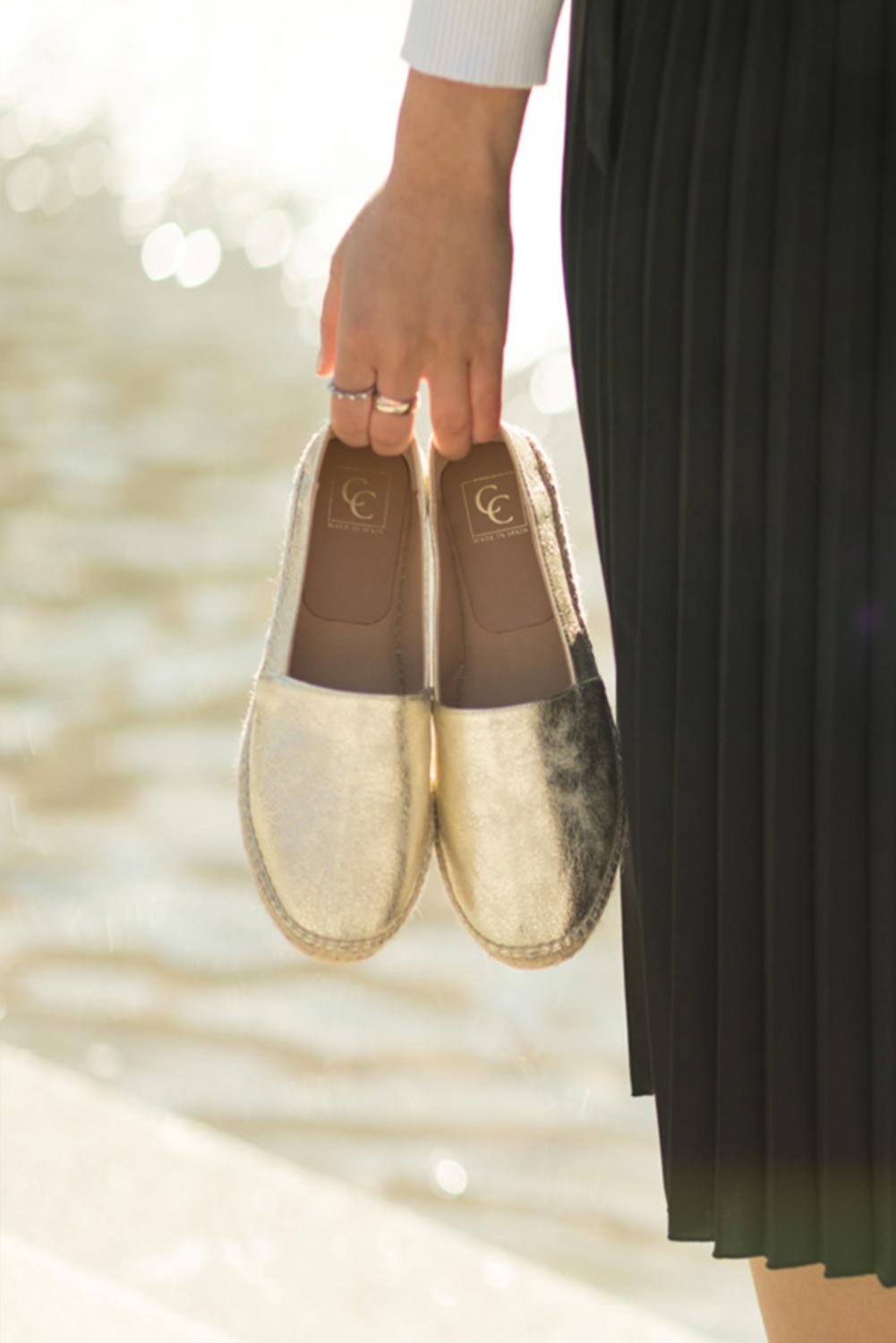
Espadrilles belong to spring and summer. The jute sole keeps the profile light and informal, suited to warmer climates and relaxed settings.
Background
Originating in Spain, the style dates back several centuries. Traditional construction combines braided jute soles with canvas or leather uppers, a method still used today.
In the wardrobe
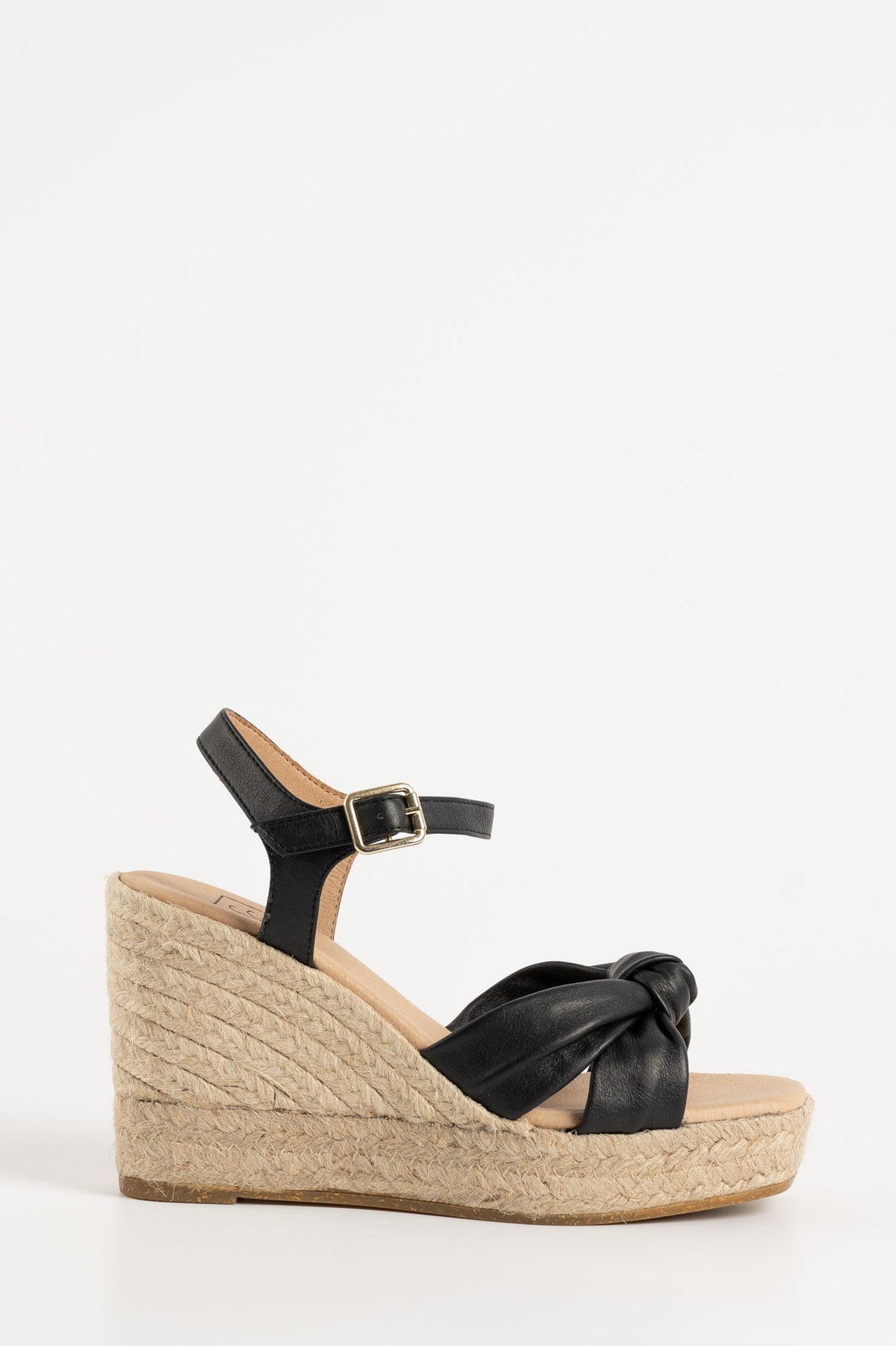
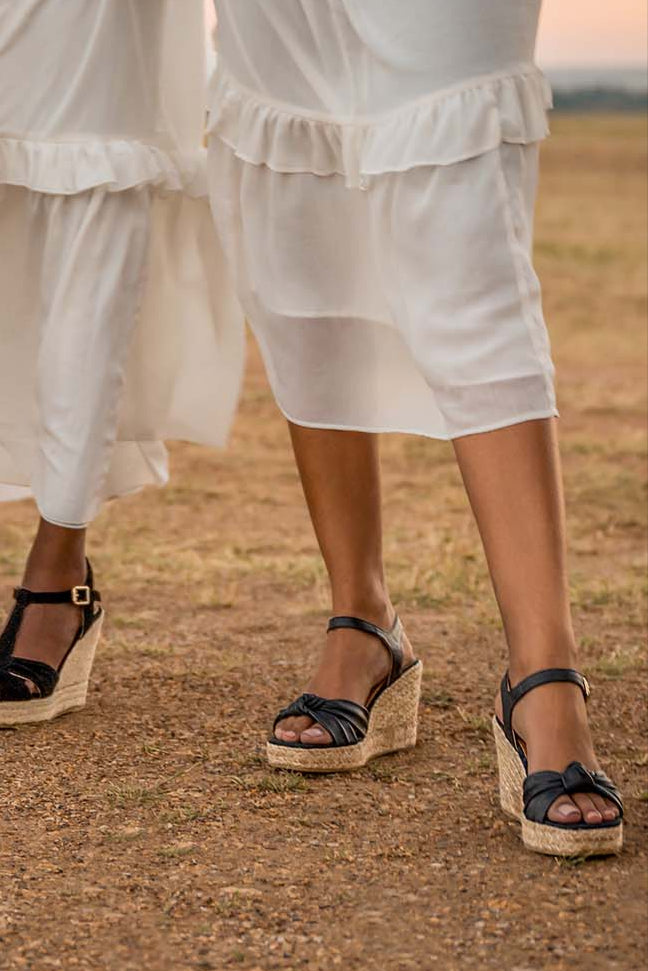
With summer dresses, linen trousers or tailored shorts. Wedges add height for evenings; flat models remain closer to the ground for daytime. Natural jute tones read neutral, while suede or metallic finishes shift the expression.
Our selection
Produced in Spain, near Alicante, with handmade jute soles and leather uppers. Selected for proportion, stability and long-term wear.
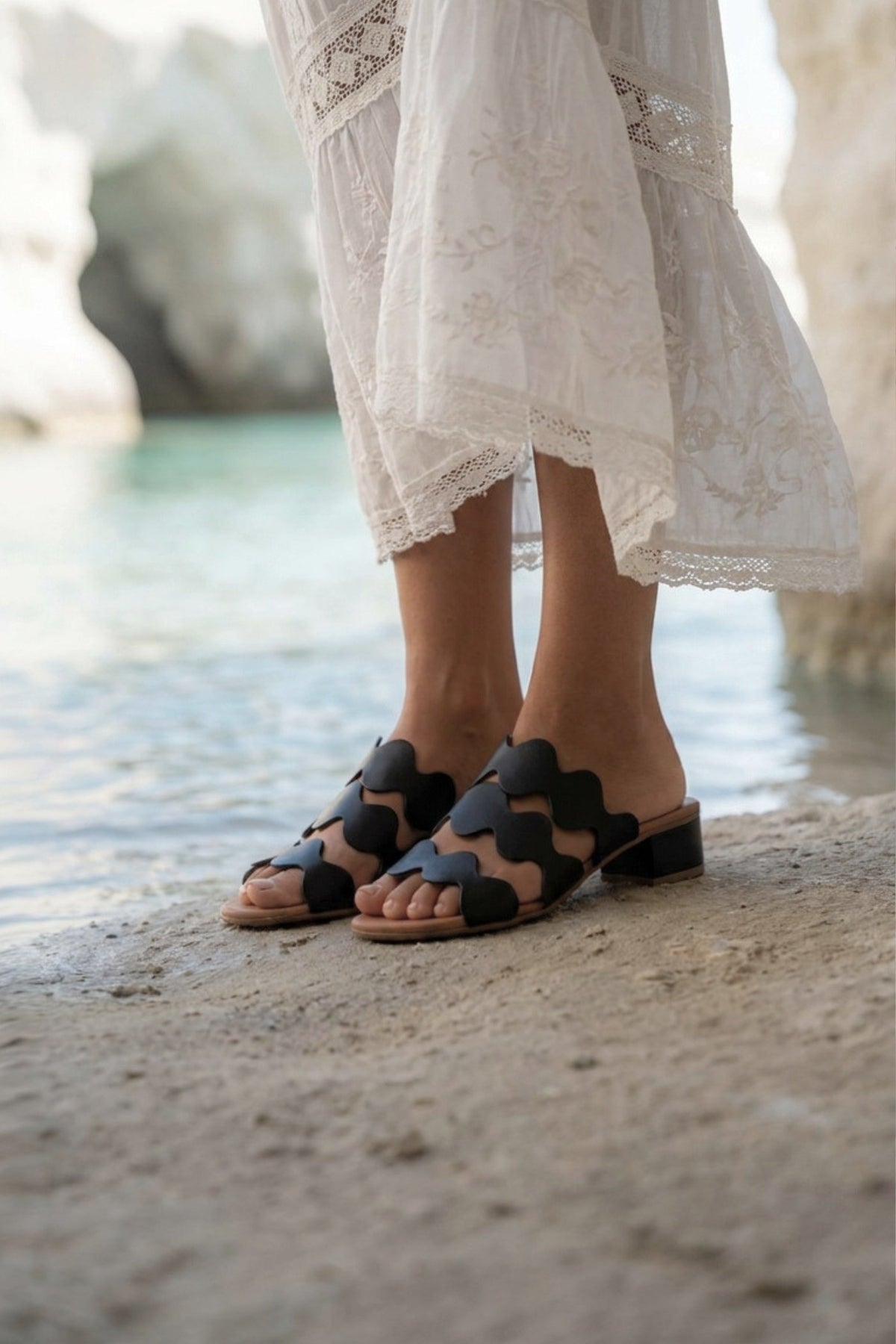
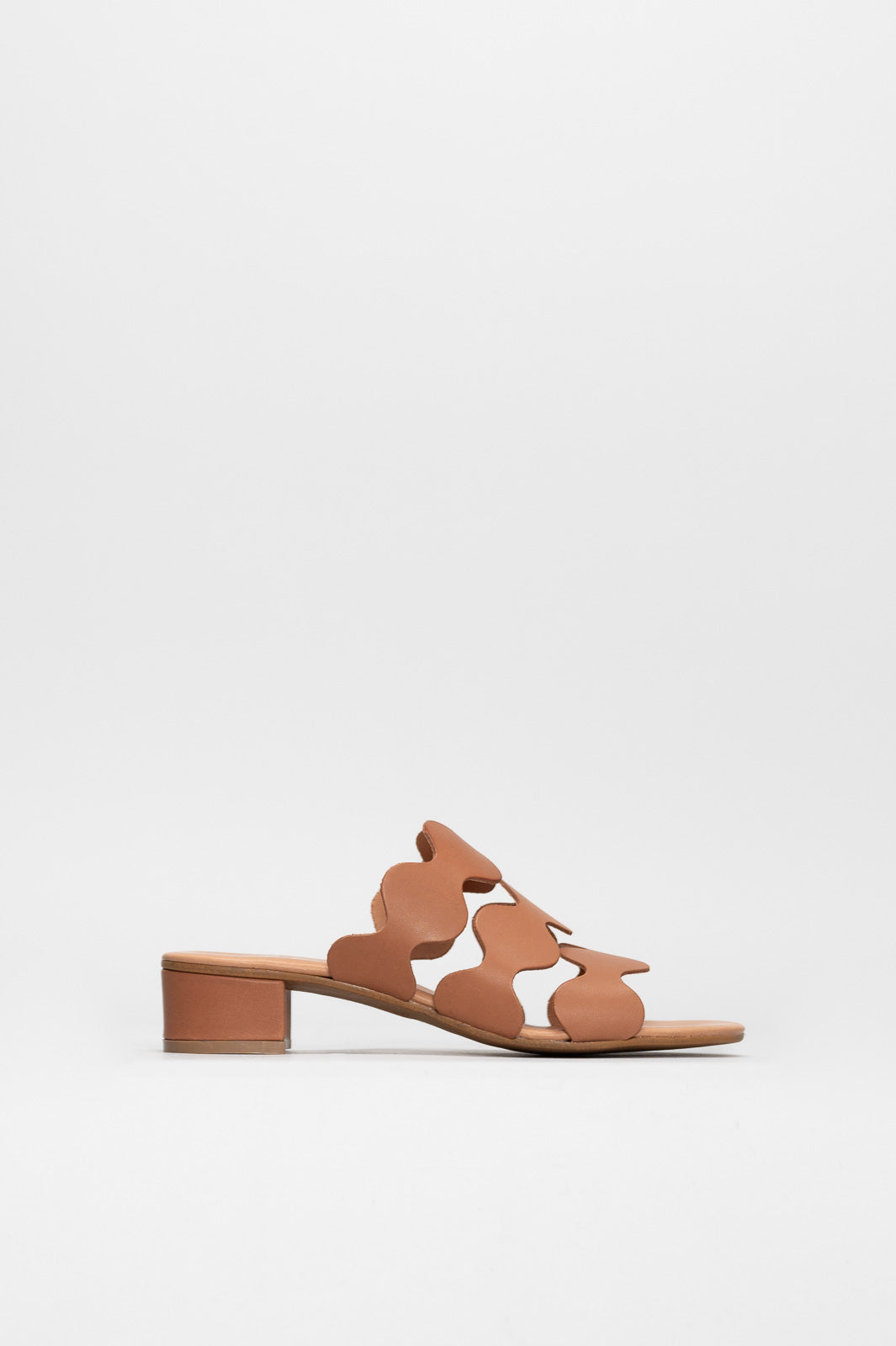
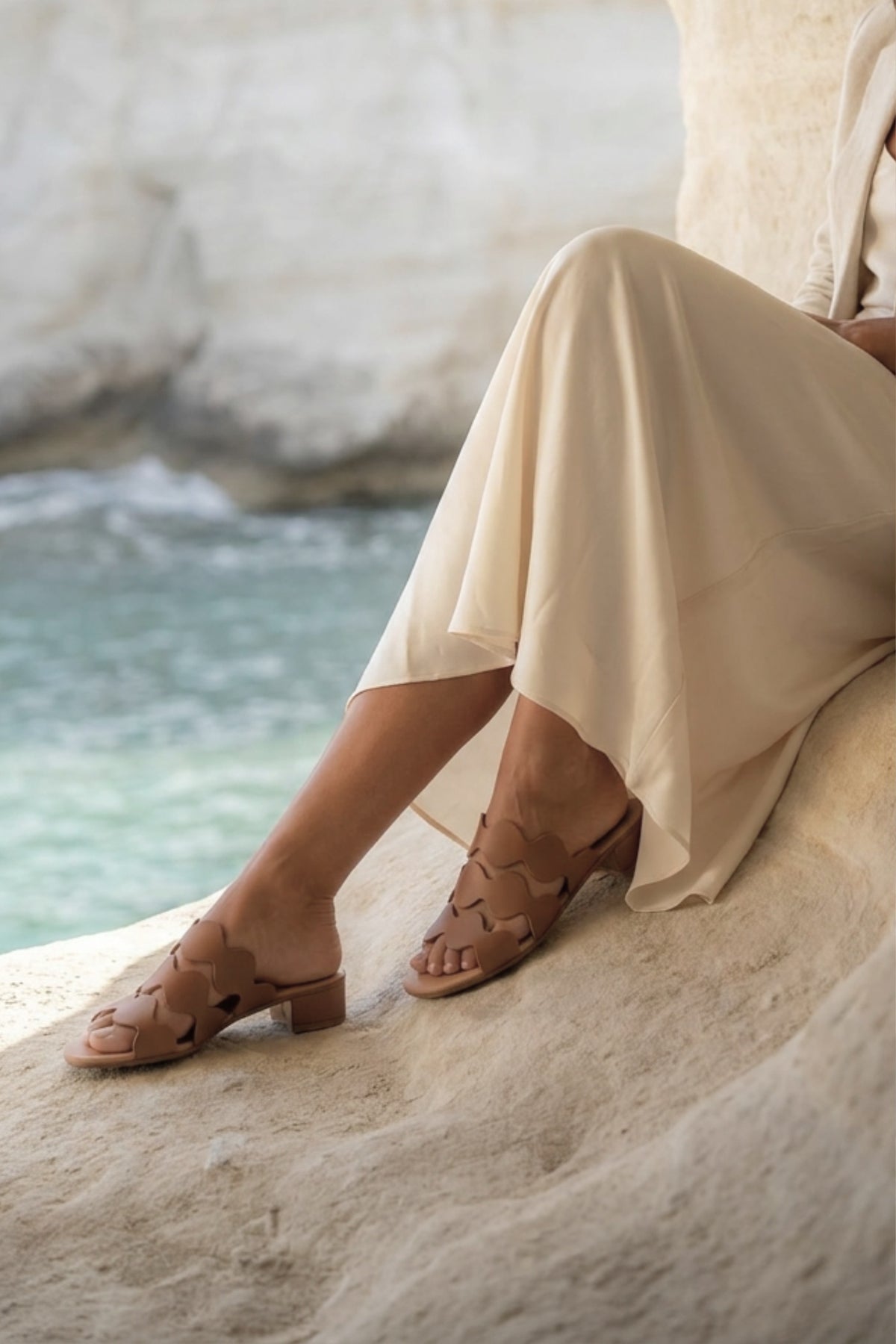
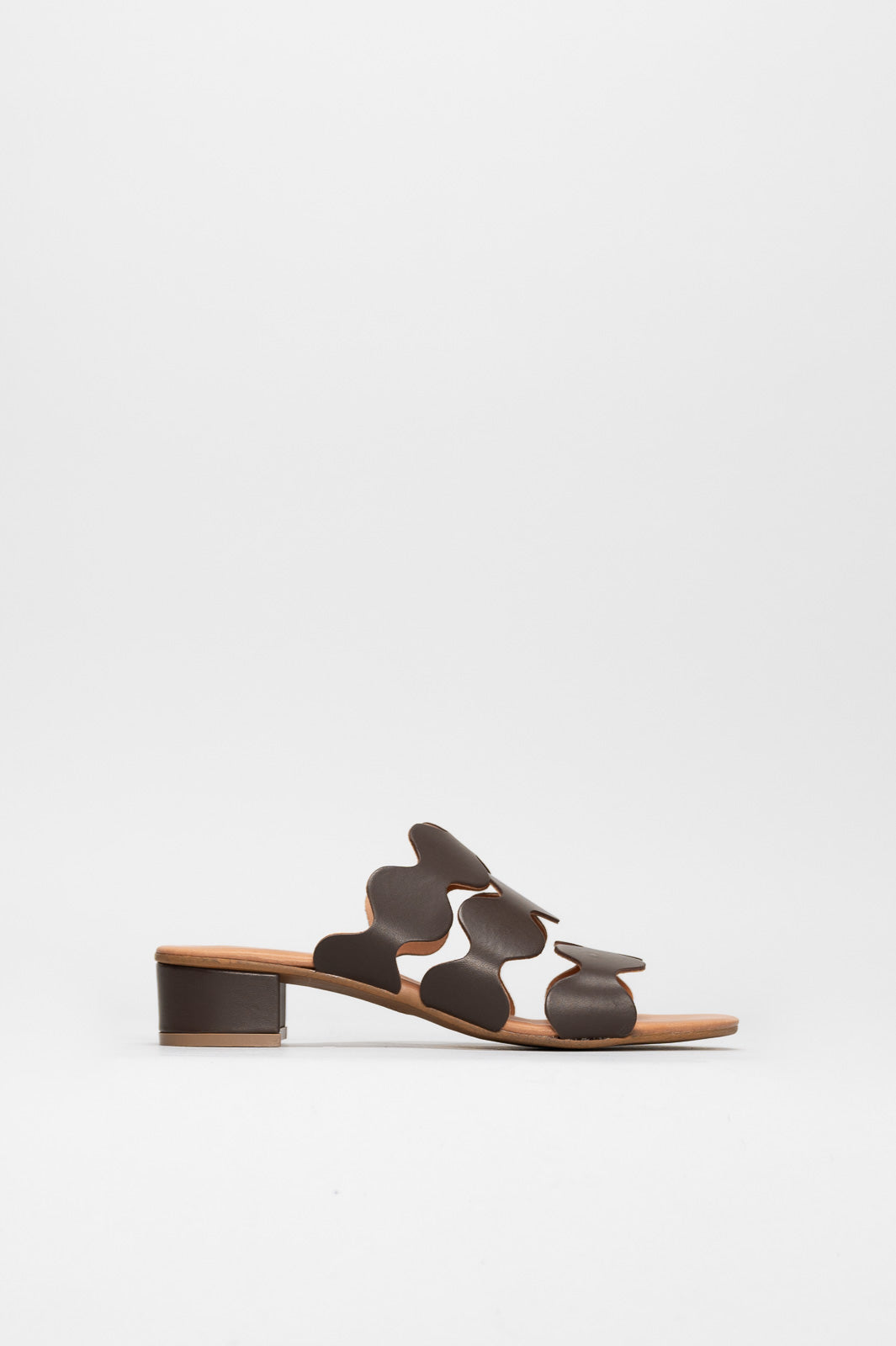
Sandals
Season
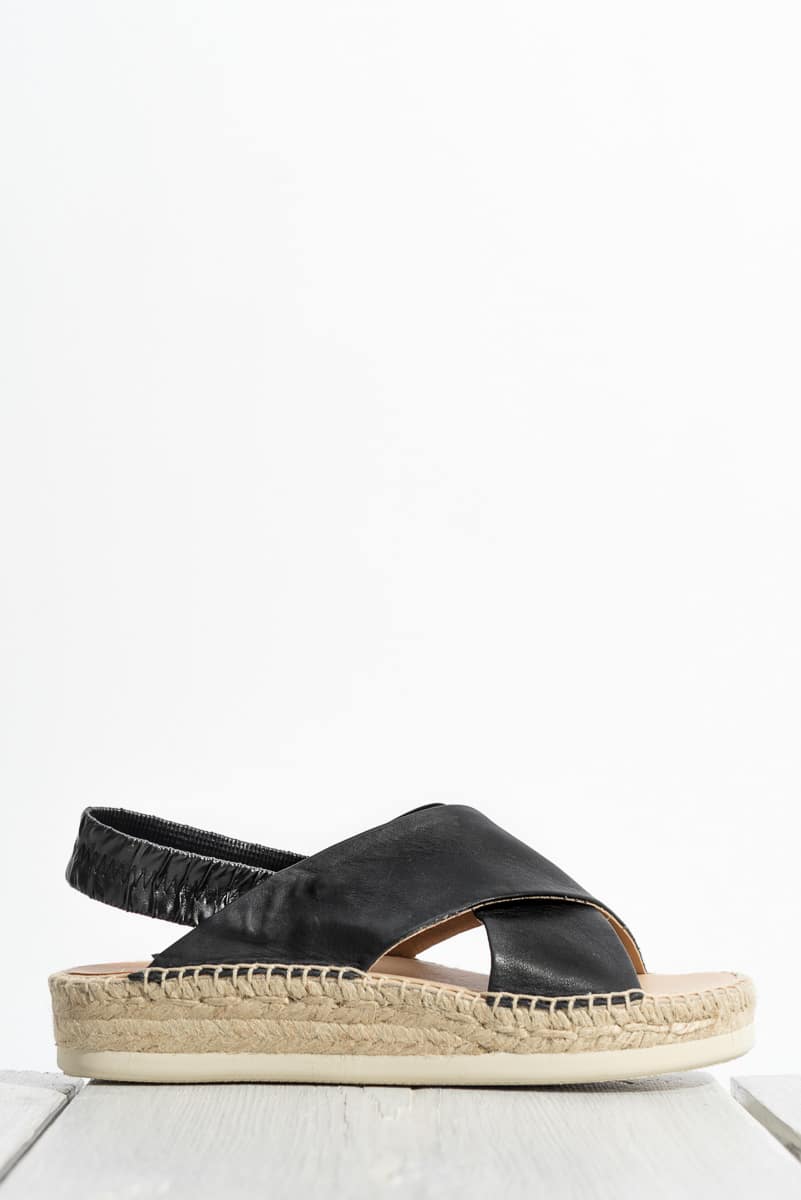
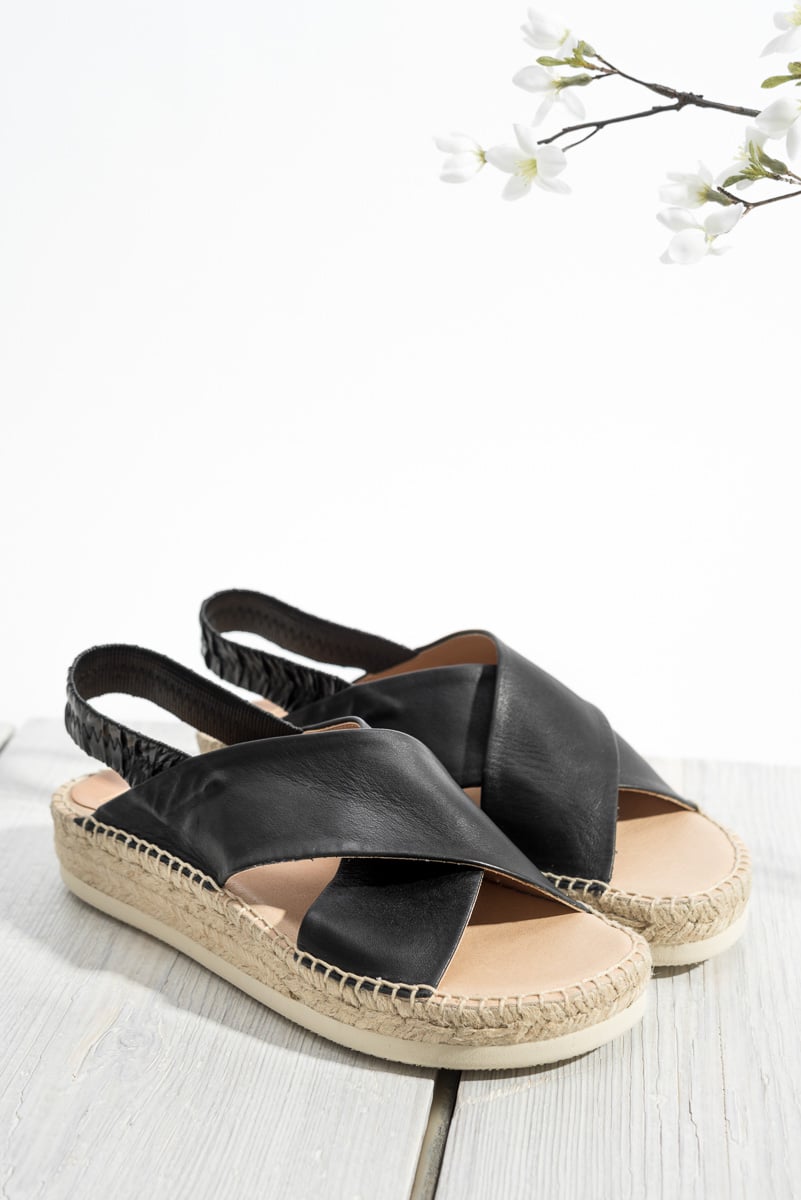
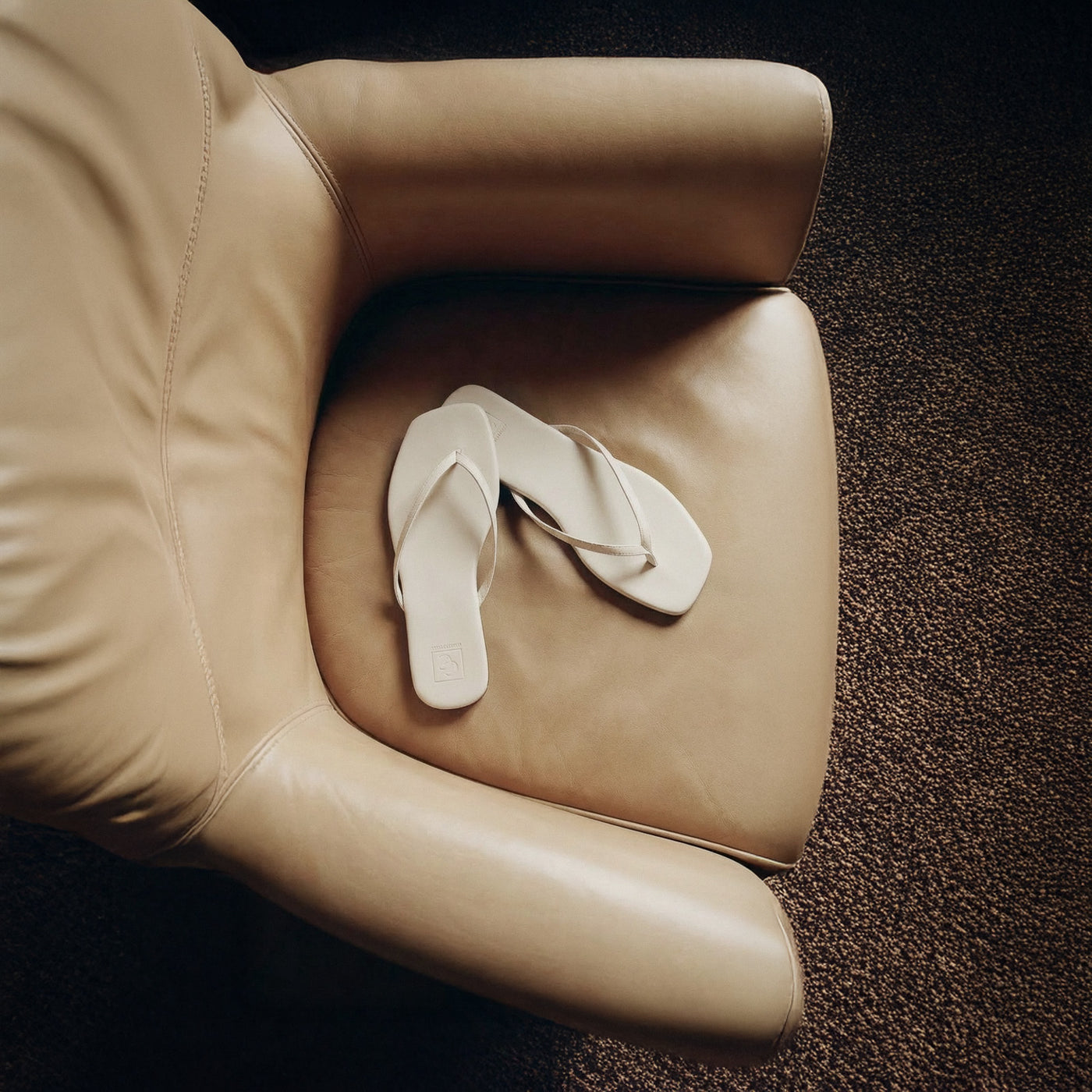
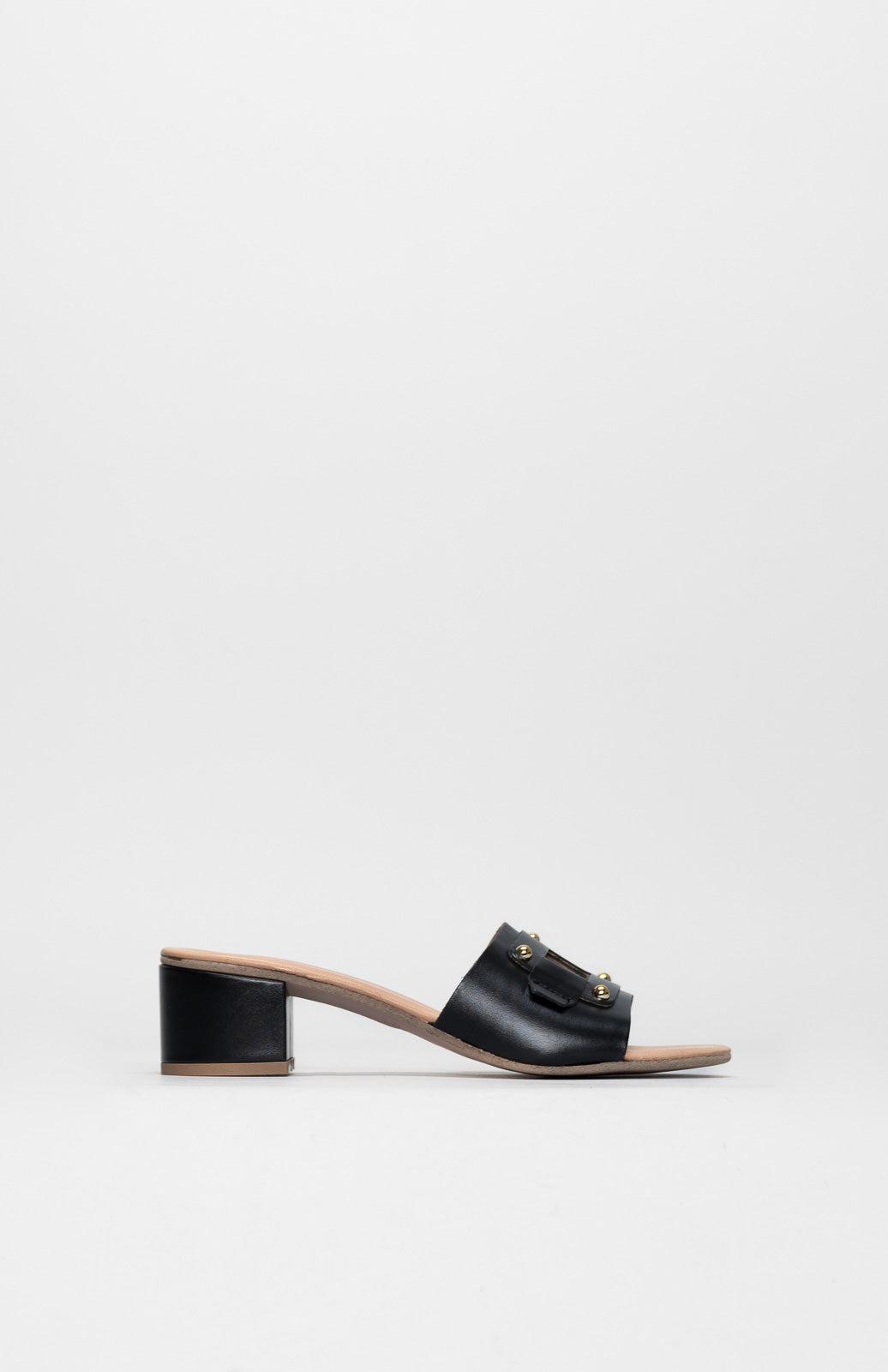
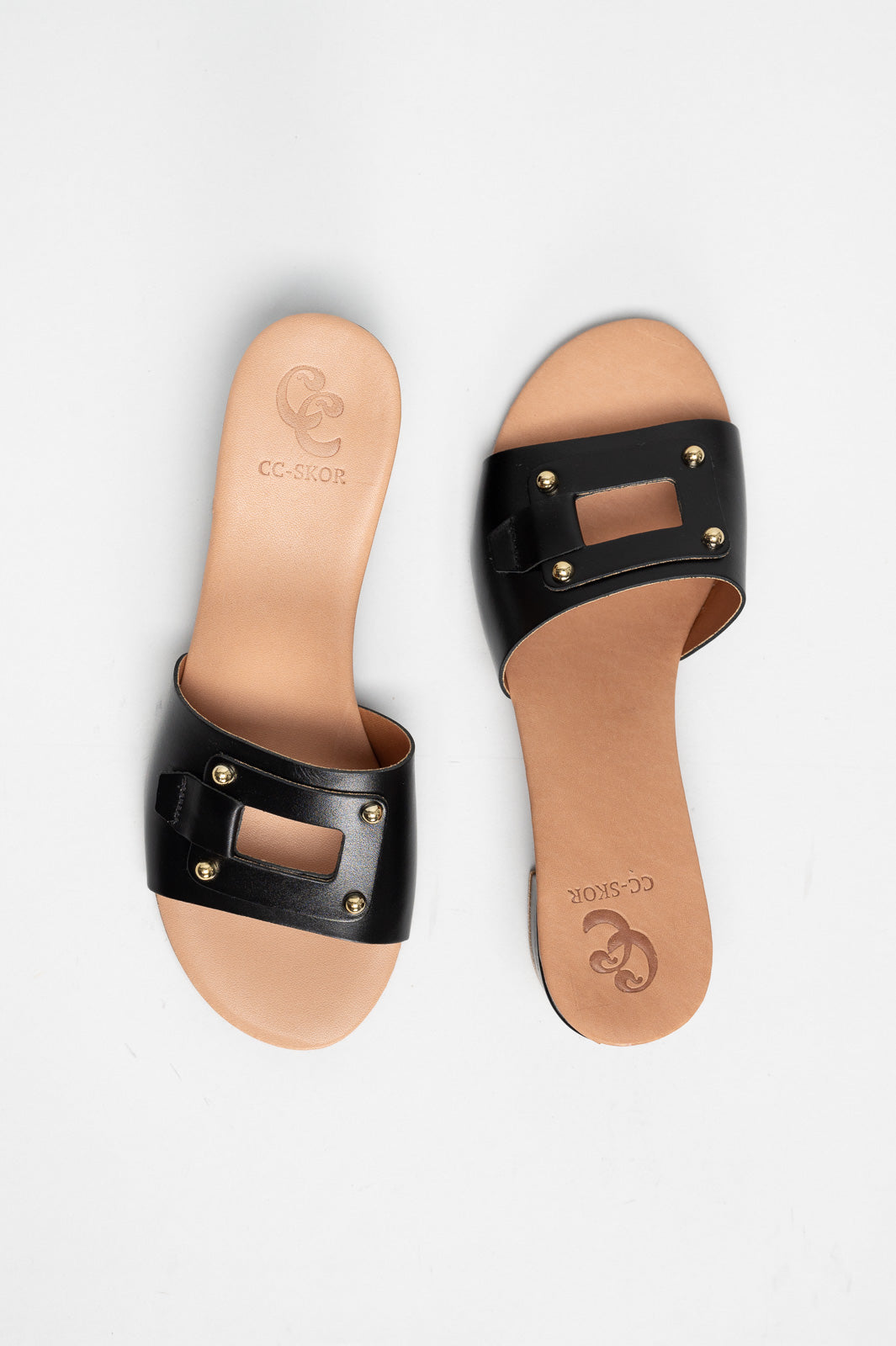
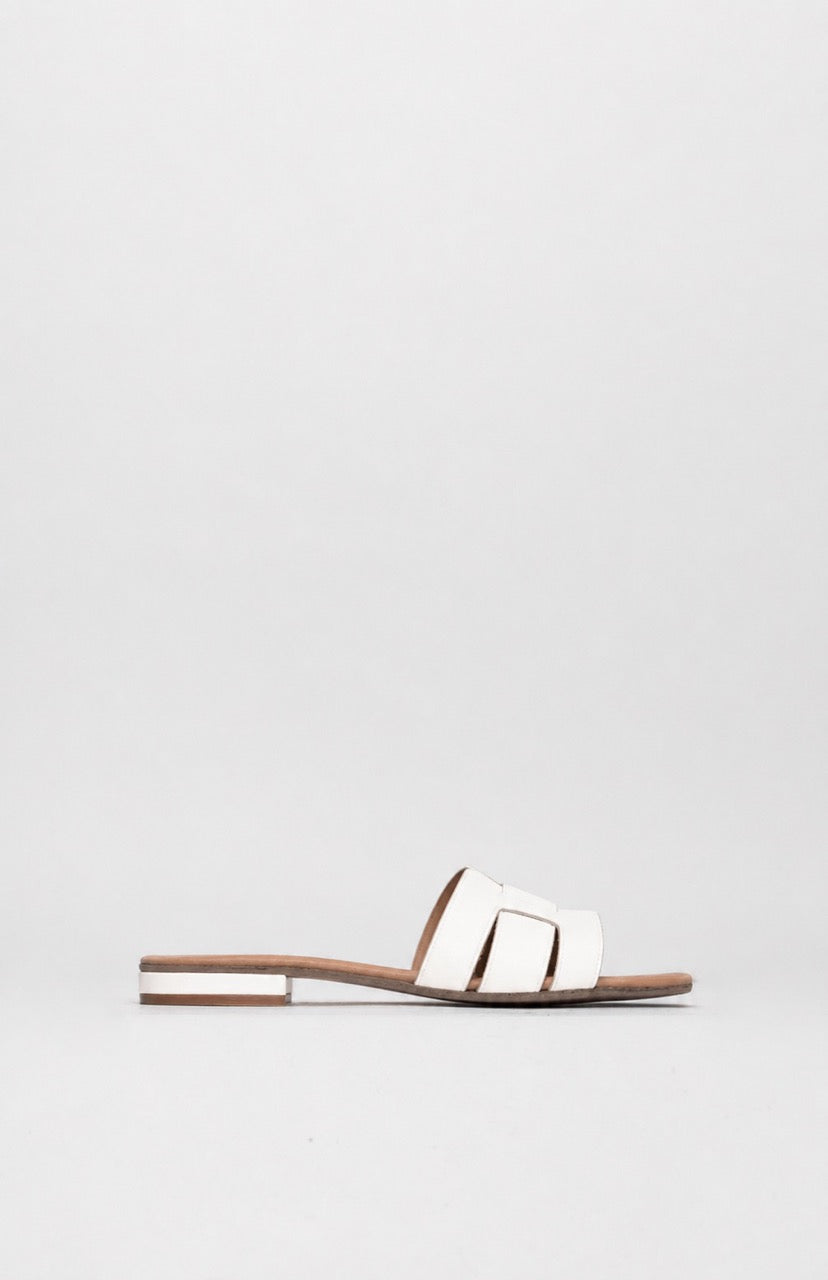
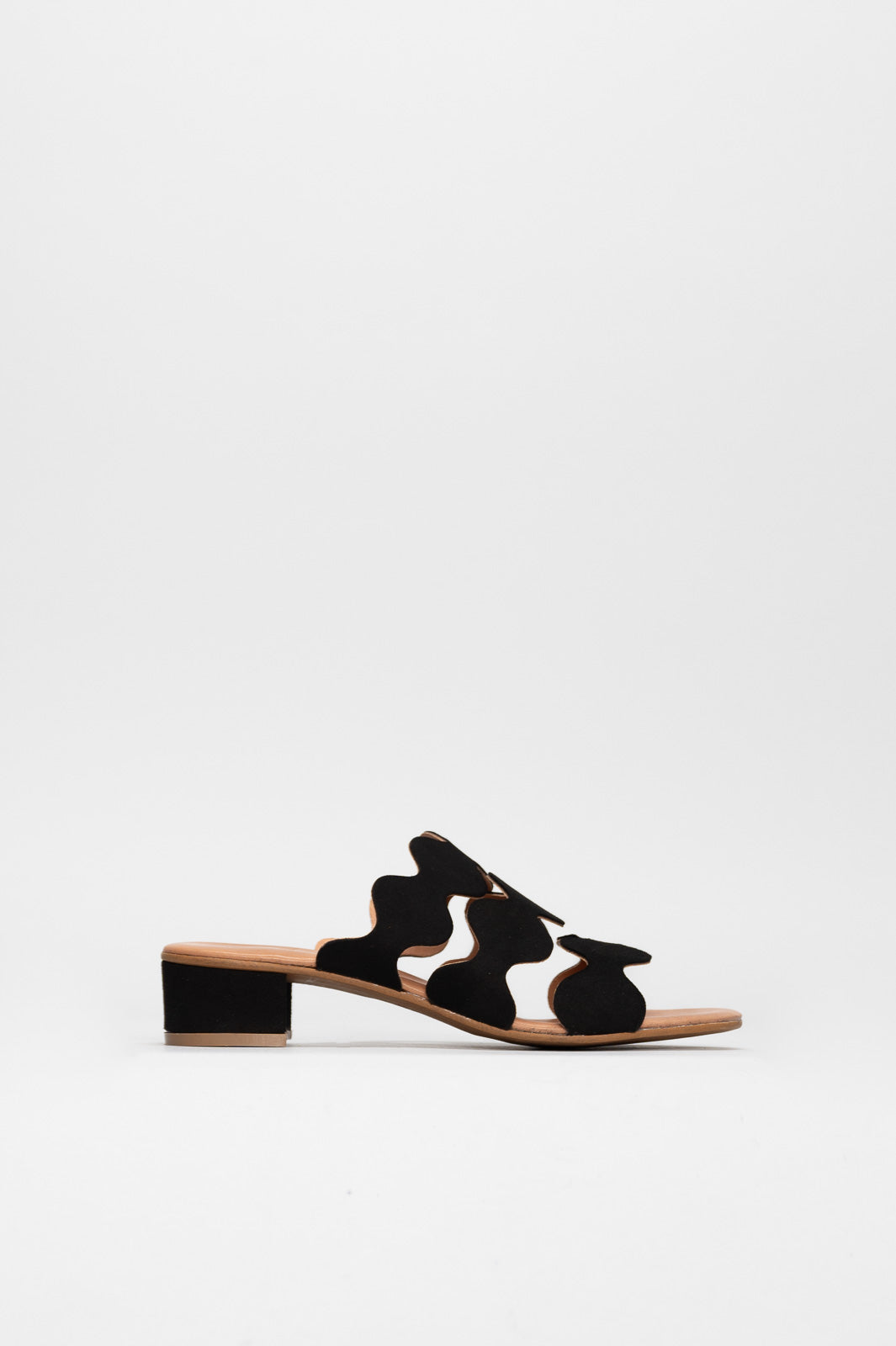
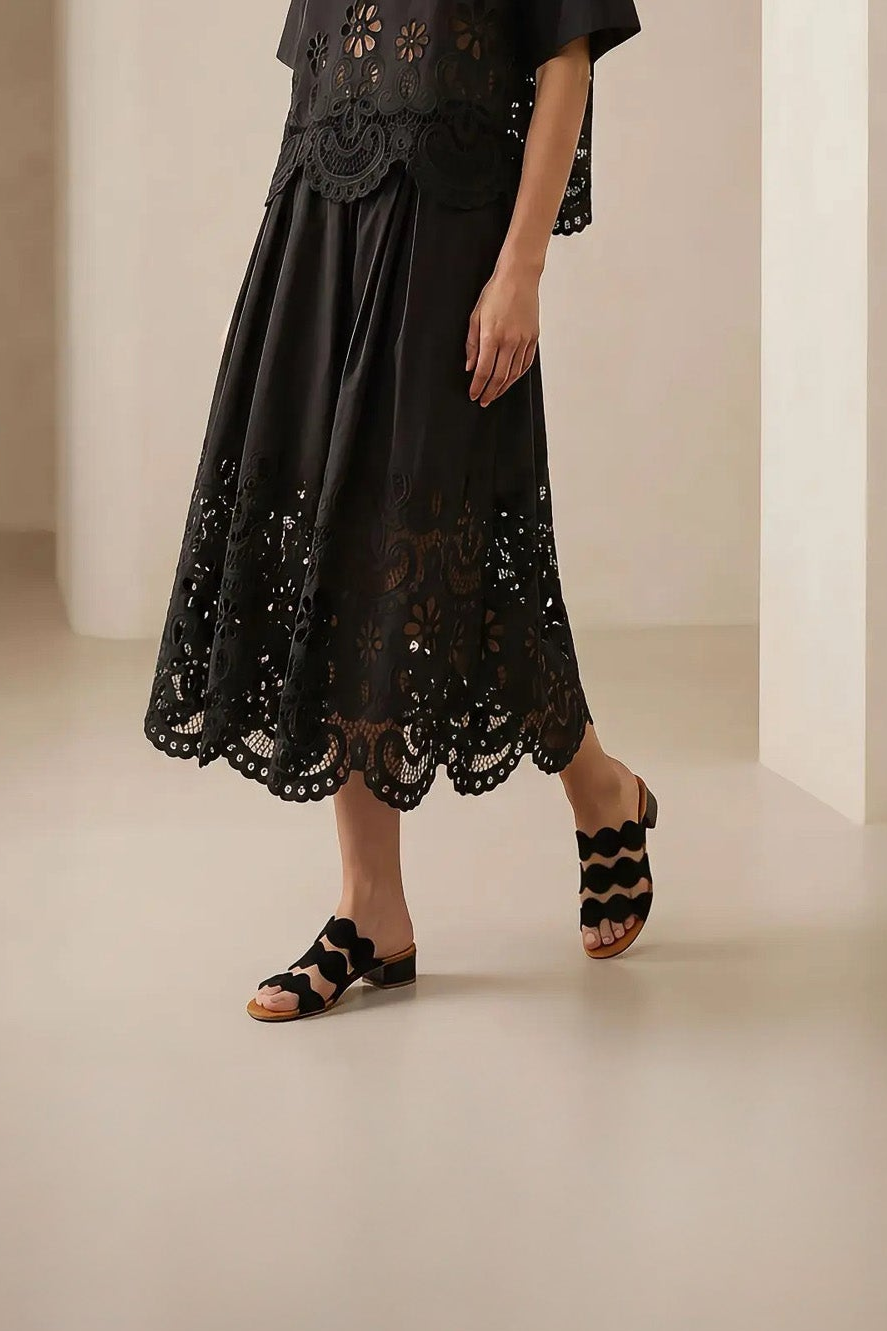
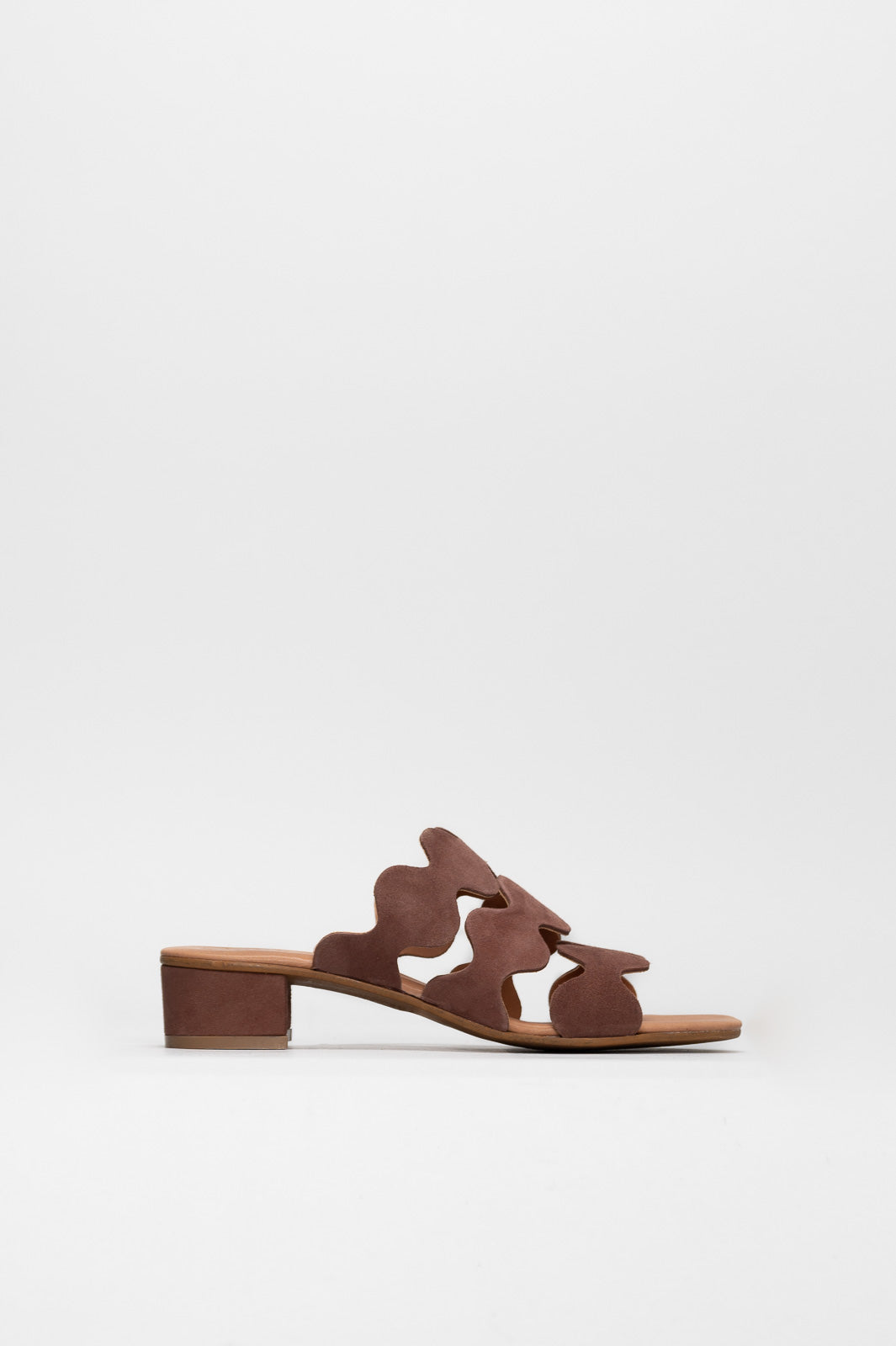
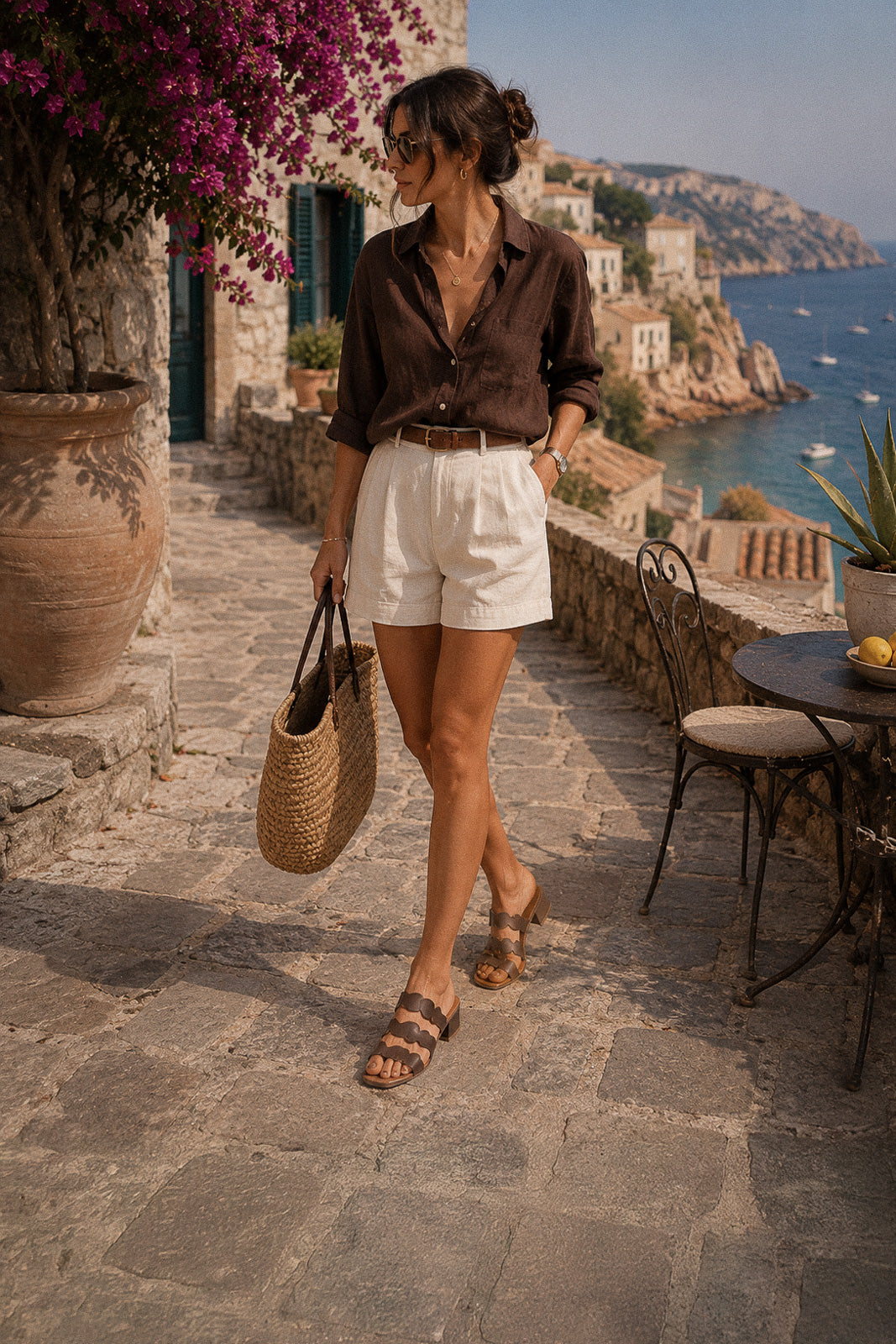
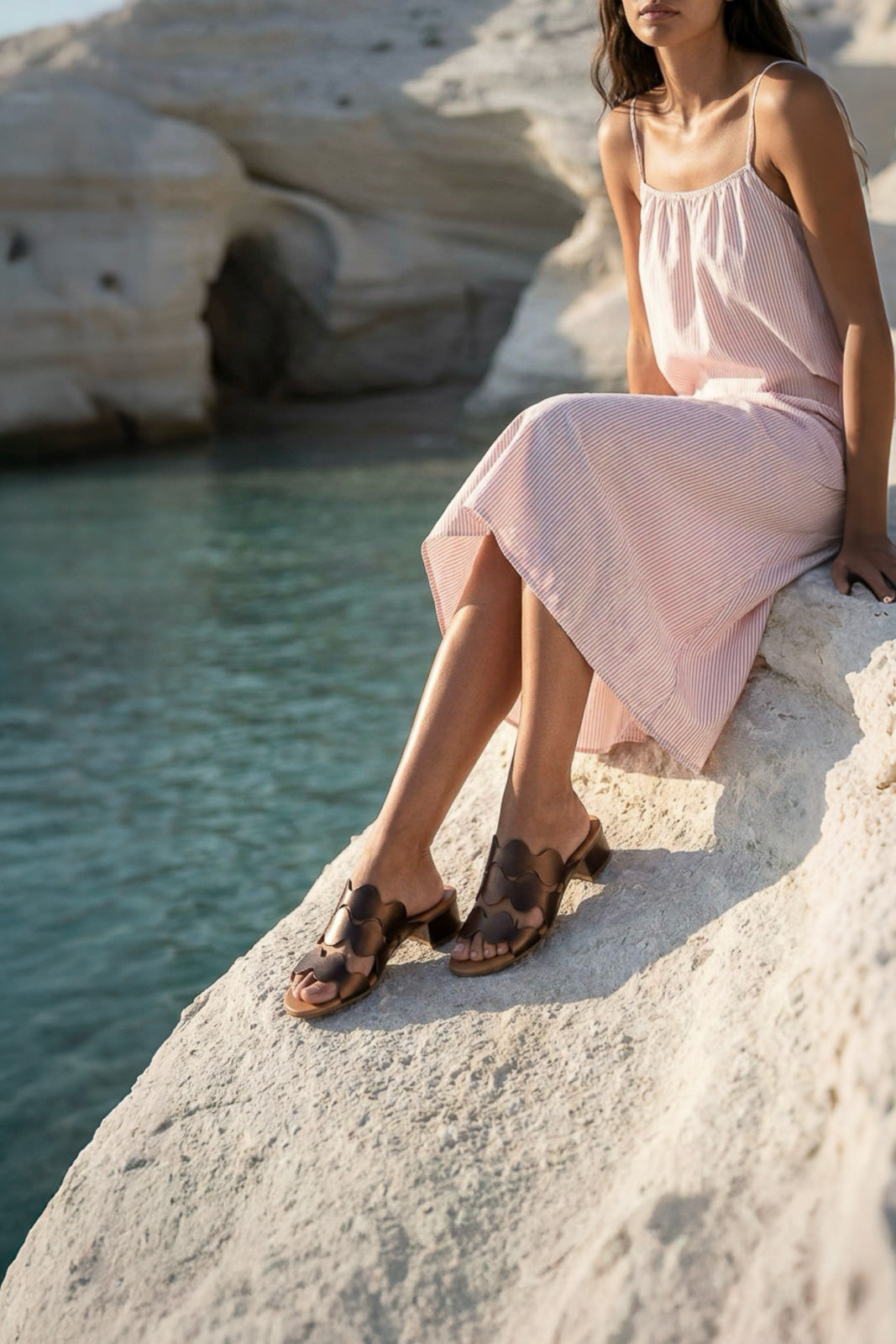
Sandals belong to summer and warmer climates. An open construction changes the weight of the silhouette and shifts the balance of an outfit.
Origin
One of the oldest shoe forms, traced back to ancient Egypt and Greece. From flat belted shapes to heeled versions, the structure has remained direct and functional.
In the wardrobe
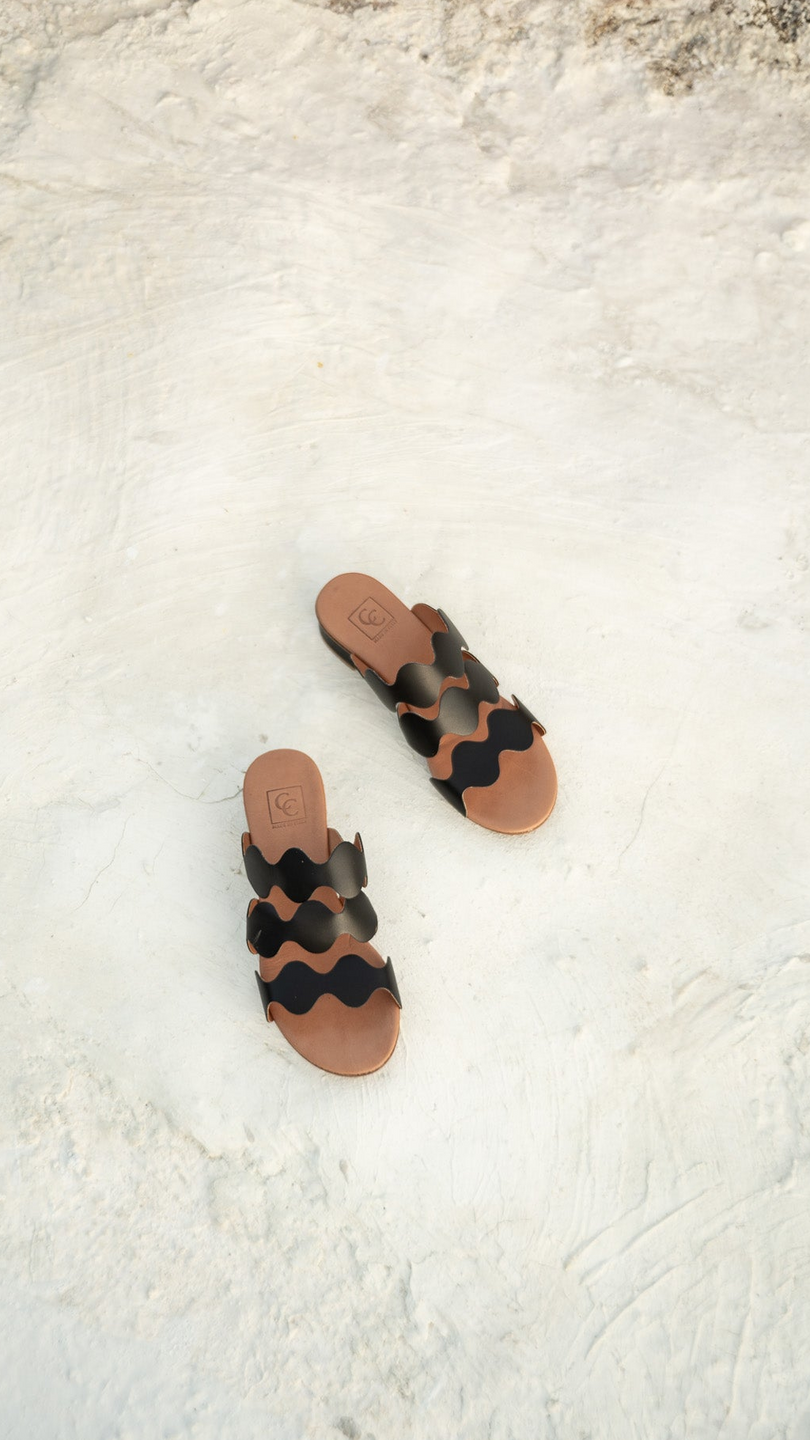
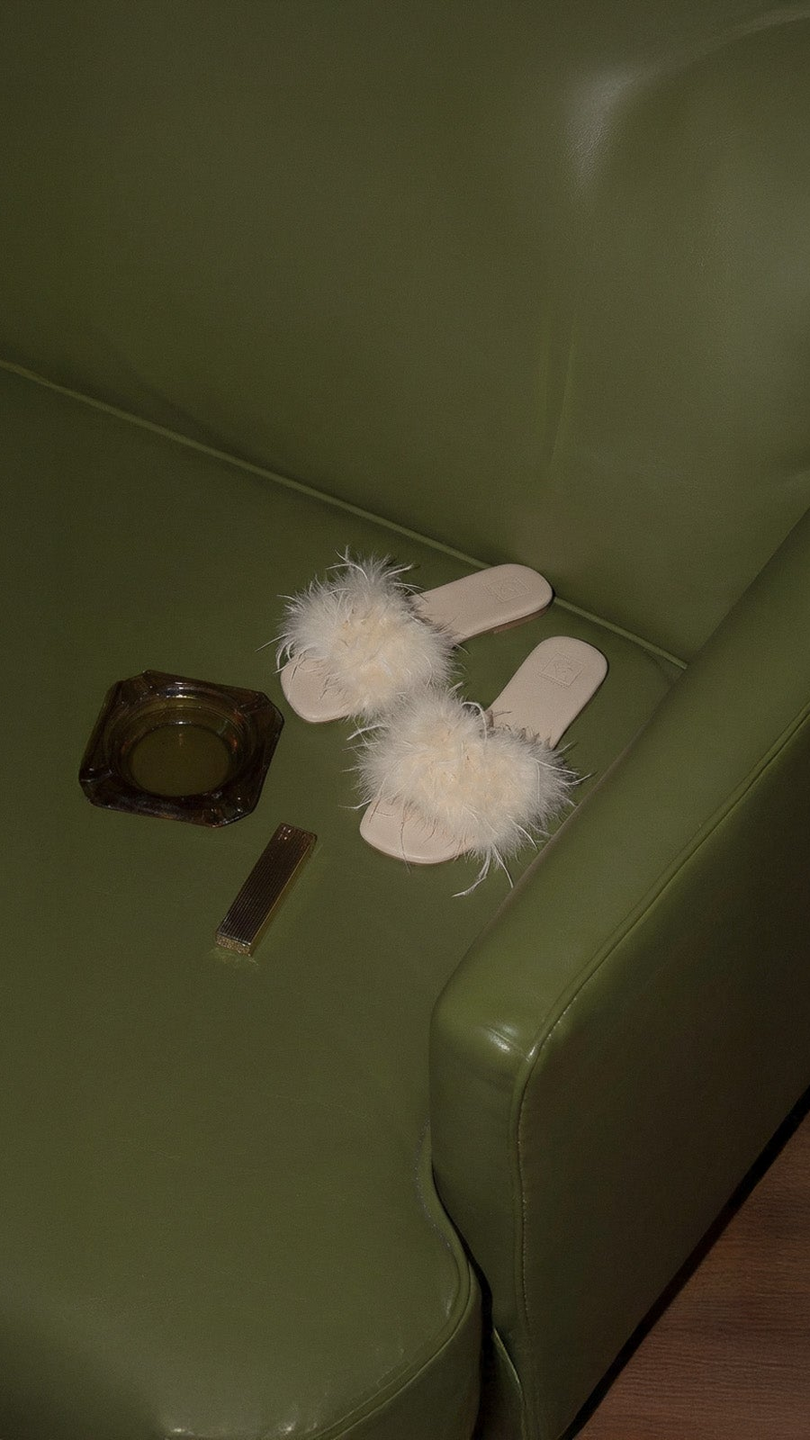
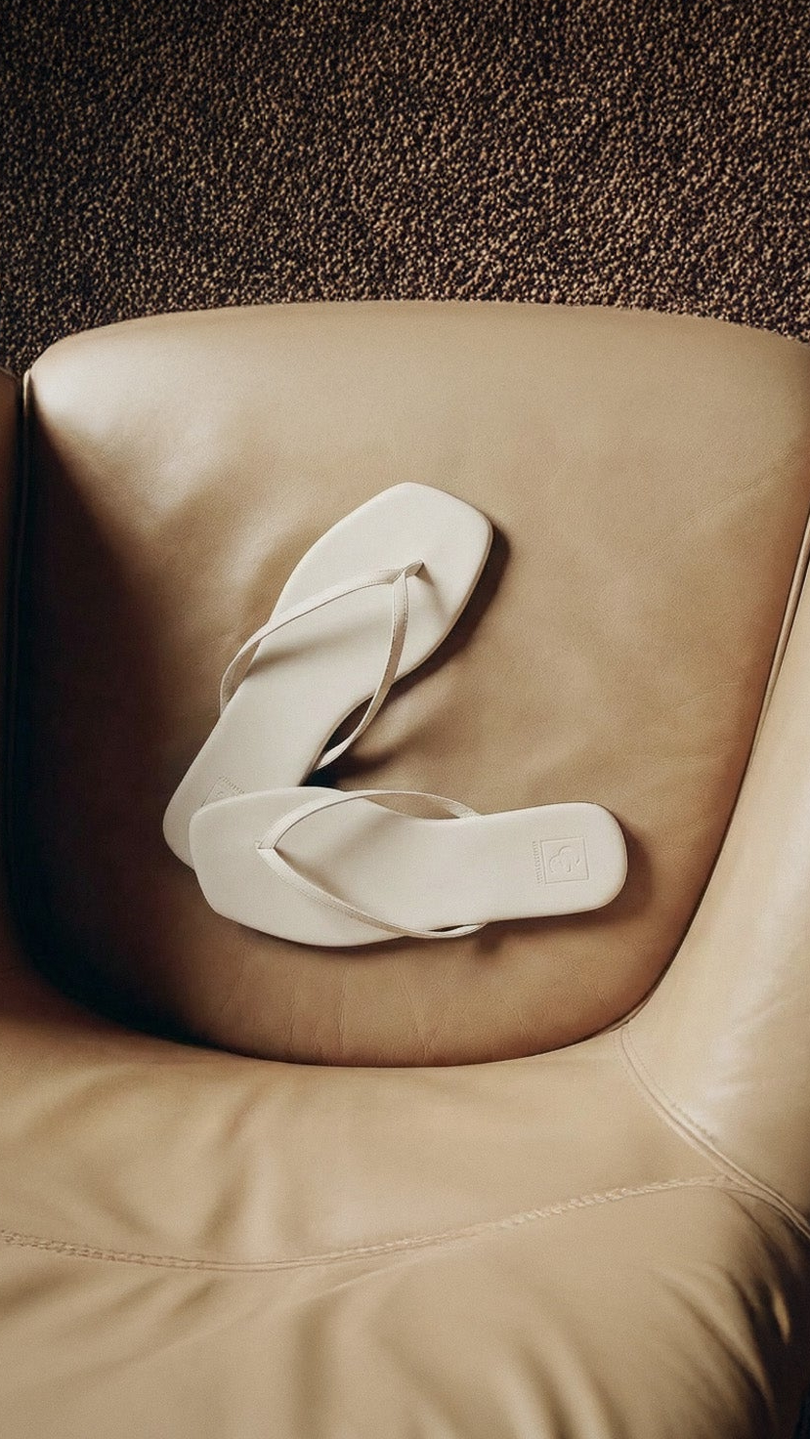
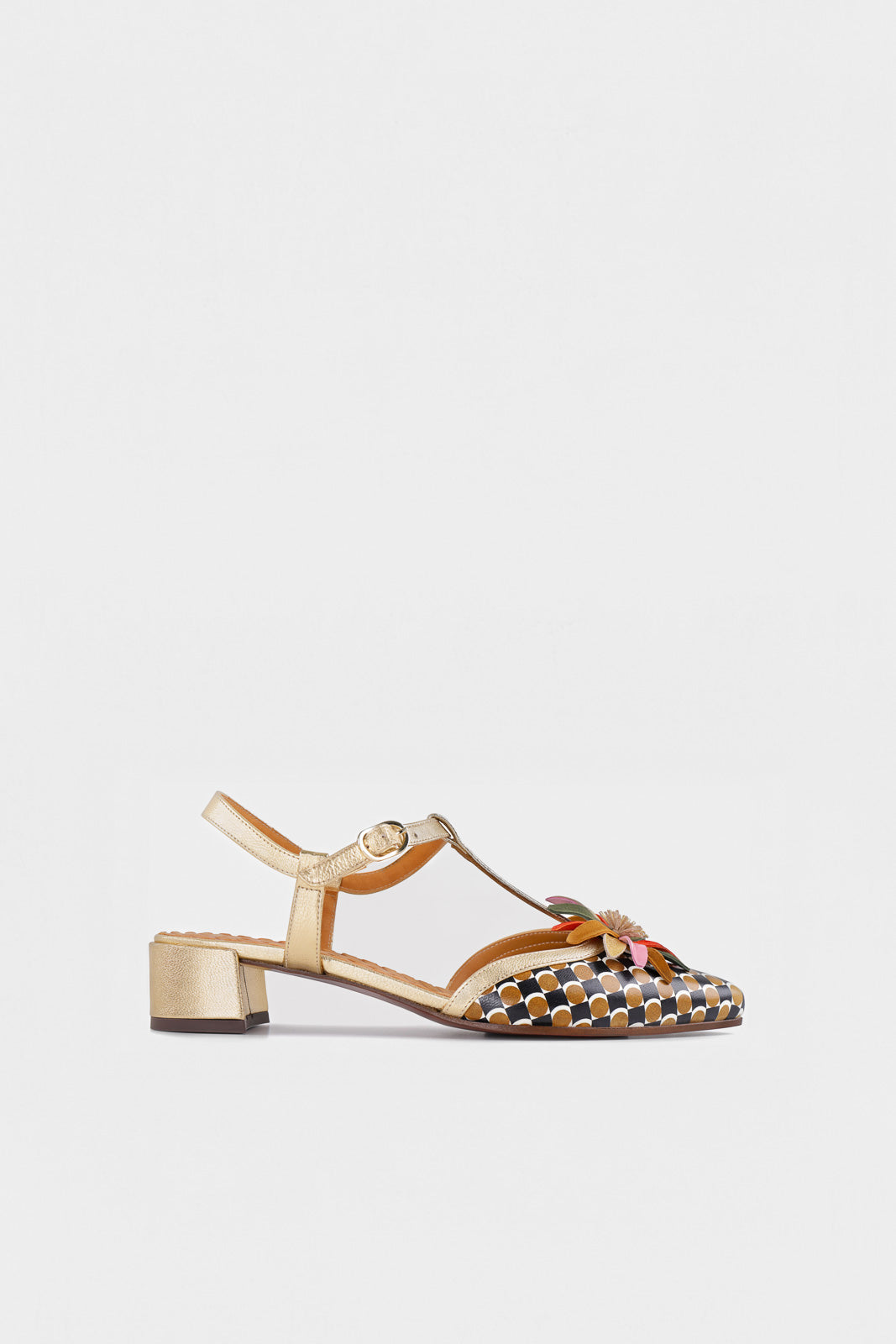
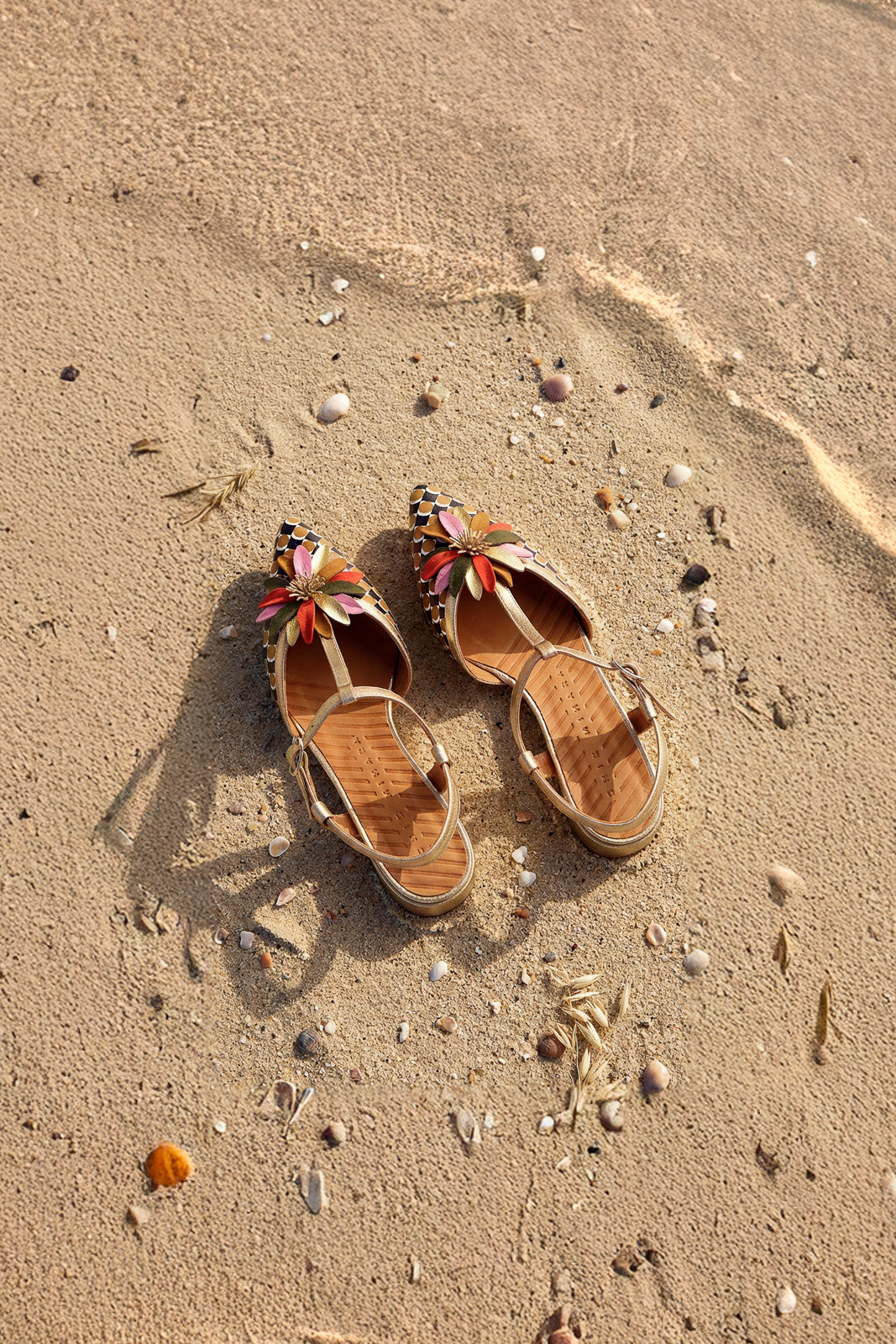
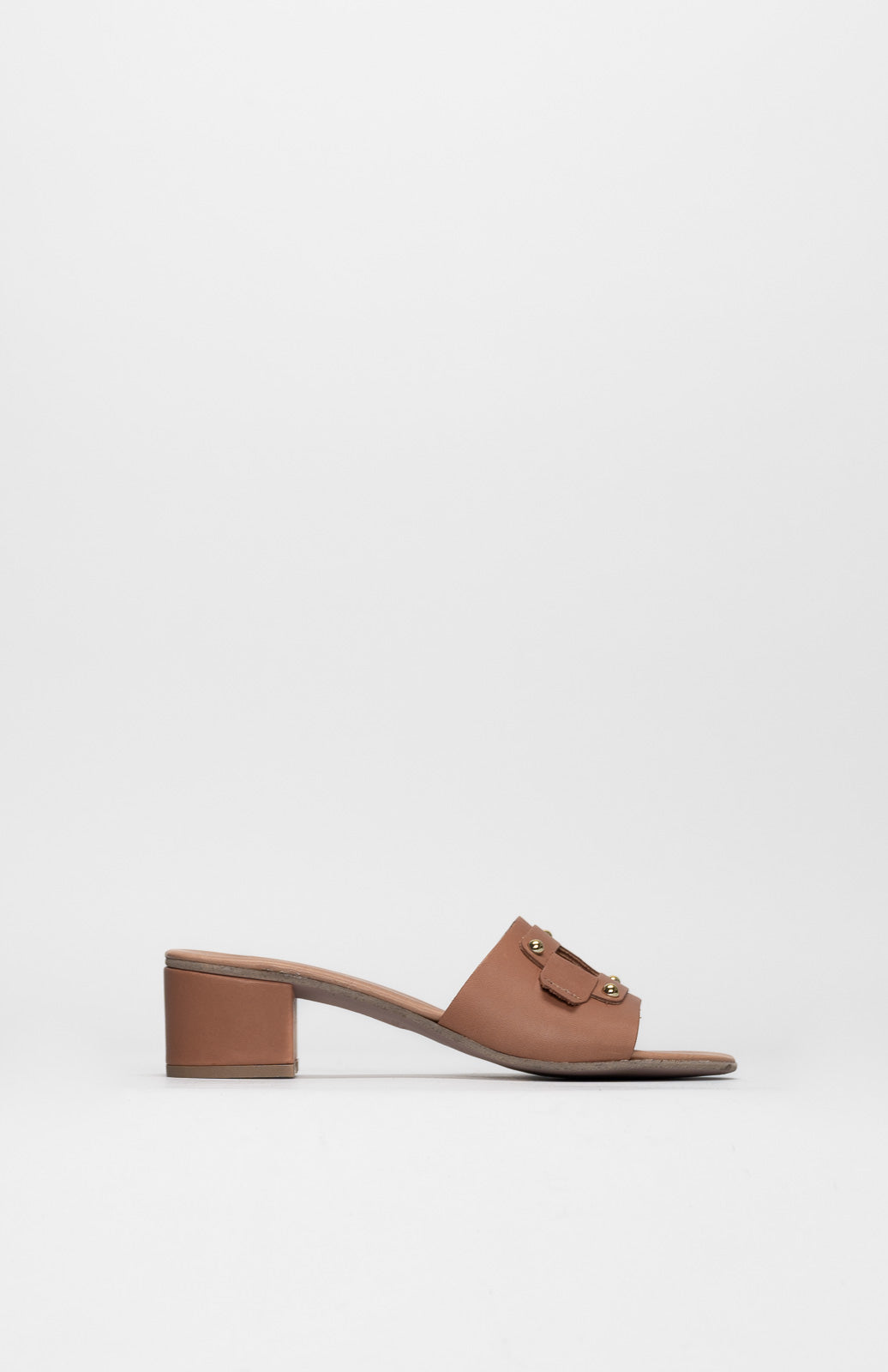
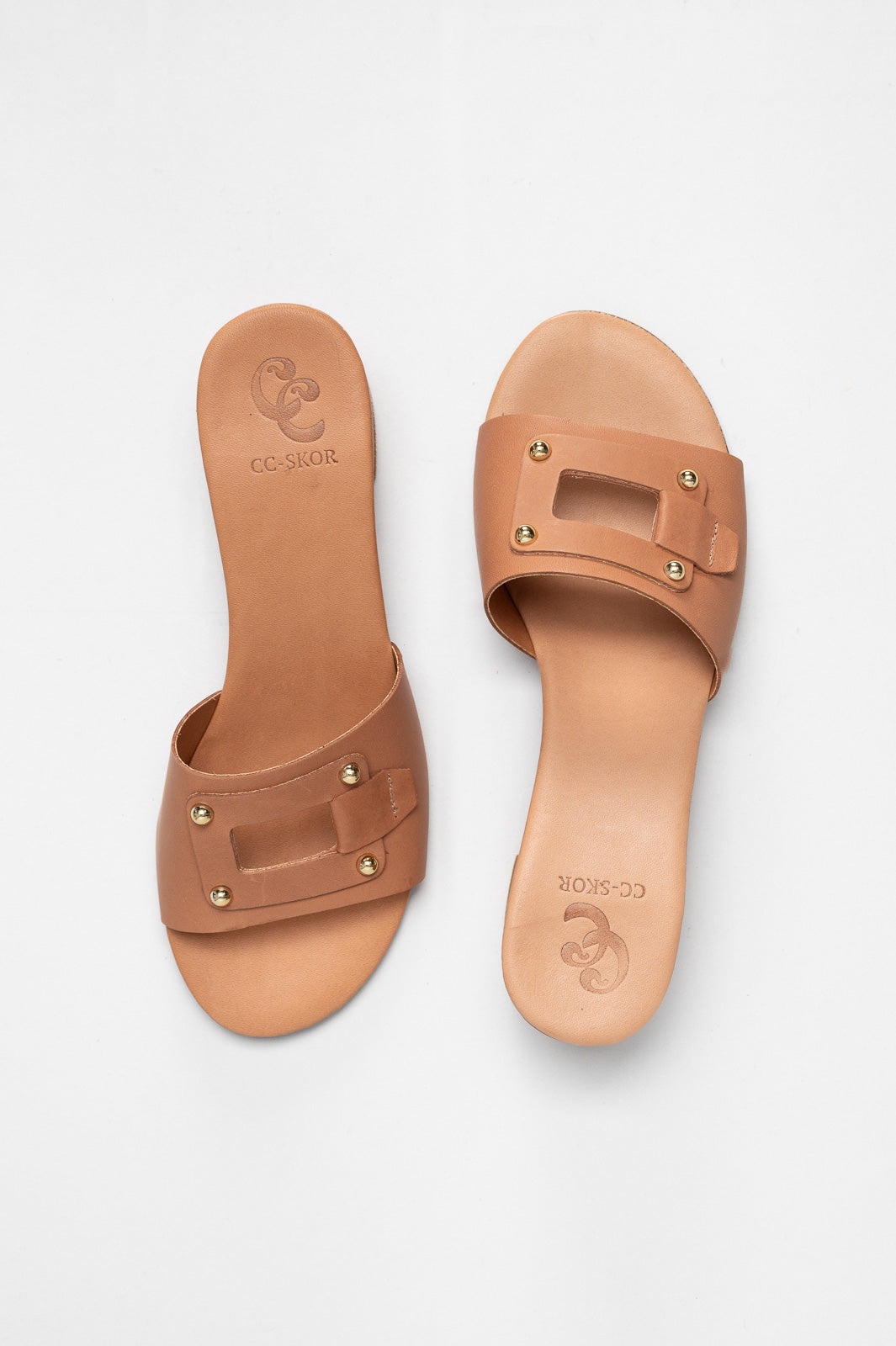
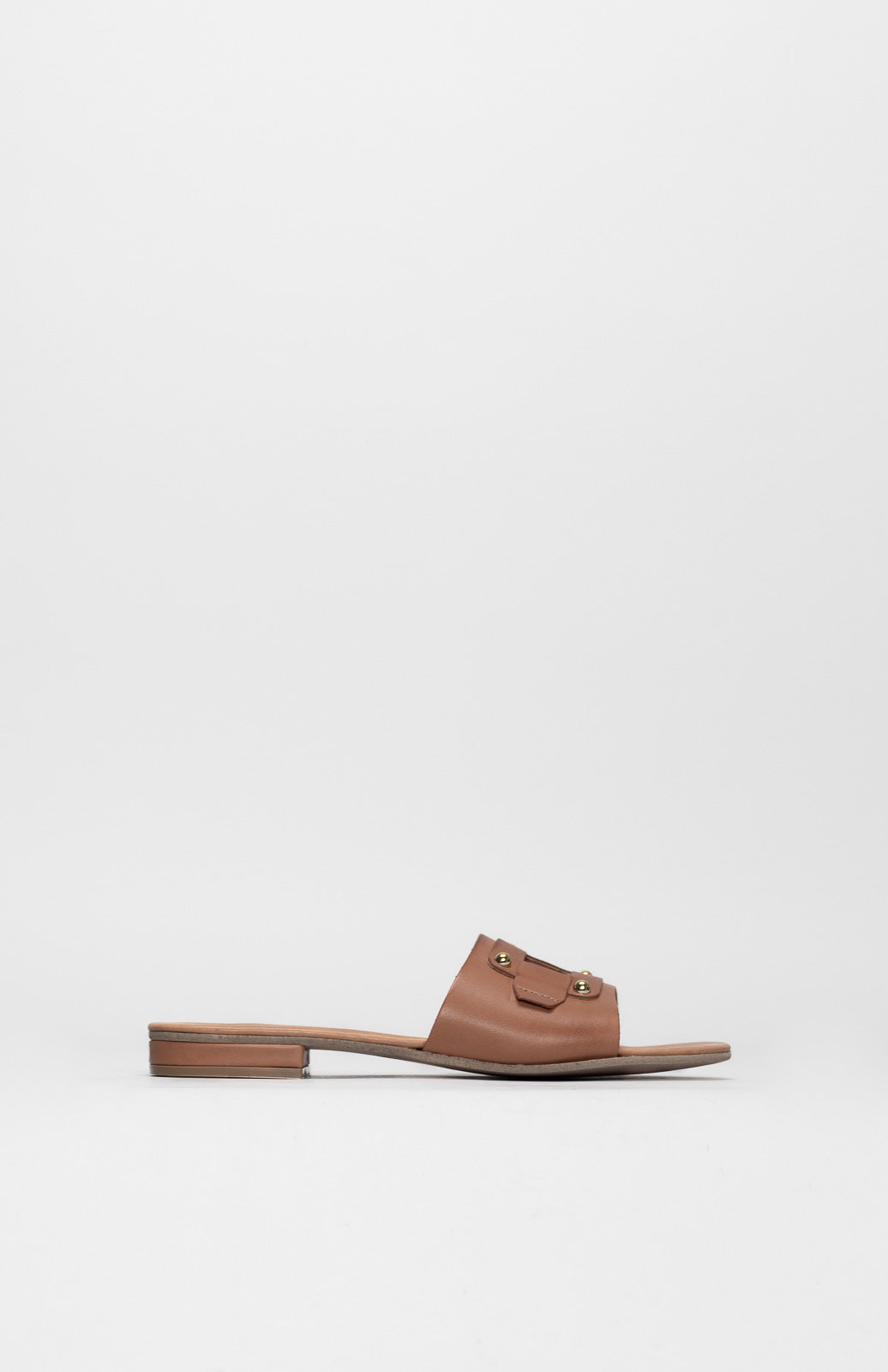
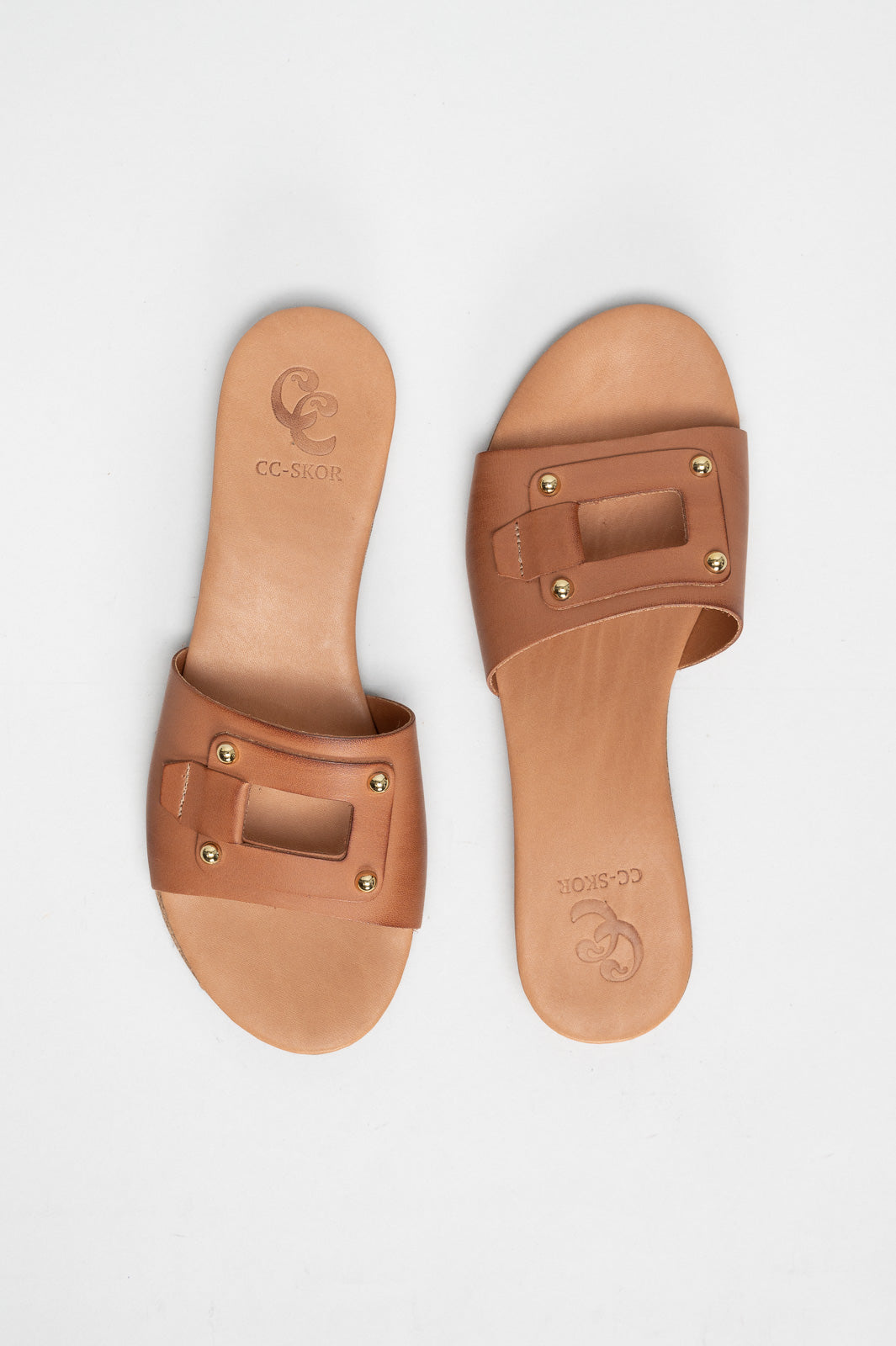
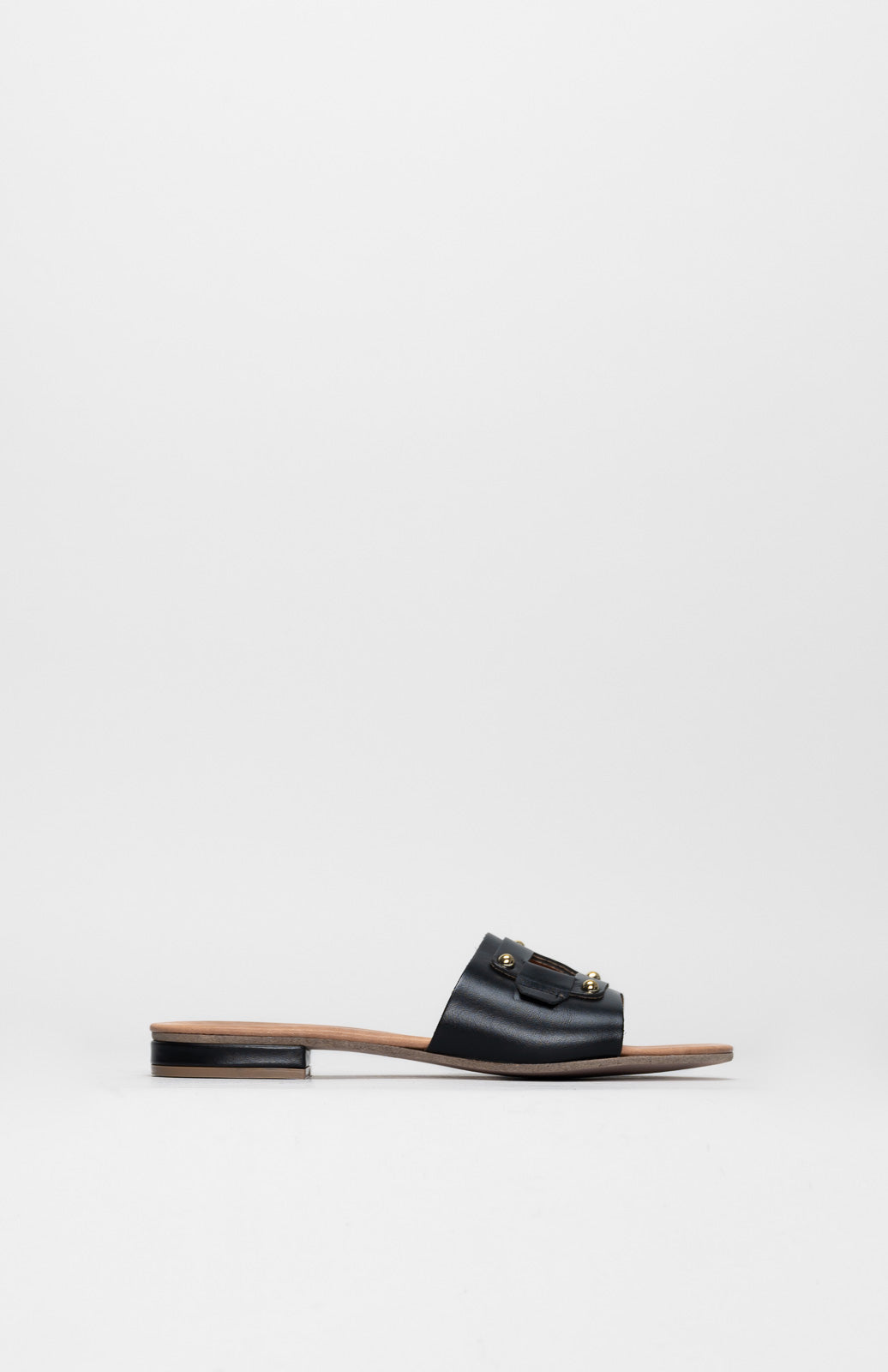
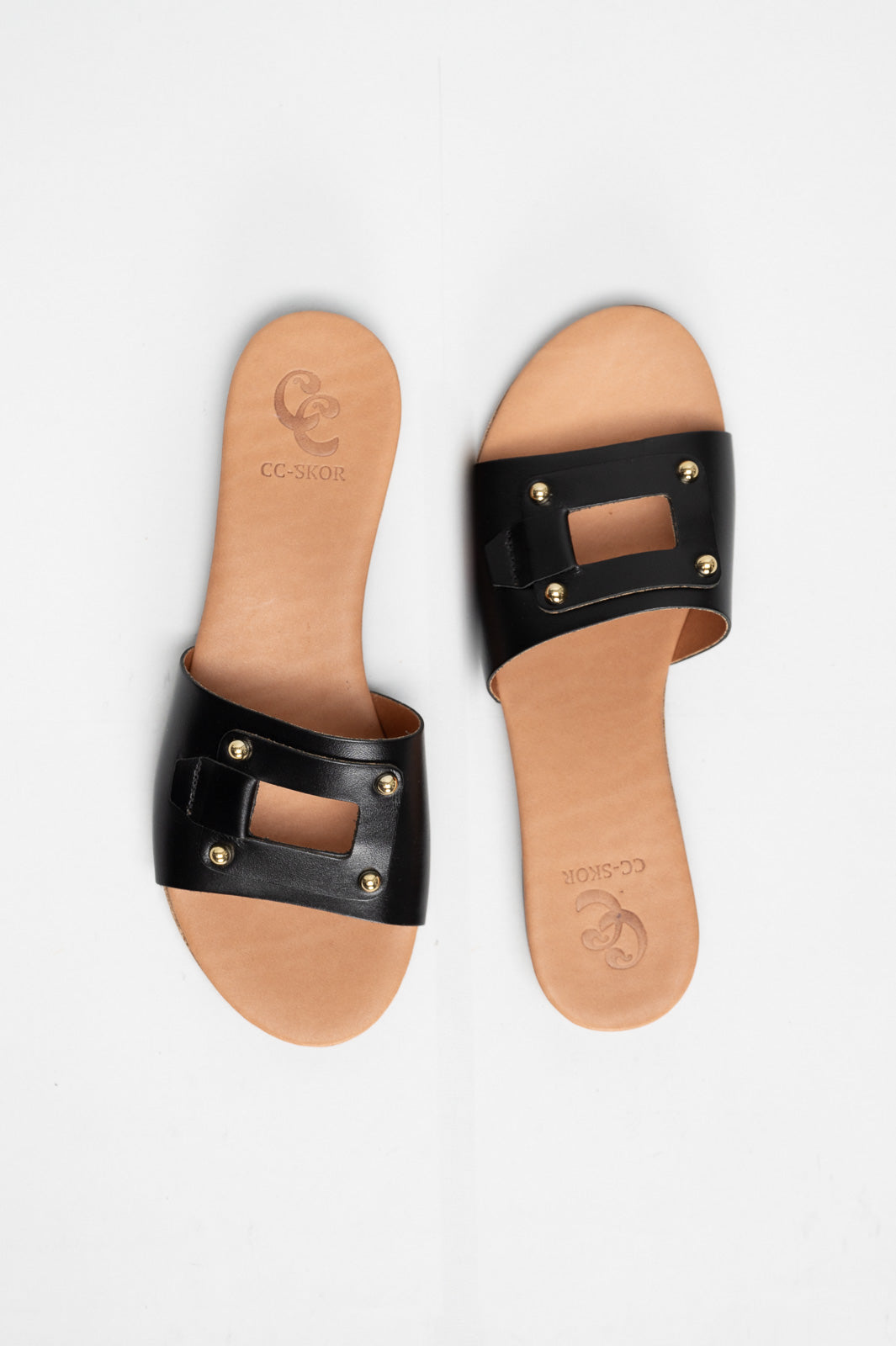
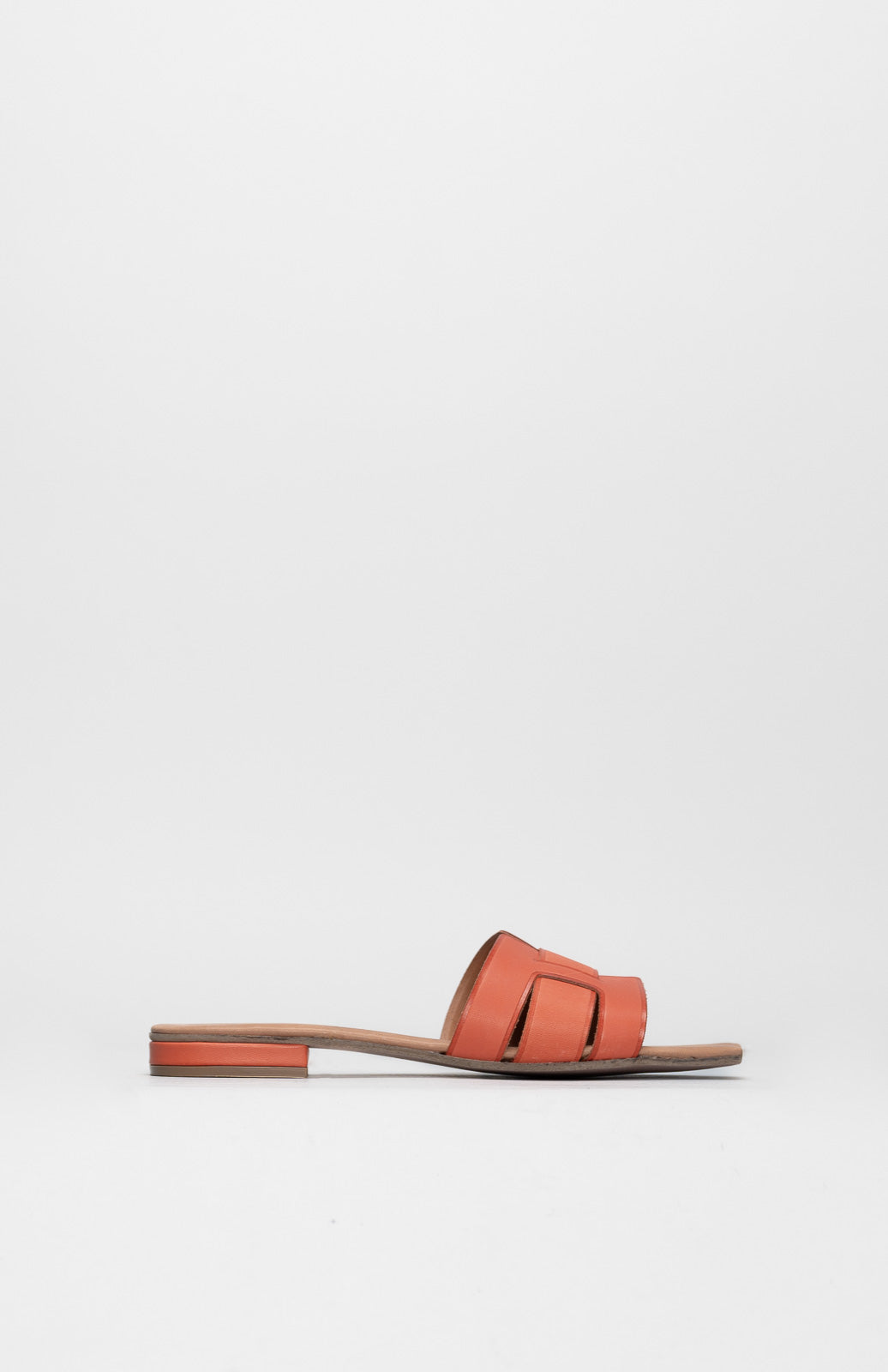
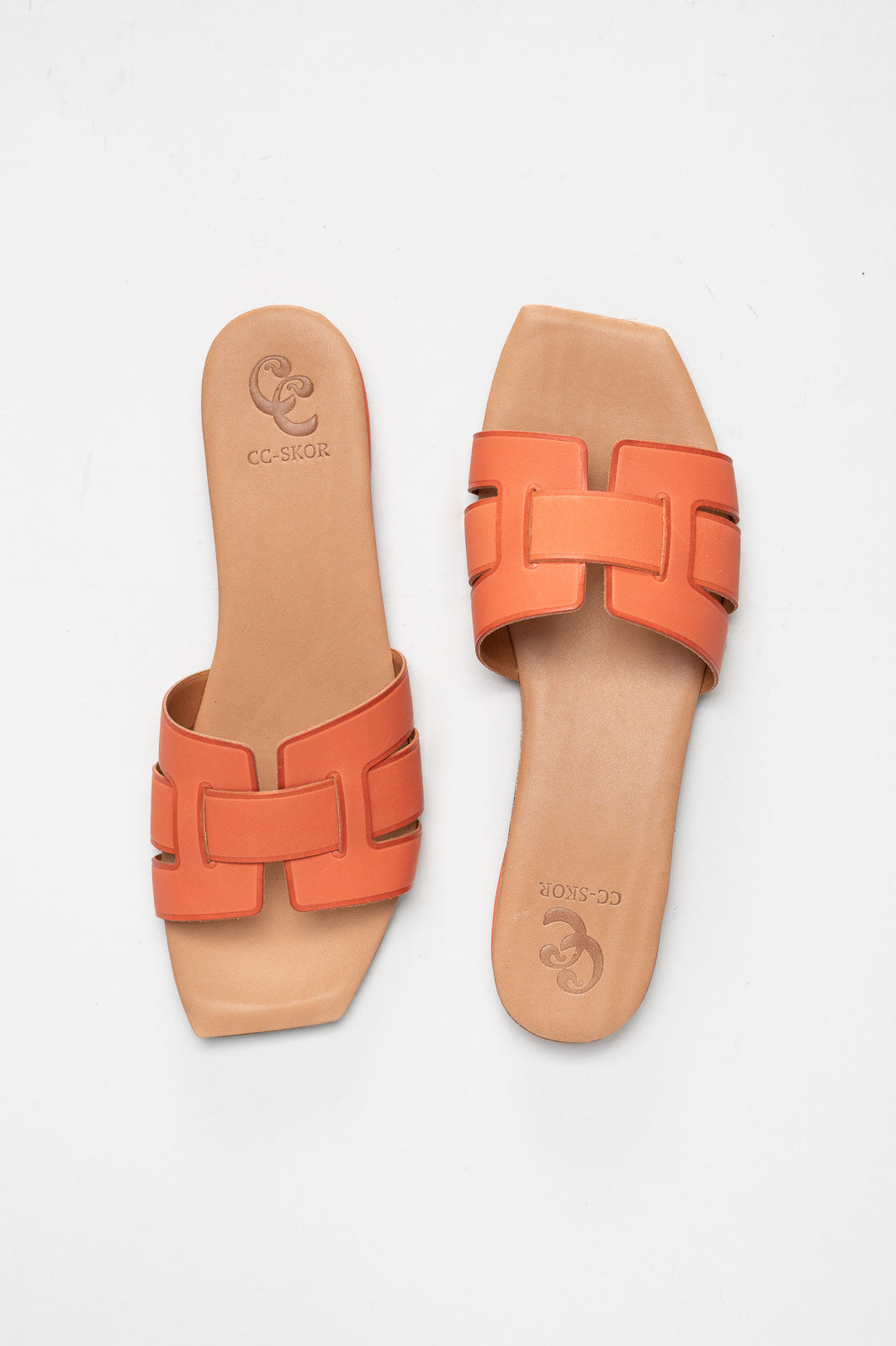
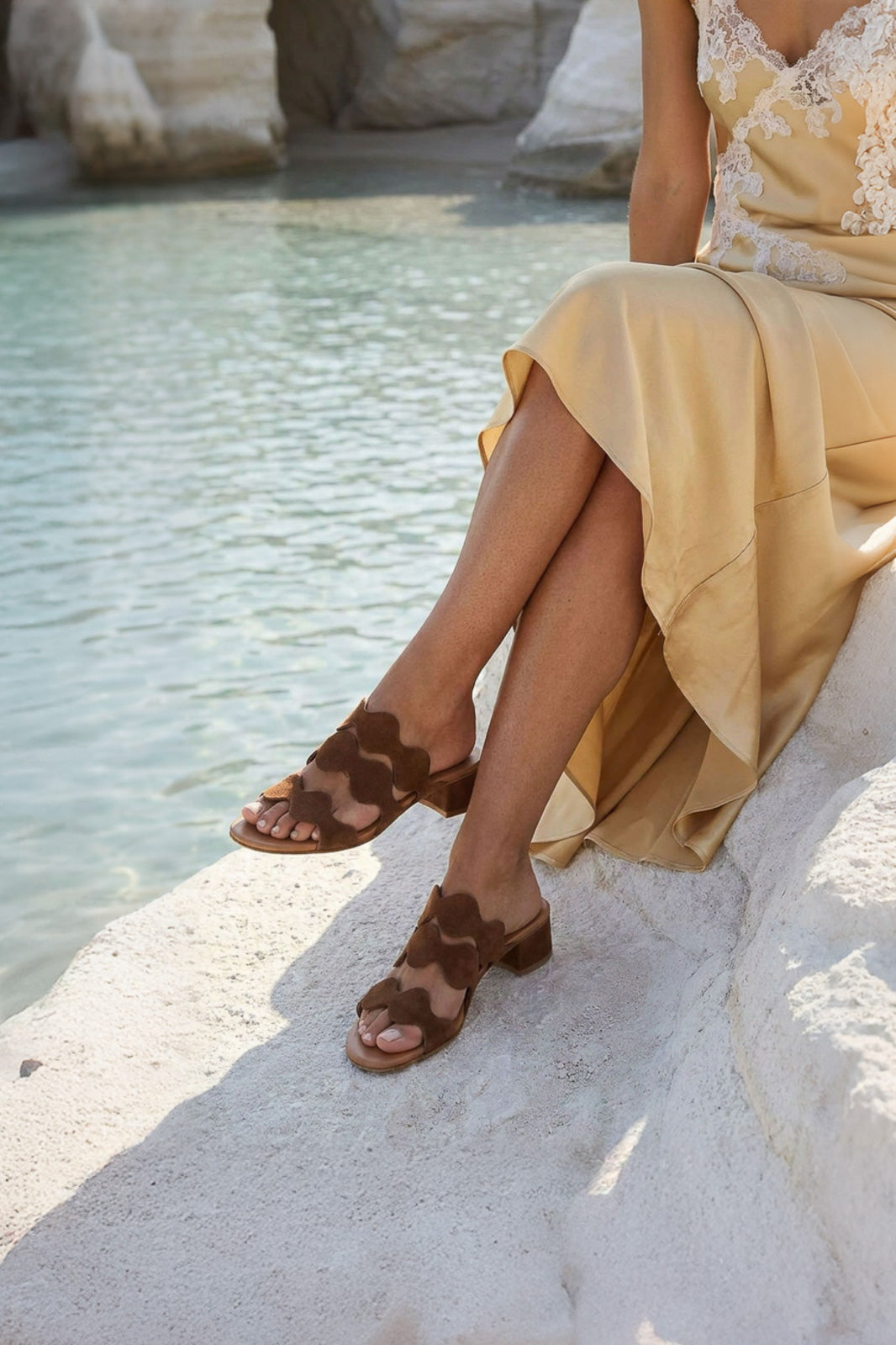
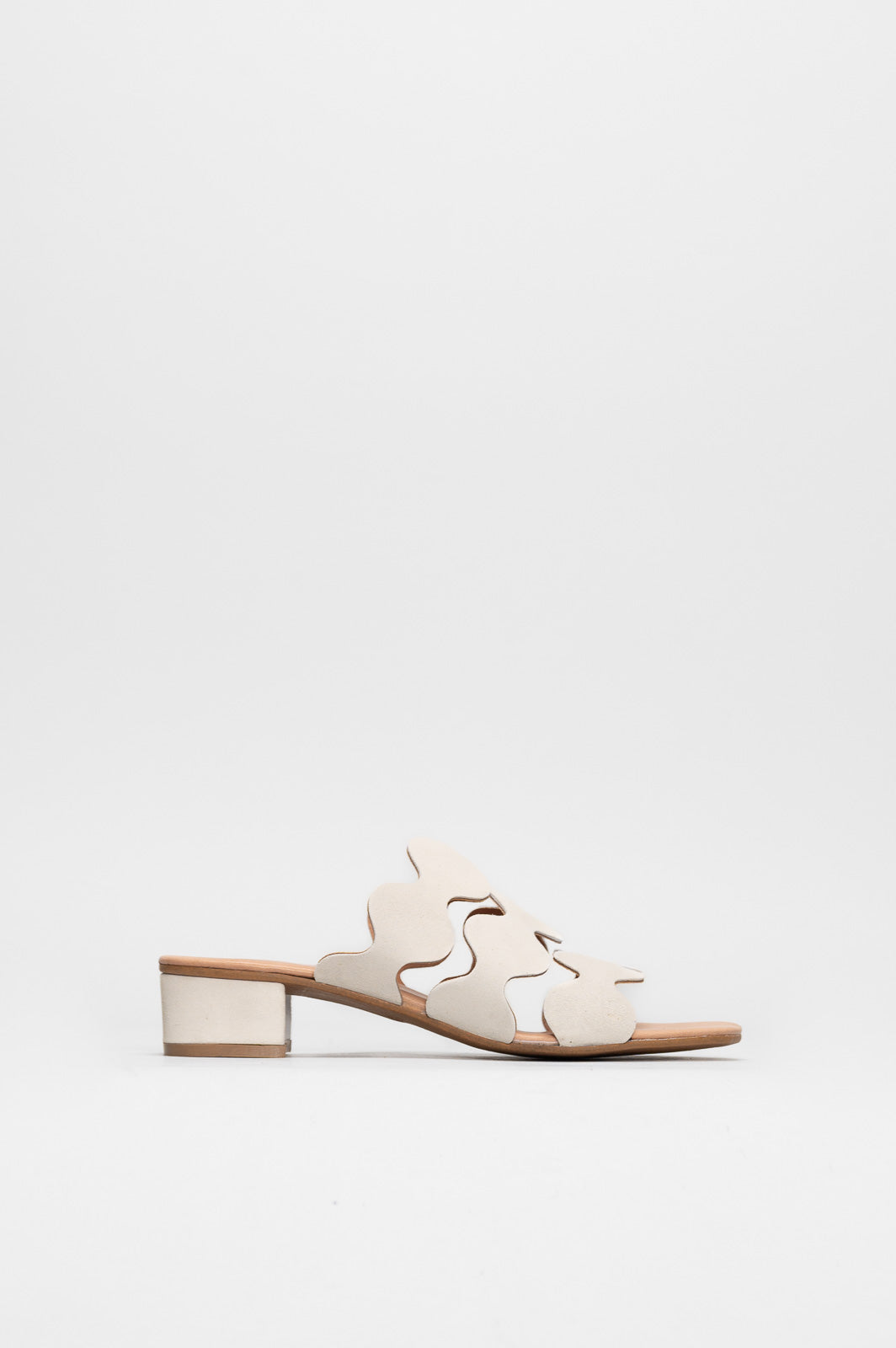
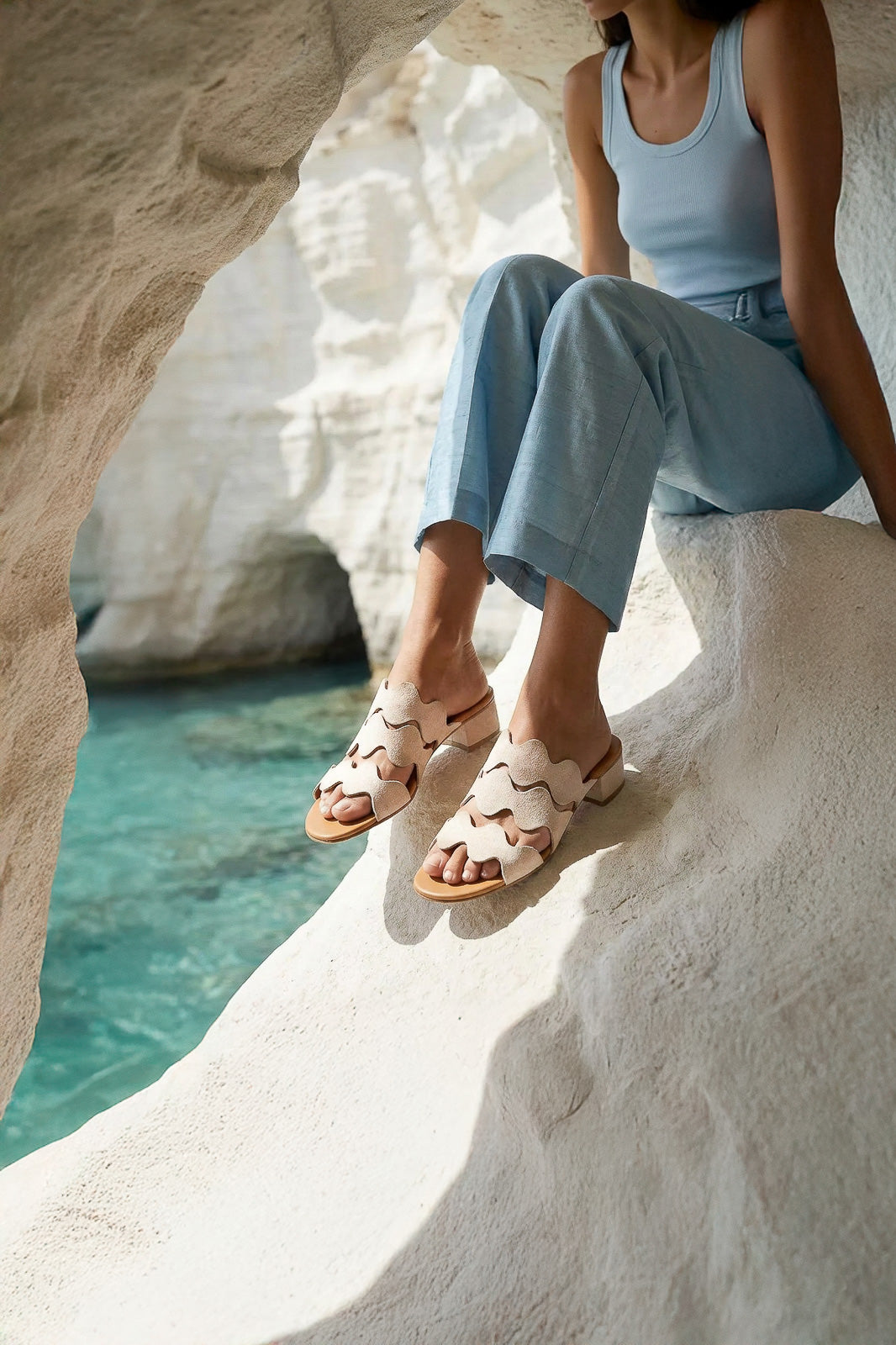
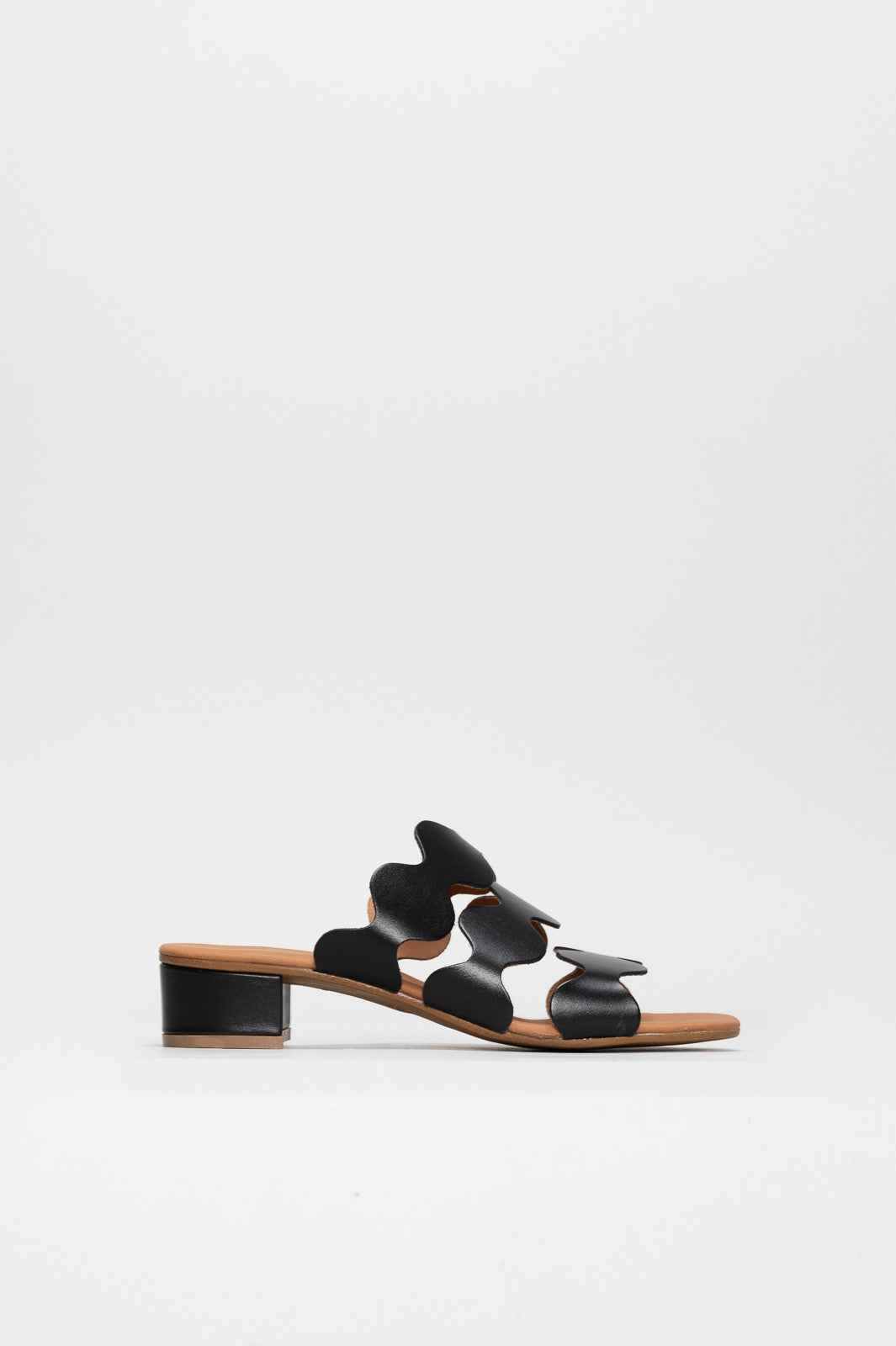
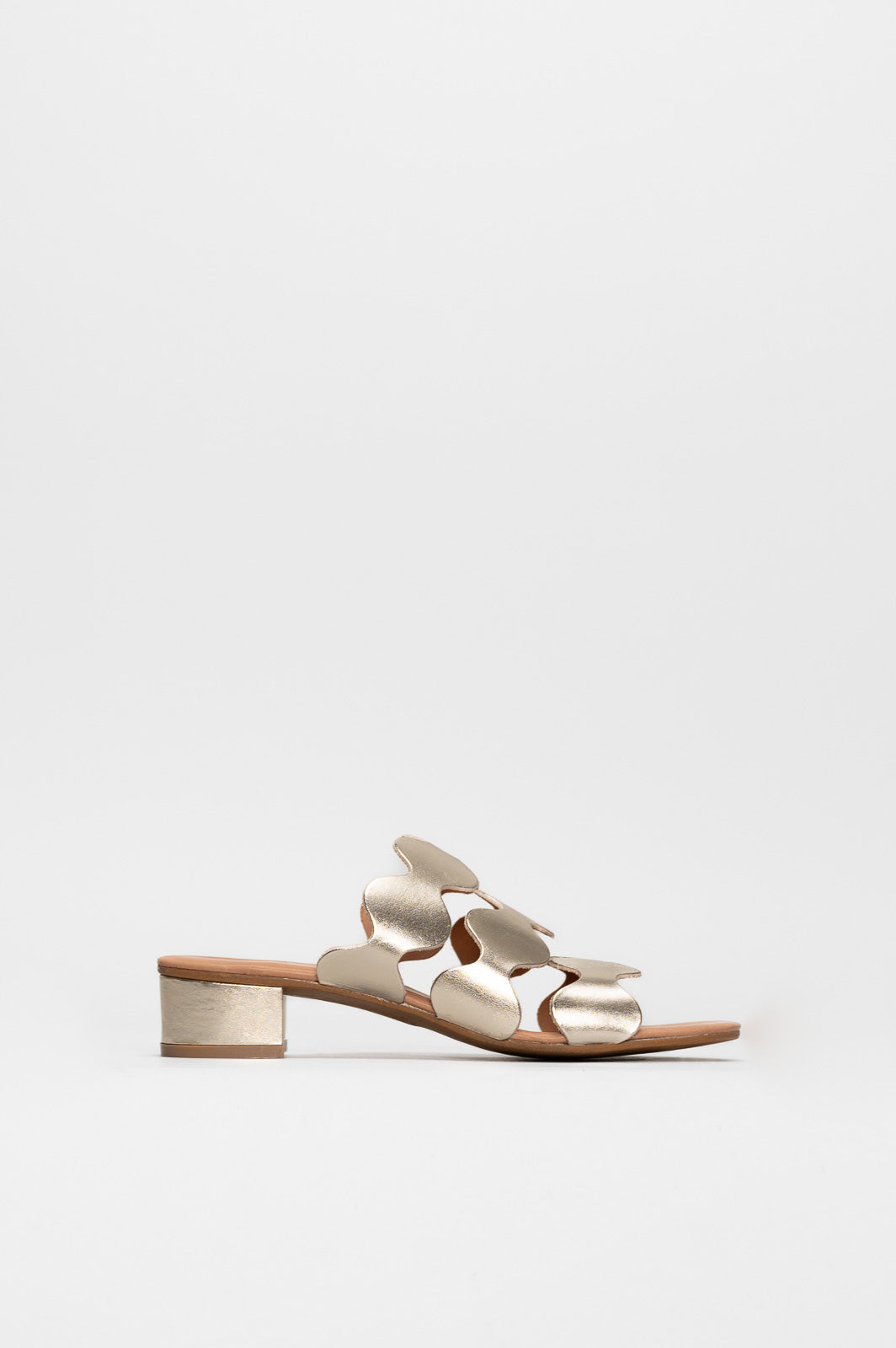
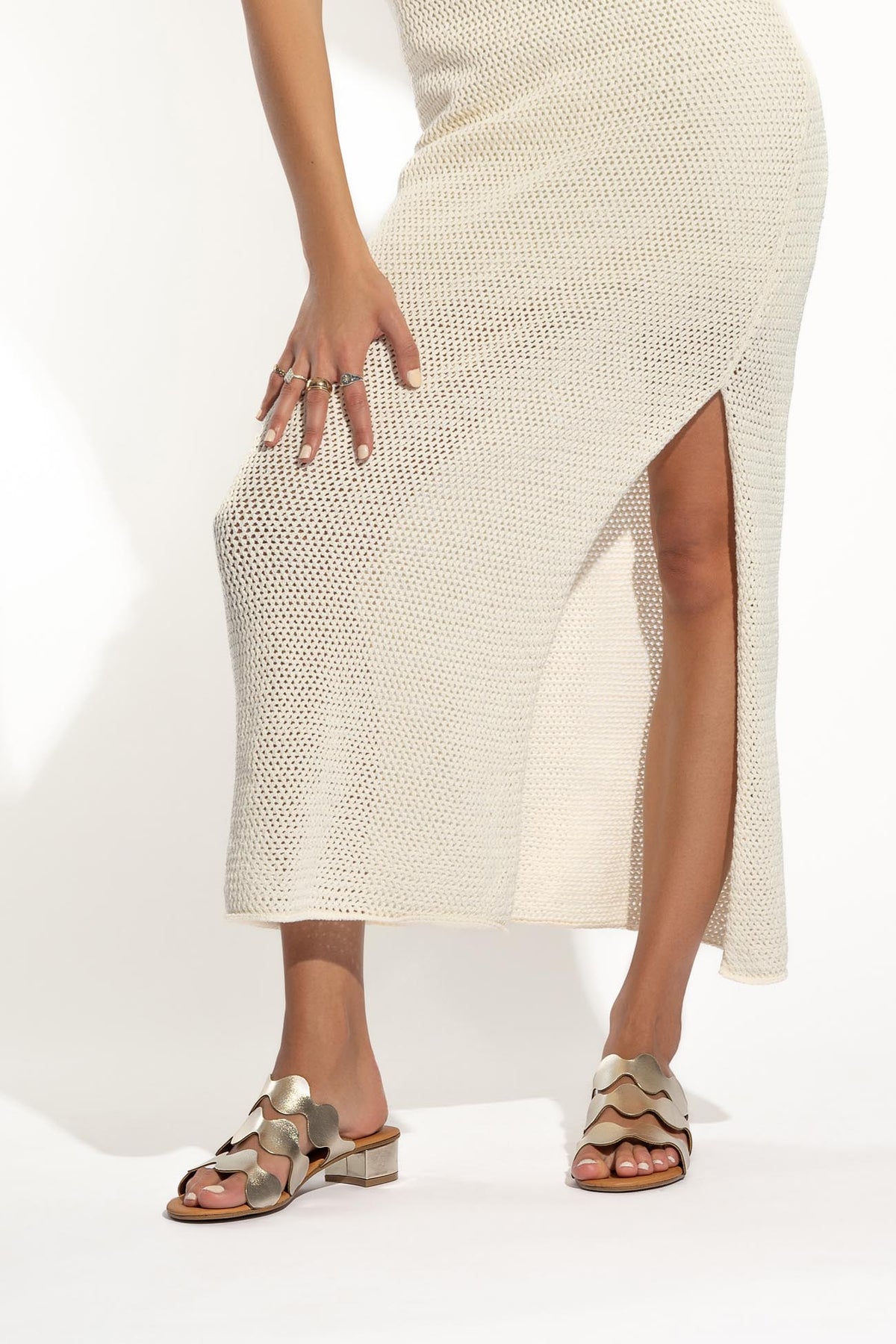
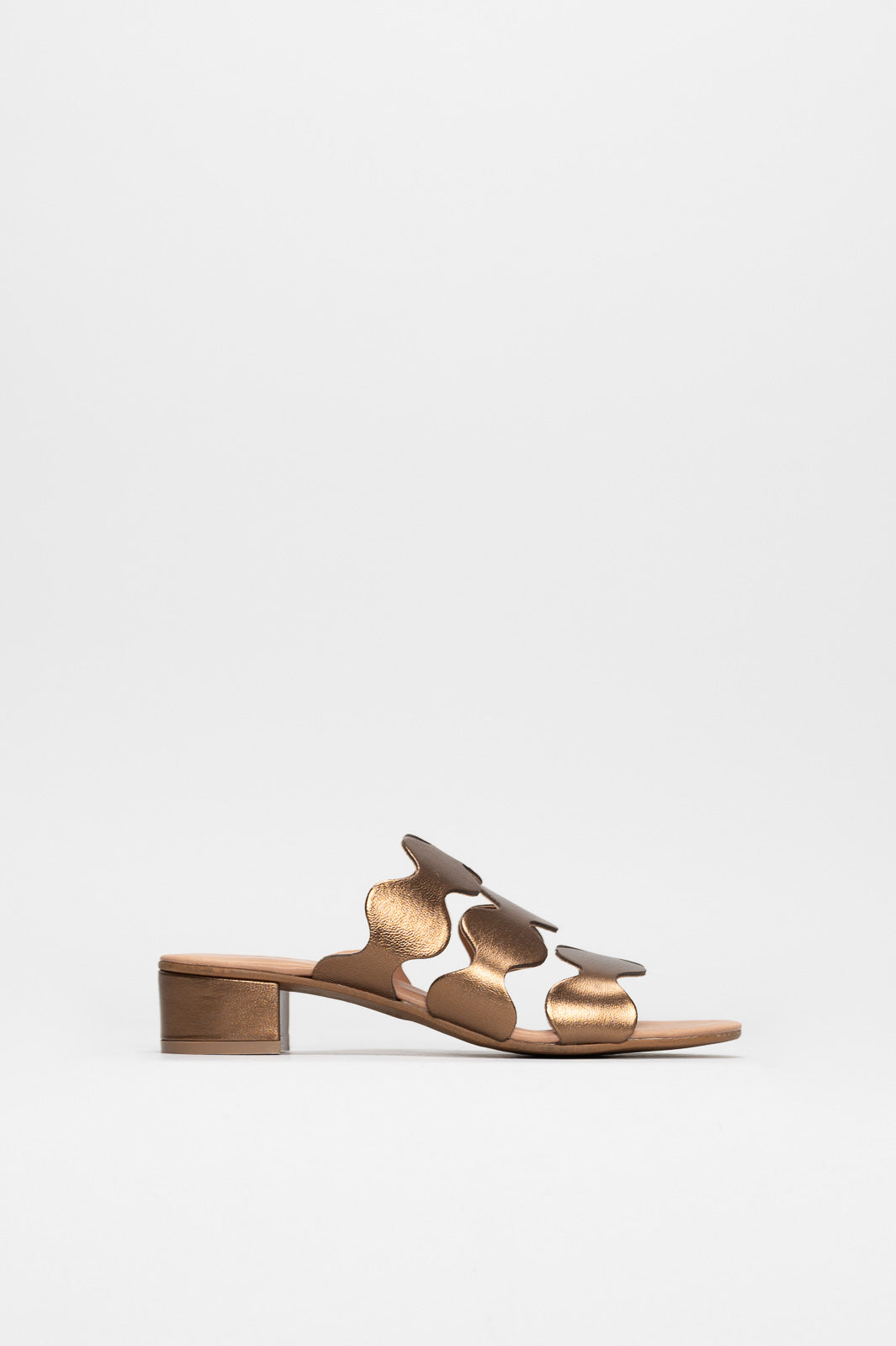
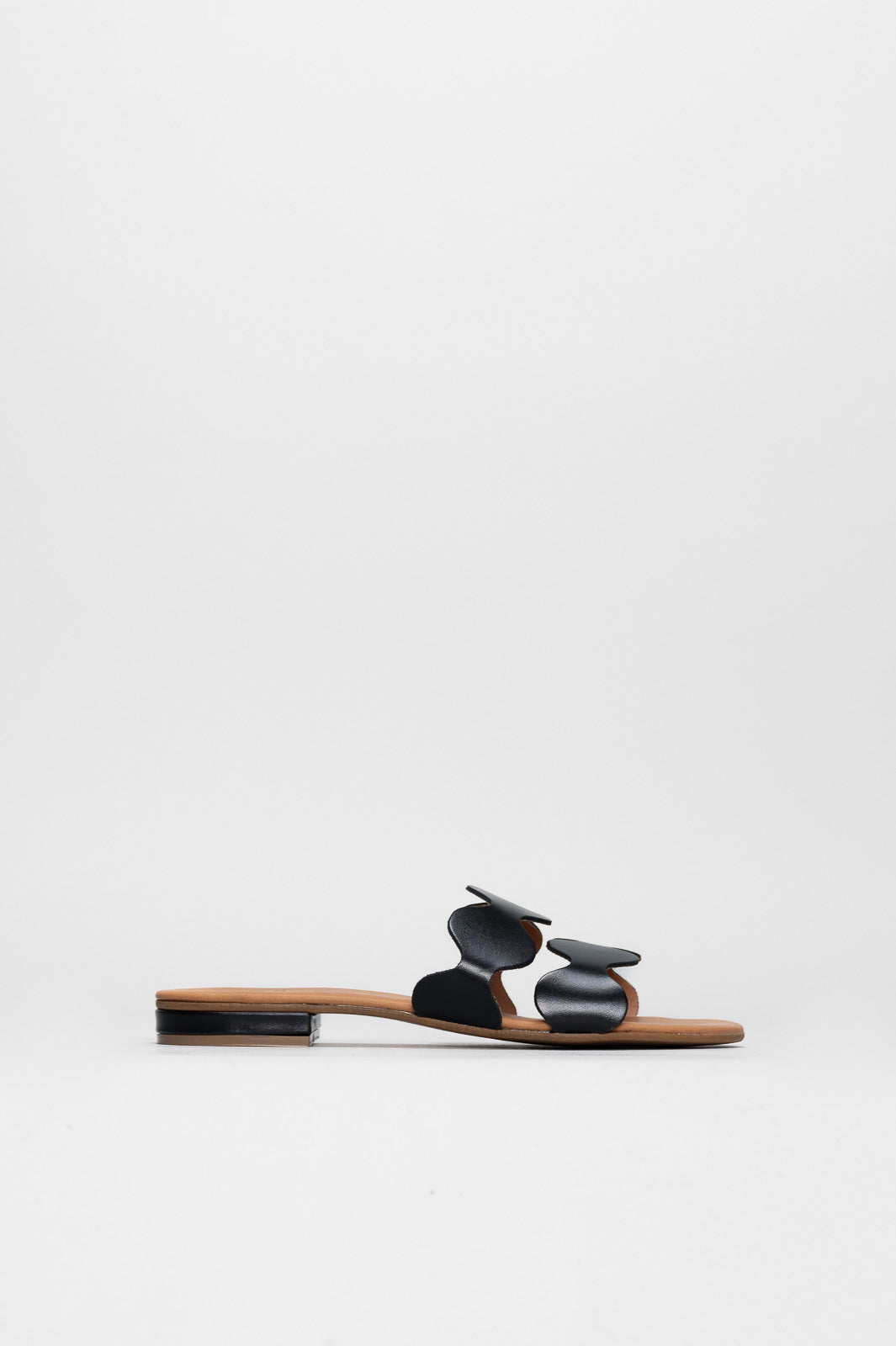
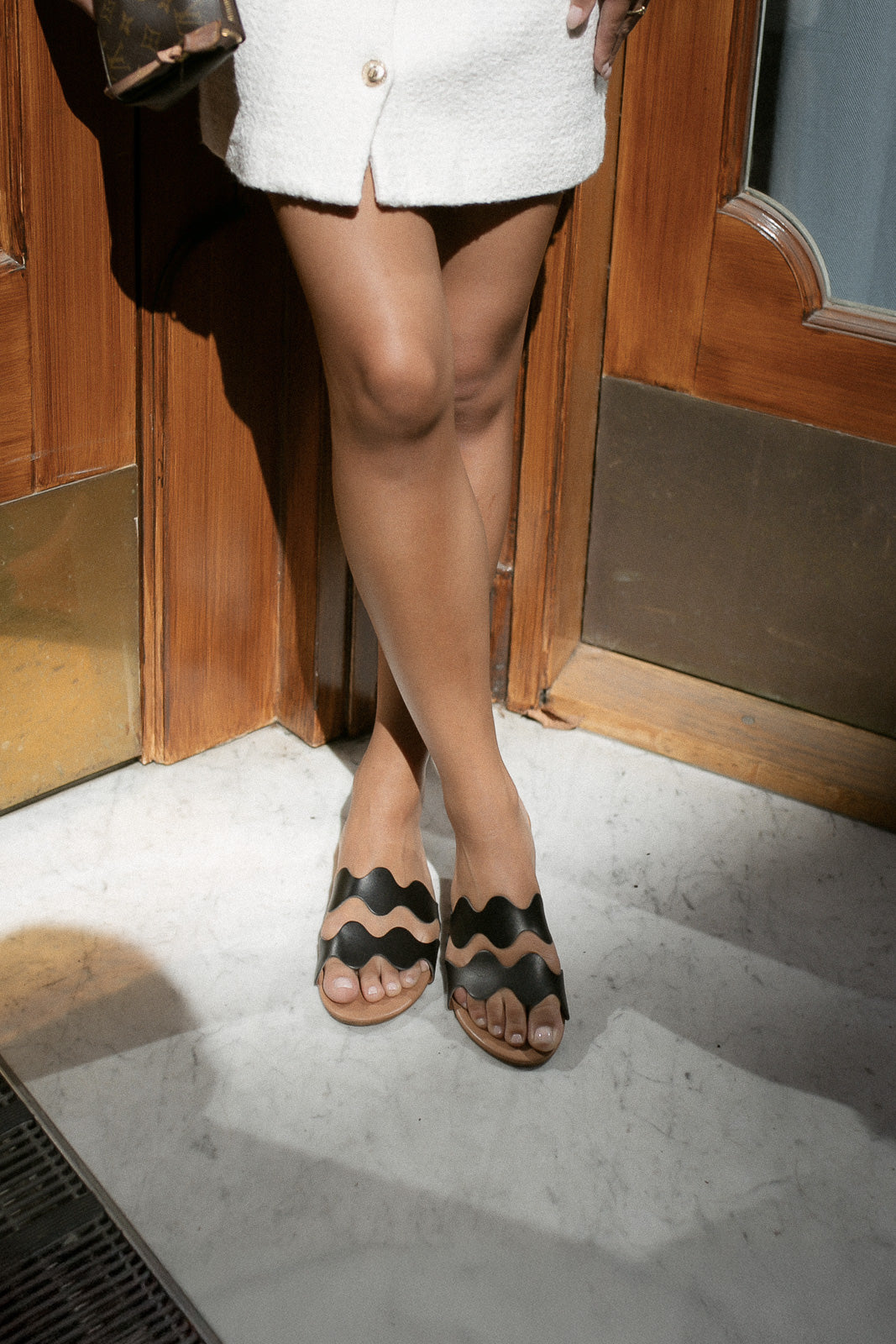
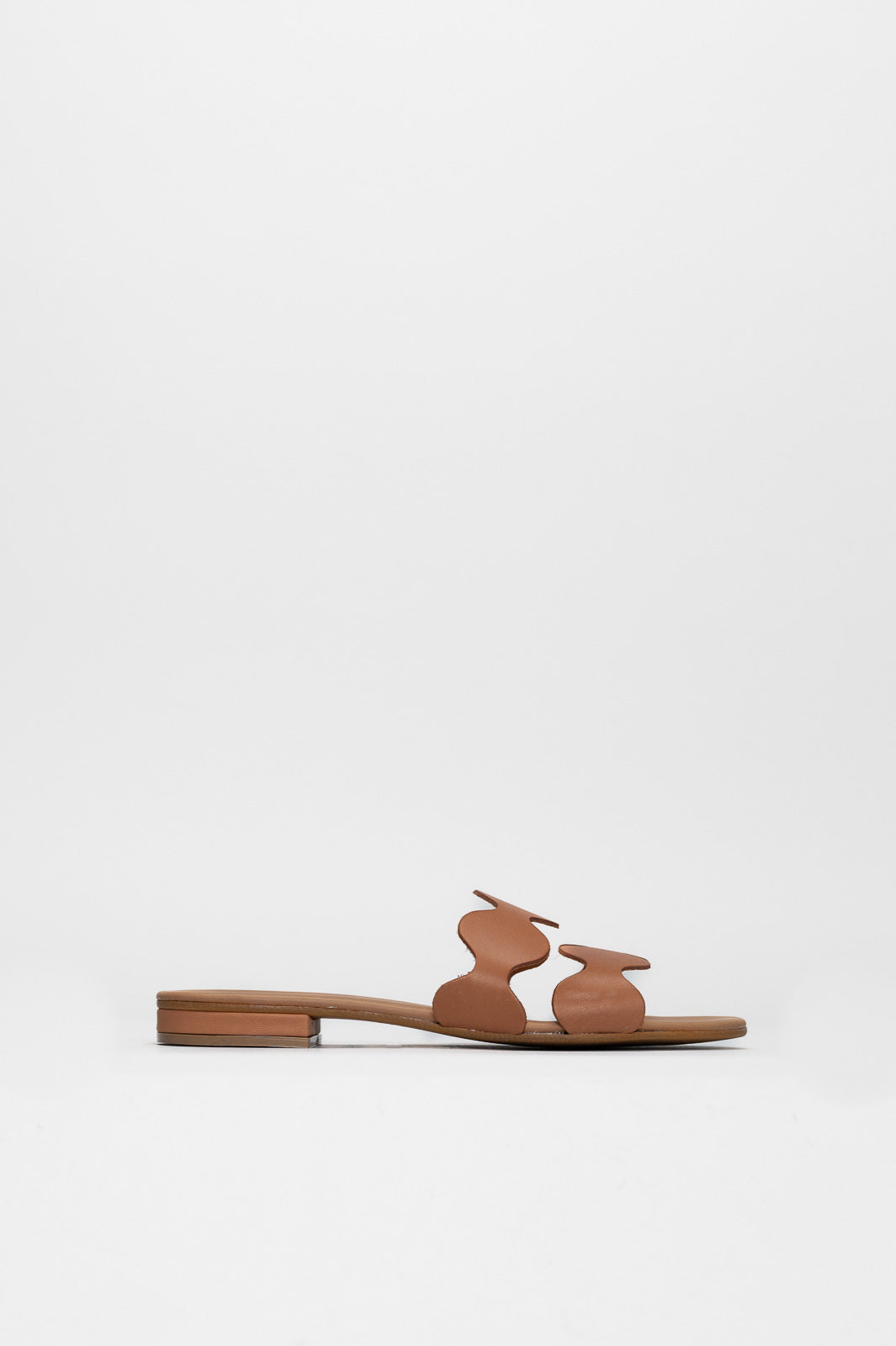
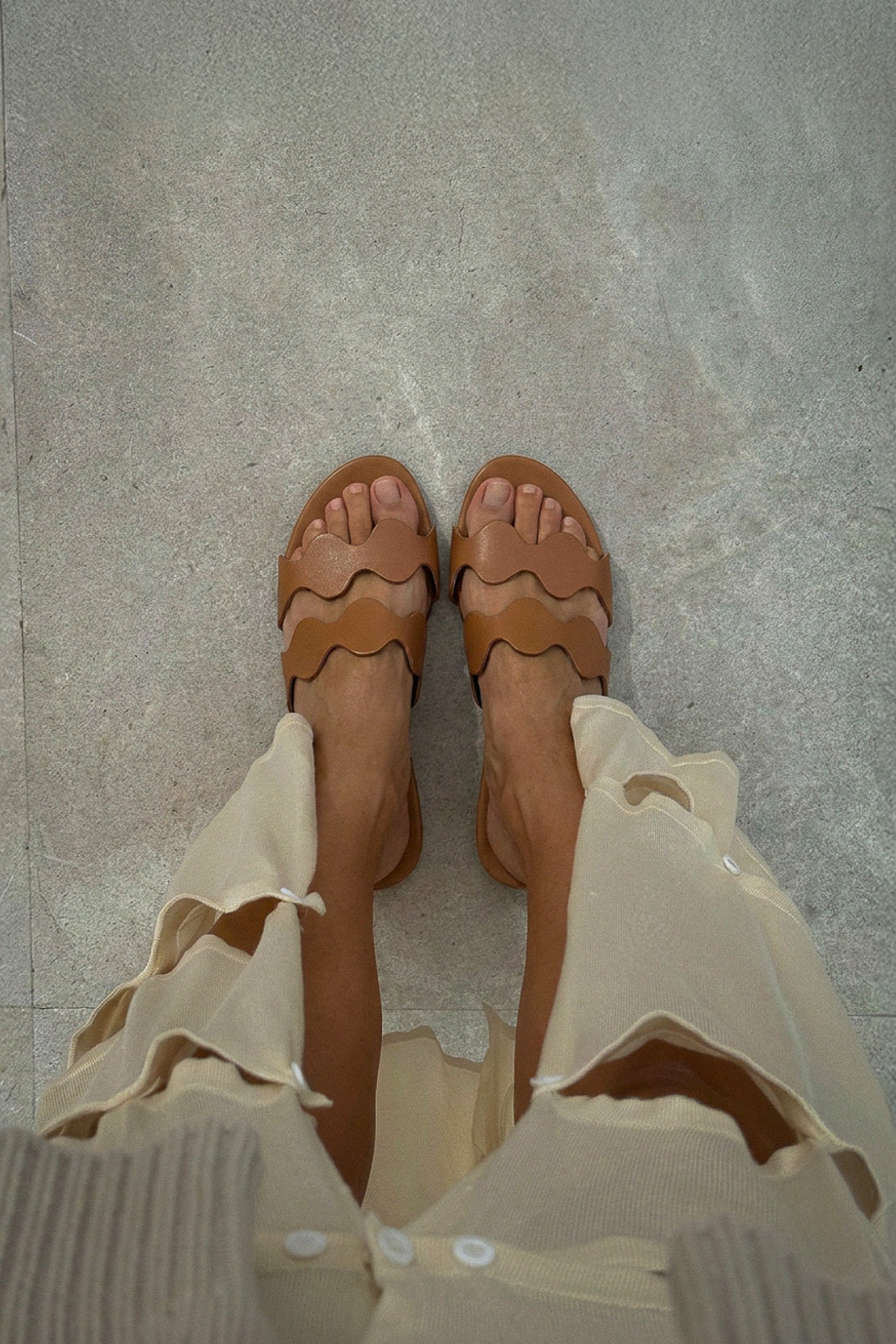
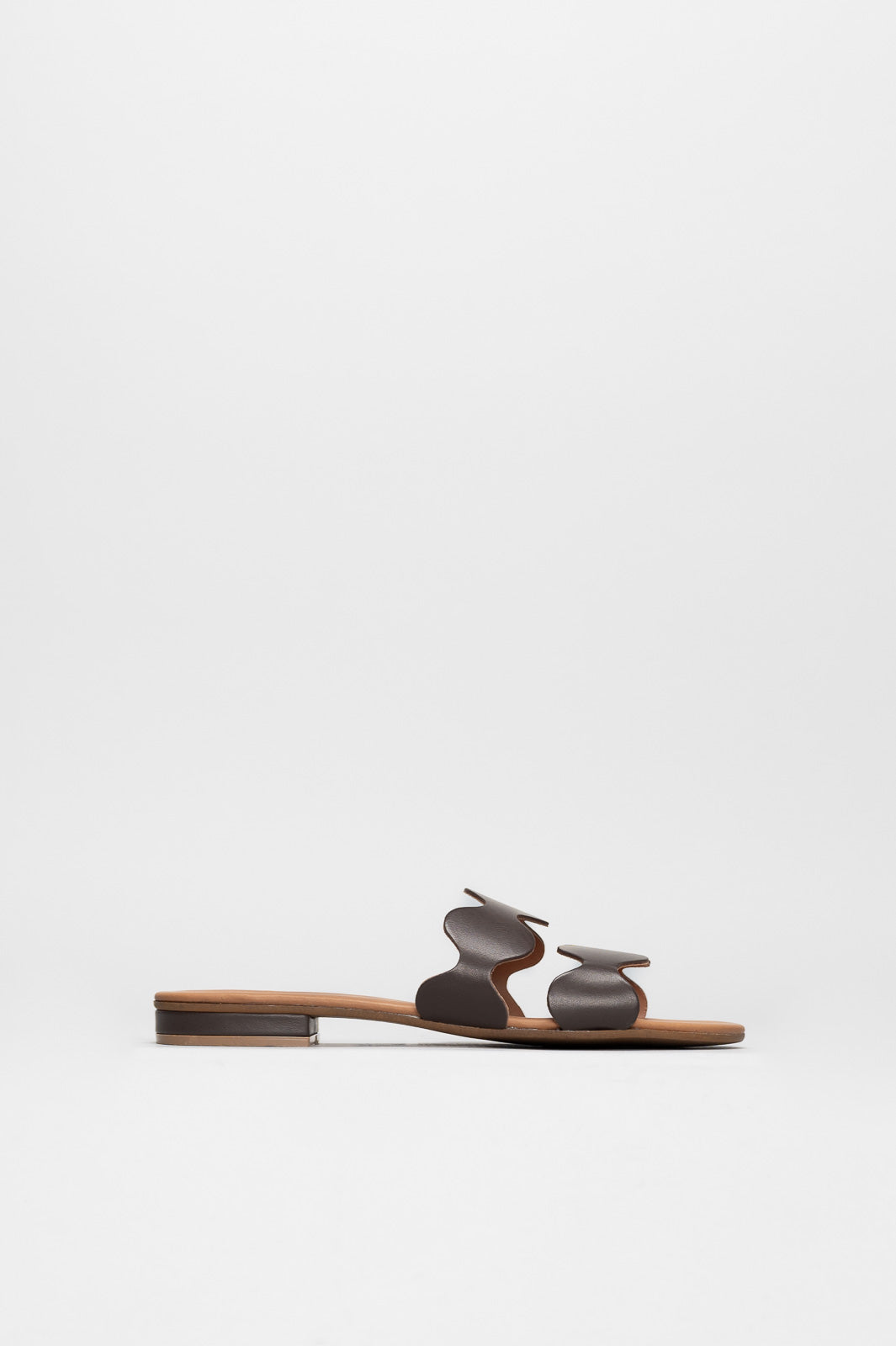
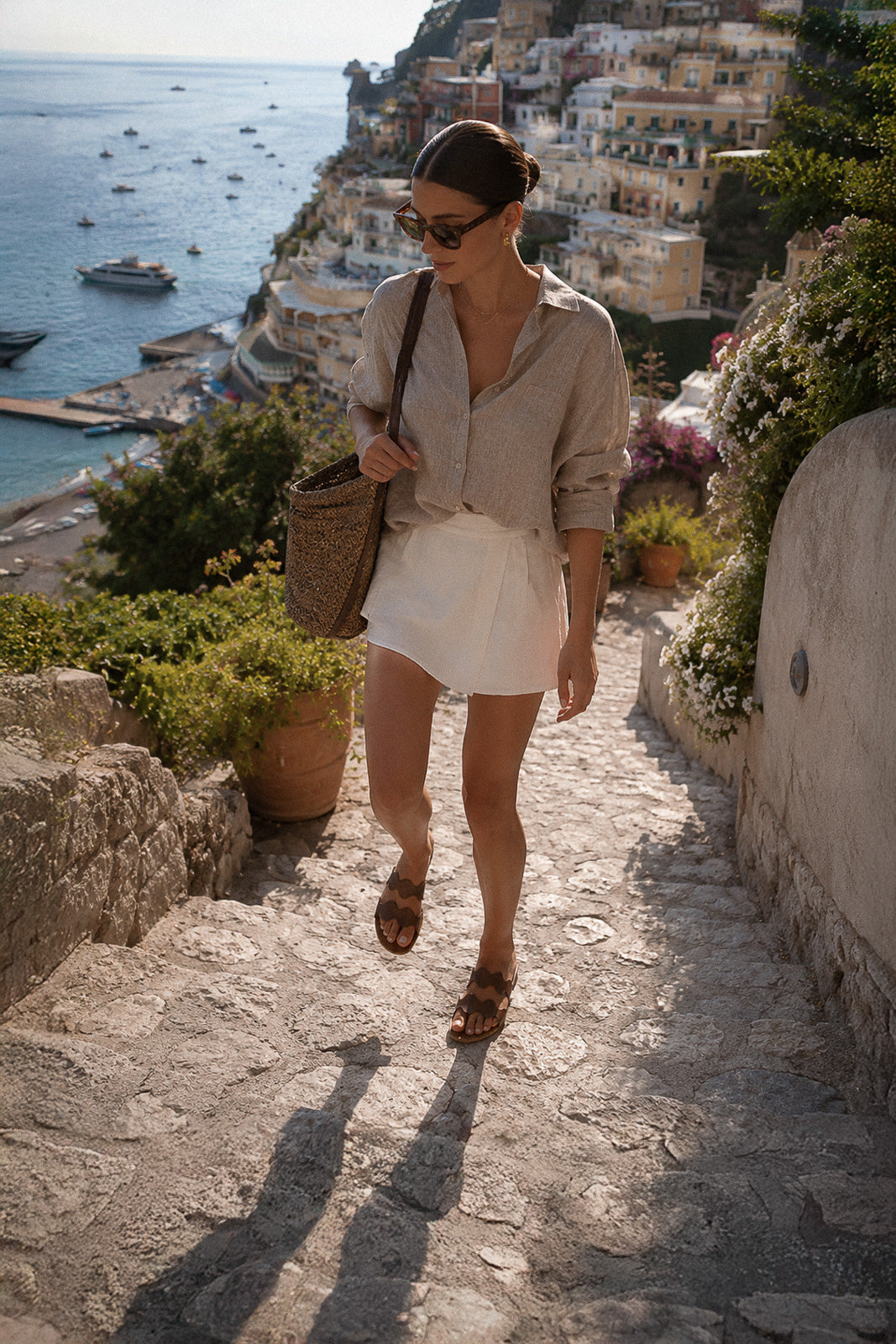
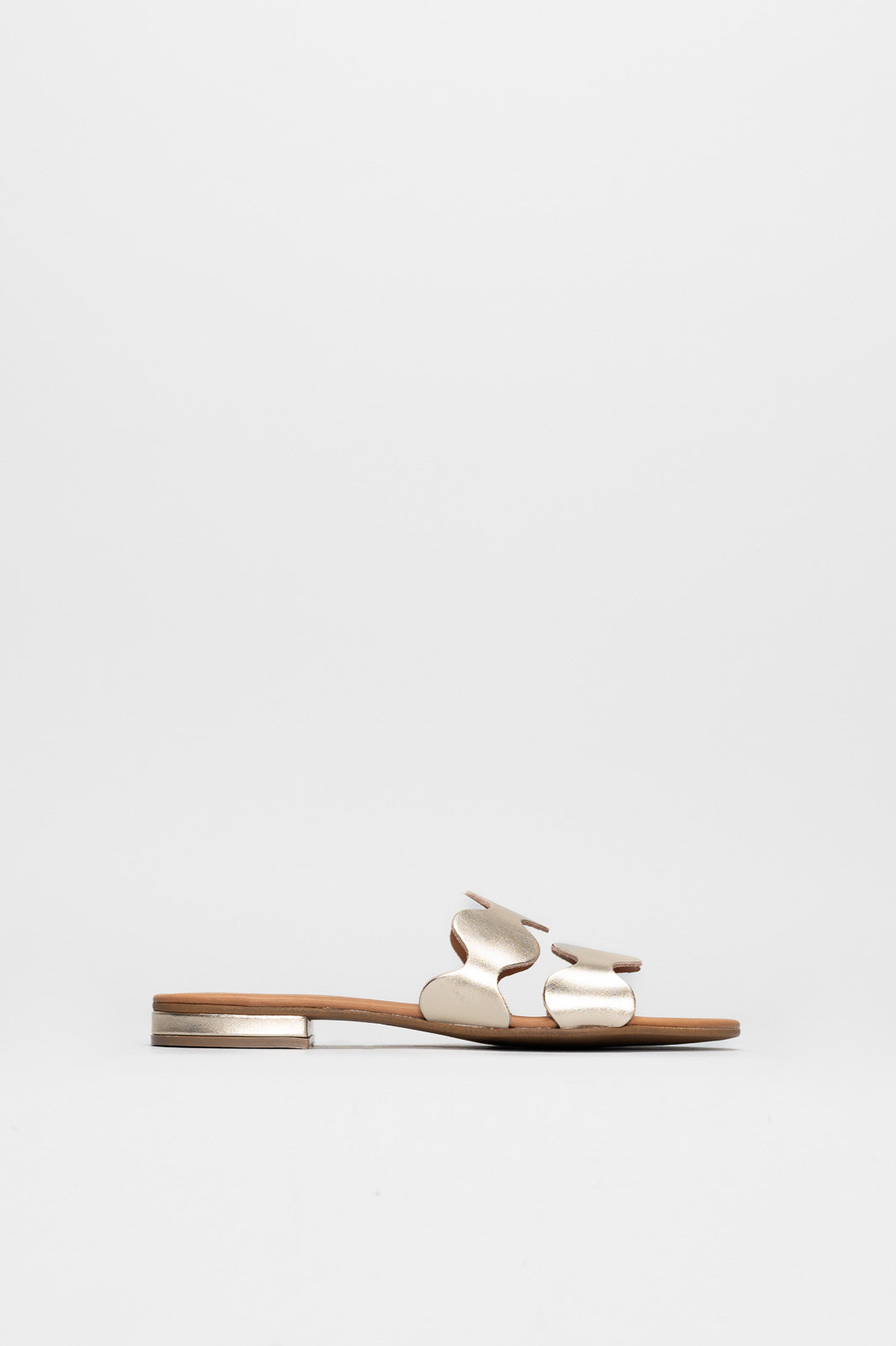
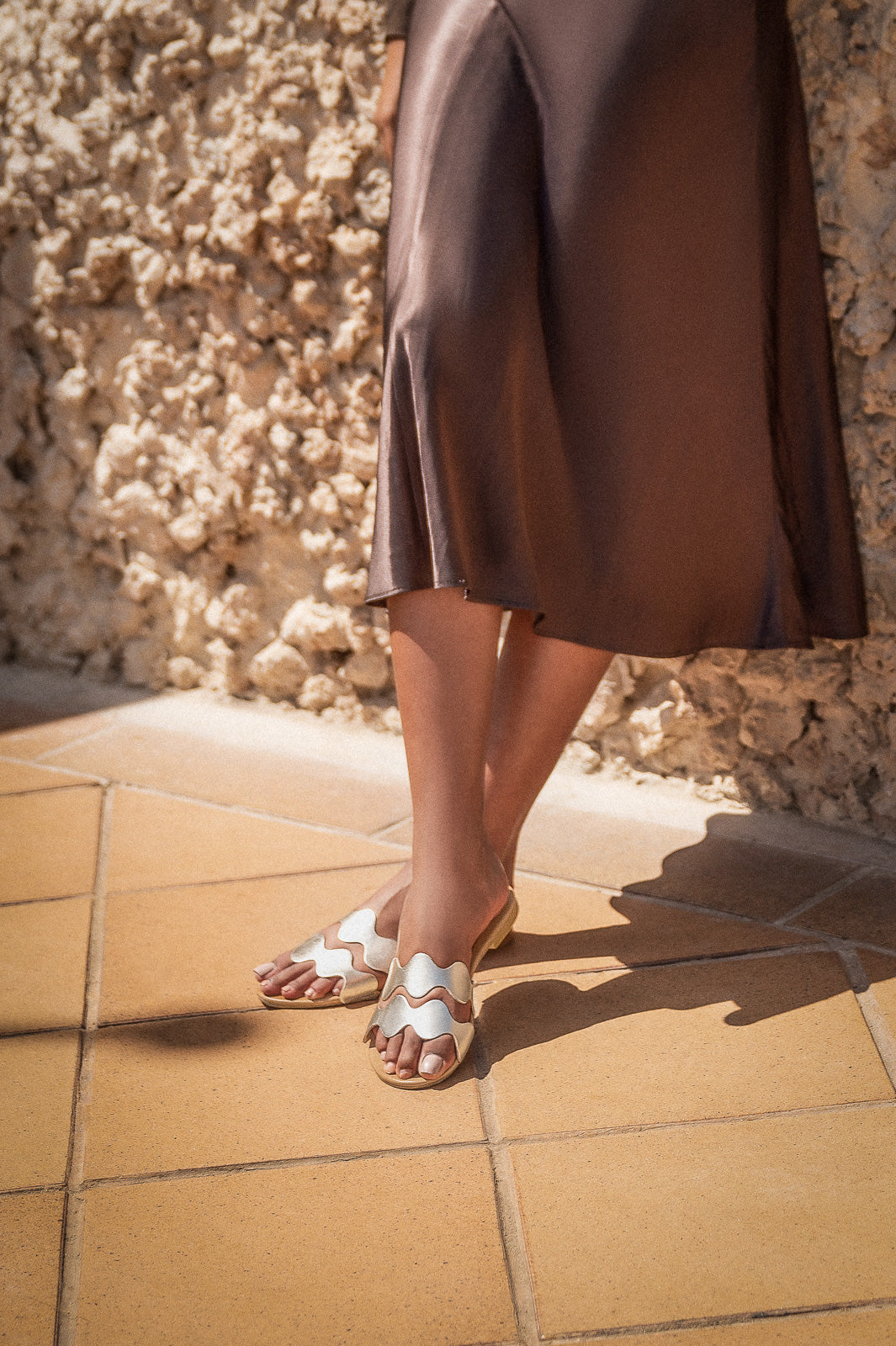
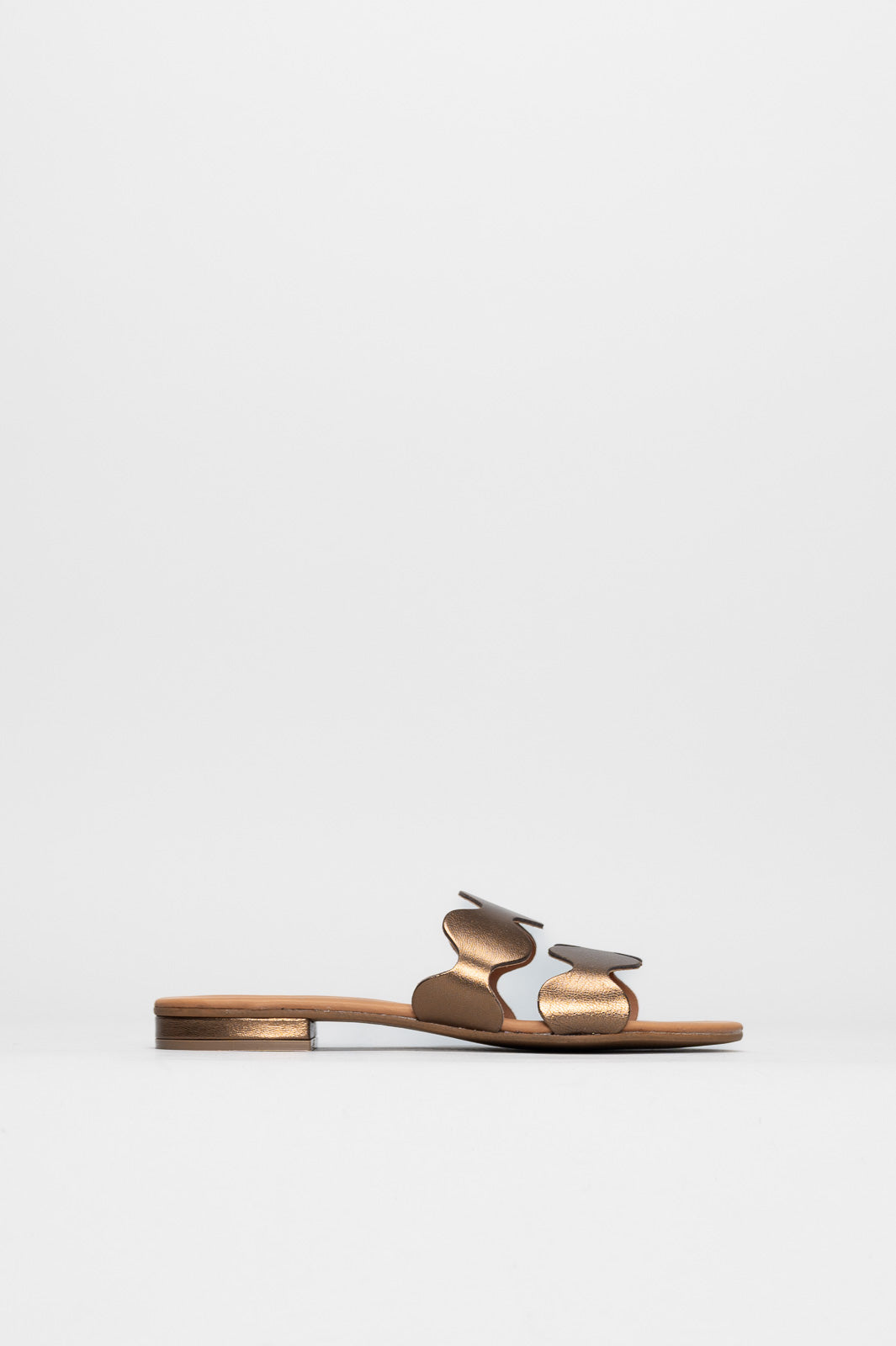
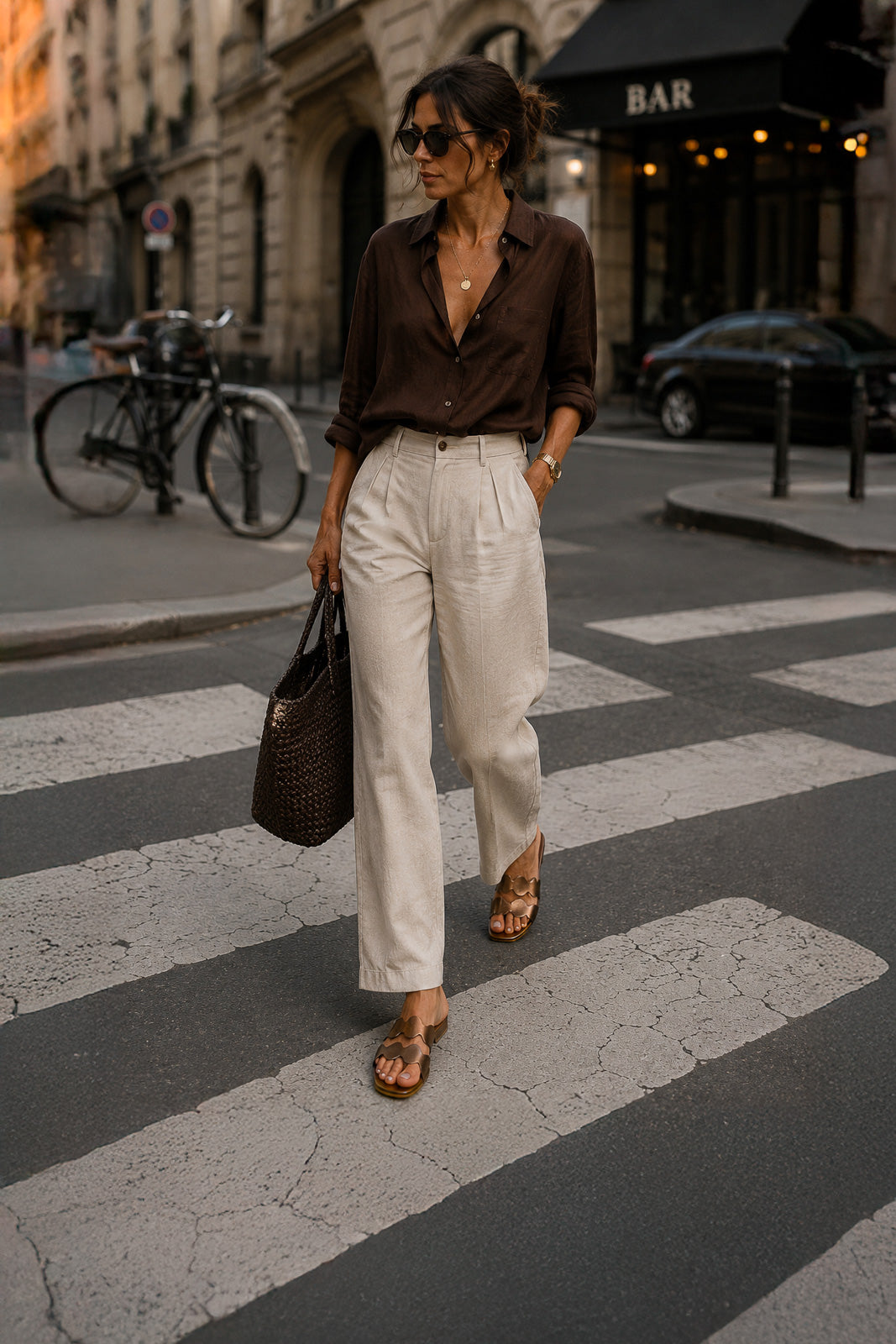
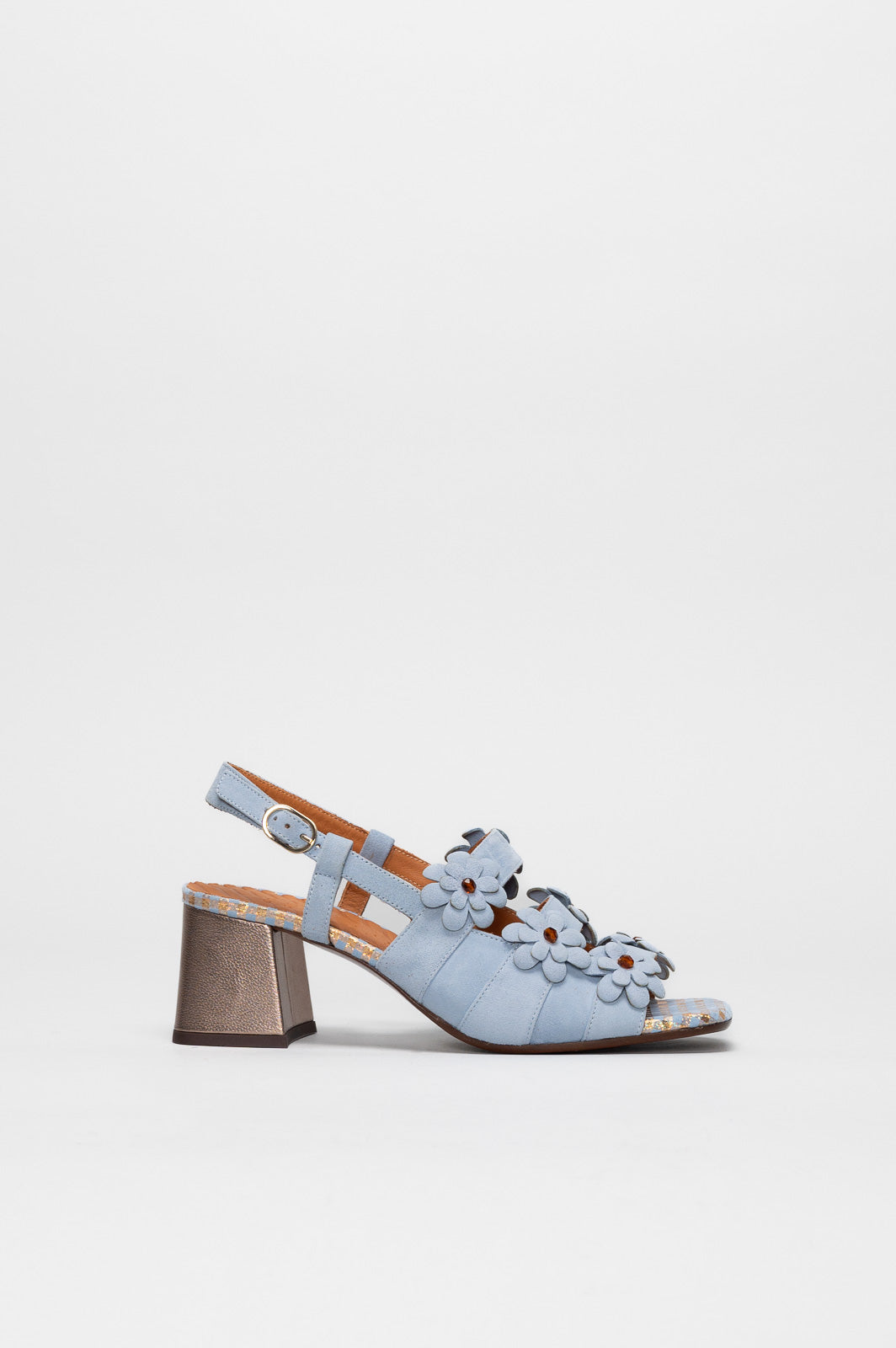
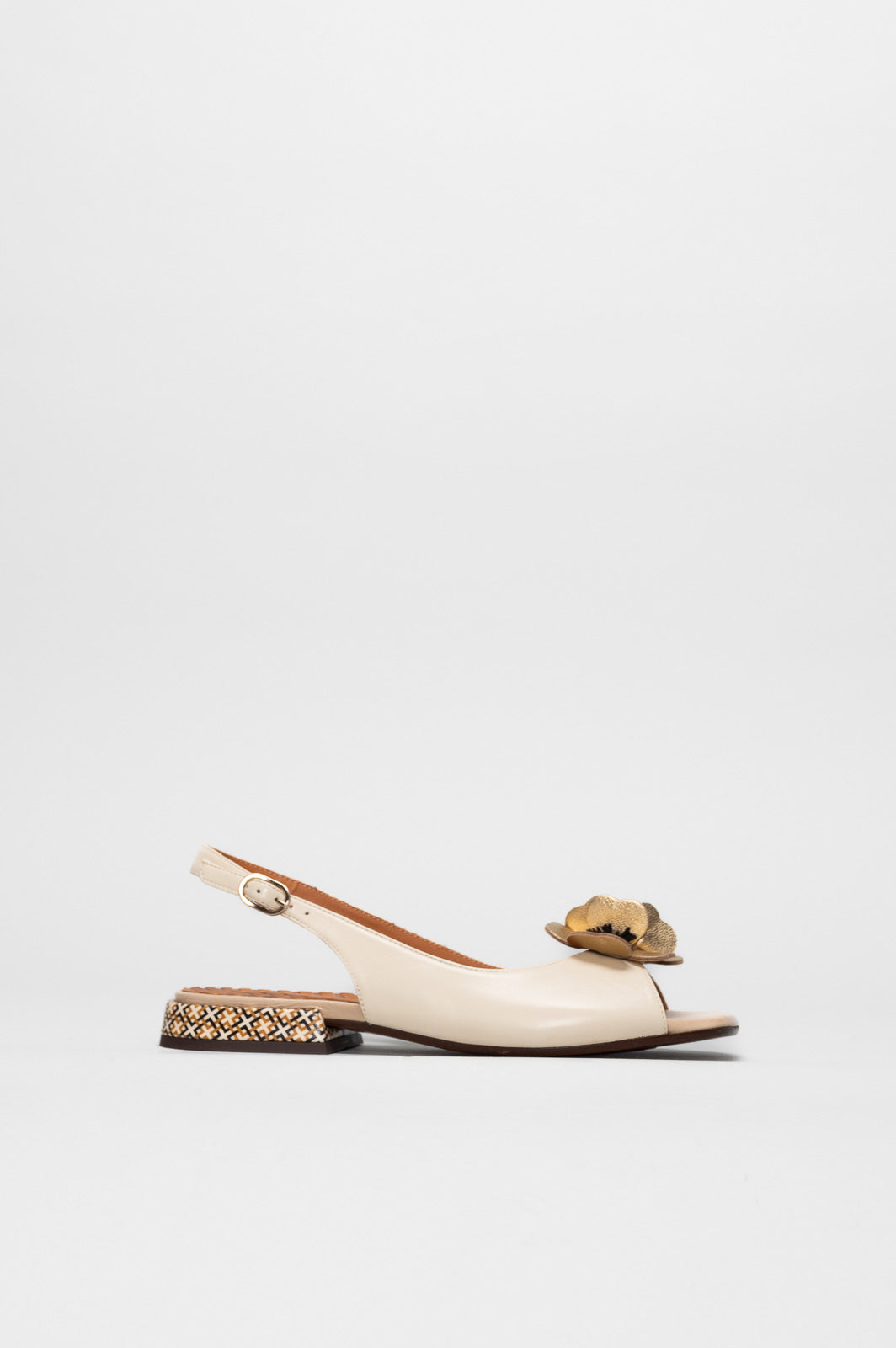
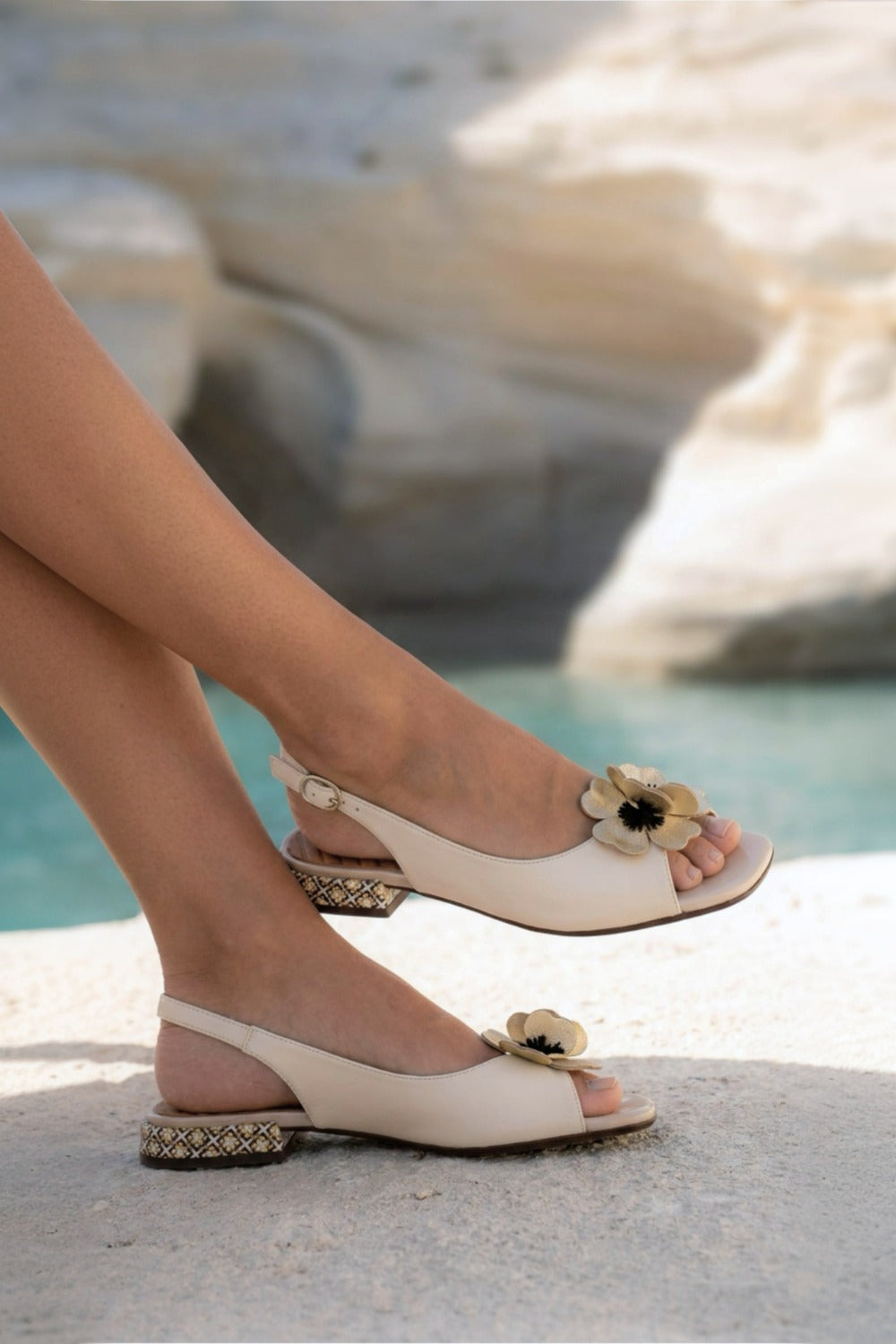
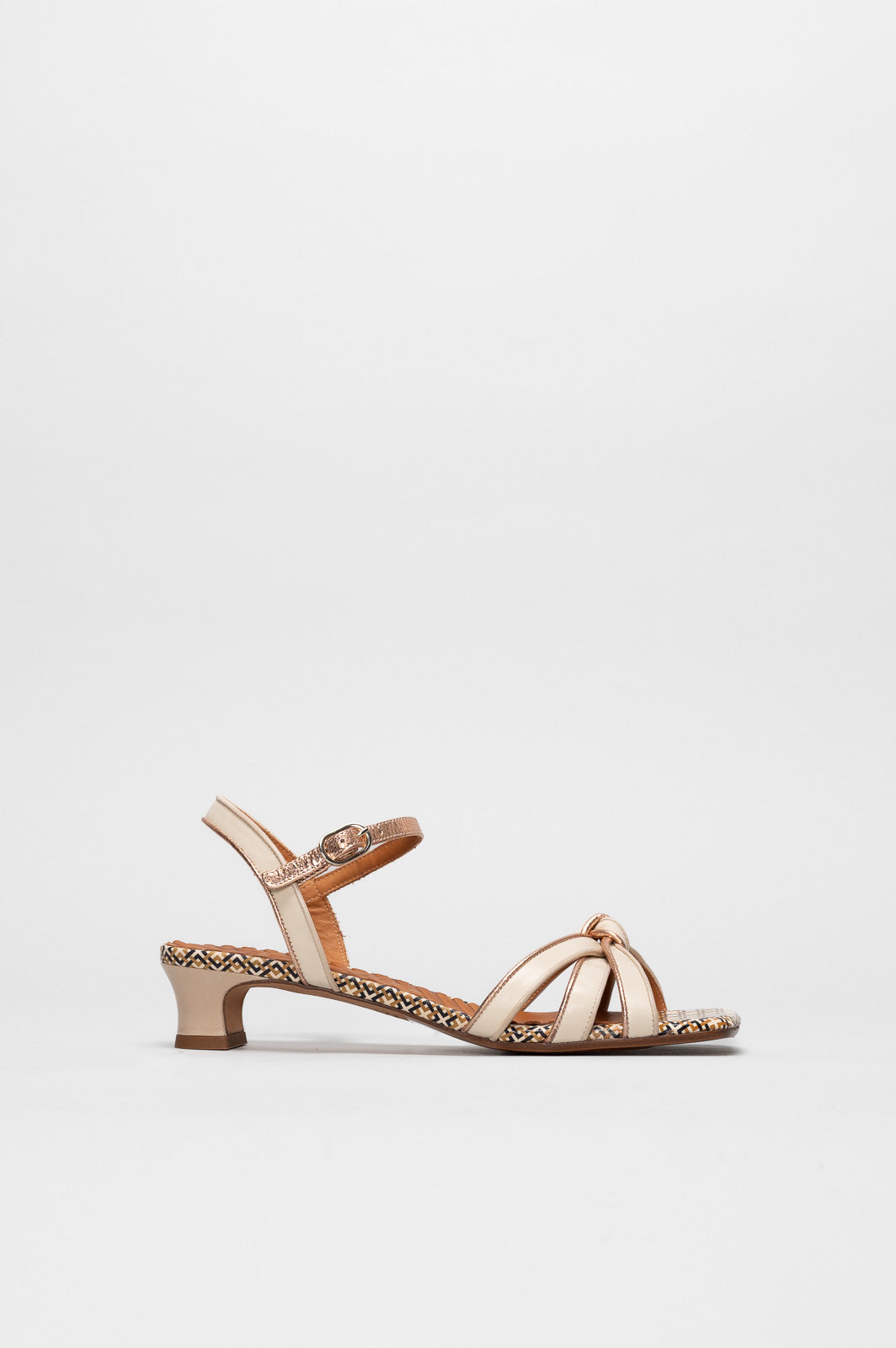
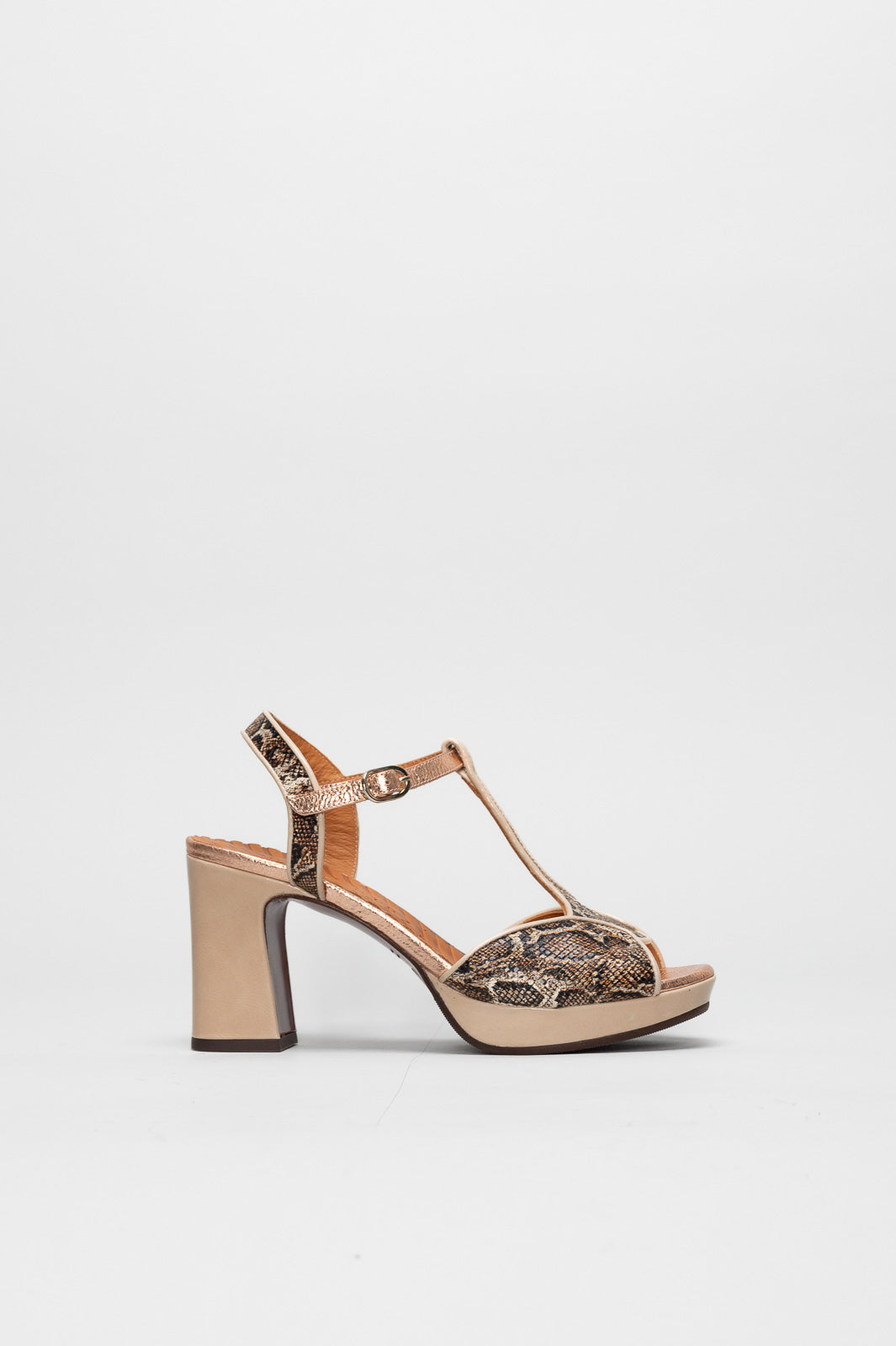
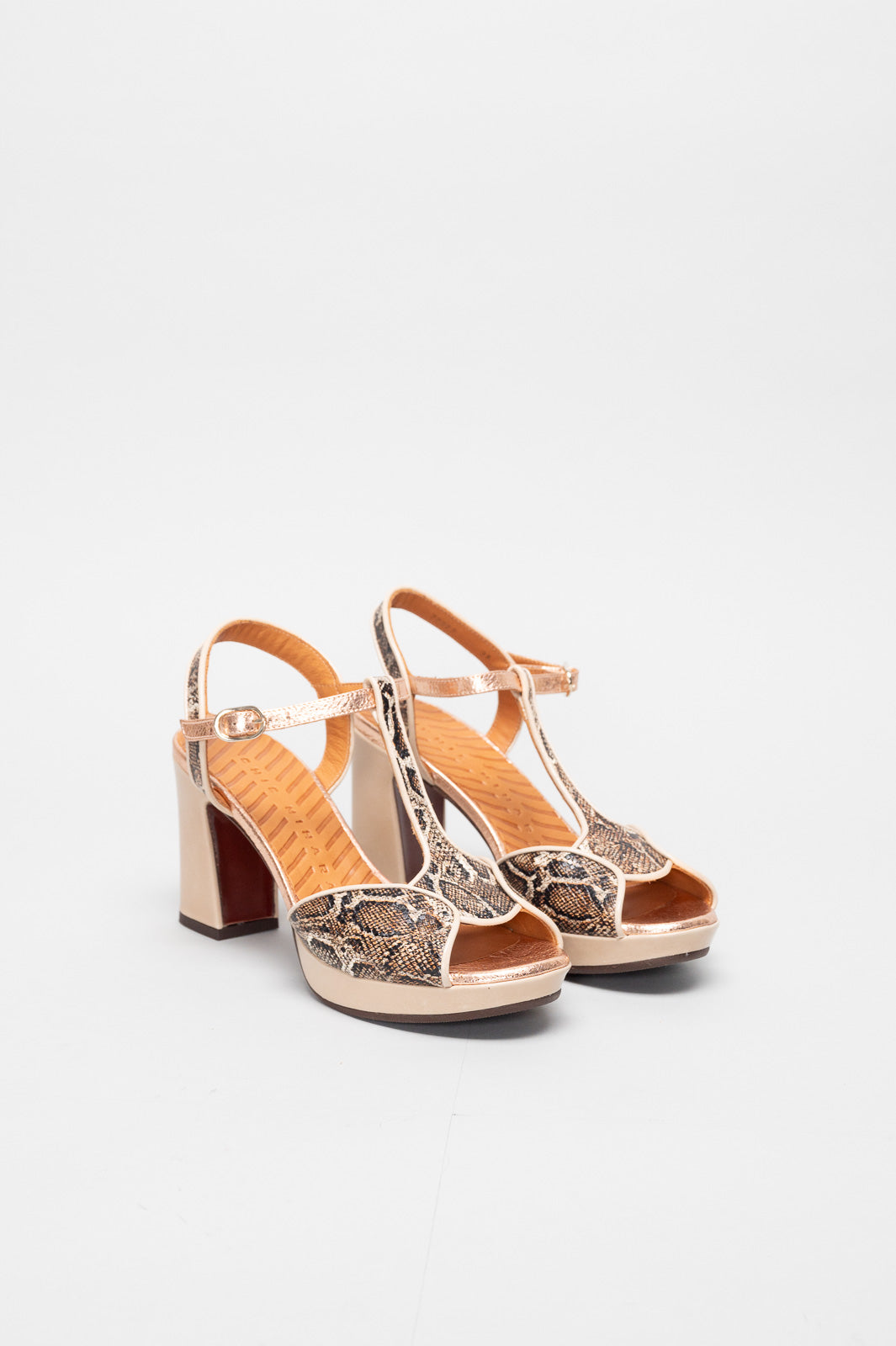
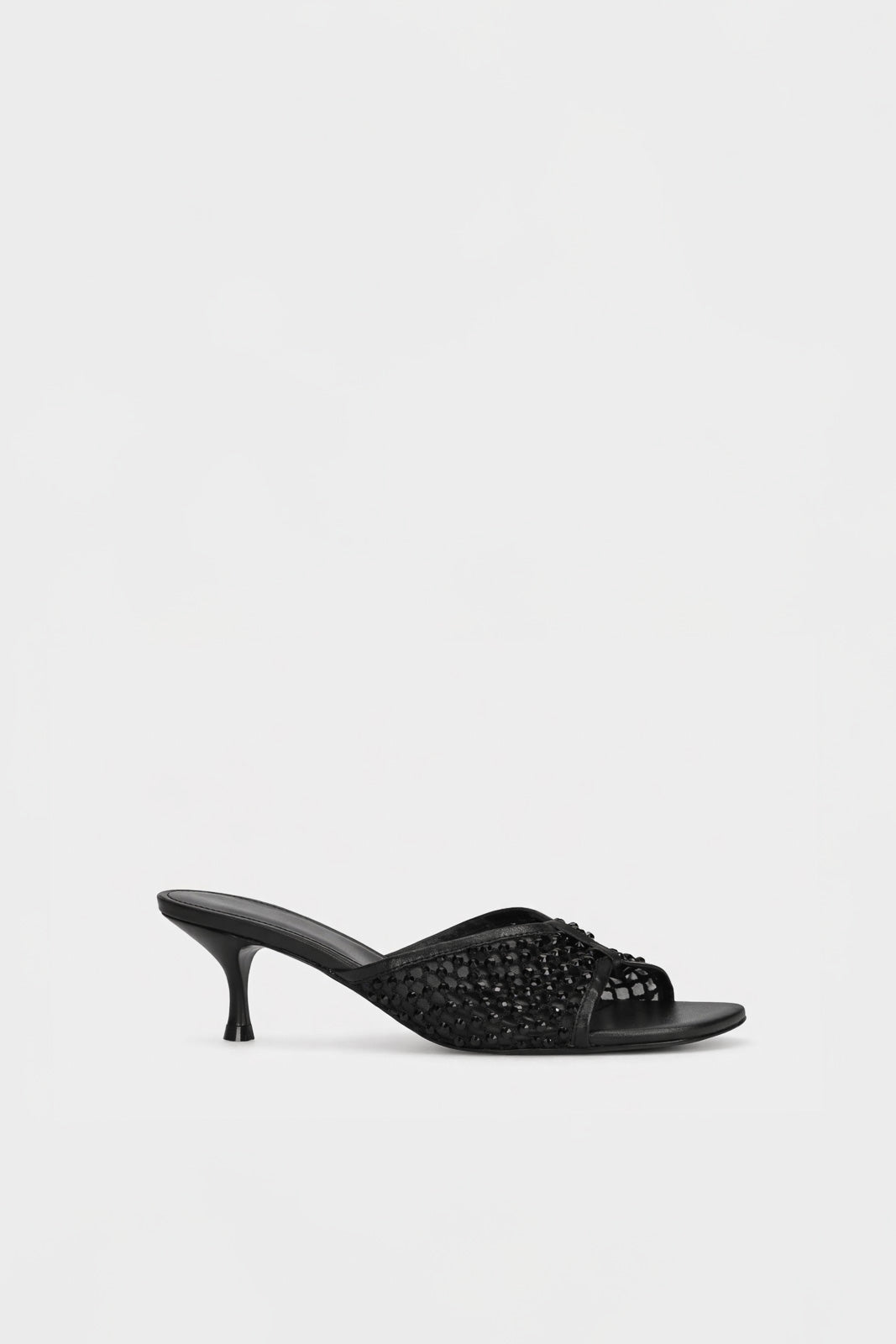
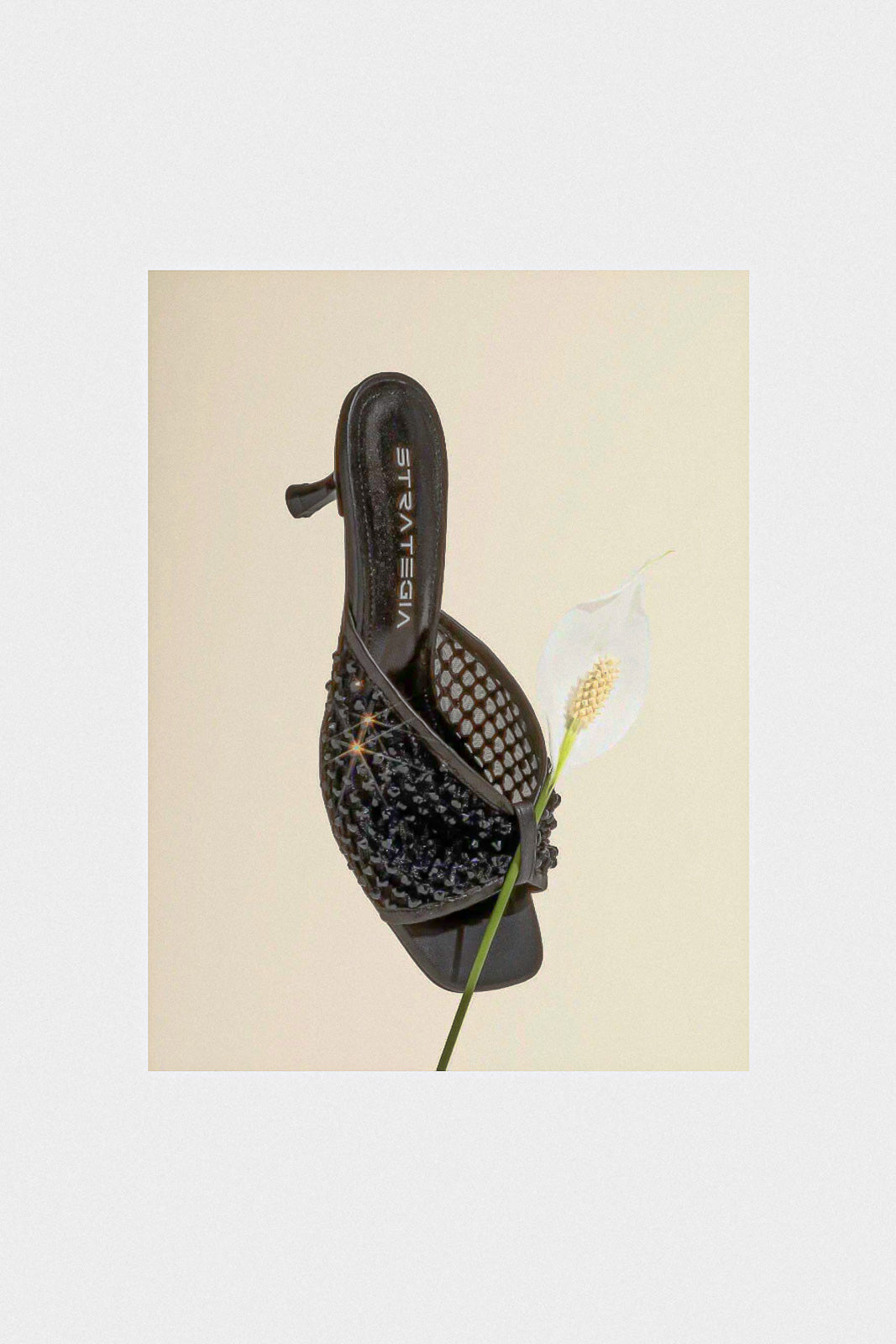
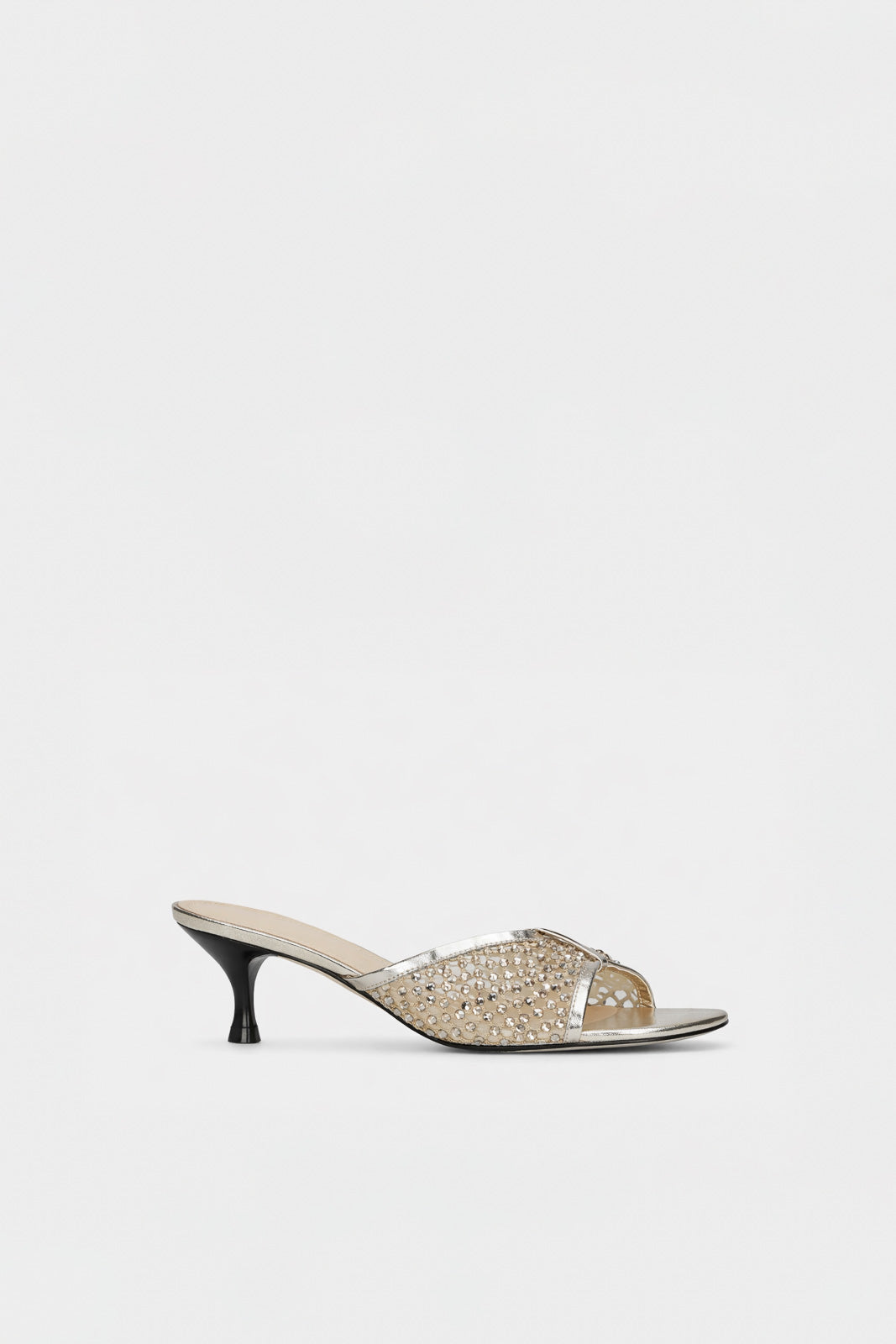
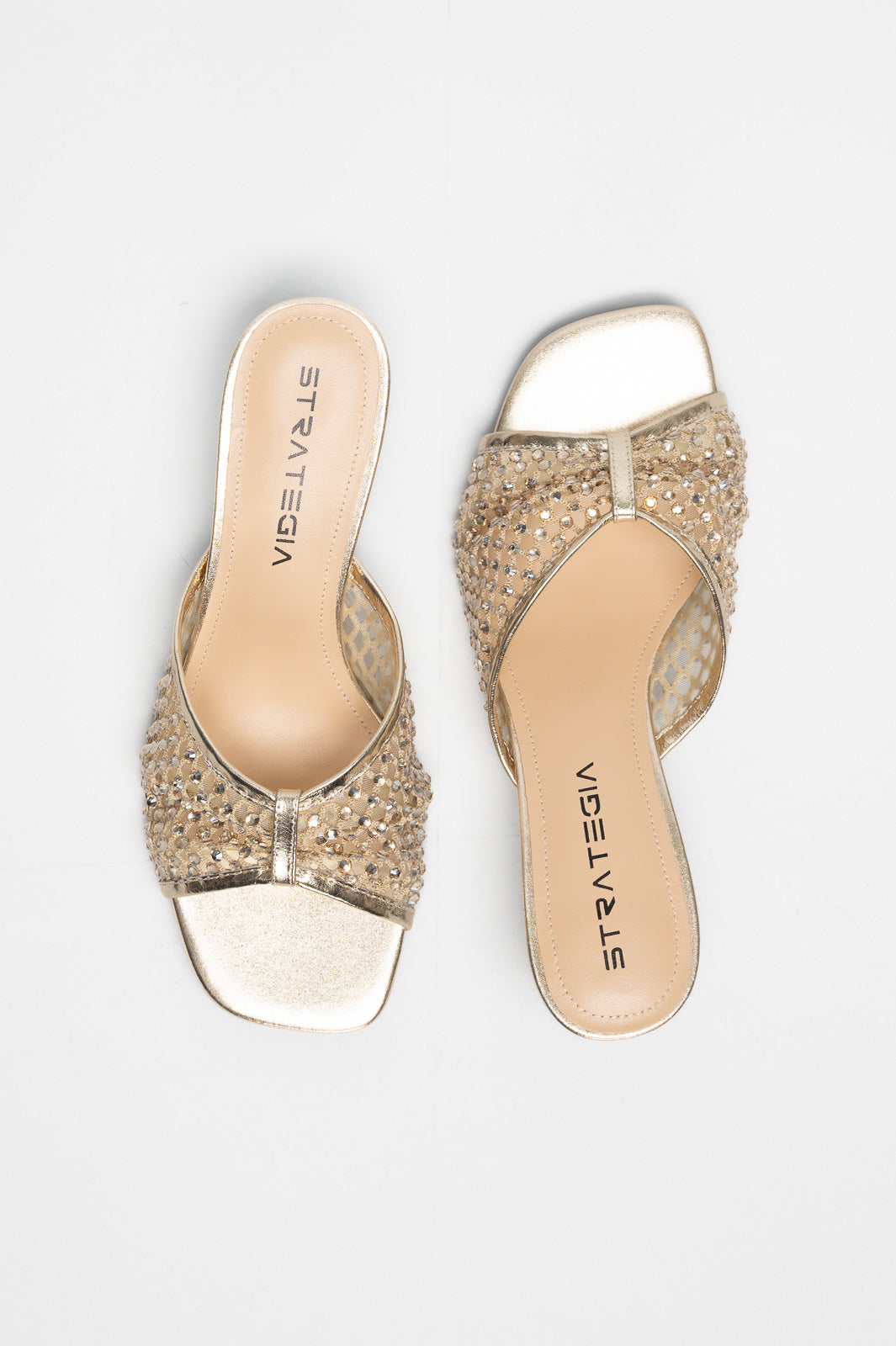
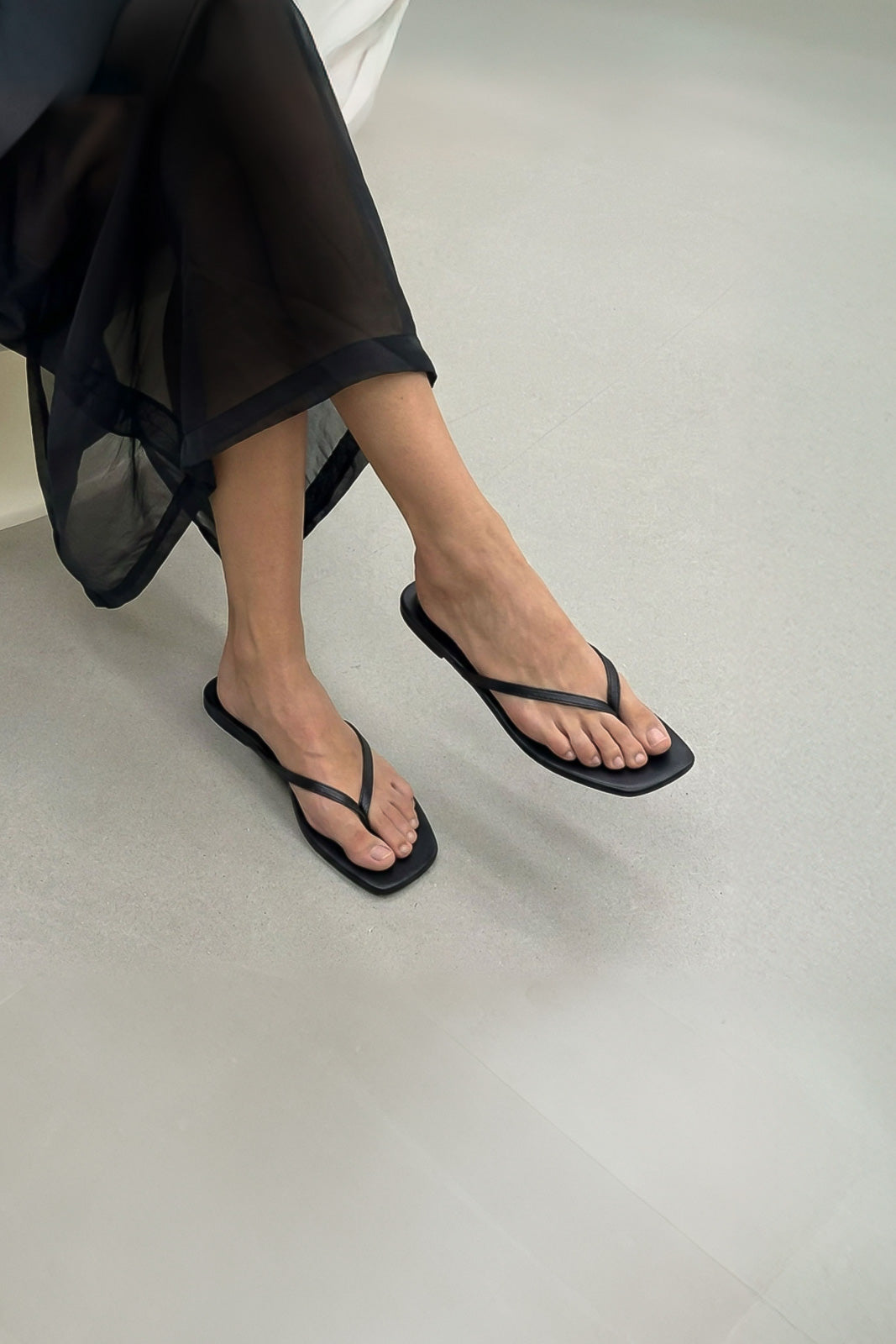
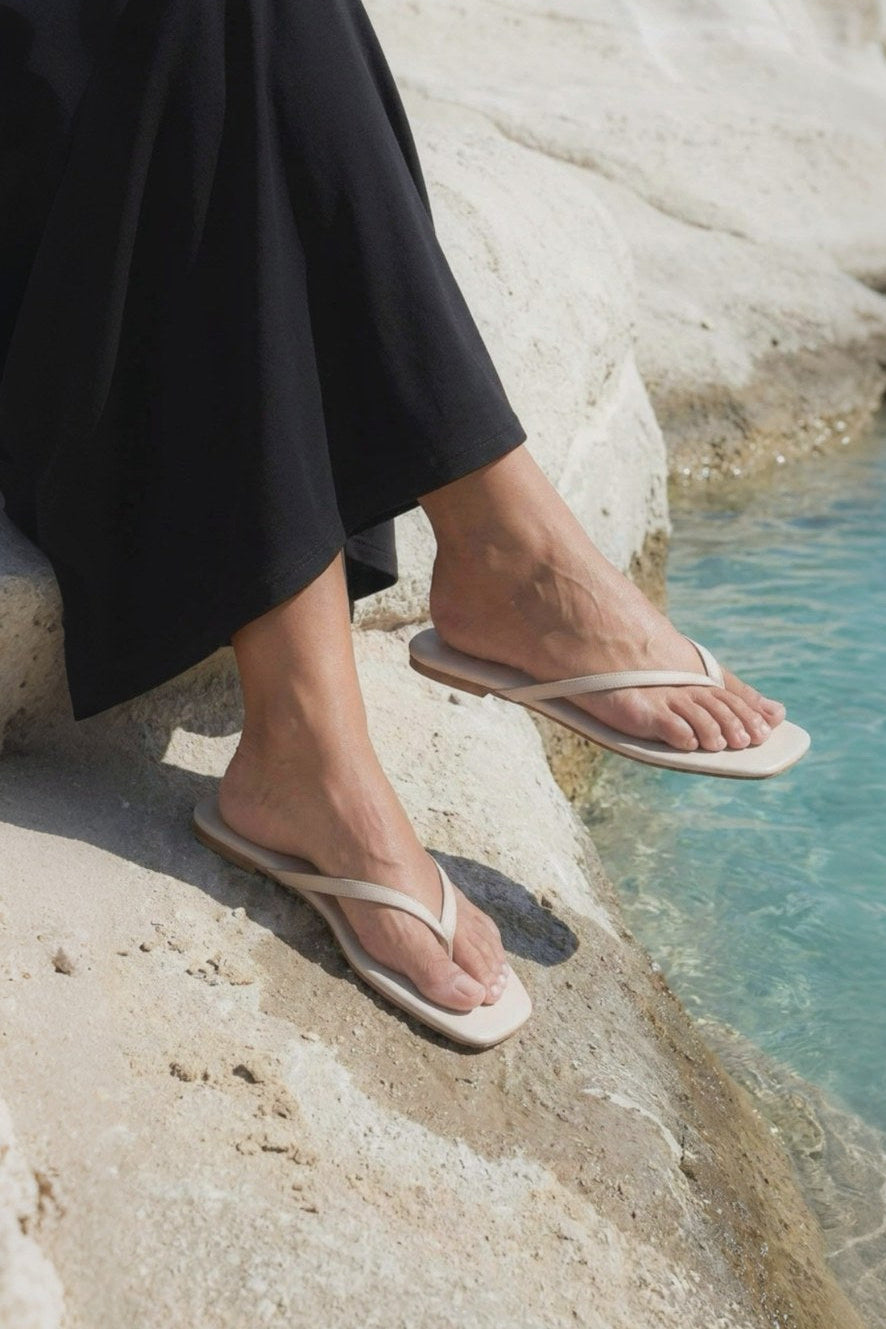
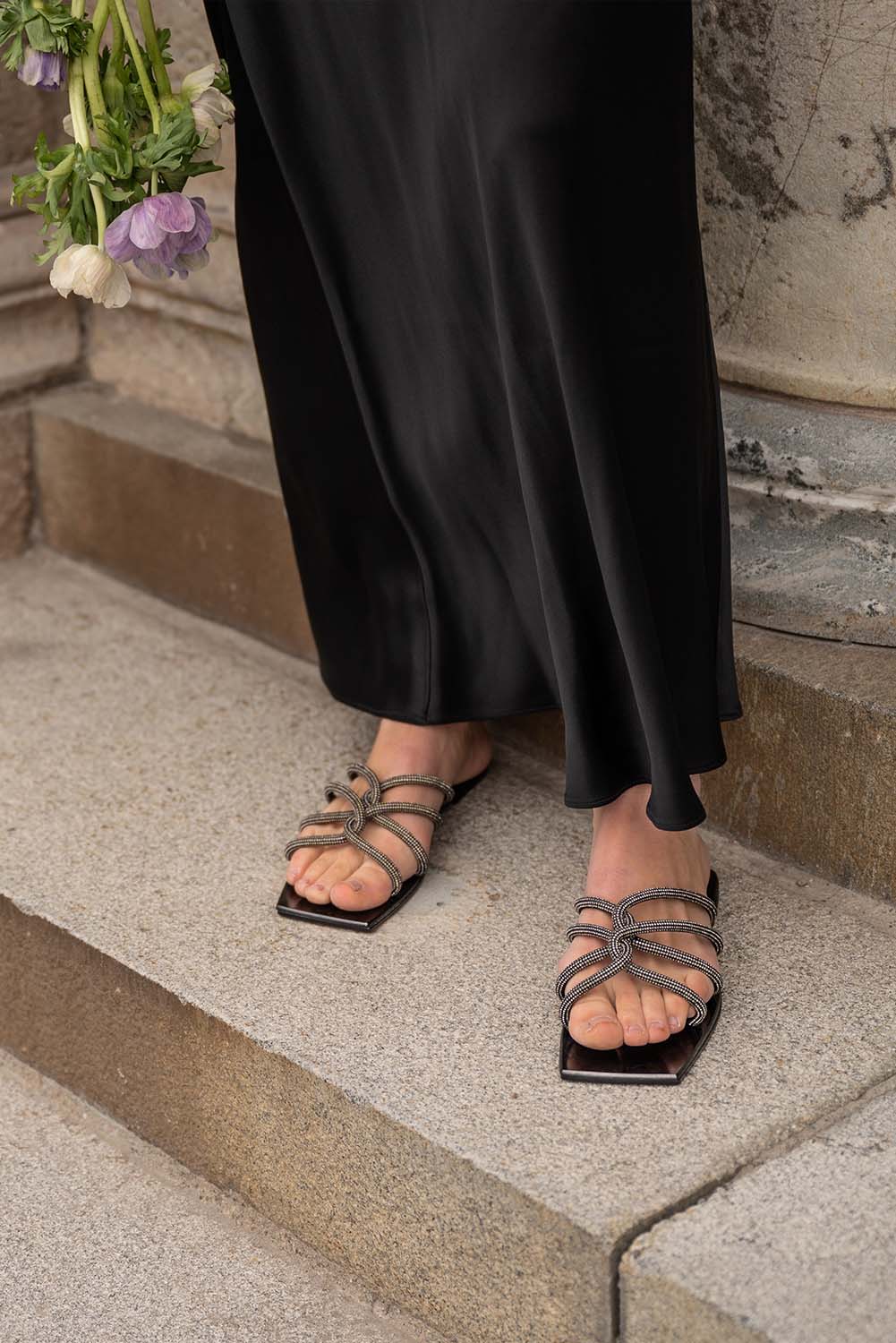
With skirts, dresses or cropped trousers. Flat leather sandals suit daytime dressing; heeled styles move easily into evening settings. Neutral tones integrate; metallic or colour draw attention. Slim straps create a lighter line, wider straps add weight.
Our selection
Handmade in Italy in leather. The range covers flat and heeled silhouettes, selected for proportion, construction and durability over time.




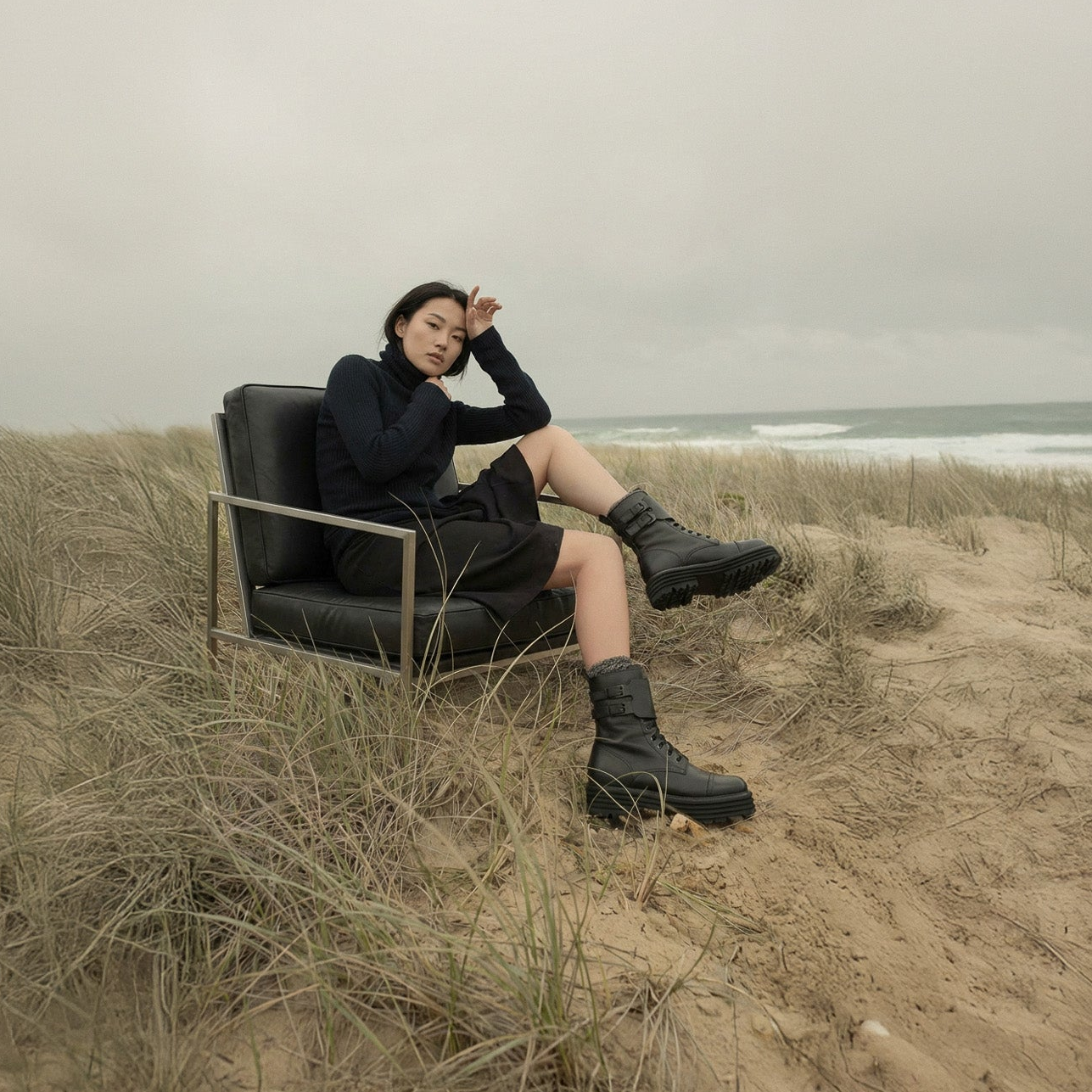
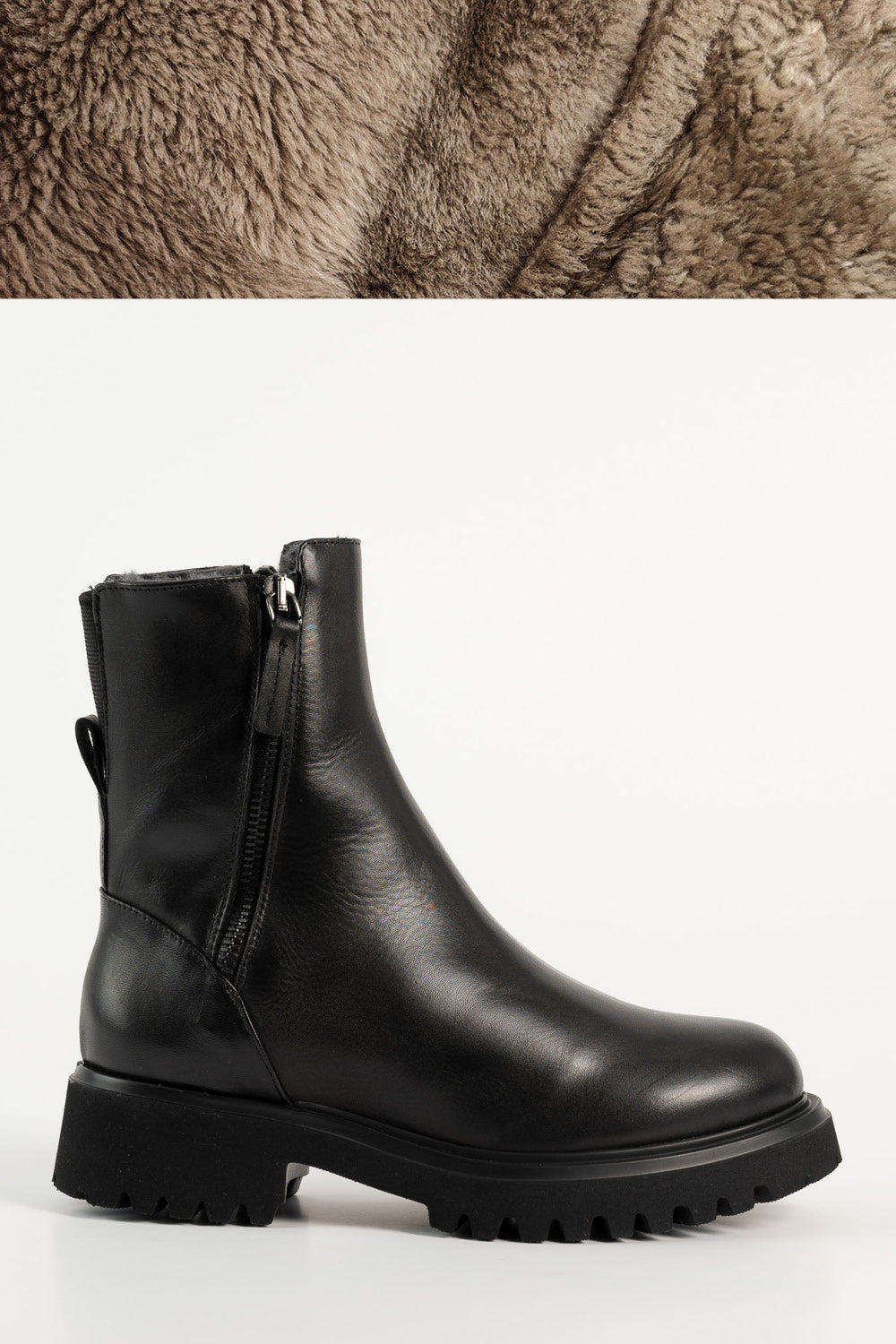
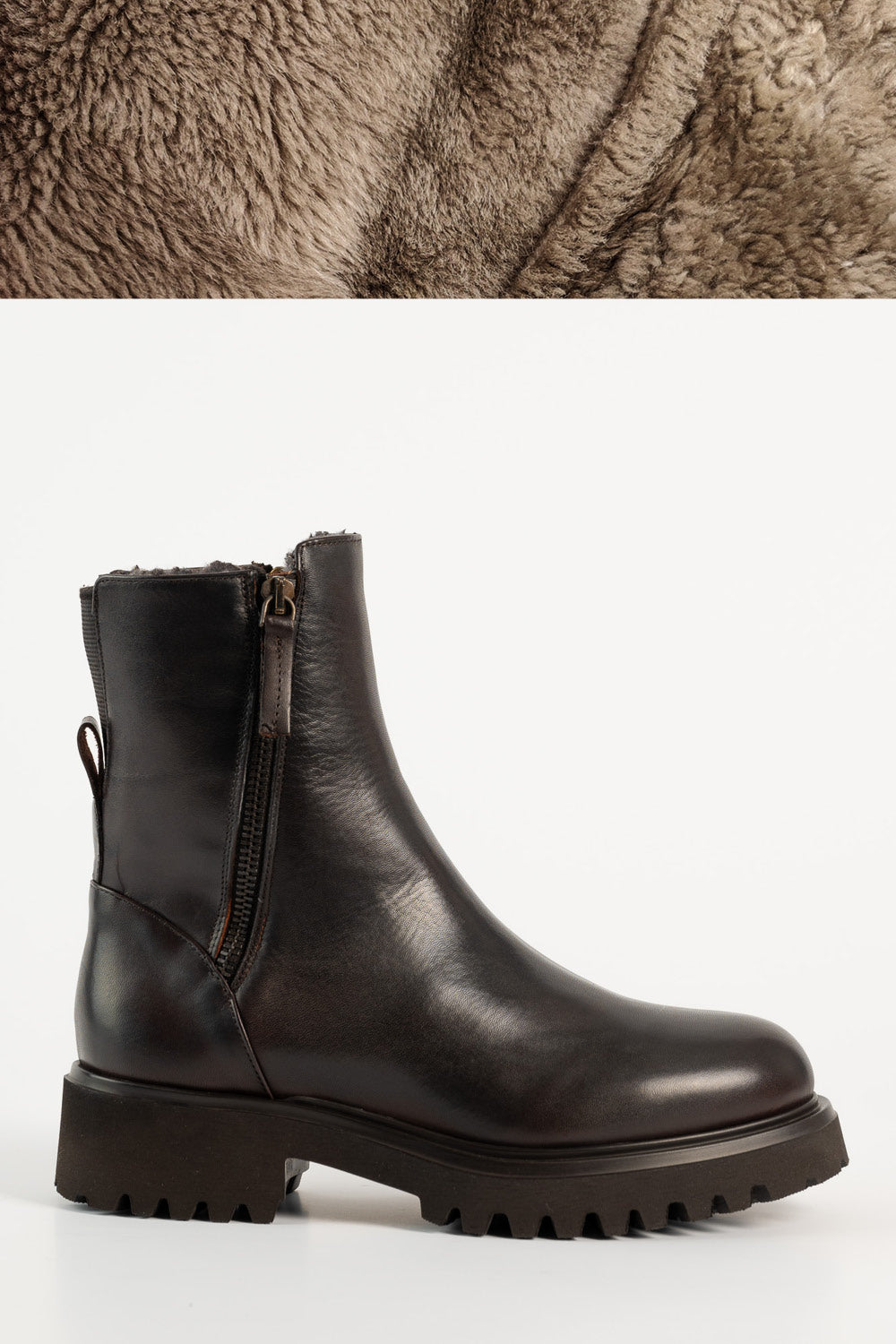
Warm Lined
Cold conditions
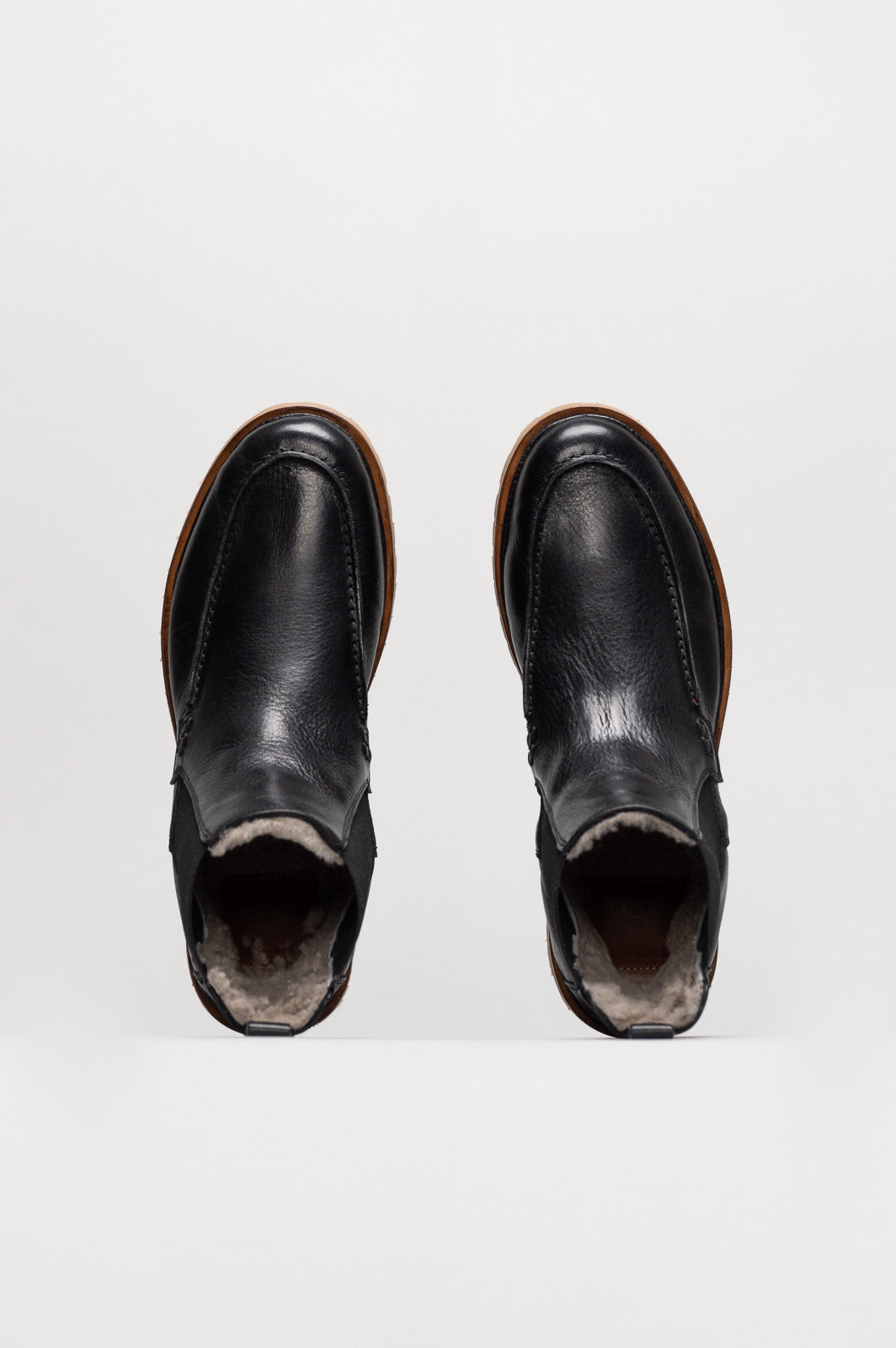
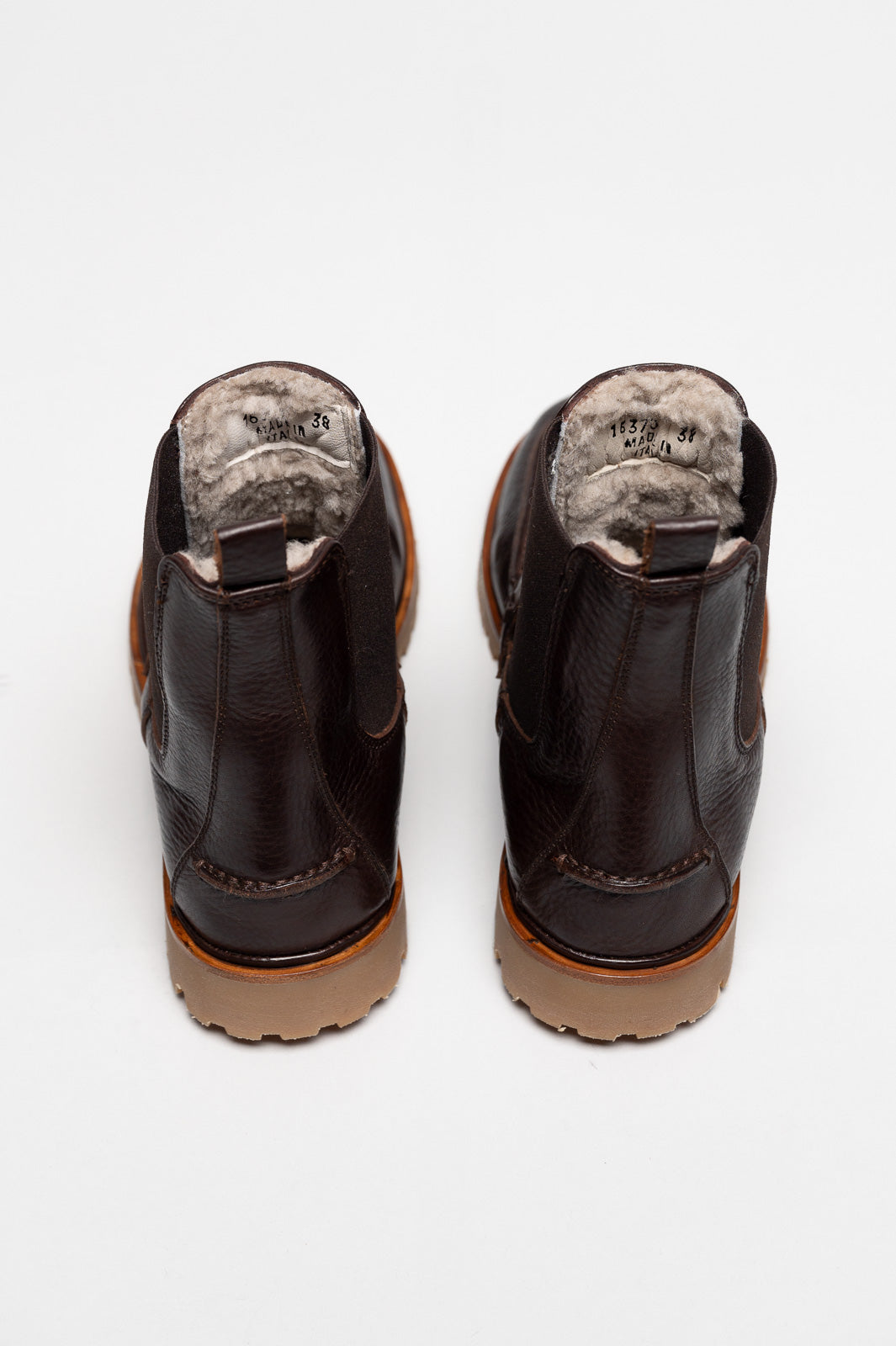
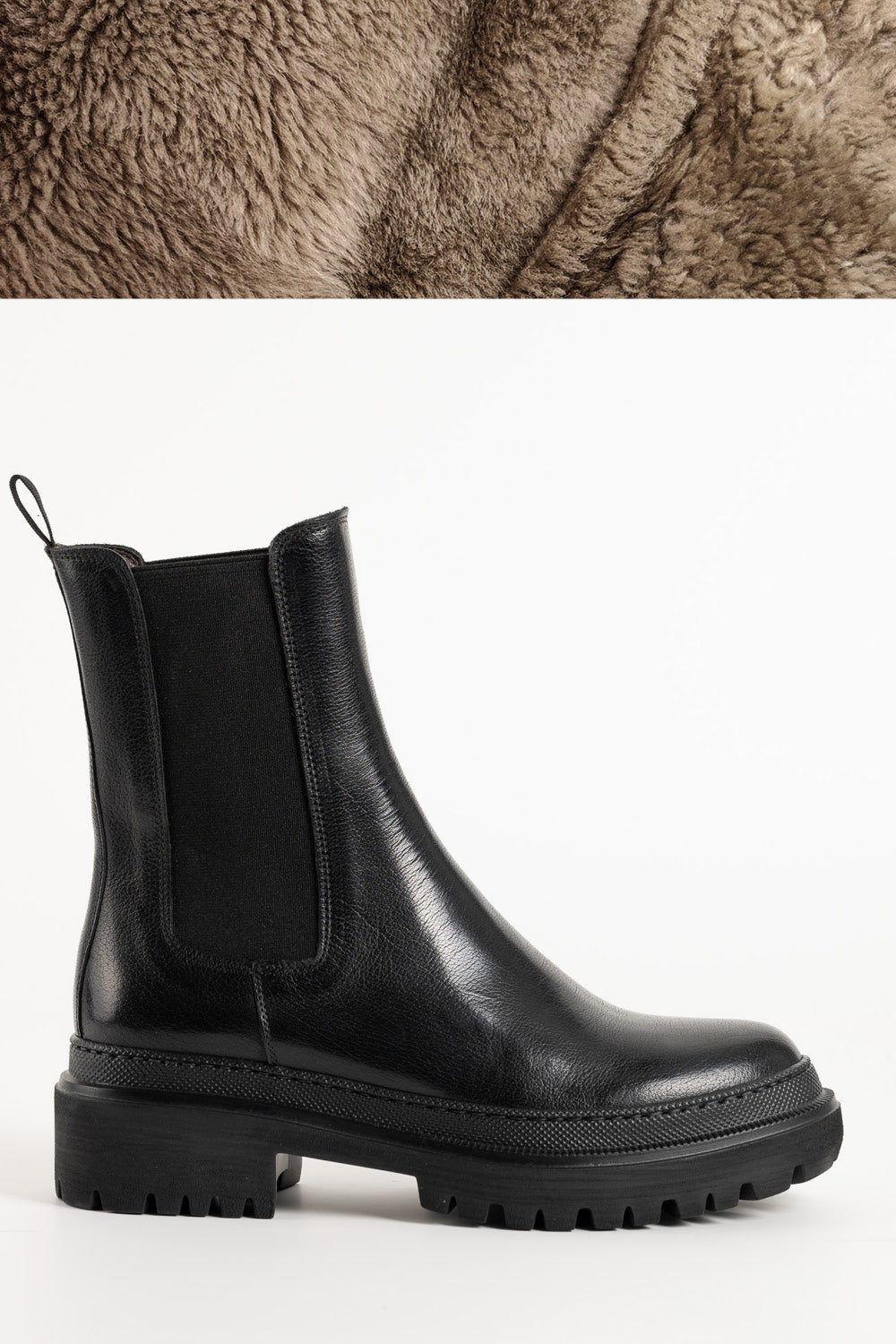
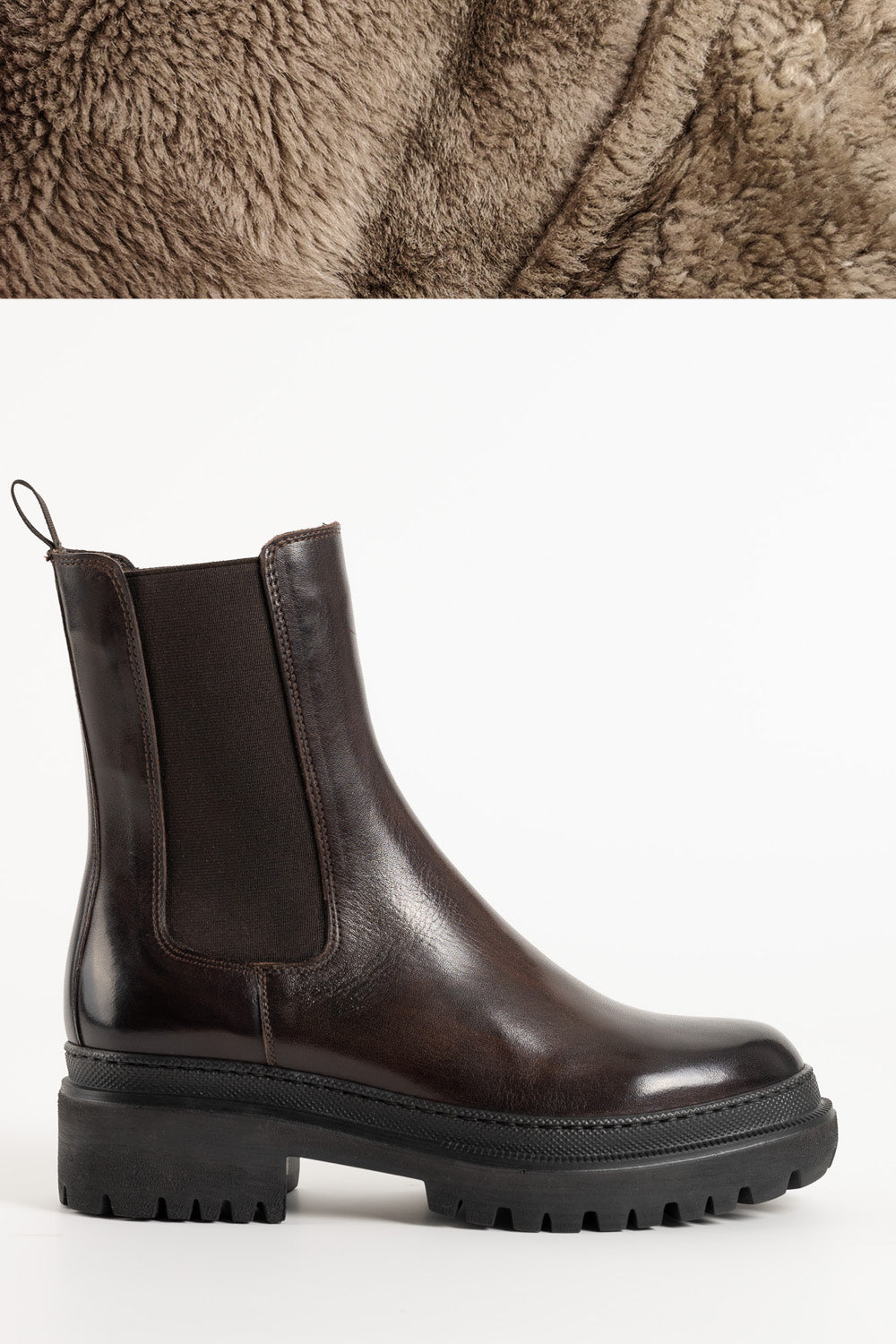
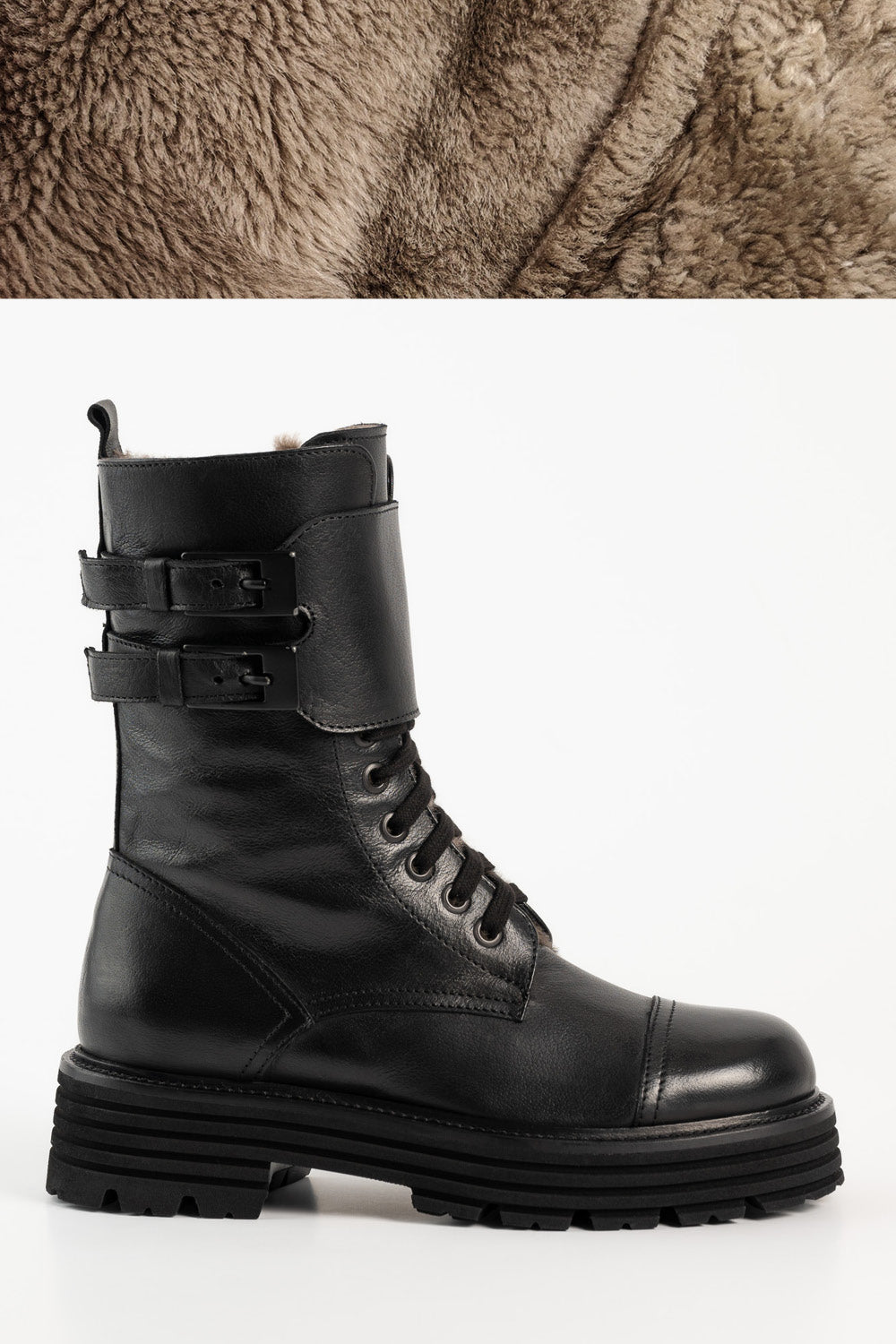
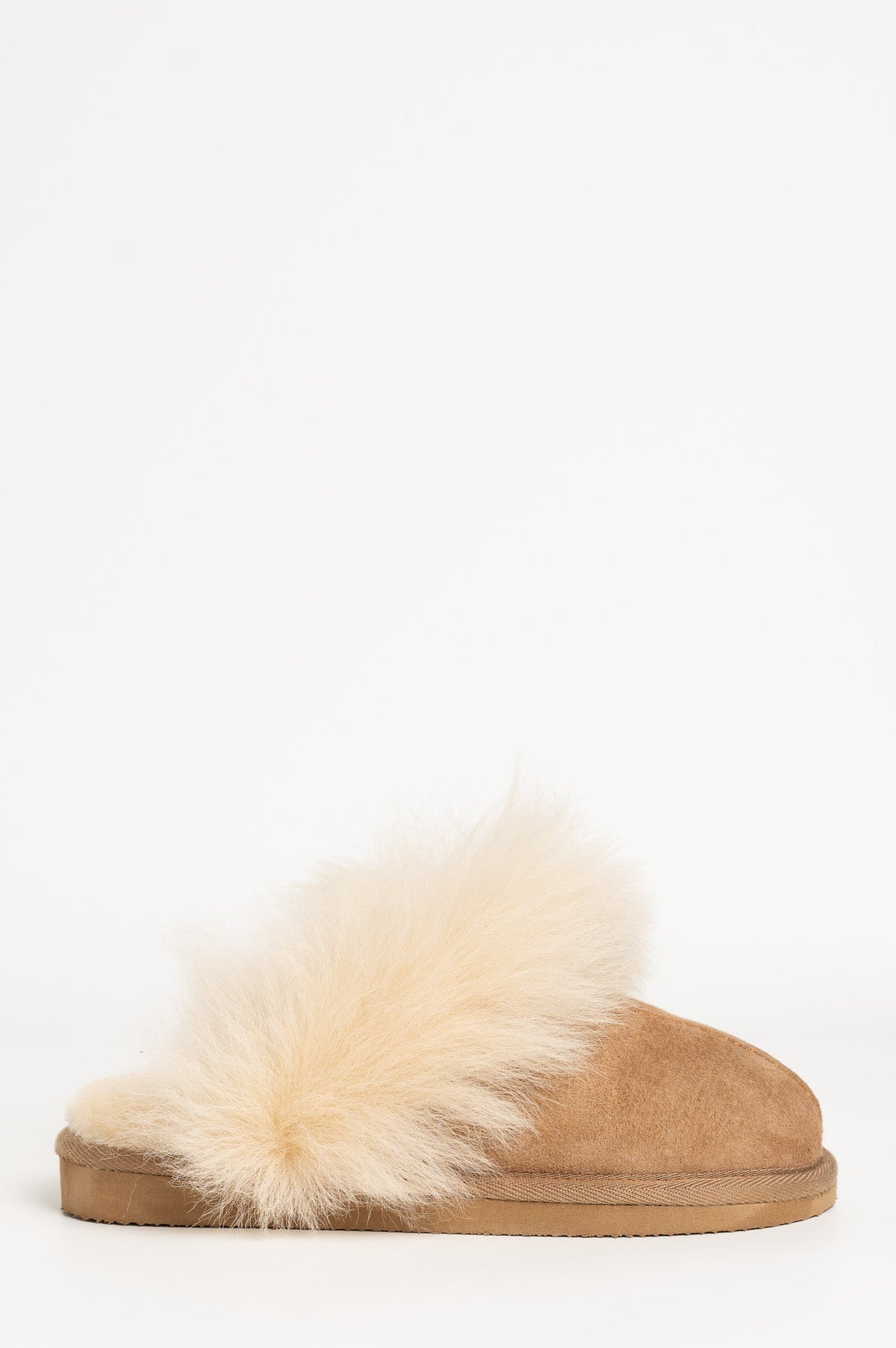
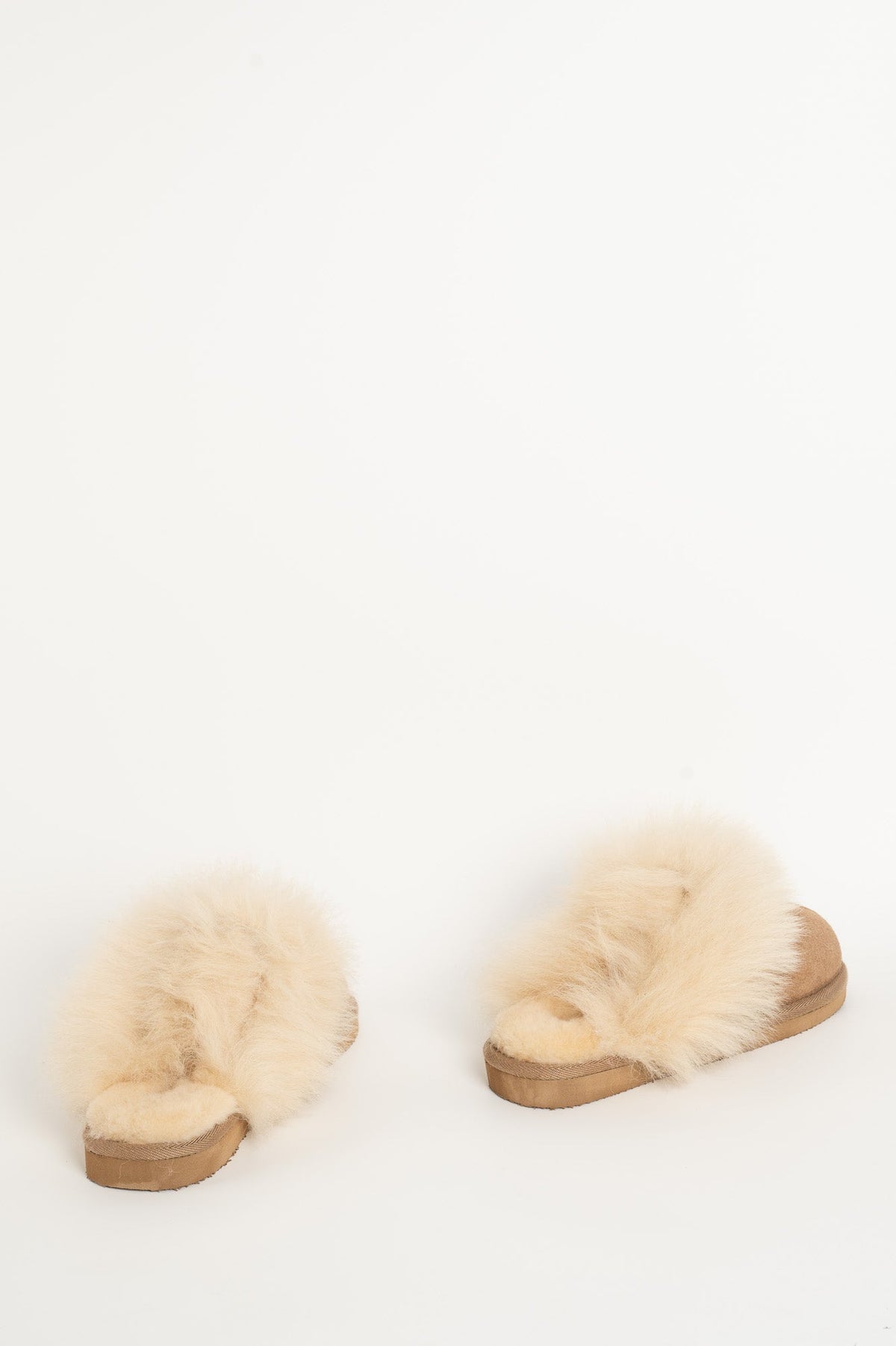
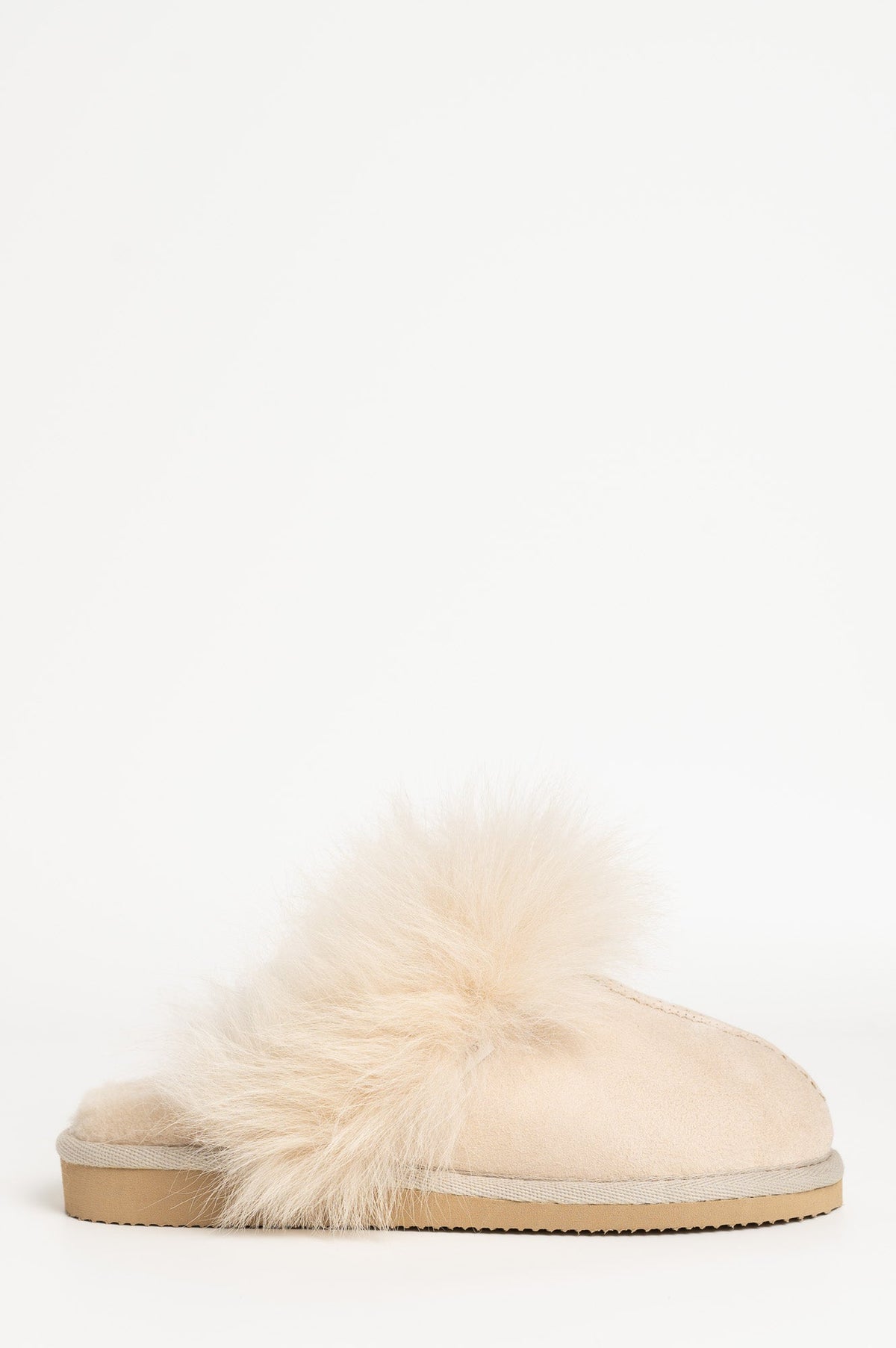
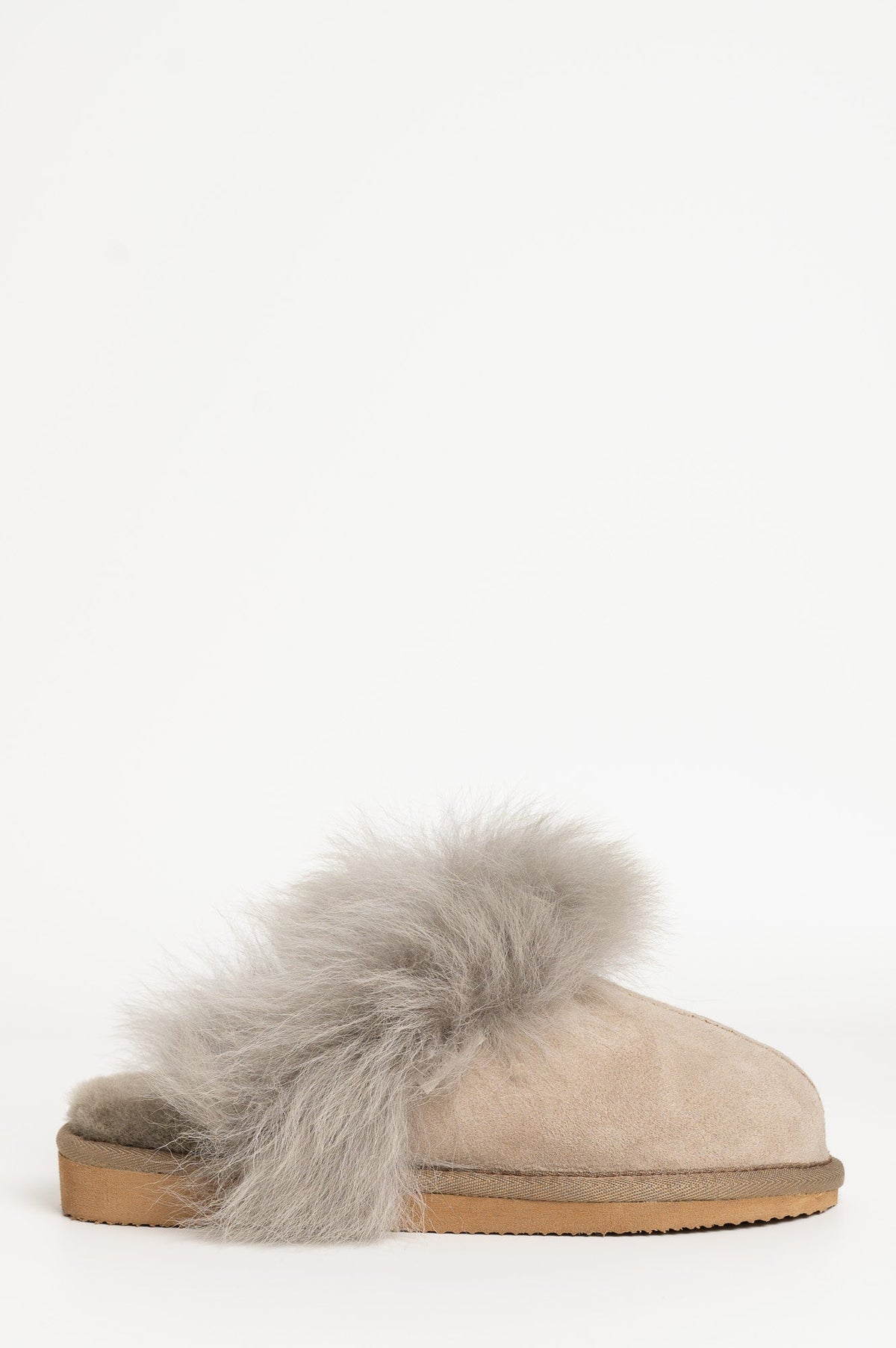
Lined shoes and boots are worn in winter and colder climates. The added lining changes both weight and structure, creating a fuller profile suited to low temperatures.
Background
Lined footwear has long been used in northern Europe, traditionally combining leather exteriors with wool or shearling interiors. Contemporary versions maintain the principle while refining materials and construction.
In the wardrobe
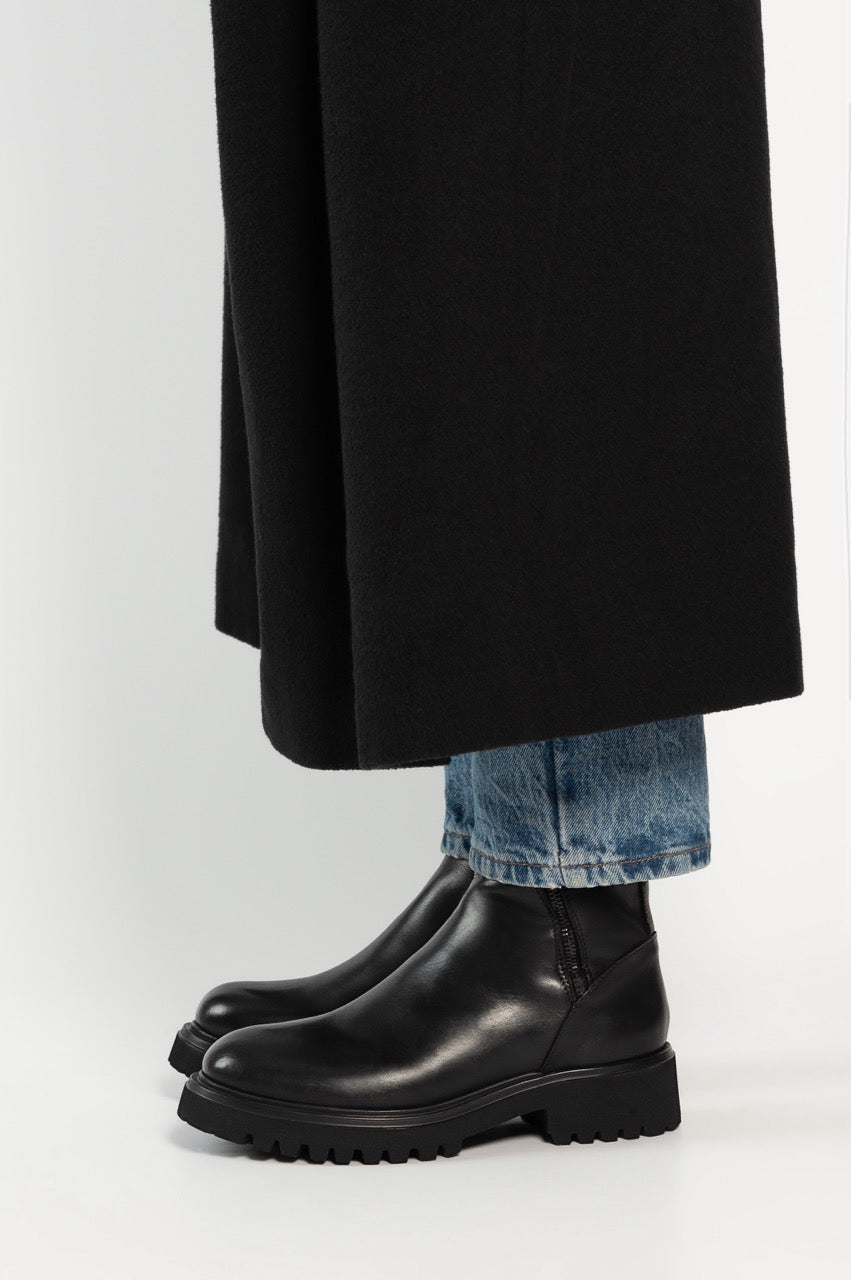
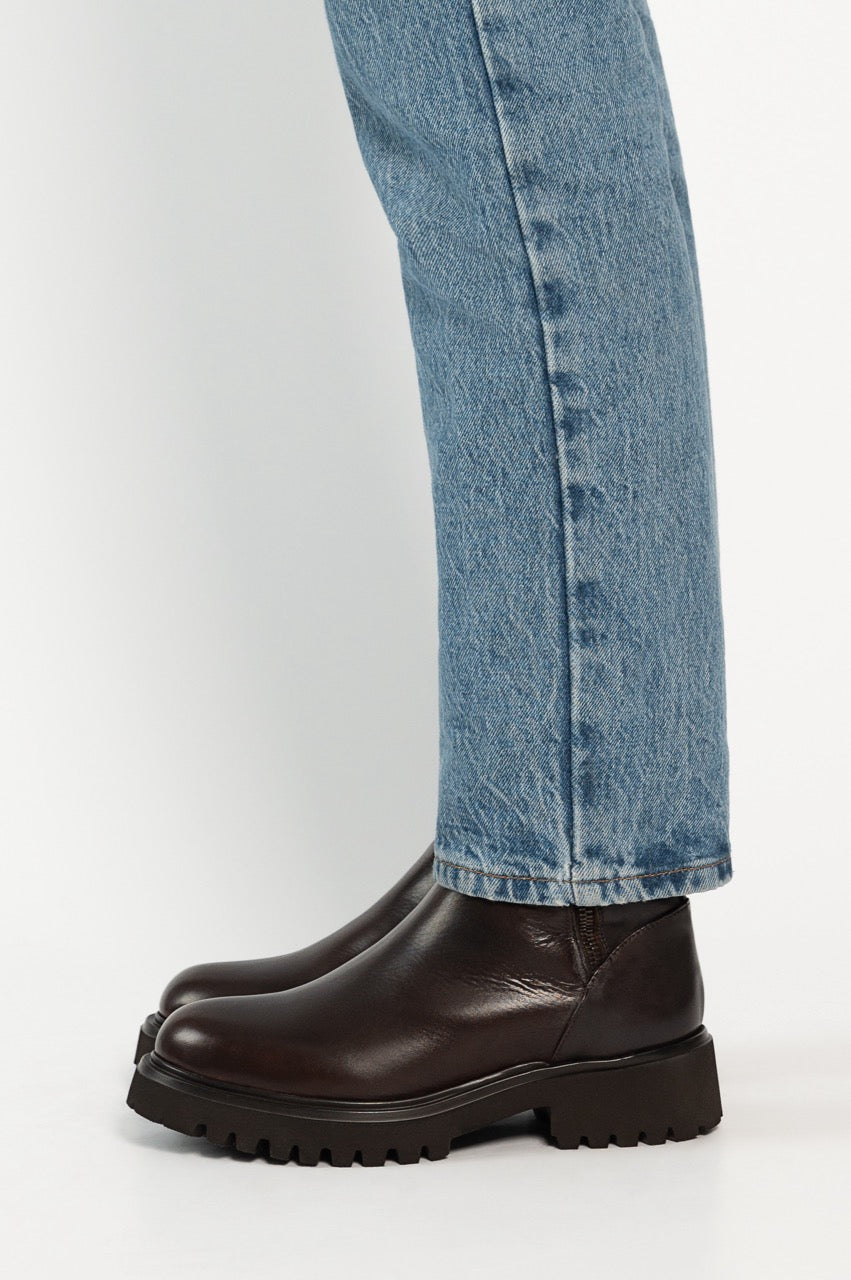
With winter tailoring, wool coats and layered dressing. Dark leather keeps the outline defined; lighter suede softens the expression. A lined boot moves between city use and more exposed conditions.
Our selection
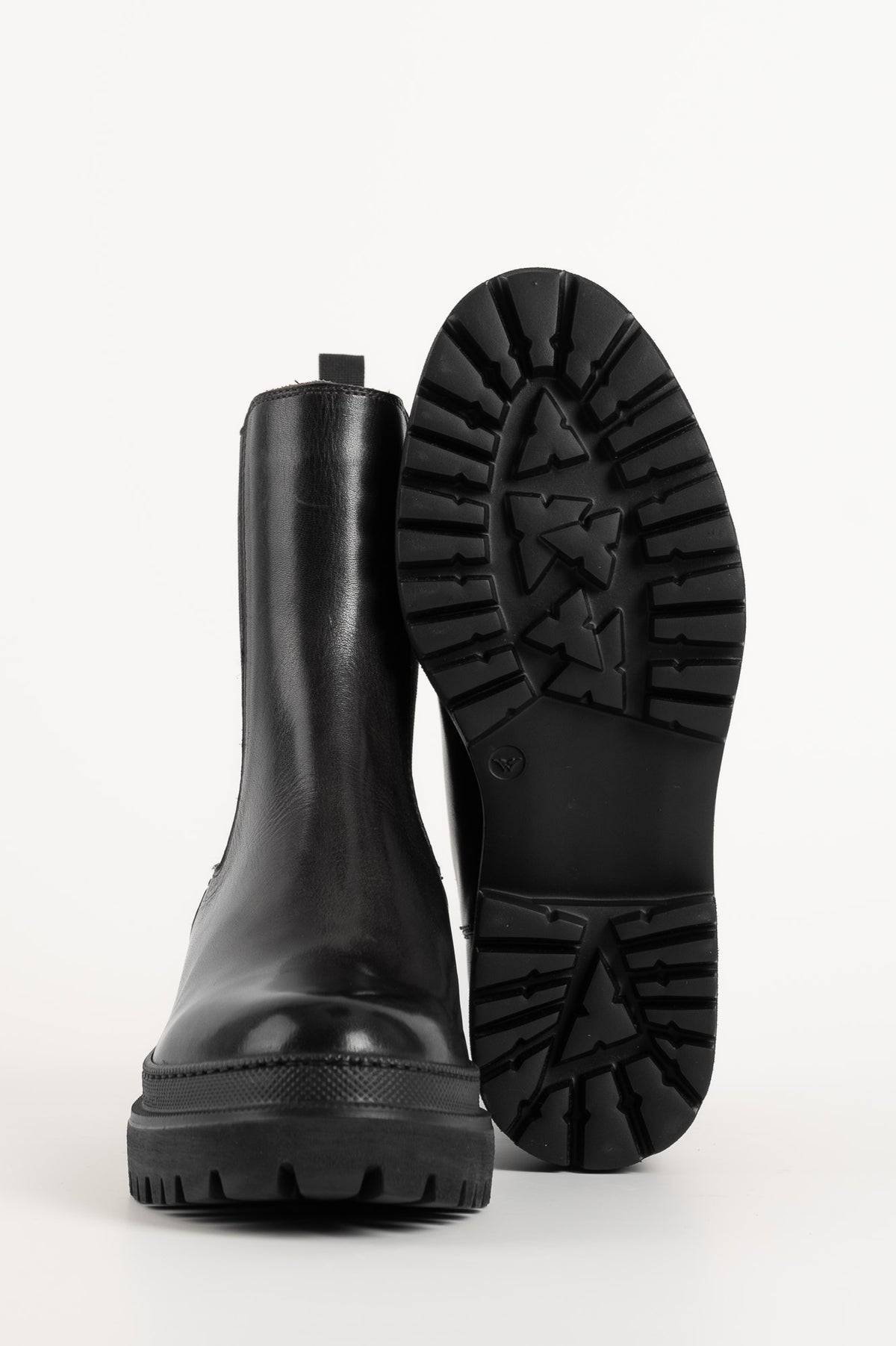
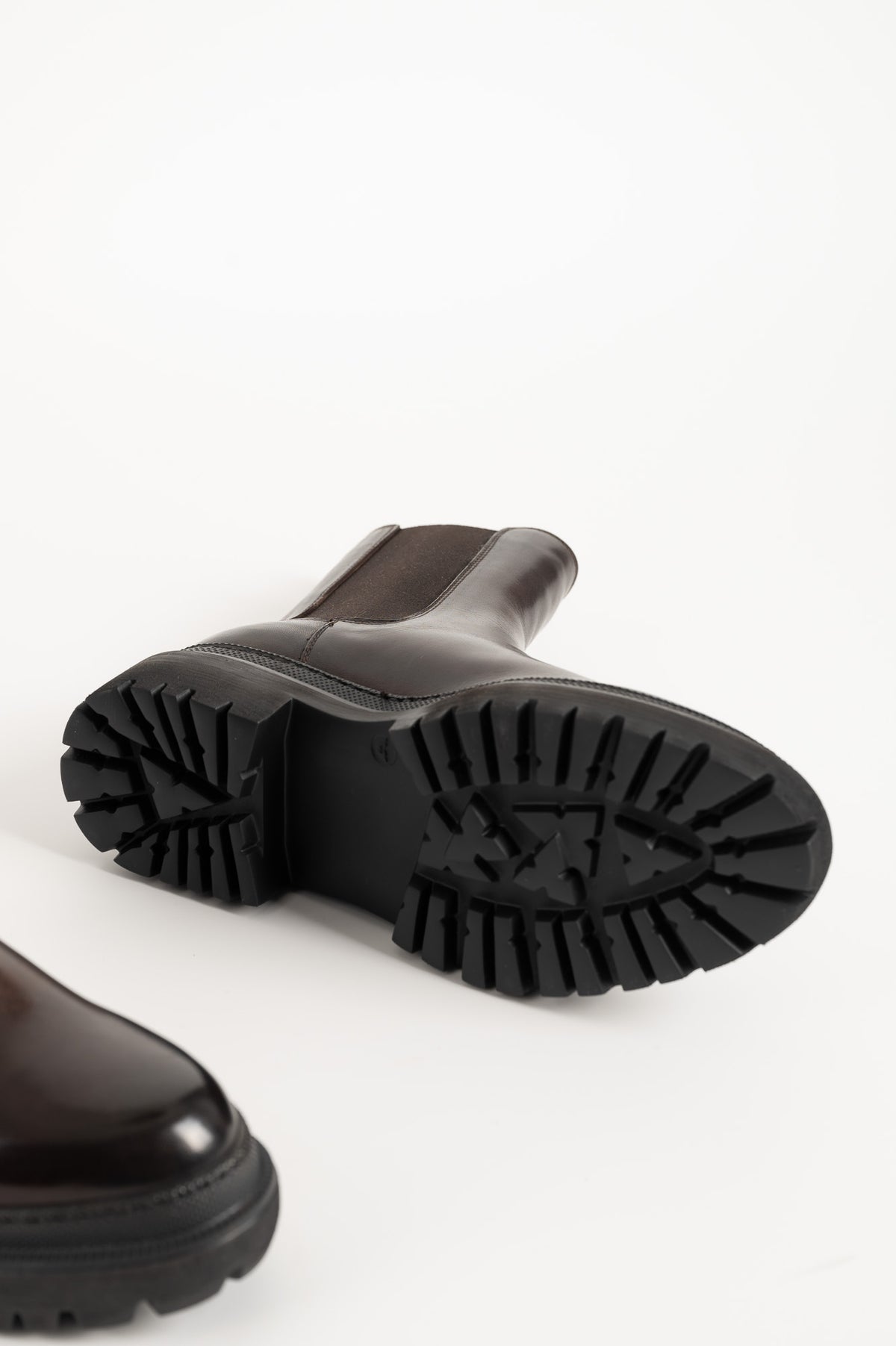
Made in Italy with shearling, wool or padded linings inside leather uppers. Soles are chosen for durability and traction in wet or cold weather. Selected for material integrity and proportion, in line with the rest of the collection.